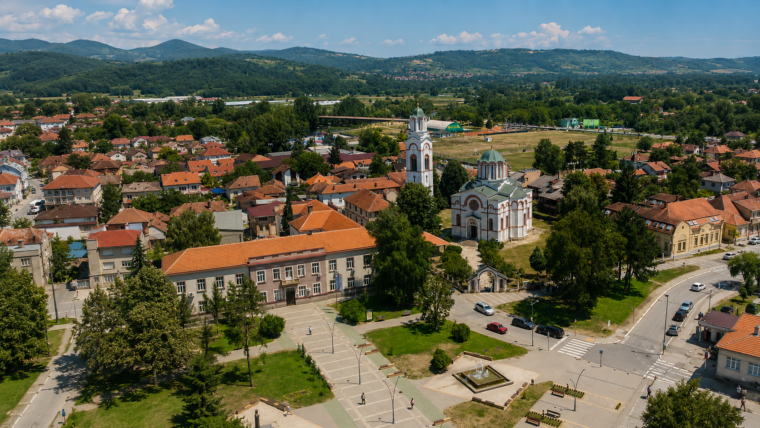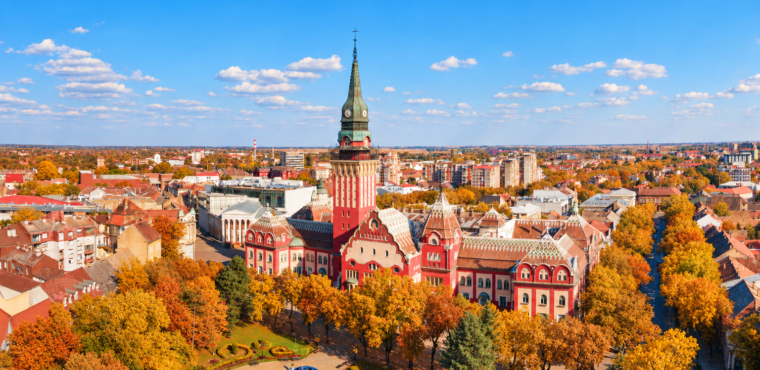

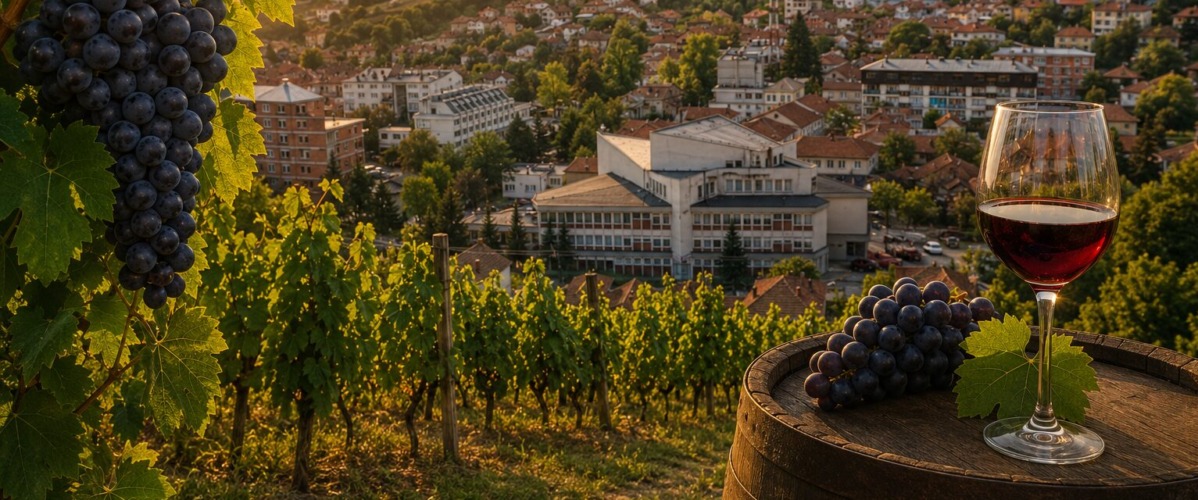
Some places in Serbia are known for their mountains, monasteries, or rivers. Aleksandrovac is known for its wine. Nestled in the heart of the Aleksandrovac Župa region, among rolling hills covered with vineyards, lies one of Serbia’s oldest and most important winemaking traditions. Here, wine is more than a product – it is a way of life, a part of local identity, and a story passed down through generations.
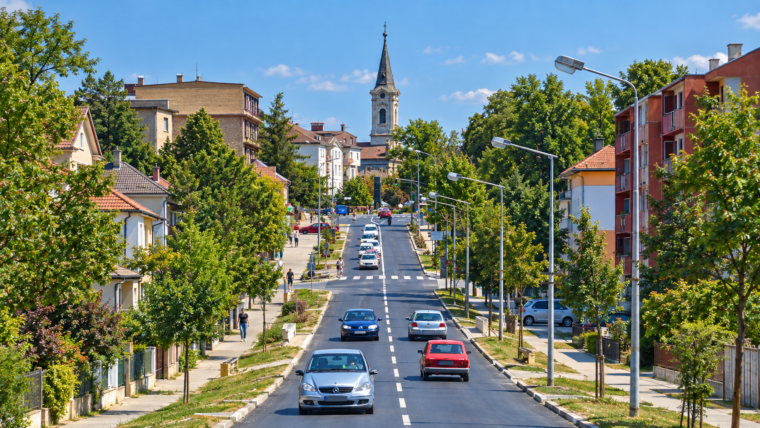
Situated between the slopes of Kopaonik, Željin, and Goč mountains, Aleksandrovac is the administrative center of Župa, a region that has lived in rhythm with vineyards and harvests for centuries. This combination of rich history, cultural heritage, natural beauty, and wine tradition makes it one of the most fascinating destinations in central Serbia.
From Medieval Kožetin to Modern Aleksandrovac
The history of this region stretches deep into the past. The settlement of Aleksandrovac was first mentioned in 1196 in a charter issued by Stefan Nemanja to the Studenica Monastery, under its original name, Kožetin.
Over the centuries, it developed as an important agricultural and trading center, eventually receiving its current name in 1882 in honor of King Aleksandar Obrenović.
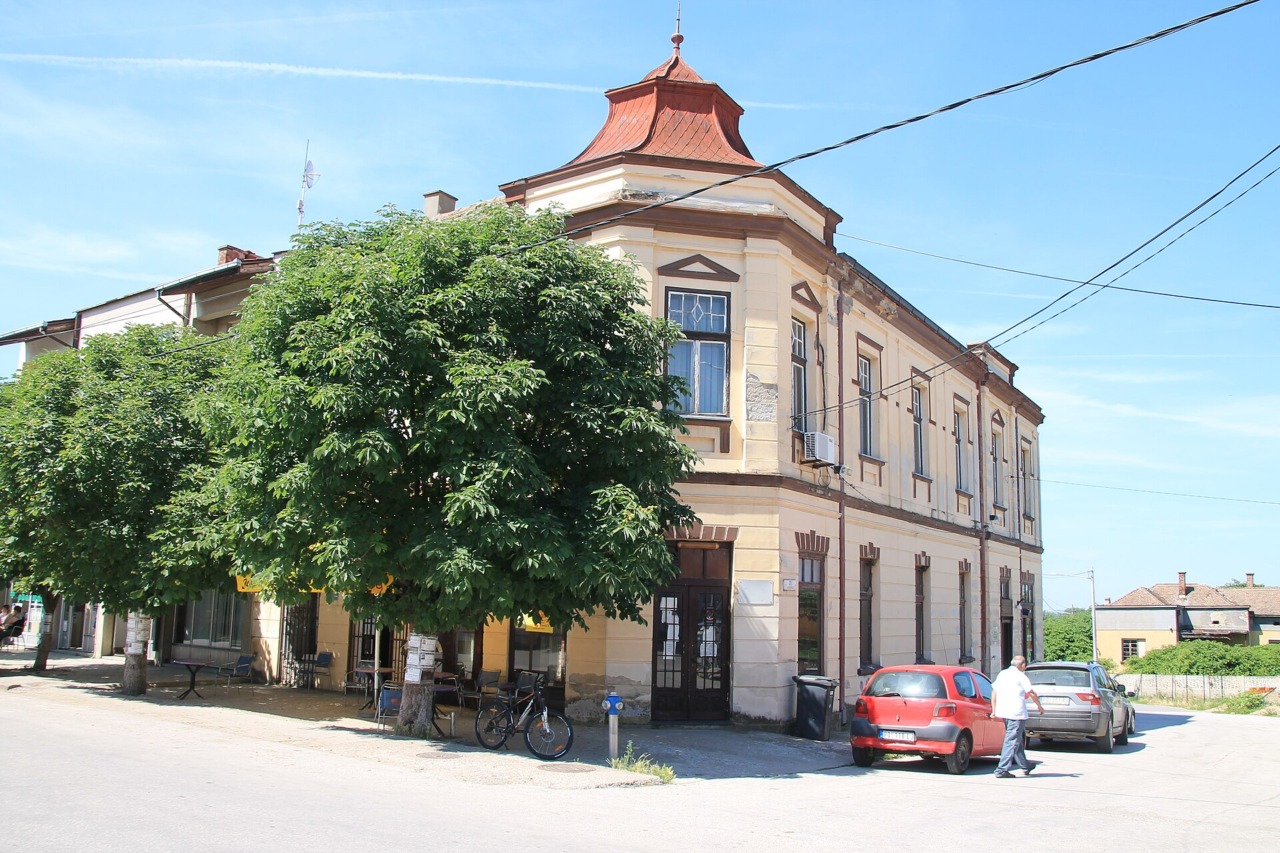
Despite the many historical changes the region experienced, one thing remained constant: viticulture. Župa has long been recognized as an ideal area for growing grapevines thanks to its unique microclimate, fertile soil, and favorable geographical position.
A Town Built Around Wine
Few places in Serbia have such a strong connection to wine as Aleksandrovac. Almost every family in Župa has ties to vineyards, and winemaking knowledge has been passed down from one generation to the next for centuries.
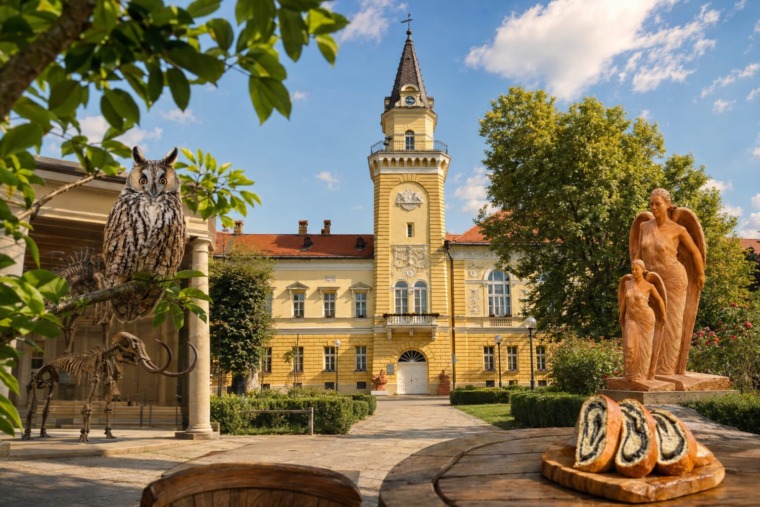
The best place to discover this heritage is the Museum of Viticulture and Winemaking, a unique institution dedicated to the history of grape growing and wine production in Serbia. Its collection includes traditional tools, cellar equipment, historical records, and exhibits that tell the story of how wine shaped the entire region.

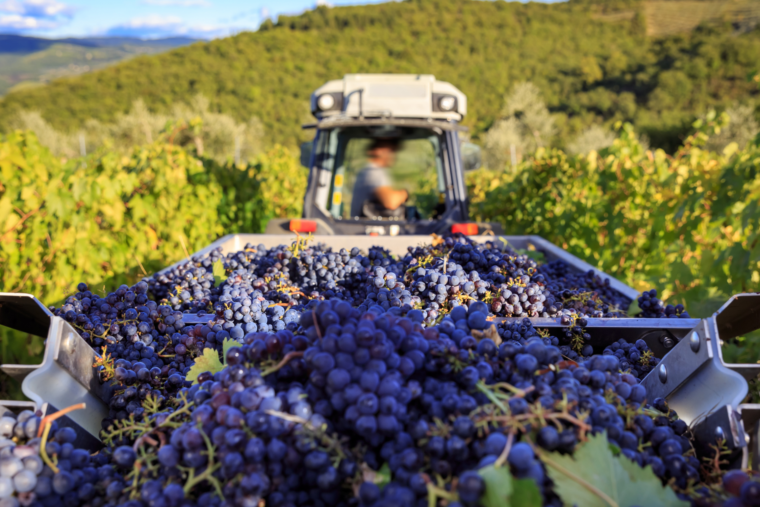
Particular attention is given to indigenous grape varieties such as Prokupac and Tamjanika, both of which have experienced a remarkable revival in recent years and are increasingly gaining international recognition. Today, numerous family-run wineries and modern wine estates continue this centuries-old tradition, welcoming visitors eager to explore the flavors and stories of the Župa wine region.
Monasteries and Churches That Preserve Župa’s Heritage
Although wine is the region’s most famous symbol, Aleksandrovac is also home to an important medieval heritage. One of the most significant landmarks is the Rudenica Monastery, a beautiful example of the Morava architectural school built in the early 15th century during the reign of Despot Stefan Lazarević.
Surrounded by peaceful nature, the monastery is known for its valuable frescoes and spiritual atmosphere. Nearby are the remains of the Drenča Monastery, founded in the 14th century and once an important religious center during the time of Prince Lazar. Although partially preserved, the site still reflects the historical significance of the region during medieval Serbia.
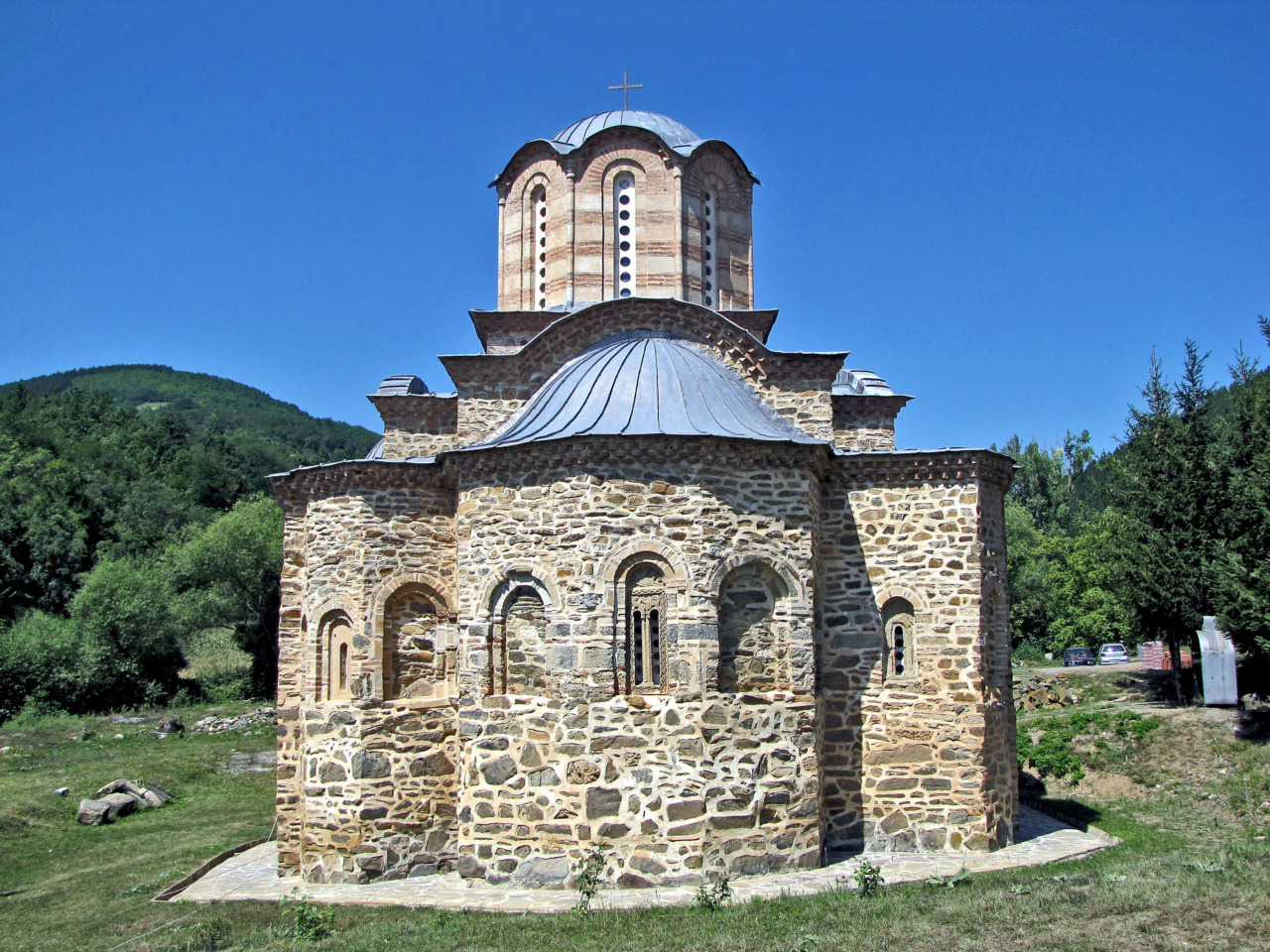
Throughout Aleksandrovac and the surrounding villages, visitors can discover old churches, traditional chapels, and traces of a rich cultural legacy that continues to shape local identity.
Natural Beauty Between Vineyards and Mountains
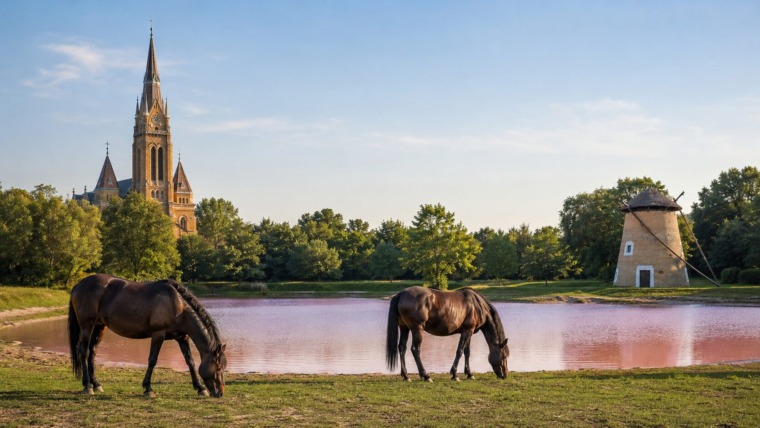
One of the reasons visitors often stay longer than planned is the landscape itself. Rolling vineyard-covered hills blend seamlessly into the forested slopes of Kopaonik and Željin, creating scenery that changes dramatically with the seasons. Spring and summer bring lush greenery, while autumn transforms the vineyards into shades of gold, red, and amber.
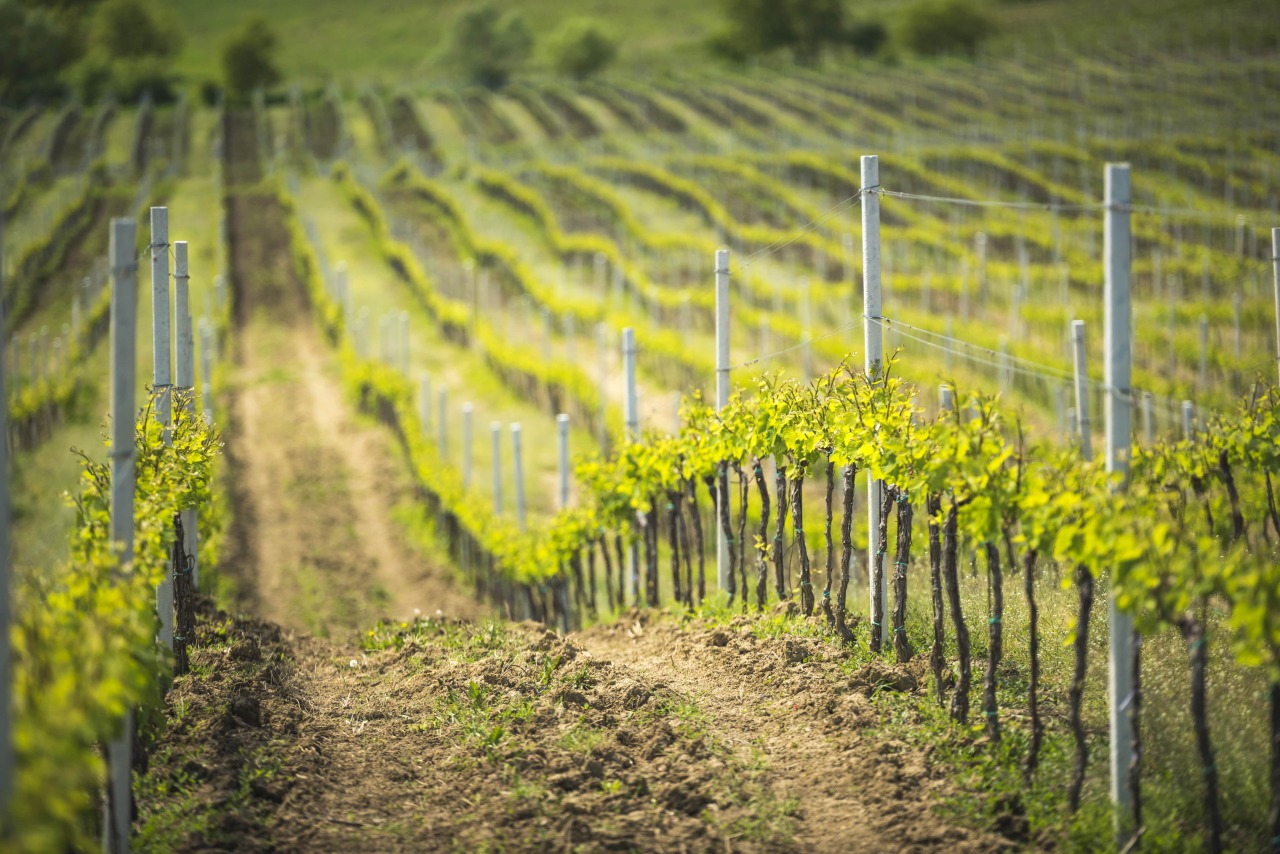
The Rasina River flows through the valley, adding another layer of beauty to the landscape. For centuries, it connected villages, vineyards, monasteries, and trade routes throughout the region. Today, its surroundings offer some of the most picturesque views in this part of Serbia.
Scenic local roads lead to viewpoints overlooking the entire Župa region, while drives through villages such as Vrbnica, Vitkovo, and Pleš are often just as rewarding as exploring the town itself.
Ethno Village Latkovac – Where Tradition Meets Creativity
Surrounded by vineyards just outside Aleksandrovac, Ethno Village Latkovac is one of the most charming places to experience the traditional architecture and rural lifestyle of Župa.
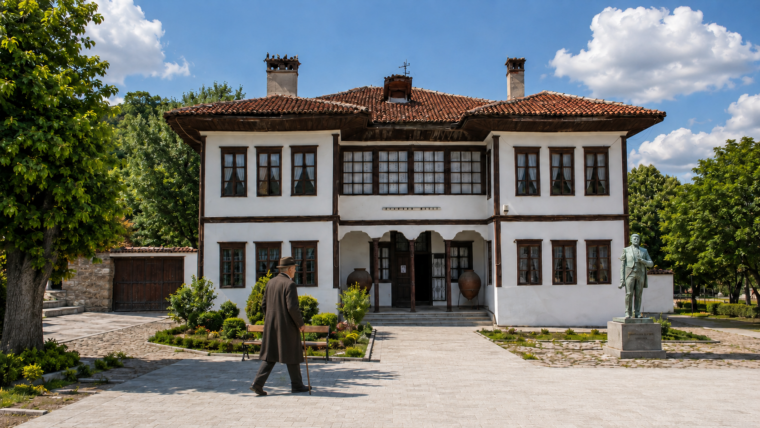
The complex consists of carefully restored houses that are more than a century old, preserving their original appearance while serving new purposes as accommodation, cultural venues, art workshops, and spaces for wine-related events.
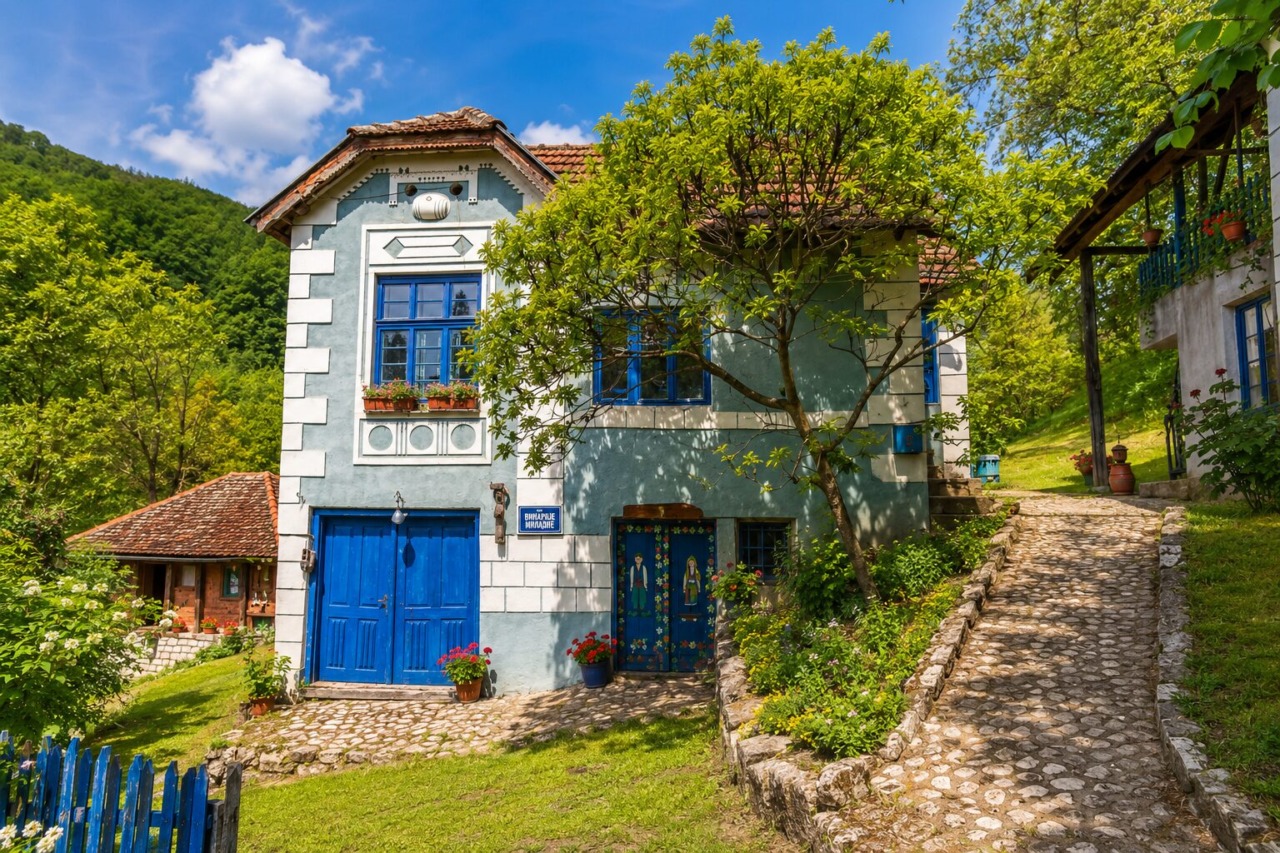
With its peaceful atmosphere, vineyard views, and authentic character, Latkovac offers a unique insight into the region and has become one of the most memorable stops for visitors exploring Župa.
Župa July Games – A Celebration of Tradition
The beginning of July brings one of Aleksandrovac’s most beloved events, the Župa July Games, which will take place this year from July 3–5.
During these days, the town transforms into a lively open-air stage filled with folklore performances, traditional music, dance ensembles, cultural programs, and local celebrations.
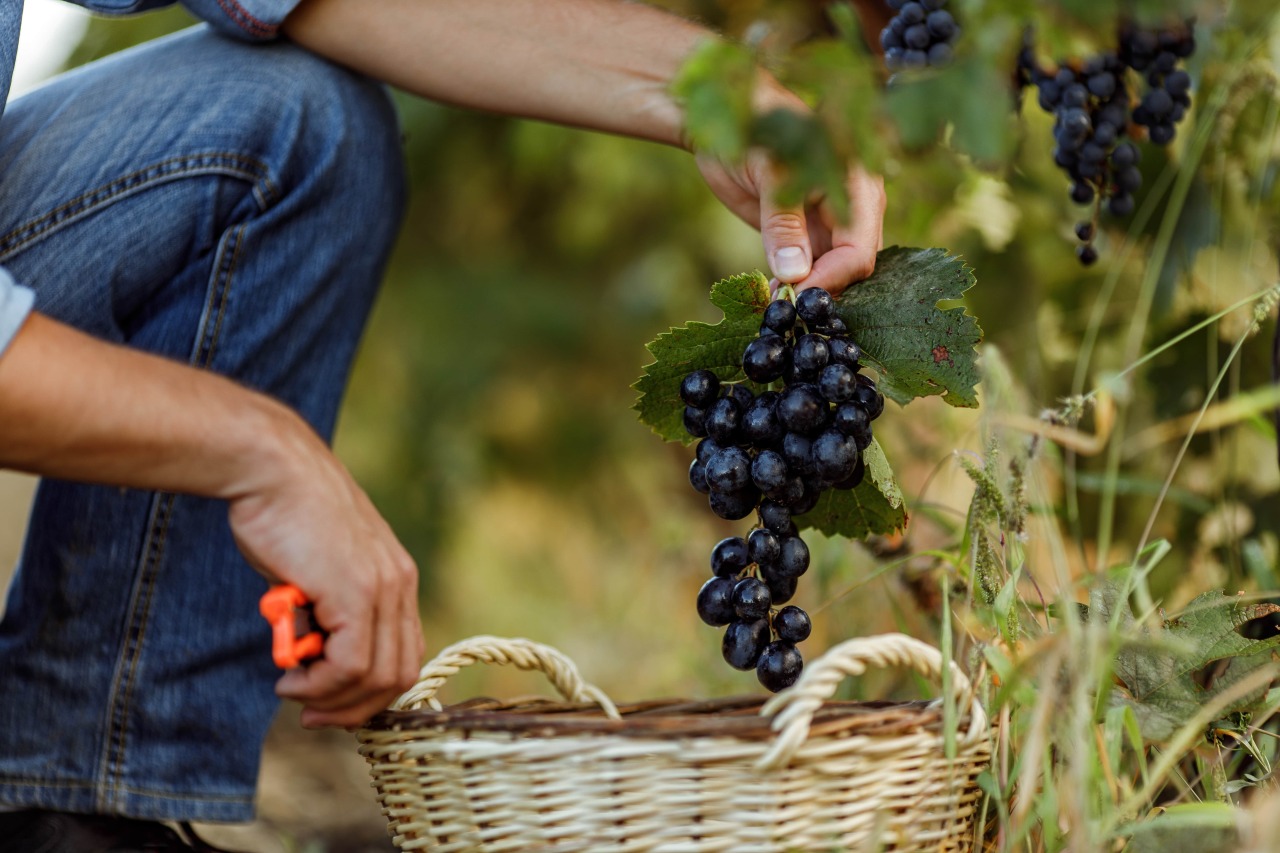
For visitors, the event offers an excellent opportunity to experience the traditions, customs, and hospitality that define the spirit of Župa.
Župa Grape Harvest Festival – Serbia’s Most Famous Wine Celebration
No story about Aleksandrovac would be complete without the Župa Grape Harvest Festival. Held since 1963, it is one of Serbia’s oldest and most important wine festivals, celebrating the region’s centuries-old relationship with vineyards and winemaking. This year, the festival will take place from July 10–13, bringing together winemakers, grape growers, and wine enthusiasts from across Serbia and beyond.
One of its most famous attractions is the Wine Fountain, where wine flows instead of water. Visitors can stroll through the Wine Street, sample local wines, attend concerts, exhibitions, cultural programs, and enjoy the festive atmosphere that fills the entire town.
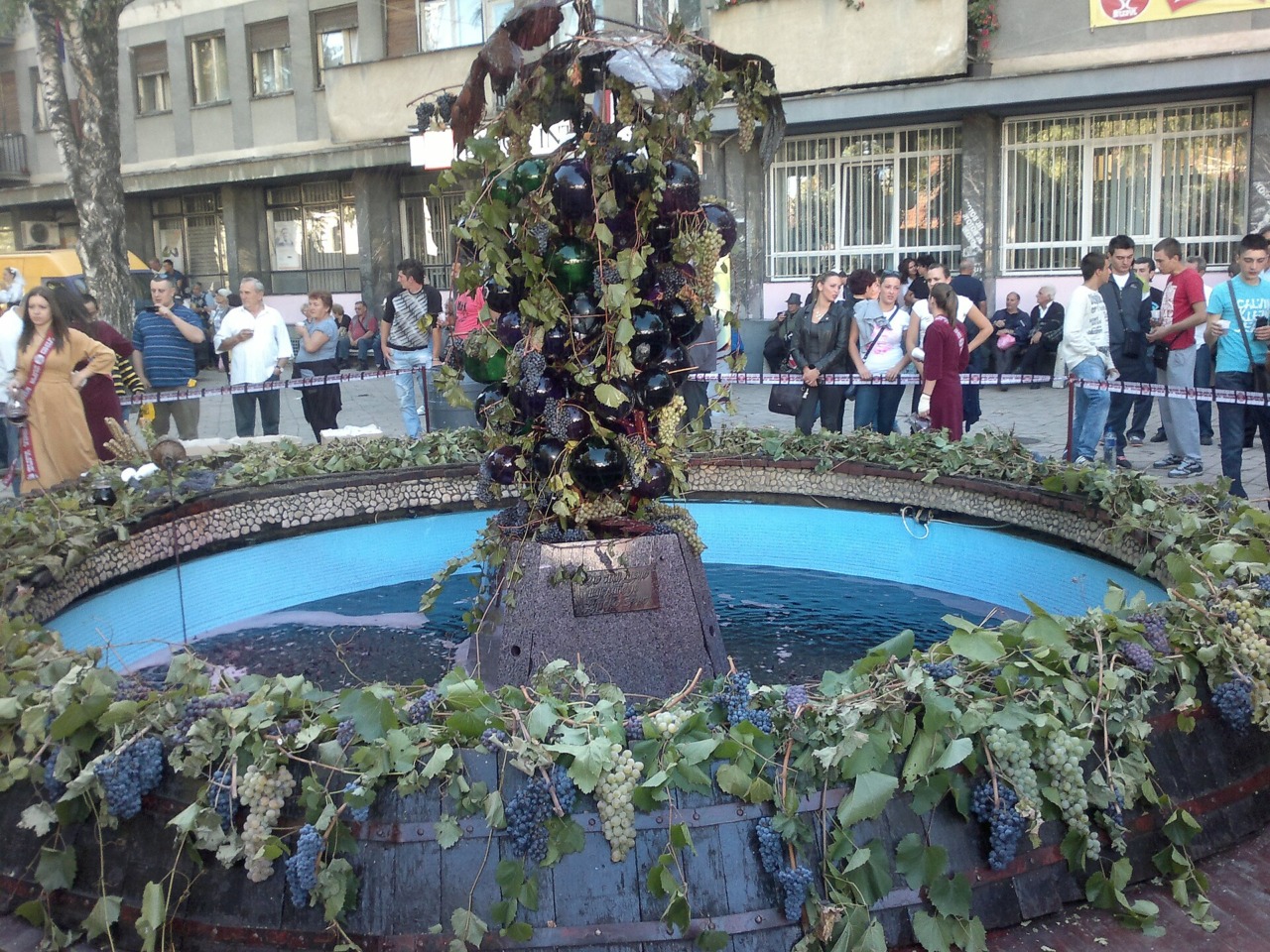
It is during these days that Aleksandrovac truly comes alive and proudly showcases its identity as Serbia’s wine capital.
What to See Around Aleksandrovac
Aleksandrovac is also an excellent base for exploring central Serbia. One of the most impressive nearby landmarks is Koznik Fortress, a medieval stronghold perched more than 900 meters above sea level. Once an important defensive outpost of medieval Serbia, it now offers breathtaking views over Župa, the Rasina Valley, and the surrounding mountains.
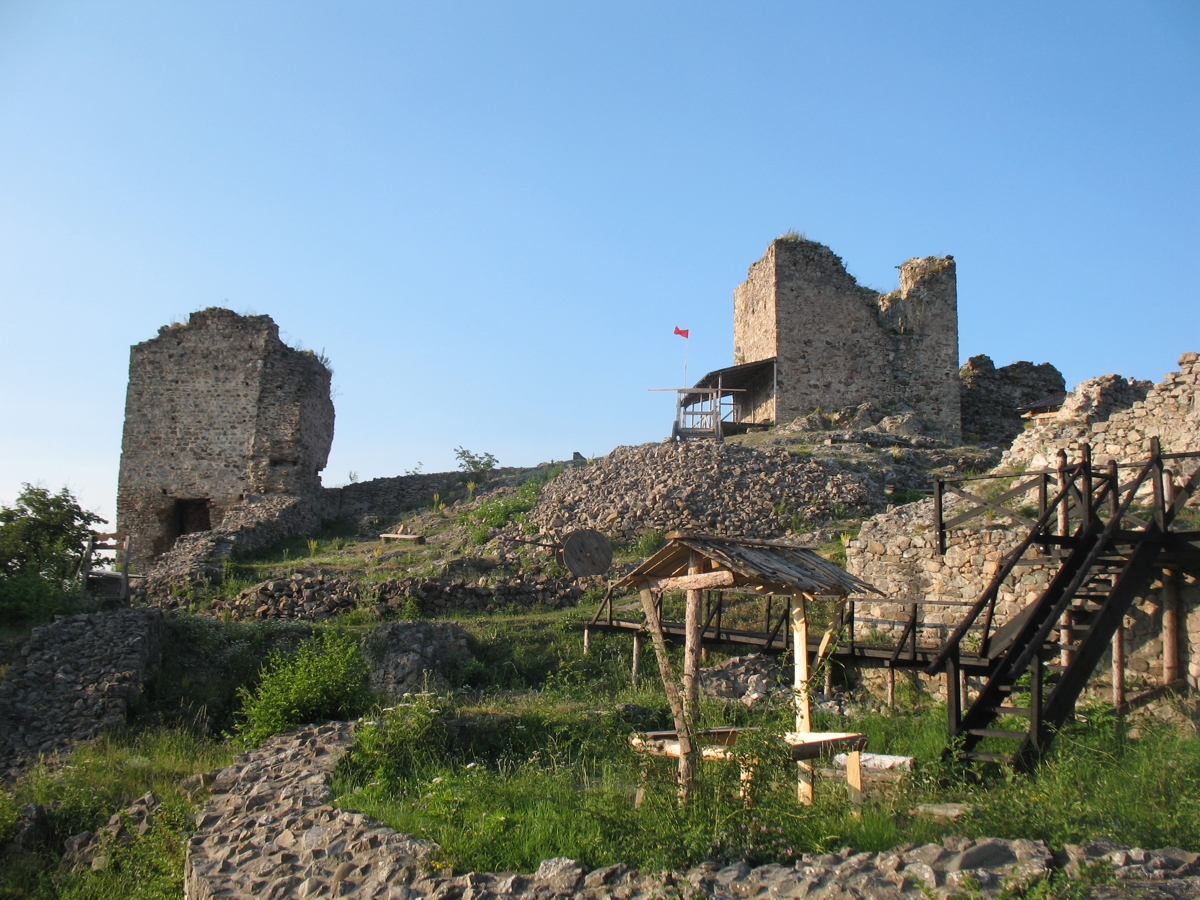
Nature lovers can continue toward Kopaonik National Park, while nearby towns such as Trstenik and Kruševac provide additional cultural and historical attractions.
The region’s wineries are also destinations in their own right. Many offer guided tours through vineyards and cellars, wine tastings, and authentic gastronomic experiences that reveal the character of this remarkable wine region.
Where Every Vineyard Tells a Story
Aleksandrovac is not a destination you simply pass through and forget. It is a place where history, culture, nature, and wine are woven together into a unique experience. From medieval monasteries and fortresses to endless vineyard landscapes and vibrant wine festivals, Župa offers visitors a side of Serbia that feels both authentic and timeless.
For wine lovers, Aleksandrovac is a must-visit destination. For everyone else, a single journey through Župa is often enough to understand why this region has been considered the wine heart of Serbia for centuries.
Related Articles