
-
Serbia at a Glance
Discover All -
Arts & Culture
Discover All -
Identity & Heritage
Discover All -
Famous Serbs
Discover All
-
Regions
Discover All -
Cities
Discover All -
Nature
Discover All -
Cultural Landmarks
Discover All
-
Outdoor & Wellness
Discover All -
Food & Drink
Discover All -
Tours
Discover All -
Urban Experiences
Discover All -
Seasonal Experiences
Discover All
Partner with Serbia.com
Let's create lasting impact together
Partner with Serbia.com to reach travellers through trusted recommendations, inspiring editorial stories and thoughtfully designed campaigns. Together, we create meaningful visibility that supports your goals and remains valuable long after publication.
Explore partnership opportunities- Serbian Favorite Rituals Everyday traditions and little things that make life in Serbia special.
- Villages of Serbia Charming villages, local stories and authentic rural life.
- Serbia Told By You Personal stories, local perspectives and authentic experiences from across Serbia.
- Is it Worth Visiting in Serbia? Honest destination guides to help you decide which places are worth visiting.
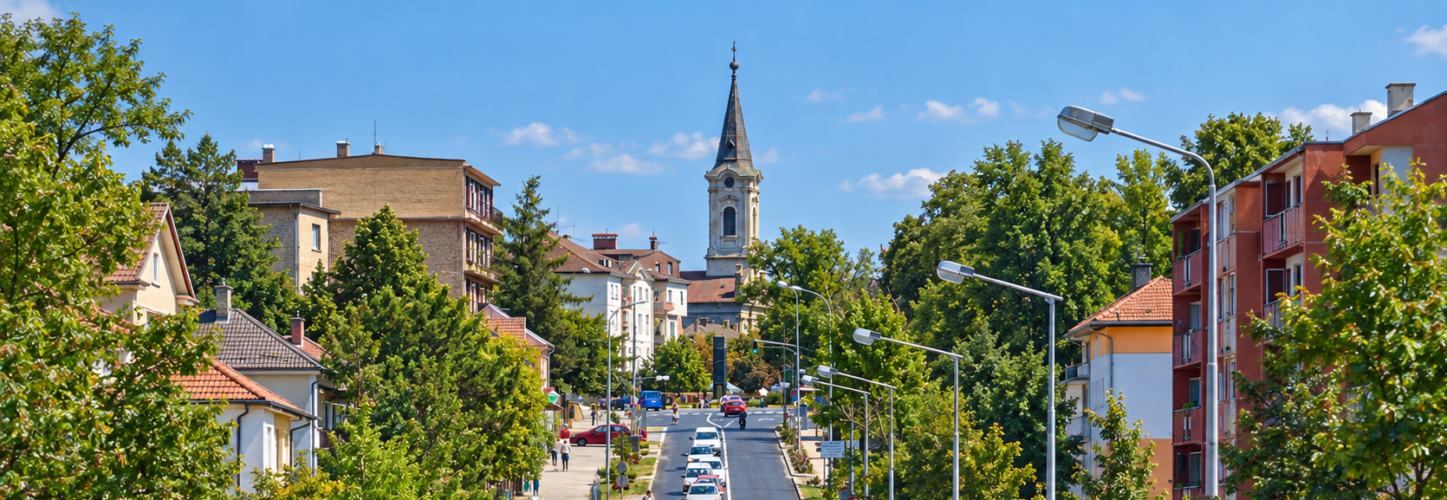
Halfway between Belgrade and Novi Sad, Inđija is a place that can easily turn into a full-day trip. Its centre offers a pleasant walk and traces of an older town; on the outskirts, you’ll find the Celtic Village and outlet shopping. A little farther on are vineyards, the slopes of Fruška Gora and the Danube. Together, they make Inđija an appealing choice for a family outing or a day exploring Srem.
nđija works especially well as a day trip because its attractions are so different from one another. Come for shopping and you may find yourself planning a riverside detour. Come for the history and you can end the day over a glass of local wine.
Getting to Know Inđija
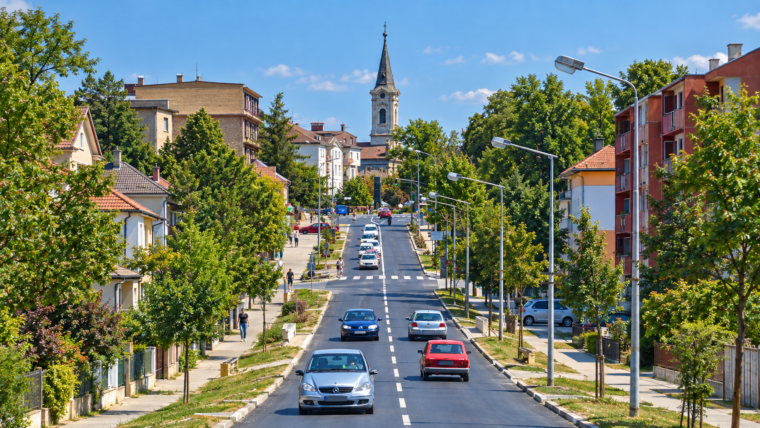
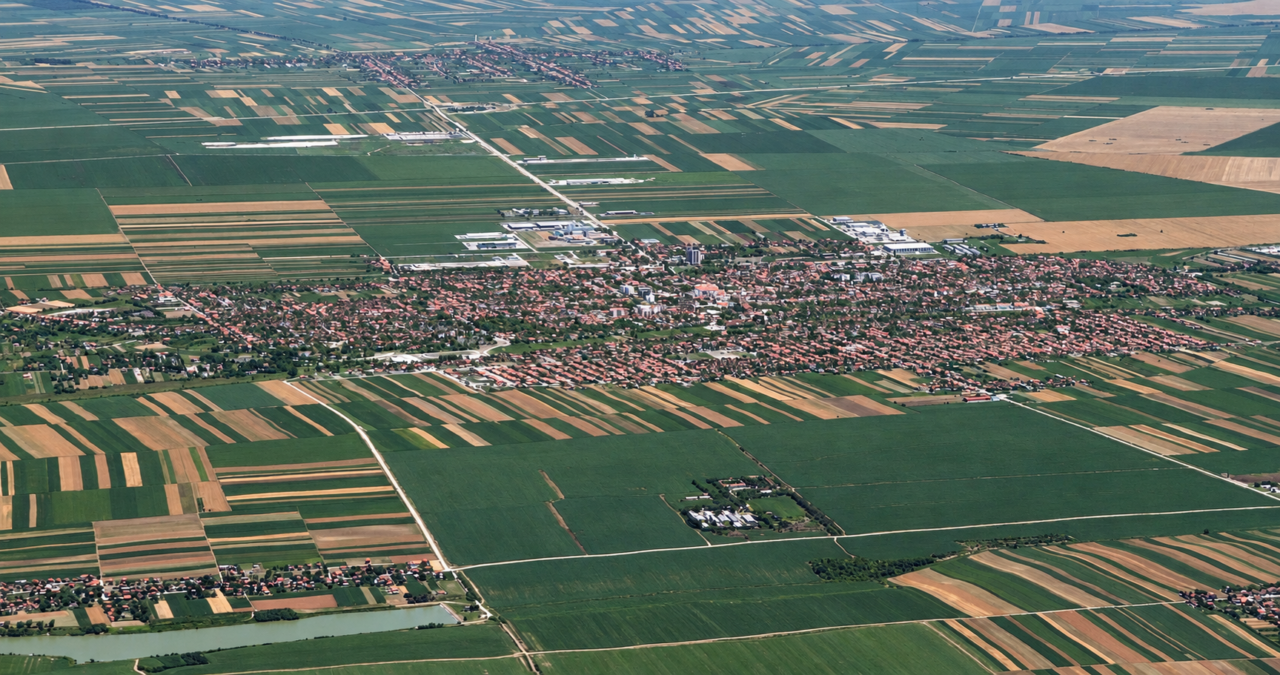
Inđija is in northeastern Srem, in a municipality that extends from the plains towards the southern slopes of Fruška Gora and the Danube. Its position between two of Serbia’s largest cities has helped shape its development, while giving travellers an easy starting point for exploring this part of Vojvodina.
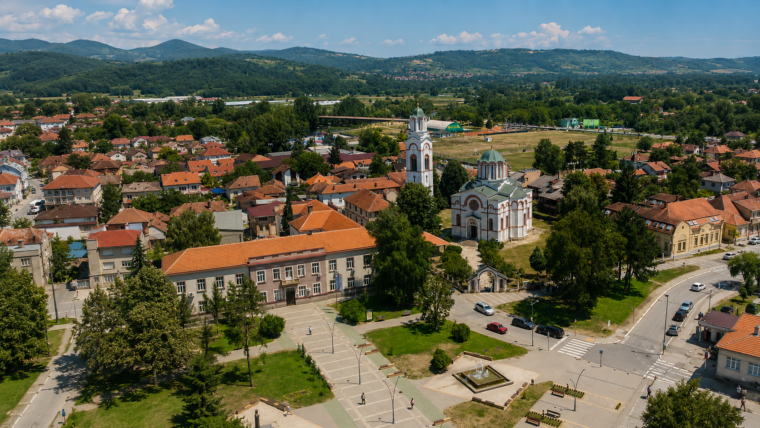
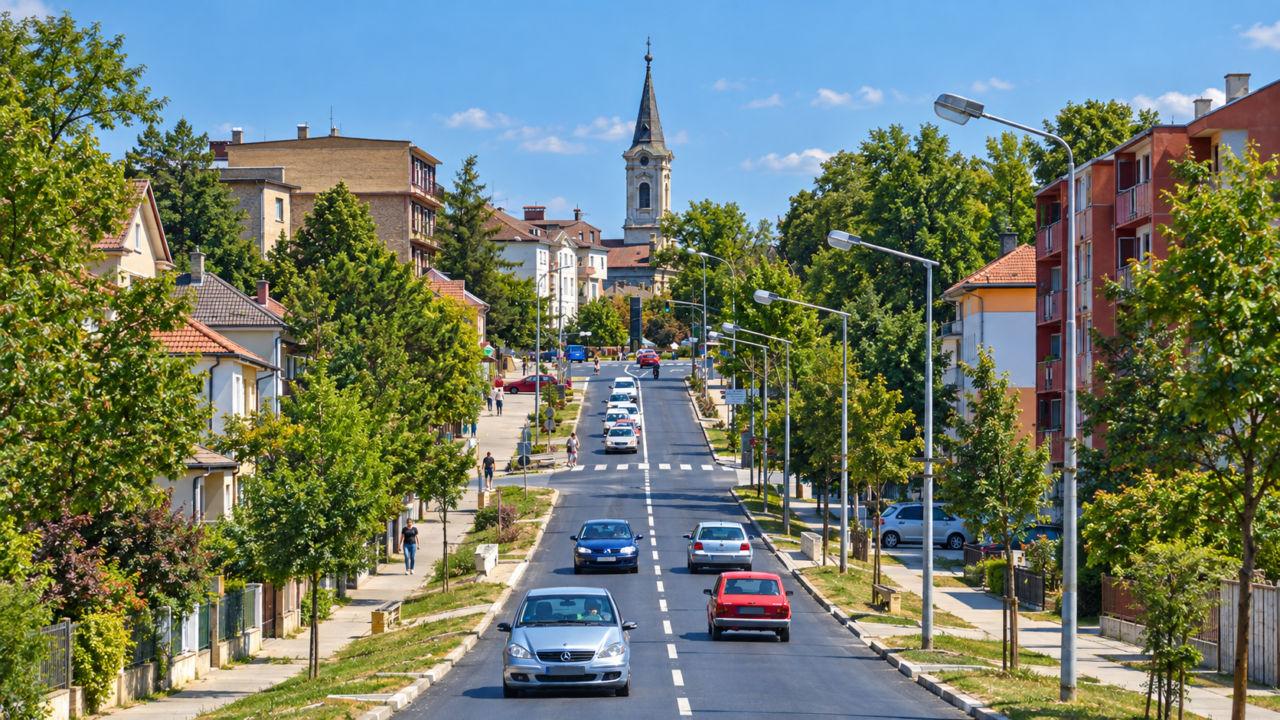
The town itself has a relaxed, everyday feel. Its pedestrian zone, squares and older buildings invite a gentle stroll rather than a rushed sightseeing circuit. Beyond the centre, the landscape changes quickly: vineyards and villages lead towards the river, where some of the area’s most compelling historical sites are found.
Centuries of History in a Small Corner of Srem
Although the first written records of Inđija date from the mid-15th century, people lived across the wider area long before then. Archaeological evidence points to prehistoric settlements, followed by the Celtic Scordisci and the Romans. At Gradina near Stari Slankamen, excavations have uncovered layers from different periods, including remains associated with the Scordisci.
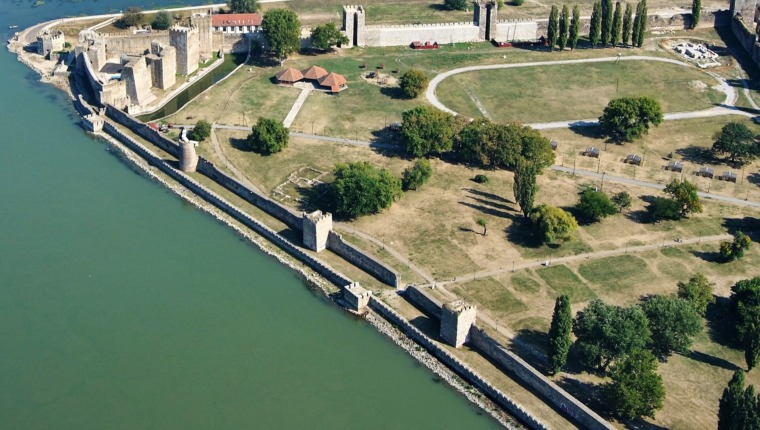
The Danube helps explain why this landscape mattered. For centuries it served as a route, a source of livelihood and a strategic frontier. Near Stari Slankamen, the Romans established Acumincum, while later rulers recognised the value of the same position above the river. A trip through the municipality can therefore take you from a modern town to places that still carry traces of ancient settlements and medieval fortifications.
What to See in the Town Centre
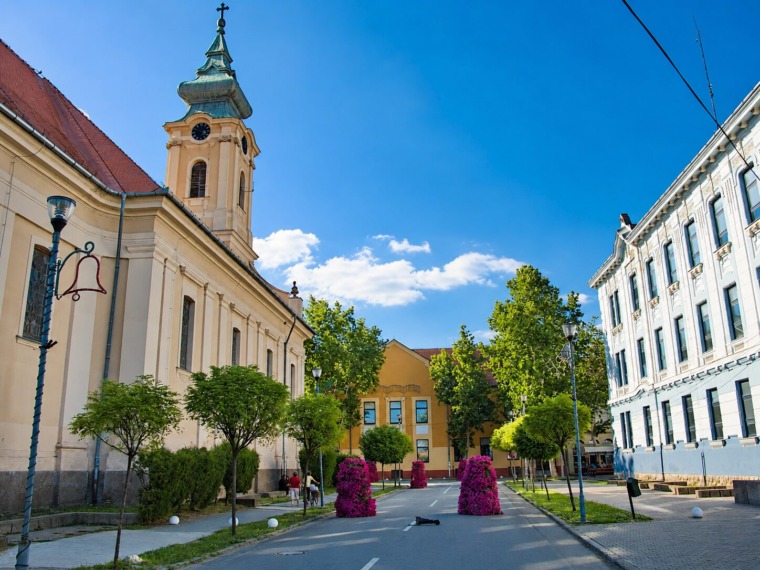
Start with a walk through Inđija’s pedestrian zone. It has an older section and a newer one reconstructed in 2005, with a central square near the post office that hosts concerts, performances and community events. Stop for a coffee, look at the surrounding façades and let the town set the pace for the day.
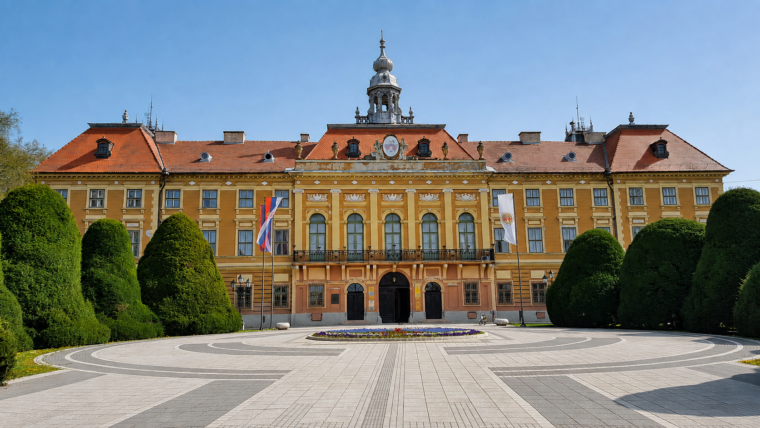
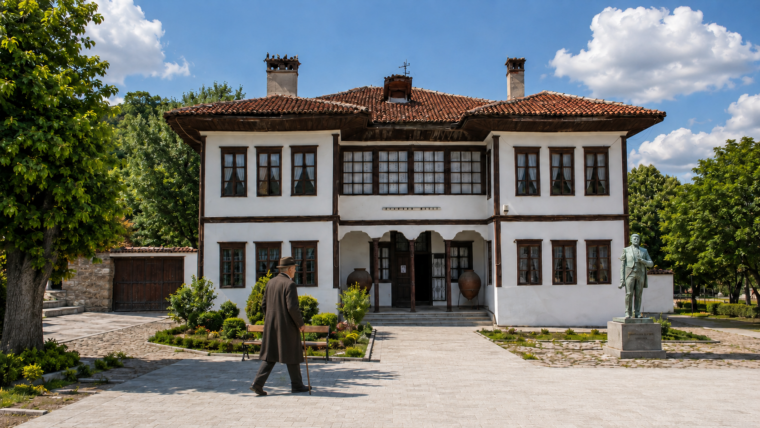
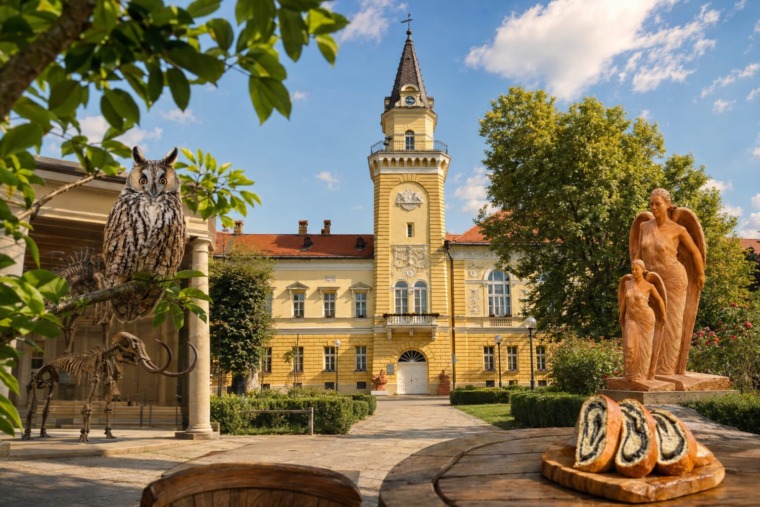
Much of Inđija’s urban character developed in the late 19th and early 20th centuries. Buildings such as Vojnović House, the municipal building, the Roman Catholic Church of St Peter and old townhouses reflect that period. Their façades show a mix of styles, offering small details to notice as you explore on foot.
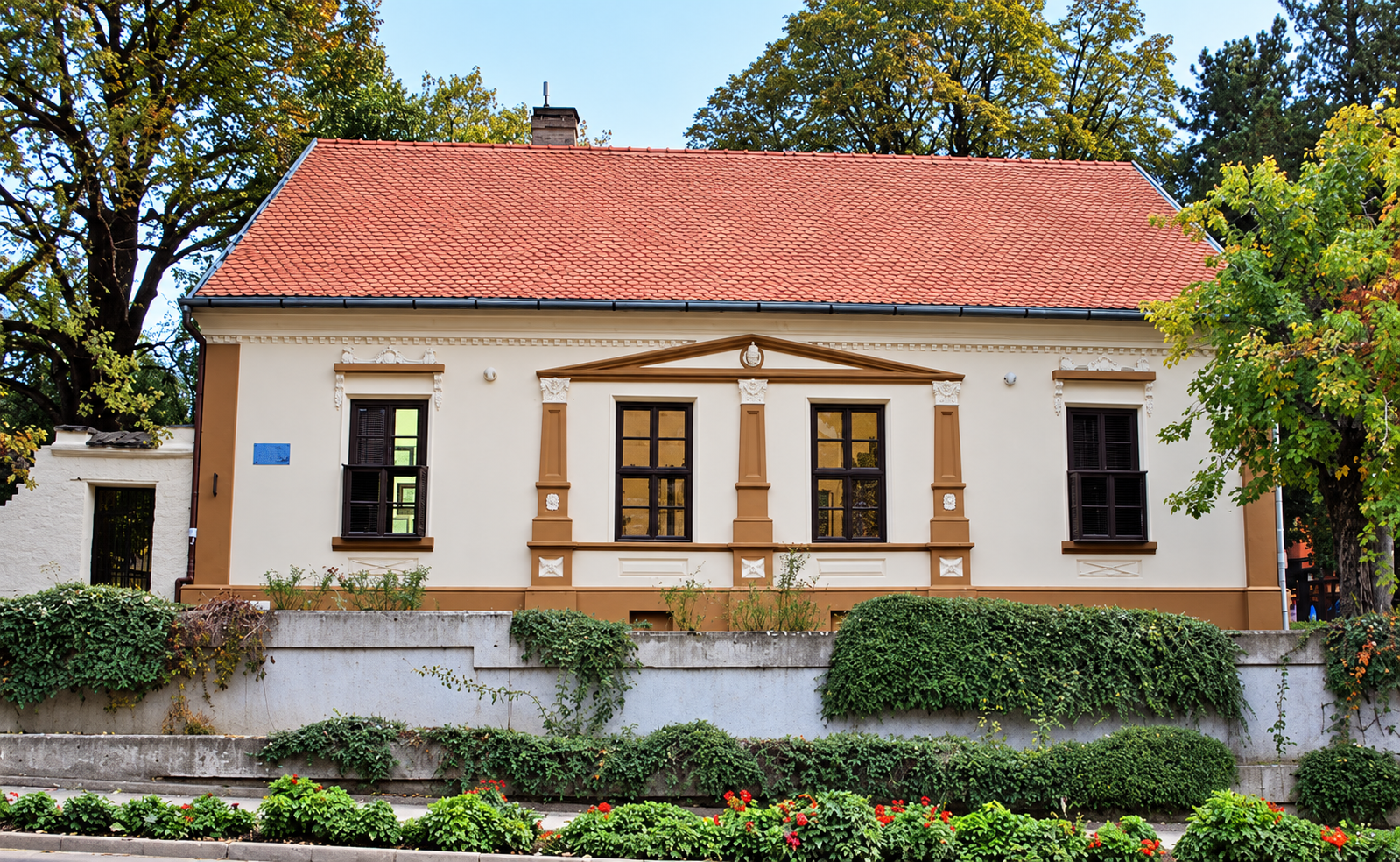
If you enjoy galleries, add the Adligat Gallery to your walk. Opened in 2022 as a branch of Belgrade’s Adligat Museum, it gives visitors another reason to spend time in the town centre before heading farther afield.
Step into the Story at the Celtic Village
The Celtic Village is one of Inđija’s most distinctive attractions, particularly for families. Designed as a reconstructed settlement, the complex uses houses, displays and themed activities to evoke the lives and crafts of the Celts. Depending on the programme, a visit might include a guided tour or activities that bring old skills and stories to life.
Its theme has a genuine local connection. The Celtic Scordisci inhabited parts of this region, and archaeological finds at Gradina near Stari Slankamen provide evidence of their presence. The village in Inđija is a modern interpretation, rather than a preserved ancient settlement, but it offers an accessible introduction to that chapter of Srem’s past.
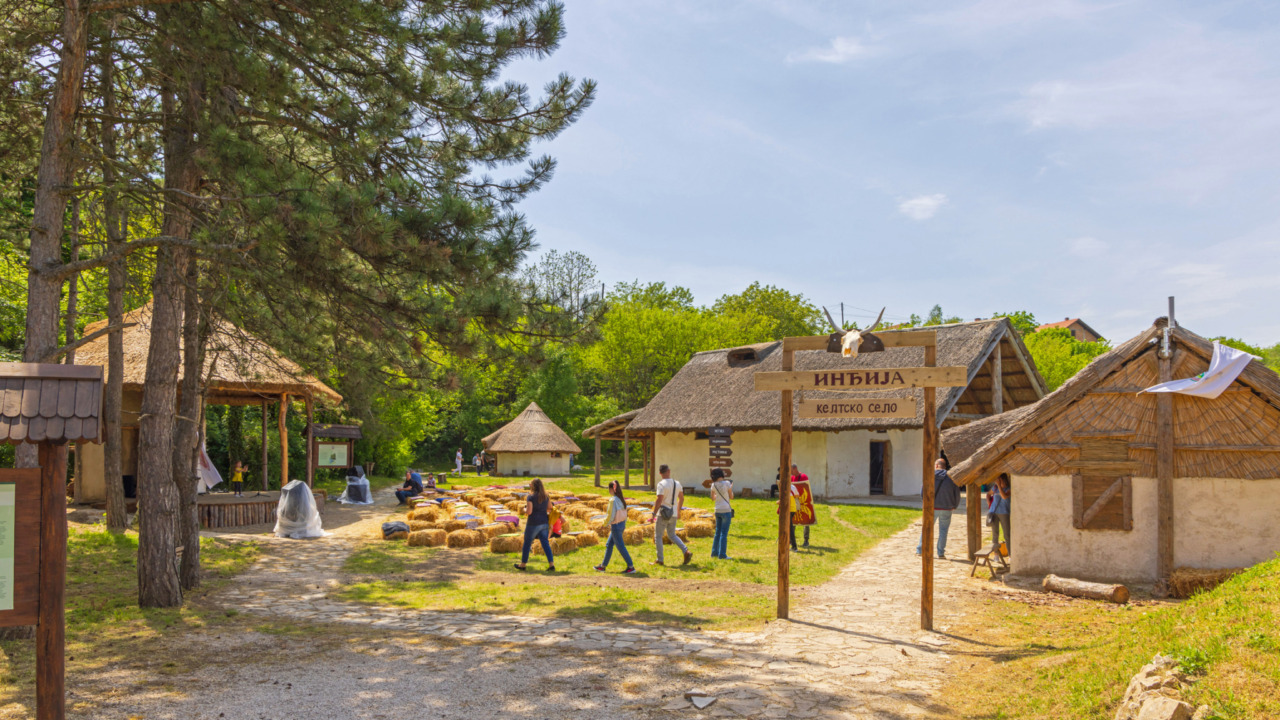
It is a good place to begin if you are visiting with children: explore the village first, then continue to the Danube to see the wider landscape in which this history unfolded. Check the tourist organisation’s current visitor information before setting out, as the complex has seasonal programmes.
Why Inđija Became a Shopping Destination
Inđija has another claim that surprises first-time visitors. In 2012, the town welcomed Fashion Park Outlet Center, Serbia’s first outlet centre of its kind. Now operating as BIG Fashion Outlet Inđija, it remains a major reason people travel here from Belgrade, Novi Sad and beyond.
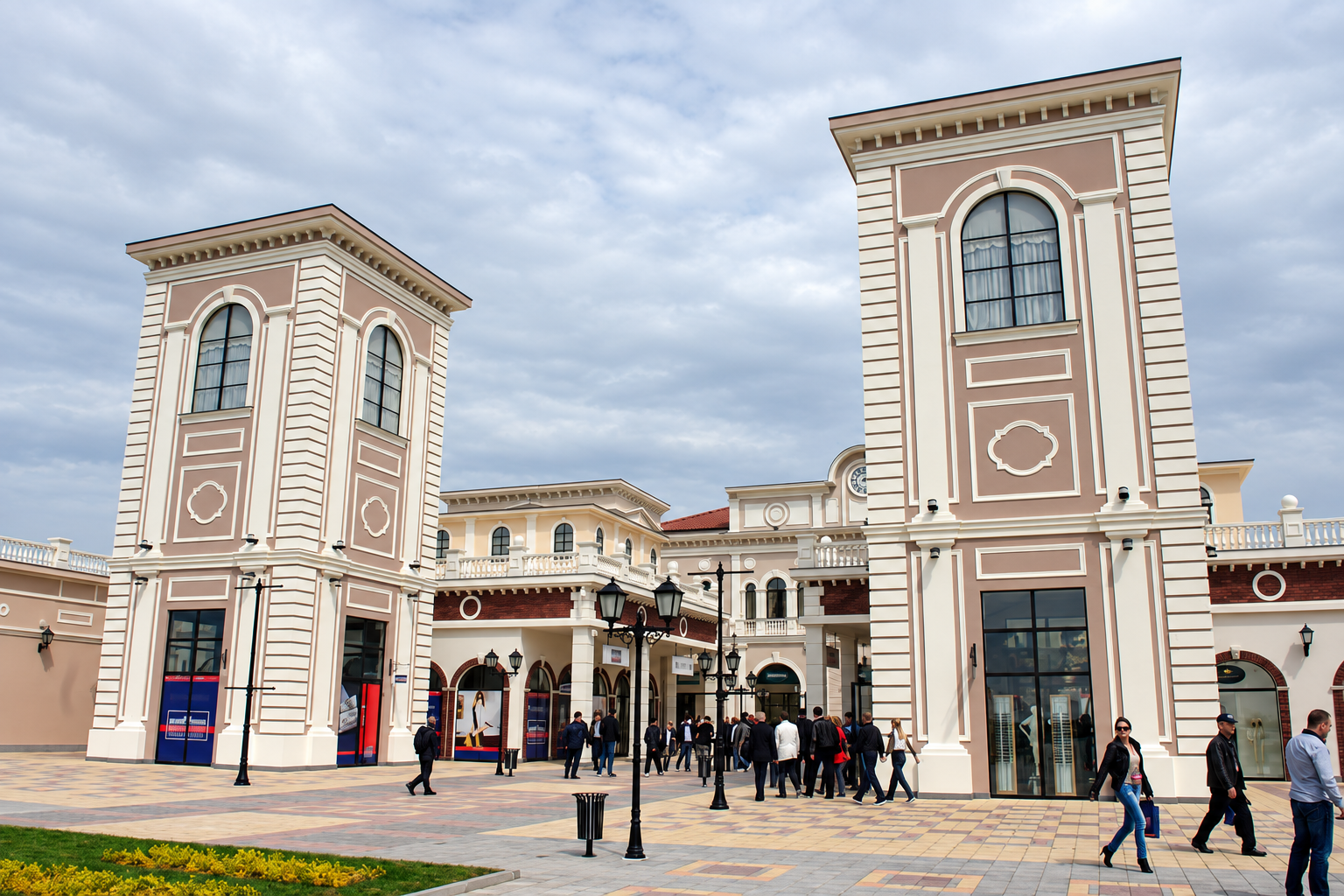
The experience is different from shopping in an enclosed mall. Stores line open-air walkways, giving the centre the feel of a small shopping village. You can browse at your own pace, pause for a meal or coffee and make the outlet one part of a broader day out in Inđija. For current stores and opening hours, consult the centre’s website before visiting.
Follow the Danube to Stari Slankamen
If you have time for only one excursion beyond the town, make it Stari Slankamen. Set near the meeting of the Tisa and Danube, this small riverside settlement contains an extraordinary concentration of history. Archaeological discoveries connect it with the Scordisci and the Romans, while the remains of later fortifications recall its strategic position above the water.
There is no need to approach Stari Slankamen as a checklist of monuments. Walk through the village, take in the views and spend some time beside the Danube. Marked walking routes connect several of its cultural and natural sights. It is a fitting contrast to the bustle of the outlet and a reminder that the Inđija area has a quieter, older rhythm of its own.
Nature, Villages and Wine
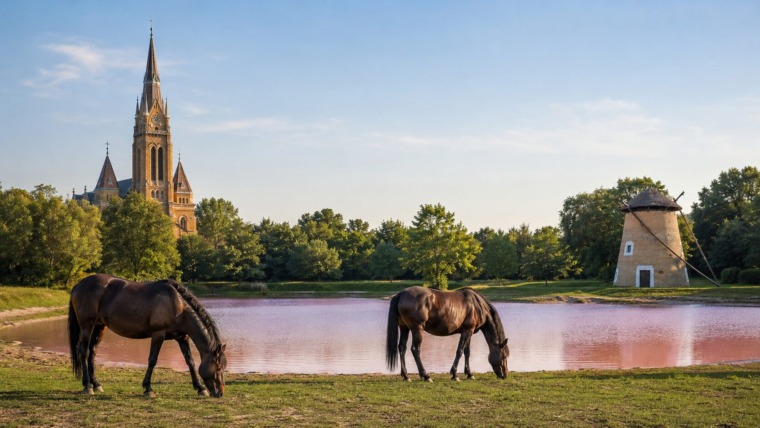
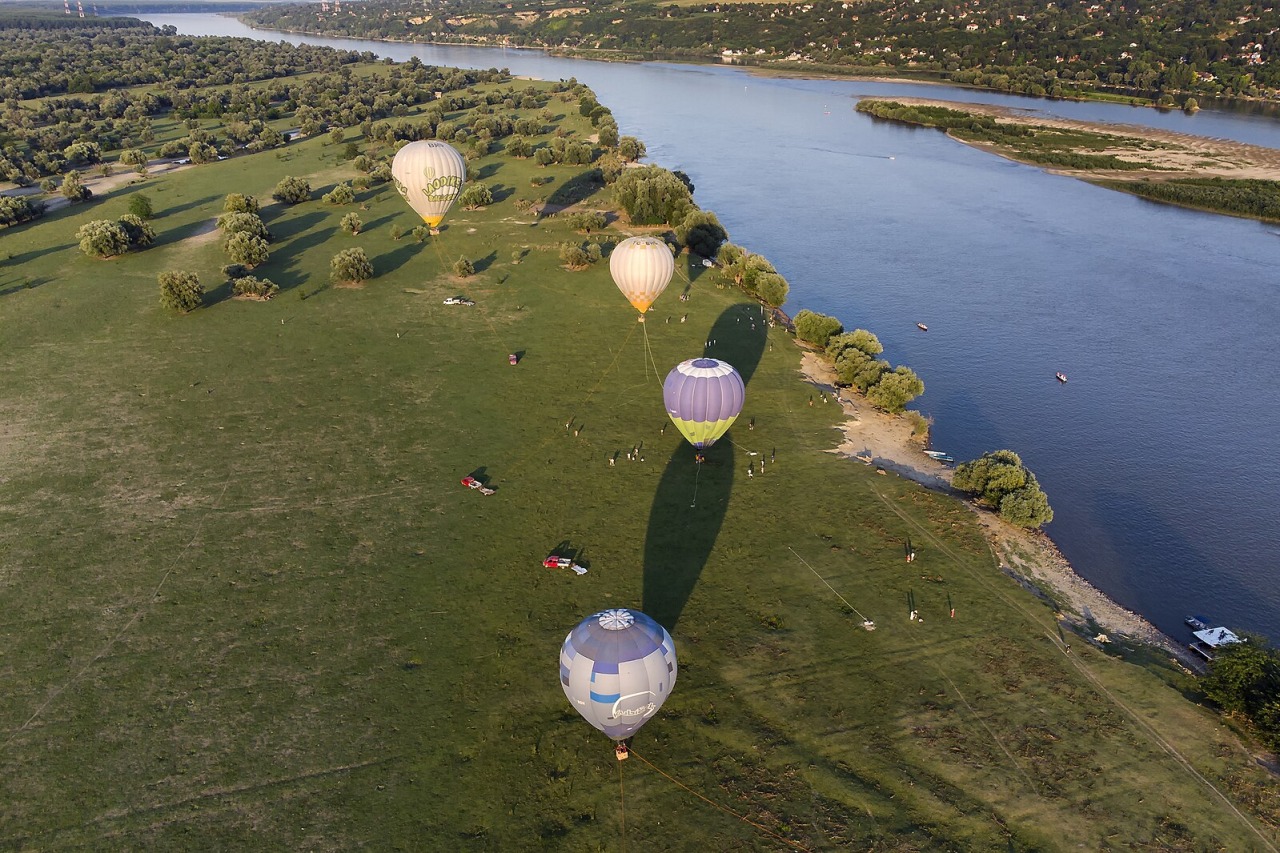
The wider municipality rewards visitors who enjoy taking smaller roads and allowing time for unplanned stops. Around Krčedin, the Danube spreads into channels and wetlands beside Krčedinska Ada, a large river island known for its natural scenery and opportunities for photography and organised excursions. If you want to visit the island itself, arrange the practical details locally in advance.
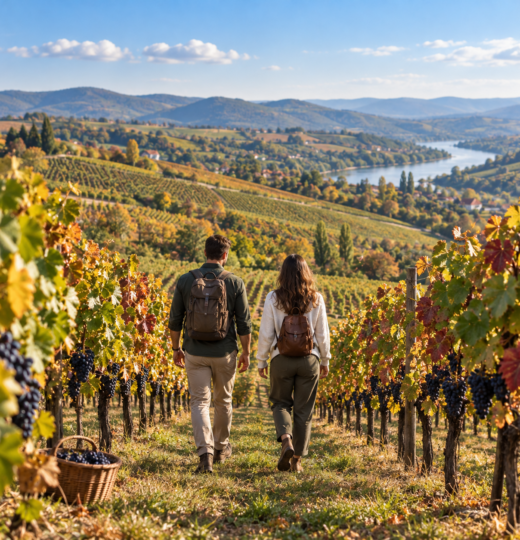
Wine offers another way to experience this part of Srem. Wineries around Novi Slankamen, Stari Slankamen and Inđija give you a reason to slow down and stay longer. Paired with a meal and a drive through the villages, a tasting can turn a simple day trip into an easy weekend escape. Contact wineries ahead of time if you would like a tour or tasting.
How to Spend a Day in Inđija
Begin in the town centre with a walk through the pedestrian zone and a coffee. Next, visit the Celtic Village, especially if you are travelling with children. Leave the afternoon for the outlet if shopping is high on your list. Or head towards Stari Slankamen for a walk by the Danube and a deeper look at the area’s history.
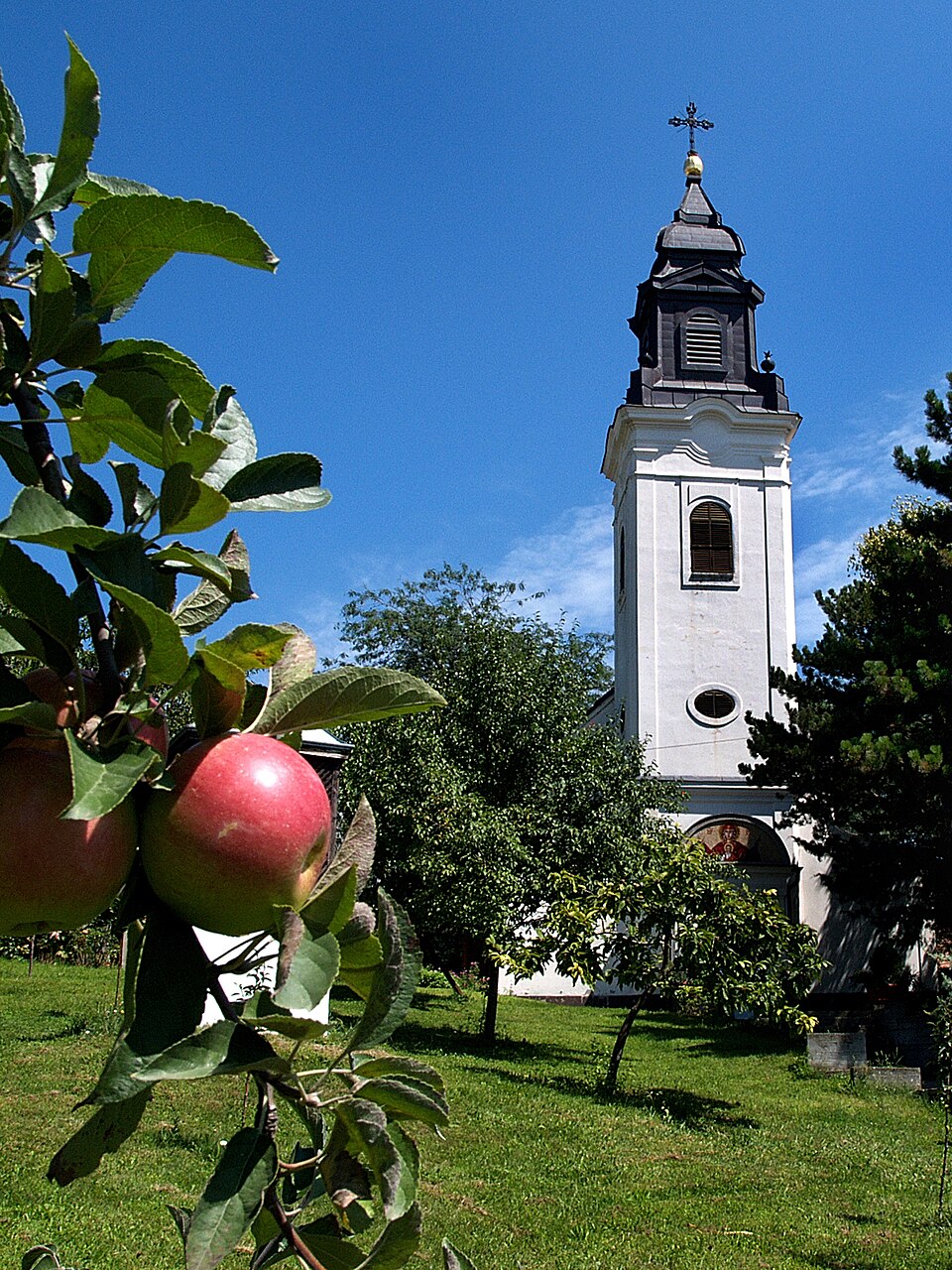
With a second day, you can take your time among the riverside villages, seek out the scenery around Krčedin or arrange a winery visit. Inđija’s greatest strength is that it lets you build a trip around your interests without travelling far between very different places.
Why Visit Inđija?
Inđija does not depend on a single landmark to make the journey worthwhile. Its appeal comes from the combination: Celtic stories and old Srem architecture, family-friendly activities and open-air shopping, vineyards and the broad Danube landscape. It is close enough for an easy escape, yet varied enough to give you a fresh reason to return.
Plan your visit
Everything you need to plan your perfect trip.
Related Articles