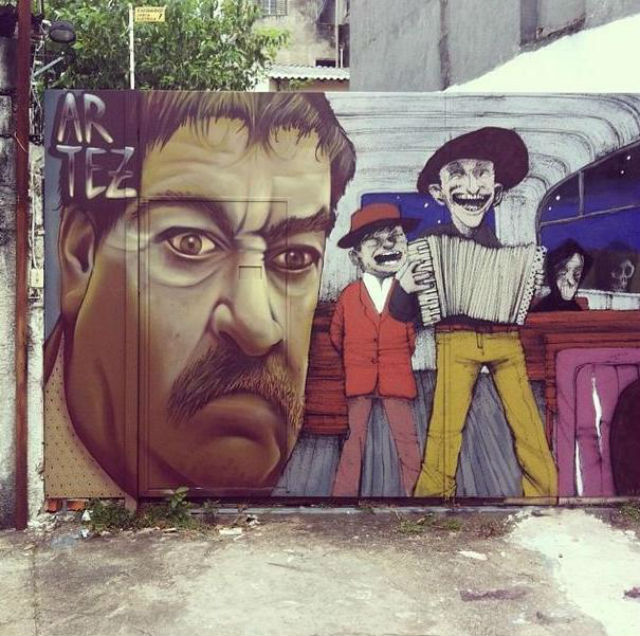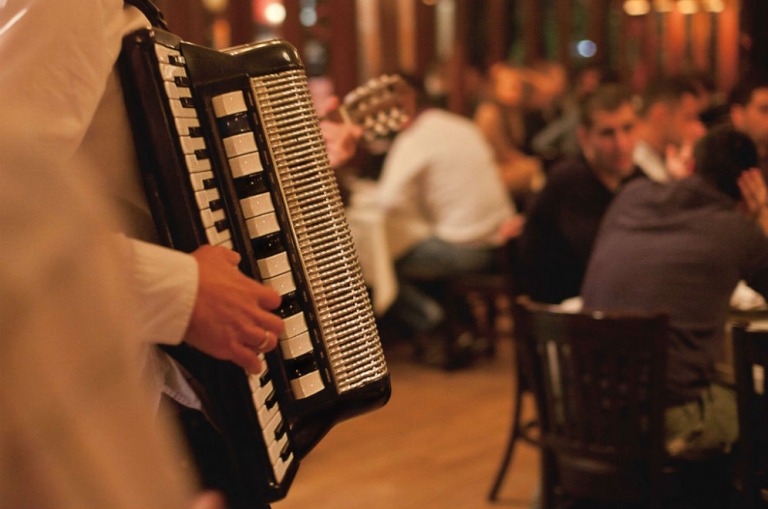
Serbia’s culture is expressed through stories told on screen, melodies performed in concert halls and kafanas, books that preserve the memory of an entire region, and traditional skills passed from one generation to the next.
Its artistic identity developed through centuries of cultural encounters, political changes, migrations, conflicts, and social transformations. Eastern and Western influences, urban and rural life, historic events, and regional differences all left their mark on the country’s creative expression.
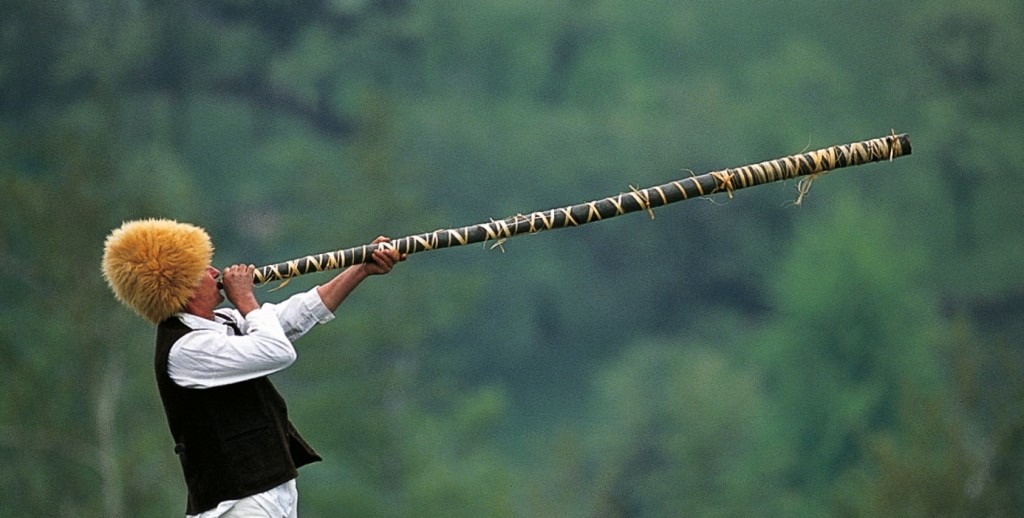
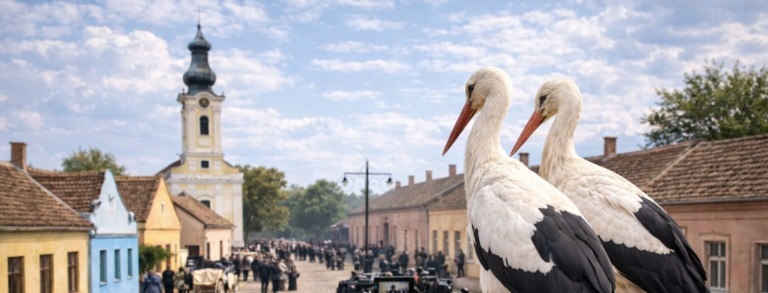
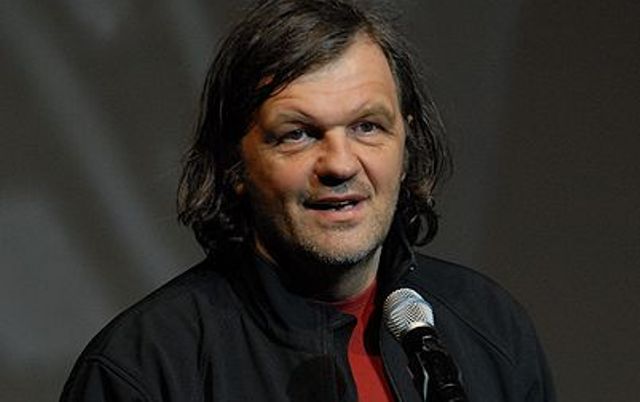
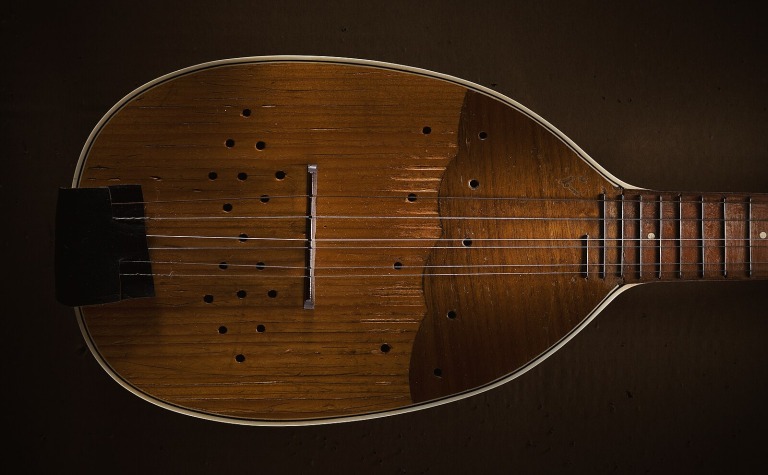
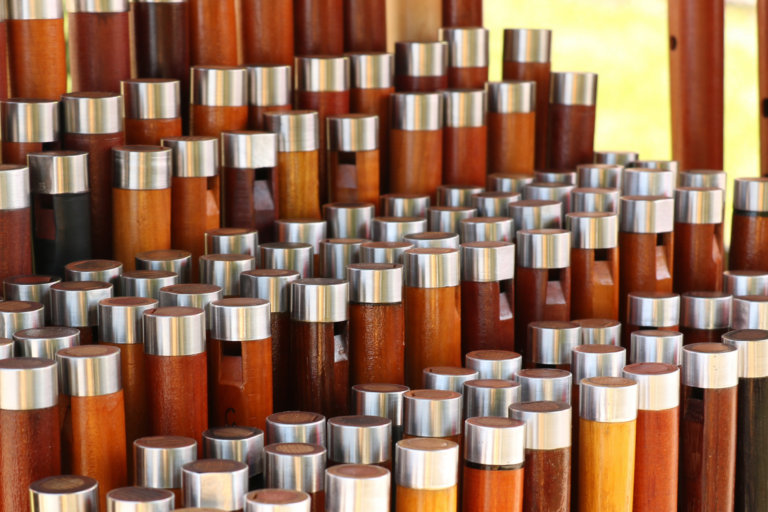
Serbian cinema is recognised for its dark humour, unforgettable characters, and distinctive visual language. Its music ranges from traditional instruments and emotional urban songs to classical compositions, rock, jazz, brass, and contemporary festivals.
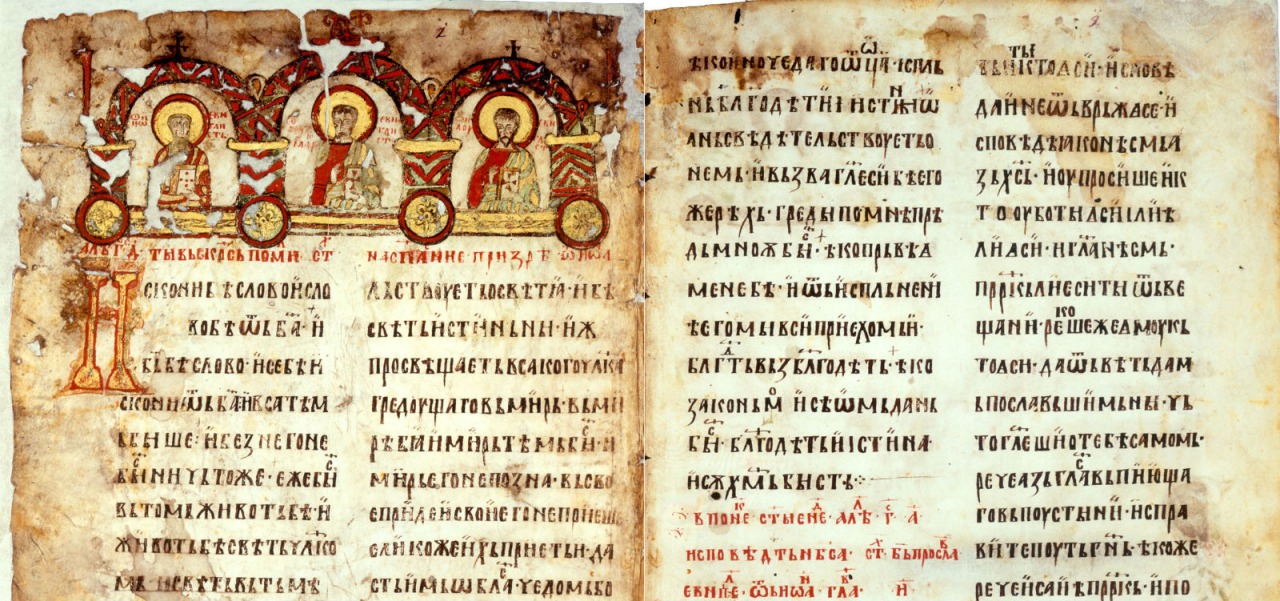
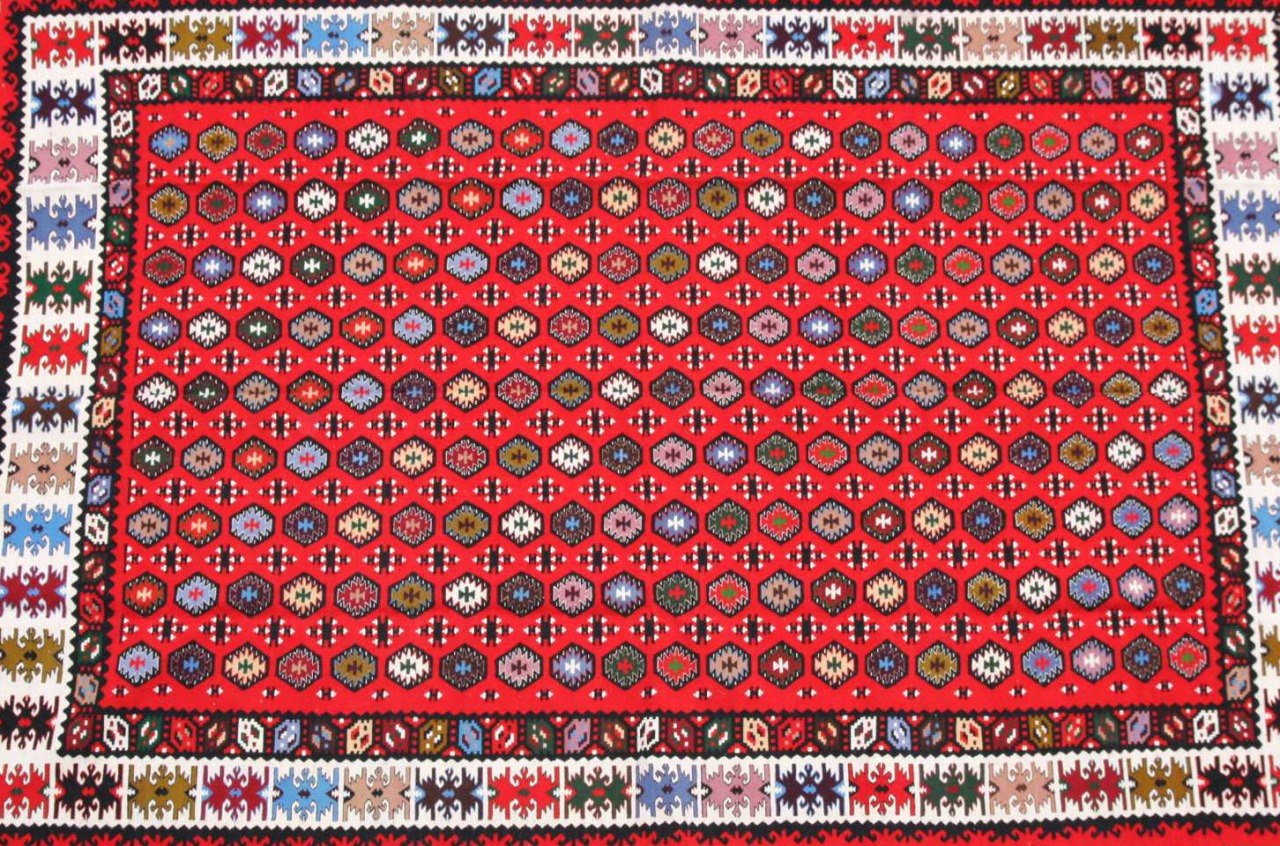
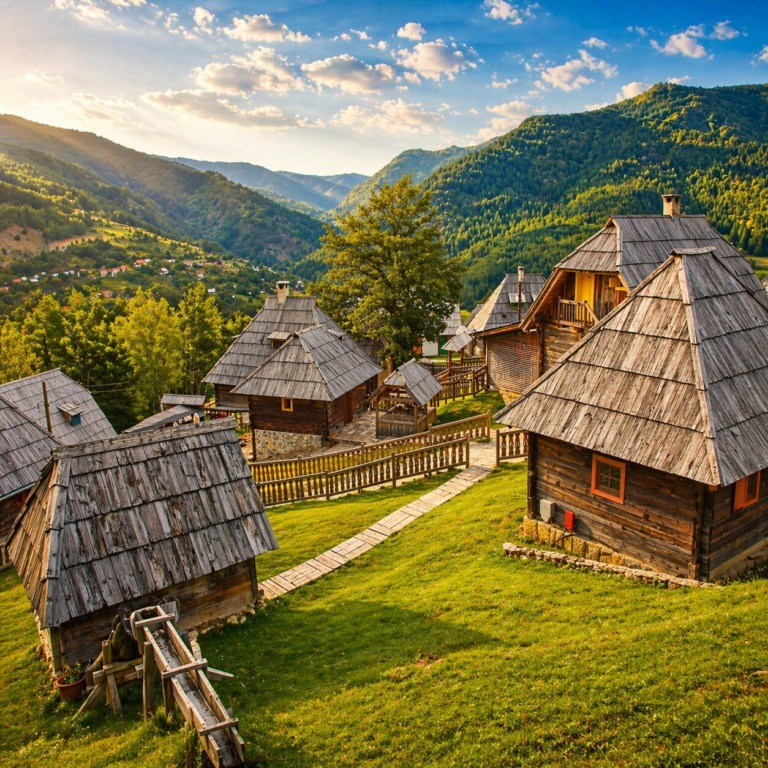
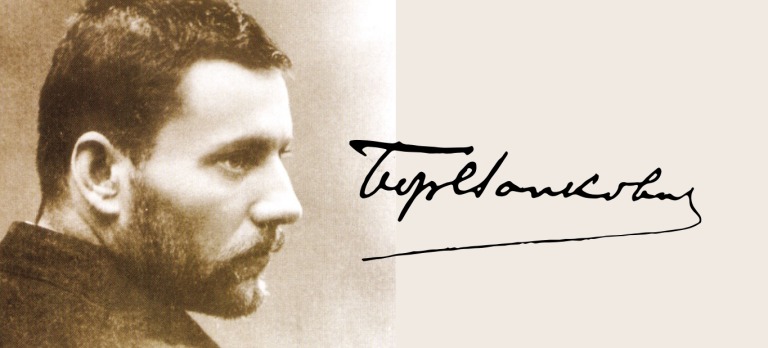
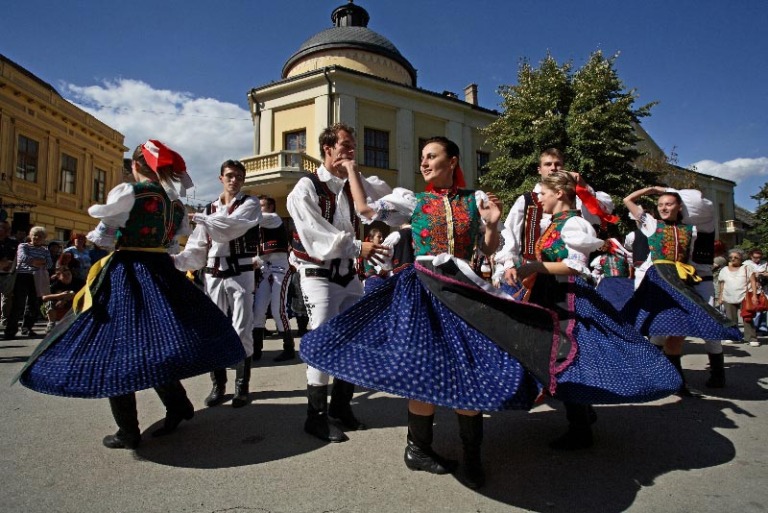
Literature has played an essential role in protecting the Serbian language and collective memory, from medieval manuscripts and oral poetry to internationally recognised novels and modern writing. At the same time, intangible cultural heritage continues to live through crafts, dances, musical practices, culinary knowledge, rituals, and skills preserved by local communities.
Together, these forms reveal a culture that does not belong only to the past. It continues to develop through filmmakers, writers, musicians, artists, performers, craftspeople, and communities creating and preserving it today.