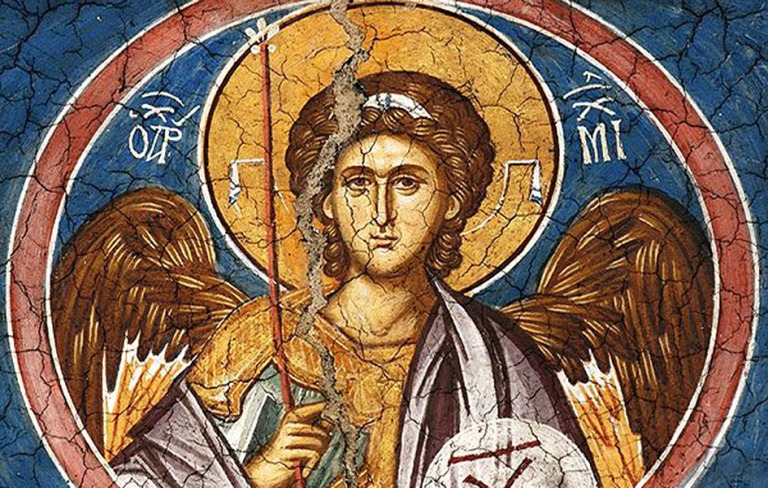

Cultural heritage is not preserved only in monuments, historic buildings, and museum collections. It also lives through knowledge, skills, customs, performances, and practices passed from one generation to the next.
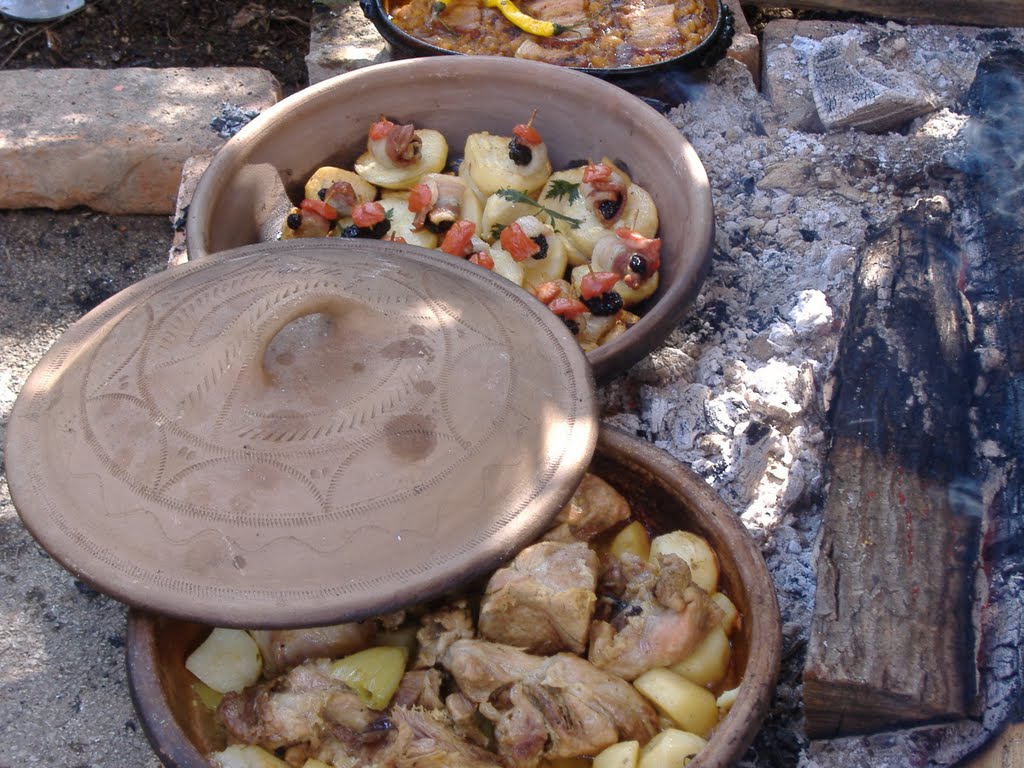
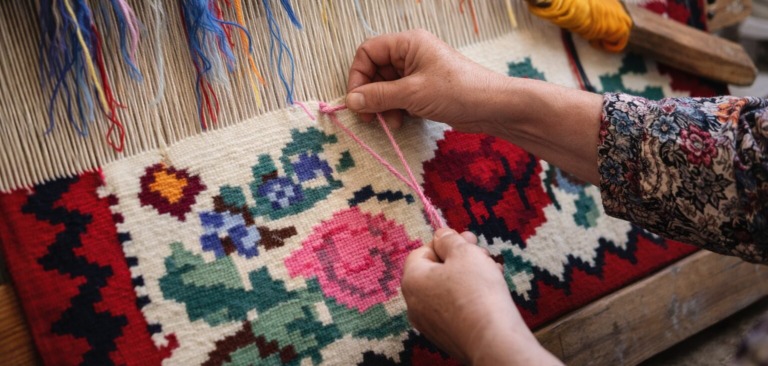
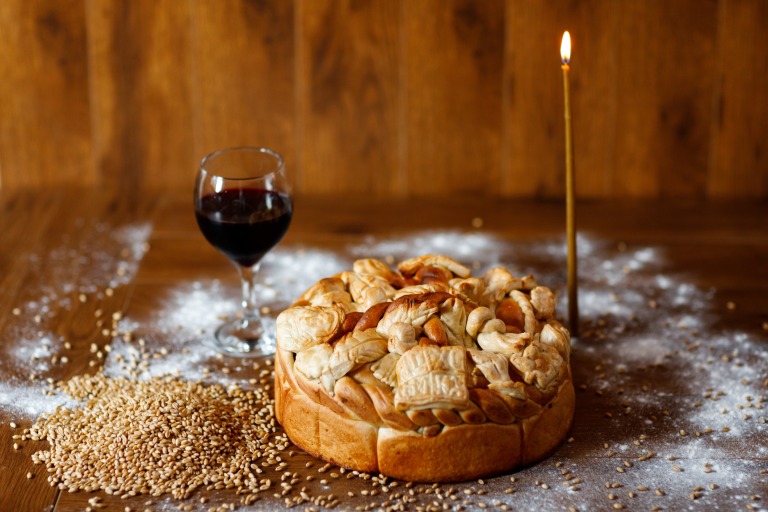
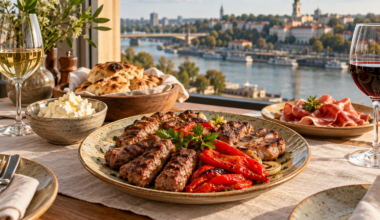
Serbia’s intangible cultural heritage includes traditional crafts, social and religious customs, oral traditions, music, dance, culinary knowledge, and skills closely connected with particular communities and regions.
Unlike physical heritage, these elements cannot be preserved simply by placing them behind glass. A song must be performed, a dance practised, a craft taught, and a traditional recipe prepared if its knowledge is to survive.
The National Register of Intangible Cultural Heritage of Serbia was established to identify, document, and support these living cultural expressions. Its elements include practices maintained throughout the country as well as traditions associated with particular villages, towns, regions, and ethnic communities.
Through two dedicated projects developed in cooperation with Serbian institutions, Serbia.com documented numerous registered elements and presented the people and communities responsible for keeping them alive.