
-
Serbia at a Glance
Discover All -
Arts & Culture
Discover All -
Identity & Heritage
Discover All -
Famous Serbs
Discover All
-
Regions
Discover All -
Cities
Discover All -
Nature
Discover All -
Cultural Landmarks
Discover All
-
Outdoor & Wellness
Discover All -
Food & Drink
Discover All -
Tours
Discover All -
Urban Experiences
Discover All -
Seasonal Experiences
Discover All
Partner with Serbia.com
Let's create lasting impact together
Partner with Serbia.com to reach travellers through trusted recommendations, inspiring editorial stories and thoughtfully designed campaigns. Together, we create meaningful visibility that supports your goals and remains valuable long after publication.
Explore partnership opportunities- Serbian Favorite Rituals Everyday traditions and little things that make life in Serbia special.
- Villages of Serbia Charming villages, local stories and authentic rural life.
- Serbia Told By You Personal stories, local perspectives and authentic experiences from across Serbia.
- Is it Worth Visiting in Serbia? Honest destination guides to help you decide which places are worth visiting.
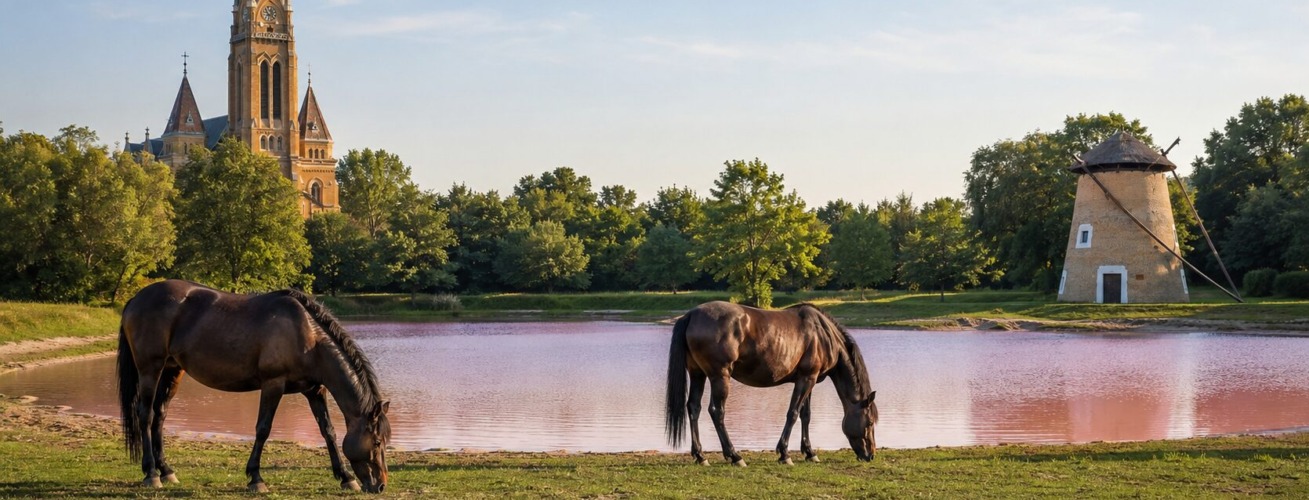
There are places that impress you with famous monuments and carefully planned itineraries. Bačka Topola does something different. It invites you to slow down, follow the roads between fields and small villages, spend a morning beside a lake, meet the horses of Zobnatica and end the day floating in warm, pink thermal water.
Located in northern Vojvodina, between Novi Sad and Subotica, Bačka Topola is often treated as a place travelers simply pass on their way north. Yet the town and its surroundings contain enough history, nature and unusual experiences for an entire summer weekend. Within a relatively small area, you can visit one of Serbia’s most important horse-breeding centers, discover traditional Pannonian architecture, see the tallest Catholic church in the country, go fishing and experience the extraordinary thermal lake of Pačir.
This is not a destination built around a single landmark. Its charm lies in the combination: old windmills and aristocratic castles, lakes and country roads, museum rooms and shaded parks. Together, they reveal a quieter and deeply authentic side of summer in Serbia.
Begin in the Historic Center of Bačka Topola
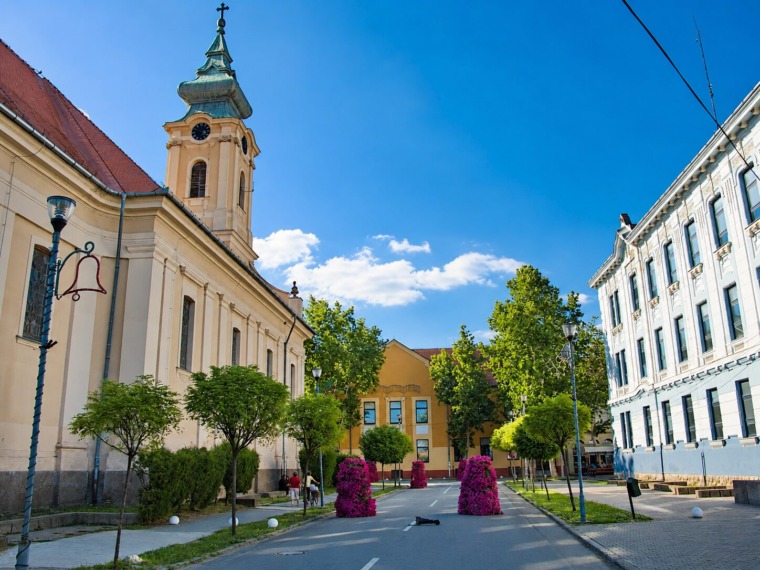
The best introduction to Bačka Topola is a walk through its central streets, where the town’s layered history can still be read through its architecture.
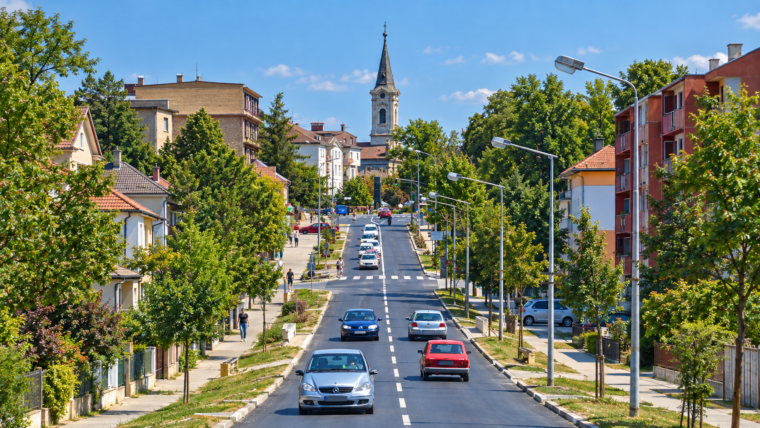
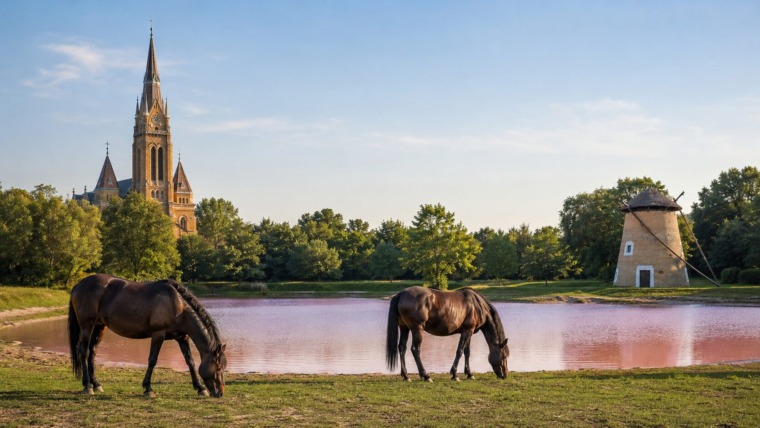
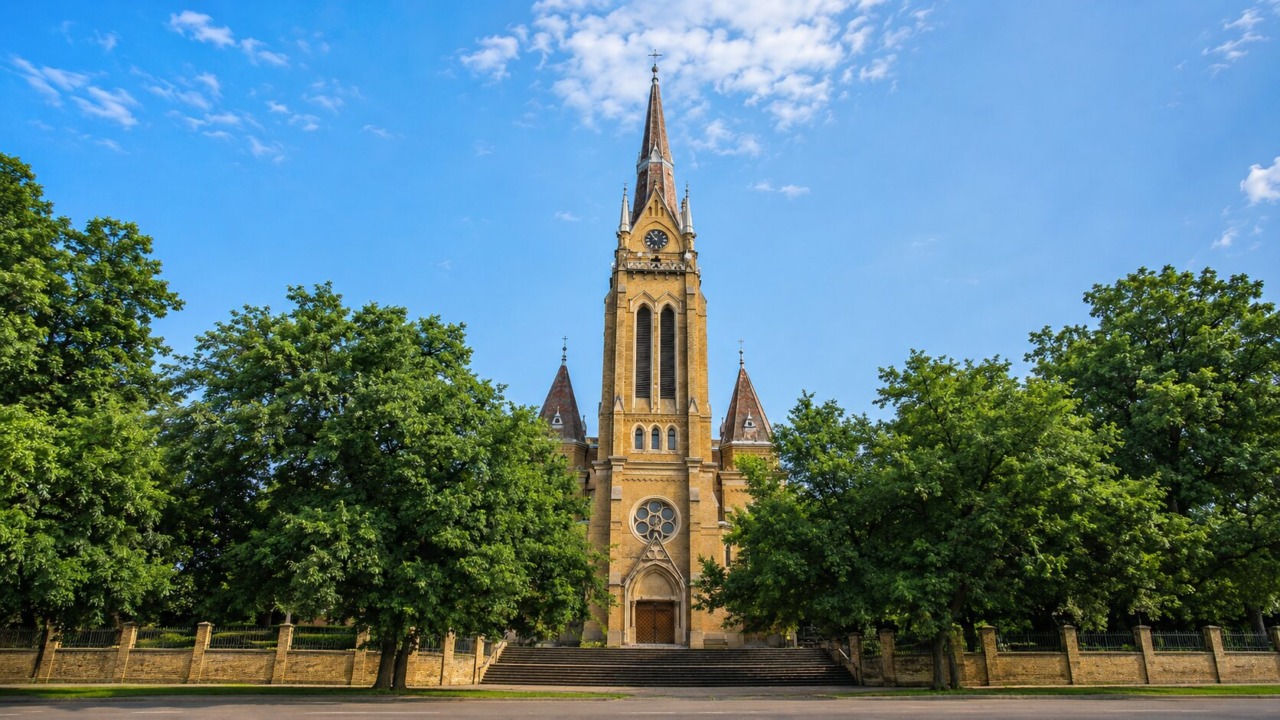
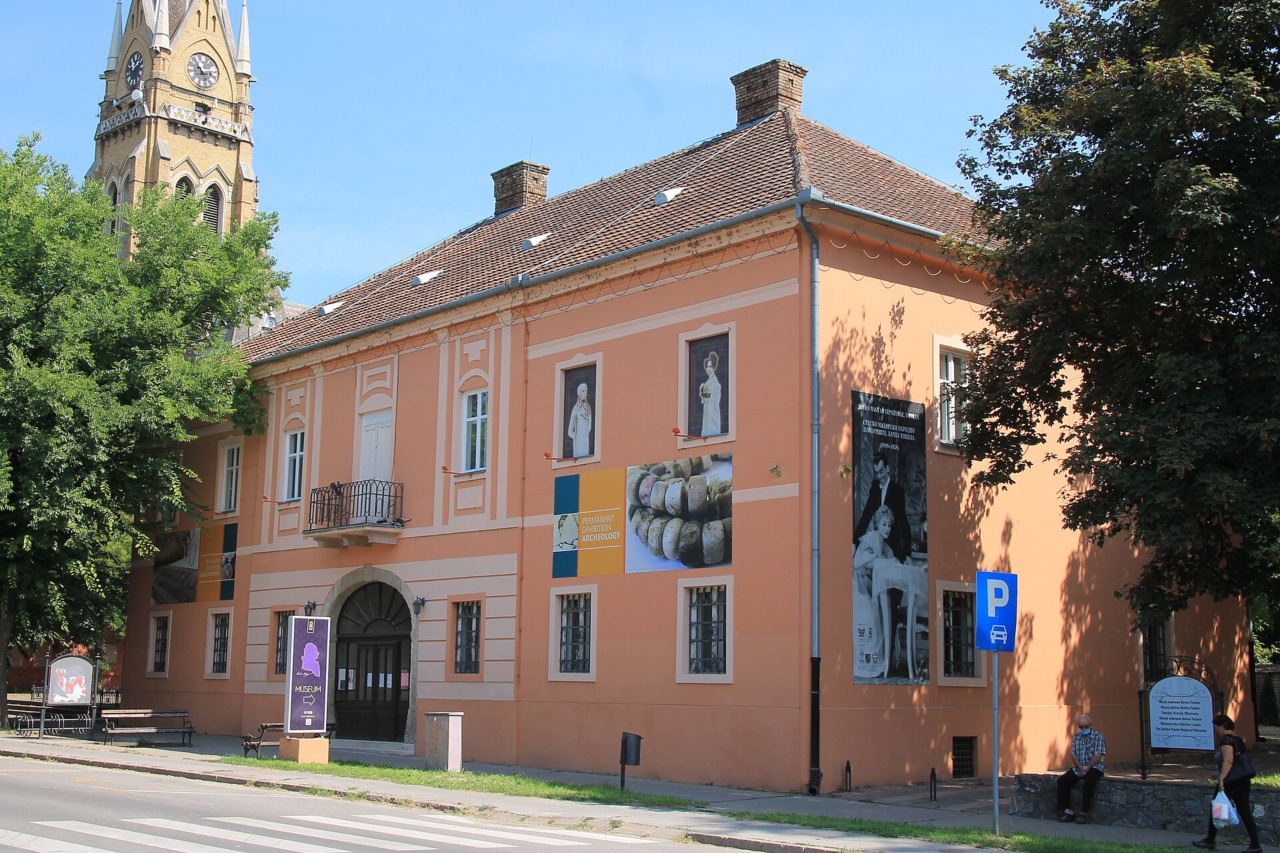
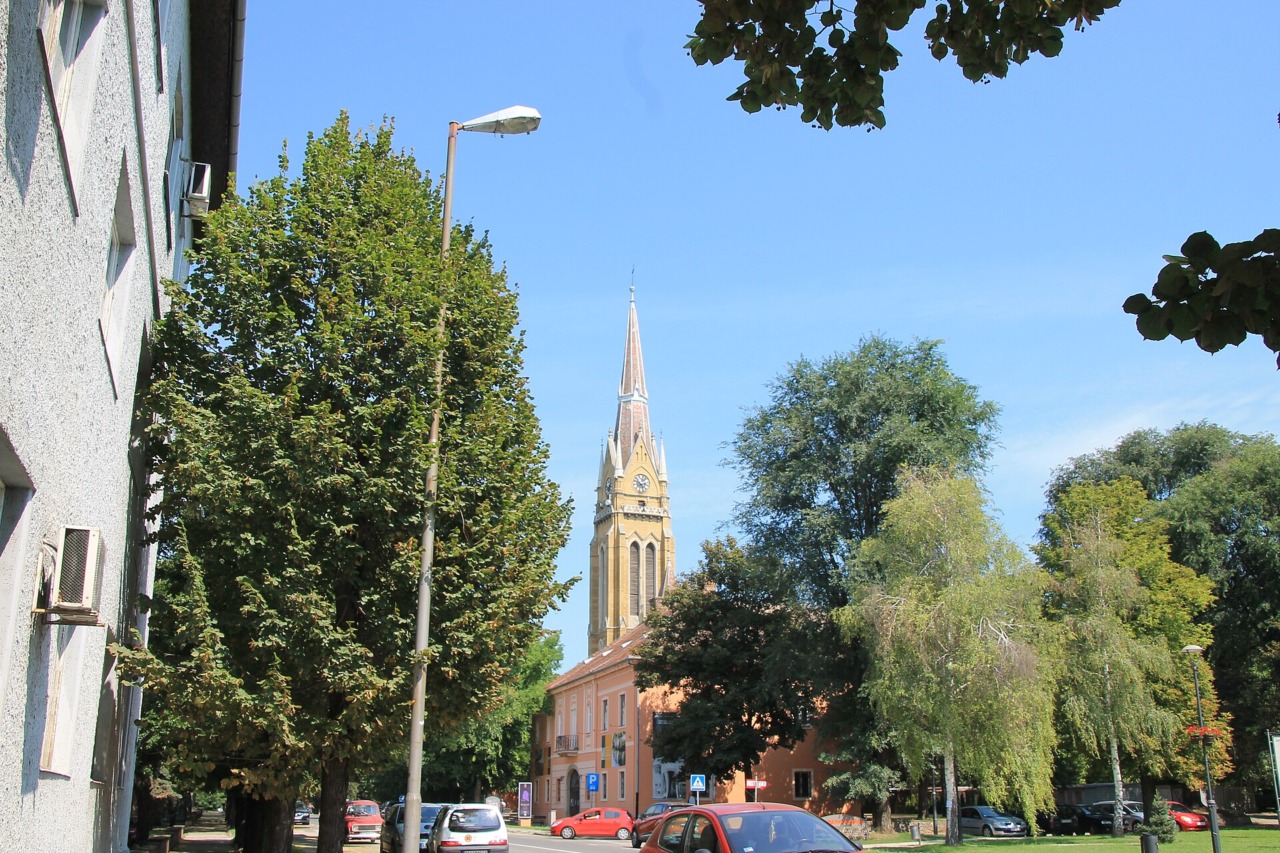
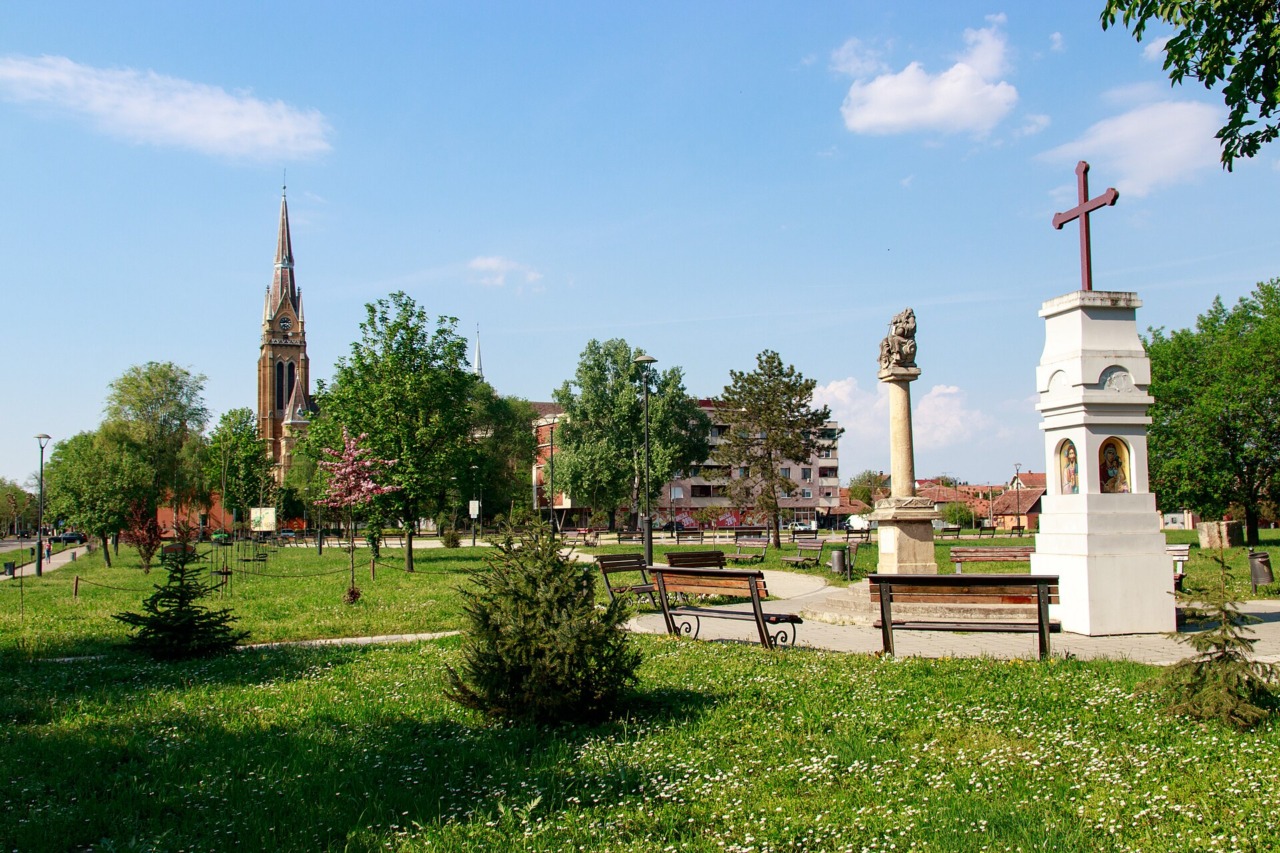
The most striking landmark is the Roman Catholic Church of the Visitation of the Blessed Virgin Mary. Completed in 1906, its tower rises to 72.7 meters, making it the tallest Catholic church in Serbia. The church can accommodate several thousand people and dominates the town’s skyline, serving as both a religious center and one of Bačka Topola’s most recognizable visual symbols.
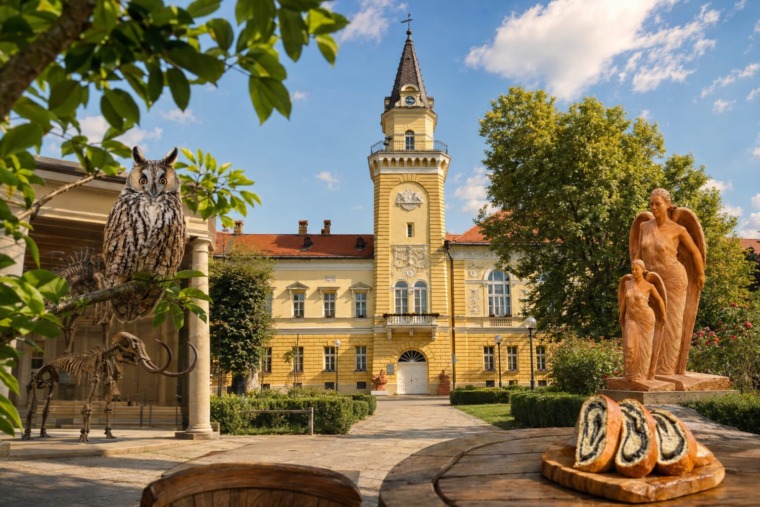
Nearby stands the Krai Castle, today home to the Museum of Bačka Topola. Built in 1802 at the request of Baron Pál Kray, it was the first two-storey residence in the municipality. Its restrained exterior hides exhibitions that tell the story of local history, archaeology, art and the many communities that shaped this part of Vojvodina.
The castle is more than an elegant remnant of aristocratic Bačka. It provides essential context for everything visitors encounter later: the agricultural wealth of the plains, the coexistence of different cultures and the transformation of Bačka Topola from a rural settlement into an important regional town. The museum is generally open on weekdays, while weekend visits should be arranged in advance.
For another view of the town, continue towards the Calvary, located on one of Bačka Topola’s highest points. The oldest part of the complex dates from 1797, while its chapel and Stations of the Cross were built later. From here, the town opens towards the plains, offering a fitting reminder that even in seemingly flat Vojvodina, the landscape has its own subtle rhythms.
Discover Everyday Life in Old Bačka
Bačka Topola’s most memorable cultural sites are not necessarily its grandest. Some of them preserve the ordinary objects, rooms and crafts that once defined everyday life in the region.
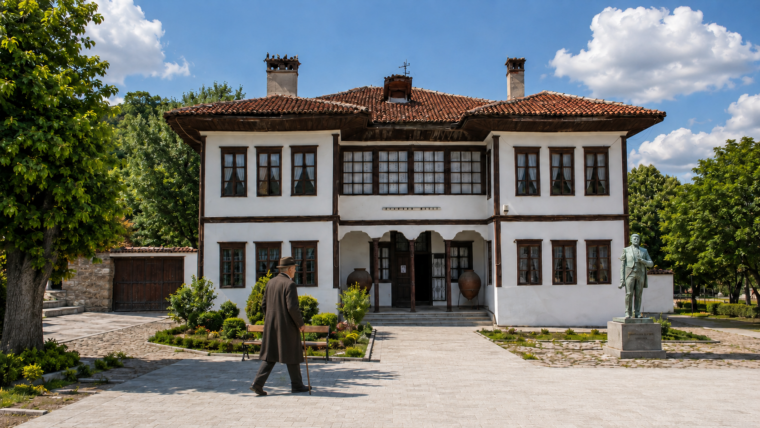
The Local Heritage House, built in 1843, is a typical three-part Pannonian home with rammed-earth walls and a reed roof. Its rooms are furnished with pieces from the late 19th and early 20th centuries, recreating the atmosphere of a prosperous rural household. Unlike reconstructed open-air museums, the house remains in the place where it was originally built, making the experience feel especially authentic.
Not far away, the former blacksmith and wheelwright workshop preserves two crafts that were once essential to every agricultural community. Blacksmiths made and repaired the metal fittings, while wheelwrights constructed wooden carts and wheels. Bačka Topola’s craftsmen became known far beyond the town for their decorated fittings and distinctive types of carts.
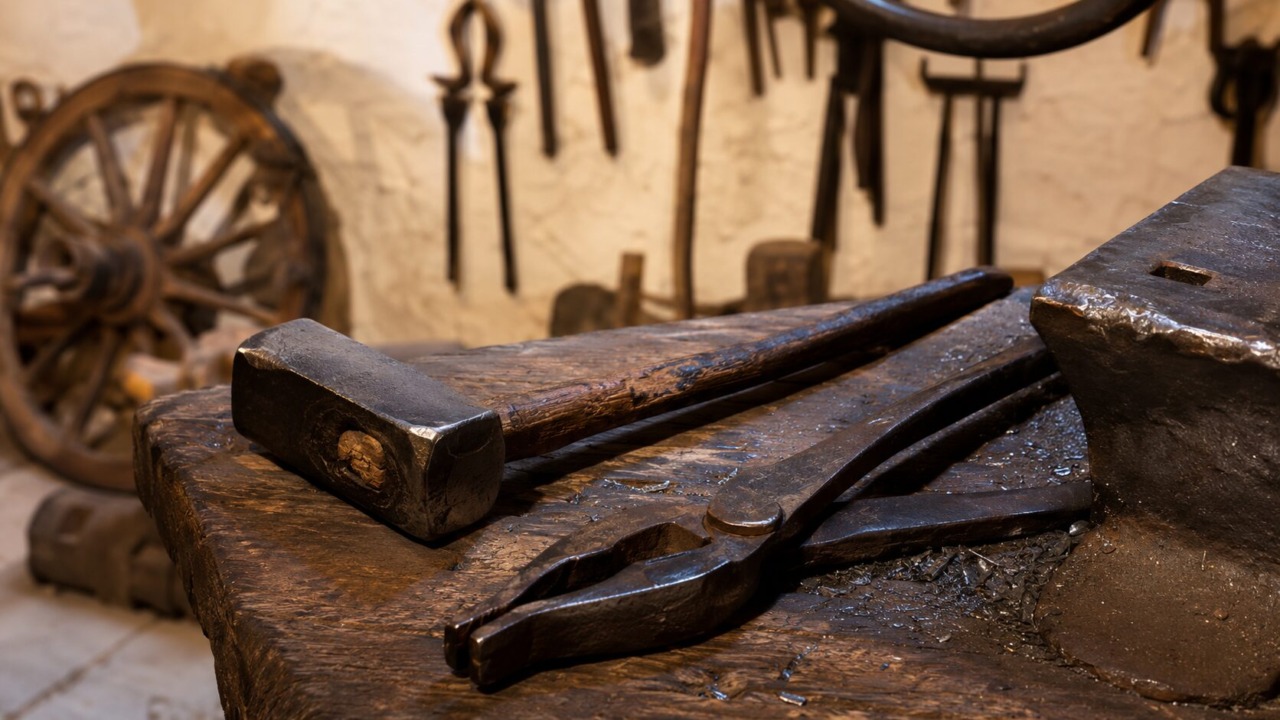
The workshop is considered a rare surviving example of a place where these two closely connected trades were practiced together. Visits to the Heritage House and workshop may require prior arrangement, so it is worth contacting the local cultural or tourist organization before arrival.
Find the Old Windmill Beside the Lake
Few structures evoke the landscape of Vojvodina as powerfully as a traditional windmill. At the end of the 19th century, four windmills operated in Bačka Topola, but only one has survived.
The four-storey windmill was moved from its original location to the lakeshore in the late 1980s and became a museum dedicated to the region’s milling heritage. Although its interior is currently closed to visitors, the windmill remains one of the town’s defining landmarks and an atmospheric place for a short stop, particularly in the soft light of early morning or late afternoon.
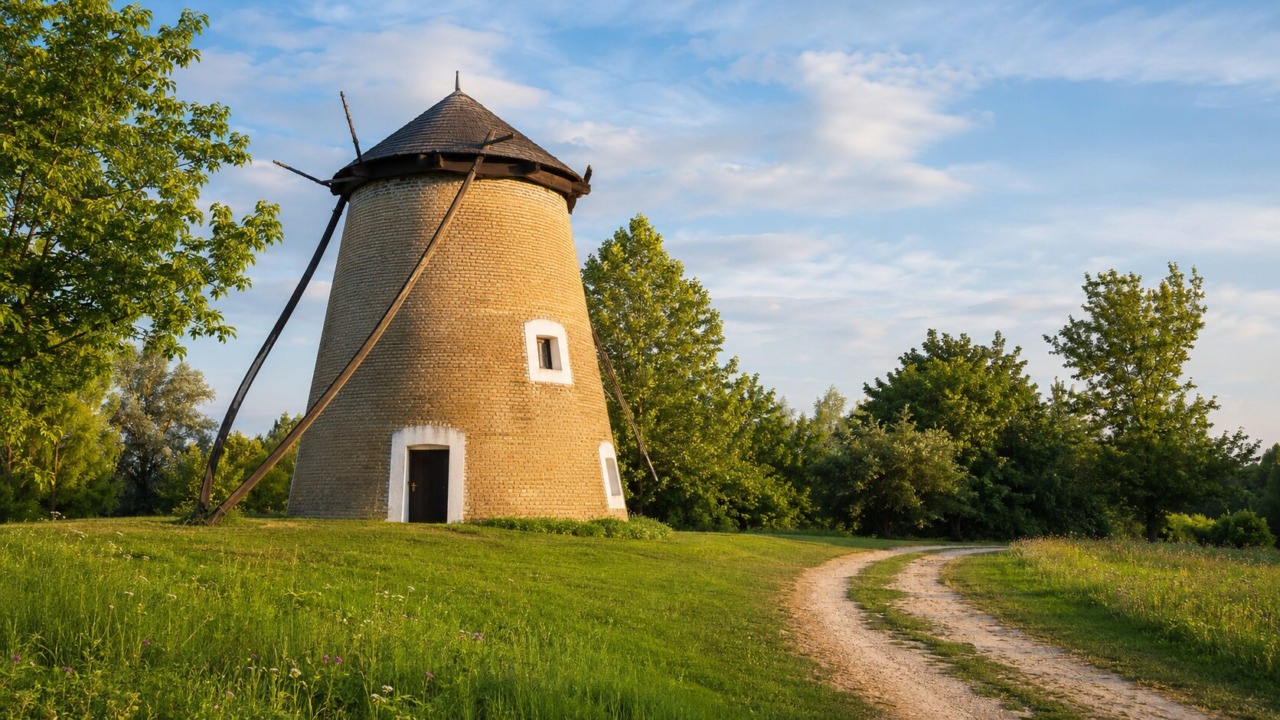
Its silhouette beside the open landscape captures something essential about this destination: the connection between agriculture, water, wind and the everyday ingenuity of life on the plains.
Spend a Summer Morning at Zobnatičko Lake
Created in 1976 in the valley of the Krivaja River, Zobnatičko Lake stretches for approximately five kilometers and covers around 226 hectares. Originally intended as a reservoir for agricultural irrigation, it gradually became one of the area’s most popular recreational spaces.
During summer, visitors come for walks, picnics, sports and time beside the water. There is an arranged beach area, sports grounds and seasonal cafés, while the wider lakeshore offers enough space to find a quieter corner away from the busiest sections.
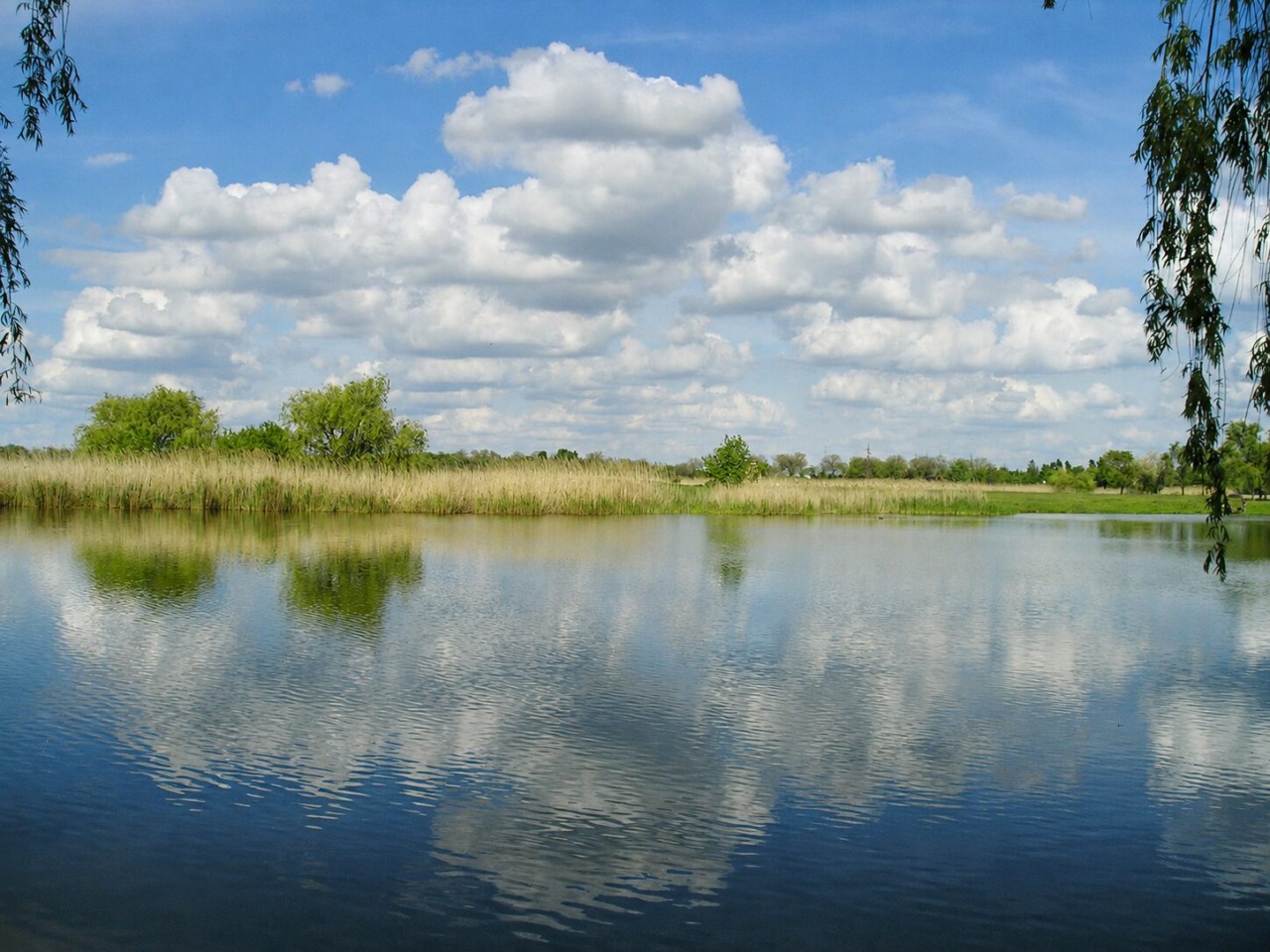
Swimming is possible, but there are no lifeguards, so entering the water is at visitors’ own risk. Water quality and local conditions should always be checked before arrival, especially during periods of extreme summer heat. The lake is also well known among anglers. Its calm water and open banks make it suitable for a slow morning of recreational fishing, although visitors should check current permit requirements and fishing regulations in advance.
Cycling is another rewarding way to explore the area. The route between the town, the lake and Zobnatica passes through an unmistakably Vojvodinian landscape of fields, tree-lined roads and distant farmhouses.
Meet the Horses of Zobnatica
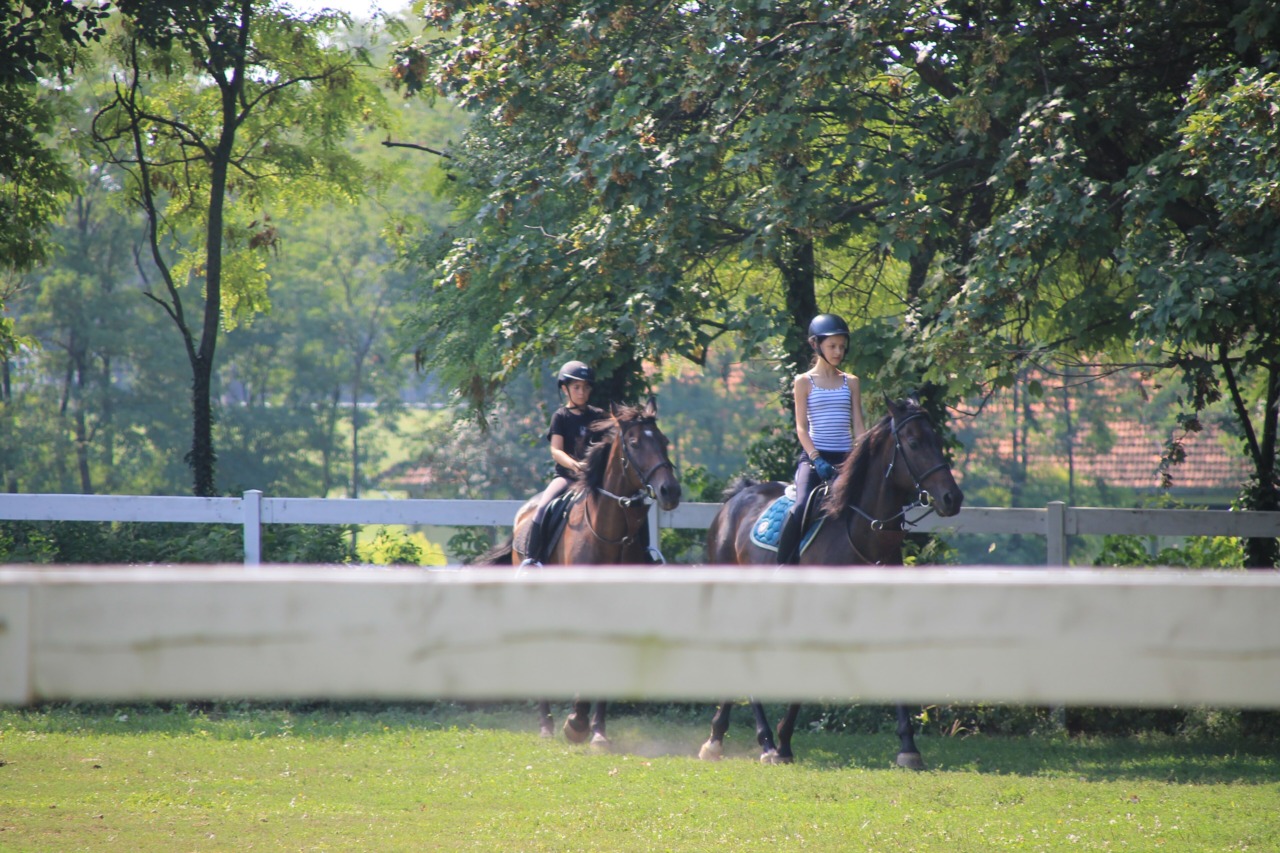
Only around five kilometers from Bačka Topola lies Zobnatica, a place whose identity has been shaped by horses for generations. The estate is one of Serbia’s best-known centers of horse breeding and equestrian tradition. Its stables, paddocks and tree-filled grounds offer a completely different experience from the town center. Even visitors with little knowledge of equestrian sport can appreciate the elegance of the horses and the long relationship between the estate and life on the plains.
The Museum of Horse Breeding, founded in 1896, preserves trophies, photographs, documents and objects connected with horse breeding and equestrian sport. It helps explain why Zobnatica occupies such an important place in Serbia’s equestrian history.
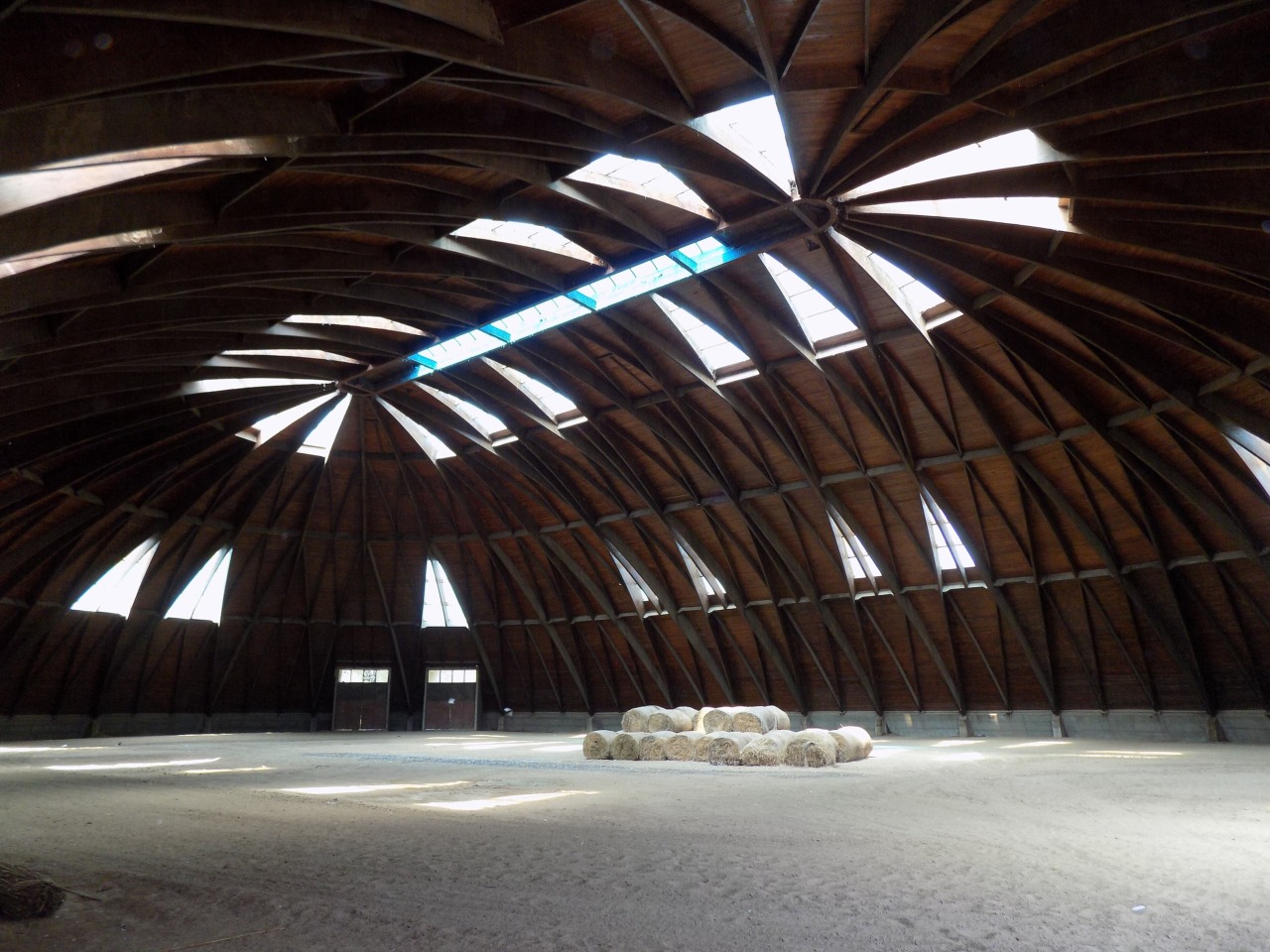
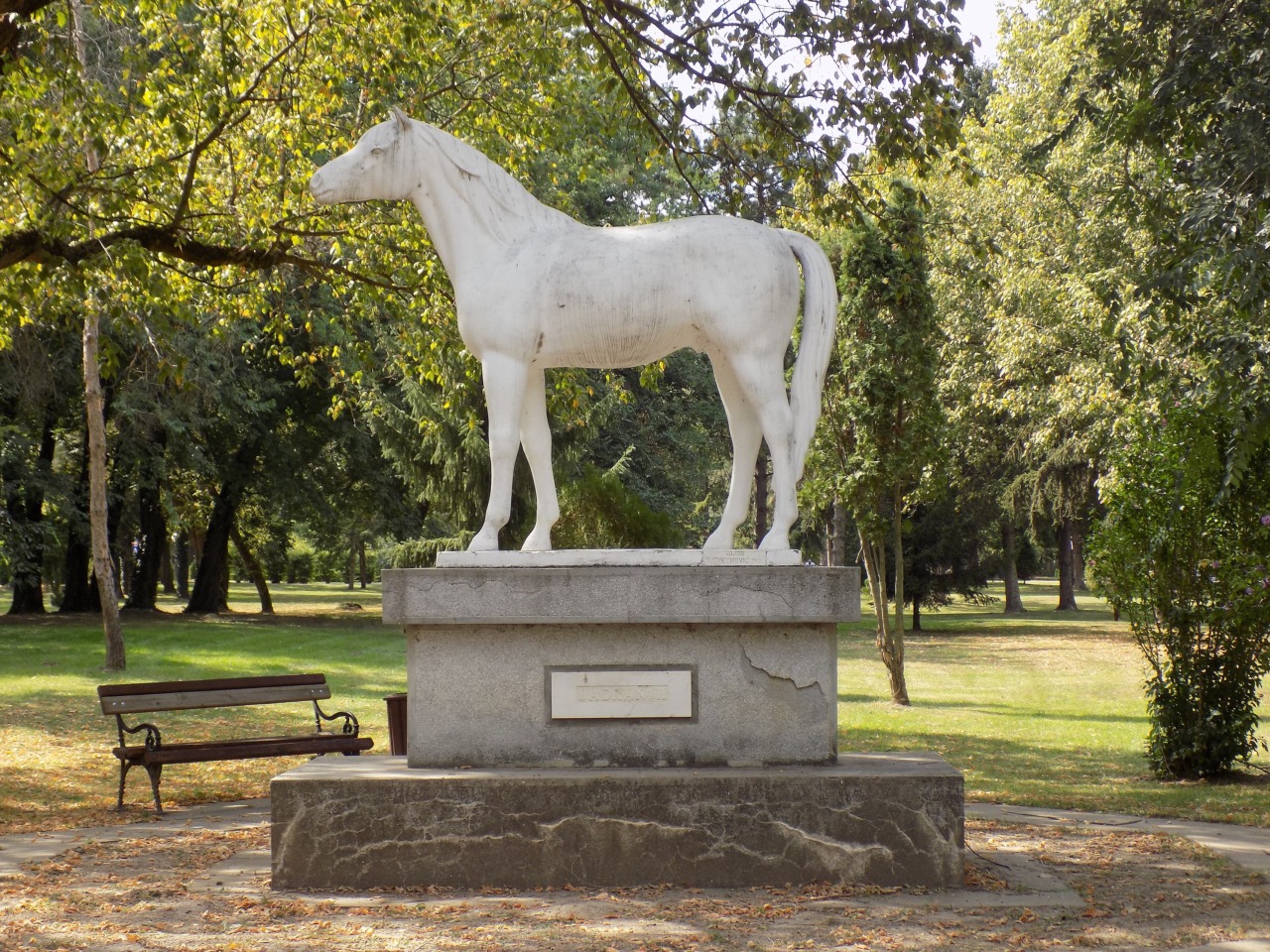
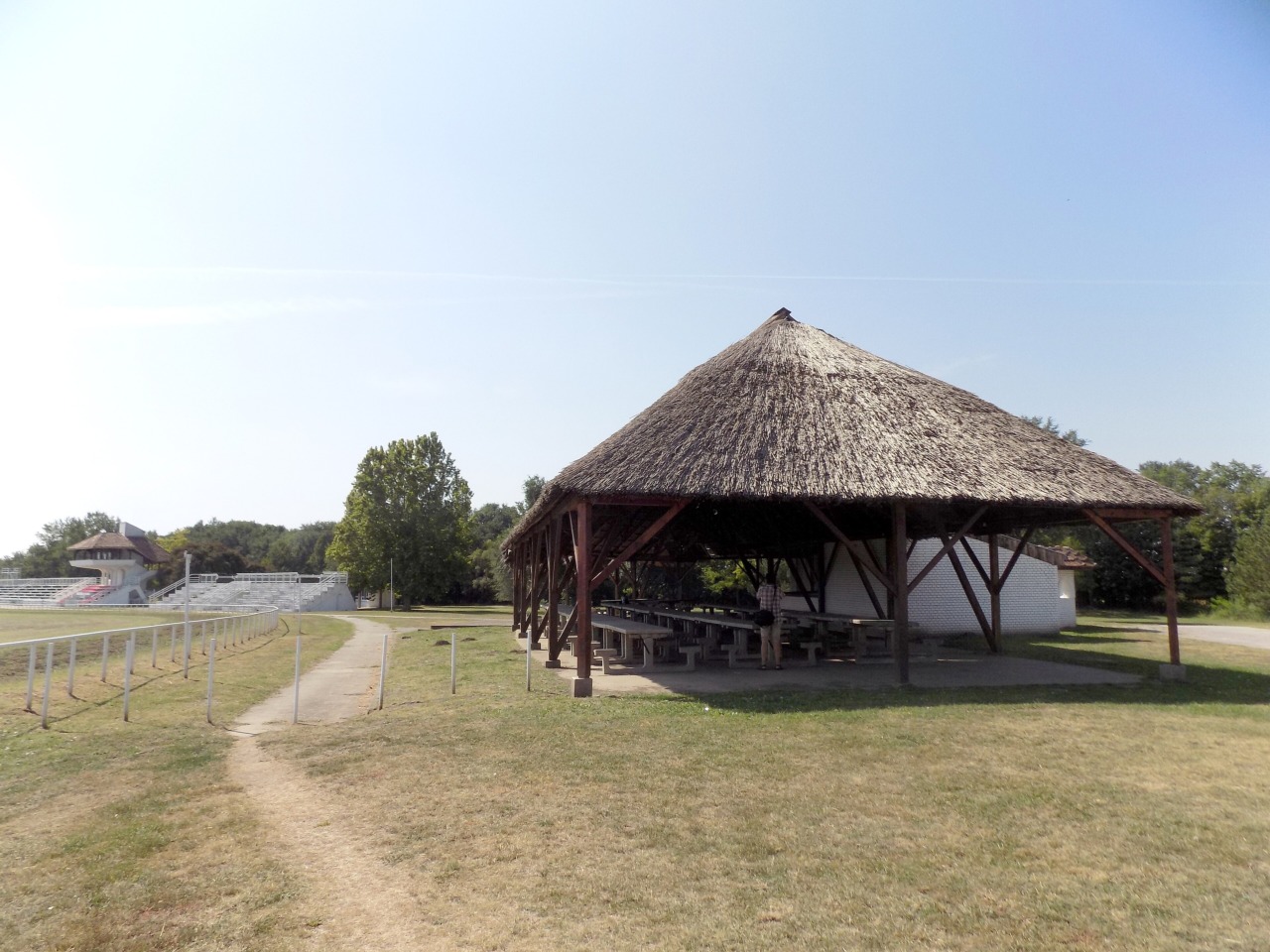
The estate also contains Terlei Castle, another reminder of the aristocratic families that once owned and developed large properties across Vojvodina. A walk through the grounds can be combined with a visit to the stables, the museum and the nearby lake.
Availability of guided stable tours, horse riding and carriage rides can change, so these activities should be arranged directly with the complex before visiting. Even without a scheduled ride, Zobnatica remains one of the most distinctive and family-friendly stops in the region.
Swim in the Pink Thermal Lake of Pačir
The most unusual summer experience near Bačka Topola waits approximately half an hour away, in the village of Pačir. The thermal lake is famous for its striking pink to lilac-colored water. It comes from a depth of around 1,400 meters and reaches approximately 72°C at its source before being cooled to a comfortable bathing temperature. The water is highly mineralized and salty, producing an experience closer to floating in a warm inland sea than swimming in an ordinary pool.
The open-air lake is surrounded by an arranged bathing area with sun loungers and umbrellas, while the complex also contains indoor thermal pools. During the 2026 summer season, the outdoor section operates daily, although opening hours and ticket prices should be checked before traveling. Weekdays and earlier morning hours are generally more comfortable for visitors hoping to avoid the largest crowds.
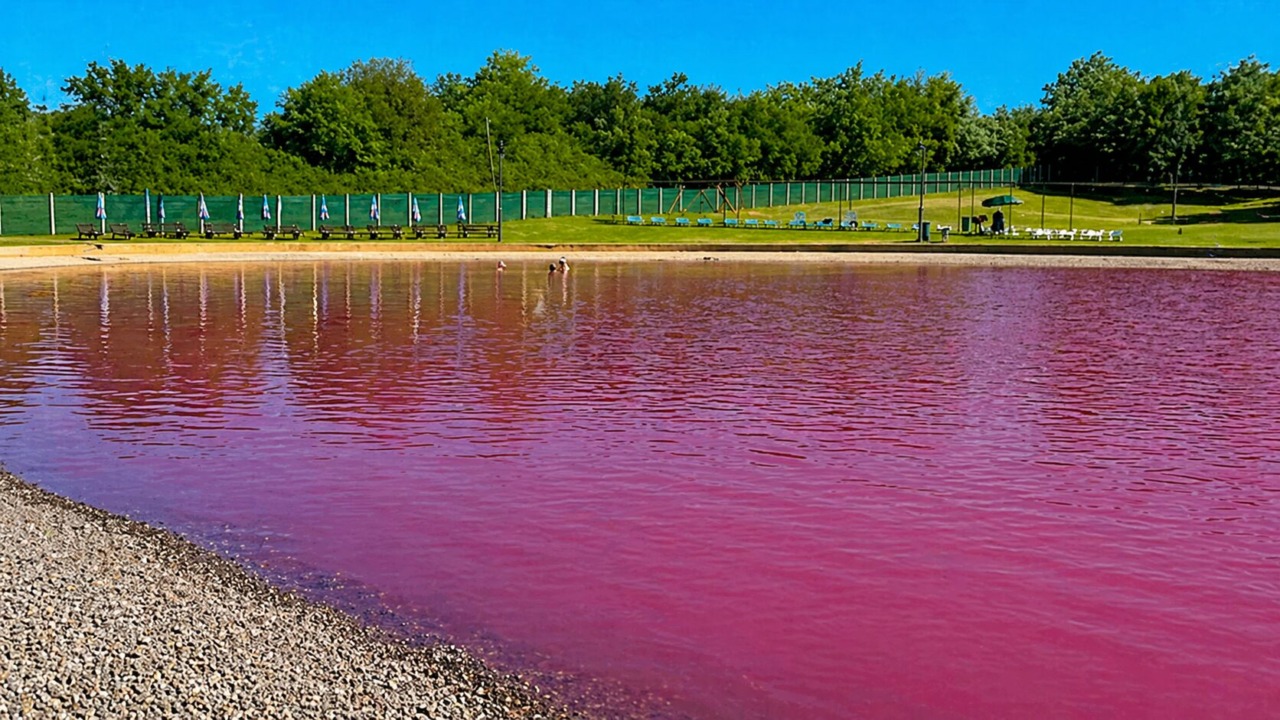
The lake’s color can vary depending on the light, water composition and time of day. It may appear pale rose, mauve or slightly purple rather than the intense pink sometimes seen in edited photographs. Its real appeal, however, is not limited to its appearance. Warm water, a quiet village setting and the surrounding plains make Pačir an ideal conclusion to a summer day.
Explore the Villages and Estates Around Bačka Topola
Travelers with more time can continue through the surrounding villages, where small museums, country houses, parks and lakes reveal further layers of northern Bačka.
In Bajša, an ethno house preserves traditional textiles and local handicrafts, while Stara Moravica offers recreational facilities and cultural heritage linked to the area’s Hungarian community. The Panonija estate is known for its park and historic castle, and the lakes near Krivaja, Svetićevo and Panonija provide additional possibilities for fishing and peaceful countryside excursions.
These places are not crowded attractions with fixed visitor circuits. Some require advance notice, while others are best experienced simply as scenic stops along a relaxed drive. That is precisely their appeal. They allow visitors to move beyond a checklist and encounter the landscape at its natural pace.
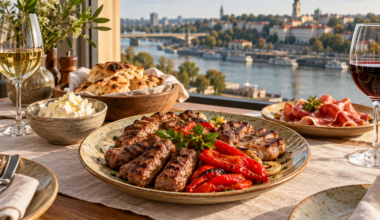
A summer trip through the municipality can also include lunch at a salaš or traditional restaurant, where regional dishes reflect the mixture of Serbian, Hungarian and Central European influences. Freshly prepared soups, meat dishes, homemade pastries and langoš are all part of the local table.
How to Spend a Summer Weekend in Bačka Topola
One full day is enough for the principal attractions, but two days allow the destination to be experienced without rushing. Spend the first morning walking through central Bačka Topola, visiting the Catholic church, Krai Castle and the town museum. Continue to the Heritage House and blacksmith-wheelwright workshop, then head towards the old windmill and Zobnatičko Lake for lunch, fishing, cycling or an afternoon beside the water.
Reserve the second day for Zobnatica. Visit the stables and Museum of Horse Breeding, walk through the estate and continue towards Pačir for several hours in the thermal lake. If time allows, return through Stara Moravica or Bajša and stop at one of the traditional rural households along the way. Because museums, heritage houses and equestrian activities may not be available without notice, arranging these visits in advance will make the itinerary much easier.
A Different Kind of Vojvodina Escape
Bačka Topola does not compete with Serbia’s most famous destinations through scale or spectacle. Its strength is the diversity of experiences hidden within a surprisingly small area.
A morning can begin beneath the country’s tallest Catholic church tower, continue inside a 19th-century Pannonian home and end among the horses of Zobnatica. The following day might be devoted to fishing, lakeside walks and the warm pink water of Pačir.
It is a destination made for travelers who enjoy discovering how landscape, tradition and daily life come together. In Bačka Topola, summer is not defined by one great attraction. It is found in the road between the lake and the stables, in the shadow of an old windmill, in museum rooms filled with forgotten tools and in the calm water stretching across the plains.
Plan your visit
Everything you need to plan your perfect trip.
Related Articles