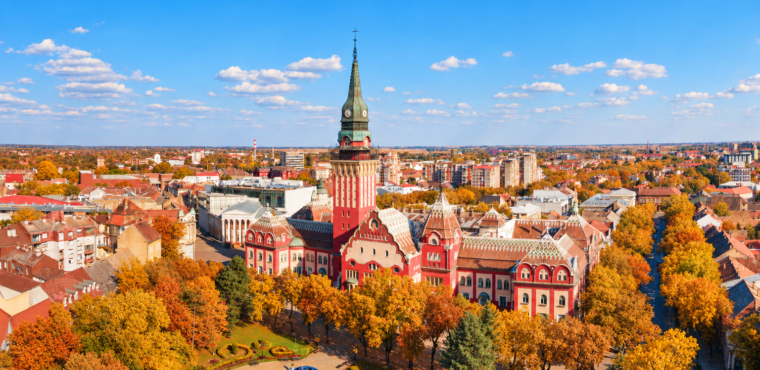

In the far north of Banat, surrounded by endless fields and wide-open horizons, Kikinda reveals its liveliest side during August. Days here unfold at a slower pace, filled with walks through the town’s squares, art that extends beyond museum walls, and evenings spent beside the water. Once the sun goes down, the atmosphere changes: courtyards, squares, and open-air venues become gathering places for concerts, performances, and summer events.
That is precisely why August may be the best time to discover Kikinda. The “Kikinda Summer” festival lasts for almost the entire month, but it is far from the only reason to visit. Behind its varied programme lies a town with a fascinating industrial and cultural past, a distinctive art scene, one of Serbia’s most famous prehistoric residents, and surrounding countryside where the authentic spirit of Banat can still be easily recognised.
Kikinda Summer: A Month of Open-Air Culture
From 1 to 30 August, Kikinda turns into one large summer stage. For many years, the “Kikinda Summer” festival has brought residents and visitors together through concerts, theatre performances, exhibitions, literary evenings, and programmes for children.
Rather than being concentrated into one major festival weekend, the events are spread throughout the month. This is what gives the festival its distinctive character: it is not a short-lived spectacle but part of everyday life in the town. During the hot August days, Kikinda retains its peaceful Banat rhythm, while the evenings bring music, art, and outdoor gatherings.
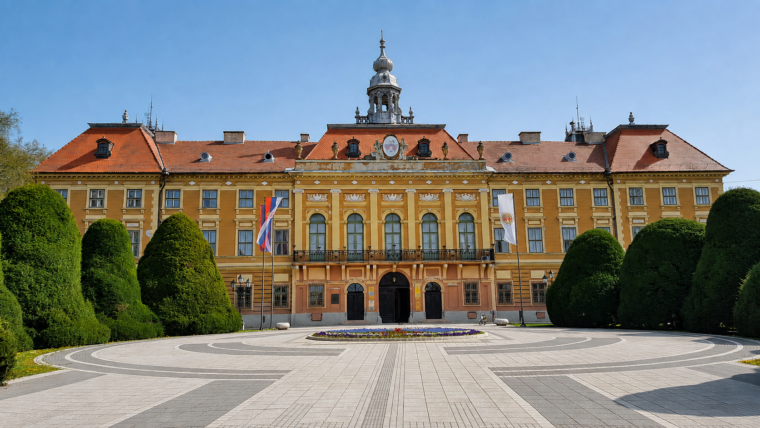
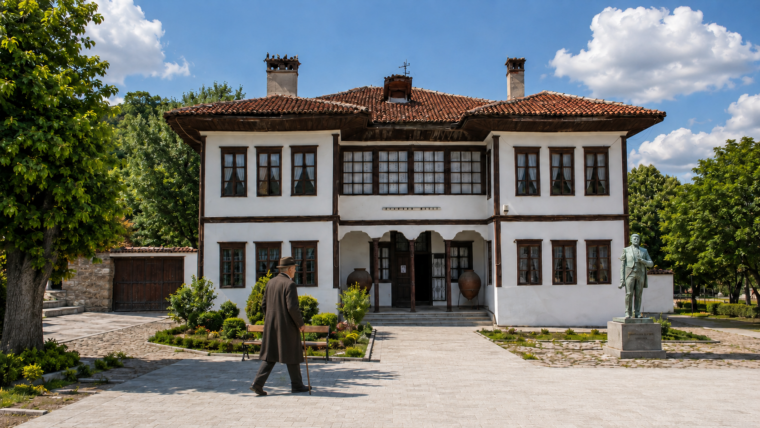
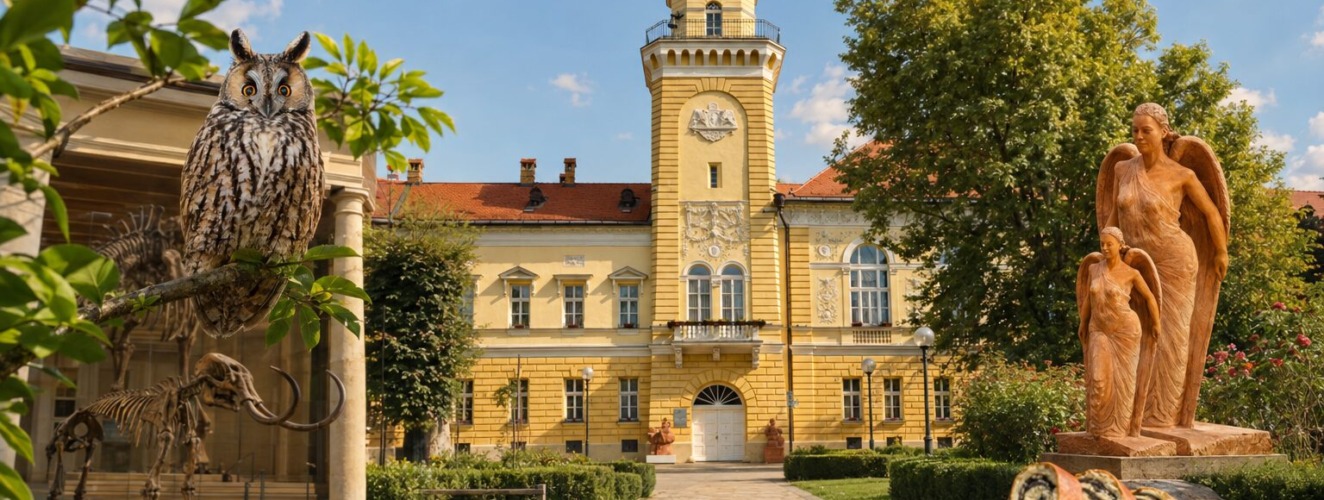
Events take place at several locations around town, with the courtyard of the Kurija – today home to the National Museum – holding a particularly important place. Its historic architecture and pleasant summer evenings create an intimate atmosphere that makes cultural events feel more immediate than they might in a large concert hall or theatre.
“Kikinda Summer” is therefore an excellent reason to spend a weekend in northern Banat: the days can be devoted to discovering the town and its surroundings, while the evenings can be reserved for one of the events from the current programme.
A Town Best Discovered Slowly
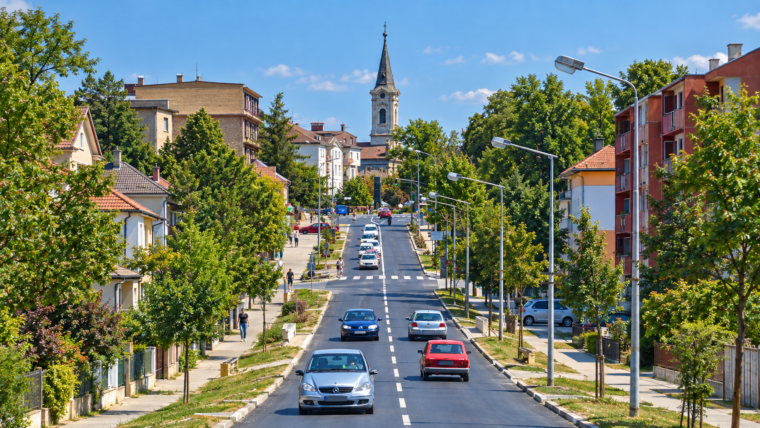
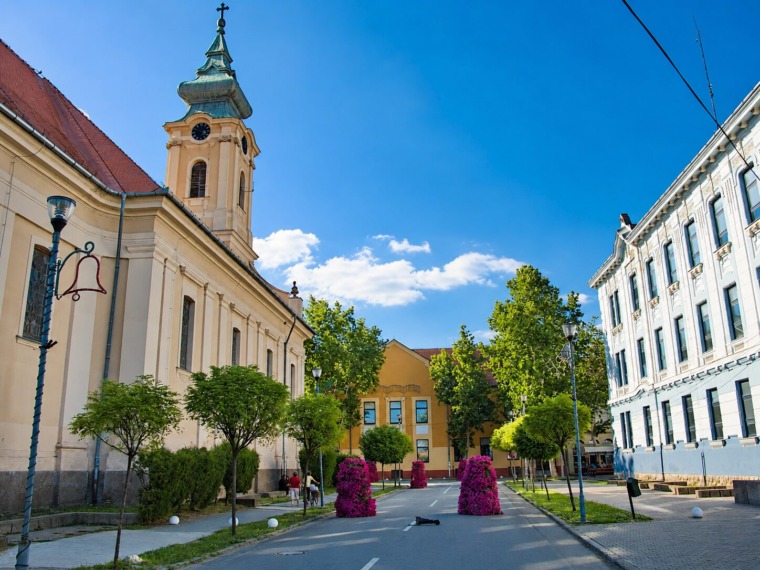
Kikinda is not a town to be explored by rushing from one attraction to the next. Its atmosphere is best experienced on a leisurely walk through the centre, among buildings that preserve traces of different eras and the broad streets characteristic of towns across the Pannonian Plain.
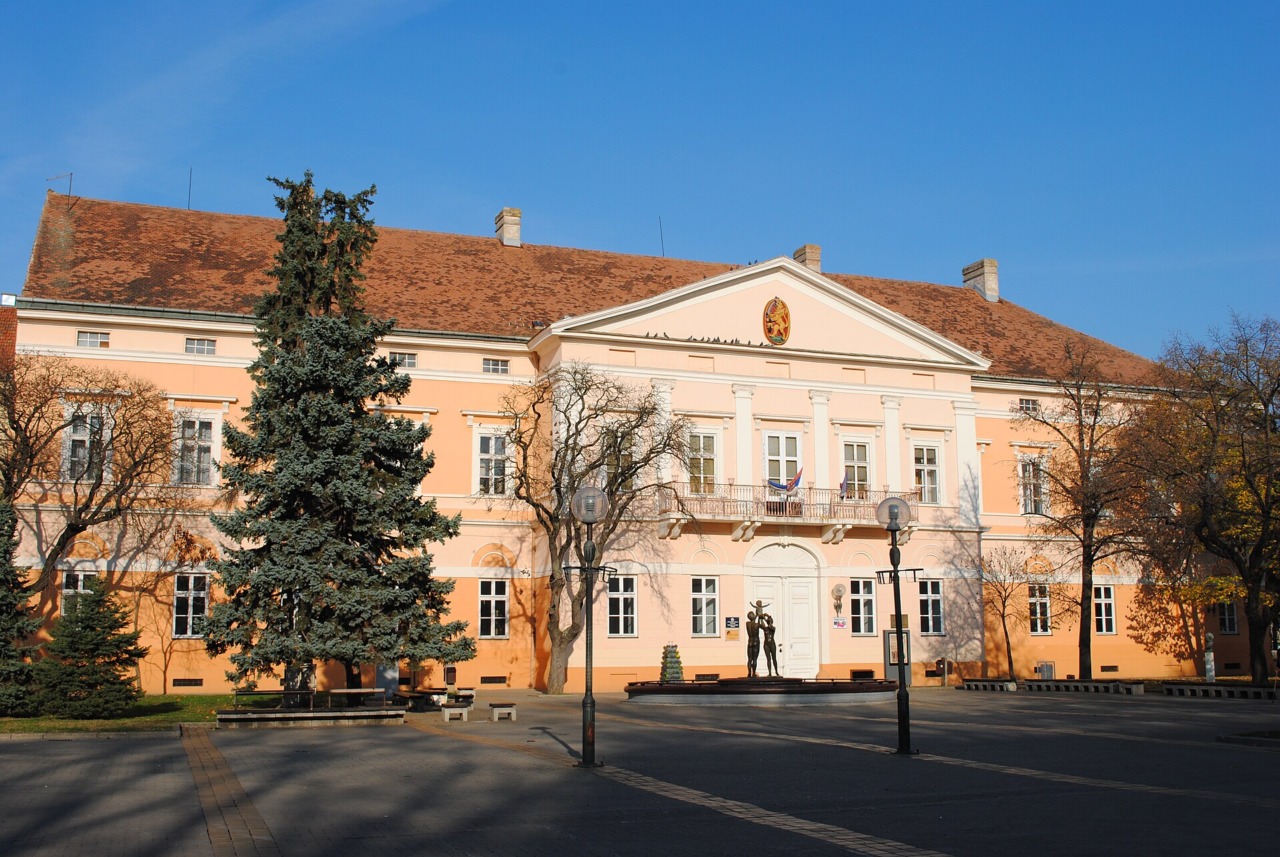
At the heart of Kikinda lies Serbian Volunteers’ Square, a spacious and carefully arranged area surrounded by some of the town’s most important buildings. Among them is the former administrative headquarters of the District of Velika Kikinda, an imposing 19th-century building now occupied by the National Museum and Historical Archives.
During summer, its courtyard hosts part of the cultural programme, ensuring that the historic centre is more than a backdrop from the past. It becomes a place where Kikinda gathers and comes to life.
Meet Kika, the Mammoth of Banat
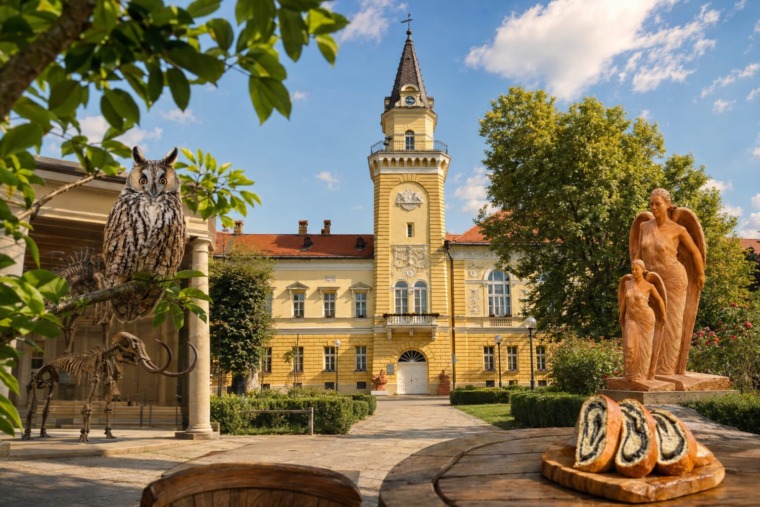
The most famous resident of Kikinda’s museum lived long before the town itself existed. The remains of a female mammoth, affectionately named Kika, were discovered in 1996 in the clay quarry of the Toza Marković factory. The discovery became one of the town’s symbols and one of its most unusual stories. At the National Museum, visitors can see a life-sized reconstruction of the mammoth and learn what northern Banat looked like hundreds of thousands of years ago.
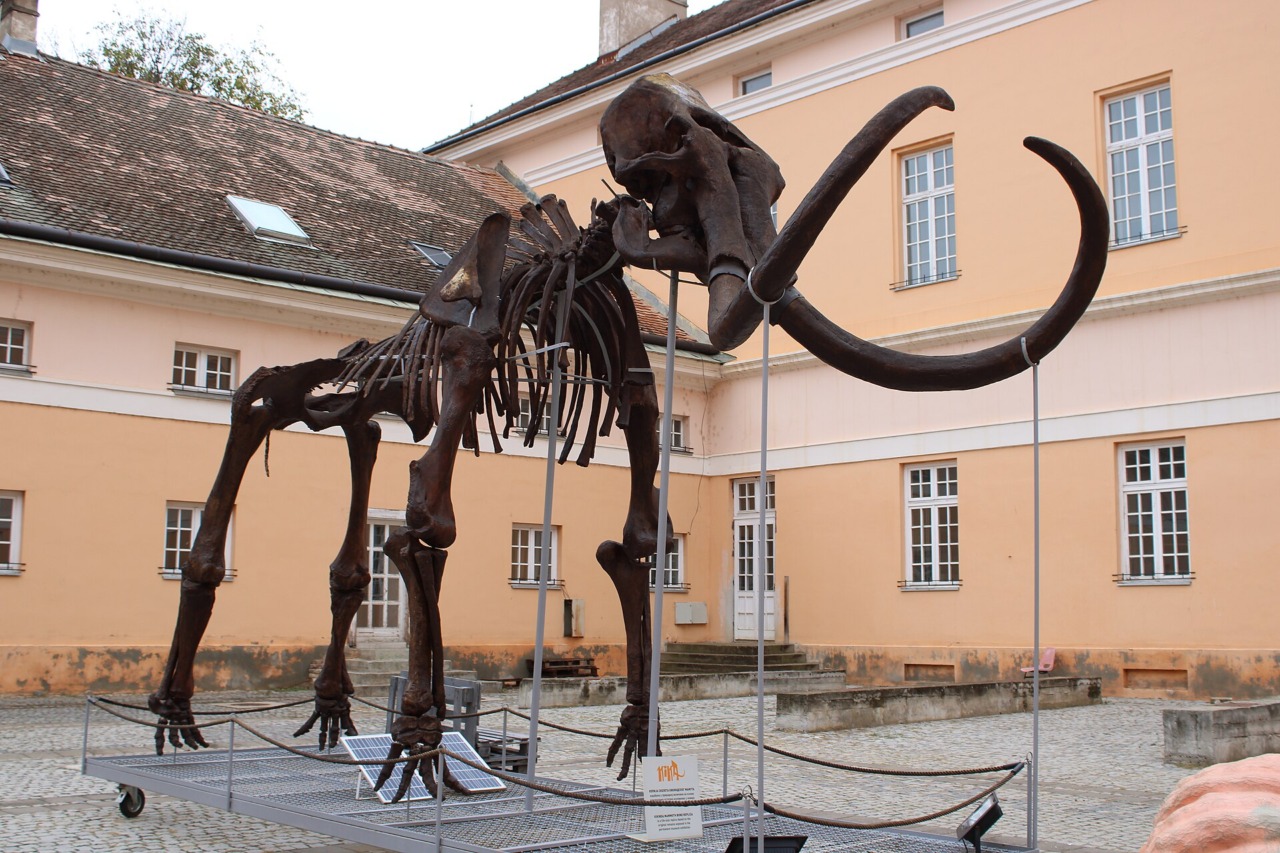
Kika is particularly fascinating for families with children, but the story of her discovery also reveals something important about Kikinda itself: the extent to which its development, identity, and art are connected to the earth and clay beneath it. That connection becomes even more apparent at the next stop.
Terra: Art Born from the Earth
Kikinda occupies a special place on Serbia’s artistic map thanks to the International Symposium of Terracotta Sculpture “Terra”. Founded in 1982, the symposium has brought together artists from around the world for more than four decades, inviting them to create monumental clay sculptures in Kikinda.
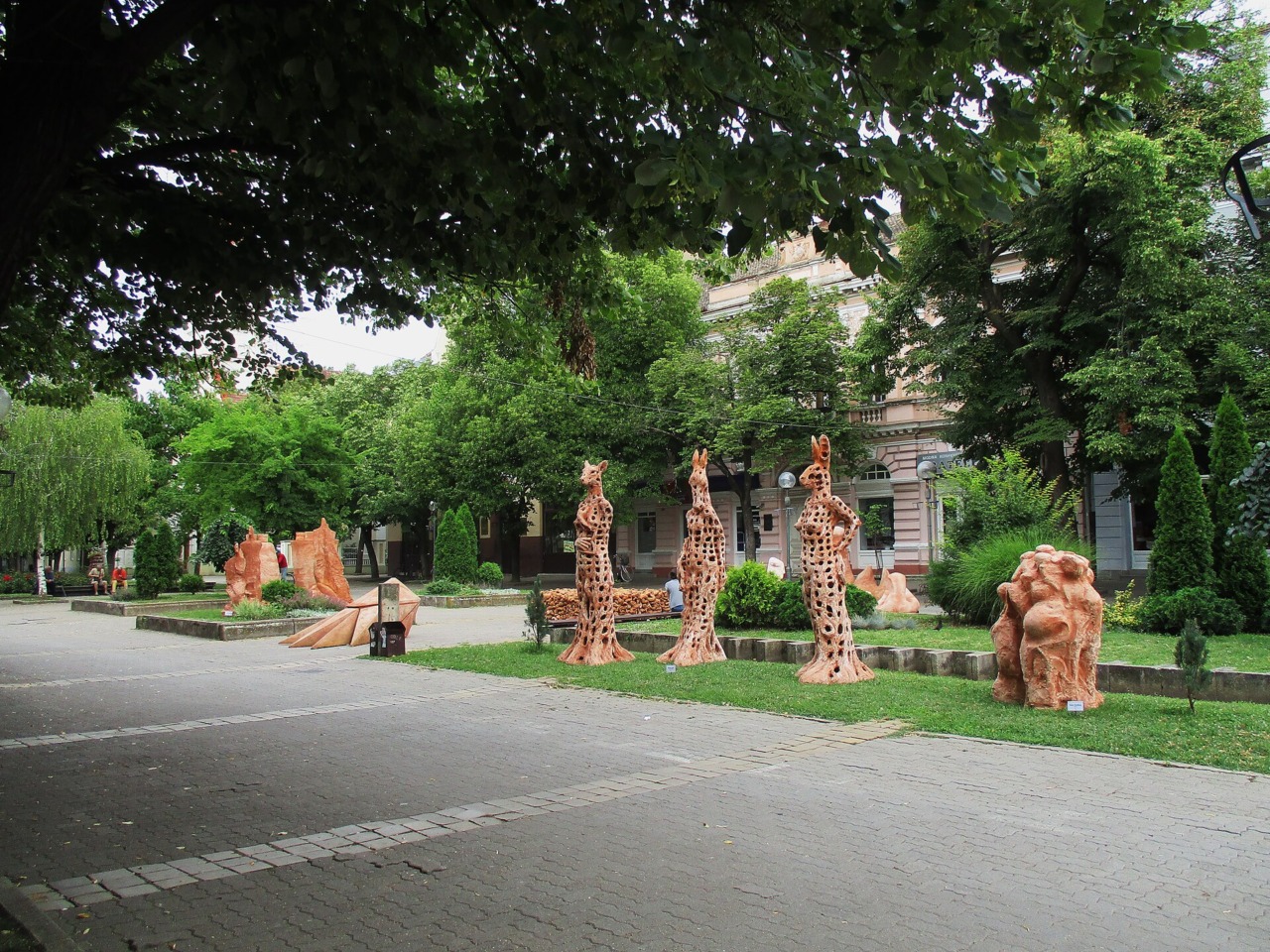
Today, the Terra Centre consists of a gallery, a studio, and a museum. The museum is housed in a former roof-tile factory, whose industrial architecture provides a dramatic setting for the large-scale sculptures displayed inside the old production hall. This is not a traditional museum filled with objects enclosed in glass cases, but a space in which art, material, and the town’s history continually overlap.
Terracotta sculptures can also be found outdoors, in Kikinda’s public spaces. The Terra story therefore does not end when visitors leave the museum – it continues to follow them through the town.
Suvača: A Reminder of Life Before Machines
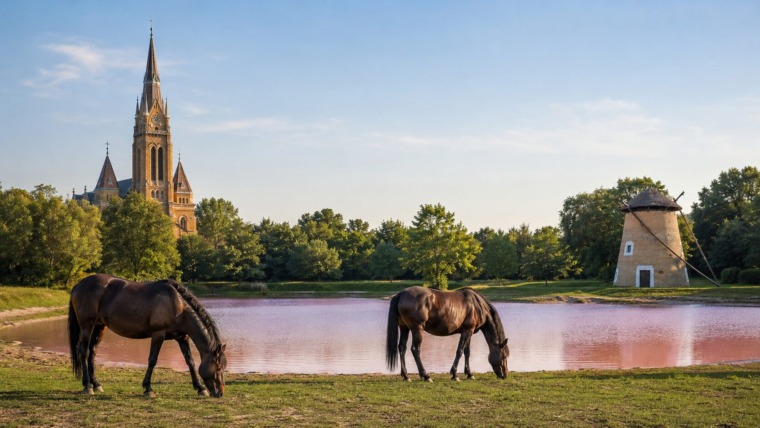
Among Kikinda’s most valuable historic monuments is Suvača, a dry mill whose mechanism was powered by horses. Mills of this kind were once an important part of everyday life in the towns and villages of the Pannonian Plain, but very few have survived.
Kikinda’s Suvača dates from the 19th century and preserves a rare example of the traditional method of grinding grain. Its circular structure, enormous driving wheel, and intricate milling system tell the story of life in Banat before electricity and modern machinery.
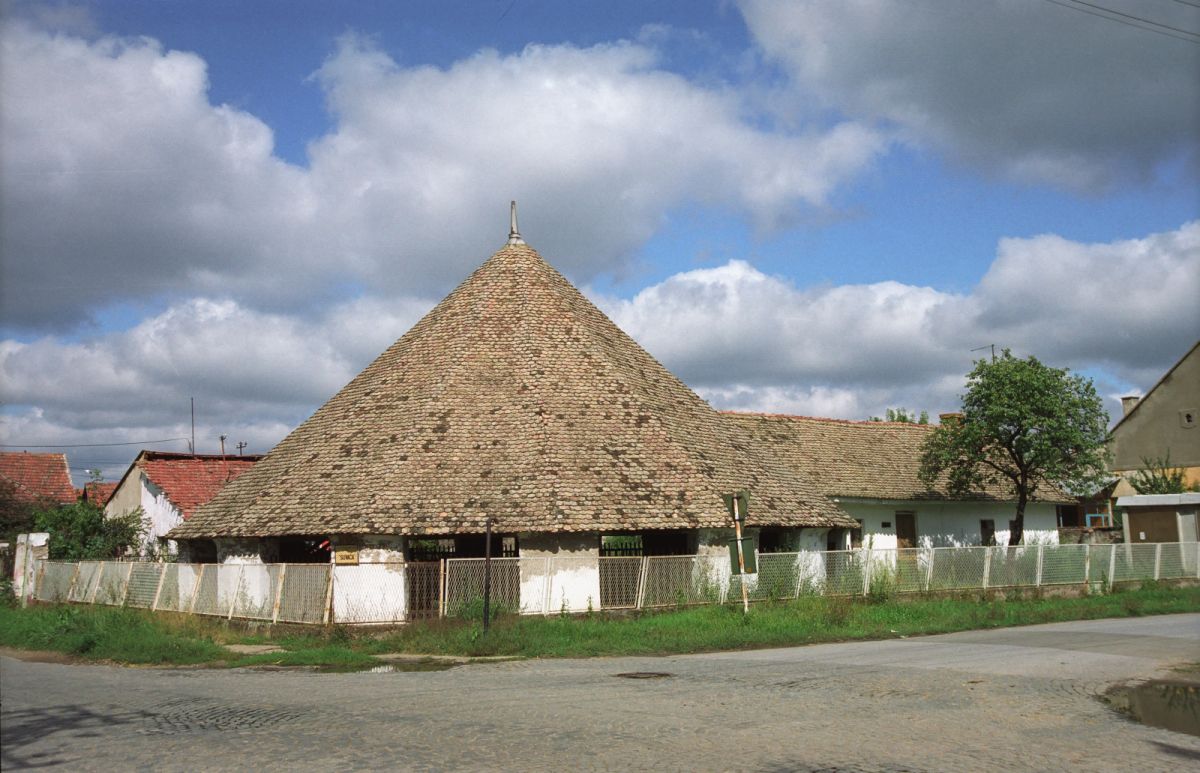
In a town known for its roof-tile factory and industrial heritage, Suvača recalls an even older relationship between people, animals, and the land. It is precisely these contrasts that make Kikinda more interesting than it may initially appear.
An Evening beside Staro Jezero
As the heat of an August day begins to fade, Staro Jezero – also known as Števančeva Bara – becomes one of the most pleasant places in town. Located only a few minutes from the centre, it is a remnant of the former course of the River Galacka and is now a popular area for walking, recreation, and relaxation.
The paths beside the water are ideal for a gentle bicycle ride or an evening walk, while the surrounding greenery and open views of the sky offer relief from the summer heat. The nearby Jezero Sports Centre, with its outdoor swimming pools, makes this part of town particularly lively during summer.
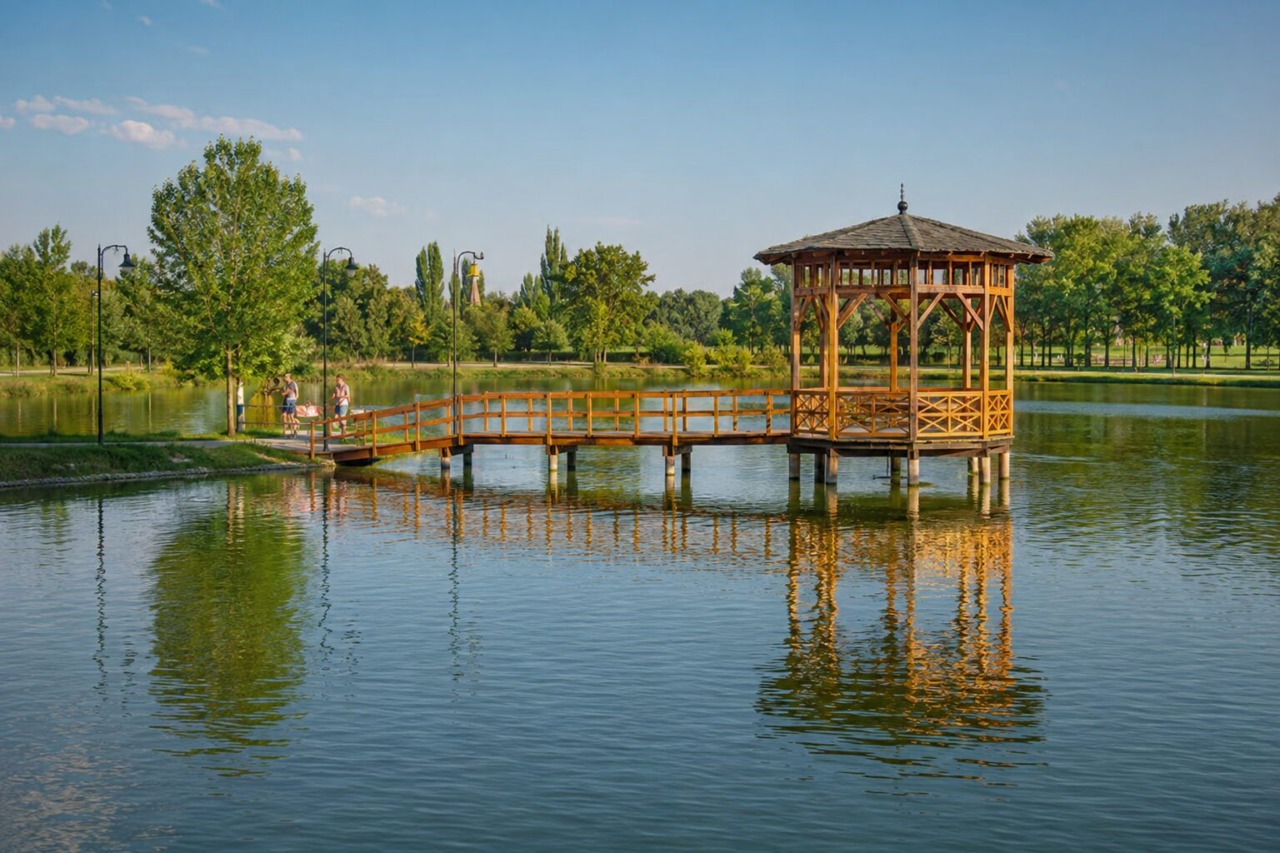
Staro Jezero may not be a major natural attraction around which an entire journey is planned, but it is precisely the kind of place where Kikinda’s everyday rhythm can best be experienced. This is where the town comes to rest, takes a walk, and watches the sun set.
A Trip to Mokrin and the Villages of Banat
A stay in Kikinda can easily be combined with a short tour of its surroundings. Just around 15 kilometres to the north lies Mokrin, one of Serbia’s best-known villages when it comes to unusual traditions and a strong local identity. Mokrin is widely known for its traditional Easter egg-tapping competition and gander-fighting contest, but its appeal is not limited to these events. This is a village with a distinct Banat character, broad streets, old houses, and stories shaped over centuries at the crossroads of different cultures.
Rusko Selo, Banatska Topola, Nakovo, and several other villages can also be found around Kikinda. During summer, they host local gatherings, food competitions, and programmes celebrating traditional culture. These events offer visitors an opportunity to venture beyond the town centre and discover northern Banat through its everyday life.
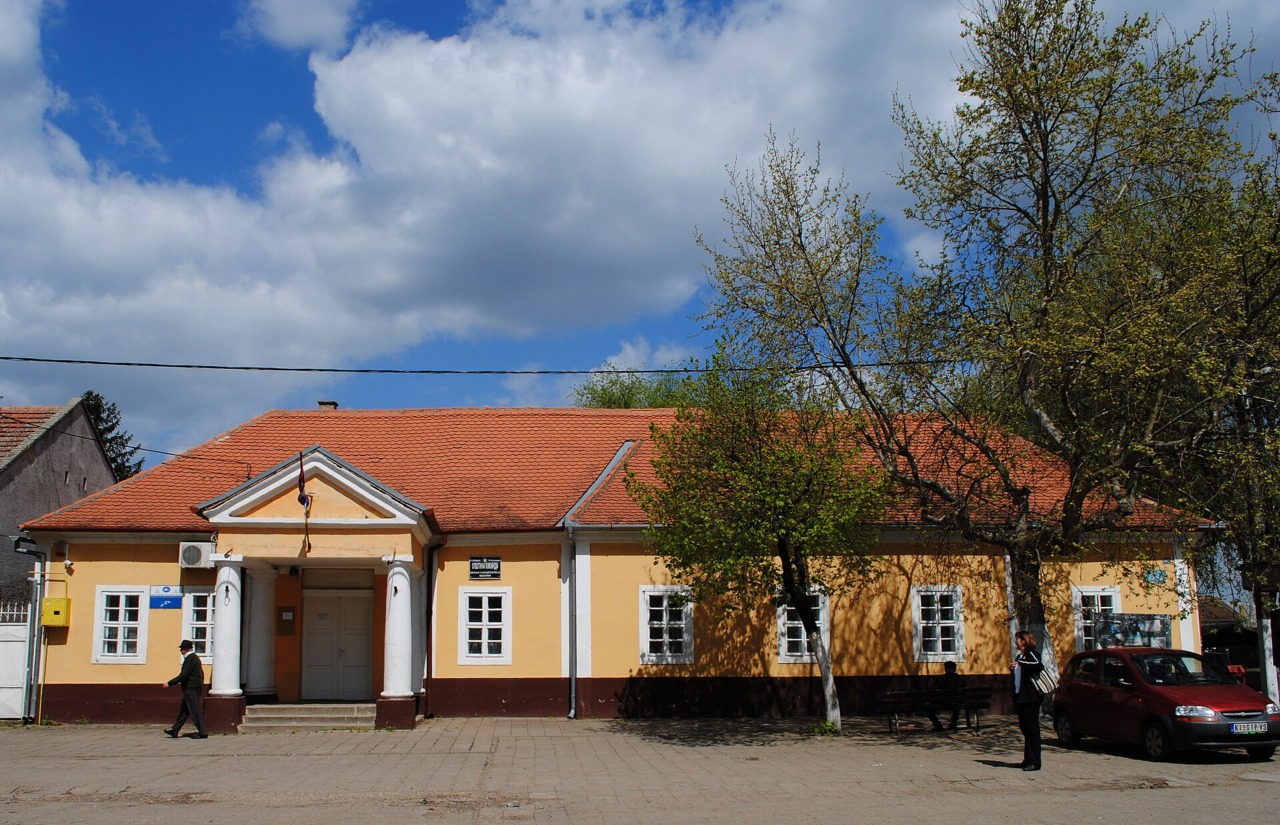
The plain may not have dramatic viewpoints or mountain scenery, but it offers something different: an immense sky, long roads stretching between fields, old tree-lined avenues, and a sense of peace rarely found in better-known tourist centres.
The Flavours of Northern Banat
A journey through Kikinda and its surroundings would not be complete without traditional Banat cuisine. Hearty and unpretentious, it has been shaped by a long blend of Serbian, Hungarian, German, and Romanian influences.
Local tables feature homemade soups, paprikash, pasta dishes, strudels, poppy-seed noodles, and numerous specialities prepared according to recipes passed down through generations. Food-related gatherings held around the region during August bring these traditions to life, transforming villages into places of cooking, conversation, and community.
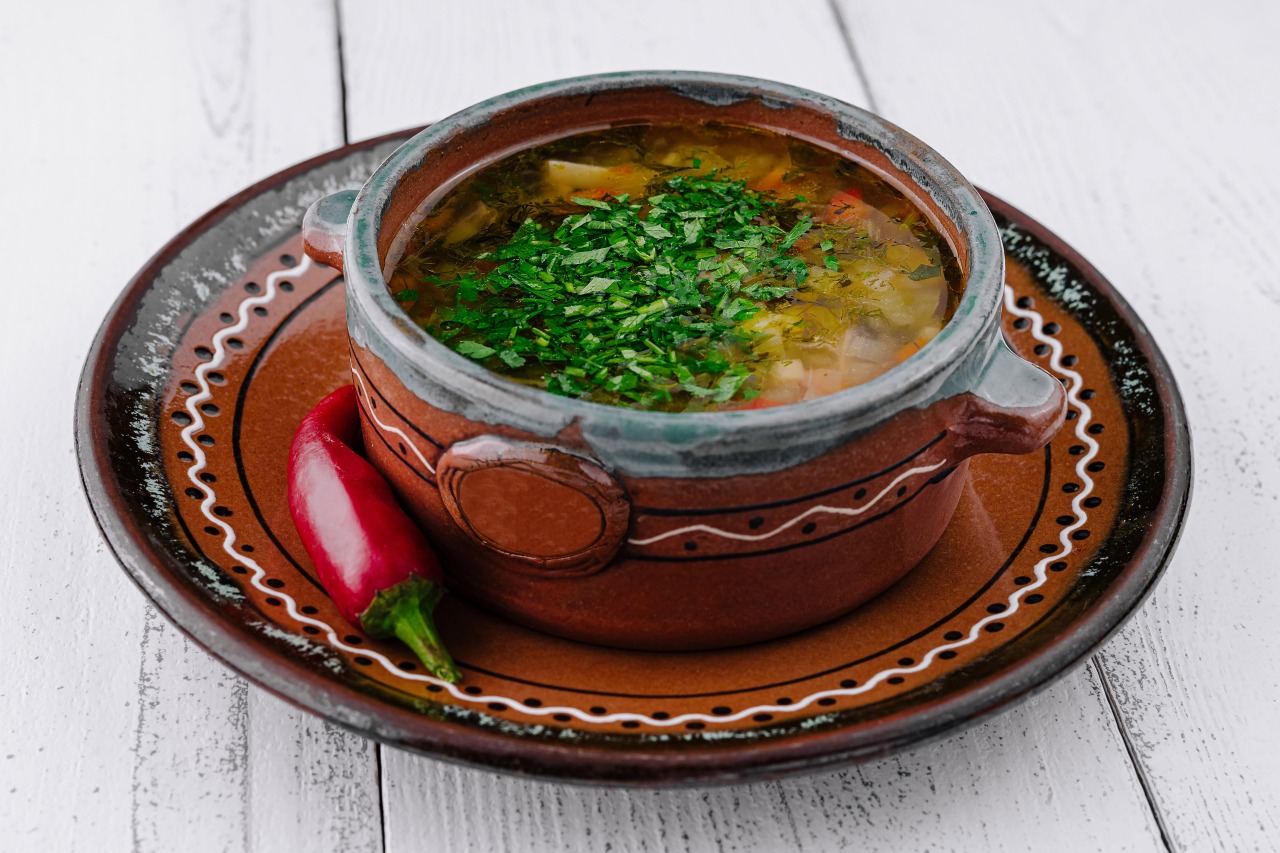


Here, food is more than part of the tourist experience. It is an extension of Banat hospitality and of a slower rhythm in which people tend to remain around the table longer than they originally intended.
Why Visit Kikinda in August?
Kikinda is most often associated with the autumn “Pumpkin Days” festival and the long-eared owls that form one of Europe’s most remarkable urban winter roosts during the colder months. However, reducing the town to those two stories would mean overlooking an entirely different side of northern Banat.
In August, Kikinda offers a combination of culture, art, local history, and simple summer pleasures. You can begin the day by meeting Kika the mammoth, continue among Terra’s monumental sculptures, take an evening walk beside Staro Jezero, and finish with an open-air concert or theatre performance.

This may not be a summer of famous tourist attractions and crowded streets. It is the summer of a town on the plains that makes no attempt to be anything other than itself – a town whose art, stories, and events prove that some of the most rewarding journeys begin in places that receive far less attention than they deserve.
The “Kikinda Summer” festival takes place from 1 to 30 August 2026, featuring concerts, exhibitions, literary evenings, theatre performances, and other events at several locations around town. Before visiting, check the precise dates and any programme changes with the Kikinda Tourism Organisation or through its social media channels.
Related Articles