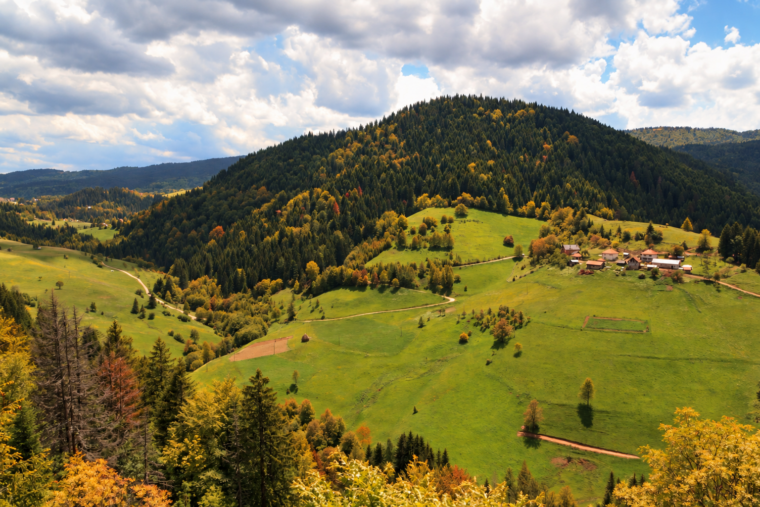

Summer in Serbia rarely ends when the calendar says it should. Long after the busiest holiday weeks have passed, the days remain warm, rivers and lakes still invite you in, and evenings seem made for staying outdoors.
Late summer has a rhythm of its own. Roads become quieter, popular destinations feel more relaxed, and the first signs of the coming season begin to appear in vineyards, orchards and village gardens. It is the perfect time for spontaneous day trips, slower weekends and all those small summer rituals we keep postponing.
Before the season slips away, here are twelve experiences worth making time for in Serbia.
1. Take One More Swim in a River or Lake
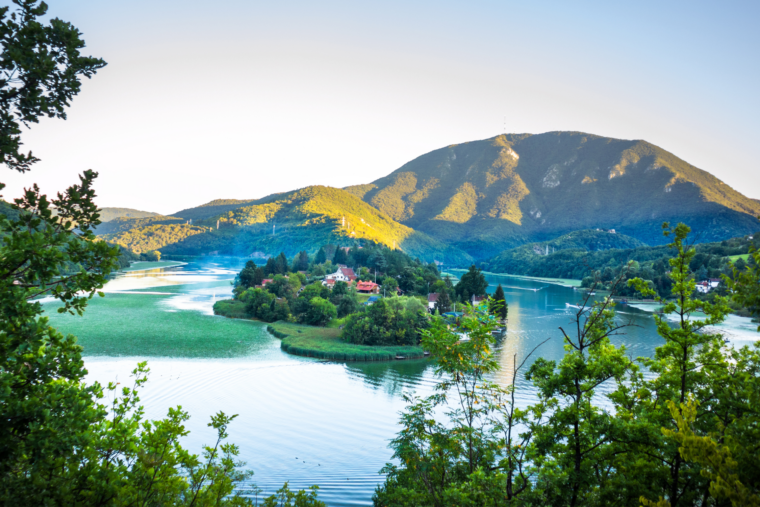
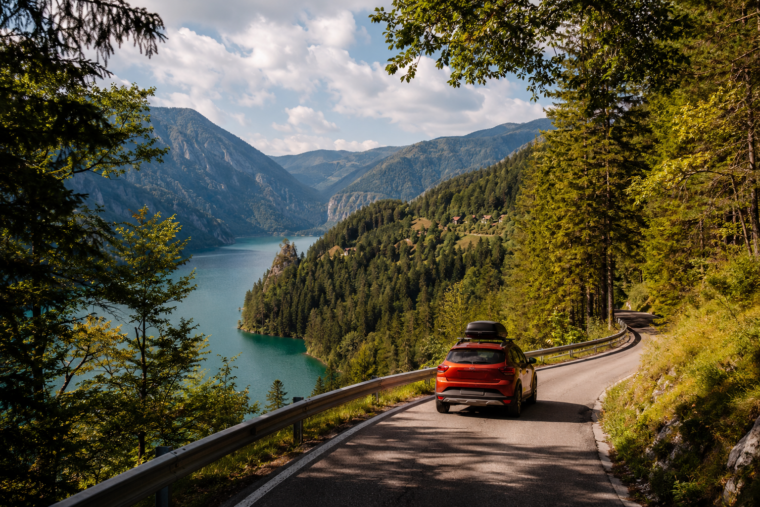
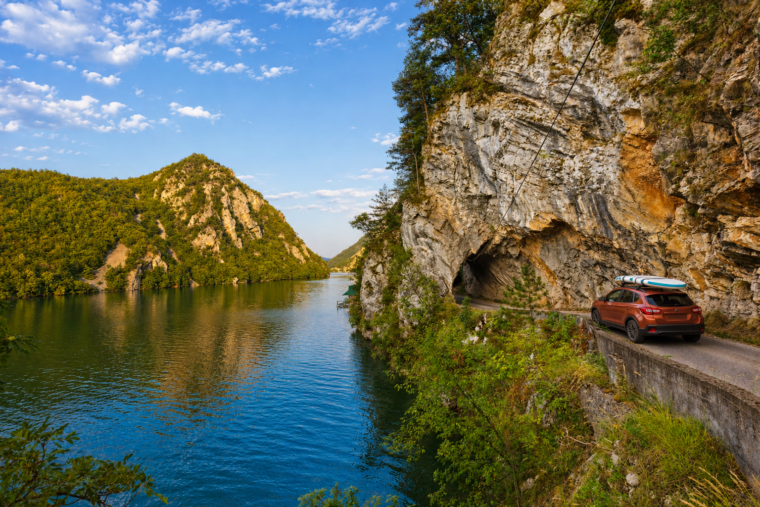
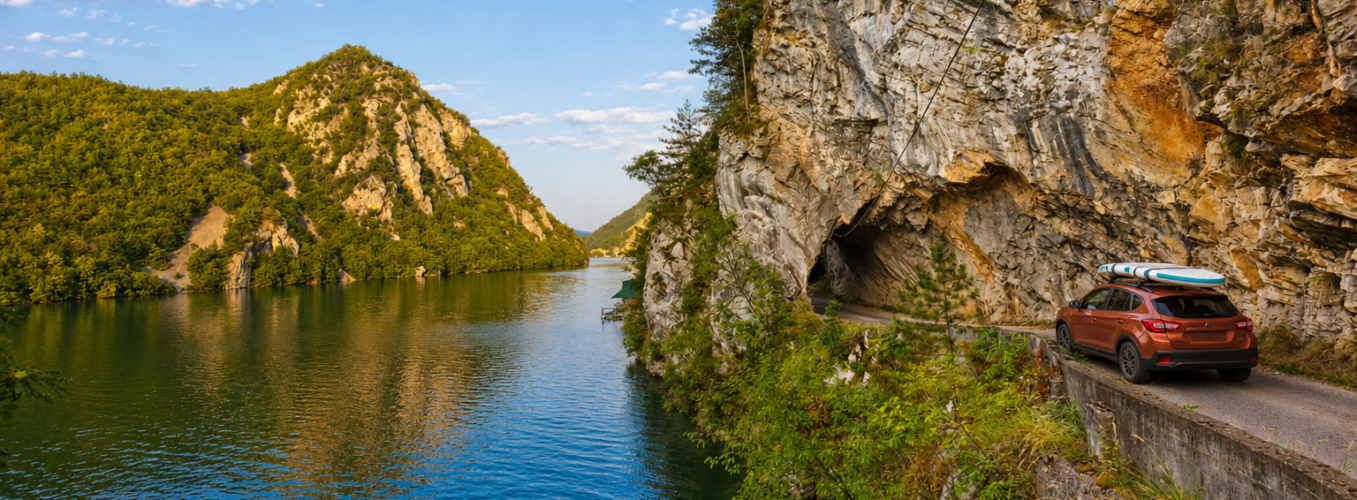
Serbia may not have a coastline, but summer here has always belonged to its rivers and lakes. For a classic western Serbian escape, head to Lake Perućac, where the emerald water of the Drina meets the forested slopes of Tara National Park. Swimming can easily be combined with kayaking, a boat trip through the Drina Canyon or a visit to the Banjska Stena viewpoint.
Nearby Zaovine offers a wilder and quieter atmosphere, while Vlasina Lake in southern Serbia is surrounded by open meadows, birch forests and mountain scenery at more than 1,200 metres above sea level. In Vojvodina, the lakes around Bela Crkva provide several different beaches and swimming areas, while Srebrno jezero remains one of the easiest late-summer escapes from Belgrade.
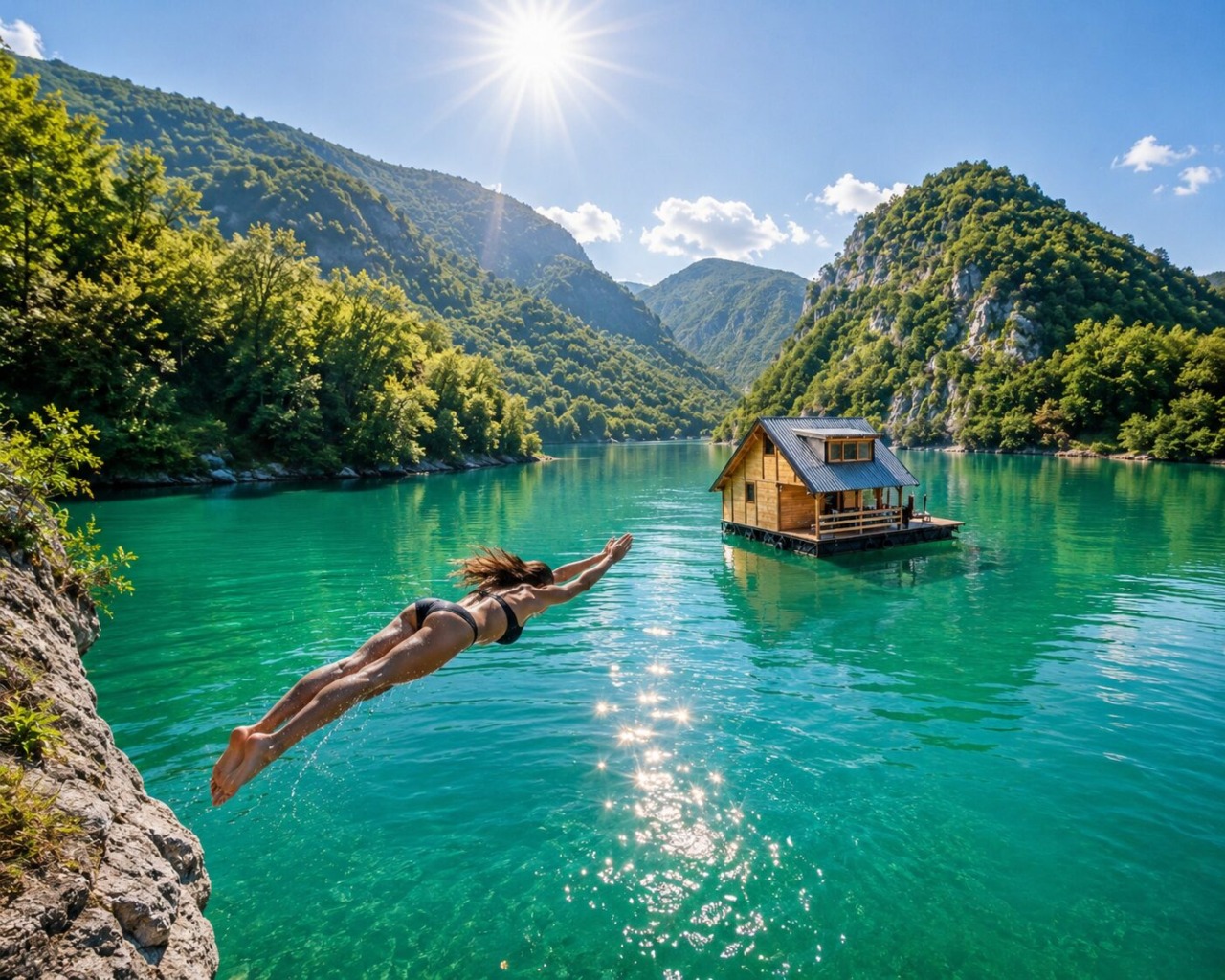
If you prefer rivers, look for maintained beaches and designated swimming areas along the Drina, Gradac or Rzav. River conditions can change quickly, so always check local advice and avoid swimming in unfamiliar, unmarked sections. By the end of August and into September, many popular swimming spots become noticeably calmer. The water may still be inviting, but the busiest weeks of summer have already passed.
2. Spend a Day Beside the Danube
Few experiences capture the feeling of a Serbian summer better than an unhurried day beside the Danube. Begin in Novi Sad with a walk along the quay and views of Petrovaradin Fortress, or travel west to Apatin, where the river is surrounded by the wetlands and forests of the Upper Danube region. East of Belgrade, Smederevo combines a monumental medieval fortress with a riverside promenade, while Golubac marks the beginning of one of the Danube’s most dramatic stretches.
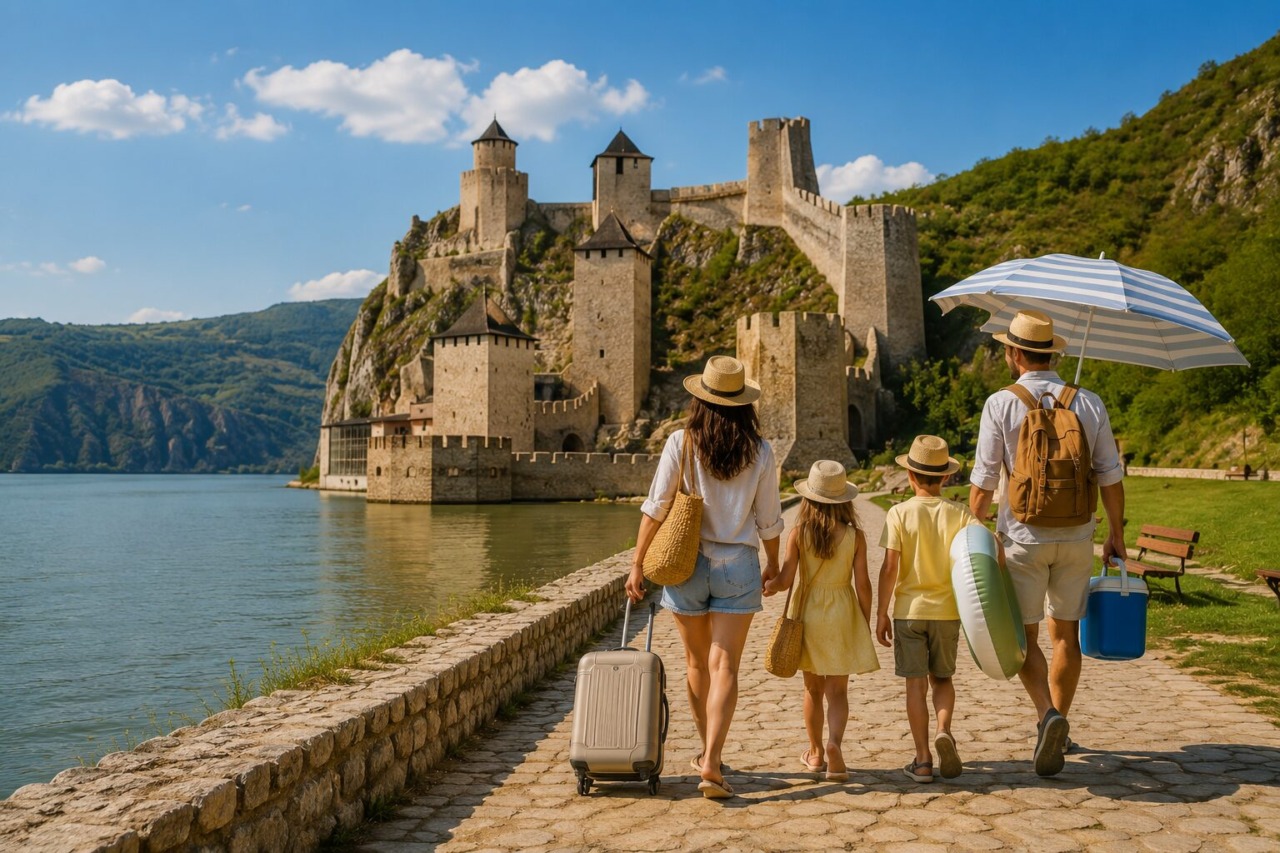
For a full-day road trip, follow the river from Golubac towards Donji Milanovac and Kladovo. Stop at viewpoints above the Đerdap Gorge, visit the archaeological site of Lepenski Vir or take a boat trip to experience the Iron Gates from the water.
The Danube can be grand and imposing, but it can also provide the setting for a wonderfully simple summer day: coffee beside the river, a slow lunch, a walk along the quay and enough time to remain until sunset.
3. Find a Waterfall Hidden in the Mountains
A waterfall offers more than a beautiful photograph on a hot day. The path leading to it often passes through forests, mountain villages and landscapes that make the journey as memorable as the destination.
On Stara Planina, Tupavica Waterfall falls over a wide wall of red sandstone near the village of Dojkinci. Its water flow is usually strongest during spring and after periods of rain, but the surrounding landscape and walk through the mountain countryside remain worthwhile throughout the warmer months.
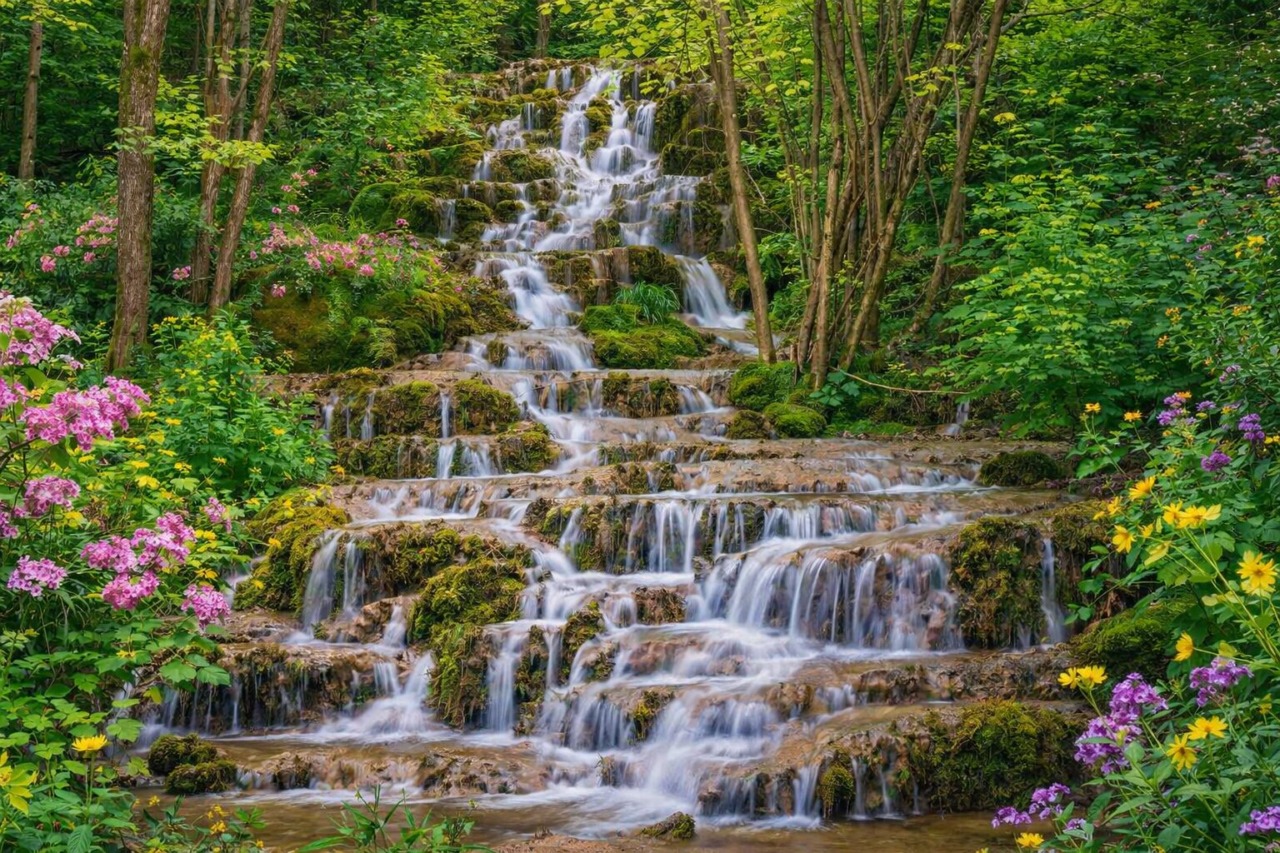
Gostilje Waterfall, south of Zlatibor, is easier to reach and can be combined with a visit to the nearby village of Sirogojno. In eastern Serbia, Blederija offers cascades, pools and dense greenery near Kladovo, while Lisine – or Veliki Buk – near Despotovac can be paired with Resava Cave and lunch at one of the nearby rural restaurants.
Water levels vary during late summer, so it is worth checking recent local conditions before setting out. Wear shoes suitable for uneven and potentially slippery paths, and resist the temptation to climb onto wet rocks for a photograph.
4. Try Kayaking or Take a Boat Ride
Some of Serbia’s most impressive landscapes reveal themselves best from the water. Lake Perućac is one of the most accessible places to rent a kayak or stand-up paddleboard and explore at your own pace. Its calm surface and forested shoreline make it suitable for a slower outing, while organised cruises travel farther into the Drina Canyon.
The Uvac is another unforgettable choice. Boat tours pass through the river’s famous meanders and usually include views of the surrounding cliffs, caves and habitats of the griffon vulture. Because the area is protected and water levels can affect routes, organise the excursion through a registered local operator rather than attempting to explore independently.
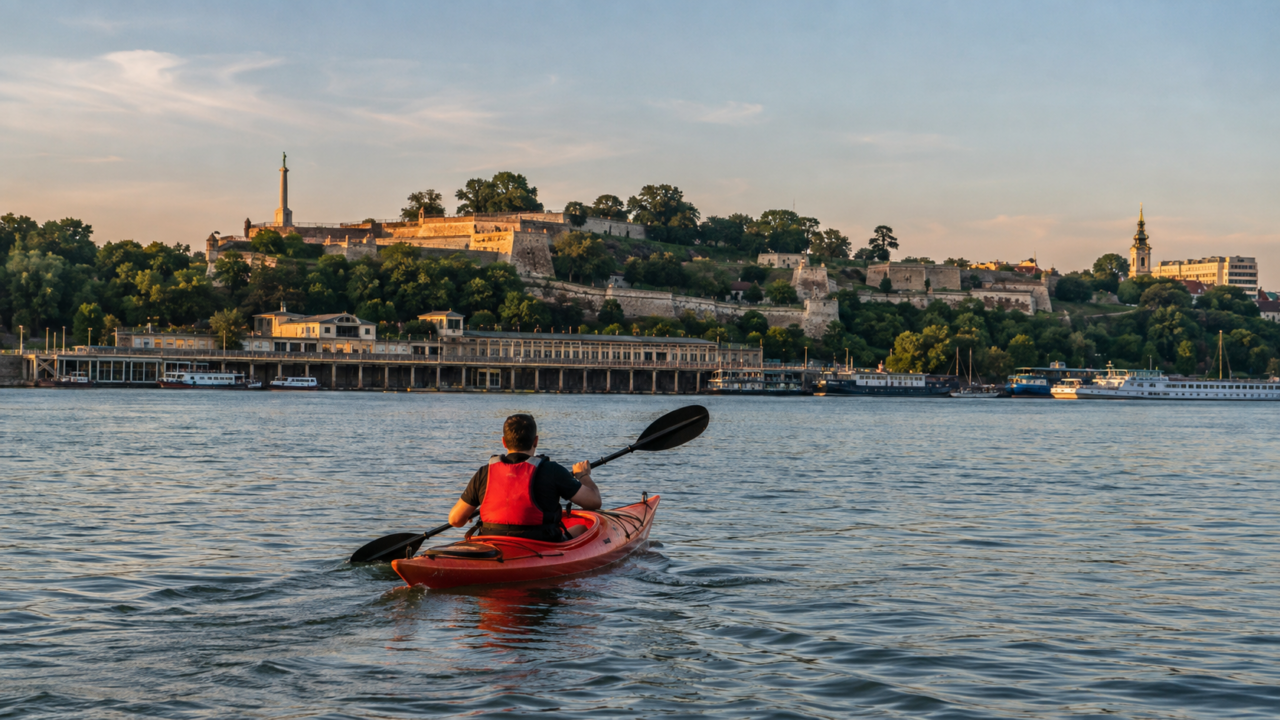
For a more urban experience, take a sightseeing boat from Belgrade or Novi Sad. Travelling at river level offers an entirely different perspective on the two cities, their bridges, fortresses and waterfront neighbourhoods. Whichever destination you choose, reserve ahead when possible and check whether life jackets and other safety equipment are included.
5. Spend a Night in a Traditional Serbian Village
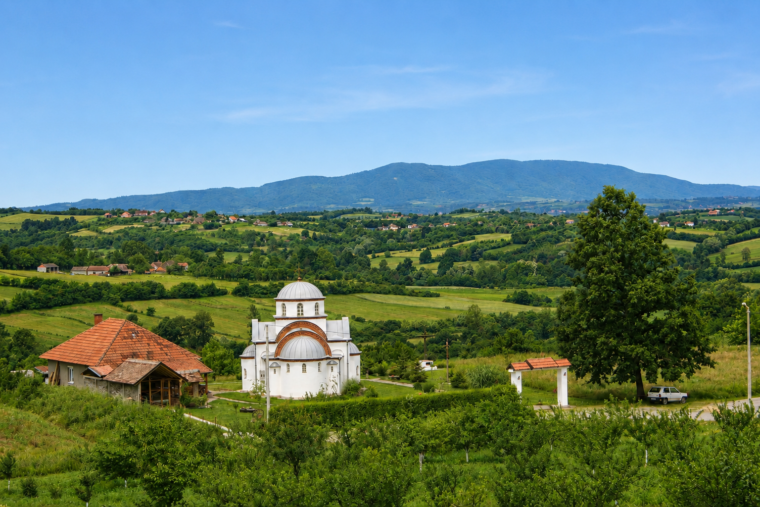
A village is very different after the day-trippers have left. Evening settles over the fields, conversation replaces sightseeing and breakfast is often made with ingredients produced only a few metres from the table. On Stara Planina, villages such as Gostuša, Dojkinci and Topli Do preserve a strong connection with the surrounding mountain. Gostuša is known as the Stone Village because its traditional houses, roofs, fences and chimneys were constructed largely from locally available stone.
In western Serbia, Sirogojno introduces visitors to traditional architecture through its open-air museum, while the surrounding Zlatibor villages offer rural households and homemade food. The villages of Golija and Zlatar are good choices for travellers looking for quiet landscapes, walking trails and simple accommodation away from larger resorts.
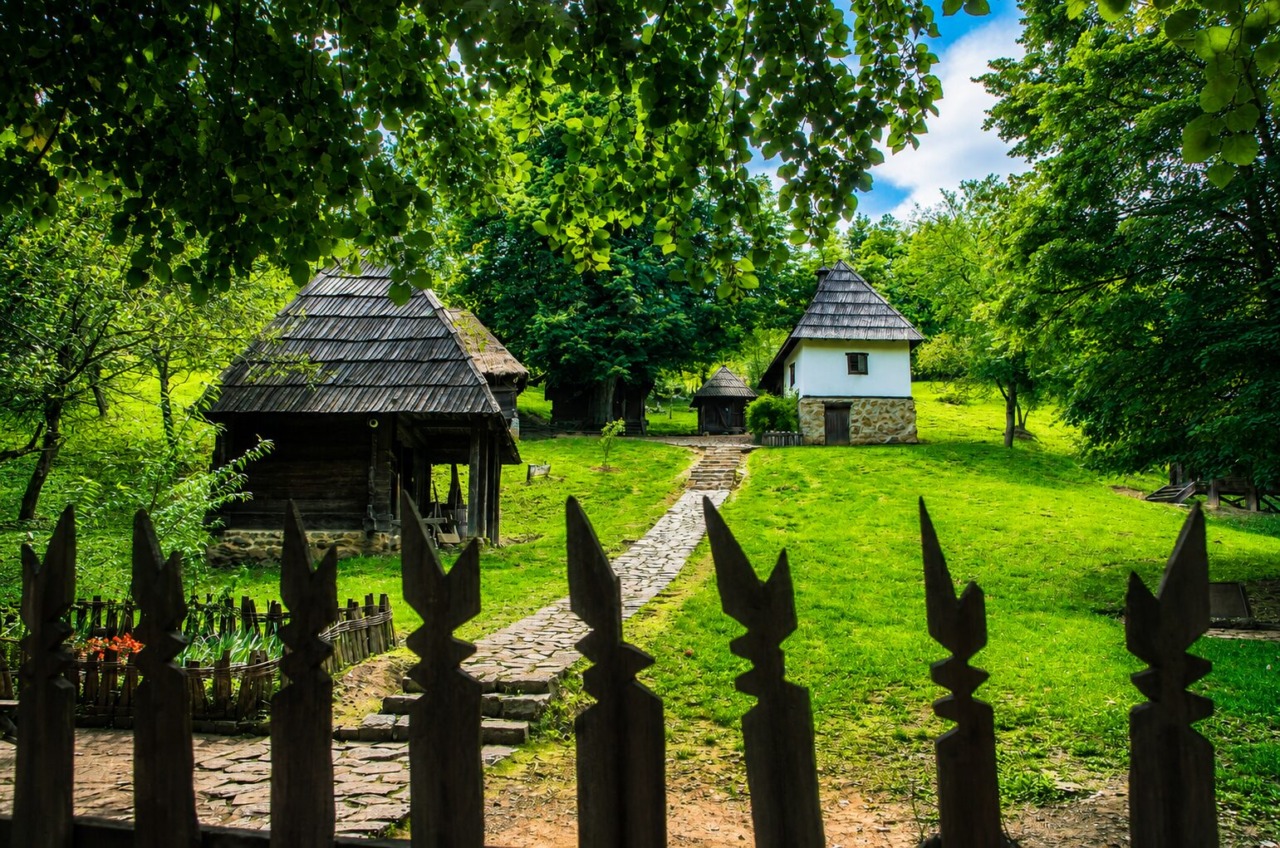
For a different rural experience, visit Rajac near Negotin. Its historic wine-cellar settlement, known as the Rajac Pimnice, tells the story of a village culture shaped by viticulture. Although the old stone cellars were built for wine rather than everyday living, accommodation can be found in the surrounding area. Look for a registered rural household where the hosts are actively involved. The most memorable part of the stay may not be the room, but the homemade breakfast, local stories and advice about places that do not appear on standard tourist maps.
6. Have Lunch at a Salaš or Rural Household
Late summer deserves at least one lunch that lasts much longer than planned. In Vojvodina, a traditional salaš offers a glimpse of life on the plains. Many are set among fields, orchards and farm buildings outside towns such as Sombor, Subotica and Novi Sad. Expect regional dishes such as homemade soup, meat cooked slowly with vegetables, freshwater fish, noodles with poppy seeds and seasonal fruit desserts.
Elsewhere in Serbia, rural households serve food shaped by the surrounding landscape. Around Tara and Zlatar, the table may include pršuta, cheese, kajmak, buckwheat dishes and freshly baked bread. On Stara Planina, look for local cheese, roast lamb and belmuž, while households in Šumadija often build the meal around roasted meat, seasonal salads and homemade rakija.
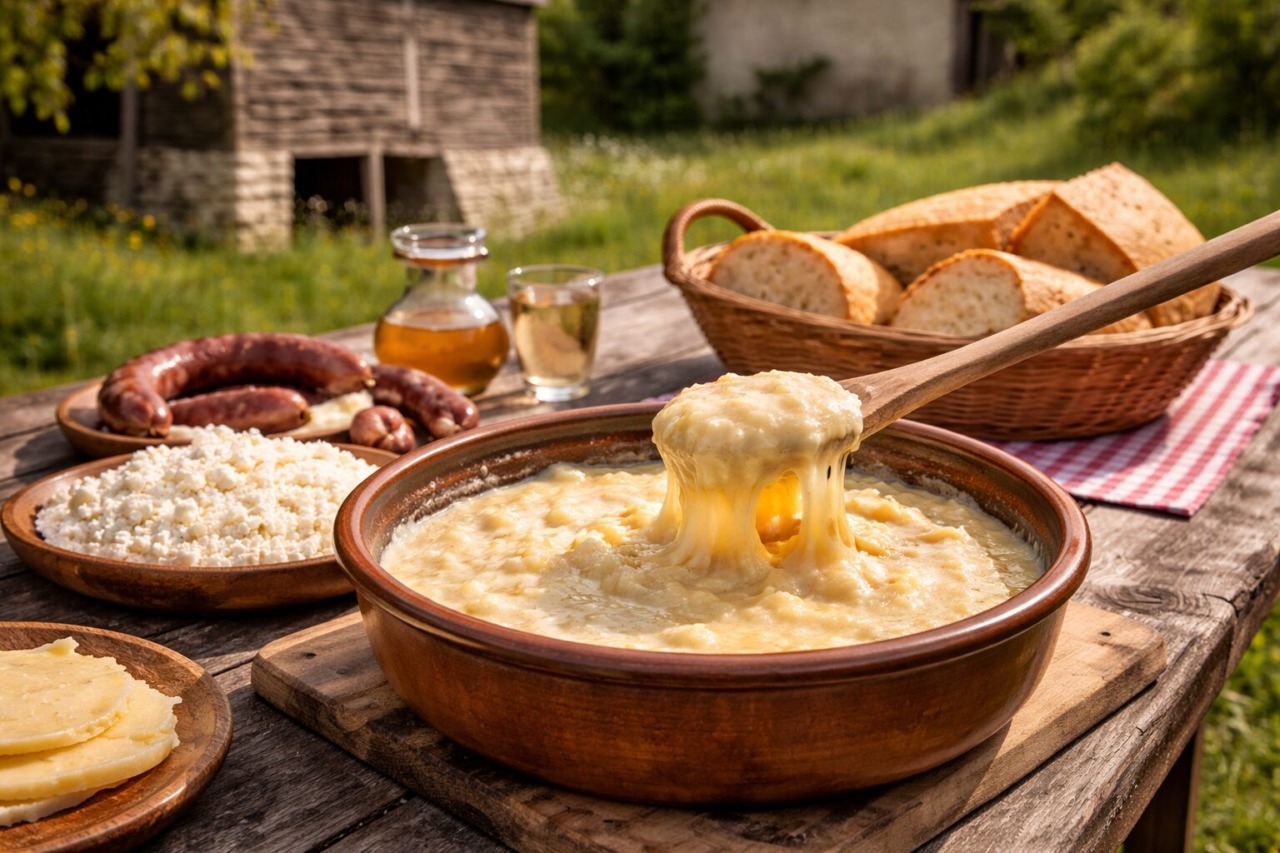
Choose a place that prepares food locally rather than simply recreating a rustic atmosphere. Many small households cook only for announced guests, so call in advance rather than arriving without a reservation. The goal is not merely to taste several traditional dishes. It is to spend an afternoon at the pace at which such meals were intended to be enjoyed.
7. Cook Something in a Kettle Over an Open Fire
The kotlić is more than a cooking vessel. It is an excuse to gather people together, remain outdoors and allow lunch to become an afternoon-long event. In the towns and villages along the Danube and Tisa, fish paprikaš is one of the most recognisable dishes prepared this way. It usually combines freshwater fish, onions, paprika and enough heat to give every cook an opportunity to defend a slightly different recipe.
Elsewhere, the kettle might contain a meat stew, beans or čobanac. What matters nearly as much as the ingredients is the ritual: preparing the fire, taking turns stirring the pot and insisting that the meal needs “just a little longer”.
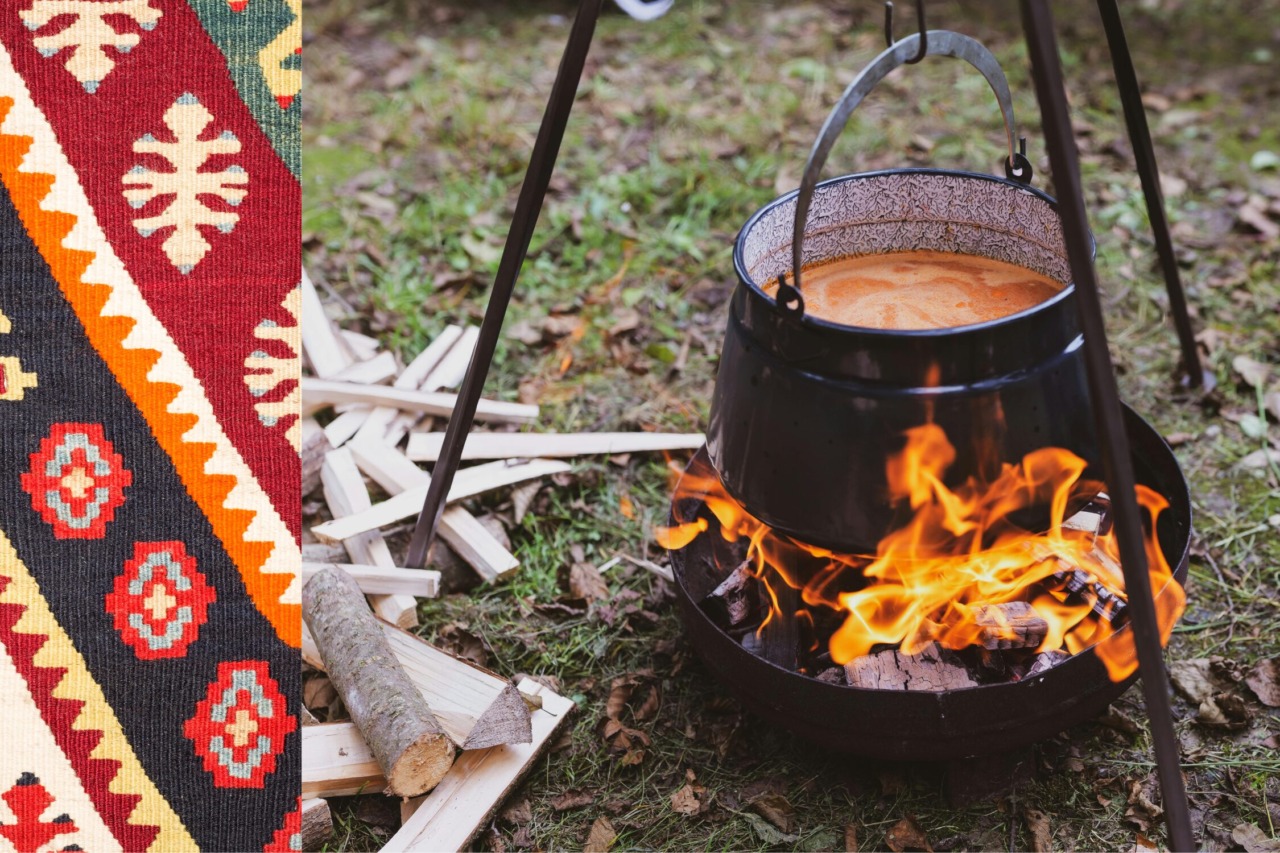
If you are travelling rather than cooking yourself, look for local fish restaurants, rural households or summer events where kotlić dishes are prepared outdoors. If you decide to make your own, use only designated picnic or camping areas where fires are explicitly permitted. Late-summer vegetation can be extremely dry, and fire restrictions must always take priority over tradition.
8. Discover a Small Town You Usually Pass By
Not every summer journey needs to lead to a famous landmark. Sometimes the most rewarding destination is a place you have previously known only from a road sign.
Spend a day in Sombor beneath its leafy avenues, explore Zrenjanin’s central streets and bridges or discover the Art Nouveau details and local traditions of Bačka Topola. In central Serbia, Trstenik combines the West Morava, an old bridge and nearby vineyards, while Aranđelovac offers parks, mineral springs and easy access to Oplenac.
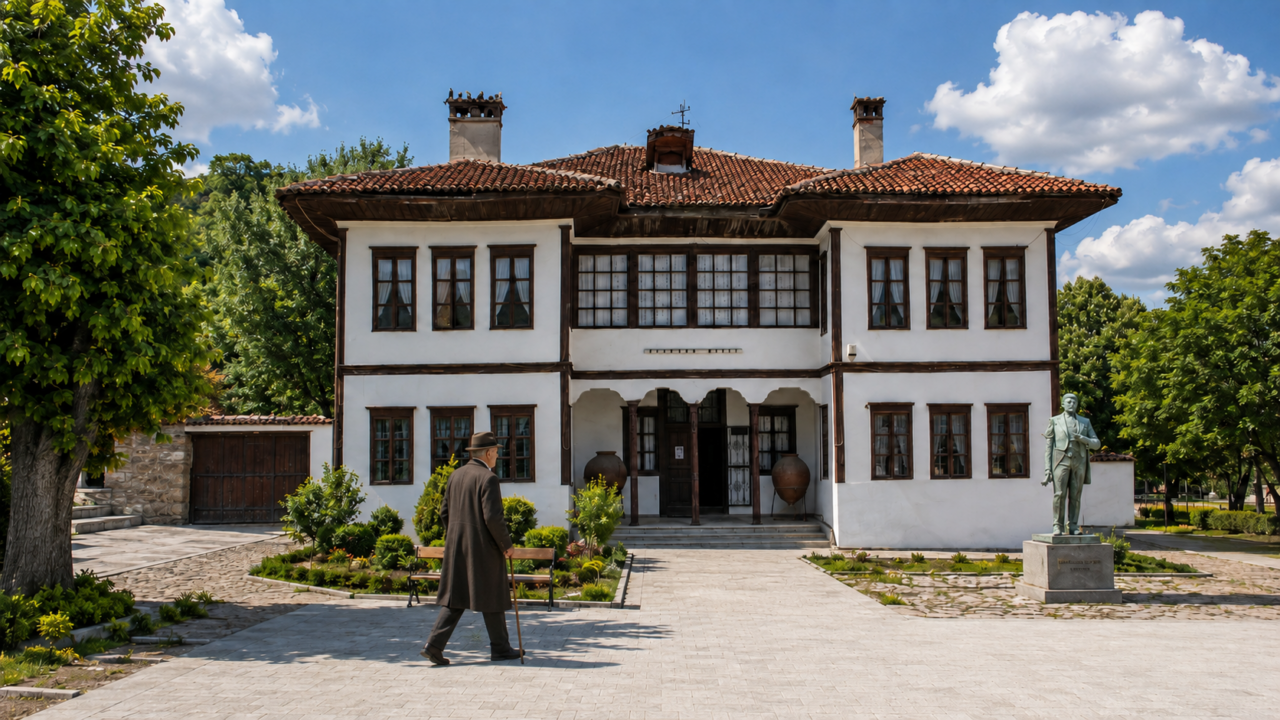
Farther south, Vranje rewards travellers with distinctive architecture, music and food shaped by its position at the meeting point of different cultural influences. Knjaževac can become a base for discovering Stara Planina, while Negotin opens the door to the wine villages and landscapes of eastern Serbia.
Do not arrive with an exhausting checklist. Visit the local museum if it is open, walk through the centre, stop for coffee and ask what people recommend nearby. A small town is often best understood through its rhythm rather than its headline attraction.
9. Spend an Evening at an Open-Air Event
Across Serbia, summer moves cultural life beyond theatre halls and concert venues.
Medieval fortresses become stages, films are screened beneath the stars and town squares fill with music, dance and food. Smederevo Fortress regularly provides a dramatic setting for cultural programmes, while Niš Fortress hosts performances within its historic walls. Belgrade, Novi Sad and smaller towns across the country organise open-air cinema, concerts and local festivals throughout the season.
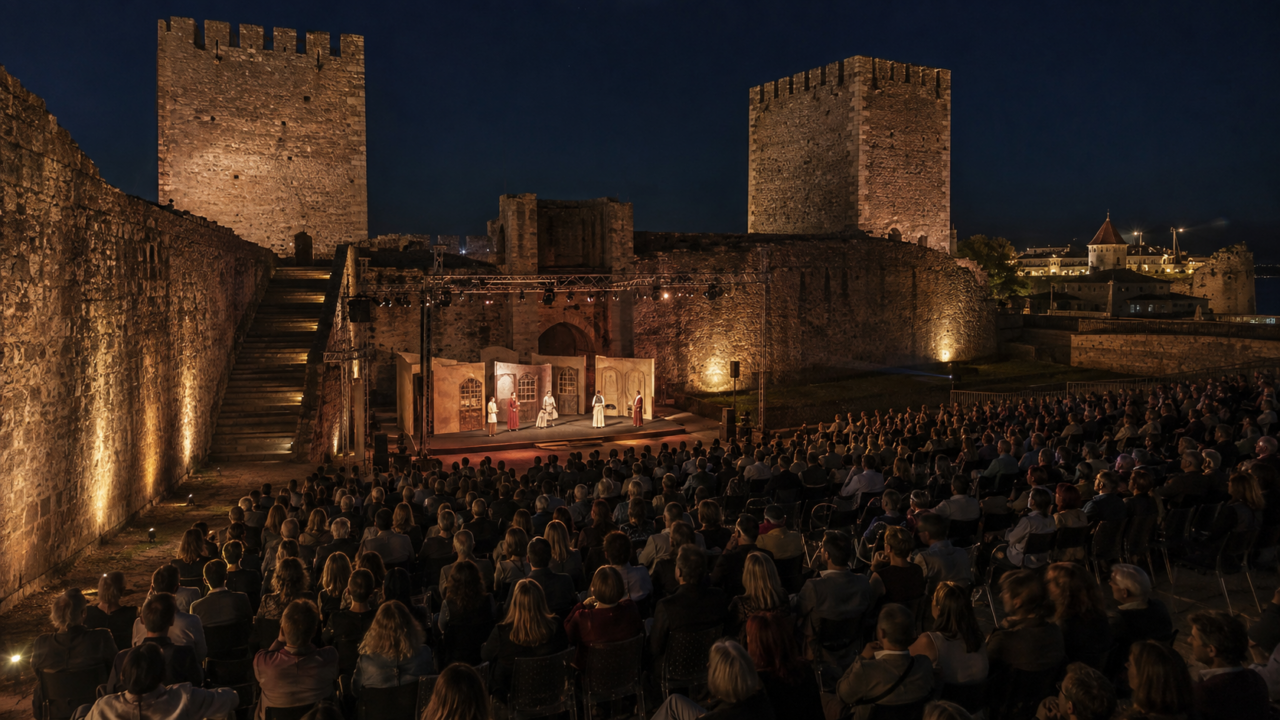
Village celebrations can be equally memorable. They may revolve around folk music, crafts, local food, a historical event or a product for which the area is known. These gatherings are often less polished than major festivals, but they offer a closer look at the traditions and communities behind a destination.
Programmes and dates change each year, particularly toward the end of the season. Before travelling, check the websites or social channels of the local tourism organisation, cultural centre or municipality. For popular events, arrange accommodation early – even when the town itself is usually quiet.
10. Visit a Vineyard Before the Harvest
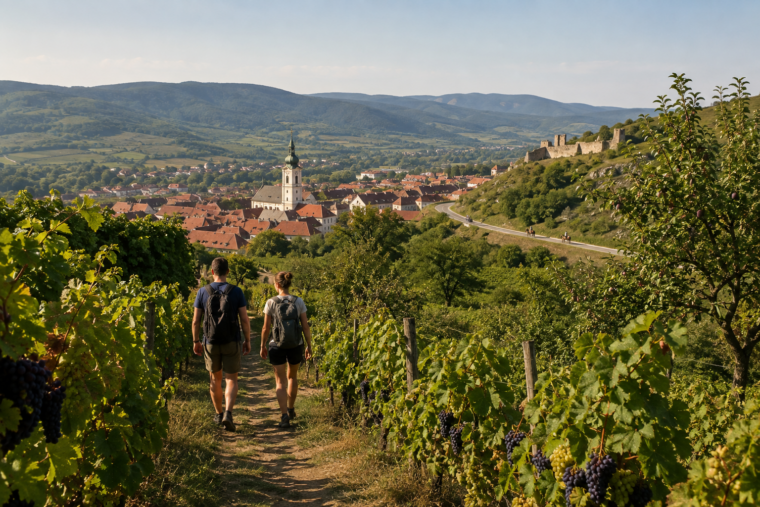
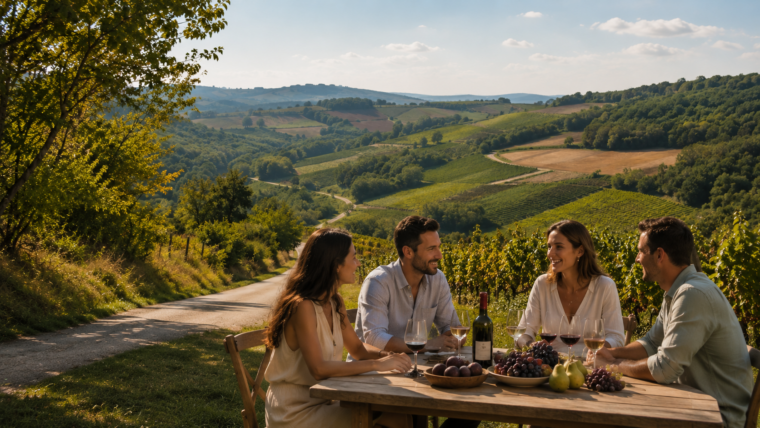
Late summer is when Serbia’s wine regions begin to change. The vines are heavy with grapes, activity grows around the wineries and the first signs of autumn appear without taking away the warmth of the season.
The slopes of Fruška Gora are an easy choice for travellers staying in Novi Sad or Belgrade. Combine a tasting in Sremski Karlovci or one of the surrounding wine villages with monasteries, viewpoints and a drive through the national park.
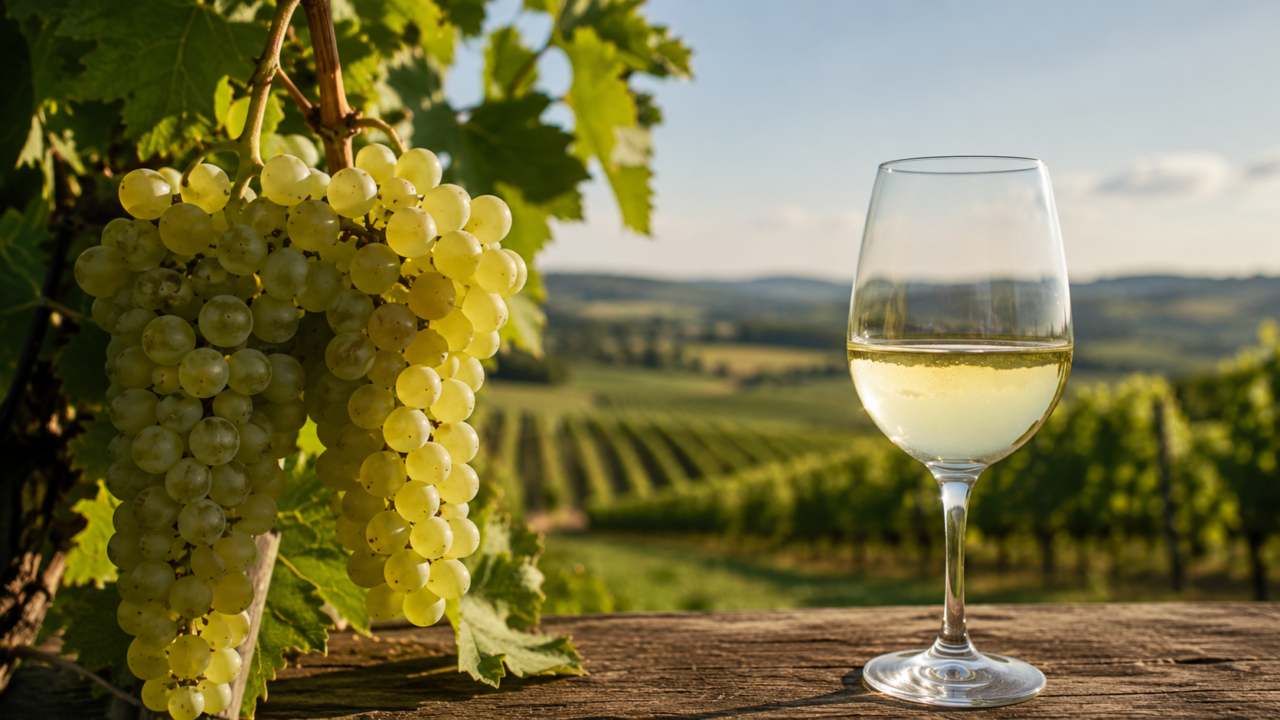
In Šumadija, wineries around Topola sit among rolling hills close to Oplenac. Župa, centred around Aleksandrovac, is one of Serbia’s most important historic wine regions and is especially associated with Prokupac and Tamjanika. Eastern Serbia offers another distinctive wine landscape around Negotin, Rajac and Rogljevo, where old stone wine cellars form settlements of their own.
Book tastings in advance and ask whether the winery offers a vineyard walk. Harvest preparations can make this a busy working period, and smaller producers may not accept visitors without notice. If you are driving, designate someone who will not drink or arrange transportation as part of the visit.
11. Taste the Last Flavours of the Season
Late summer is one of the richest moments of the year in Serbian kitchens and markets. Tomatoes are full of flavour, peppers arrive in abundance and roadside stalls are still piled with watermelons, peaches, plums and sweet corn. Soon, the smell of roasting red peppers will begin to drift through courtyards and gardens, announcing the start of ajvar season.
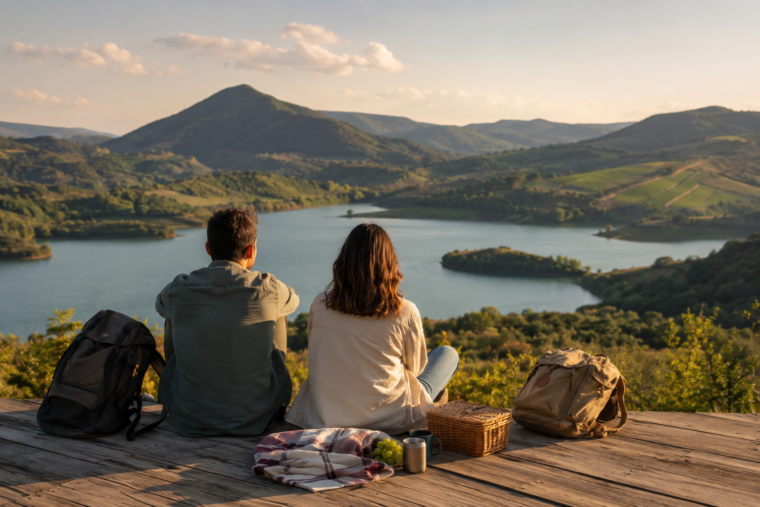
Visit Zeleni Venac or Kalenić Market in Belgrade, Novi Sad’s Futoška Market, Niš’s main market or a smaller local pijaca wherever you are staying. Instead of searching for souvenirs, buy food for a simple picnic: ripe tomatoes, local cheese, bread, fruit and perhaps a jar of something made by a small producer.
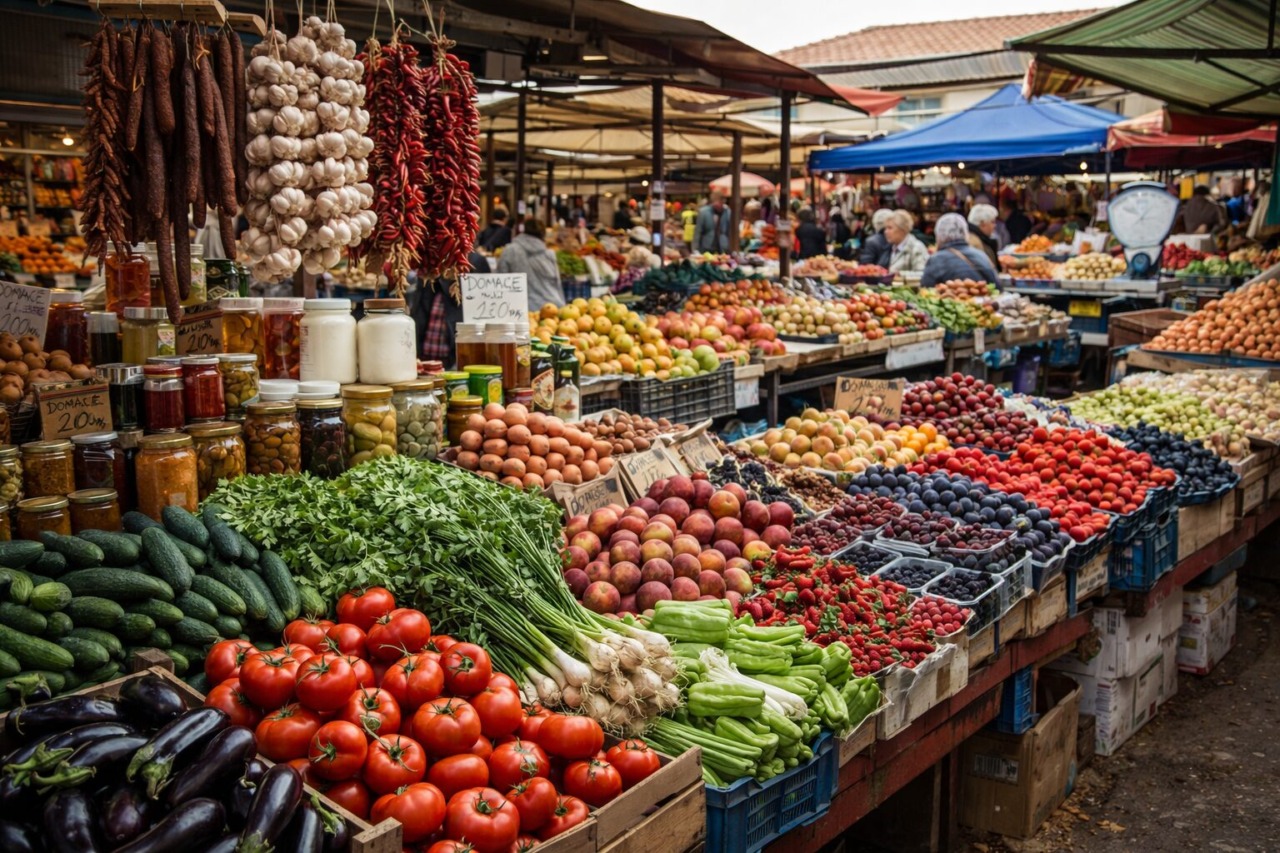
This is also the moment when menus begin to bridge two seasons. Summer salads and grilled vegetables remain, while grapes, plums, roasted peppers and the first preserved foods begin to appear. The flavours of late summer are not found only in restaurants. They live at market stalls, beside rural roads and in the jars that families are already preparing for winter.
12. Camp Beneath Serbia’s Starry Skies
Finish summer with a night far from city lights. Golija’s forests and open mountain landscapes offer the kind of darkness that makes the night sky feel unusually close. Pešter provides broad horizons and a sense of isolation, while Stara Planina combines remote villages, mountain plateaus and clear views away from larger settlements. Around Vlasina Lake, the high altitude, cooler evenings and open terrain create another atmospheric setting for stargazing.
You do not necessarily need to choose wild camping. An organised campsite, mountain lodge or rural household with space for tents can offer the same feeling with easier access to water, toilets and local guidance.
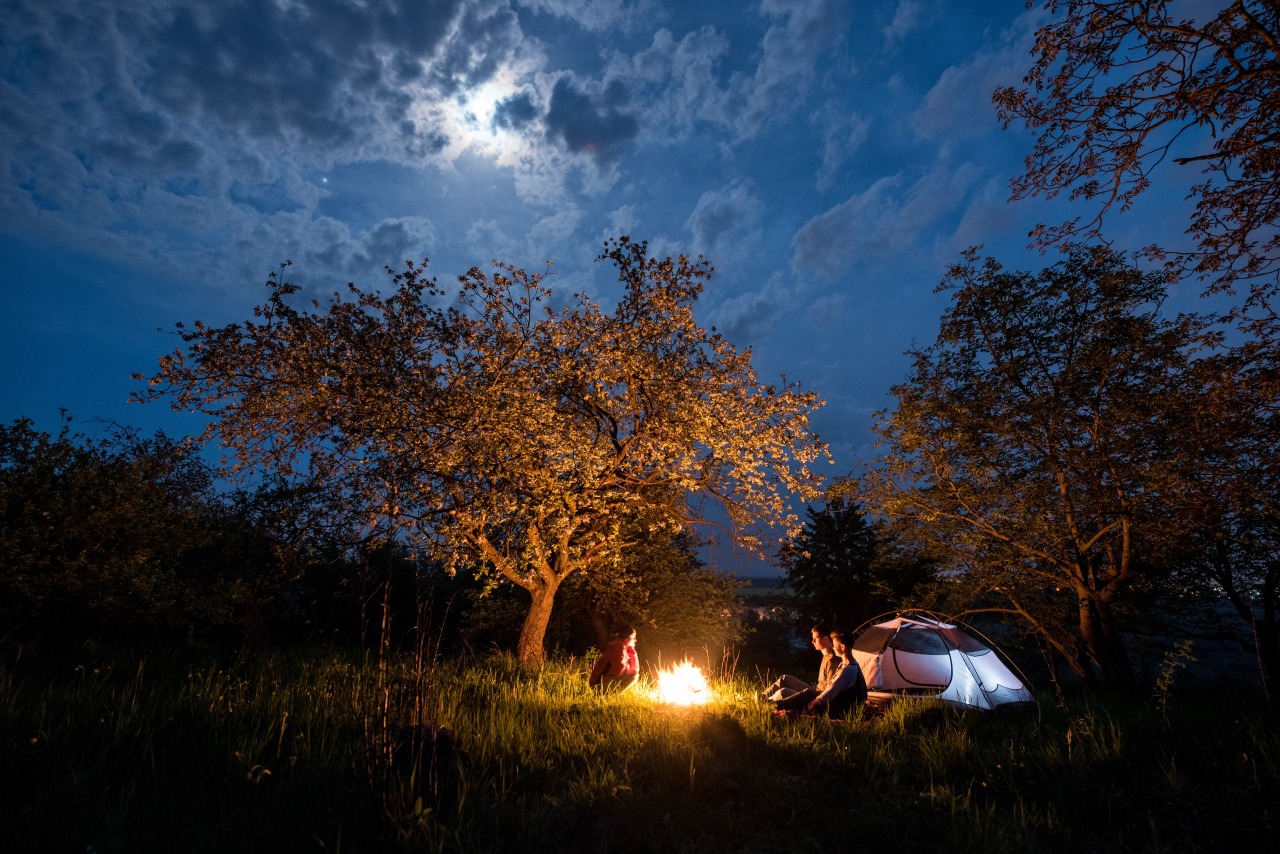
Bring warmer clothing even when the daytime forecast is hot. Mountain temperatures can fall sharply after sunset, and late-summer nights are often much cooler than travellers expect. Check weather conditions, fire restrictions and local rules before leaving, and never camp within a protected area unless it is explicitly permitted.
Then turn off the lights, put away the phone and allow your eyes time to adjust. Far from the glow of cities, the final nights of summer can feel much larger than the days.
Summer Is Not Over Yet
The end of summer does not have to feel like a farewell. In Serbia, warm weather often continues into September, while rivers, mountains, vineyards and small towns become quieter after the busiest holiday weeks have passed.
There is still time for another swim, a night under the stars, a meal that takes all afternoon and a journey to somewhere you have always meant to visit.
Summer is still here. The only question is what you will do with the days that remain.