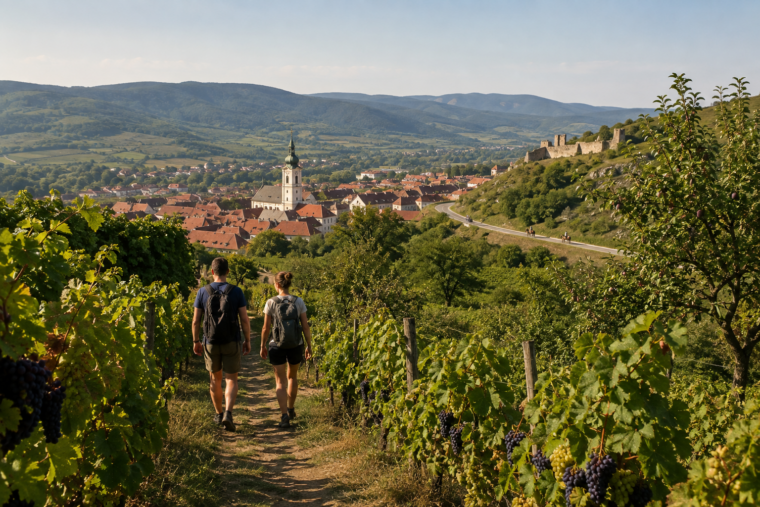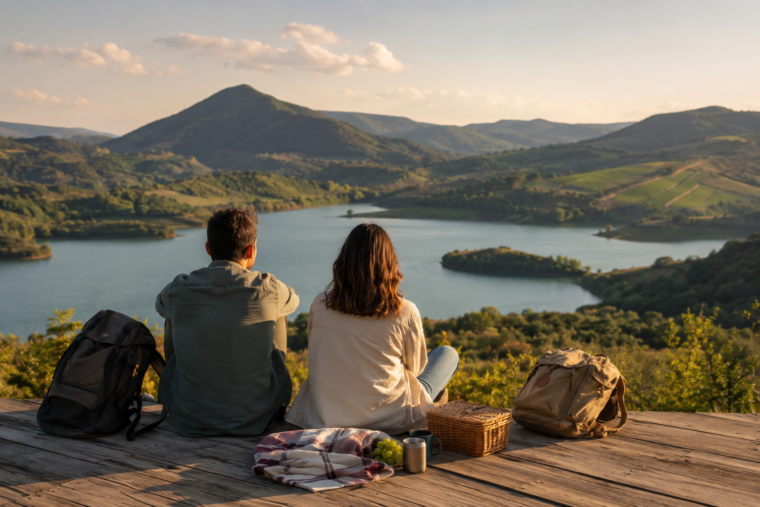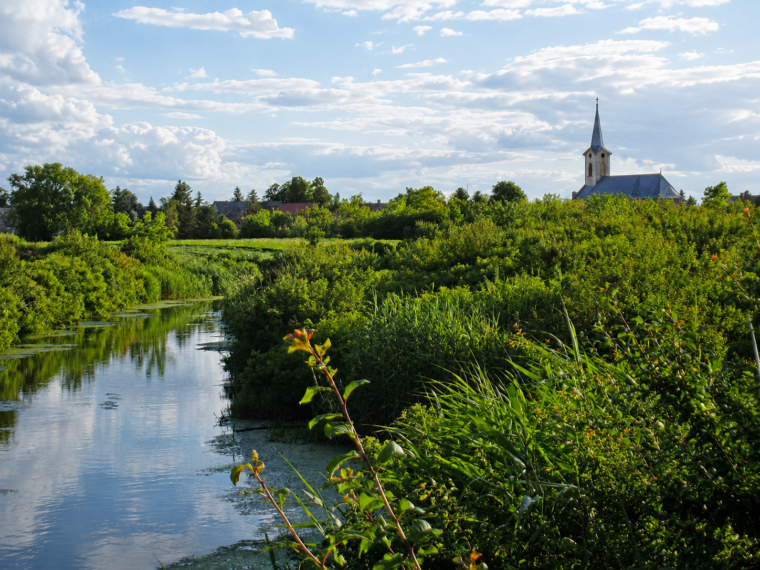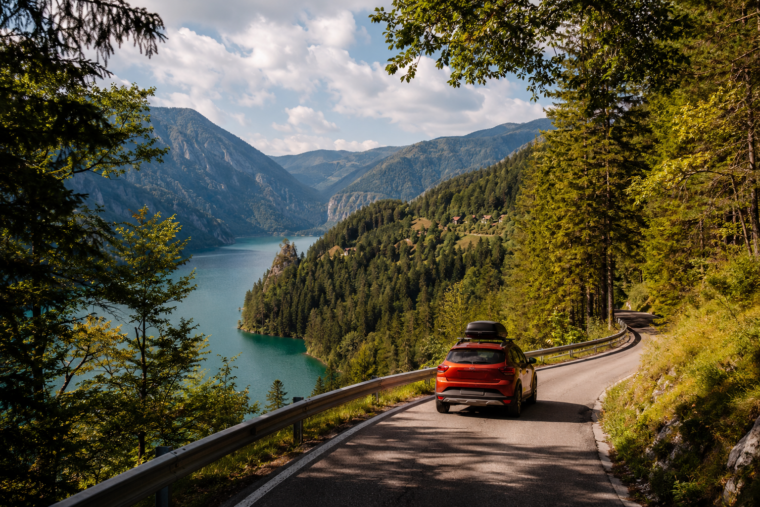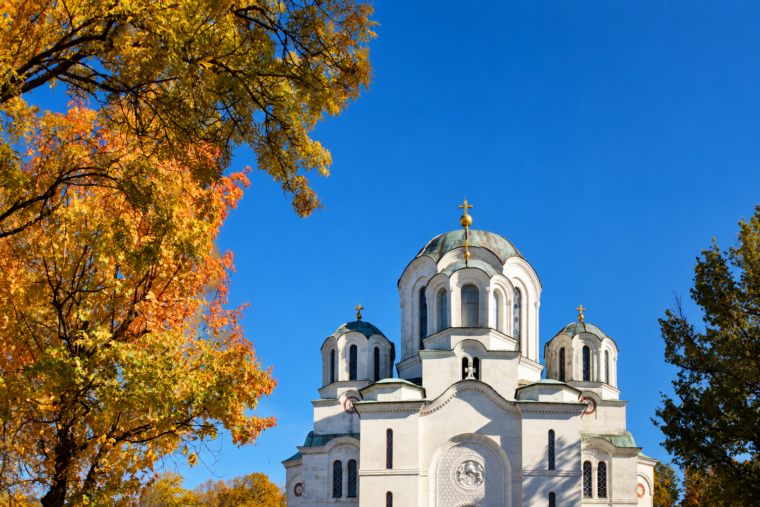

Autumn in Serbia rarely arrives all at once. It begins quietly – in cooler mornings, mist hanging above mountain roads, the first yellow leaves beside a stream and villages returning to their slower rhythm after summer.
In late September, much of the country may still feel surprisingly warm. The forests have not yet reached their richest colours, and the days still carry traces of summer. Yet at higher elevations and in Serbia’s more secluded landscapes, the change of season is already visible.
This is not the moment for dramatic orange forests or thick carpets of fallen leaves. It is the subtler beginning: clear air, softer light, quiet trails and landscapes caught somewhere between two seasons.
From the forests of Golija to the waterfalls of Ozren, these six places offer some of the best ways to experience Serbia’s first signs of autumn.
1. Golija and Rudno: Where Autumn Arrives in the Quiet
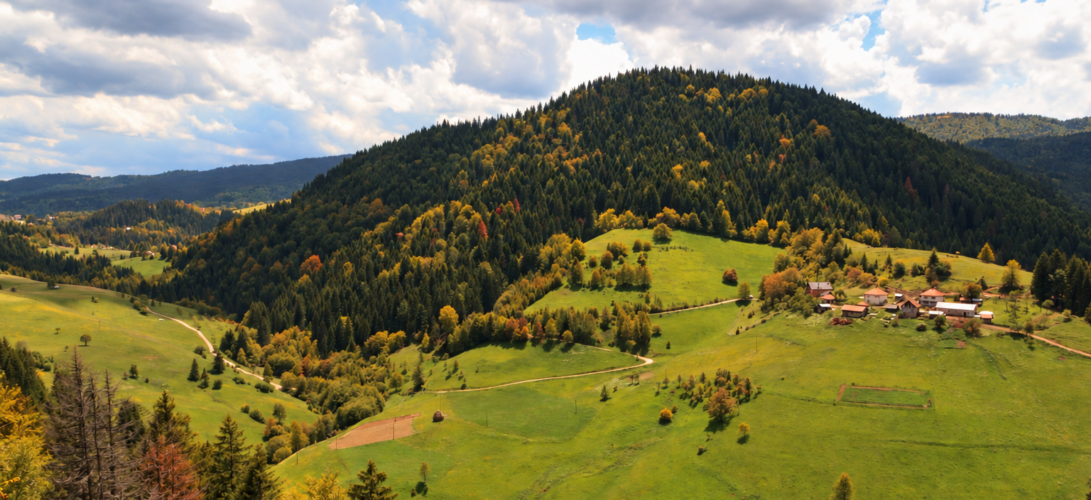
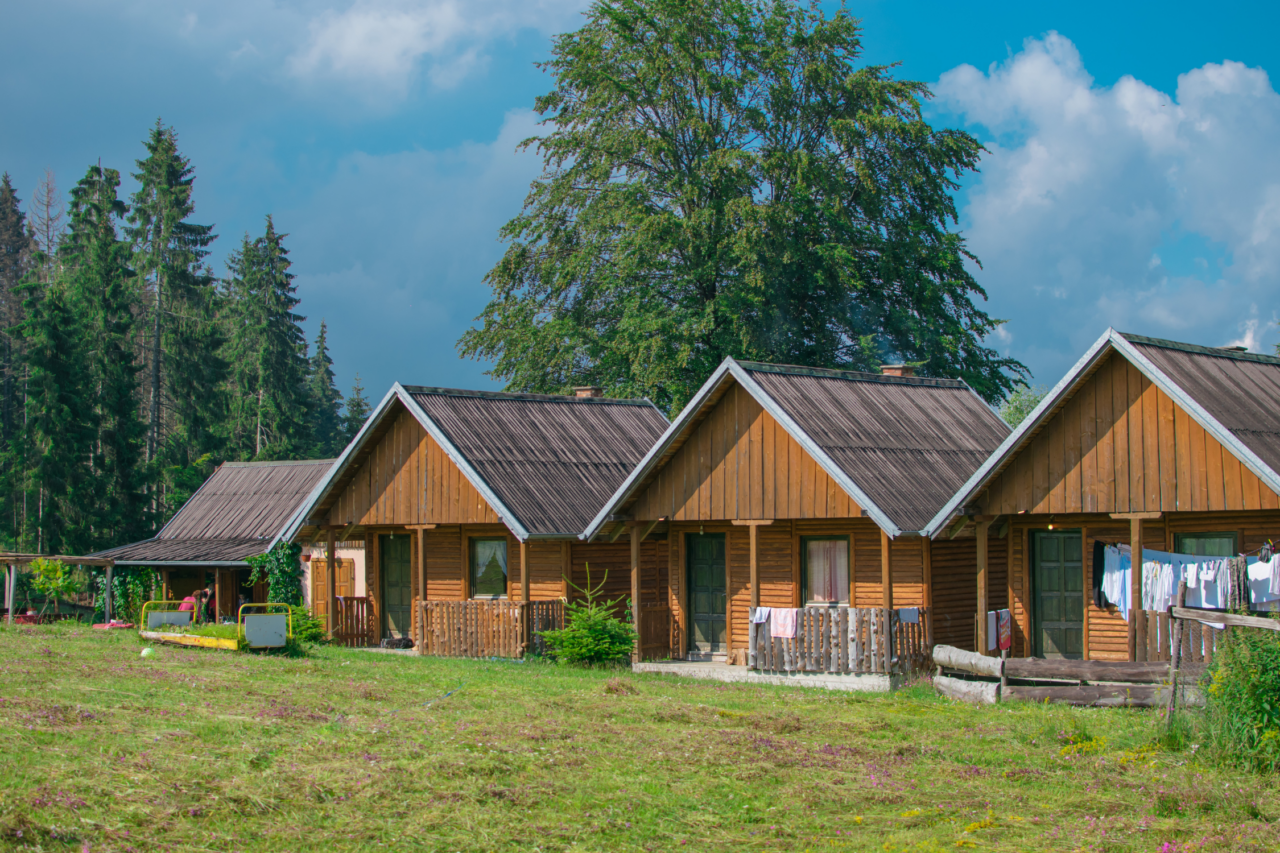
Golija does not need full autumn colour to feel atmospheric. Its forests, high meadows and scattered mountain villages already begin to change character in late September, when mornings grow colder and mist settles across the slopes.
Part of the UNESCO-designated Golija–Studenica Biosphere Reserve, the mountain protects a mosaic of forests, pastures, lakes and rural communities. It remains one of Serbia’s most extensive and least urbanised mountain landscapes, with long stretches of road where the only interruptions are grazing animals, forest streams and distant rooftops.
The village of Rudno makes a particularly good base. Surrounded by meadows and forest, it offers access to countryside walks, local food and the kind of silence that becomes increasingly rare in better-known mountain resorts. This is not a destination for rushing between landmarks. The experience lies in waking to a cold morning, walking without a strict route and watching the light move across the surrounding hills.
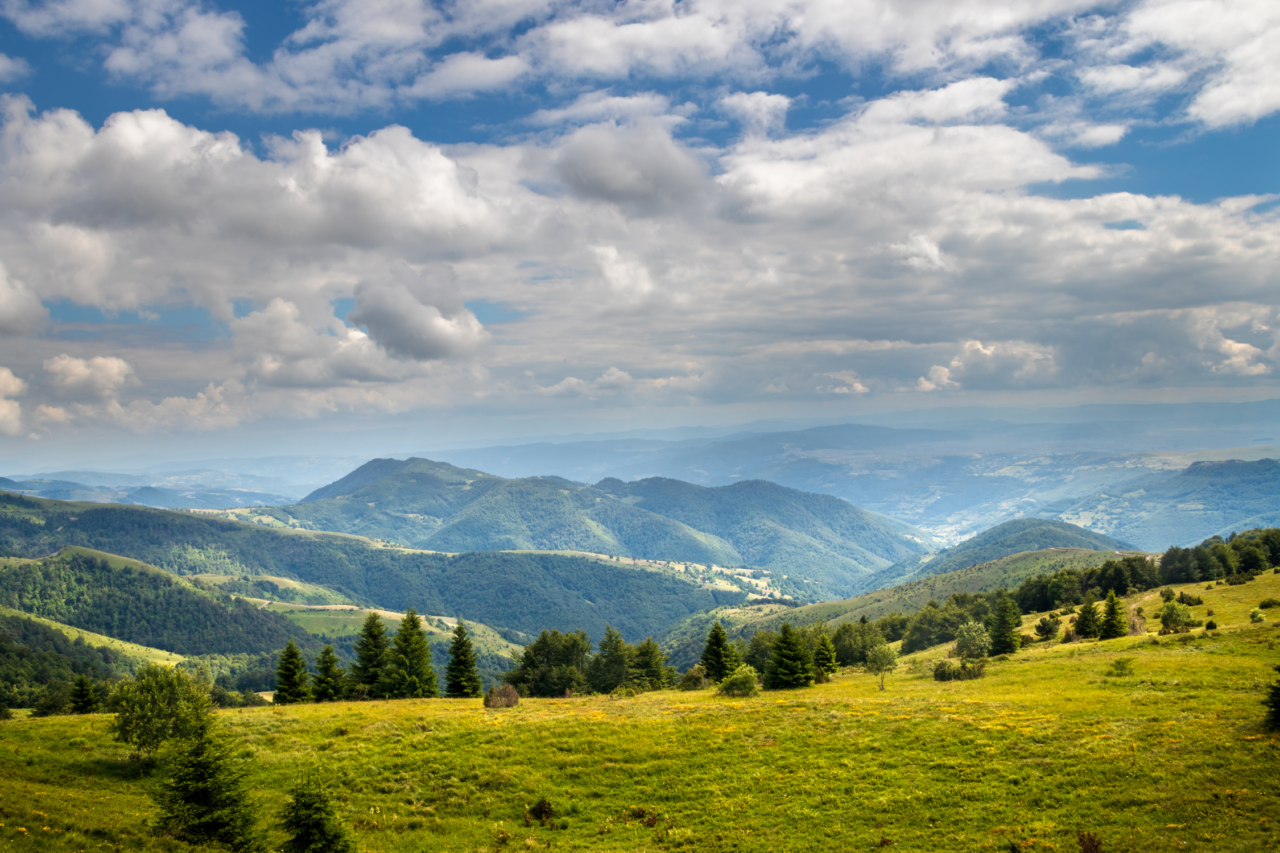
Golija’s weather can change quickly, while mobile reception and road conditions may vary in more remote sections. Download maps before travelling, bring warmer layers than the forecast appears to require and avoid leaving fuel or other supplies until the final village.
Best for: Remote landscapes, village stays and complete quiet
Allow: At least one night
2. Goč and Lake Selište: A Gentle Escape Above Vrnjačka Banja
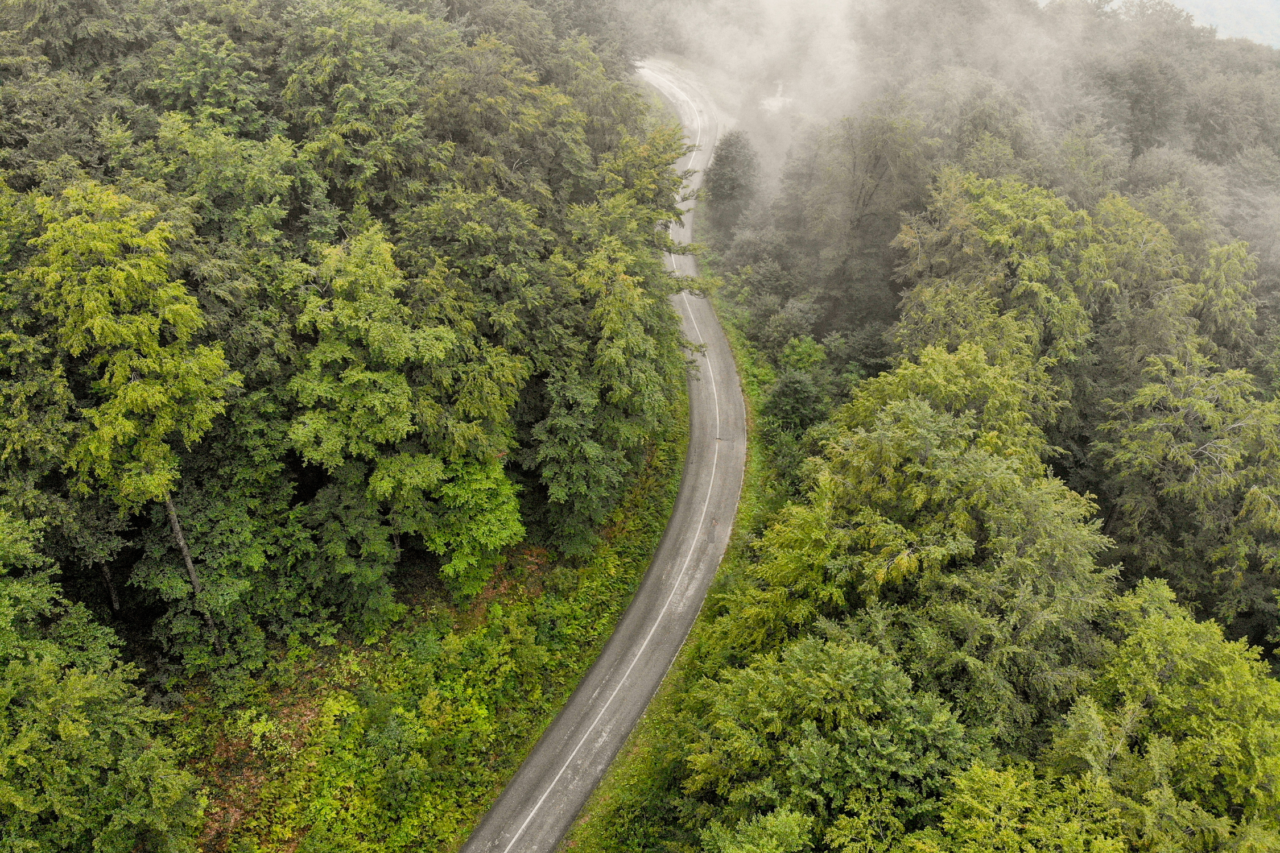
Just beyond the parks, cafés and spa hotels of Vrnjačka Banja, the road begins to climb towards Goč. The transition happens quickly: town streets give way to forest, mountain streams and open clearings.
Located approximately 13 kilometres from the spa, Goč is one of the easiest mountain escapes to combine with a comfortable weekend away. Its landscape mixes deciduous and evergreen woodland, which means autumn appears gradually rather than transforming the mountain overnight. The first yellow leaves stand out against the deeper greens of the conifers, while cooler air makes longer walks much more pleasant than during the hottest summer weeks.
Lake Selište adds a quieter focal point to the landscape. The water, forest and early-morning mist create a distinctly autumnal atmosphere even before the colours fully develop. Visitors can spend part of the day walking around the surrounding countryside and return to Vrnjačka Banja for dinner, a spa treatment or an evening in town.
Goč works particularly well for travellers who want nature without committing to an isolated or physically demanding trip. It offers enough space to feel removed from the city, while remaining close to restaurants, accommodation and other services.
Best for: Easy forest walks and a mountain-and-spa weekend
Allow: One full day or a weekend with Vrnjačka Banja
3. Rudnik and Ostrvica: Forests, Views and an Ancient Volcanic Landscape
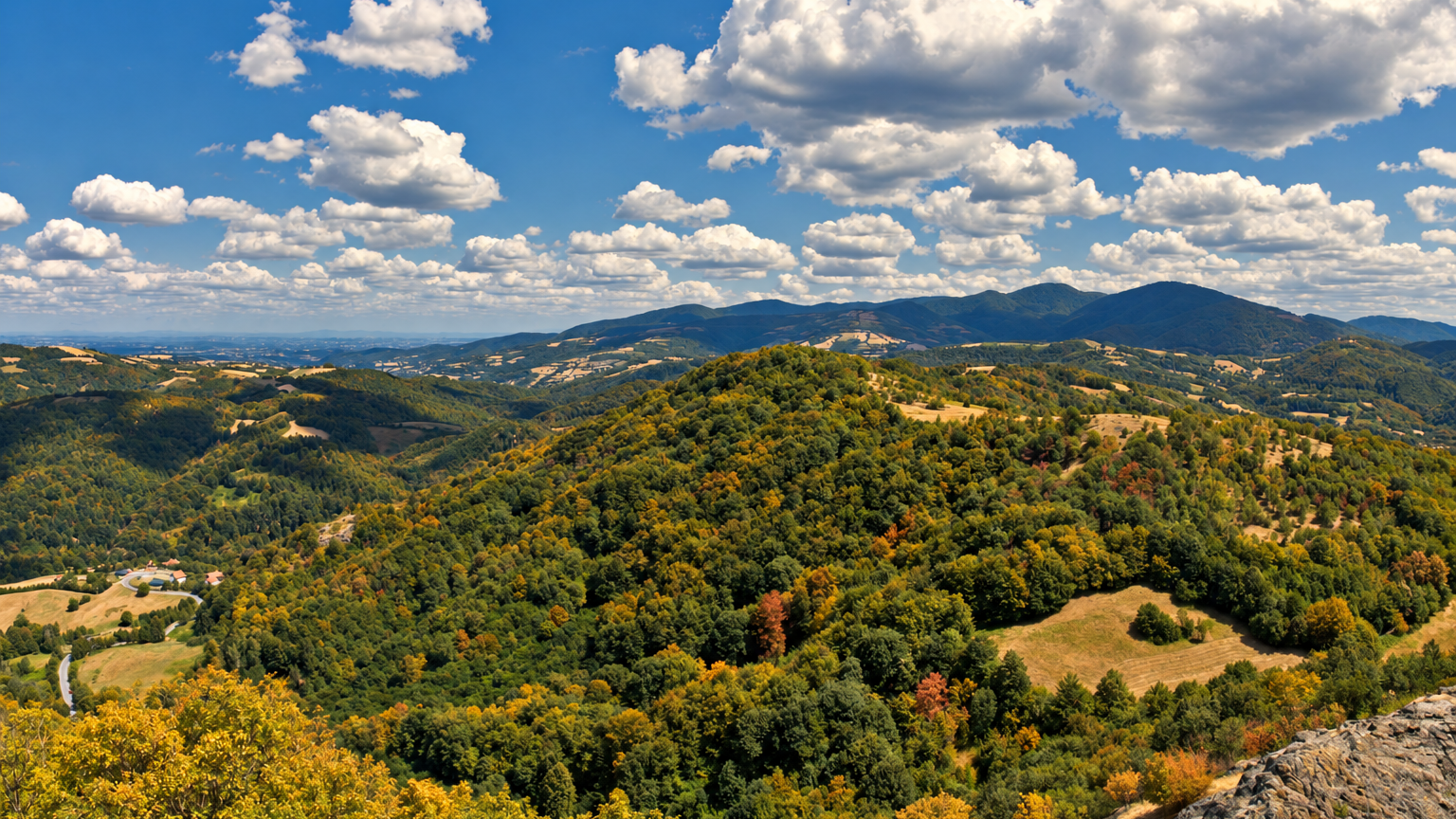
Rising above the landscapes of Šumadija, Rudnik is often overlooked in favour of Serbia’s larger and more famous mountains. That becomes an advantage in early autumn, when its forest roads and viewpoints remain peaceful even on clear weekends.
Beech forests cover much of the mountain, making Rudnik particularly rewarding as the season begins to turn. In late September, the changes may still be subtle – occasional yellow branches, fallen leaves along the path and cooler air beneath the trees – but the landscape already feels noticeably different from summer.
The most recognisable sight in the wider Rudnik massif is Ostrvica, a steep rocky formation that rises dramatically above the surrounding countryside. Its distinctive shape is connected to the region’s ancient volcanic past, giving this part of Šumadija a geological character unlike the gentle hills around it.
The final climb to the top of Ostrvica is steep and exposed and should not be presented as a casual walk for inexperienced visitors. Those who prefer an easier day can admire its profile from the surrounding roads and lower paths, then continue towards Rudnik’s gentler forest walks and viewpoints.
This combination of accessible countryside and a dramatic natural landmark makes Rudnik a good choice for a day trip that offers more than seasonal scenery.
Best for: Forest walks, geology and uncrowded viewpoints
Allow: One day
4. Homolje and the Foot of Beljanica: Springs, Waterfalls and Forest Roads
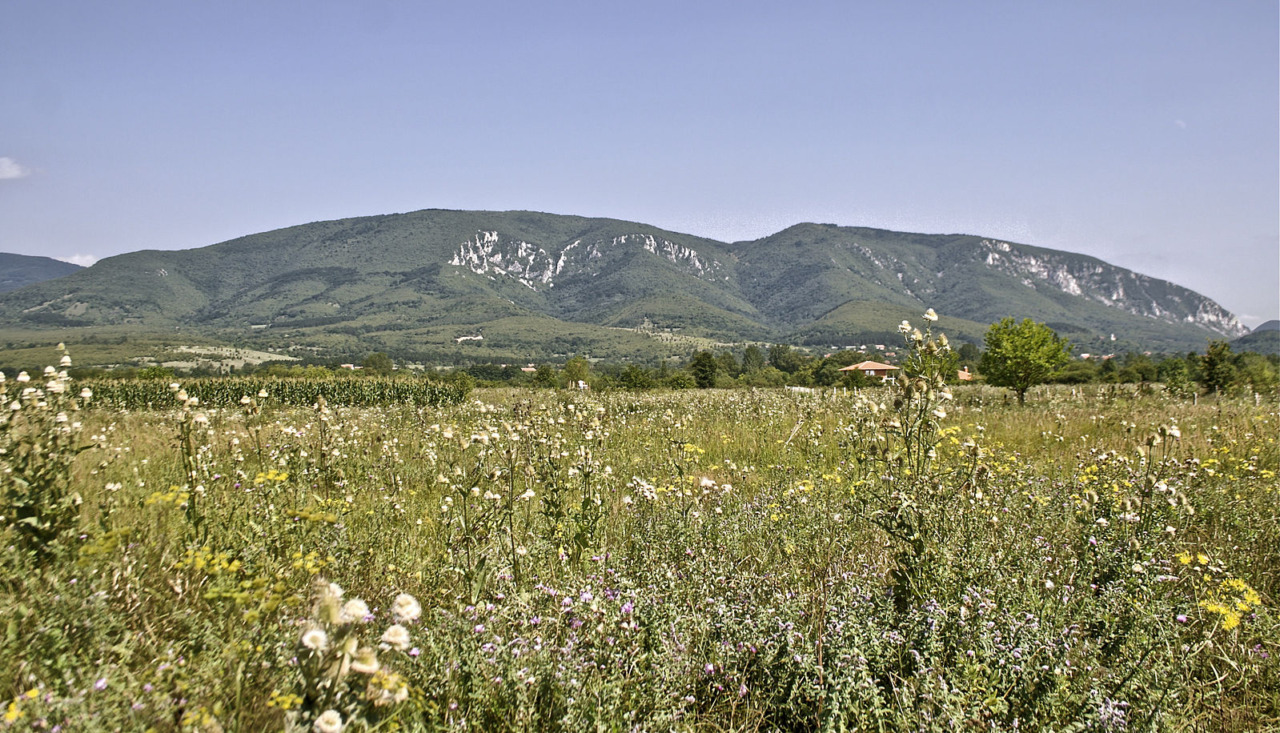
Eastern Serbia often reveals autumn through water before it does through colour. In Homolje, cold springs, shaded river valleys and waterfalls create a feeling of seasonal change even while the surrounding forest remains predominantly green.
Rather than planning a demanding ascent to the summit of Beljanica, first-time visitors can follow a slower route through its foothills. Krupajsko Vrelo is the natural starting point: a vivid karst spring emerging beneath a wooded limestone slope. From there, the journey can continue towards Lisine and the Veliki Buk waterfall, passing through villages, farmland and increasingly dense forest.
The road between these places is as important as the individual attractions. It reveals a rural part of Serbia shaped by water, limestone and mountain pastures, with small restaurants and households serving trout, cheese, kajmak and other local dishes. Autumn rain can make the waterfalls more impressive, although water levels always depend on recent conditions. Wet weather can also make paths slippery, so footwear with a good grip is useful even if no serious hiking is planned.
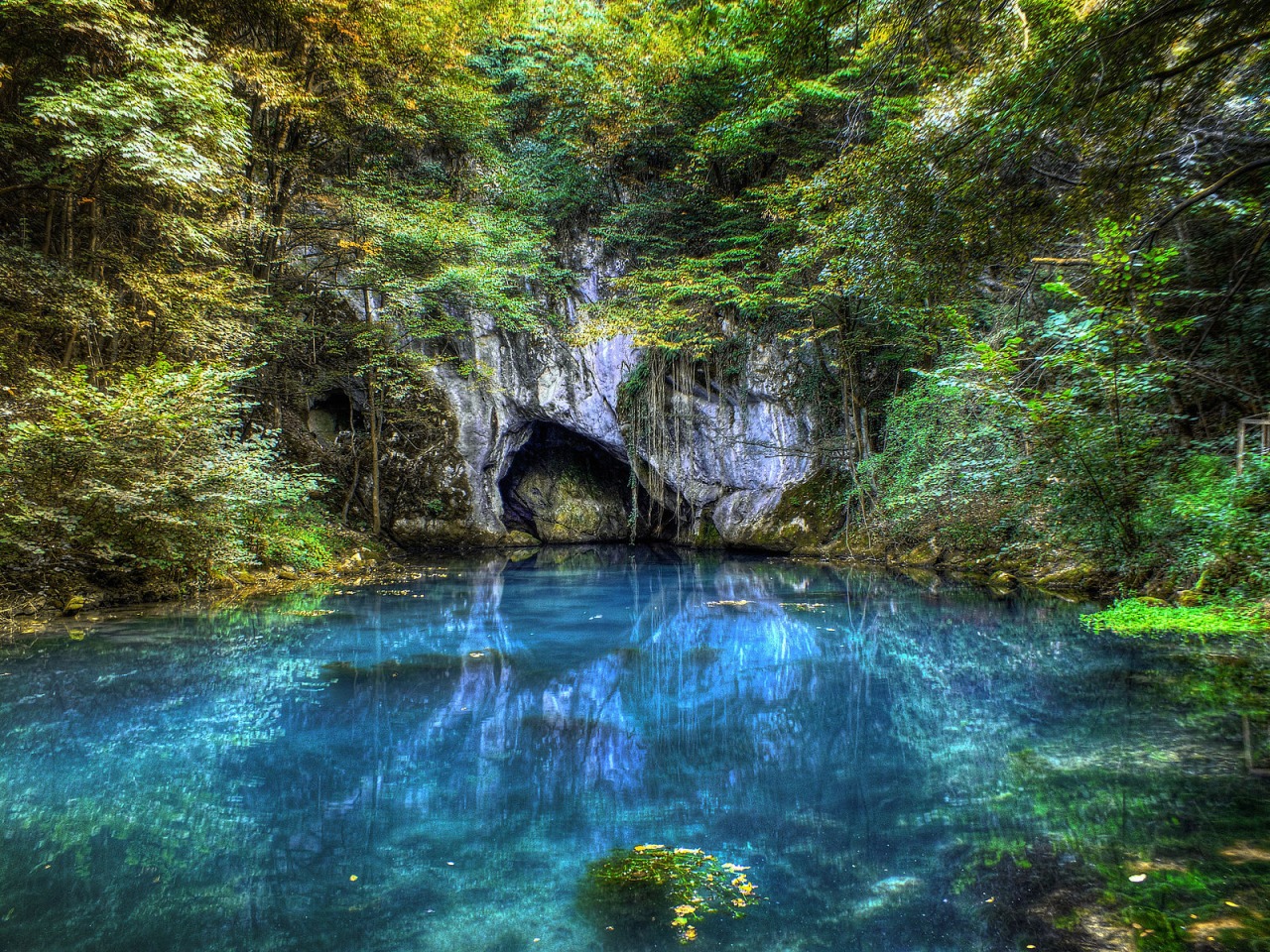
Homolje is best experienced without an overfilled itinerary. Choose two or three stops, leave time for lunch and allow the landscape between them to remain part of the journey.
Best for: Scenic road trips, water landscapes and rural food
Allow: One long day or an overnight stay
5. Zlatar: Cold Mornings Above the Lakes
On Zlatar, the first signs of autumn are not always found in brightly coloured trees. They appear in the mist rising above the valleys, the sharper morning air and the golden mountain meadows contrasting with dark pine forests.
The mountain is often associated with Uvac, but there is more to this area than a single famous viewpoint. Forest roads, villages around Nova Varoš and short walks close to the main tourist zone offer a quieter way to experience the landscape. The Zlatar viewpoint itself is located only a few hundred metres from the centre of the tourist area, making it accessible even to visitors who are not planning a longer hike.
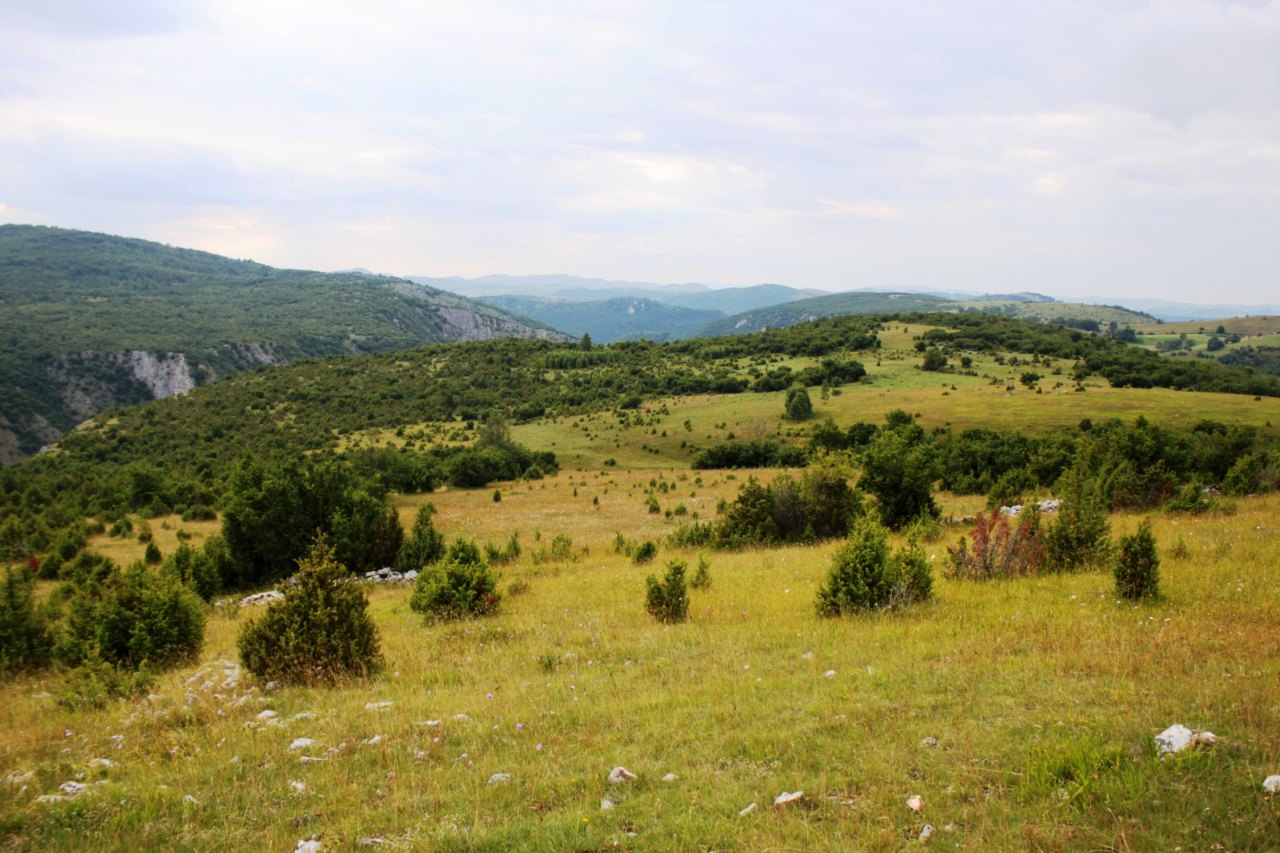
Late September is particularly appealing because the summer crowds have begun to disappear, while the days are still suitable for walking and exploring the surrounding lakes. A clear morning may open long views across the plateau, while an overcast one can bring the low clouds and muted colours that make the mountain feel even more remote.
Local food is an important part of the visit. Zlatar cheese, heljdopita, homemade bread and warming mountain dishes feel increasingly appropriate as the evenings grow colder.
Best for: Mountain views, local food and slow weekends
Allow: One or two nights
6. Sokobanja and Ozren: The Season Between Spa Parks and Waterfalls
Sokobanja is usually associated with summer holidays and spa tourism, but the period immediately after the busiest season reveals a calmer side of the town. Café terraces remain open on warm afternoons, while the park and surrounding forests begin to show the first traces of autumn.
A short drive above the town leads towards Ozren, where forest paths, picnic areas and viewpoints provide an easy contrast to the spa centre below. Ripaljka Waterfall, situated on the Gradašnica River, is one of the area’s best-known natural sights and is protected as a natural monument.
The flow of the waterfall varies considerably with rainfall, so it should not be presented as equally powerful throughout the year. Even when the water level is modest, the surrounding woodland and the approach through Ozren make it a worthwhile stop.
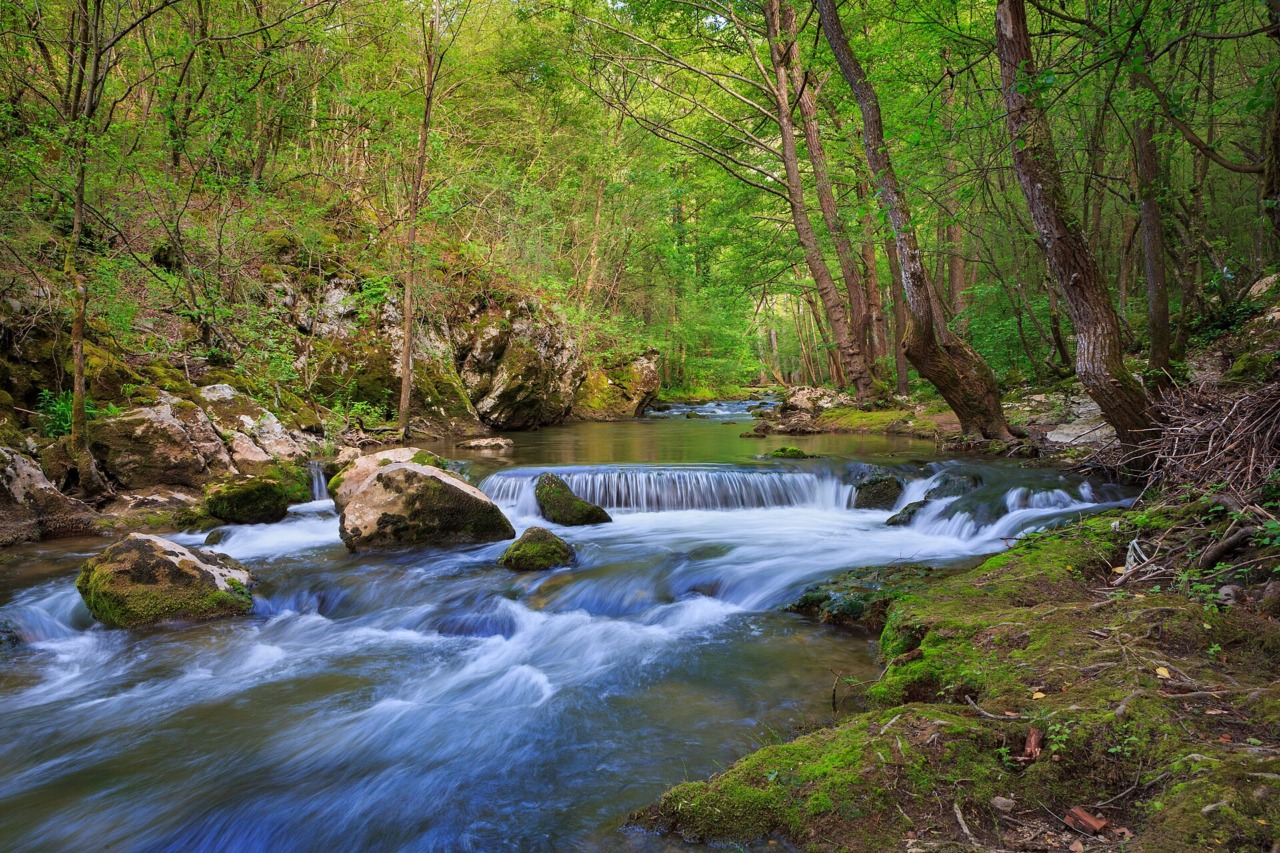
A good autumn day here can combine a morning walk, lunch in Sokobanja and a slower afternoon in the spa park. Visitors with more time can also explore Lepterija and the wider landscape beneath the ruins of Sokograd, adjusting the route to daylight and weather conditions.
Sokobanja is the most comfortable choice on this list for travellers who want to experience the changing season without giving up restaurants, accommodation and the ease of staying in town.
Best for: A relaxed mixture of nature, spa atmosphere and short walks
Allow: A full day or a weekend
Before the Forests Turn Gold
The first days of autumn are easy to overlook. They do not offer the dramatic colours that arrive later in October, but they bring something equally valuable: open roads, quieter destinations and the feeling of witnessing a landscape in transition.
This is the time for morning mist on Golija, reflections on Lake Selište, early leaves beneath the forests of Rudnik and cooler evenings on Zlatar. It is a season measured in small changes rather than spectacular displays.
Before travelling, check the local weather, daylight hours and road conditions, particularly in remote mountain areas. Bring layers, suitable footwear and enough time to avoid rushing back after dark.
Serbia’s autumn has not fully arrived yet – and that is precisely what makes this moment worth seeing.
Related Articles
5 Easy Hikes in Serbia for People Who Don’t Usually Hike
September 15, 2026
7 Places in Serbia Where Summer Lasts a Little Longer
September 3, 2026