
-
Serbia at a Glance
Discover All -
Arts & Culture
Discover All -
Identity & Heritage
Discover All -
Famous Serbs
Discover All
-
Regions
Discover All -
Cities
Discover All -
Nature
Discover All -
Cultural Landmarks
Discover All
-
Outdoor & Wellness
Discover All -
Food & Drink
Discover All -
Tours
Discover All -
Urban Experiences
Discover All -
Seasonal Experiences
Discover All
Partner with Serbia.com
Let's create lasting impact together
Partner with Serbia.com to reach travellers through trusted recommendations, inspiring editorial stories and thoughtfully designed campaigns. Together, we create meaningful visibility that supports your goals and remains valuable long after publication.
Explore partnership opportunities- Serbian Favorite Rituals Everyday traditions and little things that make life in Serbia special.
- Villages of Serbia Charming villages, local stories and authentic rural life.
- Serbia Told By You Personal stories, local perspectives and authentic experiences from across Serbia.
- Is it Worth Visiting in Serbia? Honest destination guides to help you decide which places are worth visiting.
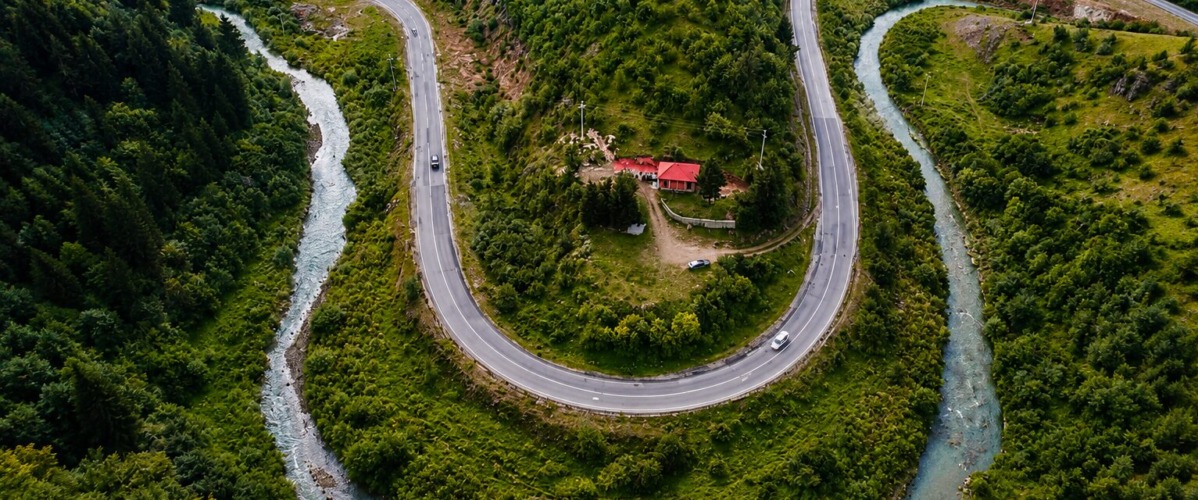
Few places in Serbia feel as vast, remote, and untamed as the Pešter Plateau. Stretching across the highlands of southwestern Serbia, this remarkable landscape of rolling grasslands, deep sinkholes, winding rivers, and endless skies often surprises visitors who expect mountains and forests but instead discover something closer to a European steppe.
Located between the towns of Sjenica, Tutin, and Novi Pazar, Pešter is the largest plateau in Serbia and one of the highest in the Balkans. Known for its dramatic natural beauty, unique wildlife, rich pastoral traditions, and extreme climate, it remains one of the country’s most distinctive and least explored regions.
A Land Shaped by Nature and History
The Pešter Plateau lies at an average elevation of around 1,150 meters, covering hundreds of square kilometers across the historic Raška region. For centuries, its vast pastures have supported shepherd communities whose lives revolved around livestock, seasonal migrations, and the production of dairy products that remain famous throughout Serbia today.
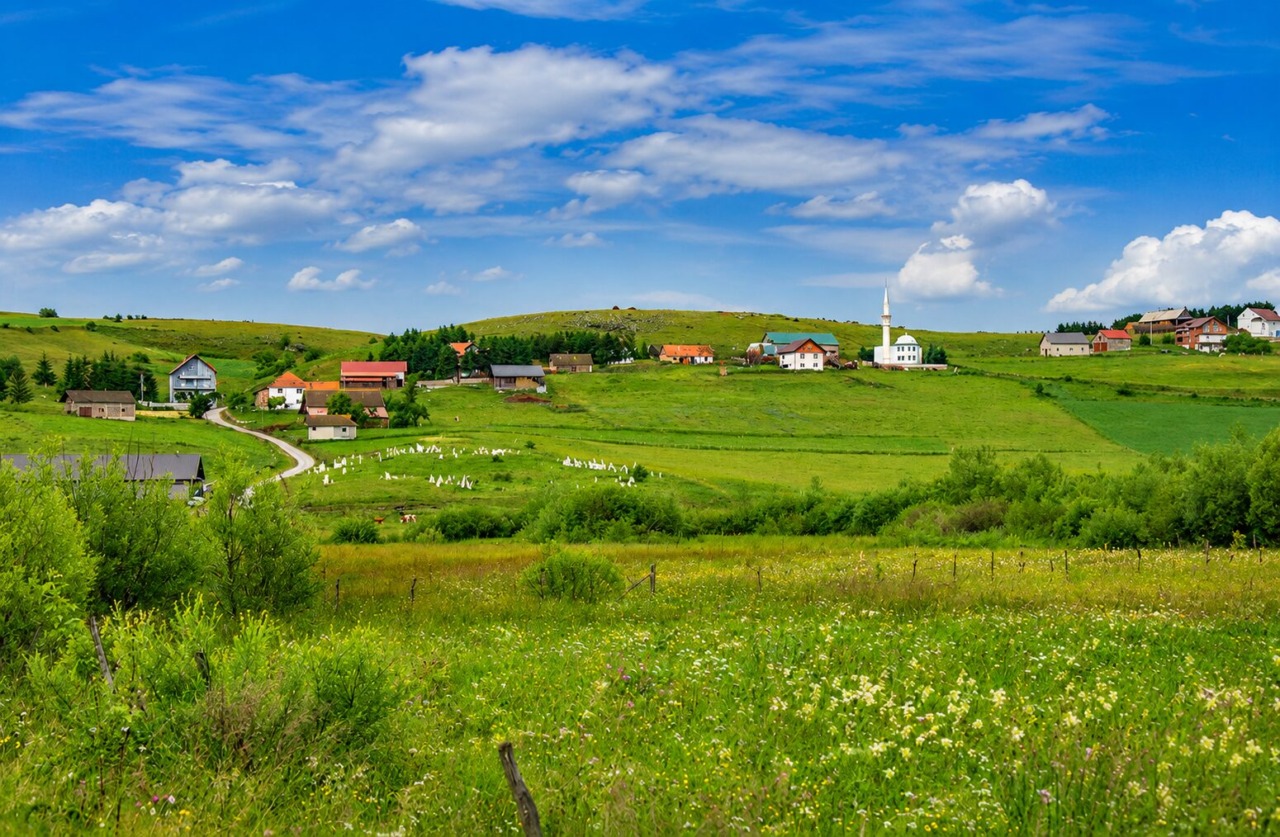
Its history stretches far beyond modern settlements. Archaeological discoveries suggest human presence in the region since prehistoric times, while nearby medieval fortresses, monasteries, and trade routes reveal Pešter’s importance throughout the Middle Ages. The plateau also stood at the crossroads of civilizations, where Eastern and Western influences met, leaving traces in local architecture, customs, and cuisine.
Yet despite its long history, Pešter has retained a sense of isolation. Sparse population, open landscapes, and traditional ways of life continue to define the region, making it one of the few places in Serbia where visitors can still experience a landscape largely unchanged by modern development.
Serbia’s Kingdom of Grasslands
What makes Pešter truly unique is its landscape. Unlike the densely forested mountains that dominate much of western Serbia, Pešter opens into a world of wide horizons, rolling meadows, karst fields, and seemingly endless pastures. During summer, the plateau turns vibrant green, dotted with grazing sheep and wildflowers. In winter, it transforms into a snowy wilderness that often resembles northern Europe more than the Balkans.
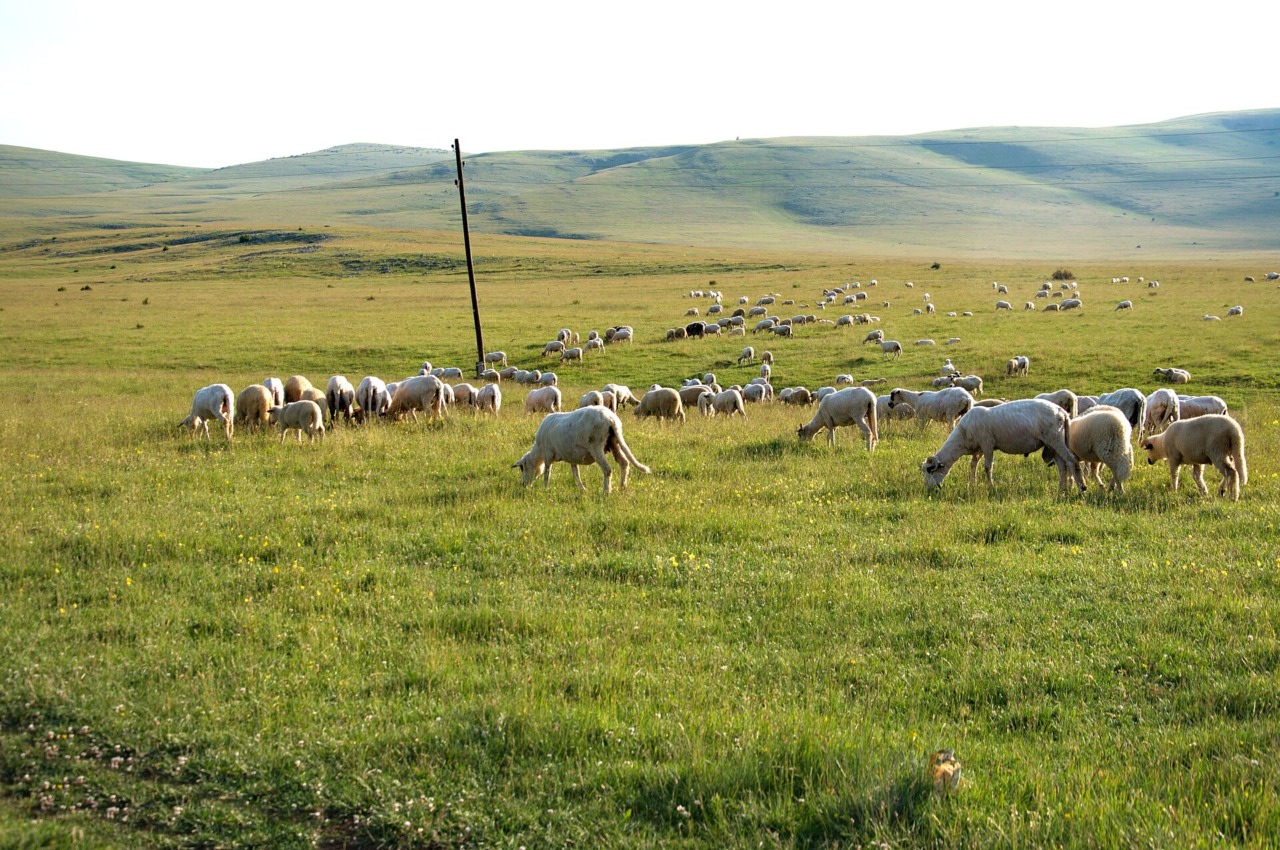
The region is also one of Serbia’s most important ecological areas. Large portions of the plateau form the Special Nature Reserve Peštersko Polje, created to protect its rare habitats and extraordinary biodiversity.
Birdwatchers are particularly drawn to the area. Pešter is one of the last strongholds of several endangered species, including birds of prey that find refuge in its open landscapes and wetlands. The reserve also shelters numerous plant species adapted to the harsh climate and unique karst terrain.
The Coldest Place in Serbia
Pešter is famous throughout the country for another reason: its climate. The plateau is often called the “Serbian Siberia” due to its exceptionally low winter temperatures. Because of its basin-like topography, cold air becomes trapped in the valleys, creating some of the lowest recorded temperatures in the Balkans.
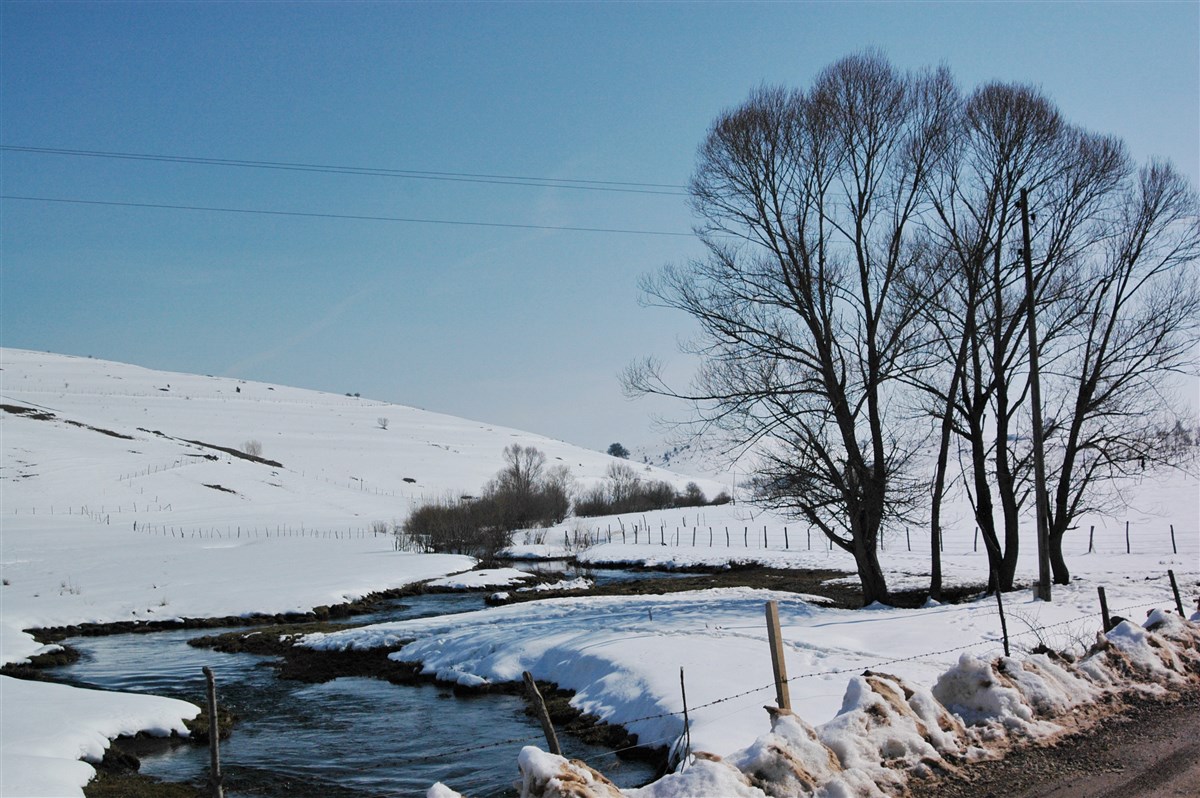
In January 2006, temperatures near Sjenica dropped below -39°C, among the coldest officially measured values in Serbia. Snow cover can persist for months, while summers remain pleasantly fresh compared to much of the country. This extreme climate has helped preserve both the natural environment and traditional pastoral lifestyle that define the region.
The Uvac River and Pešter’s Natural Wonders
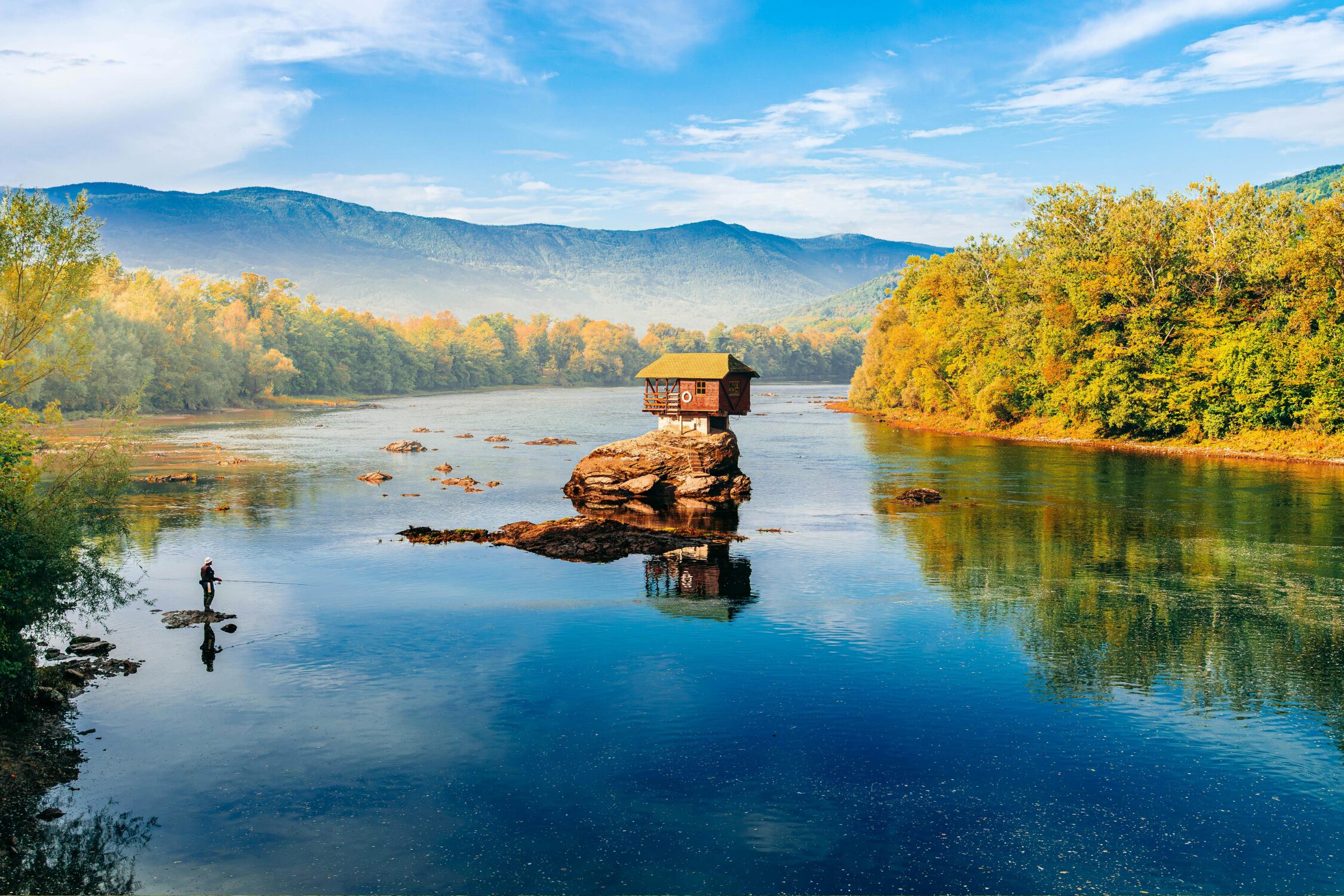
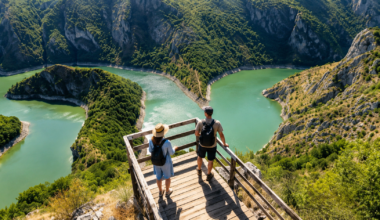
No visit to Pešter is complete without exploring the natural attractions scattered across the surrounding landscape. The nearby Uvac River meanders through spectacular limestone canyons, creating some of Serbia’s most iconic viewpoints. Its winding curves, dramatic cliffs, and population of griffon vultures attract visitors from around the world.
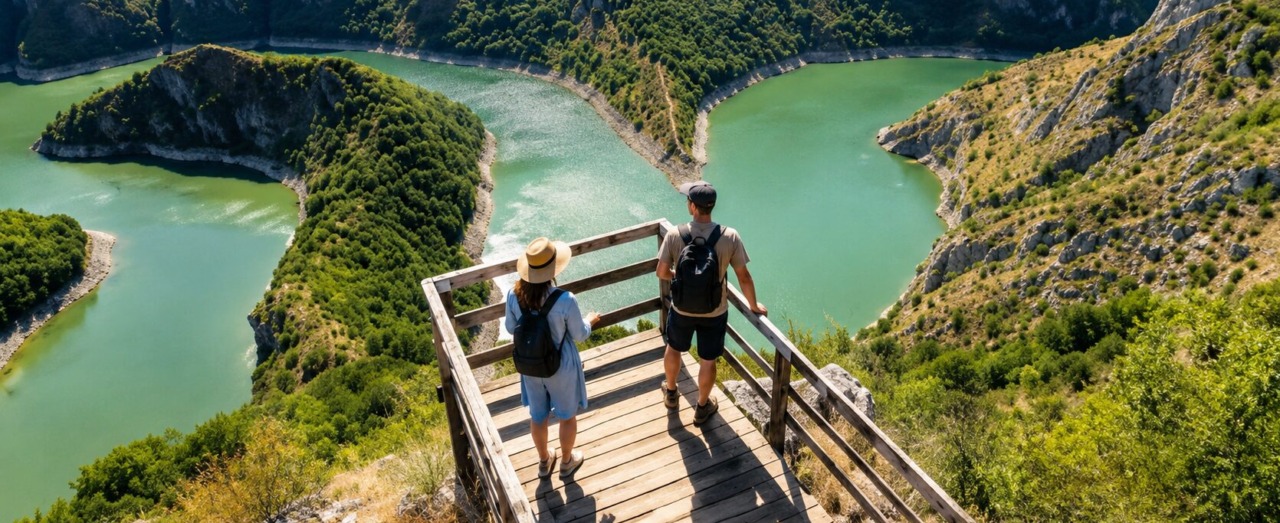
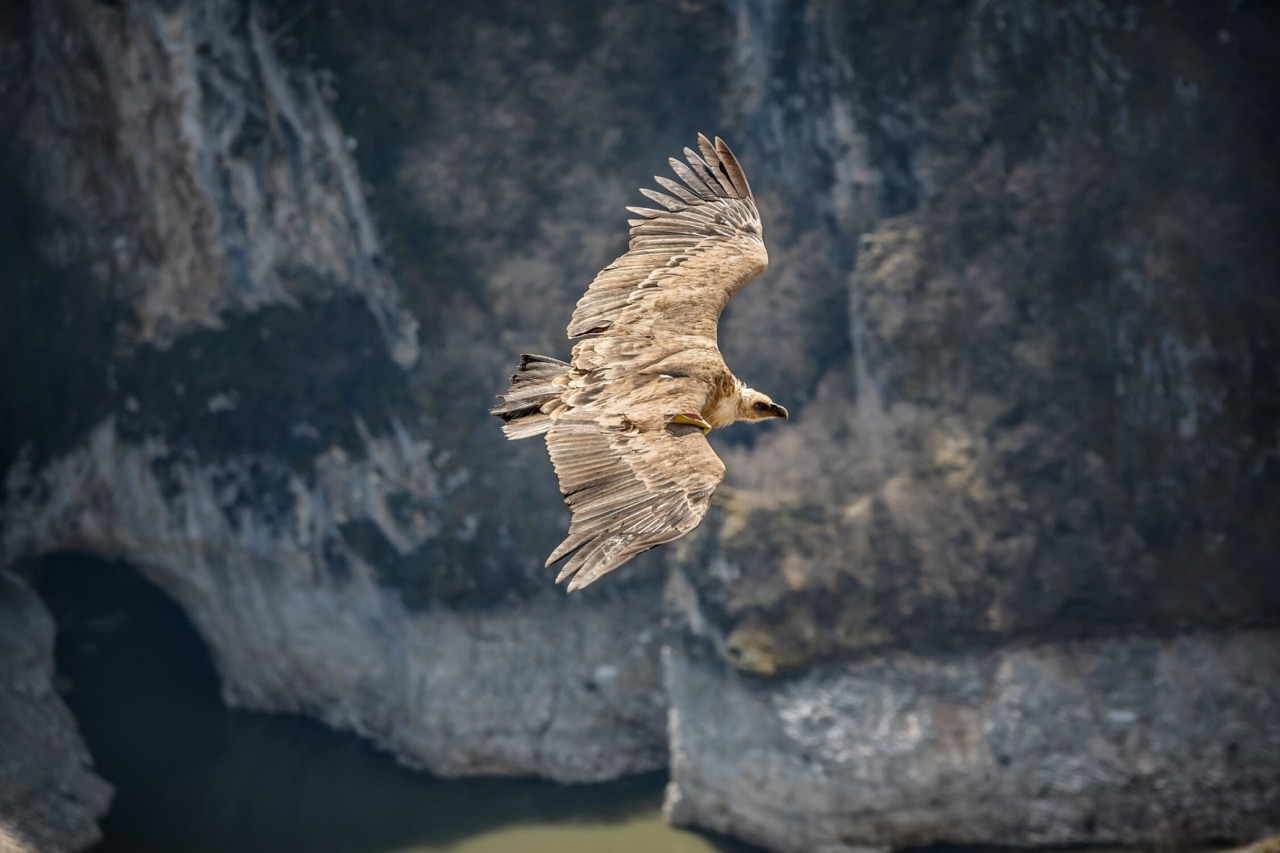
The plateau is also home to numerous sinkholes, caves, seasonal lakes, and underground waterways created by the region’s karst geology. After periods of heavy rain, parts of Pešter reveal temporary lakes and wetlands that completely transform the landscape.
One of the most fascinating features is the network of peat bogs and marshes found within Peštersko Polje. These rare ecosystems support plant and animal communities unlike anywhere else in Serbia.
What to See Around Pešter
While the plateau itself is the main attraction, several destinations nearby make the perfect addition to a Pešter itinerary. The town of Sjenica serves as the natural gateway to the region and offers insight into local traditions and everyday life. Not far away, visitors can explore the famous Uvac viewpoints, the Ice Cave, and boat tours through the canyon.
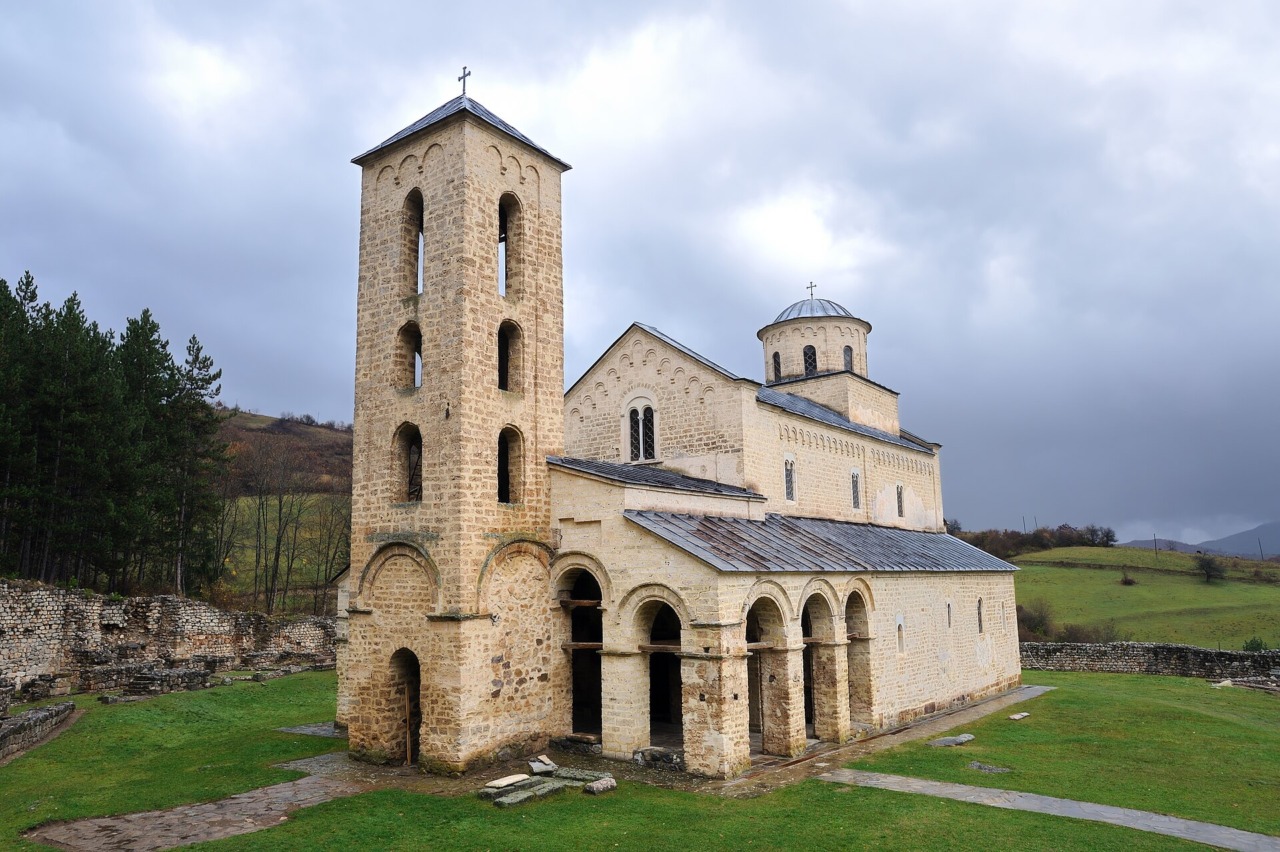
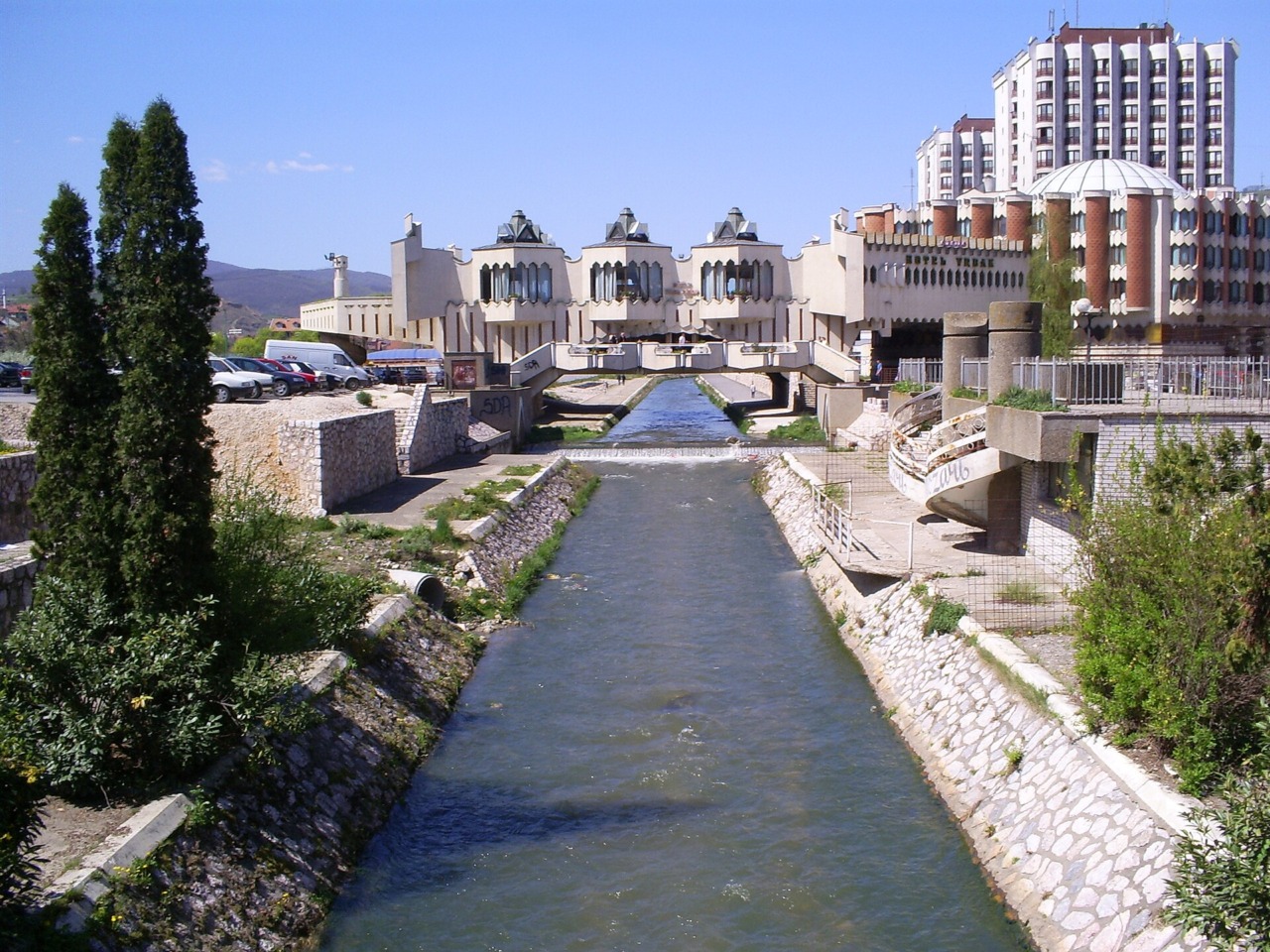
To the south lies Novi Pazar, one of Serbia’s most culturally rich cities, while the medieval monasteries of the Raška region reveal the area’s historical importance. The magnificent monastery of Sopoćani Monastery and the remains of Stari Ras are among the most significant cultural landmarks in Serbia.
Nature lovers can also venture toward the slopes of Golija, another protected area known for its forests, hiking trails, and pristine landscapes.
The Flavors of Pešter
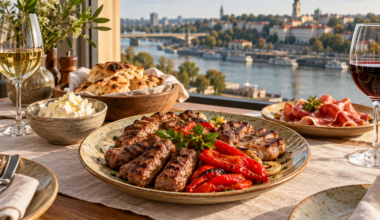
Food is an essential part of the Pešter experience. Generations of shepherding tradition have created a cuisine based on simple ingredients, high-quality dairy products, and slow preparation methods. The region is particularly known for Sjenica cheese, one of Serbia’s most respected traditional cheeses, produced from cow’s or sheep’s milk using methods passed down through generations.
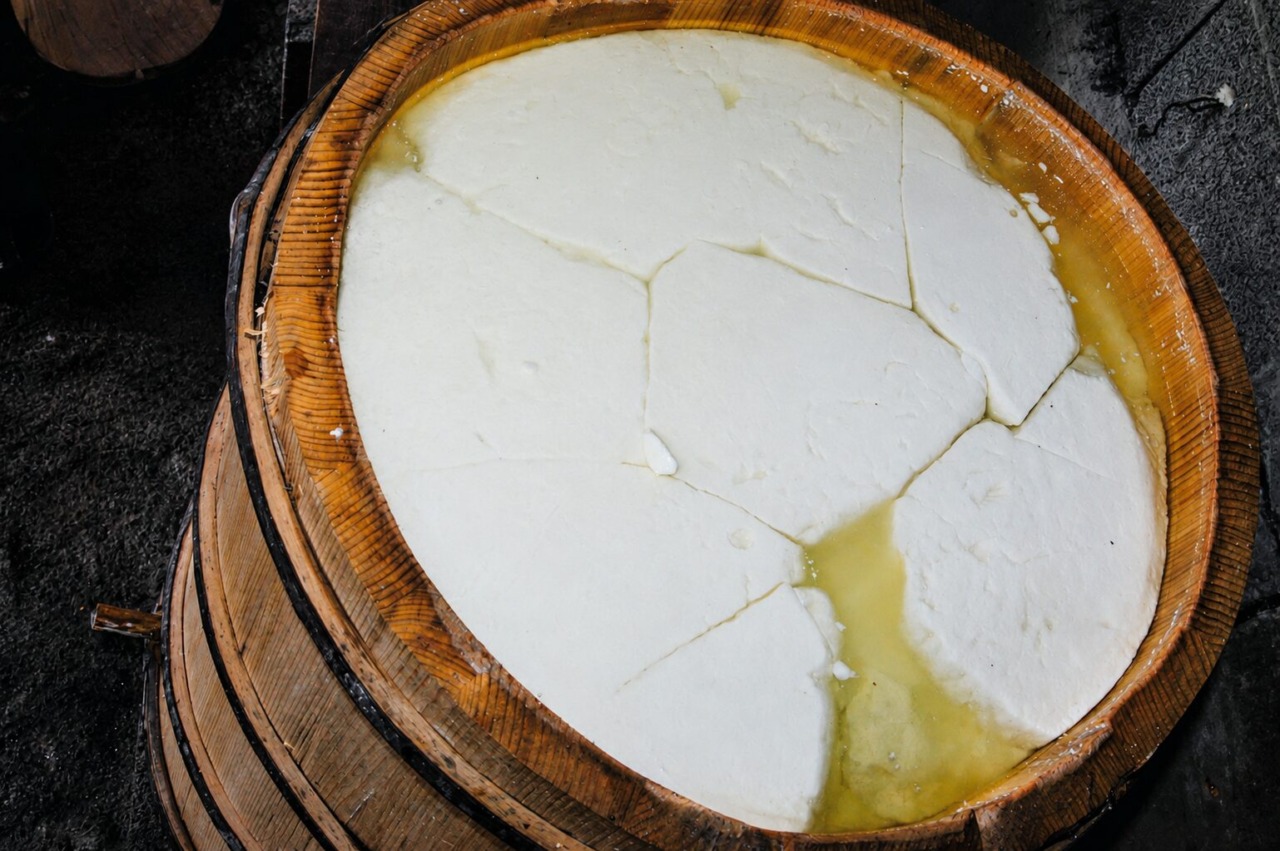
Lamb dishes occupy a special place on local tables, while homemade pies, kajmak, yogurt, and freshly baked bread remain staples of everyday life.
The quality of local dairy products is often attributed to the plateau’s clean environment, rich pastures, and centuries-old livestock traditions that continue to shape life across the region.
Why Visit Pešter?
Pešter is not a destination of crowded attractions, luxury resorts, or carefully designed tourist experiences. Its appeal lies elsewhere – in vast open landscapes, silence, dramatic skies, traditional villages, and a feeling of space that has become increasingly rare in Europe.
For travelers seeking authentic nature, unique cultural heritage, remarkable wildlife, and some of Serbia’s most unforgettable scenery, the Pešter Plateau offers an experience unlike anywhere else in the country. It is a place where the horizon seems endless, traditions remain alive, and the wild character of southwestern Serbia can still be felt in its purest form.
Plan your visit
Everything you need to plan your perfect trip.
Related Articles
5 Easy Hikes in Serbia for People Who Don’t Usually Hike
September 15, 2026
7 Places in Serbia Where Summer Lasts a Little Longer
September 3, 2026