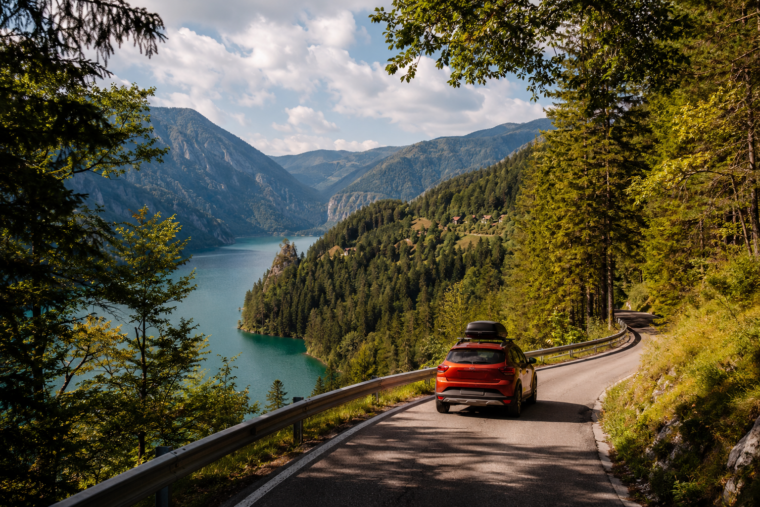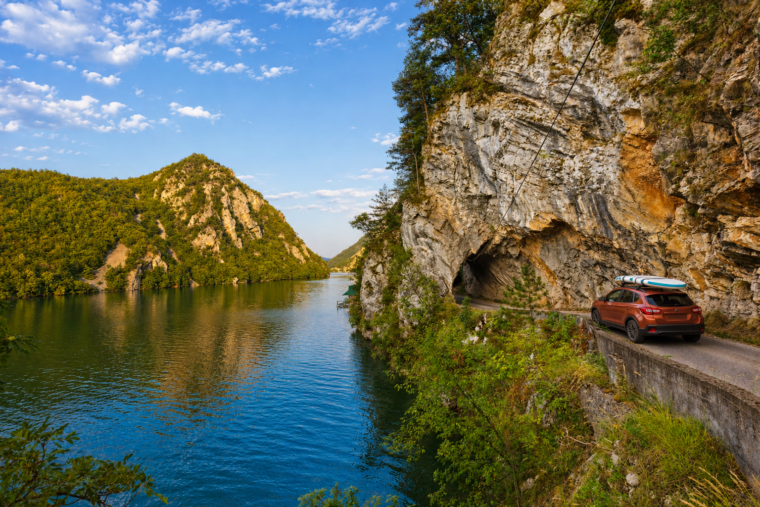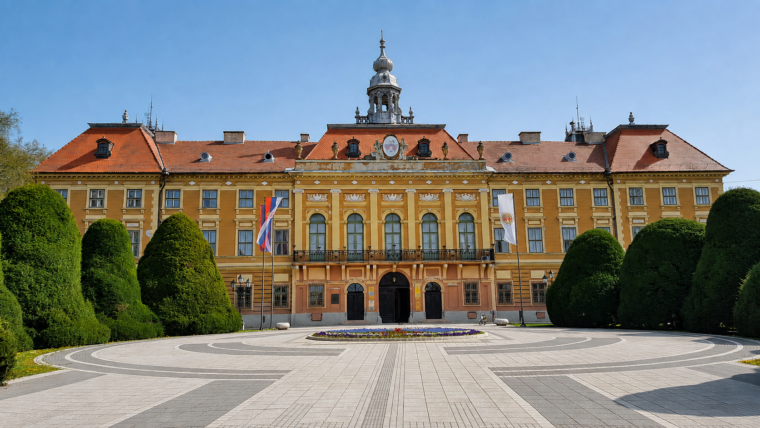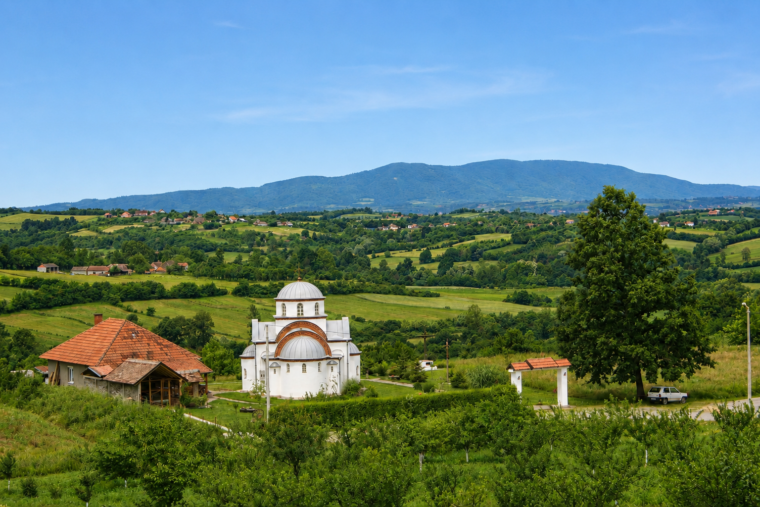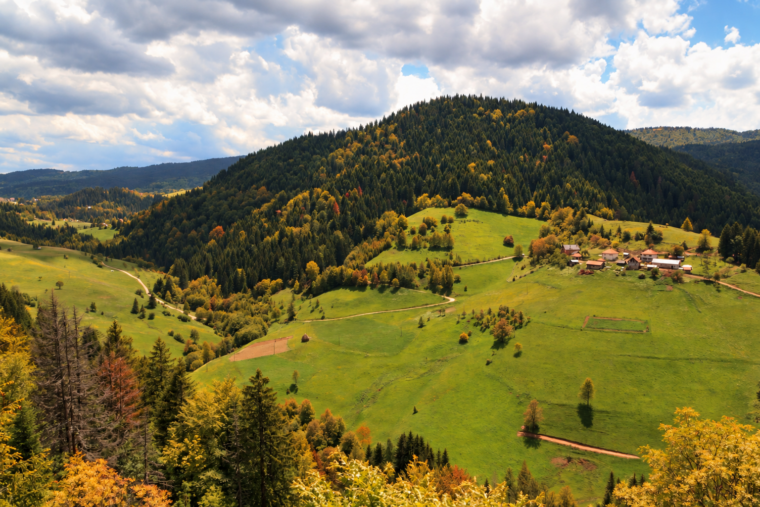

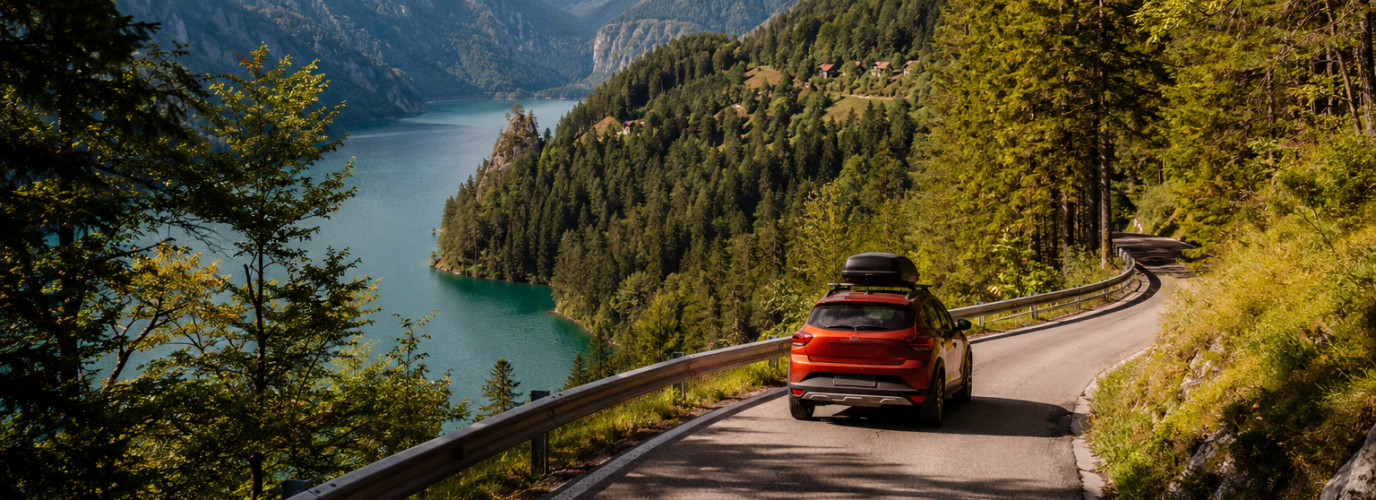
The final weeks of summer are made for the open road. The busiest holiday period is beginning to fade, but the days remain warm, the lakes and rivers still catch the afternoon light, and mountain roads are surrounded by deep green forests. Vineyards are slowly approaching harvest, villages return to their quieter rhythm and popular viewpoints become easier to enjoy without the height of the summer crowds.
This is not quite autumn, and summer is not over either. It is the brief season between the two – a perfect time to pack lightly, choose a direction and discover Serbia by car.
From the Danube and the Drina to wine villages, mountain railways and remote corners of Stara Planina, these eight routes turn the journey itself into part of the experience.
1. Golubac – Lepenski Vir – Donji Milanovac – Kladovo
Best for: History, dramatic river scenery and first-time visitors to eastern Serbia
Ideal duration: Two days
Main experience: Driving through the Đerdap Gorge beside the Danube
Few road trips in Serbia feel as spectacular from the very beginning as the journey through Đerdap.
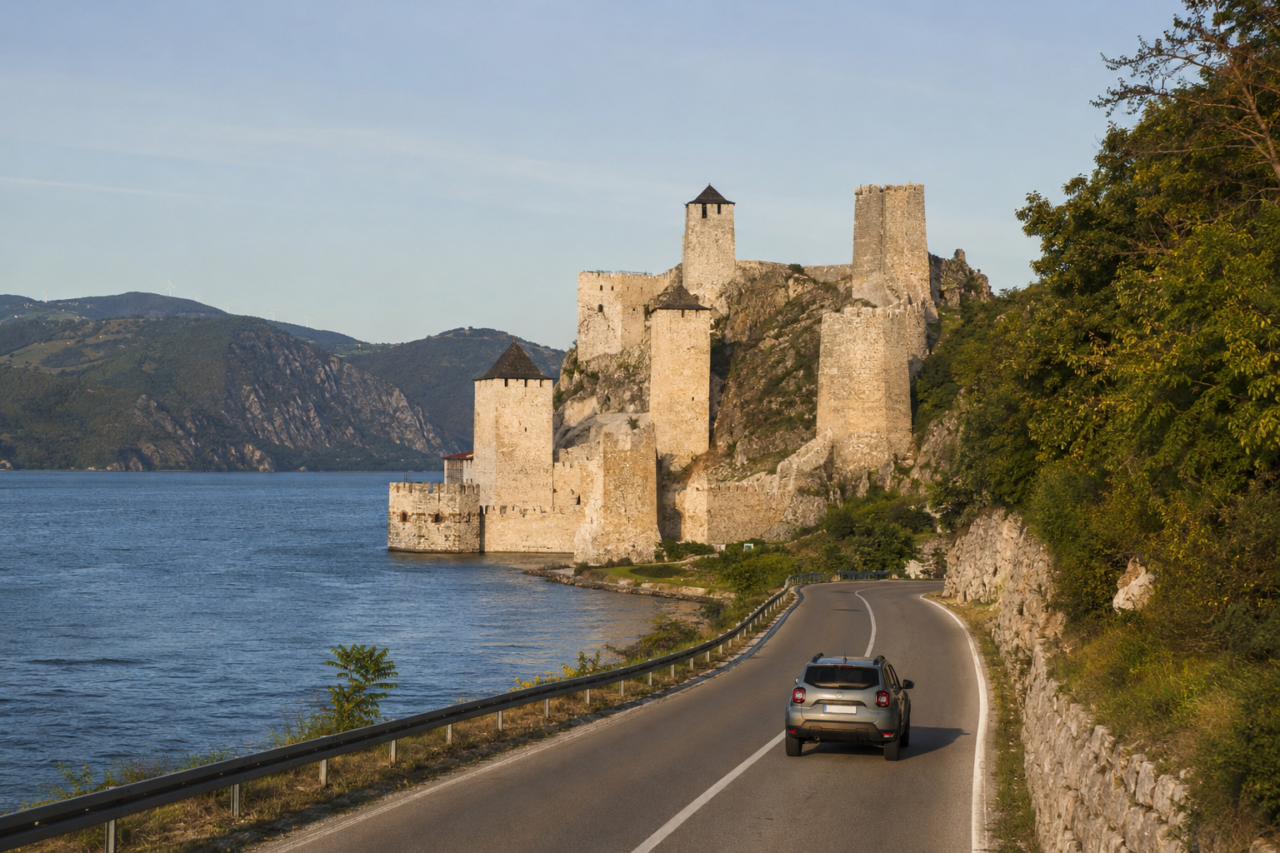
Start at Golubac Fortress, where medieval towers rise directly above the Danube at the entrance to the gorge. The fortress dates from the 14th century and once controlled one of the most strategically important points on the river. Today, its walls and towers provide wide views over the Danube, which is already beginning to resemble an inland sea at this part of its course.
Continue east along the river towards Lepenski Vir. The modern visitor centre protects the remains of a prehistoric settlement that developed on the banks of the Danube thousands of years ago. Its unusual trapezoidal houses and fish-like stone sculptures reveal how closely the community’s life was connected to the river.
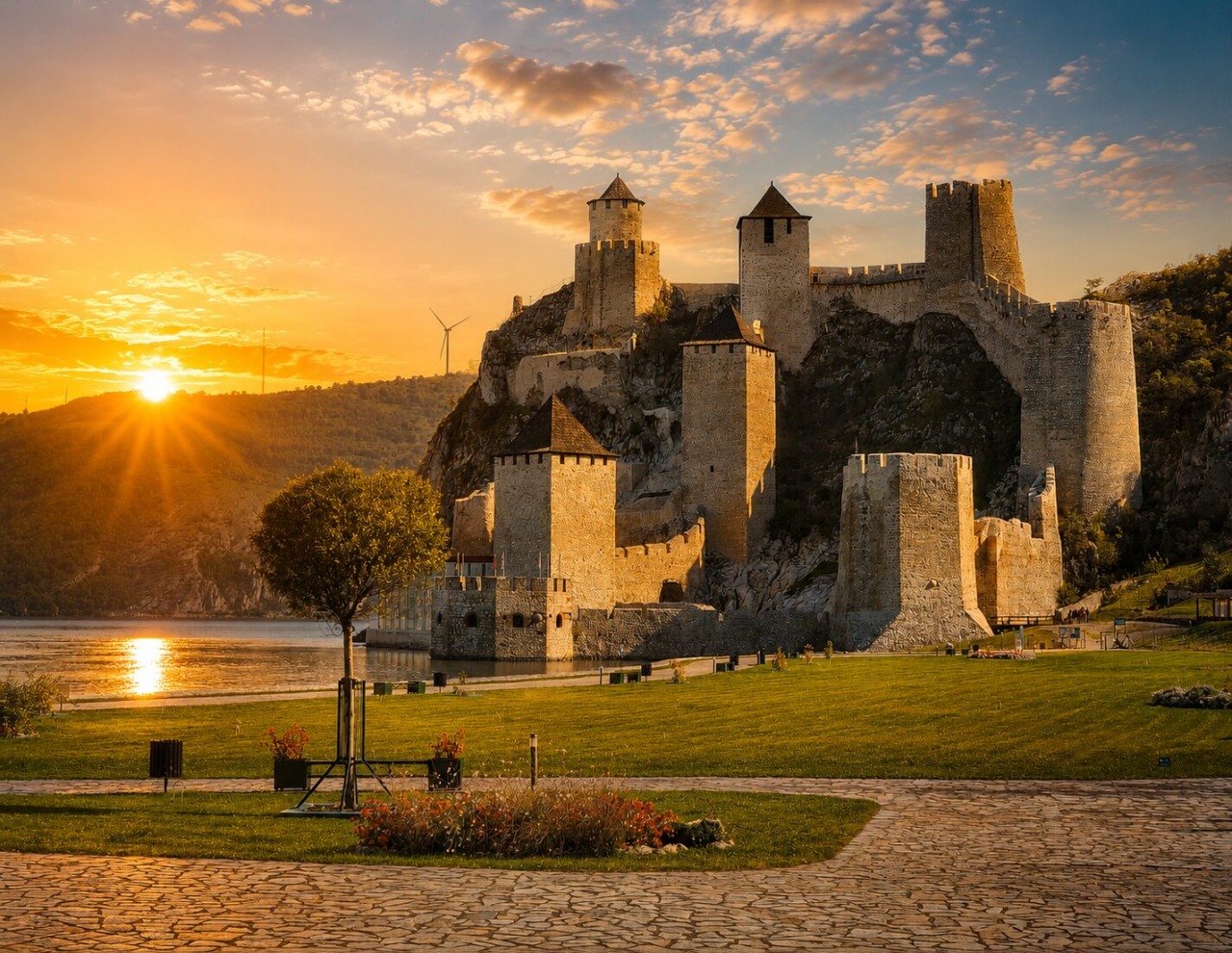
Spend the evening in Donji Milanovac, a small riverside town that makes a convenient base for exploring Đerdap National Park. Walk along the quay, have dinner overlooking the river and leave enough time for one of the surrounding viewpoints.
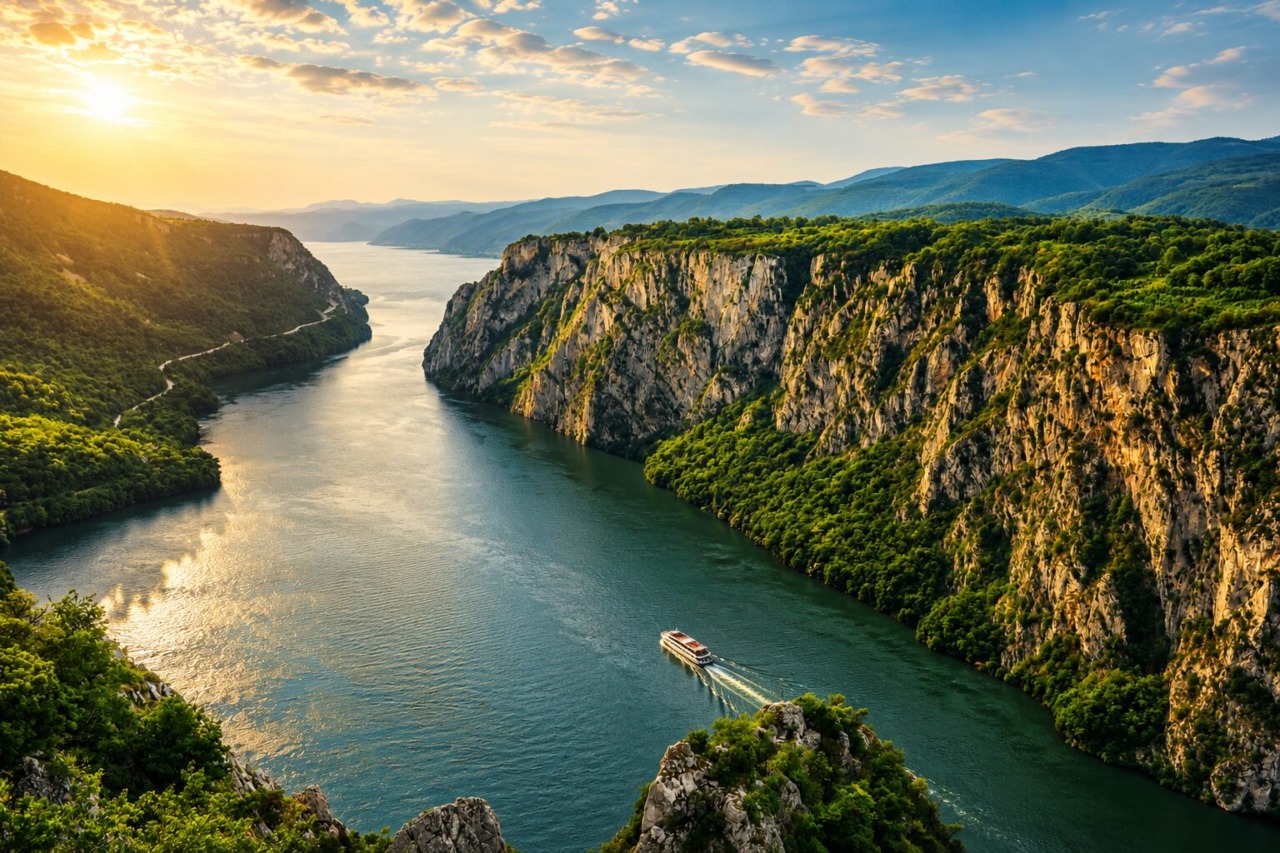
The next morning, continue towards Kladovo. Along the way, the road follows one of the most dramatic stretches of the Iron Gates, passing forested slopes, rocky cliffs and places where the Danube narrows between Serbia and Romania. If time allows, arrange a boat trip to see the gorge and Trajan’s Plaque from the water.
In Kladovo, visit the Fetislam Fortress, walk along the riverfront or continue towards the remains of Trajan’s Bridge near the village of Kostol. This route can technically be completed in a single long day, but spending one night beside the Danube transforms it from a drive into a journey.
2. Bajina Bašta – Perućac – Tara – Zaovine
Best for: Lakes, viewpoints, outdoor activities and mountain cabins
Ideal duration: Two or three days
Main experience: Moving from the Drina Valley into the forests of Tara
Begin in Bajina Bašta and follow the Drina towards Perućac. One of the first stops is the small house standing on a rock in the middle of the river, one of the most photographed scenes in western Serbia.
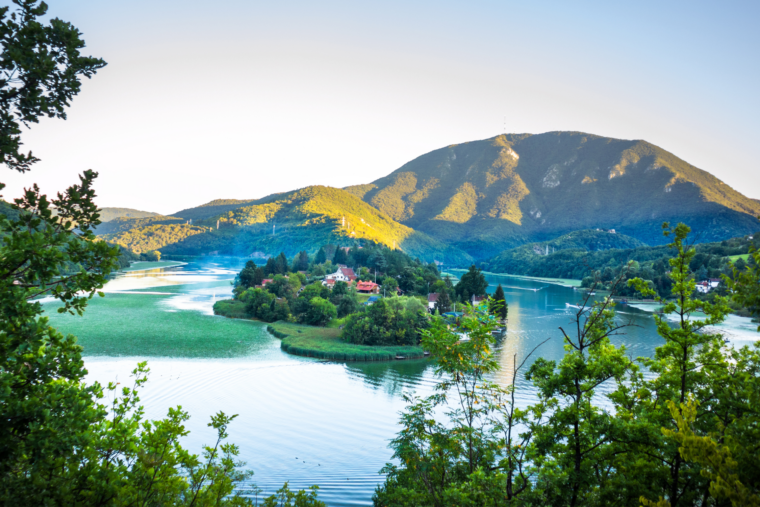
At Perućac, the Drina slows into a long, green lake beneath the forested slopes of Tara. During warm late-summer days, you can still swim at designated areas, rent a kayak or SUP board, or join a boat trip through the canyon. The nearby Mramorje site preserves medieval stećci tombstones recognised as part of UNESCO World Heritage.
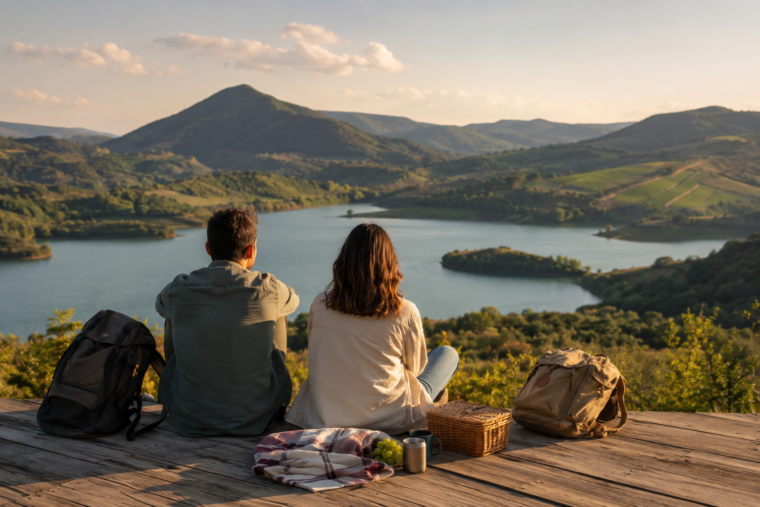
From the lake, climb towards Tara National Park. Stop at Banjska Stena, one of Serbia’s best-known viewpoints, for a sweeping view over Lake Perućac and the Drina Canyon. The final section of the route is completed on foot, so wear suitable shoes and allow enough time to enjoy the view without rushing.
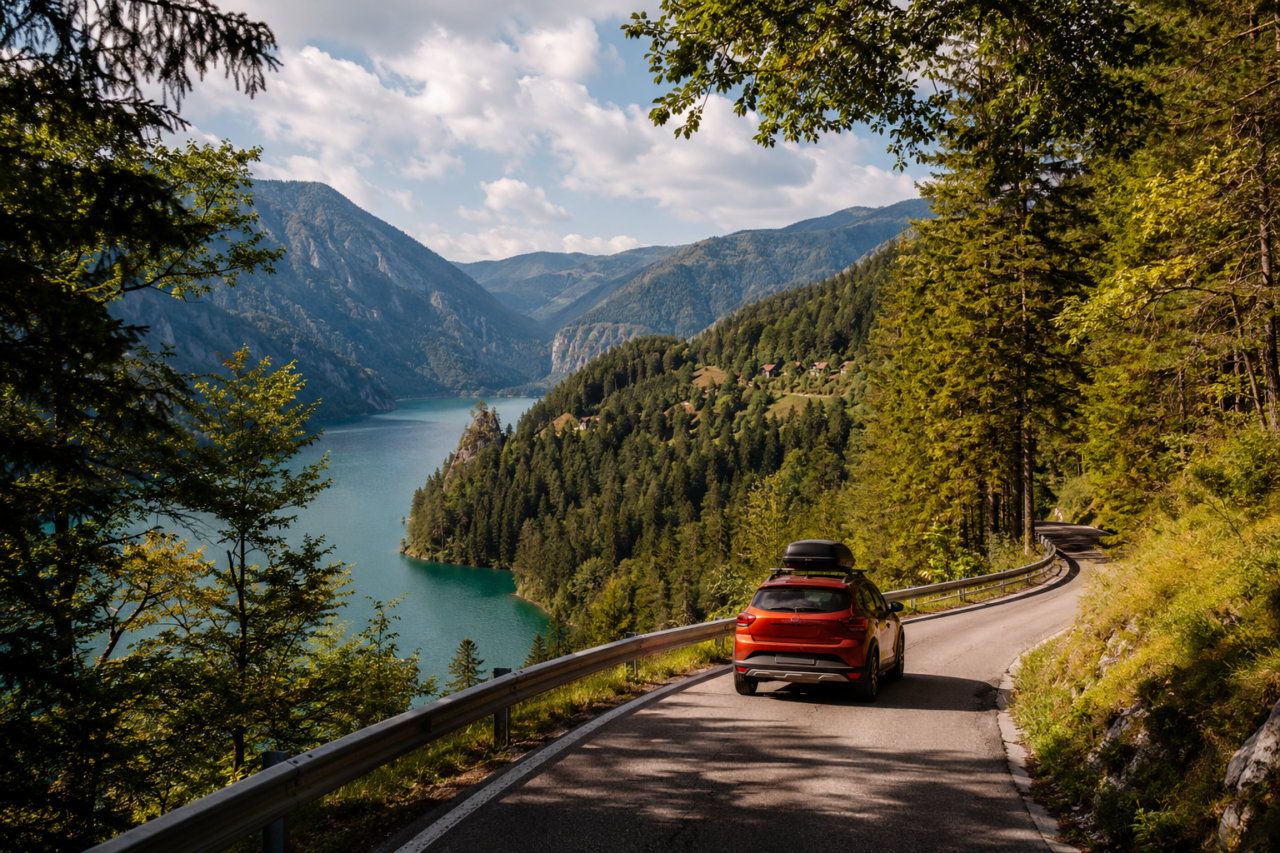
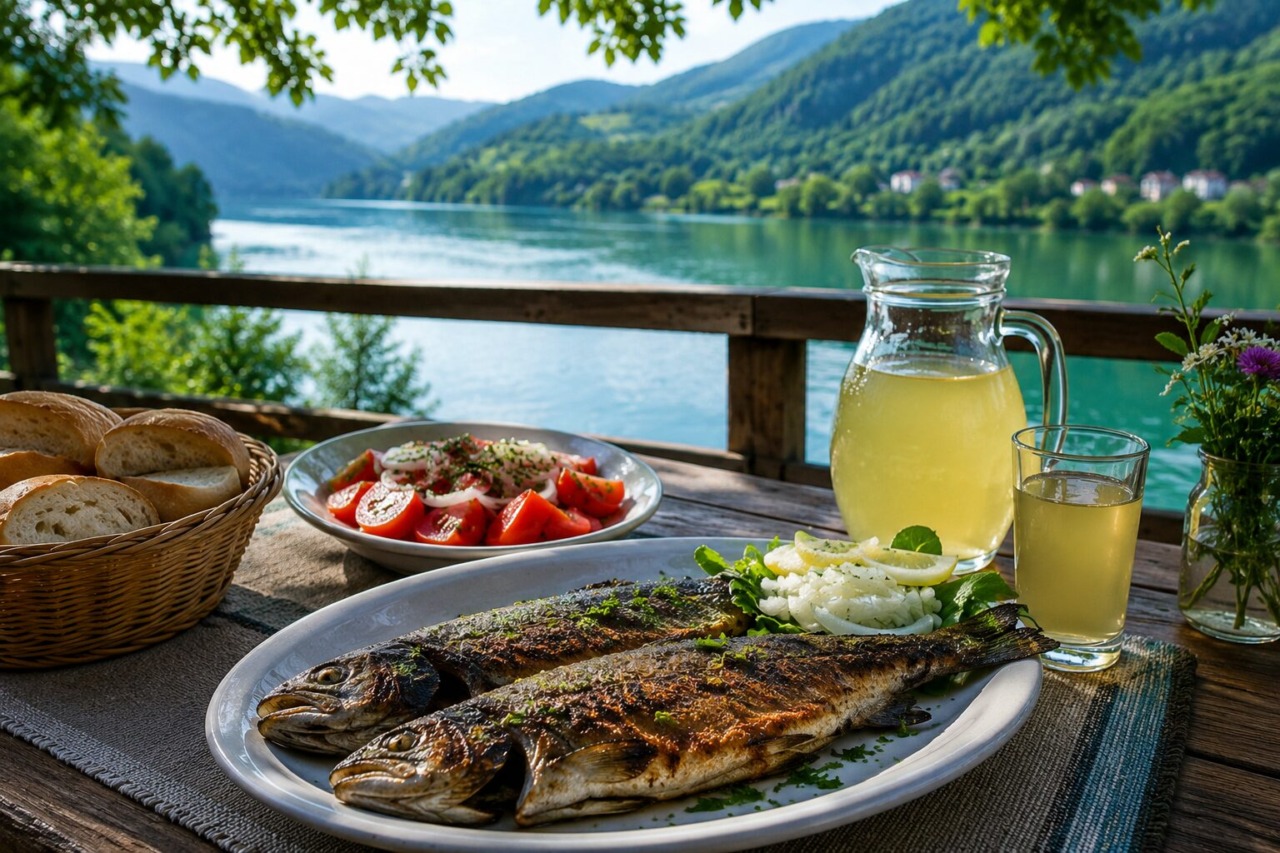
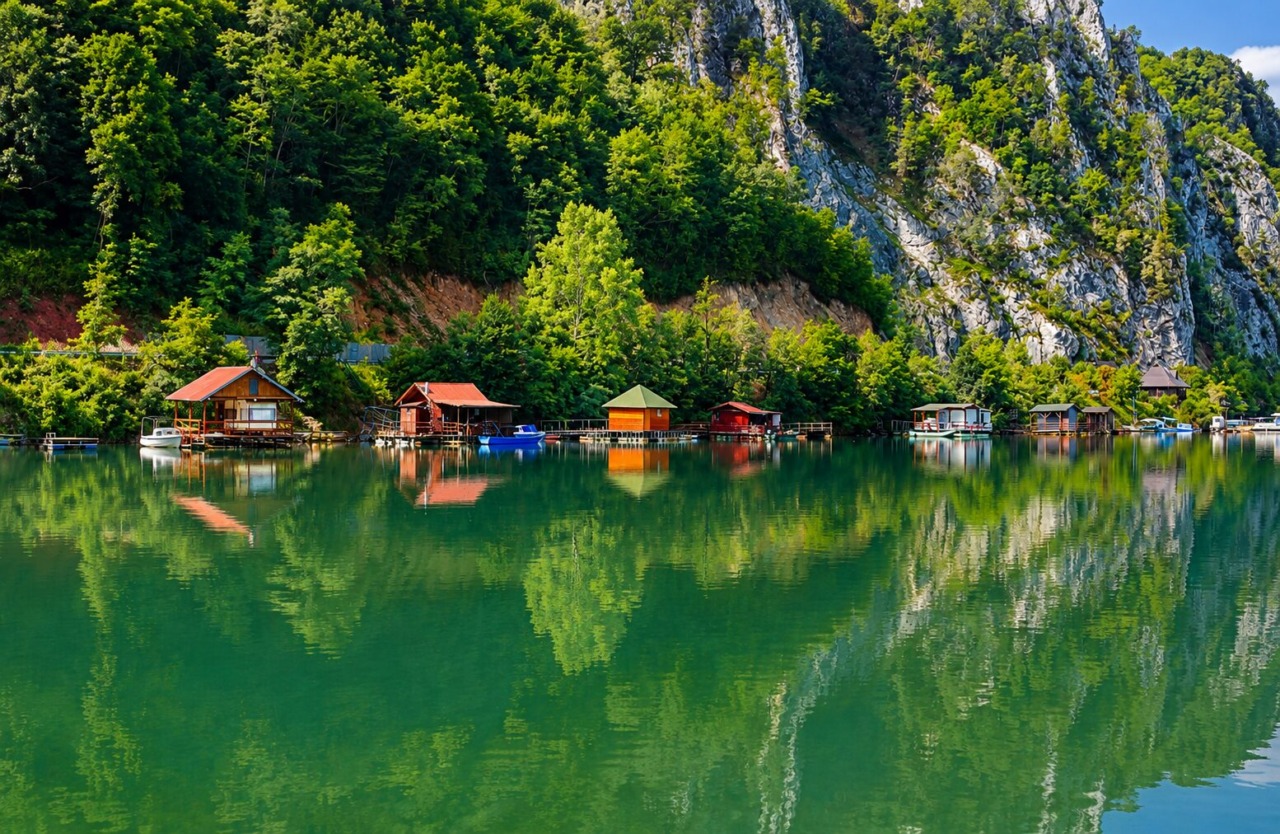
Continue through the forests towards Mitrovac and then Zaovine. The Zaovine area is quieter and more dispersed than the main tourist centres of Tara, with traditional wooden houses, small villages and views over a network of lakes and mountain slopes.
Tara’s marked trails, viewpoints and lakes make it easy to adapt the journey to your interests. One day can be spent on the water, another walking through the forest and a third doing very little beyond eating local cheese and kajmak on the terrace of a mountain household.
Late summer is particularly pleasant here. The days remain suitable for outdoor activities, while evenings are fresh enough to make a wooden cabin feel especially inviting.
3. Pirot – Temska – Dojkinci – Gostuša
Best for: Mountain villages, waterfalls, local food and less-travelled roads
Ideal duration: Two days
Main experience: Exploring the villages and landscapes of Stara Planina
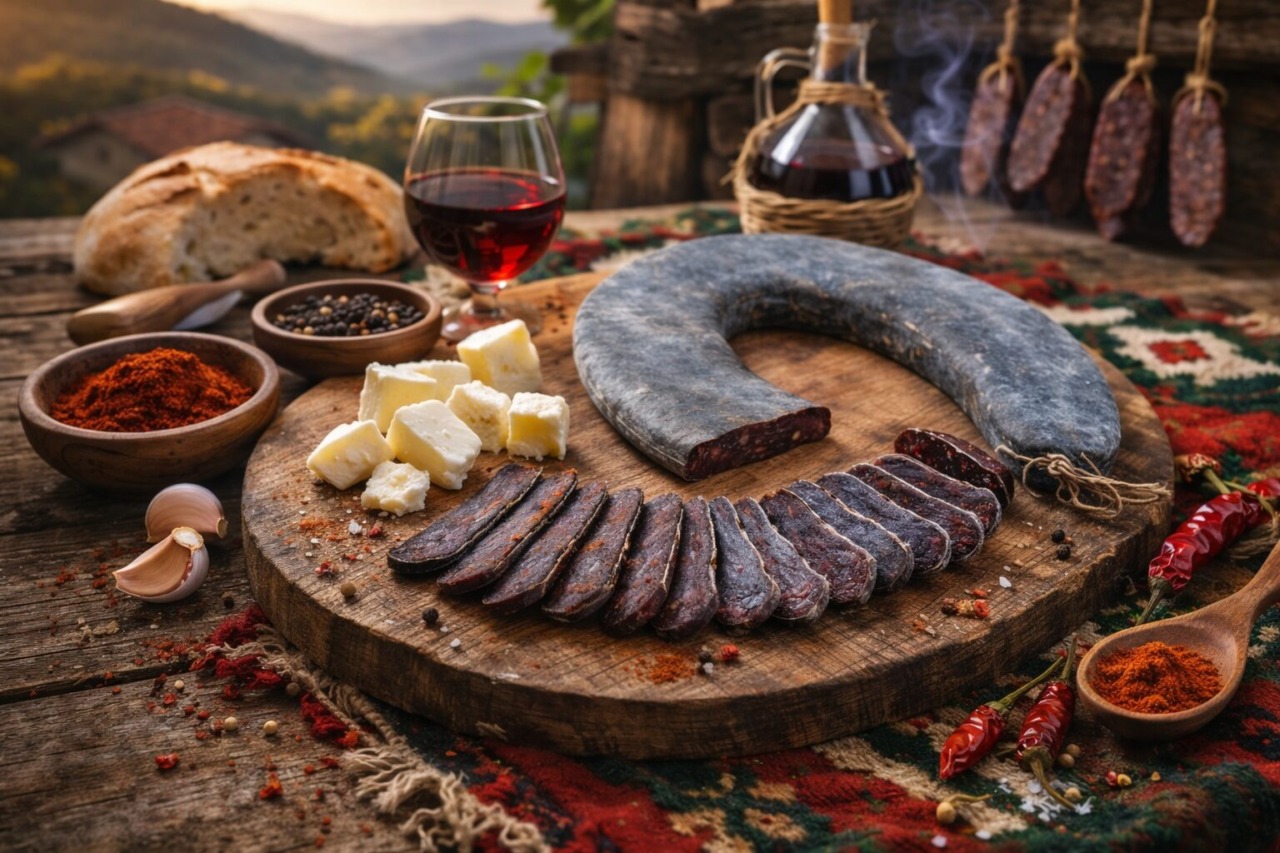
Pirot provides the natural starting point for a road trip into Stara Planina. Before leaving town, visit Pirot Fortress, walk through the old Tijabara neighbourhood and stop for local kačkavalj cheese, pressed sausage or a traditional meal. Pirot’s location between the Nišava River and the surrounding mountains makes the transition from town to wilderness remarkably quick.
Drive towards Temska, a village known for its monastery and position at the entrance to the mountain. From here, continue towards Dojkinci, where stone houses and the sound of mountain streams replace the urban landscape.
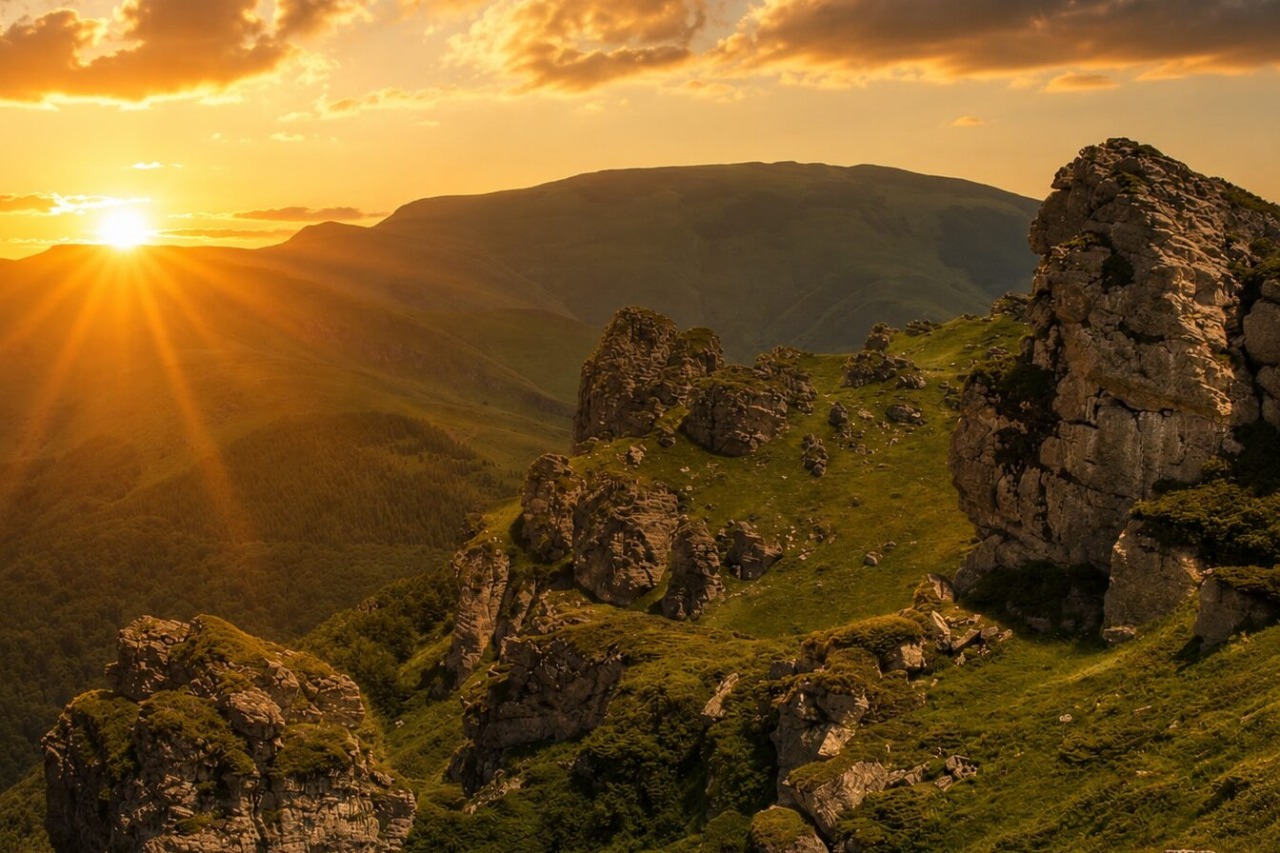
Dojkinci is the starting point for walks to several waterfalls, including Tupavica. Its wide cascade is usually strongest in spring and after periods of rain, so late-summer water levels can vary. Even when the waterfall is quieter, the forest path, red rock and surrounding mountain scenery make the excursion worthwhile.
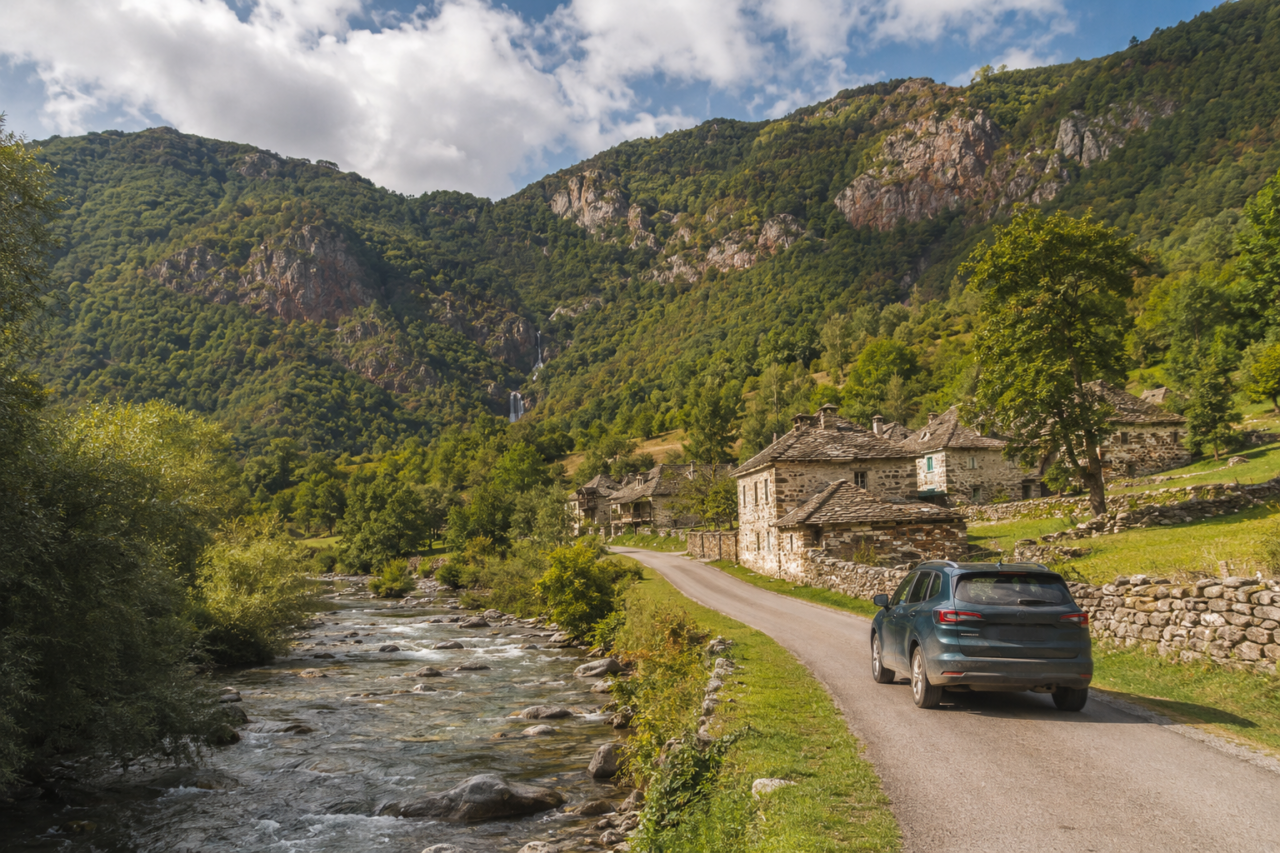
Gostuša lies in another part of the Stara Planina region, so it is best saved for the second day rather than added hurriedly to the end of the first. Known as the Stone Village, it preserves houses, roofs, walls and chimneys constructed from local stone. The village offers a rare glimpse of architecture shaped entirely by the materials available in the surrounding landscape.
The roads in this area can be narrow and winding, and mobile signal is not always reliable. Download maps in advance, fill the fuel tank in Pirot and avoid building an overly ambitious schedule. The appeal of this route lies precisely in travelling slowly. Stop beside a river, speak to local hosts and leave room for a lunch that takes longer than expected.
4. Novi Sad – Sremski Karlovci – Fruška Gora – Vrdnik
Best for: Wine, monasteries, easy walks and a relaxing weekend
Ideal duration: One or two days
Main experience: Combining historic towns with the vineyards and forests of Fruška Gora
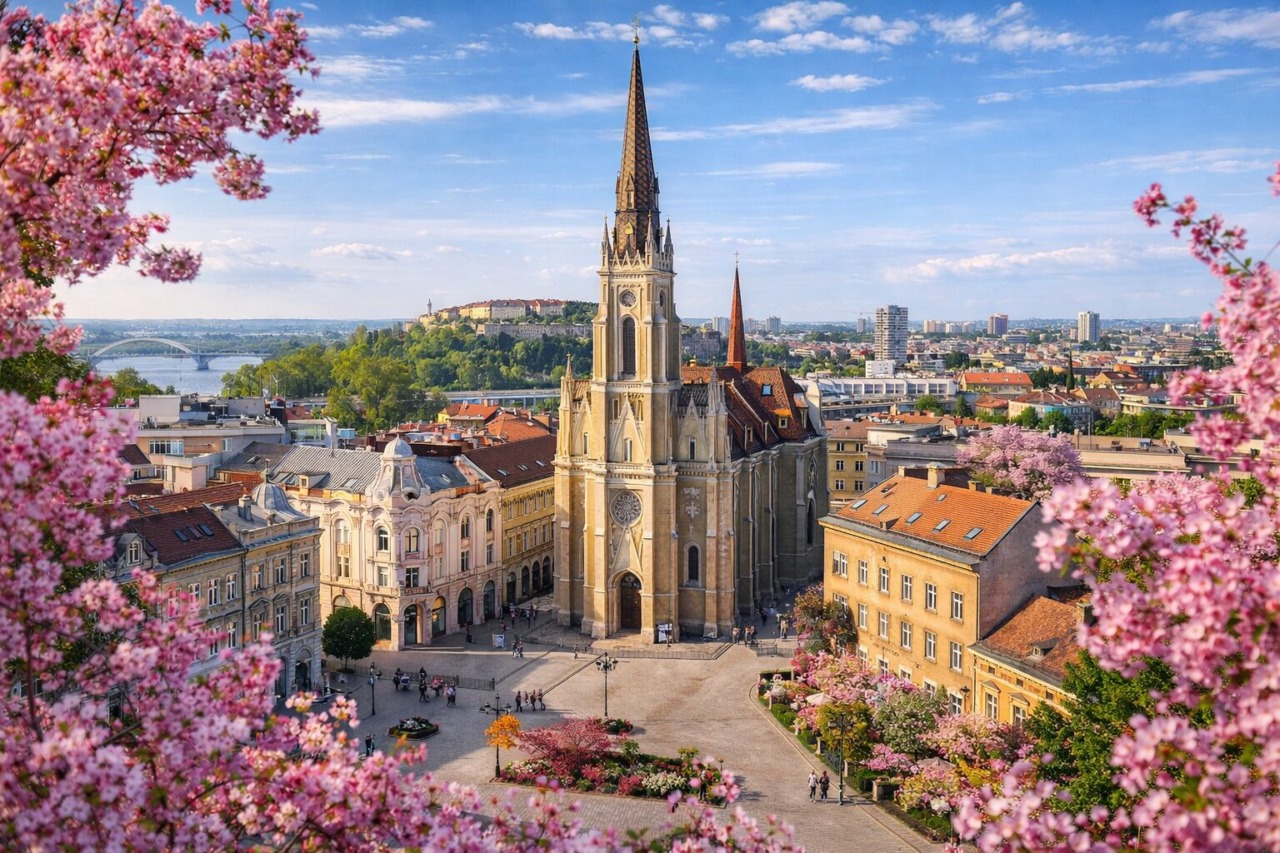
This is one of Serbia’s easiest road trips to personalise. Start in Novi Sad with coffee in the historic centre or a morning walk along the Danube. Cross towards Petrovaradin Fortress before continuing to Sremski Karlovci, a small Baroque town surrounded by the vineyards of Fruška Gora.
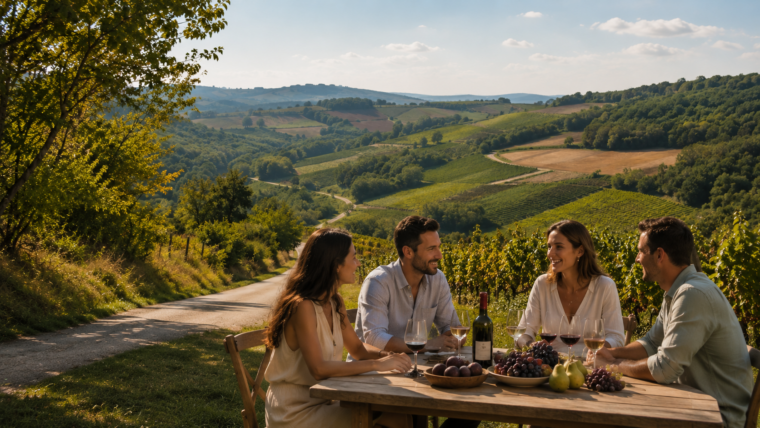
Walk through the main square and see the Patriarchate Court, the Cathedral of Saint Nicholas, Karlovci Gymnasium and the Four Lions Fountain. Then visit one of the local family wineries to try Bermet, the aromatic wine traditionally associated with the town. Tastings should be arranged in advance, especially as the grape harvest approaches.
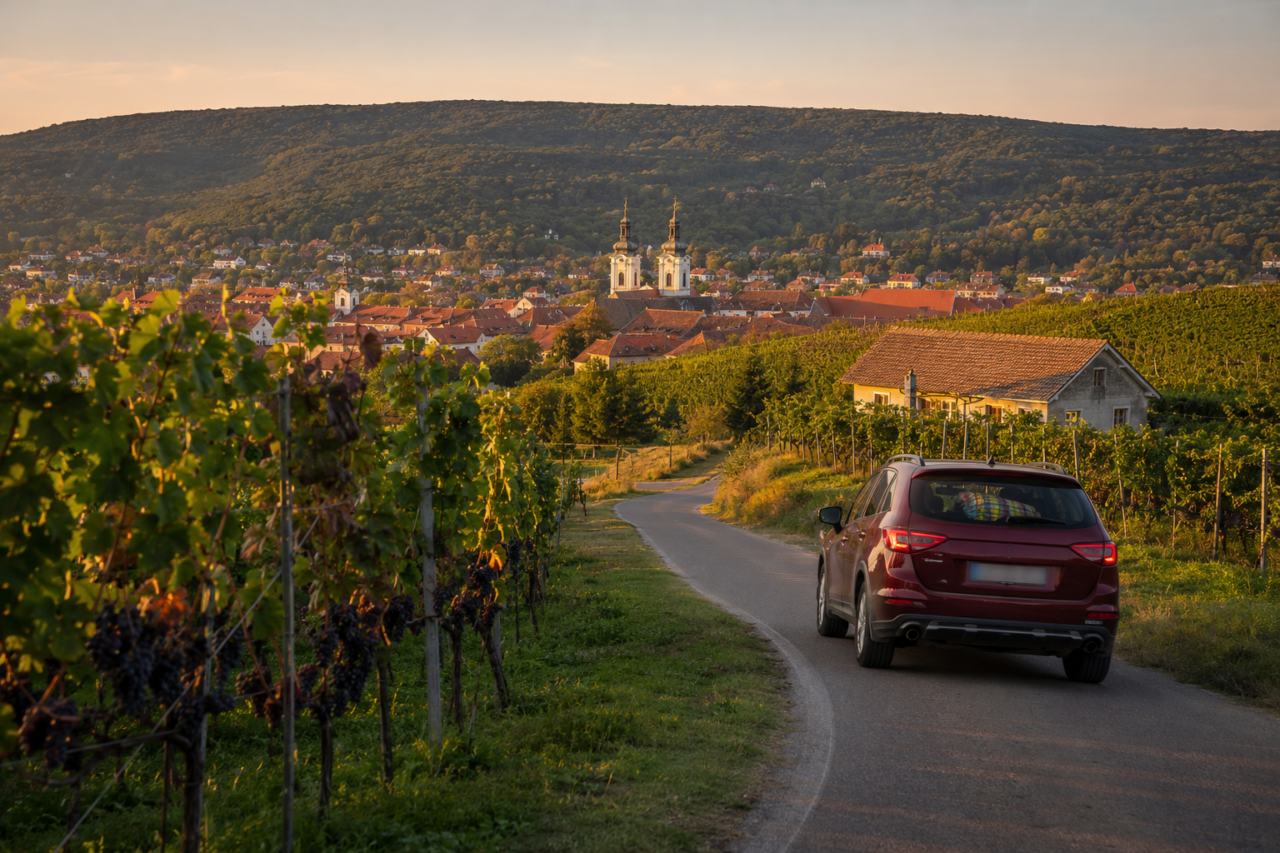
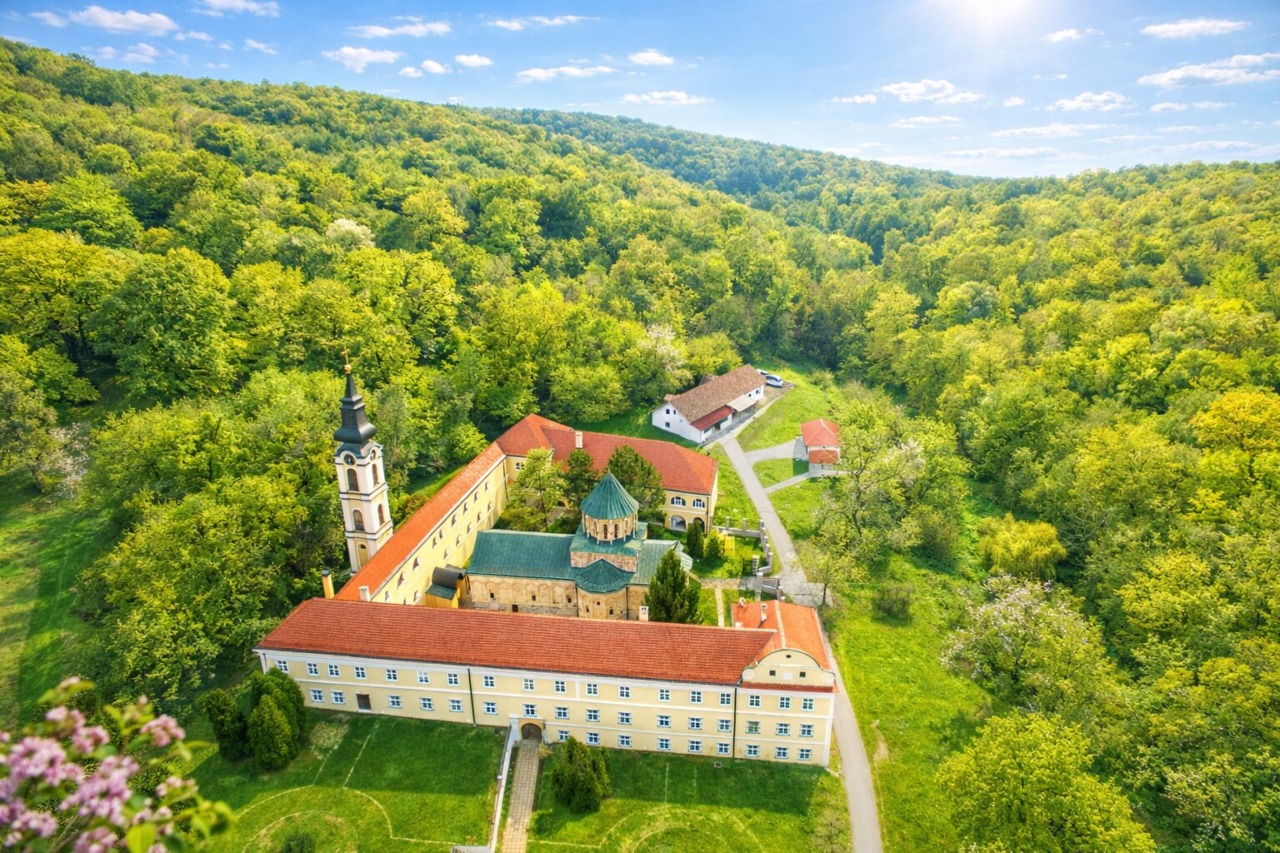
From Sremski Karlovci, enter Fruška Gora National Park. The mountain is covered by a network of forest roads, picnic sites, viewpoints and walking trails connecting its monasteries and villages. Stražilovo is a natural stop near Karlovci, while Zmajevac and Iriški Venac offer other opportunities for short walks and views.
Fruška Gora’s trails are accessible to a wide range of visitors, and many routes can be adapted for families or travellers who do not want a demanding hike. The mountain is also known for its historic Orthodox monasteries, concentrated across a relatively small area.
Finish the route in Vrdnik, where spa hotels, thermal pools and family restaurants provide a softer ending to the day. Surrounded by forests, orchards and vineyards, Vrdnik combines naturally with both the active and gastronomic sides of Fruška Gora. If you have only one day, choose between a longer forest walk and an extended winery visit. With two days, you can enjoy both without watching the clock.
5. Užice – Mokra Gora – Drvengrad – Zlatibor
Best for: Mountain landscapes, railway heritage and a classic western Serbian journey
Ideal duration: Two days
Main experience: Riding the Šargan Eight through Mokra Gora
Begin in Užice, a city surrounded by hills and closely connected to the Đetinja River. Walk to the Old Town Fortress viewpoint, follow part of the path through the Đetinja Gorge or start the morning with komplet lepinja, the city’s best-known speciality. From Užice, continue towards Mokra Gora. The road gradually enters a landscape of forests, mountain slopes and traditional wooden architecture.
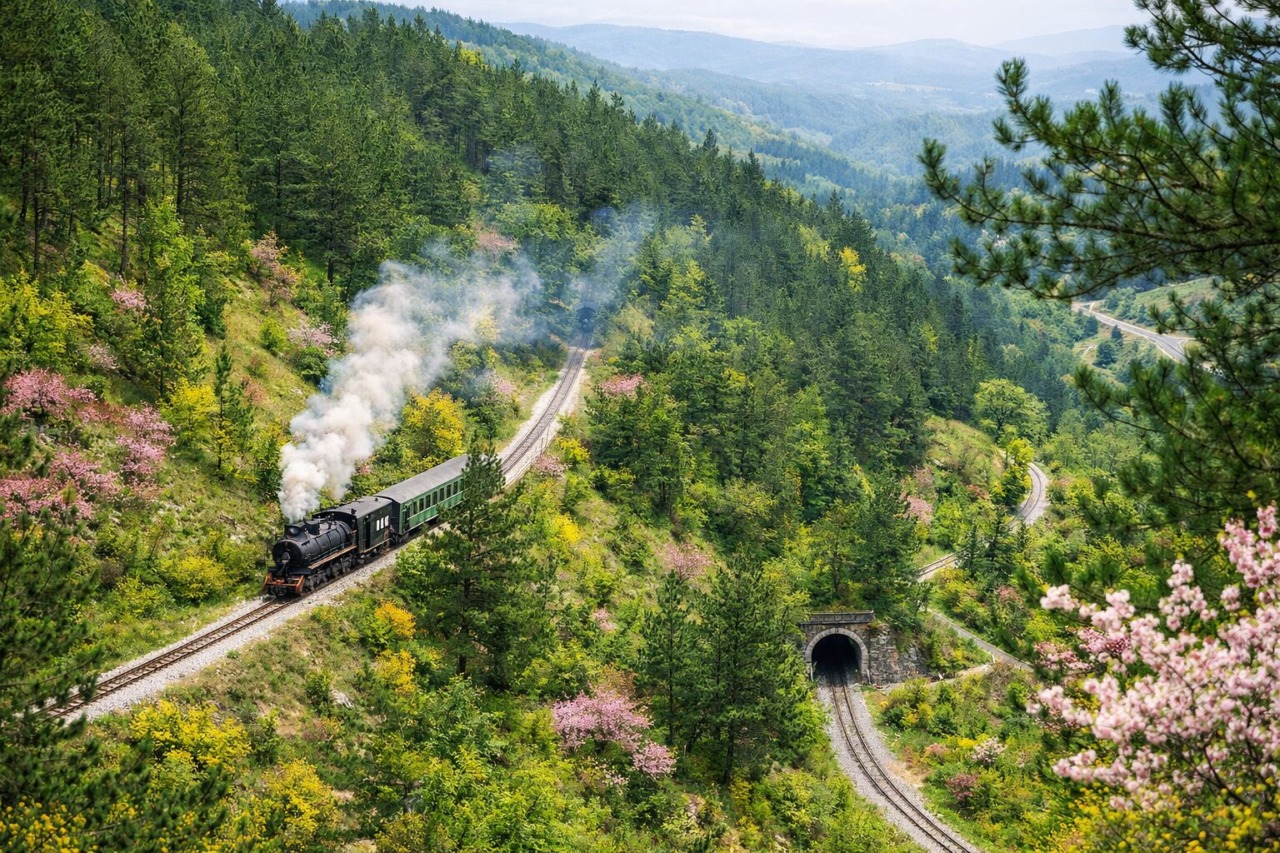
The central experience is the Šargan Eight, a narrow-gauge heritage railway that climbs through the mountains in a figure-eight-shaped route. The journey passes through tunnels and across bridges while revealing the landscapes of Mokra Gora from a perspective impossible to experience from the road. Check operating dates and departure times before travelling, and reserve tickets in advance when possible.
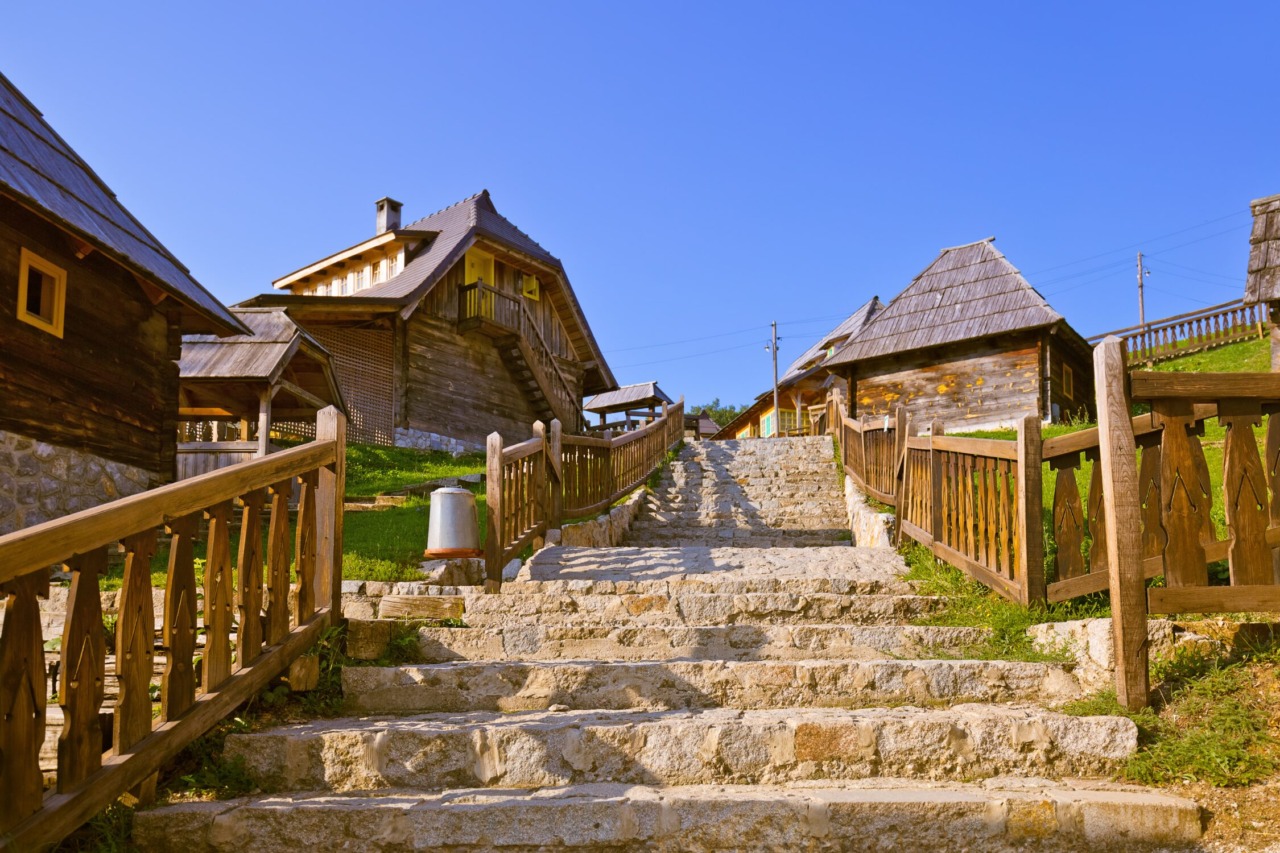
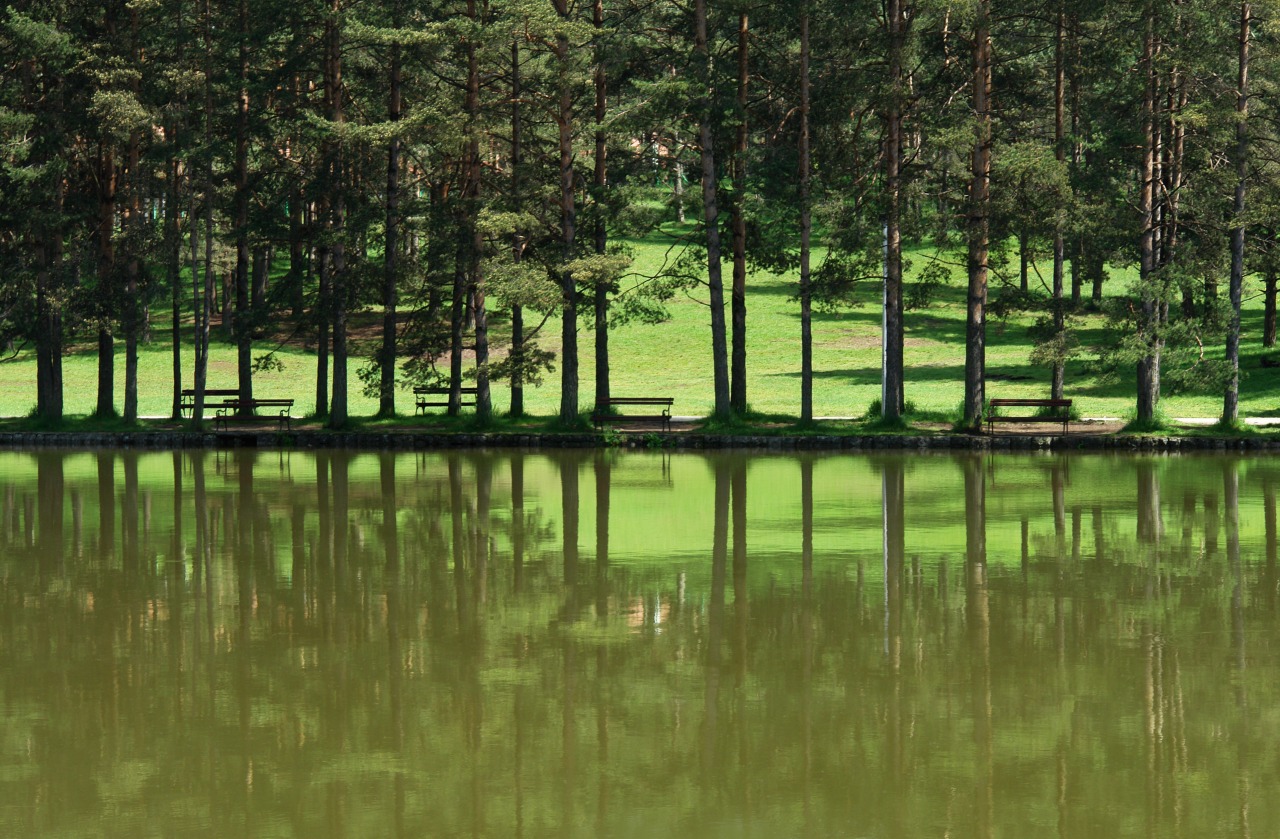
Nearby Drvengrad, also known as Mećavnik, is a hilltop ethno-village created by film director Emir Kusturica. Its wooden buildings, small squares and streets form a compact settlement overlooking the surrounding mountains. Stay overnight in Mokra Gora if you prefer a quieter atmosphere, or continue to Zlatibor for a wider choice of accommodation and restaurants.
On the second day, choose between the busier attractions of central Zlatibor and the villages surrounding the mountain. Stopića Cave, Sirogojno and Gostilje Waterfall can all be added, but trying to visit every attraction will make the route feel rushed.
The best version of this road trip leaves enough time for the train journey, a slow mountain lunch and at least one unplanned stop along the road.
6. Negotin – Rajac – Rogljevo – Vratna
Best for: Wine, traditional architecture and hidden eastern Serbia
Ideal duration: Two days
Main experience: Walking through Serbia’s historic wine-cellar villages
Negotin is the gateway to one of Serbia’s most distinctive wine regions. Begin in town with the Museum of Krajina or the birth house of Stevan Mokranjac, one of Serbia’s most important composers. Then leave the urban centre behind and travel towards Rajac.
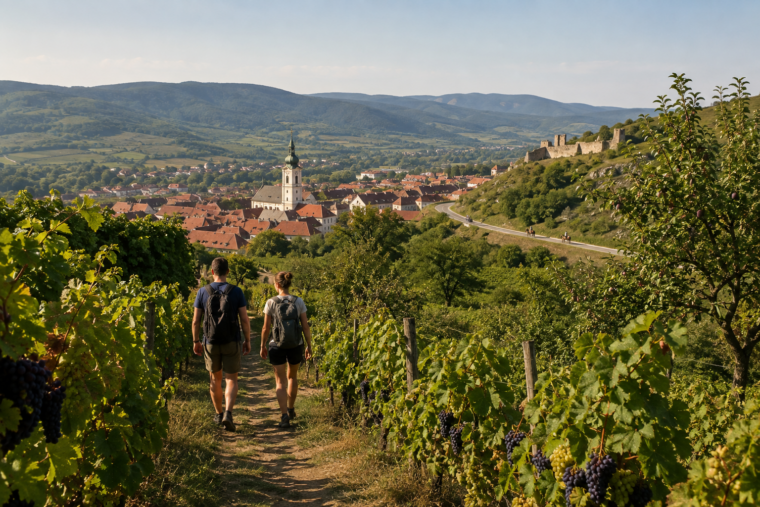
The Rajačke pimnice form a settlement built not for permanent living, but for producing and storing wine. Rows of stone cellars, narrow lanes and small squares create the appearance of a village temporarily emptied of its inhabitants. Many of the buildings date from the 18th century to the early 20th century, and some cellars still welcome visitors for tastings.
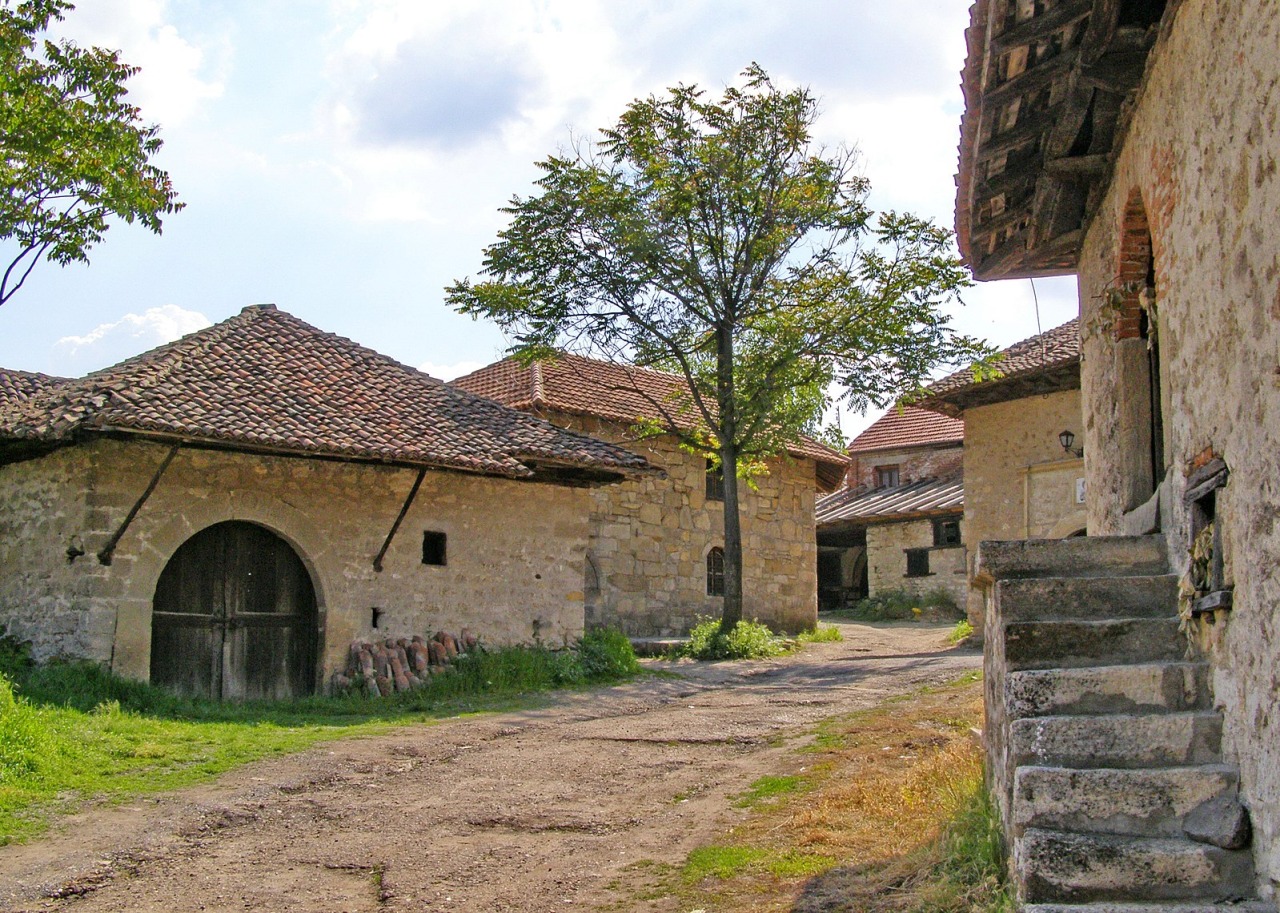
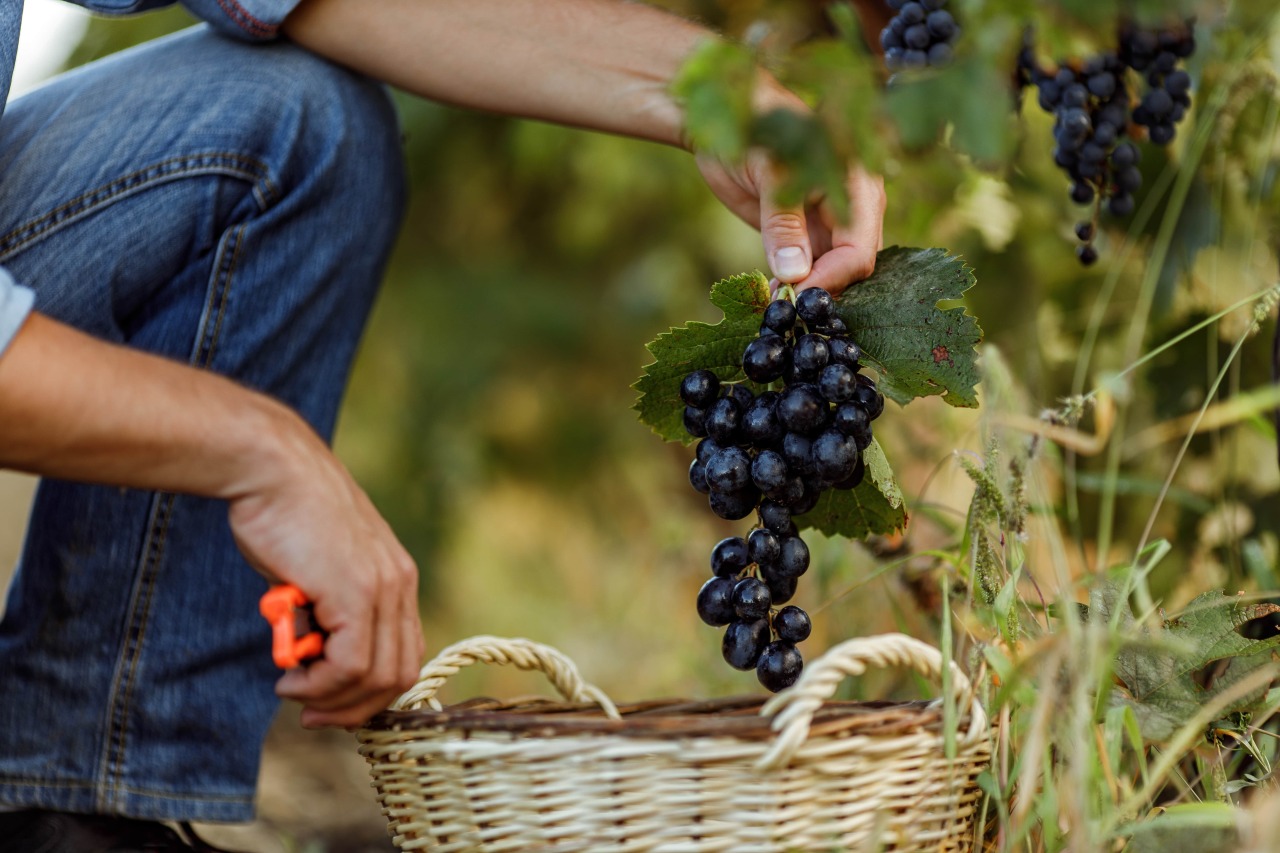
Continue towards Rogljevo, where another complex of historic wine cellars has been preserved. The architecture is similar, but the atmosphere and layout are different enough to justify visiting both places. Local varieties and wines associated with the region include Black Tamjanika, Bagrina, Začinak, Prokupac and Gamay.
Arrange tastings ahead of time rather than expecting every cellar to be open. The villages remain working communities, not open-air commercial attractions.
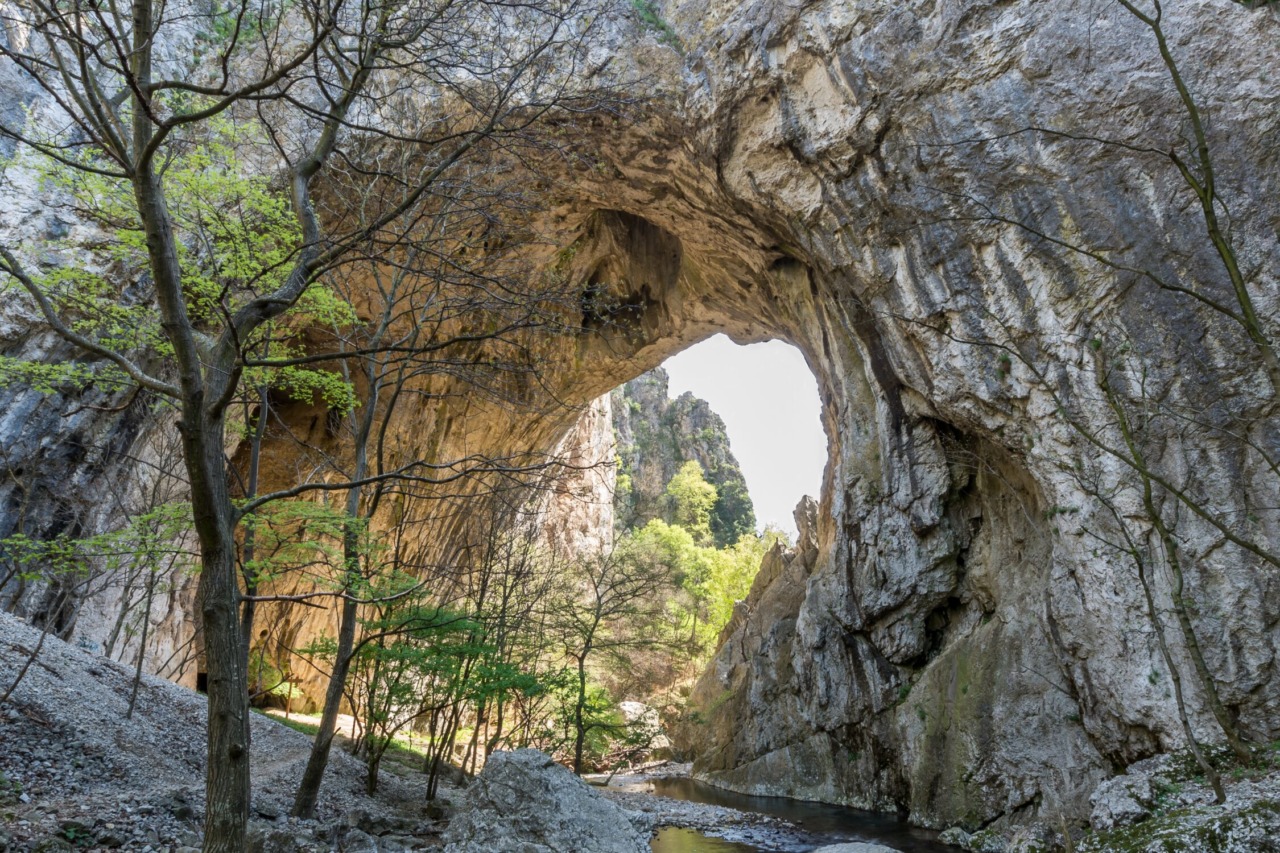
On the second day, drive towards Vratna Monastery and continue on foot towards the Vratna Gates, monumental natural stone arches hidden in the forest. The path provides a completely different experience from the vineyards, allowing the route to end in the wilder landscape of eastern Serbia.
Because wine is central to this journey, designate a driver who will not drink or arrange local transportation between the accommodation and cellars. This route becomes especially atmospheric as the harvest approaches, when the vineyards and stone cellars begin to feel like part of the same story.
7. Sjenica – Uvac – Zlatar – Nova Varoš
Best for: Open landscapes, wildlife, viewpoints and photography
Ideal duration: Two or three days
Main experience: Seeing the Uvac meanders from both land and water
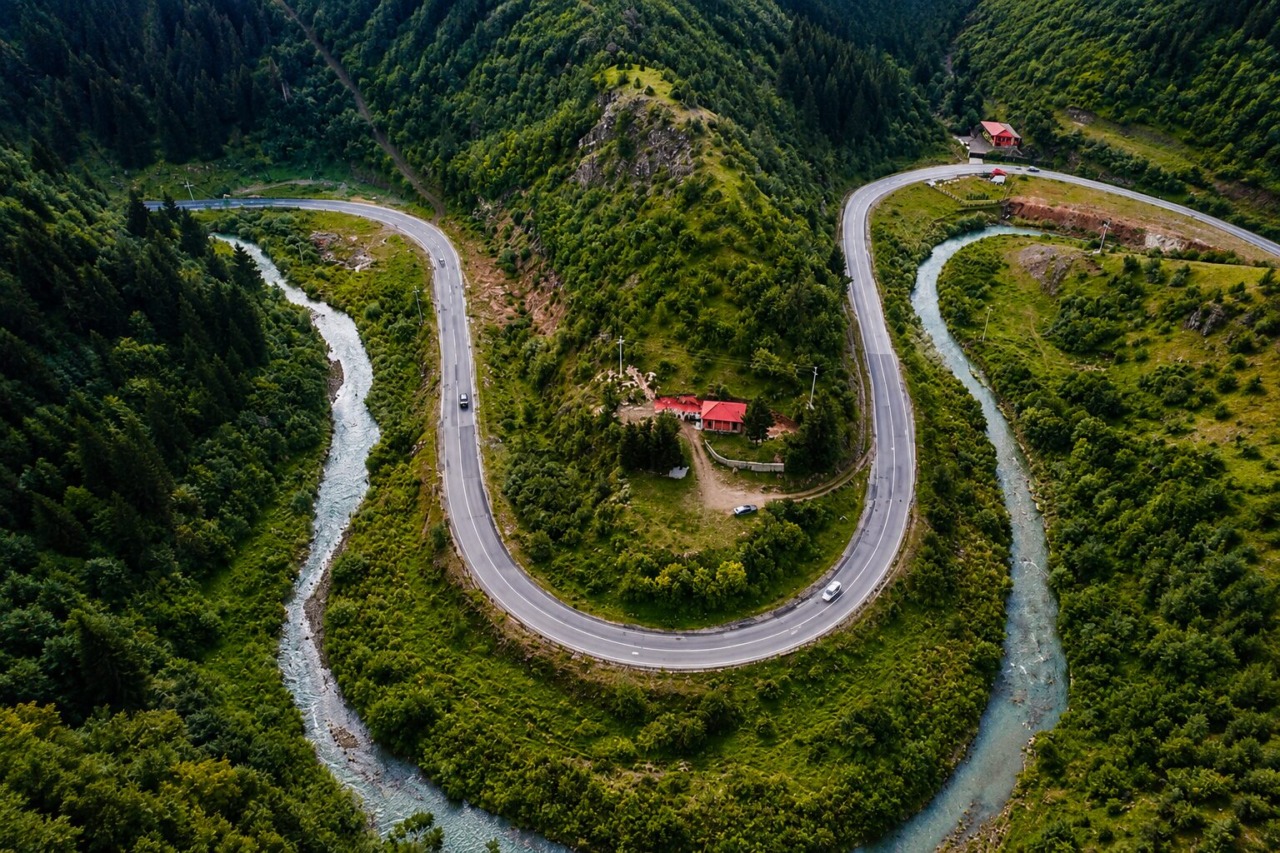
Start in Sjenica, surrounded by the broad landscapes and high plateaus of southwestern Serbia. The mornings here can be noticeably cooler than in lower parts of the country, even while the afternoons remain warm.
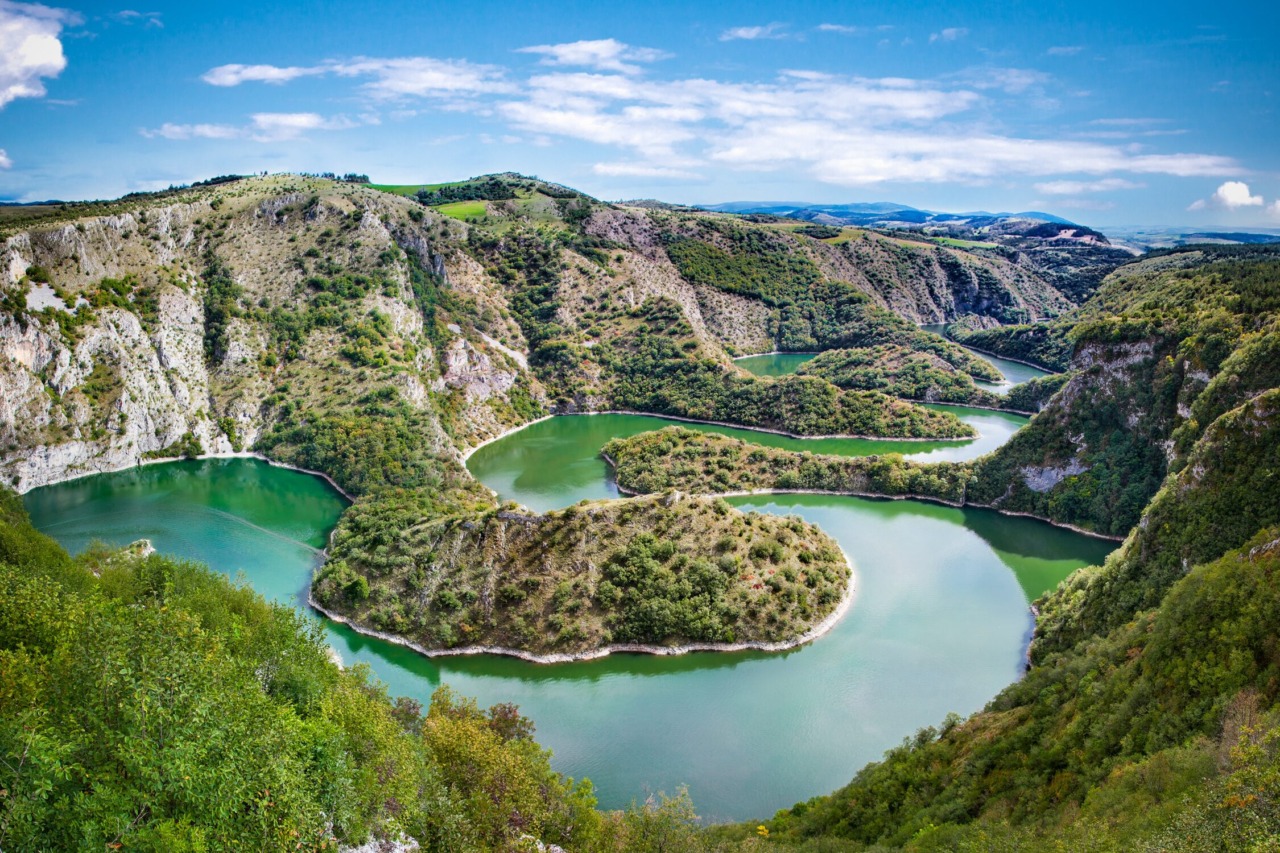
The Uvac Special Nature Reserve is the centrepiece of the route. Its river curves through deep limestone cliffs, creating the meanders that have become one of Serbia’s most recognisable natural images.
The experience is best divided between water and land. A guided boat trip reveals the height of the canyon walls, cave entrances and birds circling above the cliffs. The reserve is one of the most important habitats of the griffon vulture in the Balkans, and the birds can often be observed during organised excursions. From above, viewpoints reveal the full shape of the river. Access conditions vary depending on the chosen viewpoint and season, so confirm the route with a local guide or tour operator rather than relying solely on online maps.

Continue towards Zlatar, a mountain surrounded by lakes, forests and open meadows. Spend the night in a cabin or small hotel and leave the next morning for a walk, a viewpoint or a drive towards Zlatarsko or Radoinjsko Lake.
Finish in Nova Varoš, where you can return to the main road or extend the trip towards Prijepolje, Kamena Gora or the Mileševa Monastery. Do not attempt to combine a boat trip, multiple viewpoints and several lakes in one day. The distances may appear manageable on a map, but mountain roads and unpaved access routes often require more time than expected.
8. Topola – Oplenac – Aranđelovac – Bukulja
Best for: Royal history, vineyards and an easy weekend from Belgrade
Ideal duration: One or two days
Main experience: Following the landscapes and history of Šumadija
This gentle route through Šumadija combines culture, wine and nature without requiring long hours of driving.
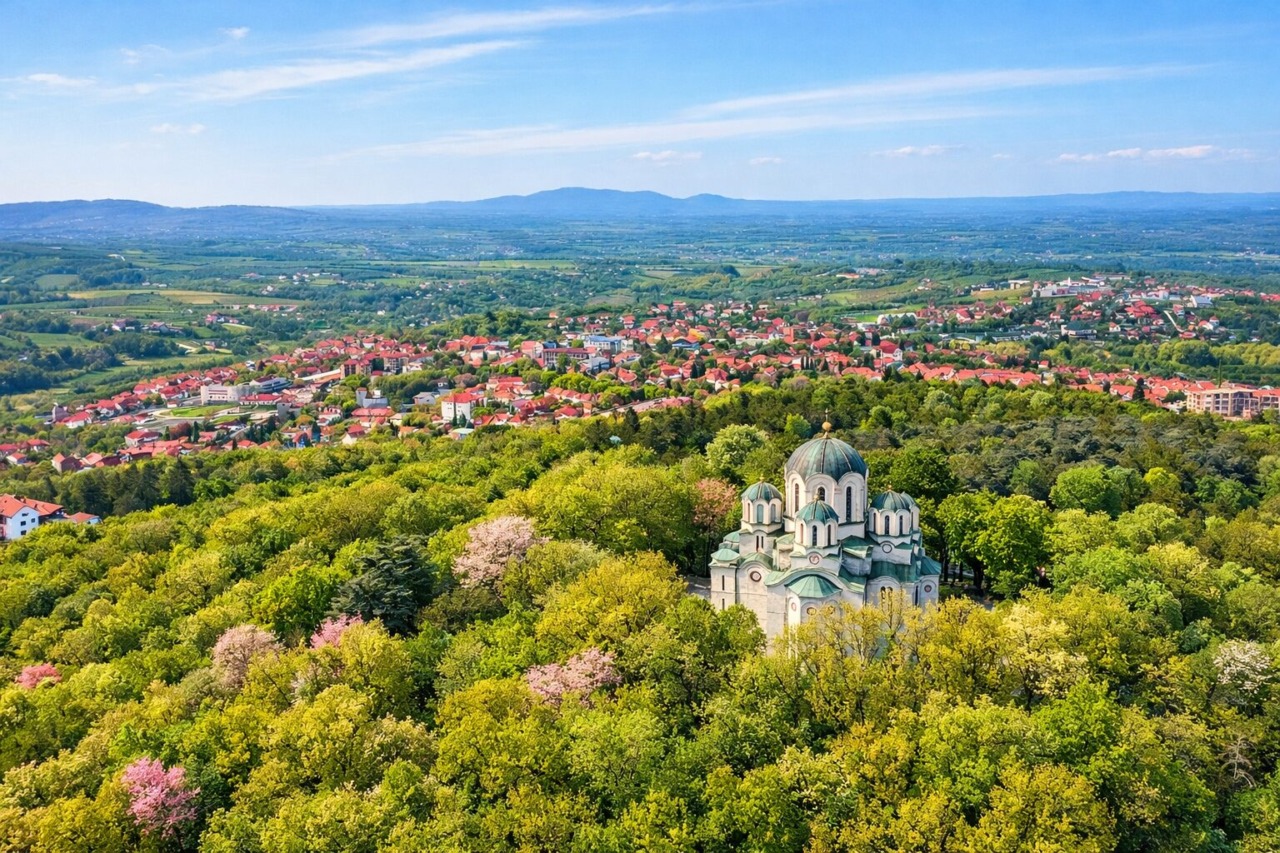
Begin in Topola, a town closely connected to the First Serbian Uprising and the Karađorđević dynasty. Above the town stands Oplenac, dominated by the Church of Saint George and its remarkable mosaic interior. The complex also includes the royal family’s mausoleum and buildings connected to the history of the dynasty.
The hills around Topola belong to one of Serbia’s best-known wine-growing areas. Visit a local winery, walk through a vineyard if visits are available and try wines produced from both local and international grape varieties. As harvest season approaches, book in advance because wineries become active working spaces rather than ordinary tourist stops.

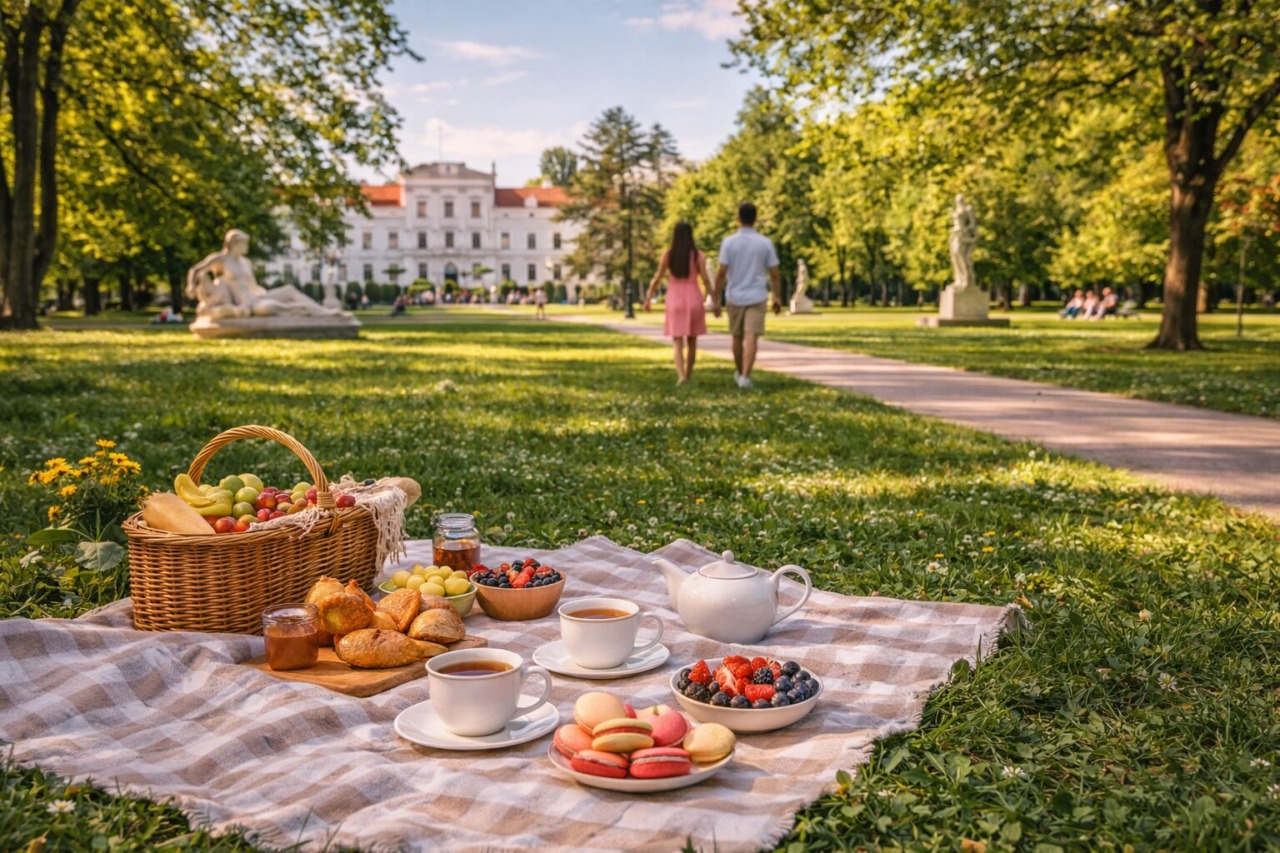
Continue to Aranđelovac and walk through Bukovička Banja Park, known for its mineral springs, mature trees and open-air collection of sculptures. The town provides a convenient place for lunch, coffee or an overnight stay.
The next morning, drive or walk towards Bukulja. The forested mountain above Aranđelovac offers marked trails and a cooler alternative to the town streets. Depending on your available time and fitness, choose a short forest walk or continue towards one of the higher points. This route is particularly suitable for travellers who want variety without a demanding itinerary. In a single weekend, it moves from royal history and church mosaics to vineyard landscapes, spa architecture and forest paths.
It also captures the character of Šumadija at the moment when late summer begins to give way to harvest season.
Before You Set Out
Road trips through Serbia often include mountain roads, rural sections and attractions with seasonal opening times. A little preparation makes the journey considerably easier.
Download offline maps before travelling into remote areas, especially around Stara Planina, Uvac, Tara and eastern Serbia. Fill the fuel tank before leaving larger towns and keep some cash, as smaller households, parking areas and local services may not accept cards.
Check opening hours, train departures, boat tours and winery visits directly with operators. Conditions at waterfalls, lakes and unpaved viewpoint roads can change after rain or during dry periods.
Most importantly, do not treat every stop as something that must be completed. These routes work best when there is enough time to take a smaller road, remain longer beside a lake or accept a recommendation from someone you meet along the way.
The Road Is Still Open
Summer may be slowing down, but travelling season is far from over. The final warm weeks bring a different kind of freedom: fewer crowds, softer light, cooler mountain evenings and roads passing through landscapes that are only beginning to change.
Choose the Danube or the Drina, a vineyard or a mountain village, a famous viewpoint or a place you have never heard of before. Pack lightly, start early and let the road become part of the destination.