



-
Serbia at a Glance
Discover All -
Arts & Culture
Discover All -
Identity & Heritage
Discover All -
Famous Serbs
Discover All
-
Regions
Discover All -
Cities
Discover All -
Nature
Discover All -
Cultural Landmarks
Discover All
-
Outdoor & Wellness
Discover All -
Food & Drink
Discover All -
Tours
Discover All -
Urban Experiences
Discover All -
Seasonal Experiences
Discover All
Partner with Serbia.com
Let's create lasting impact together
Partner with Serbia.com to reach travellers through trusted recommendations, inspiring editorial stories and thoughtfully designed campaigns. Together, we create meaningful visibility that supports your goals and remains valuable long after publication.
Explore partnership opportunities- Serbian Favorite Rituals Everyday traditions and little things that make life in Serbia special.
- Villages of Serbia Charming villages, local stories and authentic rural life.
- Serbia Told By You Personal stories, local perspectives and authentic experiences from across Serbia.
- Is it Worth Visiting in Serbia? Honest destination guides to help you decide which places are worth visiting.
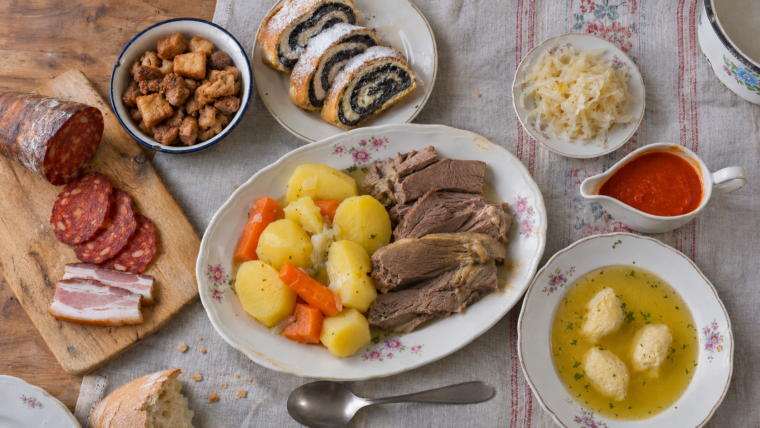
In Futog, cabbages are set to ferment. In Srem, meat hangs in smokehouses. In Banat, pumpkin is grated for pie. Getting ready for winter takes us through the kitchens of Vojvodina, from Sunday lunch at a farmstead to fish paprikash by the river and a slice of poppy seed strudel.
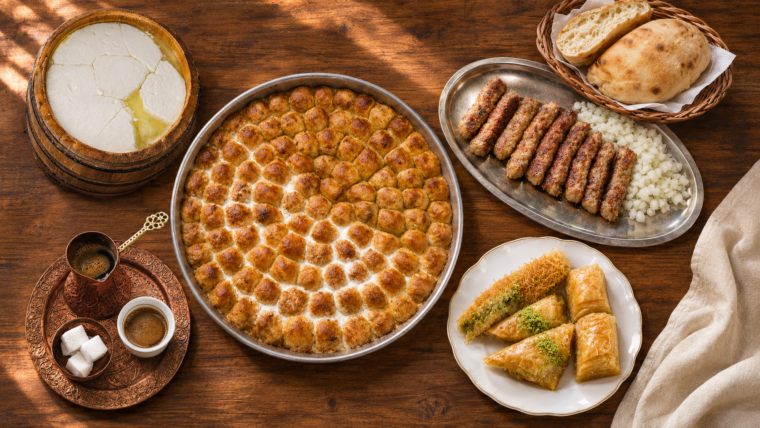
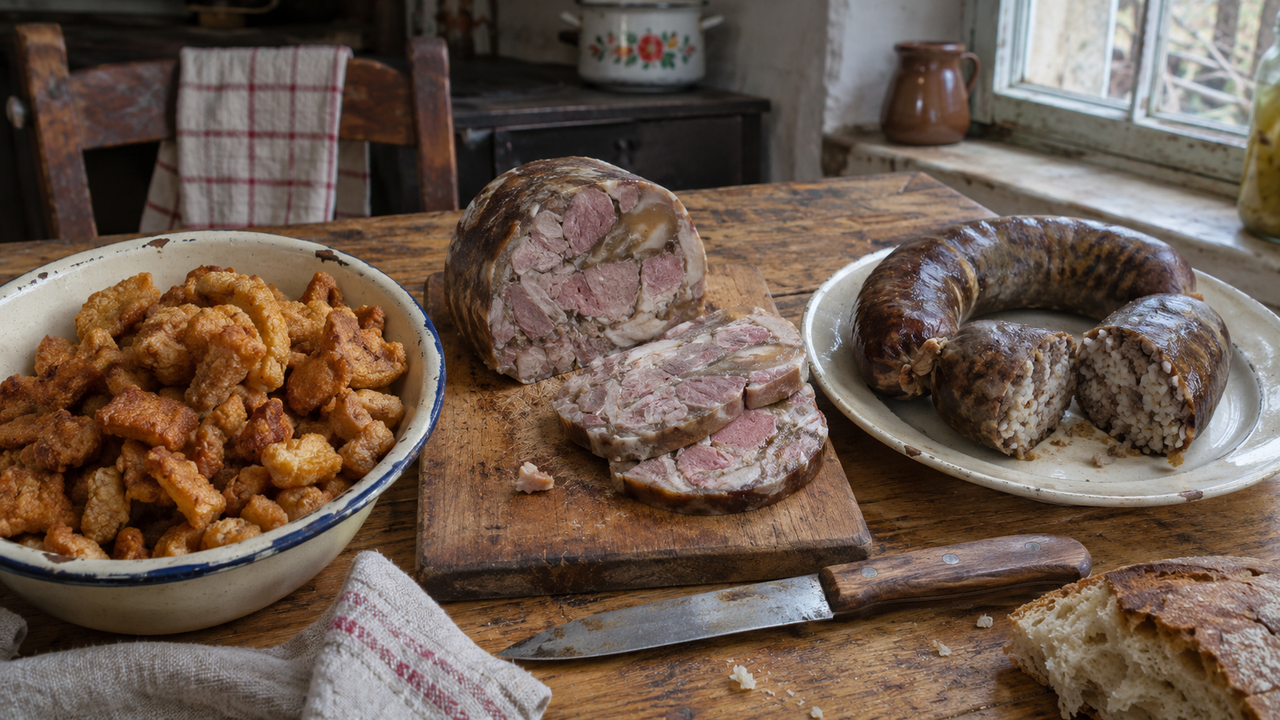
Čvarci (pork cracklings) are best tried while they’re still warm. The kulen made the very same day will take months to develop its flavour. Those two bites tell much of the story of how Vojvodina used to prepare for the cold. Some things were eaten straight from the cauldron, some were saved for the holidays, and others wouldn’t be sliced until the weather warmed up again.
Late November is a good time to set out through Bačka, Banat and Srem. There’s room on this map for carp cooked in a cauldron in the middle of summer, for plum dumplings when the fruit is in season, and for a Sunday lunch whose courses arrive in the same order whatever the time of year.
When the smokehouses fill up and the cabbage barrels come out
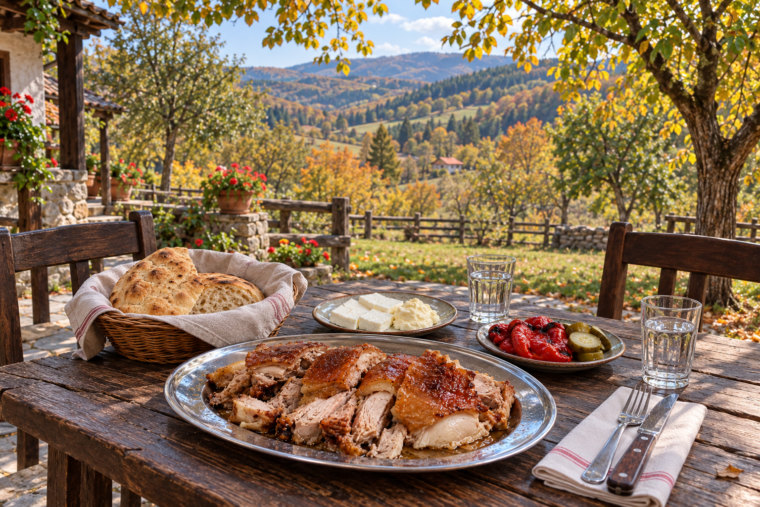
For many families in Vojvodina, late November once meant gathering for the annual pig slaughter, known in some households as disnotor and in others as zabijačka. The work followed a familiar order. While the fat was rendered and čvarci (the cracklings) fried, sausages, bacon and hams were prepared for curing. Families also made hurka, a sausage with a rice or meat filling, along with blood sausage, liver sausage and švargla, a kind of head cheese. A few pieces of meat went straight onto the grill, and the cracklings were eaten warm while everyone was still working.
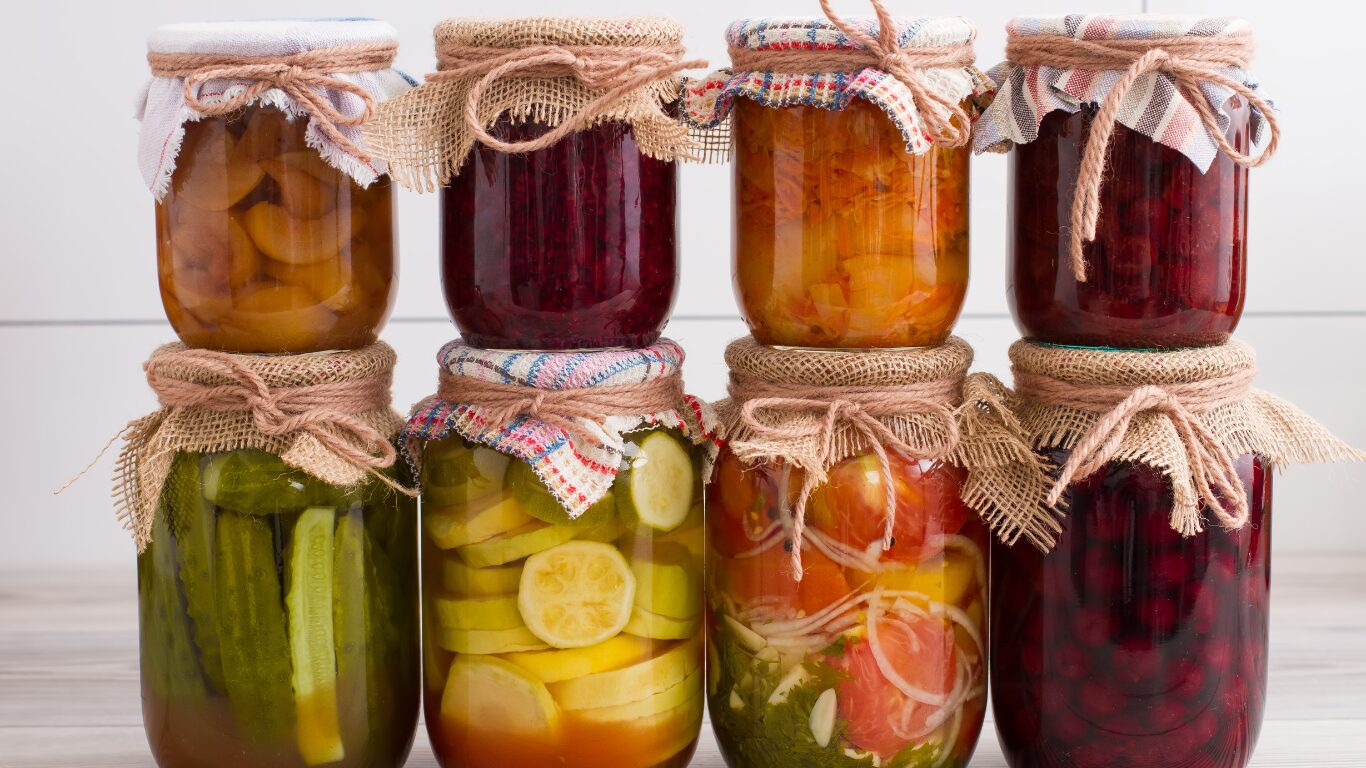
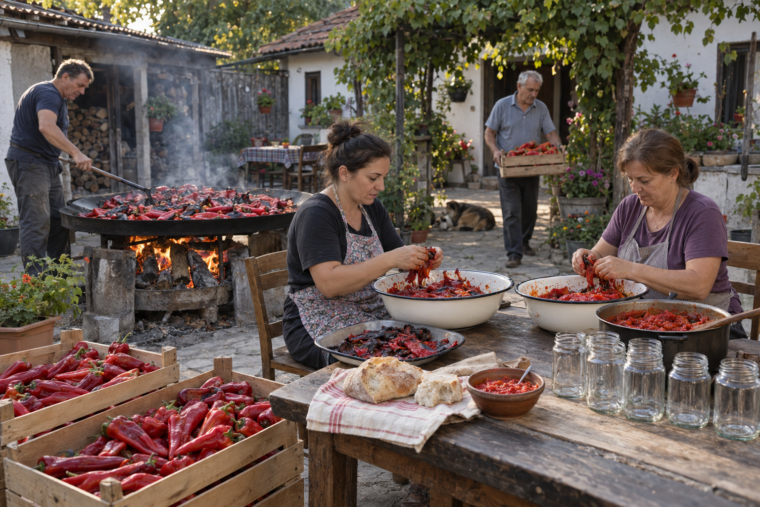
The other half of the story is zimnica, the jars and barrels put away for winter. Pickled cucumbers, peppers and mixed vegetables called turšija were served with bacon or roast meat. Fermented cabbage might become a salad, the base for a baked dish called podvarak, or the leaves wrapped around sarma. In Futog, just outside Novi Sad, look for Futog cabbage, a local variety valued both fresh and fermented. If you’re making sarma, ask for a whole fermented head. For podvarak or salad, take home some ribanac, the shredded version.
Srem, from kulen to Karlovci bermet
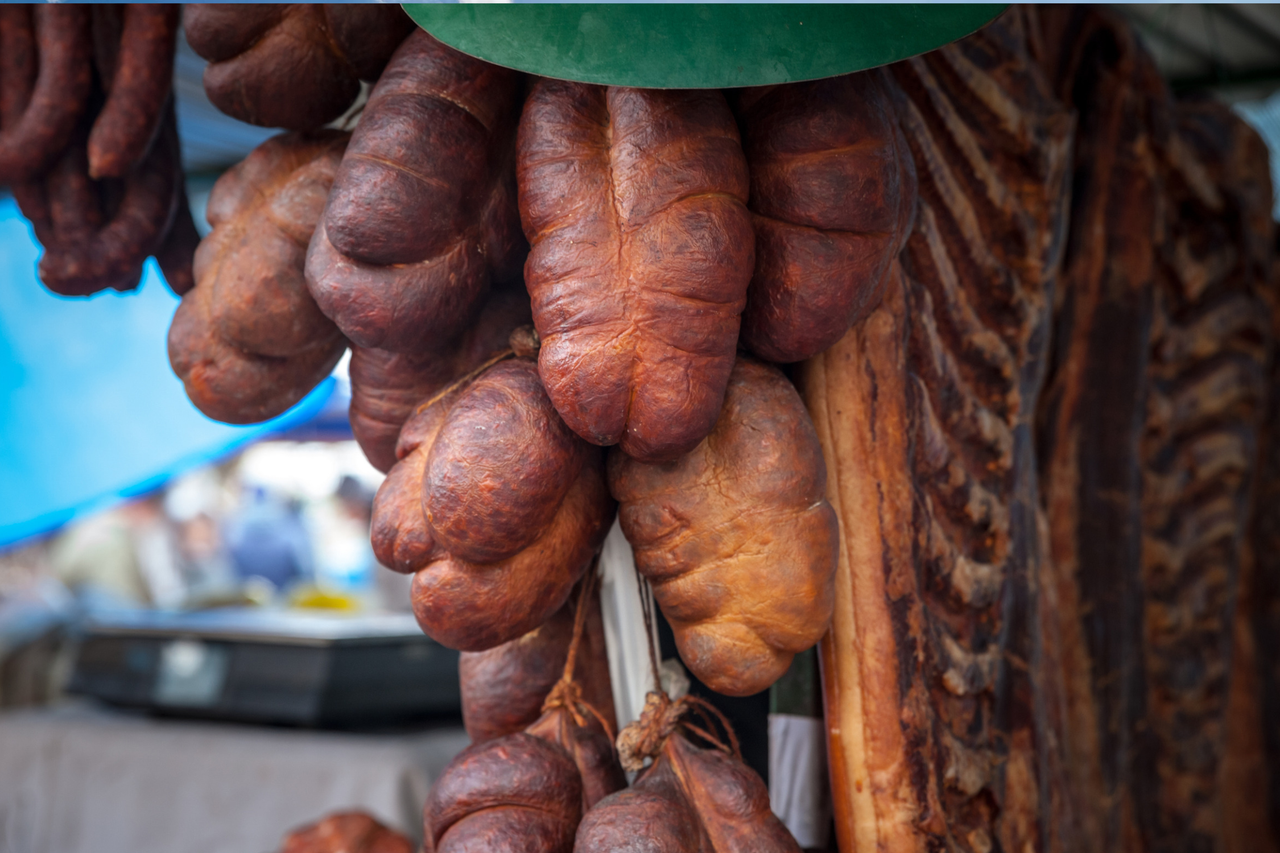
Erdevik is a good place to start with Srem’s kulen, a cured pork sausage seasoned with paprika. In western Srem, it’s traditionally made when the weather turns cold and left to mature. By the time Erdevik’s Kulenijada festival comes around in June, visitors can taste what was made in the colder months. If you’re travelling through Srem in winter, look for smoked bacon or homemade sausage alongside the kulen. Ask how long it’s been aged and what kind of paprika went into it. The answers help explain why sausages from neighbouring villages can taste so different.
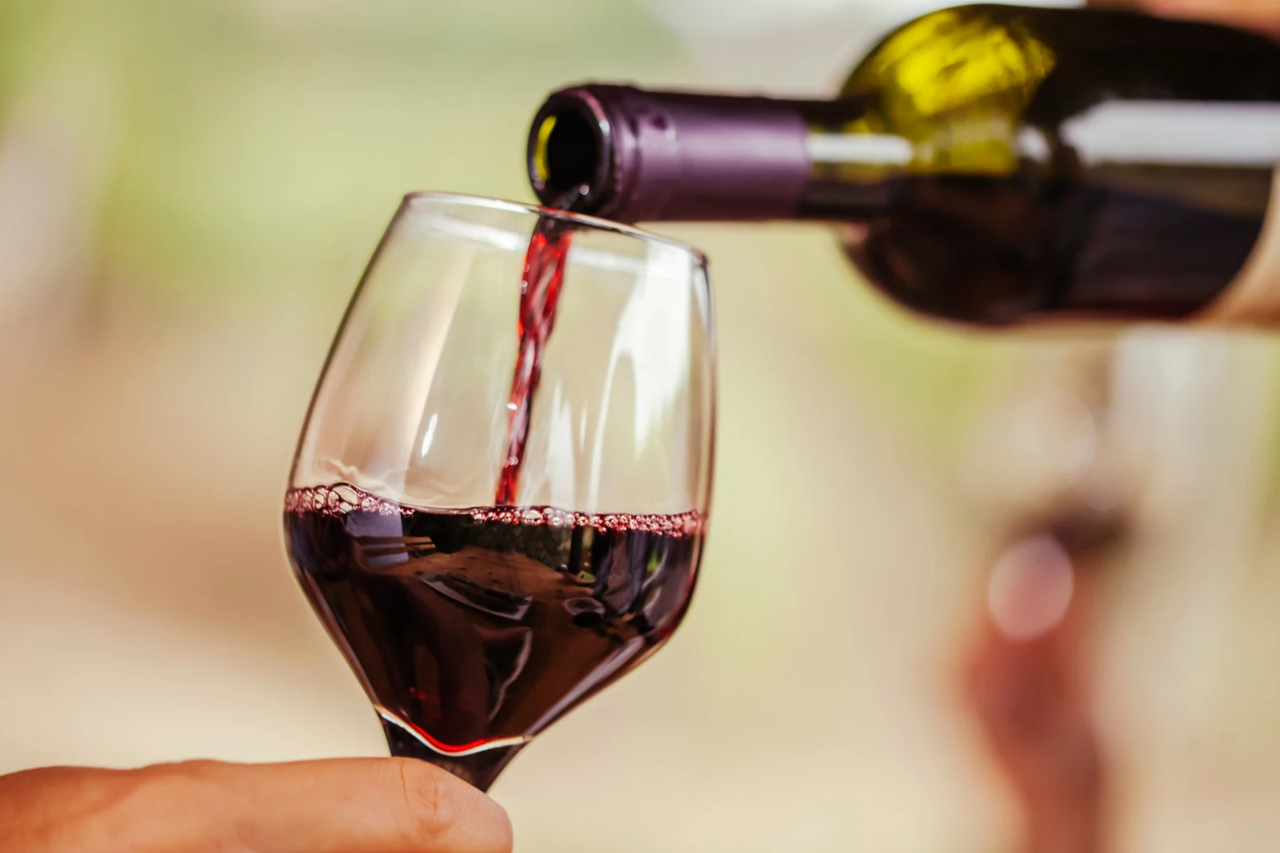
At the other end of Fruška Gora, Sremski Karlovci has two specialities worth making time for. Bermet is an aromatic wine flavoured with herbs and spices, made in both red and white versions. You’ll recognise a Karlovci kuglof by its ring shape and the ridges left by the mould. An afternoon gives you time for a walk through the town centre, a cellar visit and a slice of cake with coffee.
Bačka, from Petrovac sausage to Sunday lunch
In Bački Petrovac, ask for petrovska klobasa, a sausage from the local Slovak tradition. In Svetozar Miletić, also known as Lemeš, look for Lemeš kulen. Turija, near Srbobran, is known for its own sausage and the Kobasicijada festival. If you want to bring something home, pick up smaller pieces at a few stops. Slice them at the same table and you can compare the heat, the texture and how much smoke comes through in each bite.
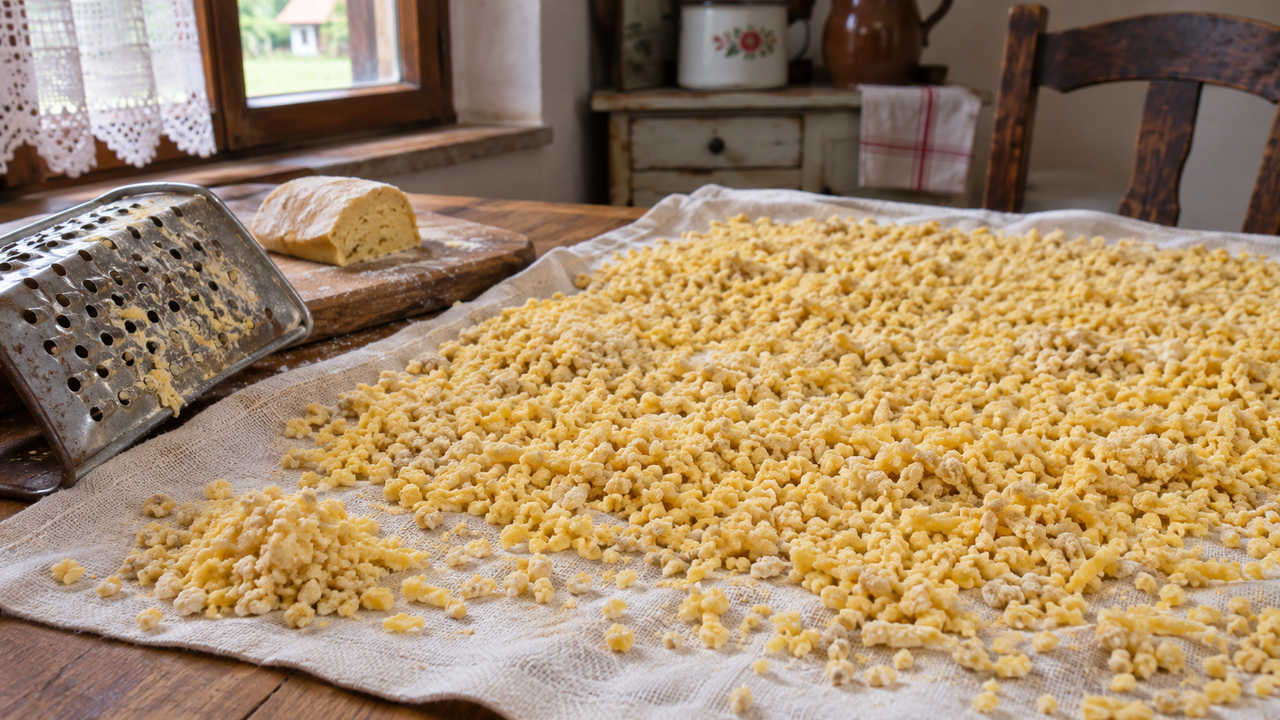
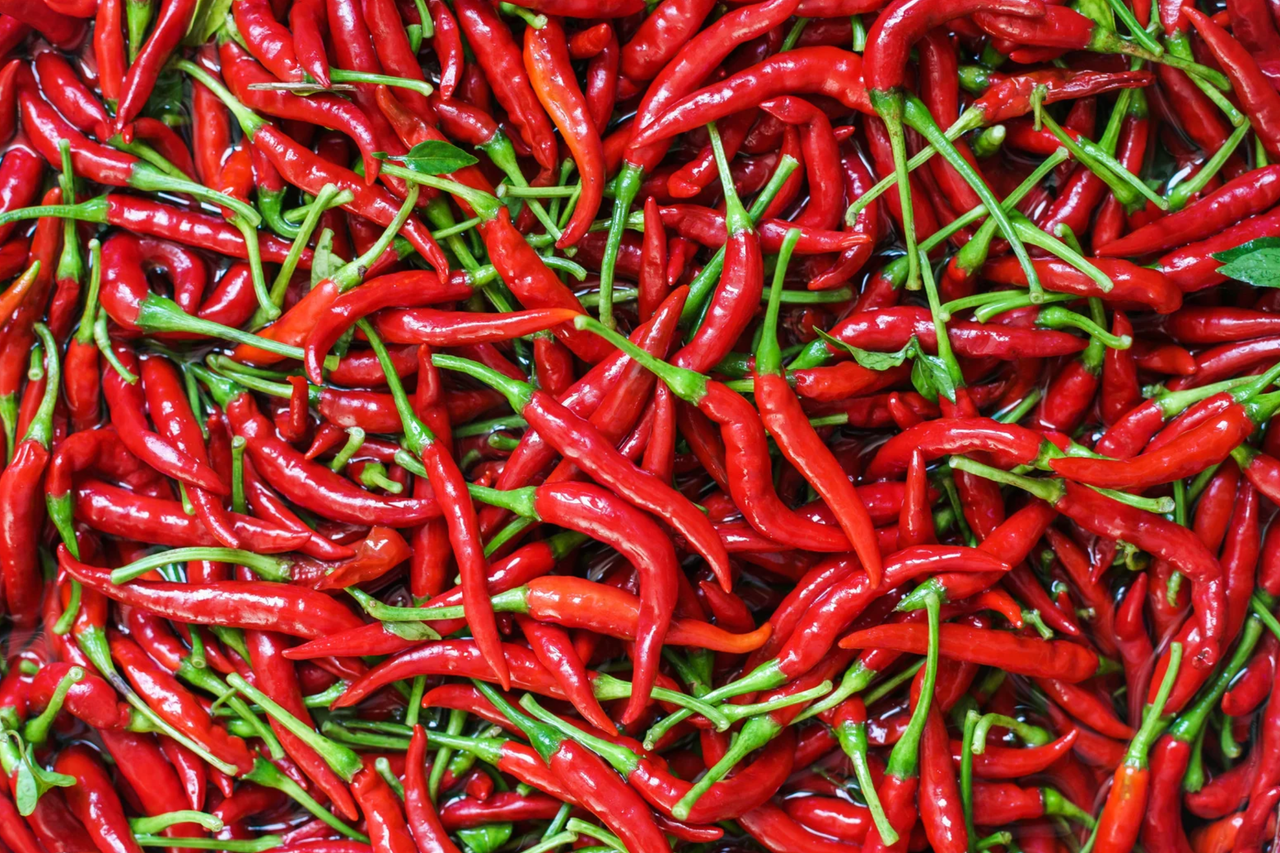
Farther north, around Horgoš and Martonoš, one ingredient connects much of this map. Paprika peppers are grown and processed here. Ground paprika makes its way into sausages in one kitchen, fish paprikash in another, and a simple potato dish in the next. In Bunjevac households around Subotica and Sombor, cooks traditionally made tarana, tiny pieces of dough dried for use in soups and other dishes. Both ingredients say something about cooking on the plains. Some of the work is done well in advance, and you take from the pantry whatever lunch calls for that day.
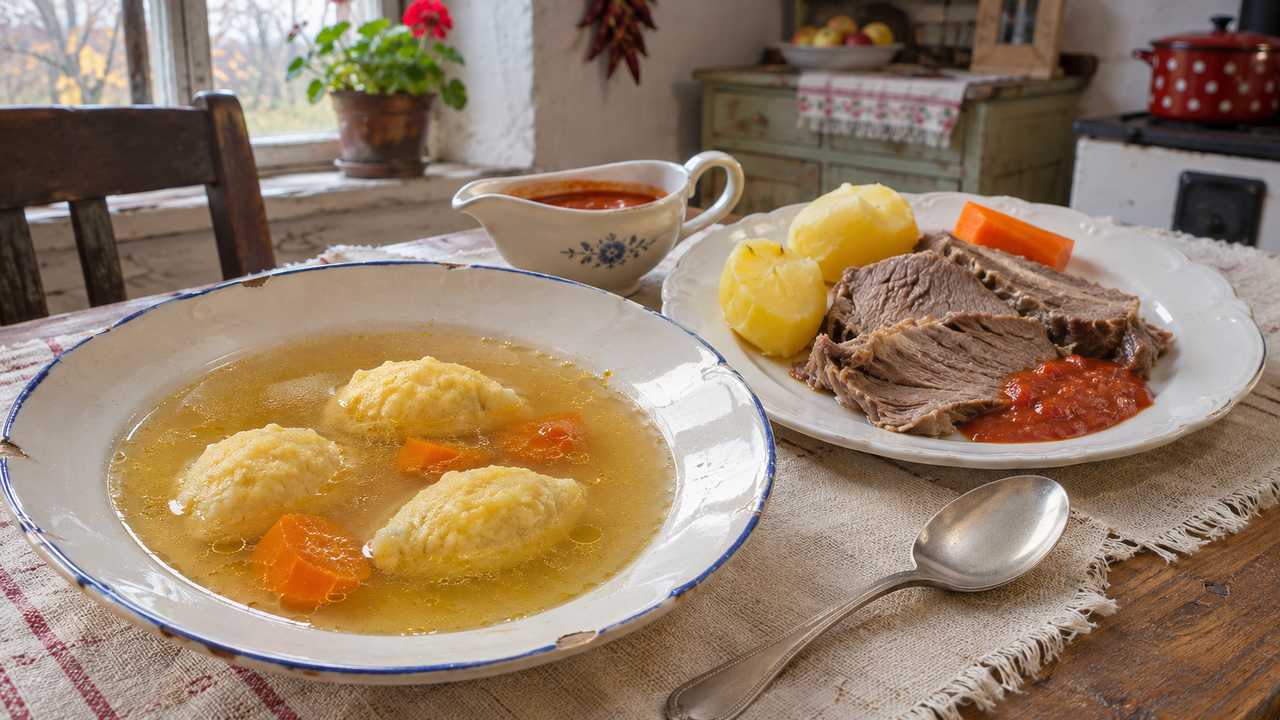
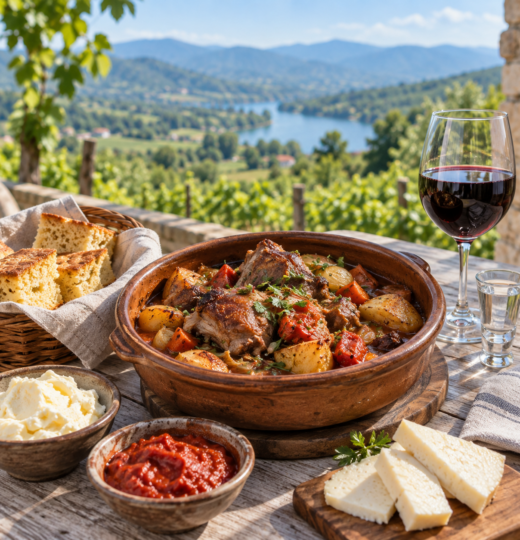
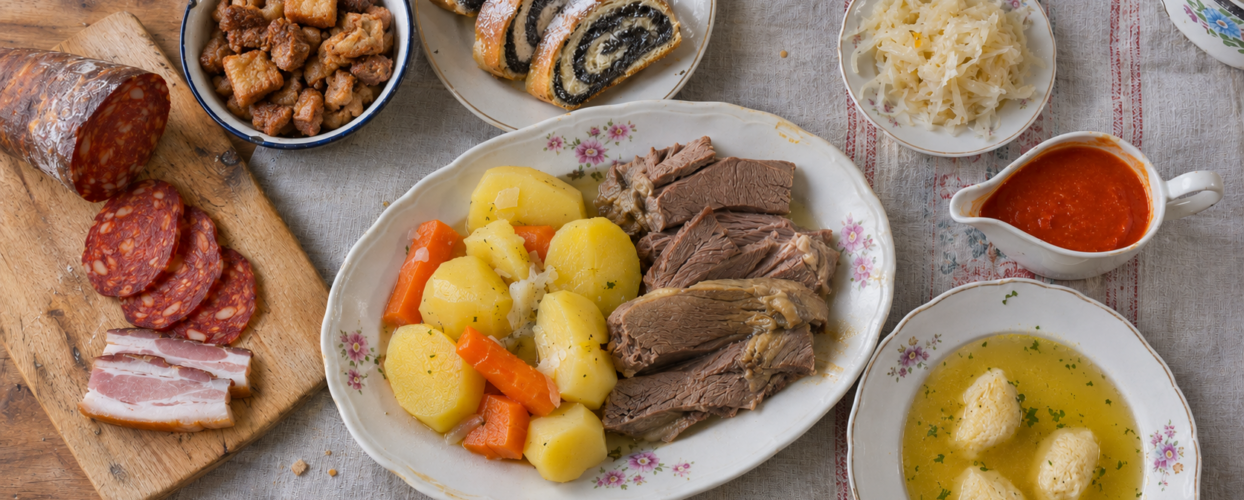
Set aside a little more time for a Vojvodina Sunday lunch. It starts with homemade broth and fine noodles or semolina dumplings. Next comes rinflajš, the meat cooked in the broth, often served with potatoes and a sauce. Tomato is common, as is dill. If you come across sour cherry sauce with a roast, give it a try. After the soup, the boiled meat and a course of roast or breaded meat, there might still be strudel or floating islands to come. If you’re booking lunch at a salaš, a traditional farmstead, ask what’s on the menu that day, especially if you’re going for the rinflajš.
Banat, from pumpkin pie to layered cheese
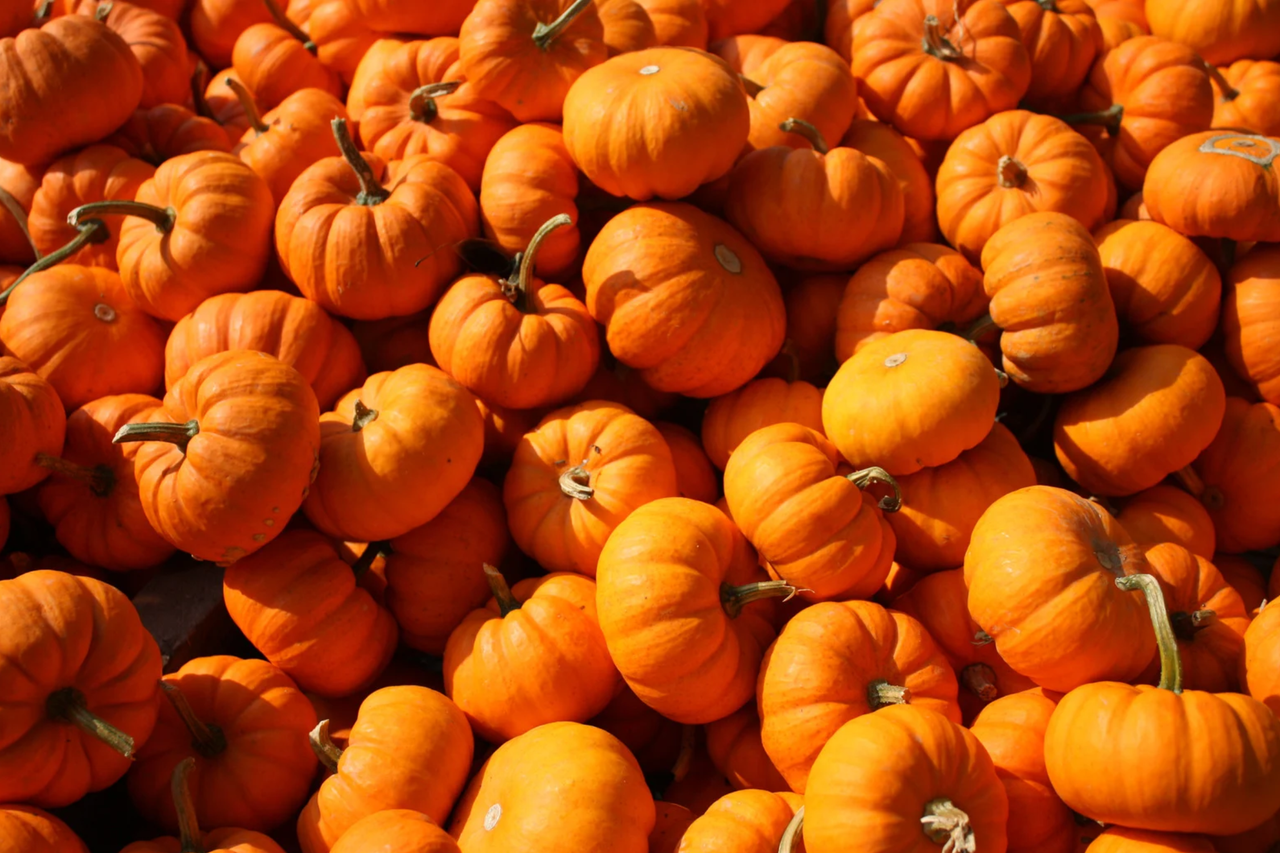
In Kikinda, autumn belongs to the ludaja, the local word for pumpkin. Each September, the city gives it a festival of its own. At home, it takes little more than an oven. The pumpkin can be roasted in slices or grated for bundevara, a pie with a soft, juicy filling between thin layers of golden pastry. It travels well, especially if you find a slice still warm at the bakery.
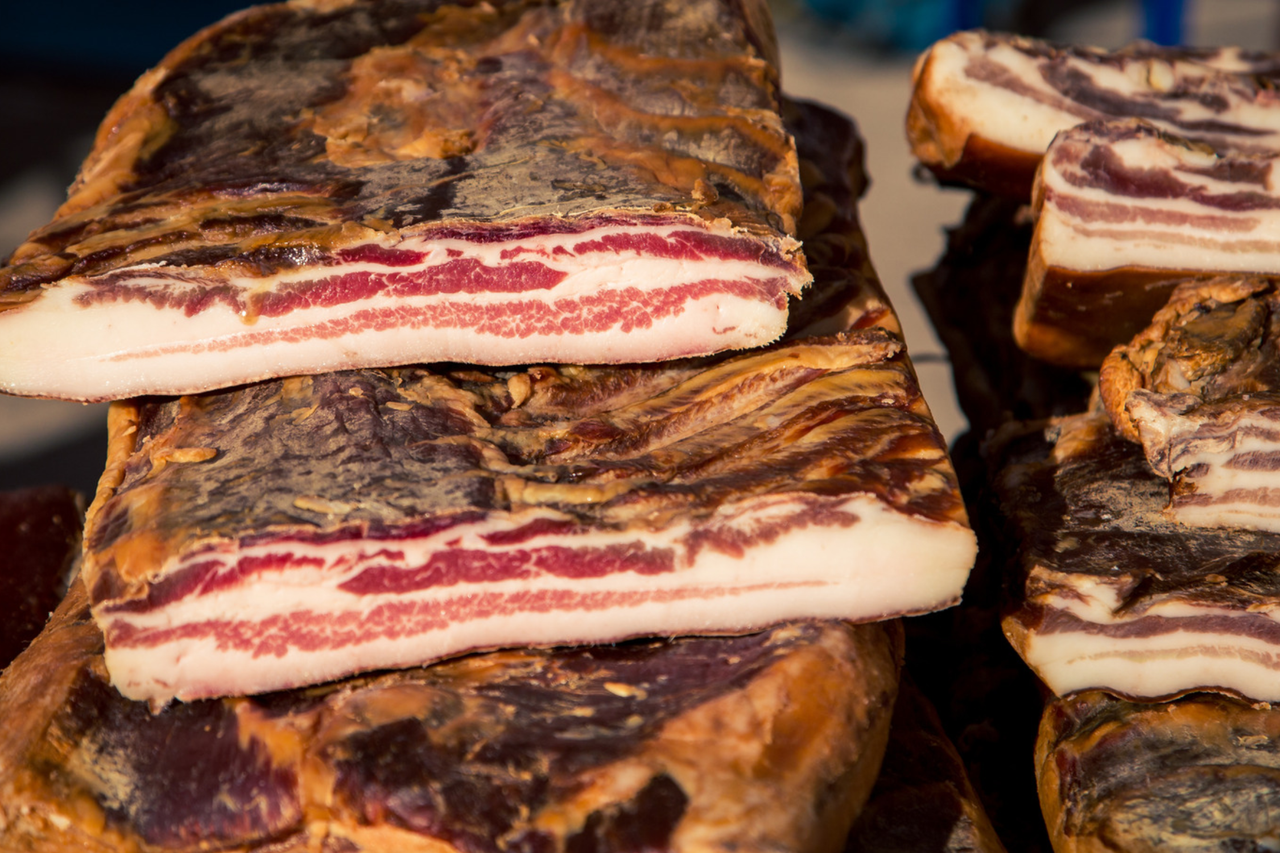
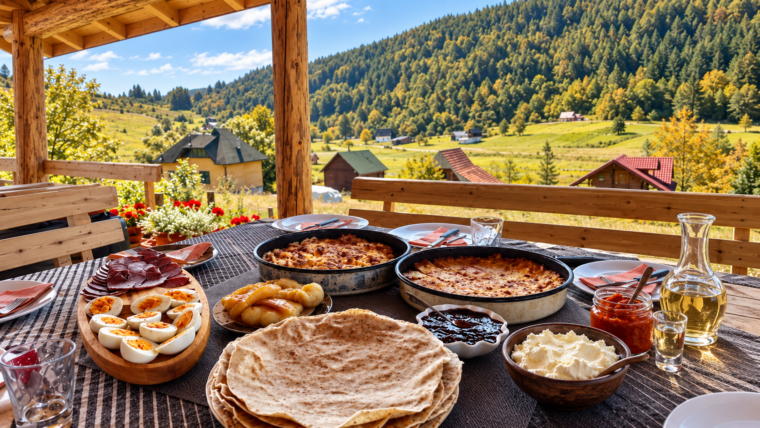
In nearby Mokrin, look for Mokrin layered cheese. Pull it apart with your fingers and you’ll see the thin layers that give it its name. With bread and thick-cut smoked bacon, it makes a simple breakfast. Farther south in Banat, Kačarevo, near Pančevo, has a tradition of making bacon and cracklings that’s easy to explore at its Slaninijada festival. For a different kind of outing, head towards Vršac and its vineyards. Leave time for a tasting and ask which wines are made from grapes grown nearby.
Along the Danube and Tisa, lunch from a cauldron
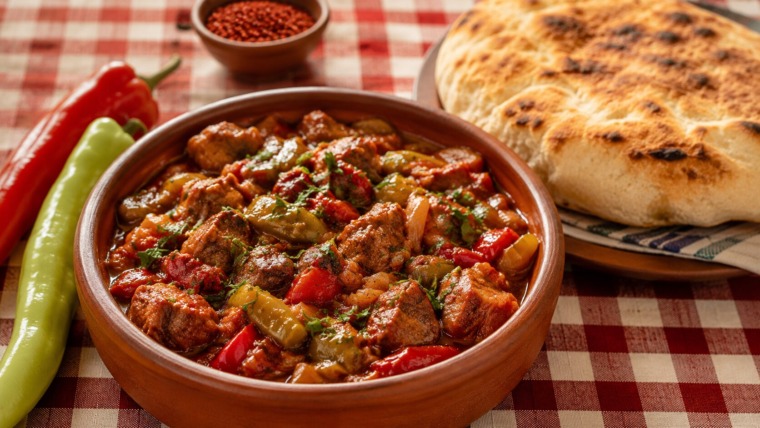
In Apatin, fish paprikash is part of the town’s culinary tradition. In Bezdan, look for it at a čarda, a riverside tavern. It can be made with carp or a mix of fish, and it’s usually thicker and spicier than fish soup. Homemade noodles may come in a separate bowl so you can add them to your plate. It’s also worth stopping for lunch at a tavern along the Tisa.
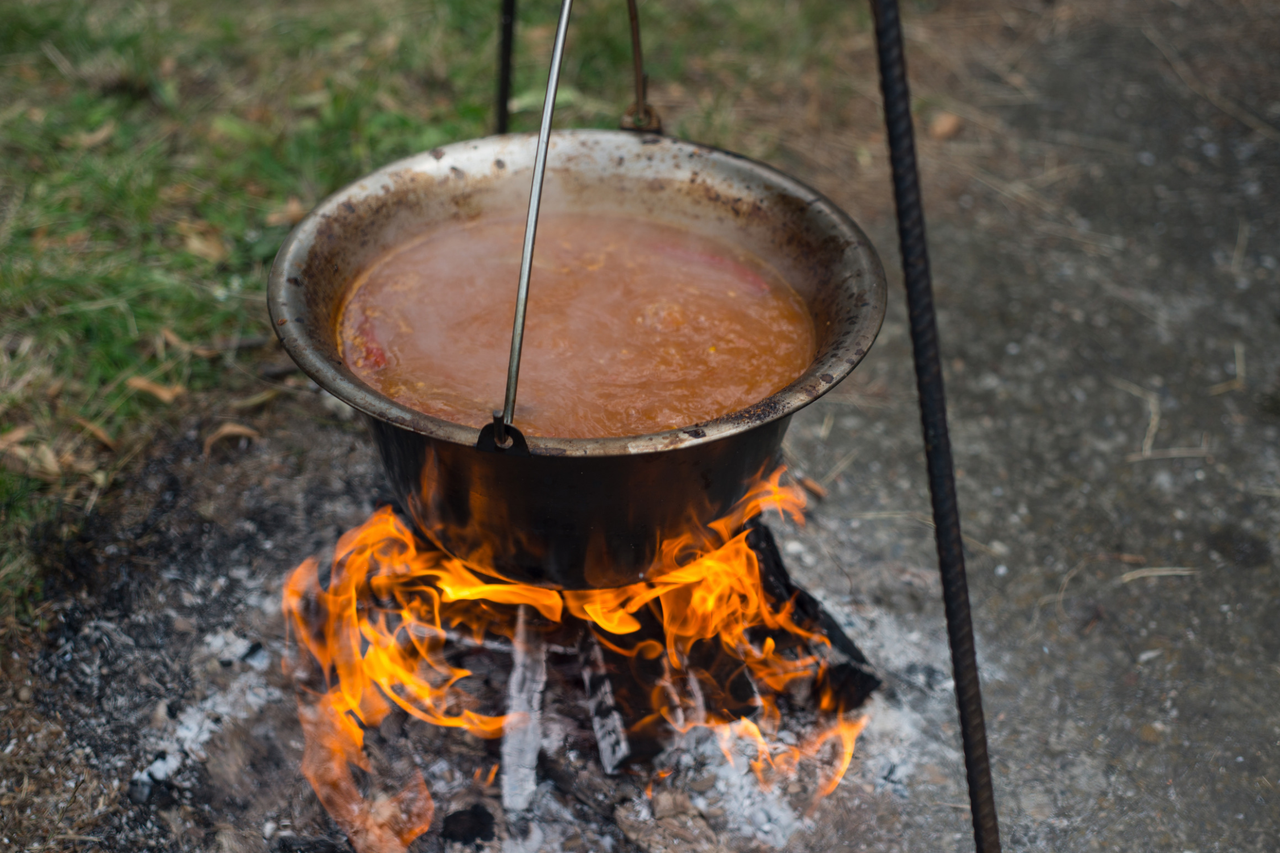
If you’re visiting in winter, check opening hours and ask whether the paprikash needs to be ordered in advance. And if the whole table is sharing one pot, it pays to ask how hot it is.
Homemade noodles, dumplings and something sweet
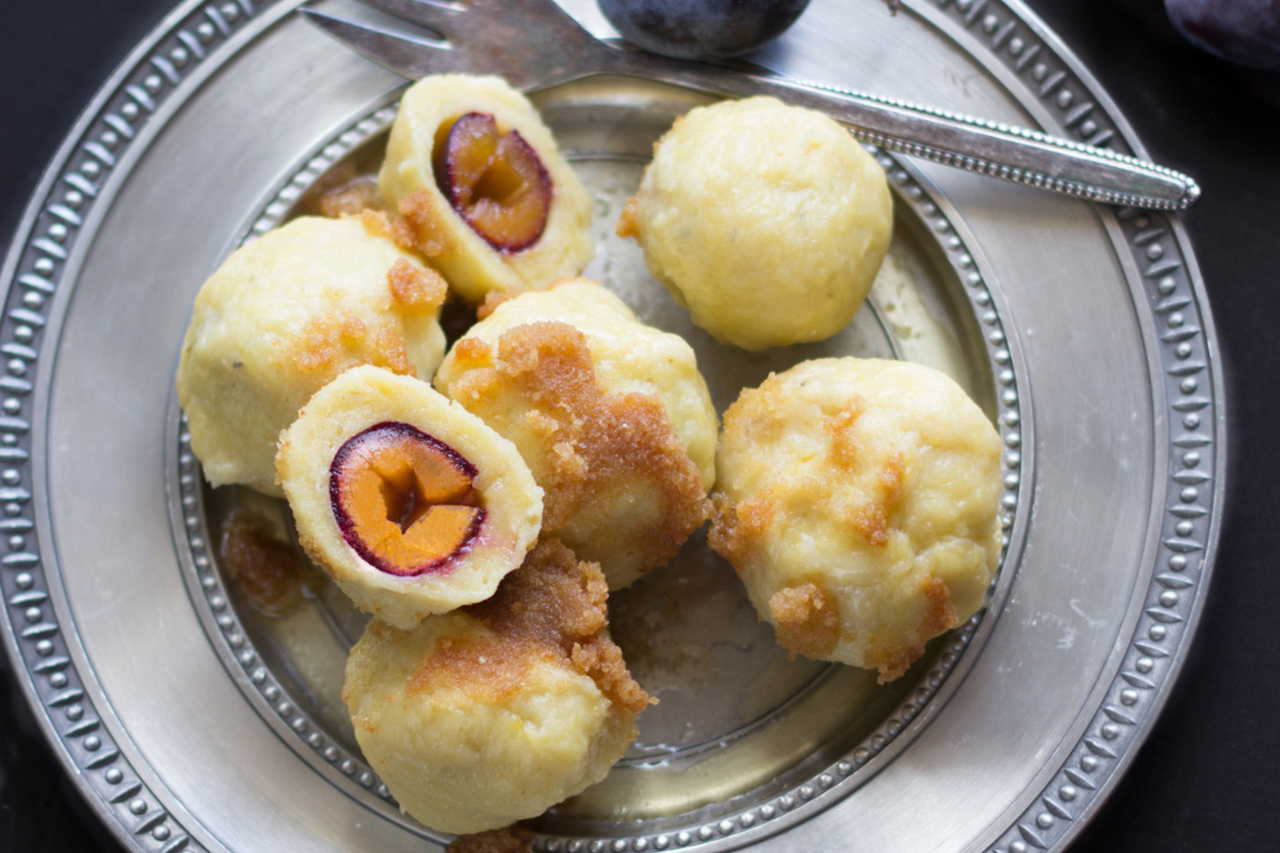
Nasuvo shows how many meals can start with homemade noodles. They can be tossed with potatoes or cheese, or served sweet with ground poppy seeds or thick fruit jam. A bowl of tomato soup followed by a plate of nasuvo could make an entire lunch. Tašci are little parcels of folded dough filled with jam, while gomboce are potato dumplings wrapped around whole plums. Come back for the dumplings when fresh plums are in season. Poppy seed noodles have a place at the table all year.
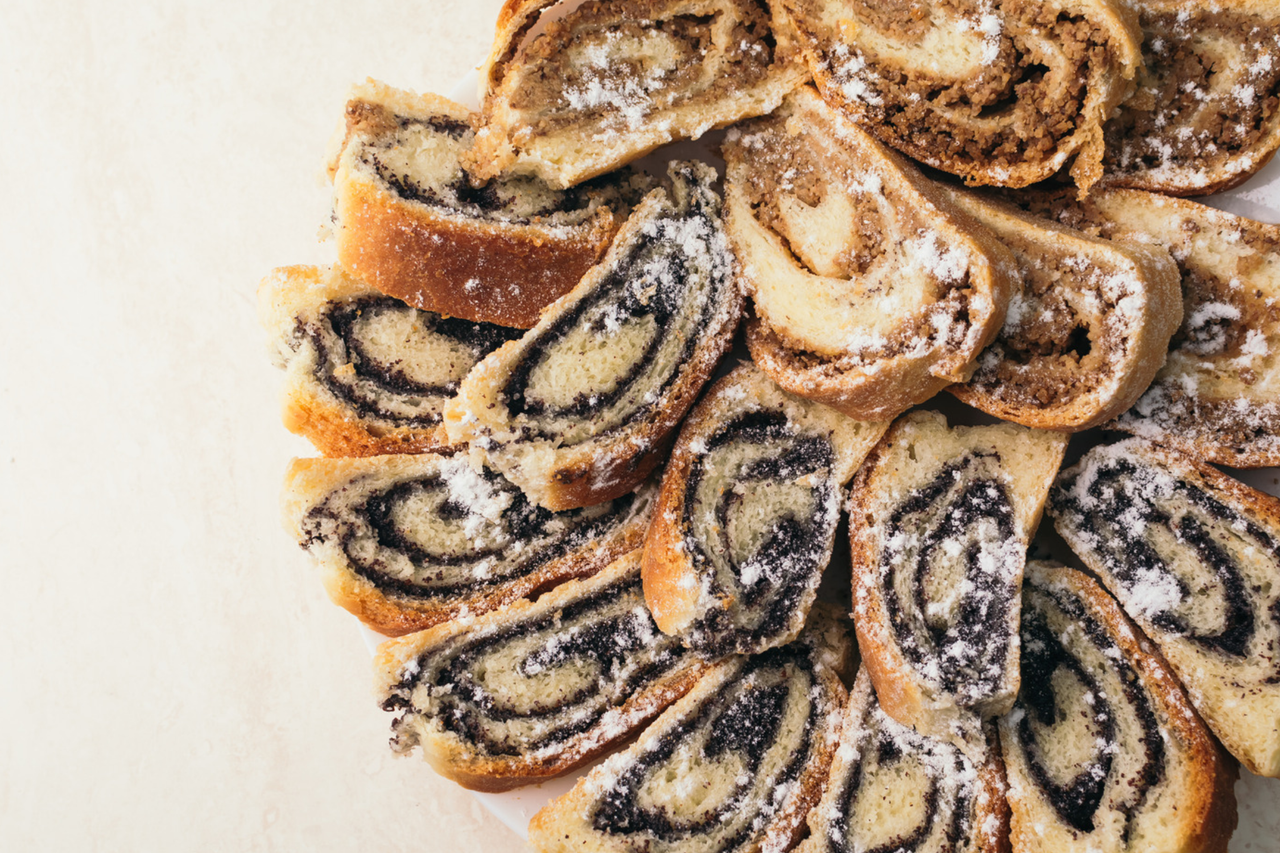
Then there’s strudel. Poppy seed is the classic filling, but look out for walnut, carob and sour cherry versions too. Šnenokle, or floating islands, are best eaten at the table, with soft meringue spooned into a silky custard. For something to take home, try kitnikez, a firm quince paste sliced like cheese. If you’ve ever let ripe quinces perfume the house in autumn, kitnikez brings back that same scent in the middle of winter.
Where to go for lunch first
If you have a free Sunday, spend the morning in Futog picking up fermented cabbage to take home, then continue to Novi Sad or a nearby salaš for lunch. After the homemade broth and rinflajš, leave room for dessert. Poppy seed strudel is easy to take with you, while floating islands are worth staying at the table for.
Give northern Banat a day of its own. Start in Kikinda with coffee and a slice of bundevara, then head to Mokrin for the layered cheese. If you’d like to buy it directly from a producer, arrange your visit before setting off. When you’re in the mood for something from a cauldron, pick Apatin or Bezdan and plan the day around lunch by the water. If Svetozar Miletić is on your way, a piece of Lemeš kulen is worth bringing home.
You might return from that first winter outing with a bag of shredded fermented cabbage or a kulen to slice when friends come over. In summer, the same part of Vojvodina might find you at a different table, eating fish paprikash outdoors or cutting into dumplings made with the first ripe plums. It’s worth remembering where you tasted what. A good meal is often reason enough to go back.
Serbia.com recommends
Handpicked places, stays and experiences to make your journey through Serbia even more memorable.
Plan your visit
Everything you need to plan your perfect trip.



Related Articles