
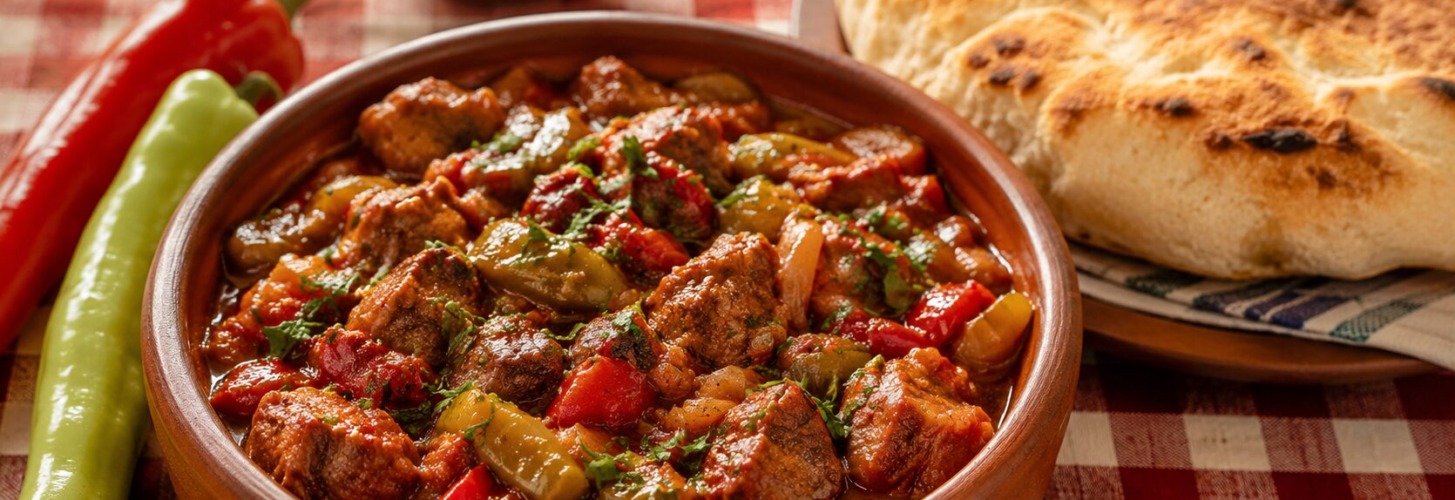
Some dishes become famous because of their ingredients. Others because of the stories they carry. Leskovačka mućkalica belongs to the second group. Rich, smoky, and full of bold flavors, this traditional Serbian specialty was born in the country’s barbecue capital and has become one of the most authentic dishes of southern Serbia.
While visitors often come to Leskovac expecting exceptional grilled meat, many leave talking about something else entirely – a hearty meal that transforms barbecue into one of Serbia’s greatest comfort foods.
More than just a local recipe, Leskovačka mućkalica tells the story of a region where food is deeply connected to tradition, hospitality, and the simple joy of sharing a meal.
Born in Serbia’s Barbecue Capital
To understand Leskovačka mućkalica, you first have to understand Leskovac. Located in southern Serbia, the city has earned a reputation as the country’s undisputed barbecue capital. For generations, local grill masters have perfected the art of preparing meat over charcoal, making Leskovac a destination synonymous with exceptional food.
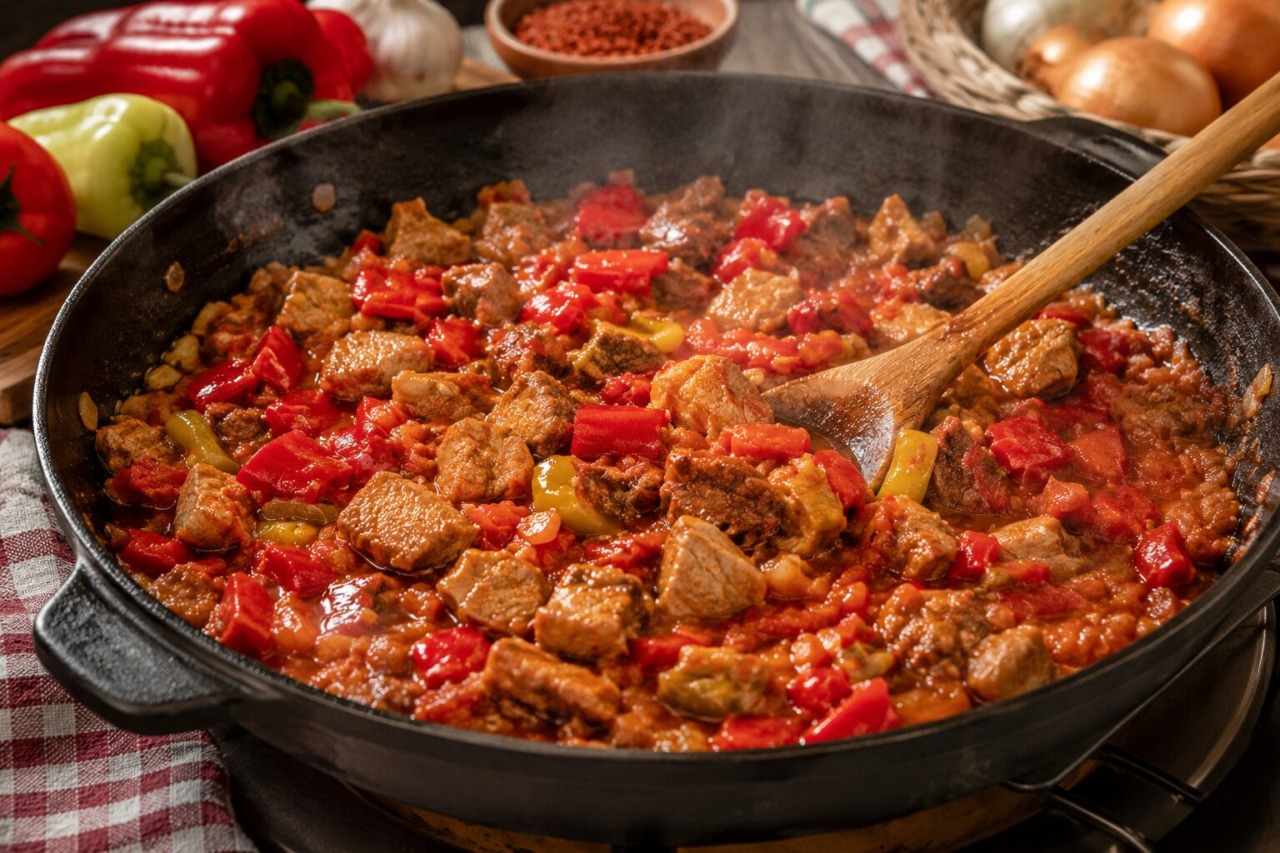
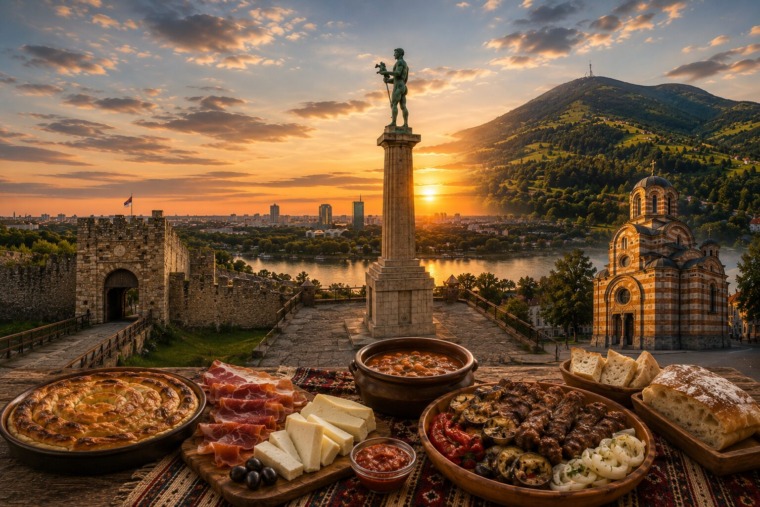
Every summer, thousands of visitors gather for the famous Roštiljijada, one of Serbia’s largest food festivals, celebrating the city’s rich culinary heritage. Among the many grilled specialties that made Leskovac famous, one dish stands out for its creativity – Leskovačka mućkalica.
A Dish Created to Waste Nothing
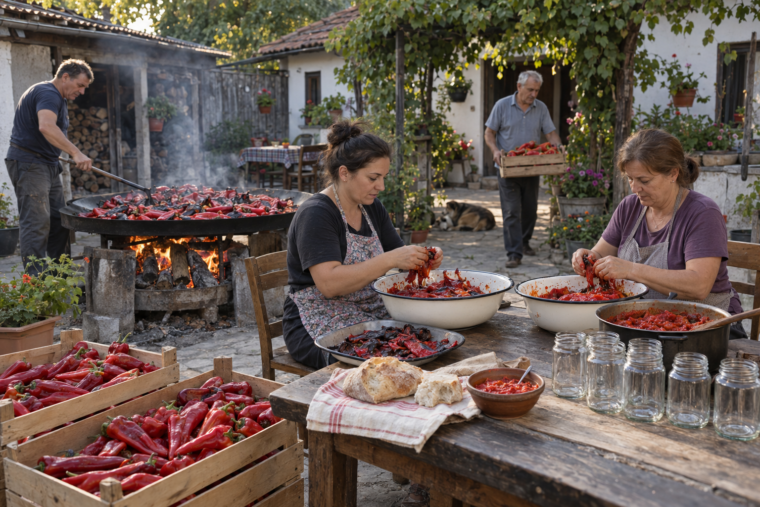
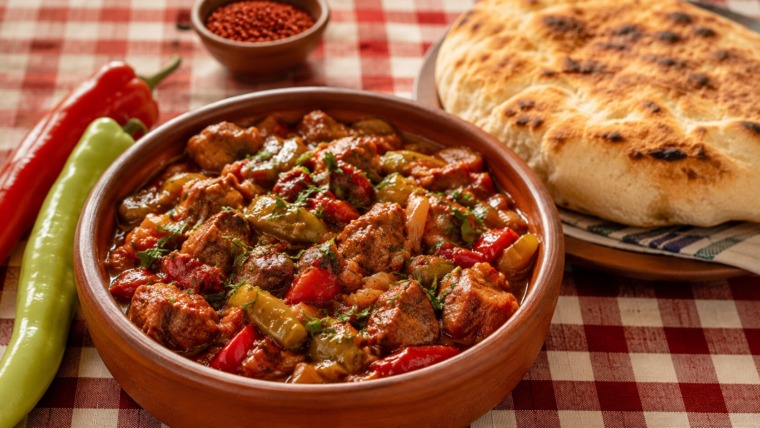
Like many of the world’s most beloved traditional recipes, mućkalica was born from practicality. After a busy day at the grill, leftover pieces of pork, neck, or other roasted meats were too flavorful to throw away. Instead, local cooks combined them with roasted peppers, onions, tomatoes, and mild spices before slowly simmering everything together in a single pot.
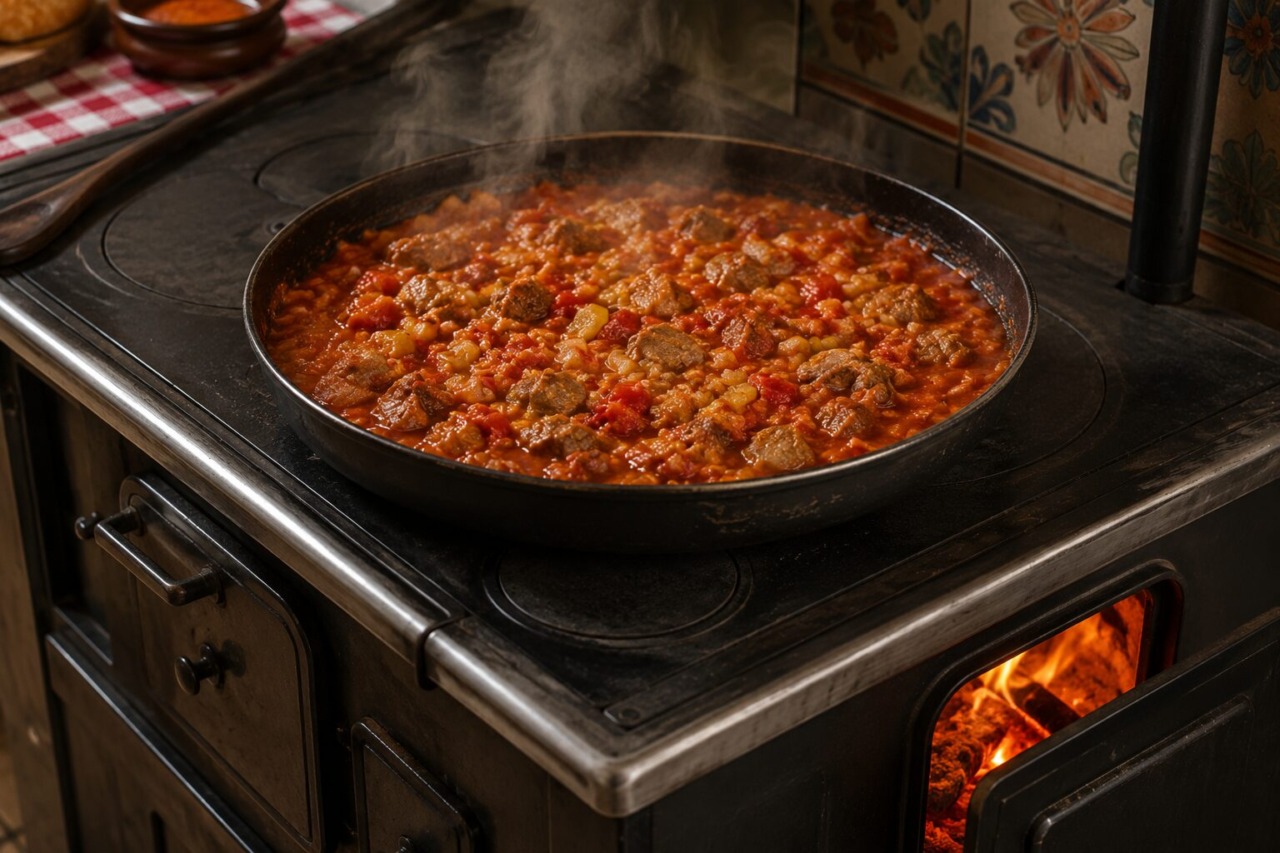
The result was far more than a way to use leftovers. The smoky aroma of grilled meat blended perfectly with the sweetness of roasted peppers and the richness of tomatoes, creating an entirely new dish that quickly became a regional favorite.
Today, many restaurants prepare mućkalica using freshly grilled meat from the start, but its original philosophy remains the same – simple ingredients transformed into something extraordinary.
What Makes Leskovačka Mućkalica So Special?
Unlike stews found elsewhere in Europe, Leskovačka mućkalica owes its distinctive flavor to meat that has already been grilled over charcoal before it is slowly cooked with vegetables.
Roasted peppers are the soul of the dish, while tomatoes and onions create a thick, aromatic sauce that brings everything together. The meat becomes incredibly tender without losing its smoky character, resulting in a meal that is both rustic and deeply satisfying.
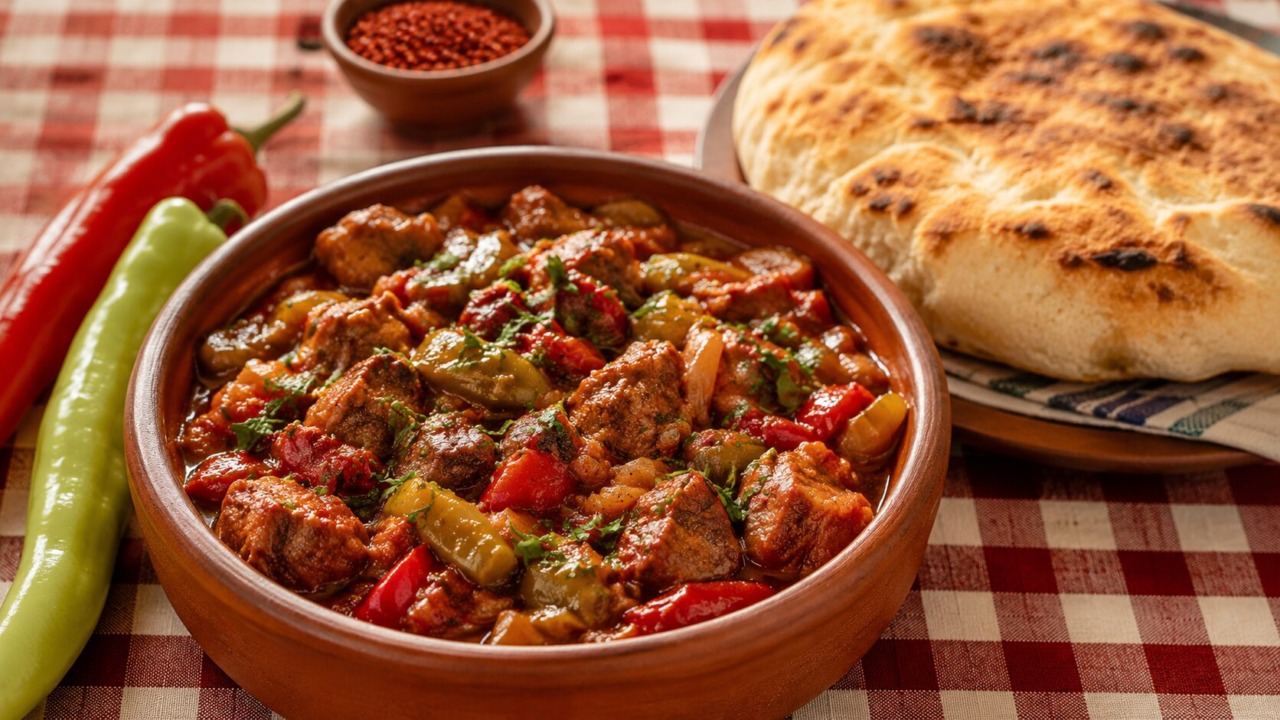
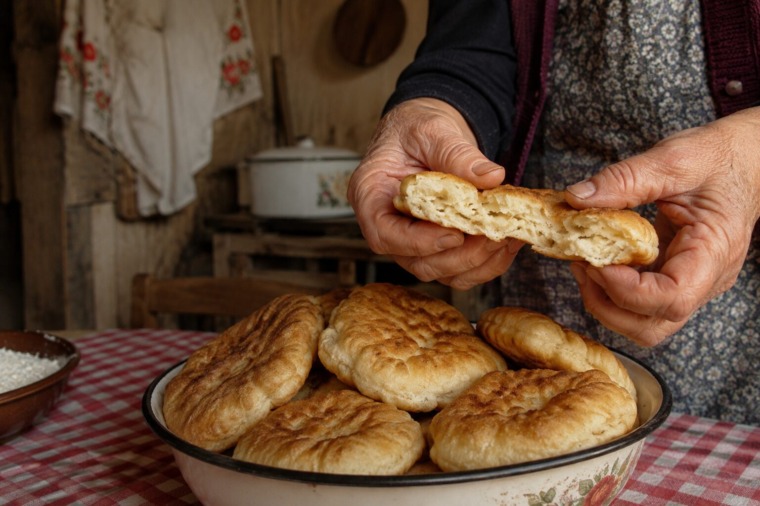
Served with fresh homemade bread – and often accompanied by seasonal salad – it perfectly reflects the generous spirit of southern Serbian cuisine.
More Than a Meal
In southern Serbia, mućkalica is not something people rush through. It is the kind of dish prepared for family gatherings, weekends with friends, and long afternoons spent around the table. Conversations last as long as the meal itself, and sharing food is considered just as important as the food itself.
This is one of the reasons why visitors often remember Serbian hospitality as much as they remember the flavors. In Serbia, meals are experiences, and Leskovačka mućkalica is one of the country’s finest examples of that tradition.
Where to Try Authentic Leskovačka Mućkalica
Although you can find mućkalica in traditional restaurants throughout Serbia, nowhere prepares it quite like Leskovac.
Many local kafanas continue to follow recipes passed down through generations, using locally grilled meat and peppers grown in the fertile fields surrounding the city. Visiting during Roštiljijada, held every year in late August or early September, offers the perfect opportunity to experience not only mućkalica but the entire culture of Serbian barbecue.
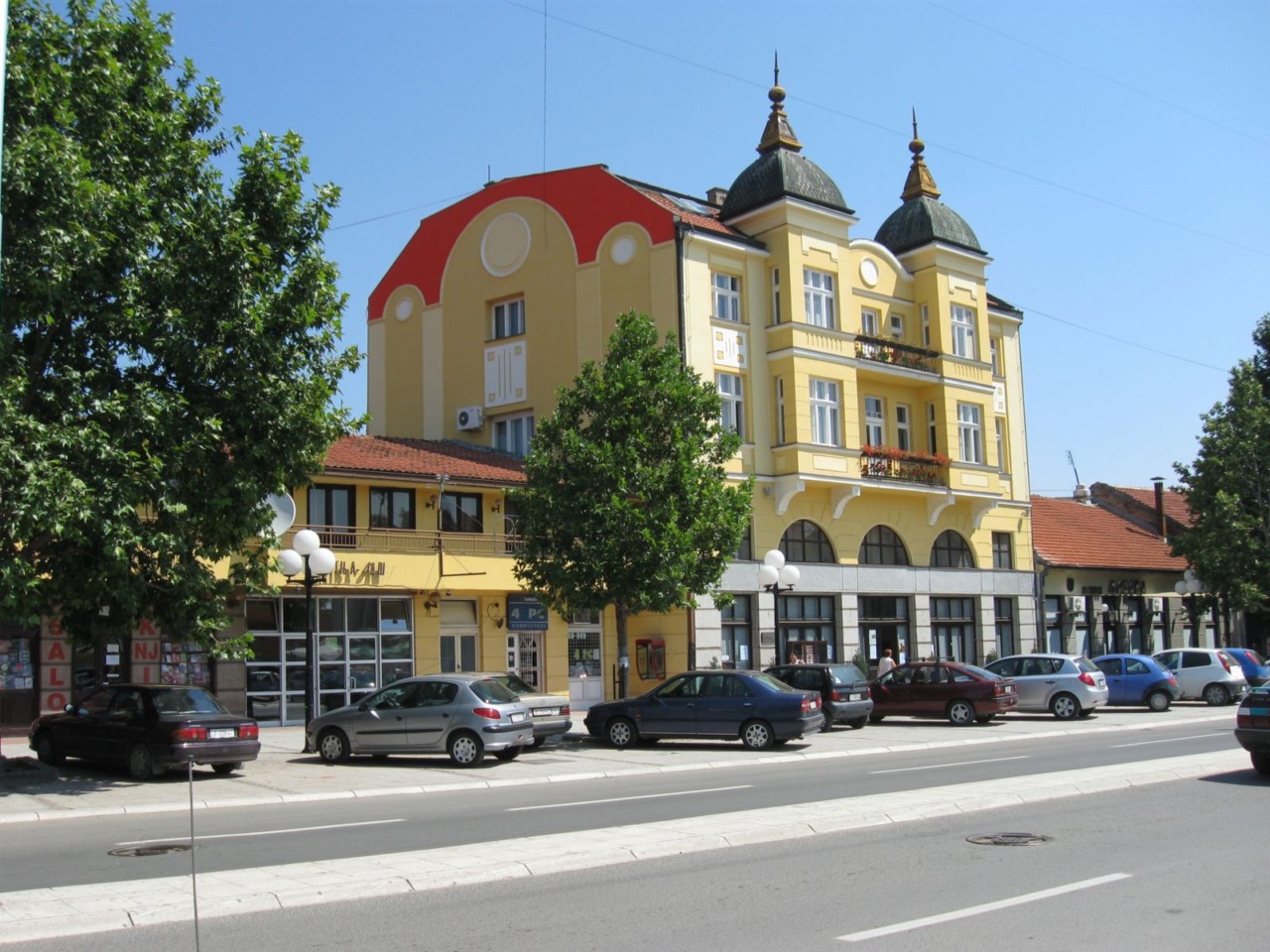
Whether served in a small family-owned kafana or at one of the city’s famous barbecue restaurants, tasting authentic Leskovačka mućkalica is an essential stop on any culinary journey through Serbia.
Discover the Flavors of Southern Serbia
Leskovačka mućkalica is more than one of Serbia’s most famous traditional dishes – it is a reflection of southern Serbia itself. Honest, generous, full of character, and impossible to forget after the very first bite.
If you’re exploring Serbia through its cuisine, start in Leskovac. Because some destinations are remembered not only for what you see, but for what you taste.
Related Articles