
-
Serbia at a Glance
Discover All -
Arts & Culture
Discover All -
Identity & Heritage
Discover All -
Famous Serbs
Discover All
-
Regions
Discover All -
Cities
Discover All -
Nature
Discover All -
Cultural Landmarks
Discover All
-
Outdoor & Wellness
Discover All -
Food & Drink
Discover All -
Tours
Discover All -
Urban Experiences
Discover All -
Seasonal Experiences
Discover All
Partner with Serbia.com
Let's create lasting impact together
Partner with Serbia.com to reach travellers through trusted recommendations, inspiring editorial stories and thoughtfully designed campaigns. Together, we create meaningful visibility that supports your goals and remains valuable long after publication.
Explore partnership opportunities- Serbian Favorite Rituals Everyday traditions and little things that make life in Serbia special.
- Villages of Serbia Charming villages, local stories and authentic rural life.
- Serbia Told By You Personal stories, local perspectives and authentic experiences from across Serbia.
- Is it Worth Visiting in Serbia? Honest destination guides to help you decide which places are worth visiting.
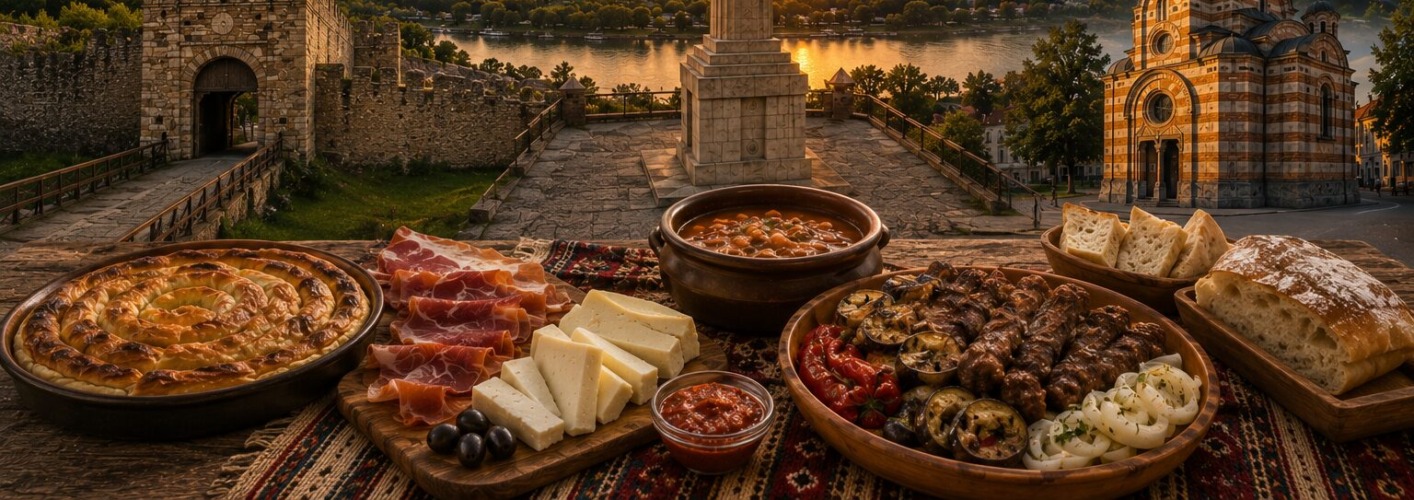
You don’t really understand Serbia until you taste it. There’s a moment that happens to many travelers here – usually not at a landmark, but at a table. A simple meal turns into something unexpected. Flavors feel deeper, portions more generous, and conversations somehow last longer than planned.
In Serbia, food isn’t something you just try along the way. It quietly becomes the reason you travel.
Across the country, certain places are shaped by what they serve. Not in a curated, polished way – but through habits, traditions, and recipes that have been part of everyday life for generations. Follow the food, and you begin to see a different version of Serbia.
Belgrade – Where Tradition Finds New Life
In Belgrade, food doesn’t stand still – it evolves.
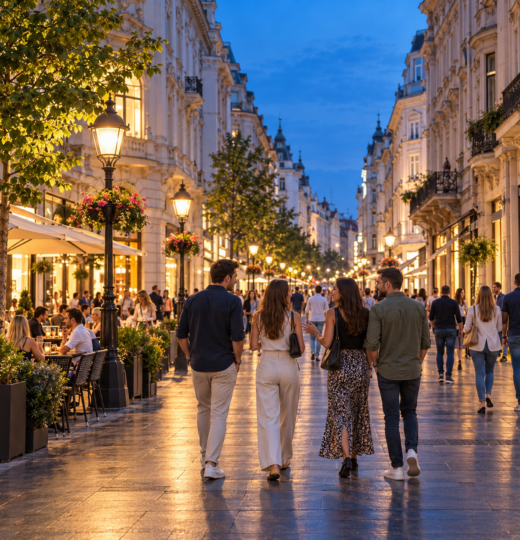
What makes the city truly stand out is the way tradition and modern taste exist side by side. You can sit in a traditional kafana, where recipes haven’t changed much over time, and experience dishes prepared the way they have been for generations – slow, rich, and deeply rooted in Serbian cuisine. Just a short walk away, you’ll find restaurants that approach the same flavors differently, reinterpreting them with a modern perspective, refined techniques, and attention to detail that has earned international recognition, including Michelin mentions.
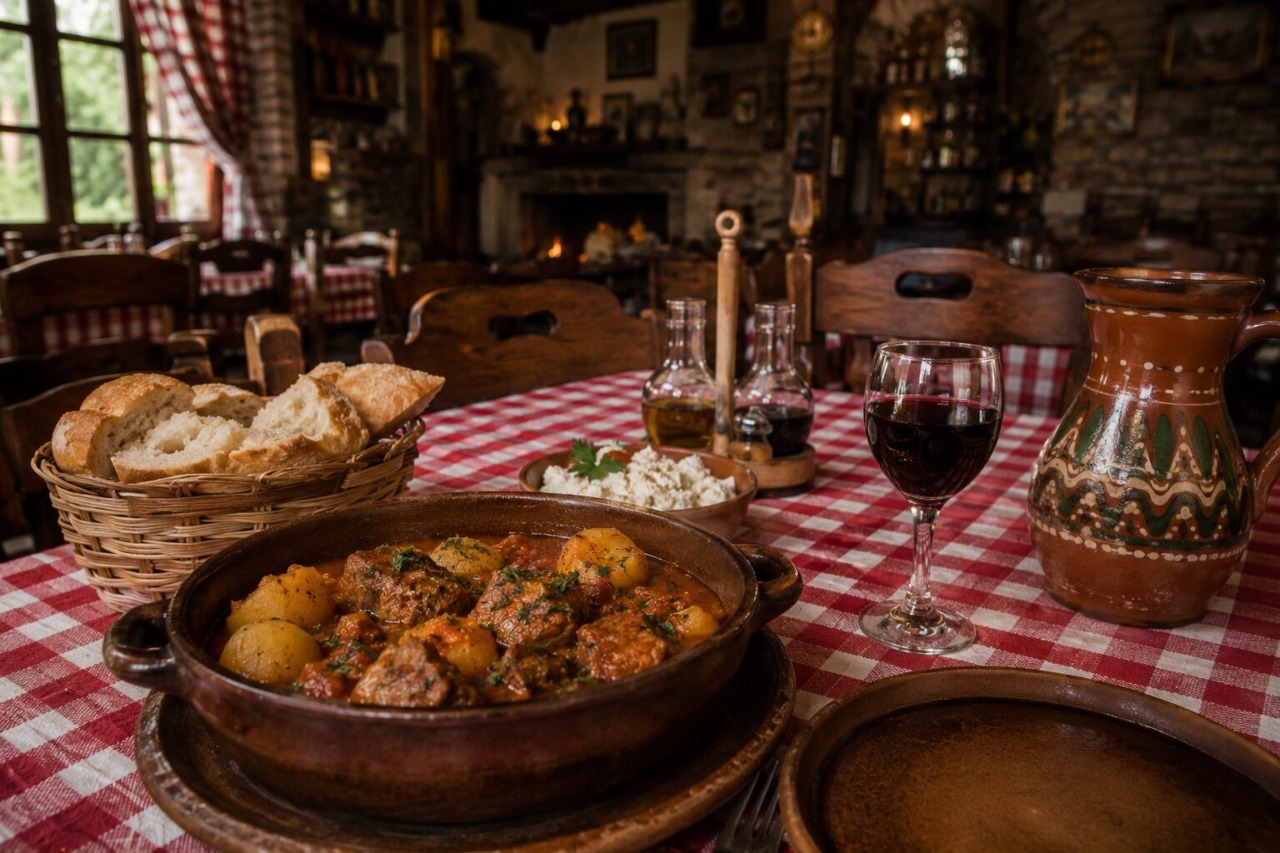
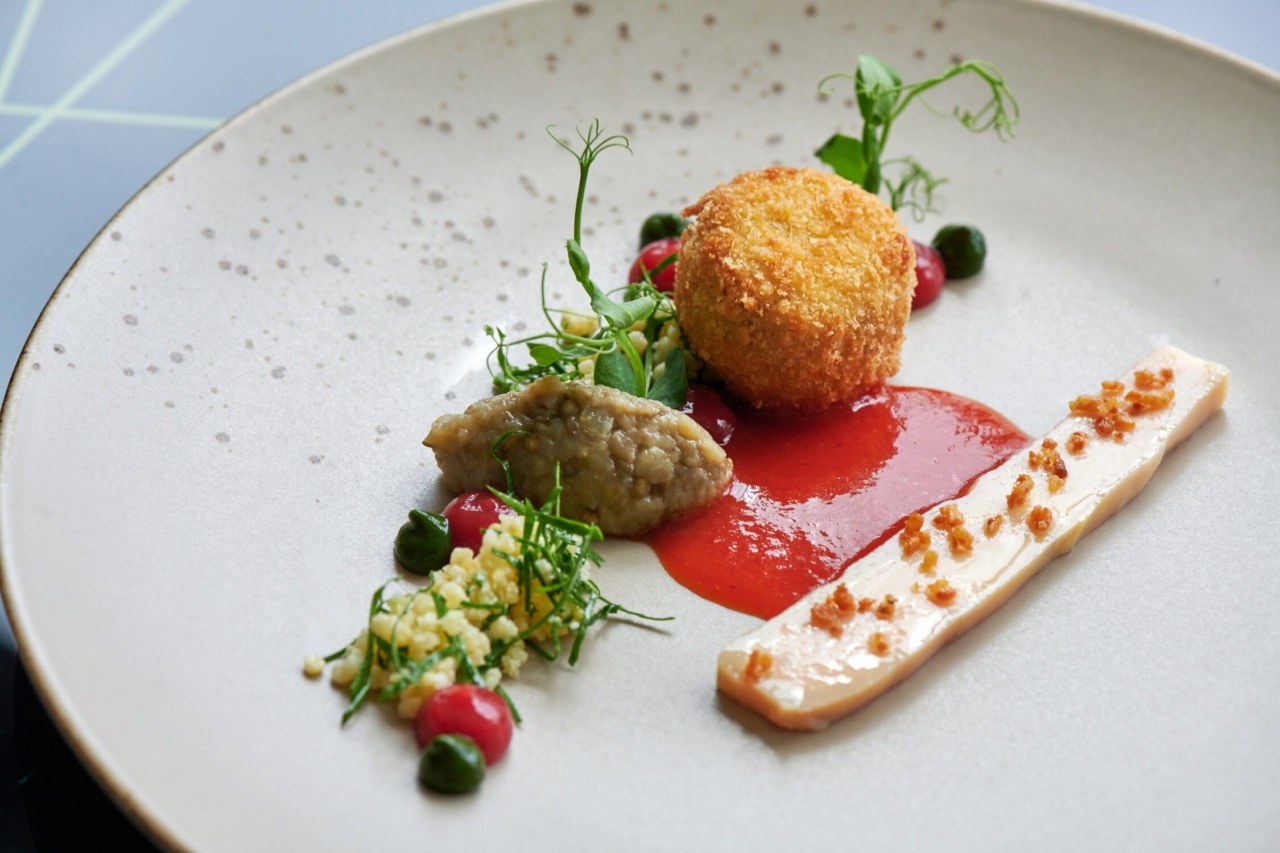
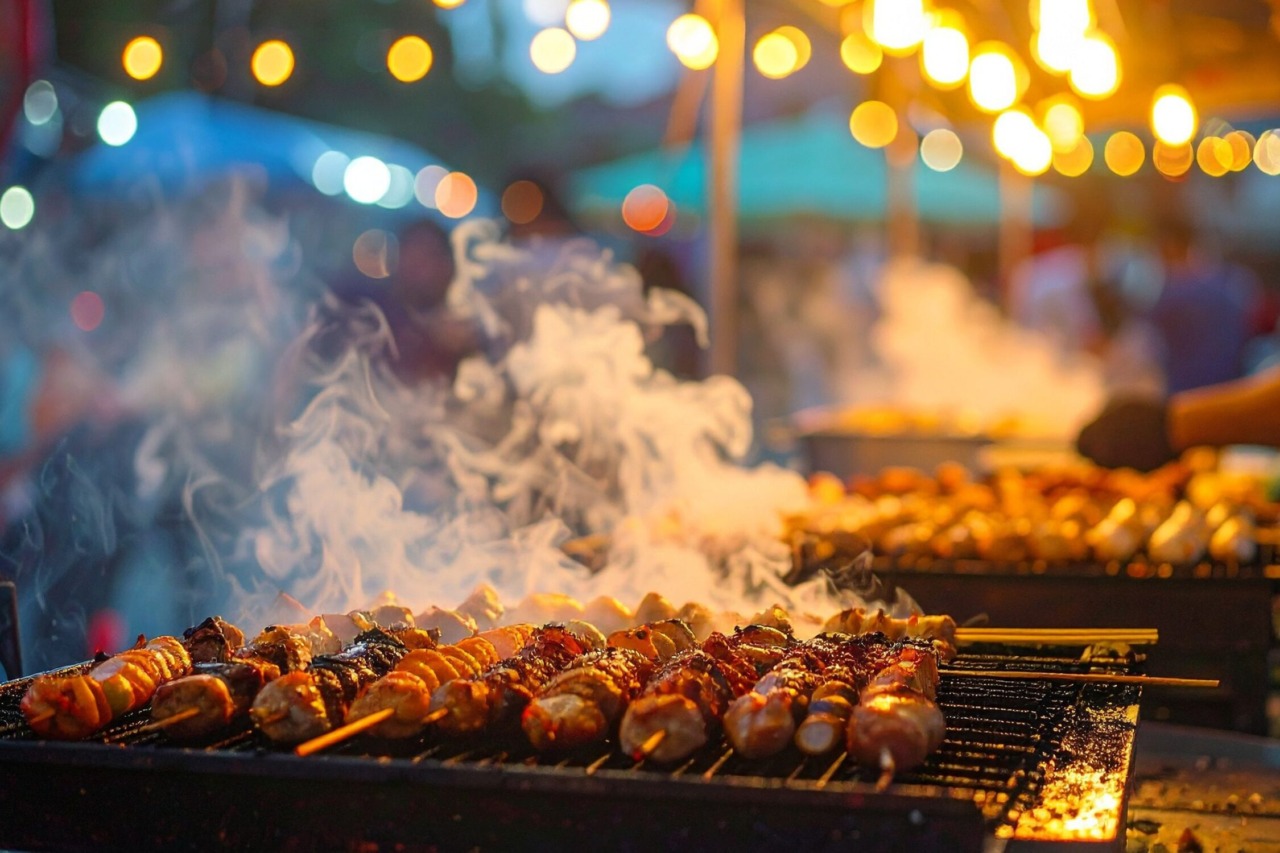
But Belgrade’s food scene doesn’t stop there. The city has opened itself to the world in a way that’s easy to feel on the plate – from international cuisines to contemporary concepts, everything seems to coexist naturally. In recent years, there’s also been a noticeable shift toward lighter and more diverse options, including a growing number of plant-based and vegan dishes that fit seamlessly into the broader offer.
At the same time, something more casual is happening across the city. Street food has quietly become part of the experience – not just as a quick option, but as a reflection of how people actually eat, move, and spend time in Belgrade.
What makes it all work is the variety. You don’t come here for one specific place – you come because there’s always another way to experience food. Whether you’re looking for something traditional, something modern, or something in between, Belgrade has a way of offering all of it at once.
Leskovac – Where Everything Begins with the Grill
In Leskovac, food starts with fire.
The scent of roštilj (grilled meat) is constant, drifting through the streets long before you even sit down. Ćevapi arrive hot and simple, usually with nothing more than bread and onions, while pljeskavica appears in countless forms – sometimes stuffed, sometimes spiced, always rich and slightly smoky.
You’ll often come across uštipci, small grilled bites packed with flavor, and dishes like Leskovačka mućkalica, where grilled meat is slowly cooked again, deepening the taste even further. Nothing feels rushed here – grilling is treated as a craft, something learned over time.
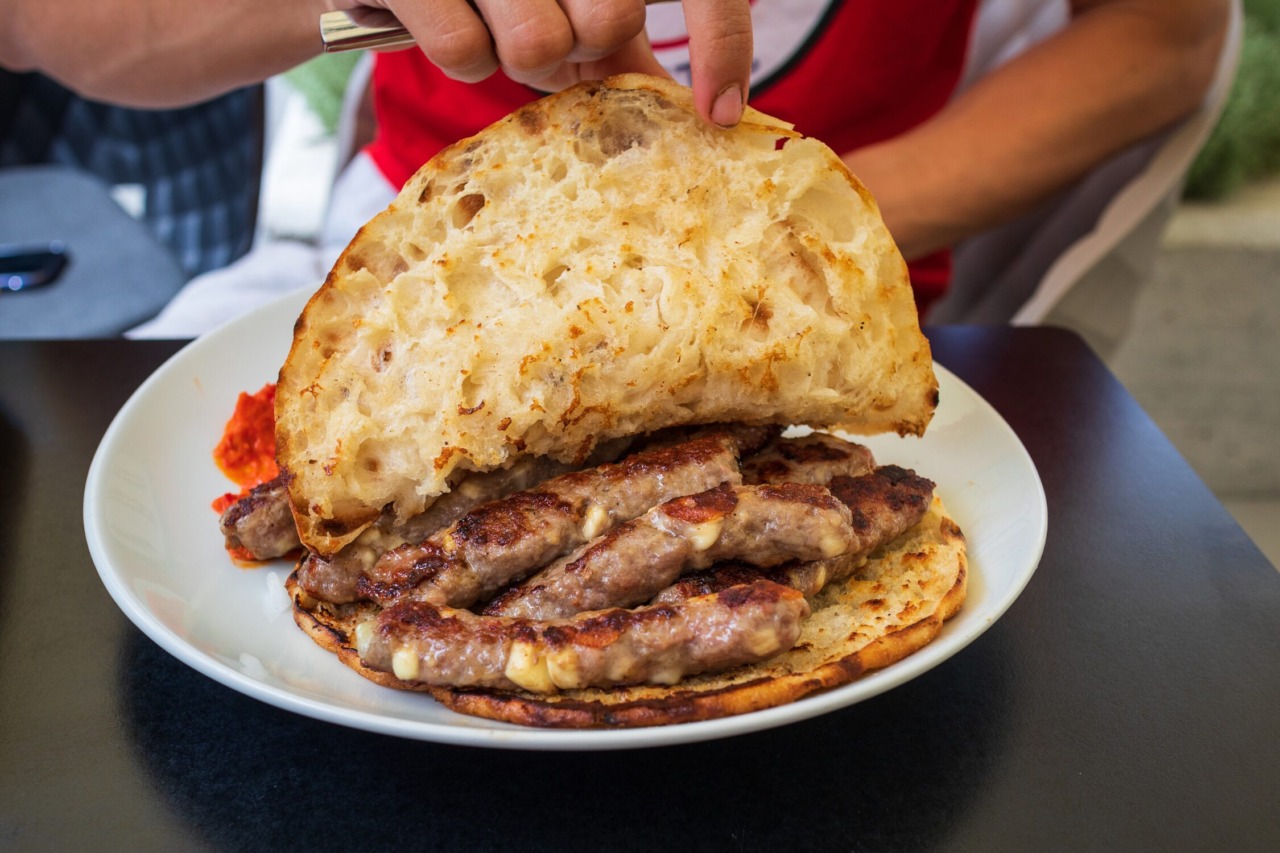
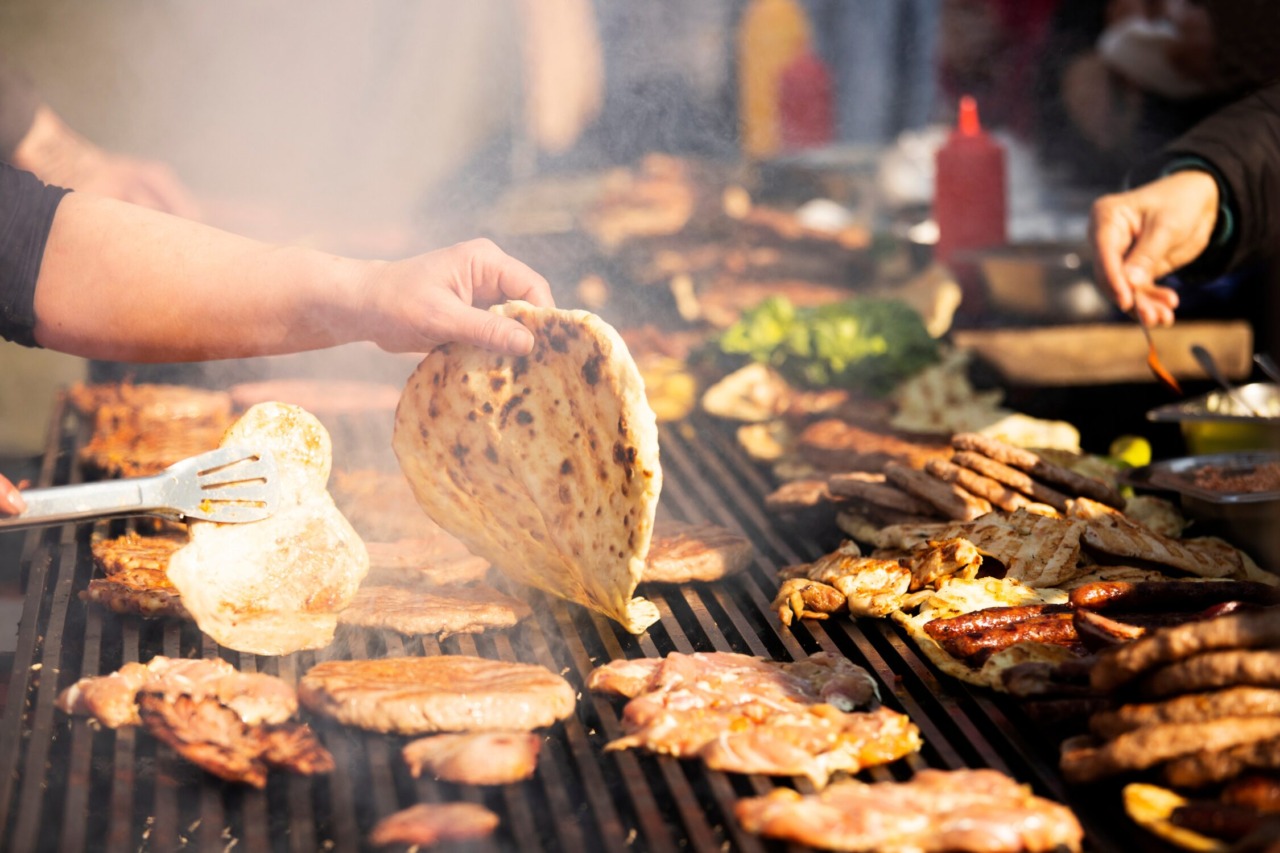
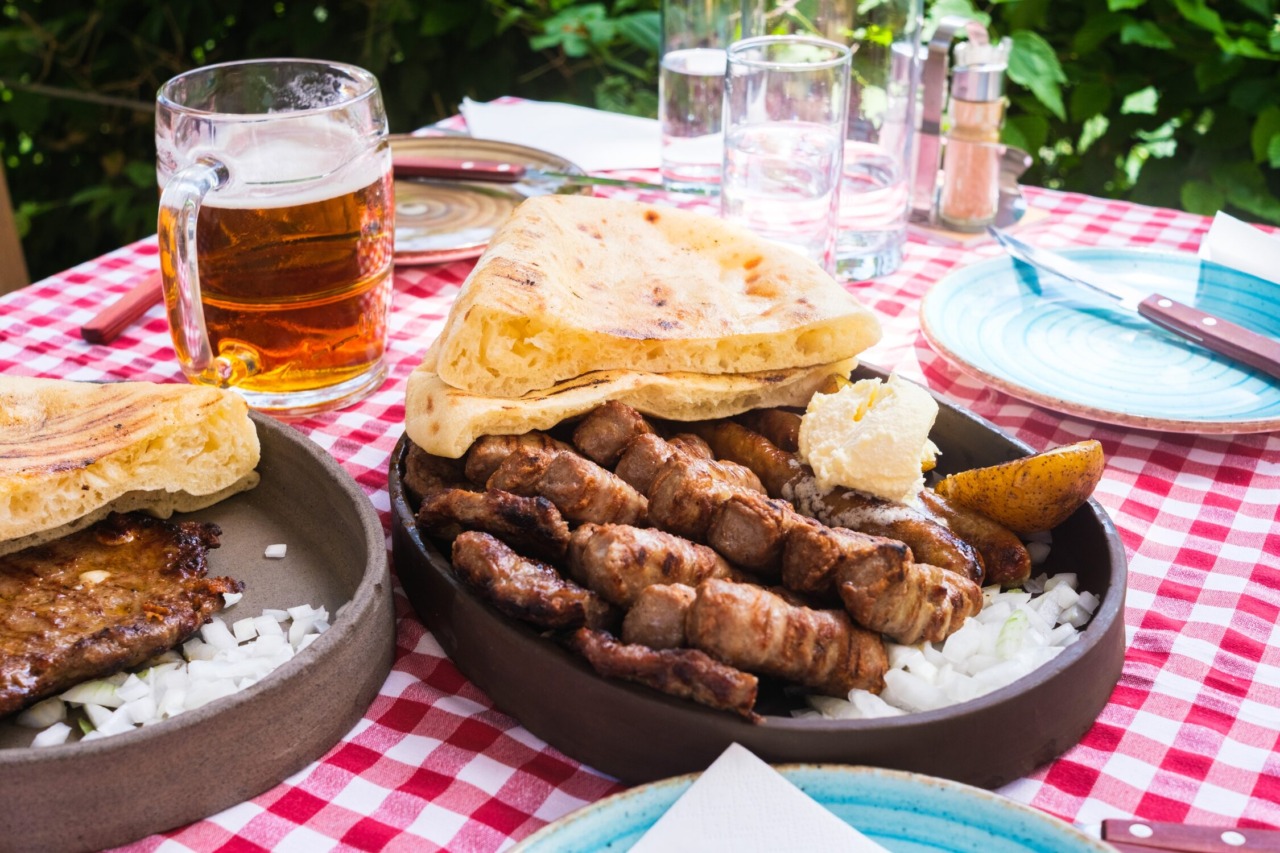
And then there’s August. During Roštiljijada, the entire city turns into an open-air kitchen, where the variety of grilled dishes becomes almost endless. It’s the moment when Leskovac shows its full identity -a place where food isn’t just something you try, but something you experience at its most intense.
There’s a reason this city builds an entire festival around it. In Leskovac, food is not just a meal – it’s identity.
Zlatibor & Zlatar – Where Food Slows Down
In Serbia’s western mountains, food follows the rhythm of the landscape – but not always in the same way.
Zlatibor has, over time, grown into a more developed and lively destination, and that is reflected in its food scene. Alongside traditional dishes, you’ll find a wide range of restaurants – from those rooted in classic Serbian cuisine to more modern concepts that reinterpret familiar flavors. It’s a place where you can move easily between the old and the new, choosing how you want to experience food.
Zlatar, on the other hand, feels quieter and closer to what these mountains once were. If you’re looking for authenticity, this is where it becomes more tangible – in small households, simple settings, and meals that are prepared fresh, without much need for presentation. Food here feels direct and unfiltered, shaped by the people who make it rather than by expectations.
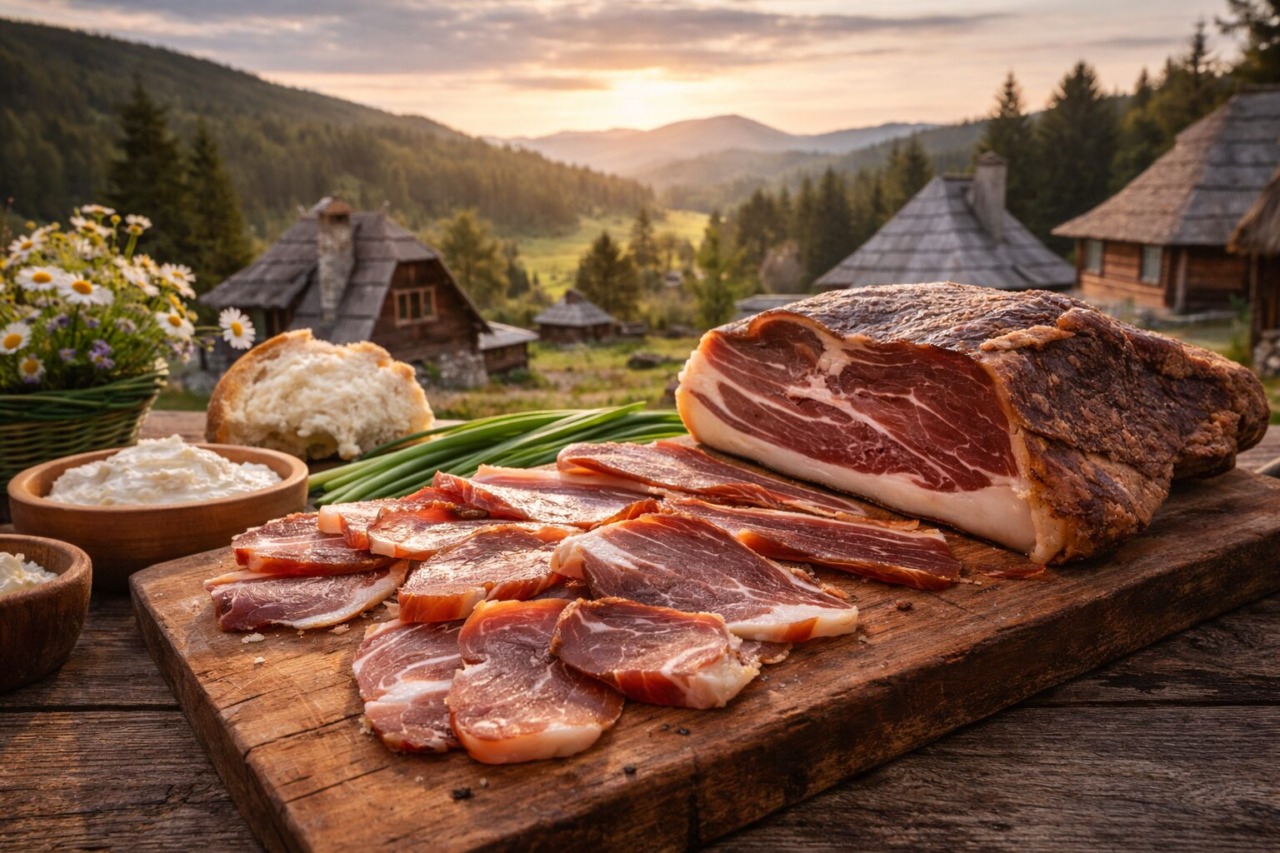
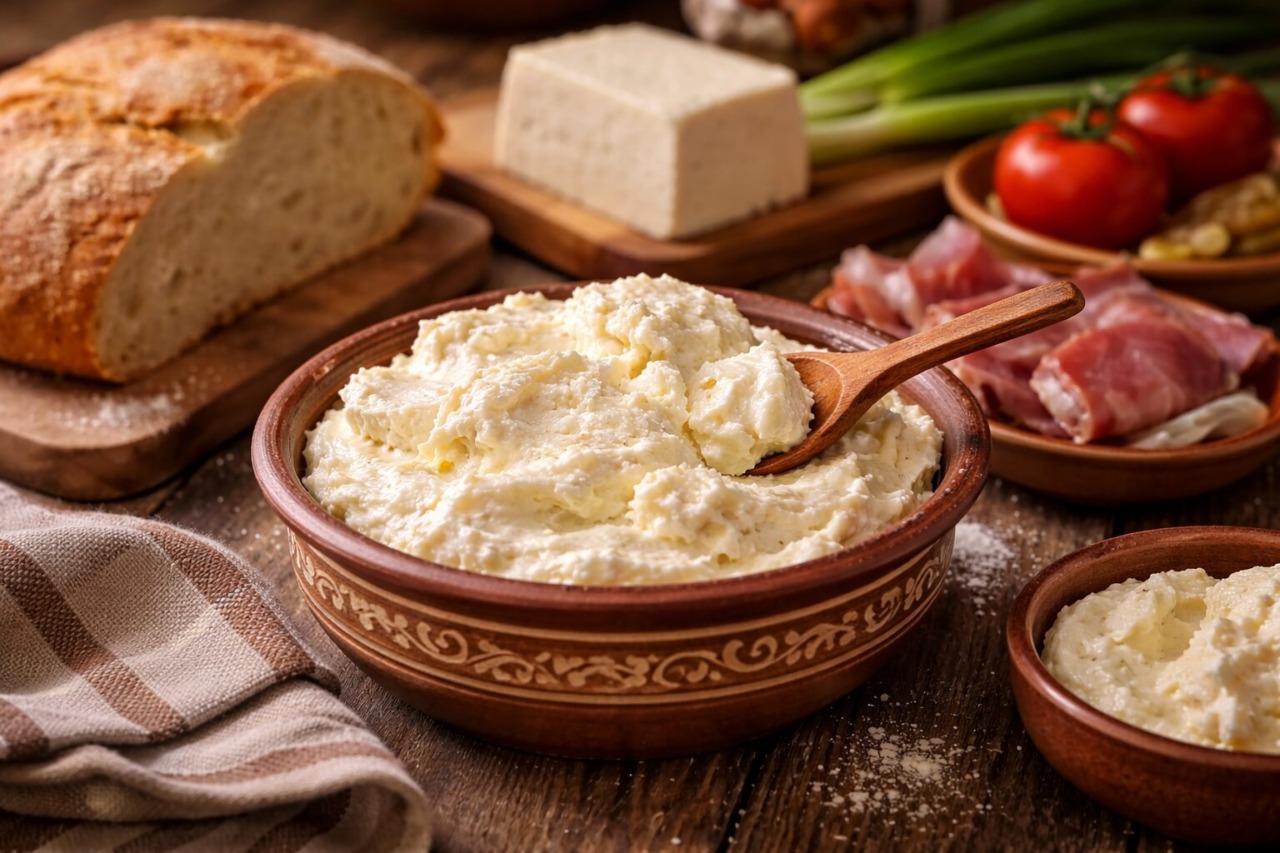
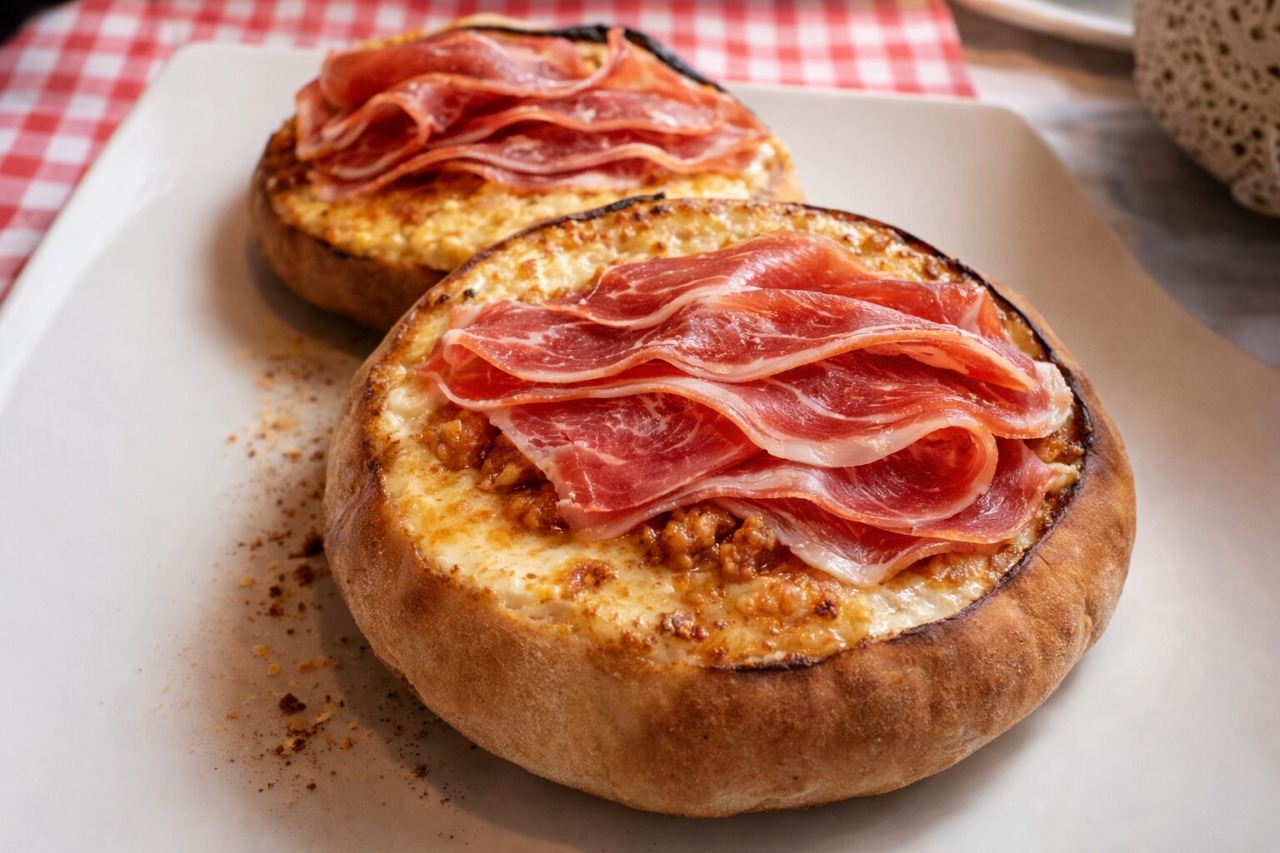
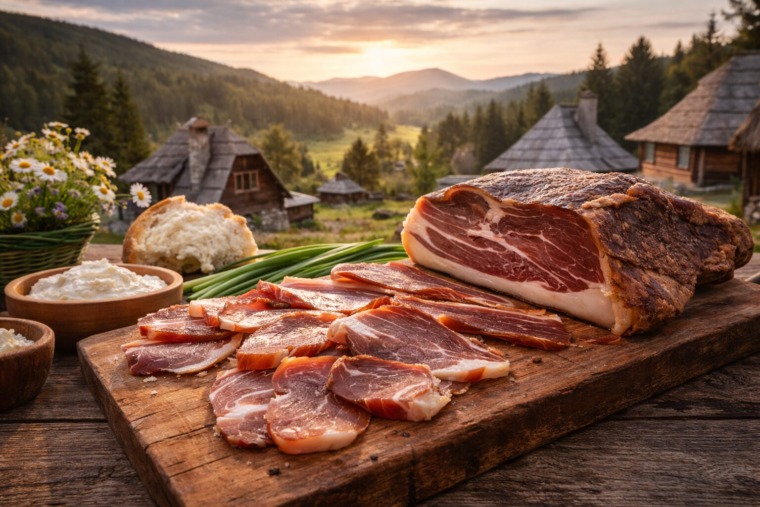
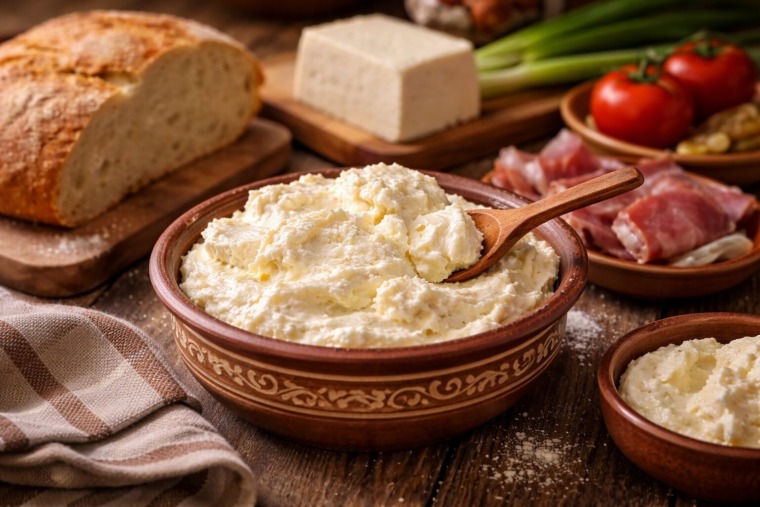
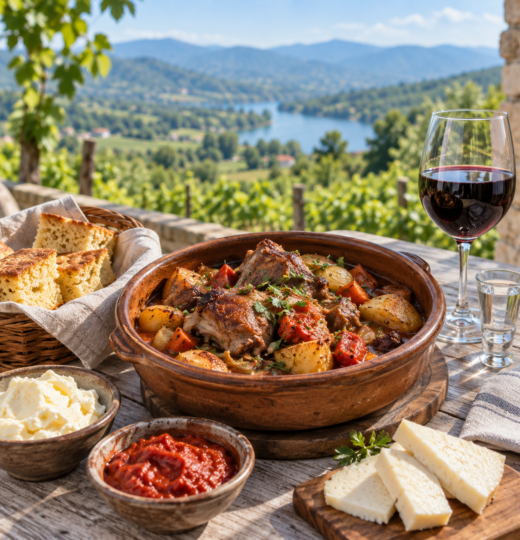
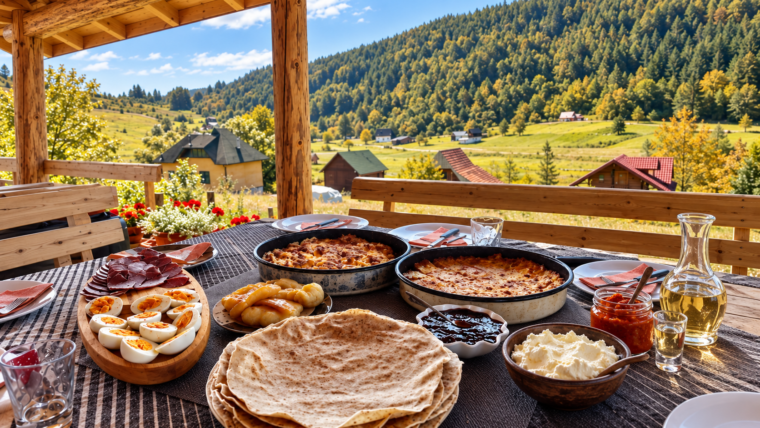
Across both regions, certain flavors remain constant. Kajmak is served thick and rich, often alongside warm bread, while cured meats like pršuta carry a deep, slightly smoky note shaped by the mountain air. Zlatar is especially known for its cheese – zlatarski sir – a local specialty with a distinct character, often made in small quantities and closely tied to the region itself.
Dishes like komplet lepinja bring everything together – soft bread soaked in meat drippings, layered with eggs and dairy, simple in structure but unexpectedly intense in taste. Lamb prepared slowly, often under a sač, feels less like a dish and more like a ritual.
Between Zlatibor and Zlatar, the difference isn’t in the ingredients – it’s in the atmosphere. One offers variety and movement, the other simplicity and stillness. Together, they show two sides of the same tradition.
Vojvodina – Where Flavors Tell a Different Story
Northern Serbia feels different – and so does the food.
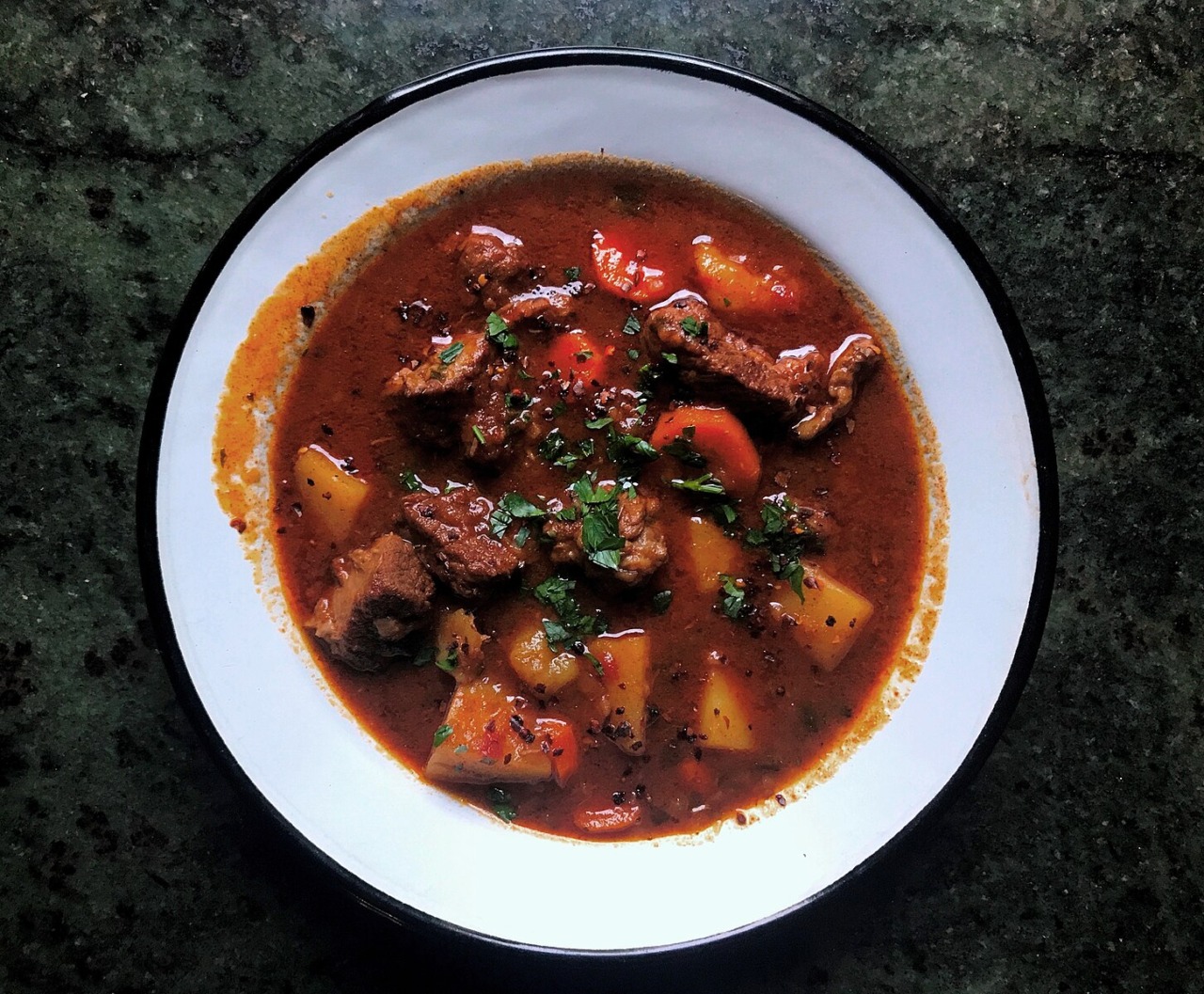
In Vojvodina, meals reflect a mix of cultures that have shaped the region over time. You’ll notice it in the way dishes unfold slowly – a rich svečarska supa often sets the tone, followed by something like perkelt, where meat is cooked down until flavors fully settle into each other. Alongside these, simple dishes such as čušpajz – vegetables gently cooked and seasoned – bring a quieter, everyday balance to the table. Everything feels structured, almost ceremonial, but never rigid.
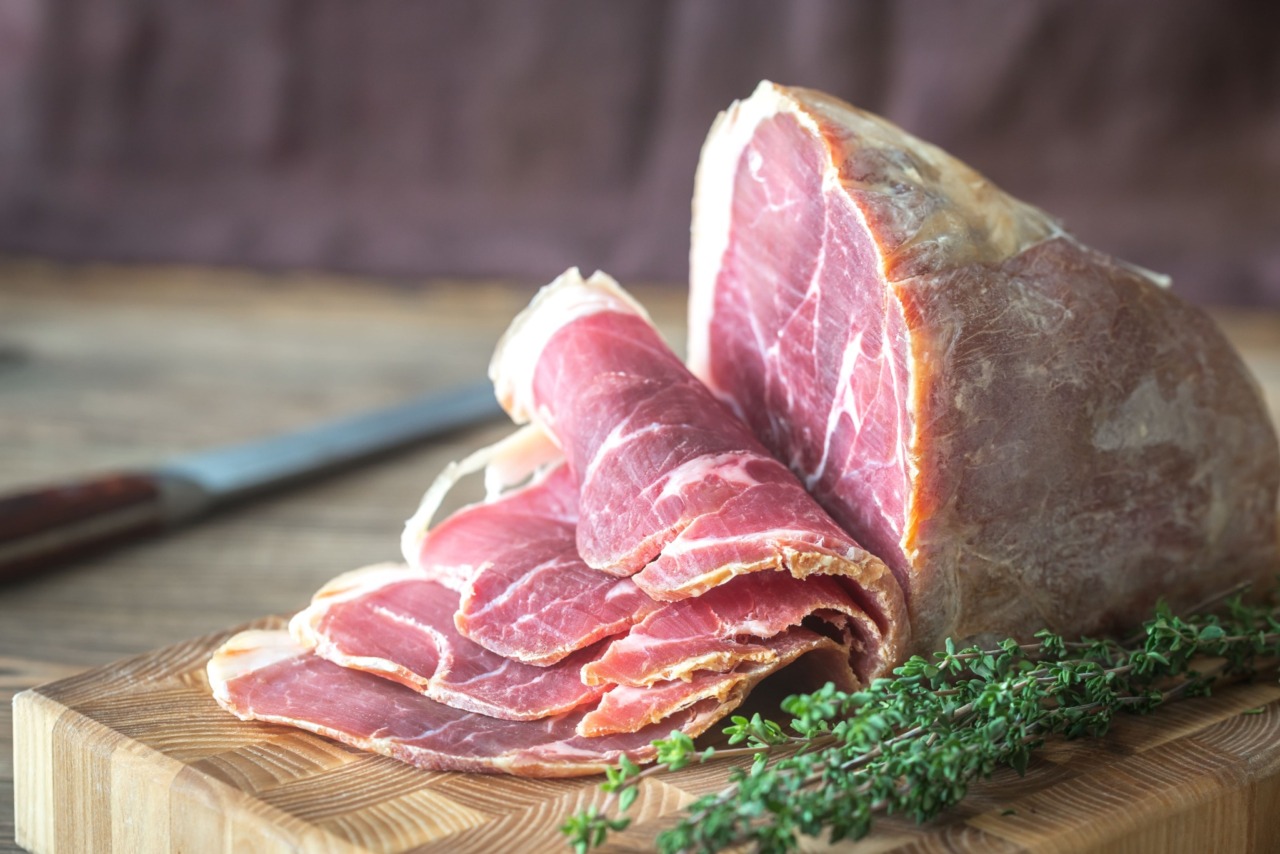
There’s also a strong tradition of cured and processed meats. Vojvođanska šunka, kobasica, and švargla are not just specialties, but part of everyday life, shaped by seasons and long-standing methods of preservation. These are flavors that don’t try to stand out – they simply belong.
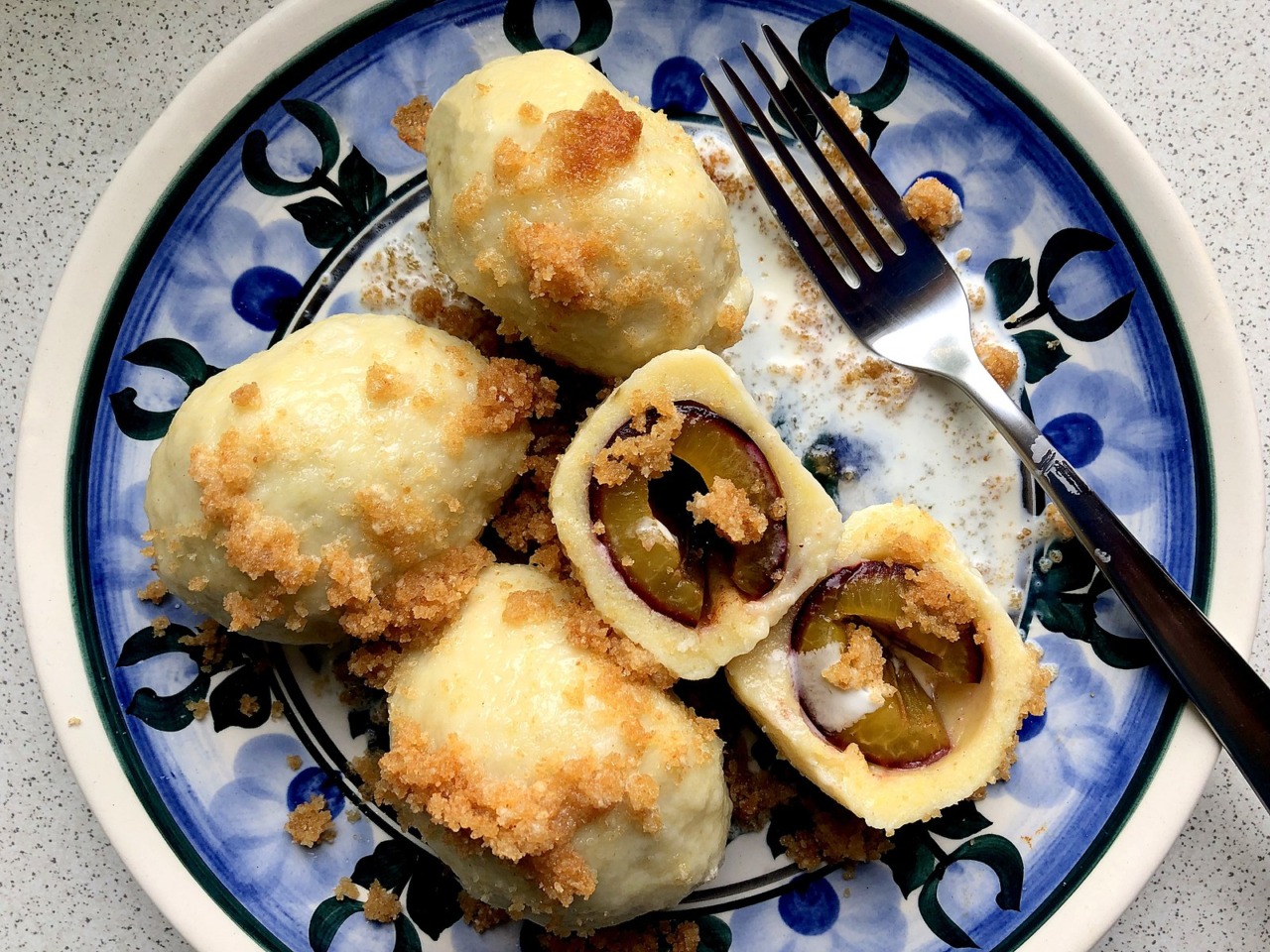
And then come the softer, sweeter moments. Gomboce, filled and comforting, krofne that feel almost too light for how rich they are, štrudla and kuglof – simple yet elegant – all reflect a style of dessert that leans on tradition rather than reinvention. Often homemade and shared, they feel less like a final course and more like a continuation of the meal.
Nothing here feels rushed or simplified. In Vojvodina, food isn’t just prepared – it’s continued.
Pirot & Stara Planina – Food That Stays True to Its Origins
Further east, food becomes simpler – but somehow more precise.
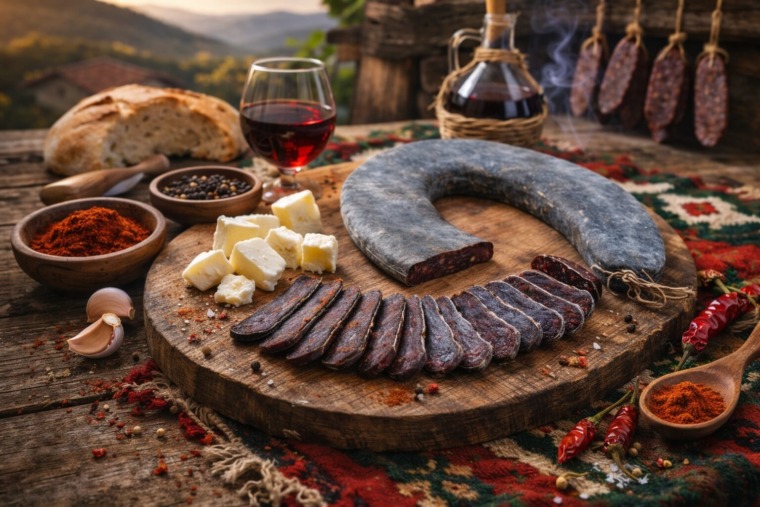
Around Pirot and Stara Planina, what you eat is closely tied to the land itself. Pirotski kačkavalj, firm and full of character, is shaped by the climate and local methods that haven’t changed much over time. You’ll also come across peglana kobasica, a unique air-dried sausage that isn’t smoked, but carefully pressed and dried over weeks, developing a deep, concentrated flavor unlike anything else in the region.
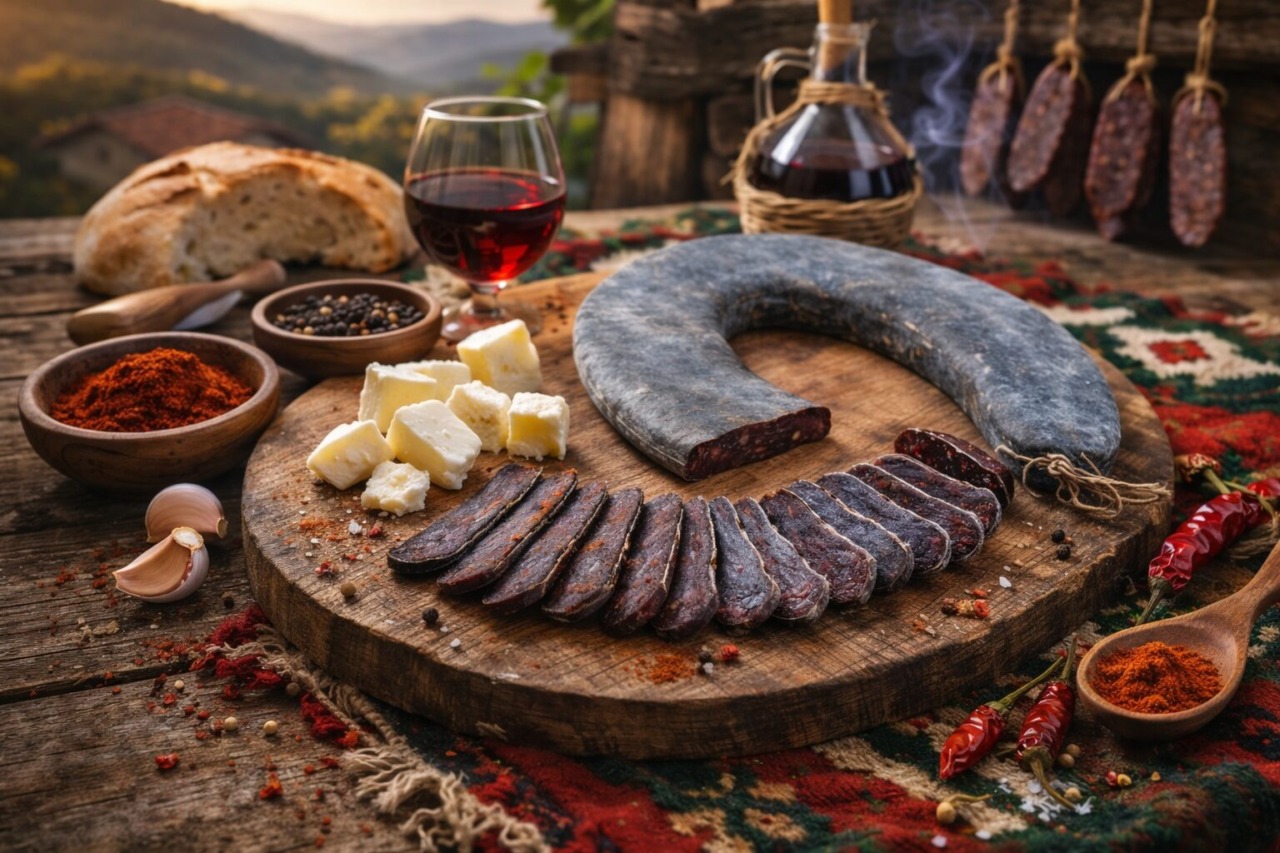
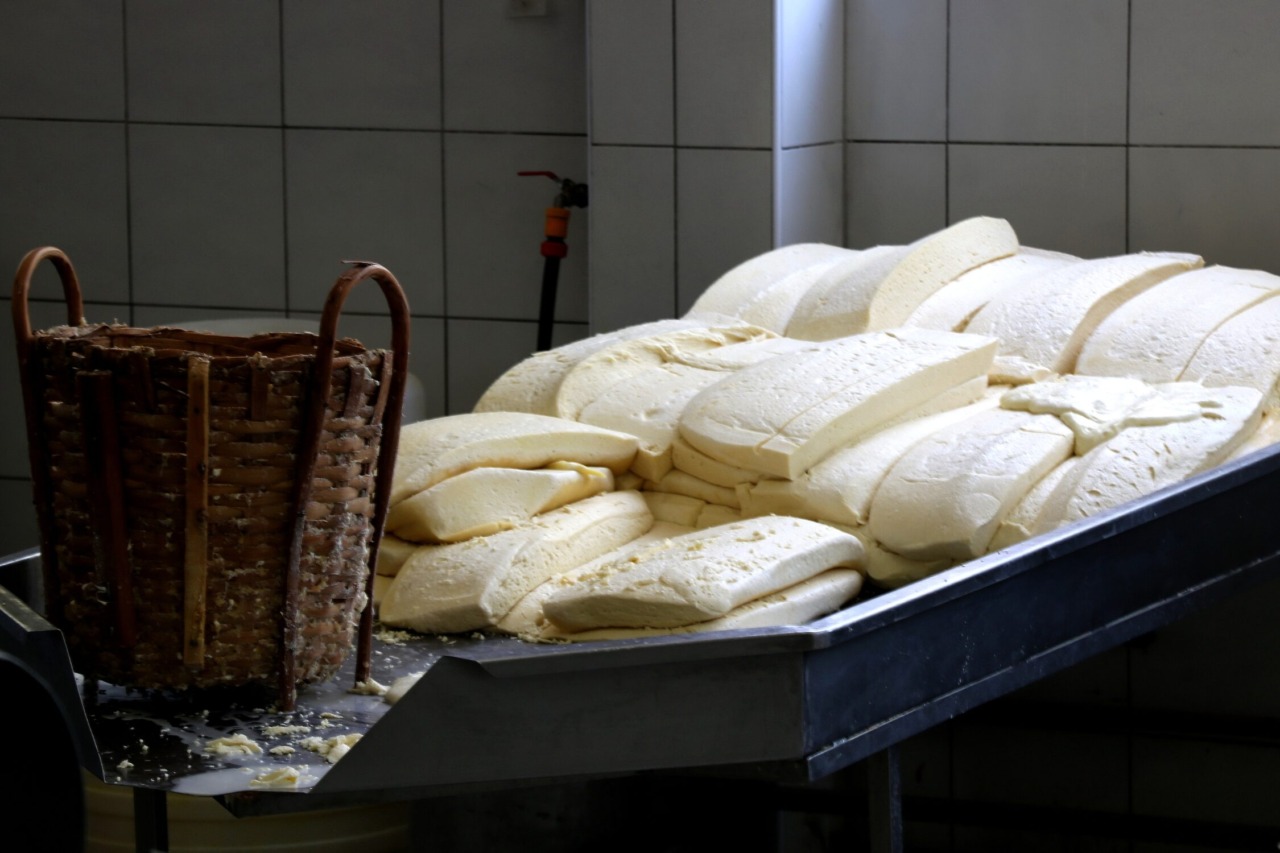
Less known, but just as authentic, is Pirotski đubek – a traditional cheese with a stronger, more rustic character, often made in small quantities and rarely found outside the area. Alongside these, dishes built around lamb and seasonal ingredients feel direct and honest, shaped more by necessity than by presentation.
Nothing here is adjusted for visitors. You’re simply stepping into something that already exists. And that’s exactly what makes it memorable.
More Than a Meal – A Reason to Travel
Some places stay with you because of what you see. Others – because of what you taste.
In Serbia, food has a way of turning a simple stop into something more. Meals last longer than expected, flavors feel familiar and new at the same time, and the experience often becomes the highlight of the trip.
It’s not about searching for the “best” dish. It’s about finding the places where food feels real.
(Coming soon)
Where to try it
Curated recommendations by Serbia.com.
Plan your visit
Everything you need to plan your perfect trip.

Related Articles