
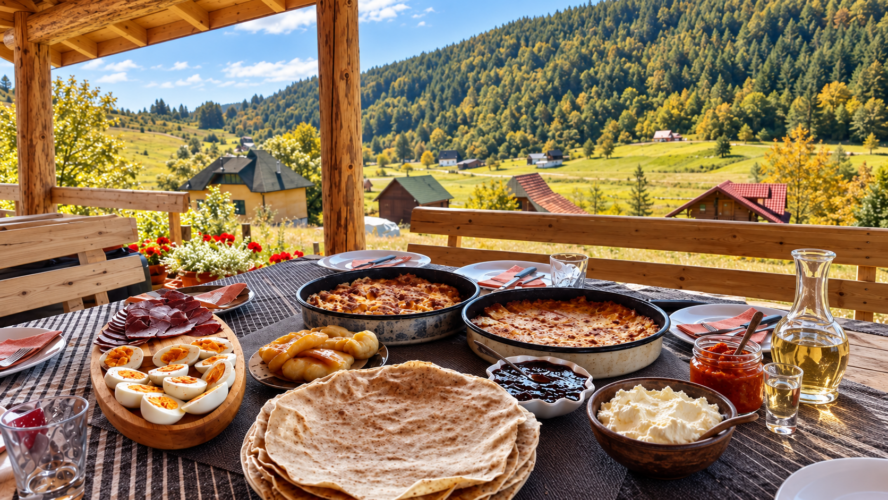
In Serbia, autumn has a smell long before it has a colour. Before the forests turn gold and the mornings become noticeably colder, there is the scent of peppers roasting in gardens and courtyards. Markets fill with crates of red peppers, plums and grapes. Vineyards enter their busiest weeks, kitchens slowly return to warmer dishes, and jars begin to line pantry shelves for the months ahead.
Autumn in Serbia is not simply another season on the calendar. It is one of the moments when food, family traditions and the rhythms of the countryside come closest together.
For travellers, it may also be one of the best times to understand Serbian cuisine. This is when many of its most familiar flavours appear in their natural setting – not as restaurant curiosities, but as part of everyday life.
From roasted peppers and homemade preserves to vineyard harvests and the first comforting dishes of the colder months, these are the tastes that tell the story of autumn in Serbia.
1. Ajvar – The Unofficial Taste of Serbian Autumn
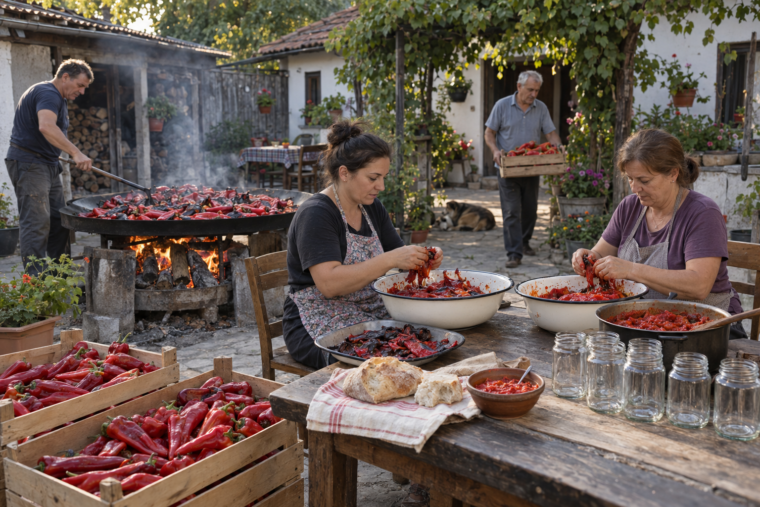
Few foods are as closely connected with early autumn in Serbia as ajvar. As September progresses, red peppers begin appearing everywhere – piled high at markets, packed into car boots and spread across kitchen tables before being roasted. In many households, preparing ajvar is still a small seasonal ritual rather than simply a recipe.
The peppers are roasted until their skins darken, peeled by hand, drained and slowly cooked until they become a rich, silky spread. Some families keep it mild and simple, while others add aubergine or a little heat.
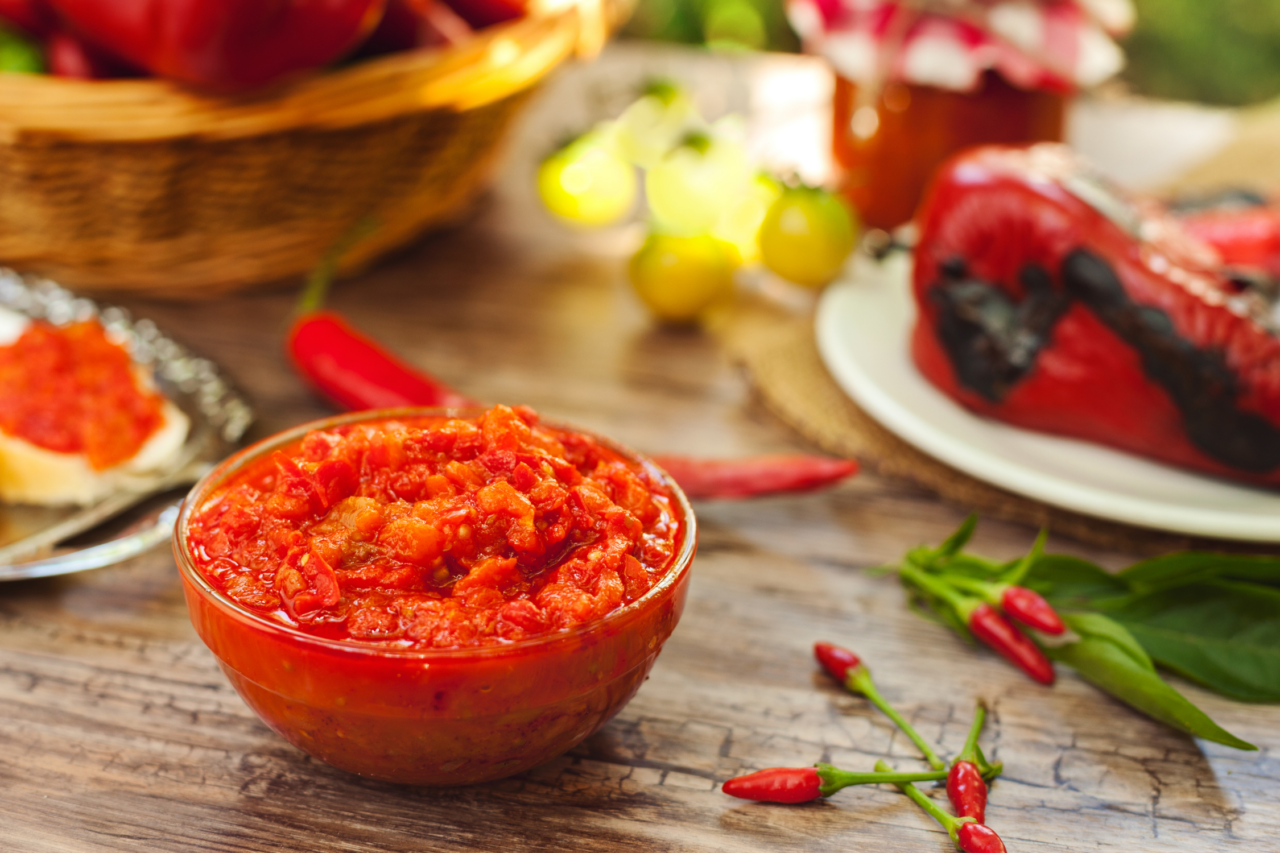
The process takes time, which is precisely part of its character. Ajvar is eaten throughout the year, but tasting freshly prepared ajvar in autumn is something different altogether. Spread generously over warm bread, served alongside cheese or accompanying grilled and roasted meat, it is one of the simplest ways to taste the season.
2. Pečene paprike – When the Pepper Needs Almost Nothing
Not every pepper becomes ajvar. Some of the best are simply roasted, peeled and served with garlic, oil and a touch of vinegar. The result is one of those Serbian dishes whose simplicity can be misleading. Good roasted peppers are soft and slightly smoky, naturally sweet and full of flavour.
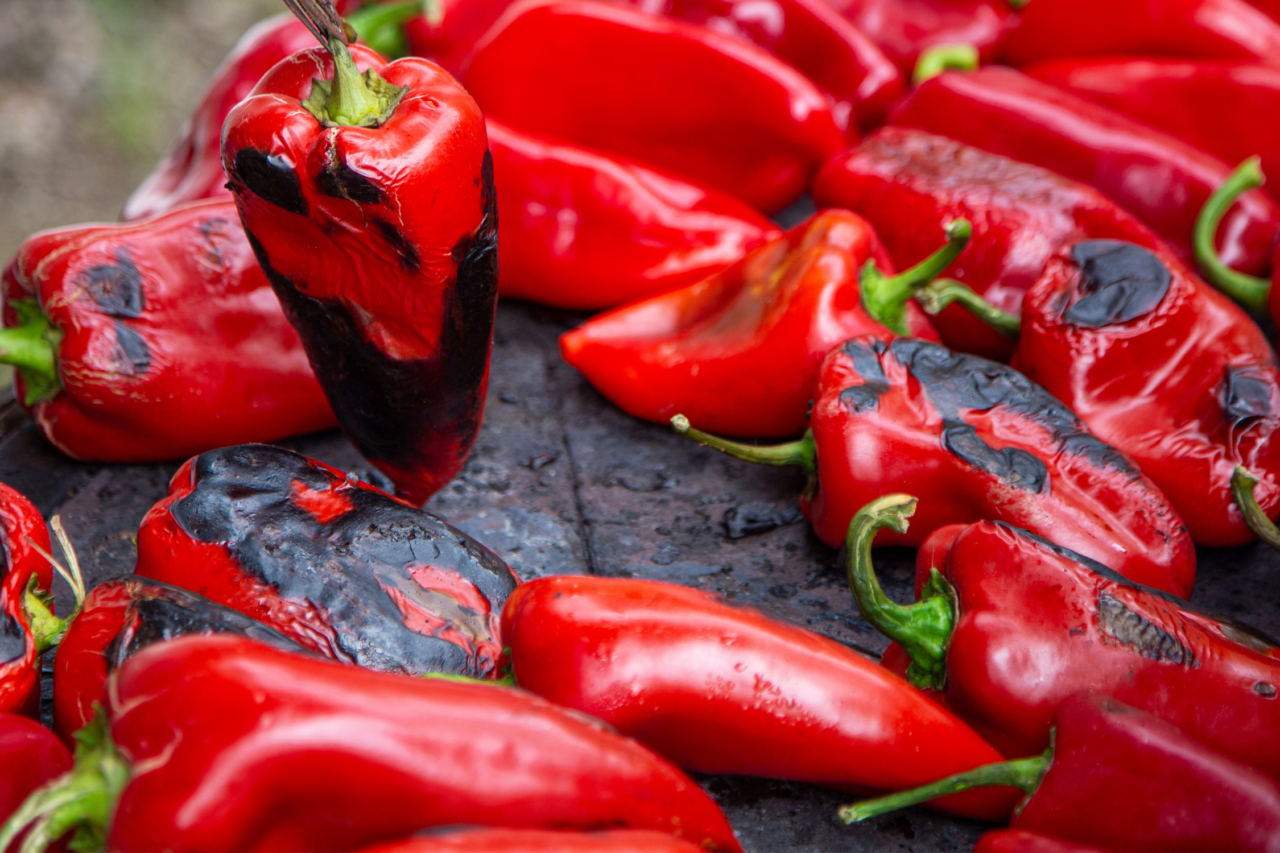
During early autumn, they appear everywhere from family kitchens to traditional restaurants. They can accompany grilled meat, cheese and fresh bread, but are just as satisfying on their own. And for many people in Serbia, the smell of peppers roasting outdoors is one of the unmistakable signs that summer is ending.
3. Pinđur and Ljutenica – Ajvar’s Bolder Relatives
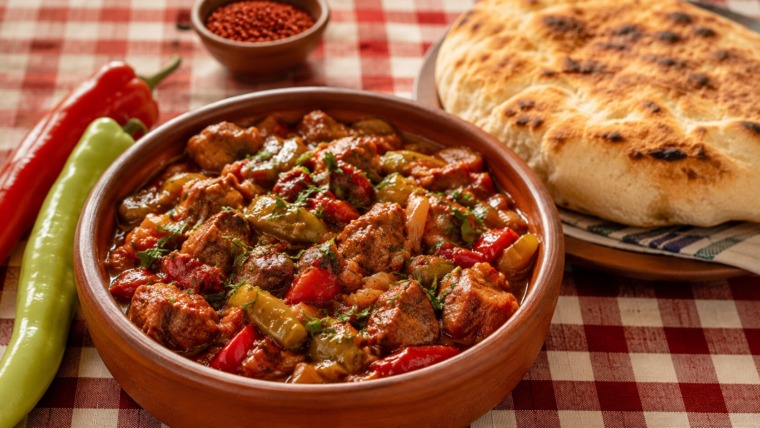
Beside jars of ajvar, Serbian pantries often hold several other varieties of pepper-based preserves. Pinđur usually brings tomatoes into the mix, creating a softer, slightly fresher flavour, while ljutenica lives up to its name with a stronger kick of hot peppers.
Recipes change from village to village and often from one household to the next. That variation is part of the appeal. There is rarely one universally accepted version.
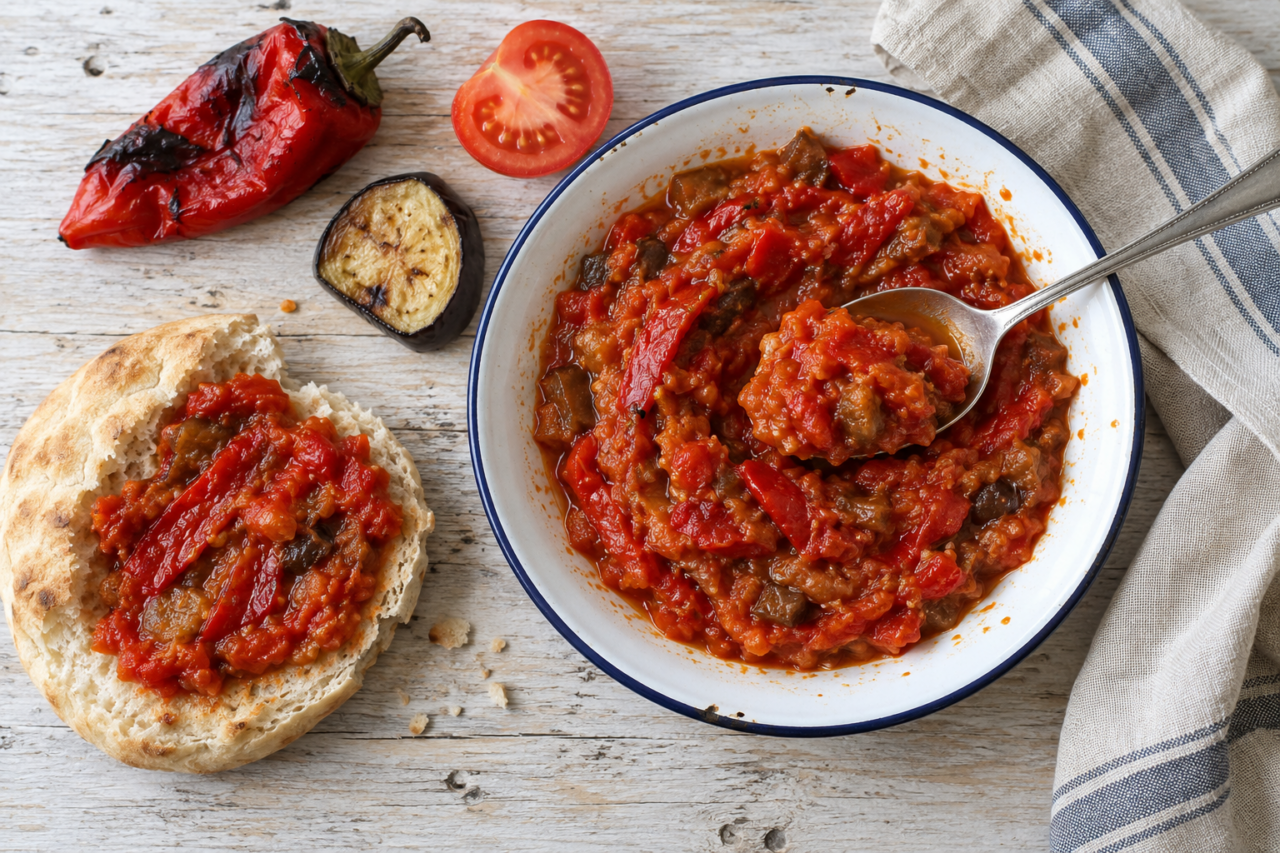
Instead, families defend their own proportions, techniques and secret additions – exactly the kind of culinary tradition that is passed down through practice rather than written instructions. Together, ajvar, pinđur and ljutenica form one of the most colourful chapters of Serbia’s autumn kitchen.
4. Plums – Serbia’s Autumn Fruit
If peppers dominate the savoury side of Serbian autumn, plums have an equally important place on the sweeter one. Plum trees are deeply woven into the Serbian countryside, particularly across western and central parts of the country. In late summer and early autumn, their fruit becomes the starting point for everything from cakes and preserves to traditional spirits.

One of the simplest pleasures is homemade pekmez od šljiva – thick plum preserve slowly cooked until its natural sweetness becomes deep and concentrated. Spread over bread, pancakes or pastries, it has the kind of flavour that feels inseparable from a rural Serbian breakfast. And, of course, some plums begin another journey entirely: towards šljivovica, Serbia’s famous plum rakija.
5. Grapes, Vineyards and the Season of Berba
Autumn in Serbia is also harvest season. Across wine regions such as Župa, Fruška Gora, Oplenac, the Negotin area and the slopes around Vršac, September and October bring some of the most important weeks of the year. The grape harvest – berba grožđa – is agricultural work, but it also carries a strong social tradition.
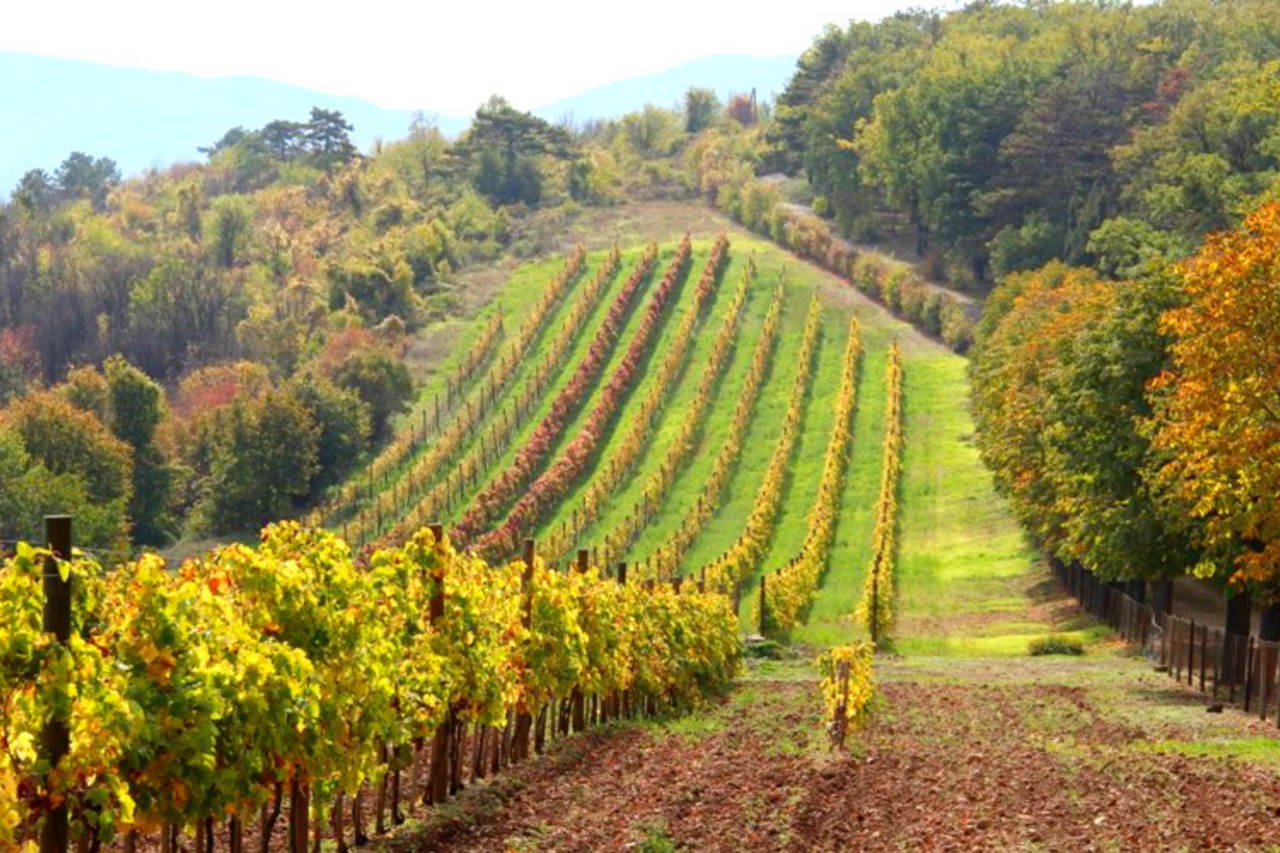
Vineyards become busy, wineries welcome visitors, and wine towns celebrate a season that has shaped local life for generations. For travellers, this is an especially rewarding time to explore Serbia’s wine regions. The landscape is beginning to change colour, temperatures are gentler than in midsummer, and the connection between the vineyard and the glass is easier to see.
Autumn here tastes not only of finished wine, but of freshly picked grapes, young wine and the anticipation of another vintage.
6. Pies – The Food Serbia Always Returns To
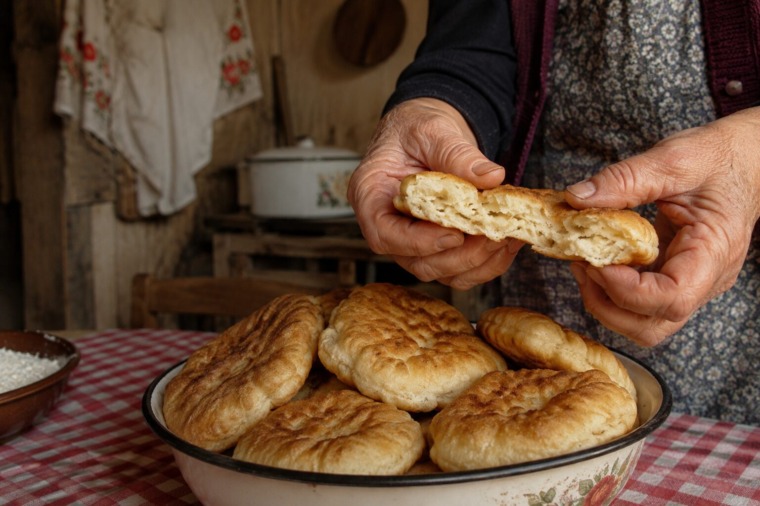
There is no single Serbian pie. There are dozens. Gibanica filled with cheese and eggs may be the best known, but across the country you will also encounter pies filled with greens, potatoes, pumpkin, meat and countless local combinations.
Some are made with thin layers of dough; others are rolled, folded or prepared using techniques passed down through generations. They are eaten throughout the year, yet somehow become even more appealing once the days begin to cool.
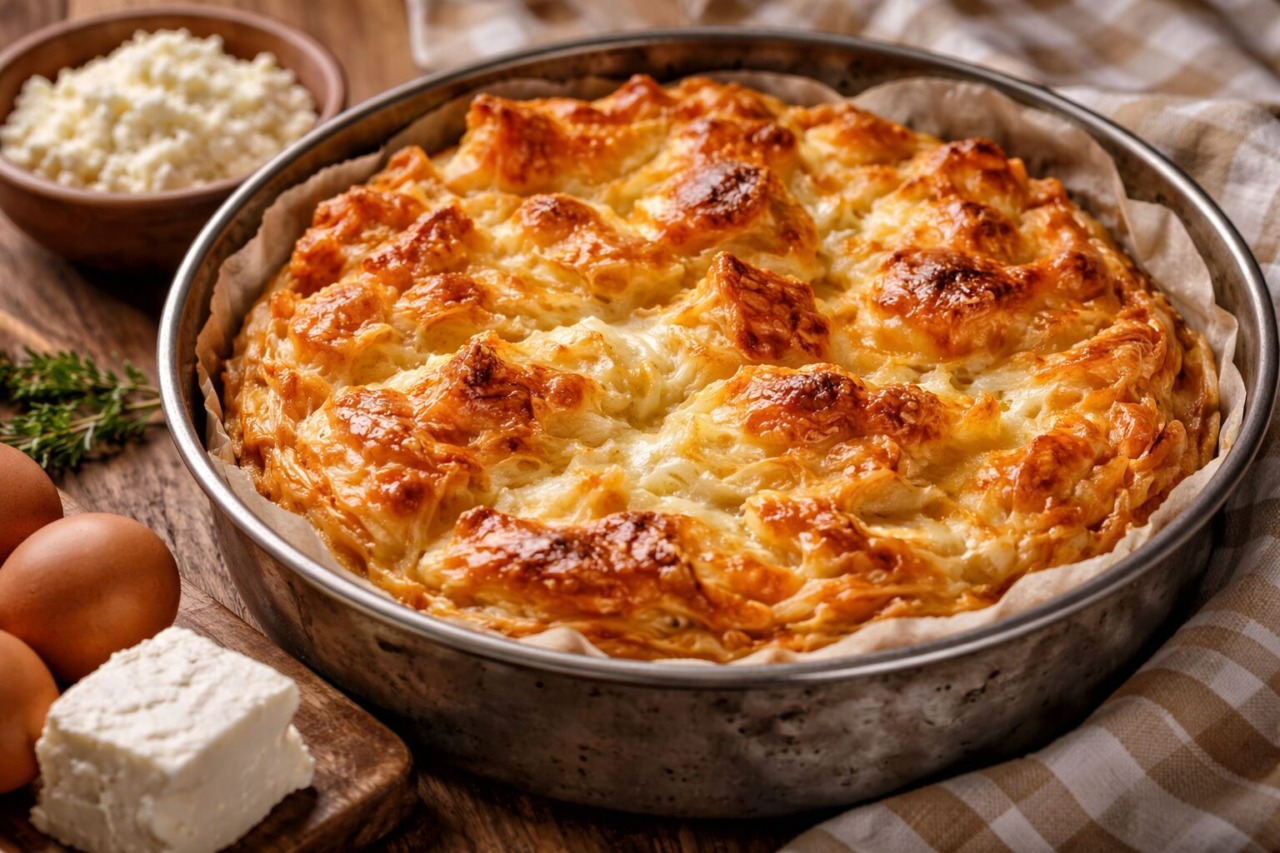
A warm slice of homemade pie with yogurt can be breakfast, lunch, dinner or simply something placed on the table when guests arrive. It is Serbian comfort food in perhaps its most straightforward form.
7. Pasulj and Prebranac – When the Table Becomes Warmer
The first genuinely cold evenings change the Serbian menu almost immediately. Lighter summer dishes begin giving way to pots that cook slowly and fill the kitchen with warmth. Pasulj, Serbia’s traditional bean stew, is one of the classics. Depending on the household or region, it may be simple and meatless or prepared with smoked meat and sausages.
Its close relative, prebranac, takes beans in another direction. Slowly baked with plenty of onion and paprika, it develops a rich flavour and a slightly caramelised surface.
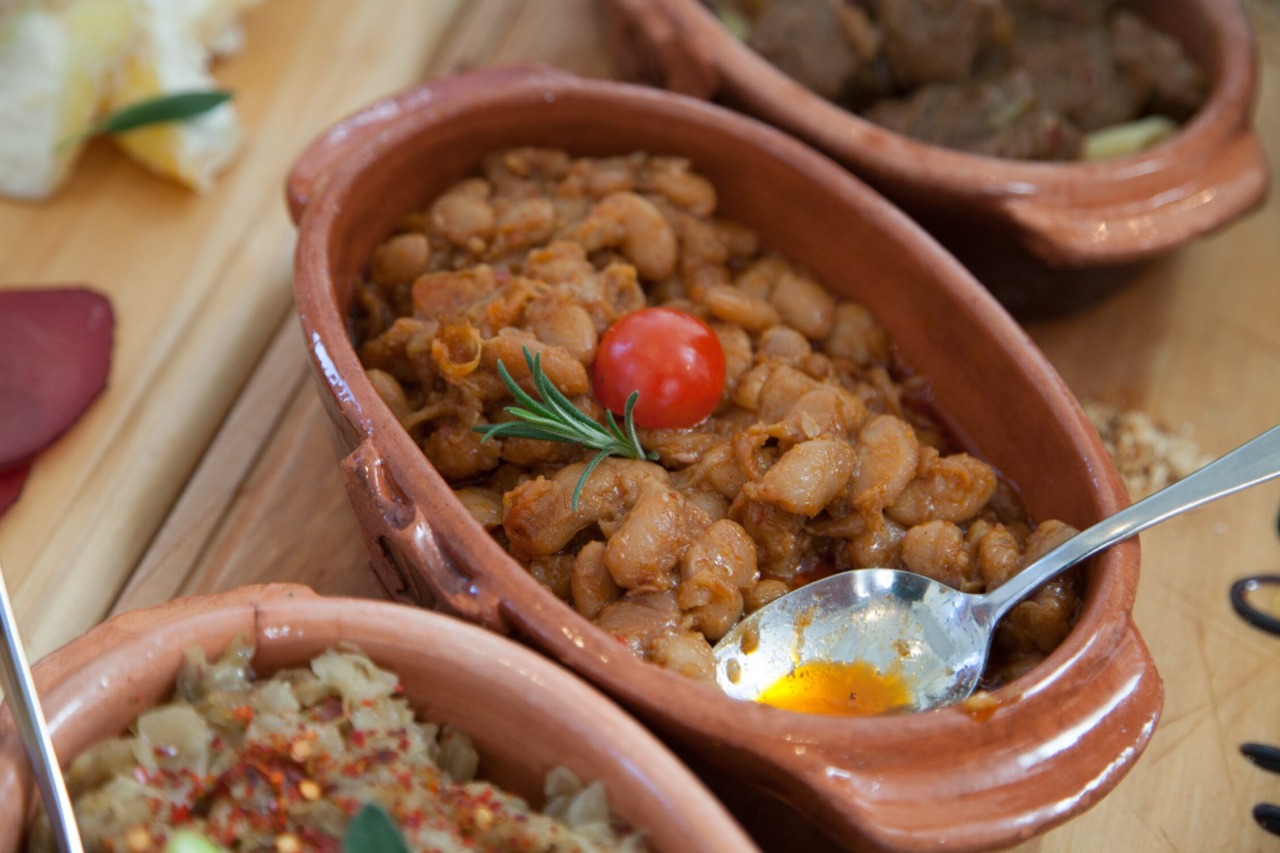
Neither dish was created for fashionable dining. They belong to a much older tradition of filling, inexpensive food designed to feed families and sustain people through colder days. Perhaps that is exactly why they remain so loved.
8. Kajmak, Cheese and a Table Made for Sharing
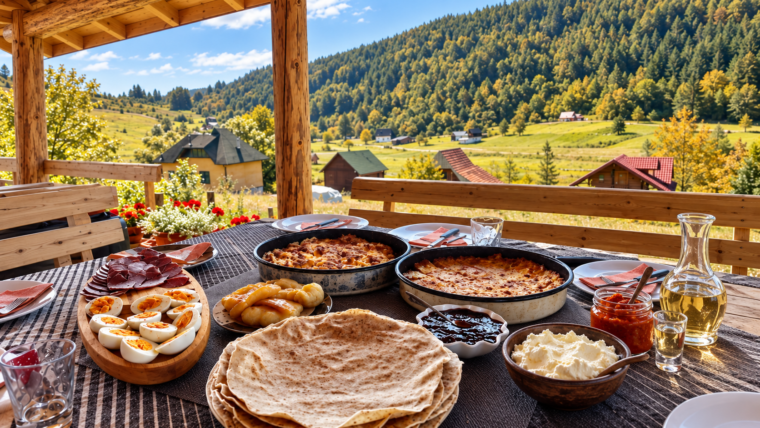
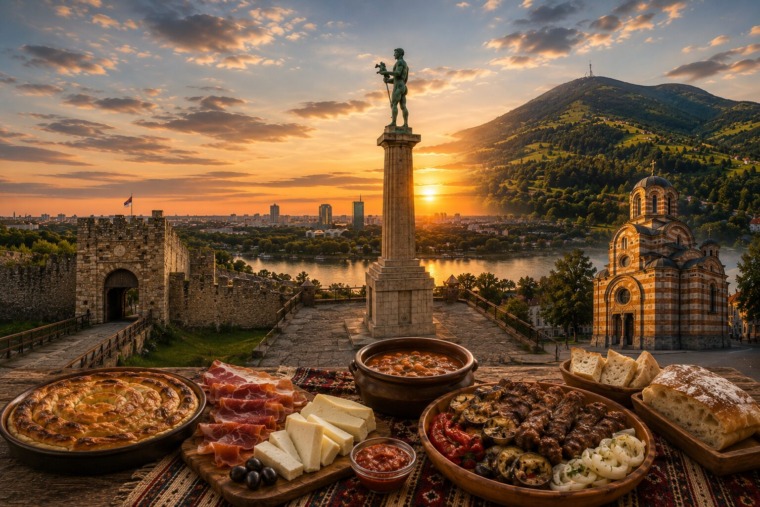
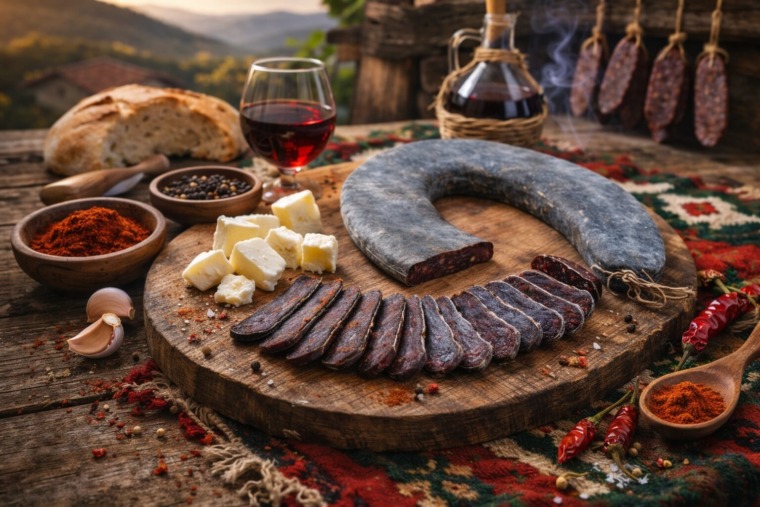
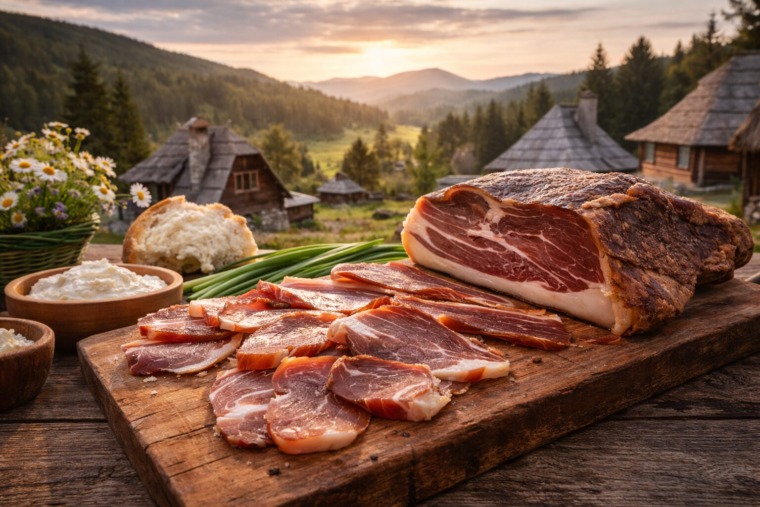
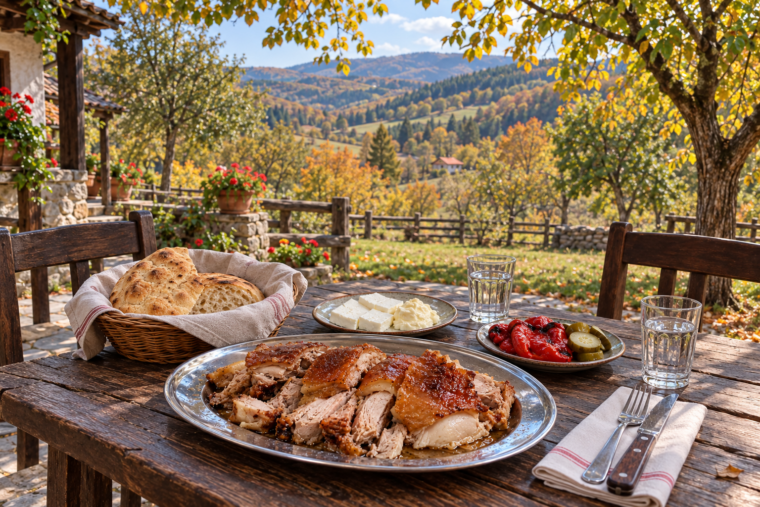
Not every autumn flavour needs to be seasonal. Some foods simply feel particularly right once the weather cools. A Serbian table with fresh bread, kajmak, local white cheese, cured meat, roasted peppers and perhaps a glass of wine or rakija is more than a collection of individual products.
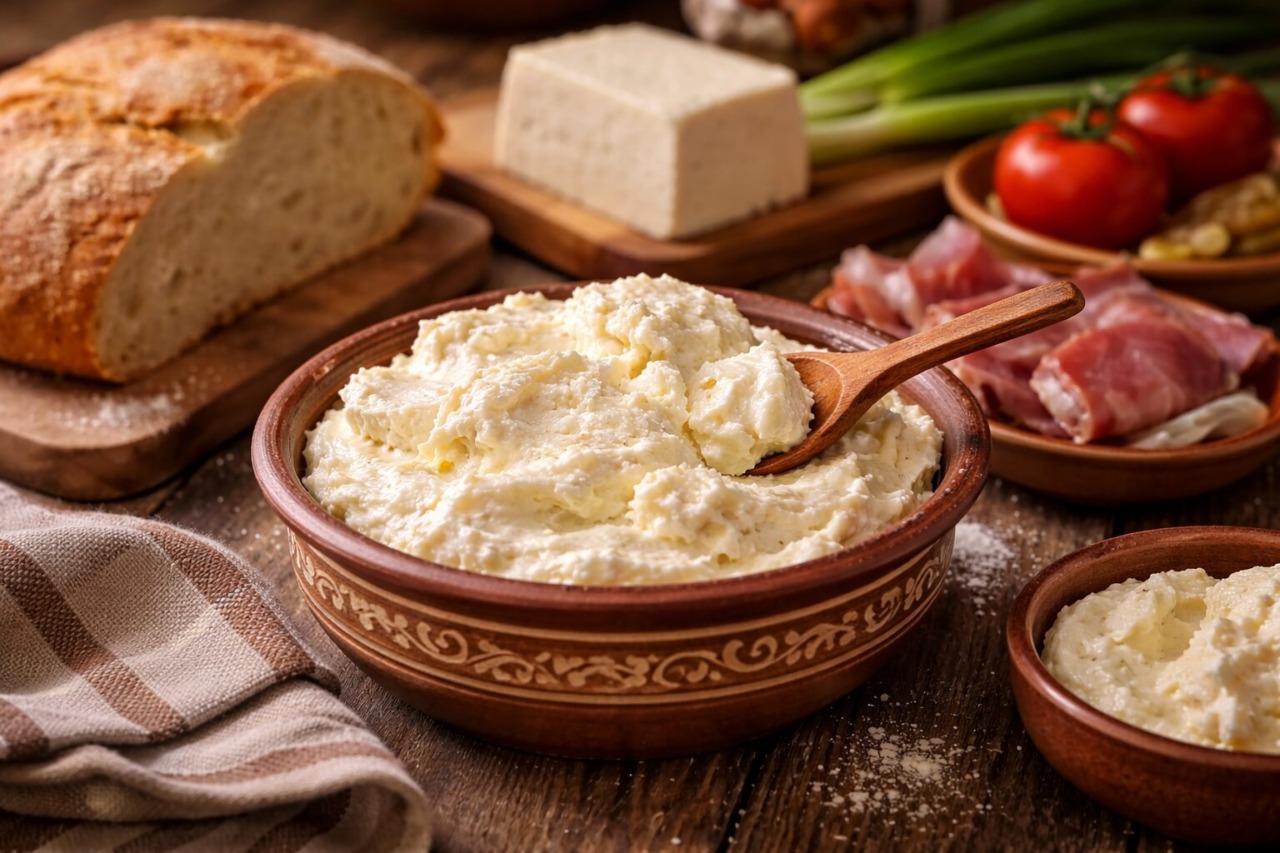
It is a way of eating. Food arrives in the middle of the table. Plates are shared. Another slice of bread appears. Someone opens a jar prepared weeks earlier. Wine is poured before anyone has quite decided whether the meal has officially begun. And that may be the most important taste of Serbian autumn of all. Not one specific dish, but the table itself.
Autumn Is When Serbia Comes Back to the Kitchen
Travelling through Serbia in autumn means watching the country gradually change pace. Summer festivals begin to disappear from the calendar. Mountain mornings become colder. Vineyards turn golden. Markets look richer than they did only a few weeks earlier.
And inside homes, restaurants, wineries and rural households, food becomes warmer, slower and more deeply connected to the season. This is why Serbian autumn cuisine is difficult to reduce to a checklist of famous dishes.
It is ajvar being stirred for hours. Peppers cooling after roasting. A bottle opened after the grape harvest. Plum preserve on fresh bread. A pie pulled from the oven just before everyone sits down. To taste Serbia in autumn is not simply to try its food.
It is to experience one of the seasons when Serbia is most itself.
Related Articles