
-
Serbia at a Glance
Discover All -
Arts & Culture
Discover All -
Identity & Heritage
Discover All -
Famous Serbs
Discover All
-
Regions
Discover All -
Cities
Discover All -
Nature
Discover All -
Cultural Landmarks
Discover All
-
Outdoor & Wellness
Discover All -
Food & Drink
Discover All -
Tours
Discover All -
Urban Experiences
Discover All -
Seasonal Experiences
Discover All
Partner with Serbia.com
Let's create lasting impact together
Partner with Serbia.com to reach travellers through trusted recommendations, inspiring editorial stories and thoughtfully designed campaigns. Together, we create meaningful visibility that supports your goals and remains valuable long after publication.
Explore partnership opportunities- Serbian Favorite Rituals Everyday traditions and little things that make life in Serbia special.
- Villages of Serbia Charming villages, local stories and authentic rural life.
- Serbia Told By You Personal stories, local perspectives and authentic experiences from across Serbia.
- Is it Worth Visiting in Serbia? Honest destination guides to help you decide which places are worth visiting.
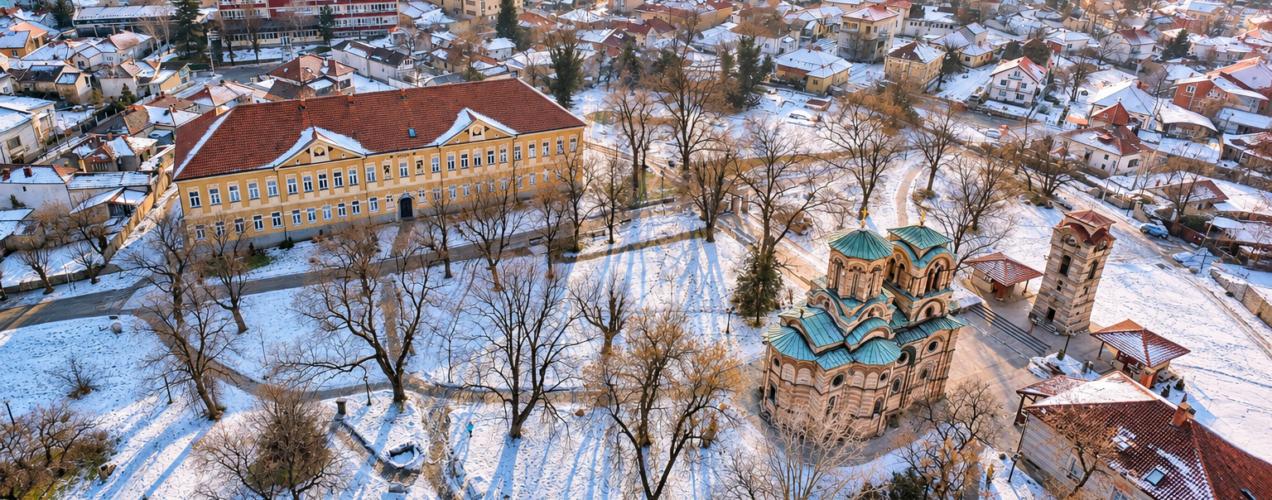
When planning a December getaway in Serbia, we often think of bustling Christmas markets, popular mountain resorts and cities illuminated by spectacular festive decorations. Yet there are destinations that offer an entirely different winter experience and often receive far less attention than they deserve.
Kruševac is one of them.
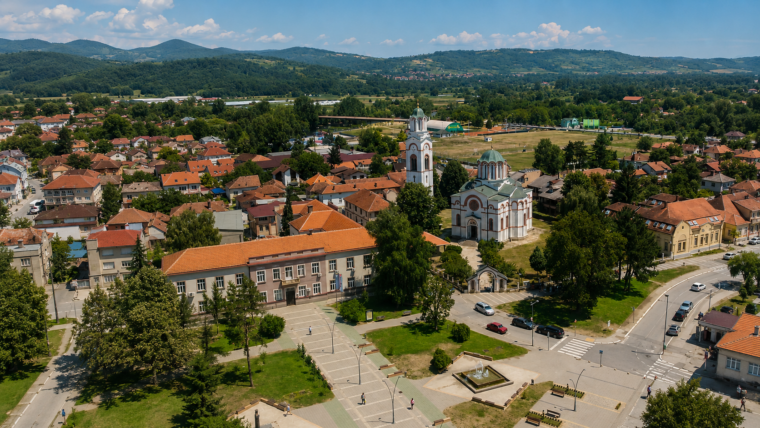
Once the capital of medieval Serbia, the city of Prince Lazar is also a place of artists, actors and rich cultural traditions, surrounded by forested mountains, vineyards, monasteries and thermal springs.
December offers an opportunity to explore its history at an unhurried pace, discover lesser-known landmarks, enjoy regional cuisine and experience the city’s festive atmosphere before retreating into the tranquillity of Mount Jastrebac or the warmth of Ribarska Banja Spa.
Day One: Discovering the City of Prince Lazar
Lazar’s Town – Where the Story of Kruševac Began
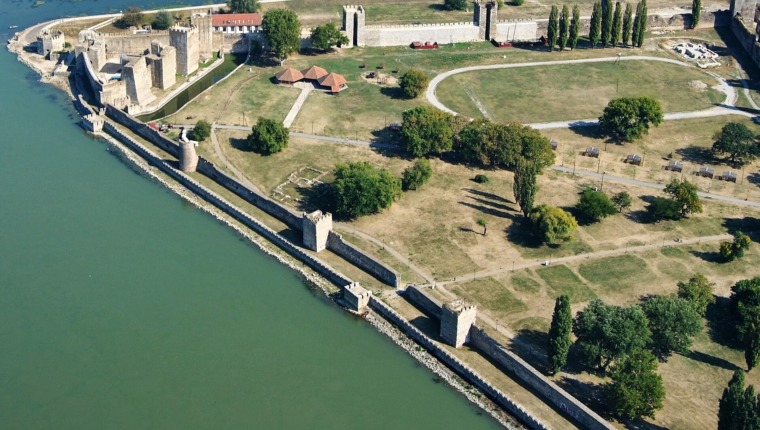
Begin your visit at the very place where Prince Lazar Hrebeljanović started building his capital in 1371. Today, at the heart of the modern city, the Lazar’s Town Archaeological Park preserves the remains of the medieval fortress, defensive walls, towers and buildings that once formed part of the royal complex.
Among its most notable features are the remains of the Donjon Tower, an important element of the former capital’s defensive system. The park is also home to a monument to Prince Lazar, created by sculptor Nebojša Mitrić, depicting the medieval ruler seated with a sword resting across his lap.
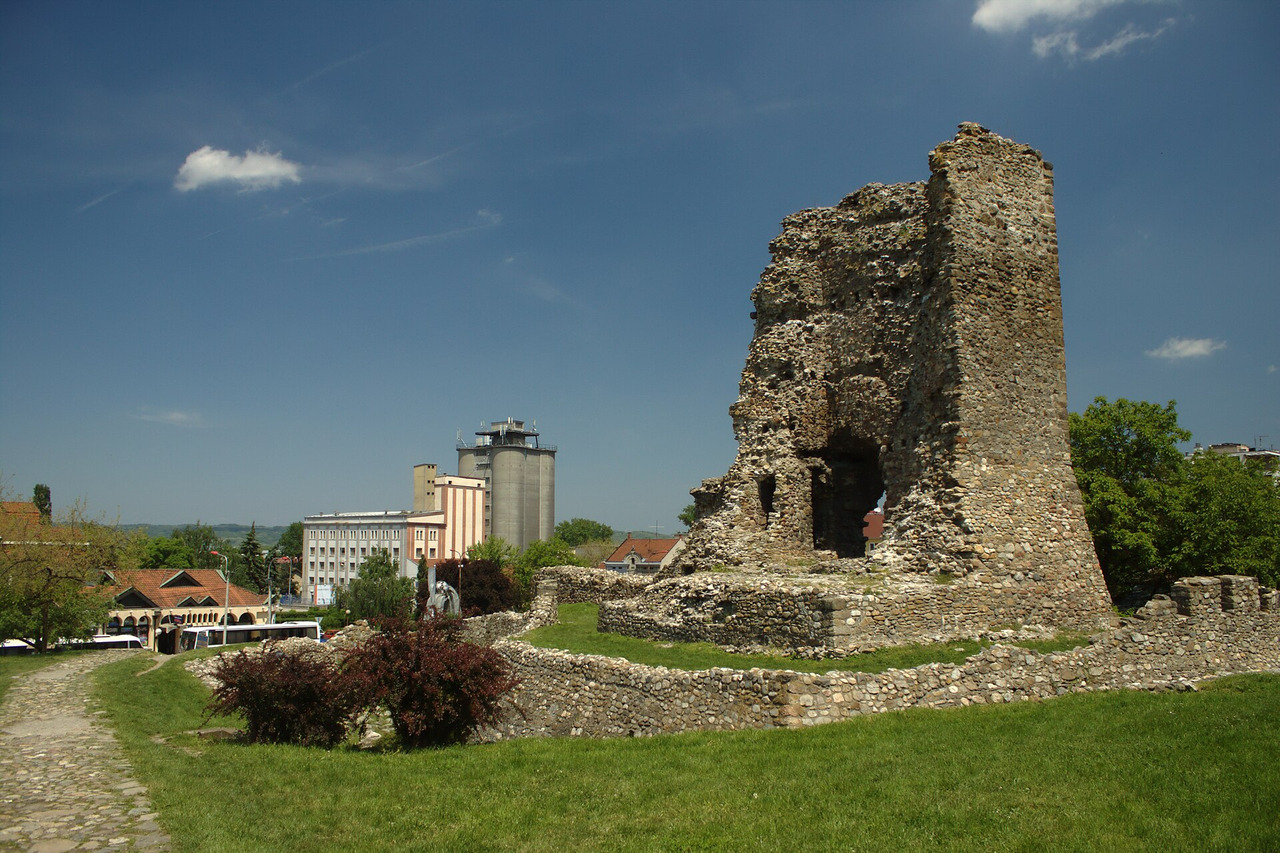
Although only part of the fortified medieval city survives today, walking through this historic site offers an opportunity to connect with one of the most significant chapters in Serbian history.
Lazarica Church – A Masterpiece of Morava Architecture
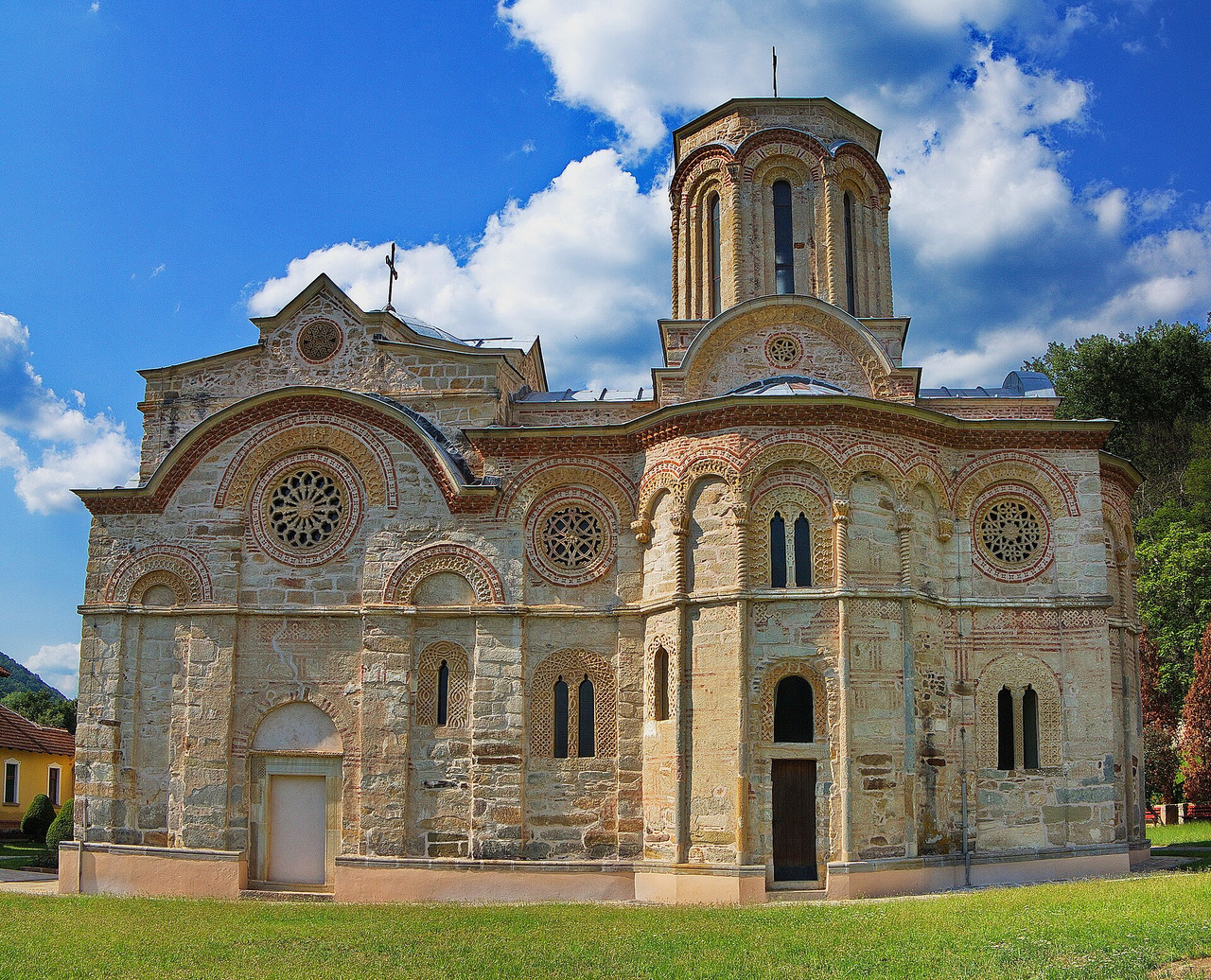
The best-preserved building within Lazar’s Town is the Church of Saint Stephen the First Martyr, better known as Lazarica. Built in the second half of the 14th century as Prince Lazar’s court church, it represents one of the earliest and most important achievements of the Morava school of medieval Serbian architecture.
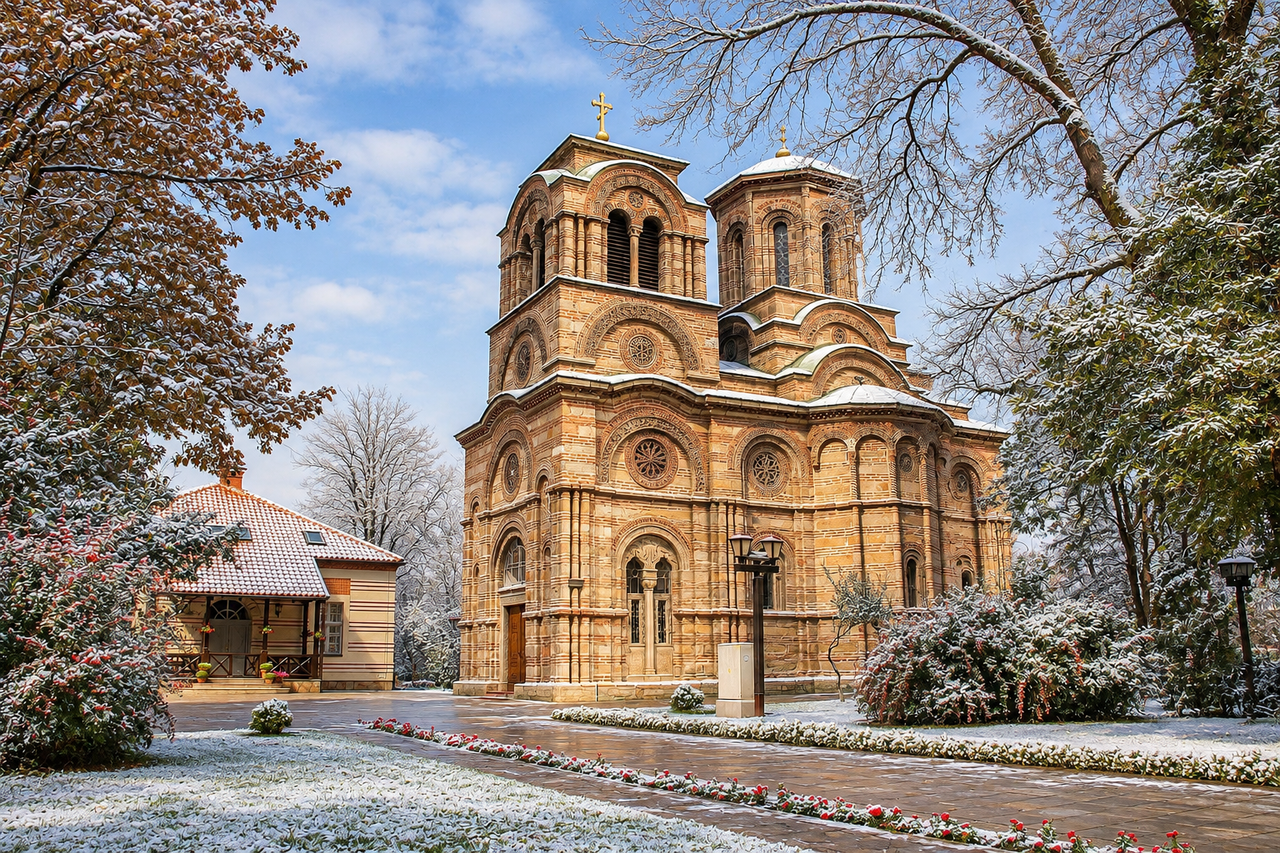
Alternating layers of stone and brick, decorative rose windows, intricate stone ornaments and harmonious proportions make it a building whose details are worth exploring slowly.
According to tradition, Prince Lazar’s army received communion here before departing for the Battle of Kosovo in 1389. During winter, when the surrounding trees reveal more of its architectural details, Lazarica takes on a distinctive appearance. If you happen to visit Kruševac after snowfall, this is one of the city’s most beautiful settings for winter photography.
The National Museum of Kruševac – Six Millennia of History
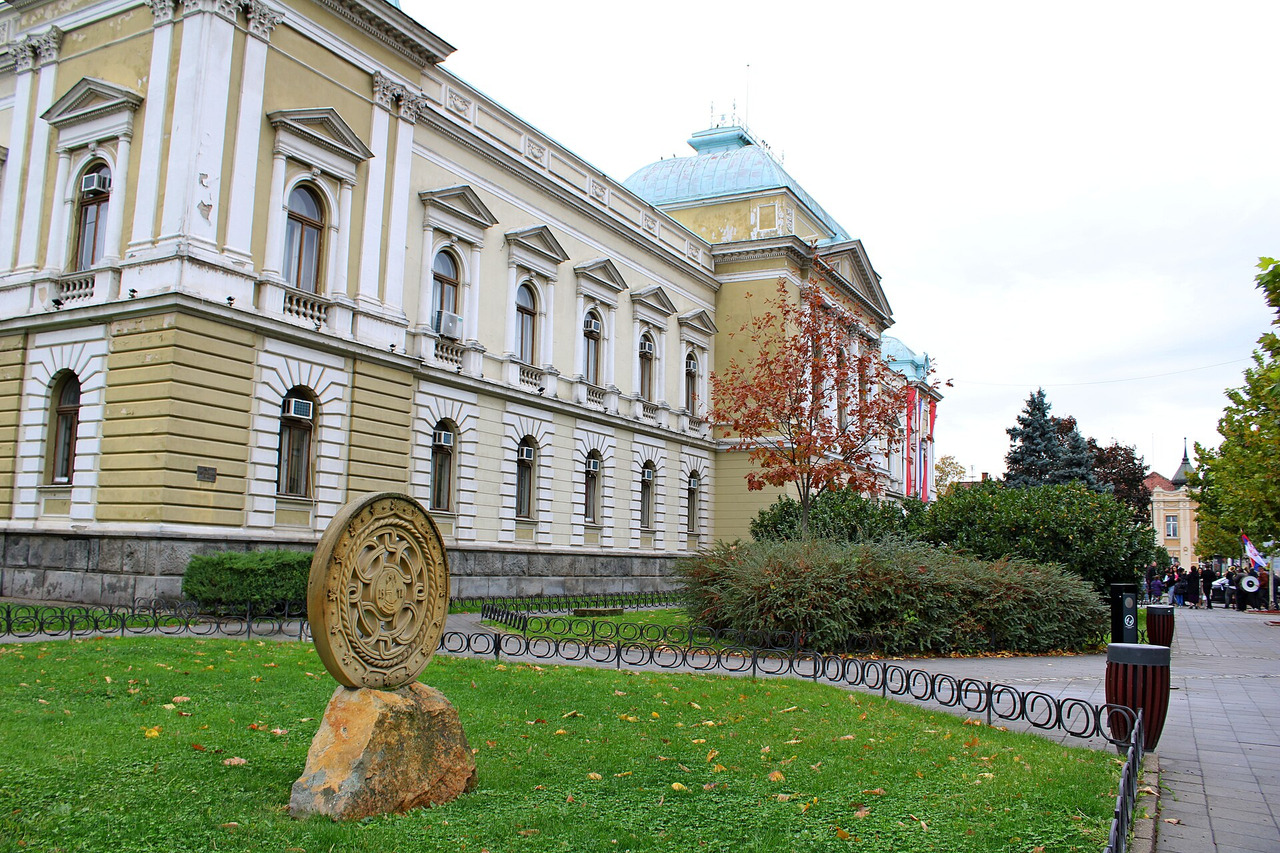
Just beside Lazarica, housed in a former grammar school dating from 1863, is the National Museum of Kruševac. Its collections guide visitors from prehistoric and ancient times through the medieval period, Ottoman rule, the restoration of Serbian statehood and life in the first half of the 20th century.
Highlights include a reconstruction of Prince Lazar’s ceremonial robe, medieval jewellery and coins, archaeological artefacts, the Binički family’s musical heritage and a model of Ivan Meštrović’s Vidovdan Temple – an ambitious monumental artistic project that was never fully realised.
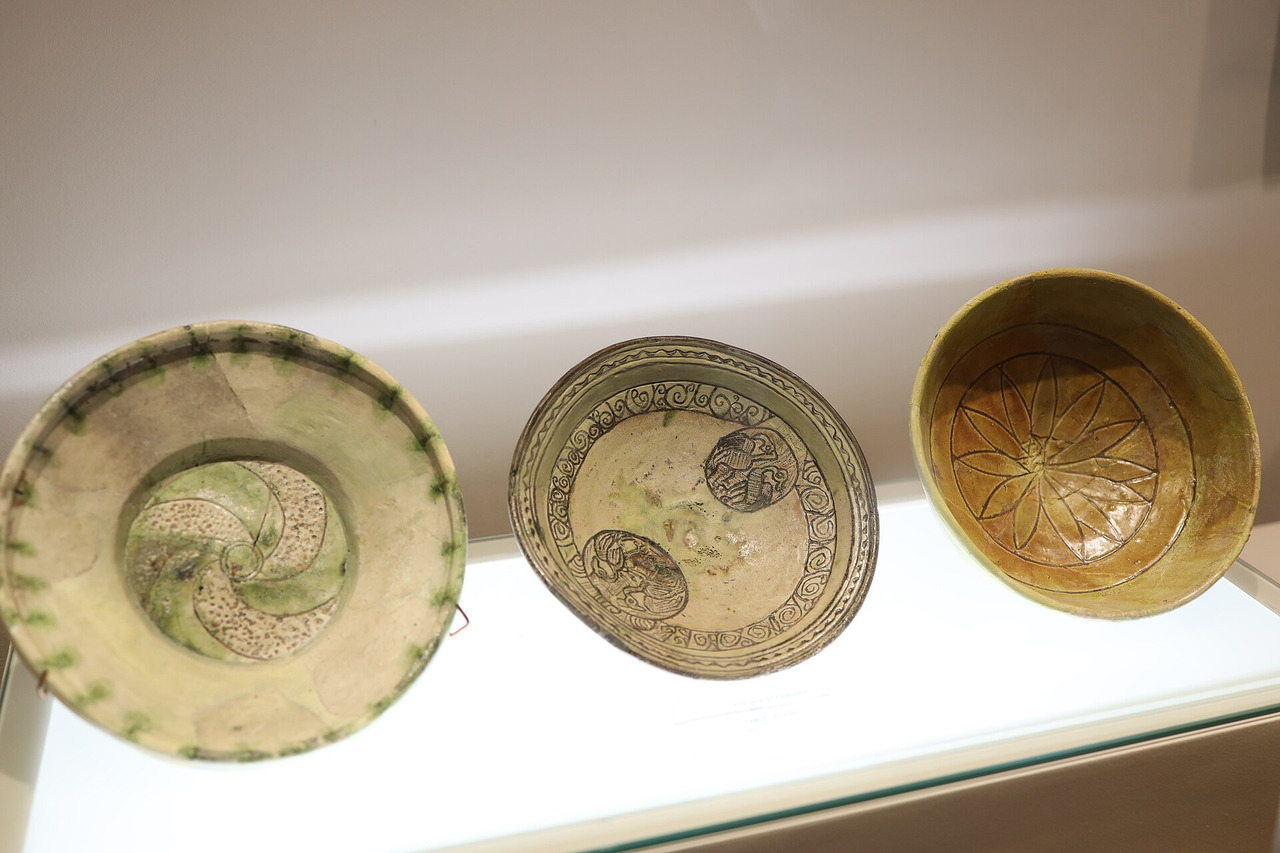
December 2026 is particularly significant for the museum, which celebrates its 75th anniversary. Look out for special exhibitions and programmes marking the occasion. According to the Tourist Organisation of Kruševac, the main museum building is open daily, including weekends, from 8 am to 8 pm. Guided visits can be arranged in Serbian and English.
Kruševac Through Art: From Milić of Mačva to the Hidden Mosaic Hall
Art enthusiasts will discover several remarkable cultural spaces in Kruševac. Close to Lazar’s Town is the Gallery of Milić of Mačva. The renowned Serbian artist donated more than one hundred paintings to the city, depicting different periods of Serbian history, with particular attention to the medieval era.
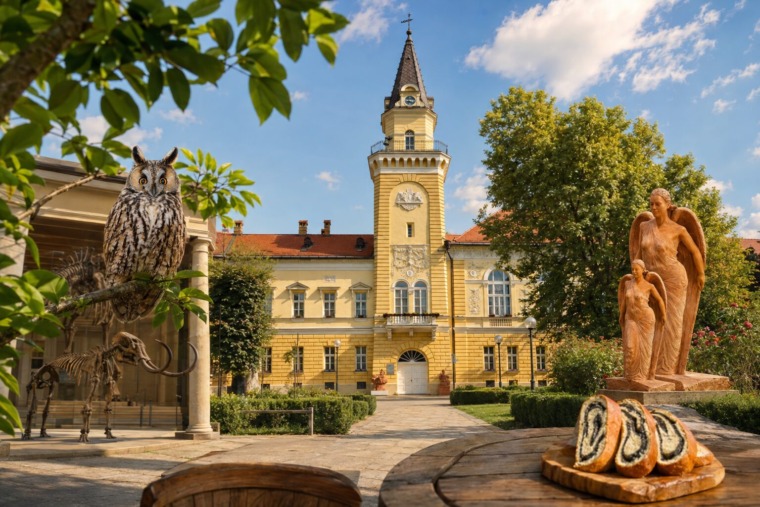
Interestingly, the artist wished for his works to be displayed in a building overlooking Lazarica Church. Another artistic treasure lies behind the doors of Kruševac City Hall. The Mosaic Hall, created by artist Mladen Srbinović, is a unique ensemble inspired by the history, mythology, epic poetry and spiritual heritage of medieval Morava Serbia.
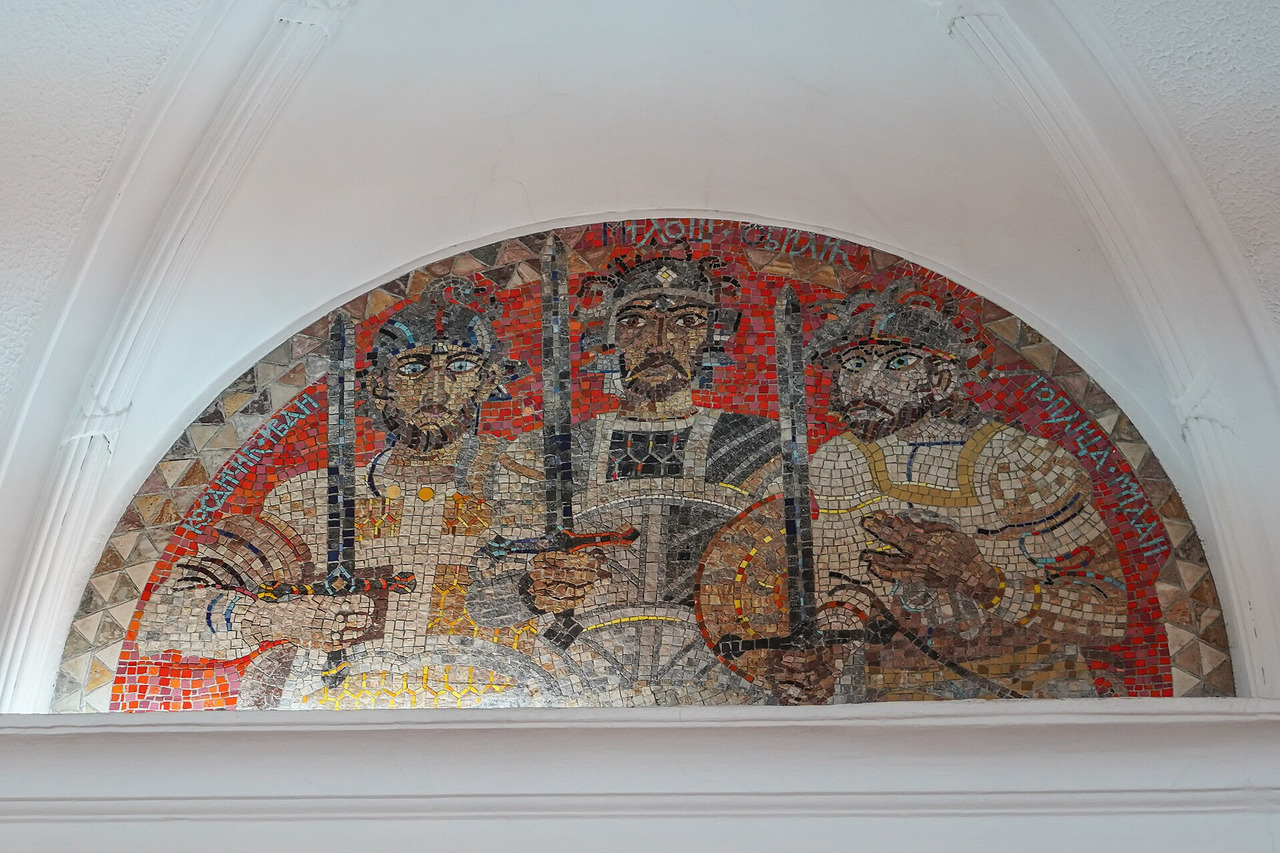
Its numerous mosaics and stained-glass windows, rich in colour and symbolism, make it one of the city’s most remarkable interiors. As the hall is located within the municipal administration building, visits should be arranged in advance through the Tourist Organisation of Kruševac.
Simić House – A Glimpse into the City’s Former Way of Life
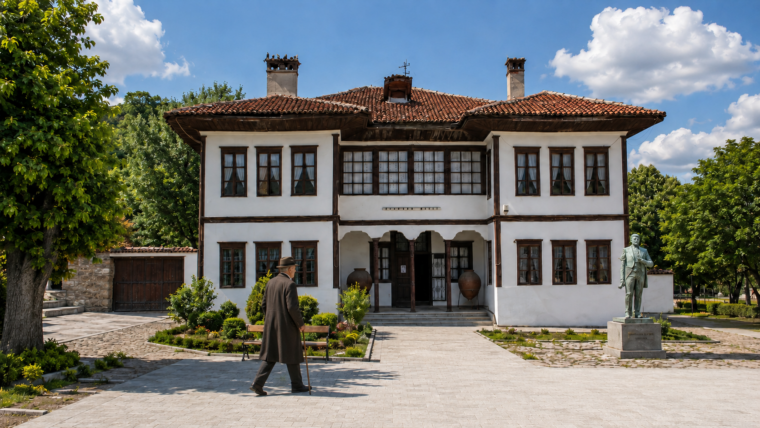
For a different perspective on local history, visit Simić House, one of the oldest surviving buildings in Kruševac. Its ethnographic exhibition recreates the everyday life of an urban household in the late 19th and early 20th centuries. Antique furniture, household objects, tableware, textiles and decorative details reveal how people once lived and socialised.
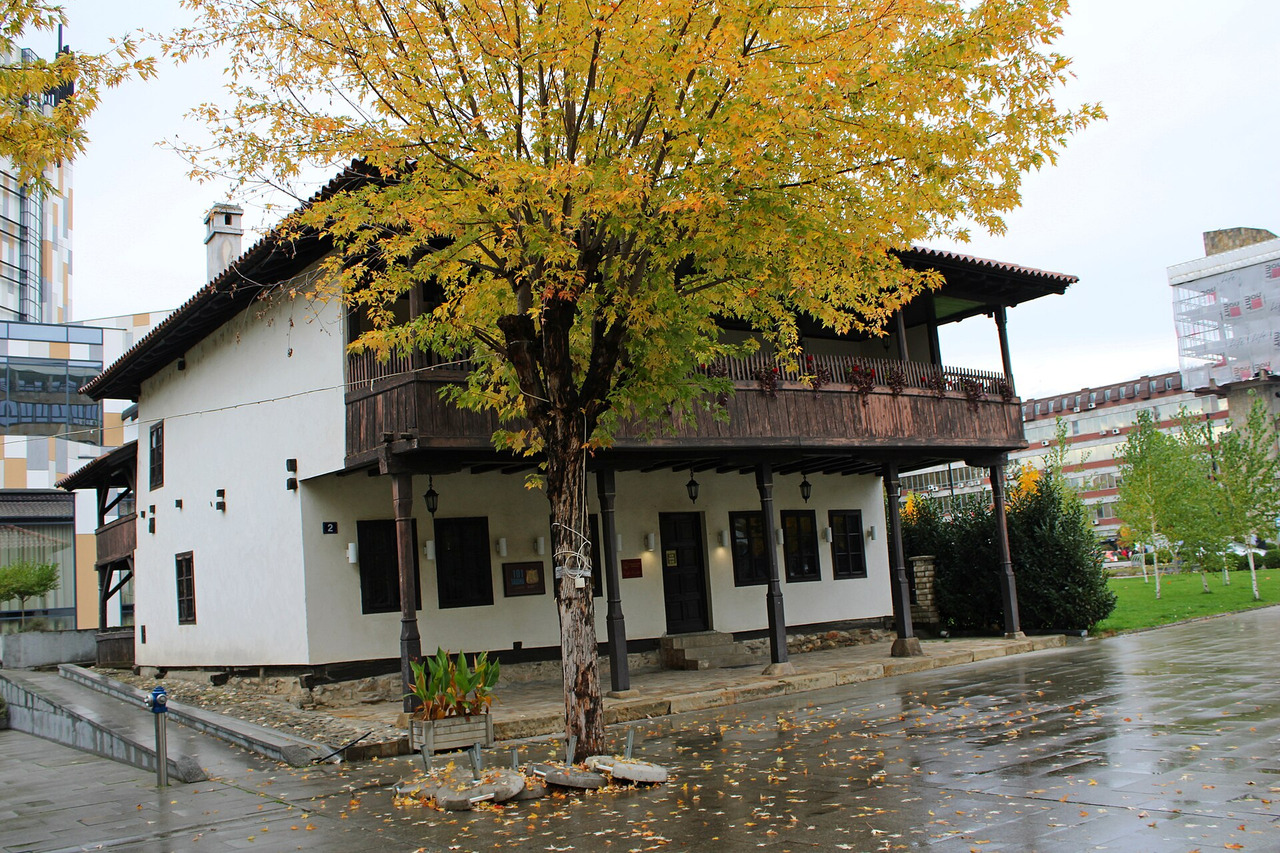
Nearby, the National Museum’s Art Gallery hosts exhibitions featuring different artists and artistic movements.
If you wish to explore these cultural venues, consider arriving in Kruševac on Friday, as both Simić House and the Art Gallery normally operate Monday to Friday, from 8 am to 4 pm, during the winter season.
A Walk Through Kruševac: More Than a Medieval Capital
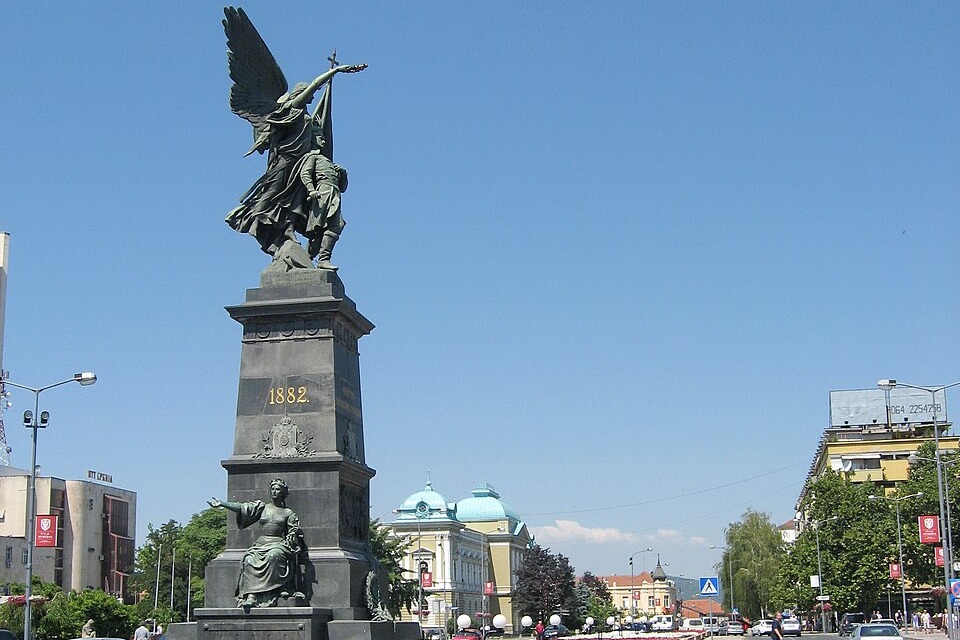
After exploring the historic landmarks, take some time to wander through the city’s streets. At Kosovo Heroes Square stands one of Kruševac’s most recognisable symbols, the Monument to the Kosovo Heroes, created by sculptor Đorđe Jovanović. Elements of this monumental composition earned the artist a gold medal at the Paris World Exhibition in 1900.
Continue along Vidovdanska Street towards Actors’ Square, a tribute to the city’s remarkable theatrical heritage. Kruševac has produced some of Serbia’s most celebrated actors, including Miodrag Petrović Čkalja, Radmila Savićević and Vlastimir Đuza Stojiljković.
For an evening of culture, check the programme of Kruševac Theatre, which celebrates its 80th anniversary this year. A new production of Švabica, based on the work of Serbian writer Laza Lazarević, has also been announced for early December.
Continue towards Kosturnica Square, where a monument to Despot Stefan Lazarević stands, before taking a break at one of the city’s cafés or pastry shops.
Bagdala Hill – A Peaceful Retreat Above the City
Bagdala Hill is one of the favourite places for Kruševac residents to walk, relax and spend time outdoors. Walking paths, green spaces, views over the city and a quieter atmosphere make it an ideal spot for a refreshing afternoon break.
One of its most interesting attractions is the Serbia Miniature Park, opened in 2019, featuring scaled-down replicas of significant Serbian churches and monasteries.
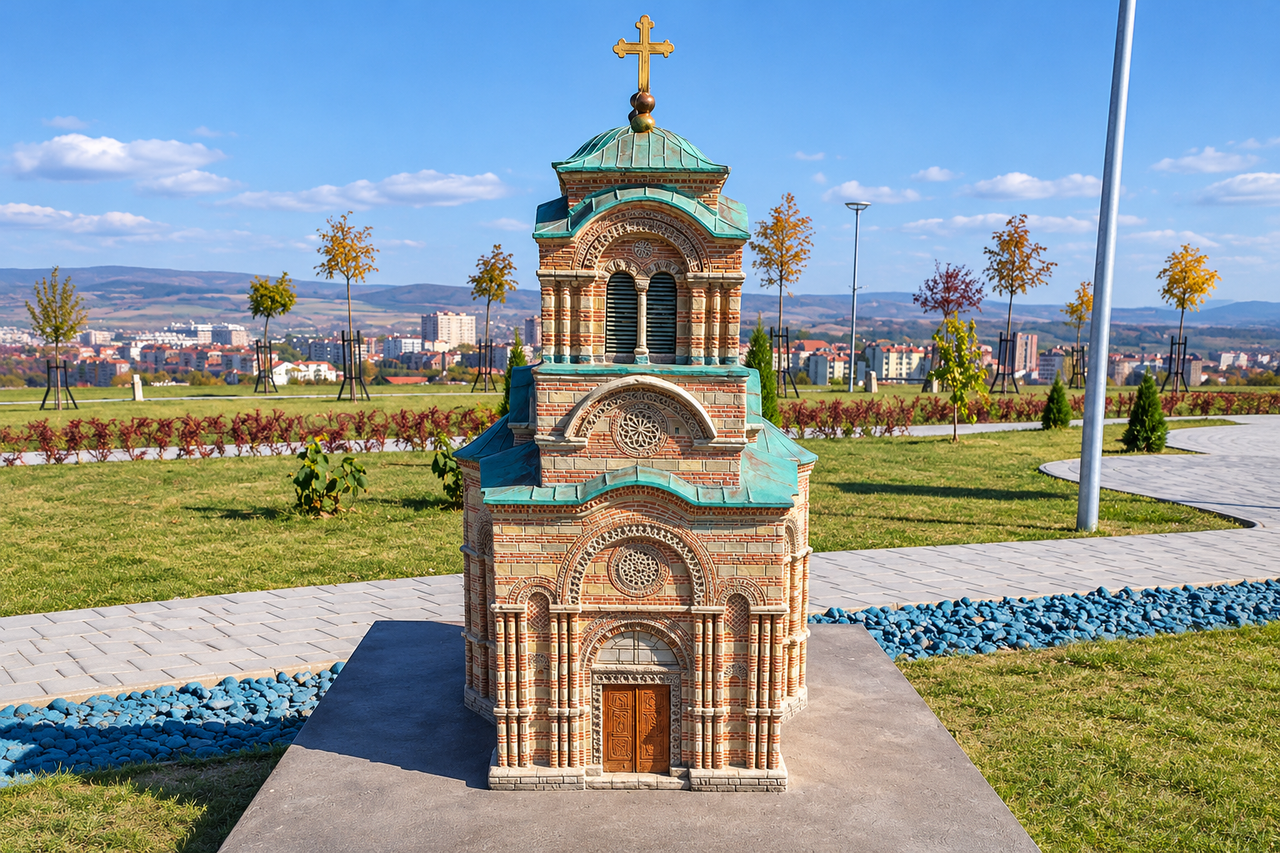
Children can discover part of Serbia’s architectural heritage in a single location, while adults may find inspiration for future journeys. Bagdala is also home to an unusual circular church dedicated to Saints George and Demetrius. Its distinctive rotunda design and elevated setting make it a particularly interesting subject for photography.
Weather permitting, enjoy the sunset here before returning to the city for dinner.
Festive Kruševac: Ice Skating, Winter Fairs and Dinosaurs
Kruševac can also be a rewarding December destination for families travelling with children. For December 2026, the city’s Tourist Organisation has announced festive programmes at the Holiday Square and Šarengrad Amusement Park.
In previous seasons, Kosturnica Square has become a popular gathering place featuring an ice-skating rink, music, festive decorations, food stalls and children’s entertainment. Although the detailed programme for this year has yet to be published, these festivities will provide another reason to visit during the second half of December.

Families should also make time for Šarengrad, an amusement park known for its large dinosaur replicas, themed walking paths, playgrounds, mini-golf and recreational facilities. Encountering dinosaurs in a winter setting could be an unexpected adventure for younger visitors.
Check the park’s opening hours, seasonal attractions and festive programme before travelling.
What to Eat in Kruševac
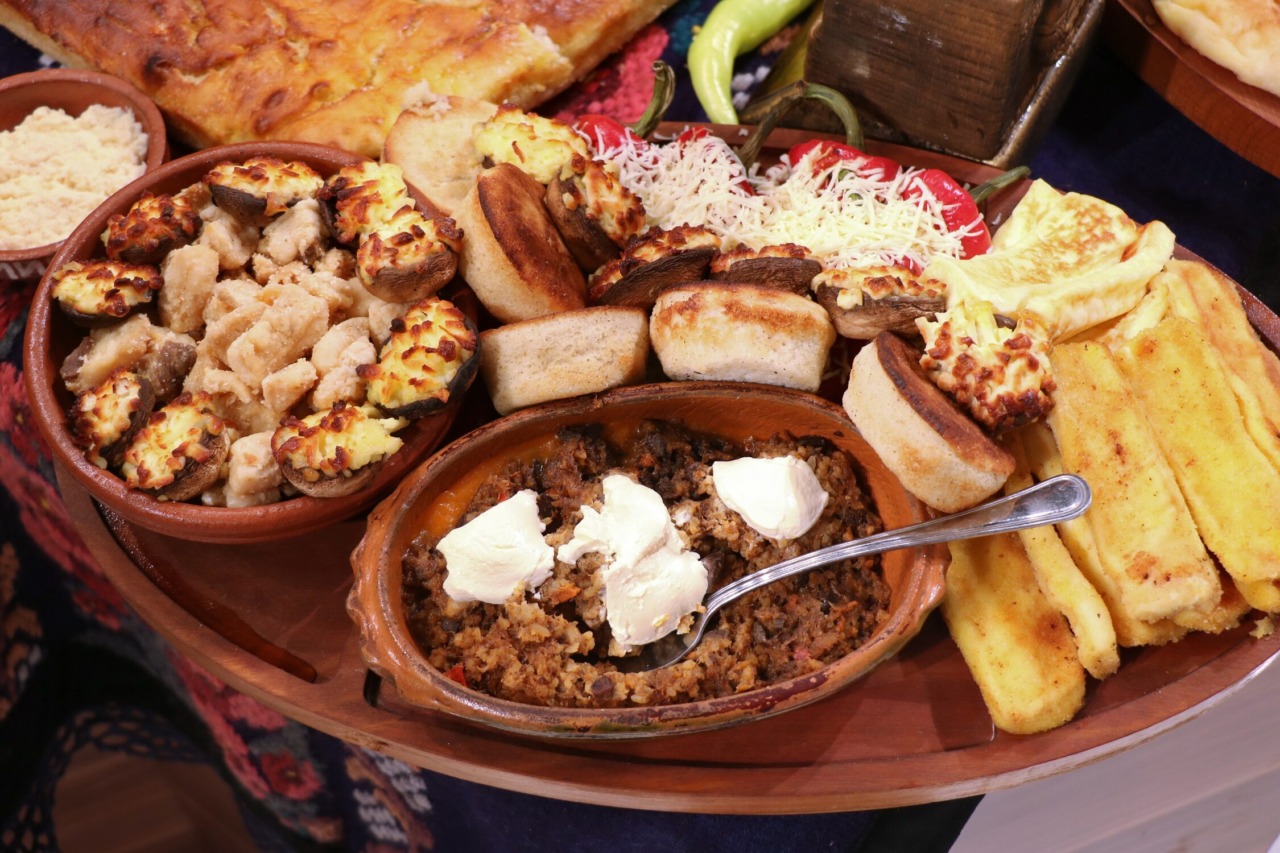
A December weekend would hardly be complete without good food, and the Kruševac region has a rich tradition of hearty, home-style cooking. At local restaurants and traditional Serbian taverns, known as kafanas, look for homemade pies, proja (traditional cornbread), stuffed cabbage rolls, roast meat, grilled specialities and pihtije, a traditional savoury meat jelly.
One particularly interesting regional dish combines chicken with honey and dried plums. December also coincides with the Orthodox Nativity Fast, making it a good time to discover traditional meat-free fasting dishes such as baked beans, fish specialities and stuffed dried peppers.
Wine lovers can arrange a visit to Rubin Winery, one of Kruševac’s best-known producers. Organised visits offer an insight into wine and vinjak, a Serbian wine-based spirit, production, followed by tastings of selected products.
For dinner, choose a local restaurant or traditional tavern and enjoy a glass of Prokupac or Tamjanika from the nearby Župa wine region.
Day Two: Exploring the Surroundings of Kruševac
One of Kruševac’s greatest attractions lies beyond the city itself. Within a relatively small area, visitors will find forested mountains, thermal springs, medieval monasteries, lakes and villages with fascinating craft and culinary traditions. Depending on your preferred style of travel, dedicate the second day of your weekend to one of the following experiences.
Mount Jastrebac – A Winter Escape into Nature
Around half an hour’s drive from Kruševac, city streets give way to forests, mountain roads and a slower pace of life.
Known for its extensive beech and coniferous forests, Mount Jastrebac is ideal for travellers who want to combine a city break with time spent in nature. At the heart of its popular recreational area lies a small mountain lake surrounded by accommodation, restaurants and outdoor leisure facilities.
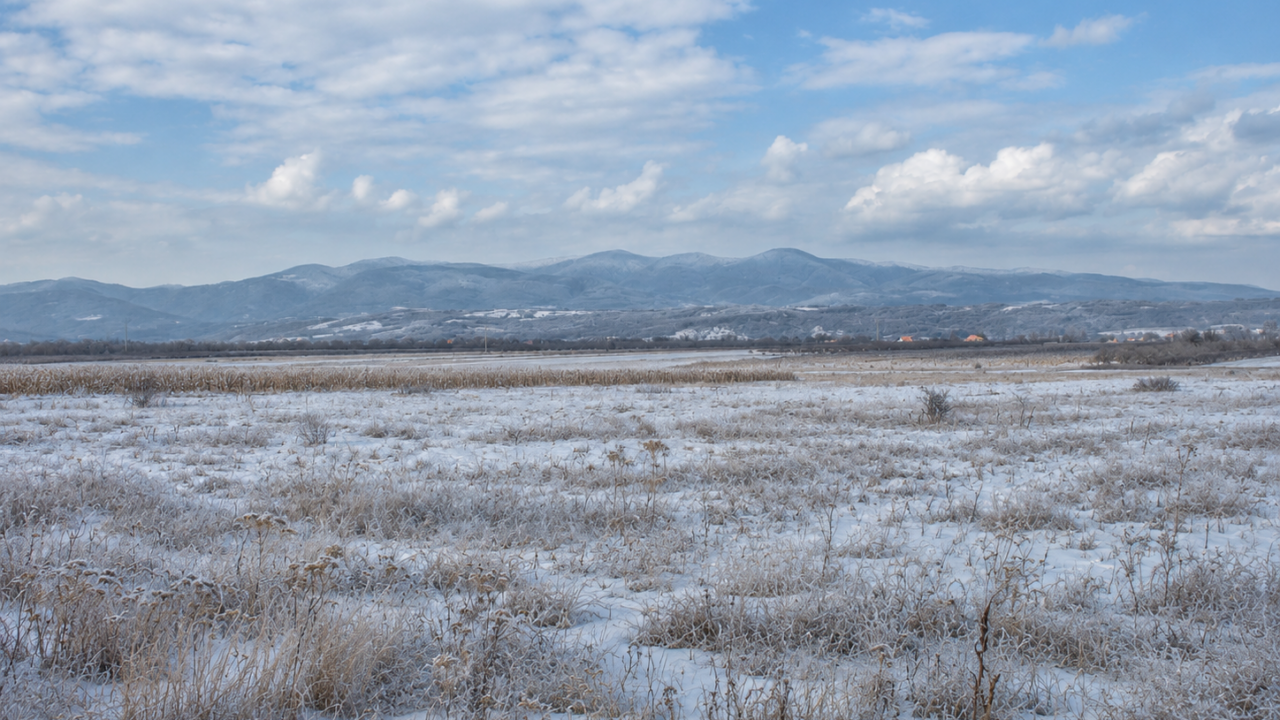
During the warmer months, visitors can enjoy an adventure park, a zip line across the lake and various sporting activities. Winter, however, is more about peaceful walks, landscape photography and enjoying the mountain atmosphere. A particularly appealing forest trail follows a mountain stream towards the small Church of Saint Petka, provided the route is accessible and safe.
Jastrebac is worth visiting even without snow. A warm lunch overlooking the forest, a short lakeside walk and a few hours away from the bustle of the city can be the perfect conclusion to a weekend getaway.
Naupara Monastery – A Hidden Gem of the Morava School
On your way towards Jastrebac, consider making a short detour to Naupara Monastery, approximately 15 kilometres south of Kruševac. First mentioned in written records in 1382, the monastery belongs to the distinguished tradition of Morava architecture.
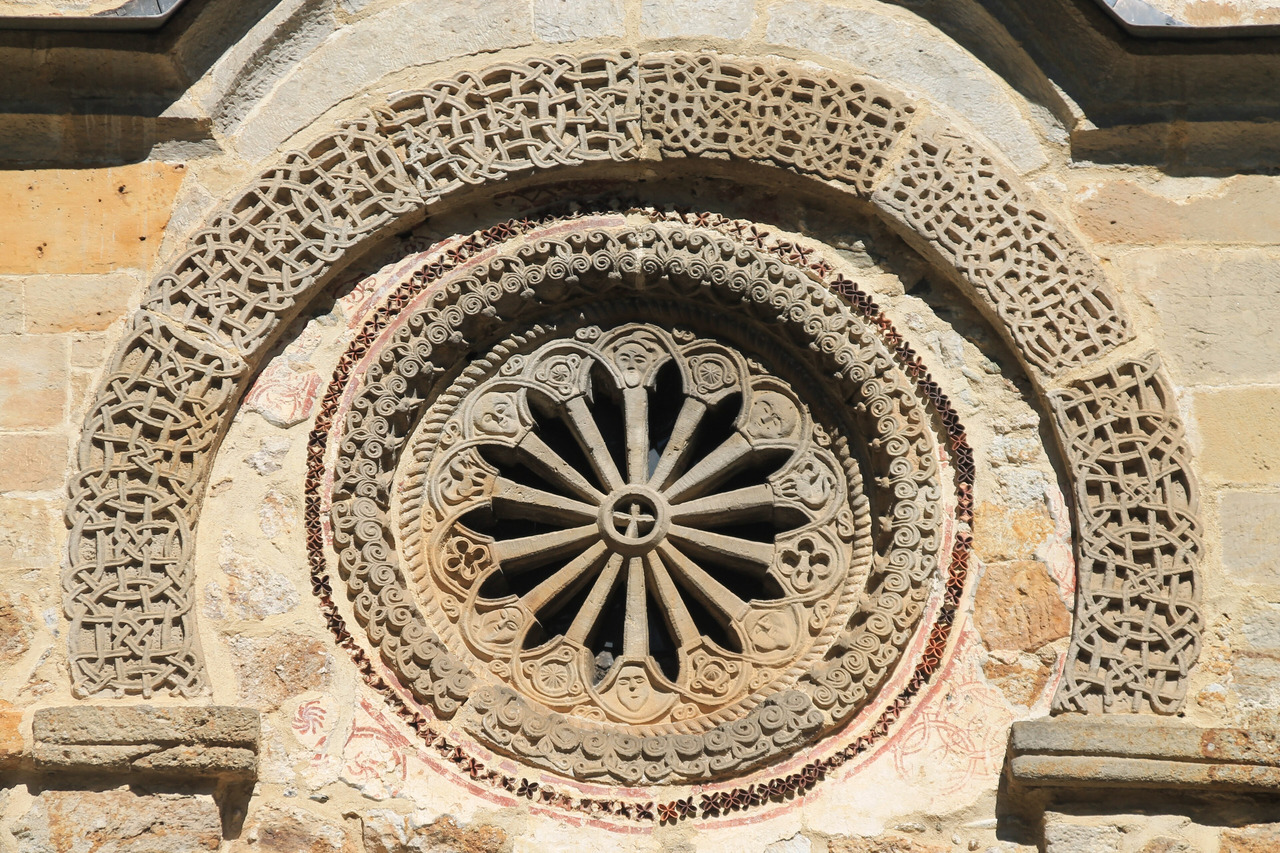
Its richly decorated stonework and magnificent rose window on the western façade are among its most impressive features. Unlike some of Serbia’s better-known monasteries, Naupara remains a place that many travellers are only beginning to discover. Its peaceful surroundings and historical significance make it a rewarding complement to a visit to Lazarica. Naupara and Mount Jastrebac can easily be combined into a half-day or full-day excursion.
Ribarska Banja – A Royal Winter Retreat
If you would rather spend a few hours relaxing than exploring mountain trails, head to Ribarska Banja Spa, approximately 35 kilometres from Kruševac. Nestled on the slopes of Mount Jastrebac, it is one of Serbia’s oldest spa destinations, renowned for its thermal springs, rich history and long tradition of healing and relaxation.
Throughout its history, the spa attracted members of Serbia’s royal families, with King Peter I Karađorđević among its most famous guests. One of its most interesting contemporary features is the wellness and spa centre, developed on the site of a former Ottoman hammam.
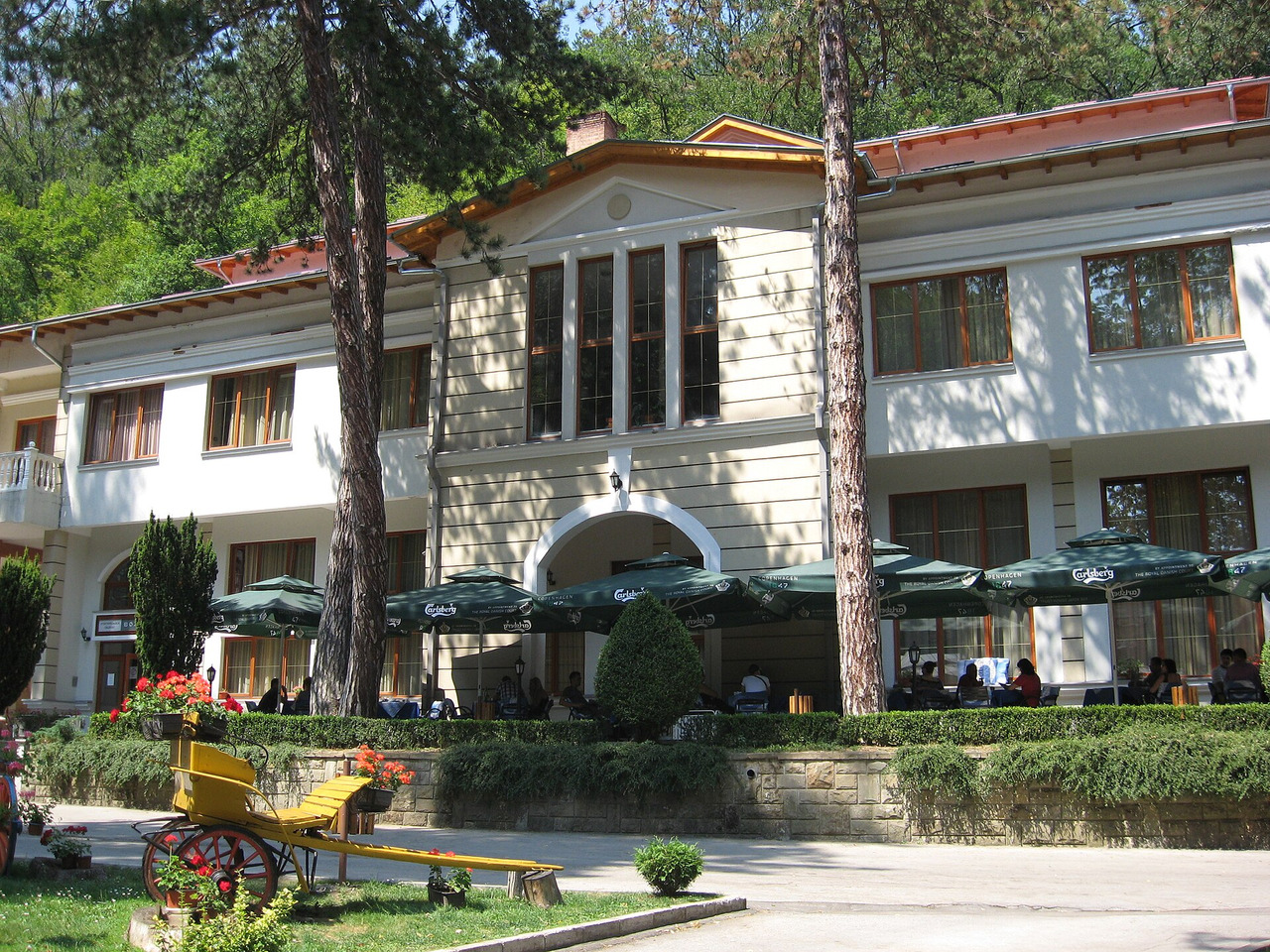
Traditional bathing culture meets modern wellness facilities, including thermal pools, saunas, steam baths and various relaxation treatments. During the cold December days, the contrast between warm thermal water and crisp winter air can become one of the most memorable experiences of your entire journey.
Before visiting, check day-use availability, current prices and reservation requirements.
Đunis and Saint Roman Monastery – Discovering the Region’s Spiritual Heritage
A trip to Ribarska Banja can be extended with a visit to the Monastery of the Protection of the Holy Mother of God in Đunis, a well-known Orthodox pilgrimage destination in Serbia.
Its foundation is associated with a 19th-century tradition recounting an apparition of the Virgin Mary. Today, it attracts pilgrims and visitors interested in the region’s spiritual heritage.
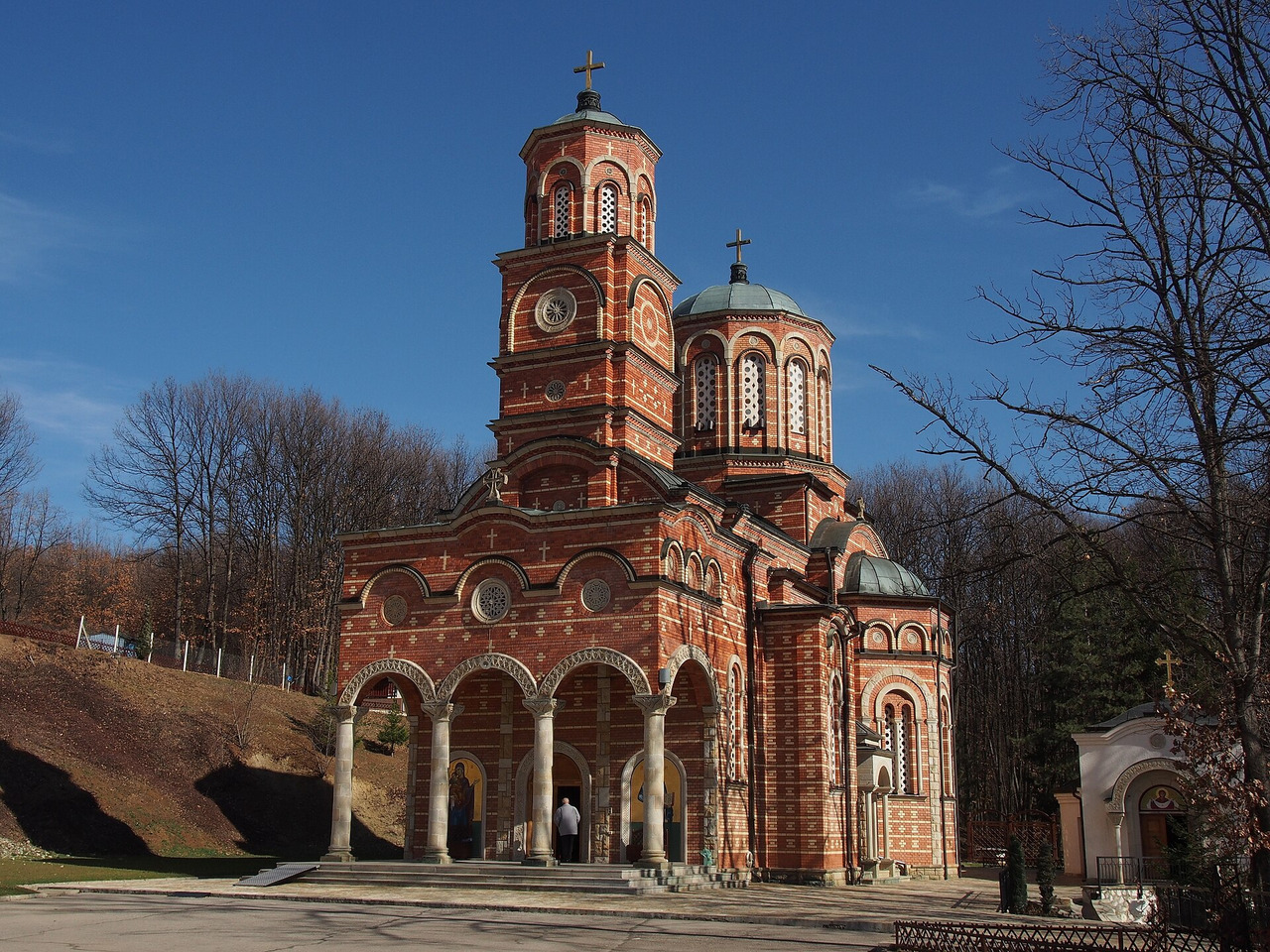
Nearby stands Saint Roman Monastery, whose origins reach deep into medieval history. For travellers interested in sacred architecture, peaceful surroundings and stories of the past, these monasteries provide a fascinating addition to a winter weekend.
Bela Voda – The Village Where Stone Becomes Art
For something beyond the usual tourist routes, visit the village of Bela Voda near Kruševac. The village is renowned for its generations-old tradition of stone carving and its distinctive local sandstone, used to create architectural ornaments, sculptures and decorative elements.
Its Museum of Stone Carving and Sculpture, Sculpture Park and annual summer festival, Belovodska Rozeta, celebrate a craft that has become an integral part of the village’s identity.
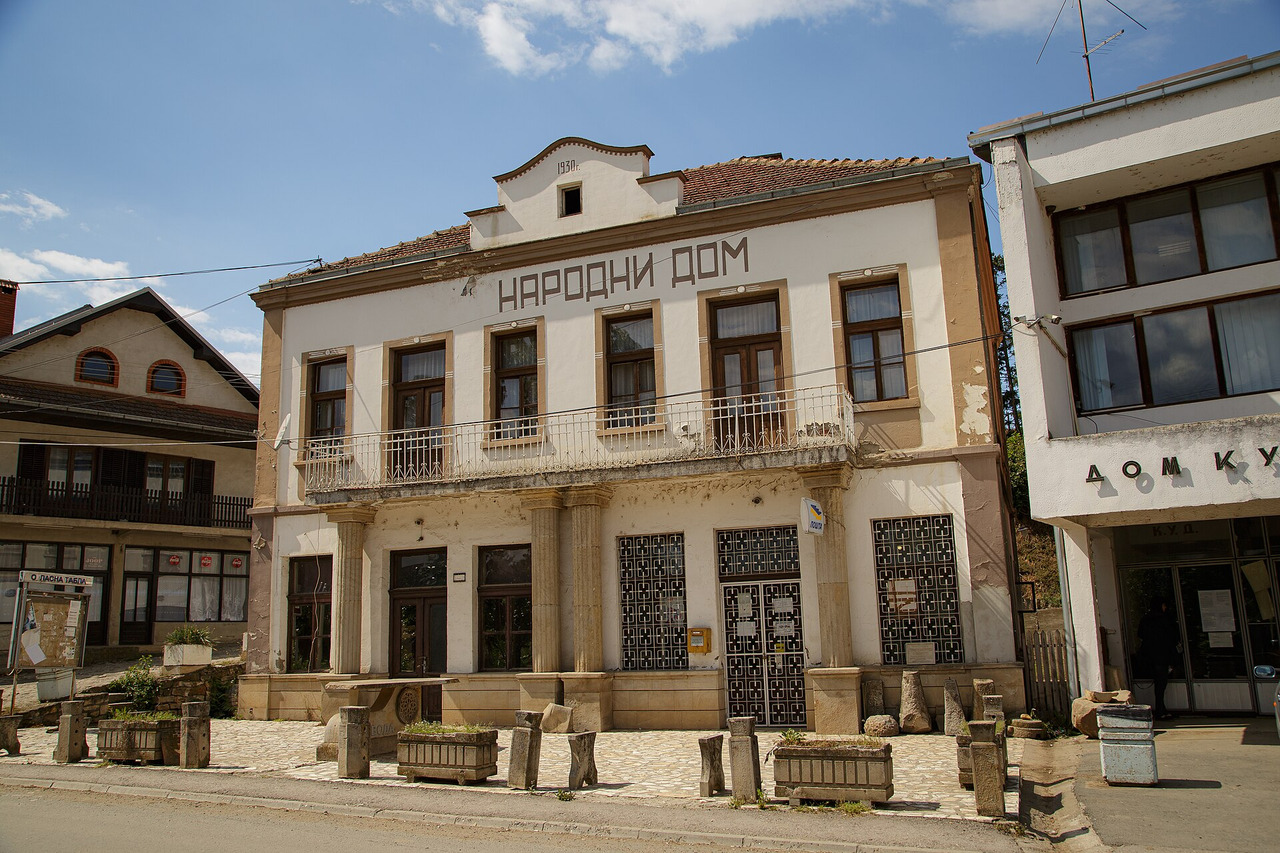
It is a fascinating example of how working with a natural material can evolve into a distinctive artistic and cultural tradition. If you would like to visit the museum or meet local craftspeople, arrange your visit in advance through the Tourist Organisation of Kruševac.
The Aleksandrovac Župa – A Winter Day Among the Vineyards
For lovers of wine and gastronomy, the Aleksandrovac Župa may be the most appealing alternative to Jastrebac or Ribarska Banja. Located approximately 30 kilometres from Kruševac, this is one of Serbia’s most significant wine-producing regions, particularly renowned for its Prokupac and Tamjanika grape varieties.
Although December is far from the grape harvest season, colder days are ideal for exploring wine cellars, talking to winemakers and enjoying tastings in the welcoming surroundings of family-run wineries.
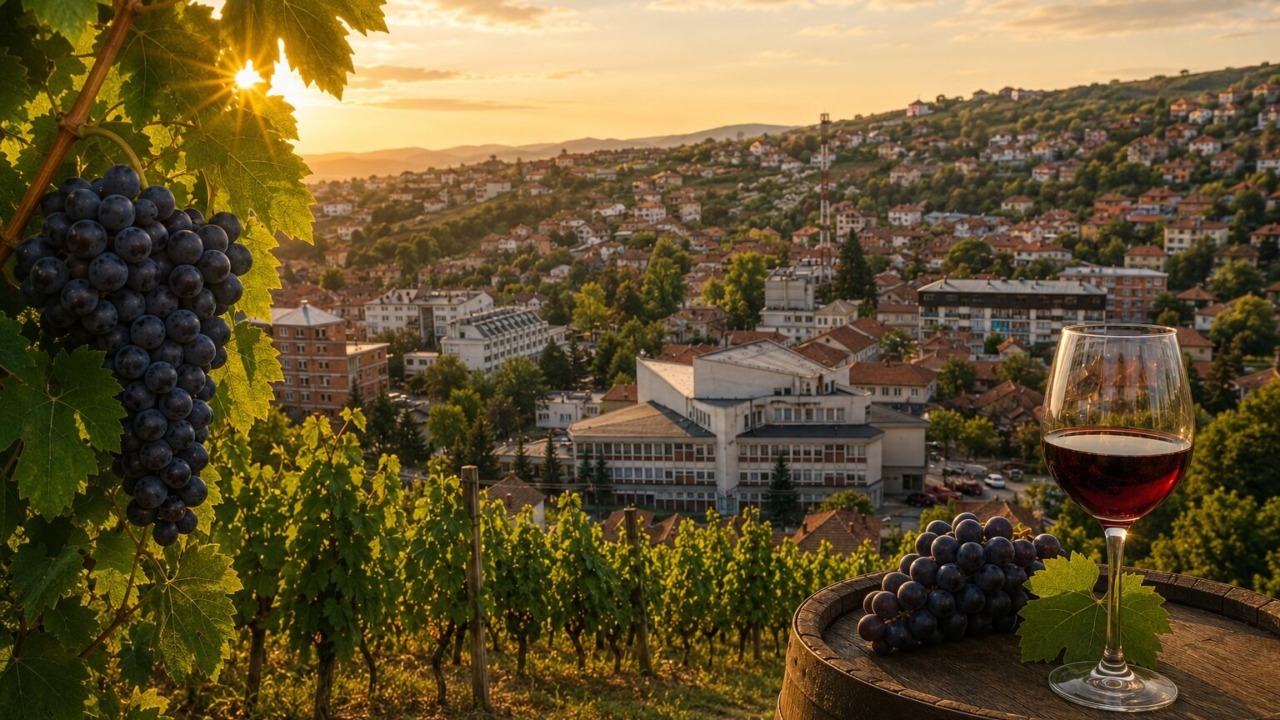
Aleksandrovac is also home to the Museum of Winemaking and Viticulture, dedicated to the region’s rich wine history, traditional tools and vineyard cultivation. Another fascinating feature of the Župa landscape is its poljane – former seasonal vineyard settlements that preserve traces of the traditional way of life of local winegrowers.
If you choose this route, arrange winery and museum visits in advance.
Stopanja and Ljubostinja – For Those Who Wish to Extend Their Weekend
On the road towards Trstenik lies Stopanja, a village renowned for its traditional roast meat restaurants. For lovers of authentic Serbian cuisine, stopping for lunch here can be an experience in itself.
Continue towards Trstenik to discover Ljubostinja Monastery, founded by Princess Milica and associated with the life of Jefimija, a medieval Serbian poet and nun.
This excursion provides a natural continuation of the story that began in Lazar’s Town, connecting different places that preserve the heritage of Prince Lazar’s family.
One More Place Not to Miss – Slobodište Memorial Park
For those interested in architecture, art and 20th-century history, the Slobodište Memorial Complex is one of Kruševac’s most important yet frequently overlooked landmarks.
Dedicated to the victims of fascist occupation, the complex was designed by renowned architect Bogdan Bogdanović during the 1960s. Its stone birds, Gate of the Sun and symbolically shaped landscape create an extraordinary example of memorial architecture, where nature and art come together to convey a powerful message of remembrance.
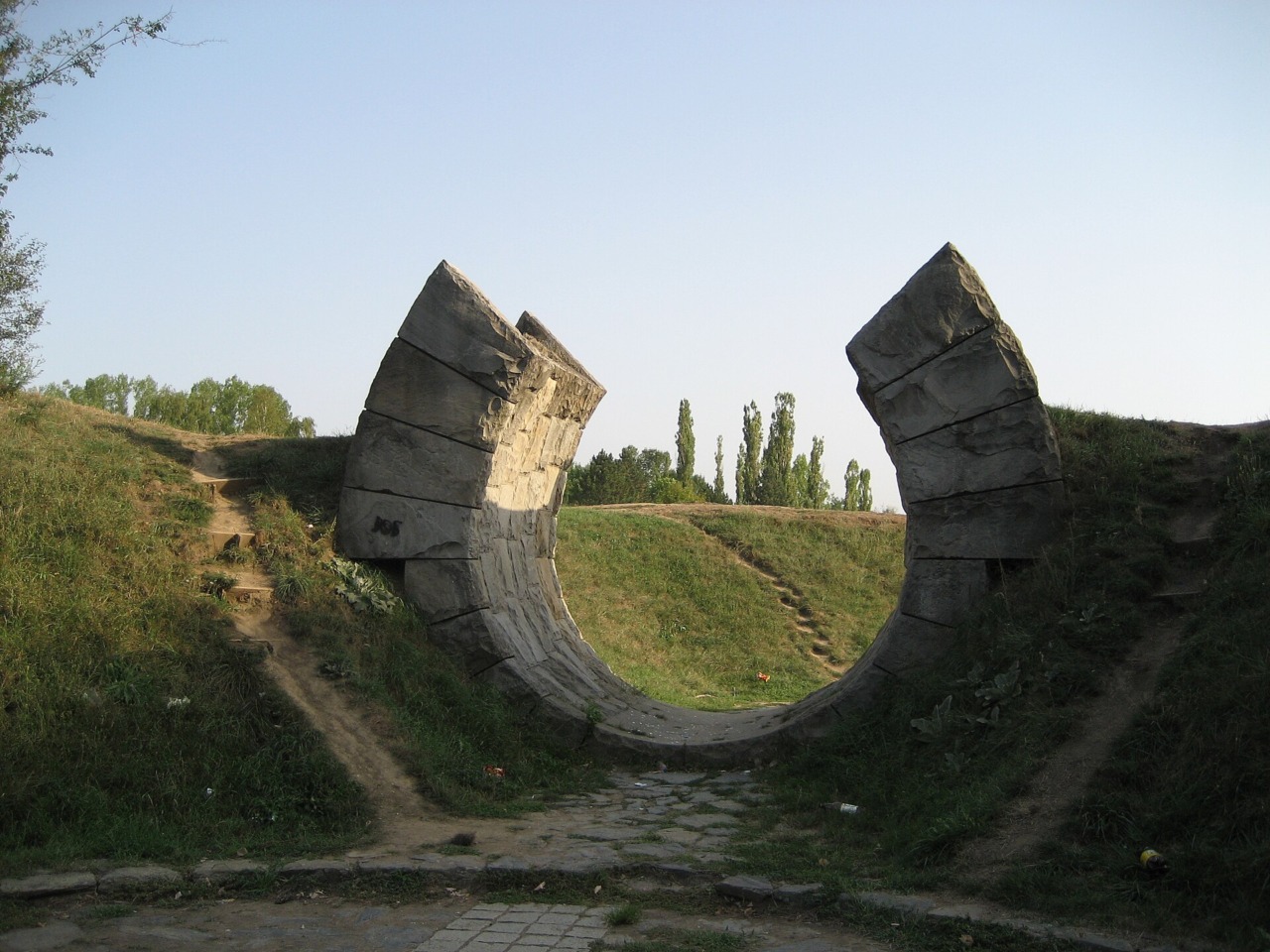
This is a place to explore slowly and respectfully. Its outdoor spaces are particularly interesting for architecture enthusiasts and photographers, while the indoor museum normally operates on weekdays during winter.
How to Plan Your December Weekend in Kruševac
Friday, if you can arrive early: Visit Simić House, the Art Gallery and the Mosaic Hall, with advance arrangements where necessary, followed by dinner in the city centre.
Saturday: Explore Lazar’s Town, Lazarica Church and the National Museum, stroll through the city centre and visit Bagdala Hill and the Miniature Park. Families can spend part of the afternoon at Šarengrad, before enjoying festive activities or an evening theatre performance.
Sunday: Choose one of three main experiences – Naupara and Jastrebac for nature lovers, Ribarska Banja and nearby monasteries for relaxation and spiritual heritage, or the Aleksandrovac Župa for a gastronomic and wine-focused excursion.
Travelling by car is recommended for exploring the surrounding region, although many of the city’s central attractions can be reached on foot.
With shorter daylight hours in winter, plan outdoor activities for the morning or early afternoon and check weather and road conditions before travelling.
Kruševac – Much More Than a History Lesson
Kruševac is one of those Serbian cities whose name is familiar to many, yet whose travel possibilities remain largely unexplored.
Its history alone provides a compelling reason to visit. Add art, regional gastronomy, festive events, mountain landscapes, thermal springs and the hospitality of nearby villages, and you begin to discover how much this destination truly has to offer.
Perhaps your favourite December memory will be created in front of Lazarica Church, overlooking the city from Bagdala Hill, relaxing in the thermal waters of Ribarska Banja or around the table of a family-run Župa winery.
One thing is certain – Kruševac deserves much more than a brief stop along the way.
This winter, give it an entire weekend.
Plan your visit
Everything you need to plan your perfect trip.

Related Articles