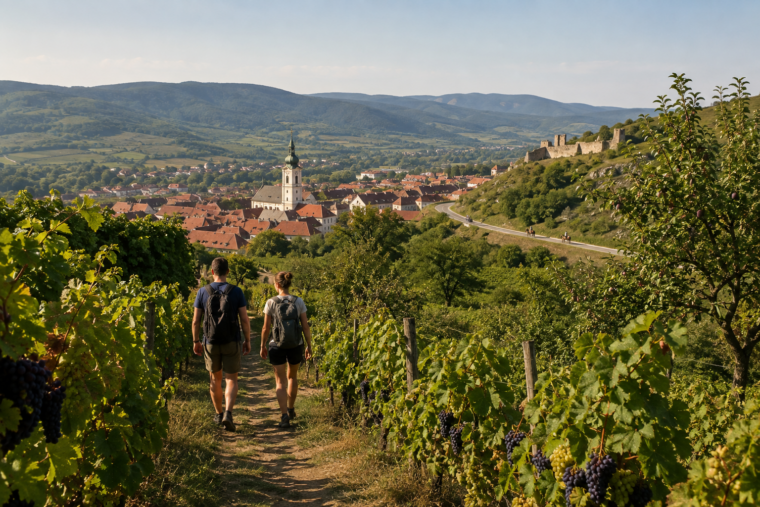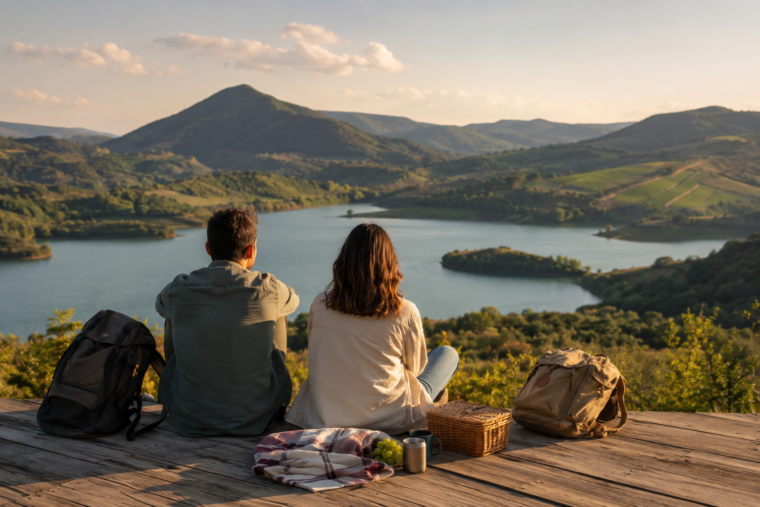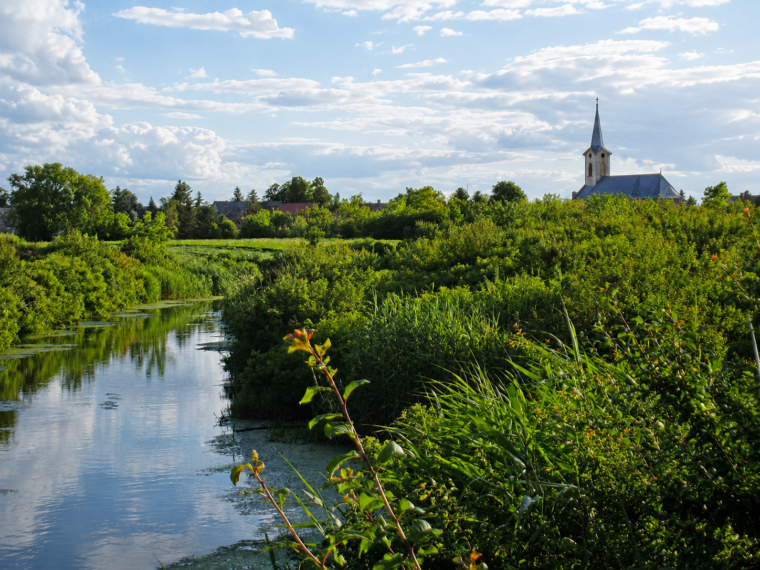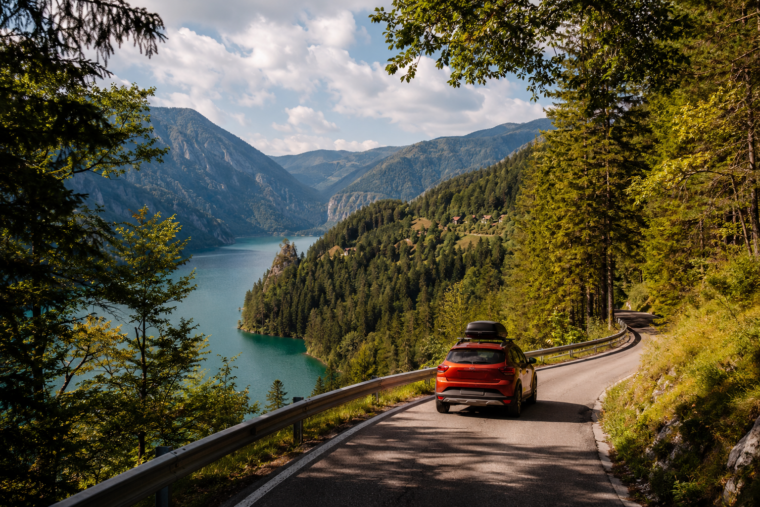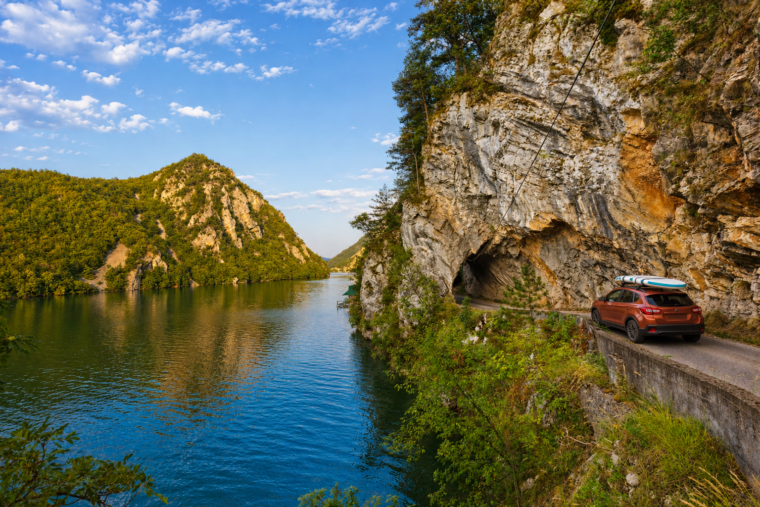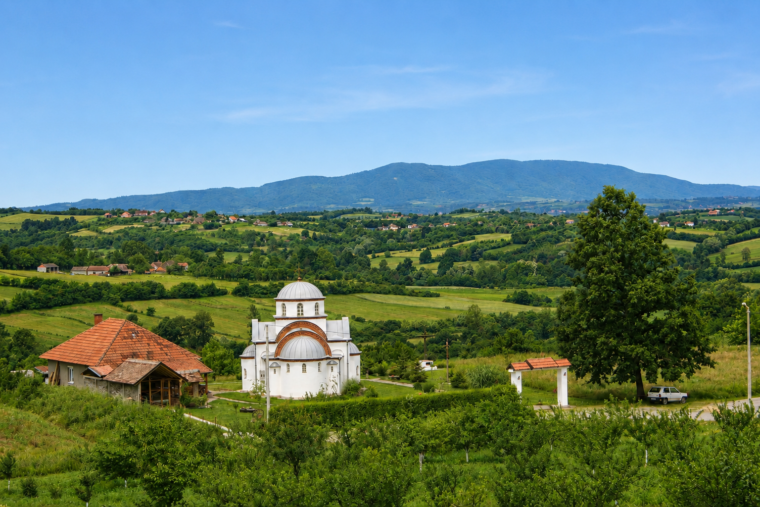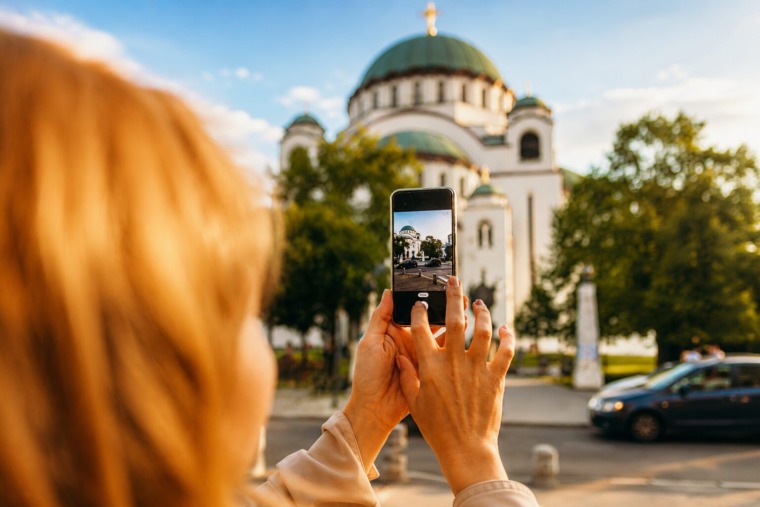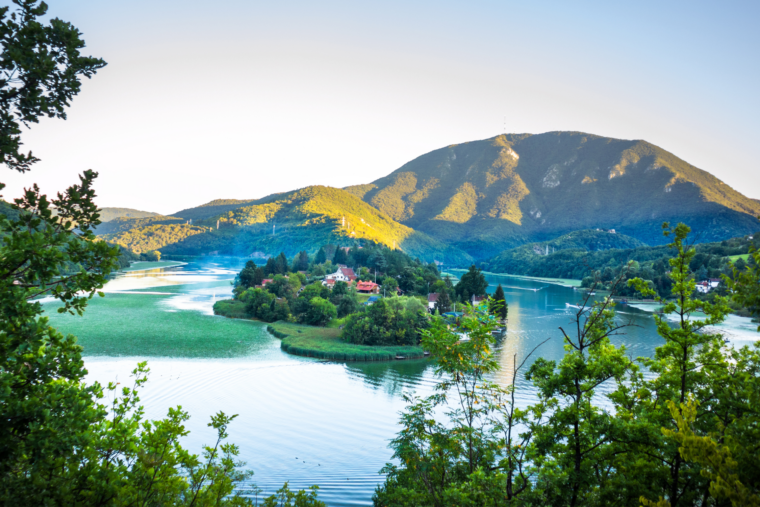

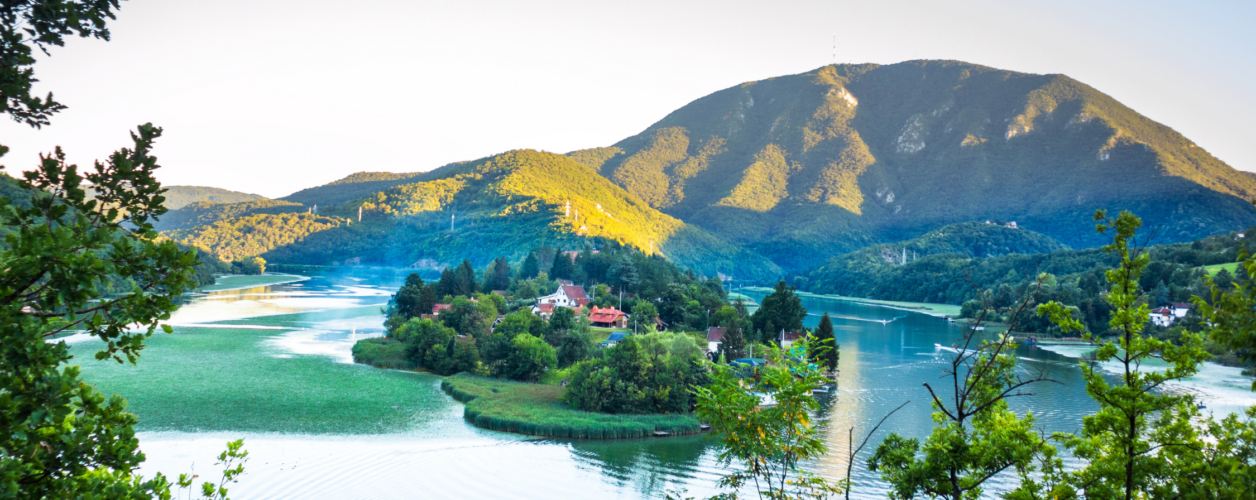
When August ends, Serbia does not immediately turn towards autumn. Along quiet lakes, wide rivers and forested mountain slopes, September often feels like a gentler continuation of summer – only with fewer crowds and more room to slow down.
September arrives quietly in Serbia. The school year begins, city streets return to their familiar rhythm and the first baskets of grapes and peppers appear at local markets. Yet beyond the cities, summer is often still very much present.
Days can remain warm and bright, restaurant terraces stay open, and many of the country’s riverside and lakeside destinations become more enjoyable once the busiest holiday weeks have passed. The difference is not simply lower visitor numbers. The entire pace changes. Mornings are calmer, walking becomes more comfortable and a day beside the water no longer needs to revolve around finding a place on a crowded beach.
This is not a list of guaranteed swimming spots. Water temperatures and weather conditions can change quickly in September, particularly in the mountains. Instead, these are places where the spirit of summer tends to linger: destinations shaped by water, open landscapes, outdoor meals and long afternoons that invite you to stay a little longer.
1. Bela Crkva: A Quiet Lake Escape in Southern Banat
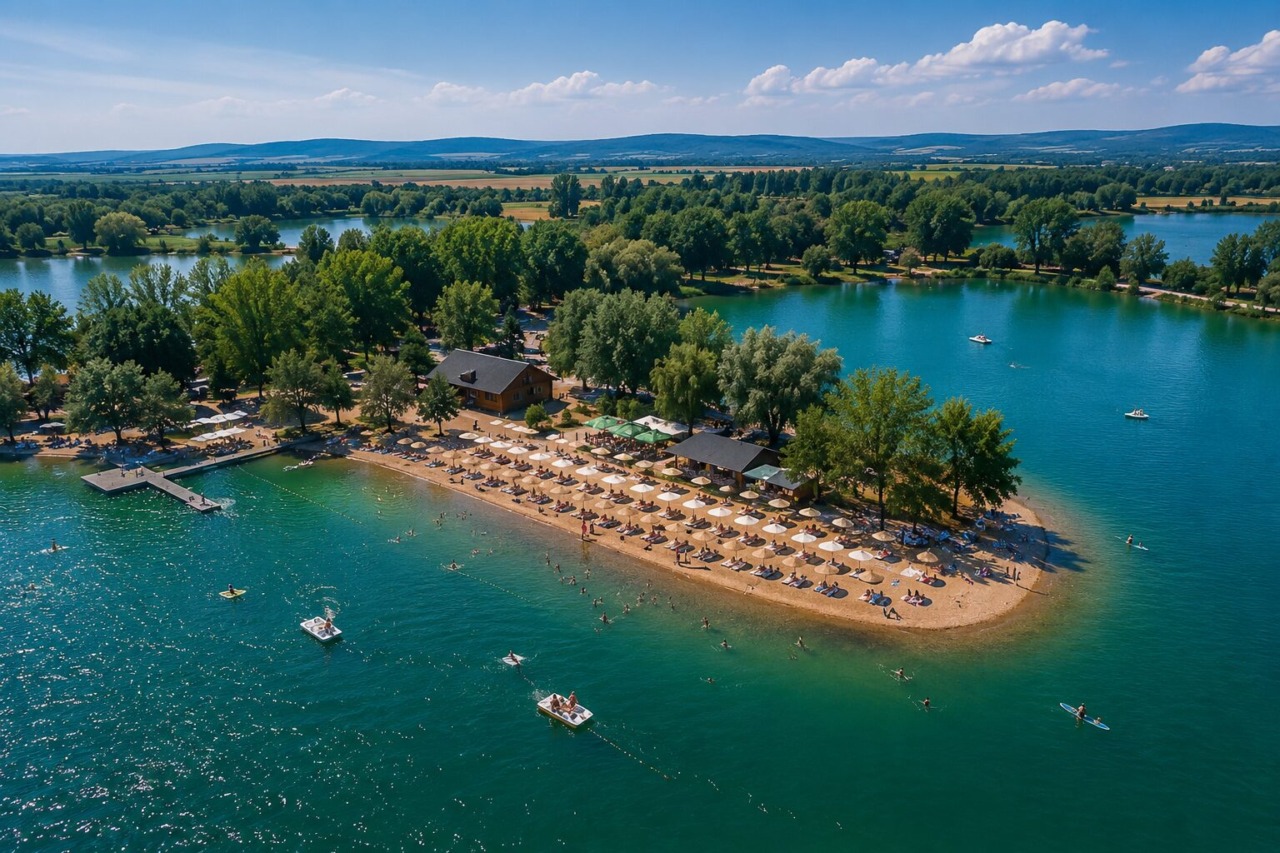
Near Serbia’s border with Romania, Bela Crkva is surrounded by a collection of lakes created in former gravel pits. During July and August, their beaches attract swimmers and weekend visitors from across Vojvodina. In early September, the same landscape takes on a quieter character.
The town’s best-known lake, Gradsko jezero, is close to the centre and offers the easiest introduction to the area. Vračevgajsko jezero has a more spacious holiday atmosphere, while other lakes around Bela Crkva appeal to anglers, campers and travellers looking for a less developed shore.
On a warm September day, there may still be time for swimming or sitting beside the water. But Bela Crkva is equally pleasant when the weather is better suited to walking. The lakes can be explored slowly, with pauses for coffee, lunch or an unhurried afternoon in town. Tree-lined streets, old façades and the flat Banat landscape give the destination a character that is very different from Serbia’s mountain resorts.
September also softens the sharp contrast between the lively beaches and the sleepy town. Without the peak-season crowds, Bela Crkva feels less like a summer resort and more like a small Central European town that happens to have an extraordinary number of lakes on its doorstep.
Best for: A relaxed weekend, lakeside walks and travellers who prefer smaller towns
Stay longer: Combine Bela Crkva with Deliblato Sands or the landscapes around the Nera River
Keep in mind: Conditions and services differ from one lake to another, and the official swimming season may end before the warm weather does
2. Srebrno Jezero and Ram: Where the Danube Still Feels Like Summer
Srebrno Jezero is one of eastern Serbia‘s classic summer escapes, but early September may be an even better time to experience it. The promenade is quieter, restaurant tables are easier to find and the flat lakeside paths invite long walks or easy cycling.
The lake was formed from a former branch of the Danube and is separated from the main river by an embankment. Its calm surface, open horizon and famous sunsets create an unmistakably summery atmosphere, even when the evenings begin to cool.
The real value of staying here, however, is the wider landscape. A short journey away, Ram Fortress rises above the Danube from a steep bank. The restored stone fortification overlooks one of the river’s broadest sections, where the opposite shore appears almost impossibly distant. Late-afternoon light is particularly beautiful, but the view is worth the trip at any time of day.
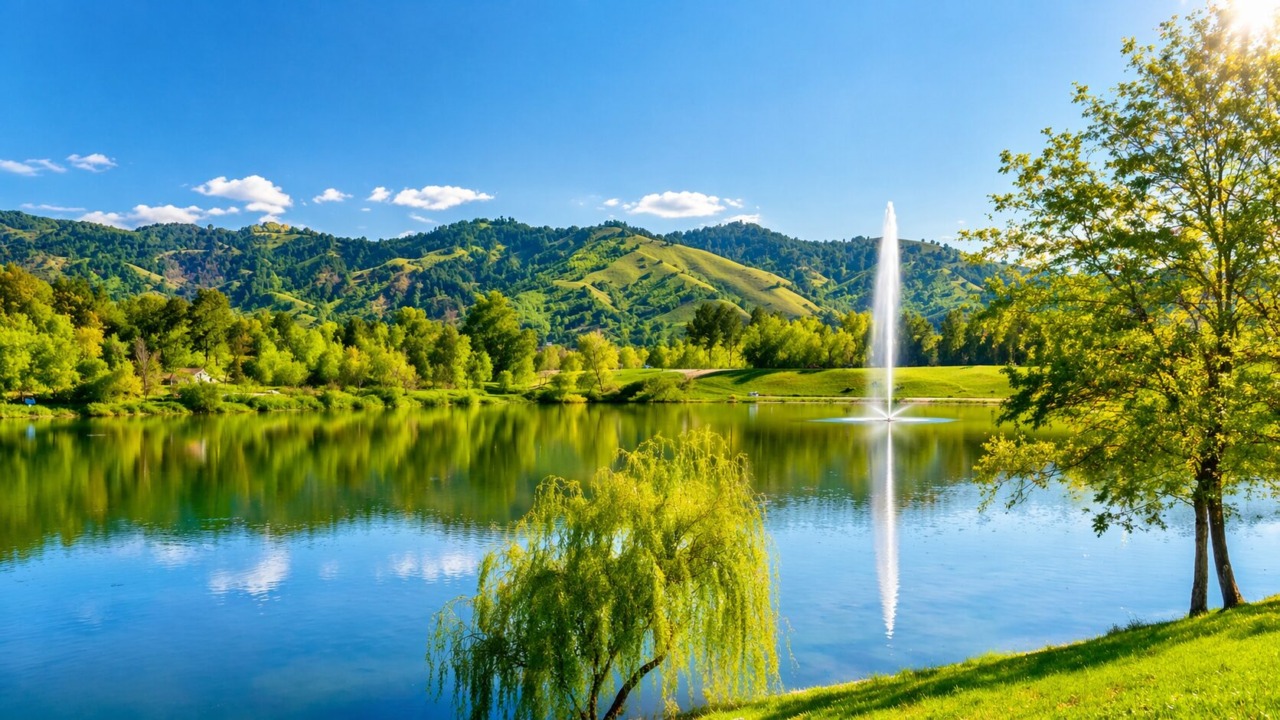
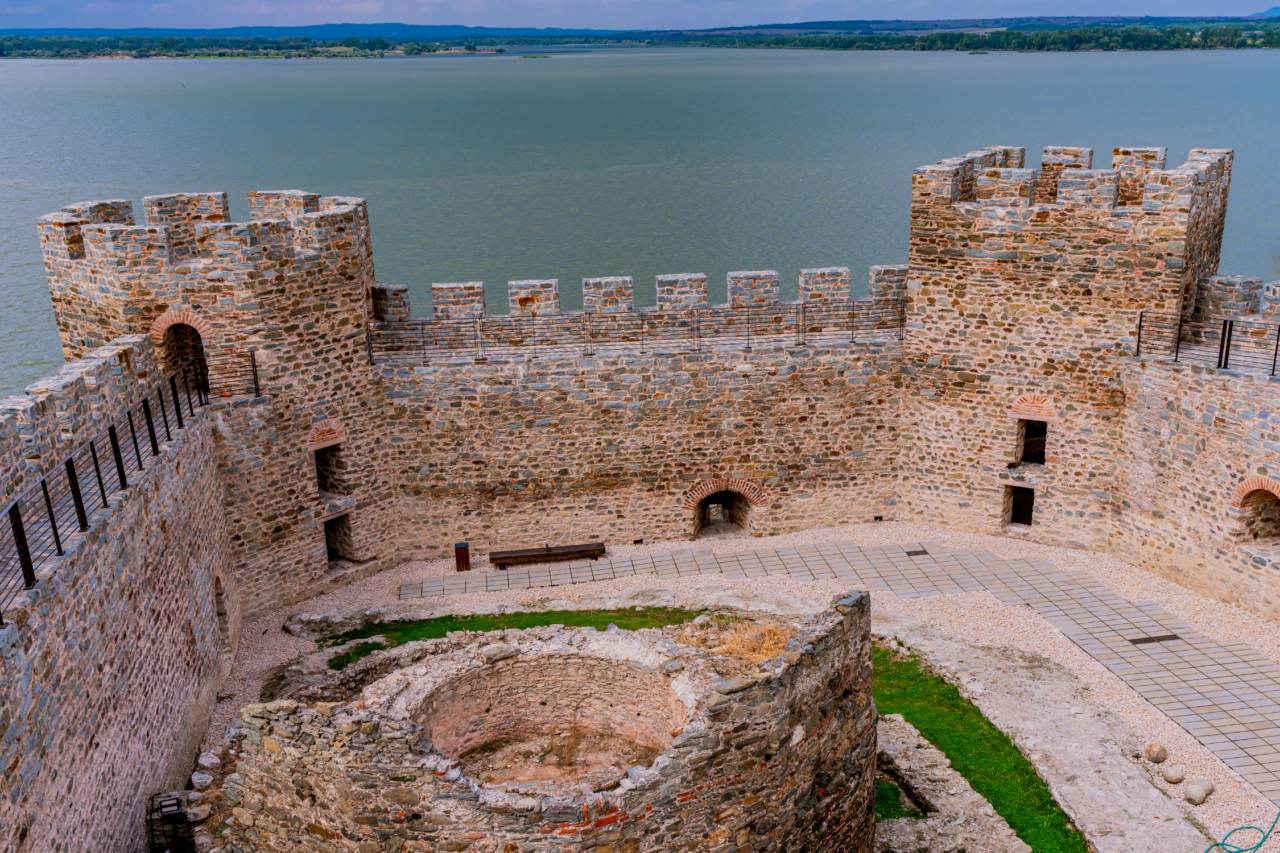
Together, Srebrno Jezero and Ram offer more than a final weekend by the water. They create a compact journey through nature and history: breakfast beside the lake, a cycle or walk along the shore, lunch overlooking the Danube and sunset from the fortress.
Best for: Couples, cyclists and an easy two-day escape
Do not miss: Ram Fortress and the wide view across the Danube
Alternative plan: If the day is too cool for the beach, visit nearby Veliko Gradište and continue towards Golubac
3. Donji Milanovac: Long Days on the Danube
There are places where the Danube is part of the scenery, and then there is Donji Milanovac, where the river seems to define the entire horizon.
Set within Đerdap National Park, the small town faces an exceptionally wide section of the Danube. Its waterfront is made for slow September days: morning coffee overlooking the river, a walk along the promenade and dinner outside while boats pass between Serbia and Romania.
Donji Milanovac is also a practical base for exploring some of the most remarkable places in eastern Serbia. The archaeological site of Lepenski Vir reveals the story of a prehistoric settlement that developed on the banks of the Danube thousands of years ago. The surrounding national park offers forest trails and dramatic viewpoints, while boat trips provide a completely different perspective on the Đerdap Gorge.
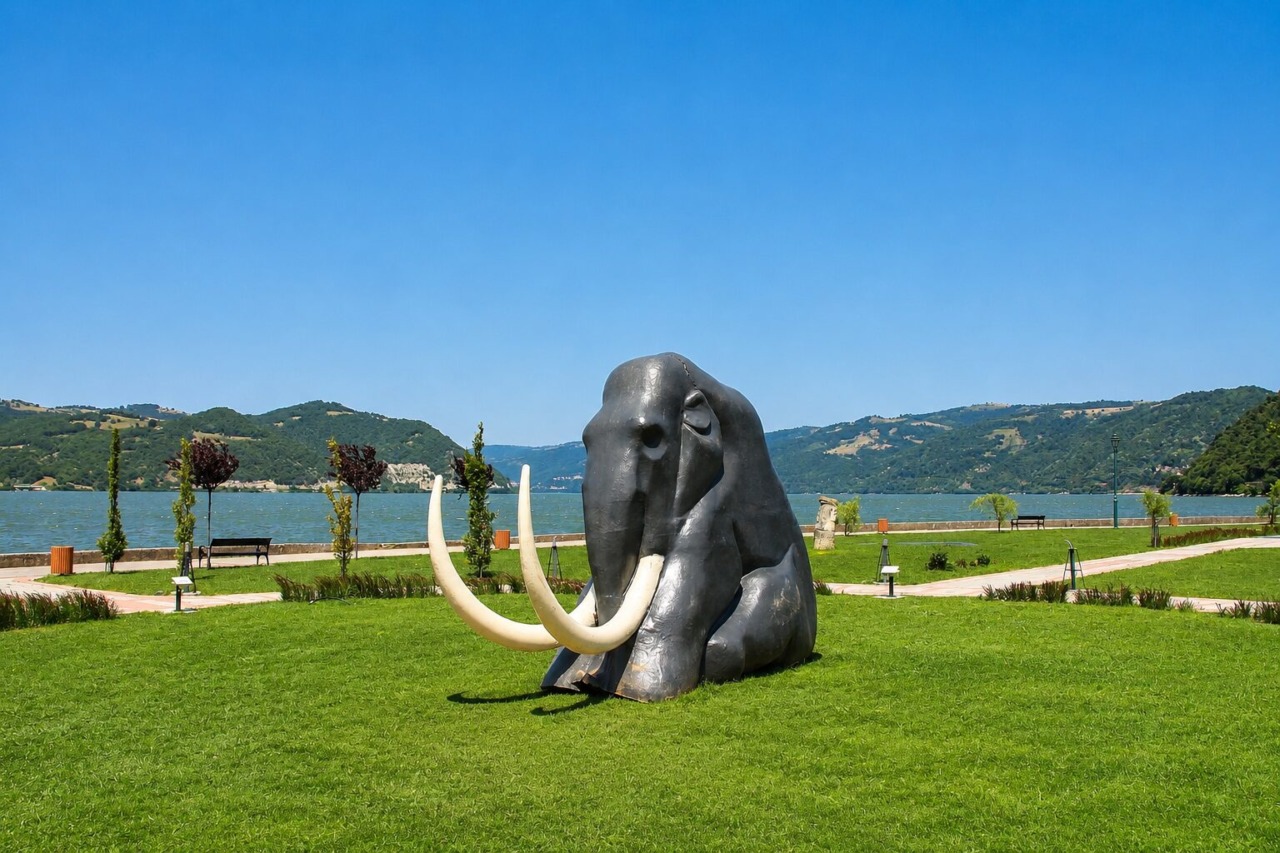
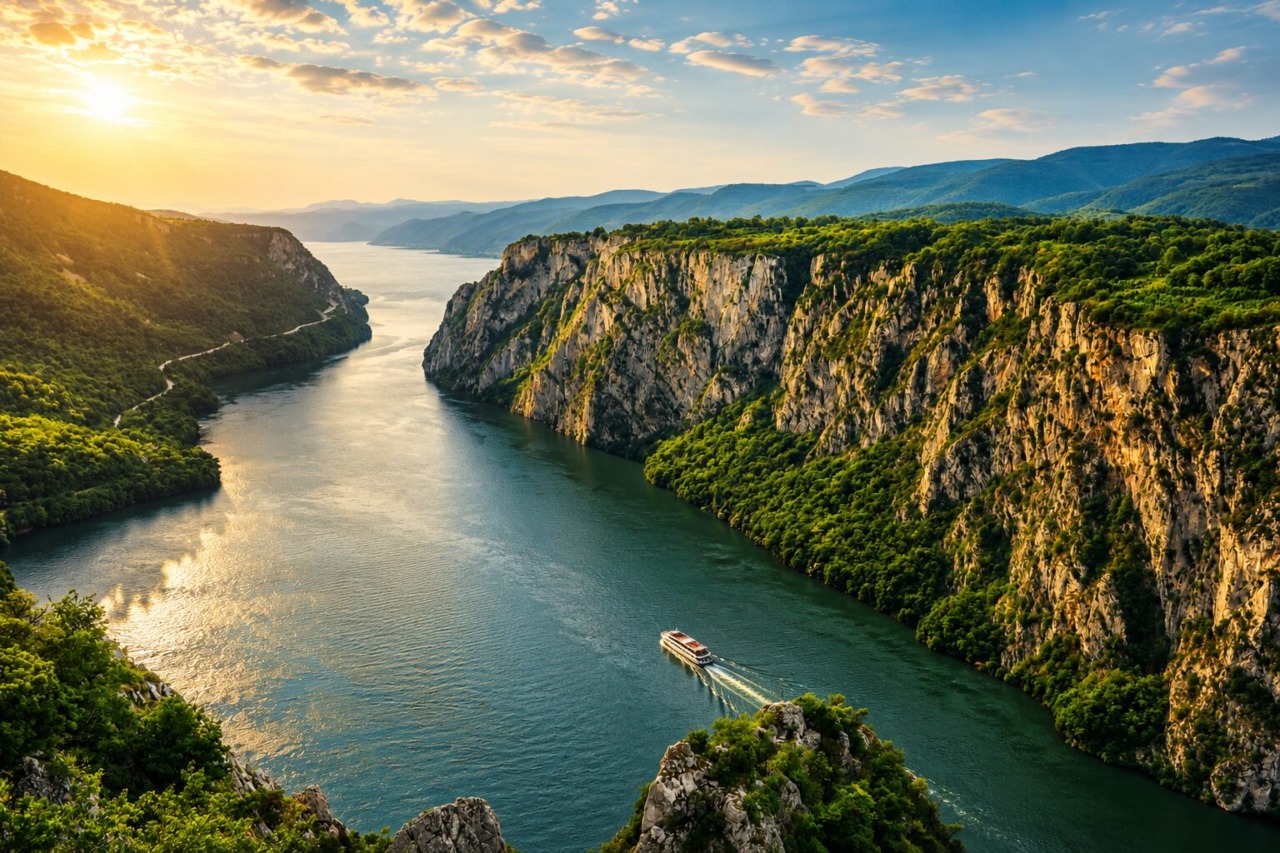
During the height of summer, the region can feel intensely hot and busy. September makes active days easier. It becomes more pleasant to combine the riverfront with a museum visit, a hike or a drive through the gorge without organising the entire day around the midday heat.
Donji Milanovac is not about squeezing in as many attractions as possible. Its greatest pleasure is the sense of space: mountains behind you, water in front of you and enough time to experience both.
Best for: The Danube, archaeology and road trips through eastern Serbia
Do not miss: Lepenski Vir and at least one view of the river from above
Stay longer: Continue towards Golubac in one direction or Kladovo in the other
4. Ovčar Banja: A Slower Side of the West Morava
Ovčar Banja sits in one of Serbia’s most distinctive landscapes, where the West Morava winds between the mountains of Ovčar and Kablar. The river bends, wooded slopes and monasteries hidden throughout the gorge make this much more than a conventional spa stop.
At the beginning of September, the area is still predominantly green. The afternoons can remain warm, but walking and hiking are usually more comfortable than during the hottest weeks of summer. Visitors can choose between a gentle day beside the river and a more active route towards one of the viewpoints above the meanders.
The area’s monasteries add another dimension to the journey. They should not be treated as attractions to collect in a single day, but as living religious sites woven into the landscape. Visiting one or two, with appropriate clothing and respect for services and monastic life, offers a more meaningful experience than rushing through the entire group.
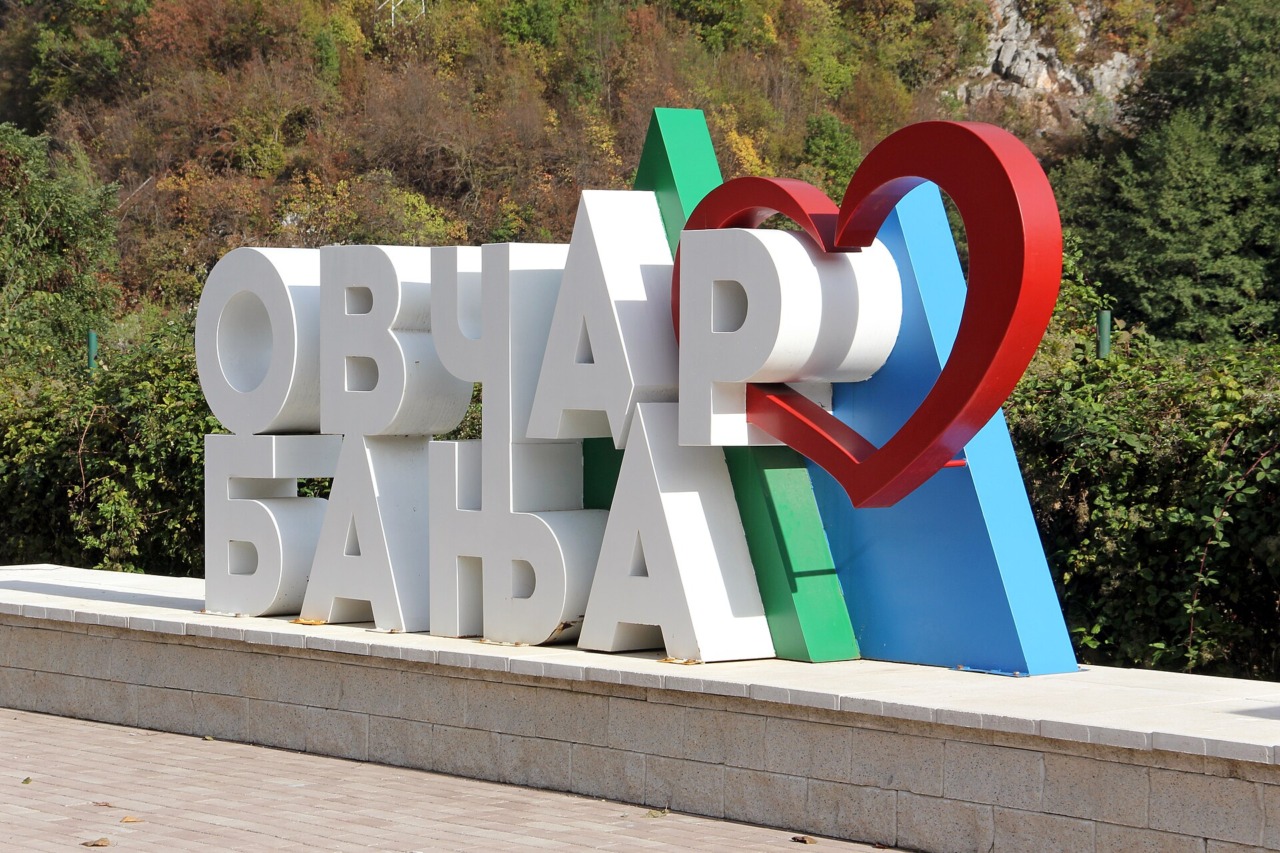
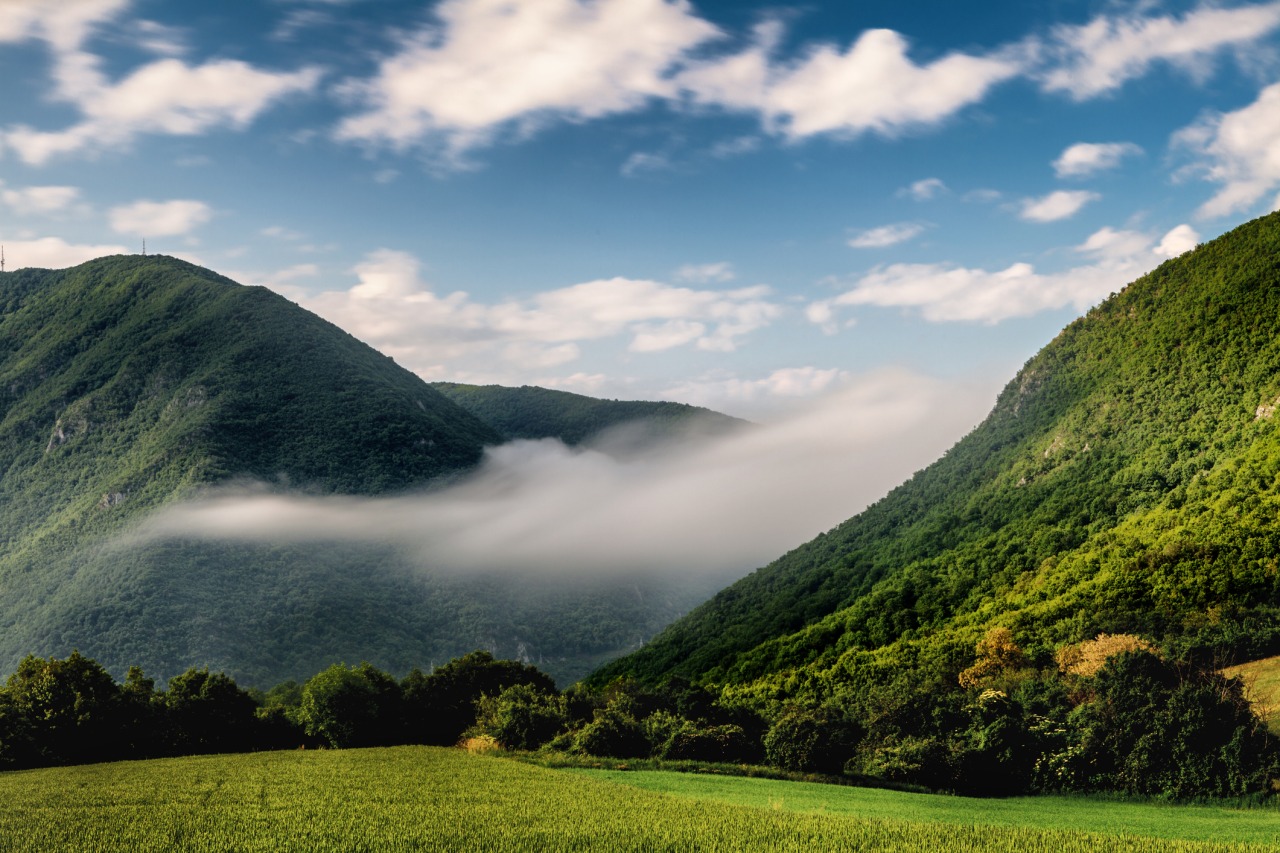
For a relaxed visit, pair a morning walk or boat ride with lunch and time by the water. More experienced hikers can climb towards the Kablar viewpoint, although the route, terrain and weather conditions should always be checked before setting out.
Ovčar Banja is where late summer becomes quieter rather than disappearing. The water, forests and warm stone of the gorge retain the season, while cooler mornings hint at what is coming next.
Best for: Nature, monasteries and a combination of rest and activity
Choose your pace: A riverside day, a boat excursion or a hike above the gorge
Keep in mind: Trails vary considerably in difficulty; proper footwear and current local advice are important
5. Palić: September Beneath the Plane Trees
Palić is often associated with its grand villas, lakeside promenade and the elegant architecture of the early 20th century. In September, those qualities come to the foreground.
The summer rush begins to ease, but the park remains green and the cafés around the lake continue to encourage long, slow breaks. Walking beneath the plane trees, passing the Water Tower, the Grand Terrace and the Women’s Lido, it is easy to understand why Palić developed as a fashionable resort.
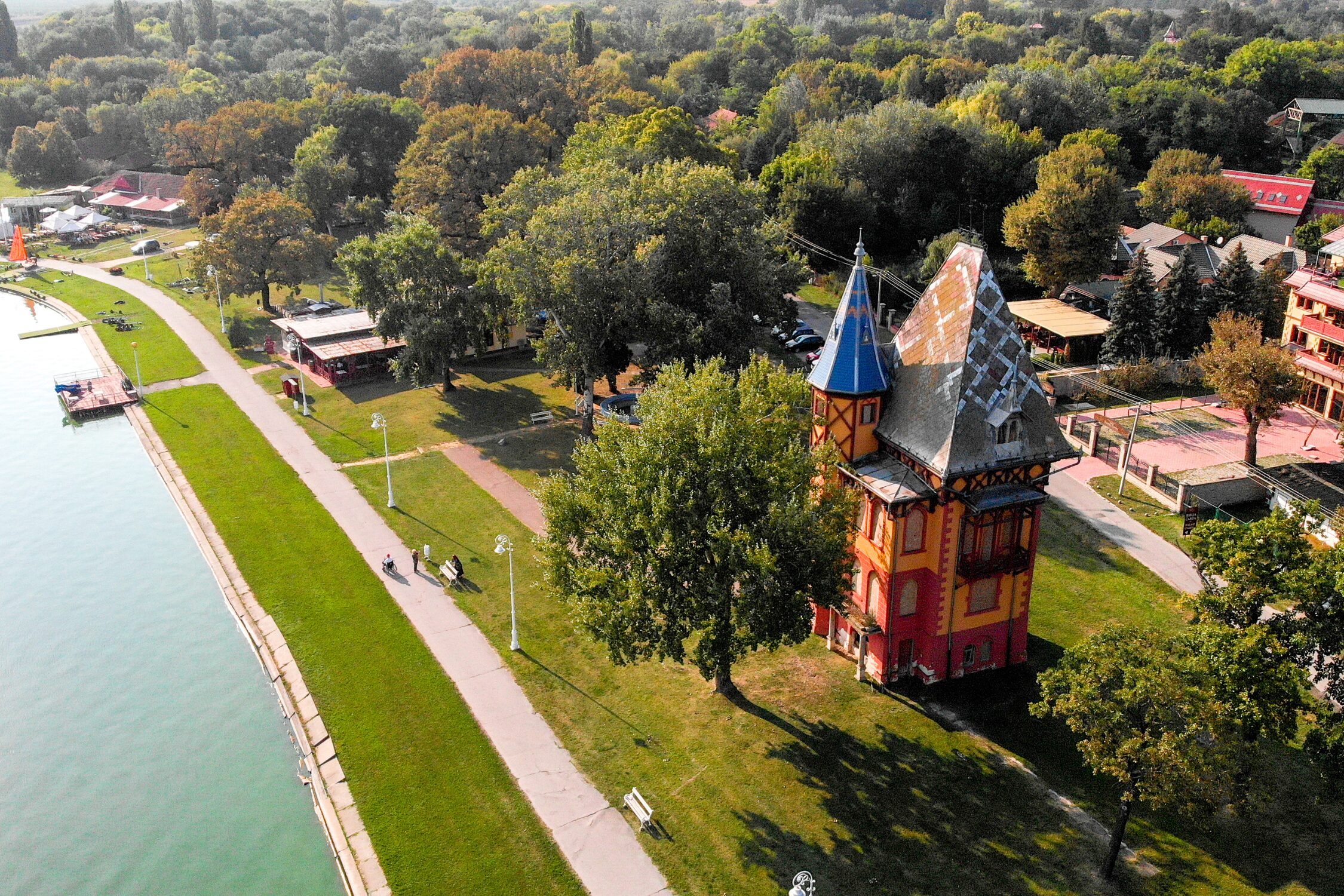
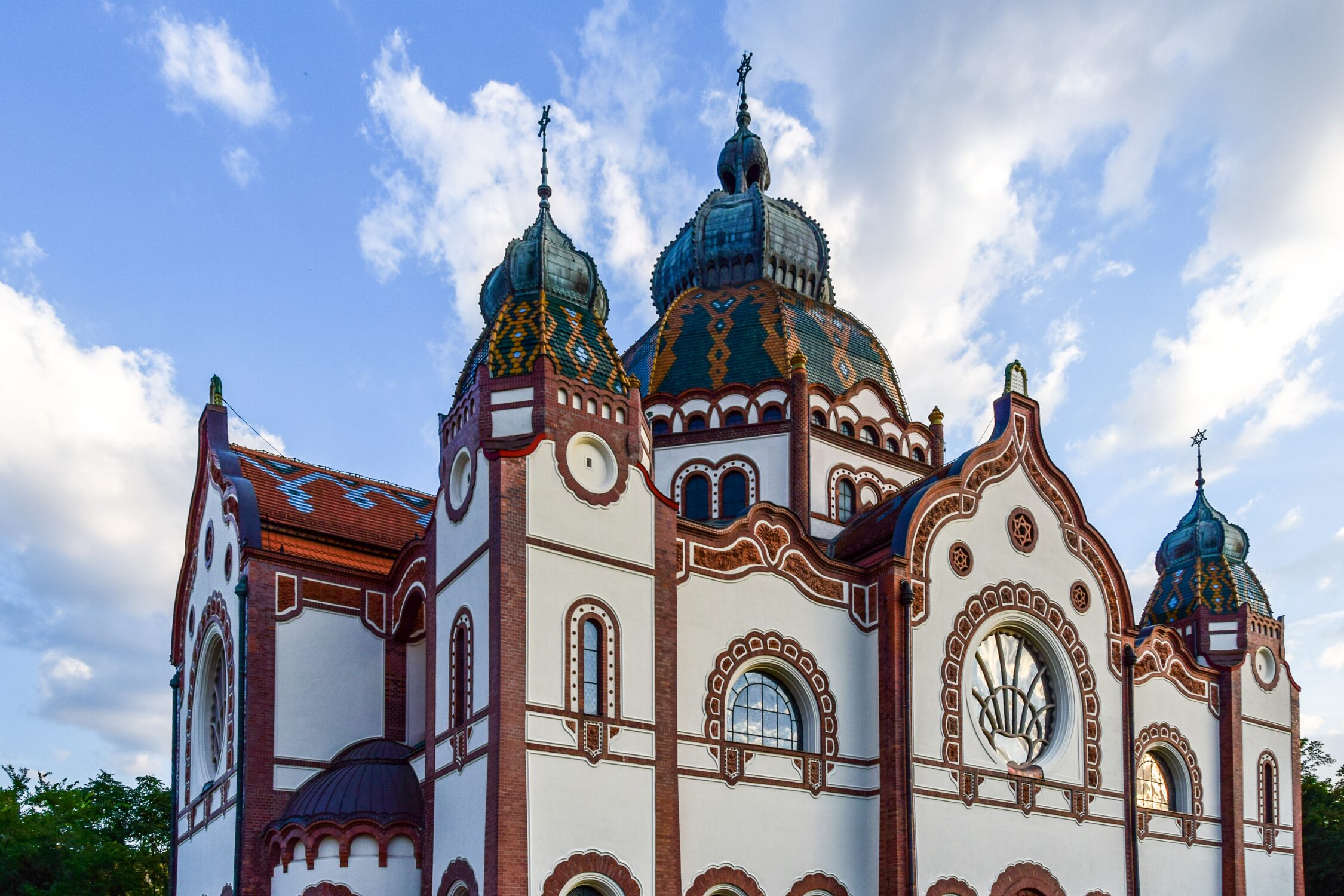
The best way to experience it is without an ambitious schedule. Walk or cycle beside the lake, explore the historic buildings and leave time for lunch. Families can combine the visit with Palić Zoo, while travellers interested in architecture can continue to nearby Subotica for its exceptional Art Nouveau landmarks.
Palić is not included here primarily as a swimming destination. The lake’s ecological condition and current bathing guidance should always be checked locally. Its late-summer appeal comes from the atmosphere around the water: shaded paths, open-air tables, decorative pavilions and an unhurried resort rhythm.
With Subotica only a short distance away, the two destinations form one of Serbia’s easiest and most rewarding city-and-nature combinations.
Best for: Architecture, easy walks, families and a car-free-style break once you arrive
Do not miss: The Water Tower, Grand Terrace and the centre of Subotica
Travel slowly: Give Palić and Subotica a full weekend instead of treating the lake as a brief photo stop
6. Zaovine: The Last Green Days on Tara
Summer lingers differently in Zaovine. There are no warm urban evenings or busy promenades. Instead, there are deep green forests, scattered mountain homes and views across a lake whose colour changes with the sky.
Located within the wider landscape of Tara, Zaovine offers a quieter alternative to Serbia’s better-known mountain centres. Early September often preserves the full greenery of summer, while mornings and evenings become noticeably fresher. The changing temperature is part of the experience: a bright afternoon beside the lake can be followed by a cool night that requires a jacket.
This is a destination for unhurried walks, viewpoints, picnics and time at a mountain house. The lake is visually central, but visitors should not assume that every shore is accessible or suitable for swimming. Water levels, access conditions and temperatures can vary, and the landscape deserves the same caution as any mountain environment.
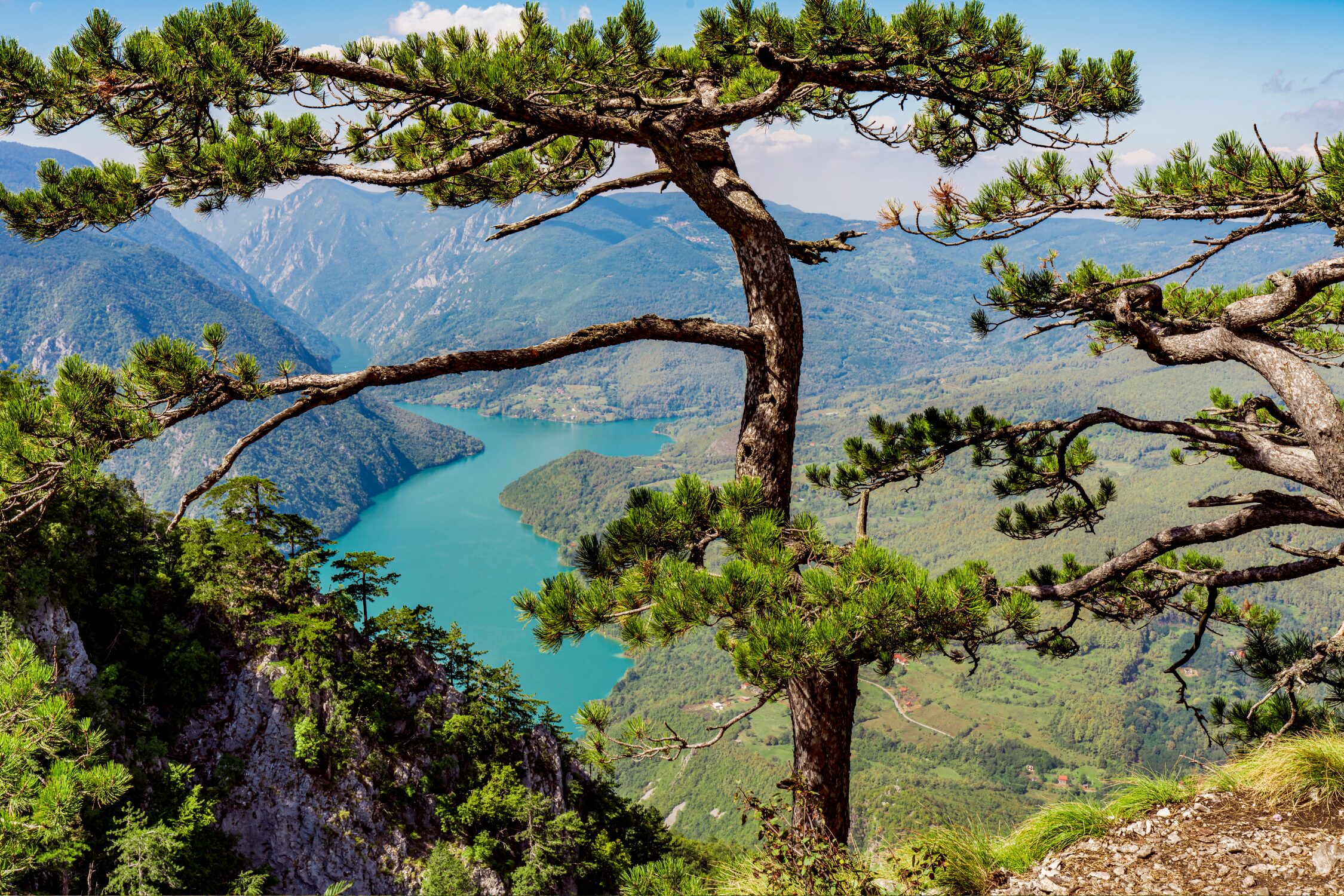
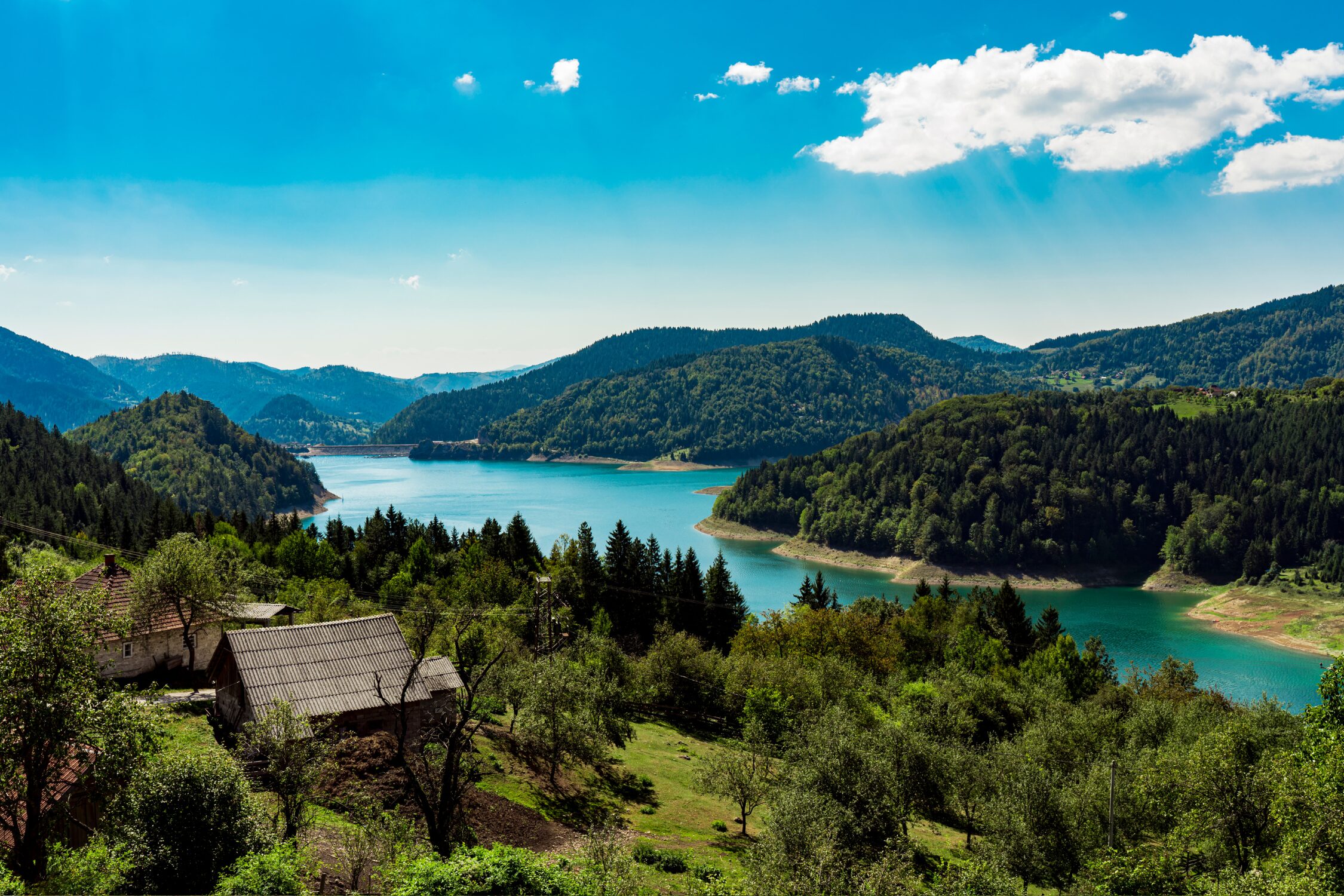
Zaovine is particularly rewarding for travellers willing to stay overnight. Once the day visitors leave, the silence of Tara becomes the main attraction. With clear weather, the transition from warm daylight to a crisp evening can feel like watching summer and autumn meet in the same place.
Best for: Mountain houses, forest landscapes and complete disconnection
Bring with you: Layers, walking shoes and supplies if your accommodation is remote
Stay longer: Explore Tara’s viewpoints and villages, but allow enough time for slow mountain roads
7. Banja Koviljača: A Final Weekend in the Park
Banja Koviljača may not be the first place that comes to mind when planning a late-summer escape, and that is precisely why it belongs on this list.
The spa town lies near the Drina, beneath the wooded slopes of Mount Gučevo. Its centre is shaped by one of Serbia’s most elegant spa parks, with long paths, mature trees and historic buildings arranged around the Kur-salon. In early September, the greenery is usually still rich, outdoor tables remain inviting and the days are well suited to walking.
Unlike destinations built around a beach or a single attraction, Banja Koviljača encourages a slower routine. Begin with coffee in the park, walk without a fixed route, have lunch and then continue towards the Drina or explore the surrounding area. Nearby Tršić, the birthplace of Serbian language reformer Vuk Karadžić, adds cultural depth, while Gučevo offers forest and wider views.
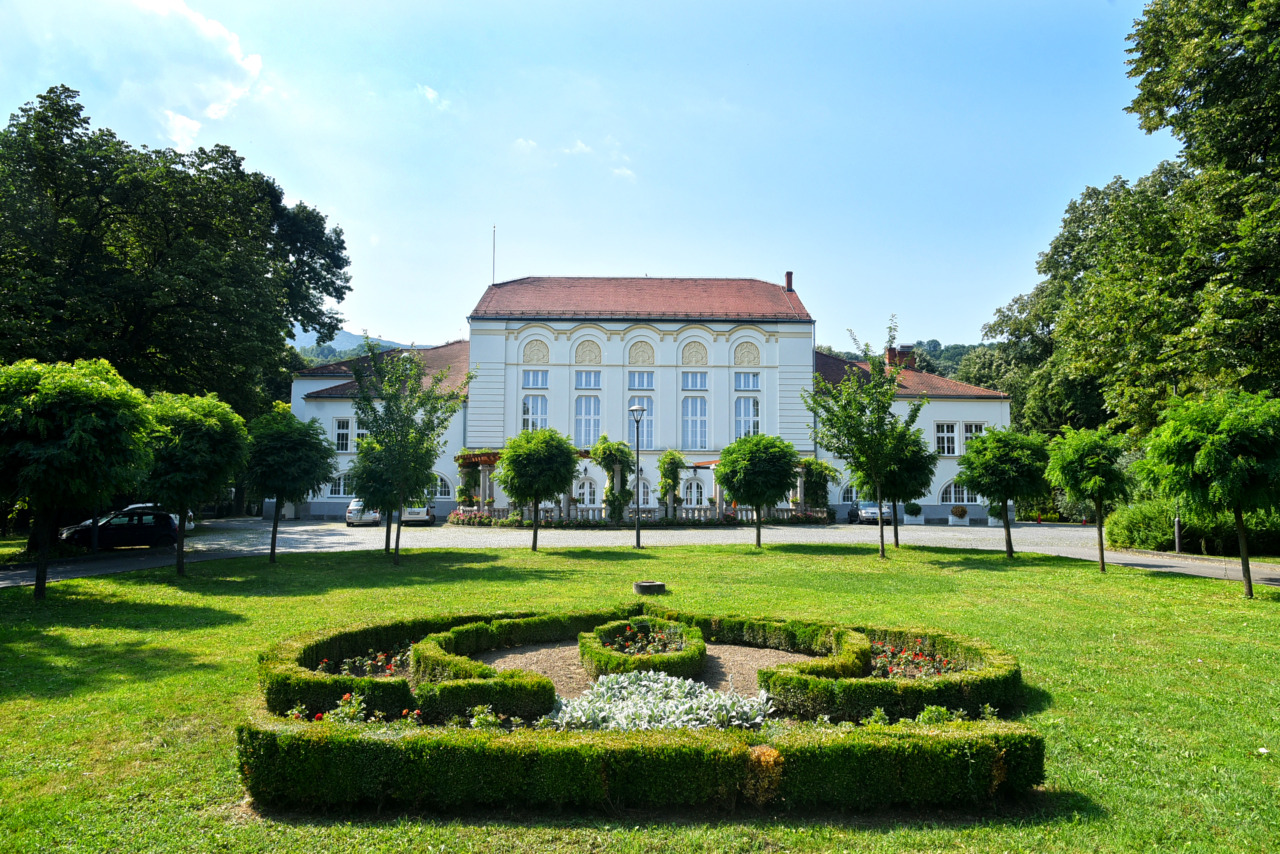
This is a particularly good choice for travellers who want the feeling of a summer weekend without needing to swim. The pleasure comes from being outside: shaded avenues, spa architecture, the river landscape and evenings that are still mild enough for a final drink on a terrace.
Best for: Slow travel, spa heritage and a peaceful couple’s weekend
Stay longer: Add Tršić, Loznica, Gučevo or a drive along the Drina
Look beyond the spa: The wider Podrinje region turns a restful stay into a varied short journey
How to Plan an Early-September Escape in Serbia
September travel rewards flexibility. A hot afternoon may feel almost identical to August, while the next morning can bring rain or a sudden drop in temperature. Pack light layers, comfortable shoes, sun protection and something waterproof, particularly when heading towards Tara or the Đerdap Gorge.
Before travelling, check local weather, road conditions, opening hours and any current information about swimming areas or boat excursions. Seasonal services may operate less frequently after August, even when the days remain warm.
Most importantly, resist the urge to recreate a peak-summer holiday. These destinations are at their best in September precisely because the tempo has changed. Walk farther. Stay for sunset. Choose one fortress, one viewpoint or one long lunch instead of trying to complete an entire region in a day.
Summer Does Not End Everywhere at Once
In Serbia, the transition into autumn rarely happens in a single moment. It begins with cooler mountain nights, baskets of grapes at the market and the first leaves changing colour, while riverside towns and open landscapes hold on to the light of summer.
From the lakes of Bela Crkva to the Danube at Donji Milanovac and the forests around Zaovine, early September offers something that August often cannot: warmth without urgency. The season is still there, but there is finally enough space to notice it.
Related Articles