
Between Novi Sad and the plains stretching towards Zrenjanin, not far from Temerin and Žabalj, lies one of Vojvodina’s least-known yet most ecologically valuable landscapes.
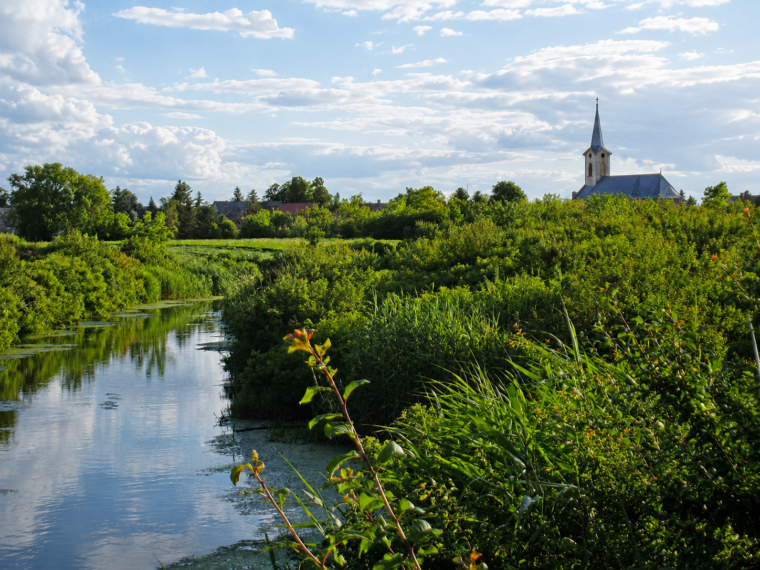
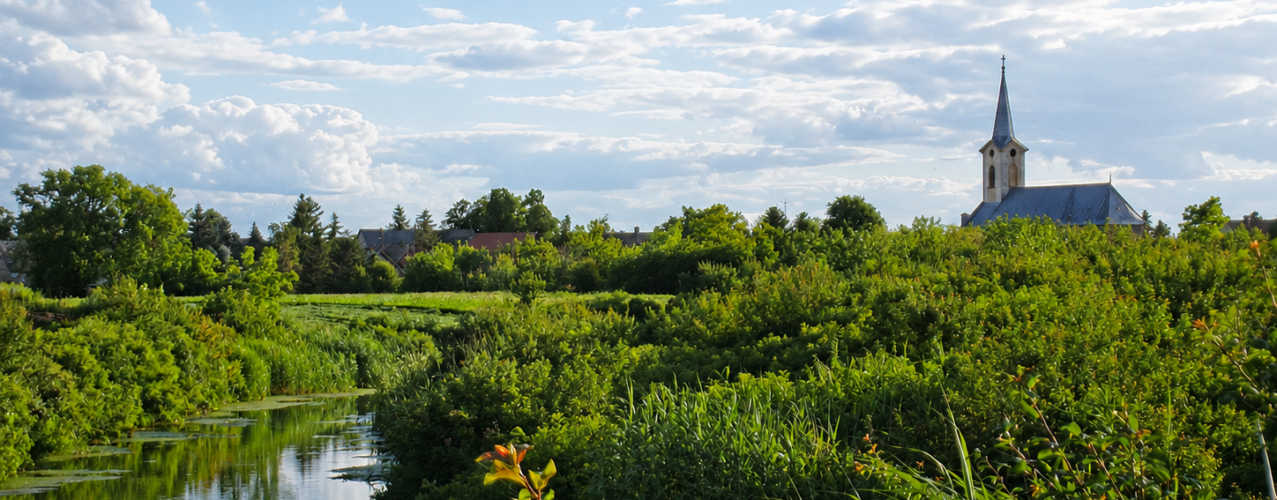
At first glance, Jegrička appears to be a quiet lowland river bordered by reeds and water lilies. Beneath its peaceful surface, however, lies a complex world of wetlands, aquatic plants, fish, amphibians and almost 200 species of birds.
There are no dramatic cliffs, mountain viewpoints or large tourist complexes here. The beauty of Jegrička reveals itself slowly – during a walk beside the water, a boat ride through the reeds or a quiet moment spent watching birds from an observation point.
It is precisely this understated character that makes Jegrička an ideal destination for a day away from the city and an opportunity to discover a different, wetland side of Bačka.
A River That Was Once a Chain of Connected Marshes
Jegrička is the longest indigenous watercourse in Bačka. It extends for approximately 65 kilometres, from the area around Despotovo, Silbaš, Parage, Ratkovo and Pivnice to its confluence with the Tisa River near Žabalj. However, Jegrička did not always resemble a conventional river.
Its original course consisted of a chain of marshes, wet depressions and shallow basins through which water gradually drained towards the Tisa. Over time, these separate bodies of water were connected into a single watercourse, while water regulation and the construction of the canal network further altered its appearance.
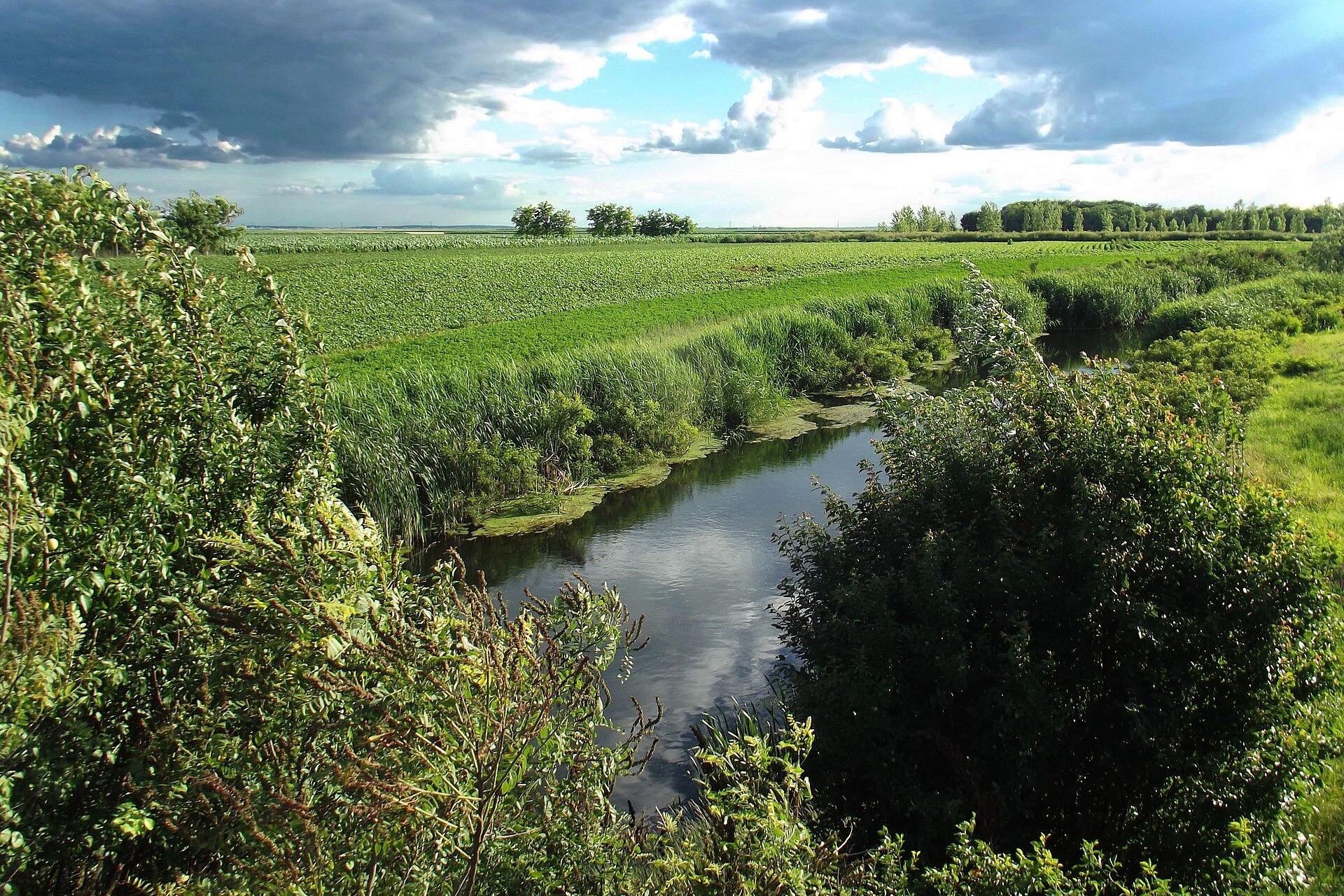
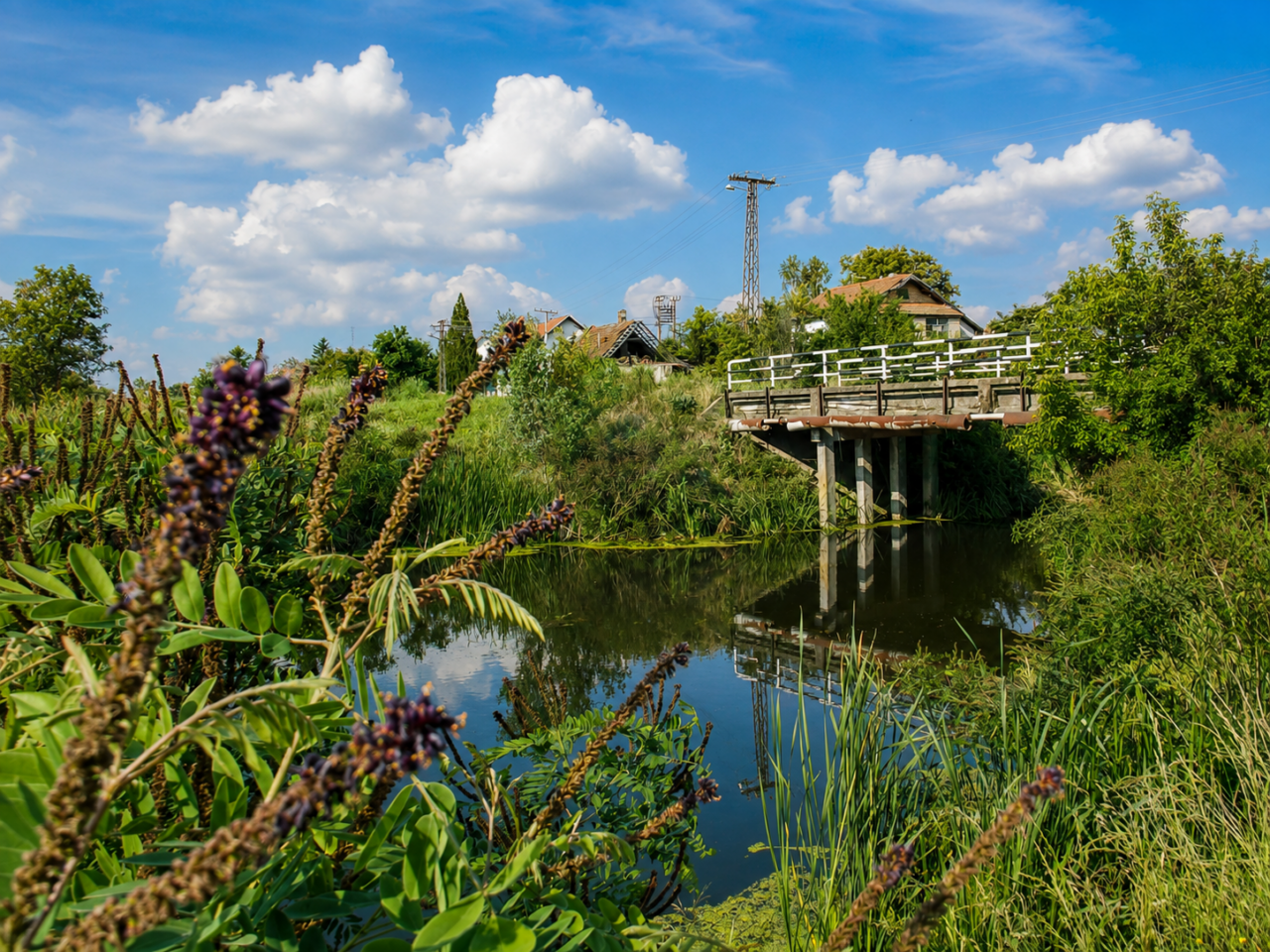
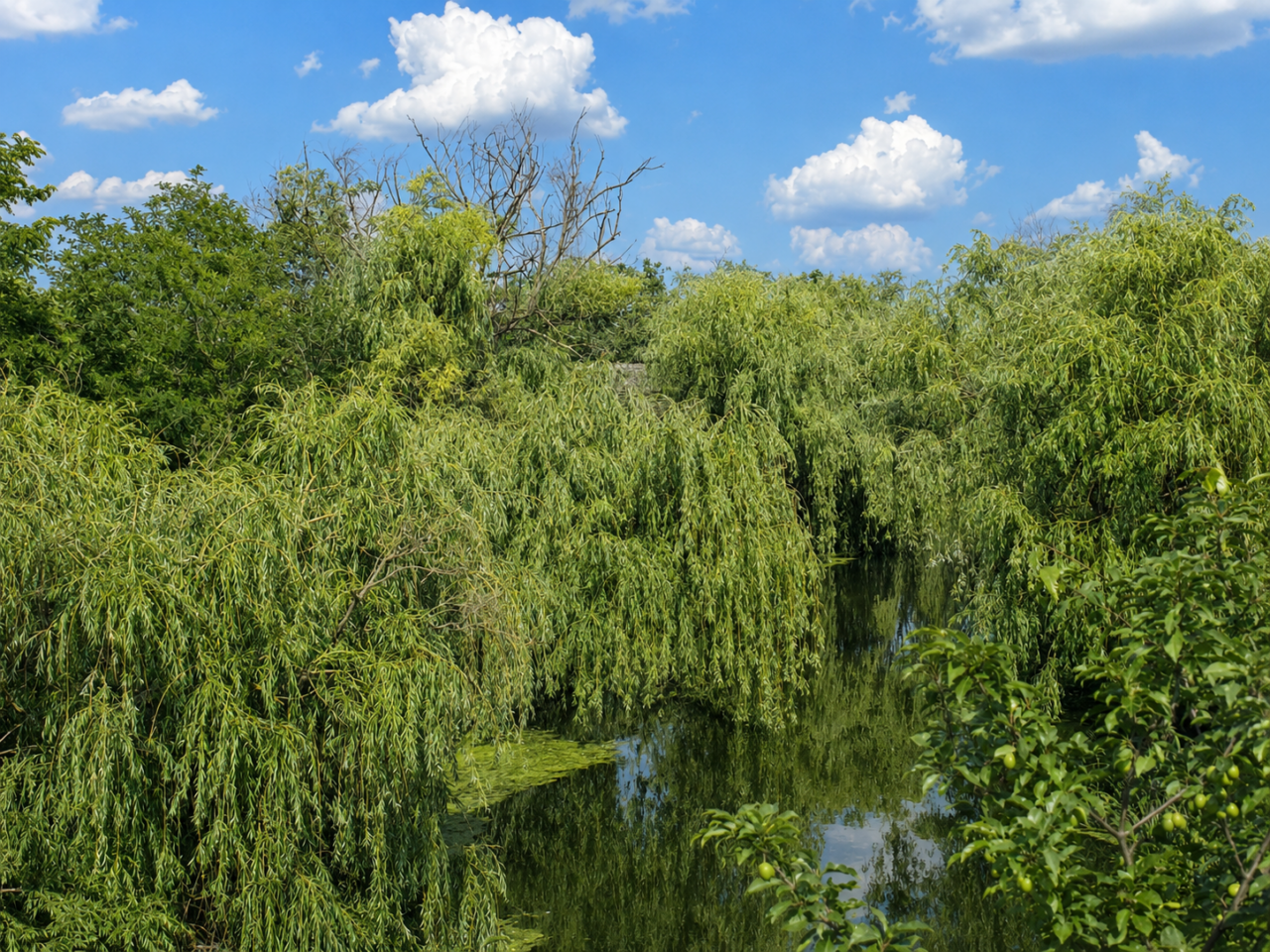
For this reason, parts of Jegrička still resemble a long, peaceful marsh more than a river. The water moves slowly, the banks are covered with reeds and cattails, and during the warmer months, water lilies and other aquatic plants spread across its surface.
The first known cartographic representation of Jegrička dates back to 1762, when it appeared on maps of the former Bács-Bodrog County.
A Protected Corridor Across Four Municipalities
Jegrička Nature Park extends across four municipalities: Bačka Palanka, Vrbas, Temerin and Žabalj. The protected area covers slightly more than 1,193 hectares, while its buffer zone encompasses more than 5,700 hectares.
The park was first declared a protected area in 2005. Under a new provincial decision adopted in 2022, it was classified as a Category II protected area – a natural site of major provincial and regional importance.
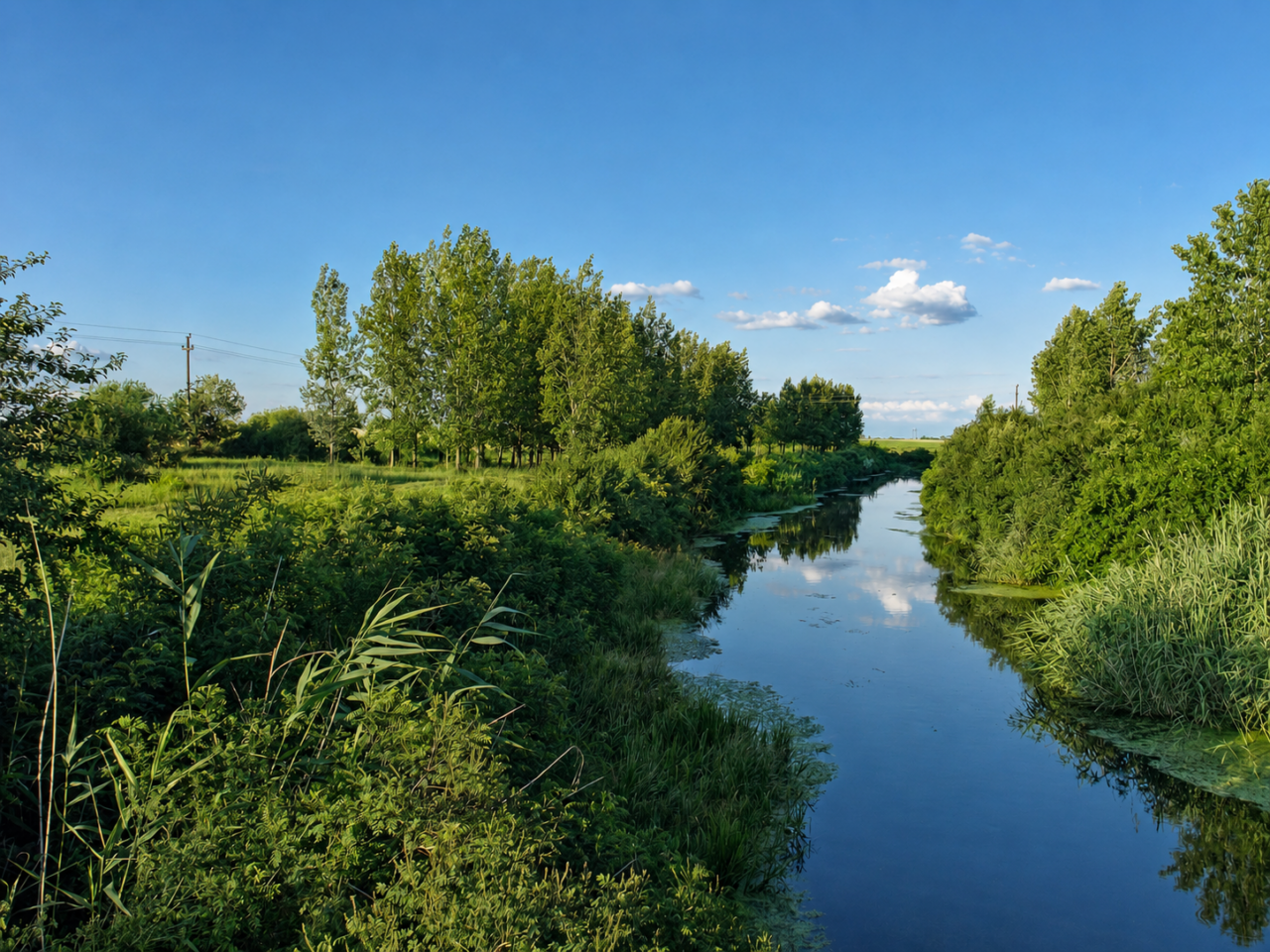
Protection does not apply only to the watercourse itself. The boundaries of the park also include wetland vegetation along the banks, part of the Mala Bara watercourse, the mouths of smaller tributaries, saline pastures and remnants of former forests.
The most valuable natural areas are found in the middle and lower sections of the river, particularly between the bridge on the Temerin–Bečej road and the areas towards Žabalj and the Tisa.
One of Southern Bačka’s Last Wetland Oases
Most of southern Bačka is now covered by settlements, roads and cultivated fields. The remaining marshes, wet meadows, reed beds and saline habitats are therefore exceptionally important.
Jegrička provides refuge for species that have disappeared from many other parts of the plain. Changes in water levels periodically flood the riverbanks, creating the conditions needed for distinctive aquatic and wetland vegetation to survive.
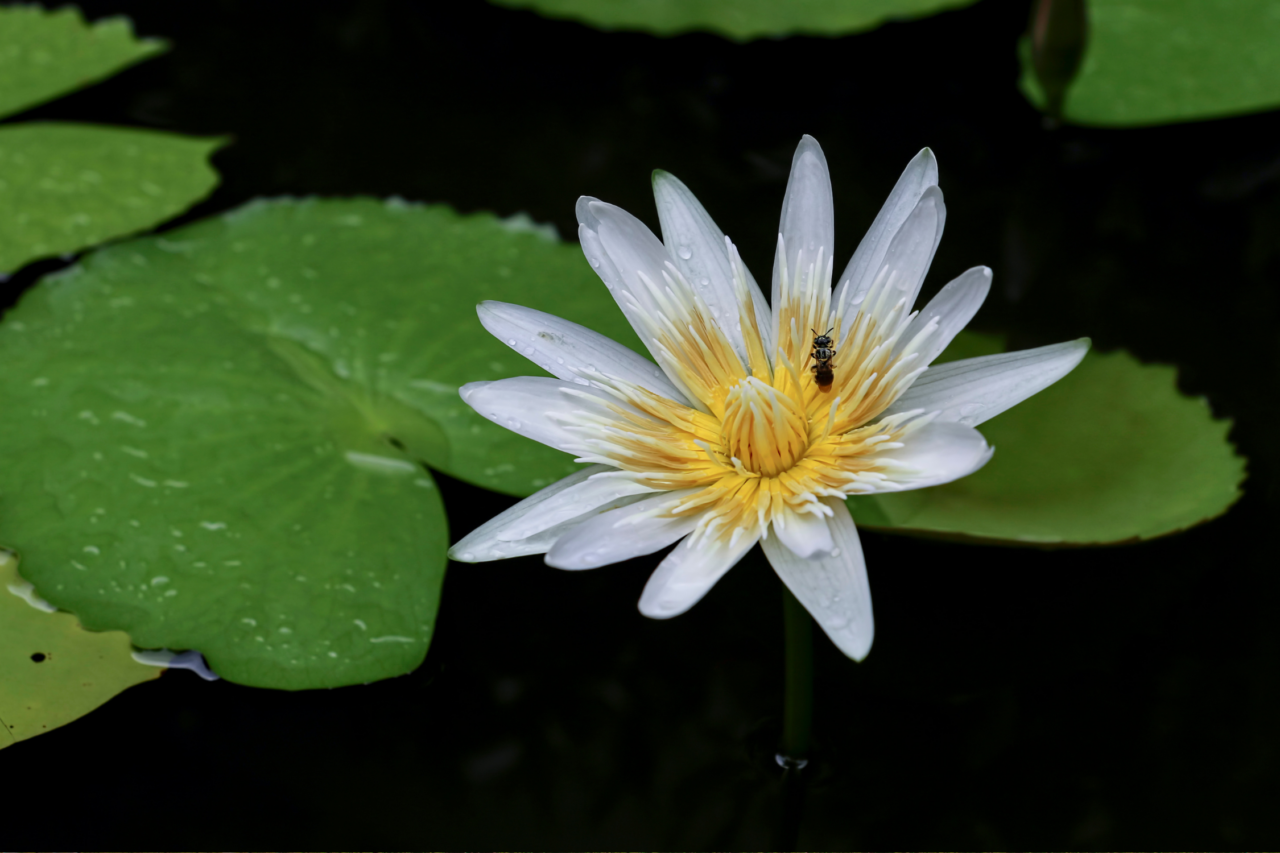
Researchers have recorded 148 taxa of higher plants within the park. Particularly important species include the white water lily, marsh fern, water caltrop and floating fern. During summer, white water lily blossoms emerge between green leaves and reeds, creating one of Jegrička’s most beautiful and recognisable scenes. These plants are not merely decorative, however. They form part of a sensitive ecosystem and must not be picked or removed from the water.
Jegrička is also an important habitat for the European pond turtle and the European fire-bellied toad, a small amphibian named after the striking red and black markings on the underside of its body.
A total of 22 fish species have been recorded in its waters. Strictly protected species include the tench, weatherfish, European bitterling and crucian carp, while anglers also know the river for common carp, northern pike, pike-perch and catfish. The Eurasian otter has also been recorded in the wider Jegrička area. Its presence is considered an important indicator of a well-preserved aquatic habitat.
A Paradise for Birds in the Middle of the Plain
Birdlife is one of the main reasons Jegrička is internationally significant. A total of 198 bird species have been recorded in this area, many of which are strictly protected. Part of the Jegrička River and the surrounding Žabalj marshes has been recognised as an Important Bird Area, or IBA.
Reed beds, open water, muddy banks, wet meadows and surrounding farmland create several different habitats within a relatively small area. As a result, visitors can observe species associated with water, wetlands and reeds, as well as birds that feed in the surrounding fields.
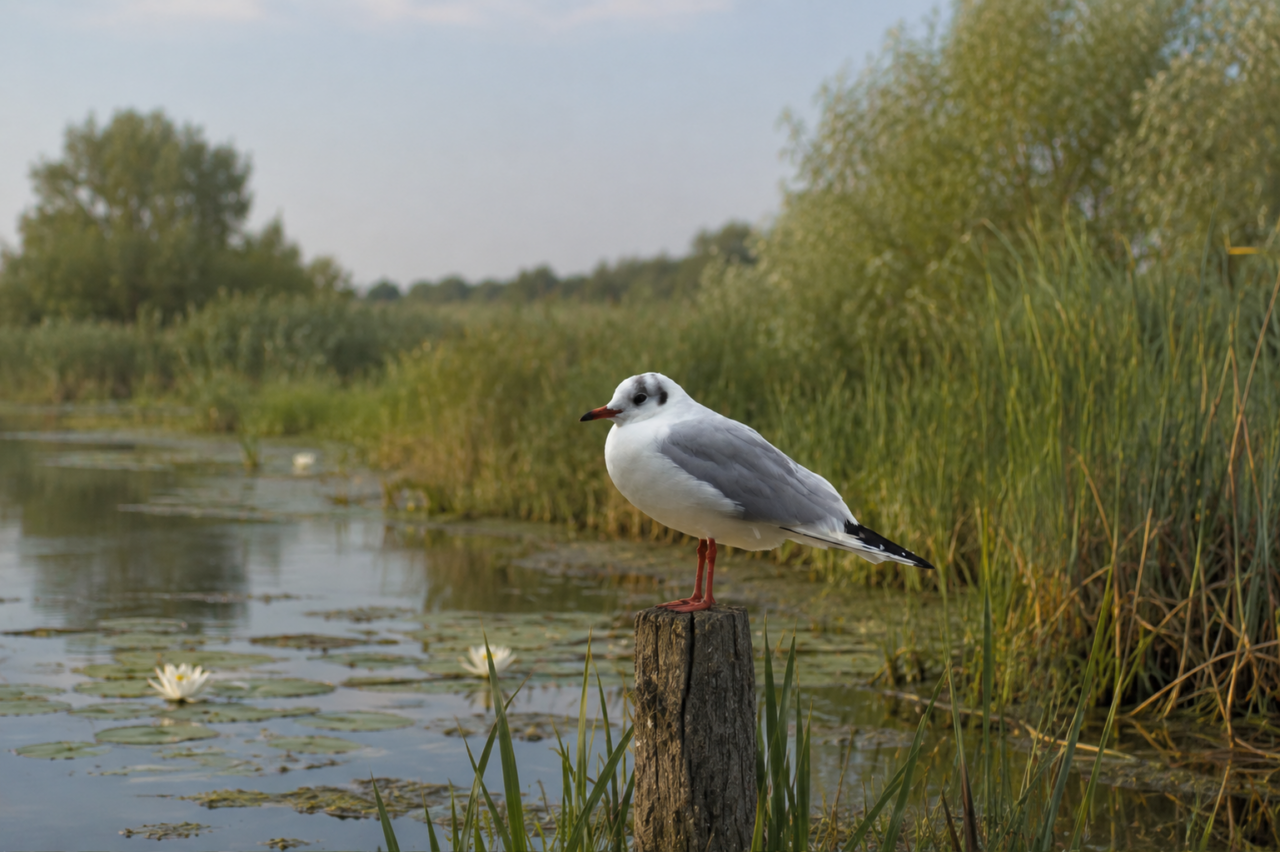
Jegrička is interesting throughout the year, but spring and autumn are particularly important because of bird migration. Early morning and the hours before sunset are the best times for birdwatching, when wildlife is most active and there are fewer visitors on the water. No elaborate equipment is required. A pair of binoculars, comfortable footwear and a little patience are enough to reveal a world that can easily remain unnoticed at first glance.
The Information Centre Near Temerin
The most accessible starting point for visiting the park is located approximately two kilometres north of Temerin, beside the bridge on the Novi Sad–Bečej road.
The Jegrička Nature Park Information Centre opened here in 2010, within a facility operated by Vode Vojvodine, the provincial public water management company. It was established as a starting point for exploring the protected area and as a venue for guided visits, educational workshops, research programmes and outdoor classes.
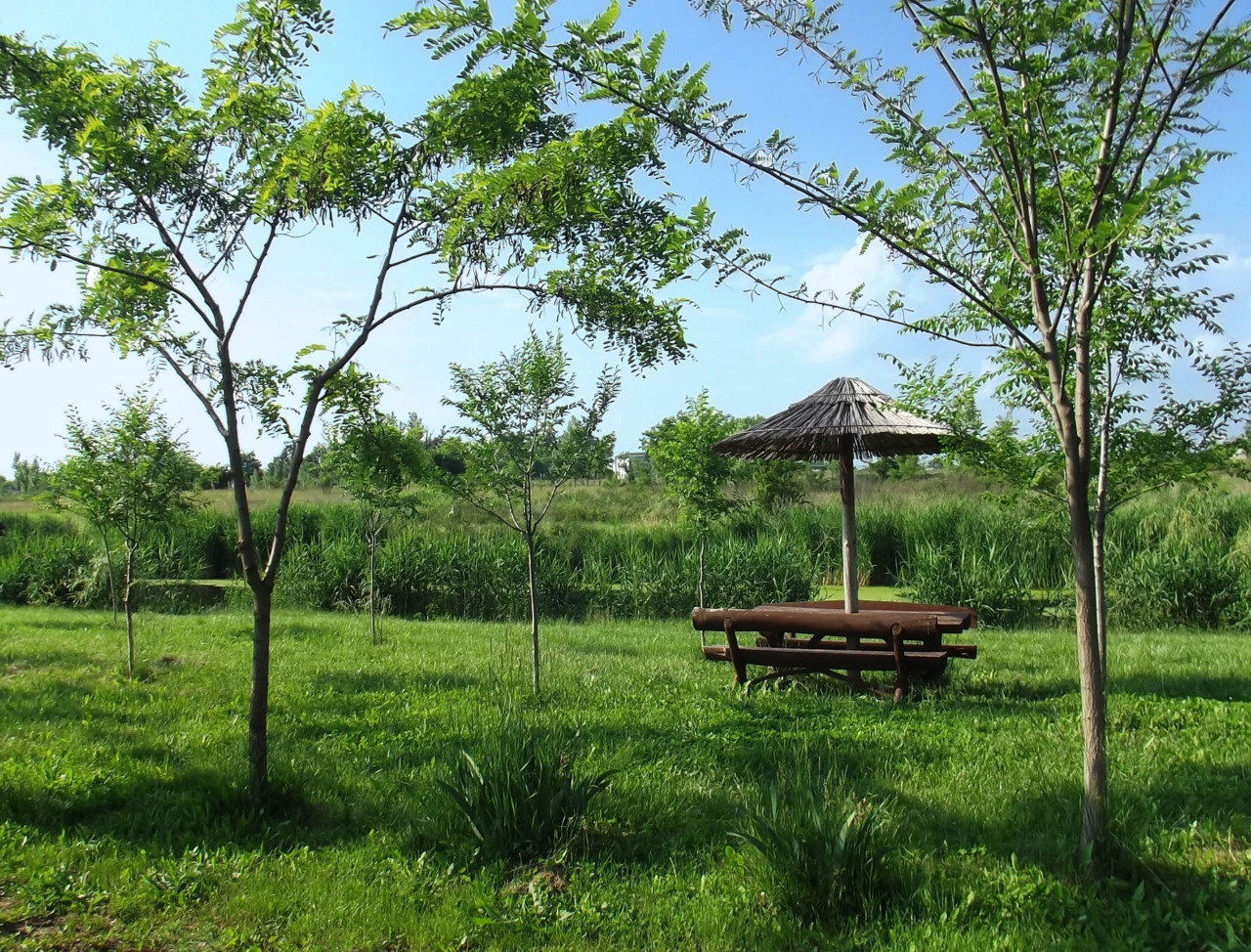
The area around the centre includes spaces for resting, access to the water and the beginning of the walking trail. Parking is available for both cars and buses.
As visitor activities, tour times and boat availability depend on the season, water levels and weather conditions, contacting the park management before arrival is strongly recommended.
Walk the Educational Trail to the Birdwatching Tower
An educational trail approximately 3.5 kilometres long leads from the Information Centre to a birdwatching tower near the river. The walk is not physically demanding and is suitable for families with children. Appropriate footwear is still advisable, particularly after rain, when sections of the path may become wet or muddy.
The greatest value of this walk is not the distance covered but the gradual transformation of the landscape – from open fields and meadows to reeds, wetland plants and the still surface of the river.
Visitors should remain quiet at the observation tower and avoid sudden movements. Birds are more likely to approach if people stay still for several minutes instead of stopping only briefly before moving on.
Cruise Through the Reeds on the Čigra Catamaran
One of the most memorable ways to experience Jegrička is from the water. The Čigra catamaran departs from the Information Centre near Temerin and travels through the nature park towards the birdwatching tower in the direction of Žabalj. The journey lasts approximately one hour and covers around seven kilometres of the quiet watercourse. The boat provides excellent views of dense reed beds, aquatic vegetation and birds resting along the banks. It allows visitors to enter a landscape that often remains hidden when viewed only from land.
The catamaran has limited capacity, and trips must be arranged in advance and normally require a minimum number of passengers. Rides are generally available from spring to autumn, but departures depend on weather conditions, water levels and the current schedule of the park management. Visitors should therefore confirm availability, departure times and current prices before travelling rather than relying on older information found online.
Kayaking and Boating
Jegrička’s calm surface makes it attractive for kayaking and trips in small boats. Paddling between tall walls of reeds and water lilies can create a remarkable sense of isolation from the surrounding world.
However, Jegrička is a protected area divided into zones with different levels of protection. Certain sections of the river are particularly important for nesting birds and the survival of sensitive species.
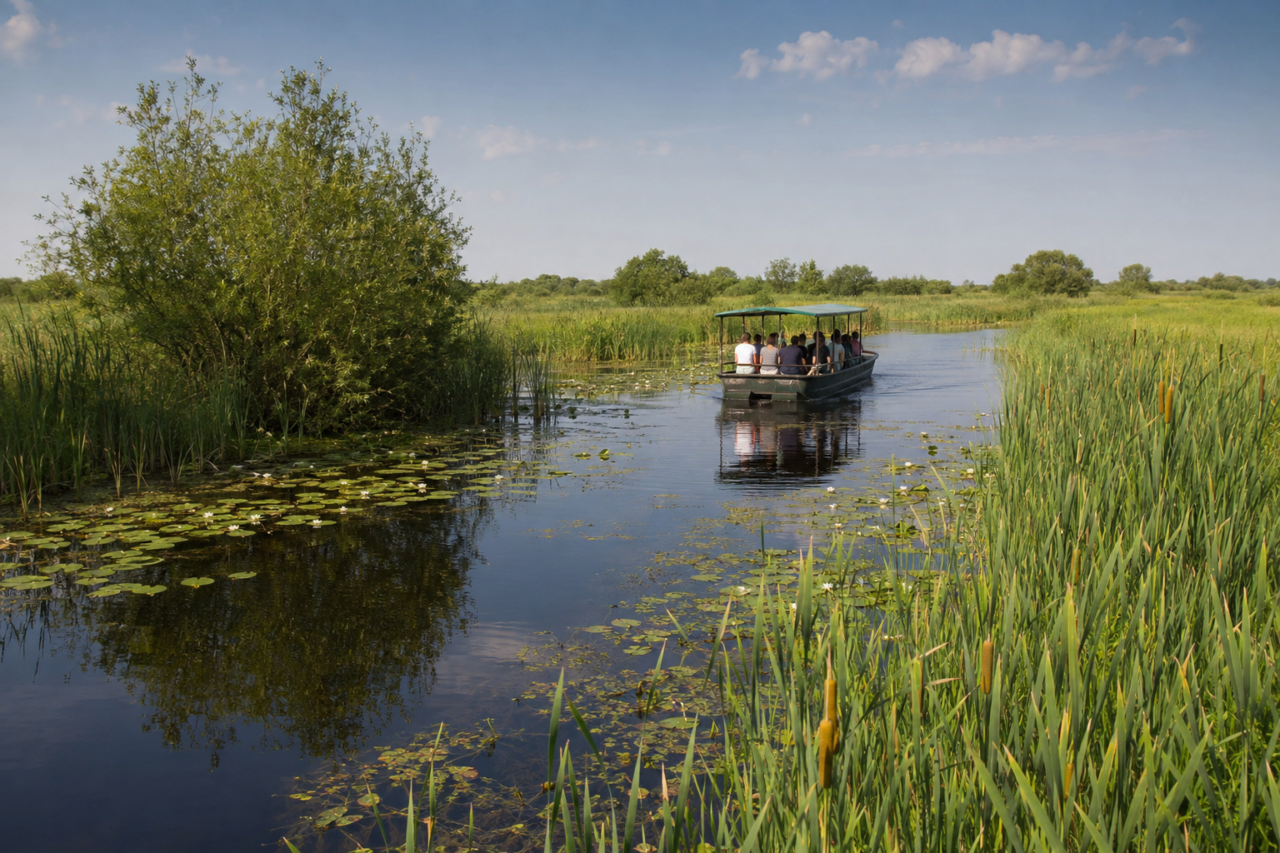
Independent access by boat should therefore not be planned without first checking the relevant regulations. The safest option is to join an organised excursion or contact the park management for information about permitted access points and navigation zones.
Visitors should not approach nests, enter dense reed beds or disturb wildlife with excessive noise.
Recreational Fishing on the Jegrička
Jegrička has a long fishing tradition. Its waters are home to common carp, northern pike, pike-perch, catfish and other species characteristic of lowland rivers.
Recreational fishing is permitted only in designated areas and during periods determined by the fishing-area manager. A valid fishing licence is required. Additional restrictions may apply during spawning seasons, within stricter protection zones or at sites important for birds and other wildlife.
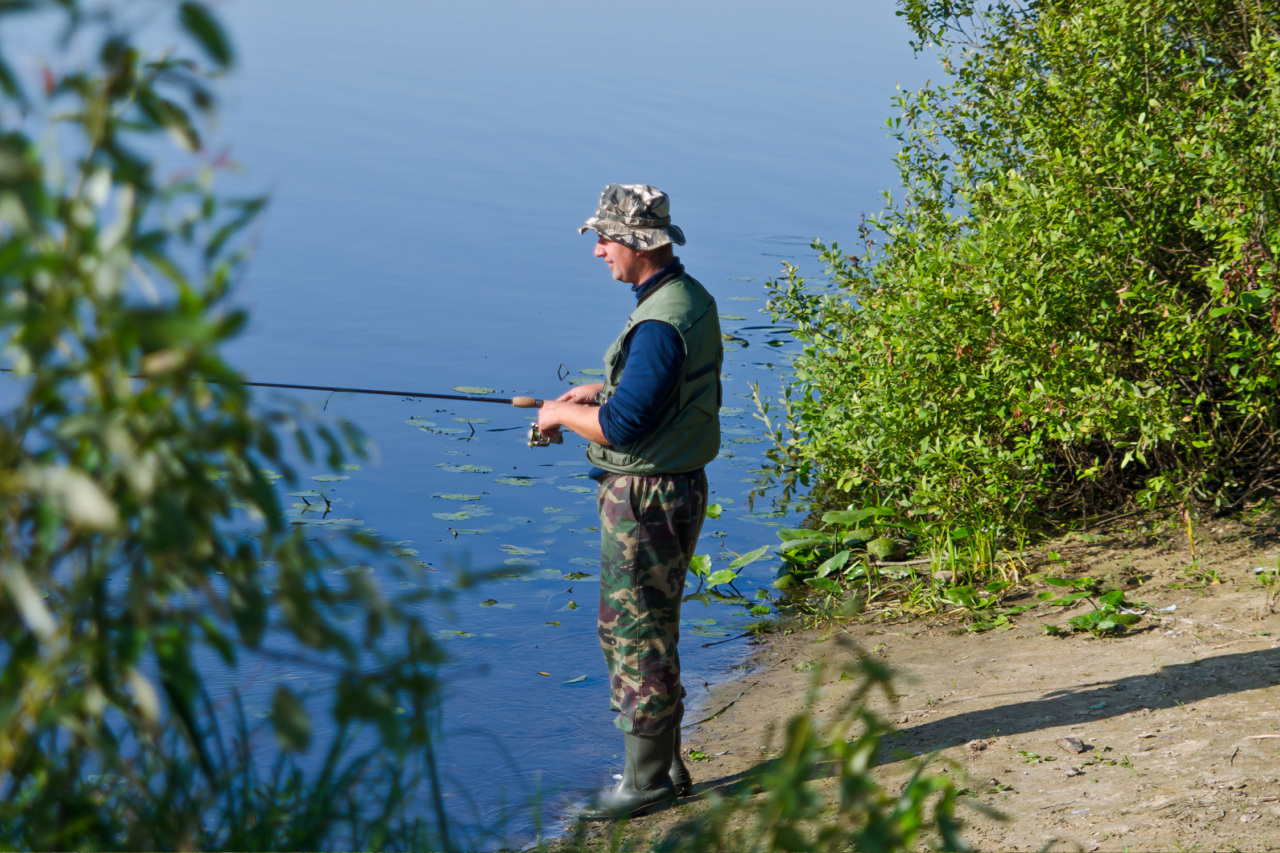
Before fishing, visitors should check the current regulations, permitted methods, minimum sizes and daily catch limits. Jegrička should primarily be treated as a protected habitat and only then as a fishing destination.
The Best Time to Visit
Each season reveals a different side of Jegrička.
Spring brings rising vegetation, higher water levels and intense bird activity. It is one of the best periods for walking and nature photography.
Summer is particularly beautiful because of the lush wetland vegetation and blooming water lilies. Early morning or late afternoon visits are recommended, as exposed parts of the trail can become very hot during the day.
Autumn brings quieter landscapes, pleasant temperatures and migrating birds. The changing colours of the reeds and low vegetation give the entire area a warmer, almost golden appearance.
Winter is silent and minimalist. Fewer visitor activities are available, but the landscape can be especially appealing to photographers and those seeking complete tranquillity.
For a first visit, May, June, September and early October are among the best choices.
What Else to See in Temerin
A visit to Jegrička can easily be combined with an exploration of Temerin. One of the town’s most significant buildings is Sečen Castle, constructed at the end of the 18th century. It is surrounded by the Old Park, which was once designed in the style of an English landscape garden. Although the complex no longer possesses all of its former splendour, it remains an important part of Temerin’s historical heritage.
Local heritage houses preserve furniture, household objects and memories connected with the everyday life of the different communities that have shaped this part of Bačka. Temerin is also known for its thermal mineral water, which reaches an exceptionally high temperature at its source. During the warmer months, a day trip can be completed with a visit to the town’s swimming pool complex.
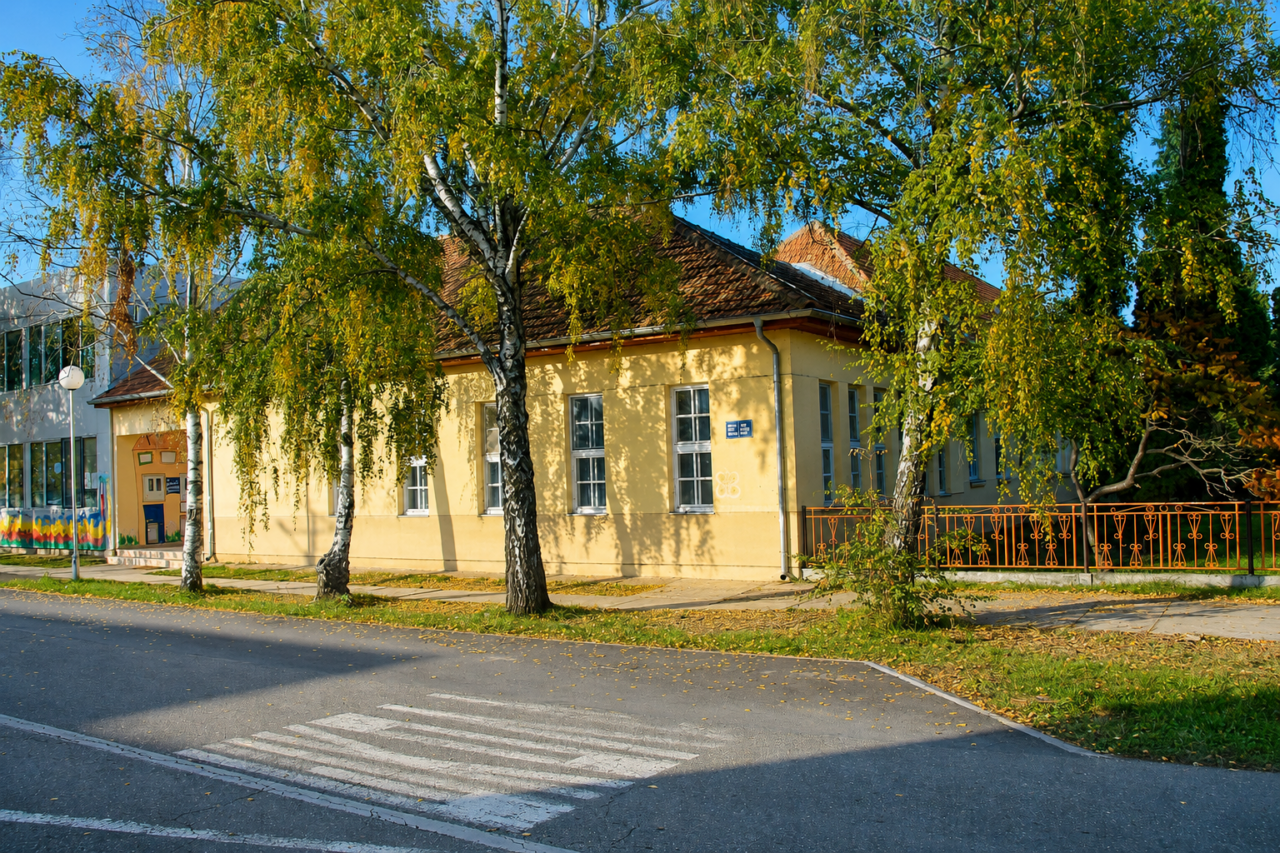
The surrounding countryside is home to traditional farmsteads, restaurants and rural households serving Vojvodina cuisine, making Jegrička a natural starting point for a slower journey through southern Bačka.
Žabalj, the Tisa and the Lower Course of the Jegrička
At the eastern end of its course, Jegrička reaches Žabalj and flows into the Tisa. This area is characterised by wet meadows, fishponds, reed beds and expansive lowland horizons.
The Žabalj marshes are particularly important for birds and represent a natural continuation of the Jegrička ecosystem. A visit can be combined with a trip to the Tisa, lunch at a traditional riverside restaurant or an exploration of smaller settlements along the river. The most sensitive habitats should not be approached outside marked roads and permitted visitor zones.
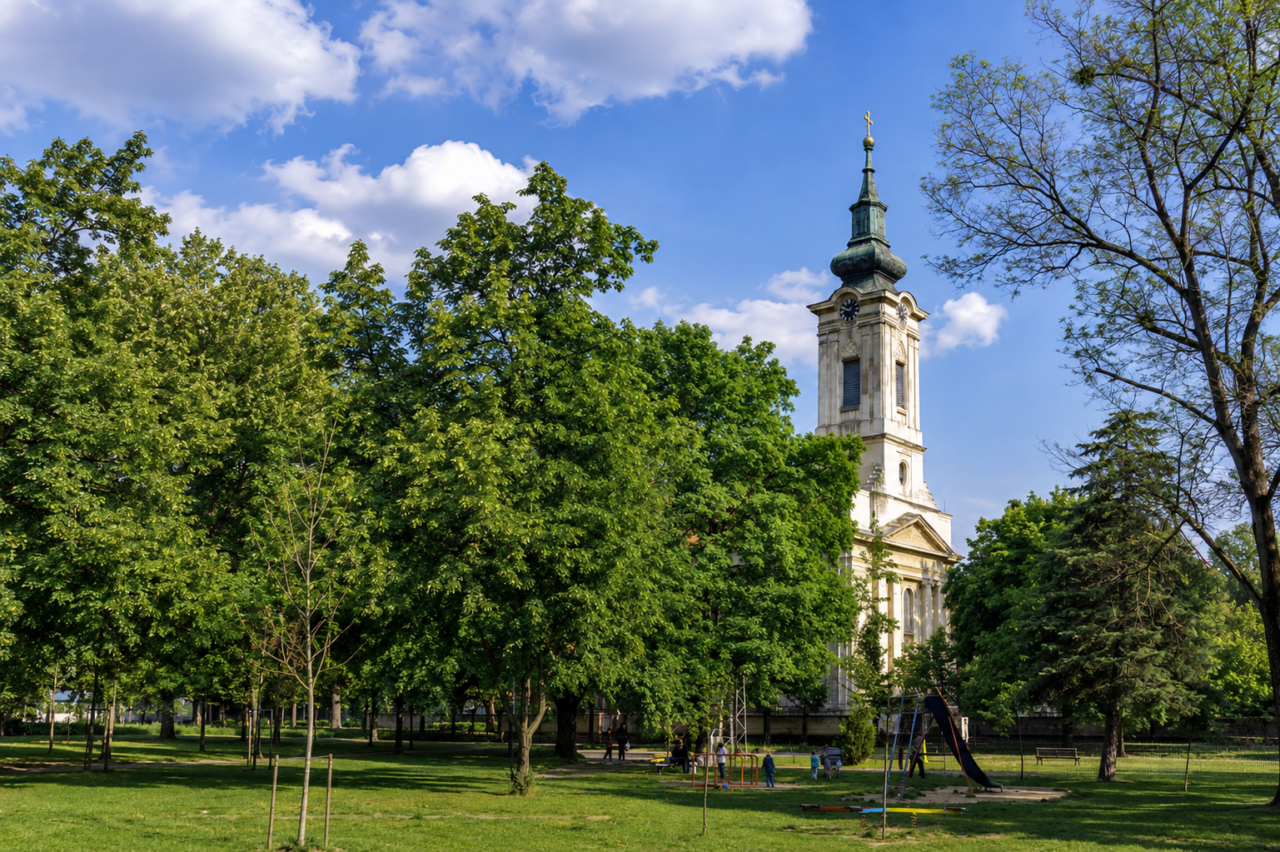
Jegrička does not flow exclusively through uninhabited wetlands. It also passes through Zmajevo and Ravno Selo, where the river has formed part of everyday life for generations.
These sections offer a different perspective – one more closely connected with villages, agriculture and the traditional rhythms of rural Bačka. They do not have the visitor infrastructure found near the Information Centre, but they may appeal to travellers interested in discovering the region beyond its established attractions.
Practical Information
The most convenient starting point is the Jegrička Nature Park Information Centre, located approximately two kilometres north of Temerin, beside the bridge on the Novi Sad–Bečej road. The site is easiest to reach by car from Novi Sad via Temerin. Visitors arriving from the wider Zrenjanin area can approach through Žabalj. However, Jegrička geographically and administratively belongs to southern Bačka rather than Banat.
Bring drinking water, sun and insect protection, closed footwear and binoculars if available. Much of the trail has little shade, so the hottest part of the day should be avoided during summer.
Catamaran rides, group visits, educational programmes and organised tours require advance confirmation. Opening times and available activities may change depending on the season and weather conditions. Picking water lilies or other plants, disturbing animals, approaching nests, leaving rubbish, lighting fires outside designated areas and entering zones with stricter protection regimes are not permitted.
A Place for Travellers Who Know How to Slow Down
Jegrička is not a destination that tries to impress visitors at first sight. Its beauty lies in the stillness of the water, reeds moving in the wind, white water lilies and birds that appear only when a visitor stops and looks carefully.
Just a short drive from Novi Sad, among the villages, fields and roads of southern Bačka, a precious wetland world has survived. It offers a glimpse of how much of the Vojvodina plain once looked before its marshes were drained and its landscapes extensively transformed.
A visit to Jegrička is therefore more than an excursion into nature. It is an opportunity to discover a quieter, more sensitive and often overlooked side of Vojvodina – one that should not be conquered, but slowly explored.
Related Articles
5 Easy Hikes in Serbia for People Who Don’t Usually Hike
September 15, 2026
7 Places in Serbia Where Summer Lasts a Little Longer
September 3, 2026