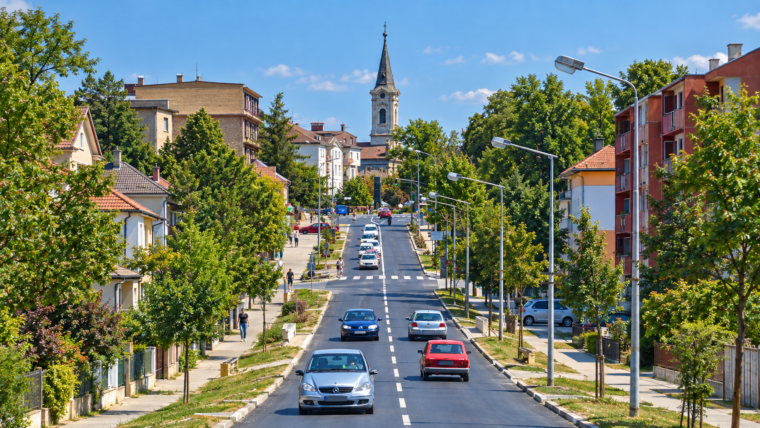

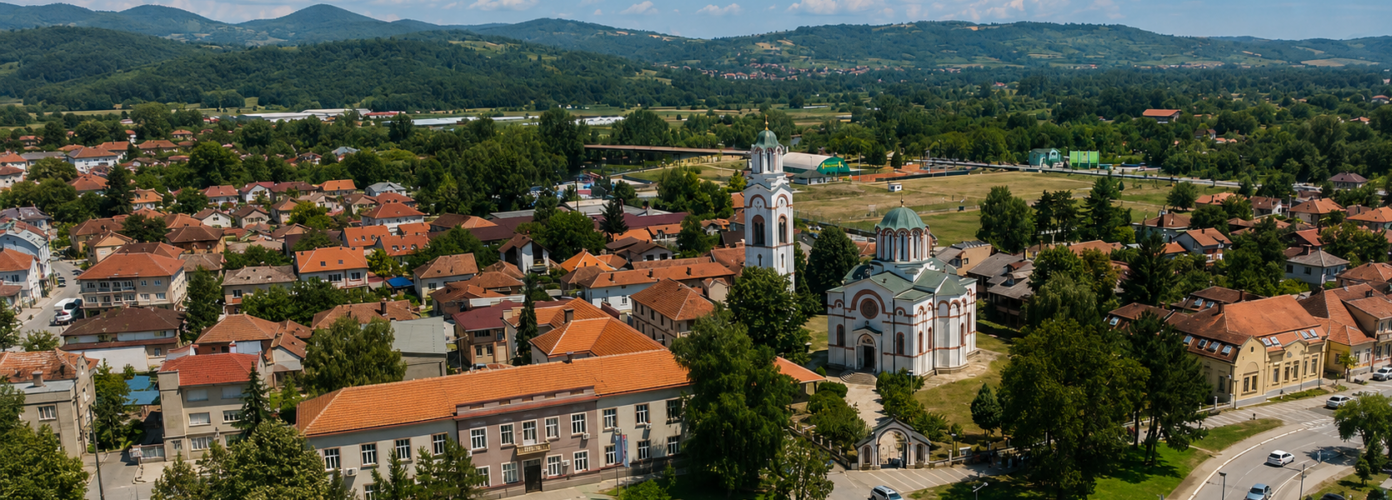
Some towns simply have a river running through them. Others owe their entire character to its course. Trstenik belongs to the latter. Here, the West Morava is more than part of the landscape: it is a meeting place, a setting for sports and shared memories, and a vital link between the old town, surrounding villages and vineyard-covered hills rising on both sides of the valley.
This is precisely why summer is an especially good time to discover Trstenik. The town becomes livelier, events move outdoors, and the banks of the Morava turn into the stage for its best-known local festival. From 10 to 16 August 2026, Trstenik na Moravi brings together river traditions, sporting competitions, music and entertainment for the whole family.
Yet the festival is only the starting point for discovering a town that is often unfairly overshadowed by nearby Vrnjačka Banja. Trstenik may lack the crowds of Serbia’s major tourist centres, but that is exactly where much of its appeal lies. It is small enough to explore without rushing, yet surrounded by enough cultural heritage and varied landscapes to fill an entire weekend.
A Town That Grew Along the West Morava
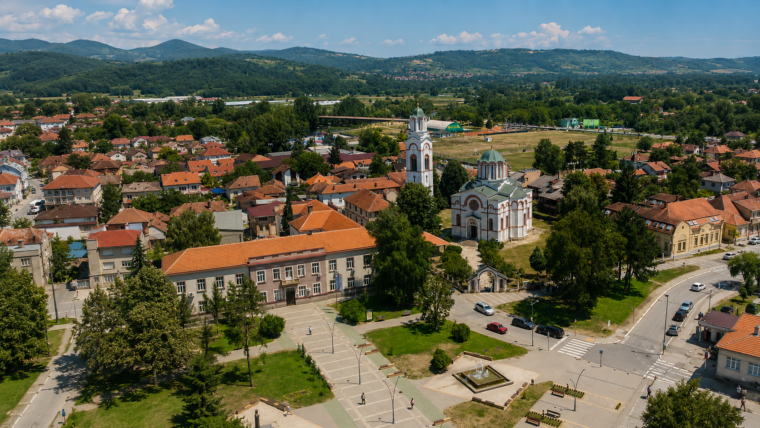
Present-day Trstenik began developing on a broad river terrace after Prince Miloš Obrenović approved the construction of a new town in 1832. Craft workshops, traditional taverns, a market and family homes gradually appeared around its central square, while Trstenik grew into the administrative and commercial centre of the surrounding area.
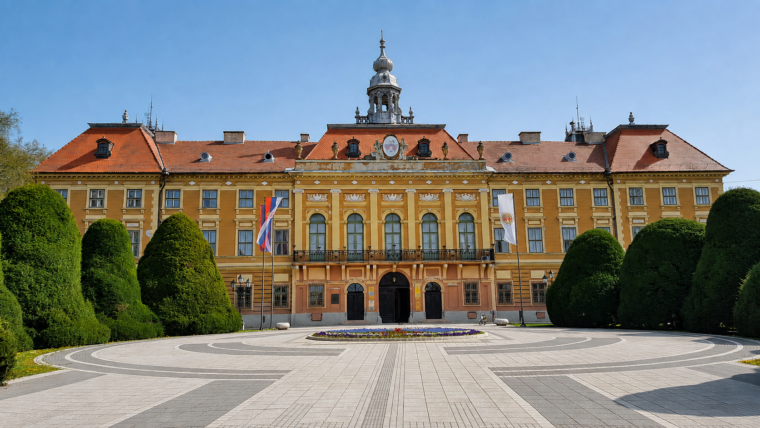
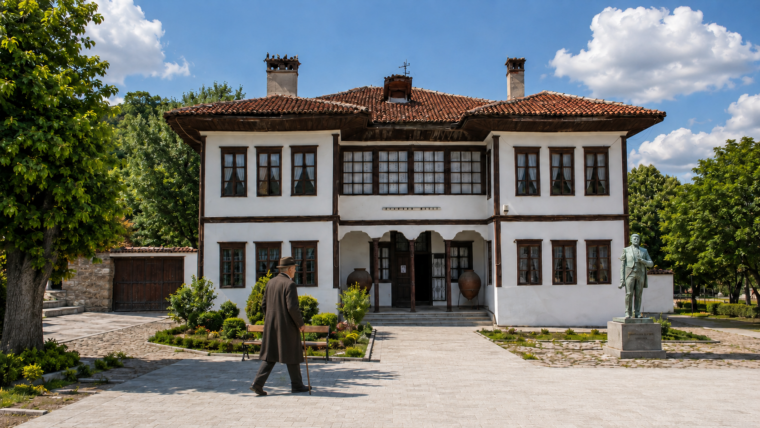
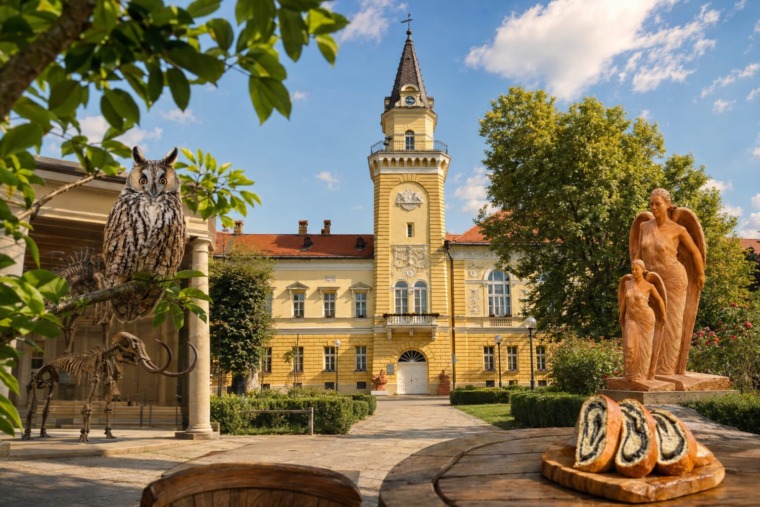
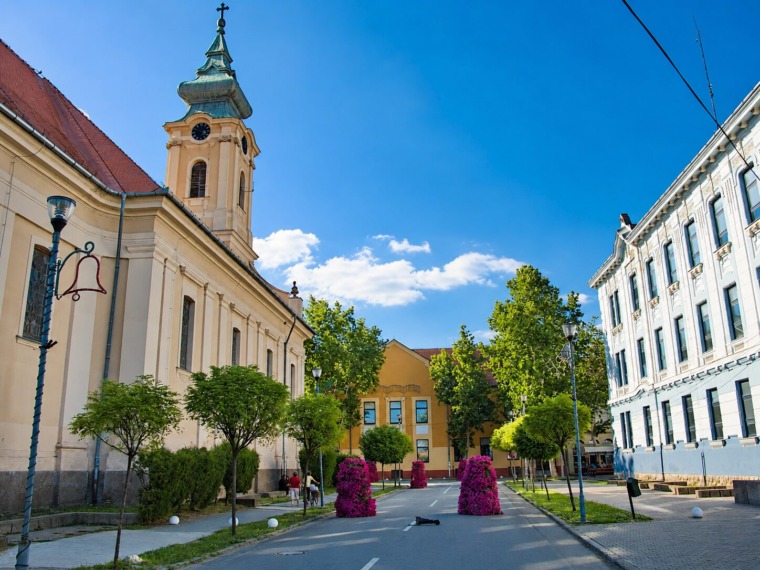
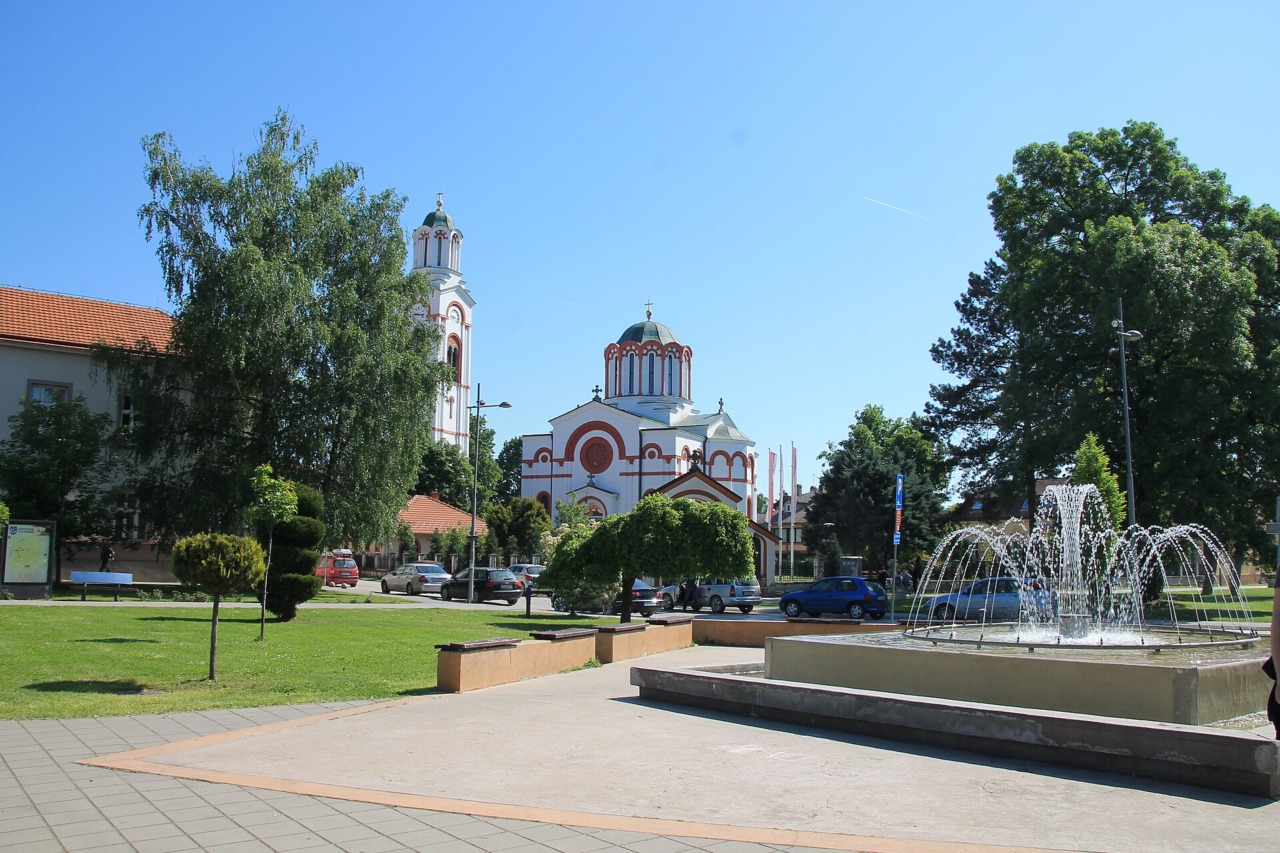
Traces of this period can still be seen in the old town centre, where several townhouses dating from the second half of the 19th and beginning of the 20th century have survived. At its heart stands the Church of the Holy Trinity, one of Trstenik’s most recognisable landmarks. The municipal building, town square and quiet streets preserving the atmosphere of the former provincial town are all nearby.
Trstenik’s development during the 20th century was profoundly influenced by the Prva Petoletka factory. Industry transformed the town’s size, everyday life and identity, bringing in new generations of workers and engineers. The story of Trstenik, therefore, cannot be reduced to its river, monasteries and vineyards. It also encompasses the industrial heritage of a town that was once one of Yugoslavia’s major centres of mechanical engineering and hydraulics.
The Old Bridge: A Symbol of Trstenik
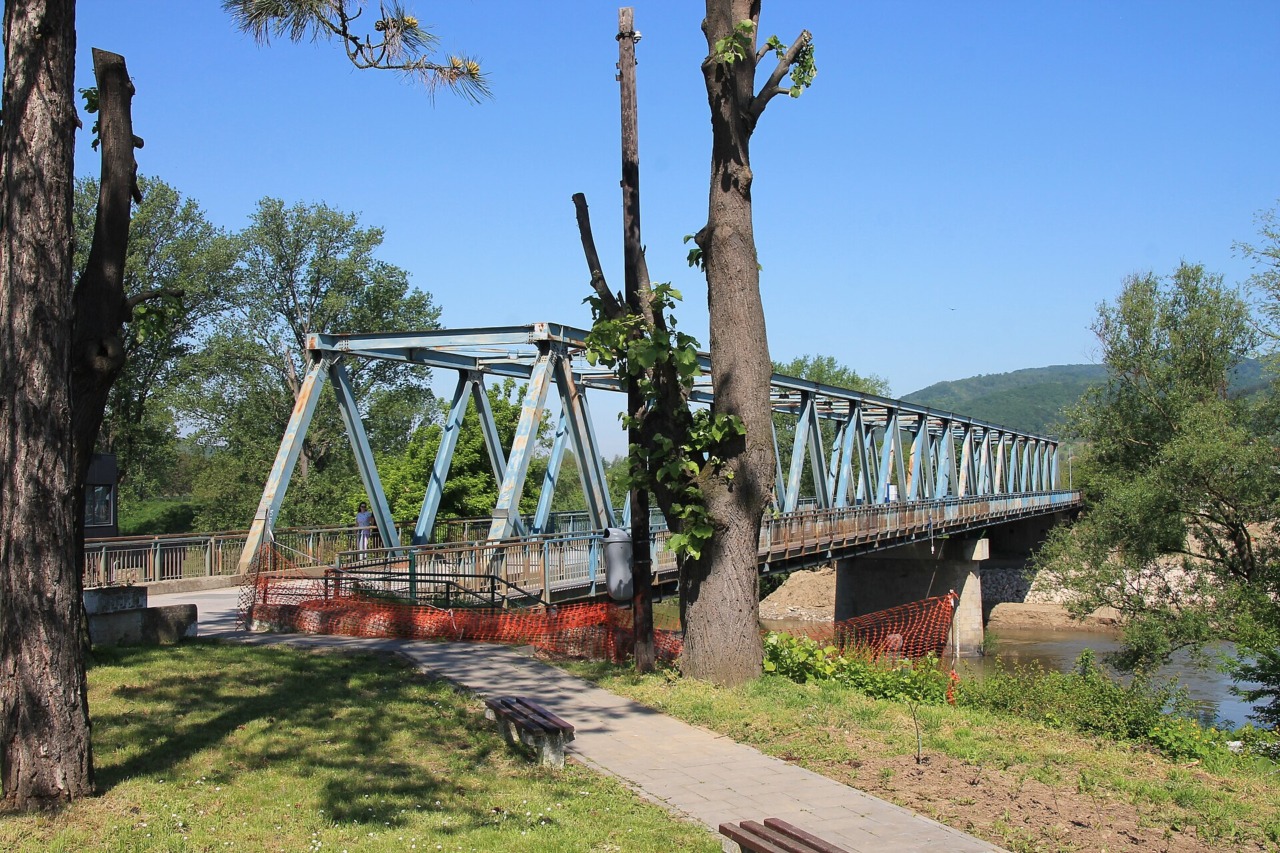
One of the town’s most recognisable sights is the Old Bridge across the West Morava. Bridges at this location provided an important connection between Trstenik, Župa and Levač for centuries. Over time, however, the present Old Bridge outgrew its practical purpose and became one of the town’s defining symbols.
The bridge offers open views over the Morava, its banks and the broad plain surrounding Trstenik. During summer, this is a particularly pleasant place for an unhurried walk, especially in the early evening, when the heat begins to ease and softer colours settle over the river and sky.
It is also a reminder of how deeply local life has always depended on the Morava. The river brought fertile soil, connected settlements and determined travel routes, but it also became the setting for local customs, sporting competitions and generations of family memories.
Trstenik na Moravi: Seven Days Dedicated to the River
The Trstenik na Moravi festival grew directly from this close relationship between the town and its river. The 2026 edition takes place from 10 to 16 August at several locations, including the town beach, swimming pool, square in front of the municipal building, riverside promenade and sports courts.
The programme begins with the documentary photography exhibition “Trstenik on the Morava 2005–2025”, tracing two decades of the festival, along with a tennis tournament and a children’s art workshop. The official opening is scheduled for 11 August, when the traditional Najmoravac recognition will be presented, followed by a concert by Serbian singer Zejna Murkić.
The following days bring Water Night at the town swimming pool, musical performances, children’s activities, sports demonstrations, an art colony and promotional boat rides along the Morava. A traditional baby race, creative workshops and additional entertainment are also planned for younger visitors. The festival’s central day is Saturday, 15 August, when most of the programme moves to the town beach. The morning begins with Čorbijada, a fish soup cooking competition, followed by a swimming marathon and the festival’s famous pole-boat race.

This unusual boat race is one of the event’s most memorable features. Instead of using oars, competitors move their traditional Morava boats by pushing long poles against the riverbed. What may appear simple from the bank requires balance, strength and an intimate knowledge of the river. The winner traditionally receives the title of “Knight of the Morava”, turning the competition into more than a sporting event: it preserves a skill that was once an essential part of life along the river.
The festival concludes on 16 August with a junior fishing competition, an awards ceremony and performances as part of the International Folklore Festival. Admission to all events is free.
Ljubostinja: A Story of Art, Faith and Two Remarkable Women
No visit to Trstenik should end without a trip to Ljubostinja Monastery, located only a few kilometres from the town. Hidden in the peaceful valley of the Ljubostinja River, the monastery is one of the finest examples of the Morava school of medieval Serbian architecture.
It was constructed between the late 14th and early 15th centuries as an endowment of Princess Milica, the wife of Prince Lazar. After the Battle of Kosovo, Ljubostinja became a place of refuge for women from noble families, including Jefimija, the first known Serbian female poet.
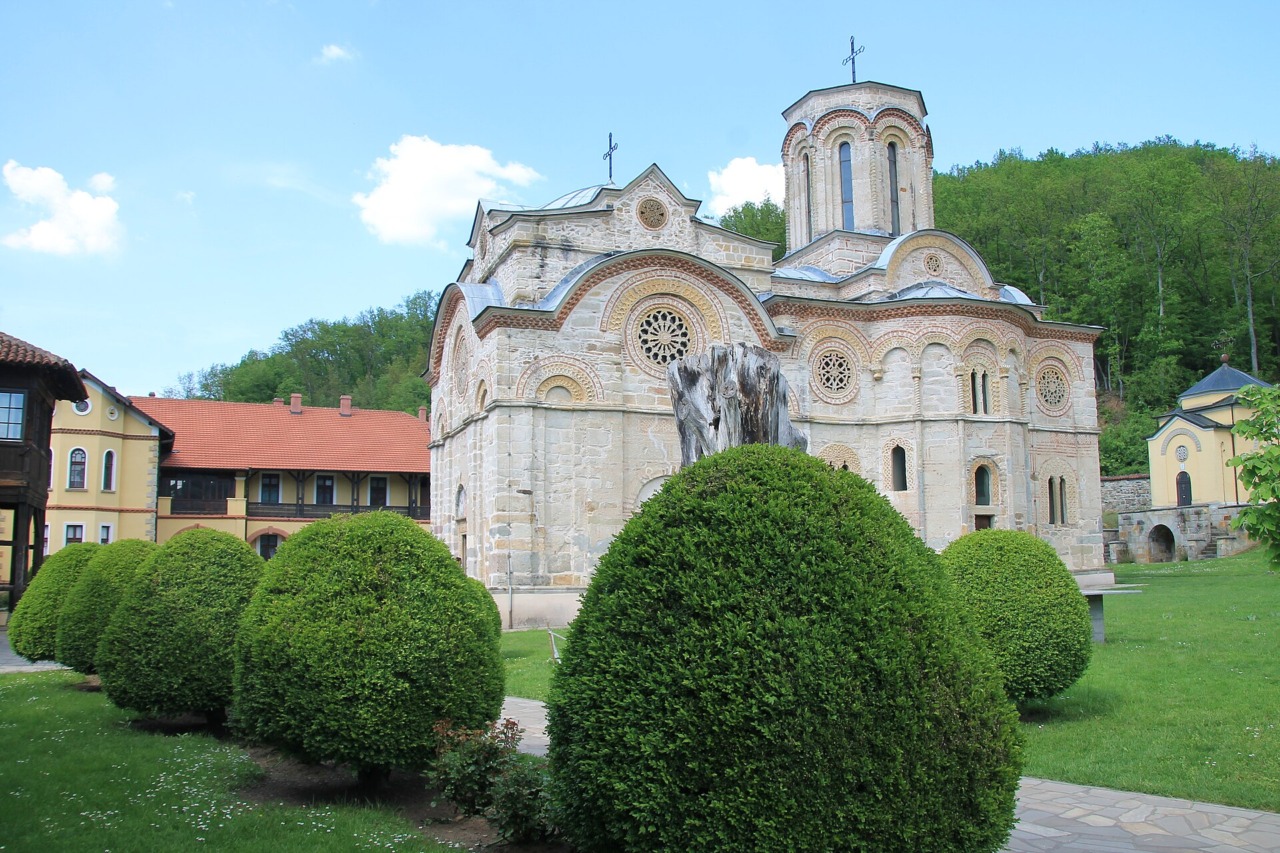
Today, the monastery contains the tombs of Princess Milica, who became a nun under the name Eugenia, and the nun Jefimija. Their stories give Ljubostinja a special place in Serbian medieval history. It is not only an architectural monument but also a site associated with women’s creativity, spirituality and the preservation of culture during one of the most difficult periods in medieval Serbia.
The church’s stone decoration, rosettes, interwoven ornaments and harmonious proportions deserve to be observed slowly. Surrounded by forest and silence, Ljubostinja is one of those rare places where architecture and landscape appear to form a single whole.
Between Vineyards, Goč and the Gledić Mountains
Trstenik lies between the forested slopes of Goč and the gentler hills of the Gledić Mountains. Villages, orchards and vineyards stretch along both sides of the West Morava, creating a landscape that continues naturally towards the famous wine-growing region of Aleksandrovac and Župa.
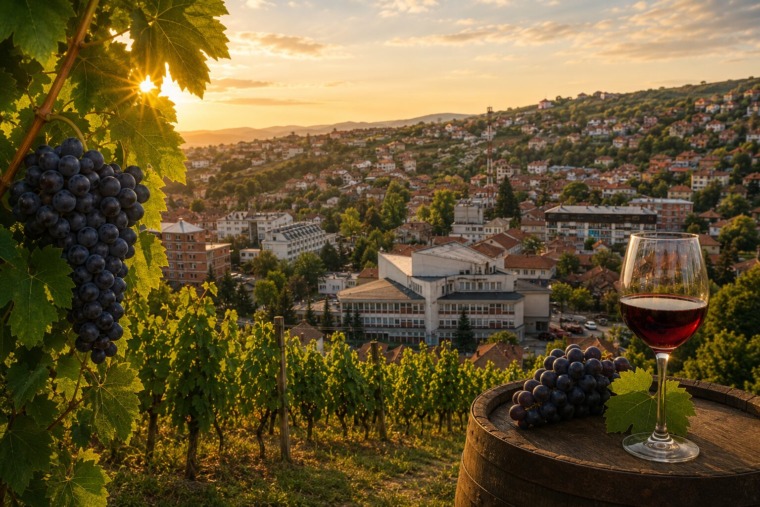
Viticulture here is not a newly invented tourist attraction but a long-established part of the region’s identity. Rural households, vineyards and small wineries give the countryside around Trstenik a different rhythm from the town centre, while the surrounding hills offer wide views across the Morava Valley and its settlements.
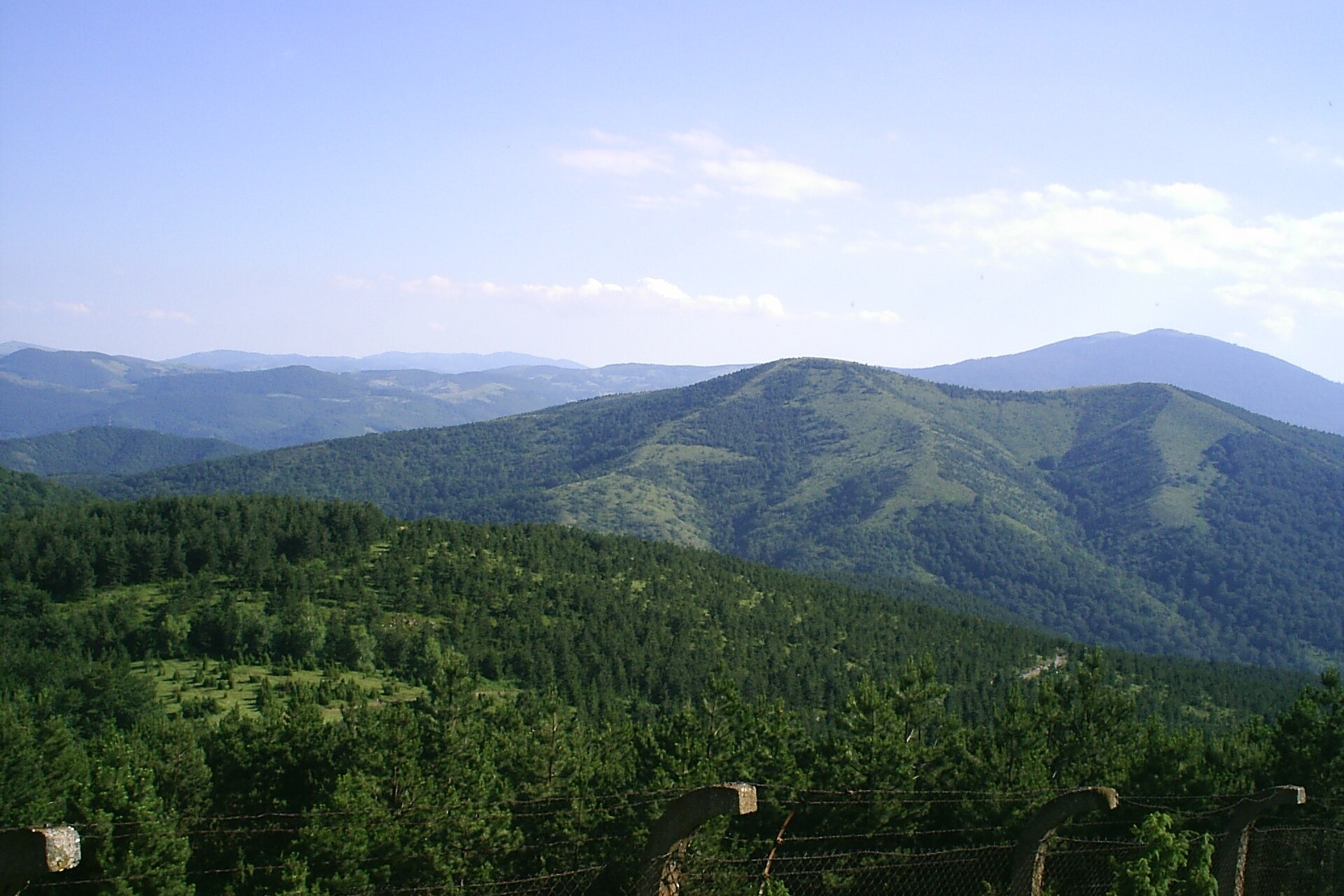
For travellers interested in nature, the slopes of Goč and the Gledić Mountains provide opportunities for hiking, forest walks and visits to lesser-known villages. Trstenik can therefore serve as a base for several very different excursions, from medieval monasteries to mountain paths and peaceful landscapes far from Serbia’s busiest tourist routes.
Popina: An Unusual Monument Hidden in Nature
Between Trstenik and Vrnjačka Banja stands the Popina Memorial Park, one of the lesser-known works of renowned architect Bogdan Bogdanović. The complex was created to commemorate the fighting that took place in this area in October 1941.
Its massive stone forms, arranged across a grassy hillside, resemble the remains of an ancient and mysterious structure. Bogdanović’s distinctive architectural language merges with the surrounding landscape, making the monument feel less like an object placed in nature and more like an enigmatic extension of it.
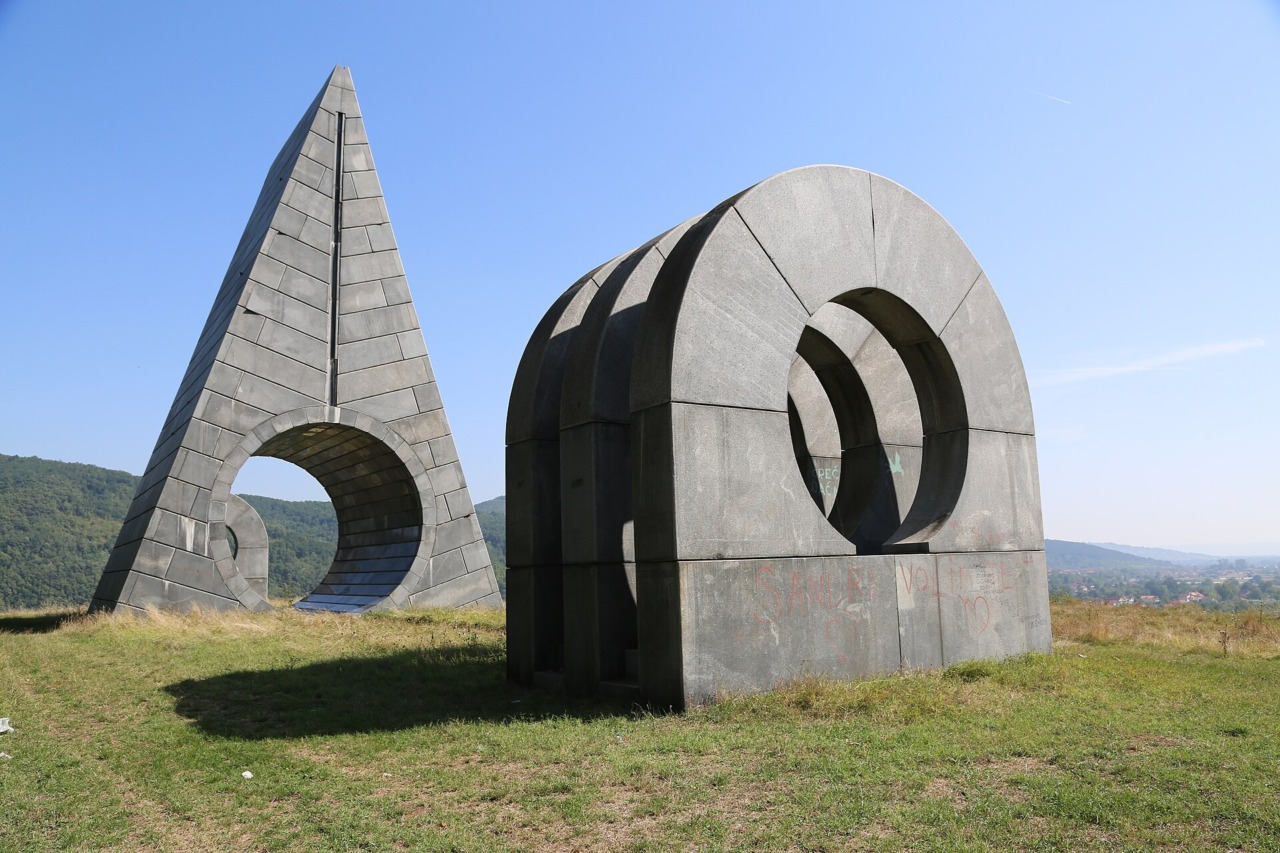
Popina can easily be included in an excursion connecting Trstenik and Vrnjačka Banja. It will be particularly interesting to travellers drawn to architecture, history and the overlooked monuments of former Yugoslavia.
Trstenik as a Summer Weekend Escape
Trstenik is not a destination that should be explored by following a strict checklist. Its character is better discovered through an unhurried walk around the centre, a crossing of the Old Bridge, a break beside the Morava and short excursions into the surrounding countryside.
During Trstenik na Moravi, the town reveals its liveliest side. The riverbank becomes a gathering place, old ways of travelling along the river are transformed into exciting competitions, and the programme connects local traditions with contemporary entertainment. Outside the festival, the same town offers an entirely different atmosphere: peaceful, understated and deeply connected to its landscape.
Thanks to its proximity to Vrnjačka Banja, Trstenik is easy to visit on a day trip, although it deserves more time. One day can be dedicated to the town and festival, while the next can be spent exploring Ljubostinja, Popina, the vineyards or the slopes of Goč.
At a time when famous destinations are often crowded and overwhelmed by visitors, Trstenik shows why some of the most rewarding journeys begin in smaller towns. There is no need to rush here. Simply follow the Morava and allow Trstenik to tell its story slowly.
Related Articles