-
Serbia at a Glance
Discover All -
Arts & Culture
Discover All -
Identity & Heritage
Discover All -
Famous Serbs
Discover All
-
Regions
Discover All -
Cities
Discover All -
Nature
Discover All -
Cultural Landmarks
Discover All
-
Outdoor & Wellness
Discover All -
Food & Drink
Discover All -
Tours
Discover All -
Urban Experiences
Discover All -
Seasonal Experiences
Discover All
Partner with Serbia.com
Let's create lasting impact together
Partner with Serbia.com to reach travellers through trusted recommendations, inspiring editorial stories and thoughtfully designed campaigns. Together, we create meaningful visibility that supports your goals and remains valuable long after publication.
Explore partnership opportunities- Serbian Favorite Rituals Everyday traditions and little things that make life in Serbia special.
- Villages of Serbia Charming villages, local stories and authentic rural life.
- Serbia Told By You Personal stories, local perspectives and authentic experiences from across Serbia.
- Is it Worth Visiting in Serbia? Honest destination guides to help you decide which places are worth visiting.
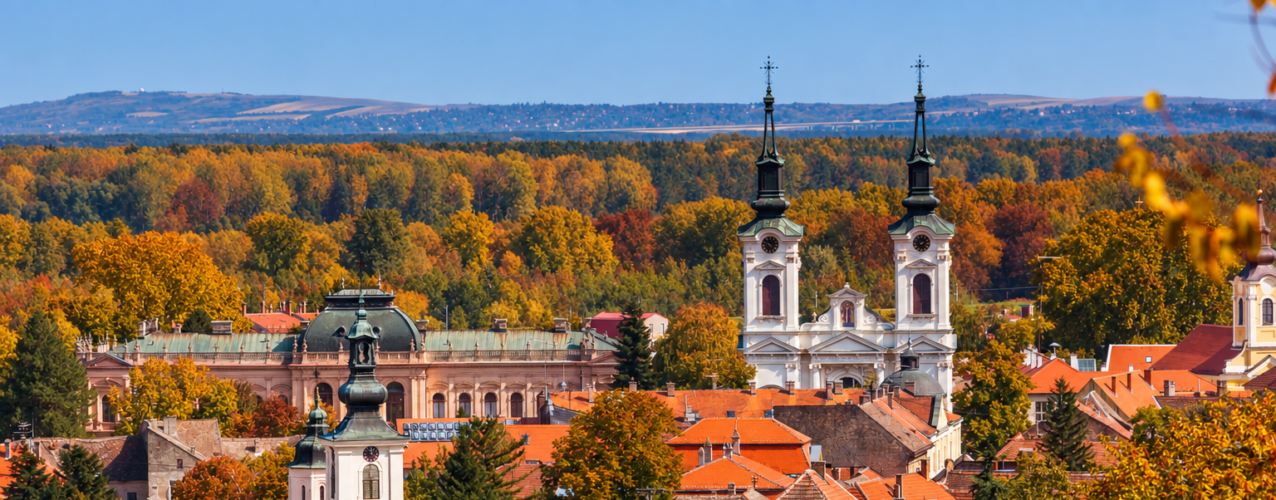
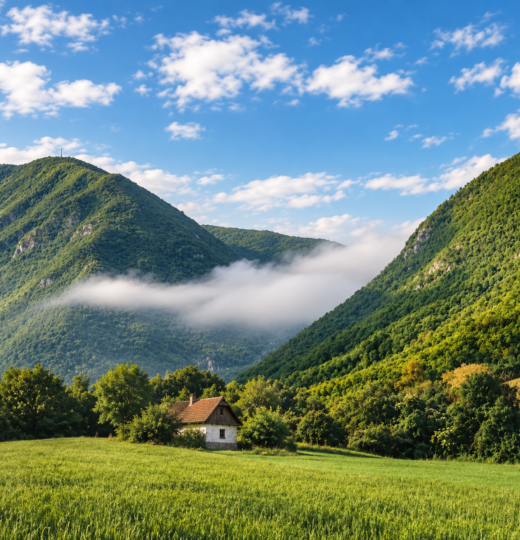
October is the month when Serbia seems to slow down without becoming still. Summer crowds have disappeared, café terraces remain busy whenever the sun comes out, and the forests begin their gradual turn from green to gold, copper and deep red. Vineyards are settling after the harvest, markets are heavy with pumpkins, peppers, apples and grapes, and mountain mornings arrive with mist over the valleys.
For travellers, this is one of the most rewarding times to explore the country. The weather is cooler but often comfortable, popular landmarks feel less rushed, and the journey itself becomes part of the experience: a road through an autumn forest, lunch beside a wood-burning stove or an unplanned stop at a village market.
October in Serbia is not about chasing a single spectacular attraction. It is about seeing familiar places differently – quieter, more atmospheric and closer to the rhythms of local life.
What Is Serbia Like in October?
October sits firmly between seasons. In Belgrade and the lower parts of the country, daytime temperatures are often mild enough for long walks, while evenings call for a jacket. Historical climate averages for Belgrade place typical October daytime highs at around 18°C and night-time lows at around 9°C. Mountain regions are noticeably colder, particularly in the morning and after sunset, and the first frost is possible at higher elevations.
The month can bring brilliant sunshine, rain, fog and sudden temperature changes – sometimes within the same weekend. That unpredictability is part of its character. Clear days are ideal for viewpoints and road trips, while mist gives forests, rivers and fortresses a different kind of drama.
The most practical approach is to travel with layers, waterproof shoes and a flexible plan. Check the local forecast before heading into the mountains and avoid relying on summer opening hours, especially at smaller attractions, rural households and seasonal restaurants.
Where to Find Serbia’s Best Autumn Landscapes
Tara and Mokra Gora: Forest Roads and Mountain Silence
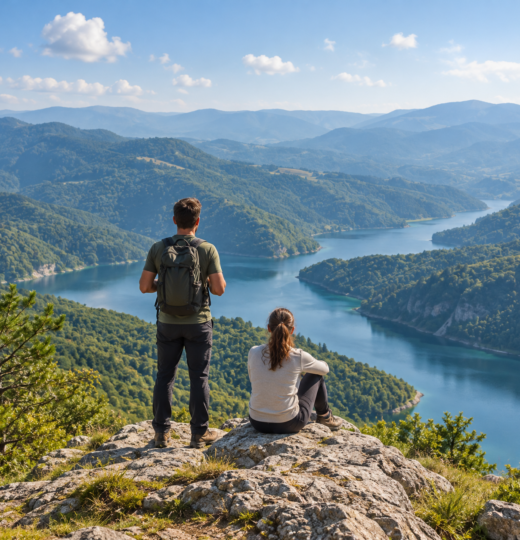
Tara is beautiful throughout the year, but October reveals its contrasts particularly well. Evergreen forests remain dark and dense while beech and maple trees introduce bands of yellow and rust. The result is a landscape that feels deep, textured and almost cinematic.
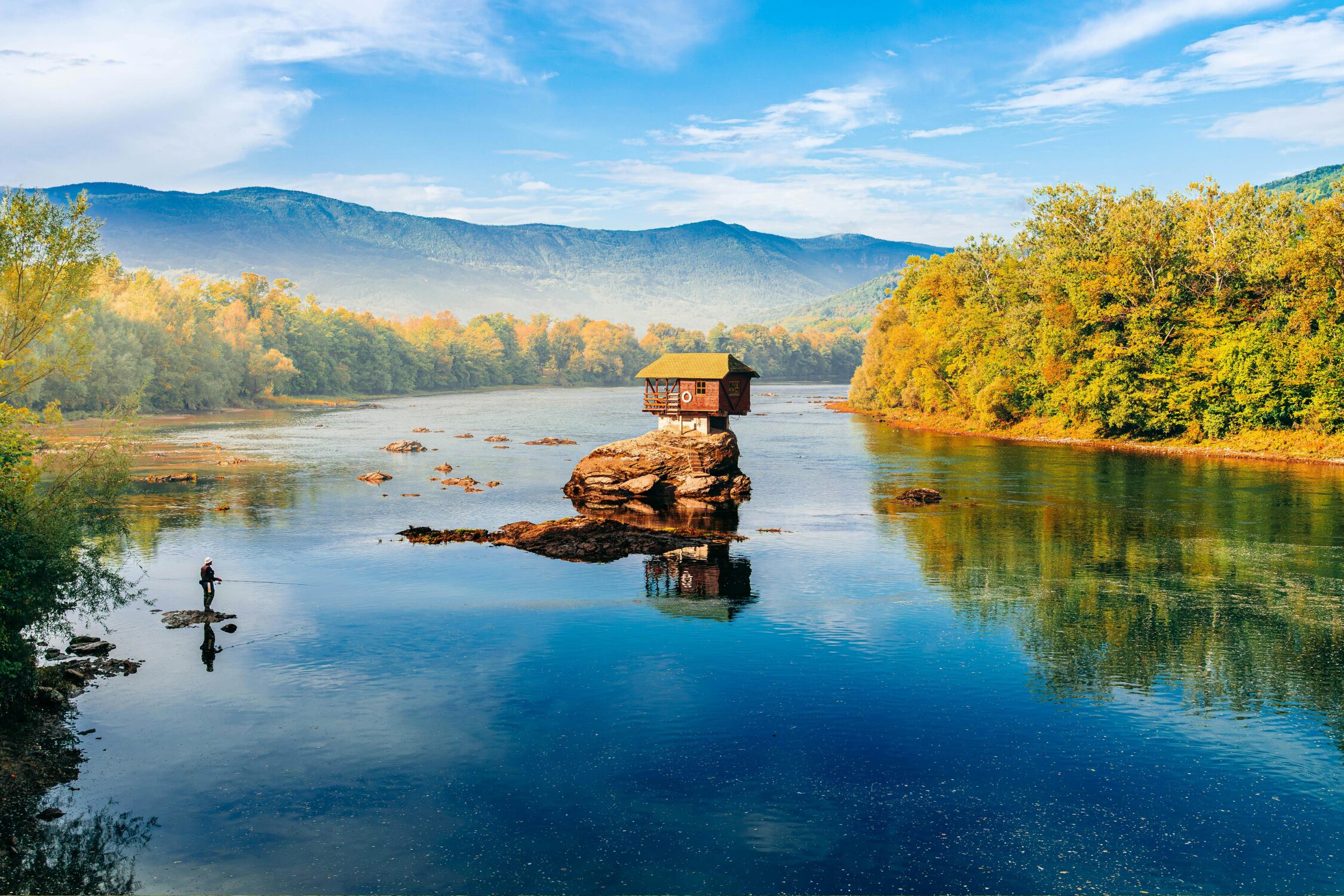
The best way to experience it is slowly. Choose one or two viewpoints rather than trying to reach them all, walk a marked trail around Mitrovac or Kaluđerske Bare, and leave time for the smaller roads that pass traditional houses, meadows and forest clearings. Banjska Stena is the celebrated view, but Osluša and several quieter points can be just as memorable when autumn mist hangs above the Drina Valley.
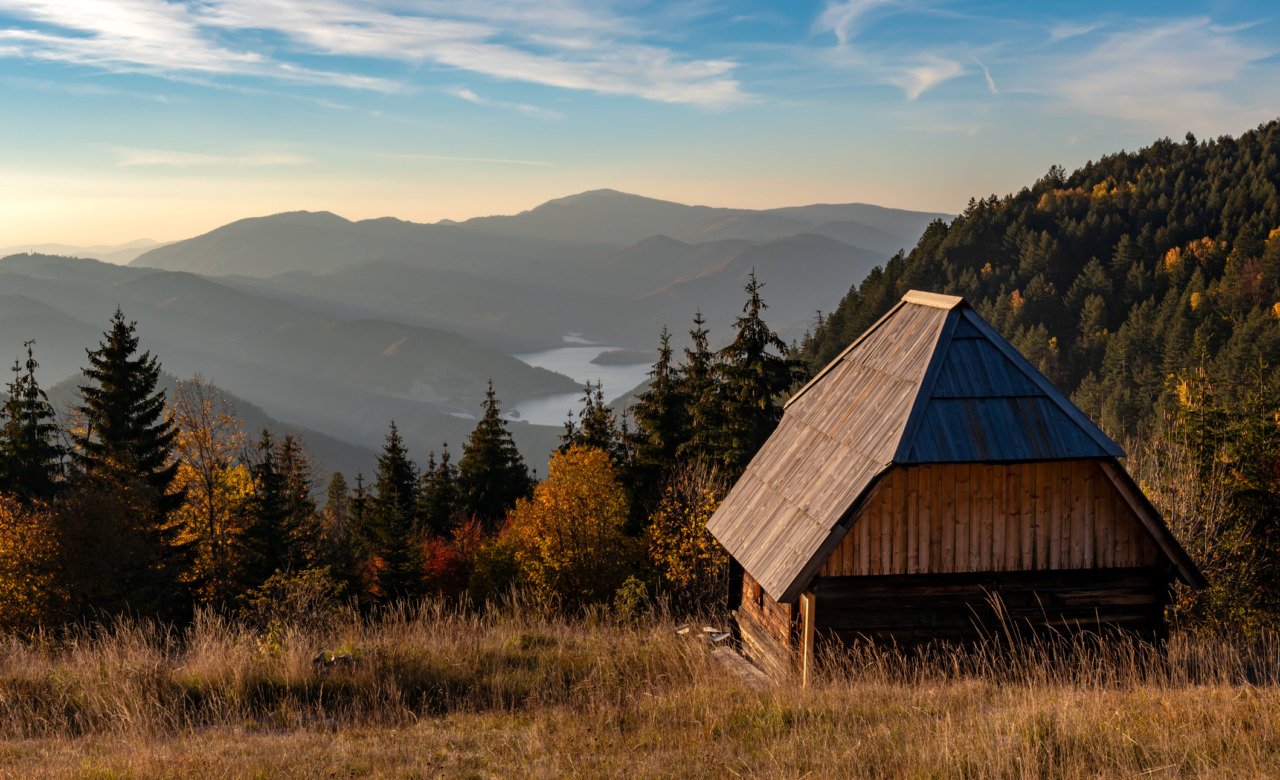
Mokra Gora adds a different layer to the trip: wooden architecture, railway history and mountain scenery shaped by villages rather than wilderness alone. Together, the two destinations make an excellent long weekend from Belgrade.
Fruška Gora and Sremski Karlovci: Forests, Monasteries and Wine
Few places combine the pleasures of October as naturally as Fruška Gora. Forest paths are close enough for an easy day trip from Novi Sad or Belgrade, yet the wider region offers enough for a full weekend: historic monasteries, vineyard roads, small wineries, rural restaurants and the baroque centre of Sremski Karlovci.
Start with a morning walk while the forest is quiet, then continue towards one of the monasteries or a winery visit arranged in advance. Sremski Karlovci is particularly appealing in softer autumn light, when its historic centre feels calmer and the surrounding vineyards become part of the town’s atmosphere.
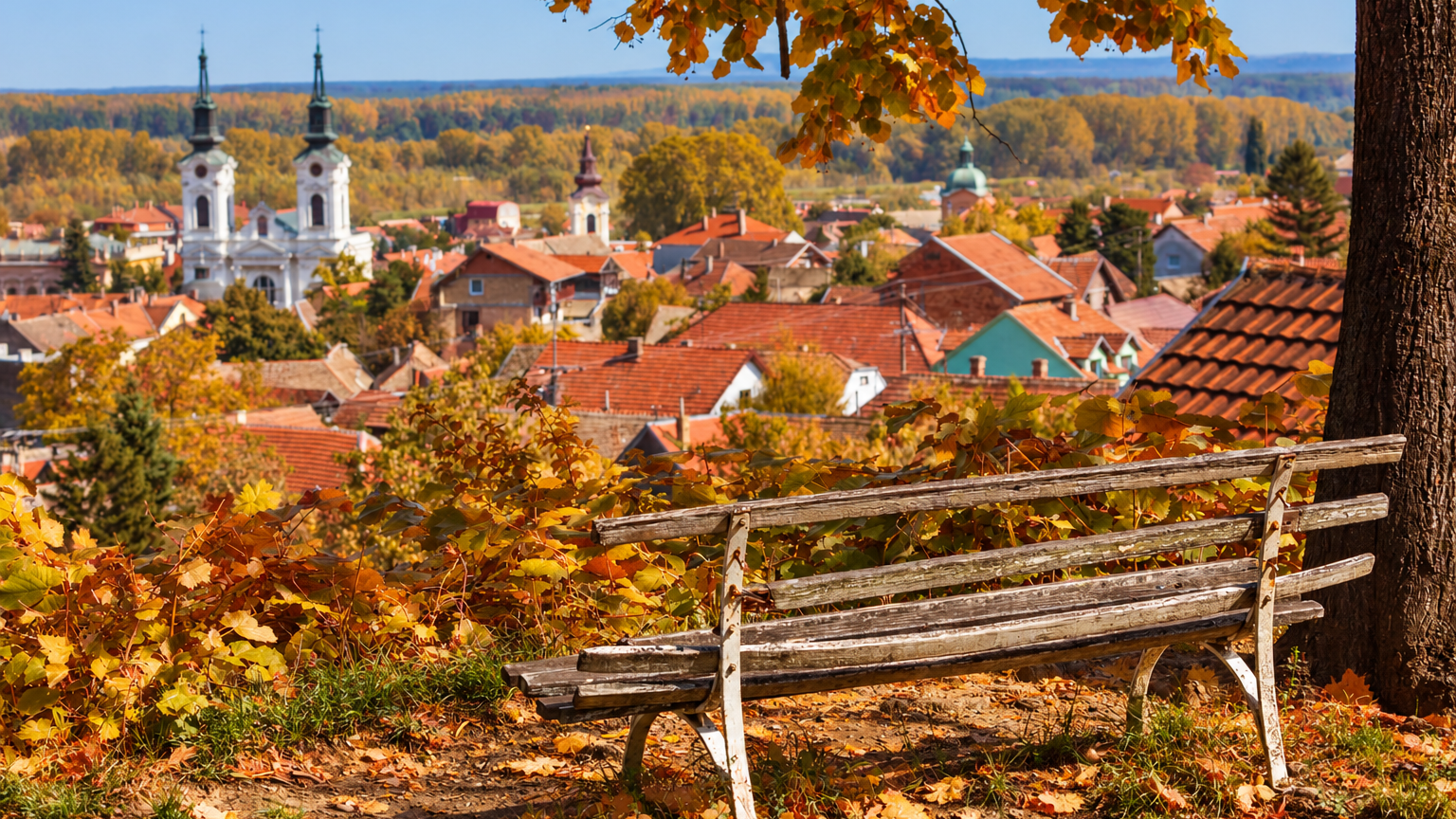
This is not a destination that requires a strict checklist. Its appeal lies in combining a few simple experiences well – a walk, a cultural stop, a local lunch and a glass of wine.
Đerdap and Golubac: Autumn Along the Danube
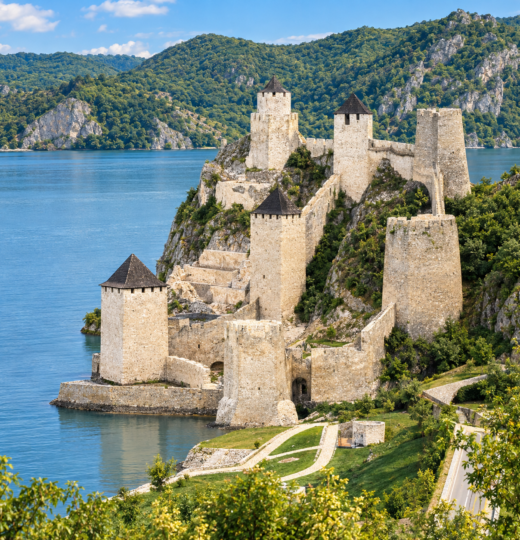
The road through the Iron Gate is one of Serbia’s great scenic journeys, and October gives it extra depth. The Danube remains the constant element, while the slopes of Đerdap National Park change colour above the water. Golubac Fortress marks a dramatic beginning to the route, followed by viewpoints, archaeological heritage and riverside towns further east.
Travellers with one day can focus on Golubac and the nearby surroundings. With two or three days, continue towards Lepenski Vir and Donji Milanovac, allowing enough time for short stops rather than treating the journey as a race. Hiking should always be planned according to weather, trail conditions and daylight, especially later in the month.
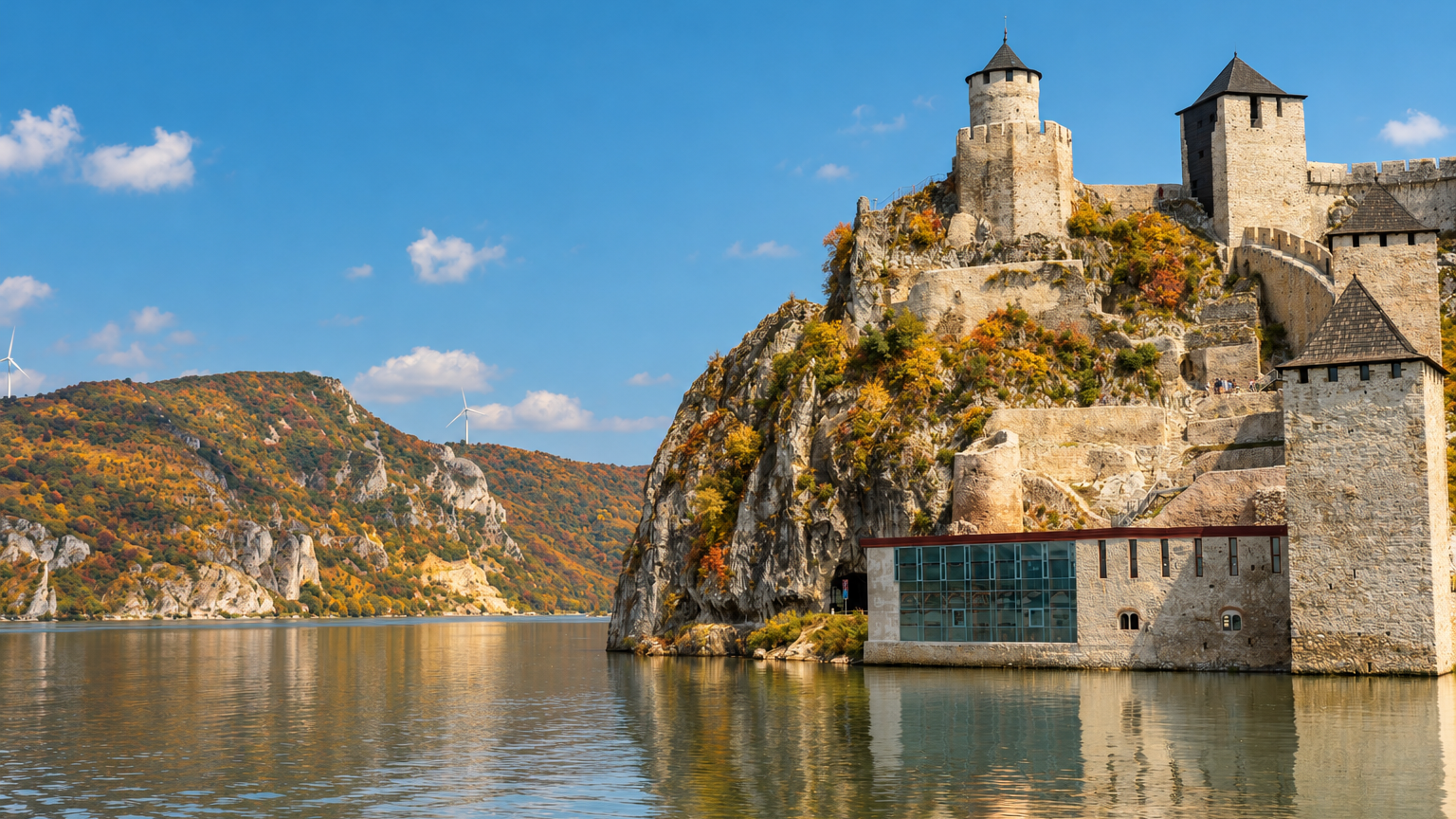
The region is at its best when history and landscape are experienced together: a medieval fortress in the morning, an archaeological site in the afternoon and dinner overlooking the river.
Topola and Oplenac: Royal History in Vineyard Country
Central Šumadija is made for an October road trip. Around Topola, rolling hills, orchards and vineyards frame one of Serbia’s most important historical complexes. The Church of Saint George at Oplenac, with its remarkable mosaic interior and links to the Karađorđević dynasty, provides the cultural centre of the visit.
But the experience should extend beyond the monument itself. Take time to drive through the surrounding countryside, visit a winery if reservations are available, and stop for a regional lunch. October brings a quieter mood after the busiest harvest weeks, making the landscape feel settled rather than sleepy.
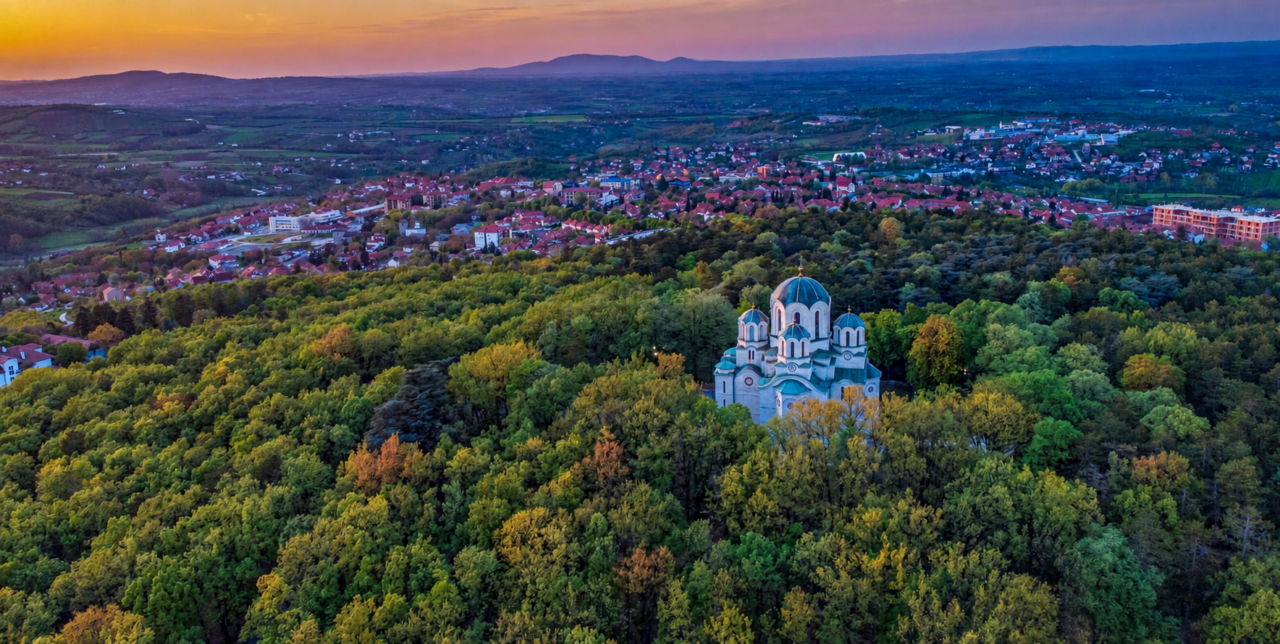
Topola works well as a day trip from Belgrade, although an overnight stay allows the wine and food experience to become part of the journey rather than an addition squeezed between landmarks.
Ovčar-Kablar Gorge: A More Dramatic Kind of Autumn
For travellers who prefer cliffs, river bends and active days, the Ovčar-Kablar Gorge offers one of central Serbia’s most distinctive landscapes. The West Morava curves between two mountains, while monasteries, trails and viewpoints create several ways to explore the area.
Autumn colours soften the steep terrain without taking away its drama. The famous viewpoint on Kablar is rewarding, but it requires appropriate footwear, a realistic assessment of the weather and enough daylight for the return. Less demanding visitors can experience the gorge from lower paths, monastery routes or Ovčar Banja.
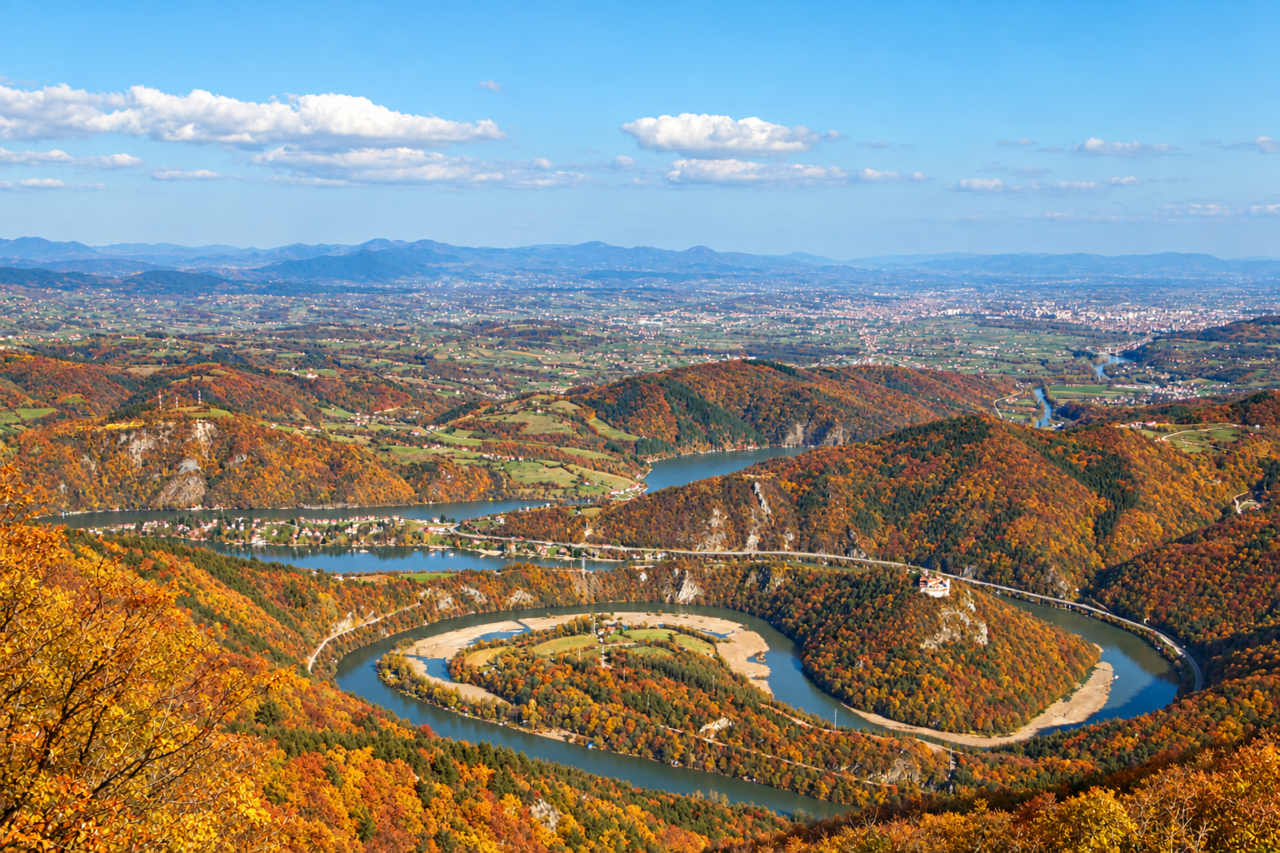
This is a good example of why October travel benefits from flexibility: on a dry, clear day it can be a hiking highlight; in wet conditions, the route should be adapted rather than forced.
Belgrade and Novi Sad: Culture After Dark, Parks by Day
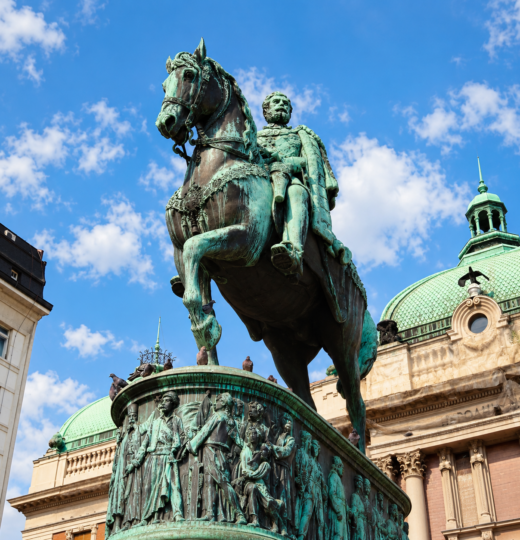
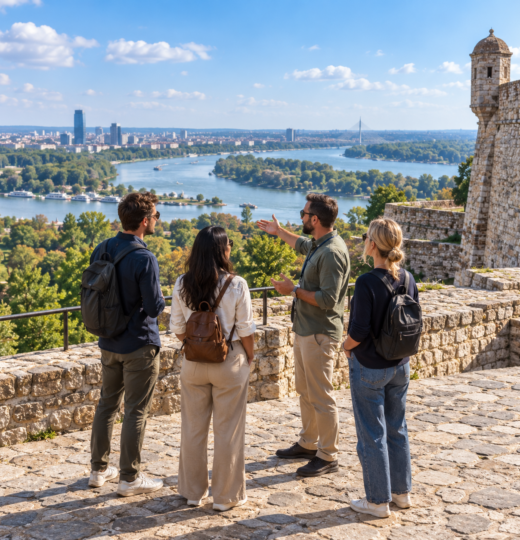
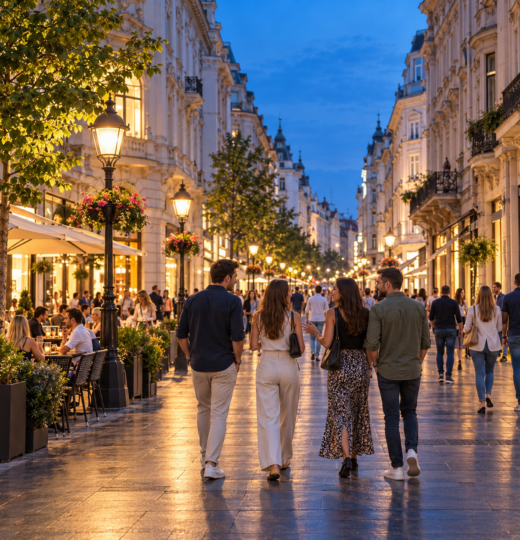
October is also an excellent month for a city break. Belgrade regains its full cultural rhythm after summer, while parks such as Kalemegdan, Topčider and Košutnjak bring autumn into the city. The shorter days are not a disadvantage: they create more time for museums, galleries, restaurants and live events.
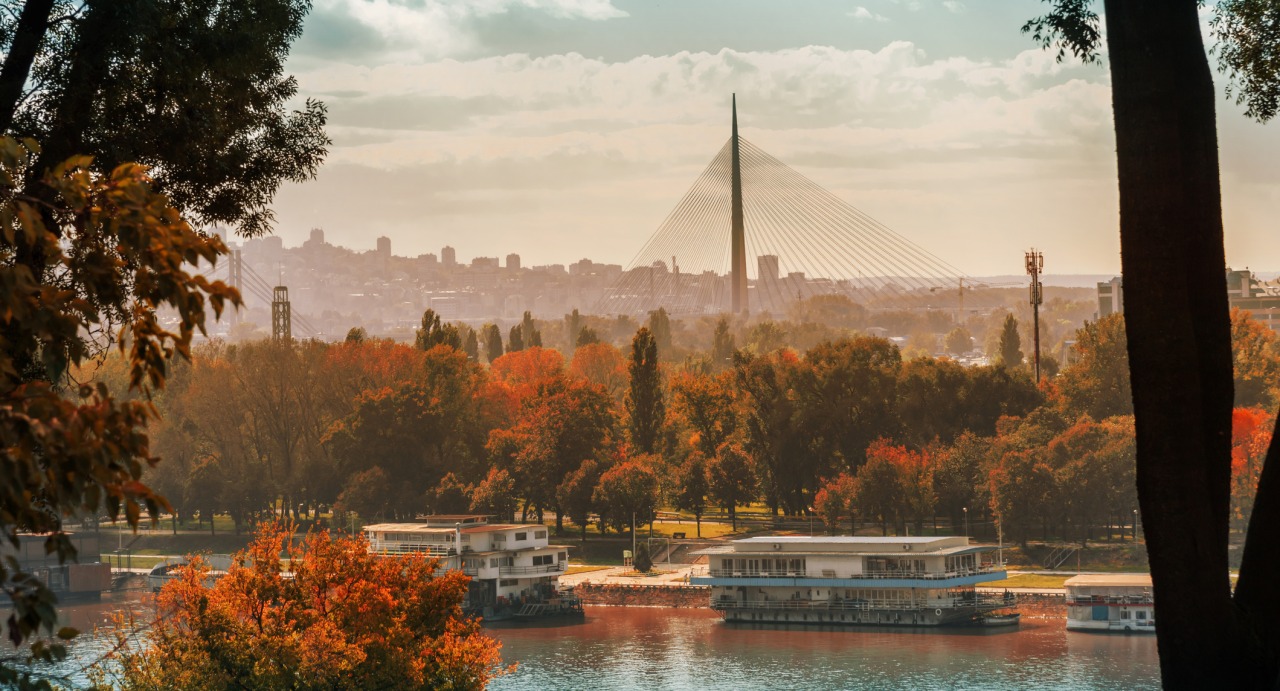
In Novi Sad, combine the historic centre and Petrovaradin Fortress with a short trip to Fruška Gora or Sremski Karlovci. The city is compact enough for an unhurried weekend, and its café culture works equally well on a bright terrace or inside on a rainy afternoon.
For visitors uncertain about the weather, the two cities provide the easiest balance between outdoor exploration and reliable indoor alternatives.
October 2026: Three Events Worth Planning Around
October’s cultural calendar is one of the strongest reasons to include Belgrade in an autumn itinerary.
Wine Vision by Open Balkan – 10–12 October 2026
Held at the Belgrade Fair, Wine Vision brings together wineries, producers, professionals and wine enthusiasts from Serbia and the wider region. For international visitors, it offers a concentrated introduction to Balkan wine culture – useful before planning future visits to individual wine regions.
Belgrade Jazz Festival – 21–24 October 2026
Founded in 1971, the Belgrade Jazz Festival is one of the city’s established cultural events. Its 2026 programme takes place at Dom omladine Beograda, with concerts spread across four evenings. It is an excellent reason to combine daytime sightseeing with a distinctly urban night out.
Belgrade Book Fair – 23–31 October 2026
One of the region’s largest literary gatherings, the Belgrade Book Fair fills the exhibition halls with publishers, writers, talks and readers. Much of the programme is naturally aimed at Serbian-speaking visitors, but the scale of the event, international exhibitors and atmosphere make it interesting even for travellers who simply want to see an important part of local cultural life.
Event programmes and ticket conditions can change, so check the organisers’ official websites before travelling.
What to Eat in Serbia in October
October is when Serbian food begins to move indoors. Menus become warmer and more substantial, but markets still carry the colours of late summer.
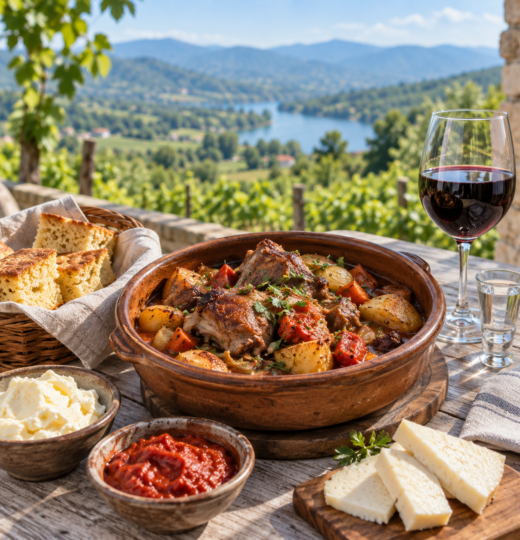
Ajvar is the season’s most recognisable flavour. Families across the country roast red peppers and preserve them for winter, and jars begin appearing everywhere from city delicatessens to roadside stalls. Look for small-batch versions, but buy from reputable producers with clearly stored and labelled products.
This is also the time for roasted peppers, pinđur, ljutenica, pumpkin dishes, mushrooms, beans, slow-cooked meat and pies filled with cheese, greens, apples or pumpkin. In rural restaurants and traditional kafanas, ask what is seasonal rather than ordering only the most famous national dishes.
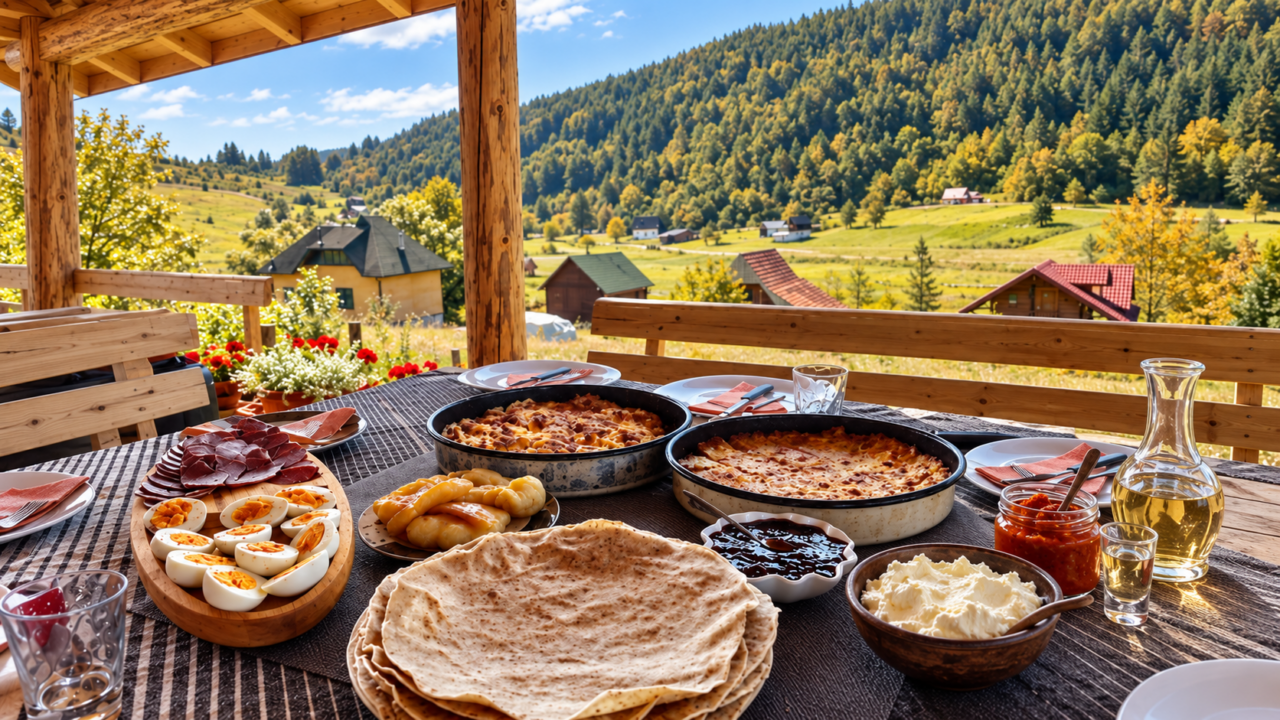
Wine regions remain especially appealing. The main grape harvest may be ending, but wineries are active and the connection between landscape, food and wine is still visible. Šumadija, Fruška Gora, Župa, Negotin and the Vršac area each offer a different setting and wine identity. Tastings should be arranged ahead, particularly at smaller family wineries.
Rakija also belongs to the season, but it is best approached as a cultural drink rather than a challenge. Try a small glass with food, ask what fruit it was made from and leave the driving to someone else.
What to Do When It Rains
A rainy day does not have to interrupt an October trip. In Belgrade, the National Museum of Serbia, the Museum of Yugoslavia, the Museum of African Art and smaller galleries can fill several hours. Novi Sad offers the Gallery of Matica Srpska, museums, cafés and cultural venues within a walkable centre.
Elsewhere, choose destinations that combine outdoor scenery with a strong indoor element: a monastery, winery, museum, archaeological visitor centre or spa. Vrnjačka Banja, Vrdnik and other spa towns are particularly useful when the forecast is uncertain because walks and wellness can be balanced according to the weather.
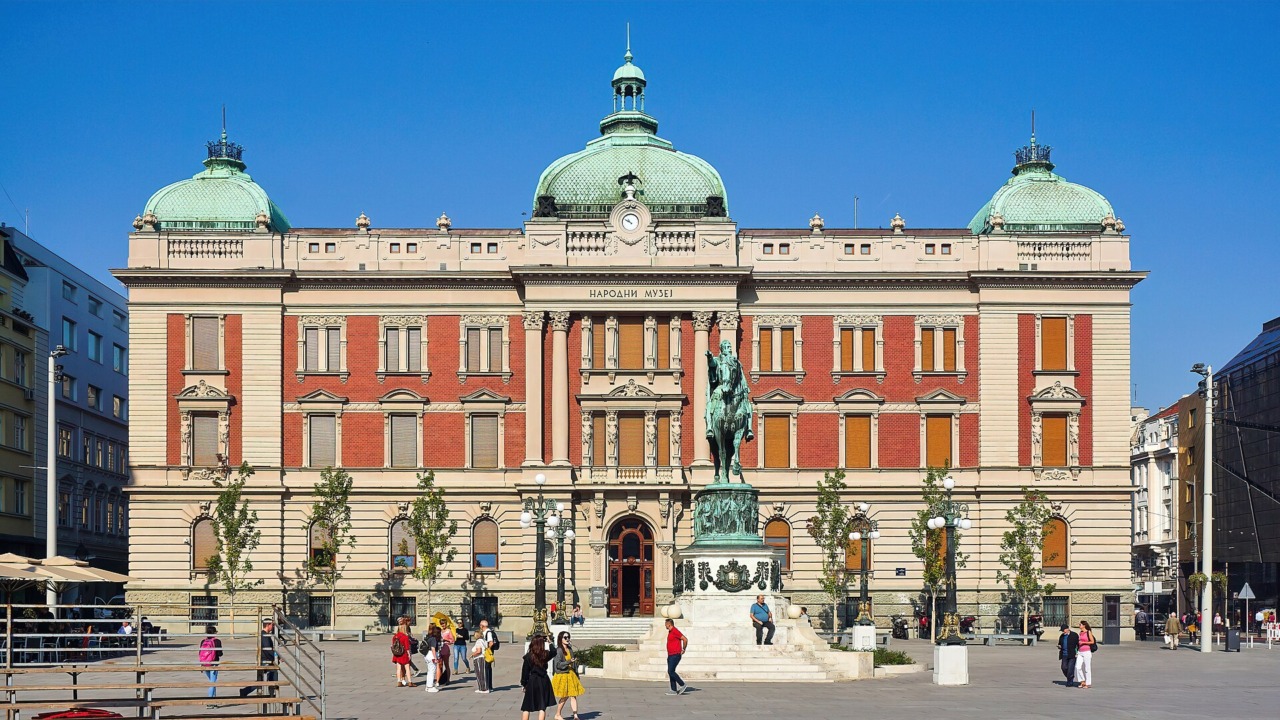
Rain can even improve the mood of some places. Fortresses become more dramatic, forests more fragrant and village restaurants more inviting. The key is not to build an itinerary in which every worthwhile moment depends on a clear sky.
Is October a Good Time to Visit Serbia?
Yes – particularly for travellers who value atmosphere, food, culture and landscapes more than guaranteed sunshine. October offers a version of Serbia that feels lived in rather than staged for the peak season. Roads are quieter, cities are culturally active, harvest flavours are everywhere and even familiar destinations take on a different character.
The month rewards travellers who leave room in the plan. Choose fewer places, stay longer than a photograph requires and allow the weather to shape the day. Serbia in October is not always predictable, but that is precisely why it can be so memorable.

Plan your visit
Everything you need to plan your perfect trip.