
-
Serbia at a Glance
Discover All -
Arts & Culture
Discover All -
Identity & Heritage
Discover All -
Famous Serbs
Discover All
-
Regions
Discover All -
Cities
Discover All -
Nature
Discover All -
Cultural Landmarks
Discover All
-
Outdoor & Wellness
Discover All -
Food & Drink
Discover All -
Tours
Discover All -
Urban Experiences
Discover All -
Seasonal Experiences
Discover All
Partner with Serbia.com
Let's create lasting impact together
Partner with Serbia.com to reach travellers through trusted recommendations, inspiring editorial stories and thoughtfully designed campaigns. Together, we create meaningful visibility that supports your goals and remains valuable long after publication.
Explore partnership opportunities- Serbian Favorite Rituals Everyday traditions and little things that make life in Serbia special.
- Villages of Serbia Charming villages, local stories and authentic rural life.
- Serbia Told By You Personal stories, local perspectives and authentic experiences from across Serbia.
- Is it Worth Visiting in Serbia? Honest destination guides to help you decide which places are worth visiting.
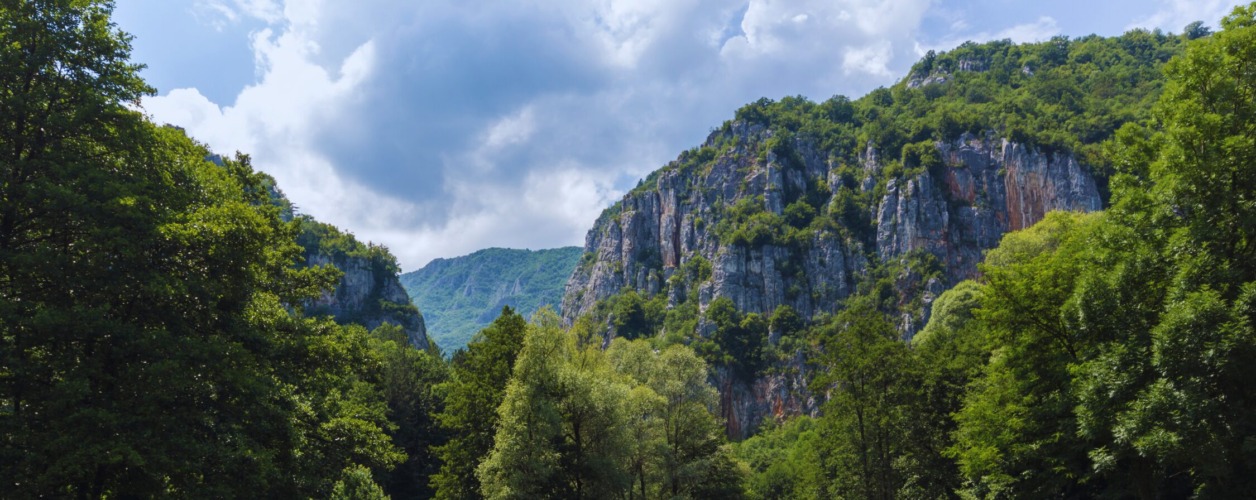
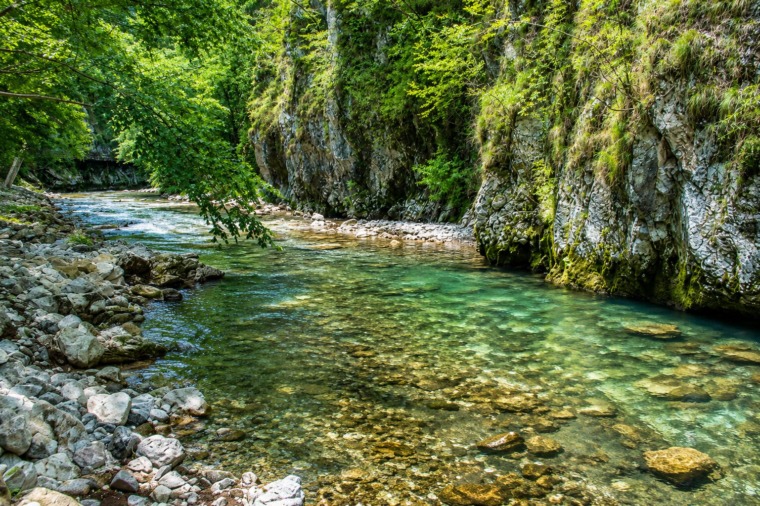
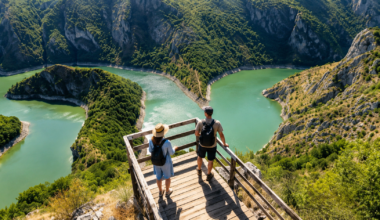
In southeastern Serbia, far from the country’s more visited destinations, the canyon of the Jerma River reveals one of the wildest and most atmospheric landscapes in the region. During May, the canyon becomes especially striking – the river is stronger after spring rains, the cliffs are covered in deep green vegetation, and the entire area feels raw, quiet, and almost untouched.
This is not a place defined by large attractions or developed tourism infrastructure. Instead, Jerma Canyon offers something much rarer – a sense of space, silence, and discovery. The winding river cuts through steep rock formations, while narrow roads and trails follow its course through one of the least explored corners of Serbia.
Why Visit Jerma Canyon in May
Late spring is one of the best times to visit the Jerma River Canyon. After winter and early spring rainfall, the river reaches a stronger flow, making the landscape more dynamic and visually impressive. The surrounding vegetation is at its peak, covering the canyon walls in dense greenery and creating a powerful contrast between rock, water, and forest.
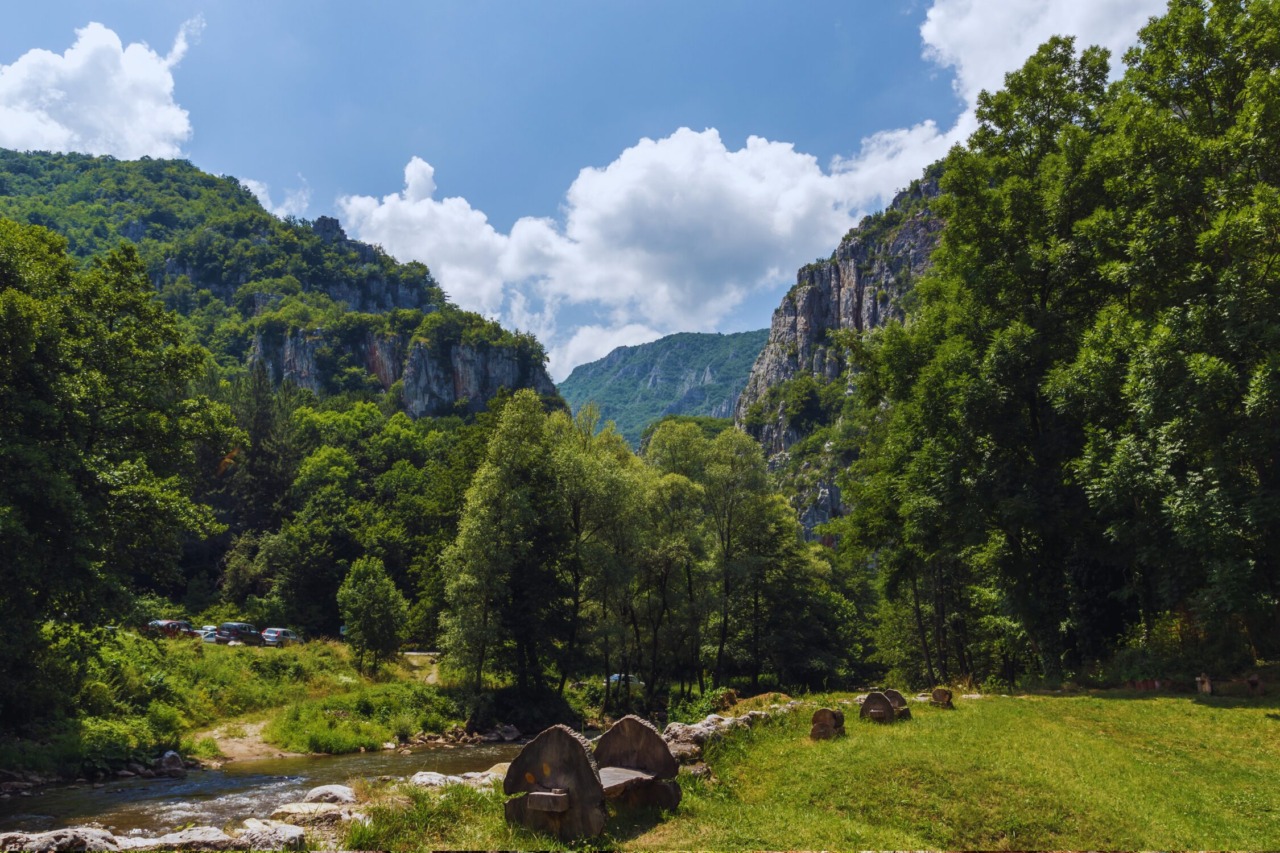
Temperatures during May are also ideal for exploring this region. Unlike the intense summer heat, late spring allows for longer walks, hiking routes, and time spent outdoors without discomfort. The entire area feels fresh and alive, while still maintaining the quiet atmosphere that defines southeastern Serbia.
What to See in Jerma Canyon
The main highlight of the region is, of course, the canyon itself – a dramatic natural corridor shaped by the Jerma River over centuries. The cliffs rise steeply above the river, creating narrow passages and scenic viewpoints along the way.
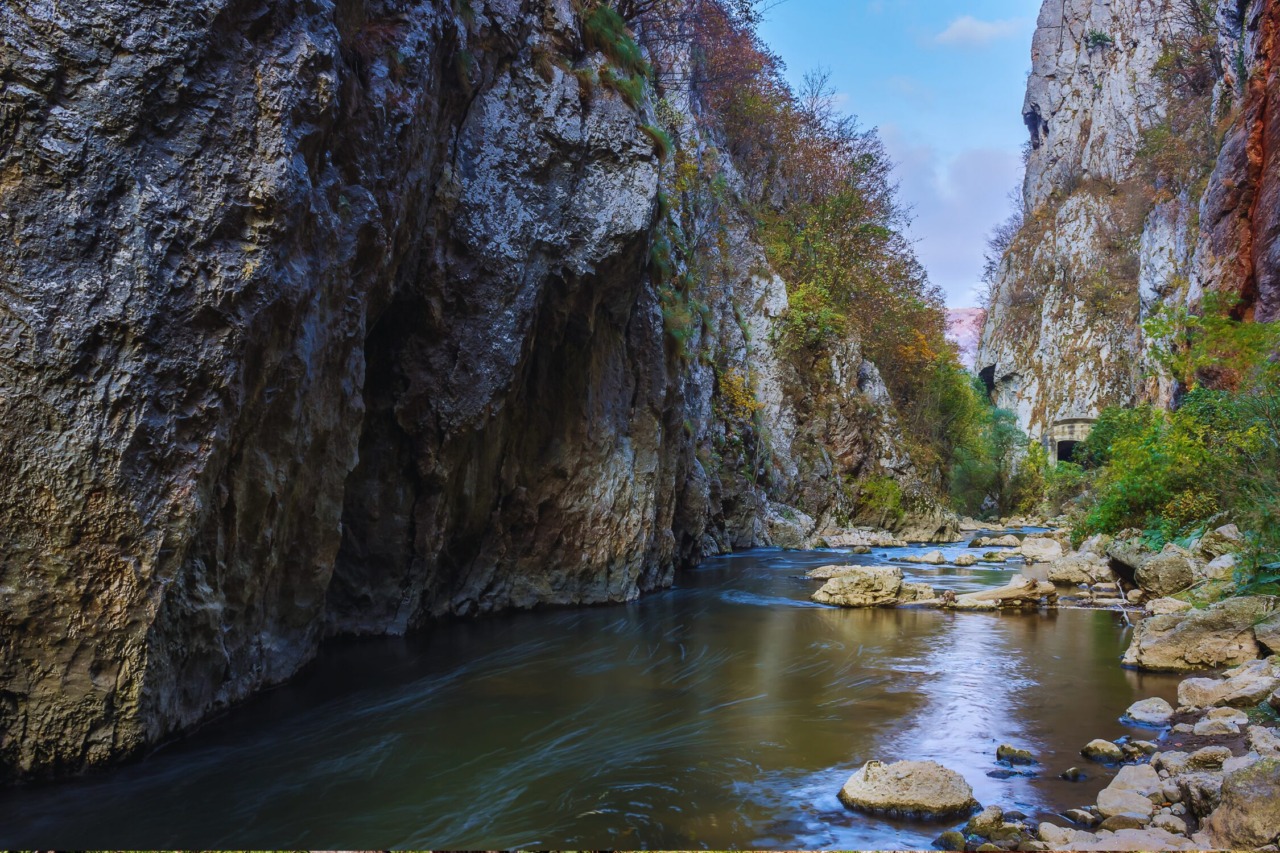
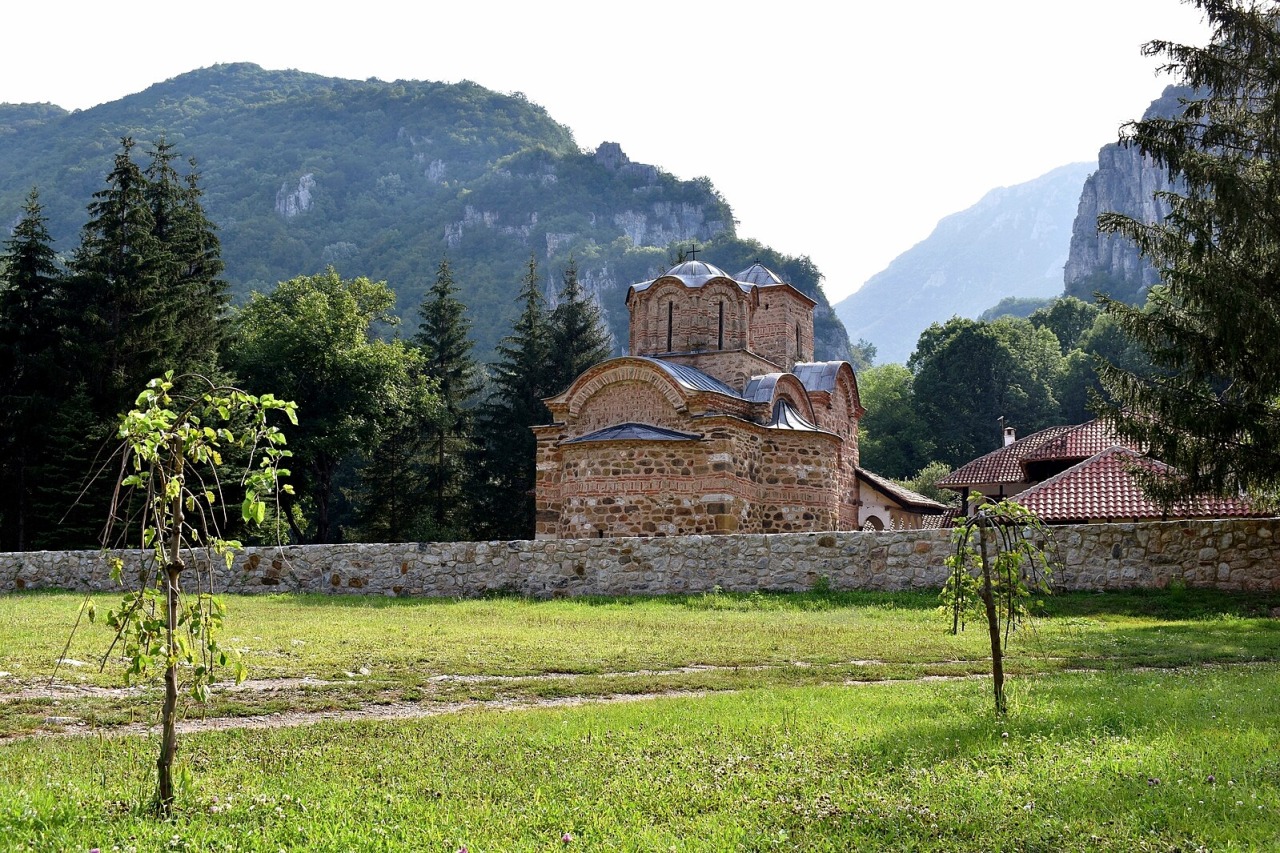
One of the most recognizable landmarks in the area is the medieval Poganovo Monastery, located near the river and surrounded by cliffs and forest. Its setting alone makes it one of the most atmospheric monasteries in Serbia.
Nearby, natural formations such as Vražji Kamen add to the region’s dramatic appearance. These towering rock formations create a surreal landscape that feels both powerful and mysterious, especially during late spring when the surrounding greenery softens the rugged terrain.
Vlasi Village: A Slower Way of Life
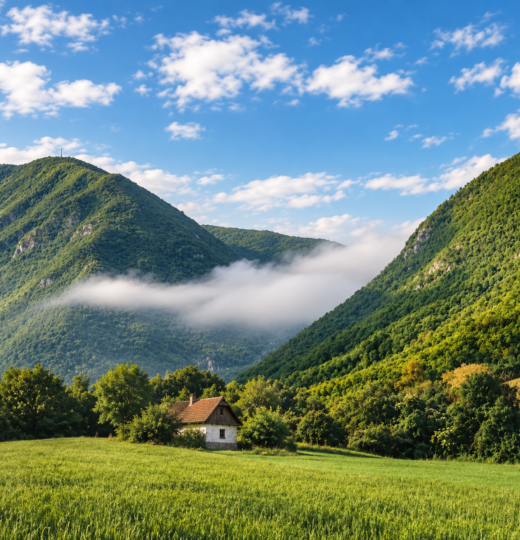
Just above the canyon lies the small village of Vlasi – a place that perfectly reflects the slower rhythm of life in southeastern Serbia. Surrounded by mountains, meadows, and forest paths, the village feels distant from modern life in the best possible way.
Stone houses, quiet roads, and open landscapes create a sense of calm that defines this region. During May, the area around the village becomes especially beautiful, with blooming nature, fresh air, and clear views across the surrounding hills.
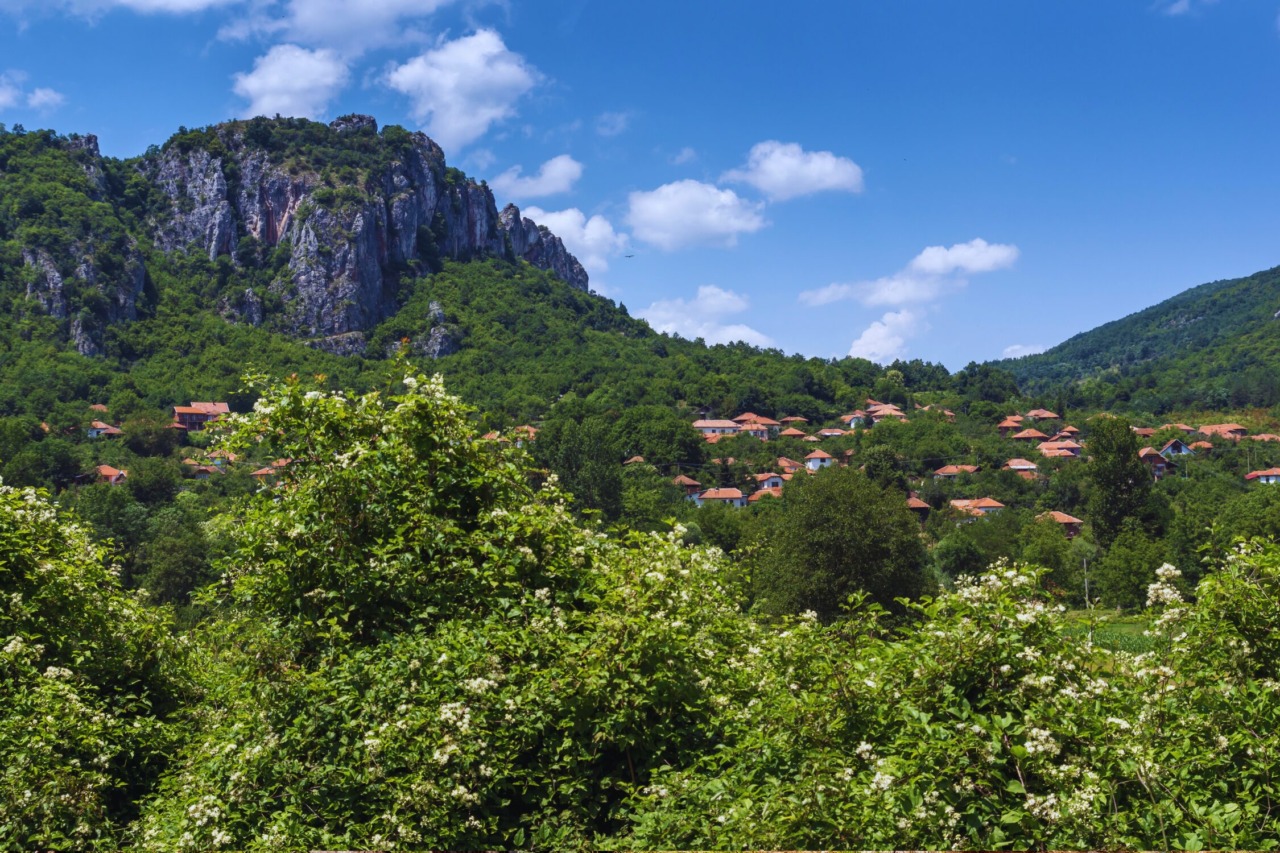
Vlasi also serves as a great base for exploring the canyon, nearby trails, and hidden viewpoints that are often missed by travelers who stick to more popular routes.
Activities and Things to Do
Jerma Canyon and the surrounding area are ideal for travelers who enjoy nature, hiking, and exploring less developed regions. Walking along the canyon, following forest paths, and stopping at viewpoints are some of the best ways to experience the landscape.
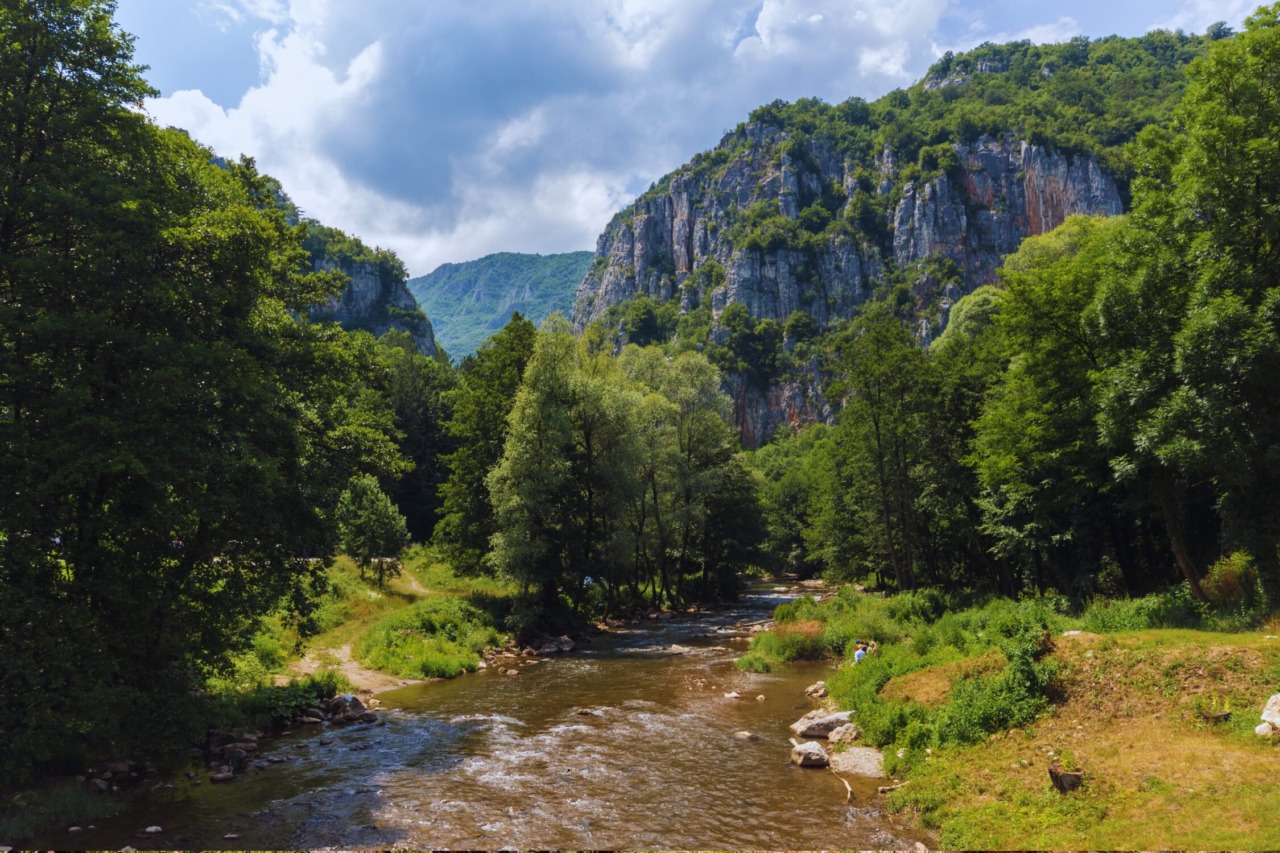
The region is also excellent for photography, especially in late spring when the contrast between water, cliffs, and greenery creates dramatic scenery. Early mornings and late afternoons offer the most atmospheric light, often accompanied by mist rising from the river.
For those interested in a slower experience, simply spending time in Vlasi – walking through the village, enjoying the silence, and experiencing local life – can be just as rewarding as exploring the canyon itself.
One of Serbia’s Most Undiscovered Landscapes
Jerma River Canyon remains one of the least explored natural areas in Serbia, which is exactly what makes it so special. It offers a completely different experience from the country’s more popular destinations – one defined by raw nature, quiet landscapes, and a strong sense of authenticity.
During May, when the river is at its strongest and the surrounding nature fully awakens, Jerma Canyon and Vlasi Village become one of the most unique and rewarding places to discover southeastern Serbia.
Plan your visit
Everything you need to plan your perfect trip.
Related Articles
5 Easy Hikes in Serbia for People Who Don’t Usually Hike
September 15, 2026
7 Places in Serbia Where Summer Lasts a Little Longer
September 3, 2026