
-
Serbia at a Glance
Discover All -
Arts & Culture
Discover All -
Identity & Heritage
Discover All -
Famous Serbs
Discover All
-
Regions
Discover All -
Cities
Discover All -
Nature
Discover All -
Cultural Landmarks
Discover All
-
Outdoor & Wellness
Discover All -
Food & Drink
Discover All -
Tours
Discover All -
Urban Experiences
Discover All -
Seasonal Experiences
Discover All
Partner with Serbia.com
Let's create lasting impact together
Partner with Serbia.com to reach travellers through trusted recommendations, inspiring editorial stories and thoughtfully designed campaigns. Together, we create meaningful visibility that supports your goals and remains valuable long after publication.
Explore partnership opportunities- Serbian Favorite Rituals Everyday traditions and little things that make life in Serbia special.
- Villages of Serbia Charming villages, local stories and authentic rural life.
- Serbia Told By You Personal stories, local perspectives and authentic experiences from across Serbia.
- Is it Worth Visiting in Serbia? Honest destination guides to help you decide which places are worth visiting.
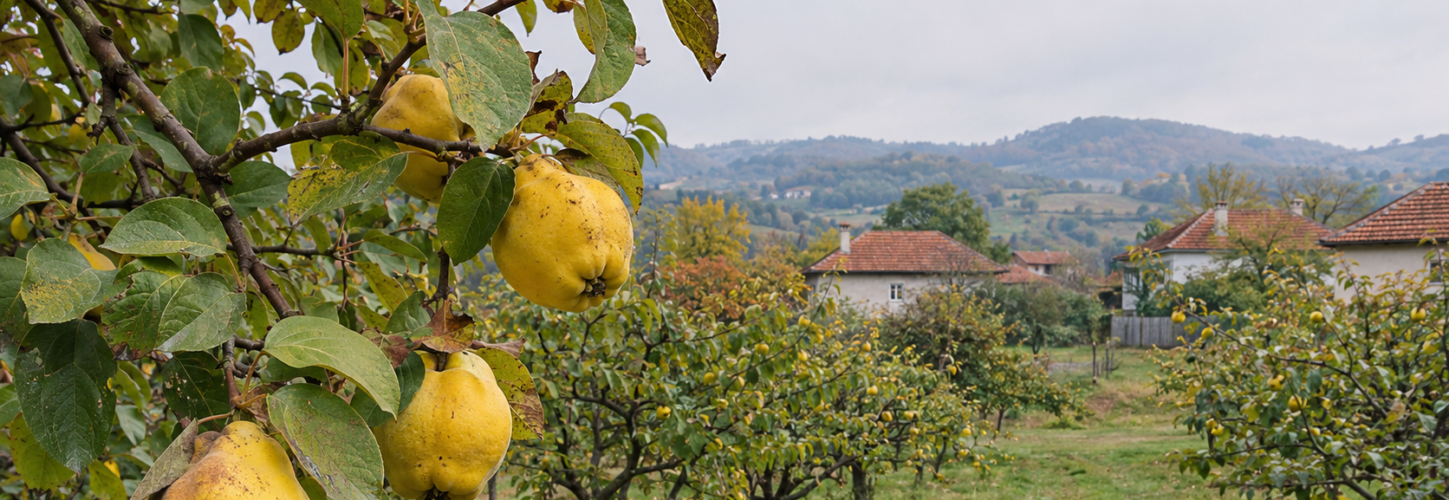
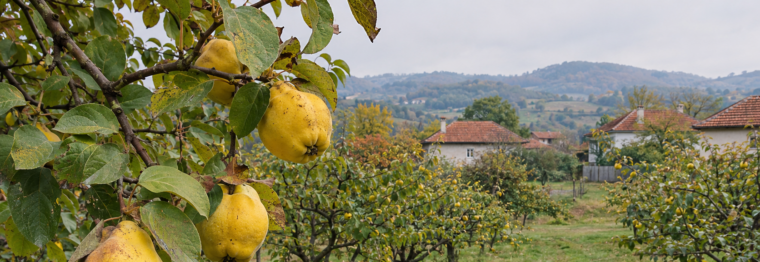
On the slopes of Mount Kotlenik, between Kraljevo and Čačak, lies a village where the quince harvest usually begins as October draws to a close. Tavnik tells the story of a fruit that has shaped village life. It’s also the starting point for a weekend that takes you from Kraljevo’s riverside promenade and the red walls of Žiča Monastery to a fortress high above the Ibar and the white marble churches of Studenica.
Many people remember the scent of a ripe quince left on top of a wardrobe, perfuming the room for days. In Tavnik, that familiar fragrance is on a different scale. In one autumn report, journalists pulled over beside a truck shortly after entering the village. The moment they opened the car doors, they caught the scent of freshly picked quinces. The fruit belonged to a local grower, who had already sold the harvest by the time they arrived.
How Quinces Became the Work of an Entire Village
According to figures published in 2020, Tavnik accounted for around 60 percent of Serbia’s quince harvest. A 2026 report put the number of quince trees at around 60,000, while local estimates placed the village’s share at roughly two-thirds of national production. It’s easy to see how Tavnik earned the nickname Serbia’s quince capital.
The work behind those figures lasts well beyond harvest season. Growers tend the soil, thin out new shoots and protect the trees from disease. In October, they walk through their orchards checking when the fruit will be ready to pick. Once it is, they need enough hands to bring in the crop and buyers ready to take it. Some of the quinces are sold for processing, while some growers distil their own dunjevača, a quince brandy. Talk to growers about finding pickers, selling the crop or making brandy, and you begin to see how much work goes into those rows of yellow fruit.
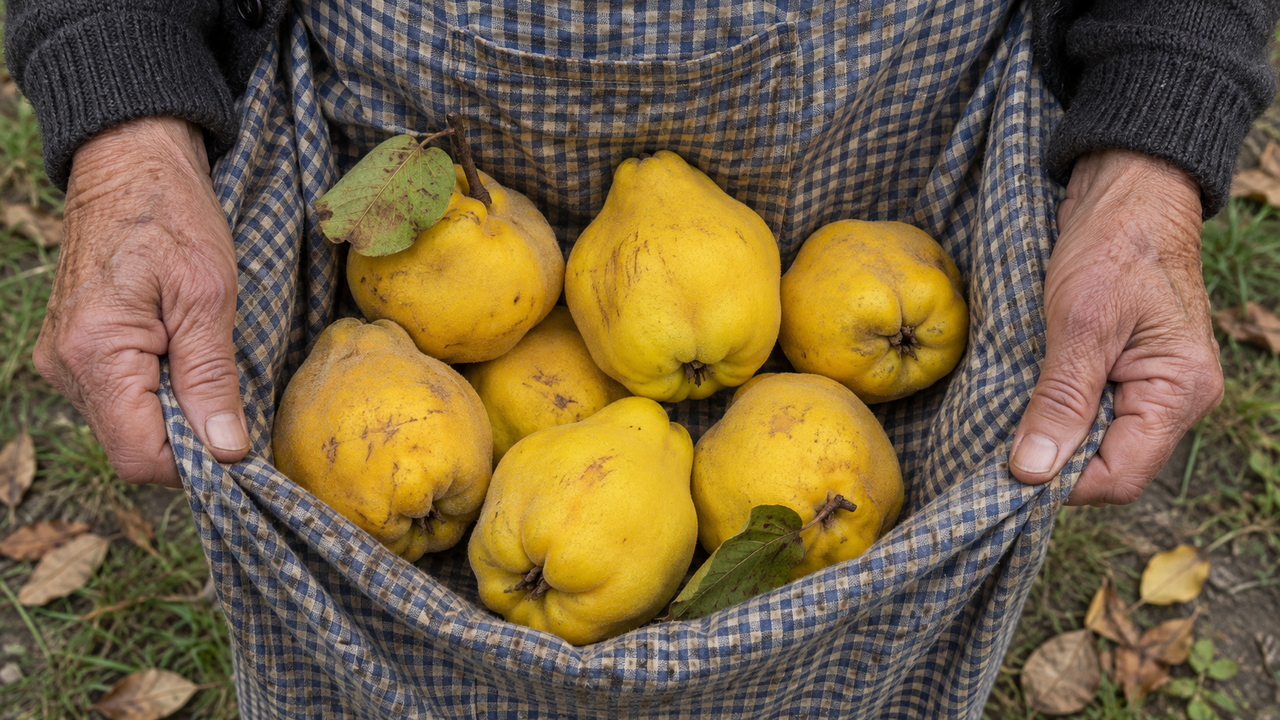
The most interesting time to visit is from late October to early November, when the quince harvest usually takes place, though the timing varies from year to year. If you’d like to step into an orchard, see the harvest or buy fruit directly from a grower, arrange your visit in advance.
From Temnik to Tavnik
An Ottoman census of the Sanjak of Smederevo recorded the village in 1476 under the name Temnik, with 55 households. It also preserved the names of some of its inhabitants, including Vukač, Dimitrašin and Murgaš. In the early 20th century, researcher Radomir M. Ilić recorded the name Tamnik and described a scattered village divided into three parts, Voljavča, Gornji Kraj and Ravni Gaj.
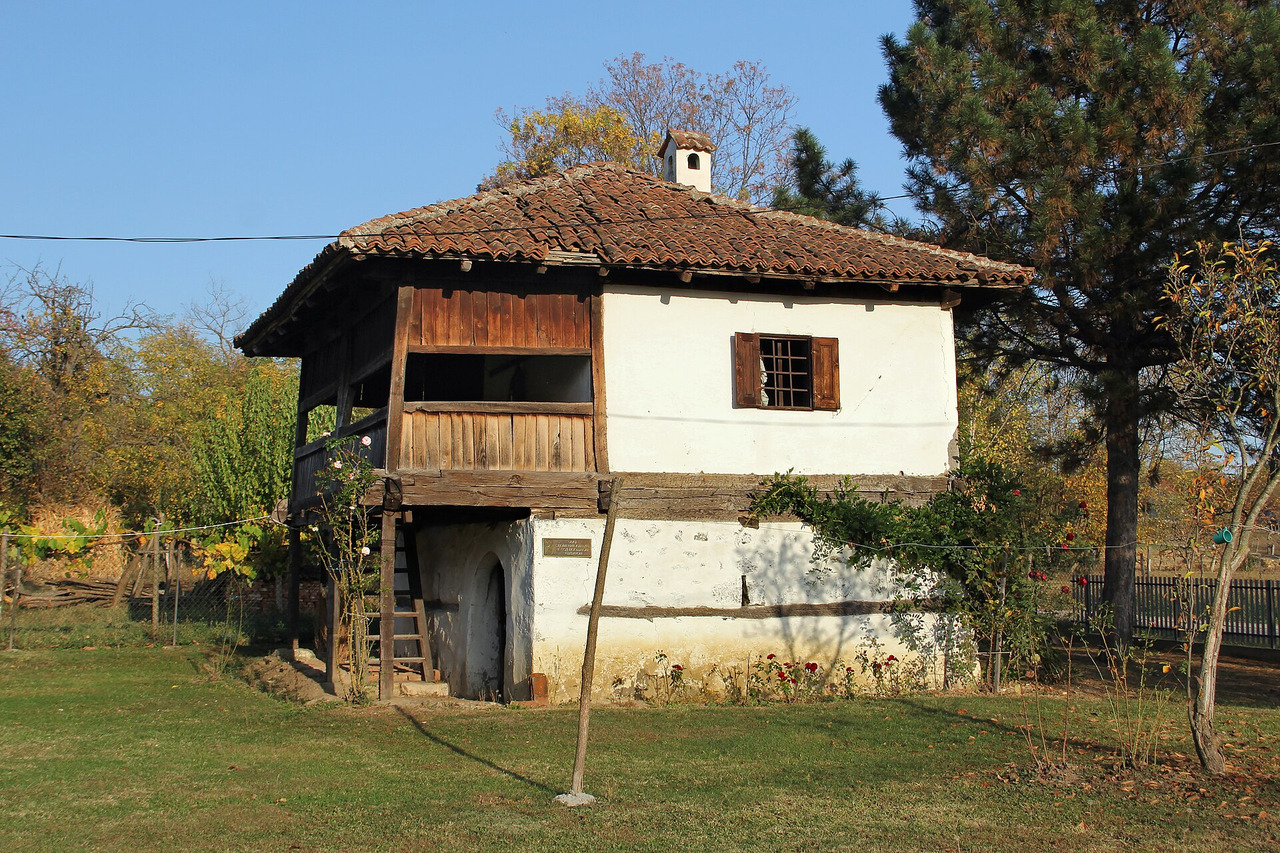
The čardak of Igrutin Podgorac, built in the 1820s, offers a glimpse of village life two centuries ago. This traditional raised wooden structure was a place to sit over coffee and gather for summer feast days. It still stands on private family property, so enquire ahead if you’d like to see it.
Voljavča Monastery lies near Tavnik and the neighbouring village of Bresnica. Local tradition links an earlier wooden church on the site to Patriarch Arsenije III Čarnojević and the Great Migration of the Serbs. According to the story, the patriarch stopped here to give communion to the people at the site of an older church.
What to See Near Tavnik
Kraljevo, from the Main Square to the Ibar Riverfront
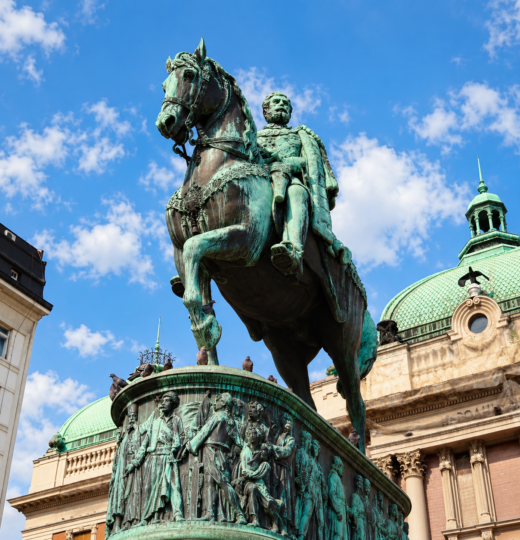
Start on Serbian Warriors’ Square, by the monument locals call Milutin. From there, walk to St Sava Square, where the National Museum, the Church of the Holy Trinity and Gospodar Vasa’s Residence stand close together. If you have time for one longer stop in the centre, make it the museum. Then head down to the Ibar riverside promenade for a walk or a coffee by the water. Farther south, you’ll follow the river through a gorge. Here, you see how it fits into everyday life in Kraljevo.
Žiča, the Monastery of Seven Doors
Around six kilometres from Kraljevo, on the way to Mataruška Banja, stands Žiča Monastery. The red walls of its Church of the Ascension catch your eye as soon as you approach. Stefan the First-Crowned was crowned here, and Žiča became the first seat of the independent Serbian archbishopric.
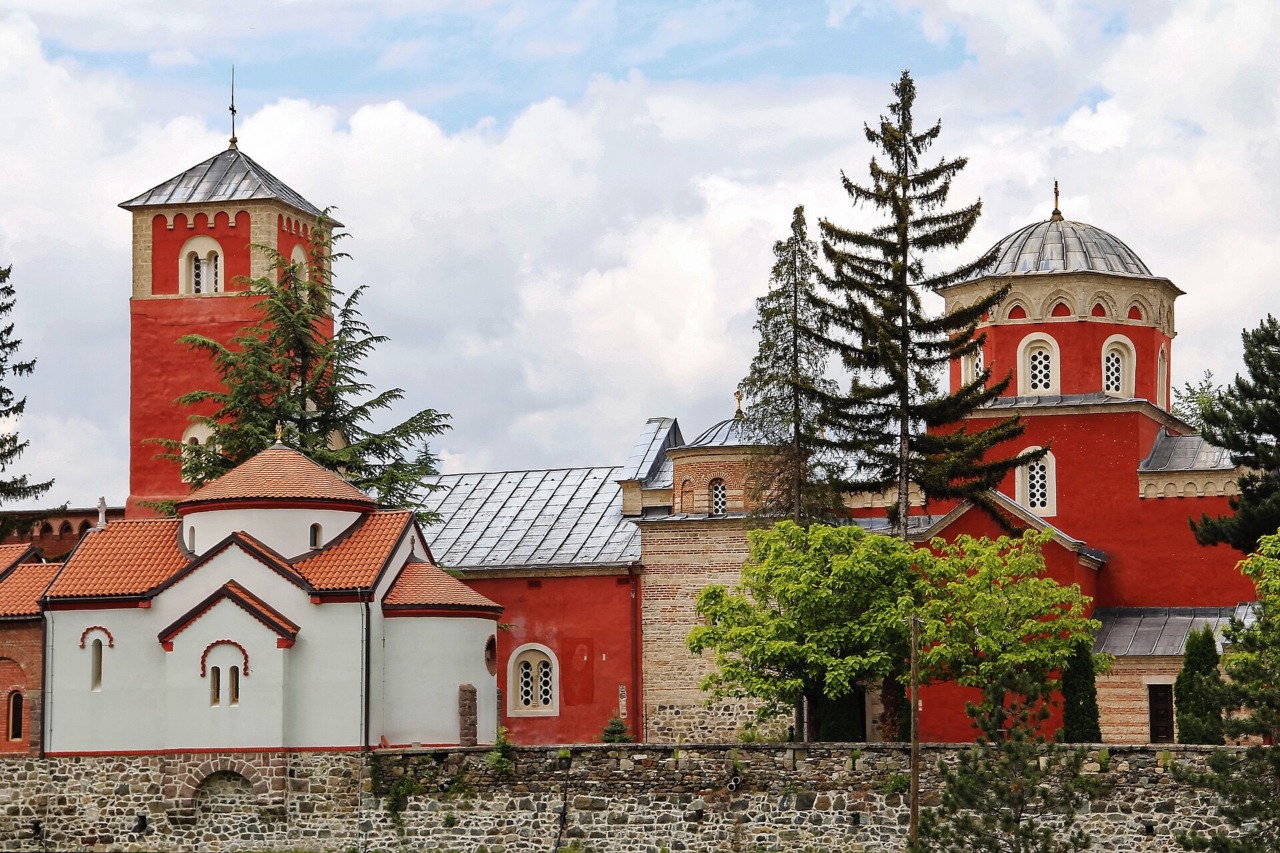
Žiča’s nickname, the Monastery of Seven Doors, comes from a legend about seven kings crowned here. The story goes that a separate doorway was opened for each new king to pass through on the day of his coronation, then bricked up behind him. After visiting the monastery, you can continue to Mataruška Banja for a break by the Ibar before heading deeper into the valley.
Maglič, the Fortress Above a Bend in the Ibar
South of Kraljevo, as the valley narrows, Maglič Fortress comes into view on a rocky ridge above a sharp bend in the river. The Ibar curves around it on three sides, and the ramparts follow the contours of the rock. Among the towers and walls are the remains of the Church of St George and a palace. From the top, the view across the gorge makes it easy to see why this ridge was chosen for a fortress.
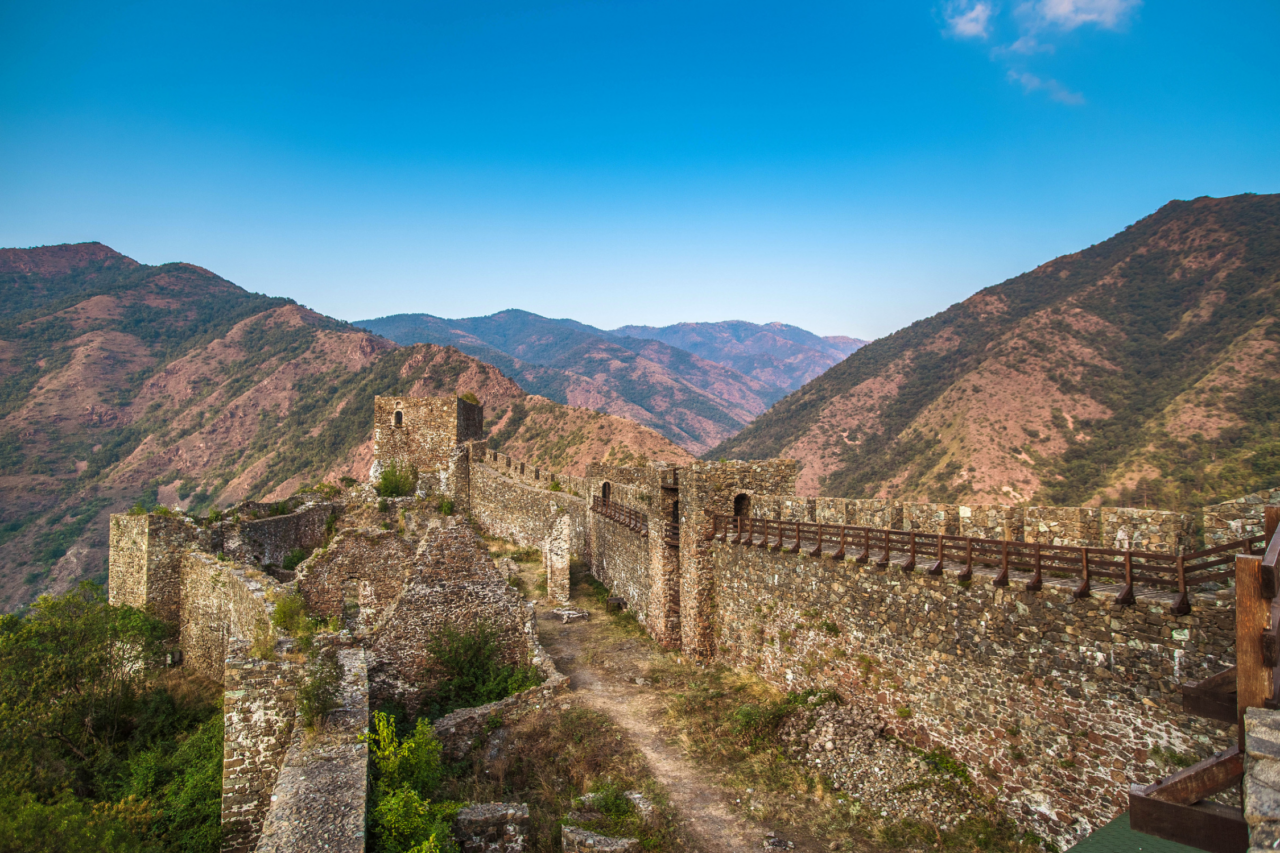
Check access with the Kraljevo Tourist Organisation before setting out. A flood swept away the old footbridge, and the river crossing has since been served by a ferry. If the crossing is unavailable that day, continue towards Ušće and allow more time for Studenica.
Ušće and Studenica, from the Ibar to Stefan Nemanja’s Monastery
At Ušće, where the Studenica River joins the Ibar, leave the main road and follow the river valley to the monastery. Studenica was founded by Stefan Nemanja in the late 12th century and has been a UNESCO World Heritage Site since 1986. Allow time for both the Church of the Virgin, with its carved portal set into a white marble façade, and the smaller King’s Church, commissioned by King Milutin. Inside the Church of the Virgin, look for the Crucifixion, one of Studenica’s best-known frescoes.
Gradac, Queen Jelena’s Monastery
If you have another half-day to explore the Ibar Valley, continue towards Raška and turn off for Gradac Monastery. Founded by Queen Jelena of Anjou in the late 13th century, it stands on the edge of Mount Golija. The Church of the Annunciation, where the queen is buried, combines the architectural traditions of the medieval Raška school with Gothic features.
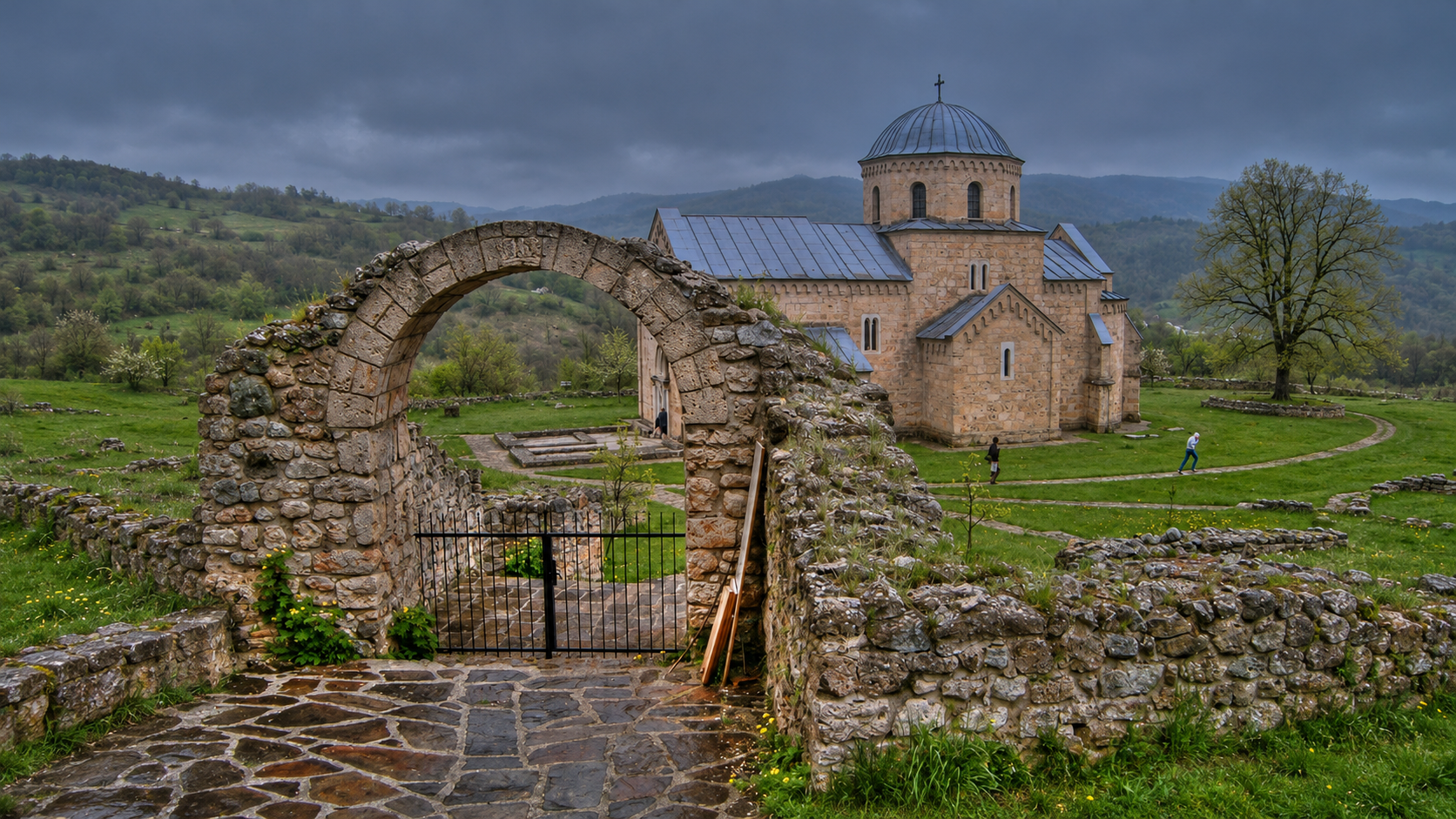
After Žiča and Studenica, take a moment to notice the pointed arches and the details around the windows. Local legend links Queen Jelena with the lilacs of the Ibar Valley. At Gradac, you can visit the monastery she founded.
From Tavnik’s Orchards to the Ibar Valley
Spend the morning in Tavnik and Voljavča, leaving time to linger in the village or pick up quinces if you’ve arranged to meet a grower. Continue to Žiča, then spend the afternoon in Kraljevo over lunch and a walk along the Ibar. The route fits comfortably into an autumn day.
If you’re staying for the weekend, set out from Kraljevo the next morning and follow the Ibar Valley south. With the river crossing confirmed, make Maglič your first stop, then turn off at Ušće for Studenica. Add Gradac if you have enough daylight to explore it without rushing.
And if you bring a few quinces home from Tavnik, leave one on top of a wardrobe. Its scent will linger for days after you return
Plan your visit
Everything you need to plan your perfect trip.
Related Articles