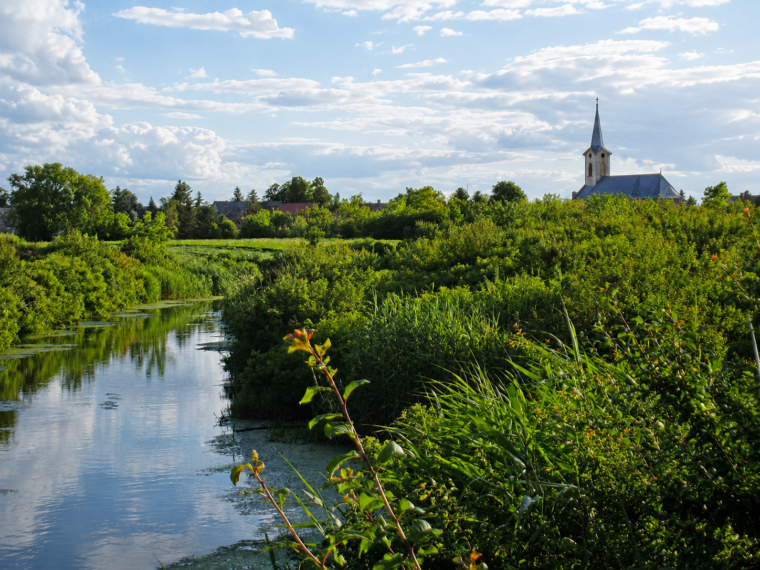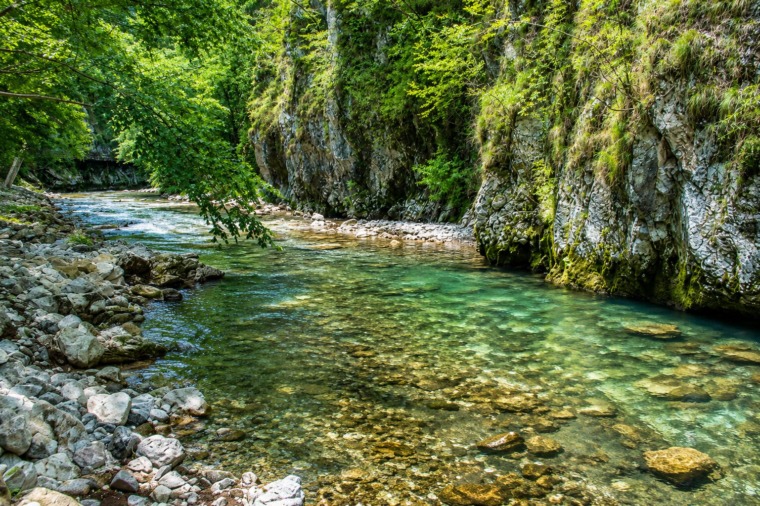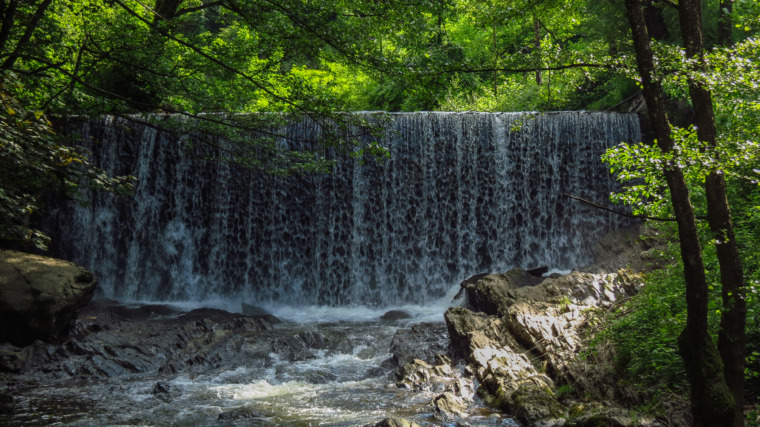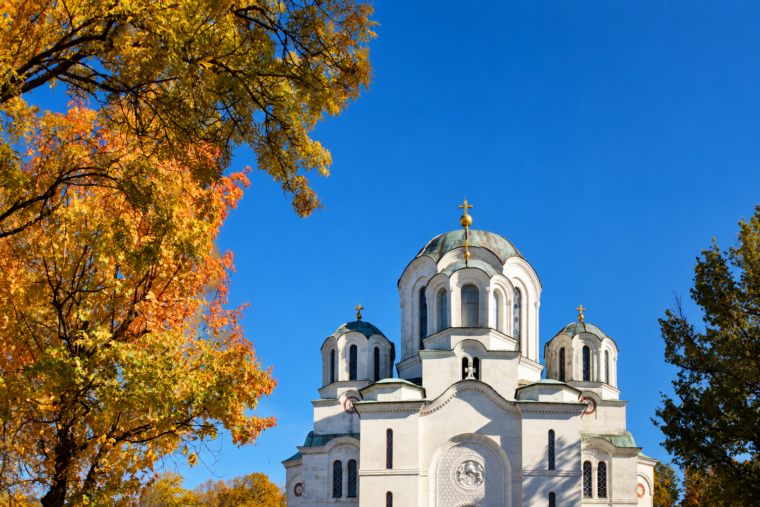

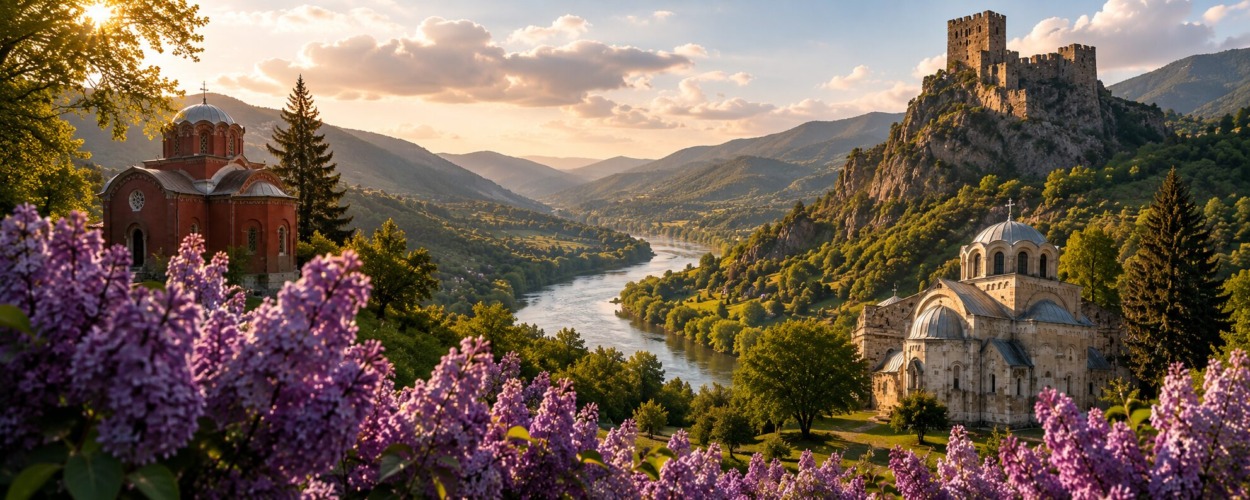
Some journeys are measured in kilometers. Others are measured in centuries. Following the course of the Ibar River through central Serbia, one of the country’s most remarkable routes unfolds between medieval fortresses, royal monasteries, mountain landscapes, and legends that have endured for more than 700 years. Known for the famous Valley of Lilacs, this stretch of Serbia offers far more than a scenic drive. It is a journey through the very heart of medieval Serbia.
Along the way, travelers encounter the coronation church of Serbian kings, one of the country’s most dramatic fortresses, a UNESCO World Heritage monastery, and stories that connect them all. Few places in Serbia concentrate so much history within a single valley.
If you are looking to experience Serbia beyond its cities and modern attractions, the Ibar Valley may be one of the most rewarding journeys you can take.
Stop 1: Žiča Monastery – Where Serbian Kings Were Crowned
The journey begins near Kraljevo at Žiča Monastery, one of the most important landmarks in Serbian history. Founded in the early 13th century by Saint Sava and King Stefan the First-Crowned, Žiča became the first seat of the Serbian Orthodox Church and the coronation church of Serbian rulers. According to tradition, seven Serbian kings were crowned here, earning Žiča a unique place in the country’s historical memory.
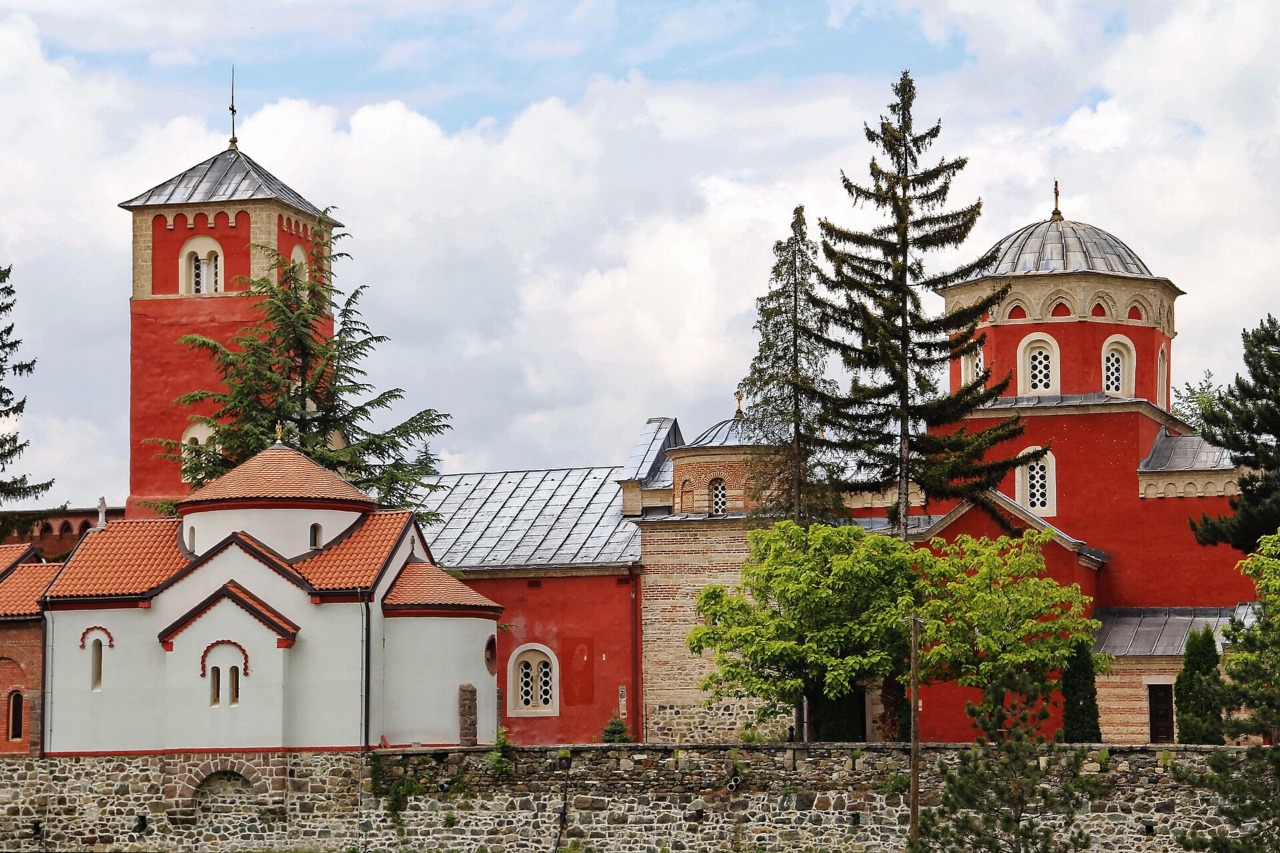
Its distinctive red facade immediately sets it apart from other Serbian monasteries. While many visitors come for its history, the peaceful atmosphere, beautiful surroundings, and remarkable frescoes make it equally impressive as a cultural and spiritual destination.
Visitor Tip
Visit early in the morning when the monastery grounds are at their quietest and the soft light highlights the monastery’s famous red walls.
Stop 2: The Valley of Lilacs – Serbia’s Most Romantic Legend
Leaving Žiča behind, the road follows the Ibar River into the legendary Valley of Lilacs. Few places in Serbia are associated with a story as enduring as this one. According to legend, King Uroš I ordered thousands of lilacs to be planted throughout the valley for his wife, Queen Helen of Anjou, who came to Serbia from Western Europe.
Wanting her to feel at home in her new country, the king is said to have transformed the valley into a sea of purple blossoms. Historians continue to debate how much of the story is fact and how much belongs to legend, but the tale has become deeply woven into local identity.
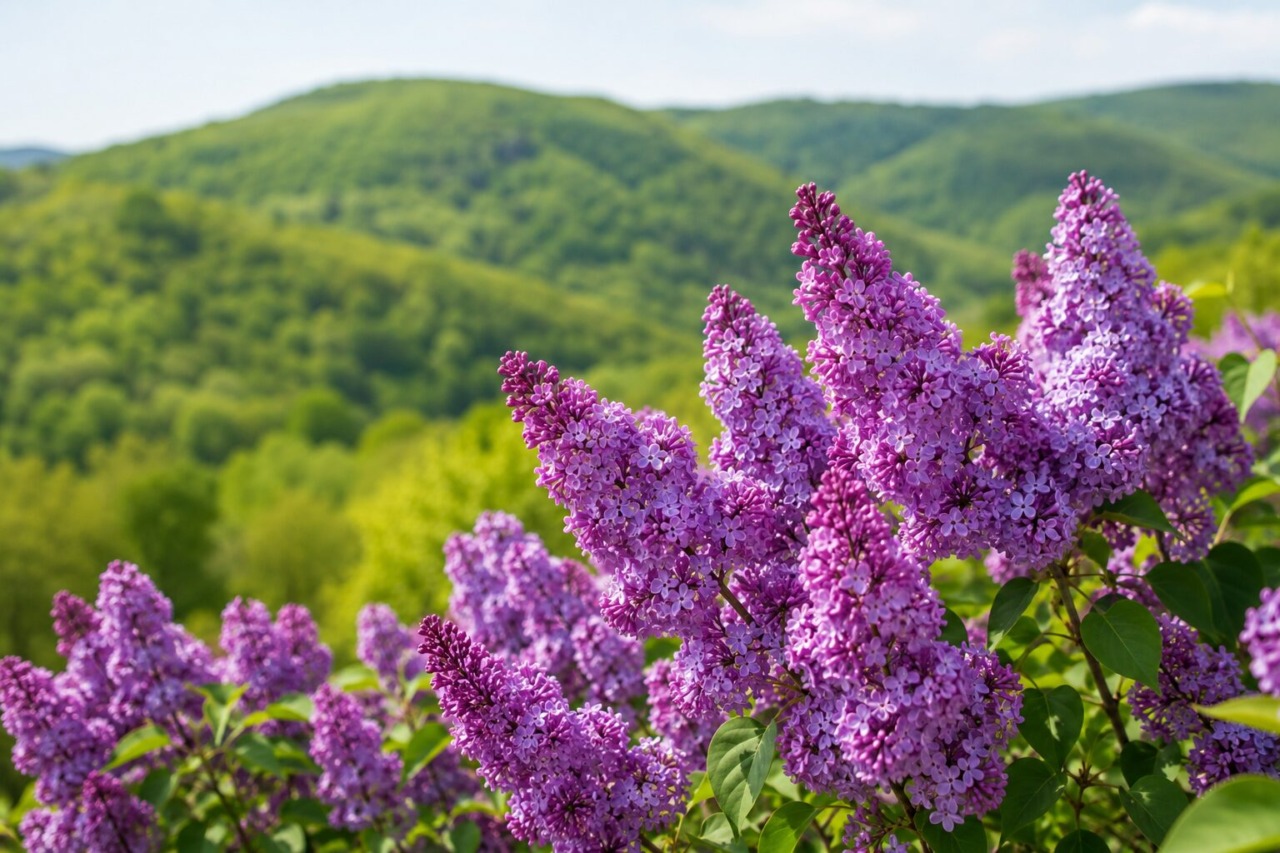
Although the valley no longer blooms as it once supposedly did, the story remains alive. Driving through the area today, it is easy to imagine why this landscape inspired one of Serbia’s greatest love stories.
Did You Know?
Queen Helen of Anjou became one of the most respected women in medieval Serbian history and was later canonized by the Serbian Orthodox Church.
Visitor Tip
Spring is still the best time to explore this area, when scattered lilacs bloom and the surrounding hills become intensely green.
Stop 3: Maglič Fortress – The Guardian of the Ibar Gorge
Few sights along the route create a stronger first impression than Maglič Fortress. Rising dramatically above the Ibar River, the fortress seems to grow directly from the rocky ridge on which it stands. Surrounded by steep slopes and protected by seven towers and massive walls, Maglič remains one of the most picturesque medieval fortifications in Serbia.
Built during the 13th century, the fortress likely served both military and strategic purposes, controlling an important route through the valley. Its exact origins remain somewhat mysterious, adding to its appeal.
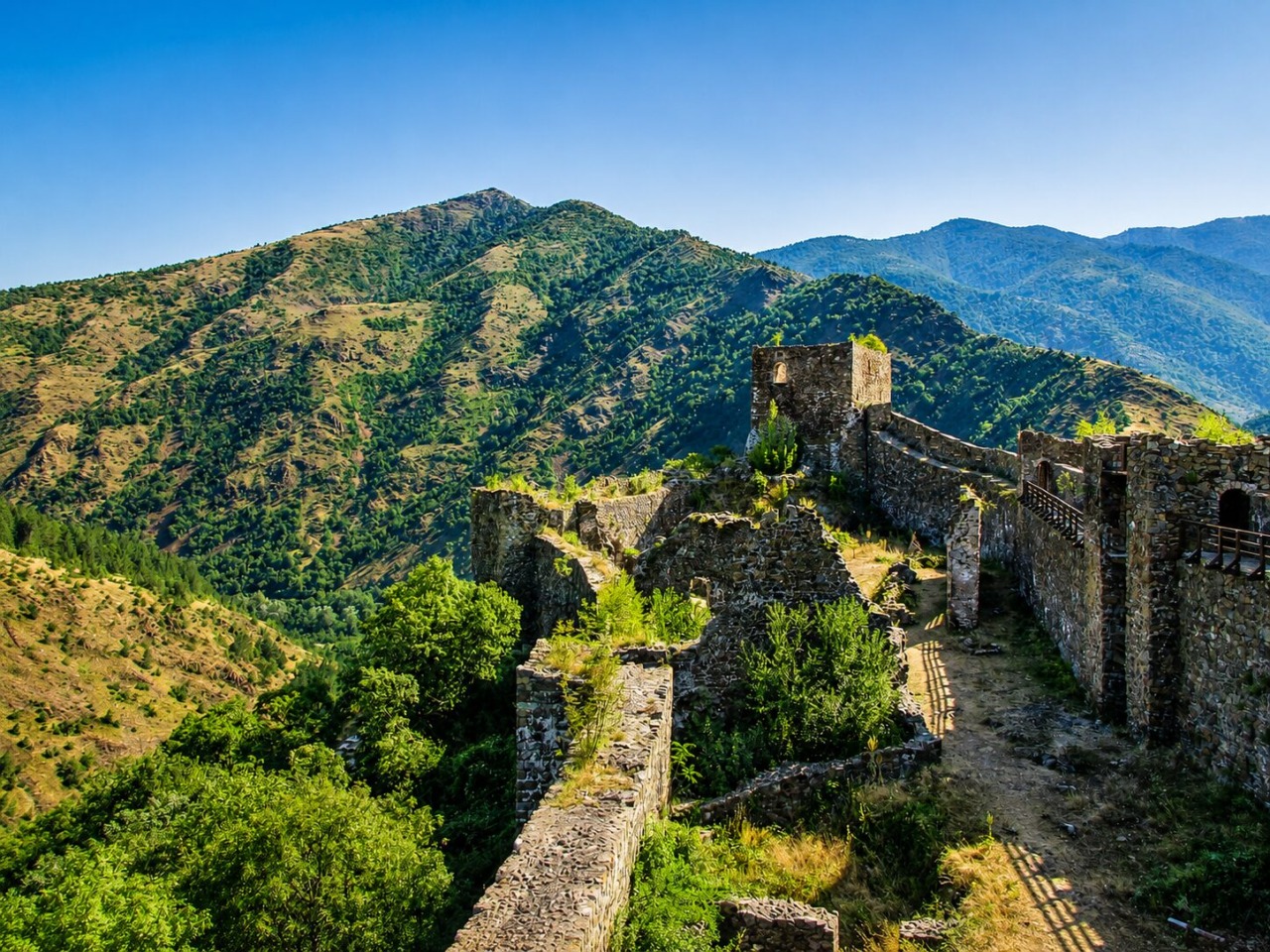
What makes Maglič truly special is its location. While many medieval fortresses have impressive walls, few occupy such a spectacular natural setting. The combination of mountains, river, and fortress creates one of the most photogenic landscapes in Serbia. Standing below the fortress, it is easy to understand why Maglič is often compared to something from a fantasy film.
Did You Know?
Maglič is often described as Serbia’s best-preserved medieval fortress after Golubac, yet it receives only a fraction of the visitors.
Visitor Tip
The best views are often from the road and viewpoints below the fortress. If conditions allow, hiking up provides an even more impressive perspective of the valley.
Stop 4: Mataruška Banja – A Forgotten Spa Along the Route
Just a short detour from the valley lies Mataruška Banja, one of Serbia’s oldest spa towns. Although it no longer attracts the crowds it once did, the town remains known for its mineral waters and peaceful atmosphere.
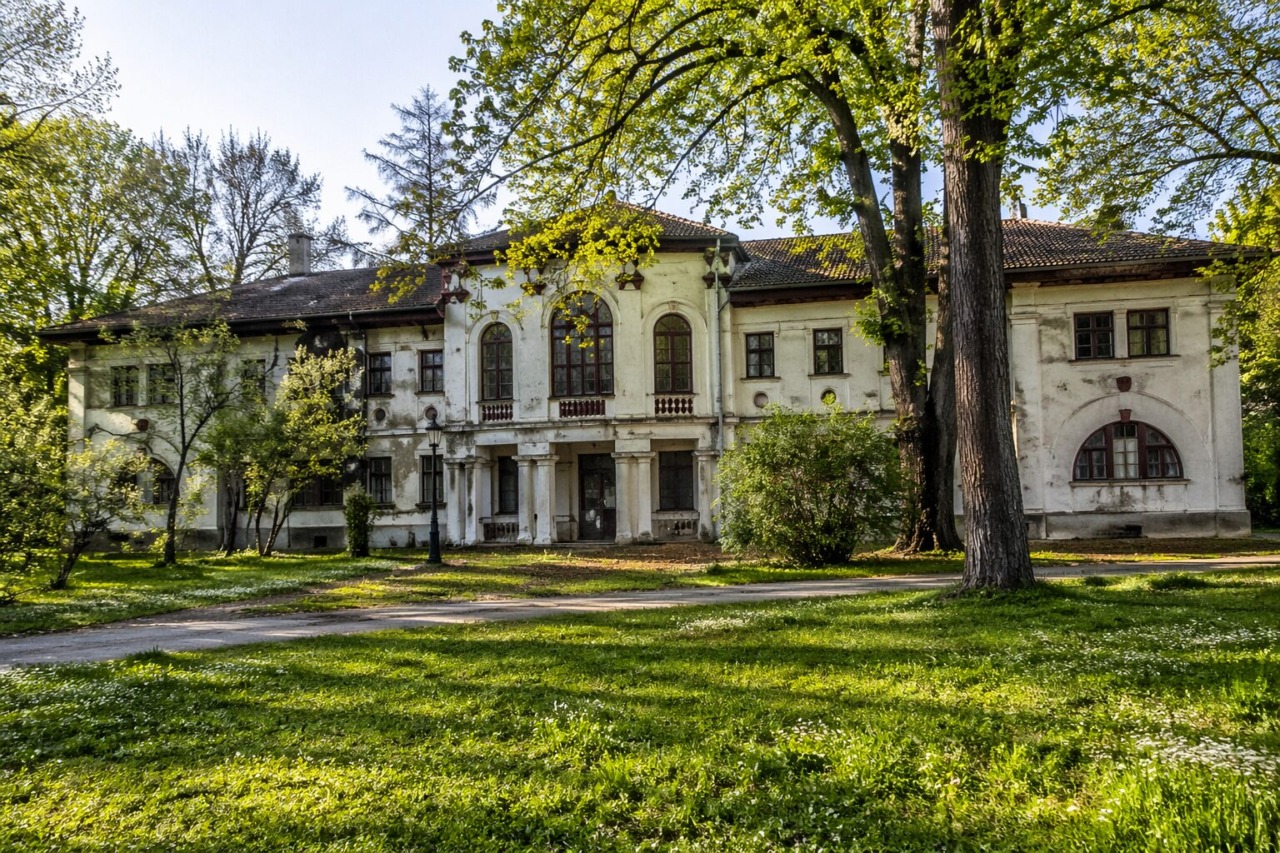
During the 20th century, Mataruška Banja was among the country’s most popular health resorts, drawing visitors from across Yugoslavia. Today, it offers a quieter experience and provides an interesting contrast to the medieval sites along the route.
Visitor Tip
Stop here for lunch or coffee before continuing deeper into the valley.
Stop 5: Studenica Monastery – Serbia’s Medieval Masterpiece
The journey reaches its cultural climax at Studenica Monastery. Founded in the late 12th century by Stefan Nemanja, the founder of the medieval Serbian state, Studenica became one of Serbia’s most important religious and political centers.
Constructed from brilliant white marble, the monastery stands in a beautiful valley surrounded by forested mountains. Its churches contain some of the finest medieval frescoes in Europe, while its historical significance earned it UNESCO World Heritage status.
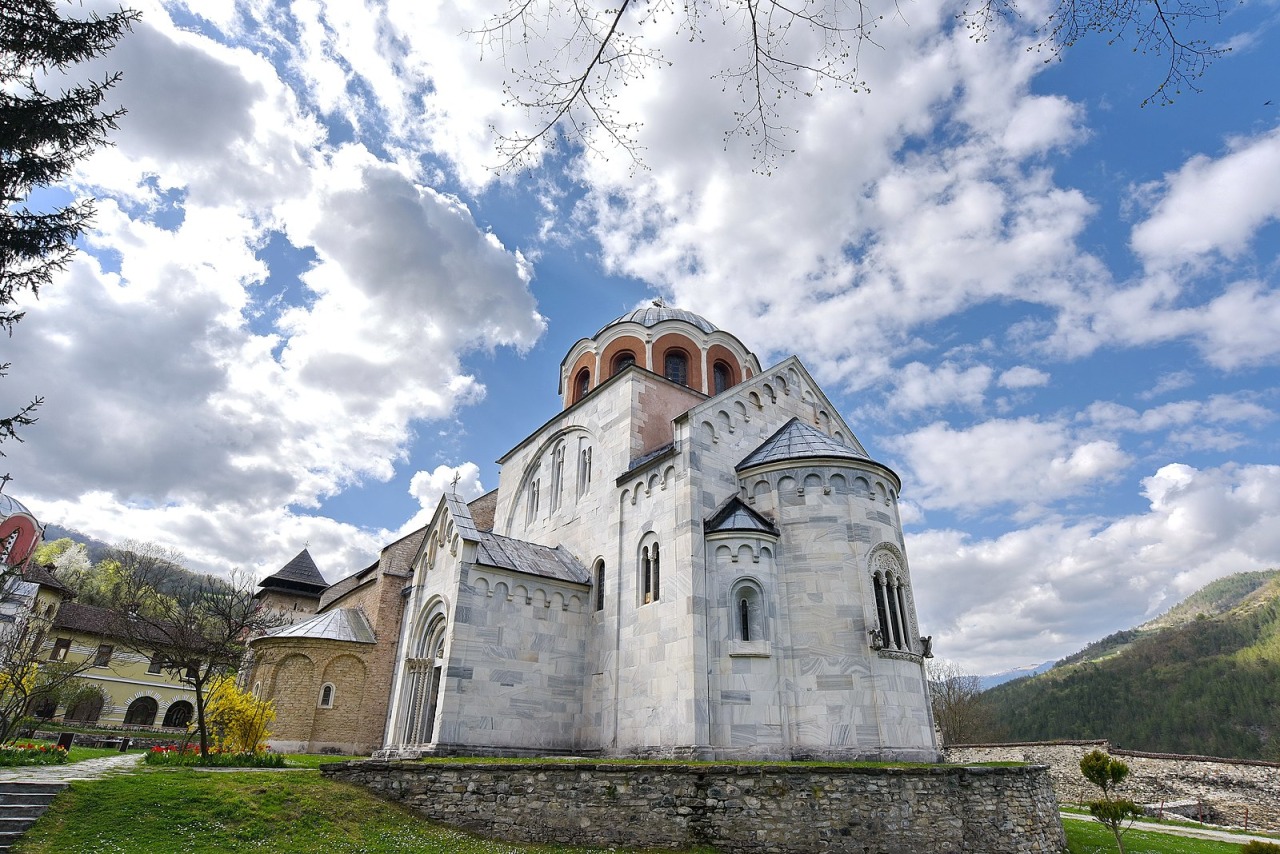
Studenica is more than a monument. It is one of the places where Serbian history, art, spirituality, and national identity come together. Even visitors with little interest in religion often describe Studenica as one of the most impressive places they encounter in Serbia.
Did You Know?
Some of Studenica’s frescoes are considered masterpieces of medieval European art and date back more than 800 years.
Visitor Tip
Allow at least two hours for your visit. The monastery complex deserves more time than most travelers initially expect.
Optional Stops Along the Route
If you have additional time, several worthwhile destinations can be added to the journey:
Bogutovačka Banja
A small spa hidden among forested hills, known for its peaceful atmosphere and natural surroundings.
Goč Mountain
A popular local mountain destination offering hiking trails, viewpoints, and fresh mountain air.
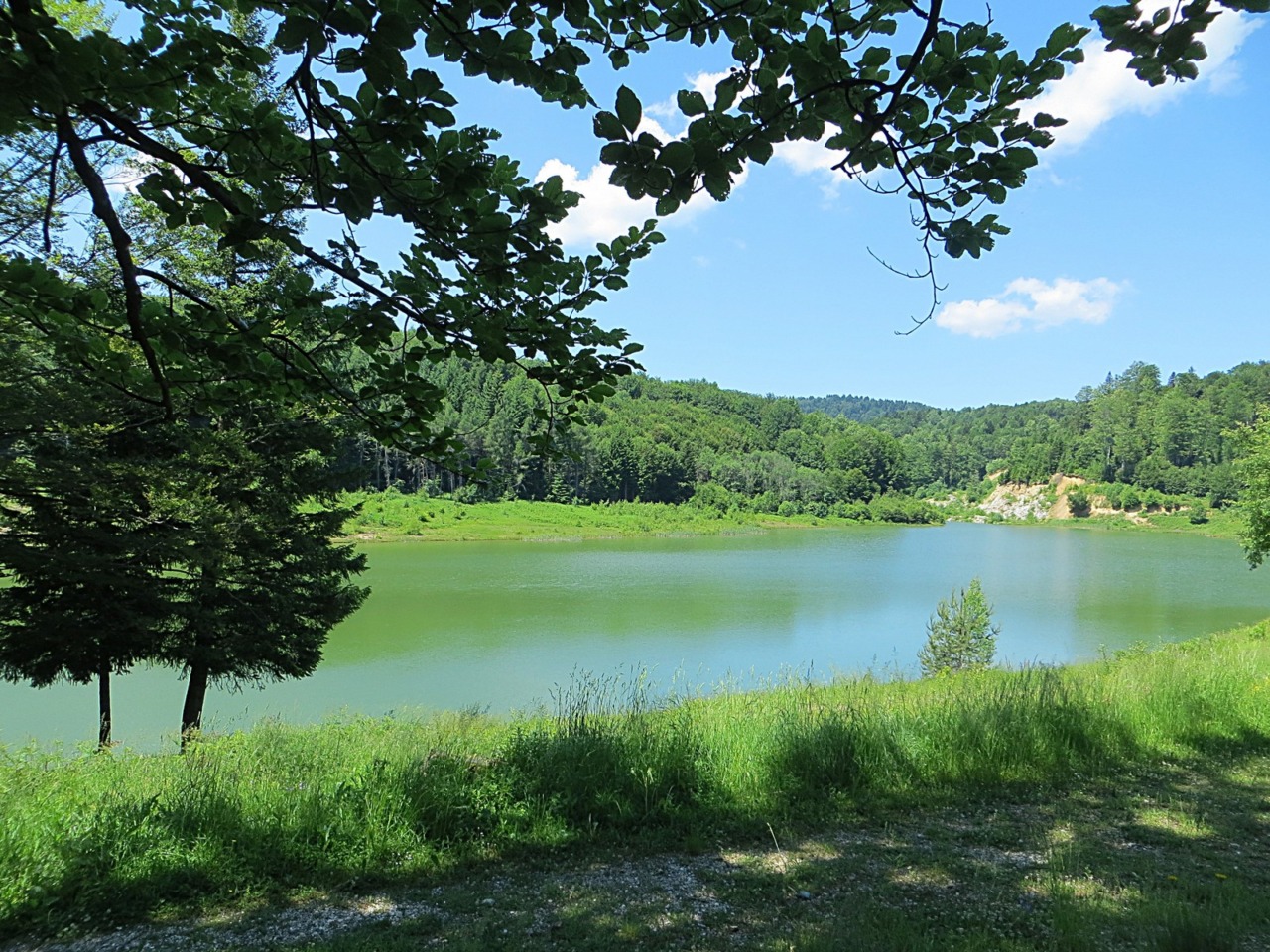
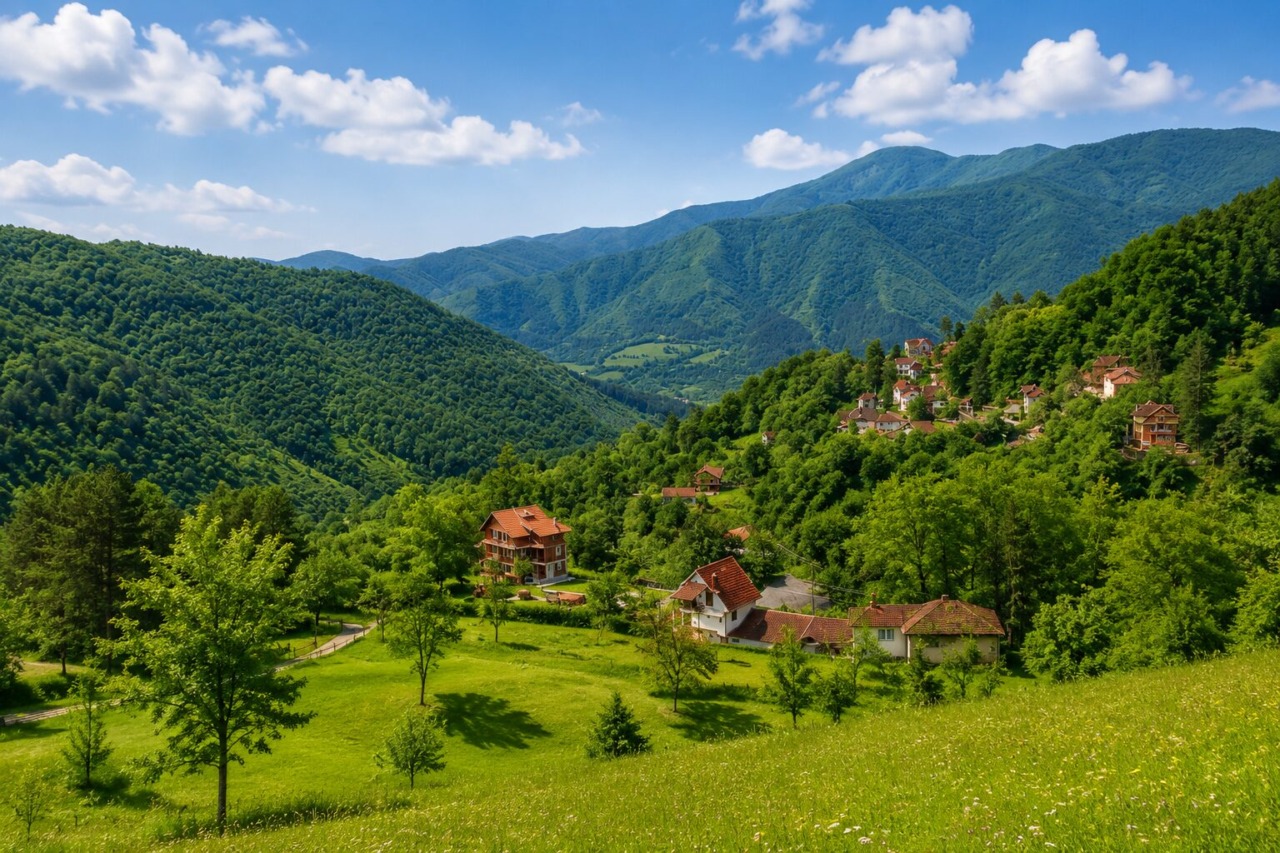
Jošanička Banja
Another historic spa town, located closer to Kopaonik and famous for its thermal waters.
Why This Route Is One of Serbia’s Best Kept Secrets
Many visitors focus on Serbia’s most famous destinations individually. They visit Studenica. They visit Maglič. They stop at Žiča. But the true experience lies in connecting them.
The Ibar Valley is not simply a collection of attractions. It is a landscape where history, legend, architecture, and nature continuously overlap. Few places allow travelers to move so naturally between royal foundations, medieval fortresses, mountain scenery, and stories that have survived for centuries.
For anyone interested in understanding the roots of Serbia, there may be no better road to follow. Because here, every turn reveals another chapter of the country’s story.
Related Articles
5 Easy Hikes in Serbia for People Who Don’t Usually Hike
September 15, 2026
7 Places in Serbia Where Summer Lasts a Little Longer
September 3, 2026