
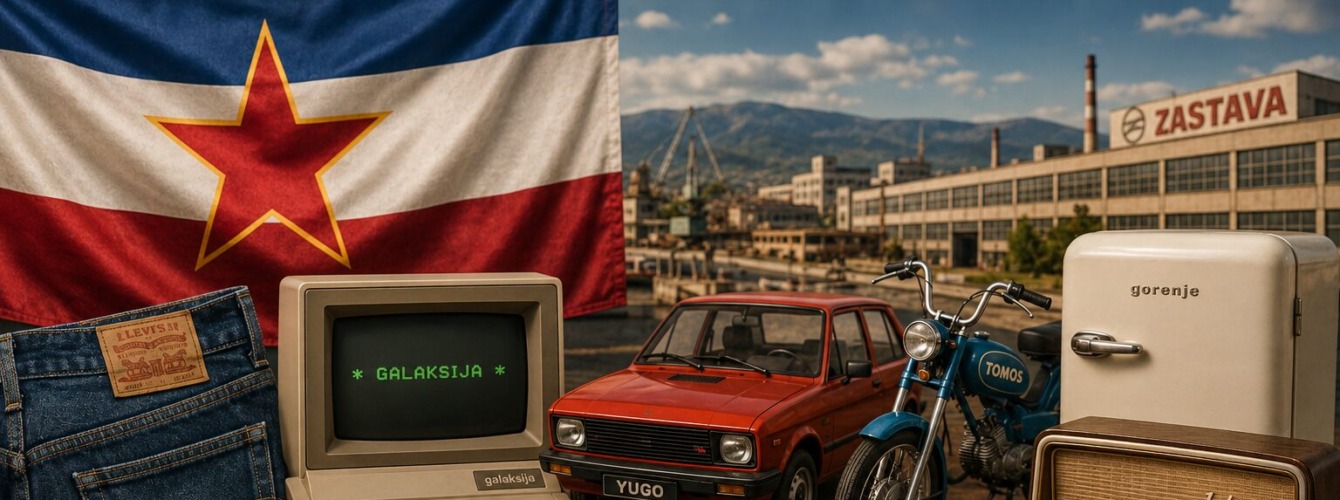
There are things we remember through a smell, a sound, or a feeling. The sound of an engine passing through the street, jeans that lasted for years, a telephone standing in the hallway ringing louder than anything today, or a refrigerator that seemed like it would outlive the entire house.
And then there are the things that, today, sound almost impossible to believe.
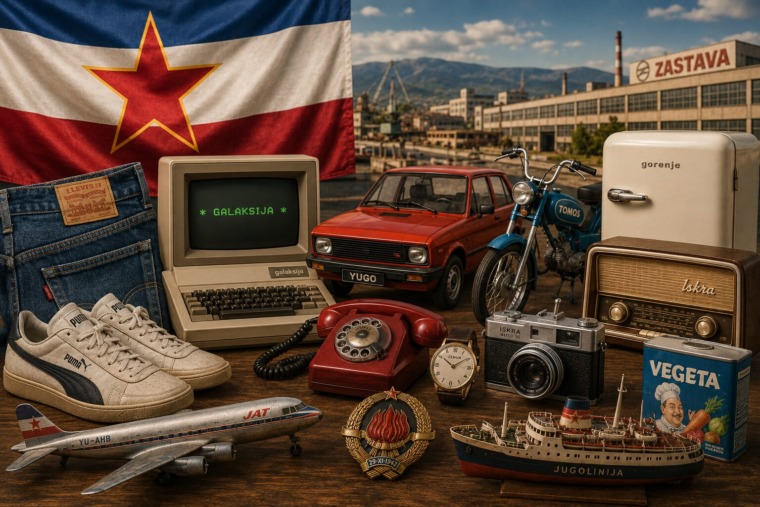
Would you believe that in former Yugoslavia, Levi’s jeans, Puma sneakers, parts for Mercedes and BMW, and even the Volkswagen Golf were produced? Or that a telephone made here once ended up in New York’s Museum of Modern Art?
For some, this is nostalgia. For others, a complete surprise. But one thing is certain – the label Made in Yugoslavia once meant far more than most people today imagine.
When Global Fashion Brands Were Made in Yugoslav Factories
Today, we are used to seeing labels from Turkey, Bangladesh, or China sewn into our clothes. But things once looked very different. Factories across Yugoslavia produced garments worn under some of the world’s biggest fashion names. What sounds almost like an urban myth today was once everyday reality.
Levi’s jeans – perhaps the most iconic item of clothing in the world – were manufactured in Varaždin. Puma sneakers were produced in Borovo, while certain Adidas models came from Slovenia’s Planika factory. Hugo Boss garments were also made in Kragujevac, while textile factories across the country played an important role in exports.
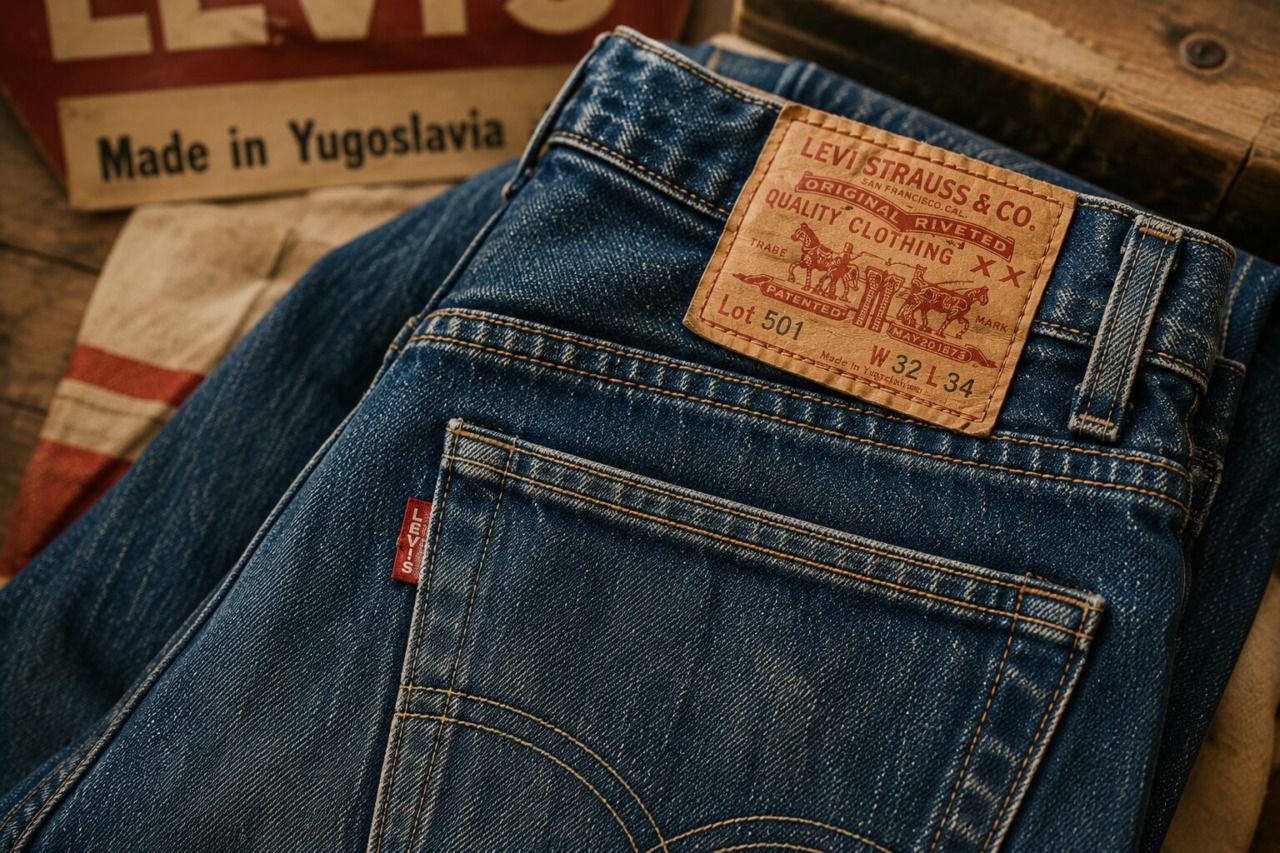
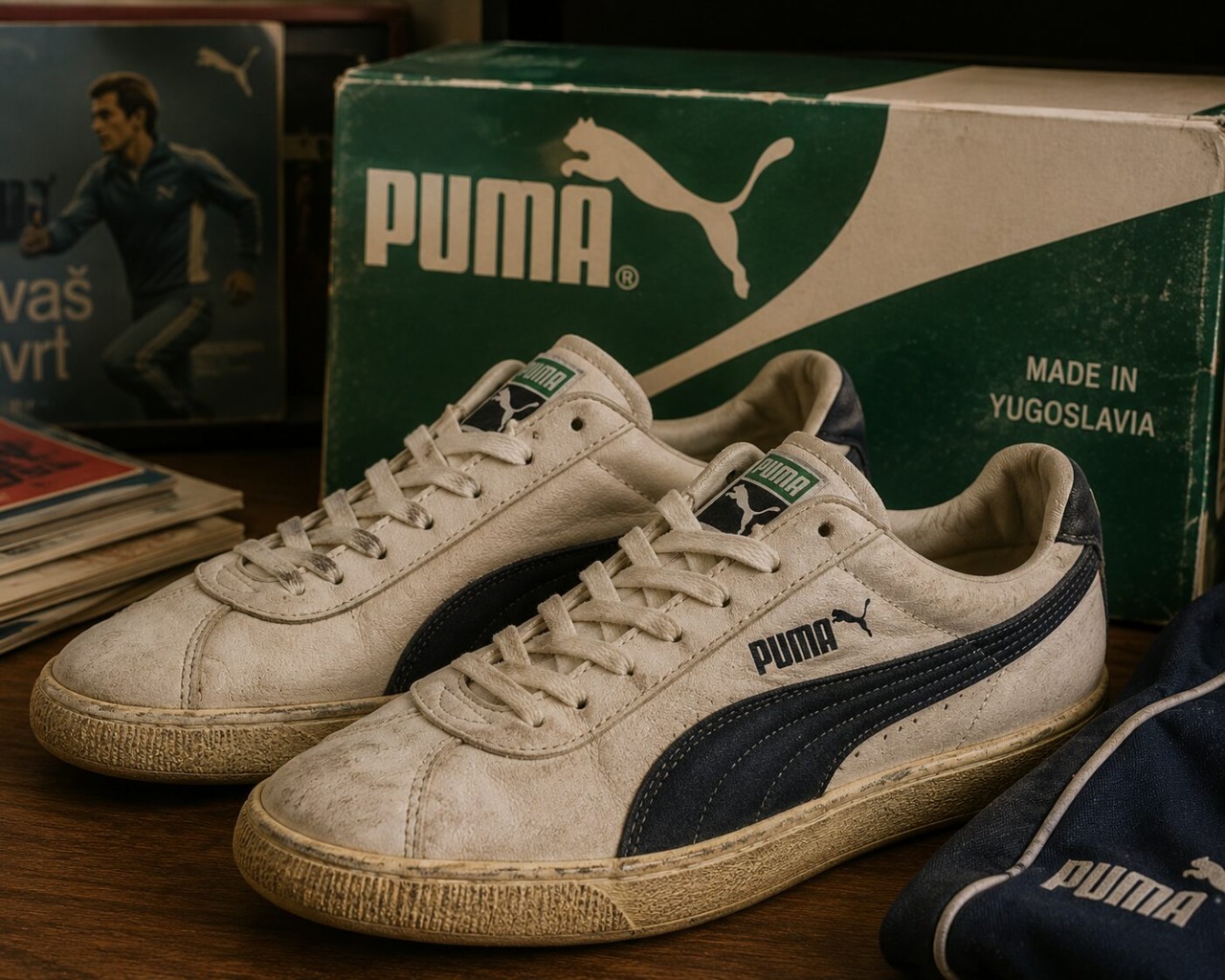
These were not local copies or imitation products – they were official manufacturing lines for global markets. Perhaps that is why so many people still say with certainty: “Things simply lasted longer back then.” And maybe the reason lies in the fact that these products came from factories employing thousands of skilled workers, backed by craftsmanship and quality control built over decades.
When the Golf Came from Sarajevo and the Yugo Reached America
If you told someone today that the Volkswagen Golf was produced in Sarajevo, there is a good chance they would not believe you. And yet, that was exactly what happened in Vogošća, where vehicles rolled off production lines and onto roads across the region. Other Volkswagen models were assembled there too, making Yugoslavia’s automotive industry far more advanced than many people imagine today.
At the same time, in Kragujevac, Zastava produced cars that became part of everyday life for generations. The Fiat-inspired Fića, the Yugo, the beloved Stojadin.
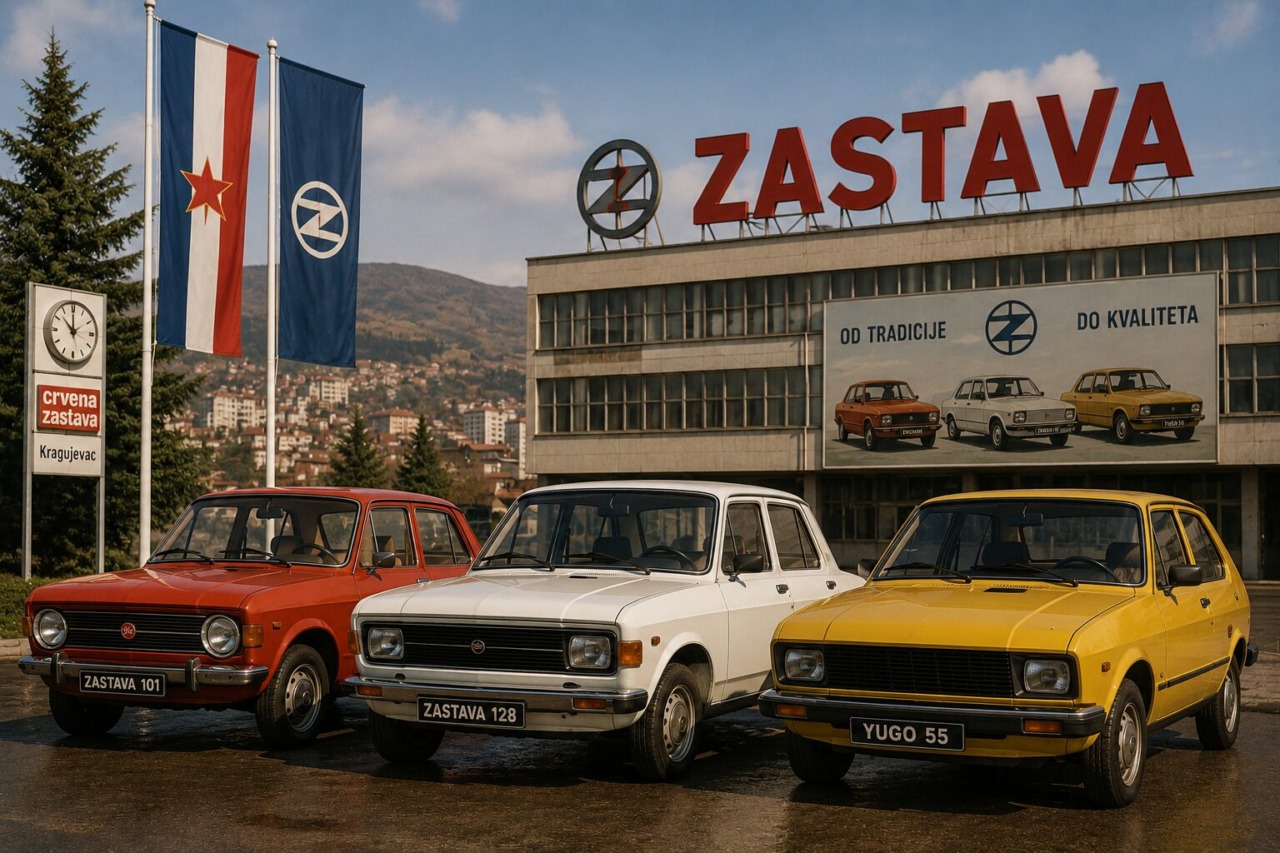
Some remember them from family road trips to the Adriatic coast, others from winter mornings when starting the engine felt like a small miracle. But one thing cannot be denied – these cars became part of people’s lives. Then came perhaps the most unbelievable chapter of all: The Yugo made it to America.
Today, it almost sounds cinematic that a car produced in Serbia once drove through the streets of New York, Chicago, and Los Angeles. While the Yugo later became the subject of jokes in pop culture, the simple fact that a locally manufactured car entered the American market remains remarkable.
In Slovenia, Renault models were produced. In Kikinda, factories manufactured components for the European automotive industry, while Tomos mopeds from Koper became symbols of freedom for generations dreaming of their first rides. There was hardly a village without at least one Tomos.
When We Had Our Own Computers – and Phones the World Admired
Today, we associate technological innovation with the United States, Japan, or South Korea. That is why many people are surprised to learn that Yugoslavia was once among the few European countries developing its own computing technology. For many growing up in the 1980s, the first encounter with computers had little to do with Silicon Valley. It had to do with – Galaksija.
Today regarded as something of a cult computer, Galaksija represented one generation’s first step into the digital world. At a time when the internet did not exist and computers seemed reserved for scientists and large institutions, there was already an idea that technology could be accessible to ordinary people.
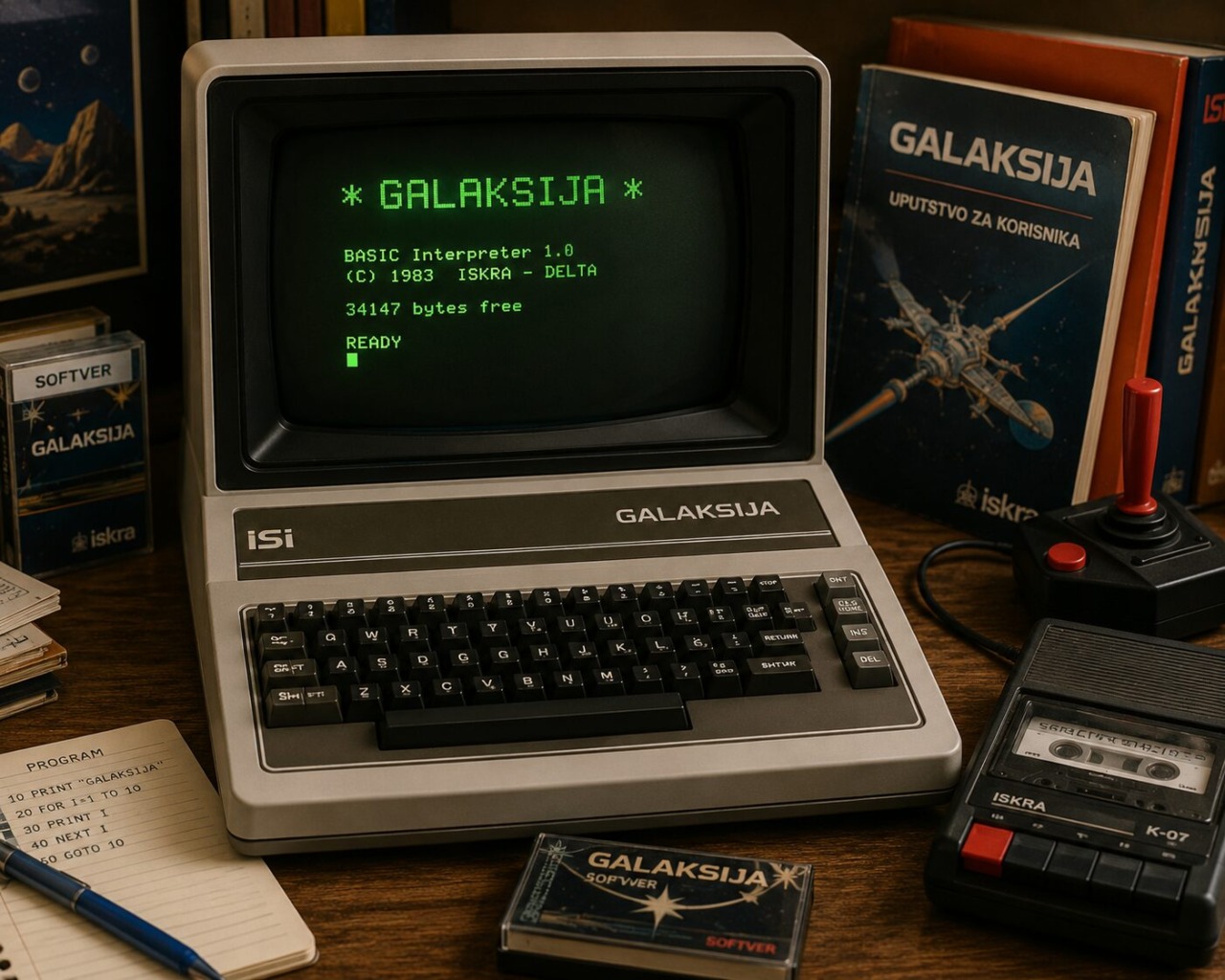
But the story began even earlier. Few people know that Yugoslavia had been developing computer systems long before computers became part of daily life. Companies like Iskra and Digitron were assembling computers at a time when much of Europe still viewed such technology as something distant and futuristic.
And then comes another surprising detail. In Niš, there was a company whose electronic components ended up in products made by global manufacturers. EI Niš produced components so highly regarded that even Philips used them, while domestic television production was technologically more advanced than many would expect today.
Back then, a telephone was much more than a device. It stood in the hallway, in a designated place in the house. It had weight, presence, and a distinctive ring. You did not carry it in your pocket – you waited beside it. And one telephone model produced in Slovenia by Iskra even found its place in New York’s Museum of Modern Art, celebrated for its industrial design.
It is difficult not to wonder how many people today would guess that a product made in former Yugoslavia ended up among global design icons.
Homes Filled with Things Made Close to Home
Before kitchens became filled with appliances replaced every few years, there was a time when things were built to last. A refrigerator was not replaced after three years. Radios were repaired. Washing machines were fixed – and then fixed again. In many homes stood appliances carrying names that today evoke nostalgia for some and sound almost forgotten to others: Gorenje, Obod, Iskra, Cer, Rudi Čajavec. They were part of everyday life.
The television gathering the family around evening programs. The cassette player endlessly rewinding favorite songs. The kitchen radio quietly playing while lunch was cooking. And perhaps it sounds exaggerated – but many of those devices truly lasted for decades.
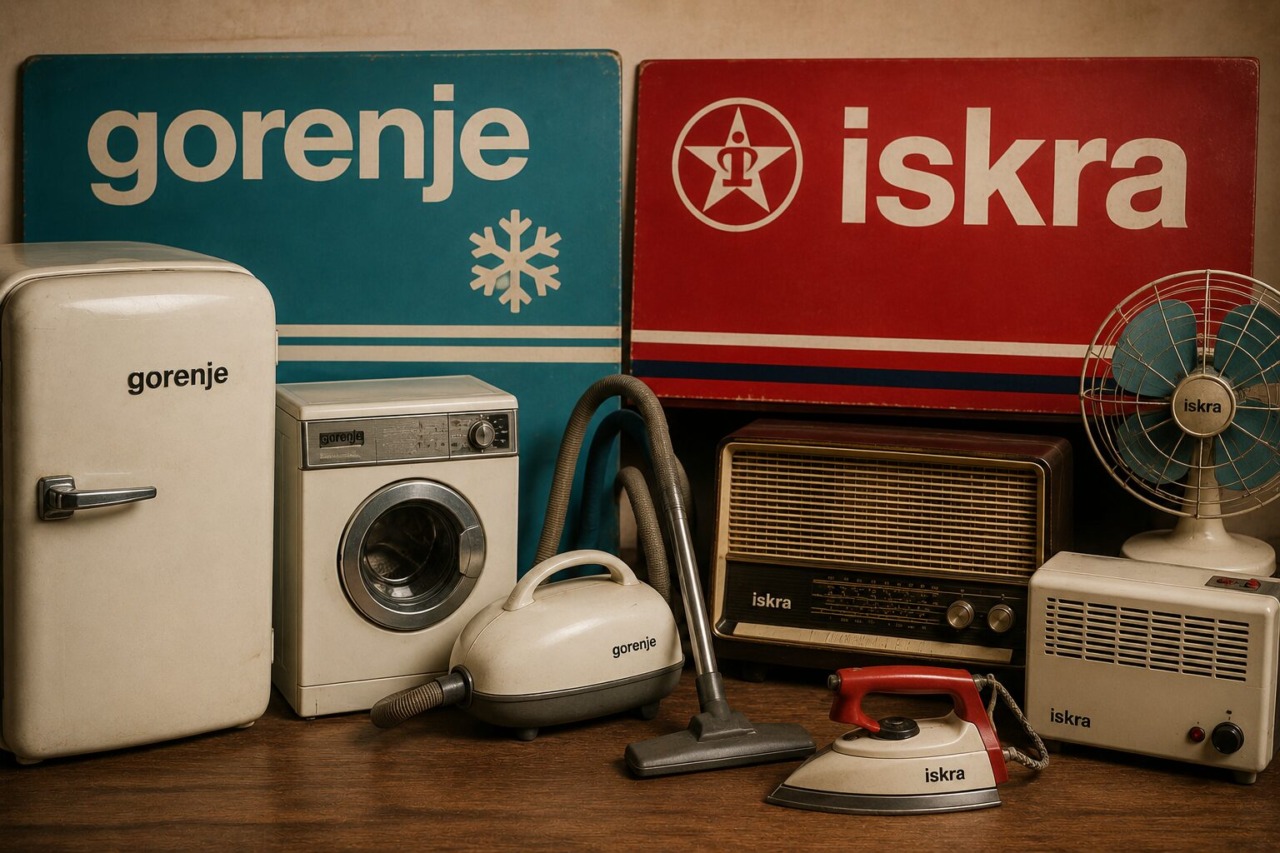
One particularly surprising detail is that espresso machines were produced in Belgrade at a time when coffee at home mostly meant a traditional pot on the stove and the unmistakable smell of freshly brewed coffee. In Zemun, watches were made that remained on people’s wrists for years – and many still work today.
Perhaps that is why so many still keep an old radio, clock, or appliance somewhere in the attic, basement, or countryside home. Not because they need to. But because they remind them of a time when objects seemed to carry a different kind of meaning.
When the World Ate, Drove, and Used Things Made Here
The Yugoslav story was never only about the domestic market. Much of what was produced traveled far beyond the region. While factories manufactured cars, electronics, and clothing, food products also found their way into kitchens around the world.
Vegeta became much more than seasoning – almost an institution in many households – while some products even found their way into military food supplies abroad. Yugoslav raspberries were considered among the finest on the market, while food manufacturers collaborated with international brands long before globalization became an everyday reality.

And then comes perhaps the most unexpected part of the story. Aircraft were built in Mostar. Massive ships for global markets were launched from shipyards along the Adriatic coast. Tractors were exported to Egypt. Pharmaceutical companies supplied markets across Africa, India, and the Soviet Union. Engineering firms designed bridges, hospitals, and entire neighborhoods on other continents.
Today, it sounds almost unreal. Like a parallel reality difficult to imagine while scrolling through smartphones manufactured on the other side of the world. And perhaps that is exactly why the idea of Made in Yugoslavia still sparks emotion. Not only because of nostalgia. But because of the quiet surprise we feel when we realize just how much was once made here – and how many of those stories still have the power to amaze.
More Than Nostalgia: Why the “Made in Yugoslavia” Story Still Fascinates Us
Perhaps that is why stories like this continue to capture attention. It is not only nostalgia. Nor is it simply the belief that products used to last longer – that refrigerators were sturdier, jeans stronger, or Tomos mopeds nearly indestructible. What fascinates us is something else. Surprise.
Because most people today do not expect to hear that former Yugoslavia once produced Levi’s, Puma, European-market cars, computers, award-winning telephones, and even aircraft and ocean-going ships. Suddenly, the story becomes about much more than memories of summer holidays, music, old advertisements, or red passports.
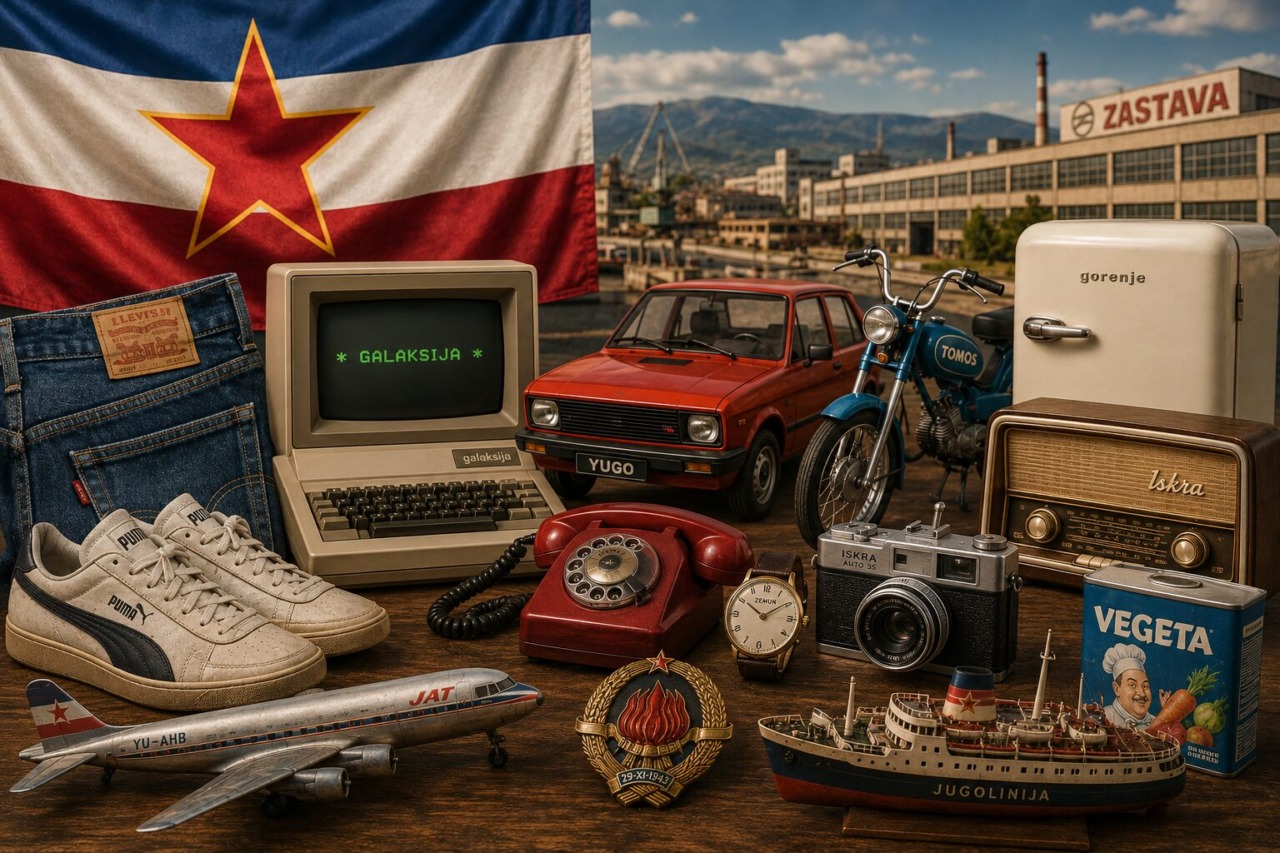
It becomes a story about a time when factories employed tens of thousands of people, exports reached across the globe, and the label Made in Yugoslavia represented something many considered reliable quality. Of course, not everything was perfect. Not every factory was a success story.
But it is difficult not to pause for a moment and wonder just how much was once produced here – and how surprising many of those facts still feel today. Perhaps that is why this story does not belong only to those who remember Yugoslavia.
Even those who never experienced it often end up asking the same question: Wait… all of this was really made here?