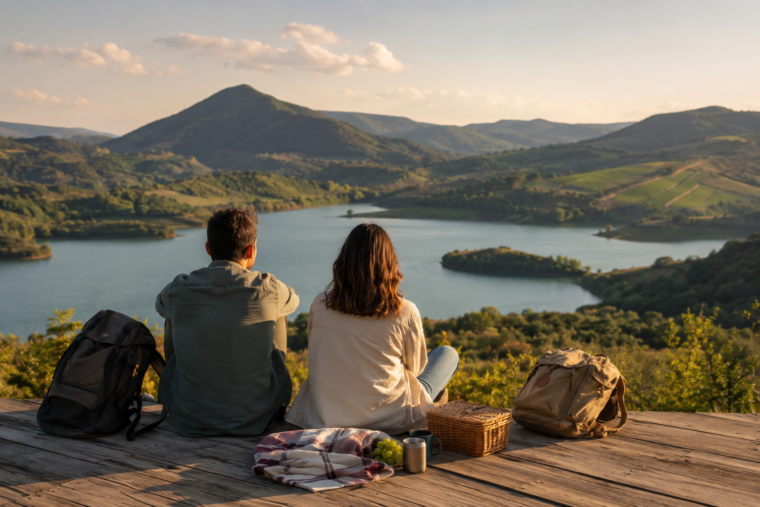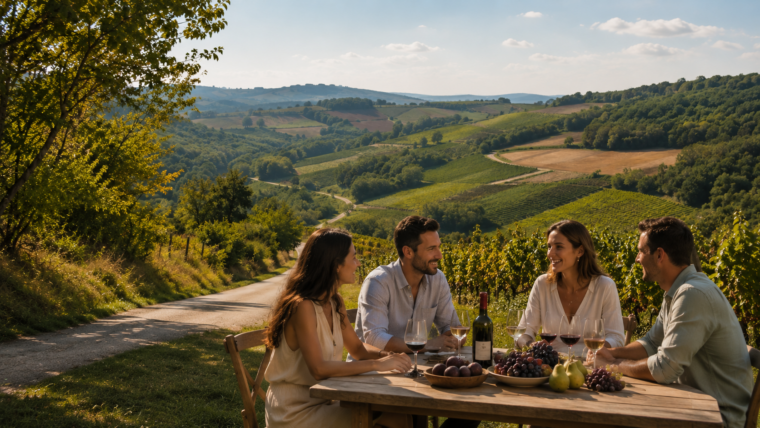

Warm days, quieter roads, grape harvests and the first colours of autumn make September one of the most rewarding times to discover Serbia.
Summer may officially be coming to an end, but the travel season in Serbia is far from over.
September arrives almost quietly. The busiest weeks of the year begin to fade, school holidays end and popular destinations return to a slower rhythm. Yet the days often remain warm, restaurant terraces stay open and rivers, lakes and mountain roads still carry the feeling of summer.
At the same time, something begins to change. Mornings become fresher, vineyards prepare for harvest and markets fill with peppers, grapes, plums and other late-summer produce. In the mountains, the forests show the first hints of autumn, while Serbia’s cities become far more comfortable to explore on foot.
It is a month that offers two seasons in a single journey – and that may be exactly what makes it the best time to explore the country.
Summer Weather Without the Summer Crowds
One of the greatest advantages of travelling through Serbia in September is the balance between pleasant weather and fewer visitors.
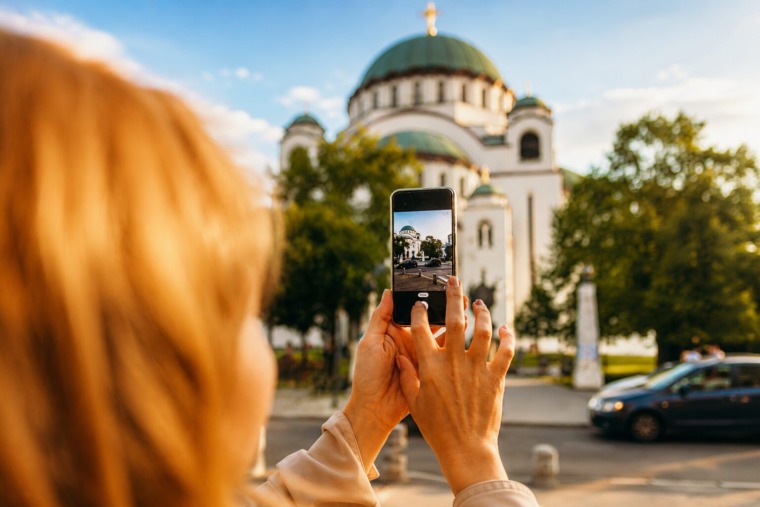
In Belgrade, Novi Sad, Niš and other cities, long walks become easier once the strongest summer heat begins to ease. You can spend more time exploring neighbourhoods, fortresses, museums and riverfronts without planning the entire day around the temperature. Cafés and restaurants still spill onto the streets, but the atmosphere is calmer than during the peak holiday season.
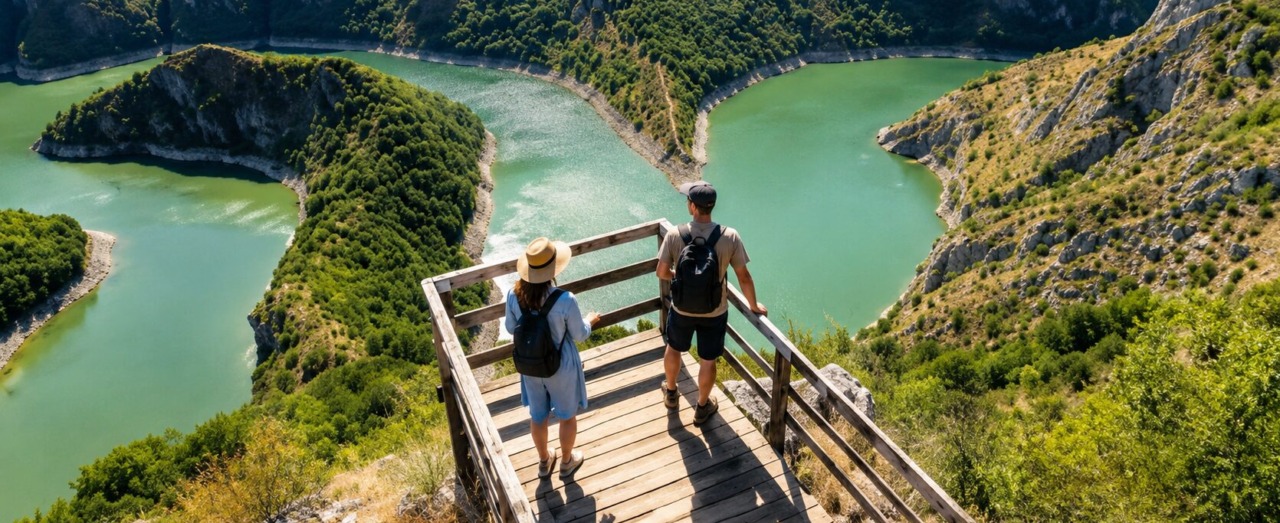
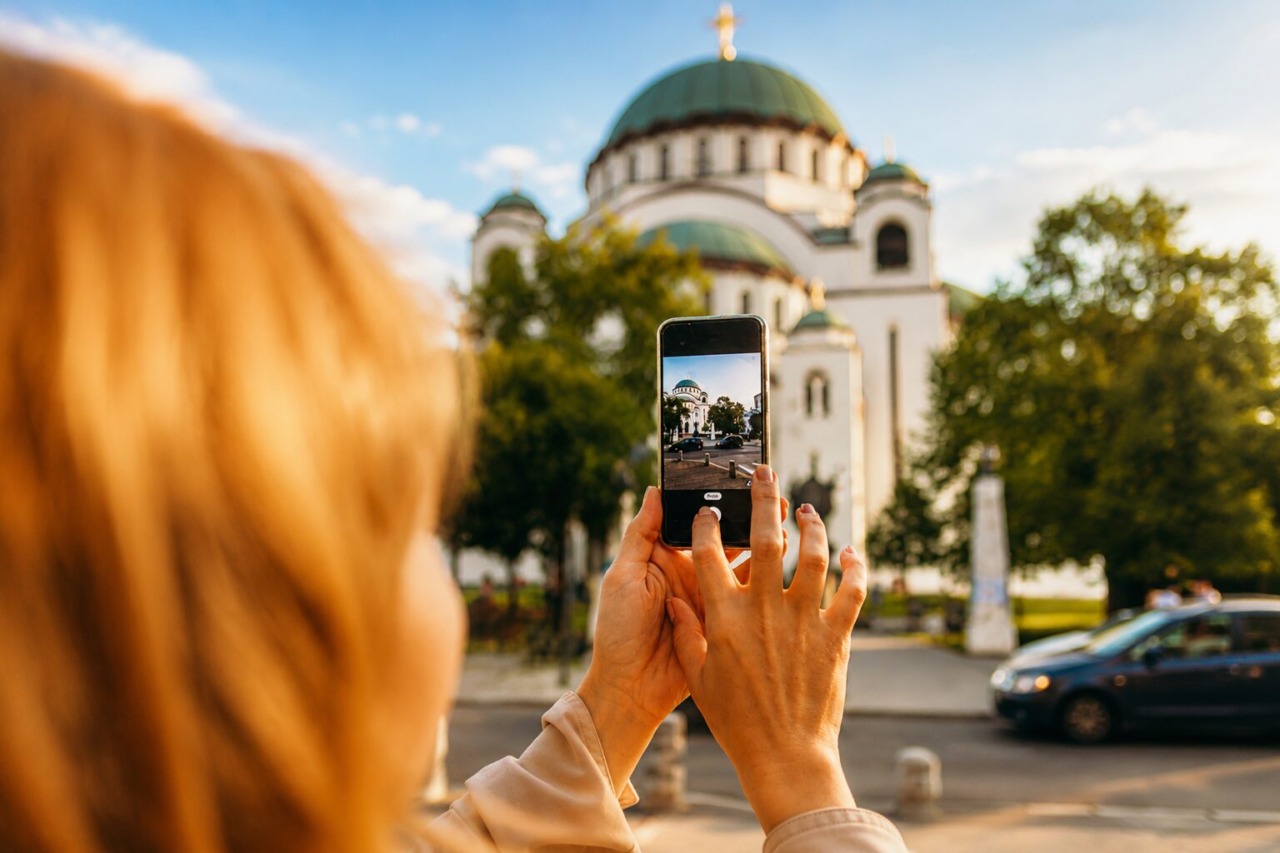
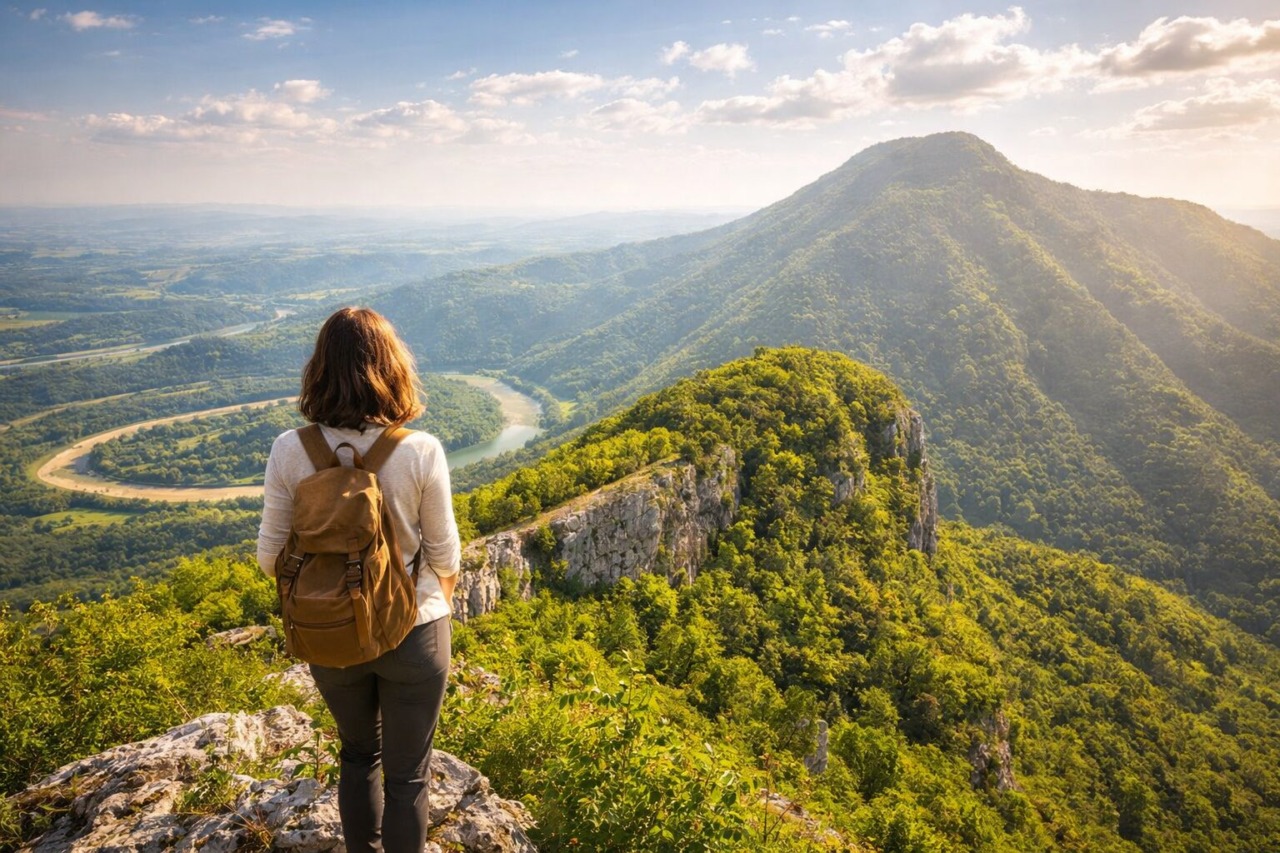
The same change can be felt at many of the country’s best-known natural attractions. Viewpoints, lakes and mountain centres do not become empty, especially on sunny weekends, but weekdays are often noticeably quieter. Instead of rushing between attractions, travellers can stay longer, take a slower road and experience places closer to their natural rhythm.
September does not guarantee summer weather every day. Conditions can change quickly, particularly in the mountains, but that variability is part of the season’s appeal: a warm afternoon beside a lake may be followed by an evening that calls for a light jacket and dinner indoors.
The Mountains Become More Inviting
Serbia’s mountains are beautiful throughout the year, but September brings some of the most comfortable conditions for walking, hiking and scenic drives.
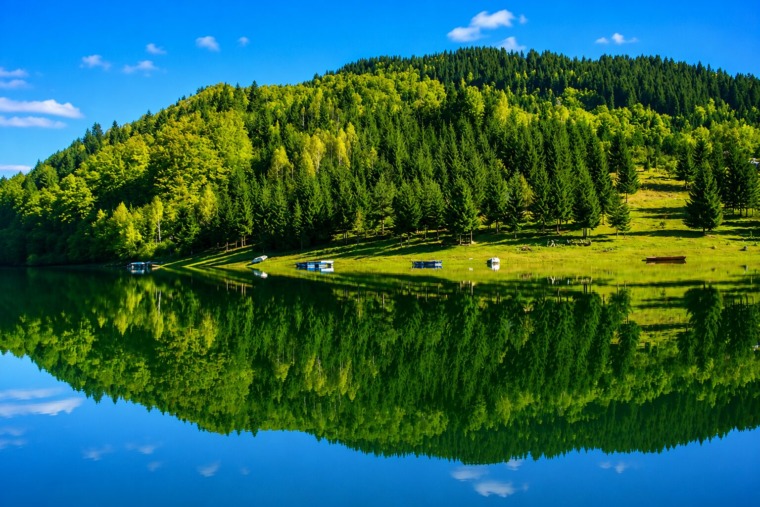
On Tara, trails lead through dense forests towards viewpoints above the Drina and Lake Perućac. Around Zaovine, mountain villages and scattered lakes offer a quieter alternative to the busier summer centres. Zlatibor remains lively, but its surrounding villages, forests and paths become more pleasant once the intense summer sun begins to soften.
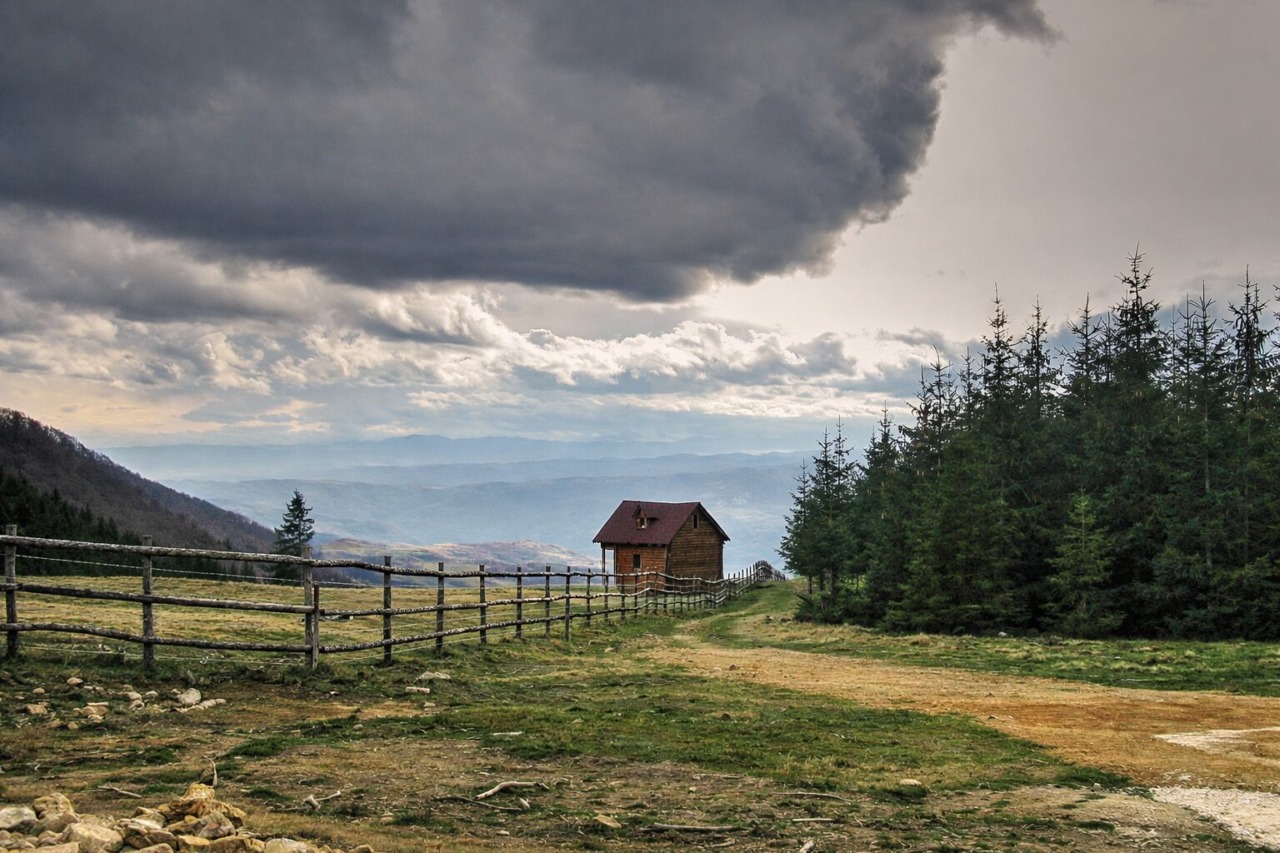
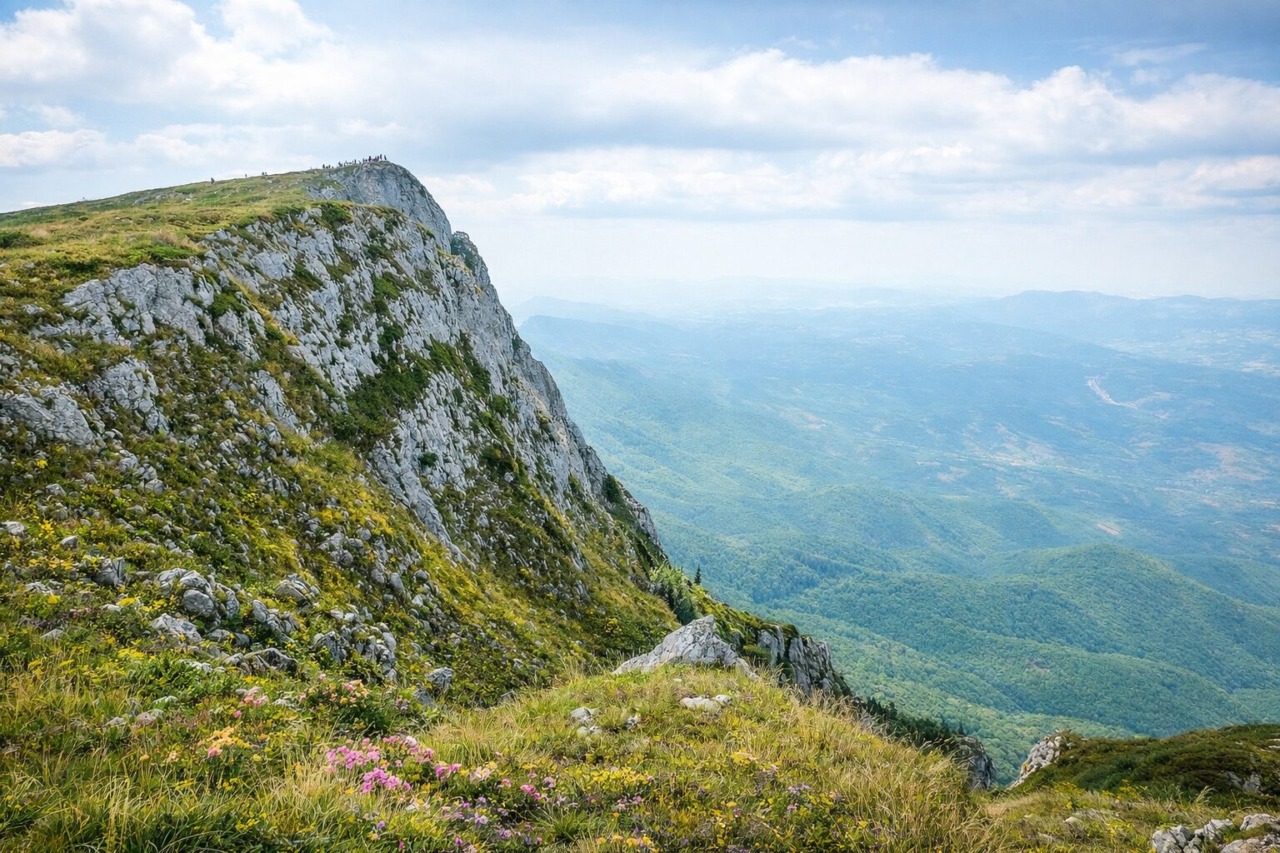
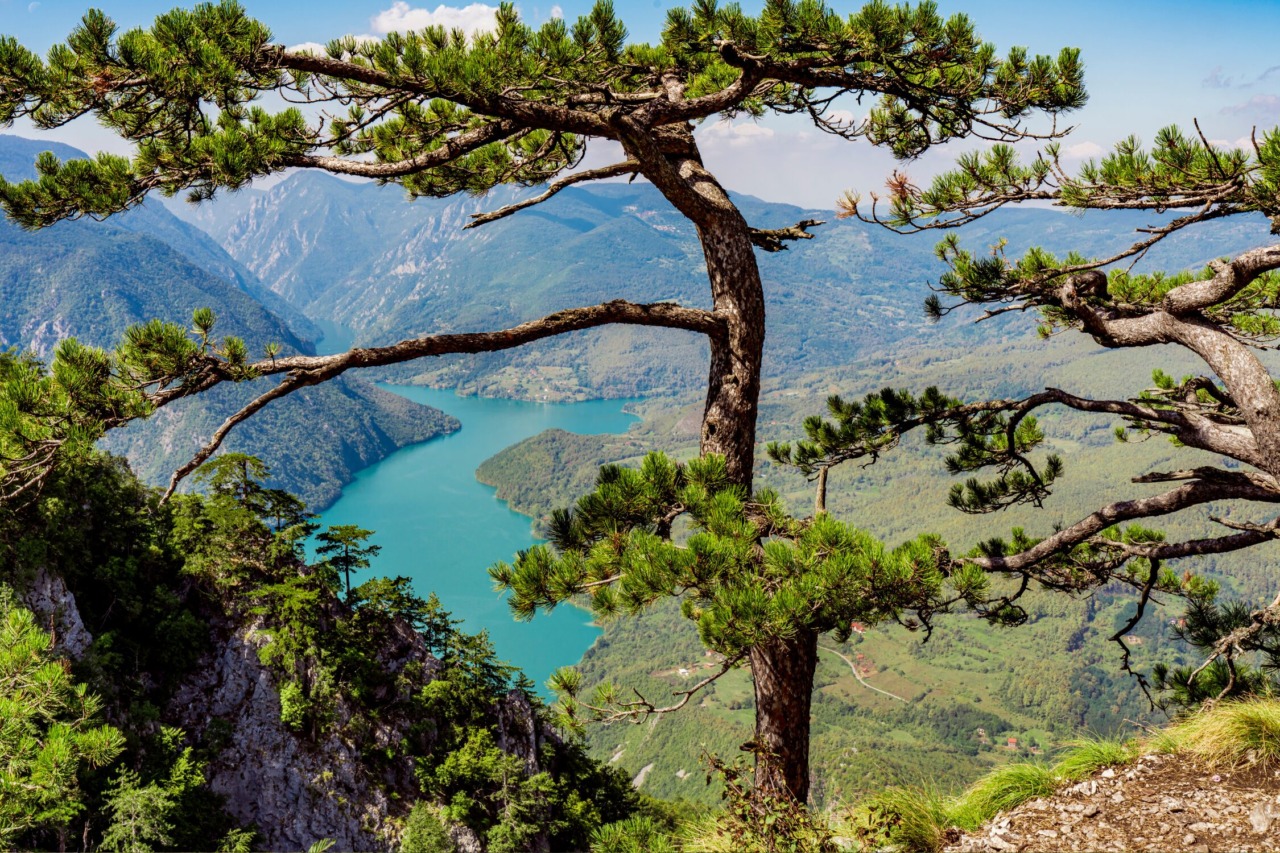
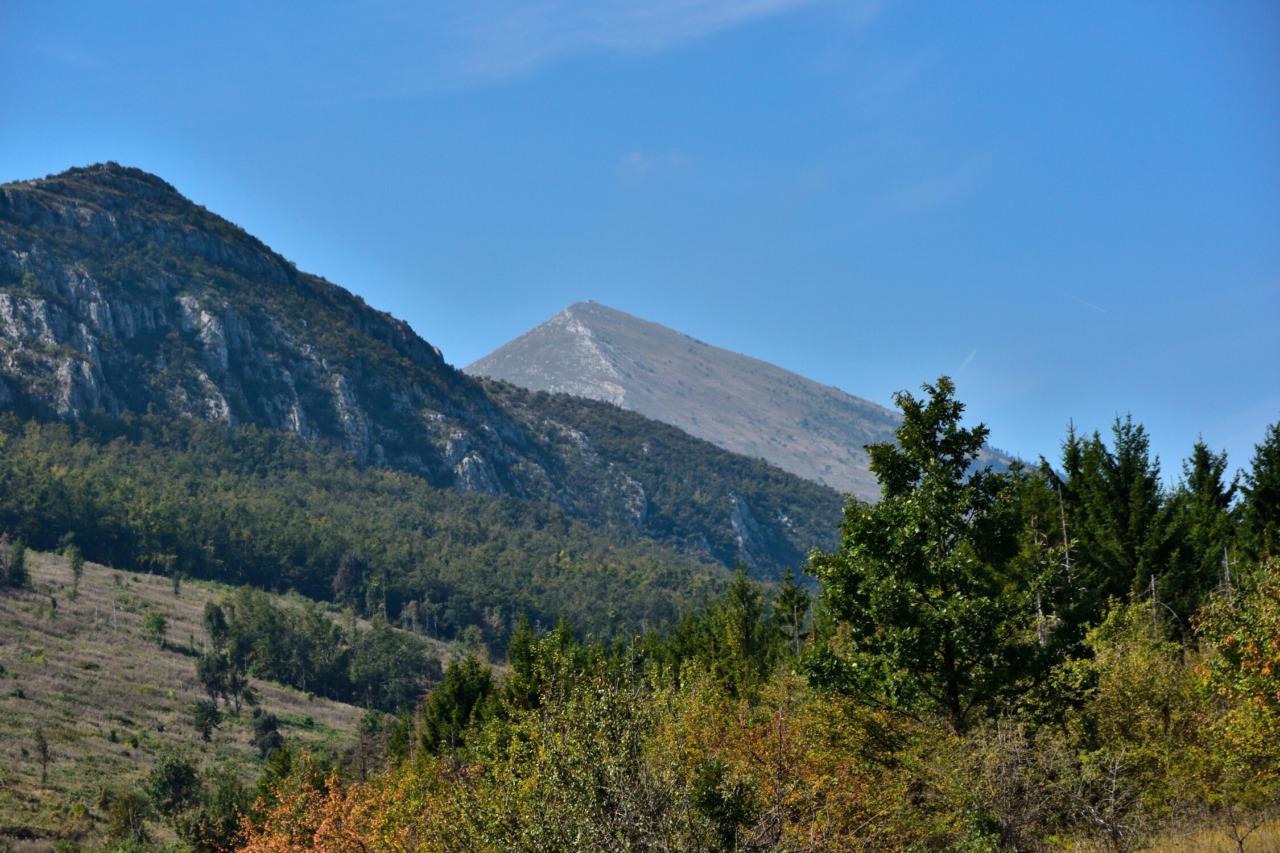
Further south, the open landscapes of Zlatar, Golija and the Pešter Plateau feel especially expansive under the clearer light of early autumn. Stara Planina offers waterfalls, stone villages and remote roads, although water levels at individual waterfalls may vary after a dry summer.
September is also an excellent month for less ambitious outdoor plans. A short woodland walk on Fruška Gora, Bukulja or Goč can be just as rewarding as a full day of hiking. The important thing is to check the local forecast, start with layers and remember that temperatures may fall quickly after sunset at higher elevations.
Serbia’s Wine Regions Enter Their Most Atmospheric Season
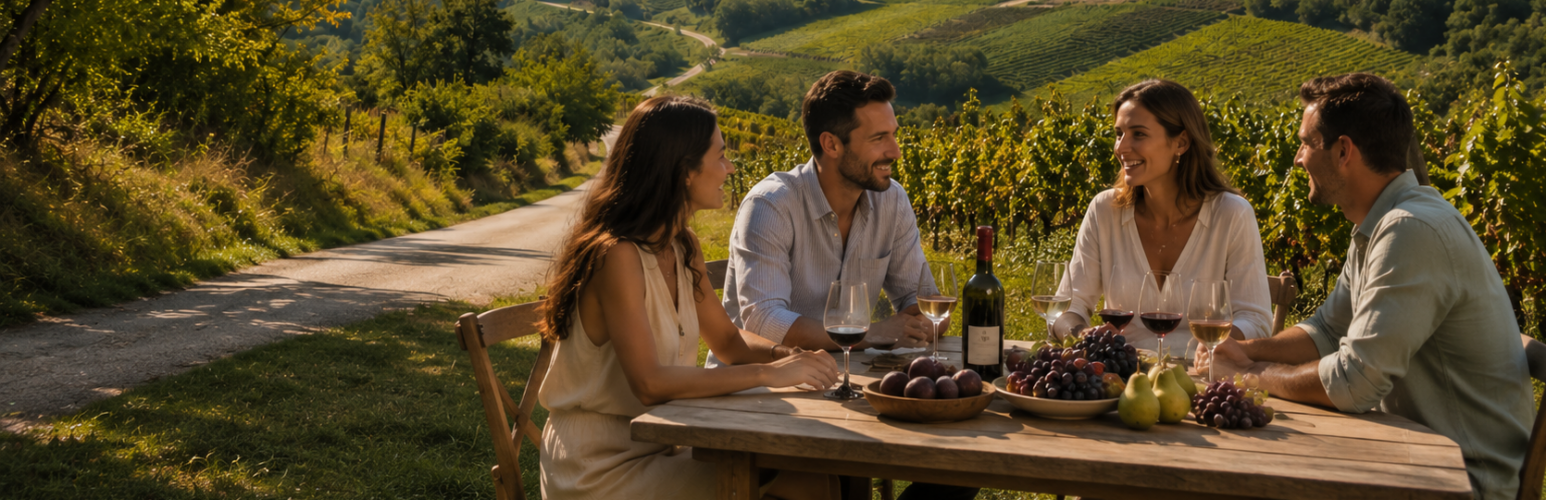
As summer turns towards autumn, Serbia’s vineyards begin one of the most important periods of their year.
Across Fruška Gora, the hills surrounding Sremski Karlovci and Irig combine wine routes with monasteries, forests and historic towns. In Šumadija, the countryside around Topola and Oplenac offers rolling vineyards, royal heritage and an easy escape from Belgrade. Vršac and its surroundings reveal another distinctive wine landscape, rising from the plains of Banat.
Eastern Serbia provides a very different experience. Near Negotin, the stone wine-cellar settlements of Rajac and Rogljevo preserve a centuries-old connection between local architecture and winemaking. Their narrow lanes and rows of old cellars are atmospheric at any time, but they feel particularly meaningful as the harvest approaches.
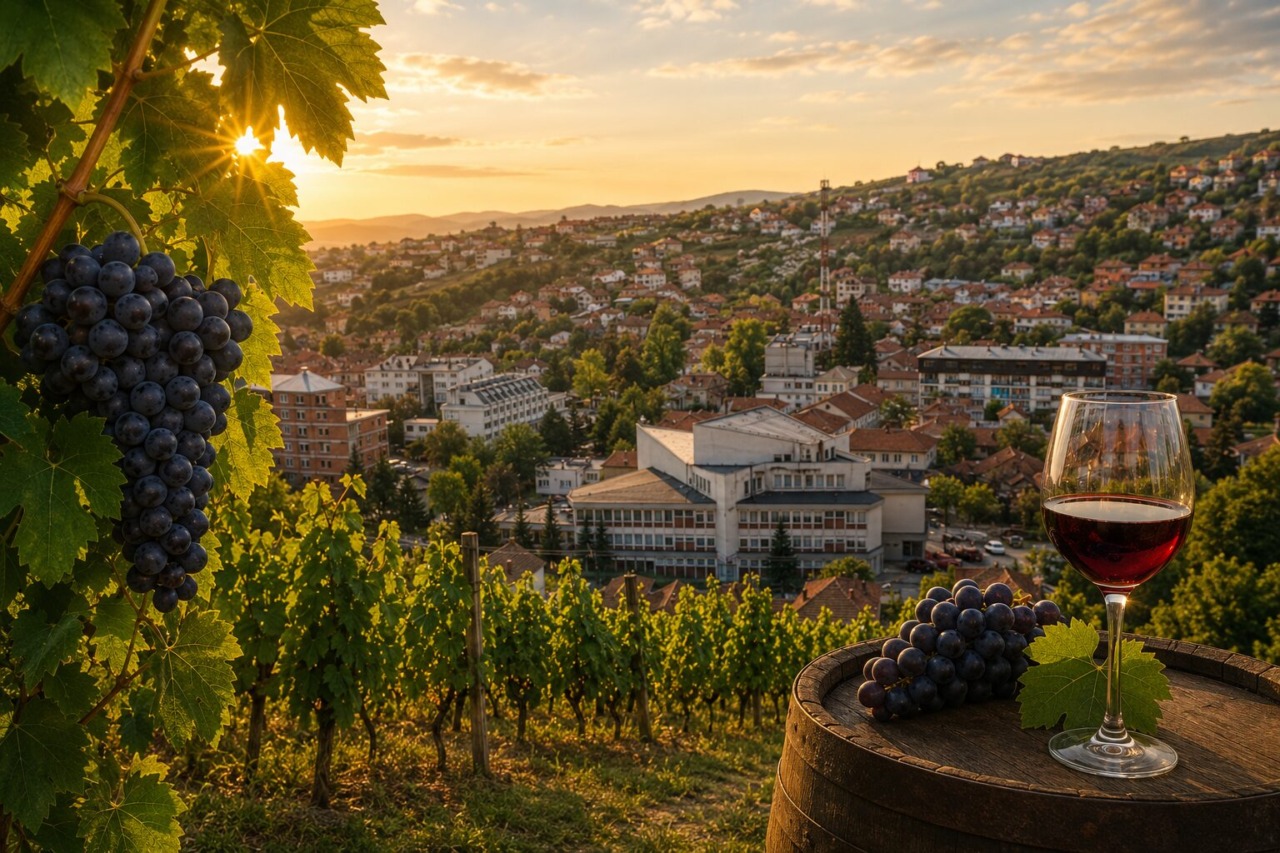
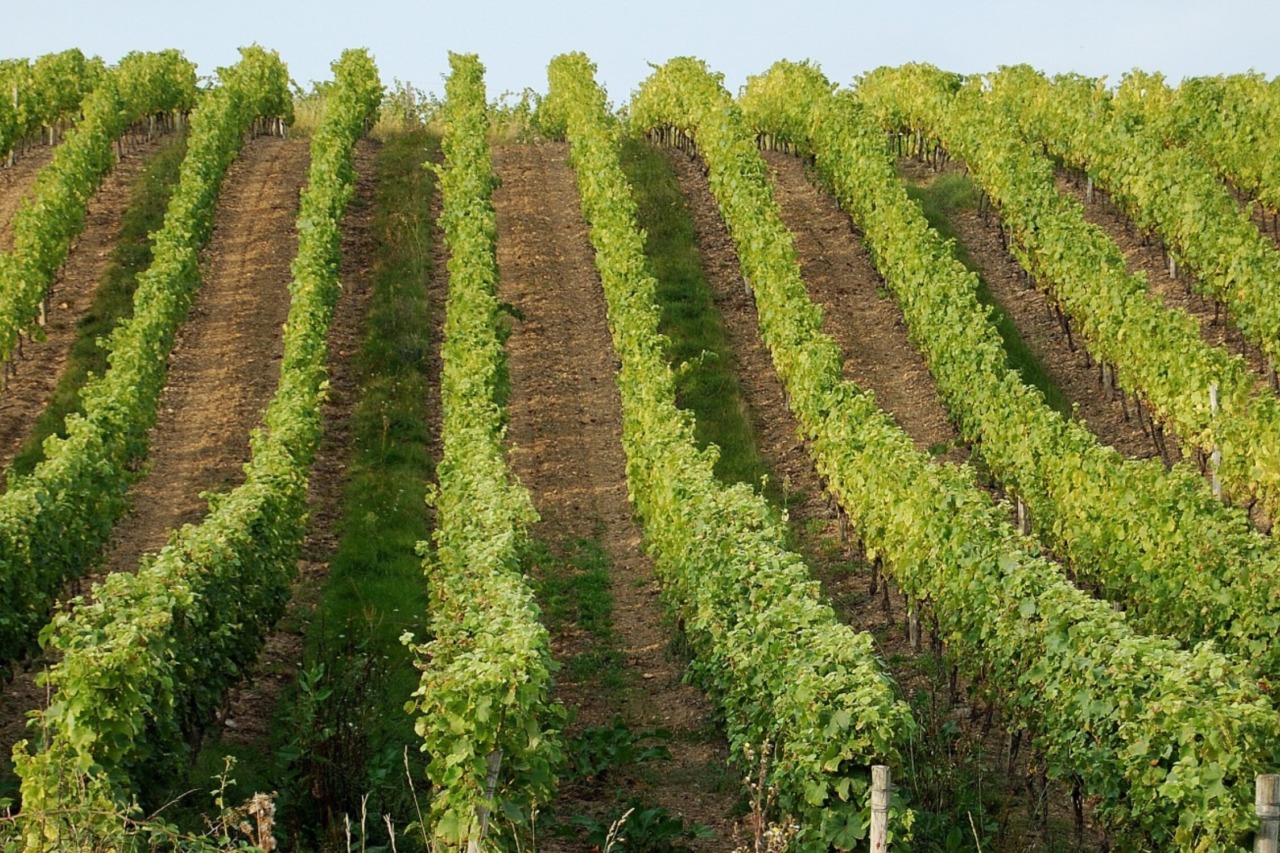
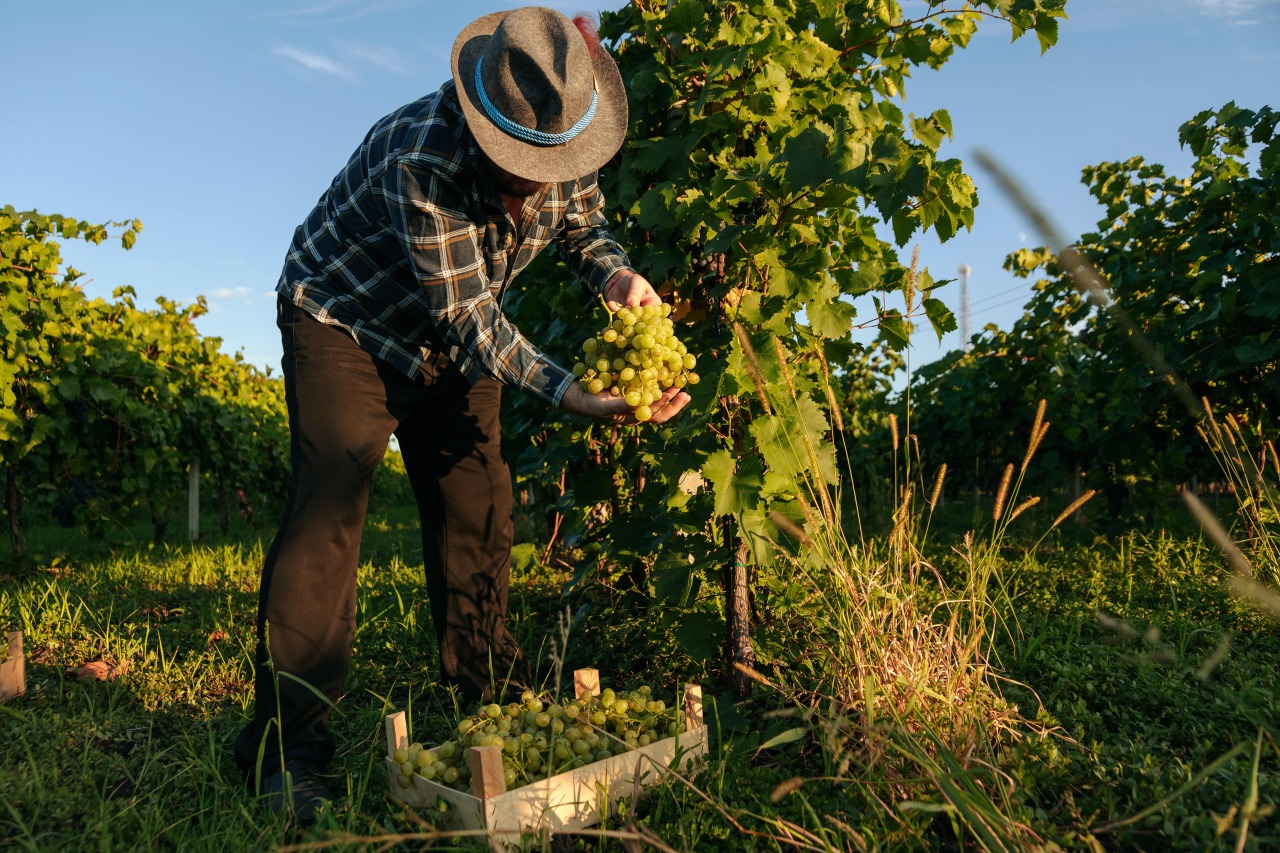
Harvest dates differ by grape variety, vineyard and weather conditions, so visitors should not assume that every winery offers an open celebration or spontaneous tour. Contacting wineries in advance is essential. A reserved tasting is often more personal, and it allows smaller producers to welcome guests without interrupting the work of harvest.
If wine is part of the route, arrange a designated driver or local transport. The most memorable wine journey is one that remains safe and unhurried.
Markets Reveal the Flavours of the Season
September is not only visible in the vineyards. It can be tasted at markets, roadside stalls and family tables across the country.
This is the season of ripe peppers, tomatoes, grapes, plums and the first serious preparations for winter. In many homes, the smell of roasted peppers announces the making of ajvar, while jars, wooden crates and large pots begin to appear in courtyards and kitchens. Grapes arrive from nearby vineyards, plums become jam or rakija, and restaurant menus gradually shift from light summer meals towards richer autumn flavours.
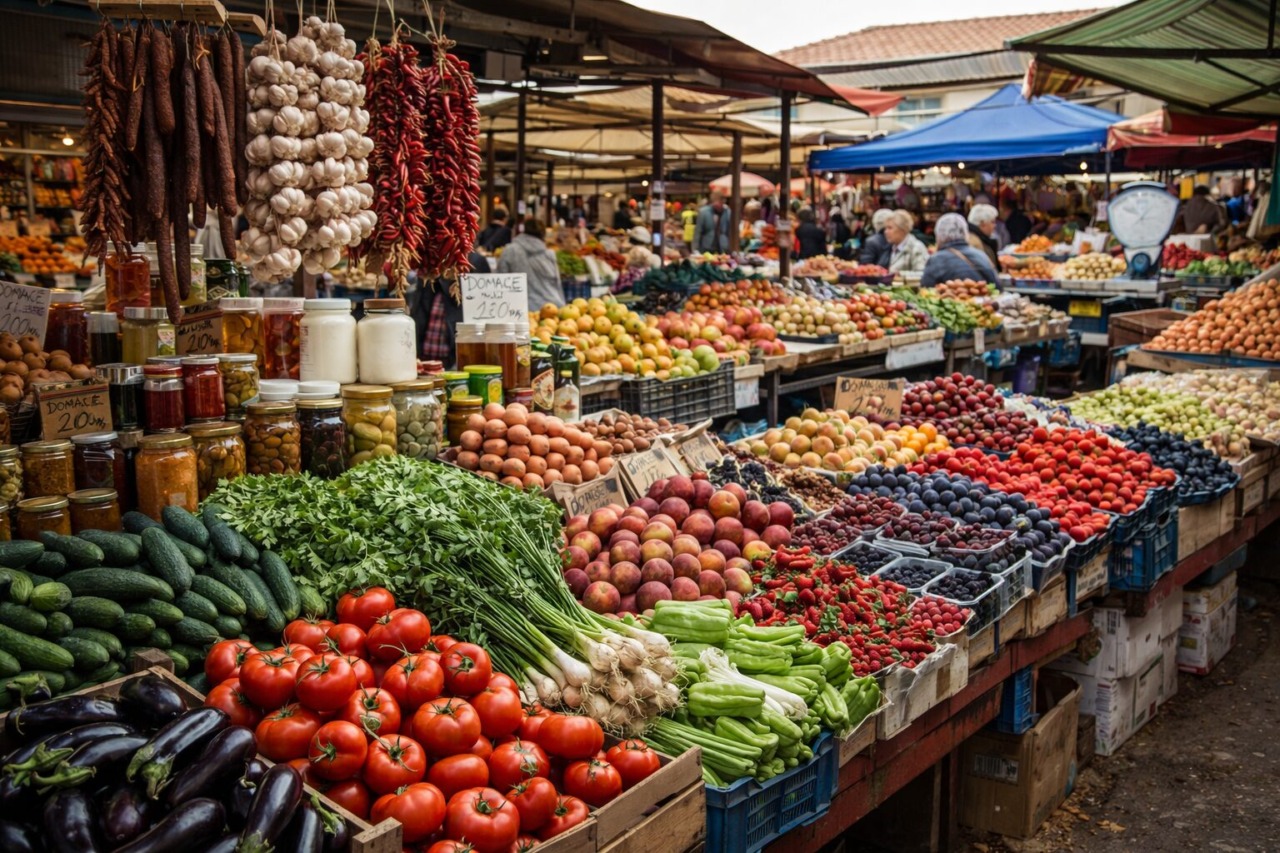
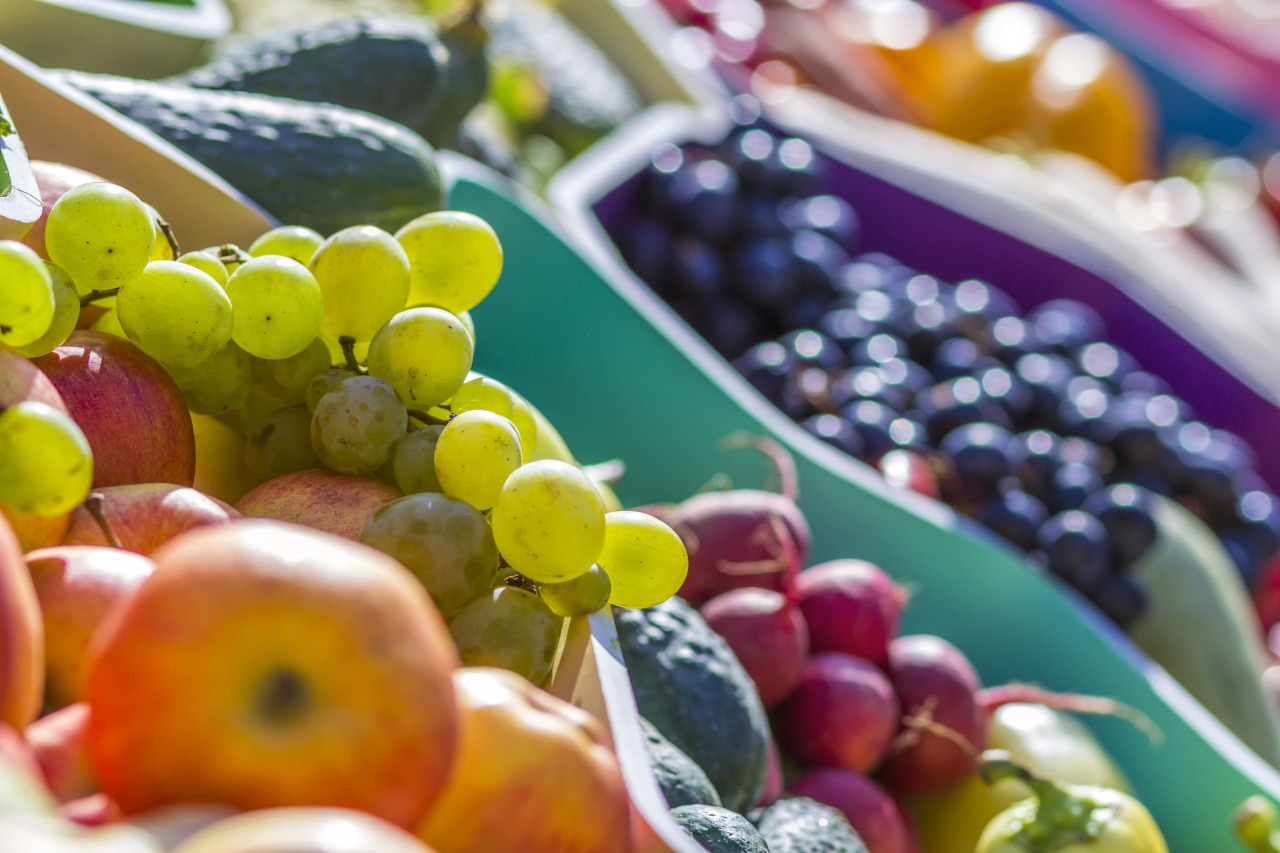
For visitors, a local market can offer a more immediate understanding of Serbia than a carefully planned attraction. Visit early, look for seasonal produce and ask vendors what has arrived from nearby villages. In Belgrade, Novi Sad, Niš, Kragujevac and smaller towns, markets remain places where regional differences are still easy to recognise.
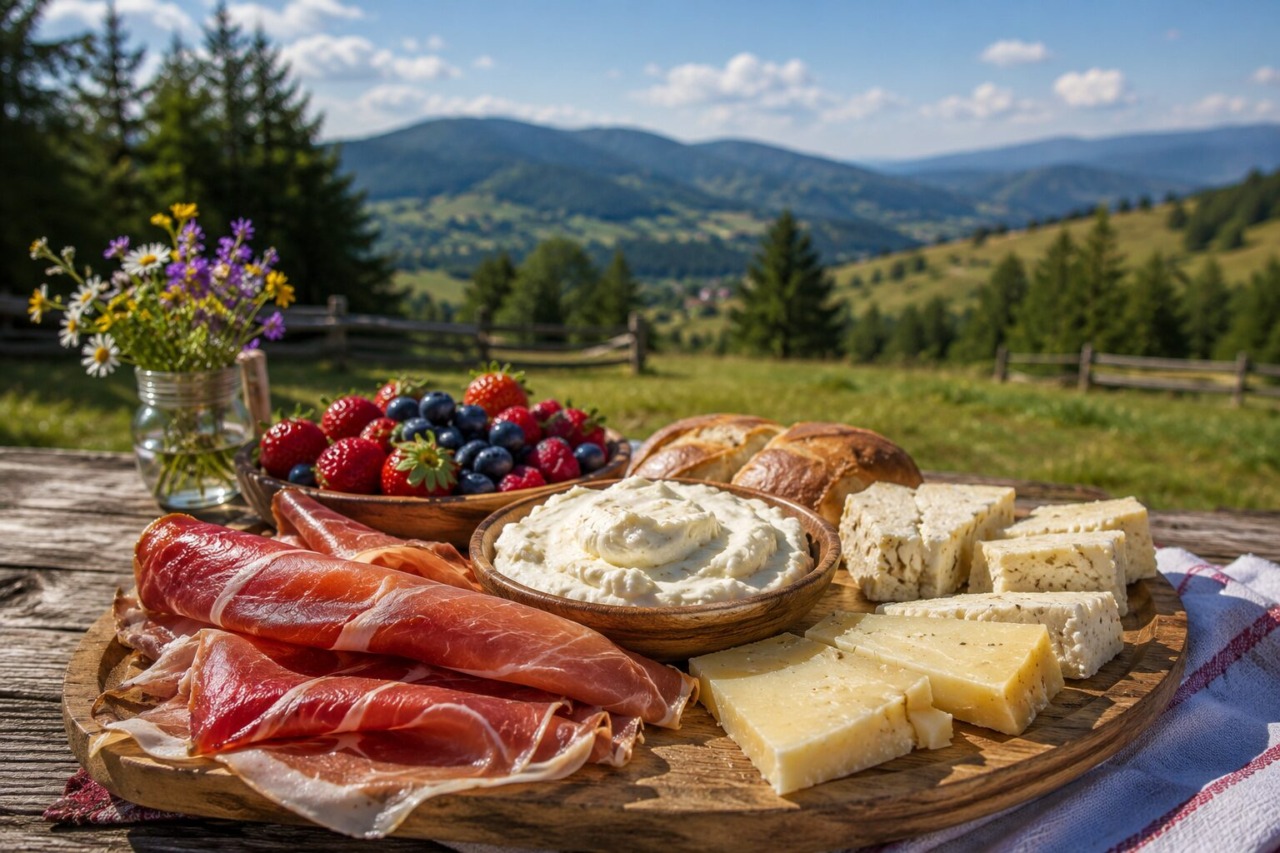
September is also a good time to seek out traditional food in its natural setting: cheese and kajmak in mountain regions, freshwater fish beside the Danube or Drina, local wines in vineyard country and slow-cooked dishes in rural households.
Cities Return to a More Natural Rhythm
During the hottest part of summer, Serbia’s cities often divide into two very different days: quiet afternoons and crowded evenings. September restores a more balanced rhythm.
Belgrade becomes easier to experience beyond its best-known landmarks. Walk from Kalemegdan towards Dorćol, explore Zemun beside the Danube or spend an afternoon between museums, neighbourhood cafés and the riverfront. The city remains energetic, but the cooler weather makes it possible to see more without feeling rushed.
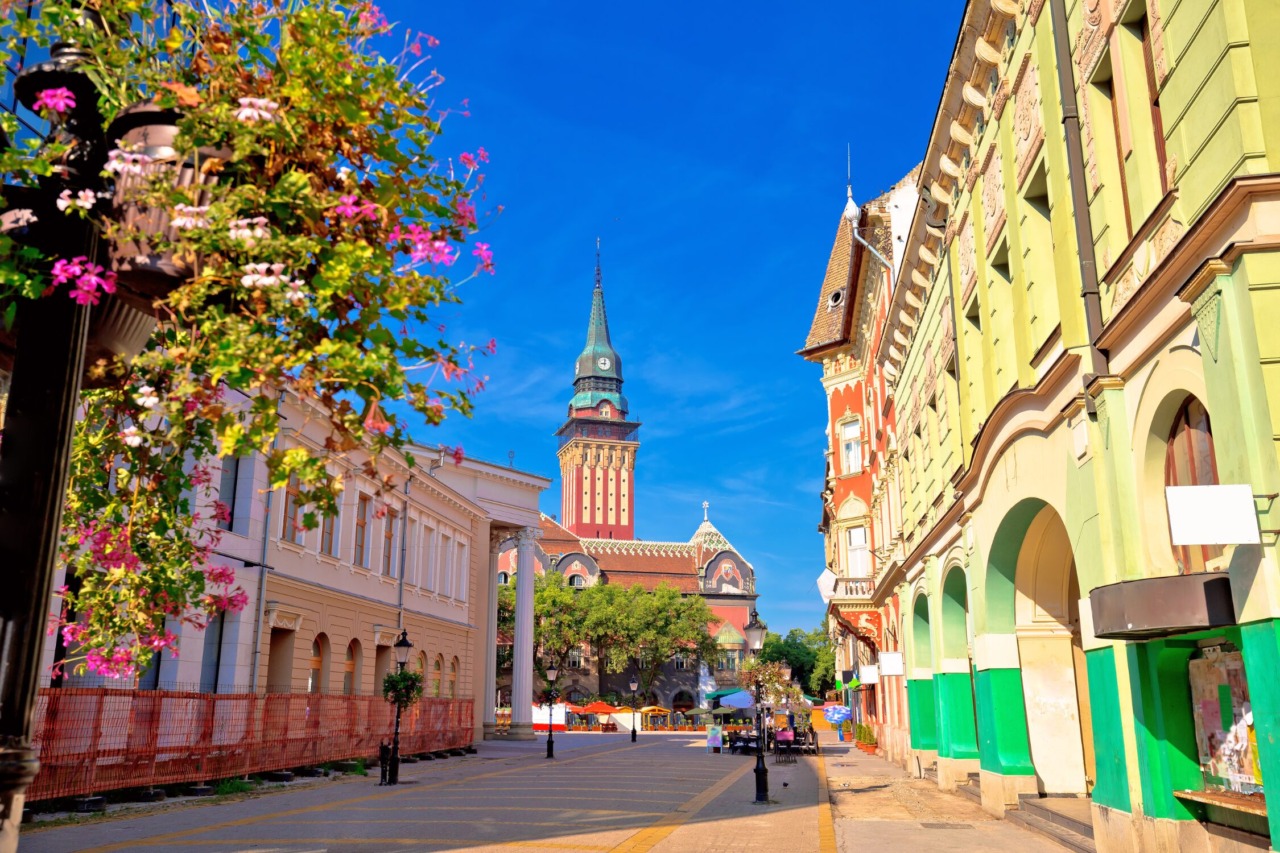
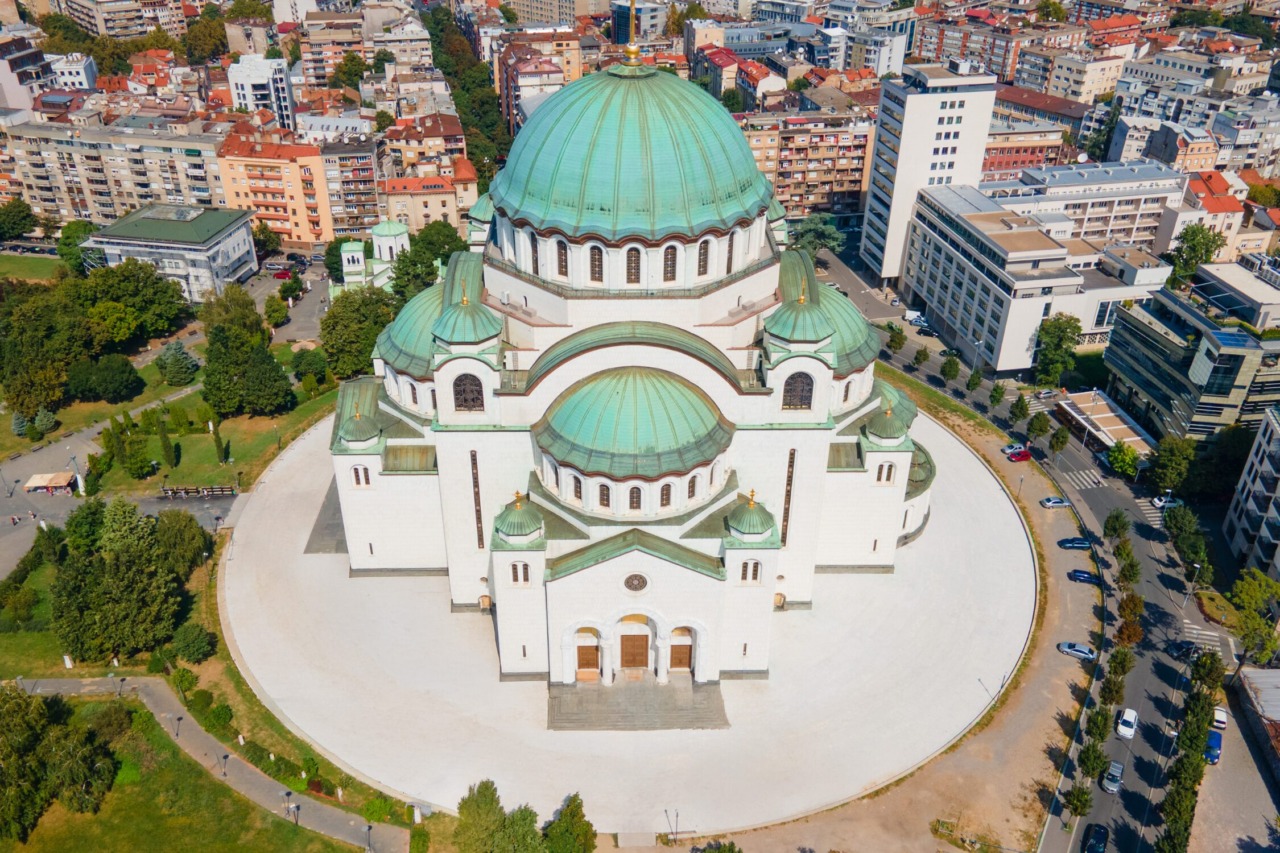
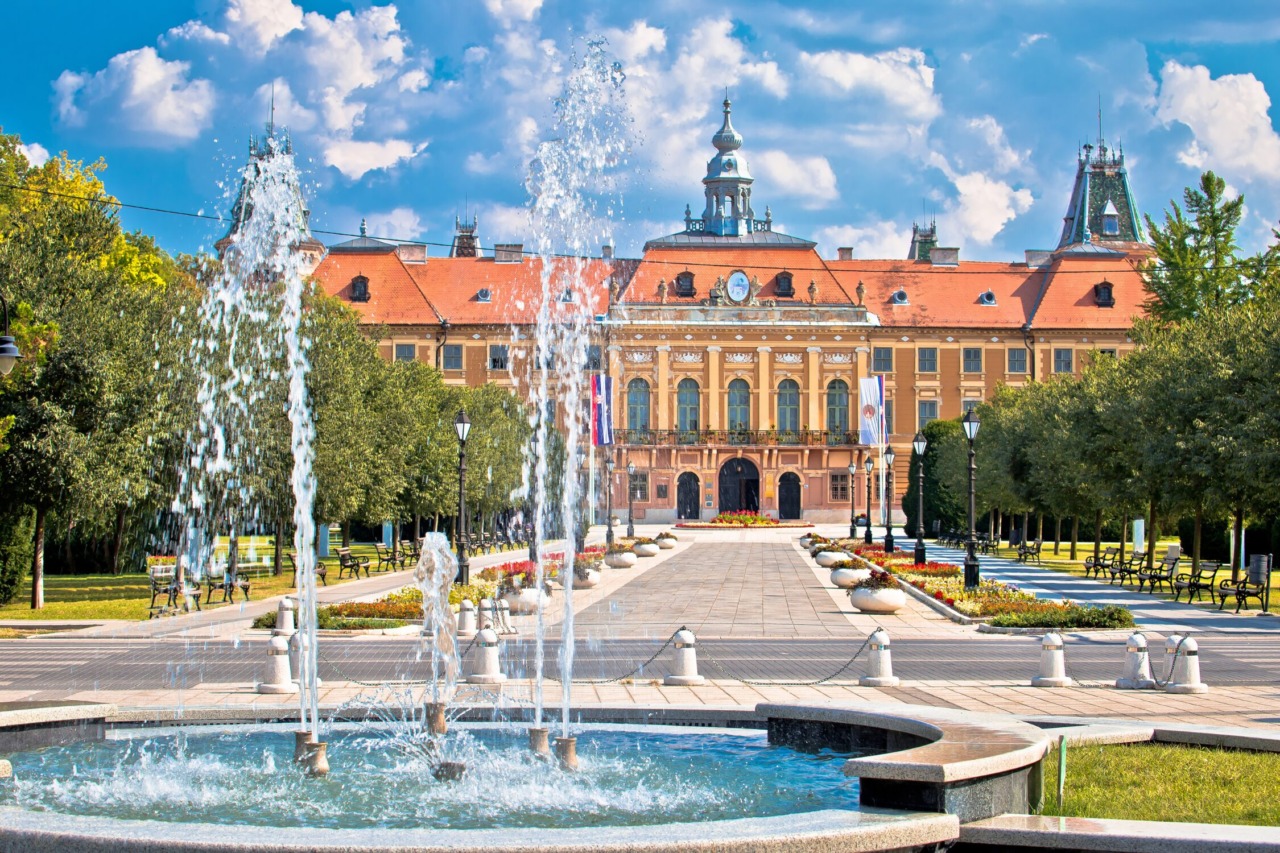
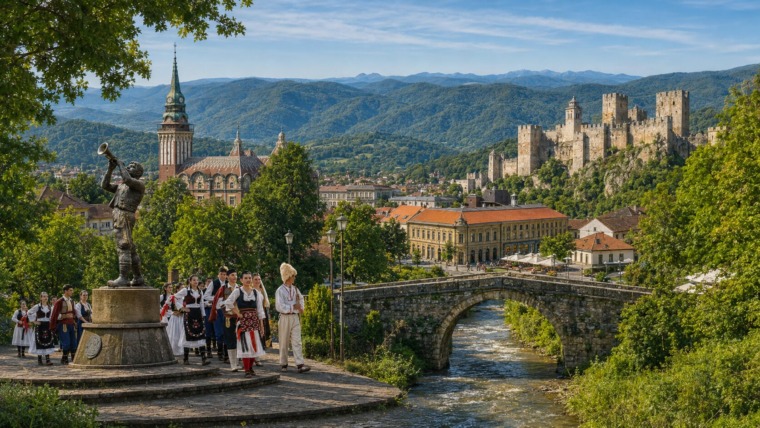
In Novi Sad, the historic centre, Petrovaradin Fortress and the Danube can comfortably fit into a day, while nearby Sremski Karlovci and Fruška Gora invite an easy extension into wine country. Niš offers the fortress, traditional food and access to the landscapes and spa towns of southern Serbia. Sombor and Subotica are particularly suited to slow exploration, with elegant architecture, tree-lined streets and nearby villages that add another layer to the journey.
September also marks a return to cultural life after the summer holiday period. Programmes vary from year to year, so checking local cultural centres, tourism organisations and event calendars before travelling can reveal exhibitions, performances and festivals that may not appear in general travel guides.
Rivers and Lakes Still Belong in the Journey
Although the main swimming season begins to fade, Serbia’s rivers and lakes remain central to September travel.
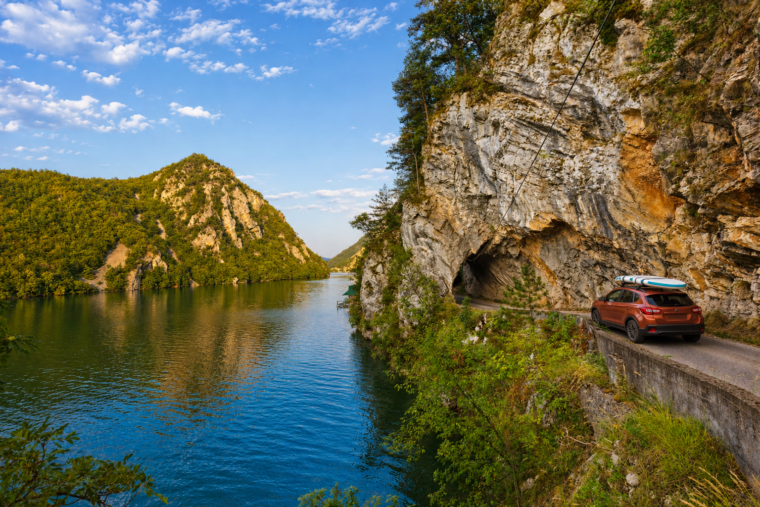
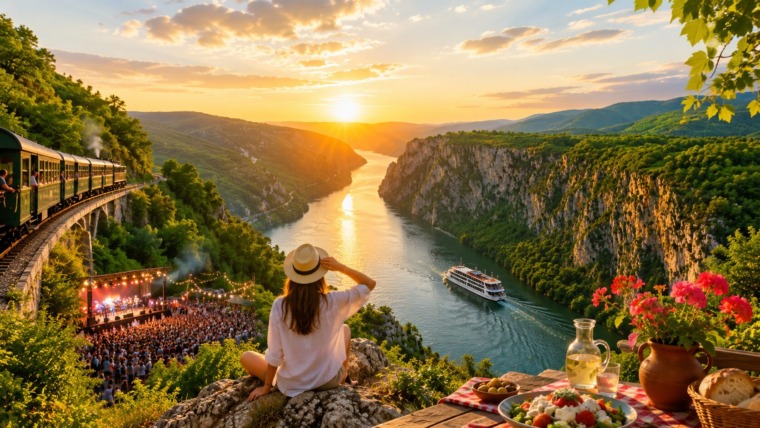
The Danube is at the heart of one of the country’s finest road trips. From Golubac, the road follows the river through the Đerdap Gorge towards Lepenski Vir, Donji Milanovac and Kladovo. The light becomes softer, the views across the water feel broader and the journey is less defined by the need to escape the midday heat.
Along the Drina, Bajina Bašta, Perućac and Tara can still be combined into a journey shaped by water and forest. Boat excursions and water activities may continue when weather and local operators allow, but schedules can become less frequent outside the peak season.
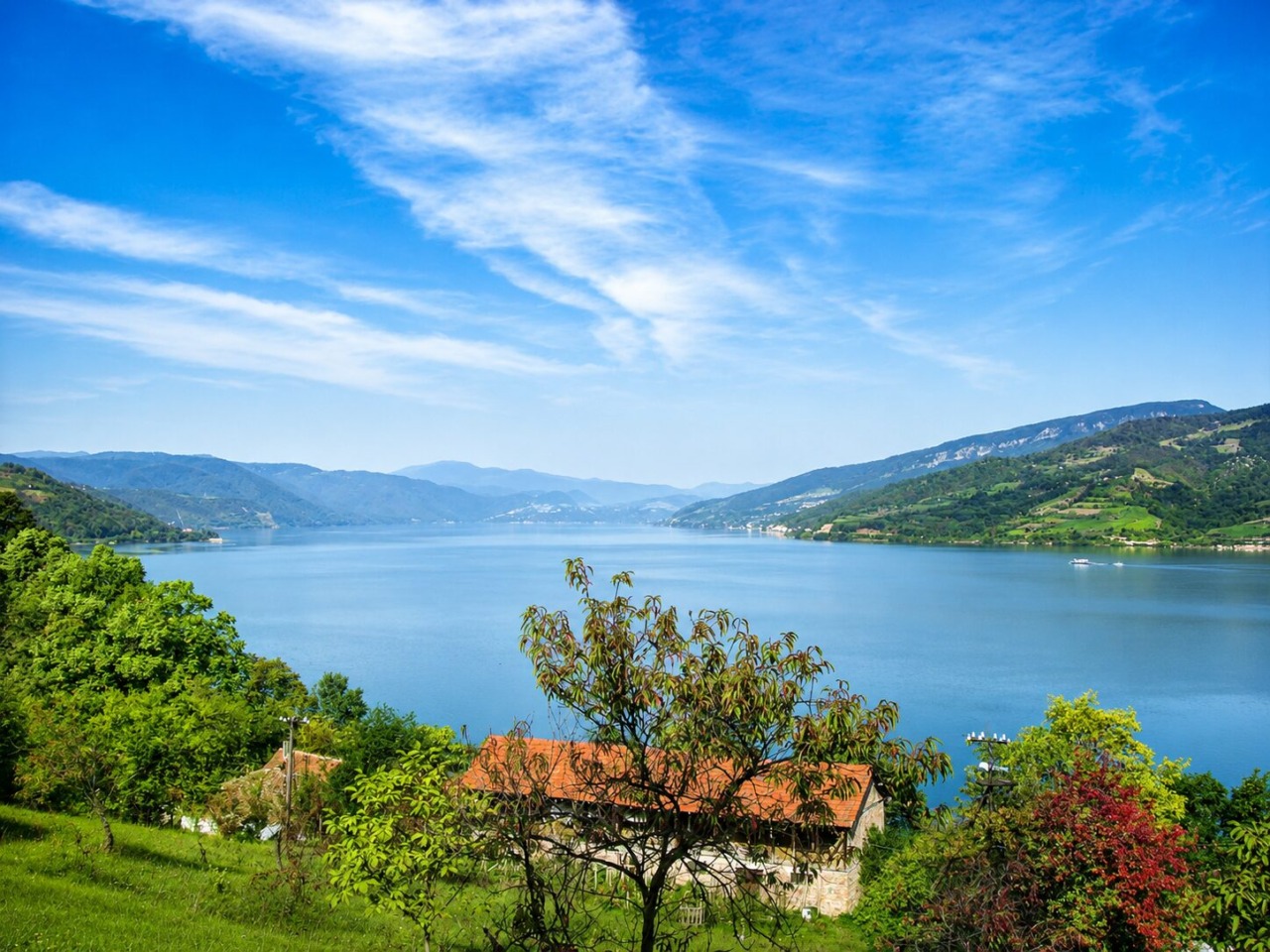
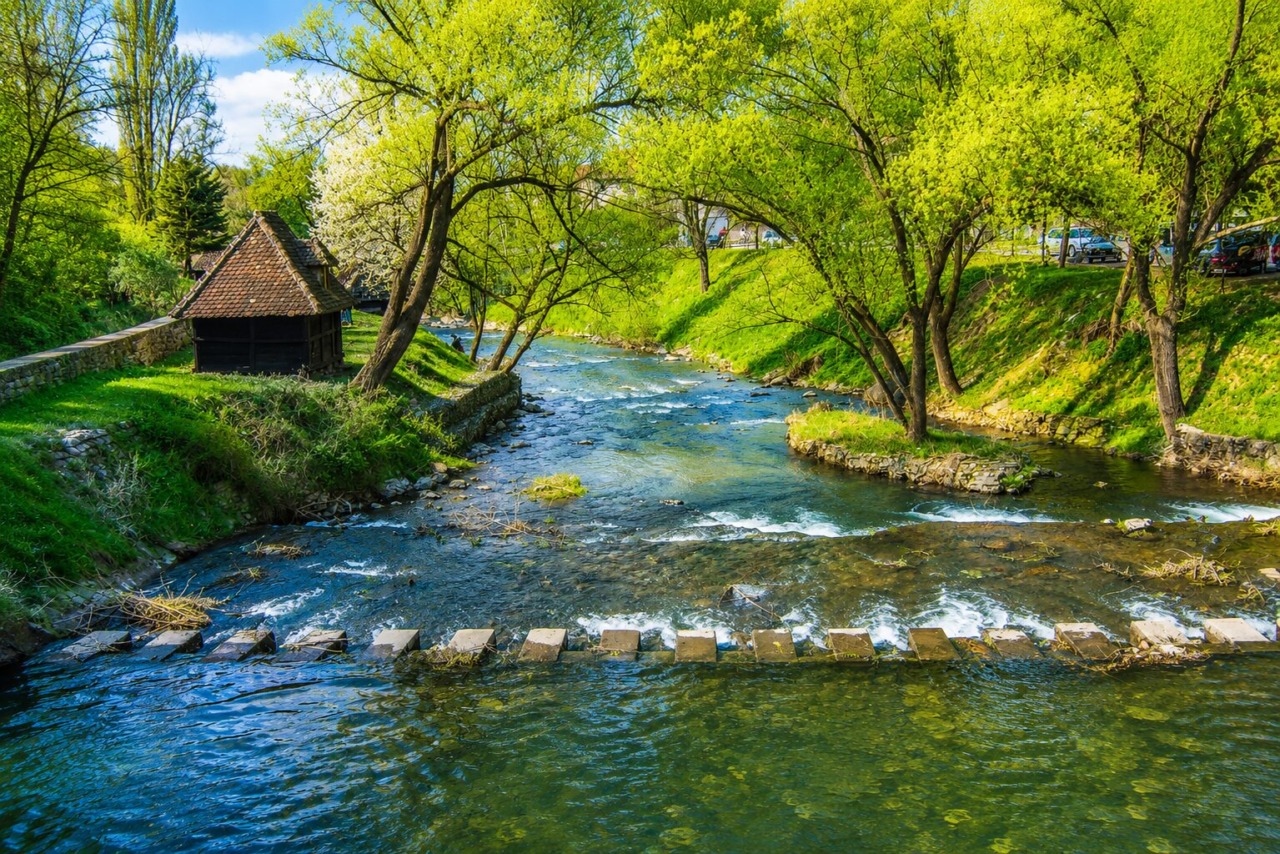
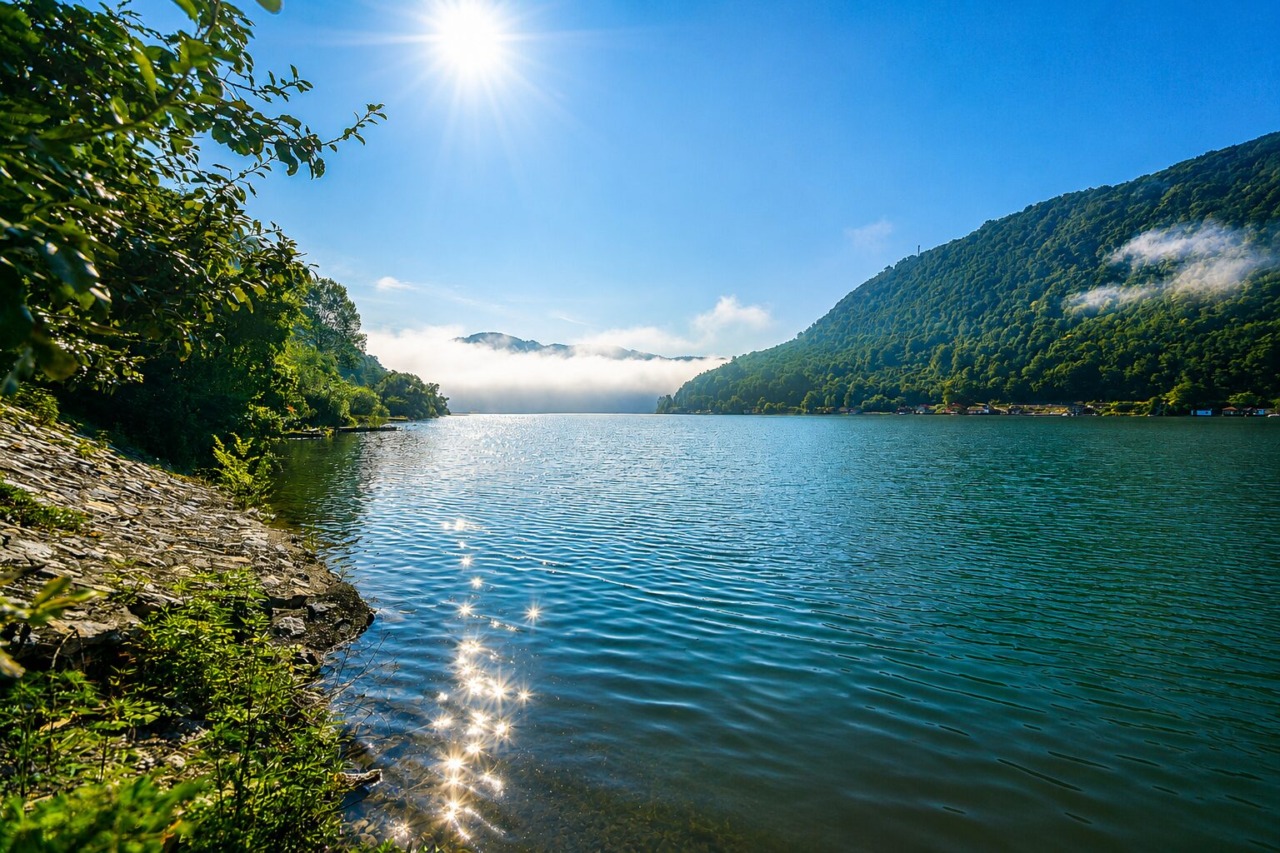
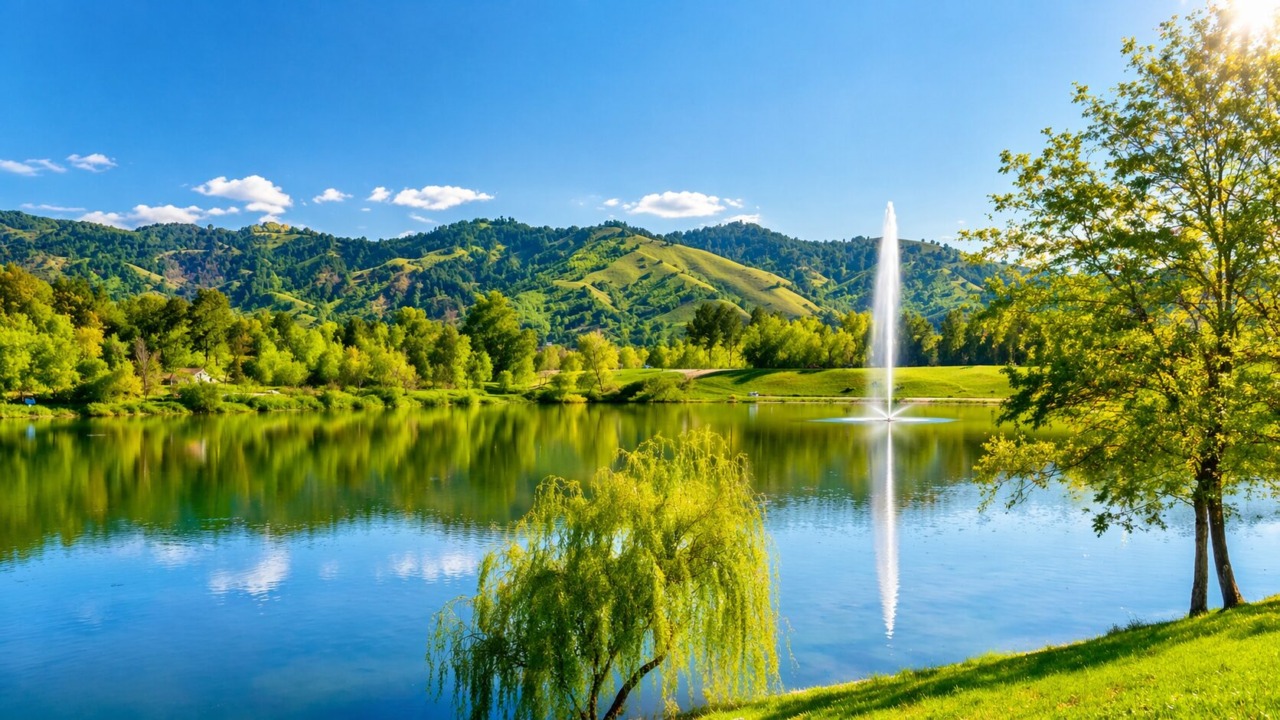
Uvac, Zaovine, Zlatar and other lake regions are equally compelling even without swimming. Viewpoints, boat trips, kayaking, photography and simple walks along the shore often become more enjoyable in milder weather.
Always confirm seasonal services directly. Boat departures, rental points and hospitality businesses may change their working hours once August ends.
Villages Slow Down After a Busy Summer
Some of the most rewarding September journeys lead away from the main tourist centres.
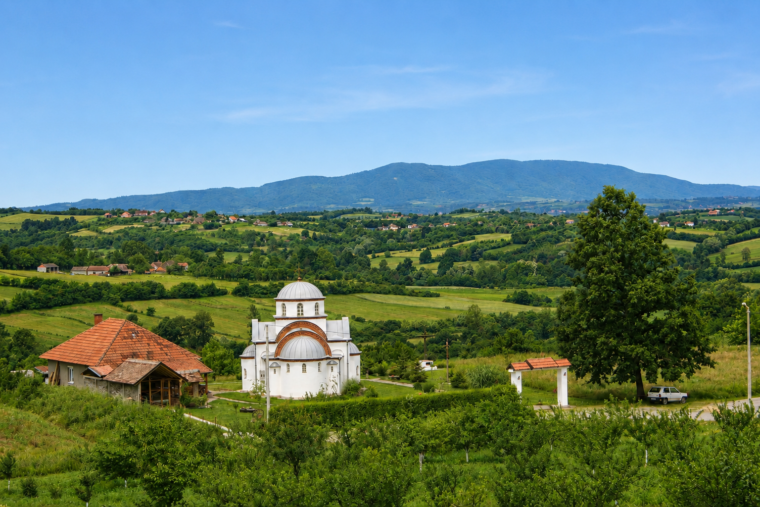
In villages across Serbia, summer visitors begin to leave while agricultural work enters a new phase. Orchards, vineyards and gardens remain active, but the atmosphere becomes quieter. This is an ideal time to stay in a rural household, eat food produced nearby and explore a region without treating every day as a checklist.
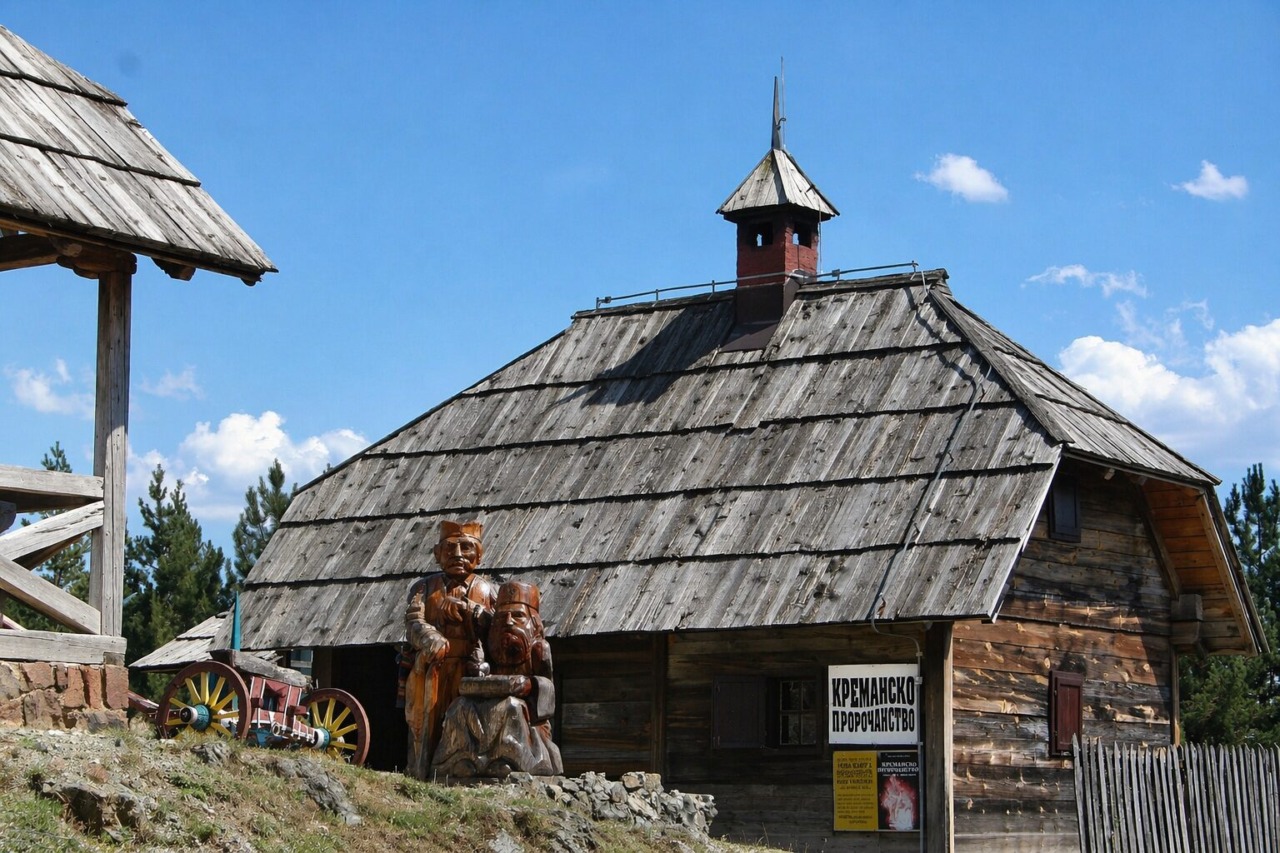
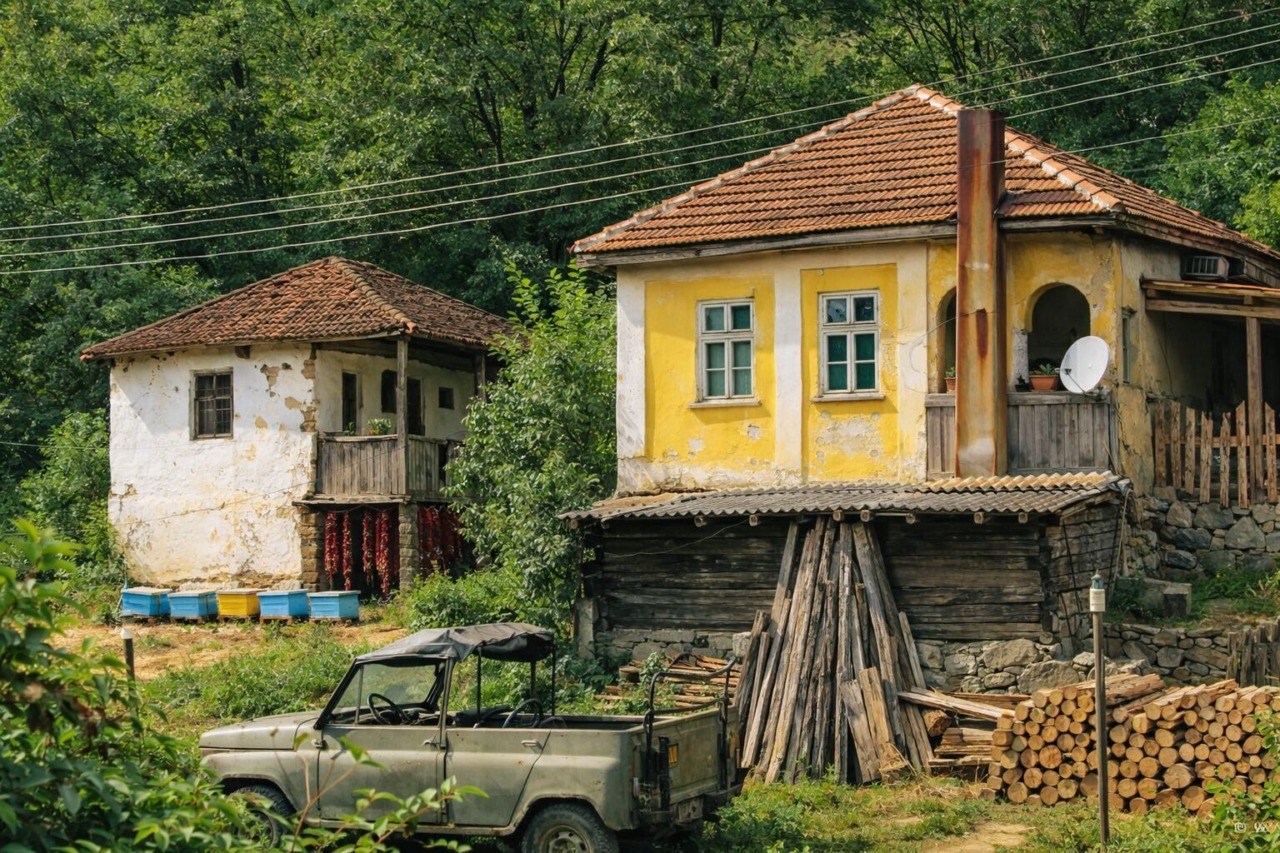
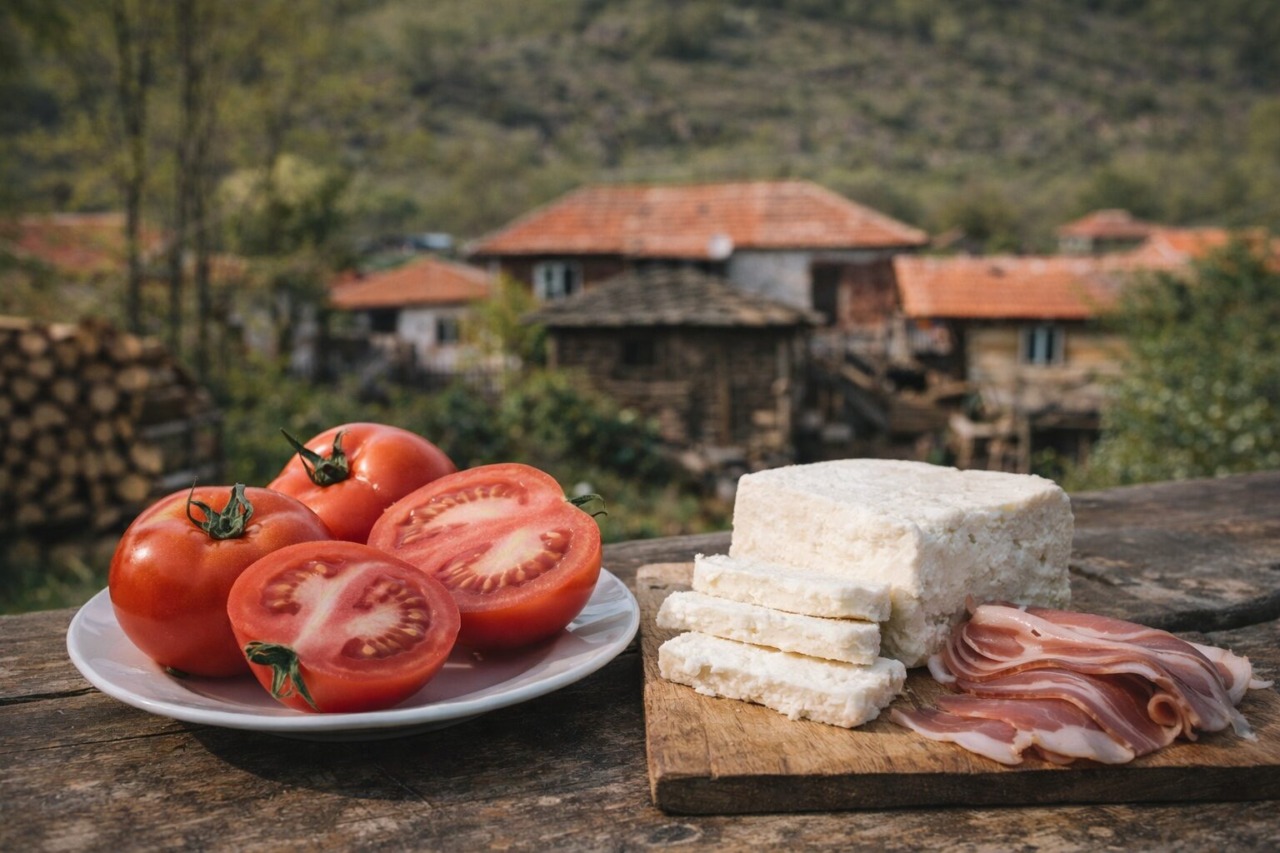
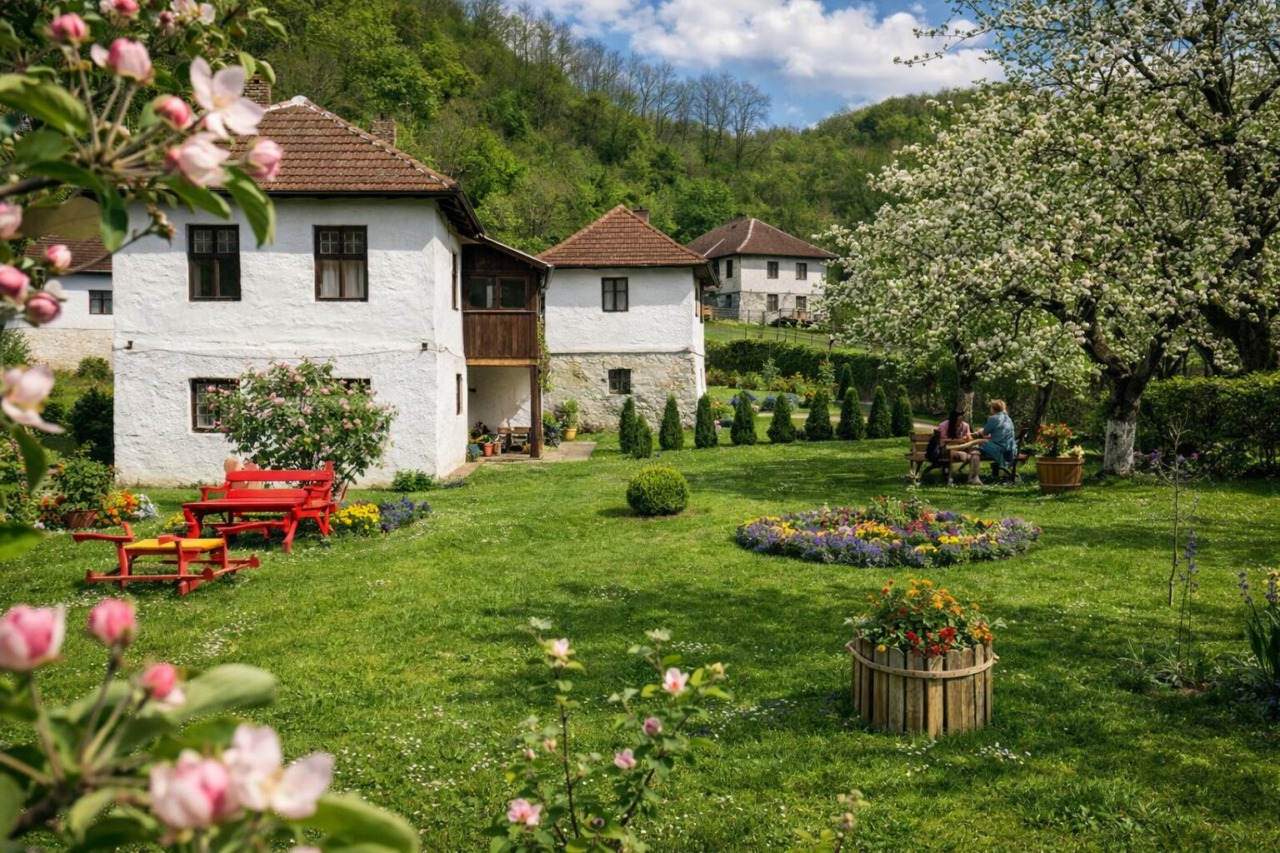
Gostuša on Stara Planina tells its story through stone houses and roofs built from local materials. Rajac combines village life with wine heritage. Sirogojno preserves the traditional architecture of the Zlatibor region, while the villages around Tara, Zlatar and Golija offer mountain landscapes without the density of large resorts.
Rural travel works best with realistic expectations. Roads may be narrow, card payments are not always available and mobile signal can be unreliable. In return, travellers often find the kind of personal welcome and sense of place that are difficult to reproduce in larger destinations.
It Is the Perfect Month for a Serbian Road Trip
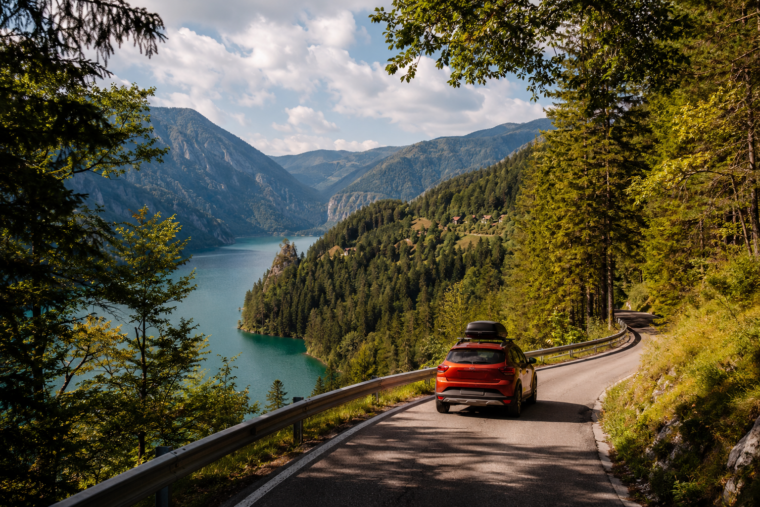
September makes the road itself part of the experience. The landscape has not yet fully changed into autumn, but subtle signs appear along the way: harvested fields, deeper colours in the vineyards, mist above rivers and cooler air when the road climbs into the mountains. Driving becomes more comfortable, and stopping in a town, village or roadside restaurant feels less like an interruption and more like the purpose of the journey.
For a first road trip through eastern Serbia, follow the Danube from Golubac towards Kladovo. For forests and lakes, connect Bajina Bašta, Perućac, Tara and Zaovine. For wine and culture, travel from Novi Sad through Sremski Karlovci and Fruška Gora to Vrdnik. In Šumadija, Topola, Oplenac, Aranđelovac and Bukulja create an easy one- or two-day route.
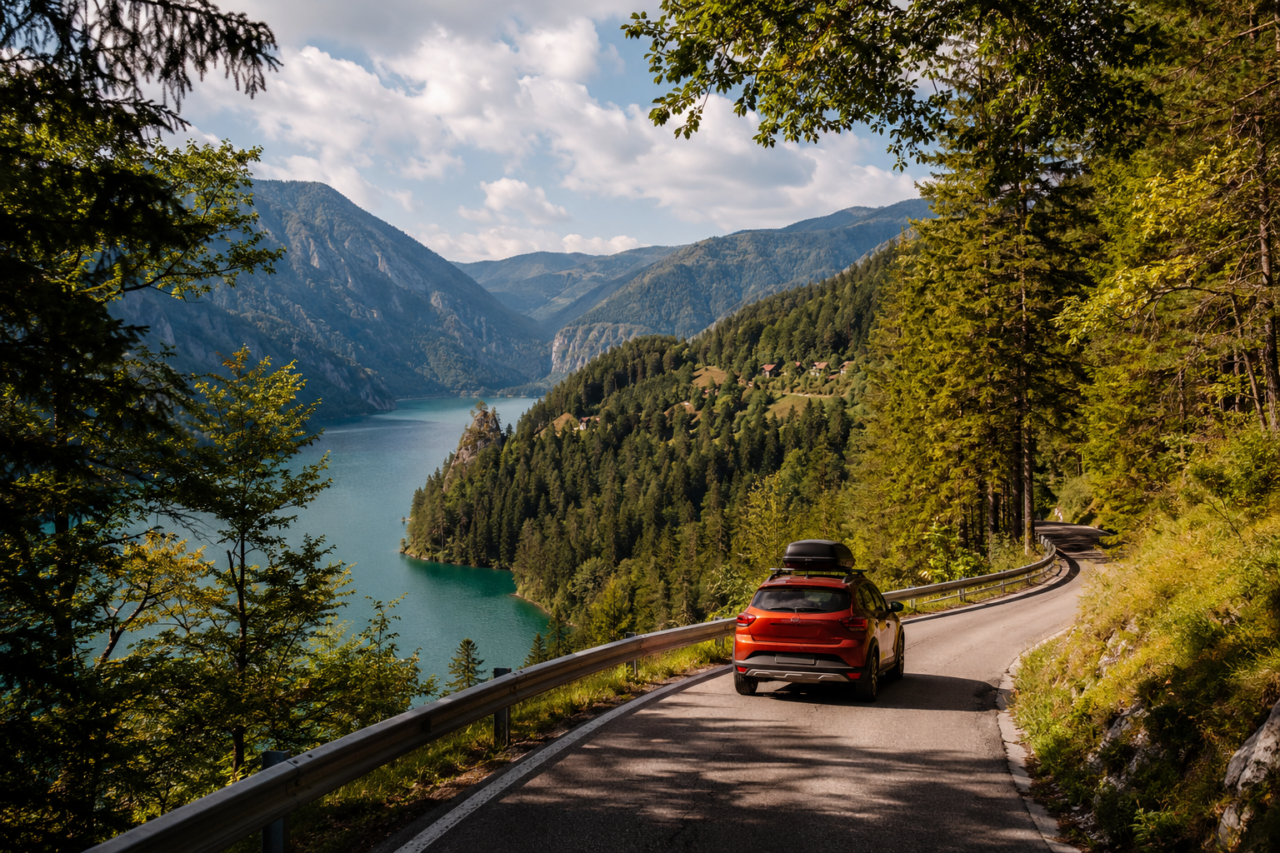
Travellers with more time can explore Pirot and the villages of Stara Planina, follow the mountain railway through Mokra Gora or cross the Pešter Plateau towards Uvac and Zlatar.
The best September itinerary leaves room for the unexpected. Distances that appear short on a map can take longer on mountain and village roads, while an unplanned lunch or viewpoint may become the part of the journey you remember most.
Where to Go in Serbia in September
The right destination depends less on a universal list and more on the experience you want.
Choose Belgrade, Novi Sad, Niš, Subotica or Sombor for architecture, culture, restaurants and long walks. Head towards Fruška Gora, Topola, Oplenac, Vršac or Negotin for vineyards, wine heritage and harvest-season landscapes.
For hiking, forests and cooler evenings, consider Tara, Zlatar, Golija, Stara Planina or Goč. If dramatic water landscapes are the priority, build a journey around Đerdap, the Drina, Uvac, Perućac or Zaovine.
Those searching for a slower rural escape can look towards mountain villages, traditional households and smaller towns that connect several landscapes in a single weekend.
Rather than trying to see every side of Serbia at once, choose one region and give it enough time. September rewards depth: one road, one market, one long lunch and one evening that becomes cooler sooner than expected.
Before You Travel
Pack for two seasons. Light clothing may be enough during the afternoon, but a jacket, closed shoes and a waterproof layer are useful for cooler mornings, sudden rain and mountain evenings.
Check forecasts for the exact destination rather than relying on conditions in Belgrade. Confirm opening hours, winery visits, boat tours and heritage railway departures directly with operators. Download offline maps before travelling through remote areas and carry some cash for smaller establishments, parking and rural services.
If your trip includes hiking, ask locally about trail conditions and daylight. September days are still generous, but noticeably shorter than at the height of summer.
Most importantly, avoid building an itinerary around too many stops. Serbia often reveals itself in the spaces between them – on a winding road above a river, at a village table or during an unplanned conversation in a small town.
Related Articles