
-
Serbia at a Glance
Discover All -
Arts & Culture
Discover All -
Identity & Heritage
Discover All -
Famous Serbs
Discover All
-
Regions
Discover All -
Cities
Discover All -
Nature
Discover All -
Cultural Landmarks
Discover All
-
Outdoor & Wellness
Discover All -
Food & Drink
Discover All -
Tours
Discover All -
Urban Experiences
Discover All -
Seasonal Experiences
Discover All
Partner with Serbia.com
Let's create lasting impact together
Partner with Serbia.com to reach travellers through trusted recommendations, inspiring editorial stories and thoughtfully designed campaigns. Together, we create meaningful visibility that supports your goals and remains valuable long after publication.
Explore partnership opportunities- Serbian Favorite Rituals Everyday traditions and little things that make life in Serbia special.
- Villages of Serbia Charming villages, local stories and authentic rural life.
- Serbia Told By You Personal stories, local perspectives and authentic experiences from across Serbia.
- Is it Worth Visiting in Serbia? Honest destination guides to help you decide which places are worth visiting.
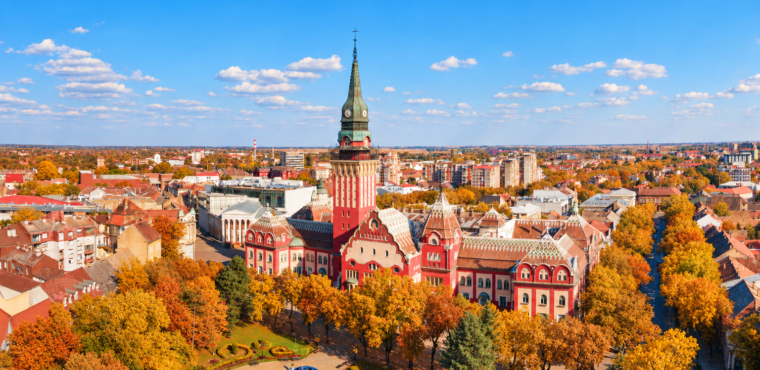
If you are looking for a slower summer weekend away from crowds and packed itineraries, Sombor and the nearby village of Stapar reveal one of the most authentic sides of Vojvodina.
Sombor draws visitors with its leafy streets, elegant architecture, artistic heritage and traditional horse-drawn carriages, while Stapar preserves the craft of its famous kilims, village customs and the distinctive flavours of Western Bačka. Together, they create an ideal slow travel escape filled with unhurried walks, local food, culture and long summer evenings.
This year, there is an additional reason to visit. From 20 to 29 August 2026, Stapar hosts Velikogospojinske Večeri, a traditional festival bringing together folklore, art, sporting events and a sheep paprikash cooking competition. For visitors, it offers a rare opportunity to experience the traditions of Vojvodina in a place where they still remain part of everyday life.
Together, Sombor and Stapar reveal two sides of the same region: an elegant town surrounded by greenery and a village where old crafts, flavours and customs still belong to everyday life.
A Town of Greenery, Art and Quiet Streets
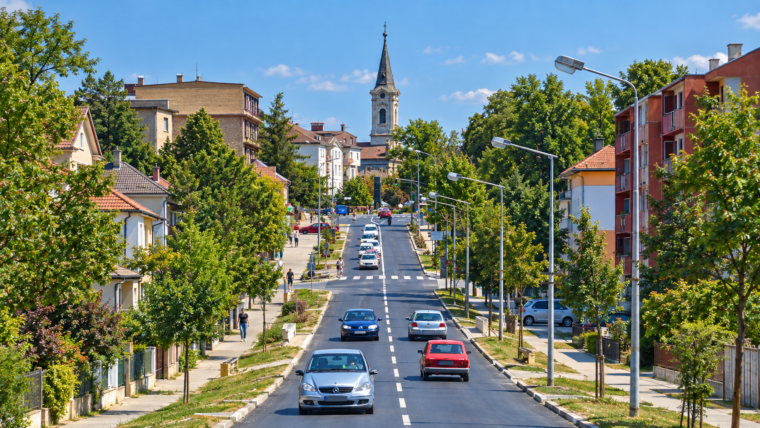
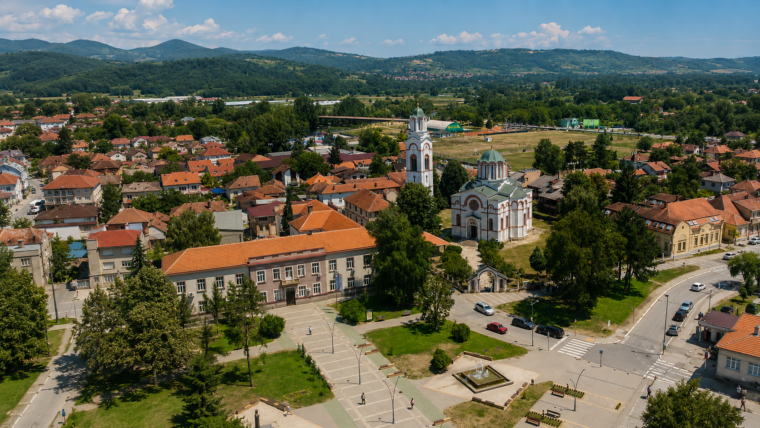
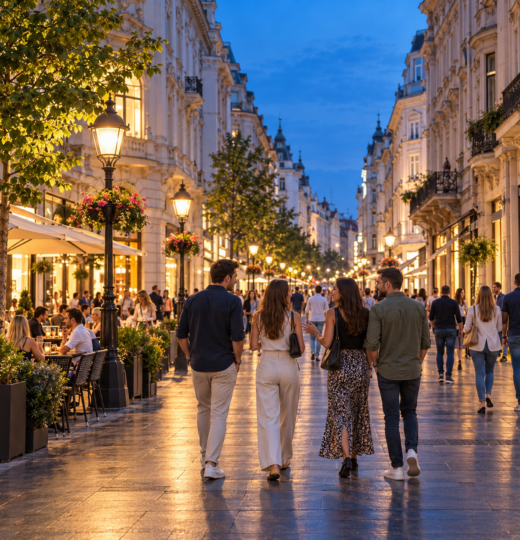
Sombor is often described as one of the greenest towns in Serbia. Its wide tree-lined avenues and the canopies of its famous hackberry trees give the centre its distinctive appearance, while providing welcome shade that makes the town particularly pleasant for a summer walk.
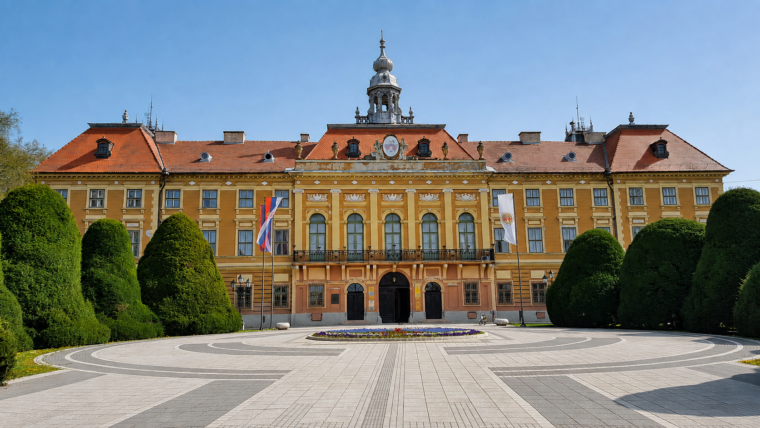
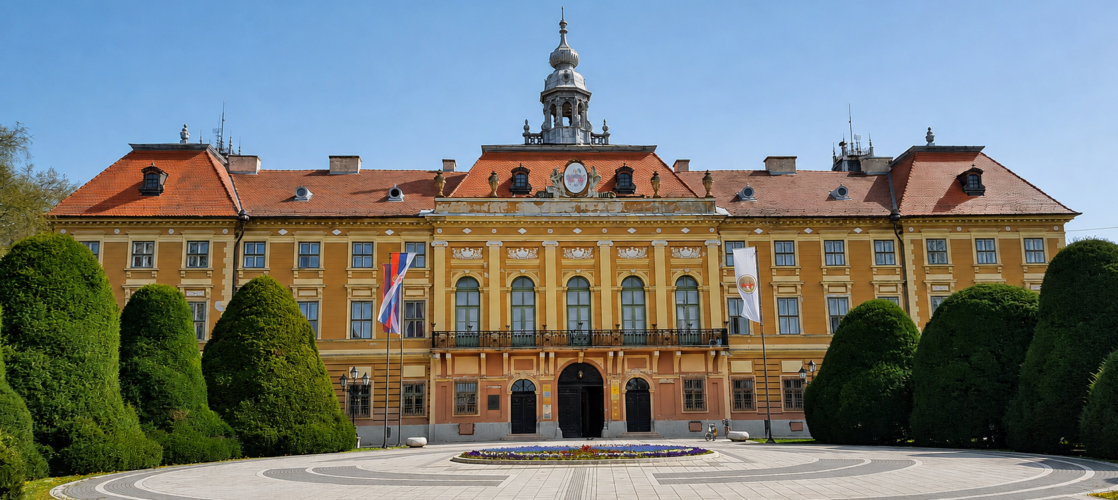
The best place to begin is Kralja Petra I Street, passing historic façades on the way to Holy Trinity Square. Baroque and Neoclassical buildings, palaces, churches, museums and cafés are all located within a relatively compact area, allowing visitors to explore the centre without rushing. One of Sombor’s most important buildings is the former County Hall. Its ceremonial hall contains Ferenc Eisenhut’s monumental painting The Battle of Senta, known as the largest oil painting on canvas in Serbia.

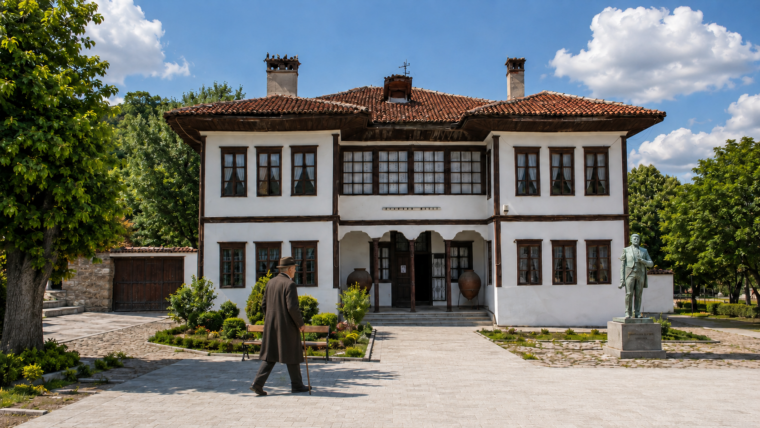
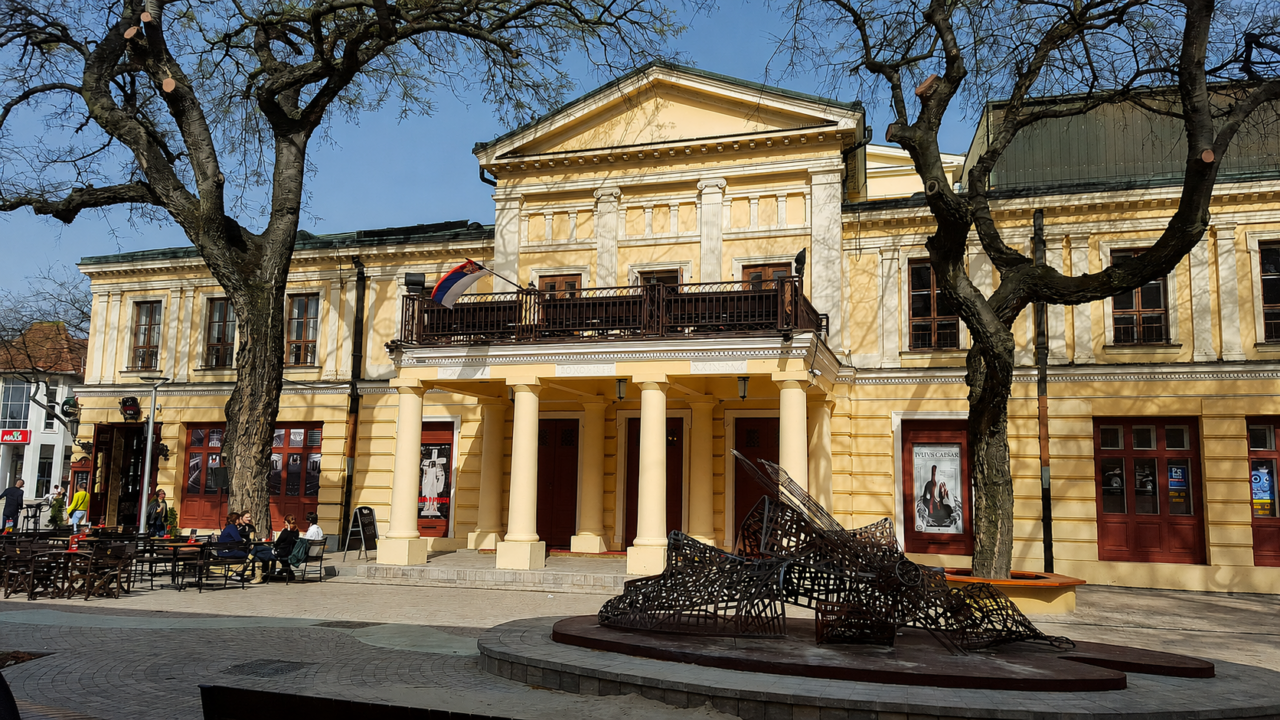
To discover the town’s artistic identity, visit the Milan Konjović Gallery, dedicated to one of the most significant Serbian painters of the 20th century. The City Museum, religious buildings and the former Pasha’s Tower reveal further layers of Sombor’s history and its former importance within this part of the Habsburg Monarchy.
Yet much of Sombor’s charm lies between its famous landmarks – in its passageways, courtyards, old houses and the sight of cyclists moving beneath the trees.
Sombor Is Best Explored Slowly
A day in Sombor does not need to be filled with ambitious plans. The morning can begin with coffee in the historic centre before continuing with a visit to a gallery or museum. After lunch, the best plan may be simply to walk beneath the trees or explore the quieter streets beyond the main pedestrian zone.
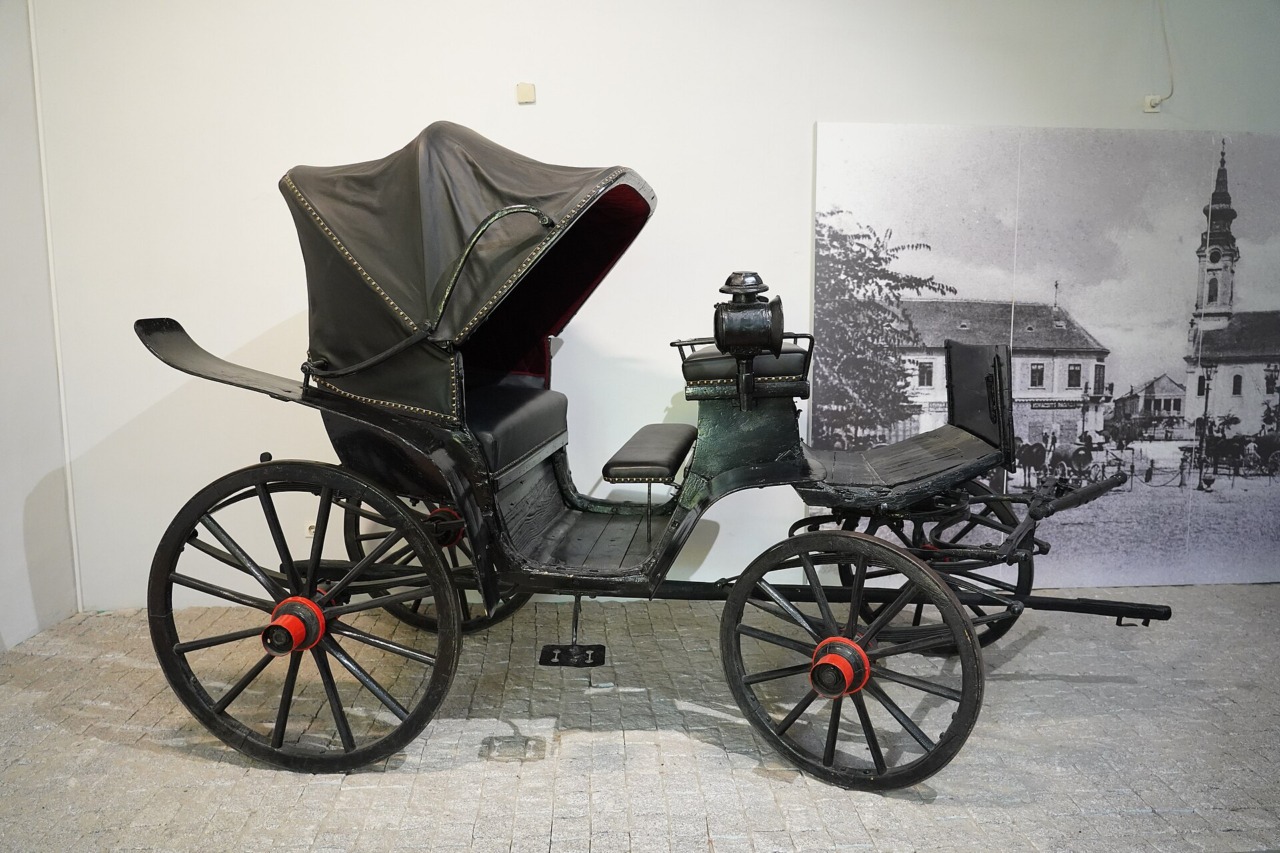
A horse-drawn carriage ride remains one of the symbols of the town. Although today it is primarily a visitor experience, it recalls a time when carriages were an inseparable part of daily life in Sombor. From this perspective, the town moves at exactly the right pace – slowly enough to notice its façades, balconies, squares and greenery.
Summer is also the perfect time to explore the surrounding area. Traditional riverside restaurants, farmsteads and villages towards the Danube reveal the nature of the Upper Danube region and a cuisine shaped by freshwater fish, paprika stews, homemade pasta and dishes characteristic of Bačka.
For an encounter with one of the region’s most distinctive traditions, however, the journey continues towards Stapar.
Stapar – A Village Woven in Floral Patterns
Not far from Sombor lies Stapar, an old Bačka village renowned for its distinctive carpet-weaving tradition.
The Stapar kilim originated as a domestic craft during the 18th century. Alongside the Pirot kilim, it is now considered one of Serbia’s most famous authentic woven carpets. It is distinguished by rich floral patterns, particularly roses, bouquets and wreaths, as well as warm colours that give it a very different character from the geometric designs typical of many other weaving traditions.
The carpets were traditionally made on wide horizontal looms using a technique that produced two equally usable sides, without a conventional reverse. The women of Stapar passed the craft down through generations, transforming a practical household object into one of the most valuable expressions of local identity.
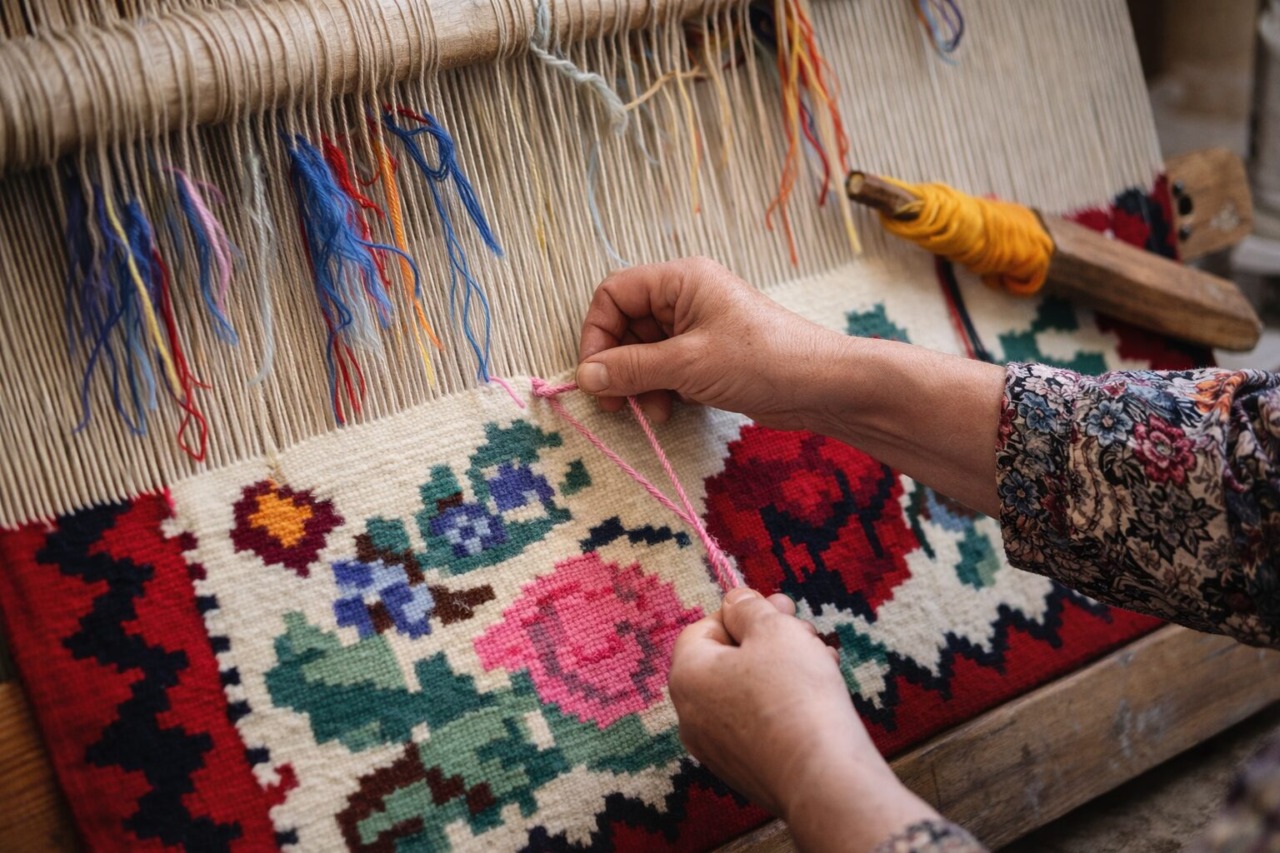
The skill of weaving the Stapar kilim is now included in Serbia’s National Register of Intangible Cultural Heritage. Its roses have become more than a decorative motif – they are a visual symbol of the entire village.
Stapar is also known for the historic Church of the Presentation of the Blessed Virgin Mary, whose iconostasis was painted by Jakov Orfelin. Together with its weaving tradition, religious heritage, traditional architecture and local cuisine, the village preserves memories of a way of life that has gradually disappeared from many other parts of the plains.
Velikogospojinske Večeri in Stapar
From 20 to 29 August 2026, Stapar will once again host Velikogospojinske Večeri. Held in honour of the Feast of the Dormition of the Mother of God, the festival brings together local residents, visitors and people whose families come from this part of Bačka. Its programme includes folklore performances, a literary evening, an art exhibition and several sporting competitions.
Events connected to traditional village life are a particularly important part of the festival. These include pigeon and dog exhibitions, as well as the traditional sheep paprikash cooking competition.
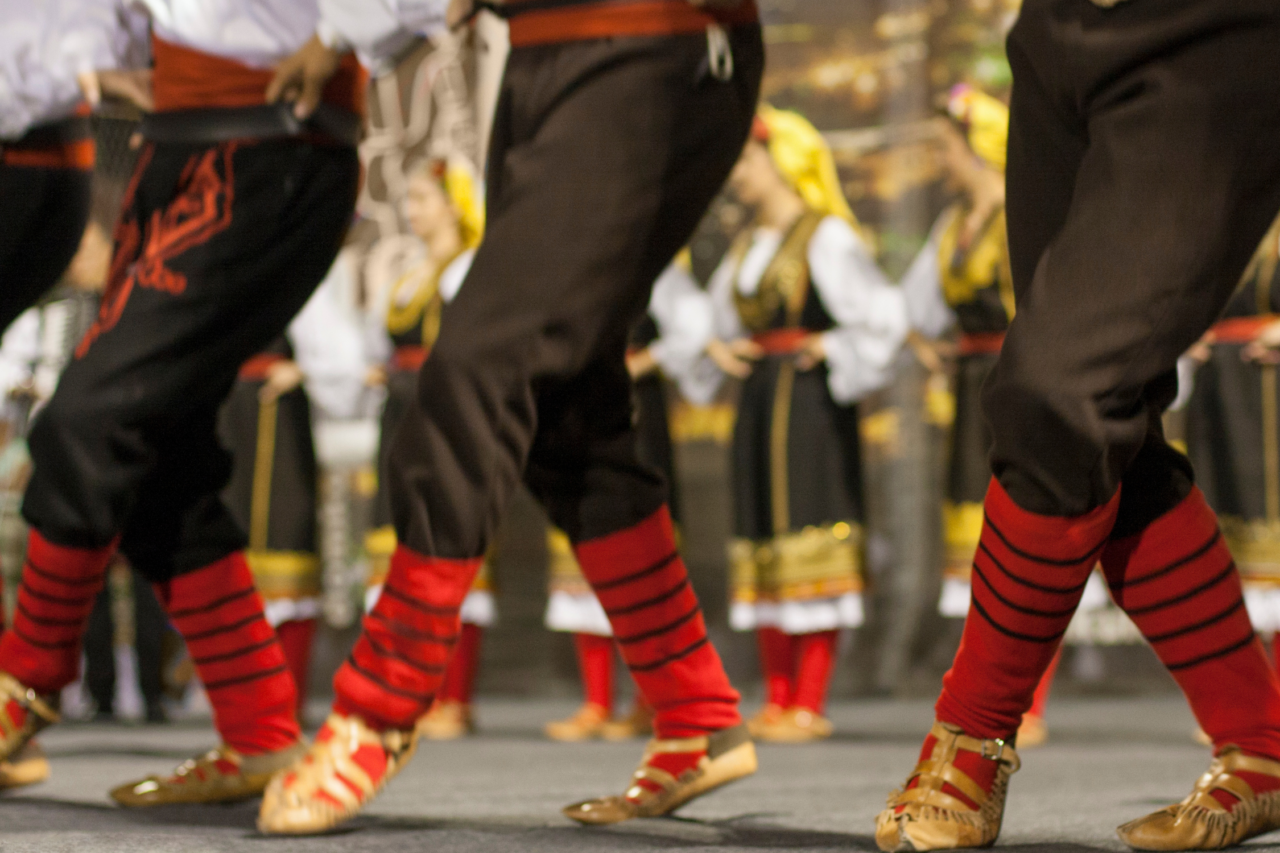
This variety is precisely what gives the event its charm. It is not a festival created solely for visitors. It is a multi-day gathering that belongs to the village and its residents, offering guests an opportunity to experience local traditions in the place where they originated. Folklore, homemade food, sport, art and social gatherings are not separate attractions here, but different parts of the same village life.
The Flavours of Western Bačka
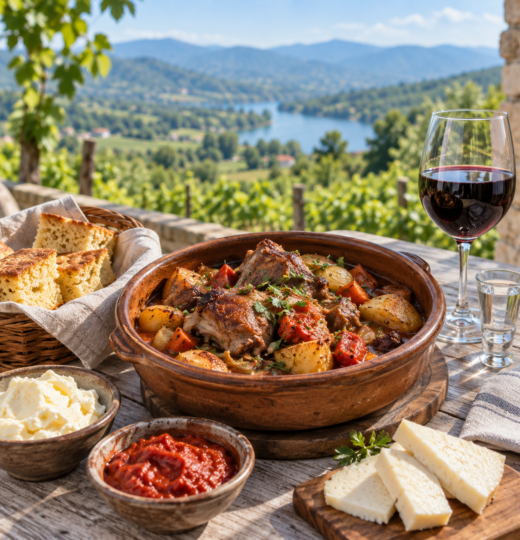
A journey through Sombor and Stapar would not be complete without local food. Fish paprikash and other freshwater fish dishes form an important part of the culinary identity of the Sombor area and the nearby Danube region. Local menus also feature perkelt, different kinds of paprika stew, homemade soups and pasta, strudels and desserts that reveal a combination of Serbian, Hungarian, German and other Central European influences.
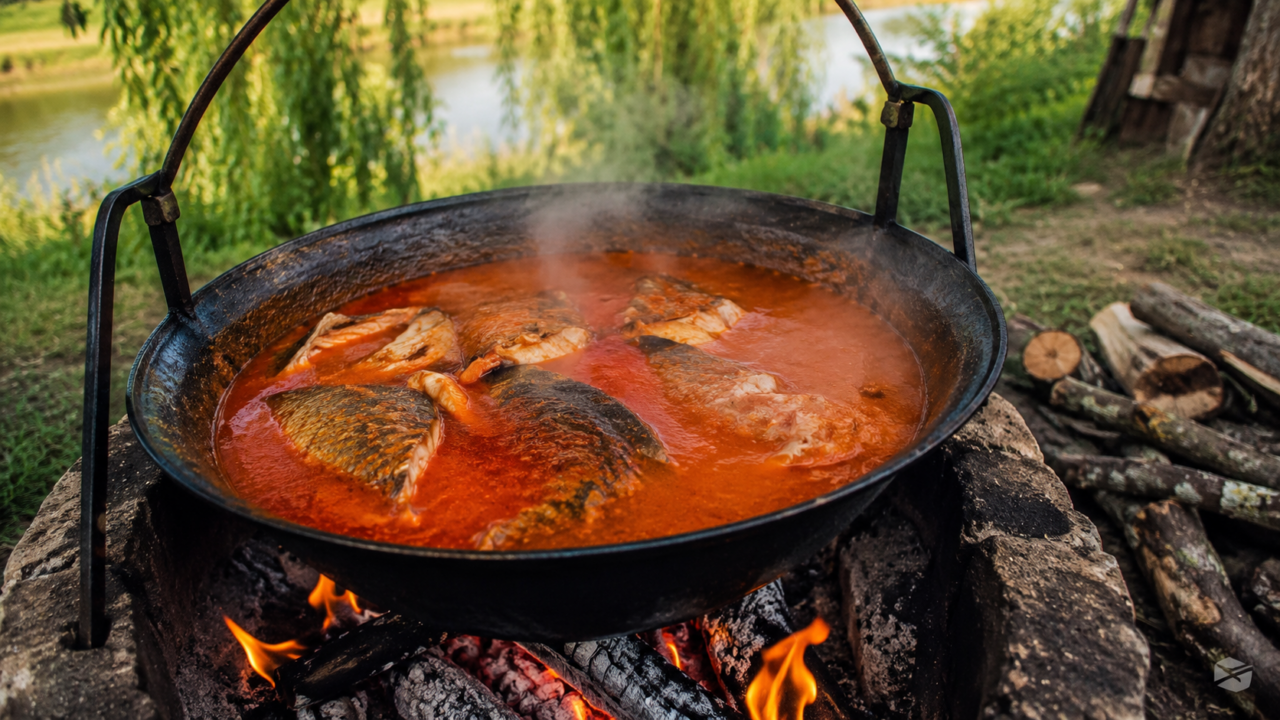
In Stapar, sheep paprikash holds a special place and has its own traditional competition during Velikogospojinske Večeri. It is cooked slowly in a cauldron, with patience and experience that cannot easily be replaced by a precise recipe. Here, food is not merely something served at the table. It is a reason to gather, part of family history and one of the ways local identity is passed from one generation to the next.
An Idea for a Summer Weekend
Sombor and Stapar can easily be combined into a day trip, but a full weekend allows visitors to experience them at a more natural pace. The first day can be devoted to Sombor: walking through the historic centre, visiting the Milan Konjović Gallery and the County Hall, taking a horse-drawn carriage ride and ending the evening at a traditional riverside restaurant or countryside farmstead.
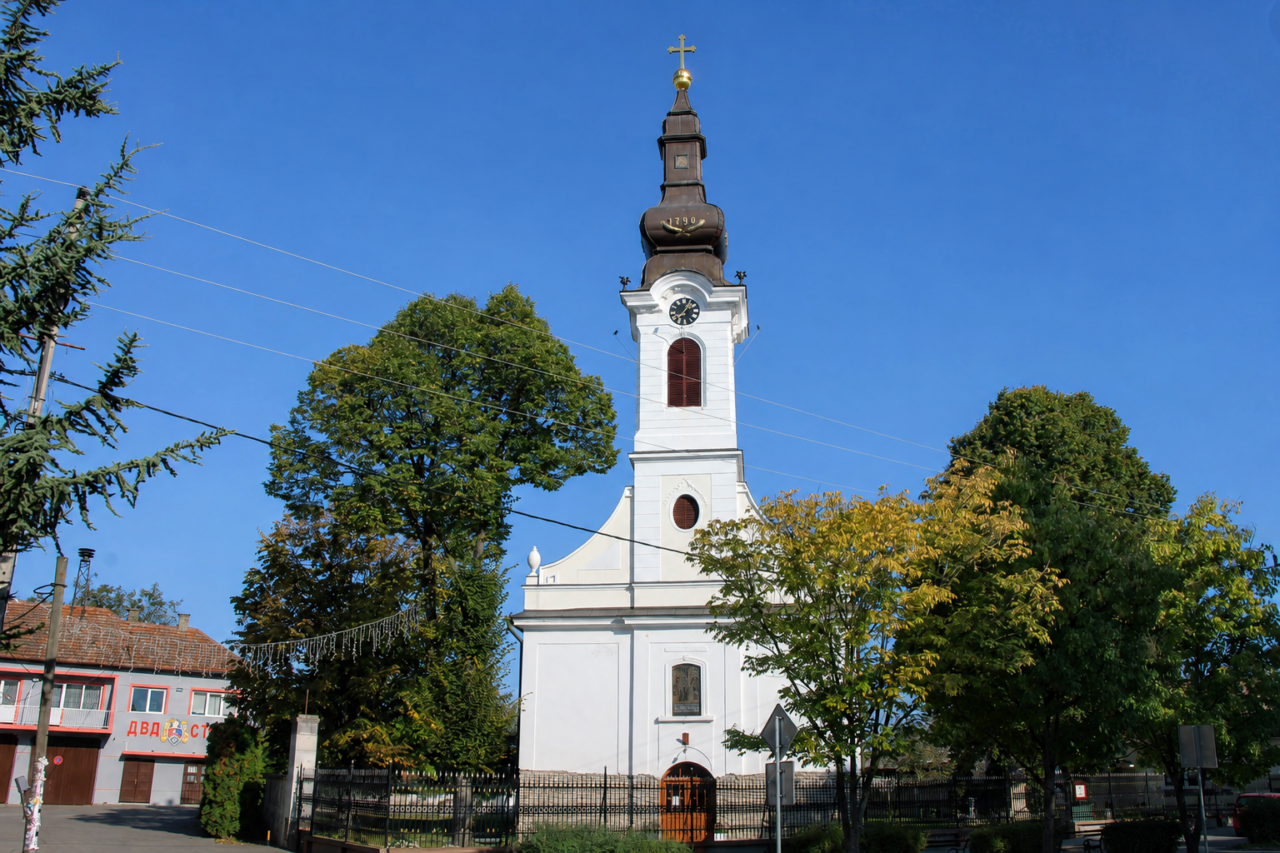
On the second day, head towards Stapar to discover the story of its famous kilim, visit the village church and, during the festival, join the events of Velikogospojinske Večeri. If time permits, the journey can be extended towards the Upper Danube region, Bački Monoštor, Bezdan or the banks of the Danube. This adds another dimension to the weekend – alongside urban culture and village traditions, visitors can experience one of Vojvodina’s most valuable natural landscapes.
A Summer That Does Not Need to Be Loud
Sombor and Stapar are not destinations that attempt to impress visitors with major attractions at every turn. Their value lies in their atmosphere: long tree-lined avenues, historic façades, horse-drawn carriages, the floral patterns of the Stapar kilim, the aroma of paprikash simmering in a cauldron and evenings when an entire village comes together once again.
At a time when travel is often reduced to rushing from one sight to another, this part of Western Bačka offers something simpler and perhaps more valuable – an opportunity to pause.
This August, Velikogospojinske Večeri provides another reason to travel towards Stapar. Yet Sombor, its green streets and the unhurried rhythm of Vojvodina remain reasons to return long after the final summer stage has gone quiet.
Plan your visit
Everything you need to plan your perfect trip.
Related Articles