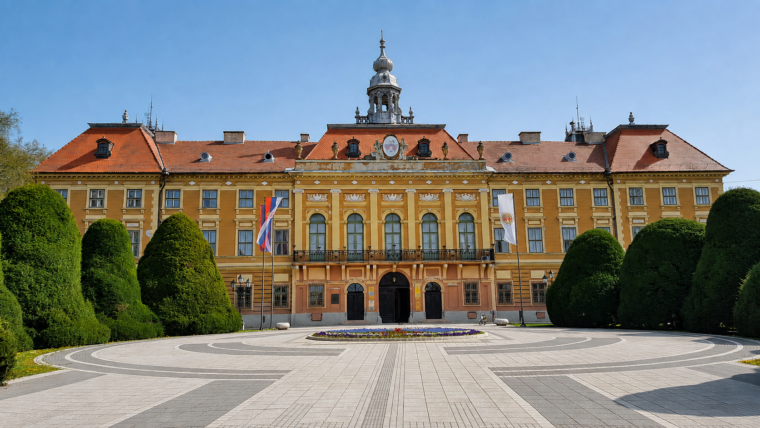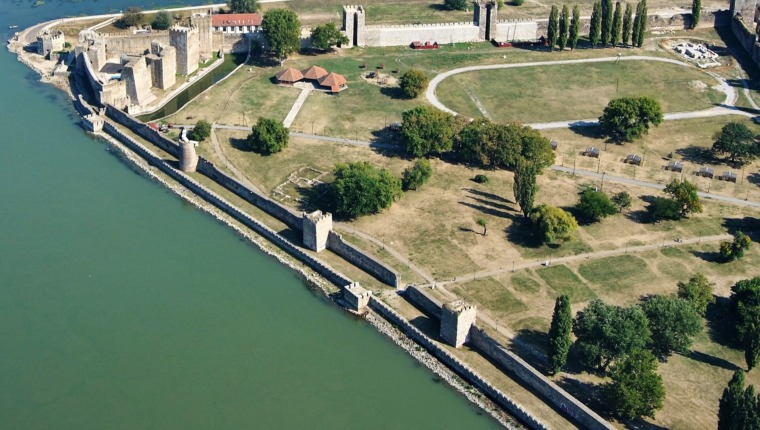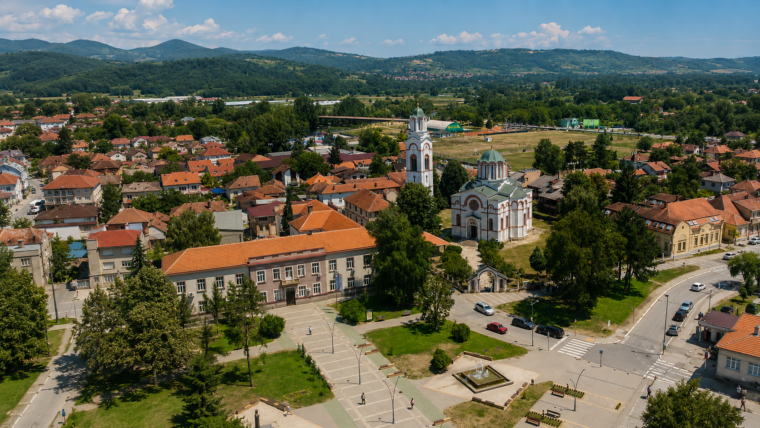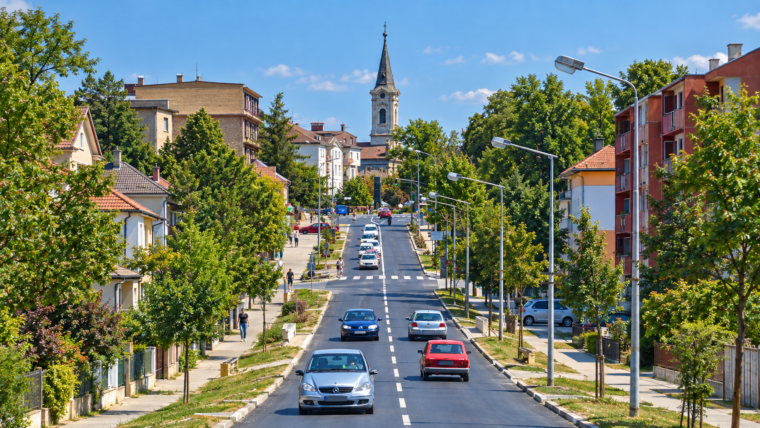

At Serbia’s southern edge, surrounded by mountain slopes and traces of different eras, Vranje preserves an atmosphere unlike anywhere else in the country. This is not a city discovered solely through its landmarks. Vranje reveals itself through the speech of its residents, old houses and cobbled streets, melancholic music, the aromas of southern Serbian cuisine and stories passed down through generations.
In summer, when life moves onto the squares, promenades and outdoor stages, the city’s distinctive character becomes even more pronounced. Cultural events continue throughout the season, while this August brings another special reason to visit: the Golden Snail International Children’s Animated Film Workshop, which transforms Vranje into a meeting place for young creators from different parts of the world.
It is an opportunity to discover another side of southern Serbia – playful, creative and contemporary, yet still deeply connected to its past.
A City That Still Speaks the Language of Bora Stanković
Few Serbian cities have been shaped in literature as profoundly by a single writer as Vranje was by Bora Stanković. His characters, customs, family homes and human destinies became inseparable from the image of old Vranje – a city of intense emotions, unwritten rules and lives hidden behind tall courtyard gates.
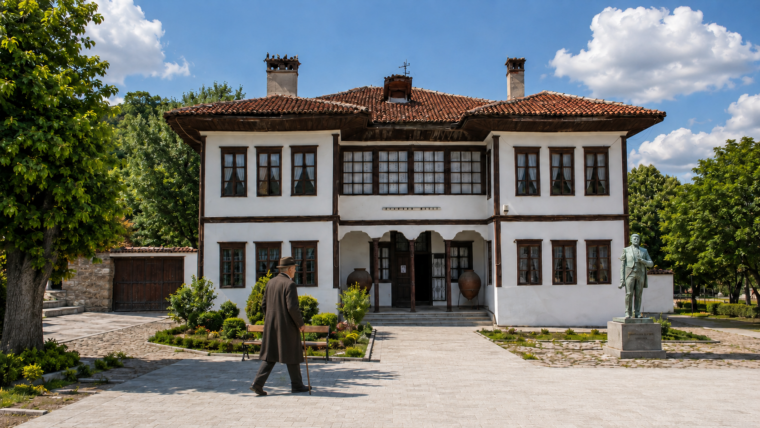
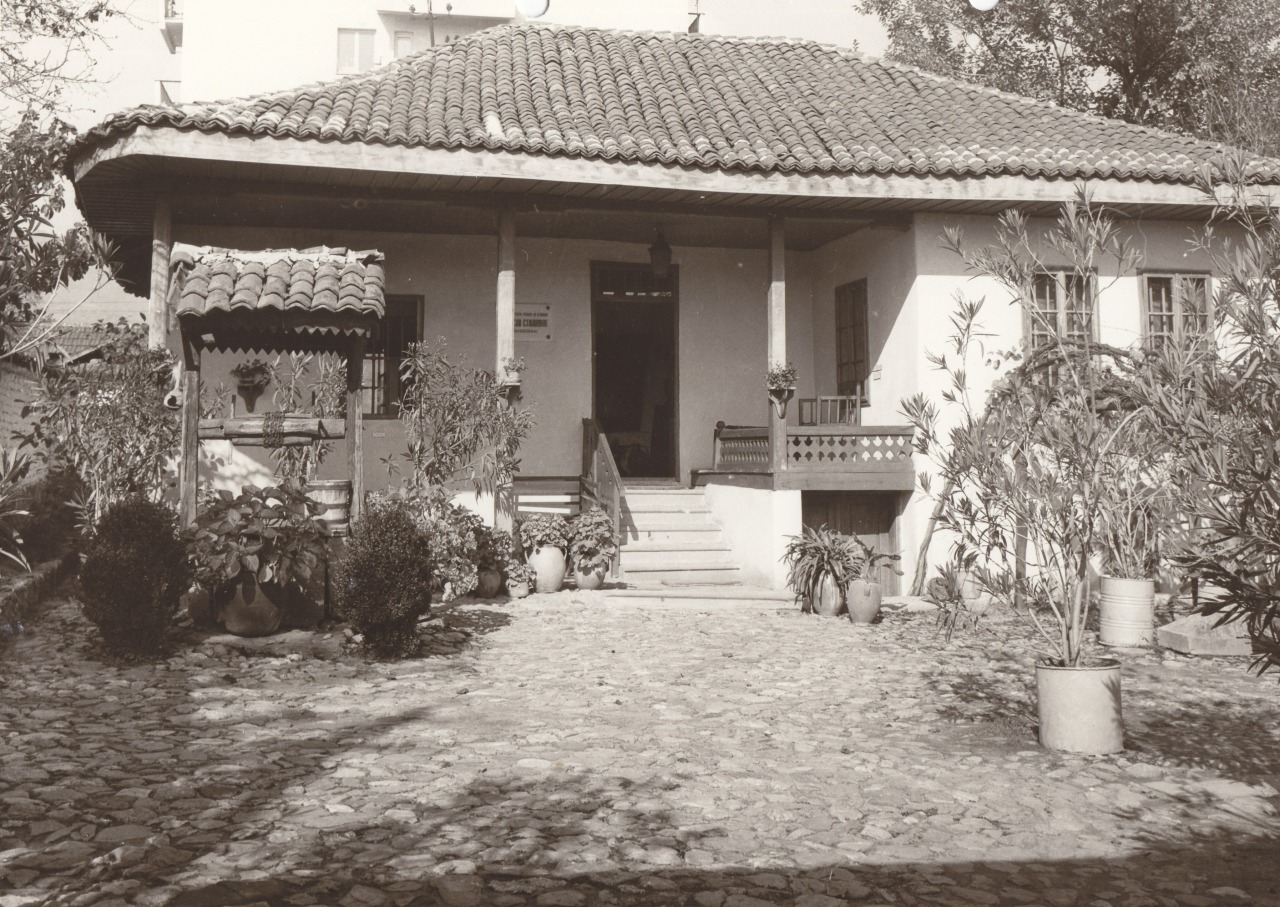
That is why the best place to begin exploring is the Bora Stanković Museum House. Dating from the mid-19th century, the house includes a courtyard, well, summer kitchen, period furniture and family possessions. More than a conventional museum display, it offers a glimpse into the everyday life of old Vranje and the world that later became the foundation of Stanković’s literary work.
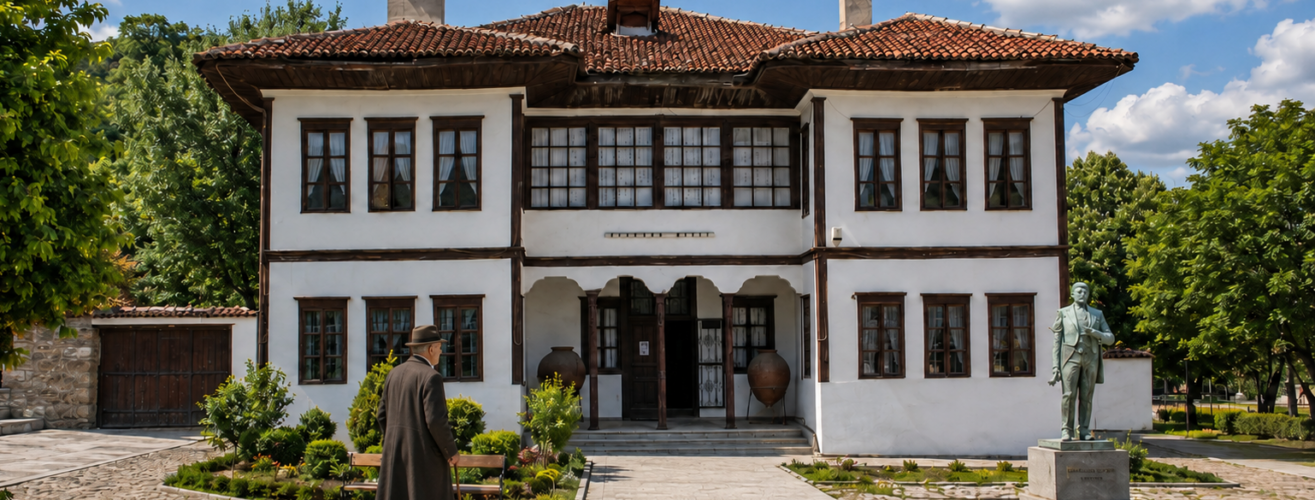
Not far away stands the Pasha’s Residence, one of the most valuable surviving buildings from the Ottoman period. Constructed in 1765, it originally comprised a selamluk, used by men and for receiving guests, and a haremluk, which served as the household’s private quarters. The former selamluk now houses the National Museum, whose collection traces the history and culture of Vranje and its surroundings.
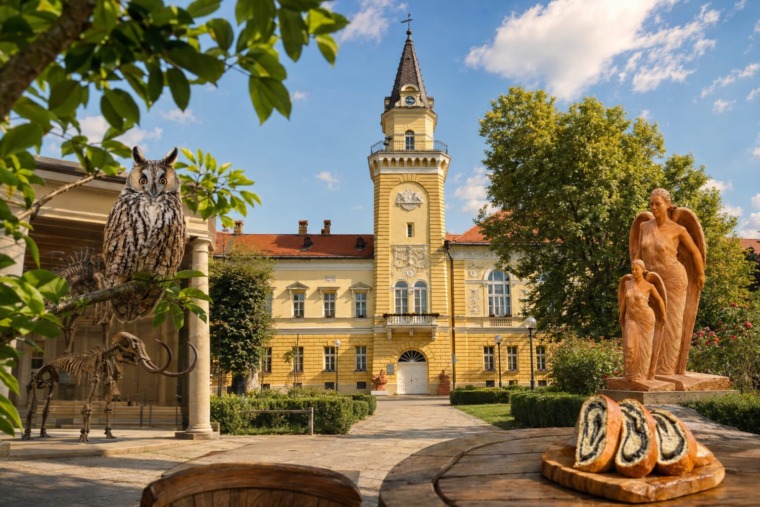
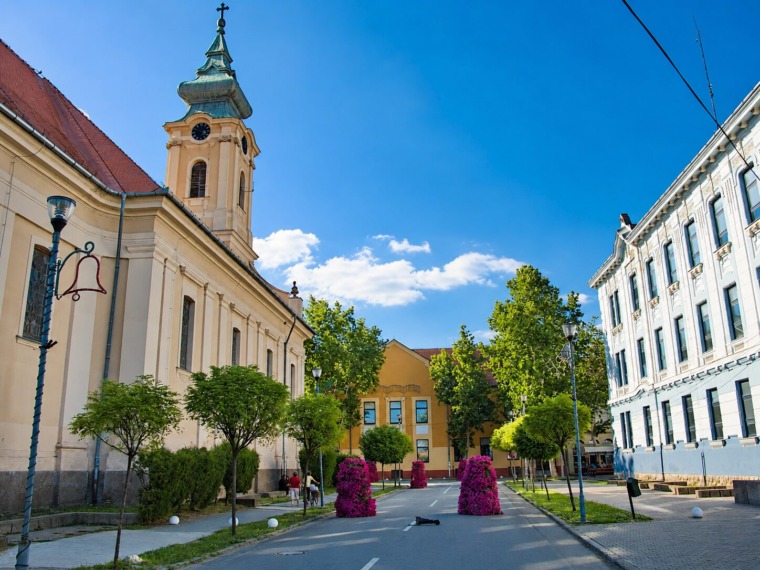
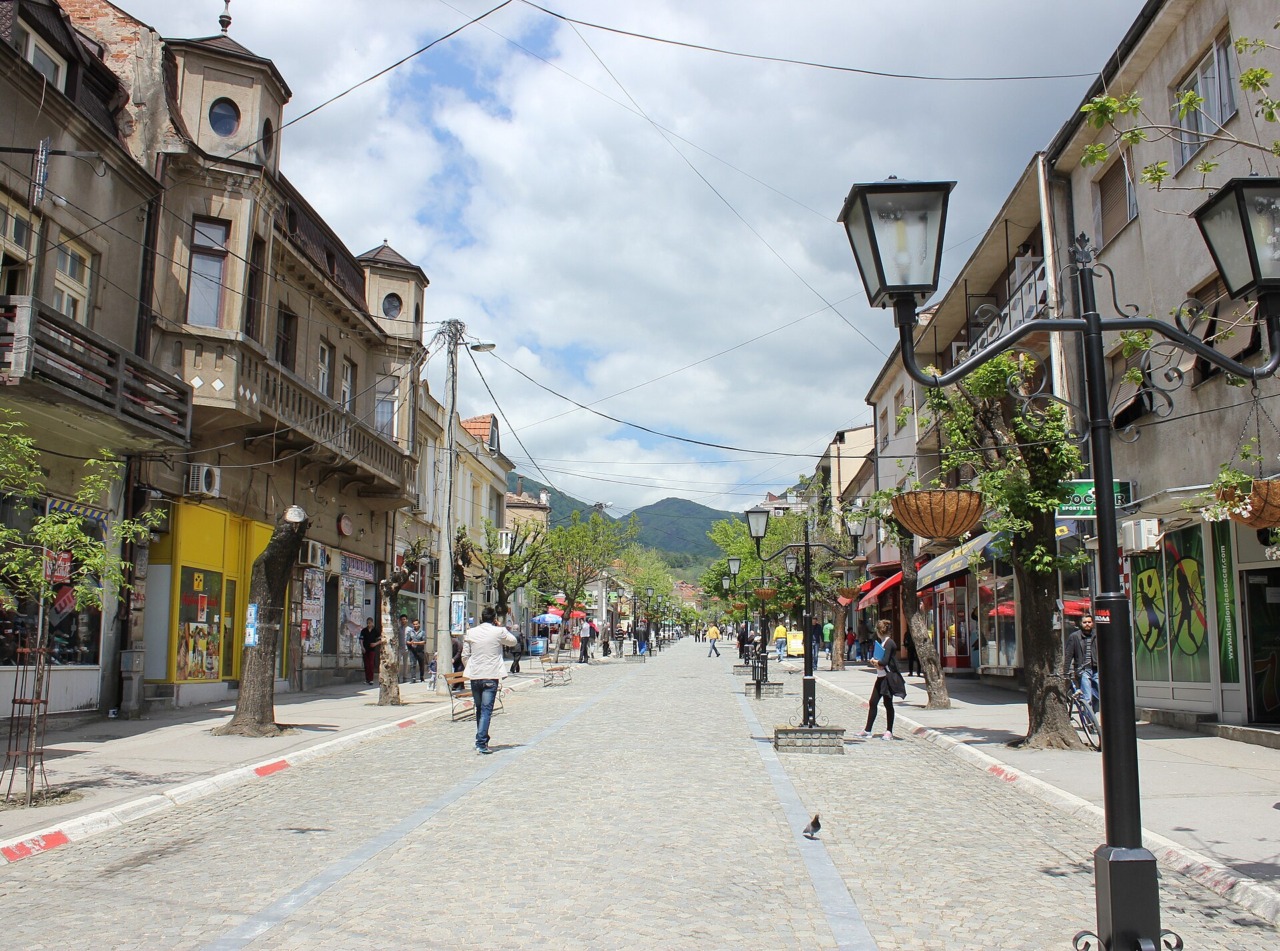
A walk through the city can continue towards the City Park, the monument to Bora Stanković, the Cathedral of the Holy Trinity and the pedestrian zone, where the rhythm of contemporary Vranje is easiest to experience. Summer evenings here usually begin late, once the daytime heat subsides, café terraces fill up and the city takes on the liveliness for which southern Serbia is known.
The White Bridge and the Stories of Old Vranje
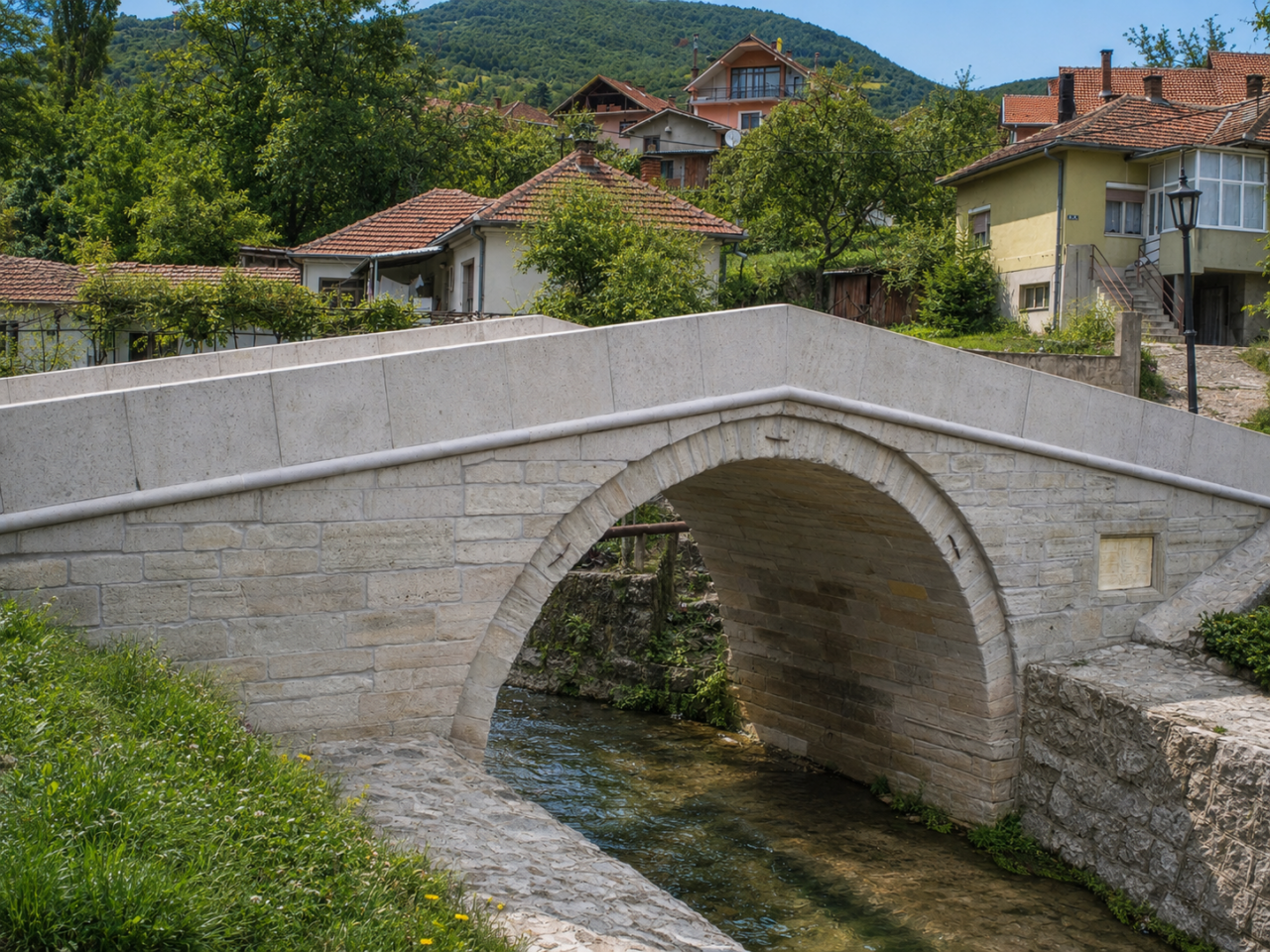
One of the city’s best-known symbols is the White Bridge, also called the Bridge of Love. The small stone bridge was built during Ottoman rule, but its importance today extends well beyond its architecture. One of Vranje’s most famous legends is associated with it, turning the bridge into a lasting symbol of the city and its old stories.
Other traces of Ottoman heritage can be found nearby, including the old hammam, fountains, narrow streets and houses whose architecture recalls the period when Vranje was an important stop along routes connecting different parts of the Balkans.
These buildings do not form a large, carefully arranged historical quarter like those found in better-known tourist cities. Their appeal lies precisely in the fact that they remain woven into the modern urban landscape. They appear between newer buildings, shops and ordinary family homes – fragments of the past waiting to be noticed and connected.
Golden Snail: When Vranje Becomes a School of Animation
From 10 to 16 August 2026, Vranje is hosting the 16th Golden Snail International Children’s Animated Film Workshop. The event brings together children, young people, mentors, animators and lecturers from Serbia and abroad, with this year’s participants arriving from countries including China, Belgium and North Macedonia.
The workshop is organised by Vranje’s School of Animated Film, known locally as ŠAF – an institution that has spent decades proving that important creative projects do not have to emerge exclusively from large cultural centres. Its students learn how to transform an initial idea, a series of drawings and carefully designed movements into an animated film of their own.
Golden Snail is not simply a showcase for completed films. Its defining feature is collaborative creation: over several days, participants develop stories, explore different animation techniques, exchange experiences and work on new films together. For one week, Vranje becomes an international creative classroom. The official opening of this year’s workshop takes place at 8 pm on 10 August at the Bora Stanković Theatre. The event forms part of the wider Vranje Cultural Summer programme.
In a city so strongly associated with literature, theatre and traditional music, animated film may seem unexpected. Yet this connection between heritage and contemporary creativity shows that Vranje’s culture is not something preserved only inside museums. It is continuously reinterpreted and passed on to new generations.
The Flavours of Southern Serbia
Vranje is not a city to rush through – especially around lunchtime. Its local cuisine is rich, boldly seasoned and built around dishes that take time to prepare and are remembered long afterwards.
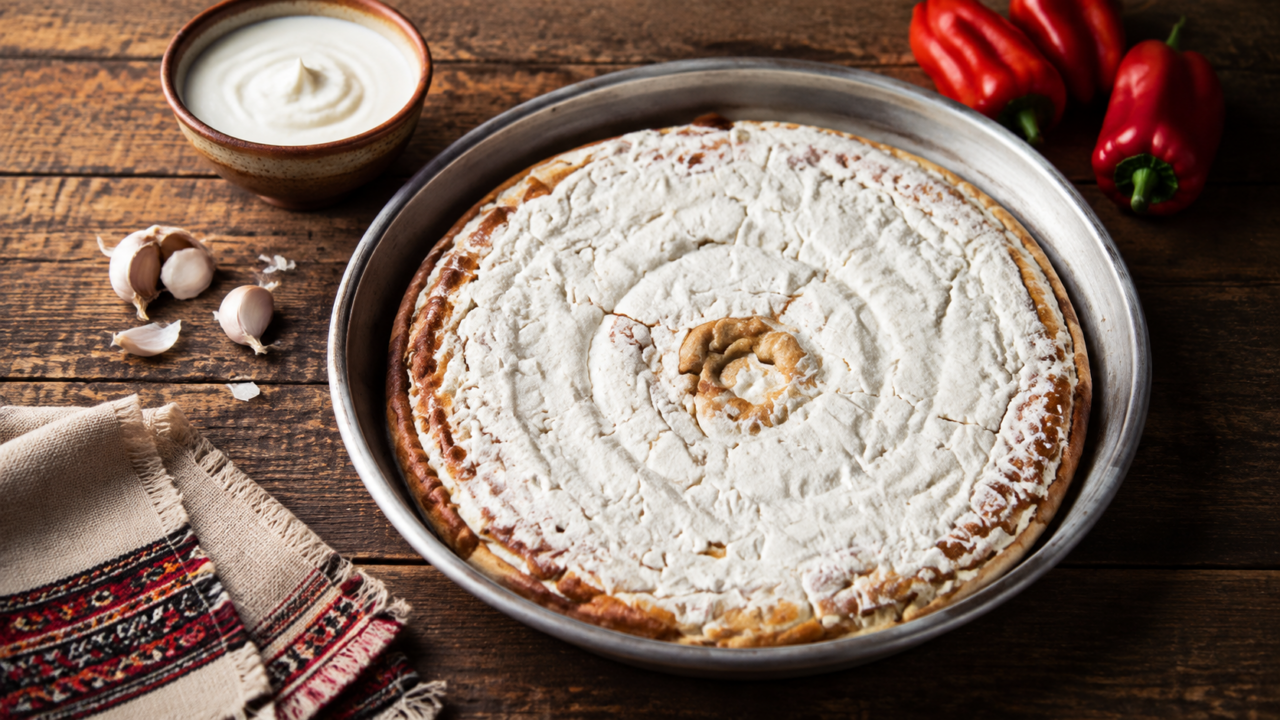
Look for samsa, a Vranje speciality made from thin pastry sheets and served with a sauce of fermented milk and garlic, as well as tarana, savoury pies, pepper-based dishes, grilled meat and traditional recipes passed down through local families. Here, a meal is not merely a pause between two attractions, but one of the most important ways to understand the city’s character.
Music adds another layer to Vranje’s atmosphere. The traditional urban songs of Vranje are recognised for their slower rhythm, powerful emotions and melodies shaped by the diverse cultural influences of the southern Balkans. Even visitors unfamiliar with this musical tradition soon realise that it is more than a folkloric addition – it is one of the keys to understanding the city.
Above the City: Markovo Kale
For a short escape from the city streets, head towards the remains of the medieval fortress of Markovo Kale. The site lies several kilometres outside Vranje, above the gorge of the City River, surrounded by woodland and rocky scenery.
There are different interpretations of the fortress’s origins and history, while folk tradition connects it with Prince Marko, one of the most celebrated heroes of Serbian epic poetry. Only the remains of the former stronghold can be seen today, but the site’s position, natural setting and views of the surrounding area make it an appealing destination for a short summer excursion.
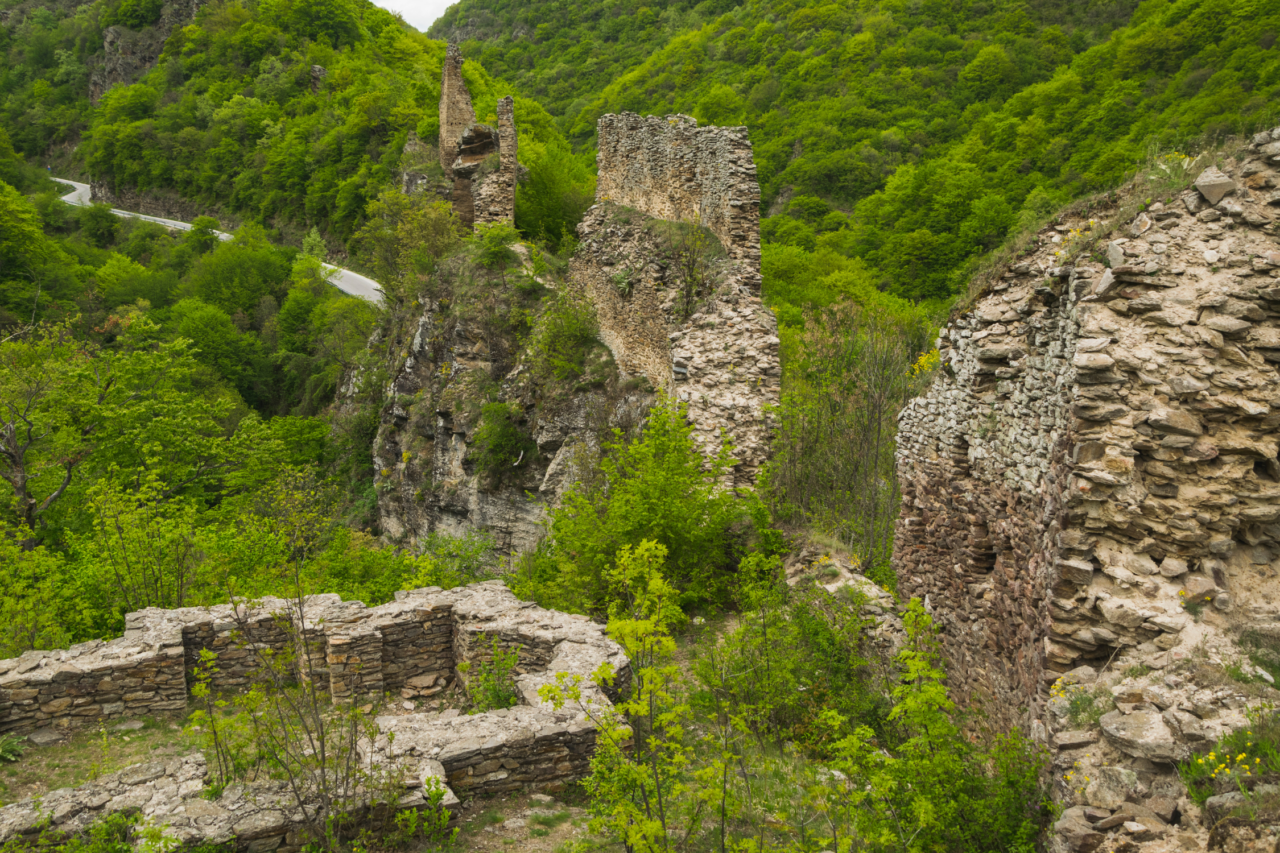
Markovo Kale is not a fully developed attraction with extensive visitor facilities, so suitable footwear is more useful than a packed sightseeing schedule. It is best visited in the morning or late afternoon, when temperatures are more comfortable.
Vranjska Banja and Its Remarkably Hot Springs
Around ten kilometres from the city lies Vranjska Banja, a spa town known for its exceptionally hot mineral springs. Water at some sources reaches temperatures above 90°C, placing them among the hottest spa waters in Europe.
Surrounded by greenery, the spa is an easy choice for a half-day excursion from Vranje. A visit can include a walk through the spa town, an introduction to its history or a continuation towards the Prvonek dam and reservoir.
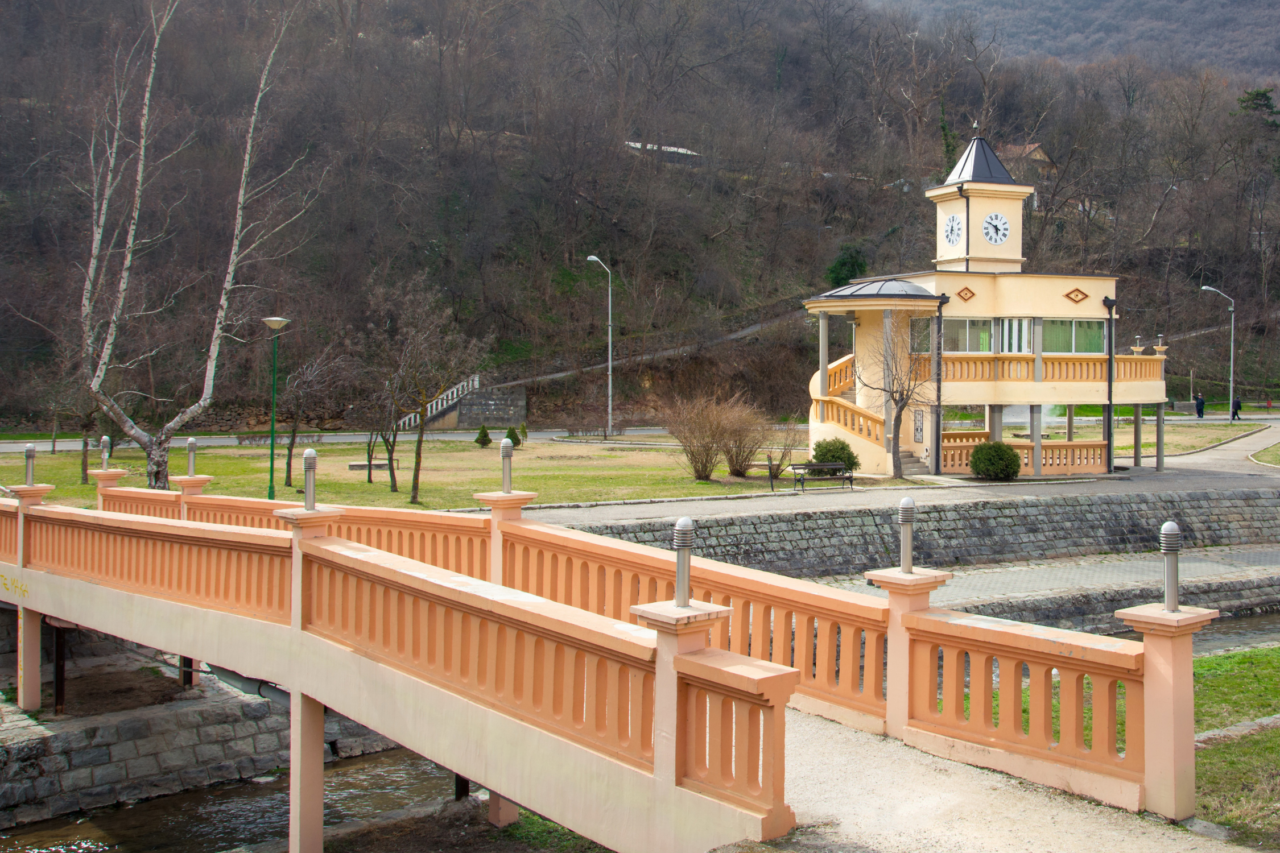
Prvonek lies among forested slopes above Vranjska Banja. Its calm surface and natural surroundings provide a beautiful contrast to a day in the city. However, it should be remembered that this is a reservoir used for water supply, rather than a designated swimming area. It is best approached as a scenic destination and a place to spend time in nature.
Besna Kobila for a Cooler Summer Day
Travellers looking for a more substantial encounter with nature should head towards Besna Kobila. Rising to 1,922 metres, the mountain offers cooler temperatures during the hottest months, clean air and sweeping views across Serbia’s mountainous south.
The landscape is spacious and open, with pastures, forests and roads leading towards the mountain’s higher reaches. Besna Kobila is particularly suitable for hikers and travellers drawn to peaceful areas still largely untouched by mass tourism.
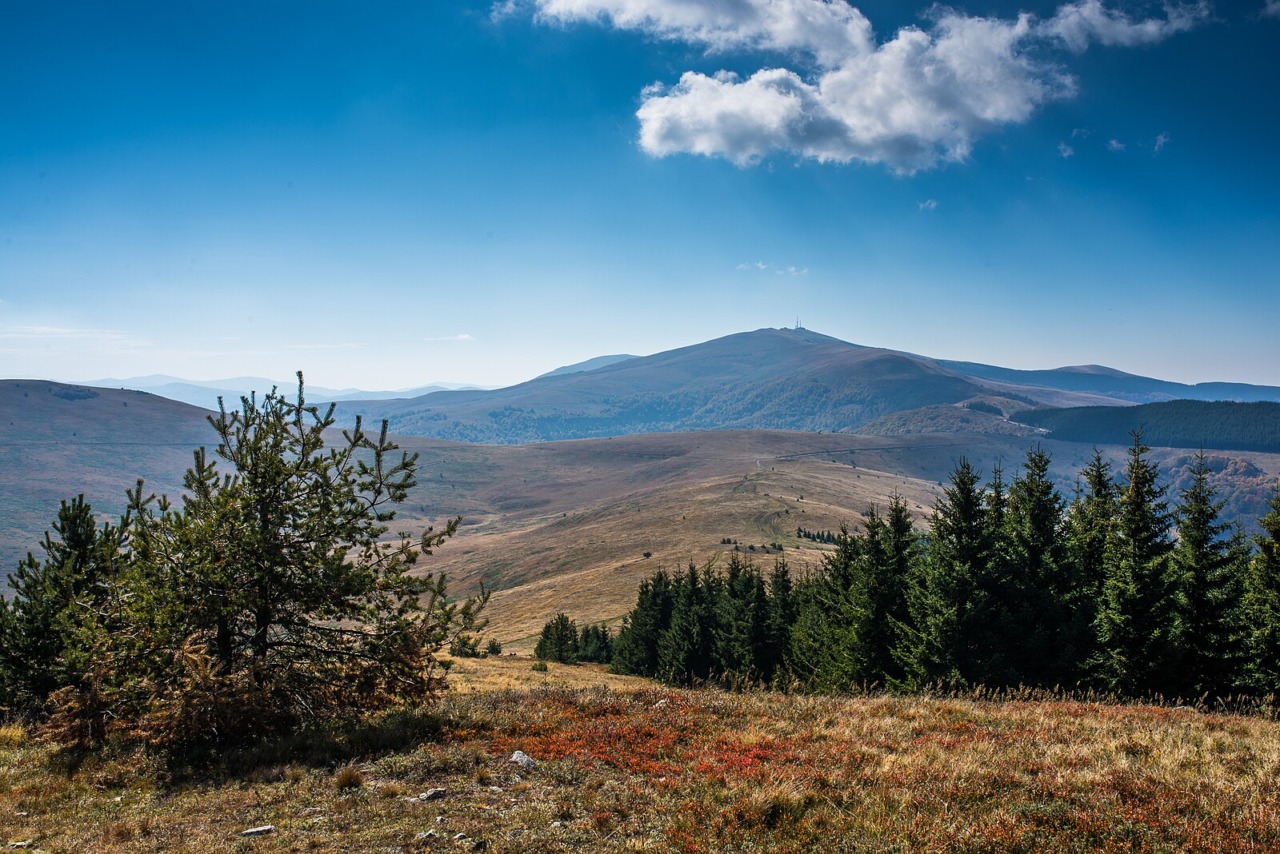
It is best to set aside most of the day, leave early and check the weather forecast and current road conditions beforehand. The mountain’s sense of isolation is a major part of its beauty, but it also requires a little more preparation.
Through the Pčinja Valley to Prohor Pčinjski Monastery
A longer but highly rewarding excursion leads south from Vranje, through the landscapes of the Pčinja Valley, to Prohor Pčinjski Monastery. Set in a wooded area near the border with North Macedonia, the monastery complex is one of the most important spiritual, cultural and historical sites in this part of Serbia.
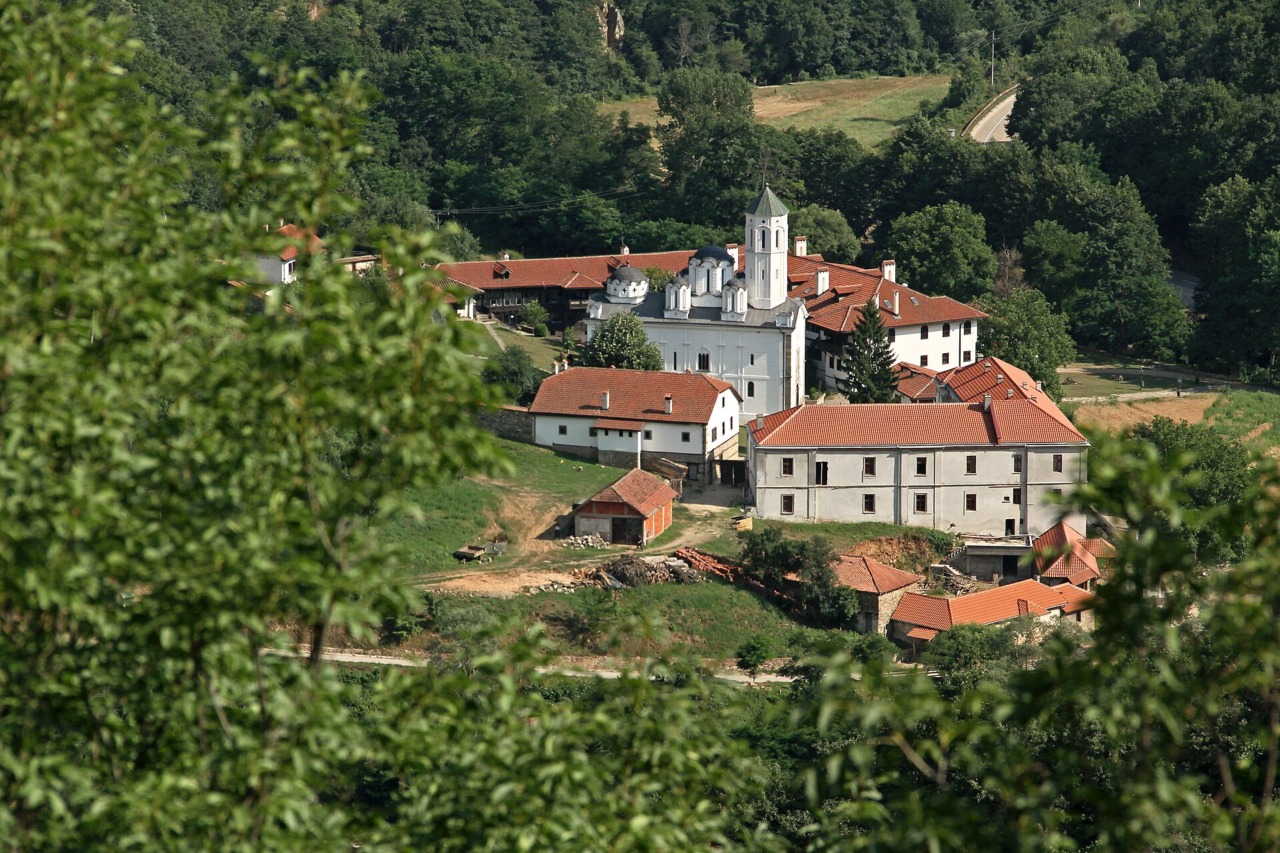
Beyond its religious significance, the monastery’s natural setting leaves a particularly strong impression. The journey passes through an area rarely included in conventional tourist routes, offering a broader picture of southern Serbia – its mountains, remote villages and centuries-old roads. Unlike the shorter excursions close to the city, a visit to Prohor Pčinjski requires at least half a day.
How to Spend a Summer Weekend in Vranje
Devote your first day to the city itself: visit the Bora Stanković Museum House, the Pasha’s Residence, City Park, the White Bridge and the centre of Vranje. After a break for a traditional local lunch, late afternoon is a good time to explore Markovo Kale, while the evening can be reserved for a cultural event, a theatre performance or simply enjoying the city’s atmosphere.
On the second day, choose between Vranjska Banja and Prvonek or a longer excursion to Besna Kobila. Travellers more interested in history, spiritual heritage and the less-explored landscapes of the south may prefer a visit to Prohor Pčinjski Monastery.
During Golden Snail, from 10 to 16 August, the workshop’s animation programmes can be added to the itinerary. This is also when visitors can best see how a city with a deeply traditional identity can remain open to new ideas, young creators and contemporary art forms. Vranje may not offer monumental attractions that can simply be ticked off a prepared list. Its value lies in the complete experience: literature and music, houses and legends, southern flavours, surrounding mountains and a rhythm that refuses to adapt to hurried visitors.
For that reason, summer in Vranje is more than another city break. It is an encounter with one of Serbia’s most distinctive local identities – and with a city now transforming its old stories into animated films.
Related Articles