

-
Serbia at a Glance
Discover All -
Arts & Culture
Discover All -
Identity & Heritage
Discover All -
Famous Serbs
Discover All
-
Regions
Discover All -
Cities
Discover All -
Nature
Discover All -
Cultural Landmarks
Discover All
-
Outdoor & Wellness
Discover All -
Food & Drink
Discover All -
Tours
Discover All -
Urban Experiences
Discover All -
Seasonal Experiences
Discover All
Partner with Serbia.com
Let's create lasting impact together
Partner with Serbia.com to reach travellers through trusted recommendations, inspiring editorial stories and thoughtfully designed campaigns. Together, we create meaningful visibility that supports your goals and remains valuable long after publication.
Explore partnership opportunities- Serbian Favorite Rituals Everyday traditions and little things that make life in Serbia special.
- Villages of Serbia Charming villages, local stories and authentic rural life.
- Serbia Told By You Personal stories, local perspectives and authentic experiences from across Serbia.
- Is it Worth Visiting in Serbia? Honest destination guides to help you decide which places are worth visiting.
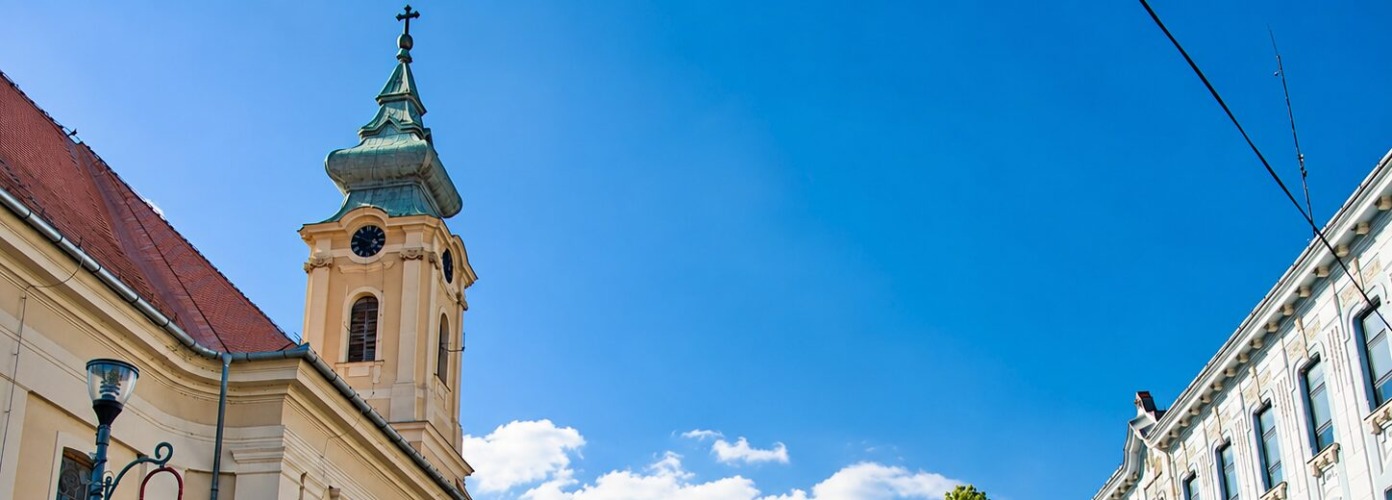
Did you know that one of Vojvodina’s most charming towns lies quietly along the banks of the Tisa River?
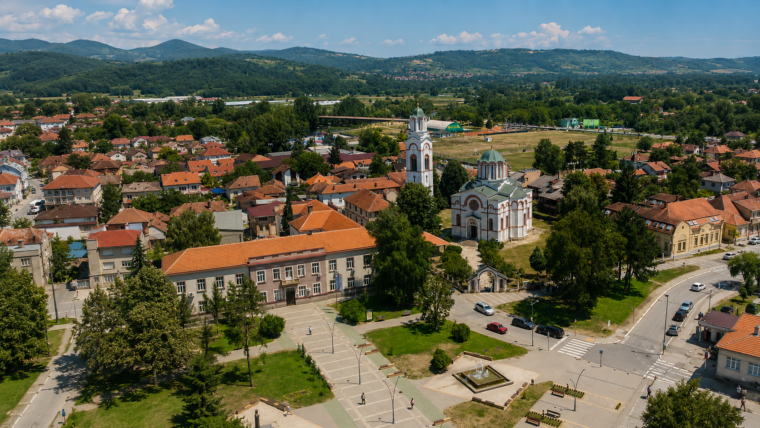
While most travelers exploring this part of Serbia head to Novi Sad, Subotica, or Palić, Novi Bečej often remains overlooked. Yet those who decide to visit discover a destination that combines a peaceful riverside setting, rich history, elegant architecture, unique natural phenomena, and the relaxed atmosphere that Vojvodina is known for.
Located in the heart of Banat on the banks of the Tisa, Novi Bečej is not a place that impresses with crowds or famous landmarks. Instead, it wins visitors over with its character. It is a destination made for slow walks, long summer evenings by the river, fascinating historical stories, and landscapes that remind us that beauty is often found in simplicity.
If you’re looking for a summer weekend getaway in Serbia, Novi Bečej may surprise you more than you expect.
A Town Shaped by the Tisa River
It is impossible to talk about Novi Bečej without starting with the Tisa. Here, the river is much more than a scenic backdrop – it is an essential part of daily life. The Tisa promenade is the town’s favorite gathering place, especially during the warmer months when locals and visitors alike spend their evenings along the waterfront.
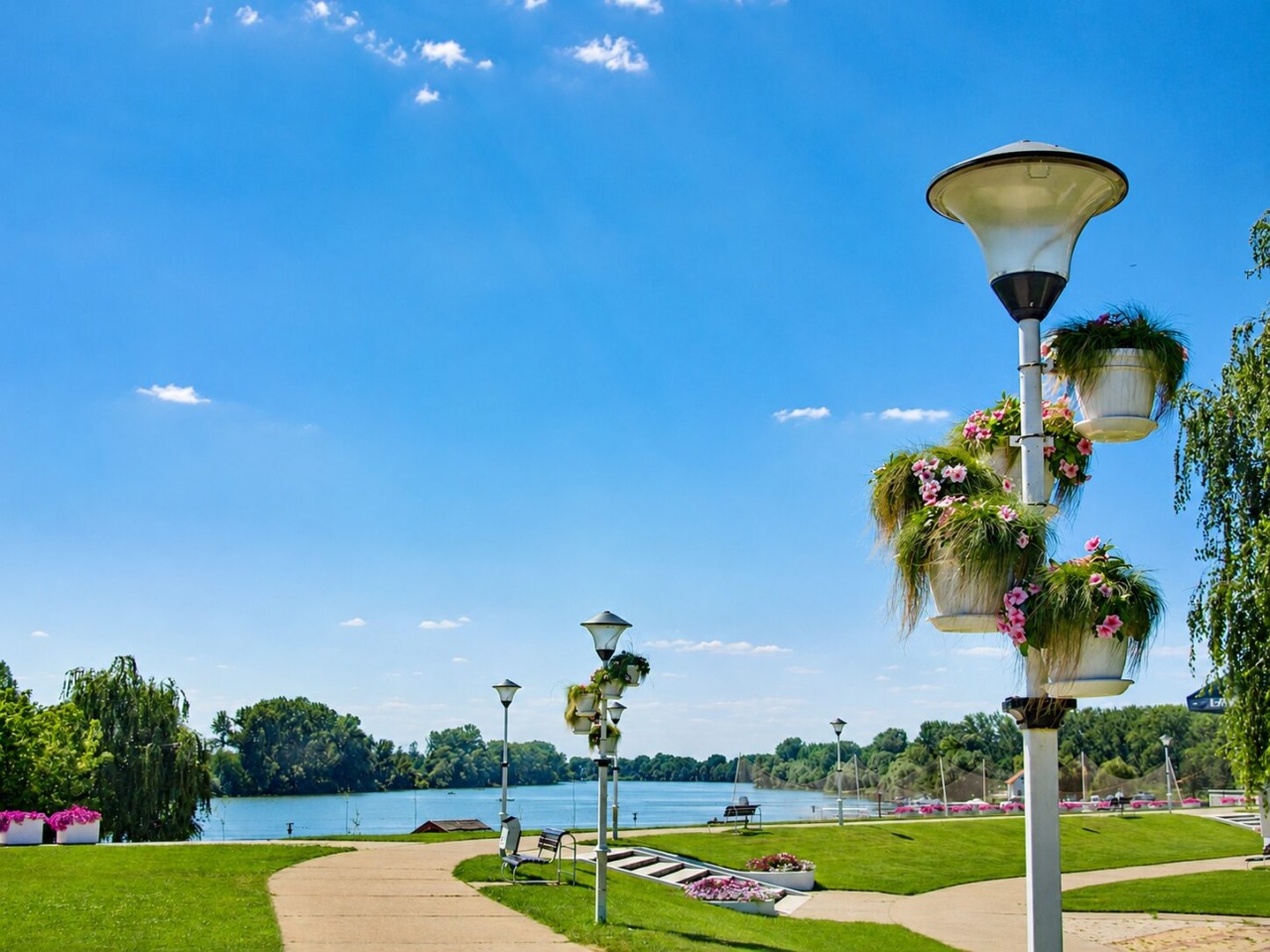
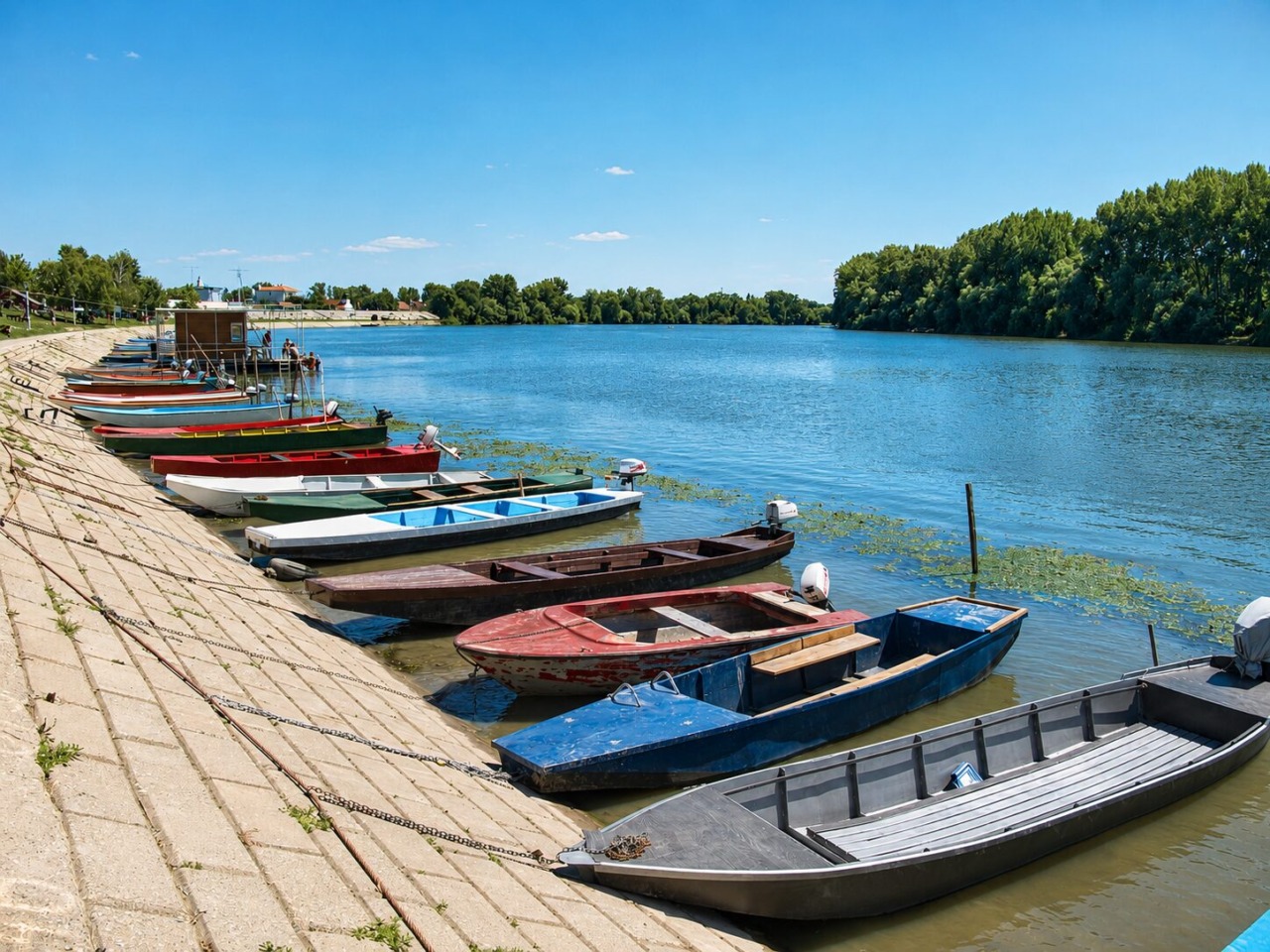
A walk by the river at sunset is one of the highlights of any visit. The calm water, boats gently moored along the shore, and golden reflections dancing across the river create postcard-worthy scenes that feel far removed from the rush of everyday life.
For those who enjoy outdoor activities, the Tisa offers plenty of opportunities. Boat rides, kayaking, fishing, and leisurely riverside walks are among the most popular ways to spend a summer day. Novi Bečej is also home to one of the most important locks on the Danube–Tisa–Danube Canal system, an impressive engineering structure that continues to play an important role in regional water transport.
The town is perhaps best known for the extraordinary phenomenon known as the Blooming of the Tisa. Usually occurring in late June, millions of mayflies emerge from the river for their brief mating ritual, creating spectacular clouds of insects above the water. The event lasts only a few hours, making it even more remarkable. Because it can be witnessed in only a handful of places across Europe, it attracts visitors from around the country every year.
The Charm of Old Vojvodina
Novi Bečej offers much more than beautiful riverside views. A walk through its streets reveals traces of the rich history that shaped the town over centuries. The area has been inhabited since prehistoric times, while Romans, Hungarians, Ottomans, and Habsburgs all left their mark on its development.
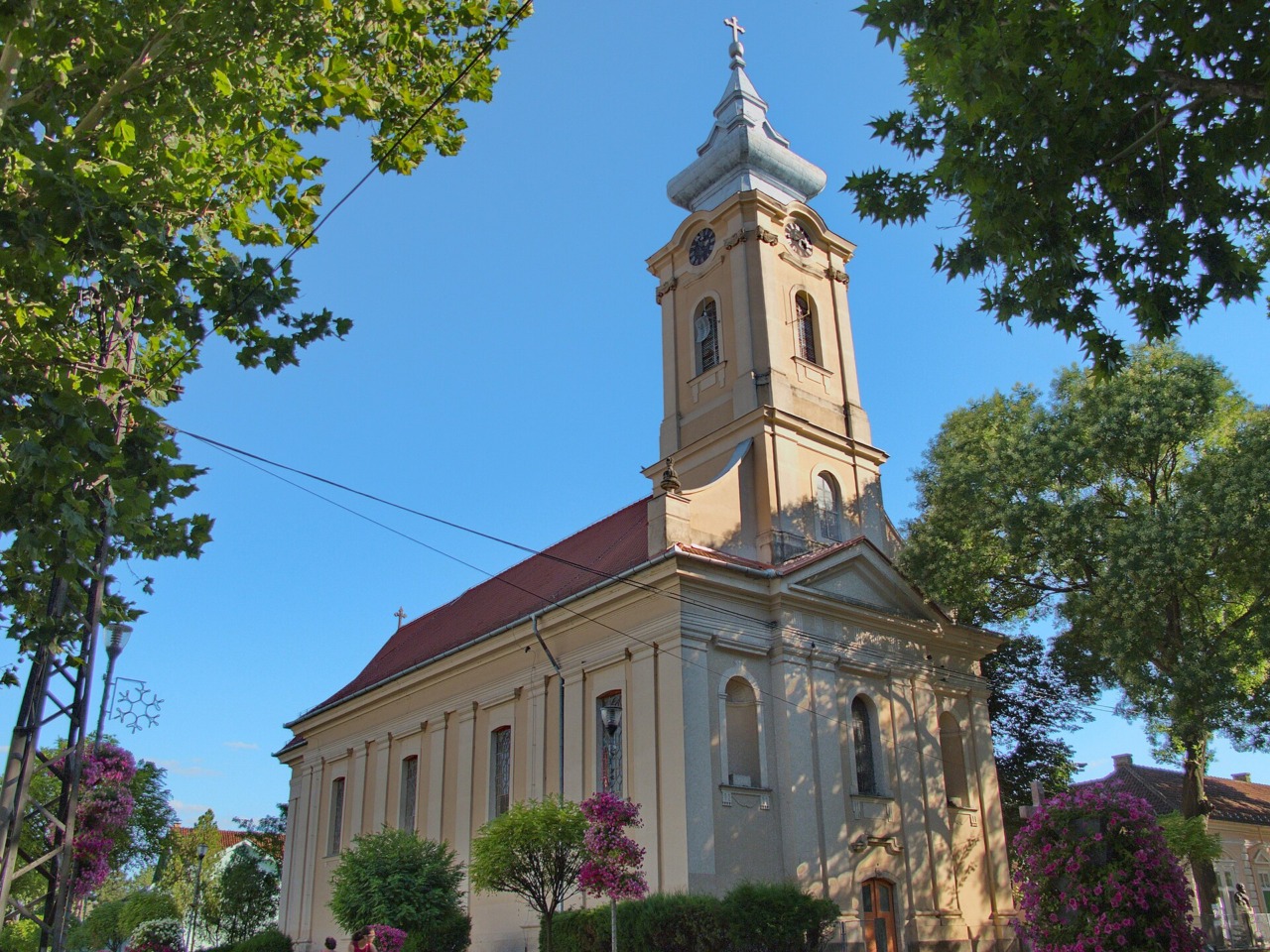
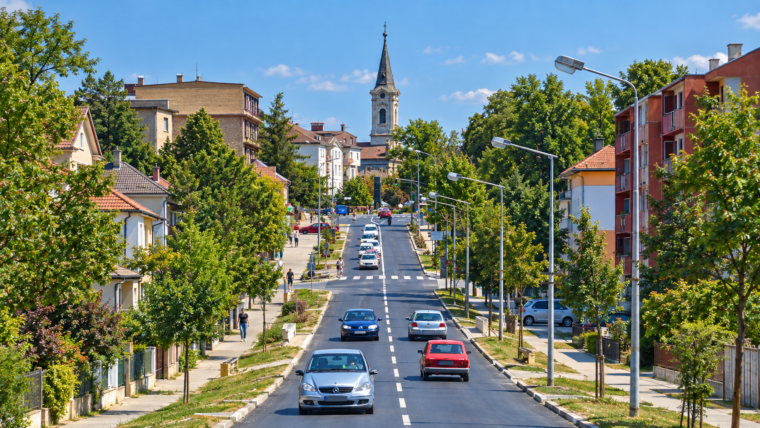
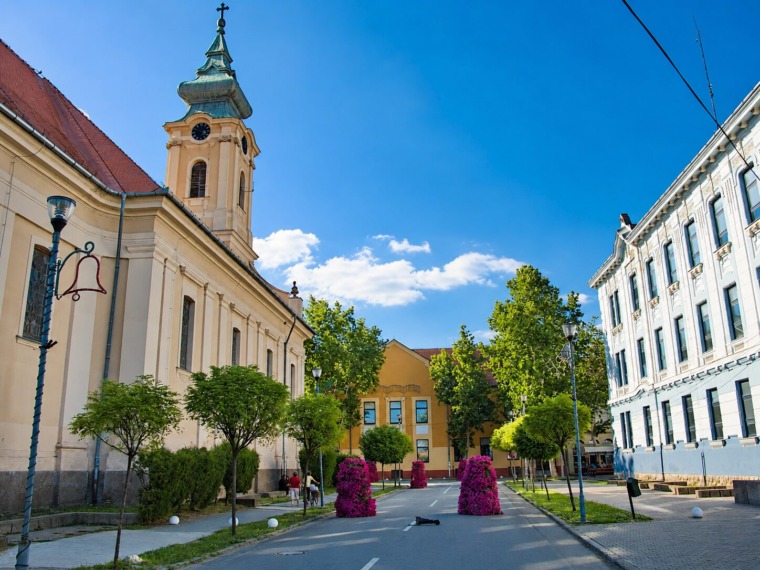
Thanks to its strategic location on the Tisa, Novi Bečej grew into an important trading and craft center, and many elements of that prosperous past can still be seen today. One of the town’s most distinctive features is its leafy center. Unlike many urban areas that become overwhelmingly hot during summer, Novi Bečej remains pleasant thanks to its mature trees that provide natural shade throughout the town center.
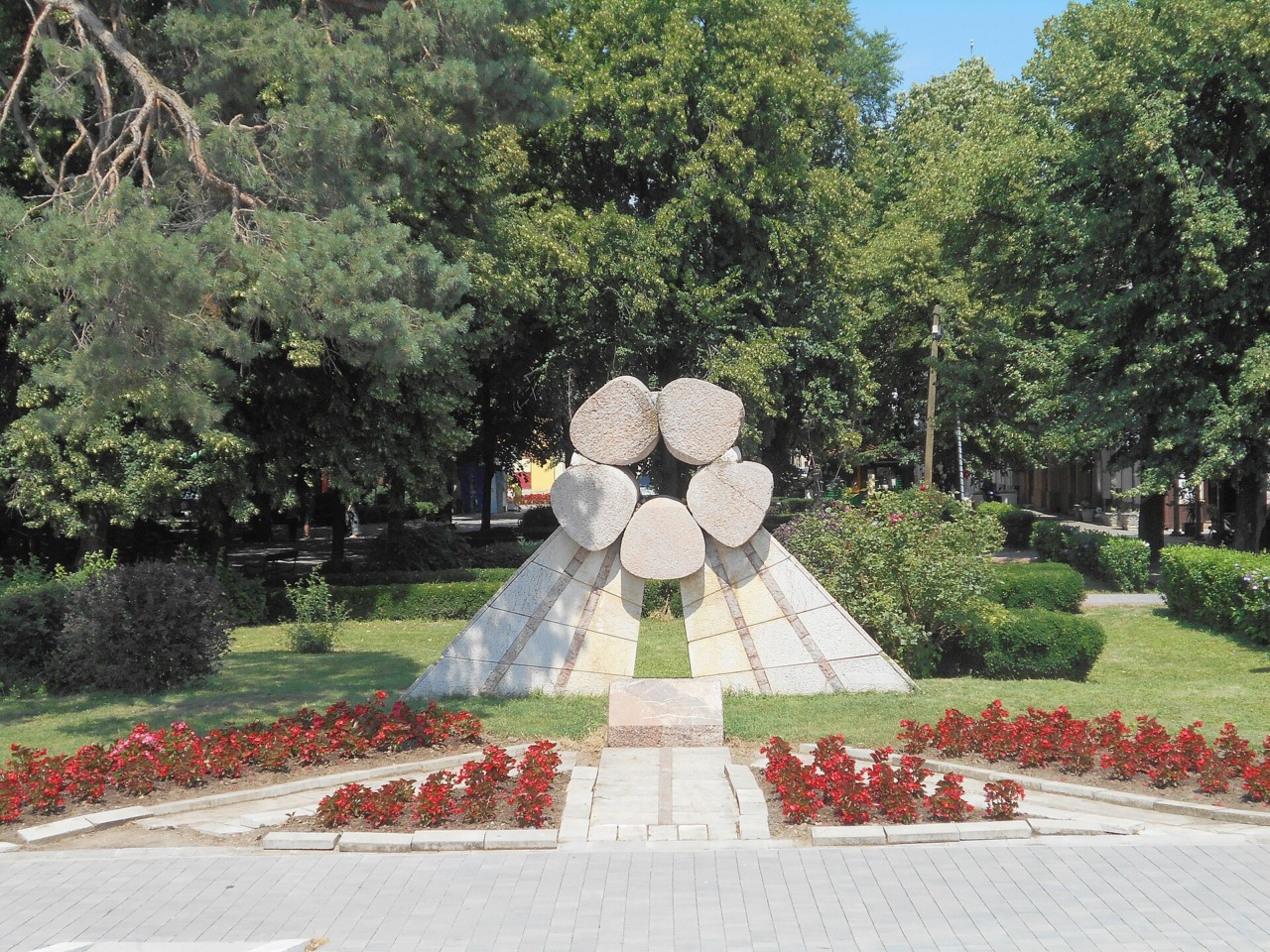
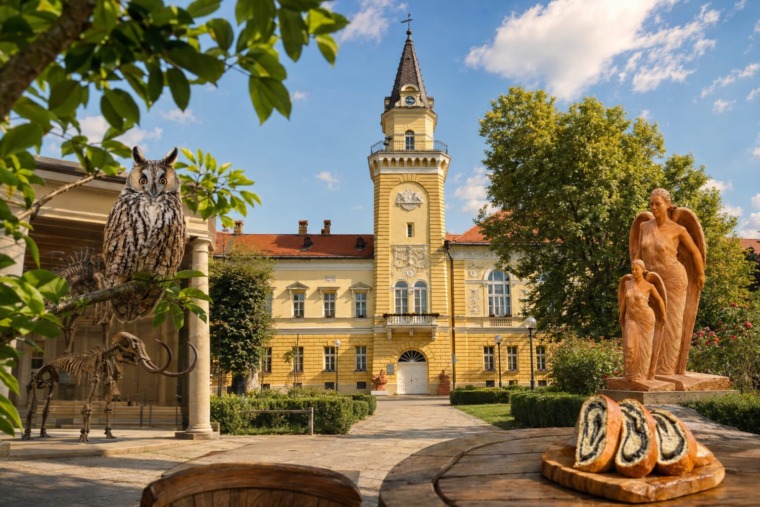
Elegant townhouses and historic facades dating from the 19th and early 20th centuries line the streets, reflecting the influence of the Austro-Hungarian era. Decorative details, high windows, and wide avenues contribute to the refined atmosphere that gives Novi Bečej its unmistakable Vojvodina character.
Arača: A Medieval Landmark Rising from the Plains
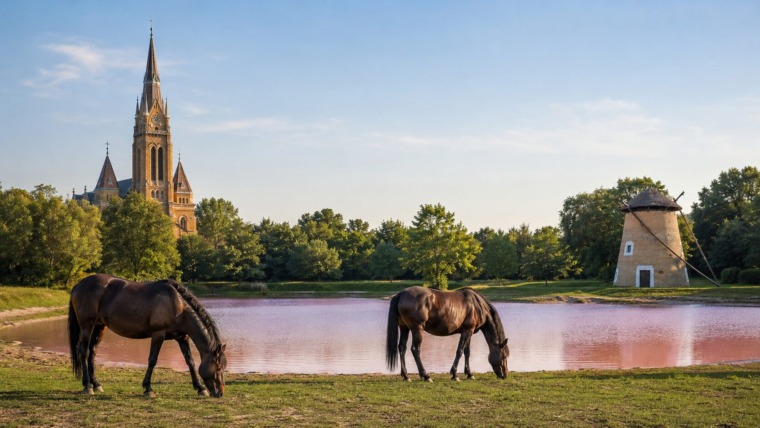
Just a few kilometers outside Novi Bečej stands one of northern Serbia’s most remarkable historical sites – Arača. The remains of this medieval church, originally built in the 13th century, rise dramatically from the endless plains of Banat. Surrounded by fields and open horizons, the ruins create a striking and almost surreal scene unlike anywhere else in the region.
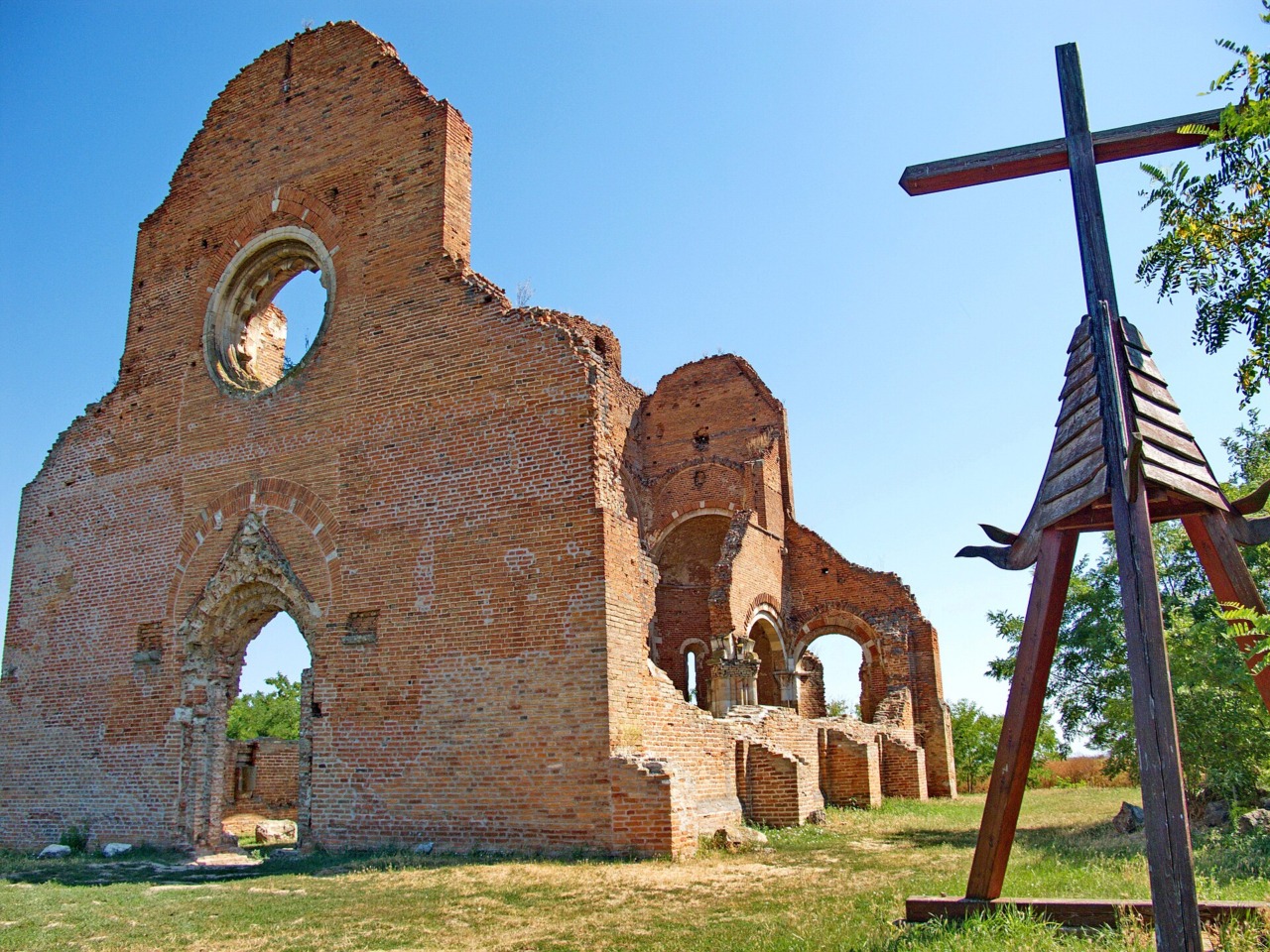
Over the centuries, the church was damaged and rebuilt several times, yet its imposing remains continue to tell the story of a rich medieval past. Today, Arača is considered one of Serbia’s most important medieval monuments and is a must-see for history lovers, photographers, and anyone interested in the cultural heritage of the region.
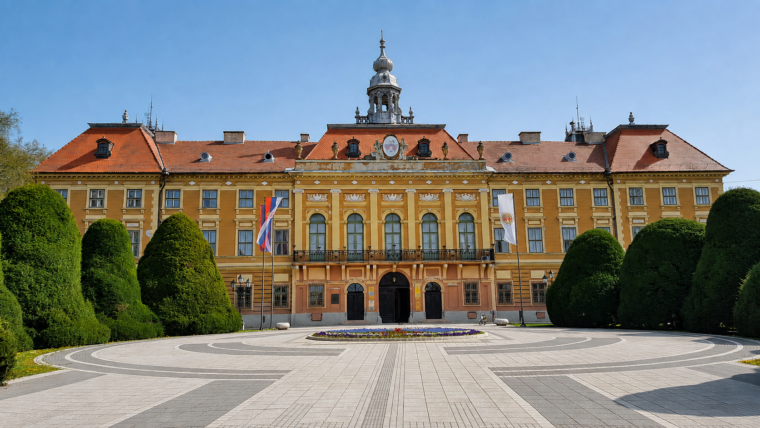
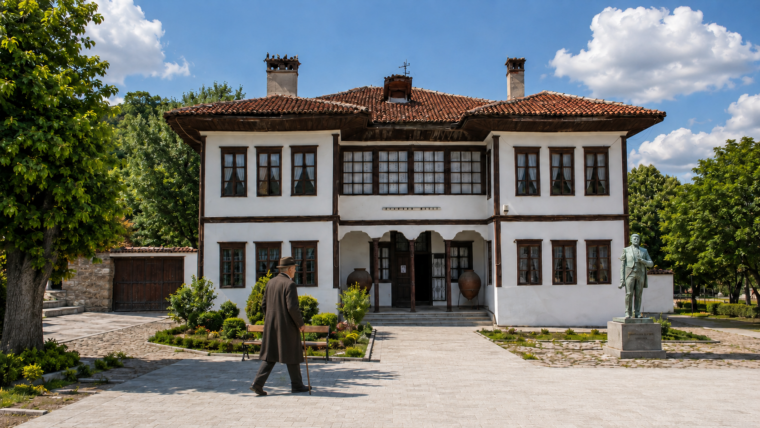
Back in town, visitors can also discover the Karácsonyi Castle, once the residence of one of Banat’s most influential aristocratic families. Although it no longer possesses its former grandeur, it remains an interesting reminder of the area’s noble past.
Exploring the Surroundings
Another advantage of Novi Bečej is its location, making it an excellent base for exploring other attractions in Banat. Nearby lies Carska Bara, one of Serbia’s most important protected nature reserves. This vast wetland is home to hundreds of plant and animal species and is particularly popular among birdwatchers and nature photographers.
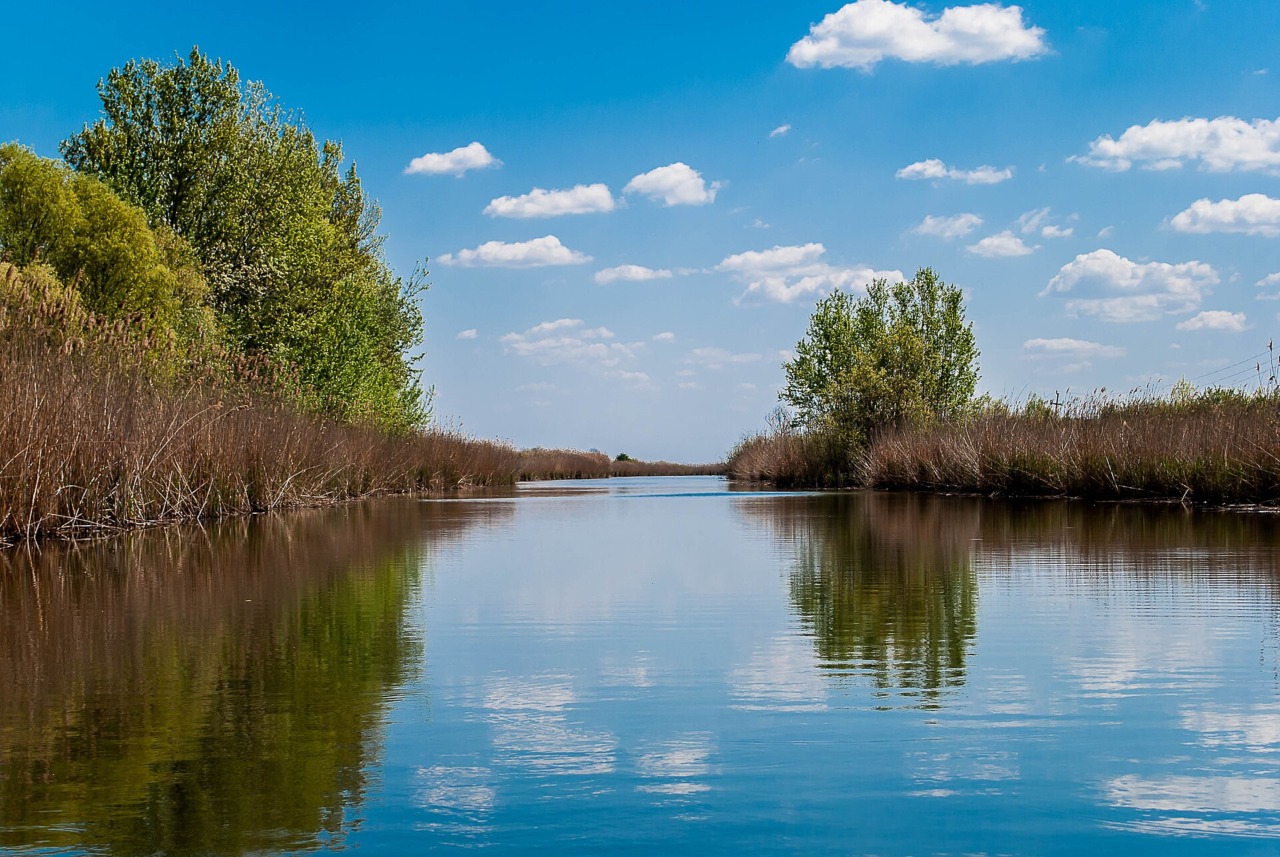
Less than thirty minutes away is Zrenjanin, a city known for its elegant architecture, spacious squares, and rich cultural heritage. Its beautifully preserved historic center makes for a perfect day trip from Novi Bečej.
History enthusiasts may also enjoy visiting Ečka, one of Banat’s oldest settlements, famous for its castle and intriguing stories from the past. The surrounding villages offer a glimpse into traditional Vojvodina life and preserve the slow pace and authenticity that have long defined the region.
Why Visit Novi Bečej This Summer?
Novi Bečej is not a destination packed with major tourist attractions or busy sightseeing schedules. Its appeal lies elsewhere – in its atmosphere. It is a place where you can start the day with a walk along the Tisa, spend the afternoon exploring medieval ruins rising from the plains, enjoy lunch beneath the shade of old trees, and end the evening watching the sunset over the river.
Before you leave, be sure to follow a local recommendation and stop by Šeherezada, the town’s beloved ice cream shop. For more than half a century, it has been a summer tradition for generations of residents and one of those small local experiences that make a trip memorable.
Novi Bečej may not appear in every travel guide to Serbia, but that is precisely what makes it special. Close enough for a weekend escape and different enough to feel like a genuine discovery, it remains one of Vojvodina’s most rewarding hidden gems.
Plan your visit
Everything you need to plan your perfect trip.
Related Articles