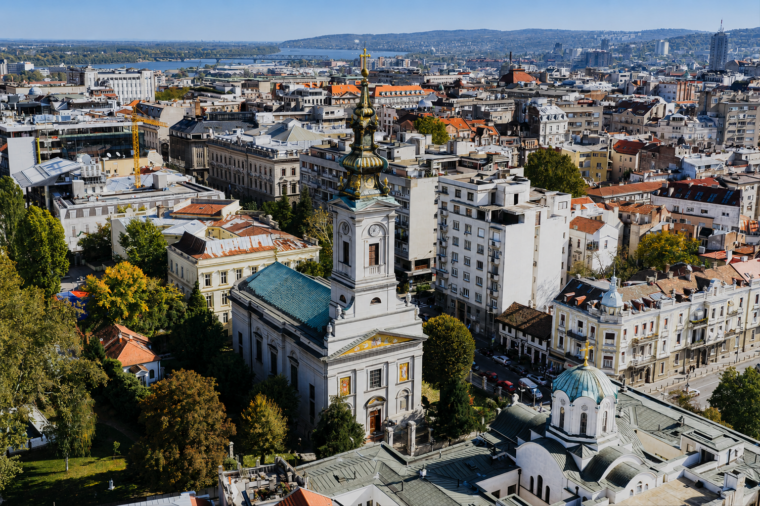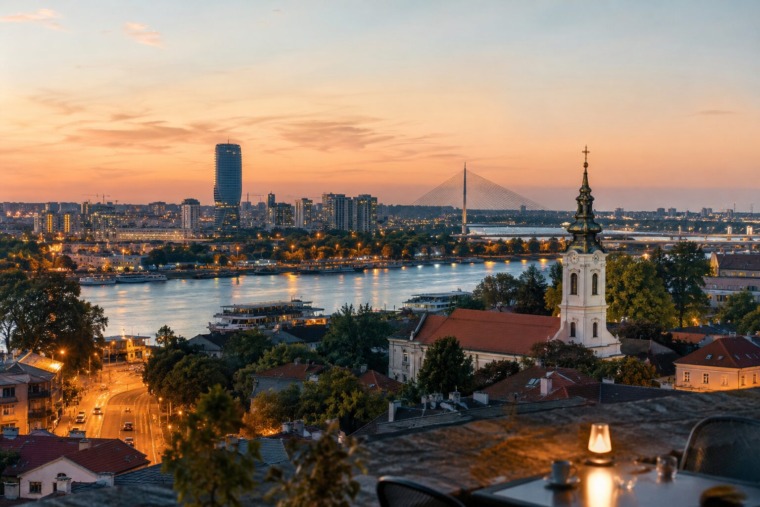

When temperatures in Belgrade approach their summer peak, the city centre changes its rhythm. Sunlight reflects from façades and pavements, squares become almost deserted during the hottest part of the day, and even a short walk turns into a search for the next patch of shade.
Yet Belgrade has a very different side. Behind its busy streets, residential neighbourhoods and major roads lie urban forests, spacious parks, woodland trails and old tree-lined paths where the summer heat feels considerably less intense.
Košutnjak, Topčider and Ada Ciganlija may be the city’s best-known green spaces, but they are far from the only ones. Several parts of Belgrade contain lesser-known forests where you can walk beneath dense tree canopies, listen to birds instead of traffic and, for a few hours, forget that you are in a major European capital.
From short walks close to the centre to half-day escapes on the city’s outskirts, these are some of the best places to discover Belgrade at its greenest.
Byford’s Forest: Hidden shade between city streets
Close to Banjica, surrounded by busy streets, sports facilities and residential neighbourhoods, lies a forest that many people pass without realising how special it is.
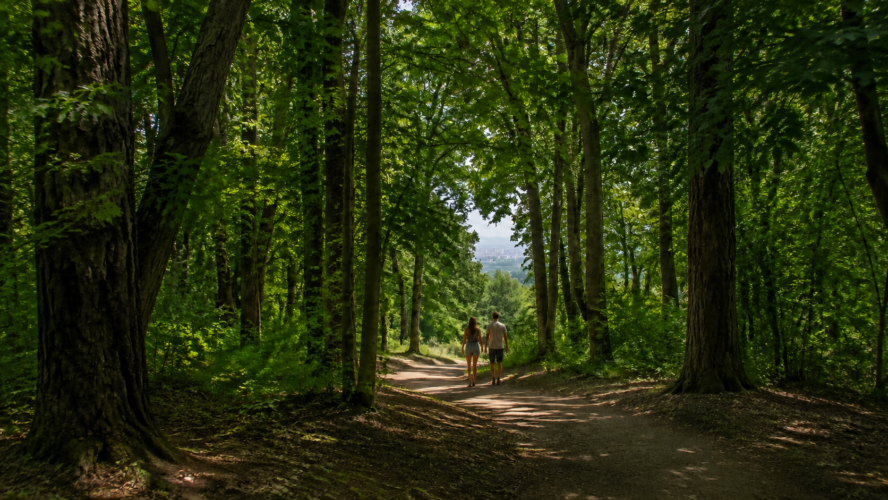
Byford’s Forest, formerly known as Banjica Forest, is one of the most accessible green spaces within the wider city centre. Although it is not particularly large, its dense trees create a sense of separation from the surrounding neighbourhoods. Walking paths run through the woodland, while its rich birdlife makes the city feel much farther away than it actually is.
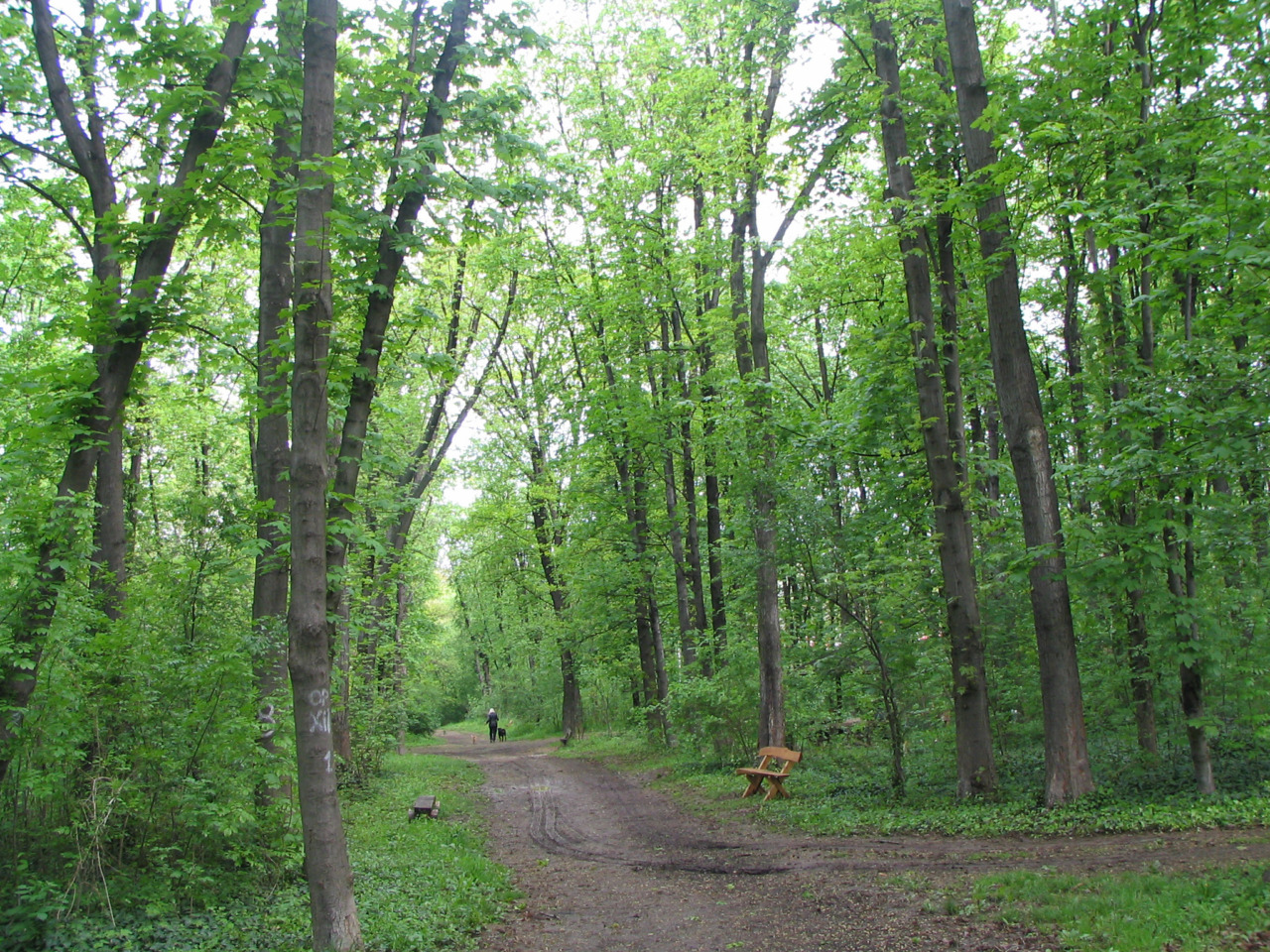
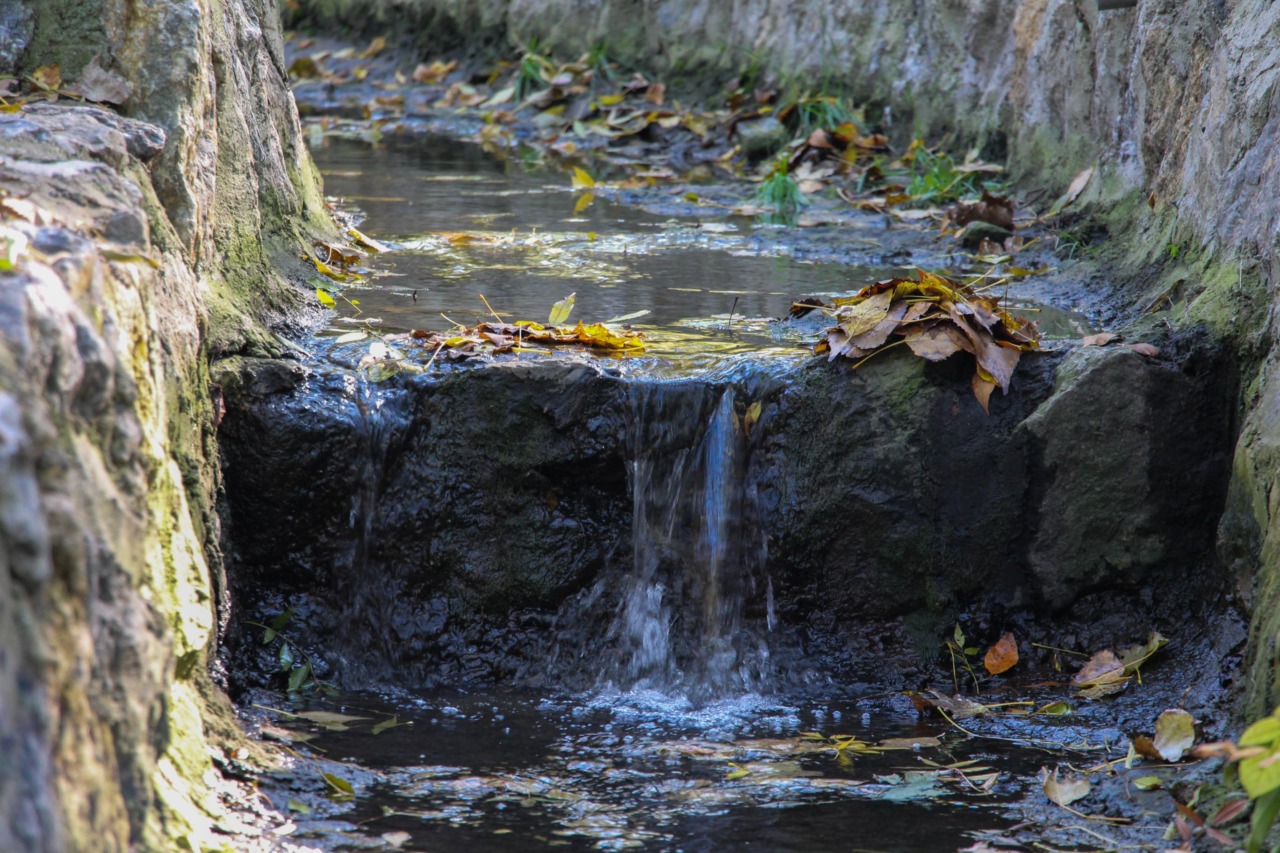
This is not a place for an entire day out, nor does it offer numerous recreational facilities. Its value lies precisely in providing a simple and immediate escape into nature. Byford’s Forest is a good choice for a morning walk, an after-work break or an hour beneath the trees when it is too late for a longer excursion.
For visitors already familiar with Belgrade’s central parks, it reveals a less expected side of the city – a small urban forest preserved within a densely developed neighbourhood.
Miljakovac Forest: A real woodland in the middle of a neighbourhood
Miljakovac Forest is one of those places that even many Belgrade residents have never explored in detail.
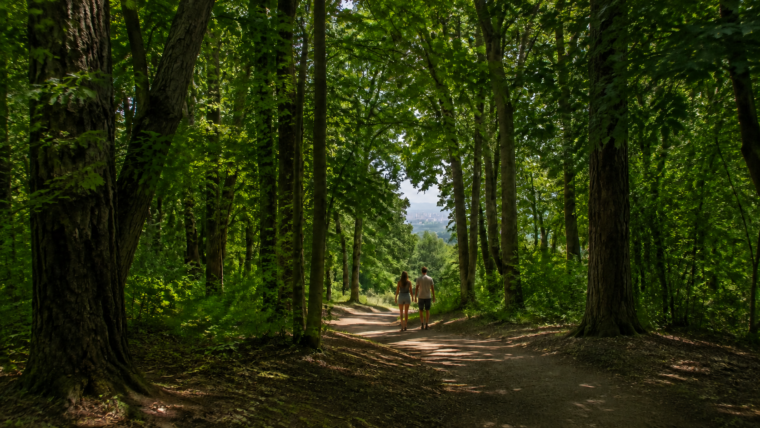
Situated between Miljakovac, Kanarevo Brdo and Rakovica, it is spacious enough for the surrounding buildings to disappear from view during a walk. Its dense canopy, earthen paths and natural appearance distinguish it from carefully landscaped city parks. There are no broad avenues, decorative flowerbeds or tourist attractions here – only a forest that has become a valuable green refuge for the surrounding neighbourhoods.
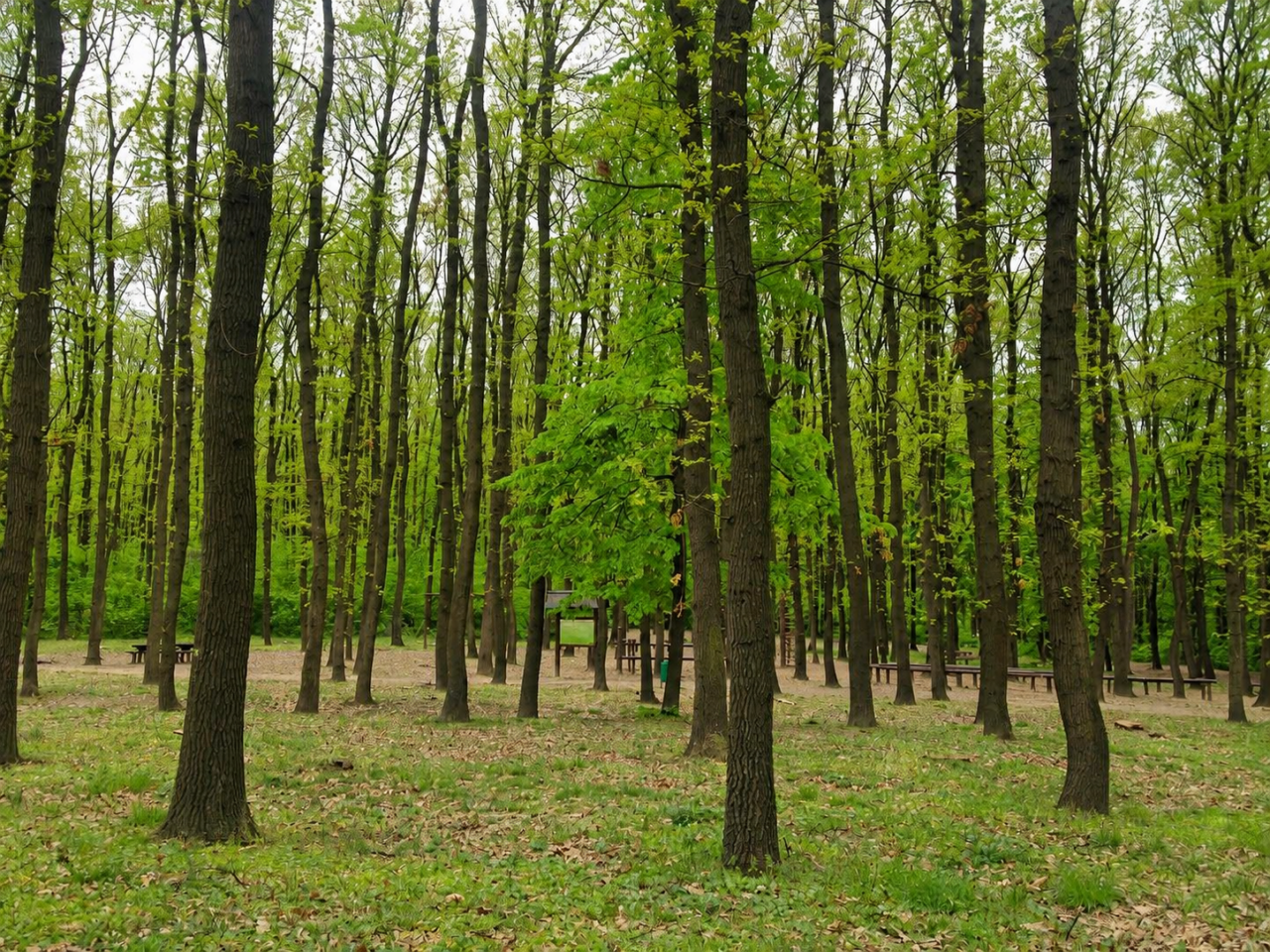
It is most pleasant for an easy walk in the morning or late afternoon. Some paths are uneven, so closed, comfortable footwear is a better choice than sandals. Parts of the forest may become muddy after rain, and visitors should also be mindful of ticks during the warmer months. Miljakovac Forest is unlikely to appear on conventional tourist routes. That is precisely what makes it an interesting choice for anyone hoping to discover a more local, everyday side of Belgrade.
Zvezdara Forest: City views from among the trees
Zvezdara Forest lies only a few kilometres from the very centre of Belgrade, yet its atmosphere is markedly different from that of the busy streets surrounding it.
Woodland trails, outdoor exercise areas and small places to rest make it popular with residents of the nearby neighbourhoods. Some parts offer views towards the Danube and more distant areas of the city, while others are almost completely enclosed by dense trees.
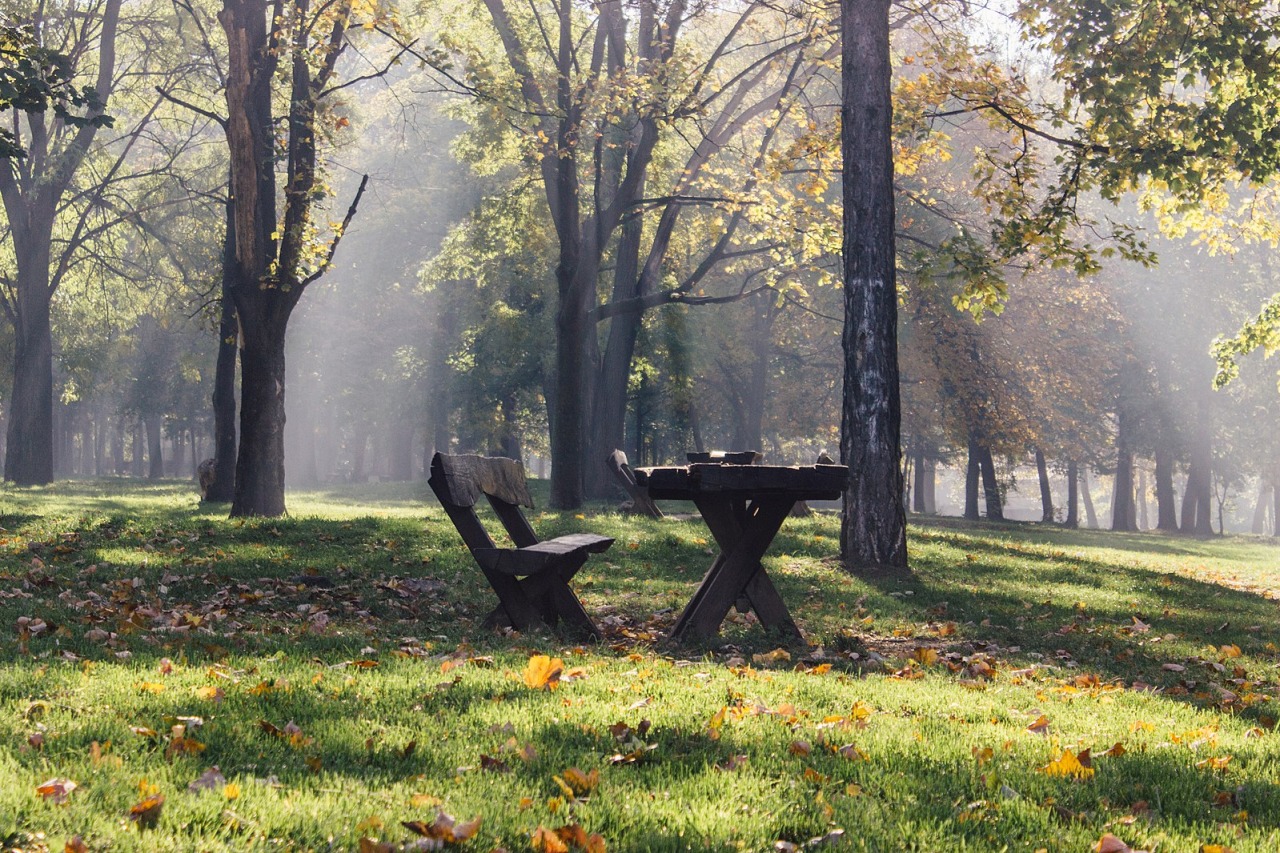
Unlike Belgrade’s larger and better-known recreational areas, Zvezdara Forest retains a distinctly local character. People come here to walk their dogs, run, exercise or simply spend a peaceful afternoon in the shade. It is not equally maintained throughout, but this combination of city park and natural woodland is part of its appeal.
A visit can be combined with exploring Zvezdara or continuing towards the Danube. During periods of hot weather, however, its main advantage is simple: much of the walk can be completed beneath the trees and away from direct sunlight.
Stepin Lug: A forest rarely associated with Belgrade
On the southeastern side of the city, between Voždovac and its outer neighbourhoods, lies Stepin Lug, also known as Stepin Gaj.
This is a significantly larger and wilder space than a conventional city park. Extensive woodland, forest tracks and relatively few visitors make it suitable for anyone seeking a longer walk and more solitude.
Stepin Lug has no major landmark around which visitors gather. People come for the space, greenery and feeling of being far from the centre. Certain sections are suitable for walking and recreation, but visitors should not expect the same level of maintenance found at Ada Ciganlija or Topčider.
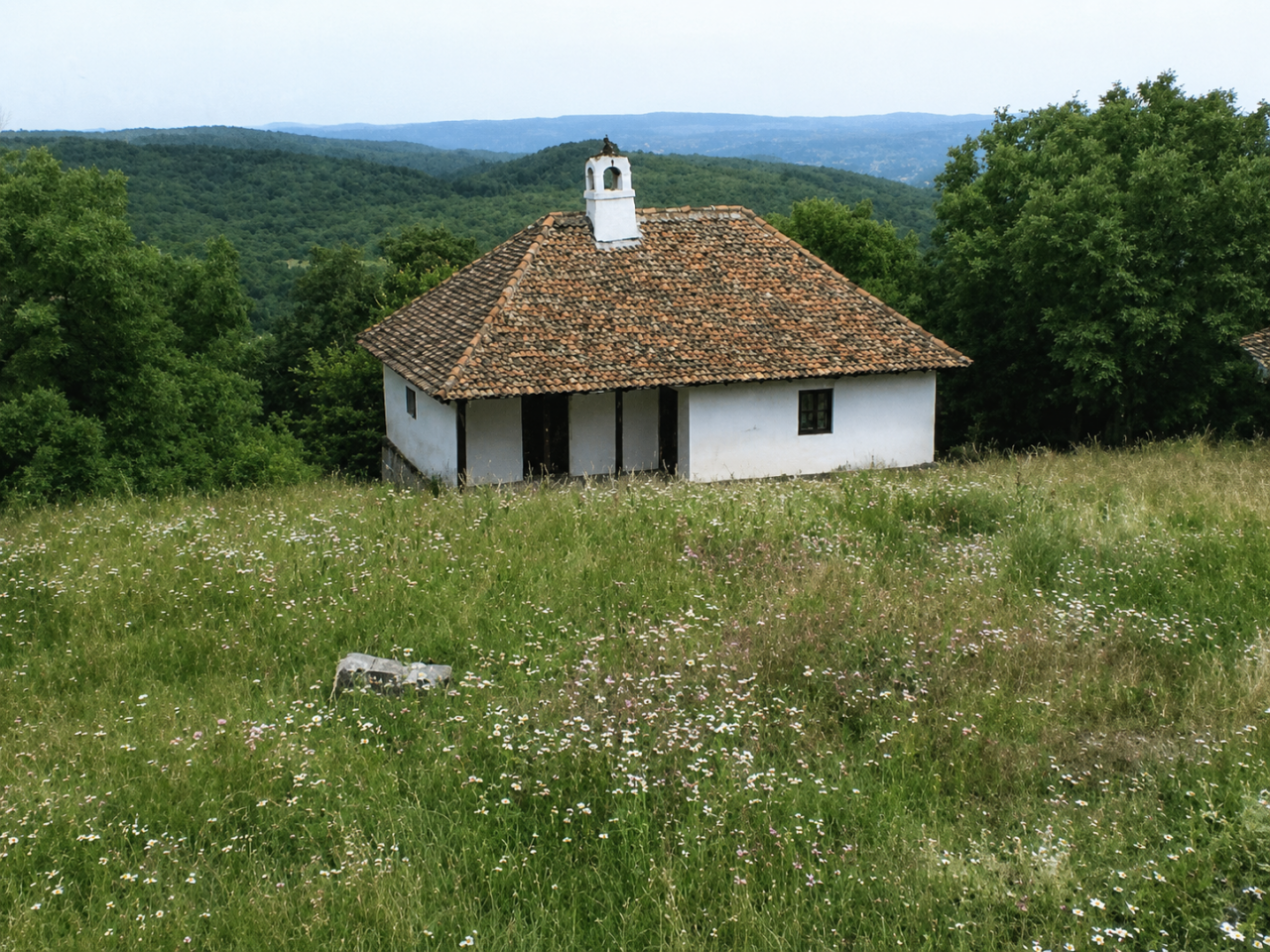
It is best to remain on clearly passable paths and visit during the morning or later in the afternoon. Because of the size of the forest and its natural terrain, suitable shoes, drinking water and a fully charged phone are more useful than a complicated sightseeing plan.
Jajinci Memorial Park: History beneath a deep canopy
Not far from Stepin Lug is Jajinci Memorial Park, a place that connects nature with one of the darkest chapters in Belgrade’s history.
Expansive green areas, tree-lined paths and wooded sections create a peaceful and dignified atmosphere. However, this is not a conventional picnic area. Jajinci was one of the largest execution sites in Serbia during the Second World War, and any visit should respect the character of the memorial grounds.
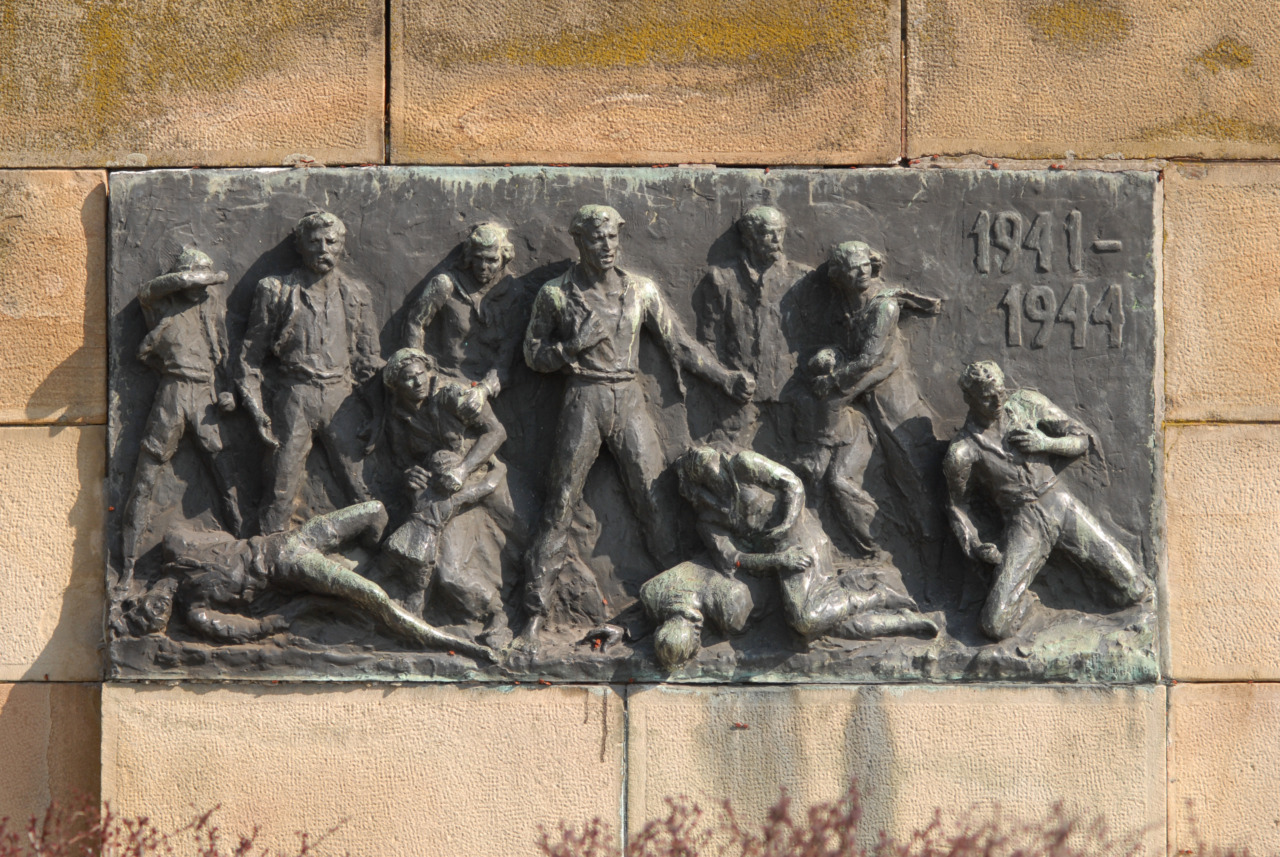
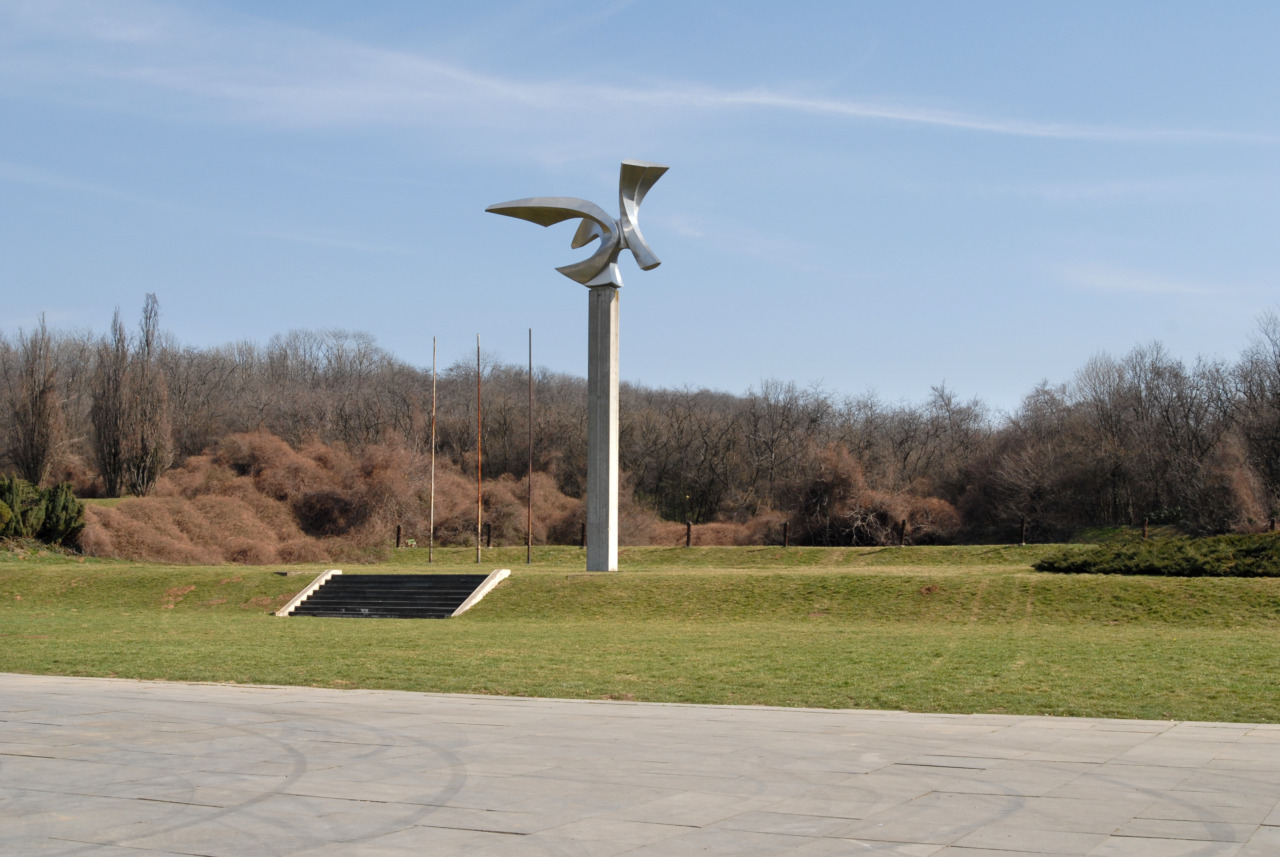
A walk through the park leads between open meadows and areas shaded by tall trees. During summer, the wooded sections are particularly pleasant, but the meaning of a visit should not be reduced to finding relief from the heat. Jajinci is a place of silence, remembrance and reflection on the city’s history. It can be visited together with Stepin Lug, although the two places offer very different experiences.
Beyond the best-known paths of Košutnjak
Košutnjak is hardly a hidden location, but many visitors are familiar only with its busiest sections – the sports facilities, restaurants and established recreation areas.
The forest itself is much larger. Once you move away from the main roads and popular gathering places, you will find long trails beneath dense tree canopies, quieter areas around Pionirski Grad and forest paths extending towards Filmski Grad and Topčider.
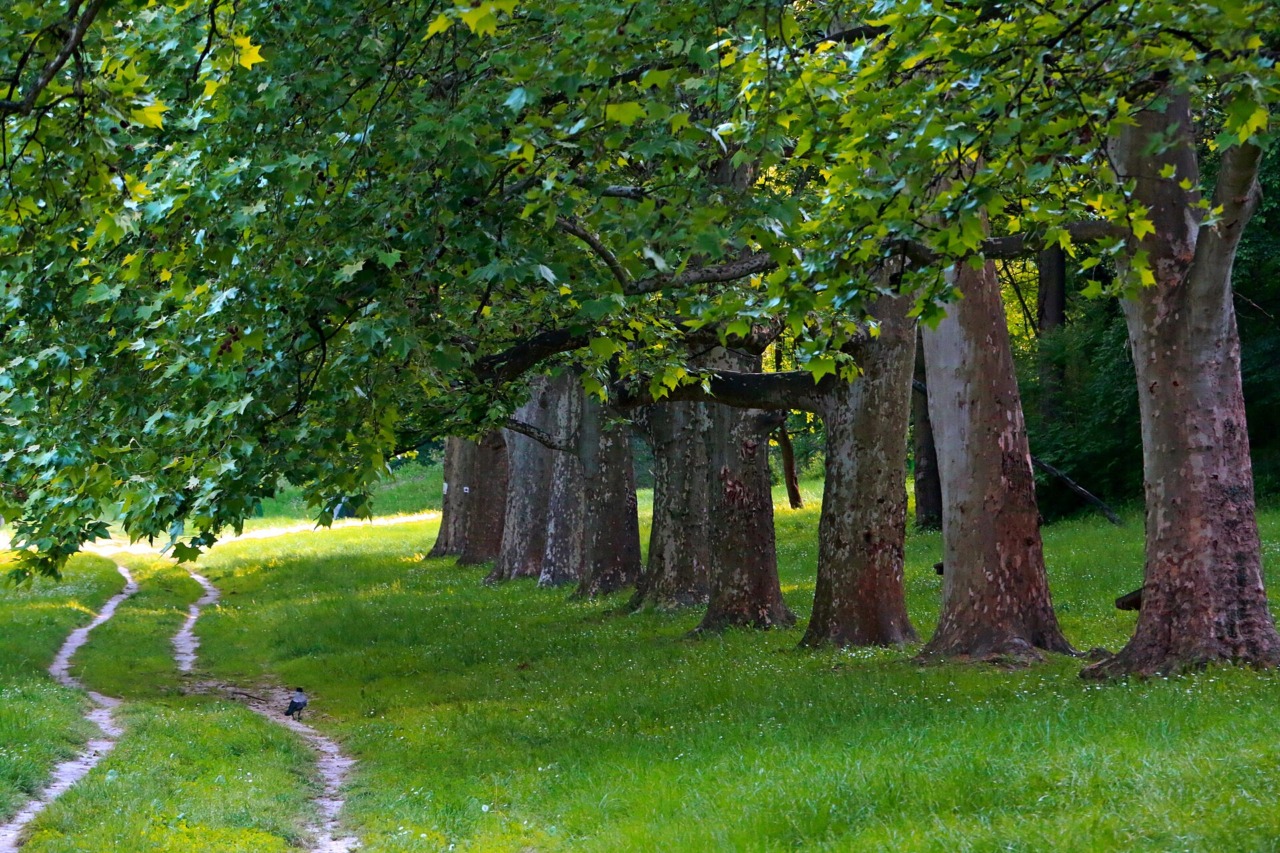
These less visited sections make Košutnjak one of the best places to explore during hot weather. Instead of remaining on open lawns or in busy recreational areas, choose a walk through the woodland, where much of the route is protected from direct sunlight.
Košutnjak can offer anything from a short walk to several hours in nature. Its best-known areas often become crowded at weekends, so early morning is the ideal time for cooler temperatures, greater tranquillity and more space.
Topčider and Hyde Park: A green route through the city
Topčider Park is one of Belgrade’s best-known historical parks. Mature trees, broad canopies, Prince Miloš’s Residence and the famous Topčider plane tree make it a natural choice for a gentle summer walk.
Its importance, however, should not be considered in isolation. Topčider belongs to a broader green belt stretching towards Košutnjak, Dedinje and Hyde Park. By connecting these areas, it is possible to create a longer walking route through greenery while spending considerably less time on hot city streets.
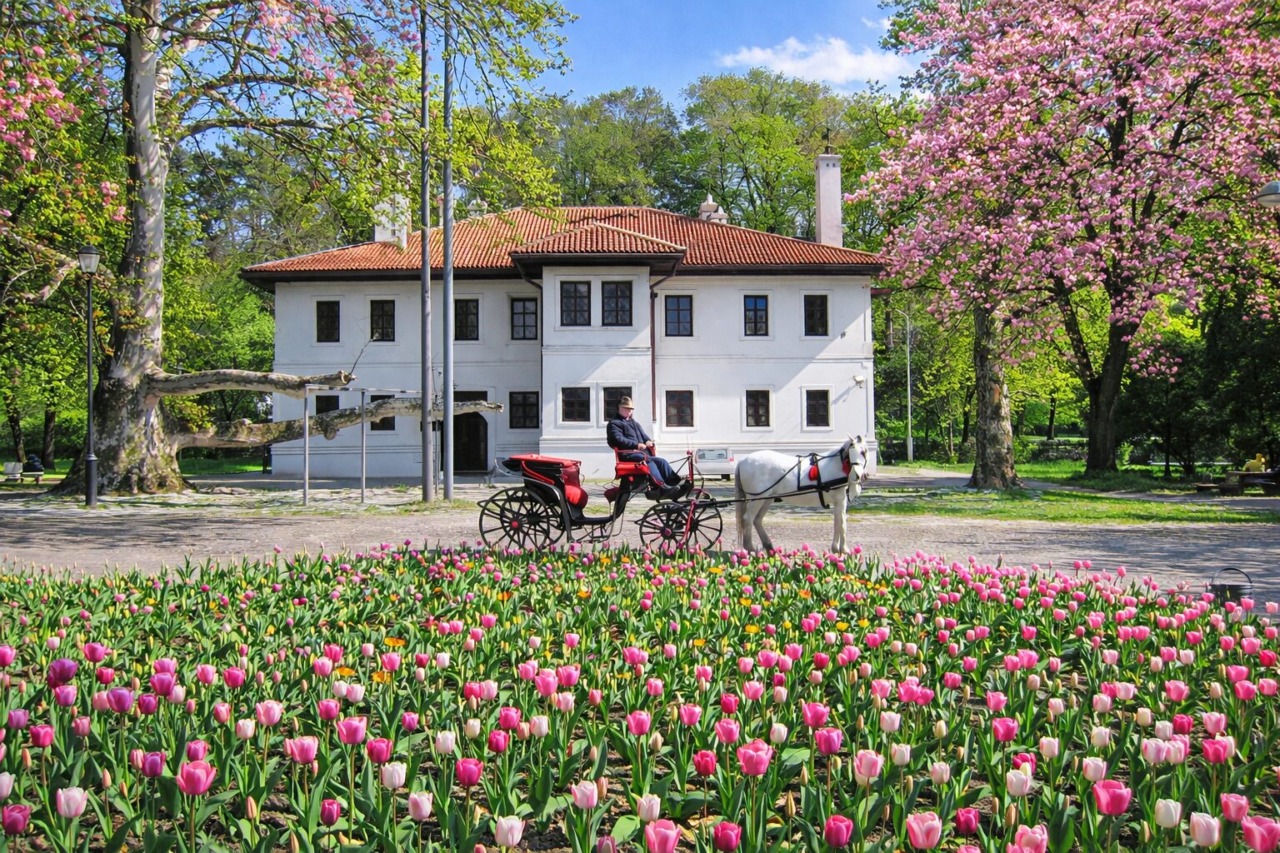
Hyde Park is smaller and closer to central Belgrade. Its paths and dense trees make it suitable for a short break, particularly when there is not enough time to travel to a larger forest. Topčider provides more space, deeper historical context and the option to continue walking towards Košutnjak.
This is a good choice for visitors who want to combine nature, history and architecture without travelling too far from the city centre.
Bojčinska Forest: A half-day escape on Belgrade’s outskirts
For a more complete escape from urban Belgrade, head to Bojčinska Forest near the village of Progar in the municipality of Surčin.
This protected forest, with its oak trees, walking paths and spacious recreation area, provides an entirely different experience from the city’s parks. It is not somewhere to stop briefly between other activities. Bojčinska Forest is better suited to a half-day excursion, a longer walk, a bicycle ride or an unhurried stay in nature.
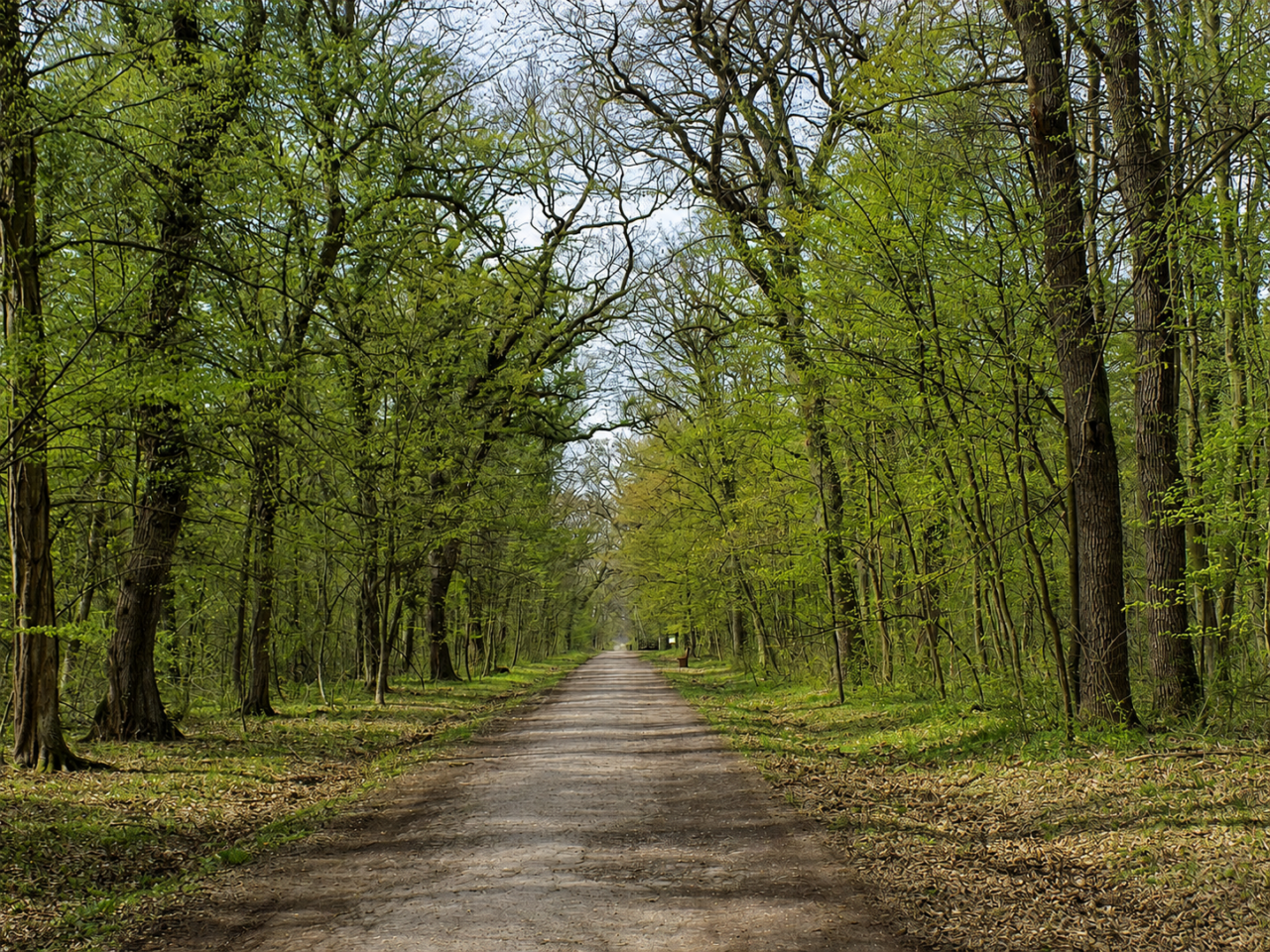
Dense canopies provide abundant shade, although its distance from the centre requires some planning. The simplest option is to travel by car, bring enough drinking water and check practical conditions before setting out.
Bojčinska Forest demonstrates how varied Belgrade’s administrative territory really is. Only a few dozen kilometres separate the central squares from this almost entirely rural woodland landscape, yet it feels as though the city was left behind much earlier.
Lipovica Forest: A quieter alternative to Avala
Lipovica Forest extends across the southern outskirts of Belgrade and provides a good alternative to the capital’s better-known recreational areas.
Unlike Avala, which attracts visitors with its tower, monument and panoramic views, Lipovica Forest has no single main attraction. Its appeal lies in its size, woodland roads and the possibility of finding peaceful areas even at weekends.
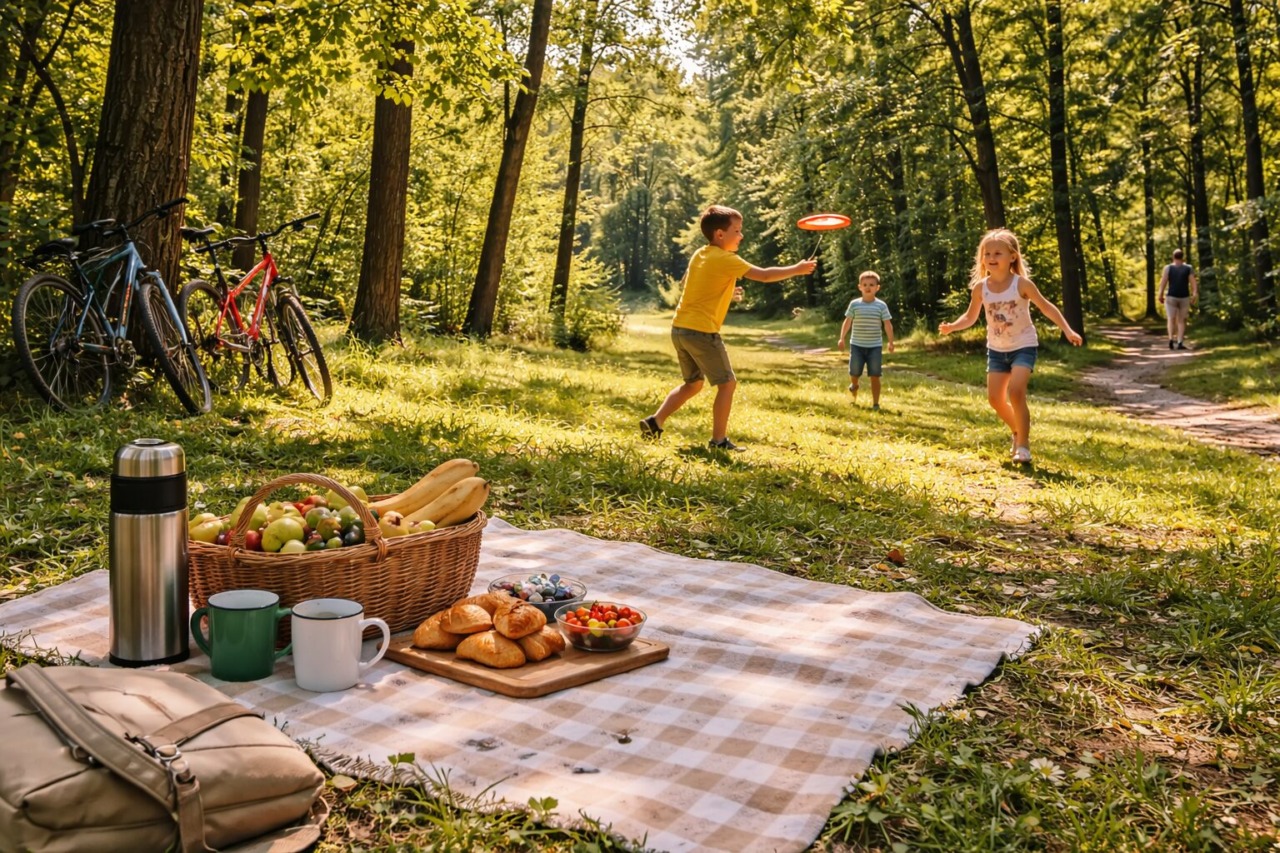
It is suitable for walking, cycling and spending several hours in nature, although it is more practical for visitors arriving by car. As in other less urbanised forests, it is best to remain on familiar, passable paths, light fires only in designated areas and take all rubbish away when leaving.
If you are looking for deep shade, fewer people and the feeling of a genuine countryside excursion, Lipovica Forest may prove more rewarding than many of the city’s better-known locations.
Šumice: A short escape without leaving the city
Not every escape from the heat needs to become a full excursion. The Šumice park-forest in Voždovac is a practical choice for a short walk in a part of Belgrade dominated by residential buildings and busy roads. Its dense trees, walking paths and sports facilities make it an important local green space.
Šumice cannot offer the same feeling of remoteness found in Bojčin or Lipovica Forest, but its value lies in its accessibility. It is suitable for morning coffee surrounded by greenery, a walk with children or a short break in the shade before continuing with the rest of the day.
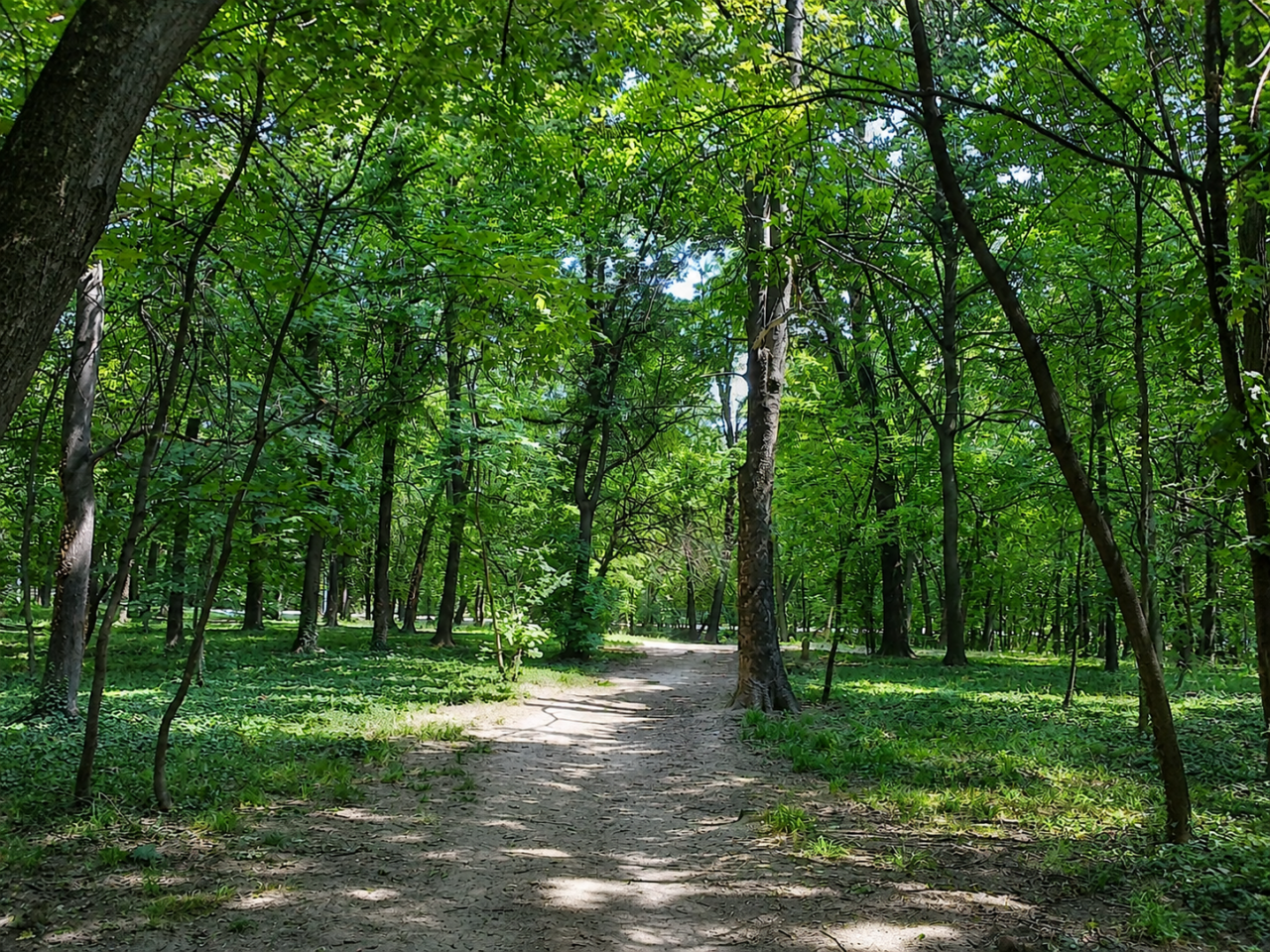
For travellers staying in Voždovac or nearby neighbourhoods, it also provides an easy opportunity to see how Belgrade residents use their local parks.
Shade helps, but it does not eliminate the summer heat
Time spent beneath trees can be considerably more pleasant than walking along sun-scorched streets. However, even a dense forest does not provide complete protection during periods of extreme heat.
Longer walks are best planned for the early morning or the period before sunset. Bring enough drinking water, use sun protection and wear closed footwear when visiting more natural sections of woodland. Check your skin and clothing for ticks afterwards, particularly if you have walked through tall grass or low vegetation.
During dry periods, it is especially important not to light fires outside designated areas or leave behind glass and rubbish. In less developed forests, visitors should not expect to find shops, drinking fountains, toilets or a reliable mobile signal in every area.
Finally, walking through a forest during the hottest part of the day is not automatically safe simply because there is shade. When high-temperature warnings are in force, it is better to plan outdoor activities for the cooler parts of the day.
Belgrade beneath the trees
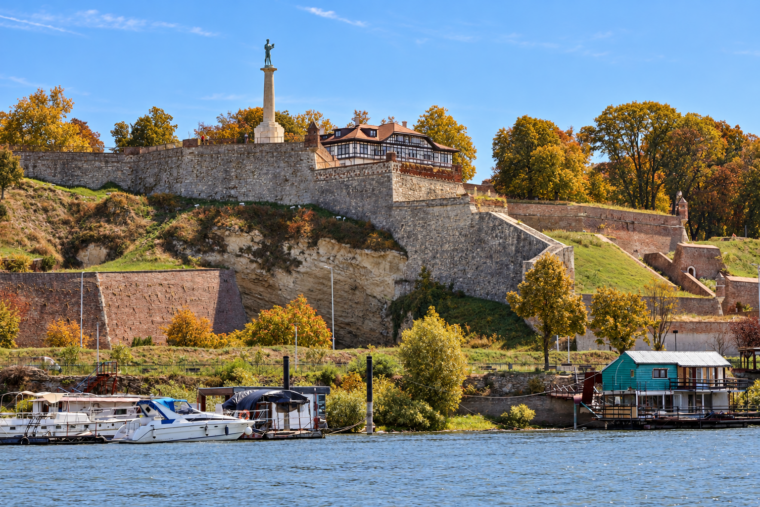
Belgrade is often presented through its rivers, fortress, grand squares and lively streets. Yet its identity is also shaped by forests preserved between neighbourhoods, parks more than a century old and green belts extending towards the edges of the city.
Some of these places are carefully maintained and widely known. Others have no visitor facilities, impressive entrances or famous landmarks to photograph. People come for simpler reasons – shade, silence, the scent of the earth and the feeling that the city’s crowds have briefly been left behind among the trees.
When the summer heat slows Belgrade down, it is not always necessary to leave the city. Sometimes, all you need to do is find a path leading deeper beneath the canopy.
Related Articles