
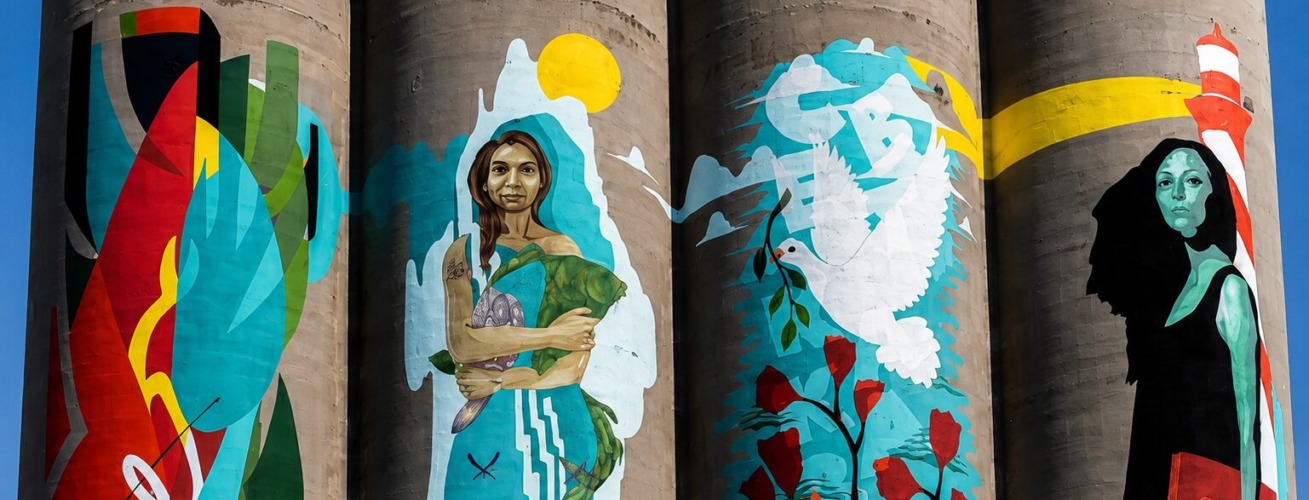
From hidden Dorćol corners and industrial riverfront spaces to giant portraits and colorful urban interventions – Belgrade’s murals tell stories many visitors never notice.
Some cities are best understood through museums. Belgrade often reveals itself differently – through walls. Across the city, enormous faces, poetic messages, forgotten cultural icons, abstract forms, and striking portraits quietly transform ordinary streets into open-air galleries. Some murals are deeply emotional. Some political. Others celebrate local identity, music, sport, or the city’s layered history.
And while many visitors focus on Kalemegdan, Knez Mihailova or Skadarlija, one of the most fascinating ways to understand Belgrade may actually be to slow down and look up.
Because in Belgrade, walls speak. They tell stories of neighborhoods, memory, resistance, creativity, and a city that constantly reinvents itself without losing its rough edges. Here is a guide to some of Belgrade’s most fascinating murals – and why they are worth seeing.
Savska Promenada: Murals by the River
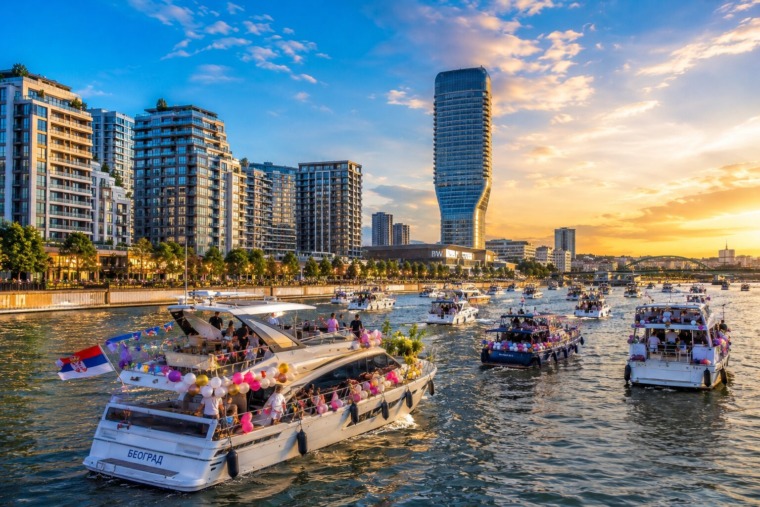
Belgrade’s riverfront has changed dramatically over the years, and along Savska Promenada, murals increasingly form part of the city’s evolving visual identity. Walking here feels different from older neighborhoods.
The atmosphere is more contemporary – river views, modern buildings, cafés, cyclists, and public spaces blending into one another. Murals here often feel larger, cleaner, and more integrated into urban renewal projects.
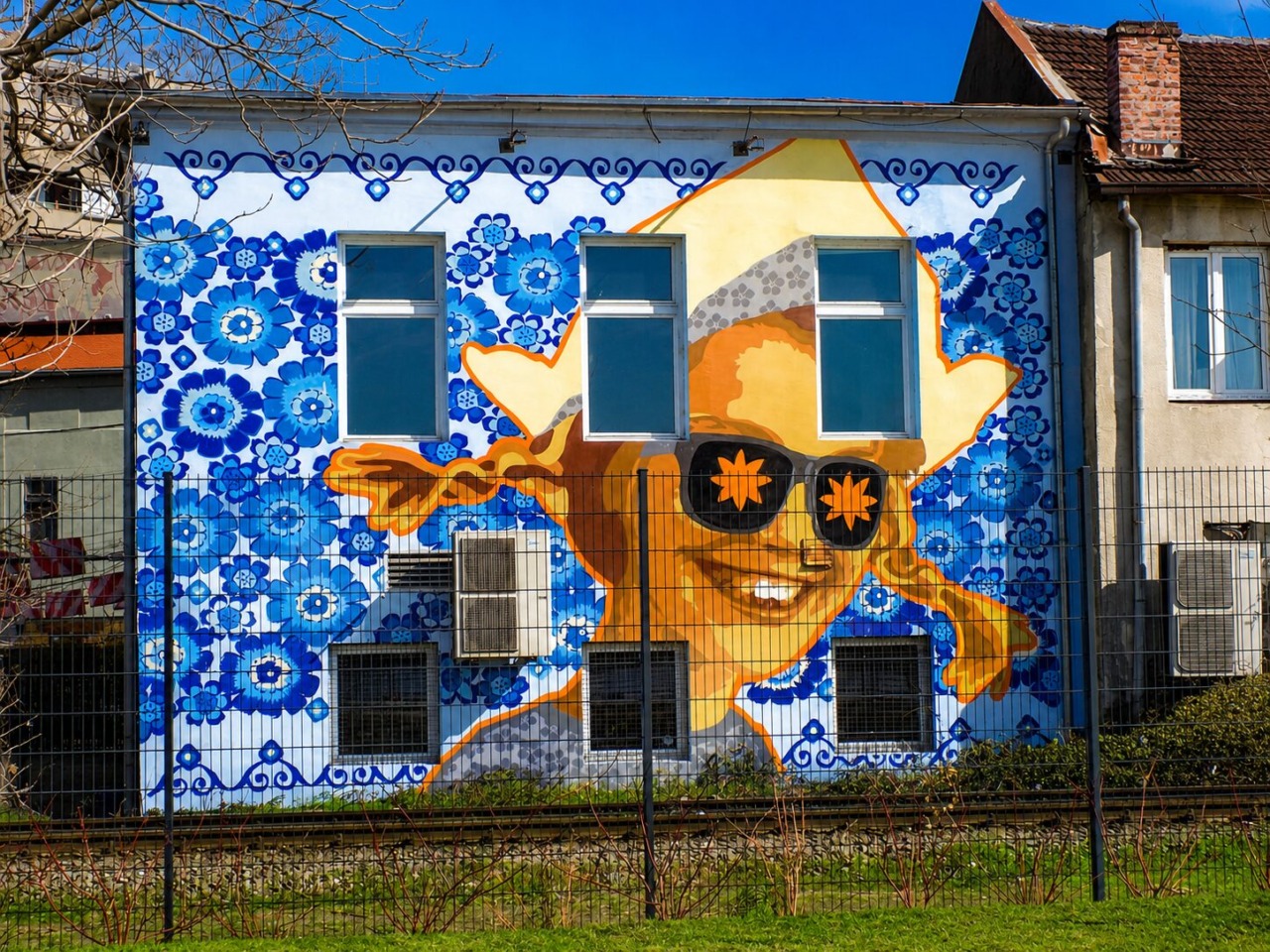
While visitors often come for sunset walks or riverside restaurants, art quietly becomes part of the experience. The best way to enjoy this area is slowly – ideally in late afternoon when the river light softens and the city feels calmer.
Silosi: One of Belgrade’s Most Unexpected Art Spaces
Few places represent Belgrade’s creative transformation better than Silosi. Once abandoned industrial grain silos near the Danube, the space has evolved into one of the city’s most exciting cultural hubs.
Today, murals cover concrete surfaces that once felt forgotten. The scale feels dramatic. Industrial textures meet contemporary art, while exhibitions, performances, concerts, and festivals add life to the space during warmer months.
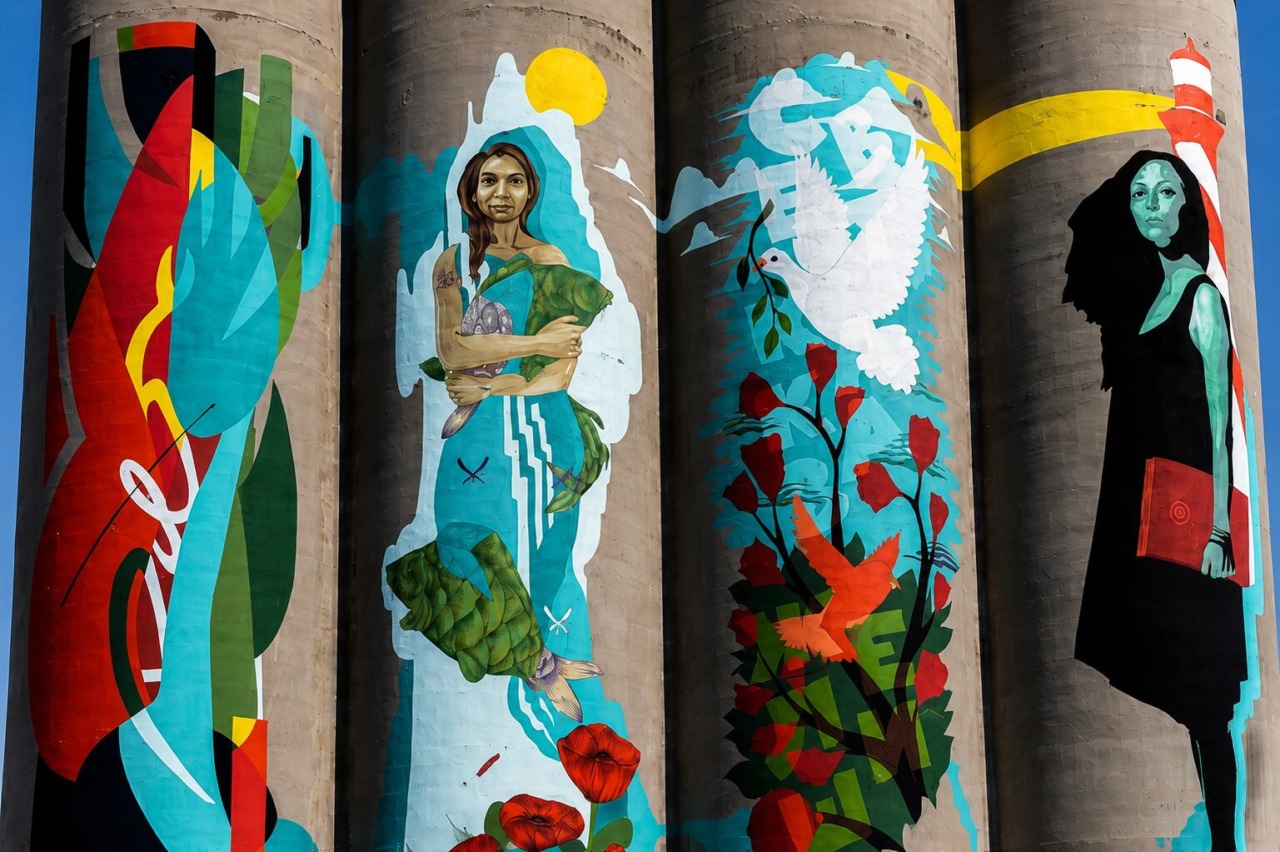
This is not traditional sightseeing. It feels more like discovering a side of Belgrade locals quietly love. And for photographers, the contrast between raw concrete and colorful murals makes Silosi one of the city’s most visually striking urban locations.
Cetinjska: Belgrade’s Creative Heart
If there is one place where contemporary urban culture feels alive, it is Cetinjska Street. Known for its nightlife, creative spaces, bars, music venues, and independent atmosphere, the area has become one of Belgrade’s unofficial artistic centers.
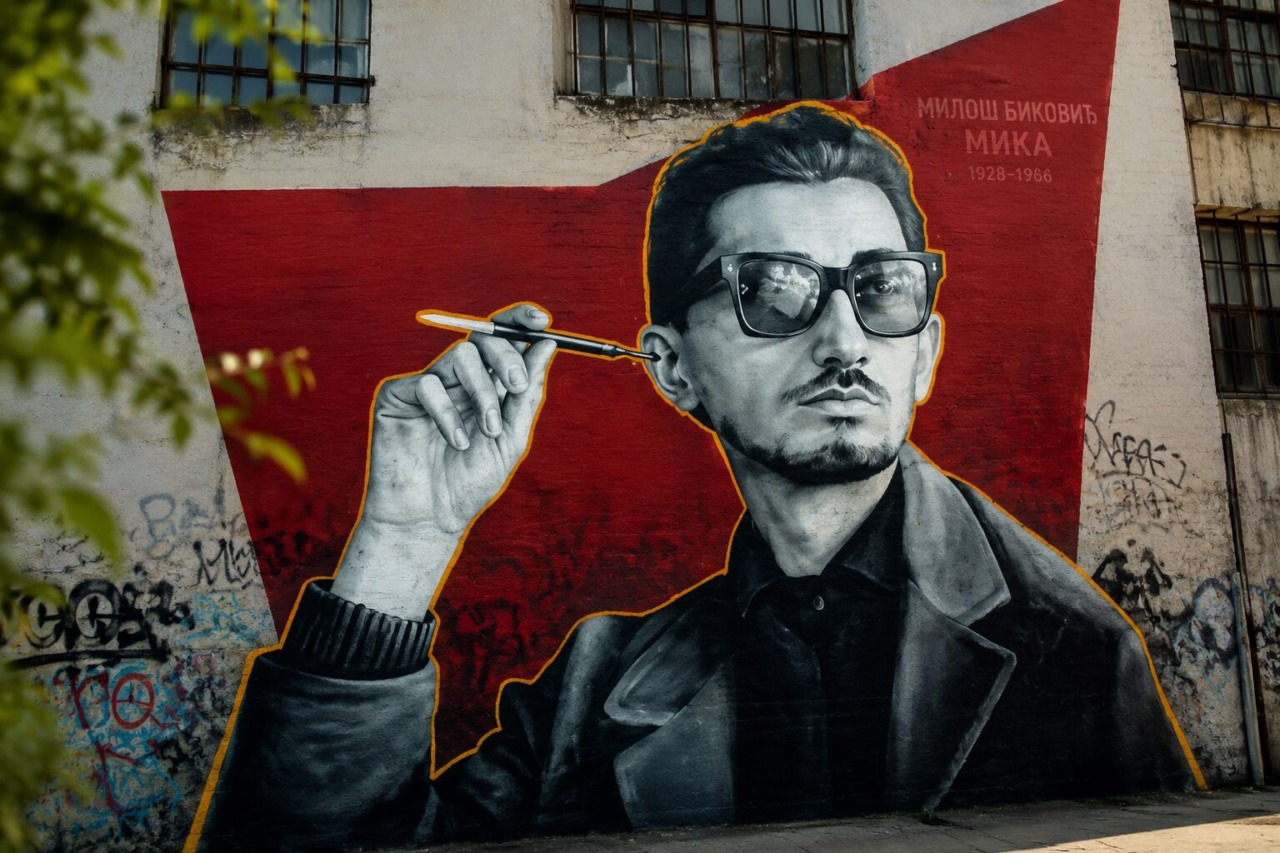
Murals here often feel spontaneous. Some are temporary. Others become neighborhood symbols. The walls shift constantly, reflecting changing moods, cultural movements, and the creative energy that defines the district.
Visitors often come for nightlife – but daytime reveals an entirely different side of Cetinjska. One best explored slowly. Coffee in hand. Looking up.
Dorćol’s Hidden Murals: Višnjićeva, Kralja Petra, Rajićeva and Đure Jakšića
Dorćol may be one of the best neighborhoods in Belgrade for people who enjoy walking without a strict plan. Because some of the city’s most interesting murals are hidden exactly where you least expect them. In streets like Višnjićeva, Kralja Petra, Rajićeva, and Đure Jakšića, murals appear unexpectedly between cafés, old façades, residential corners, and side passages.
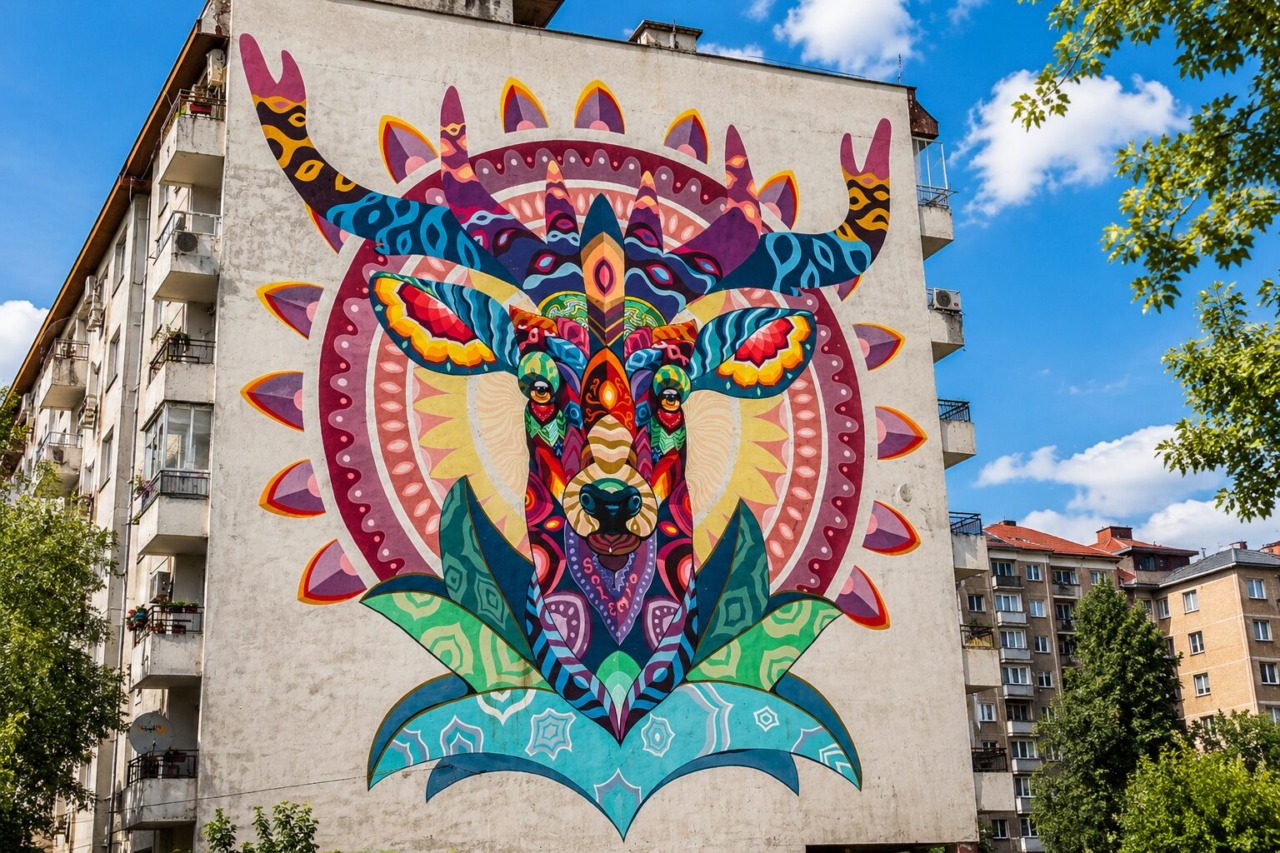
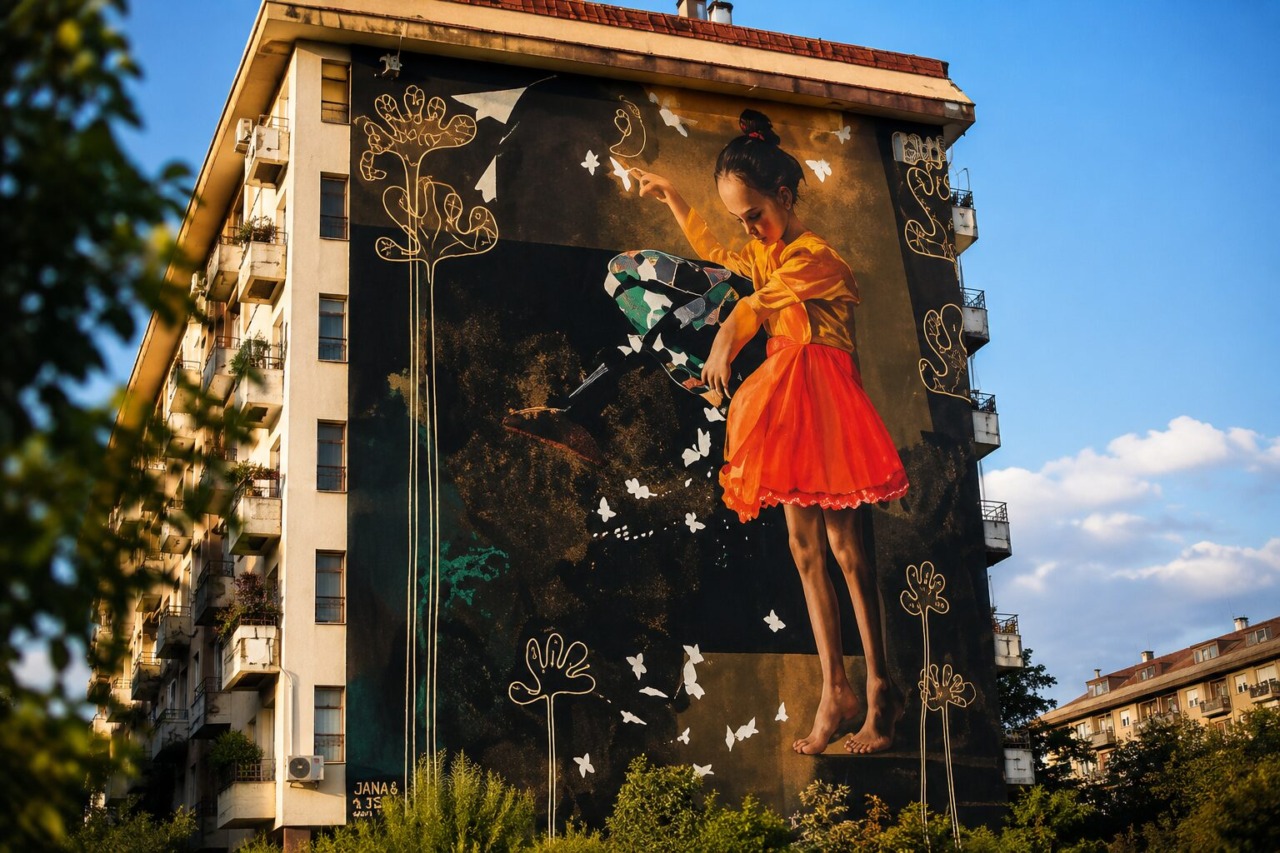
Some celebrate cultural figures. Others feel poetic or playful. And many become recognizable neighborhood landmarks for locals long before tourists ever notice them. Part of the charm is that you are rarely “checking off attractions.” You are discovering them. That makes Dorćol one of the best areas for urban wandering in Belgrade.
Takovska: Murals With Meaning
In Takovska Street, murals often carry stronger symbolic meaning. Some honor historical or cultural figures, while others reflect moments that shaped the city’s identity. Unlike purely decorative street art, these works frequently become part of public memory.
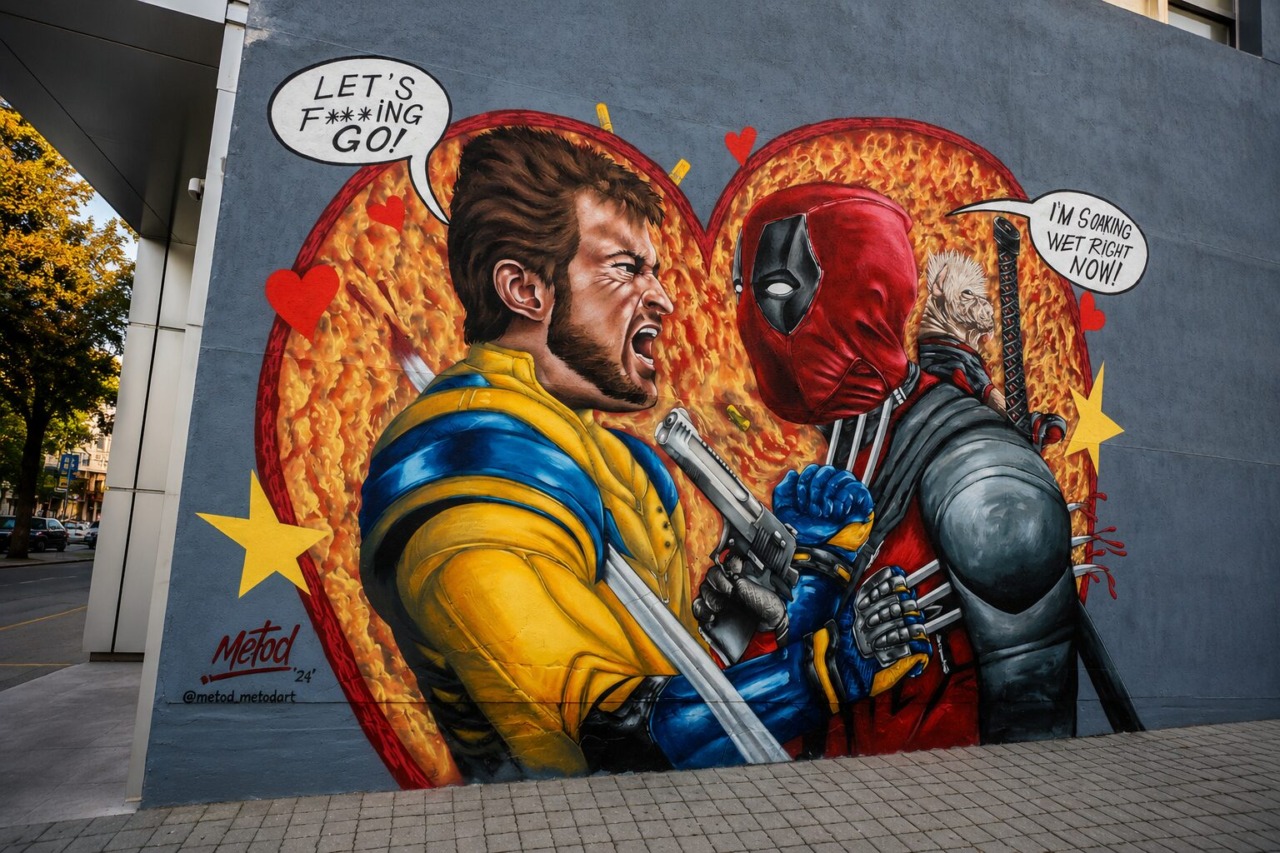
People meet near them. Talk about them. Recognize entire streets through them. And that relationship between locals and murals says something important about Belgrade – art here is not separated from everyday life. It becomes part of it.
Genex Tower: Murals in One of Belgrade’s Most Iconic Buildings
Few buildings in Belgrade feel as instantly recognizable as Genex Tower, often called the Western Gate of Belgrade. Known for its striking brutalist architecture and futuristic appearance, the building has long symbolized a different side of the city – bold, raw, unapologetically urban.
But in recent years, the area around Genex has gained another layer of visual identity through murals that bring unexpected color and energy to the concrete surroundings. The contrast is what makes it fascinating. Massive gray architecture meets contemporary urban art. Giant concrete forms suddenly sit beside expressive murals, creating one of the most visually distinctive corners of New Belgrade.
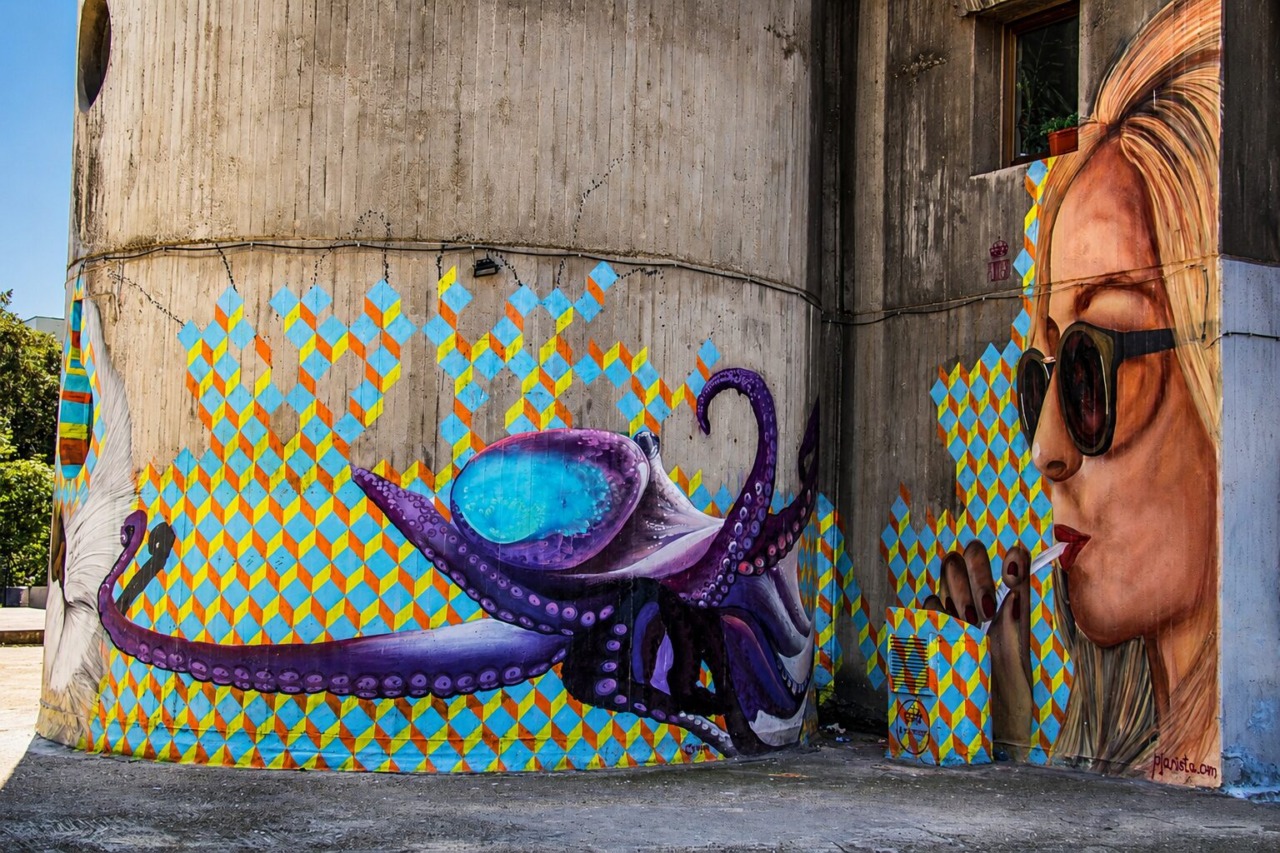
For architecture lovers, photographers, and anyone interested in Belgrade beyond postcard landmarks, Genex offers a completely different experience of the city. It feels cinematic. A little rough around the edges. And unmistakably Belgrade.
Karađorđeva Street: Layers of Old and New Belgrade
Few streets reflect Belgrade’s contrasts better than Karađorđeva. Historically tied to trade, transport, and the city’s river life, today it mixes old façades, restored architecture, industrial remnants, cafés, and urban interventions.
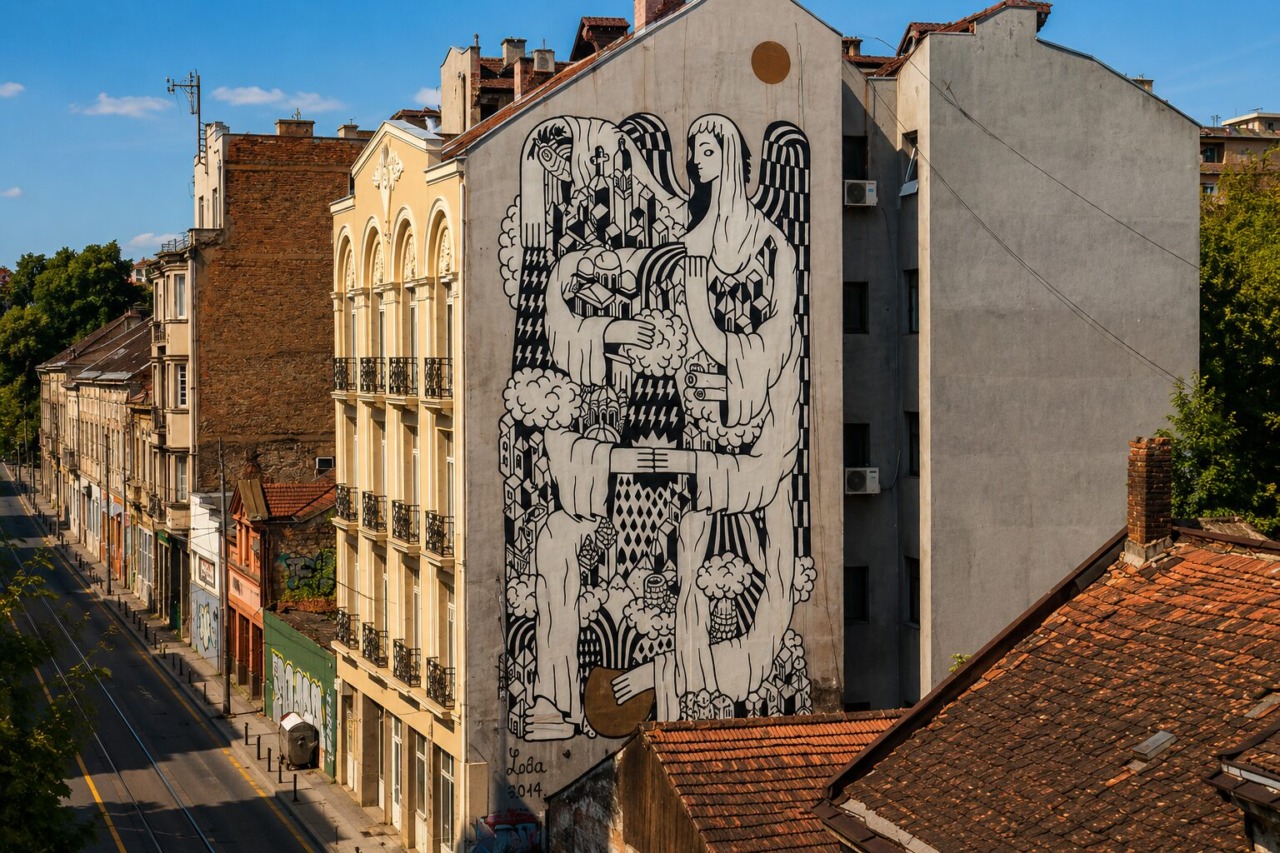
Murals here feel like conversations between past and present. Some walls still carry traces of old Belgrade. Others speak a more modern visual language. And together, they tell a story of a city constantly changing – while somehow remaining itself.
Why Murals Matter in Belgrade
Murals in Belgrade are more than decoration. They often emerge from moments of change – revitalized neighborhoods, abandoned industrial zones transformed into cultural hubs, local communities reclaiming public spaces, or artists responding to history and identity.
Unlike cities where street art sometimes feels curated purely for tourism, Belgrade’s mural culture still feels raw and authentic. You do not always search for murals here.
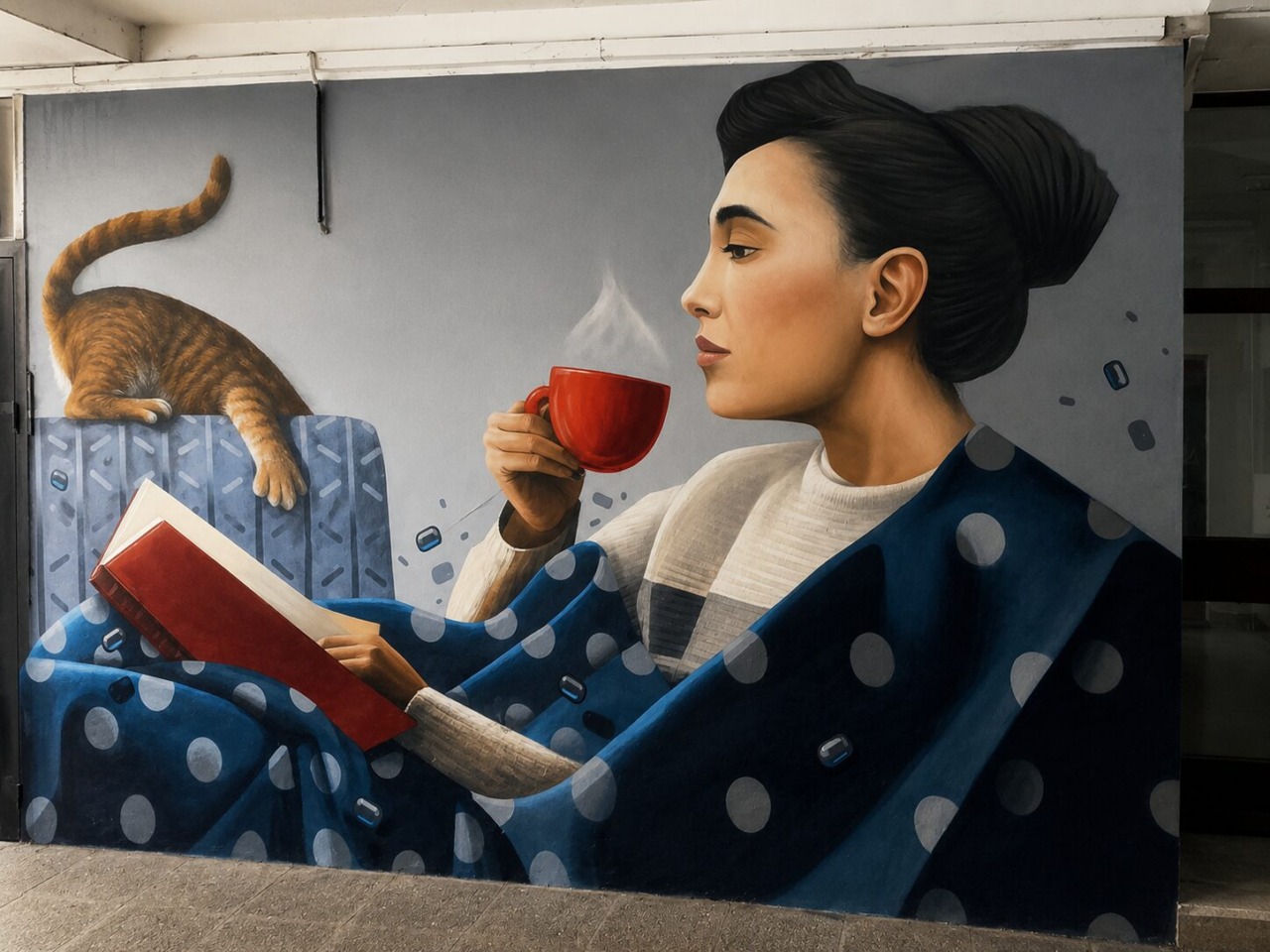
Sometimes, they surprise you.
A giant portrait appears at the end of a quiet street. A forgotten building suddenly becomes a landmark. An industrial wall transforms into art. That unpredictability is part of the experience. And perhaps nowhere is that clearer than along the riverfront.
Why Exploring Murals Might Be One of the Best Ways to Understand Belgrade
Murals reveal something guidebooks often miss. The personality of neighborhoods. The city’s humor. Its contradictions. Its creativity. Its memory.
In Belgrade, some of the most interesting stories are not found behind museum walls. They live outside. Painted across façades, hidden in side streets, waiting for someone curious enough to notice them. And perhaps that is exactly what makes exploring Belgrade through murals feel so rewarding. You stop seeing only landmarks.
And start seeing the city itself.
Related Articles