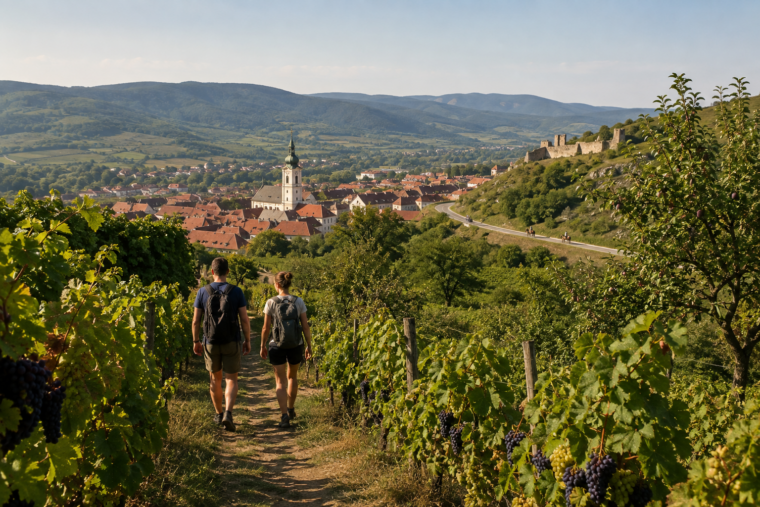

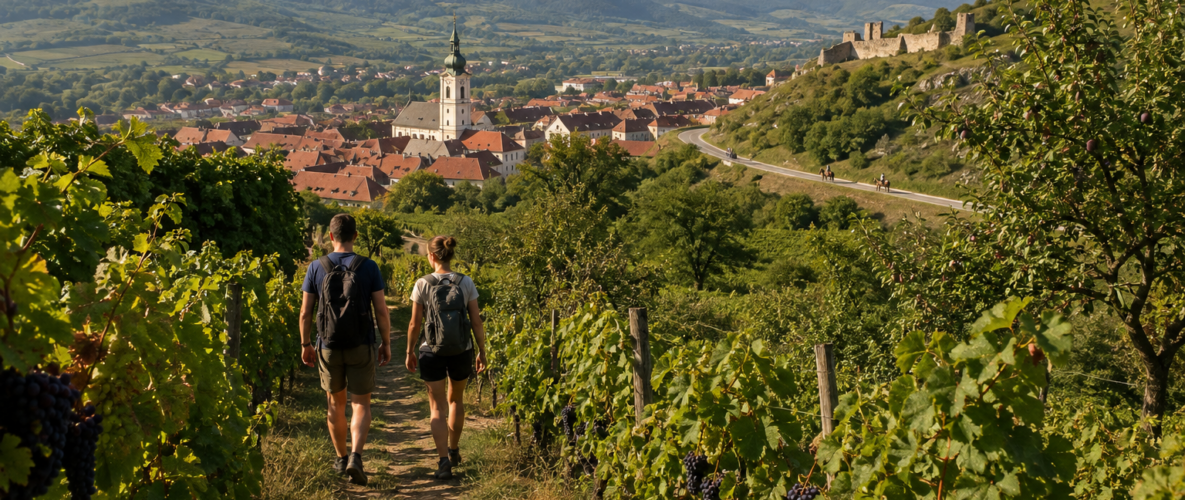
From thundering horses and centuries-old wine traditions to river gorges, village kitchens and the quiet landscapes of southern Serbia, September offers some of the year’s most authentic reasons to travel.
September changes the rhythm of travel in Serbia. The heat begins to soften, roads become quieter and towns across the country turn towards the season of harvests, local festivals and long-awaited community celebrations.
This is not yet autumn in its full golden colours. Vineyards and forests are still largely green, afternoons remain warm and there is plenty of daylight for exploring. Yet fresher mornings and cooler evenings make city walks, hill trails and countryside road trips far more comfortable than they were only a few weeks earlier.
Our selection for September 2026 combines several of Serbia’s best-known seasonal celebrations with places that still sit outside the usual tourist routes. Two wine regions appear on the list, but they tell very different stories: one through the energy of a Banat city festival, the other through the deep-rooted wine culture of a rural valley. Elsewhere, horses take over a historic town, a famous local dish brings an entire village together, and the landscapes of Toplica reveal a quieter side of southern Serbia.
Here are five destinations worth discovering in Serbia this September.
1. Požarevac – Where Serbia’s Equestrian Tradition Comes Alive
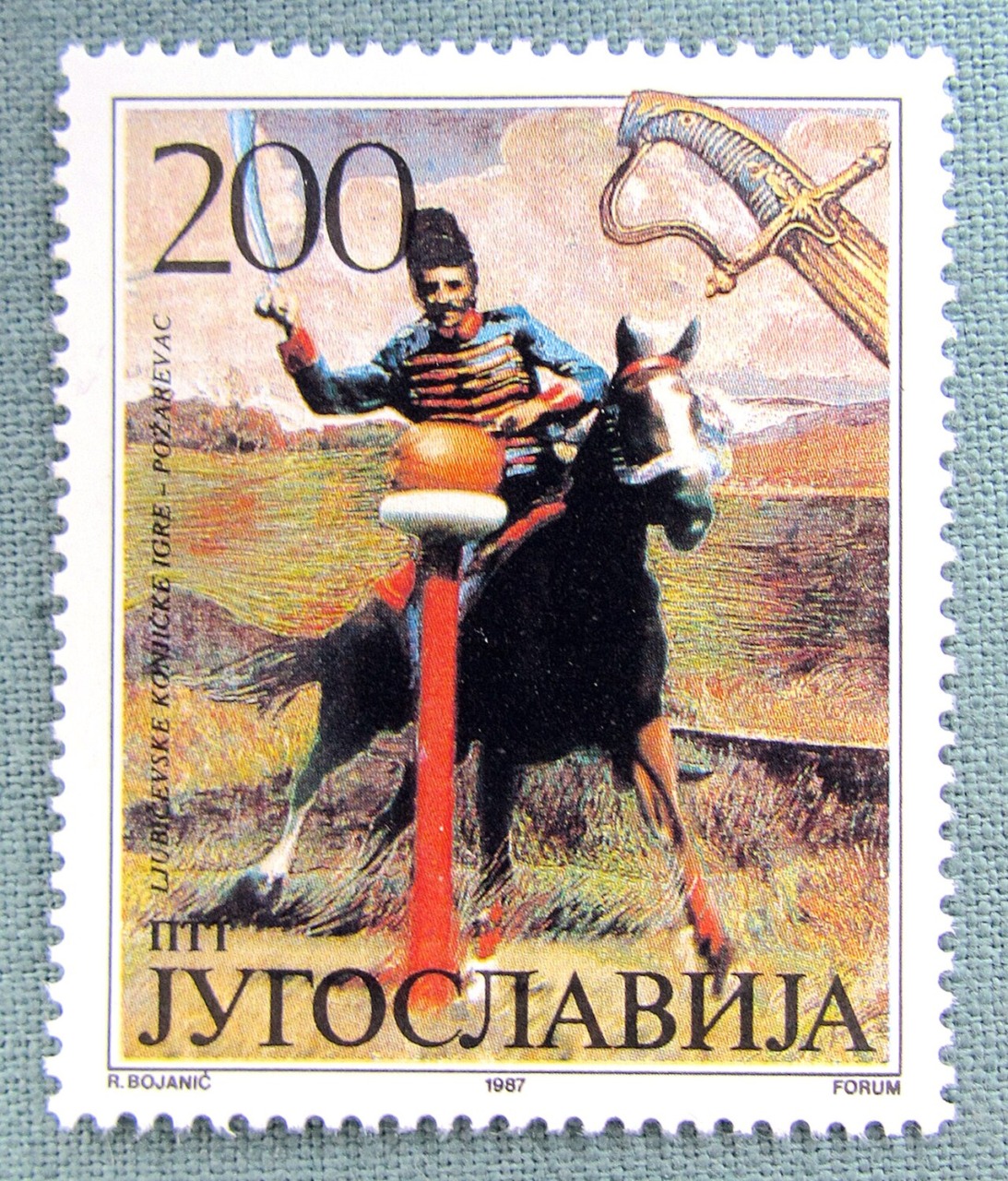
For most of the year, Požarevac moves at the measured pace of a regional town. In early September, however, horses, riders, carriages and spectators transform its streets and racecourse during the Ljubičevo Equestrian Games.
The central programme of the 63rd edition takes place from 4 to 6 September 2026, continuing a tradition whose roots reach back to the 19th century. The event combines horse racing, show jumping, carriage driving and ceremonial parades, but its most recognisable competition is the Ljubičevo All-Around. Riders test their skill in a series of demanding disciplines inspired by traditional cavalry training, giving the weekend a character unlike any other festival in Serbia.
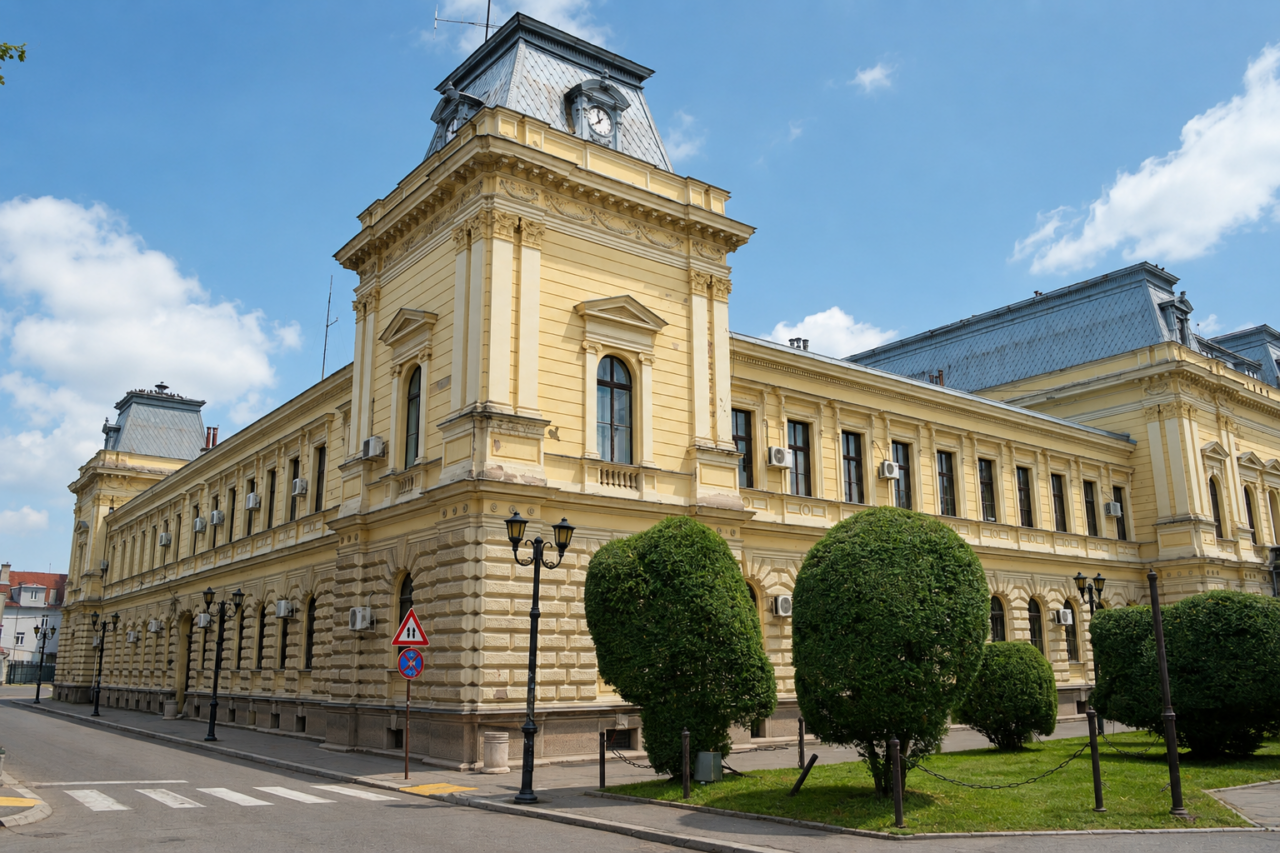
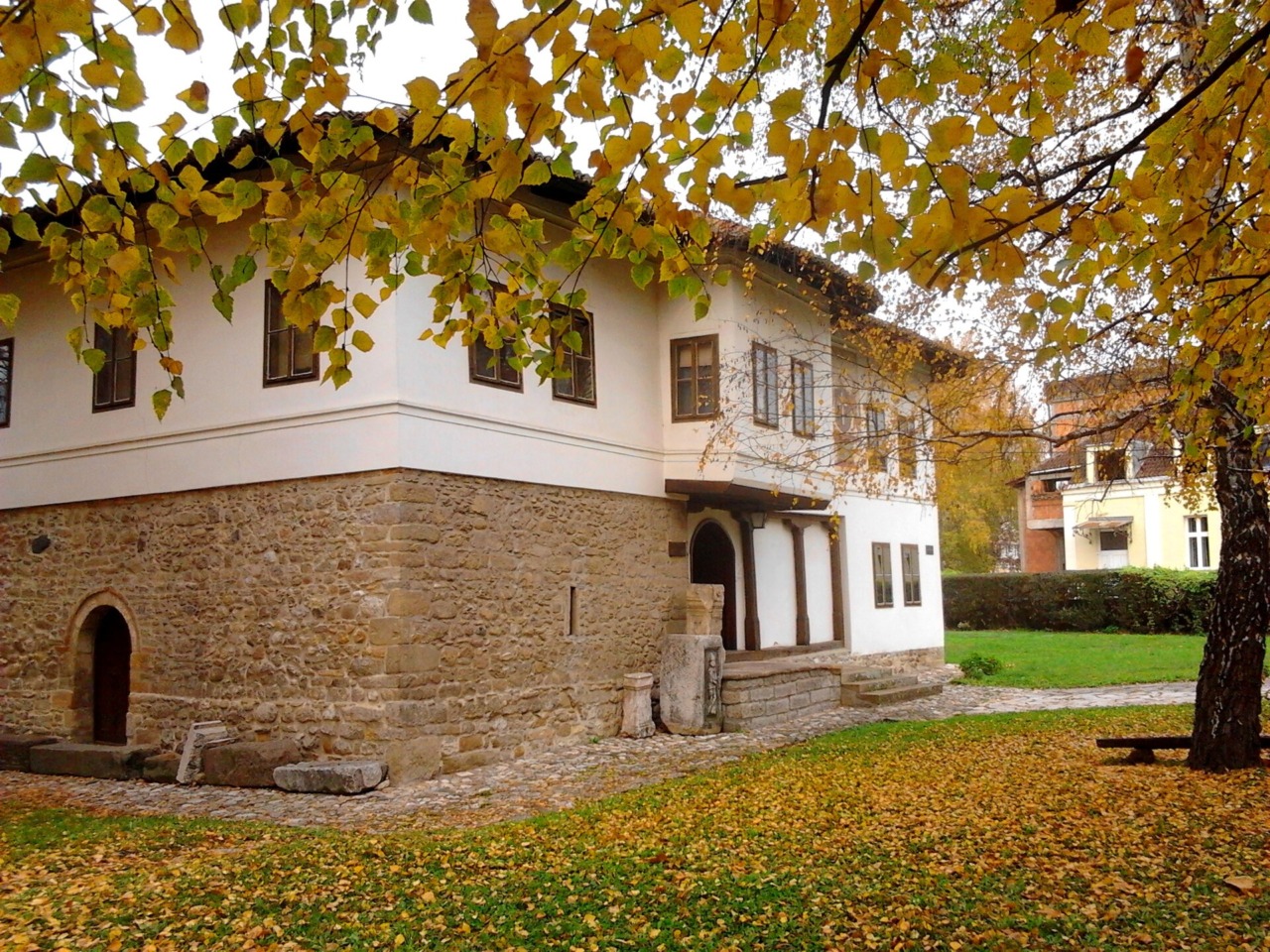
The games are the immediate reason to visit, but Požarevac deserves more than a few hours at the racecourse. The National Museum preserves the history of the wider Braničevo area, while the Gallery of Milena Pavlović Barilli introduces visitors to one of Serbia’s most distinctive modern artists in the house where she was born.
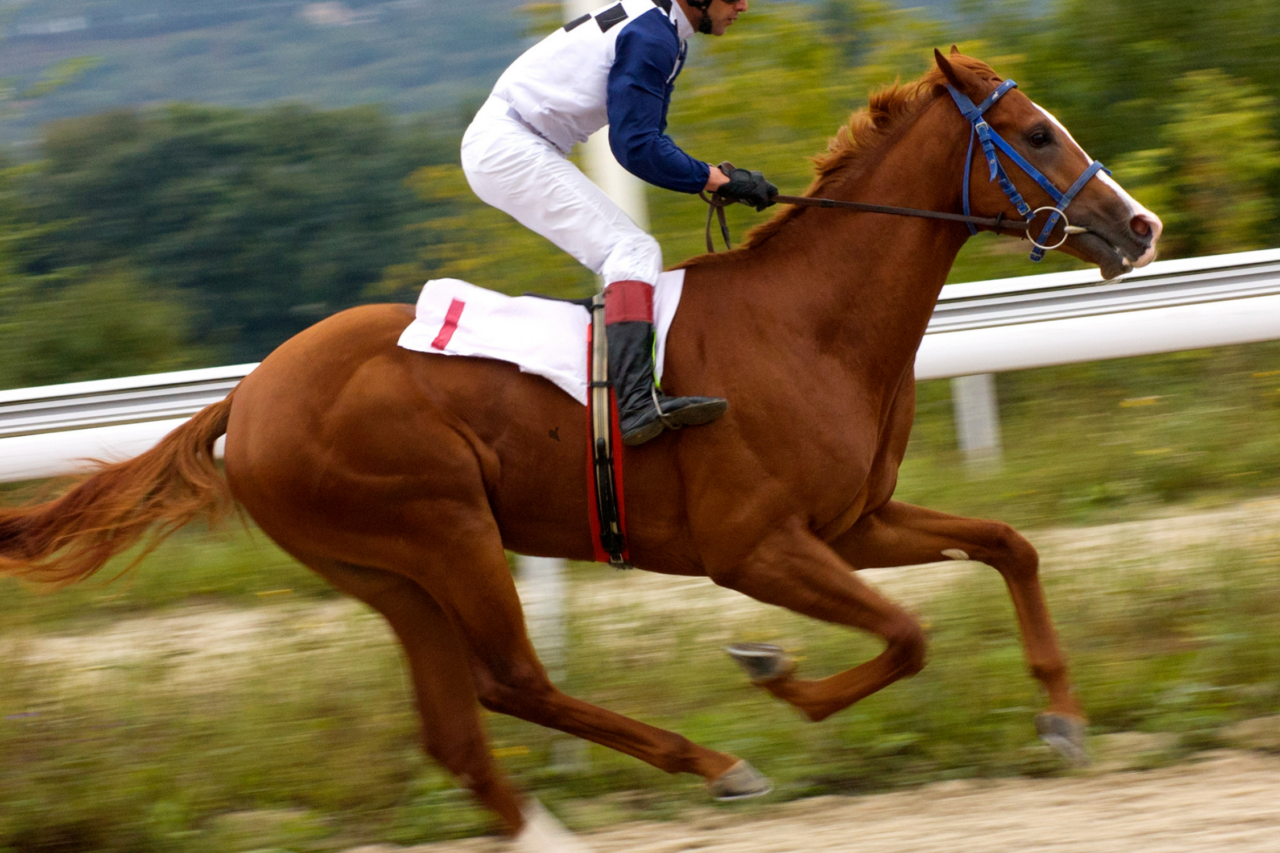
Just outside the centre, the Ljubičevo estate offers a direct connection to the city’s equestrian identity. Its avenues, paddocks and long tradition of horse breeding explain why this particular celebration belongs so naturally to Požarevac. Those staying for the weekend can extend the journey to the nearby archaeological site of Viminacium or follow the smaller roads through the villages and agricultural landscapes of Stig. The result is a trip that brings together spectacle, history and a side of eastern Serbia often passed on the road to better-known Danube destinations.
Main event: Ljubičevo Equestrian Games, 4–6 September 2026
Best for: Cultural events, families and travellers looking for a distinctive Serbian tradition
2. Vršac – A City Celebrating Beneath the Vineyards
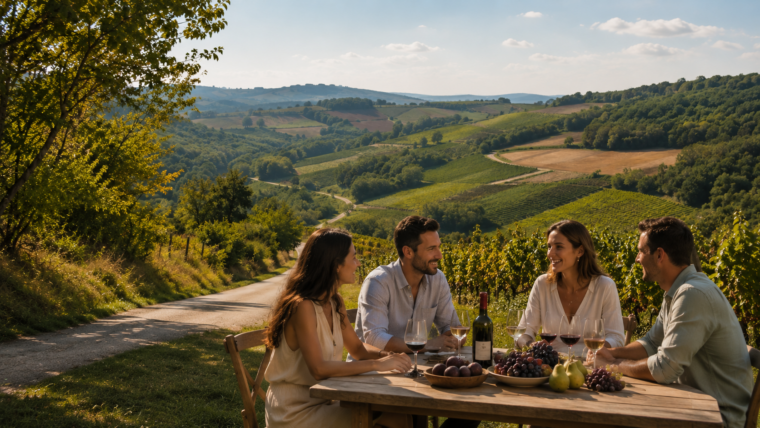
Vršac is one of those rare places where the city and the landscape seem inseparable. Historic streets lie beneath the slopes of the Vršac Mountains, while vineyards rise beyond the rooftops and turn the edge of the city into one of the most recognisable wine landscapes in northern Serbia.
From 17 to 20 September 2026, that relationship takes centre stage during the 68th Grožđebal, officially known as the Days of the Grape Harvest. For four days, the city fills with wine tastings, concerts, exhibitions, market stalls and traditional programmes celebrating the beginning of the harvest season.
Grožđebal is large, lively and unmistakably urban. That energy distinguishes Vršac from the quieter wine route later on our list. Here, wine becomes part of a city-wide celebration, with the main squares and pedestrian streets joining the vineyards in the festival atmosphere.
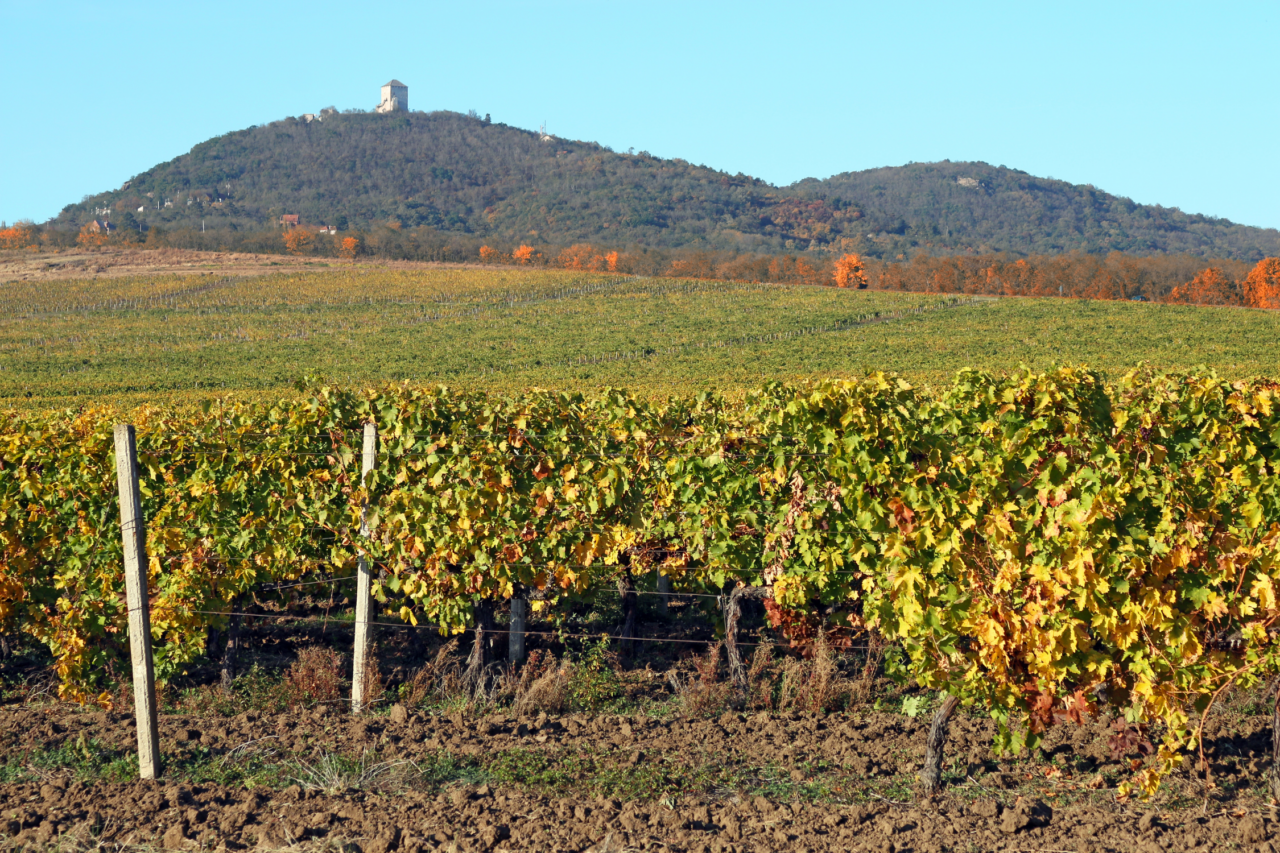
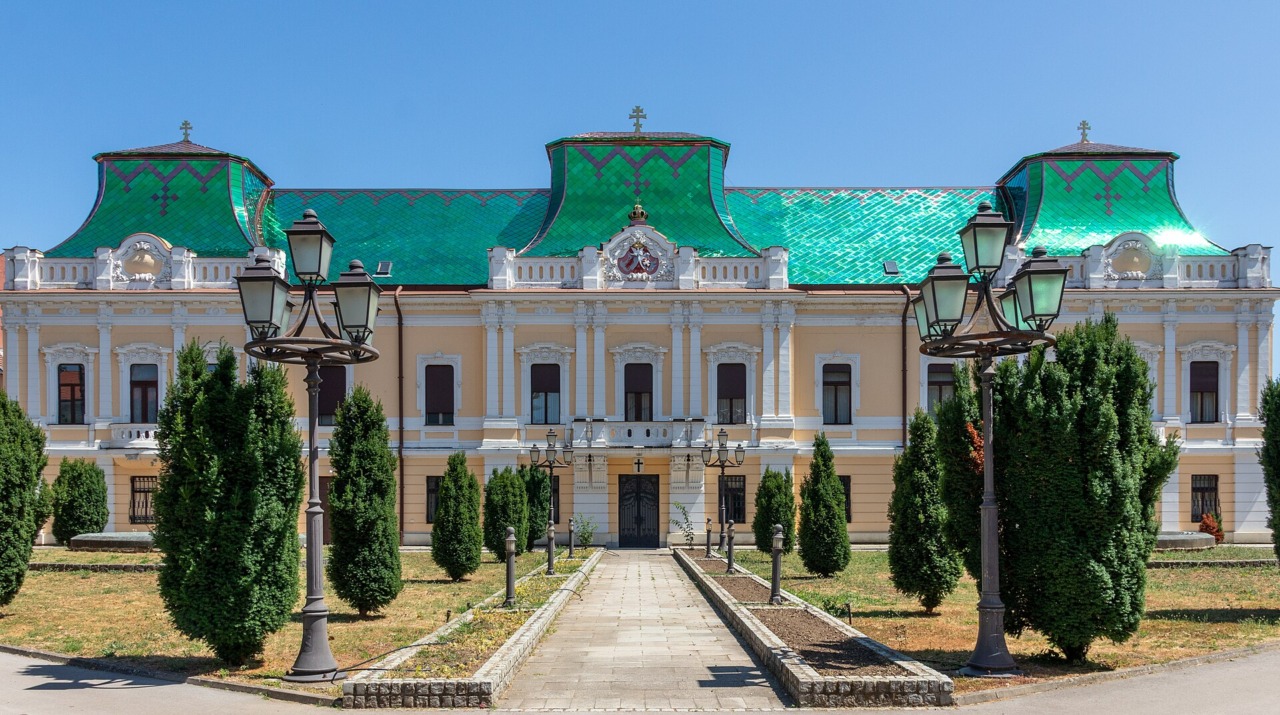
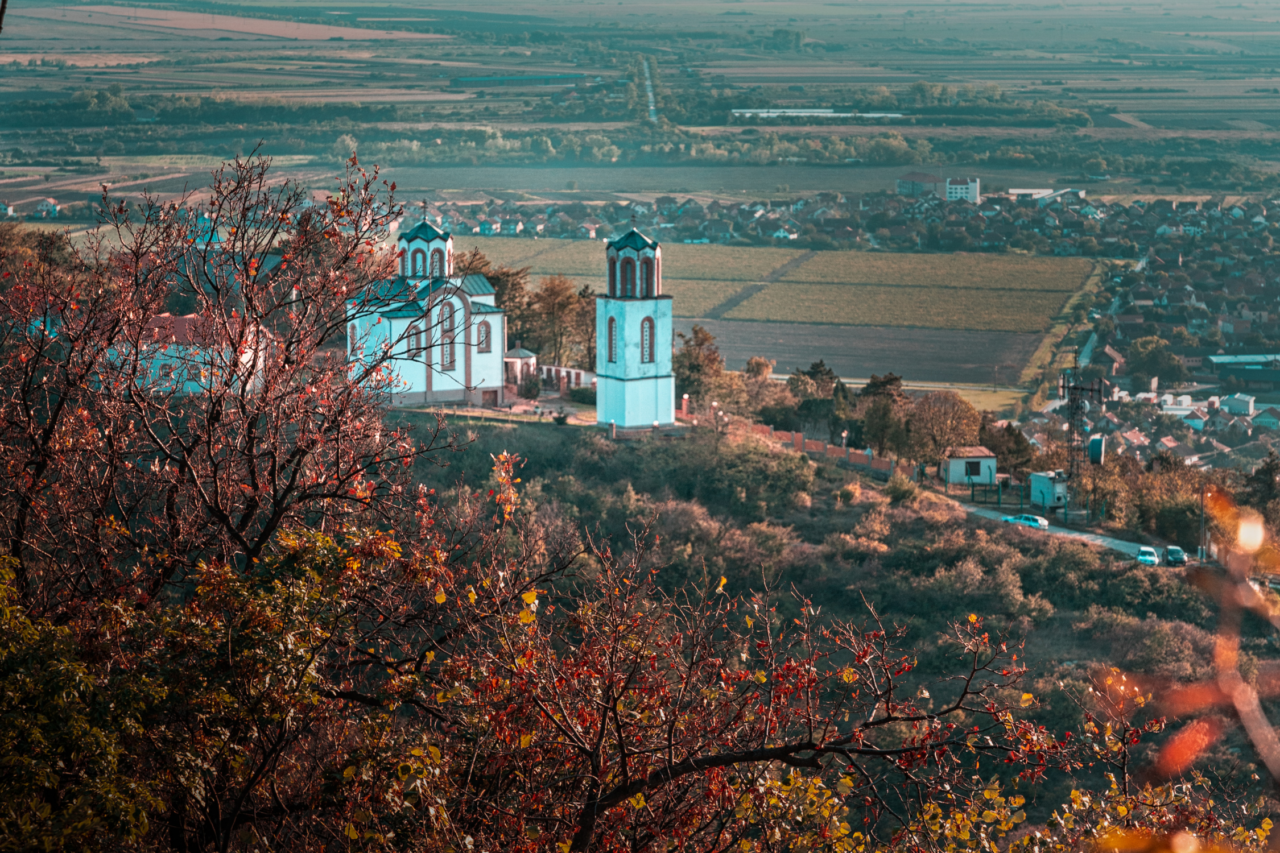
Beyond the event, Vršac offers enough variety for a complete weekend. Walk through its historic centre, visit the City Museum and the imposing Bishop’s Palace, and look for the architectural traces of the many cultures that shaped this part of Banat. Above the city, the restored Vršac Tower rewards the climb with expansive views across the plains.
September is also one of the most pleasant months for exploring the Vršac Mountains. Temperatures are milder, the slopes are still green and the trails provide a natural counterpoint to the crowds in the centre. Nearby Gudurica, surrounded by vineyards and known for its multicultural heritage, can add a slower village chapter to the journey.
Vršac in September is therefore not simply a destination for wine lovers. It is a meeting point of city culture, open landscapes, local history and one of Serbia’s largest harvest celebrations.
Main event: Grožđebal, 17–20 September 2026
Best for: Festivals, panoramic walks, architecture and a lively harvest atmosphere
3. Aleksandrovac and Župa – Inside Serbia’s Historic Wine Country
If Vršac celebrates the harvest with the energy of a city, Aleksandrovac offers a more intimate journey into the culture that surrounds the vineyard. Located in the fertile Župa valley, Aleksandrovac is at the centre of one of Serbia’s oldest and most important wine-growing regions. From 17 to 20 September 2026, the town hosts the 61st Župa Harvest, a celebration that has brought growers, winemakers and visitors together since 1963.
The Wine Street, exhibitions, concerts, carnival programmes and the traditional wine fountain create a festive centre, but the deeper appeal of Župa lies beyond the main stage. This is a landscape of family vineyards, small cellars and villages where winemaking remains part of everyday identity rather than simply a visitor experience.
Begin at the Museum of Winemaking and Viticulture in Aleksandrovac, which traces the long development of grape growing in the region. Then continue into the surrounding countryside, where vineyard roads reveal a gentler and more rural side of central Serbia.
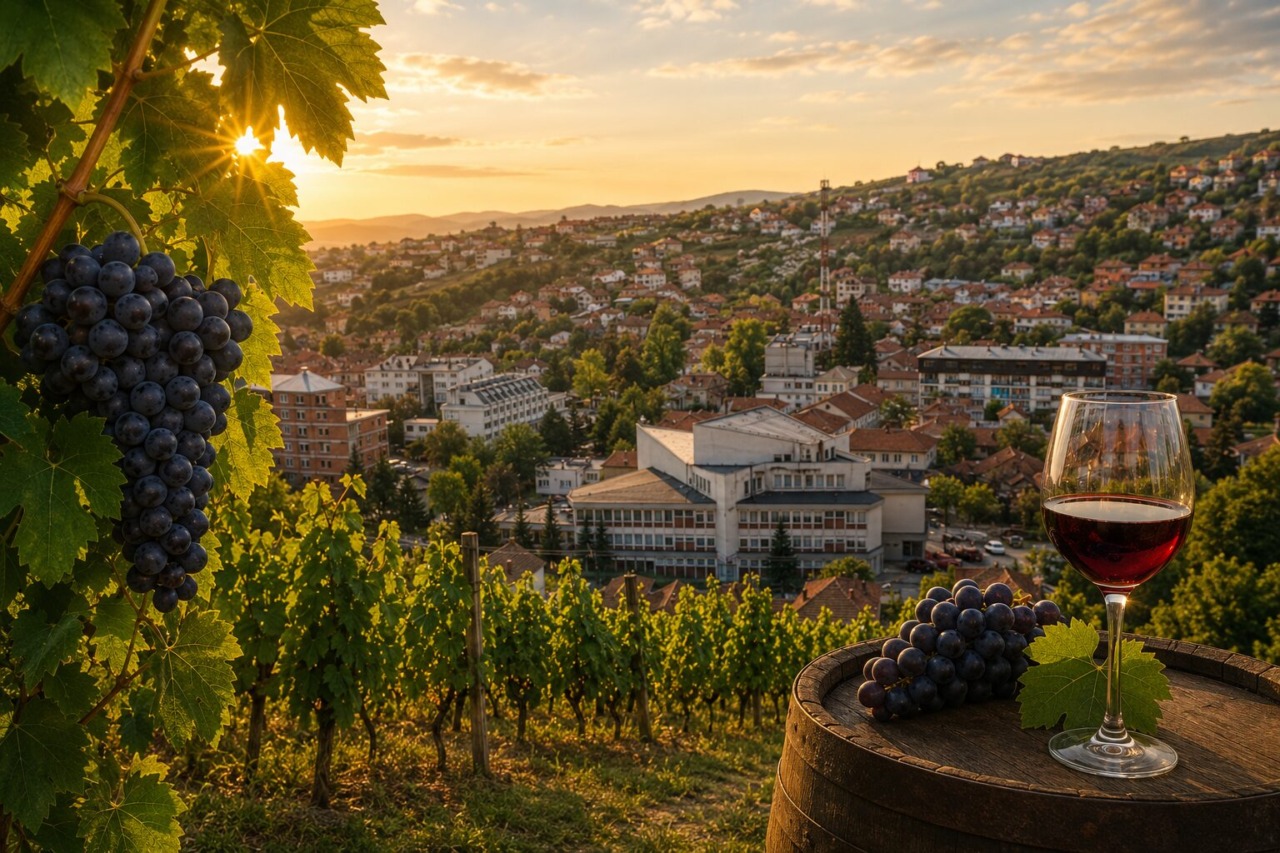
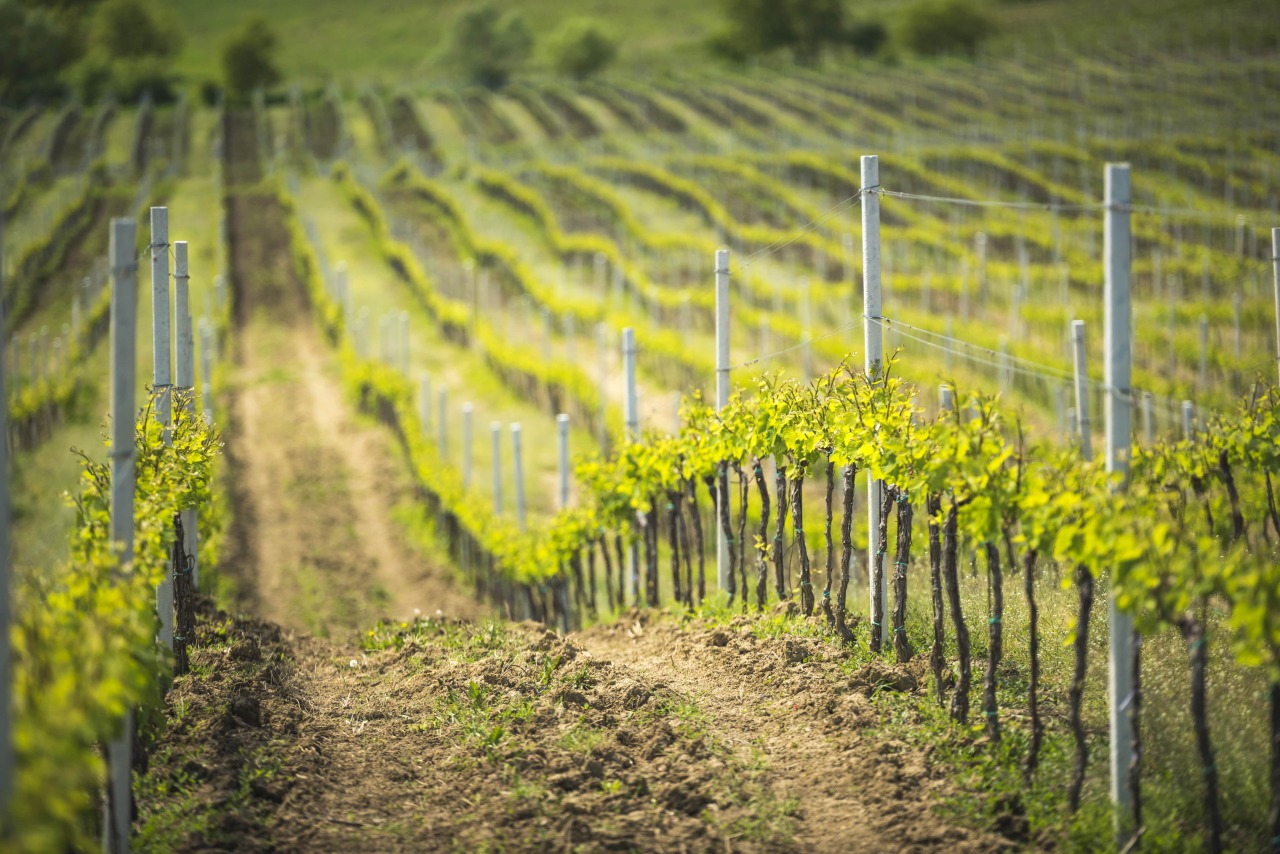
Particularly distinctive are the old poljane – seasonal vineyard settlements where growers once stayed during demanding periods of work. Their cellars, modest buildings and unusual layout preserve a chapter of wine culture rarely encountered on more commercial routes. The timing makes the difference. During the harvest, Župa is not presenting a reconstructed version of its traditions; it is living through the most important season in its annual cycle. Tractors move between vineyards, cellars become busy and the scent of ripe grapes accompanies the road through the valley.
To prevent the weekend from becoming a sequence of tastings, leave time for slow drives, local food and conversations with smaller producers. Župa is best experienced without rushing – one village, one cellar and one vineyard view at a time.
Main event: Župa Harvest, 17–20 September 2026
Best for: Wine heritage, rural landscapes, local food and slow travel
4. Čačak, Ovčar-Kablar Gorge and Mrčajevci – Nature Meets the Flavours of Šumadija
Few September trips combine as many different experiences within such a short distance as the area around Čačak. A single weekend can include a river gorge, mountain viewpoints, medieval monasteries, a spa and one of Serbia’s best-known celebrations of traditional food.
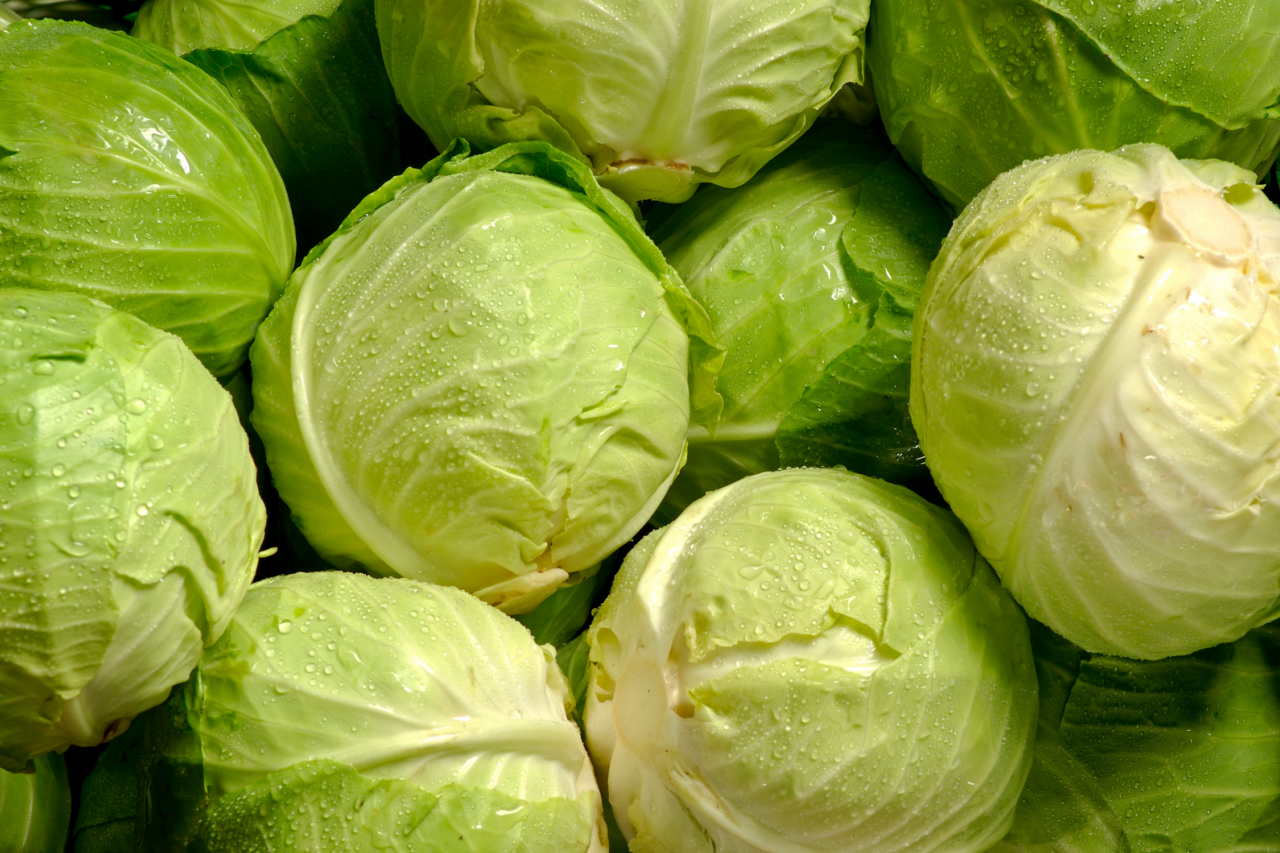
From 18 to 20 September 2026, the nearby village of Mrčajevci hosts Kupusijada, a festival devoted to cabbage prepared in a clay pot. Teams compete to make the best version of svadbarski kupus, a slow-cooked dish associated with celebrations, gatherings and old village kitchens.
Despite its playful premise, Kupusijada offers more than a culinary competition. Folk performances, handicrafts, agricultural products and the atmosphere of a large village gathering turn it into a celebration of Šumadija’s hospitality. September is exactly the right season for it: markets are full, evenings are cooler and hearty dishes begin to return to Serbian tables.
Use the festival as one part of a wider journey rather than the entire itinerary. Čačak provides an easy base, with its central square, National Museum and remains of the Roman baths offering a compact introduction to the city.
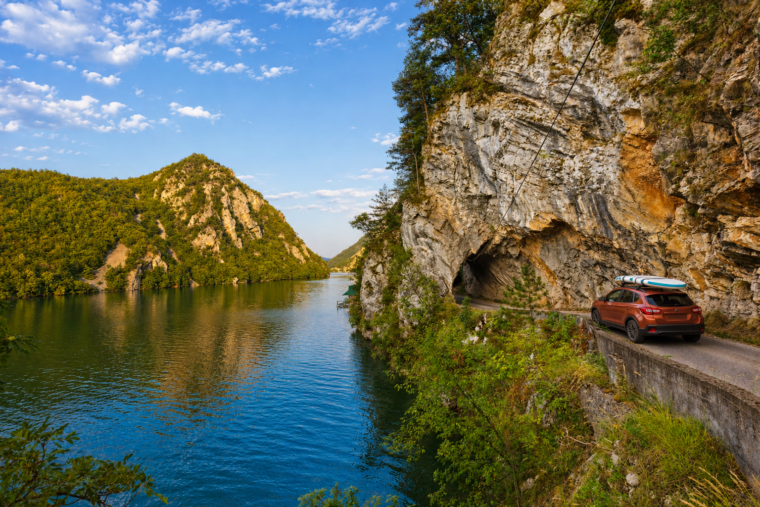
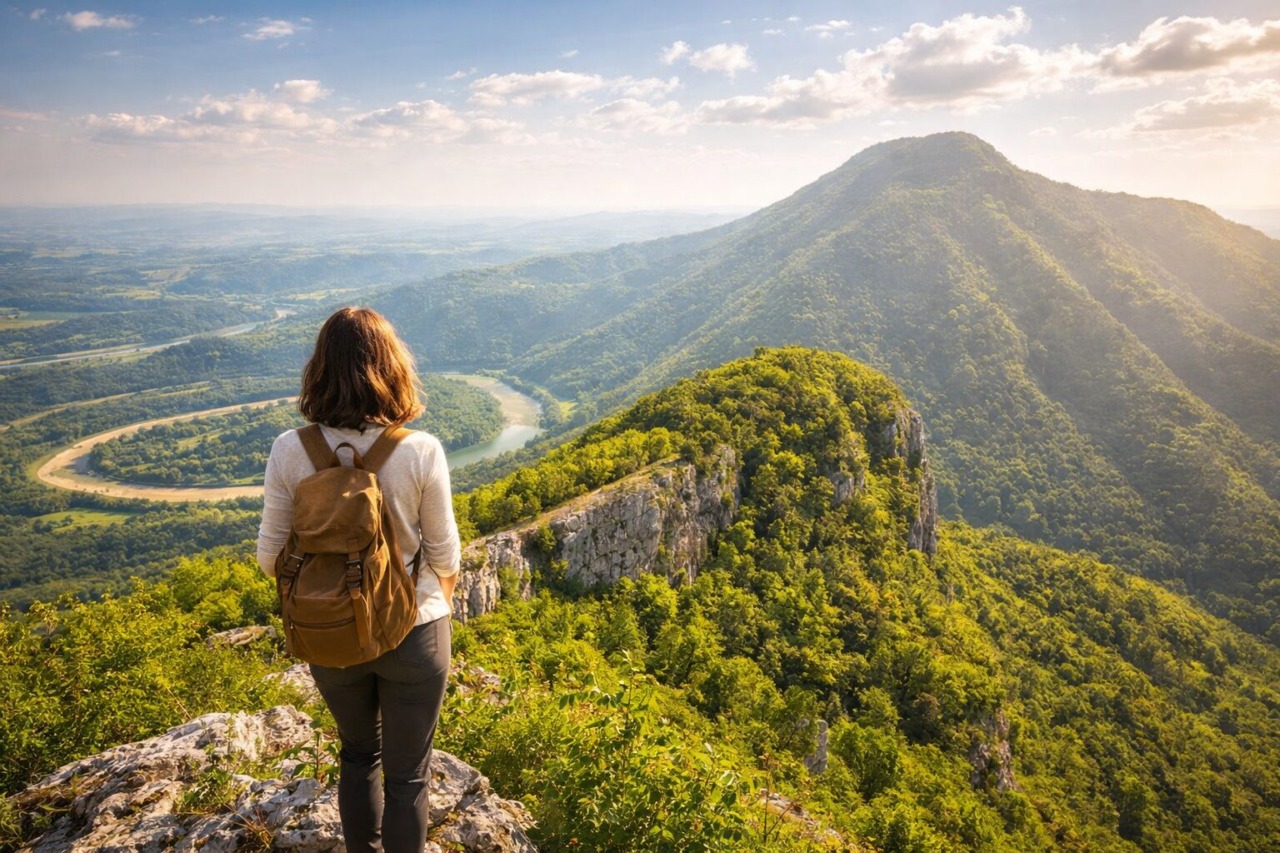
To the west, the West Morava curves through the Ovčar–Kablar Gorge, creating one of the most dramatic landscapes in this part of Serbia. Monasteries are scattered along the river and wooded slopes, while trails lead towards viewpoints above the famous meanders. Travellers who prefer a gentler day can remain near the water, visit Ovčar Banja or take a boat trip when conditions and schedules allow.
The combination works because each element changes the pace of the weekend. The gorge brings quiet and open views; Čačak adds urban history; and Mrčajevci finishes the trip with food, music and the warmth of a local celebration.
Main event: Kupusijada in Mrčajevci, 18–20 September 2026
Best for: Food, nature, monasteries and a varied weekend road trip
5. Prokuplje and Toplica – A Quieter September in Southern Serbia
The final destination on our list is also the least expected. Toplica rarely appears in first-time itineraries through Serbia, yet September reveals exactly why this southern region deserves a closer look.
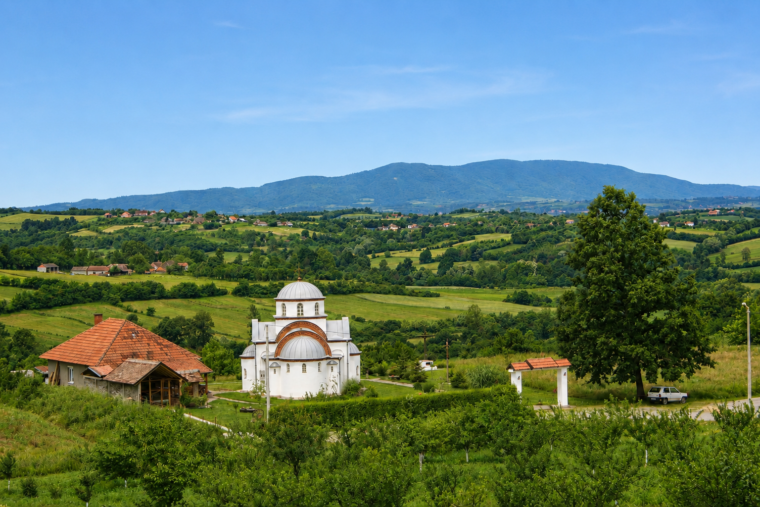
Prokuplje sits beneath Hisar Hill, surrounded by orchards, fields and the broad valley of the Toplica River. The strongest first impression comes from the landscape itself: open, cultivated and still largely untouched by mass tourism. By September, the harshest summer heat has passed, making walks, archaeological sites and drives through the countryside considerably more comfortable.
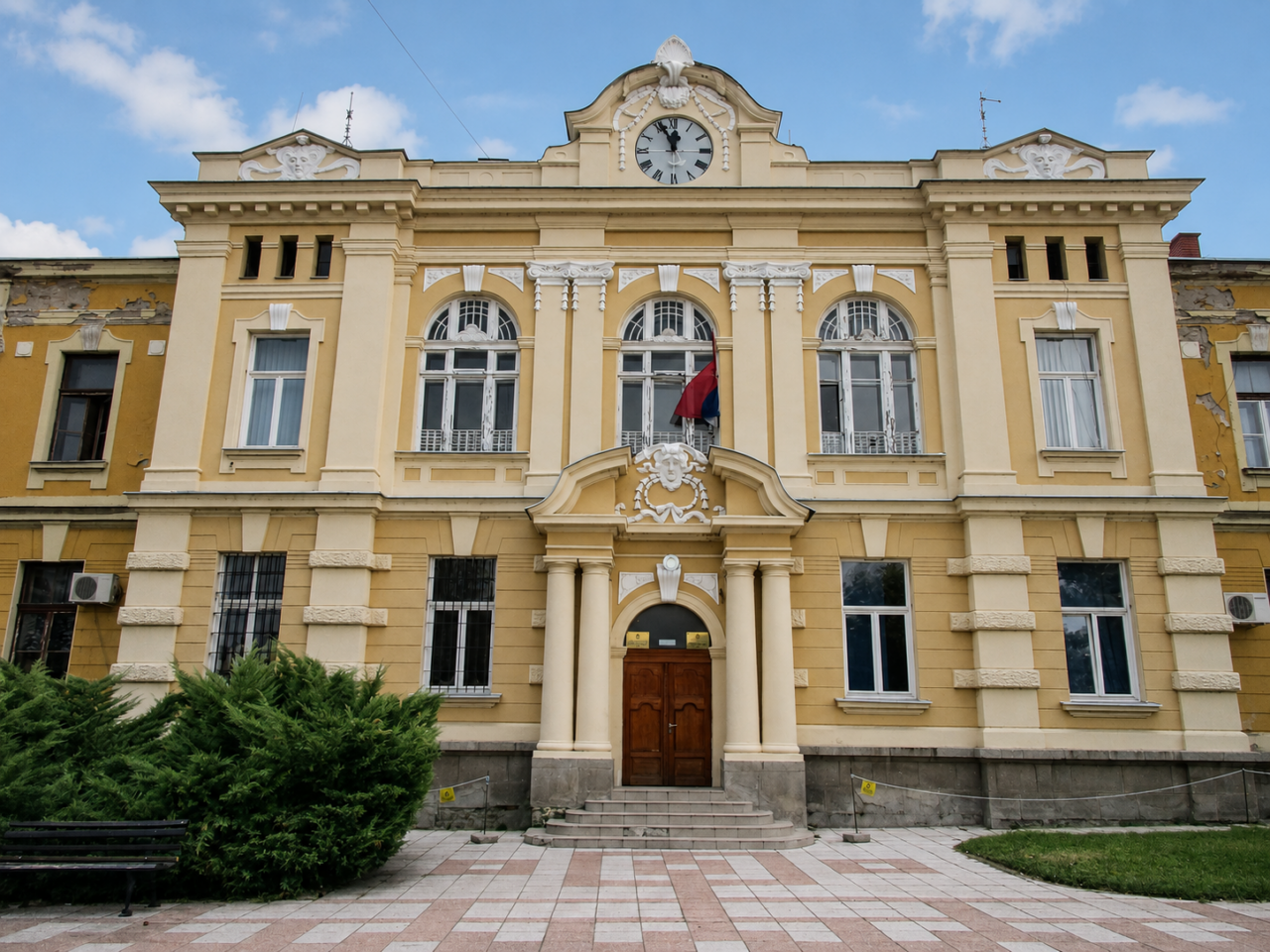
Climb Hisar for views over the town and valley, then visit the Church of Saint Procopius, whose long and complex history is closely connected with the identity of Prokuplje. The National Museum of Toplica provides context for a region shaped by ancient settlements, medieval heritage and some of the most difficult chapters of Serbia’s modern history.
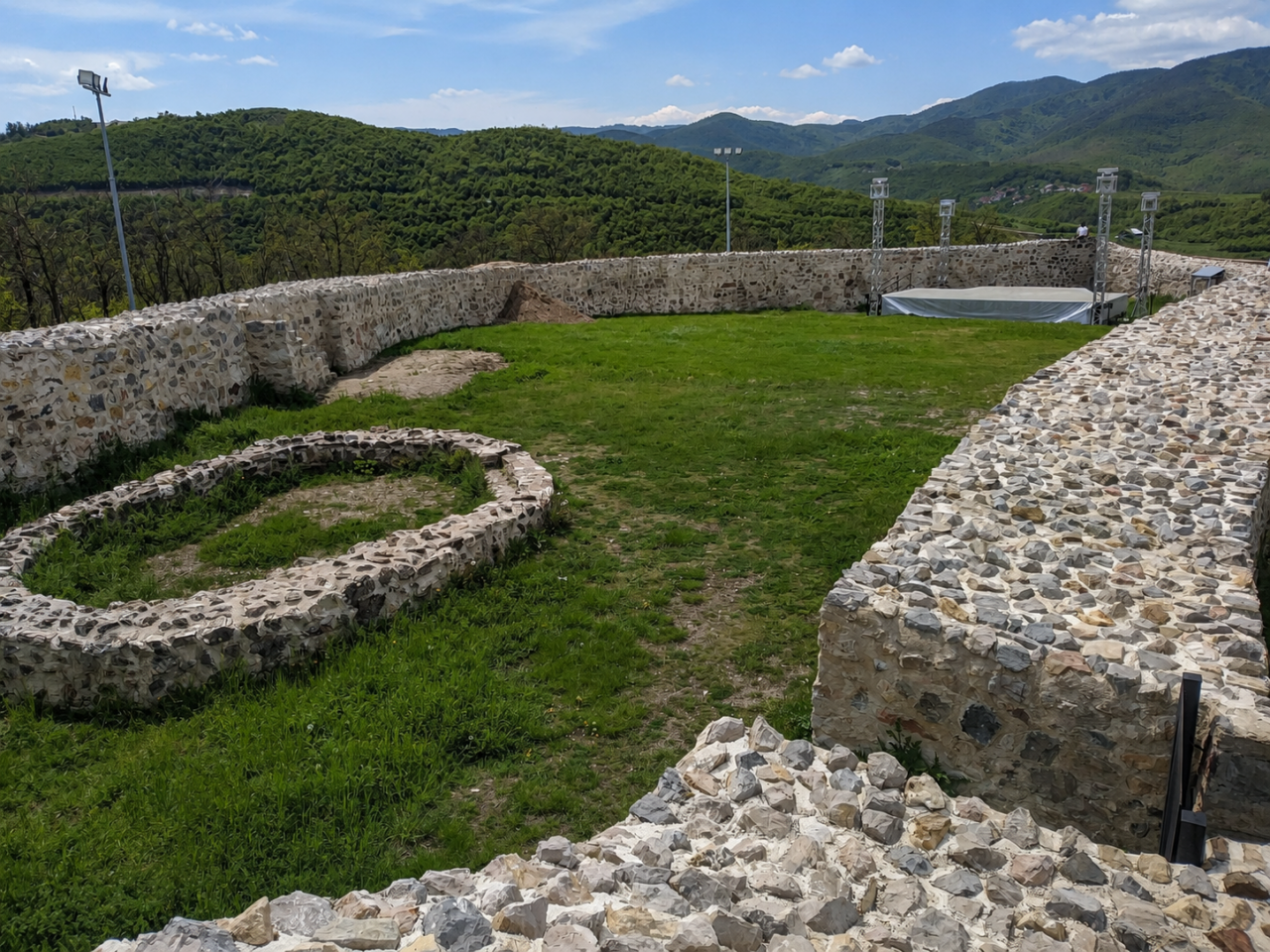
Outside the town, smaller roads lead towards villages, orchards and monasteries. Ajdanovac Monastery, set in a quiet wooded landscape, is one possible stop, while the wider Toplica region offers opportunities to build a route around traditional food, local producers and places that rarely receive international visitors.
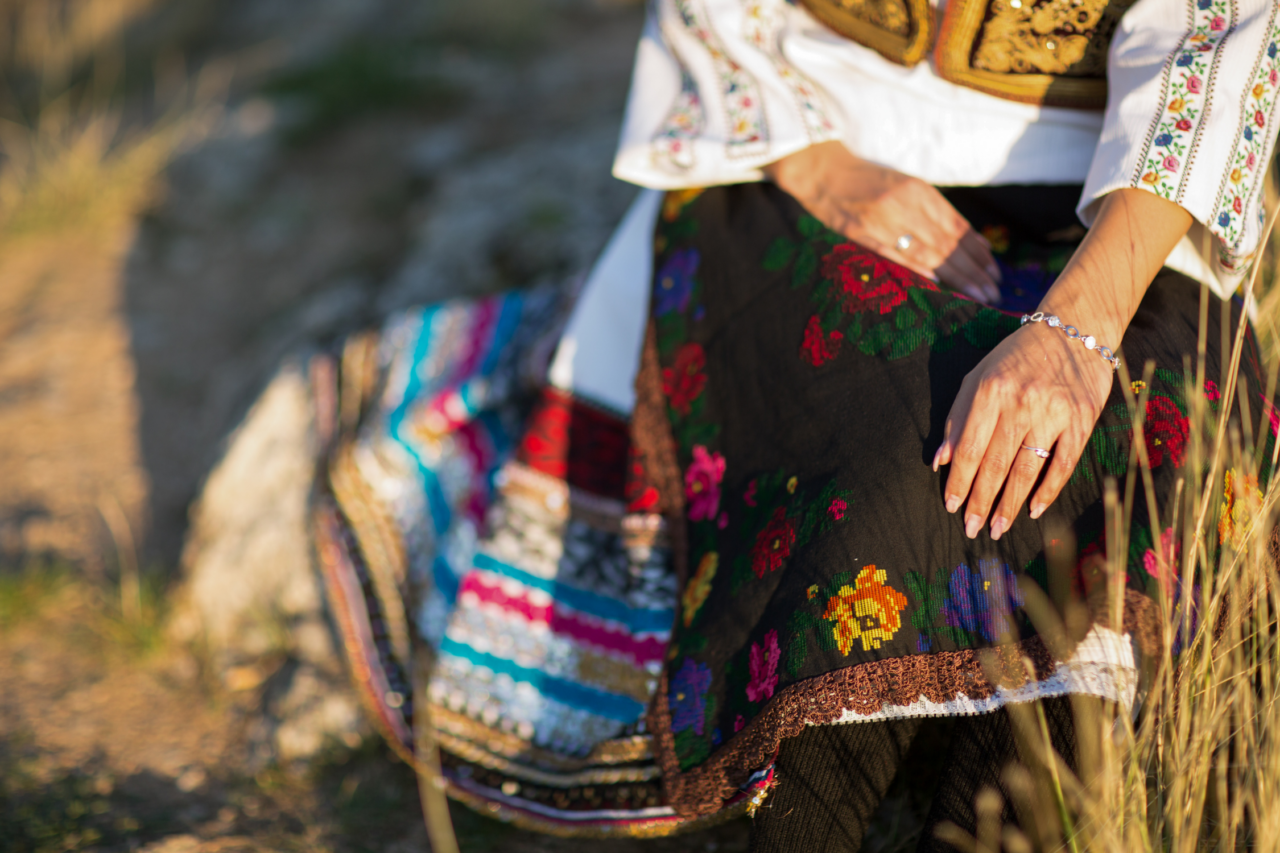
September also brings village gatherings dedicated to preserving rural customs. The Miholjski susreti sela programme in the Prokuplje area includes traditional cooking, handicrafts, folk music and old sporting disciplines. Rather than functioning as a polished tourist spectacle, these events provide a glimpse into the way local communities continue to celebrate their identity.
Prokuplje will not offer the concentrated attractions of Serbia’s major destinations, and that is precisely its strength. This is a place for travellers who enjoy finding meaning in landscapes, local stories and unhurried encounters. After the festival crowds of the first four destinations, Toplica brings the list to a quieter and more reflective close.
September highlight: Village traditions and early-autumn journeys through the Toplica countryside
Best for: Lesser-known heritage, rural Serbia, road trips and travellers who prefer uncrowded places
Why September Is the Right Time for These Journeys
What connects these five destinations is not a single landscape or type of experience, but a seasonal change in the way Serbia travels and celebrates.
In Požarevac, equestrian tradition takes over the city. Vršac turns the grape harvest into a large public festival, while Župa invites visitors deeper into the vineyards and family cellars. Around Čačak, the first cooler evenings bring people together over food that has been slowly prepared for hours. In Toplica, village gatherings and quiet country roads reveal a region that remains almost entirely outside the tourist spotlight.
Together, they show why September is more than the end of summer. It is the month when the country begins to turn inward – towards harvest, tradition, local food and the landscapes closest to home. For travellers, that creates an opportunity to experience Serbia not only through its famous sights, but through the events and seasonal rituals that give each region its character.
Related Articles