
-
Serbia at a Glance
Discover All -
Arts & Culture
Discover All -
Identity & Heritage
Discover All -
Famous Serbs
Discover All
-
Regions
Discover All -
Cities
Discover All -
Nature
Discover All -
Cultural Landmarks
Discover All
-
Outdoor & Wellness
Discover All -
Food & Drink
Discover All -
Tours
Discover All -
Urban Experiences
Discover All -
Seasonal Experiences
Discover All
Partner with Serbia.com
Let's create lasting impact together
Partner with Serbia.com to reach travellers through trusted recommendations, inspiring editorial stories and thoughtfully designed campaigns. Together, we create meaningful visibility that supports your goals and remains valuable long after publication.
Explore partnership opportunities- Serbian Favorite Rituals Everyday traditions and little things that make life in Serbia special.
- Villages of Serbia Charming villages, local stories and authentic rural life.
- Serbia Told By You Personal stories, local perspectives and authentic experiences from across Serbia.
- Is it Worth Visiting in Serbia? Honest destination guides to help you decide which places are worth visiting.
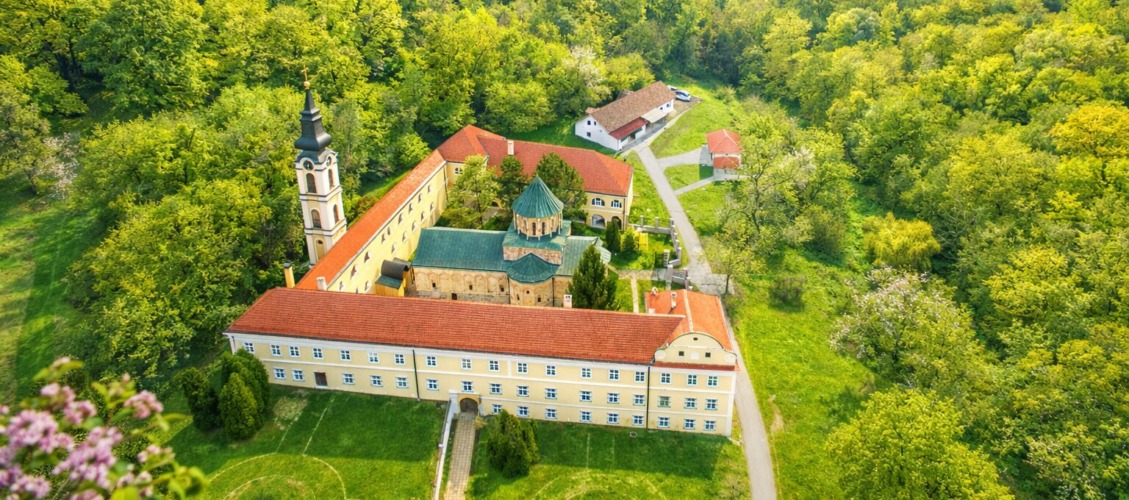
As winter slowly fades and the first warm days arrive, March becomes the perfect time to rediscover the quiet beauty of Fruška Gora. Known as the “Holy Mountain of Serbia,” this gentle range rising above the plains of Vojvodina hides more than a dozen historic monasteries, many of them surrounded by forests, vineyards, and peaceful walking trails.
Early spring is one of the best moments to visit. The forests begin to wake up, the hills turn bright green, and the monasteries appear even more serene without the crowds of the summer season. A day spent exploring several of these sacred sites is both a cultural journey and a relaxing nature escape.
Here are five monasteries that make a perfect spring route across Fruška Gora.
Krušedol Monastery
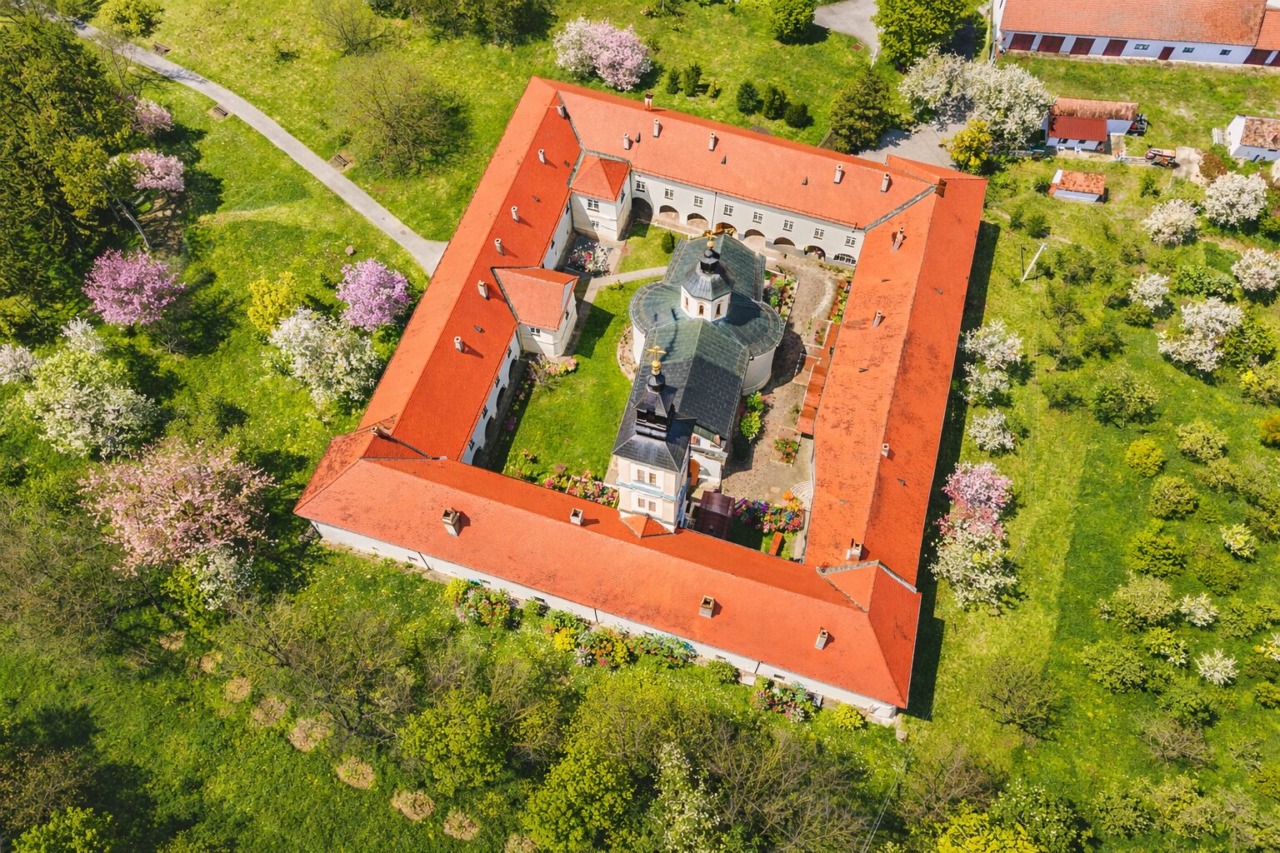
One of the most important monasteries of Fruška Gora, Krušedol was founded in the early 16th century by the Branković dynasty. Its peaceful courtyard and elegant church make it one of the most beautiful spiritual landmarks in northern Serbia.
The monastery is also known as the burial place of several significant Serbian historical figures, including members of the Branković family and later notable leaders from Serbian history. In spring, the surrounding woods and gentle hills create a tranquil setting that makes Krušedol an ideal starting point for exploring Fruška Gora.
Interesting fact:
Krušedol was once an important cultural and political center where many Serbian leaders and church dignitaries gathered during Ottoman rule.
Grgeteg Monastery
Located on the southern slopes of Fruška Gora, Grgeteg Monastery is surrounded by dense forest and quiet nature trails. According to tradition, it was founded in the 15th century by despot Vuk Grgurević, a member of the Branković family. The monastery’s church is known for its impressive frescoes painted in the 18th century, as well as for its elegant baroque-style bell tower.
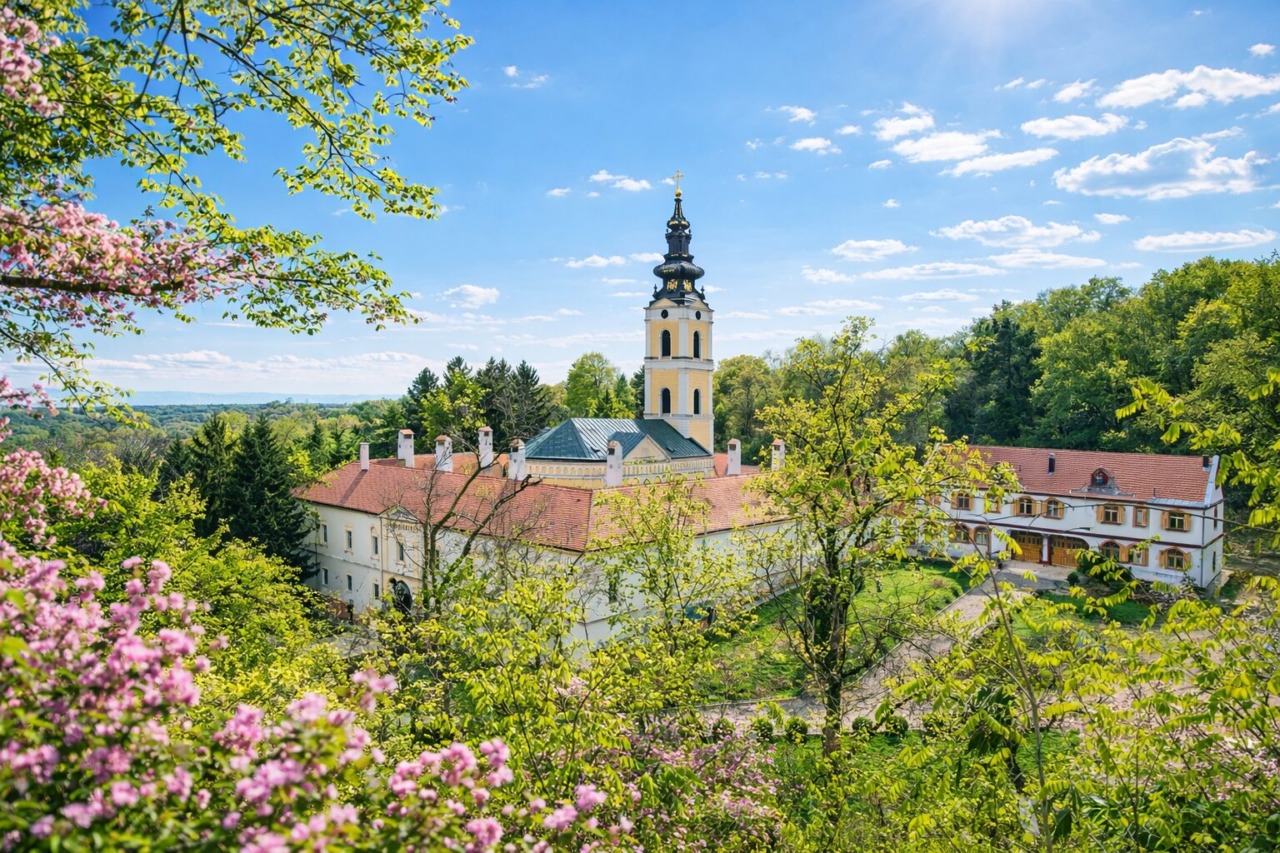
Spring is especially beautiful here, when the surrounding forest becomes lush and fresh, creating a peaceful atmosphere ideal for slow walks and quiet reflection.
Interesting fact:
The monastery library once contained valuable manuscripts and books that played an important role in preserving Serbian cultural heritage.
Velika Remeta Monastery
Velika Remeta is one of the oldest monasteries on Fruška Gora and is often associated with the hermit monks who once lived in the forests of the mountain.
The monastery complex is known for its tall bell tower and beautifully preserved church dedicated to Saint Demetrius. Surrounded by forest and vineyards, it feels wonderfully secluded. In March, the nearby trails begin to bloom with early spring vegetation, making the area particularly pleasant for short hikes and nature walks.

Interesting fact:
Velika Remeta is believed to have been founded as early as the 15th century and has long been an important spiritual center of the region.
Novo Hopovo Monastery
Novo Hopovo is one of the most famous monasteries of Fruška Gora and an important monument of Serbian medieval heritage. The monastery church dates back to the 16th century and is dedicated to Saint Nicholas.
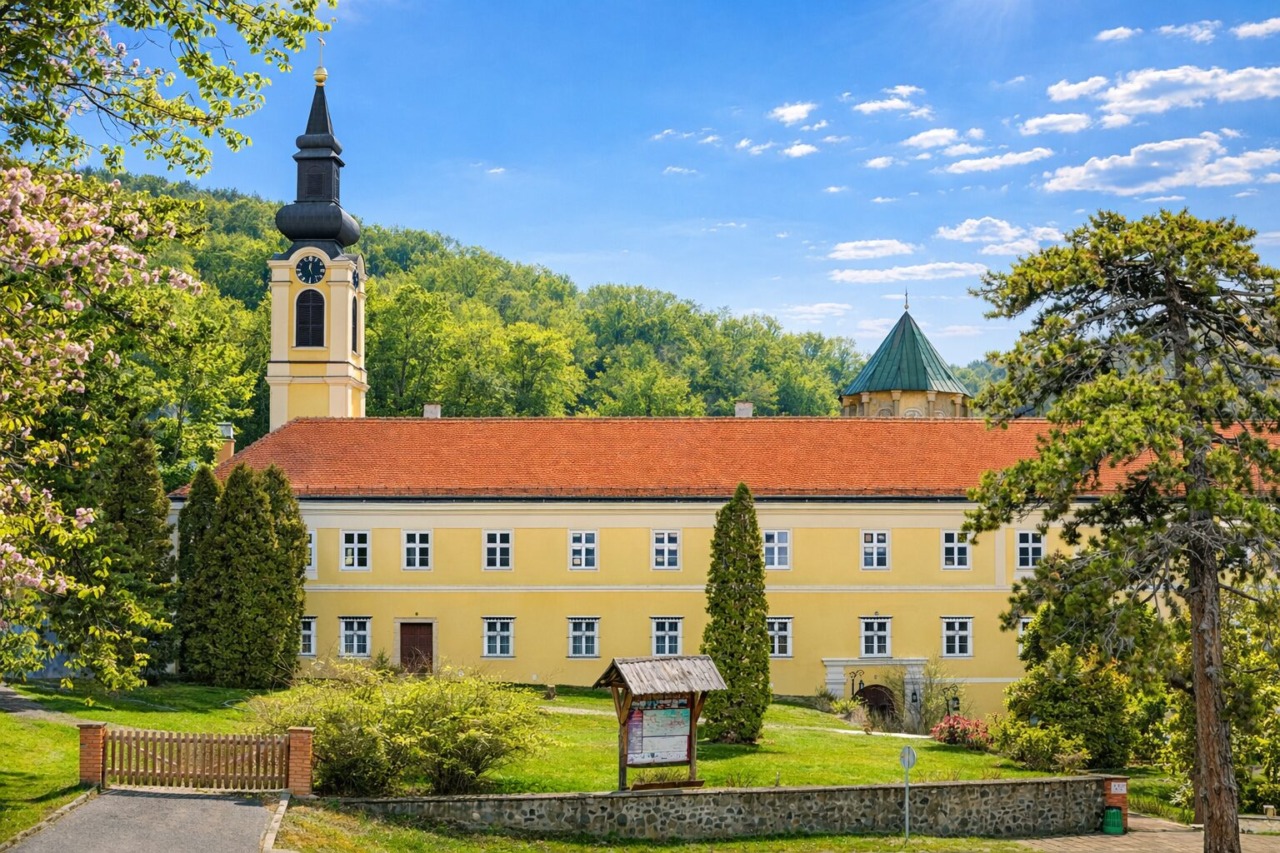
Its frescoes are considered among the most valuable examples of post-medieval Serbian painting. During the Ottoman period, Novo Hopovo was also an important center of learning and manuscript copying. In spring, the monastery is surrounded by blossoming orchards and vineyards that add a special charm to the visit.
Interesting fact:
The relics of Saint Theodore Tyron were once kept in Novo Hopovo, making it an important pilgrimage site.
Jazak Monastery
Hidden among the forests of Fruška Gora, Jazak Monastery is one of the most peaceful places on the mountain. The monastery complex includes an older and a newer church, both surrounded by greenery and quiet paths.
Its history dates back to the 16th century, when monks established a monastic community in this remote part of the mountain. Today, Jazak remains an active monastery and a place of spiritual calm. In early spring, the forest paths around the monastery become perfect for gentle walks, offering visitors the chance to experience the quiet beauty of Fruška Gora.

Interesting fact:
The relics of Serbian Emperor Uroš V were once kept in Jazak Monastery, making it an important site in Serbian spiritual history.
A Perfect Spring Day on Serbia’s Holy Mountain
A journey across the monasteries of Fruška Gora is not only a cultural exploration but also a peaceful nature experience. In March, when the forests begin to awaken and the air becomes warmer, the mountain reveals a calm and refreshing atmosphere that is hard to find elsewhere.
Just a short drive from Novi Sad or Belgrade, Fruška Gora offers the perfect spring escape – a place where history, nature, and spirituality blend into one unforgettable experience.
Plan your visit
Everything you need to plan your perfect trip.
Related Articles