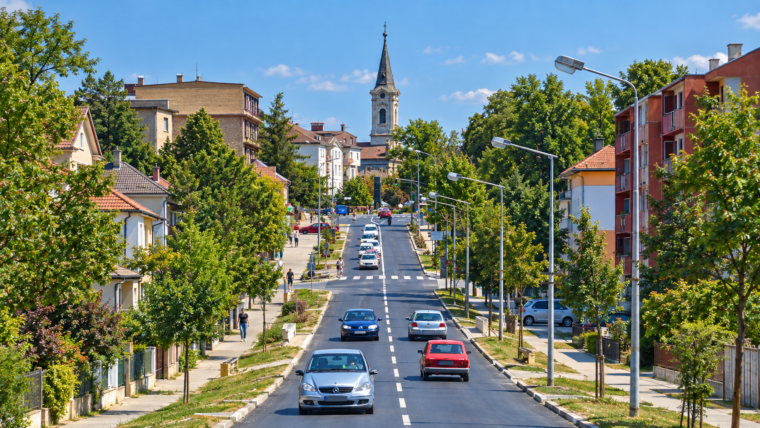

On the peaceful banks of the Tisa River, in the heart of Bačka, lies Čurug – a small town that may seem quiet at first glance, yet hides layers of history, outstanding personalities, and authentic Vojvodina stories. This is a place where windmills once shaped the horizon, where one of Serbia’s greatest finance ministers was born, and where nature and tradition still move in perfect harmony.
A Town That Gave Birth to Great Minds
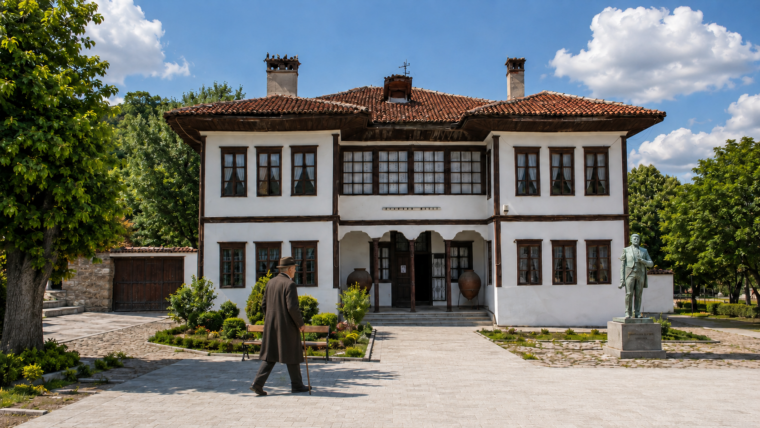
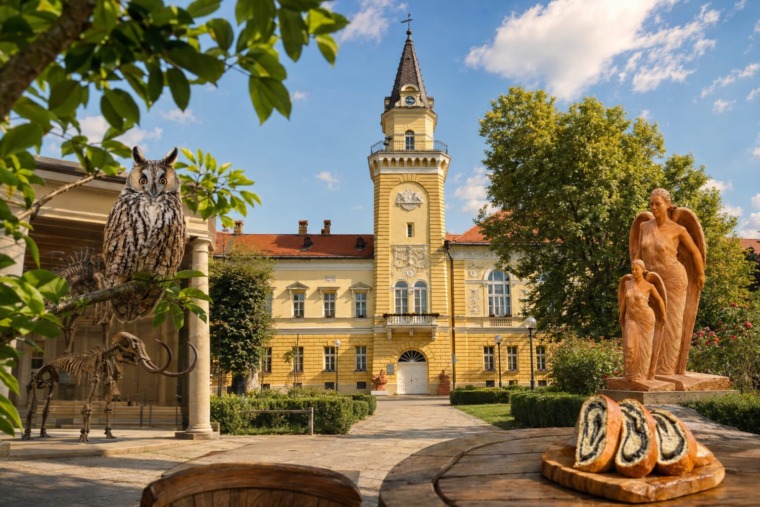
Čurug is best known as the birthplace of Laza Paču, born on March 1, 1855. Trained as a doctor, Paču became a financial genius and is remembered as one of the most successful finance ministers in Serbian history. His discipline, honesty, and fiscal responsibility became legendary. Today, a monument in his hometown honors his legacy and reminds visitors that even small places can produce great leaders.
Čurug is also the birthplace of many other notable figures, including pharmacologist Jovan Tucakov, composer Petar Konjović, painter Teodor Ilić Češljar, and Serbian Patriarch Porfirije (Perić), as well as Bishop Fotije. For a town of this size, this is an impressive cultural and intellectual heritage.
Layers of History: From Prehistory to Windmills
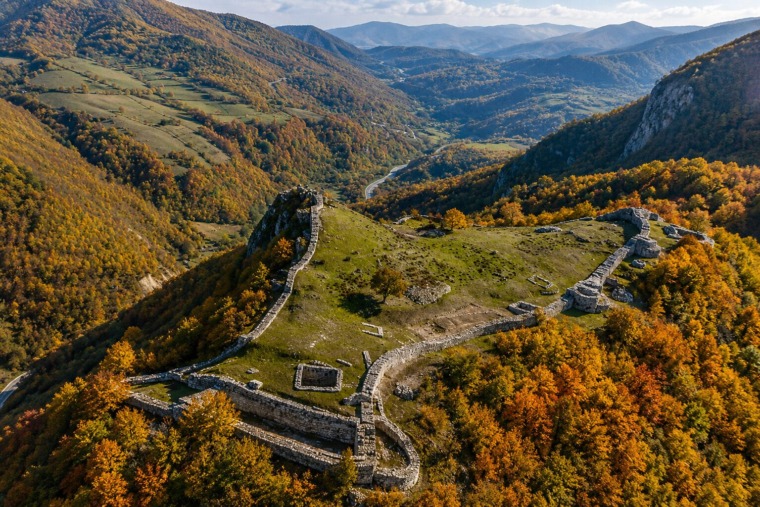
Archaeological evidence shows that the area of today’s Čurug was inhabited as early as the Neolithic period. Through history, it belonged to the estate of Despot Đurađ Branković, later becoming part of the Titel District and the Military Frontier.
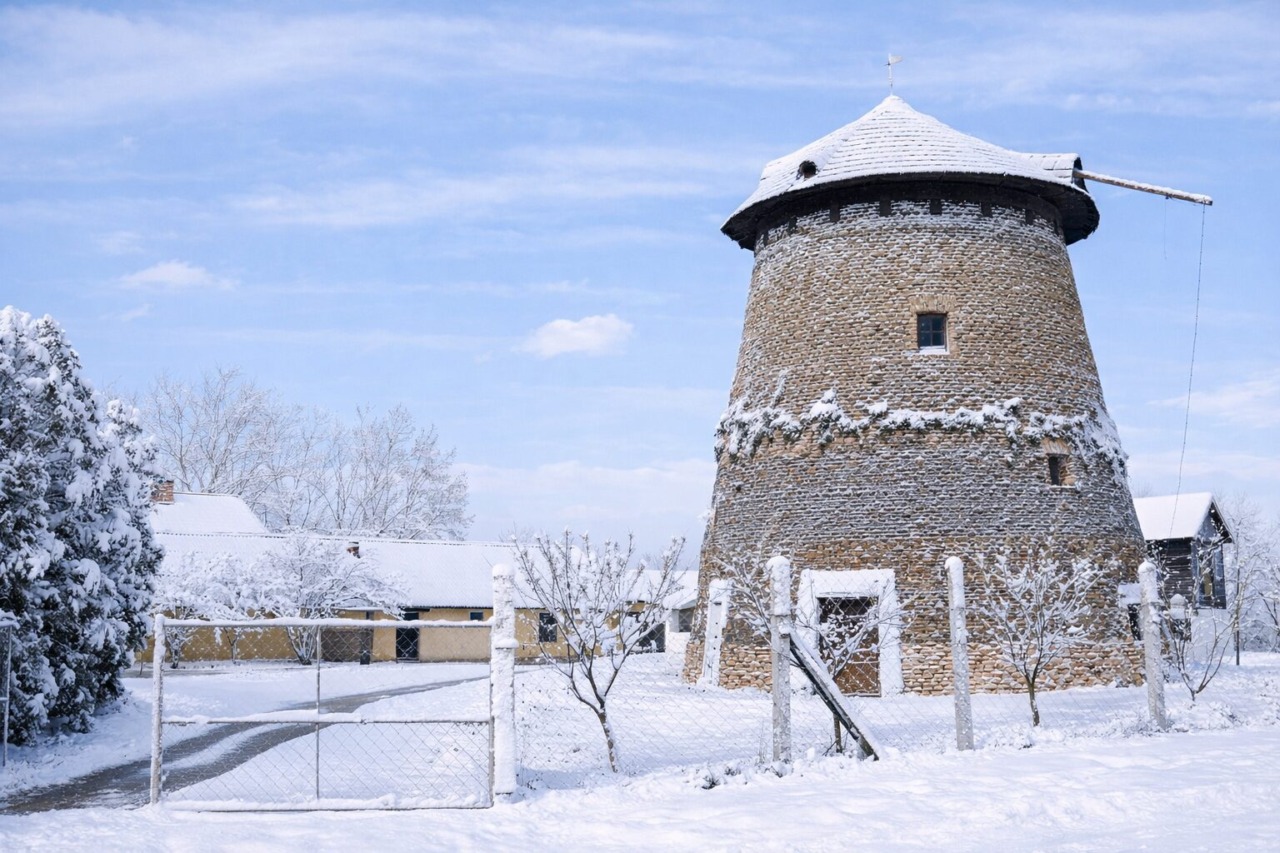
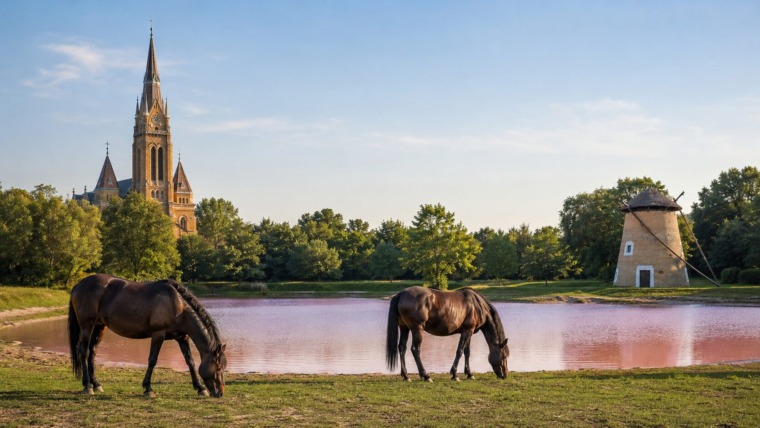
Although the archaeological site “Stari Vinogradi” is significant, Čurug was once best known for its many windmills. Today, only one remains – Rođina vetrenjača, located on the road toward Bačko Gradište. Built from nearly 70,000 bricks, this windmill is a rare example of Pannonian industrial heritage and a favorite stop for visitors seeking authentic rural scenery.
Natural Beauty: The Tisa, Old Tisa, and Pearl Island
On the northern edge of Čurug lies the Old (or Dead) Tisa, a calm river branch ideal for fishing, walking, and escaping urban noise. Nearby is Biserno Ostrvo (Pearl Island), once a famous hunting ground and today best known for Dvorac Rohonczy, the castle of Gedeon Rohonczy, which adds a romantic touch to the landscape.

The scenery changes with every season – from golden summer sunsets over the river to misty autumn mornings when the plains seem to float in silence.
Flavors of the Plains: From Field to Table
Čurug is not only about history – it is also about taste. Local farms follow the “from field to table” philosophy, offering visitors homemade cheeses, kačkavalj, and award-winning Gouda, recognized at the Novi Sad Agricultural Fair.

The area is home to one of Serbia’s largest organic dairy farms, as well as a local winery, proving that even the flatlands can produce wines with character. A special local treasure is Čurug’s marshland honey, a recognized brand of the town and a symbol of the rich pastures along the Tisa river. Alongside honey, producers make liqueurs based on this natural ingredient, making Čurug an emerging gastro destination in Vojvodina.
A Spiritual Landmark of Bačka
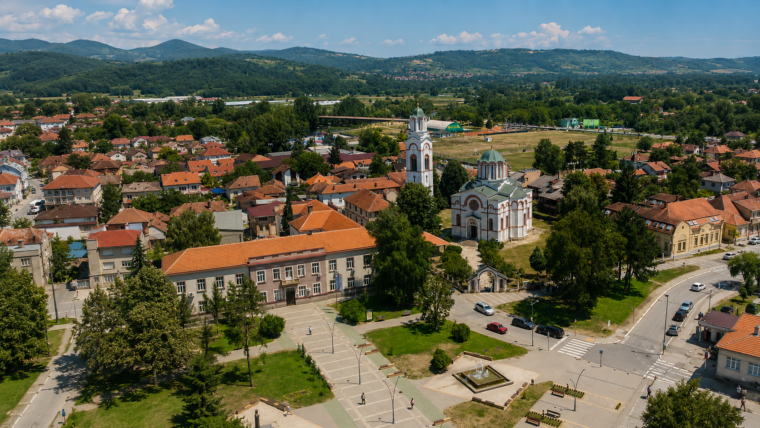
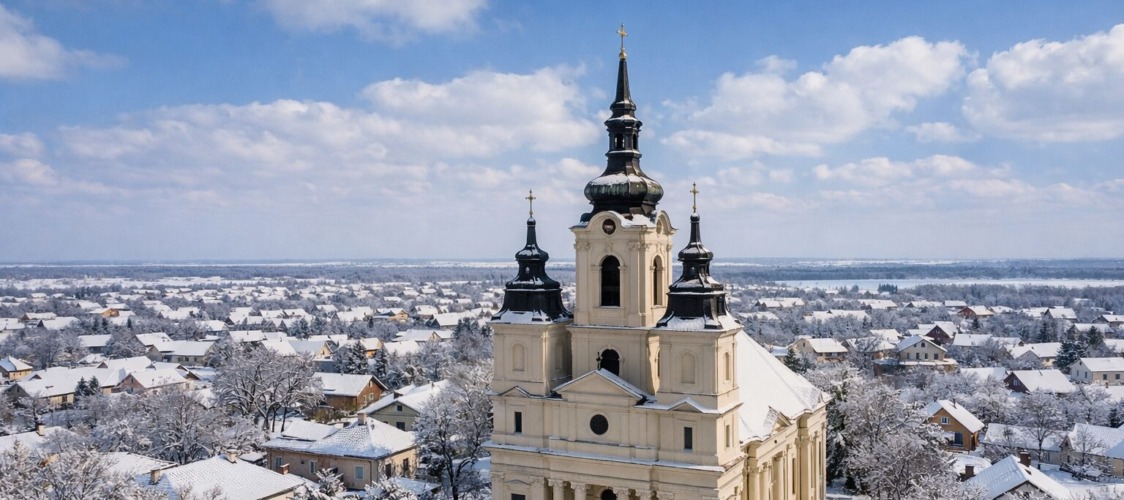
Among the town’s most important landmarks is the Crkva Vaznesenja Gospodnjeg, built in 1862. This church is a protected cultural monument of exceptional importance and is famous for having one of the tallest bell towers in the region. Rising above the flat landscape, it symbolizes the spiritual strength and continuity of the local community.
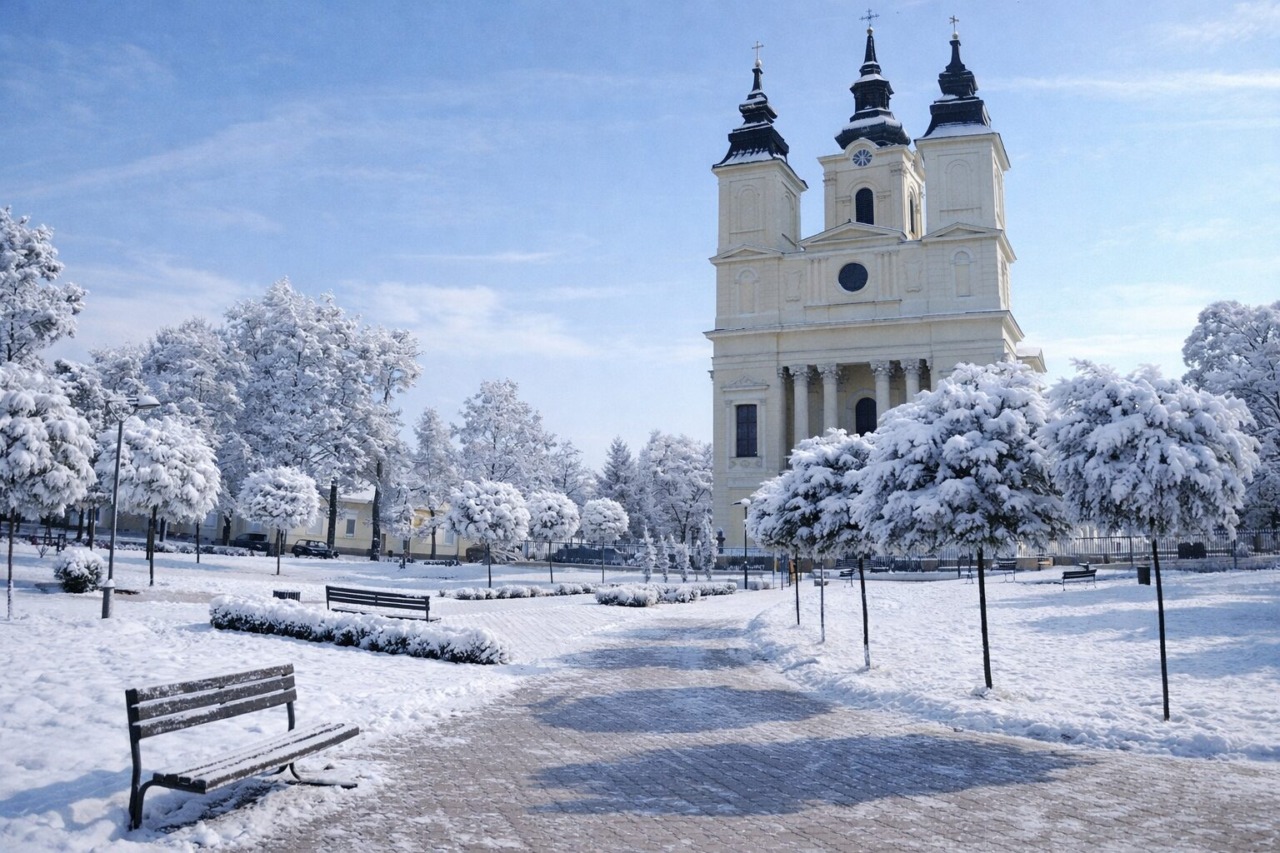
For travelers seeking a peaceful break from city life, Čurug is an ideal destination. A walk along the Tisa, a visit to the old windmill, meetings with local producers, and the quiet rhythm of the plains create a simple yet deeply satisfying experience.
There is no spectacle in Čurug. Instead, there is something more valuable: calmness, continuity, and the feeling that time flows more slowly here. And sometimes, that is exactly what we need.
Related Articles