

For five days in August, music spills out across Zrenjanin’s squares, its streets fill with visitors, and the usually relaxed Banat city takes on the rhythm of a major summer festival.
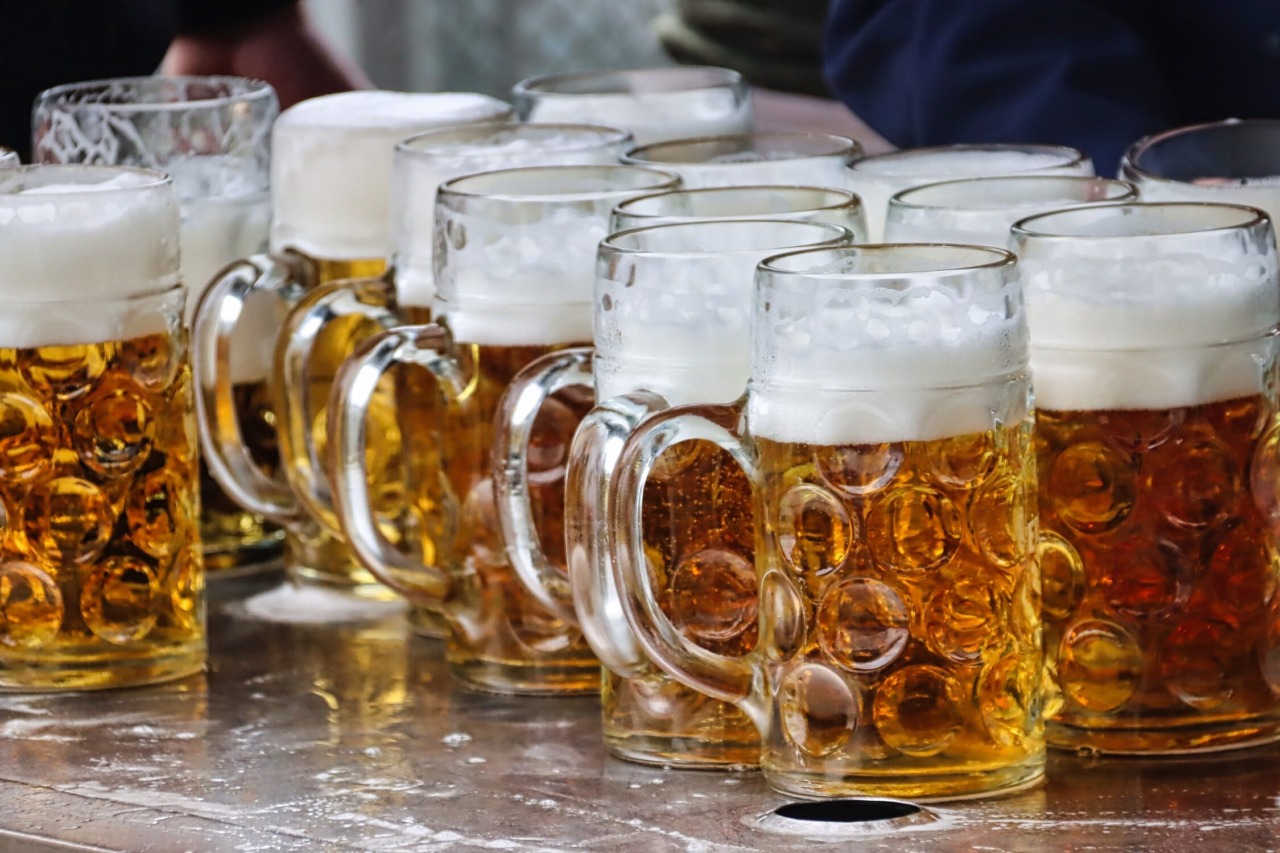
From 5 to 9 August 2026, Zrenjanin will host the 41st edition of Beer Days, one of the best-known and most popular events in Vojvodina. Although its name reveals its most recognisable symbol, Beer Days has long been far more than a food and drink festival.
Although its name reveals its most recognisable symbol, Beer Days has long been far more than a food and drink festival. Its programme includes concerts, cultural and artistic performances, sporting events, traditional crafts and activities for children and families, spread across numerous locations around the city.
A City with One of Serbia’s Oldest Brewing Stories
The connection between Zrenjanin and beer began long before the festival itself. The first brewery in what was then known as Veliki Bečkerek opened in 1745, giving the city one of the longest brewing traditions in this part of Europe.
Beer Days was first organised in 1986 to mark 240 years of brewing in the city. The earliest editions were inspired by the traditional fairs once held across the region. Horse-drawn carts travelled through the streets, while actors, musicians and poets entertained the crowds.
Over the following decades, the festival grew and changed, but it retained its most important qualities: a strong connection with local tradition and the atmosphere of a genuine citywide celebration.
One custom that has survived to this day is the ceremonial procession of costumed town criers. Before the festival begins, they walk through the streets accompanied by music, inviting residents and visitors to join the festivities. This year, they once again set out from the City Garden, continuing a tradition that serves as the symbolic introduction to Beer Days.
Five Evenings of Music Across Two City Squares
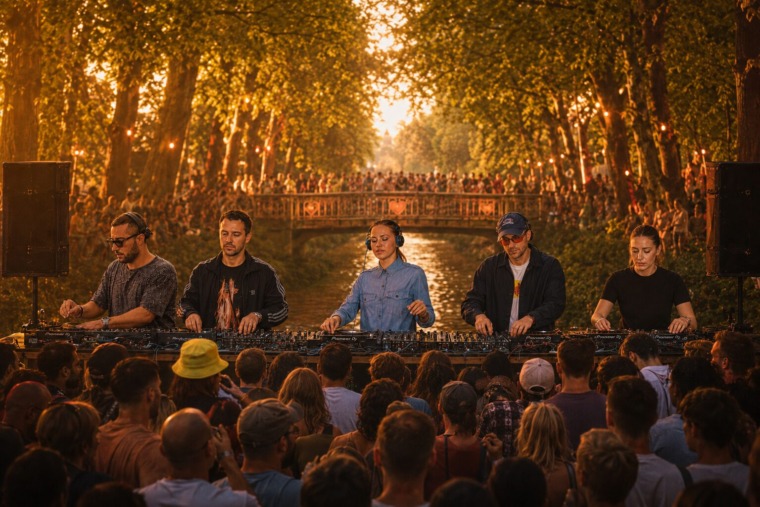
The main music programme of this year’s Beer Days will take place in Freedom Square and Žitni Square, bringing together performers from different generations and musical genres.
The programme in Žitni Square begins on Wednesday, 5 August, with performances by the band Zana and a Madonna tribute act. Over the following evenings, the stage will welcomeĐorđe David & Death Saw, Dr Nele Karajlić, Tap 011, Regina, Dejan Matić, Halid Muslimović and several other performers.
The programme in Freedom Square opens on Thursday, 6 August, with the Zrenjanin Philharmonic Orchestra and Bela Mavrak. Aureus Band and Saša Kovačević will perform on Friday, while Saturday is reserved for Sofija Perić and Dragana Mirković. Gospon Tamburaši will bring the festival’s final evening to a close on Sunday.

Admission to the concerts is free. With different musical styles presented across the two stages, visitors can move between locations during the same evening while discovering several parts of the city centre.
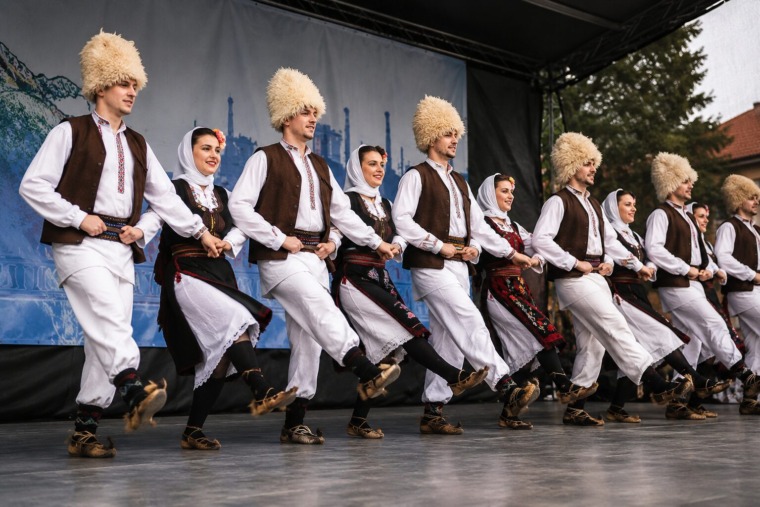
However, the festival’s true character is perhaps best experienced during the daytime. Cultural performances, children’s entertainment, sporting competitions and various activities unfold across the squares, pedestrian streets and surrounding areas. Craftspeople and small producers have an opportunity to present regional products, while traditional events remind visitors that Beer Days is, above all, a celebration of the city rather than simply a series of evening concerts.
Discovering Zrenjanin Between Festival Events
Beer Days may provide the perfect reason to visit, but it would be a shame to spend the entire trip in front of the festival stages. Zrenjanin has a compact city centre that is easy to explore on foot, allowing sightseeing to fit naturally between the daytime and evening programmes.
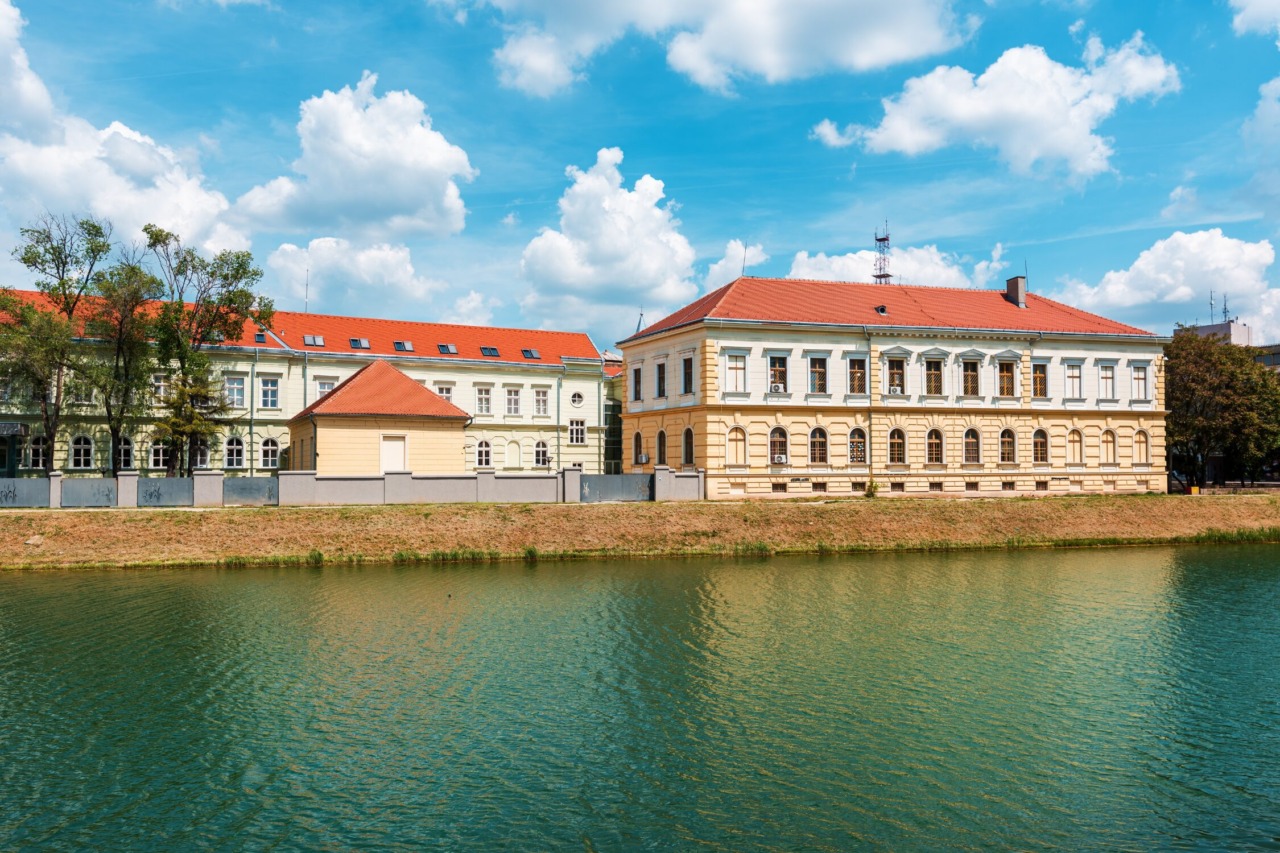
The best place to begin is Freedom Square, the heart of the city’s social life and one of the festival’s main venues. It is surrounded by the City Hall, the Cathedral of St John of Nepomuk, the Toša Jovanović National Theatre, the City Library and the monumental Palace of Justice, which now houses the National Museum.
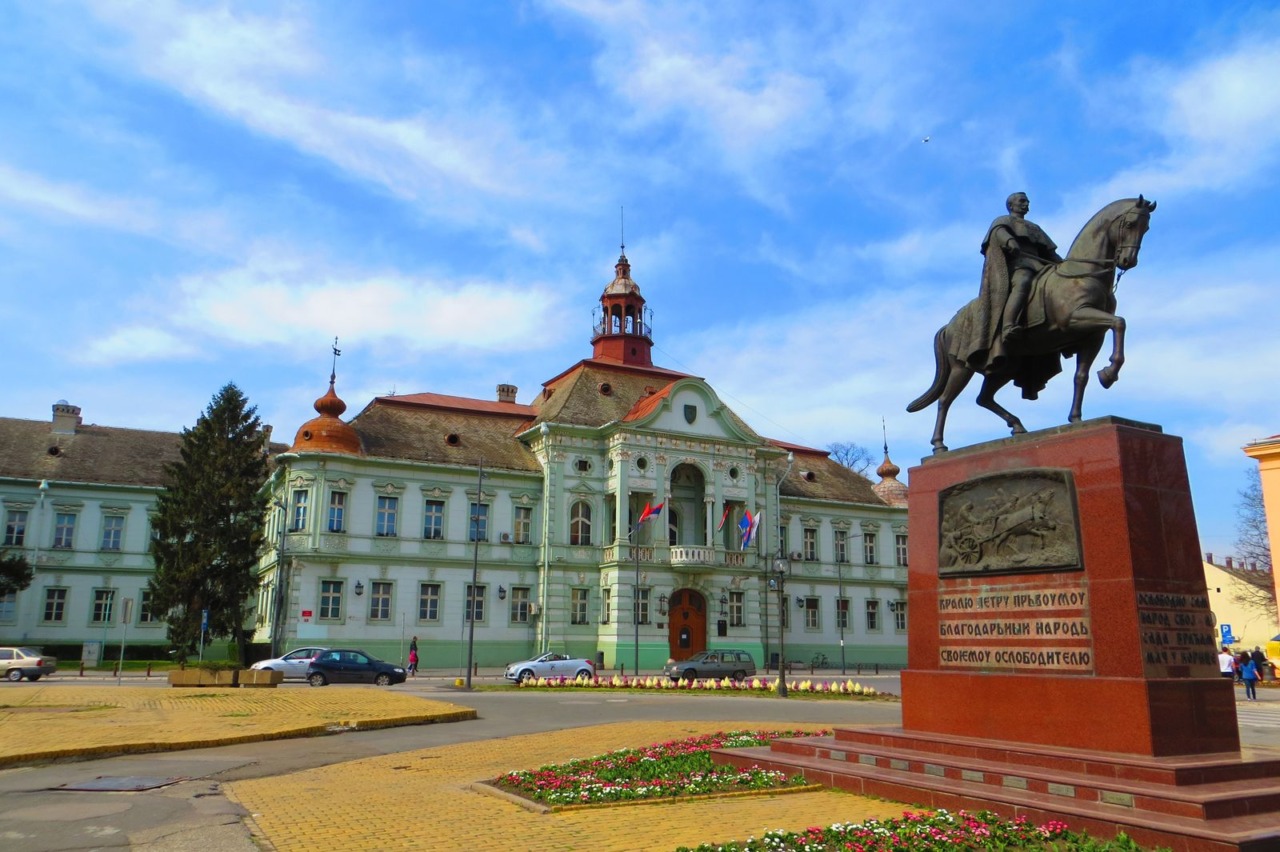
The City Hall is one of Zrenjanin’s most recognisable landmarks. It acquired its present appearance towards the end of the 19th century, while its grand façade conceals the City Garden – a peaceful green courtyard decorated with flowerbeds, sculptures, a fountain and peacocks. During summer, it hosts concerts, literary evenings and other cultural events, but it also remains a lovely place to escape the festival crowds for a while.
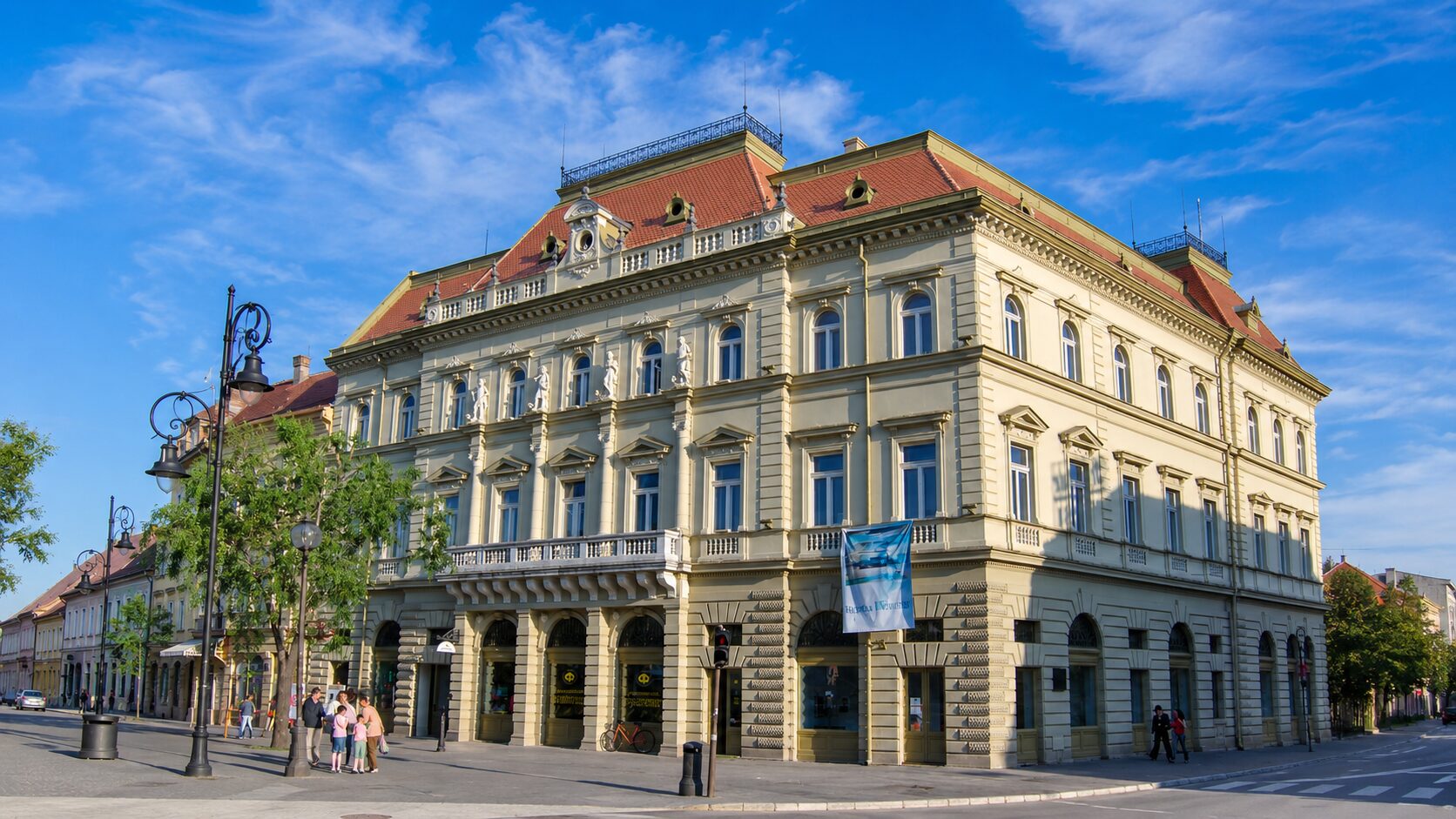
From Freedom Square, the walk continues into King Alexander Street, the city’s main pedestrian zone. Its Art Nouveau, Neo-Baroque and Neoclassical façades recall the period when Zrenjanin – then known as Veliki Bečkerek – was an important administrative and commercial centre of the Banat region. Among its most distinctive buildings is Bence House, constructed in the early 20th century as the city’s first modern department store.
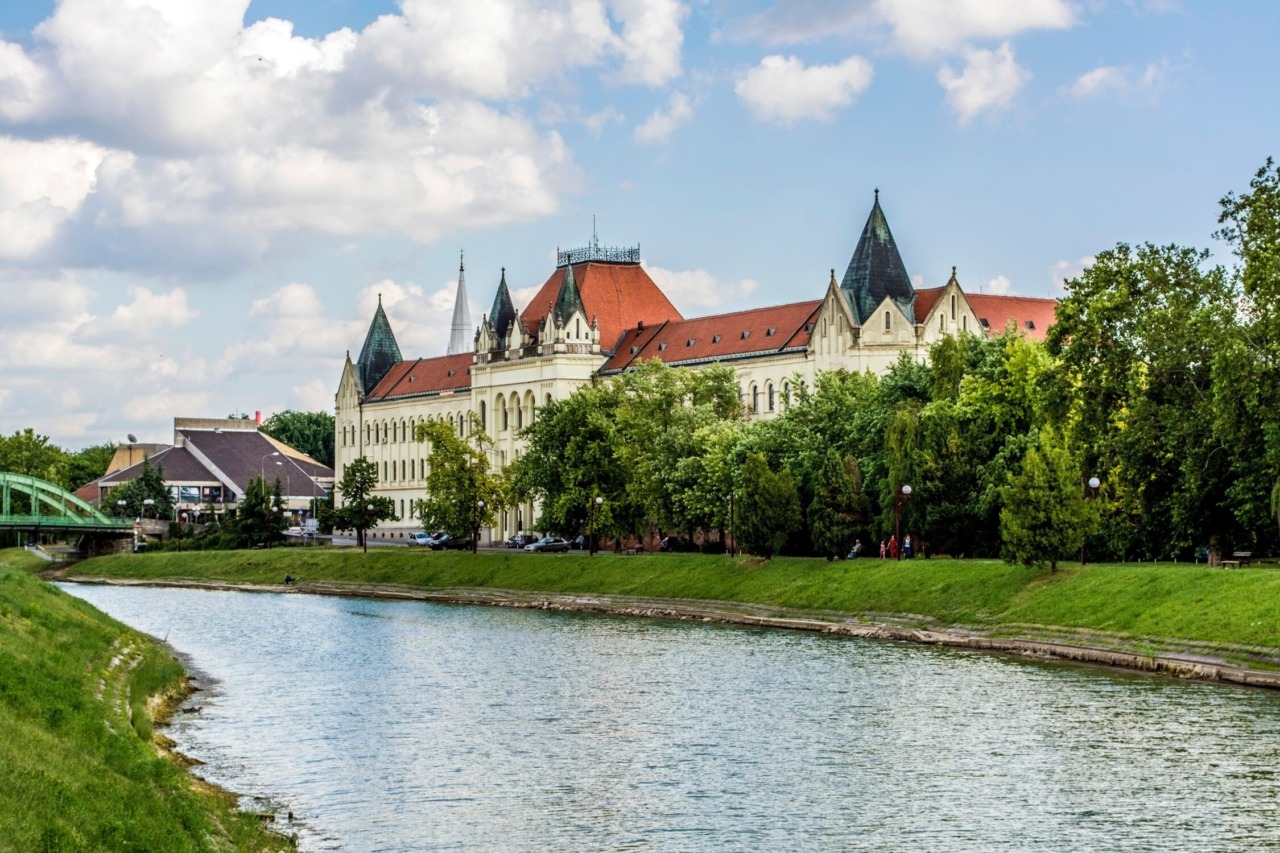
It is also worth walking towards the Begej River and the Small Bridge, which offers one of the finest views of the monumental Palace of Justice. The water, bridges and long streets characteristic of the plains give Zrenjanin a distinctive, unhurried rhythm that is best discovered during an evening walk in summer.
Museums, Theatre and the History of Banat
To understand the city more fully, visit the National Museum of Zrenjanin. Its collections cover archaeology, history, ethnology, natural history and art, presenting not only the development of Zrenjanin but also the wider heritage of Central Banat.
Next to the museum stands the Toša Jovanović National Theatre, known for preserving one of the oldest theatre auditoriums in Serbia. Together with the architecture of the main square, these institutions reveal a quieter and more elegant side of Zrenjanin – one that may be overshadowed by the large concerts during Beer Days but deserves just as much attention.
Summer Refreshment at Peskara Lake
If you arrive in Zrenjanin earlier in the day, Peskara Lake offers an opportunity to cool down before the evening programme begins. Its developed beach is one of the favourite summer gathering places among local residents and a convenient choice for families, particularly when high August temperatures make sightseeing more demanding.
After a few hours by the water, you can return to the city centre, walk through the pedestrian zone and wait for the concerts to begin. This combination of swimming, sightseeing and evening events can easily turn a visit to Beer Days into a full-day summer excursion.
Carska Bara and Ečka: Nature Just Outside the City
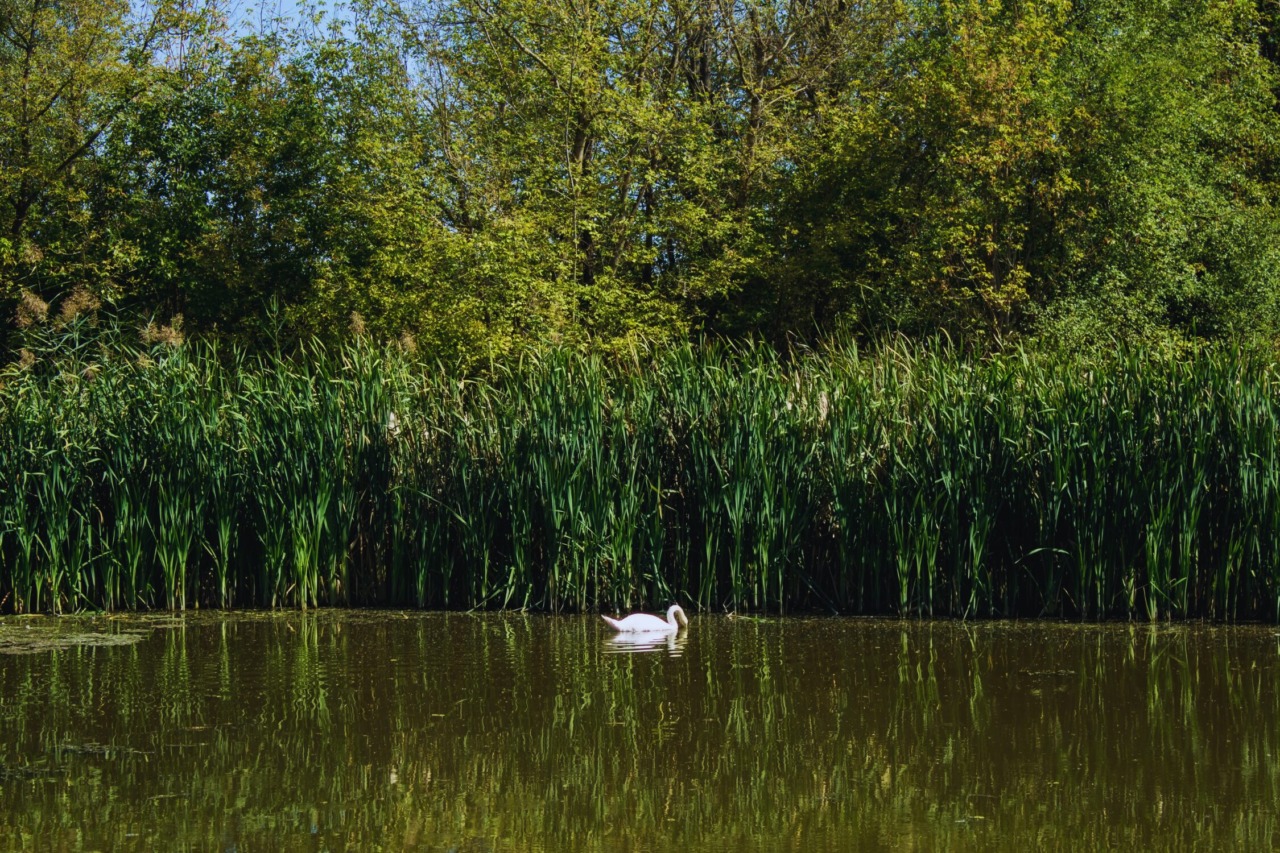
Those staying for more than one day can discover a completely different side of Banat in the surroundings of Zrenjanin. Around 14 kilometres from the city lies the Carska Bara Special Nature Reserve, a vast landscape of wetlands, reeds, open water and abundant birdlife.
The reserve can be explored along nature trails or on a boat trip. Early morning is an especially beautiful time to visit, before returning to the city for the afternoon and evening festival programme.
The nearby village of Ečka is known for its historic castle, fishponds and long tradition of fish farming. Combined with Carska Bara, it makes an excellent half-day excursion and provides a striking contrast to the lively festival evenings in central Zrenjanin.
A City Showing Its Most Vibrant Side in August
During Beer Days, Zrenjanin does not merely host a festival – the city itself becomes its most important element. Elegant façades provide the backdrop for concerts, squares turn into gathering places, and a tradition that began more than 280 years ago finds a new expression for today’s audiences.
You may arrive to hear a favourite performer, enjoy the family programme or experience the atmosphere of one of Vojvodina’s biggest summer celebrations. Between the concerts, however, you will discover a city of bridges, theatres, broad streets and peaceful green courtyards, while lakes, fishponds and the open landscapes of Banat await only a few kilometres away.
From 5 to 9 August, Zrenjanin offers plenty of reasons to stay for more than a single evening. Beer Days may be the beginning of the story, but the city and its surroundings can easily become its most memorable part.
Related Articles