



-
Serbia at a Glance
Discover All -
Arts & Culture
Discover All -
Identity & Heritage
Discover All -
Famous Serbs
Discover All
-
Regions
Discover All -
Cities
Discover All -
Nature
Discover All -
Cultural Landmarks
Discover All
-
Outdoor & Wellness
Discover All -
Food & Drink
Discover All -
Tours
Discover All -
Urban Experiences
Discover All -
Seasonal Experiences
Discover All
Partner with Serbia.com
Let's create lasting impact together
Partner with Serbia.com to reach travellers through trusted recommendations, inspiring editorial stories and thoughtfully designed campaigns. Together, we create meaningful visibility that supports your goals and remains valuable long after publication.
Explore partnership opportunities- Serbian Favorite Rituals Everyday traditions and little things that make life in Serbia special.
- Villages of Serbia Charming villages, local stories and authentic rural life.
- Serbia Told By You Personal stories, local perspectives and authentic experiences from across Serbia.
- Is it Worth Visiting in Serbia? Honest destination guides to help you decide which places are worth visiting.
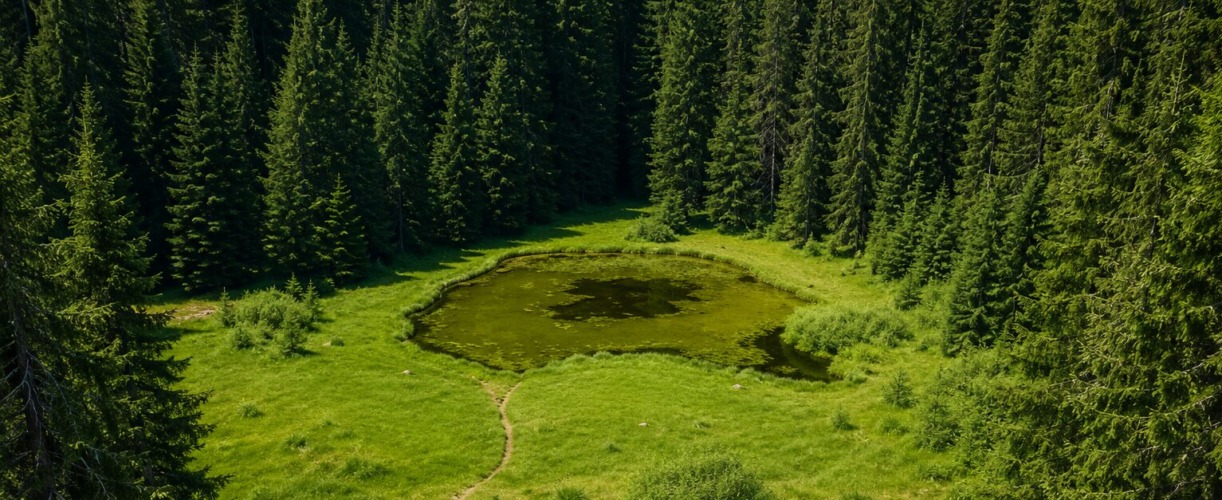
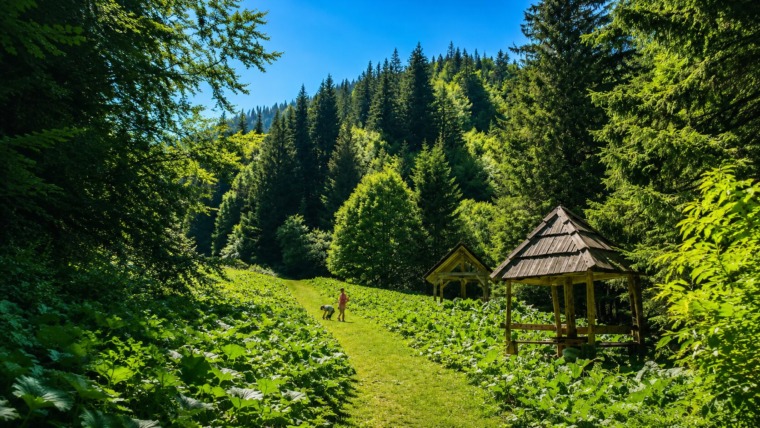
Hidden deep within the forests of Golija Mountain, far from Serbia’s well-known tourist routes, lies one of the country’s most unusual natural wonders – the Košanin Lakes. Tucked among beech, fir, and spruce forests at around 900 meters above sea level, these small peat lakes feel as though they belong to another time.
Here, nature does not behave quite as expected.
When rainy days arrive, the water level may actually decrease. When the weather turns sunny, the lakes sometimes begin to rise. Locals still tell stories of mountain fairies dancing around the lakes, while scientists continue trying to understand the unusual hydrological phenomenon that has fascinated researchers for decades.
If you enjoy places that feel slightly unreal, Košanin Lakes are exactly that.
Where Are the Košanin Lakes?
The Košanin Lakes are located on Golija Nature Park, within the Golija–Studenica Biosphere Reserve, on the northern side of Mount Crepuljnik, in the basin of the Studenica River. They are located around 31 kilometers from Ivanjica.
To reach them, visitors first travel toward the village of Pridvorica, around 25 kilometers from Ivanjica, followed by approximately six kilometers of forest road. The final stretch is not suitable for regular passenger cars, so a 4×4 vehicle or a short hike is highly recommended.
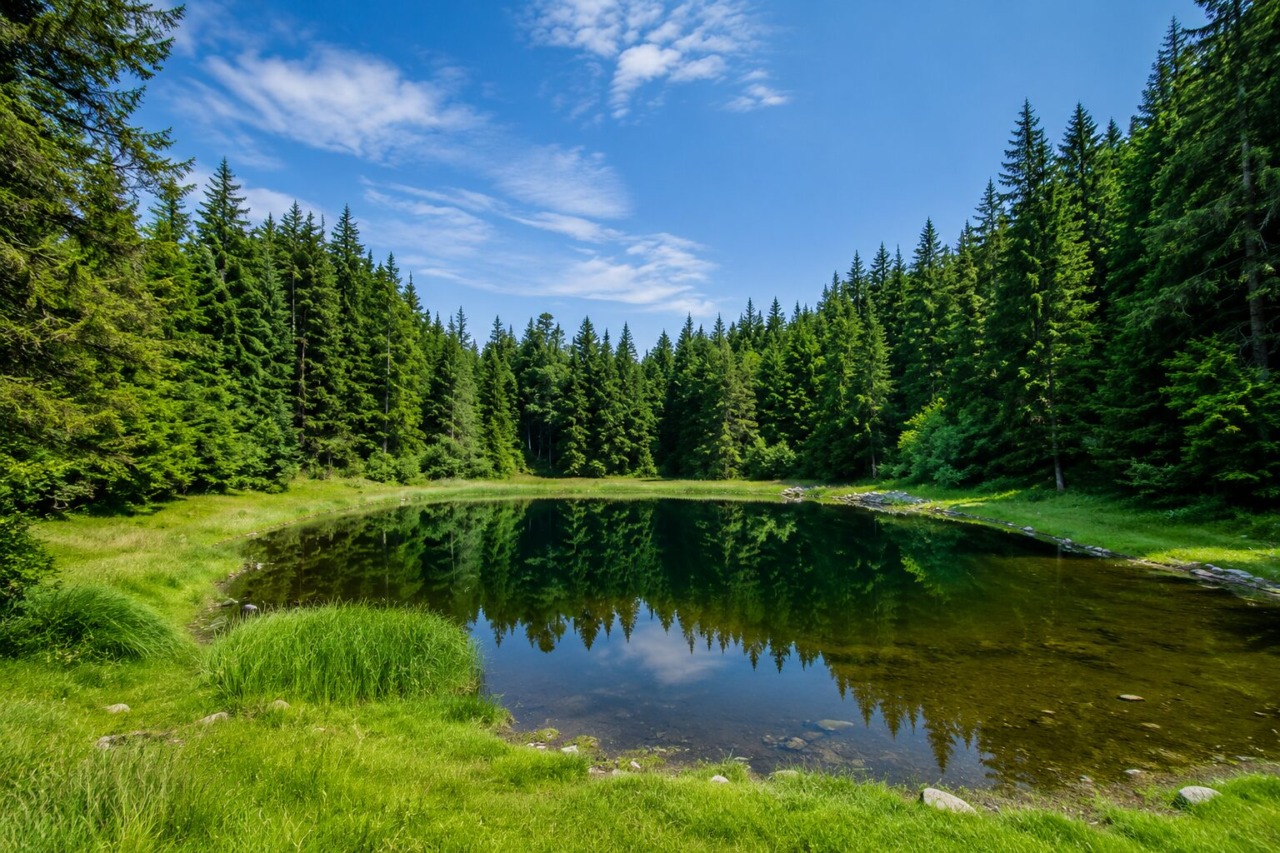
And perhaps that remoteness is exactly what makes them so special – no crowds, no commercialization, just forest silence and the feeling of discovering somewhere very few people know about.
Nearby, visitors can also explore the historic Pridvorica Monastery, which local legends say was built during the same period as the famous Studenica Monastery, serving the royal court of medieval Raška.
A Natural Phenomenon That Still Puzzles Experts
The most fascinating story surrounding the Košanin Lakes is their unusual relationship with weather conditions. Unlike almost every other lake, something unexpected happens here: during rainy periods, the water level may drop, while sunny weather can sometimes cause the lakes to rise.
Although scientists believe this may be linked to underground hydrological systems and the unique behavior of peatland terrain, the phenomenon has never been fully explained, adding even more mystery to the landscape.
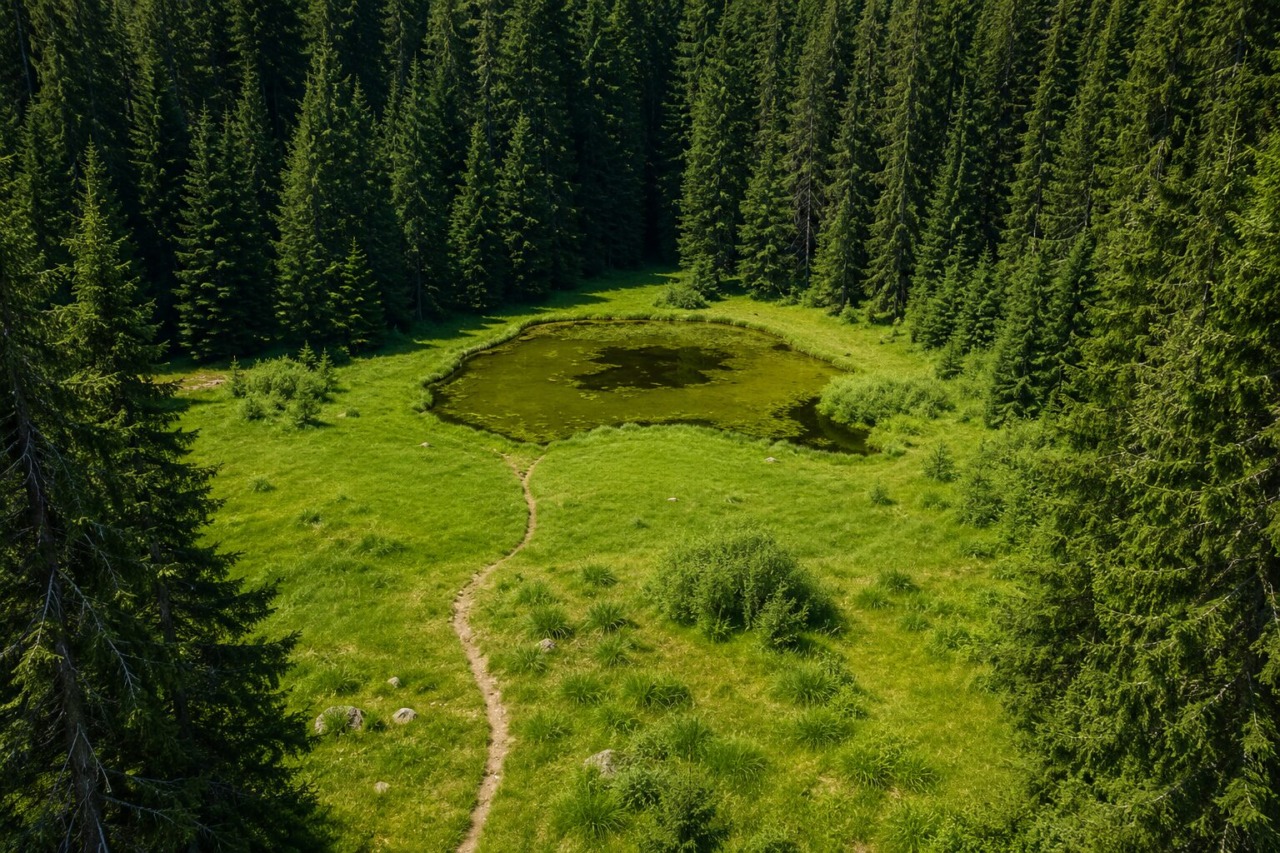
Standing here, surrounded by dense mountain forest and near-total silence, it becomes easy to understand why generations believed something supernatural lived in these woods.
The Legend of Fairies and the Fairy Circle
According to local folklore, the Košanin Lakes were once gathering places for mountain fairies. It was believed they danced in circles around the lakes at night, and that every large grassy mound rising from the Great Lake represented a single fairy. Circular patches of grass, slightly different in color from the surrounding vegetation, became known as fairy circles – signs that fairies had gathered there the previous night.
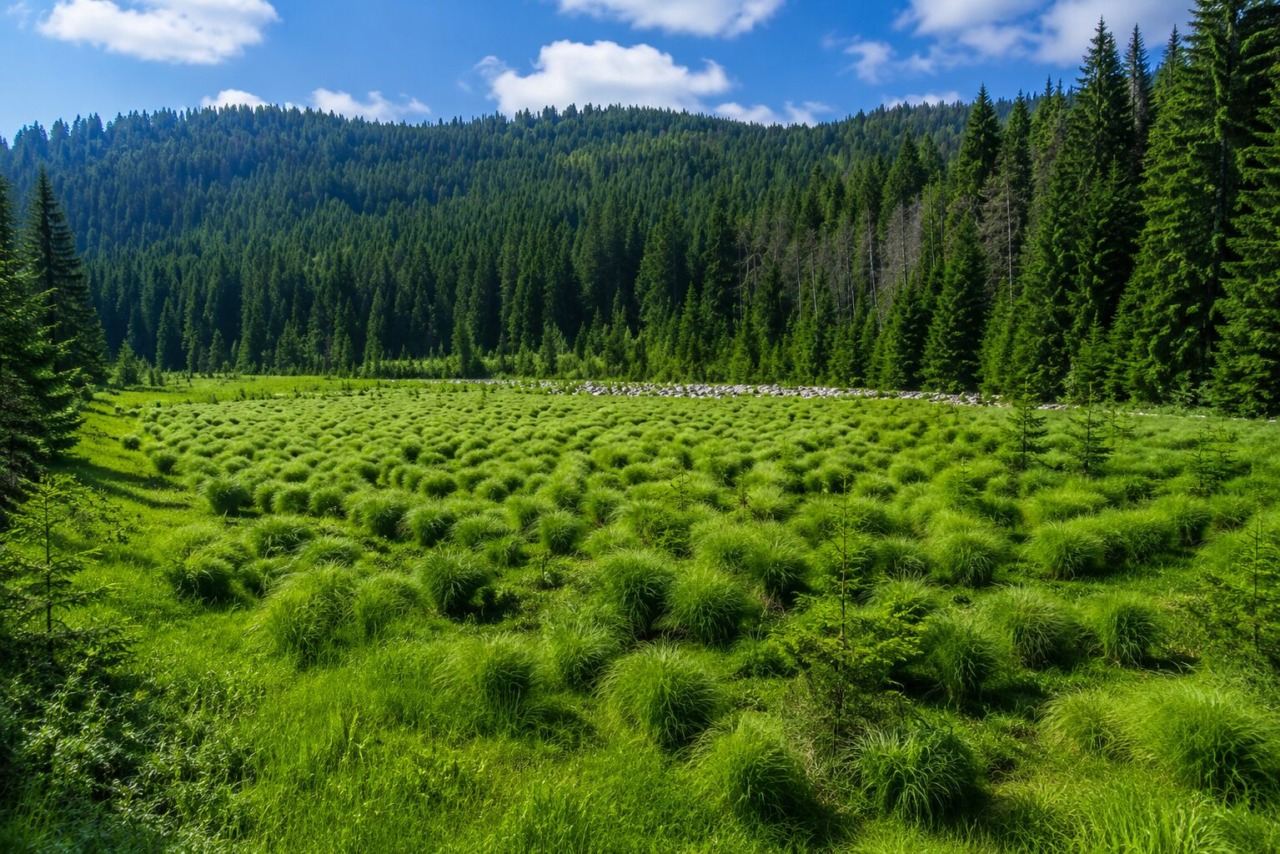
Legend warned people not to step into these circles. Those who disturbed them were said to lose their senses, while livestock that crossed them would stop producing milk. Today, these stories belong to folklore, but when standing among the quiet peatlands and unusual grassy formations emerging from the water, it is not difficult to understand how such legends were born.
The Great and Small Košanin Lakes
The Košanin Lakes consist of two elliptical lakes – the Great and the Small Lake. The Great Košanin Lake stretches around 180 meters in length and nearly 100 meters in width. Yet it looks very different from a typical lake. Much of it is covered by vegetation and peatland, making some sections resemble a floating meadow more than open water.
One of the most fascinating plants found here is Carex paniculata – known as tufted sedge – which creates large grassy mounds resembling natural seats. In early spring, these formations appear almost surreal, while during summer the lake becomes increasingly green and partially disappears beneath vegetation.
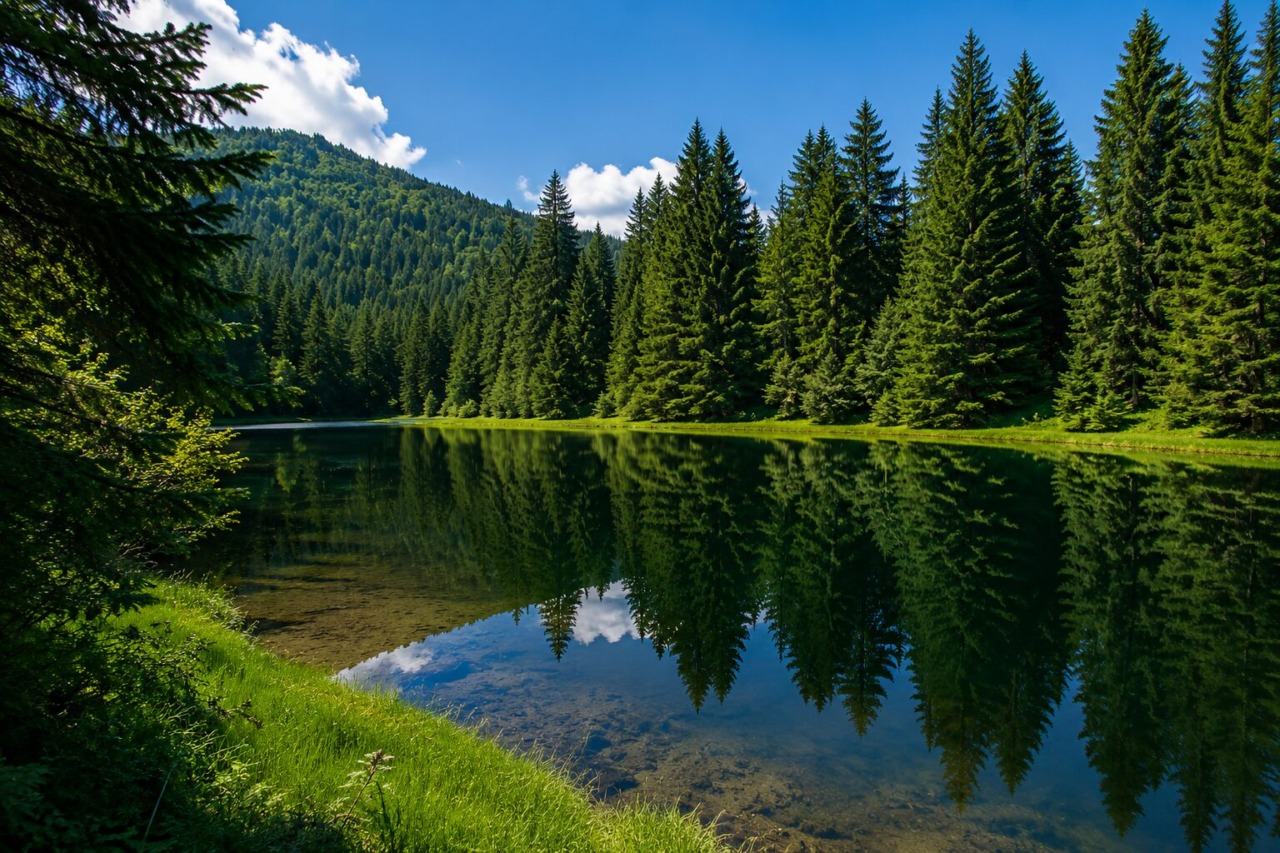
Just beyond a small ridge lies the Small Košanin Lake – smaller in size but equally intriguing. Around seven meters deep, it occasionally connects to the Great Lake through a natural channel. Researchers were particularly fascinated by findings suggesting increased salinity in part of the Small Lake – an unusual phenomenon for a location surrounded by mountain forests at nearly 900 meters above sea level. However, locals and some scientists remain skeptical, leaving the mystery unresolved.
A Rare Refuge for Wildlife
The Košanin Lakes are remarkable not only for their legends and unusual appearance. The area serves as an important refuge for as many as three species of newts – small amphibians that are rarely found together in such diversity within one habitat.
Because of its ecological significance, the site is protected by the state and falls under the highest level of environmental protection. Visitors are encouraged to explore the area respectfully, preserving the fragile ecosystem and leaving nature untouched.
Are the Košanin Lakes Disappearing?
In recent years, concerns have emerged that the Košanin Lakes may slowly be disappearing. Changes in hydrological conditions, climate patterns, and natural peatland processes could all affect their long-term survival.
While there is no clear timeline for these changes, many believe this hidden corner of Serbia is worth visiting sooner rather than later. Some places do not stay the same forever.
What to See Nearby
A visit to the Košanin Lakes can easily be combined with exploring Pridvorica Monastery, the landscapes of Golija Nature Park, the village of Rudno, or nearby natural sites such as Izubra Waterfall.
For travelers seeking authentic mountain Serbia, this part of the country still feels wild, peaceful, and wonderfully untouched. And perhaps that is its greatest beauty.
The Košanin Lakes are not a place you visit for attractions. You come here for the feeling – of discovering something hidden, ancient, and quietly mysterious.
Plan your visit
Everything you need to plan your perfect trip.


Related Articles