

-
Serbia at a Glance
Discover All -
Arts & Culture
Discover All -
Identity & Heritage
Discover All -
Famous Serbs
Discover All
-
Regions
Discover All -
Cities
Discover All -
Nature
Discover All -
Cultural Landmarks
Discover All
-
Outdoor & Wellness
Discover All -
Food & Drink
Discover All -
Tours
Discover All -
Urban Experiences
Discover All -
Seasonal Experiences
Discover All
Partner with Serbia.com
Let's create lasting impact together
Partner with Serbia.com to reach travellers through trusted recommendations, inspiring editorial stories and thoughtfully designed campaigns. Together, we create meaningful visibility that supports your goals and remains valuable long after publication.
Explore partnership opportunities- Serbian Favorite Rituals Everyday traditions and little things that make life in Serbia special.
- Villages of Serbia Charming villages, local stories and authentic rural life.
- Serbia Told By You Personal stories, local perspectives and authentic experiences from across Serbia.
- Is it Worth Visiting in Serbia? Honest destination guides to help you decide which places are worth visiting.
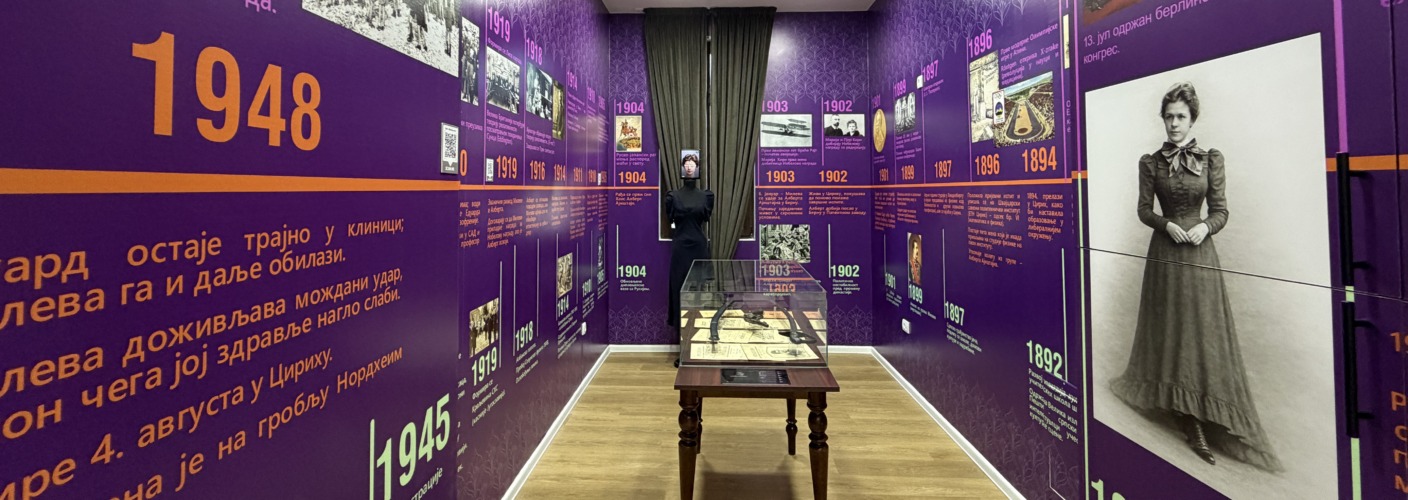
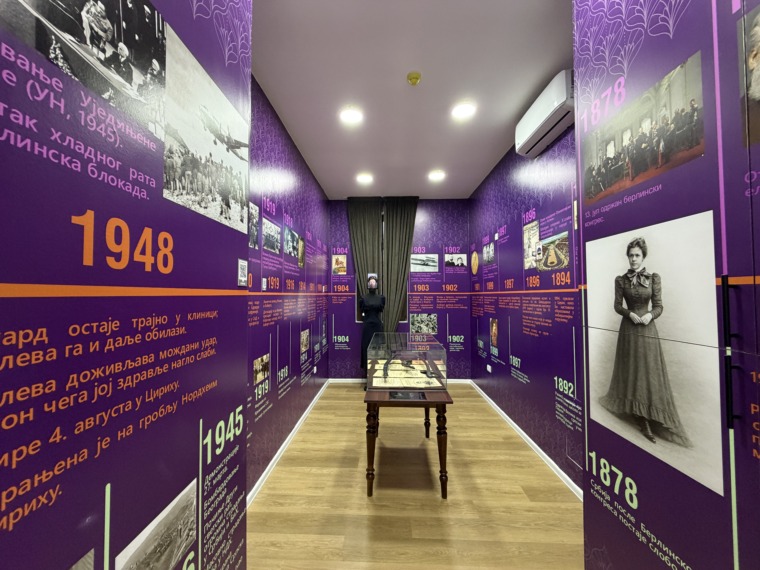
The Mileva Marić Einstein Memorial House opened to visitors in October 2026 in Ruma, a town in Serbia’s Srem region. Inside the restored family home, a permanent exhibition follows Mileva from her first years at school to the physics lectures she attended in Zurich and Heidelberg.
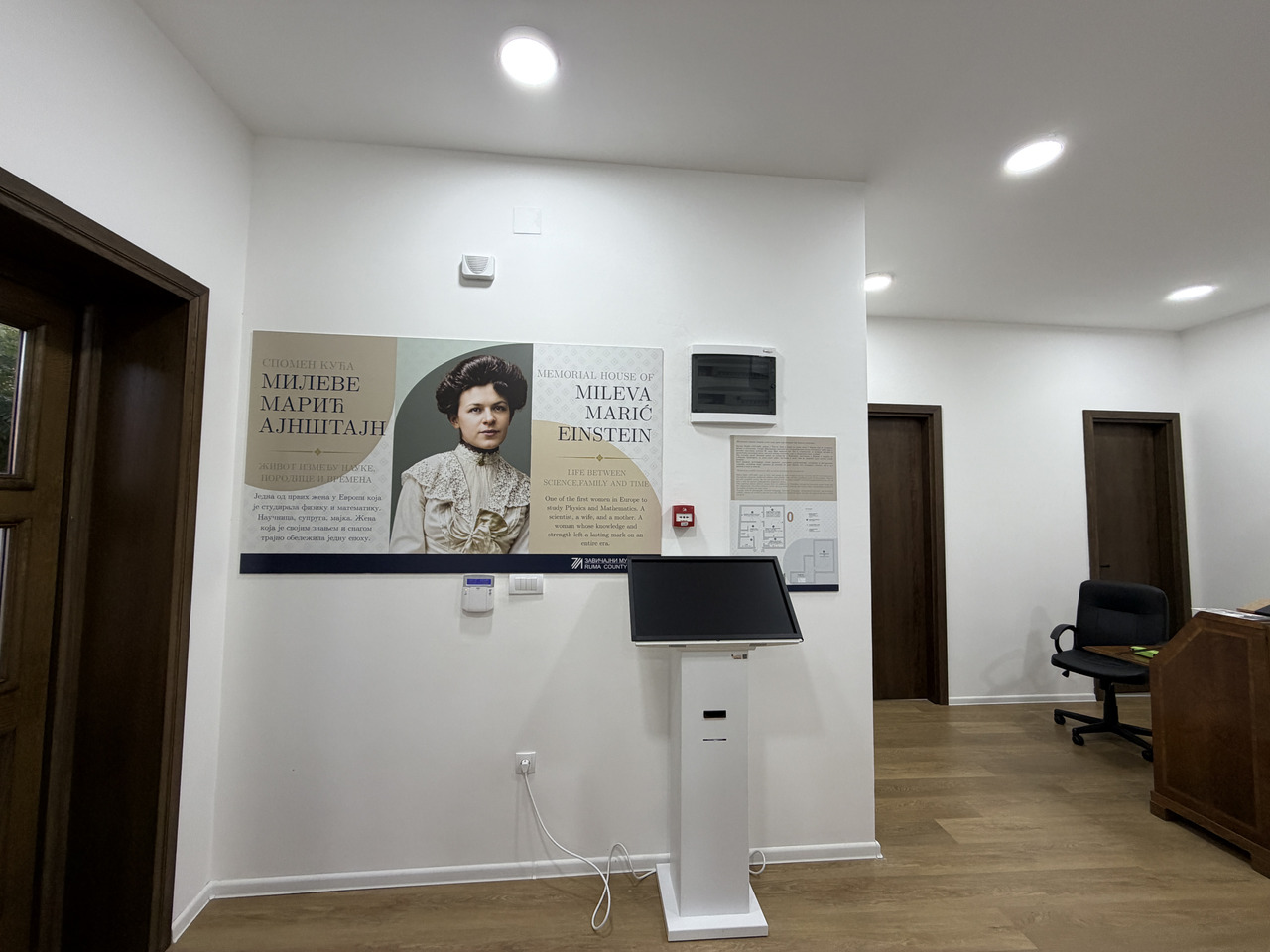
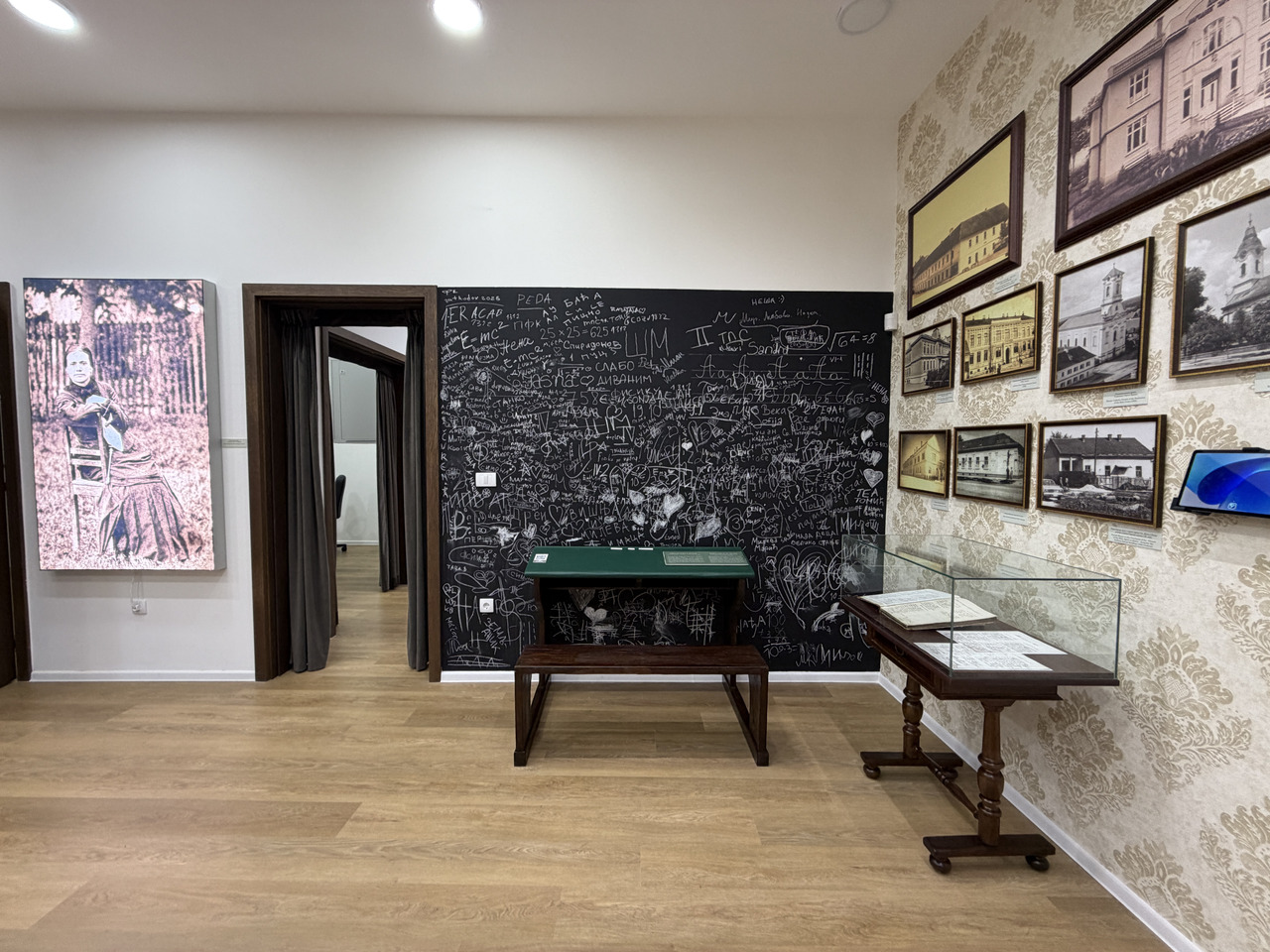
At 38 Železnička Street, a virtual Mileva welcomes you and begins telling her story in the first person. It starts with her childhood in Ruma, where she attended primary school. Two decades later, she would be the only woman in her year on a mathematics and physics programme at Zurich Polytechnic. The house brings those two chapters together, showing how far her education took her and the role her family played along the way.
The house where Mileva grew up
Mileva Marić was born in Titel in 1875. Her family moved to Ruma two years later and lived in the house on Železnička Street for fifteen years. Mileva went to primary school in Ruma before continuing her education in Novi Sad, Sremska Mitrovica, Šabac and Zagreb. Her father, Miloš, paid for her schooling at a time when few young women had the opportunity to go to university.
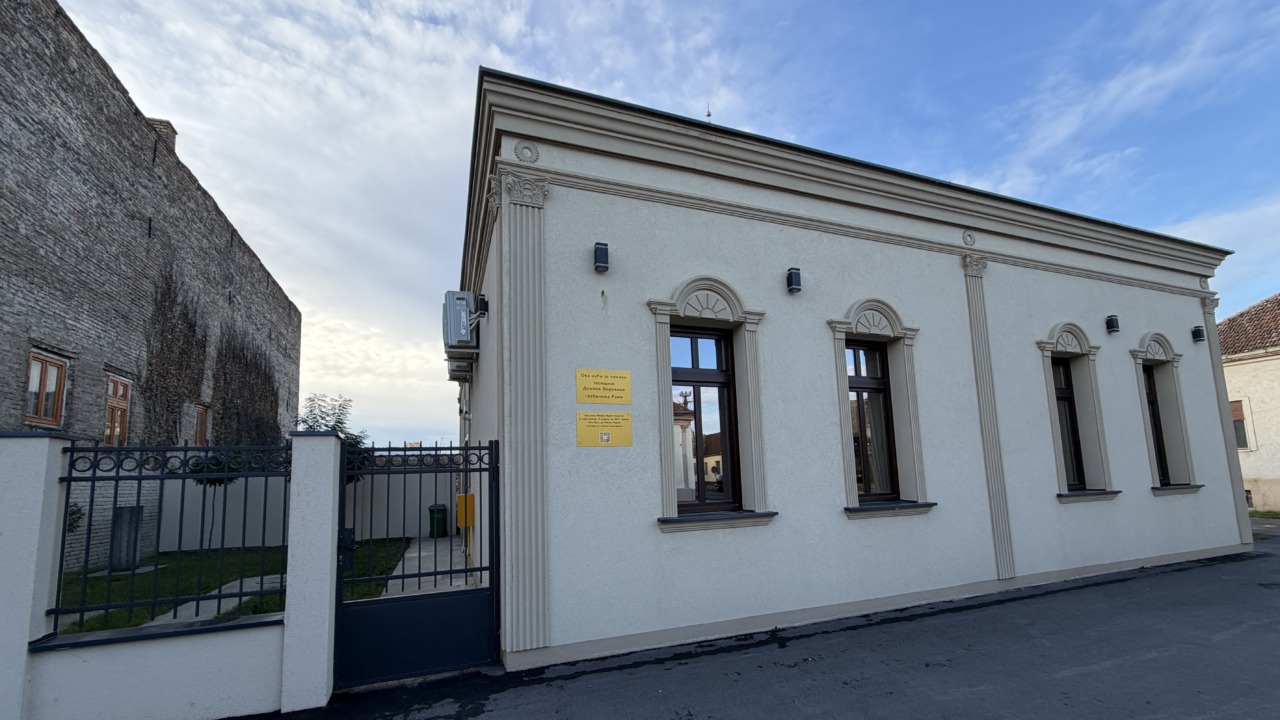
The house had fallen into disrepair by the time the Municipality of Ruma took ownership in 2023. It was restored and inaugurated on 15 October 2026, then opened to visitors the following day. Today it operates as a branch of the Ruma Local History Museum.
What to see inside the memorial house
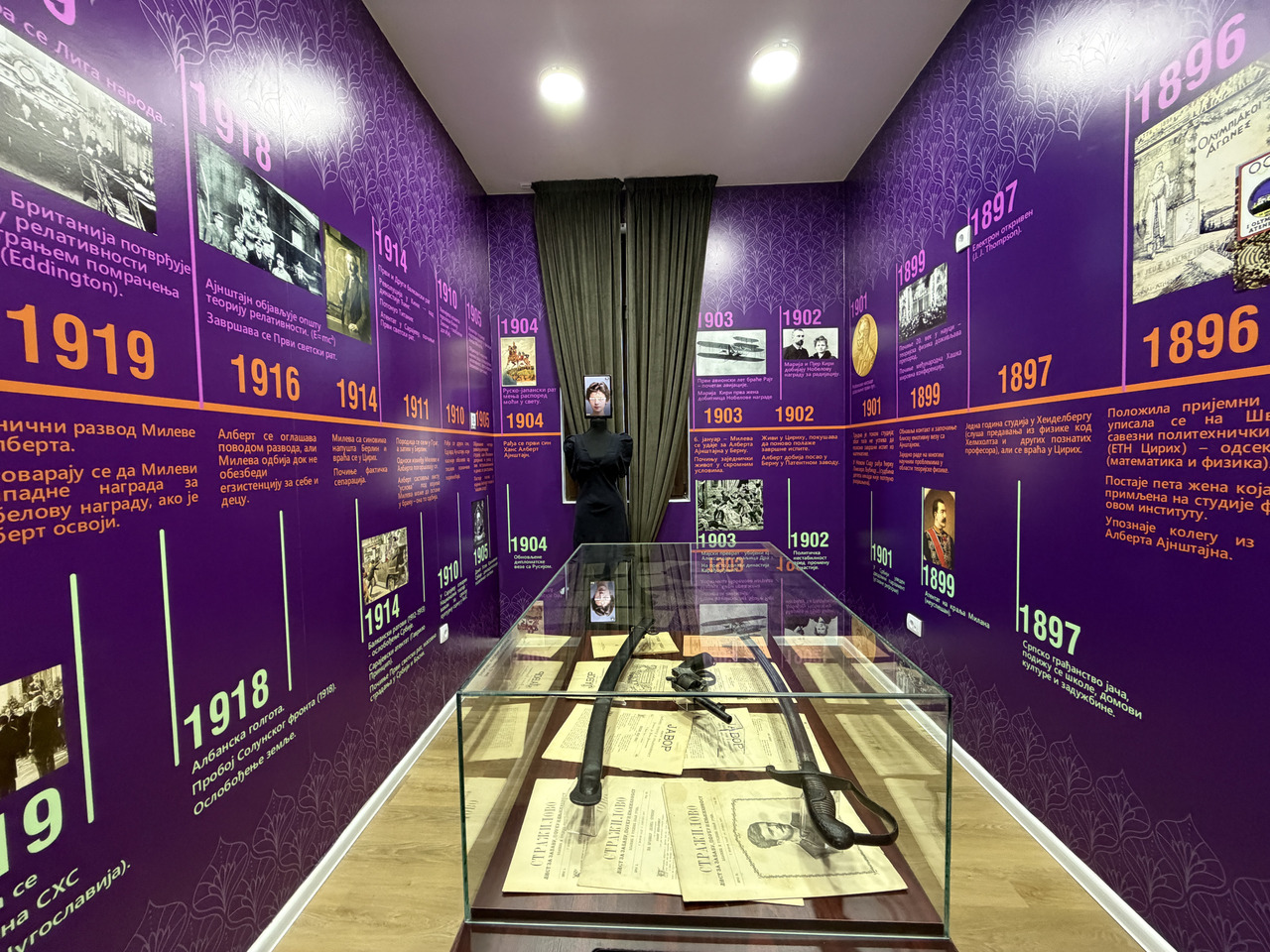
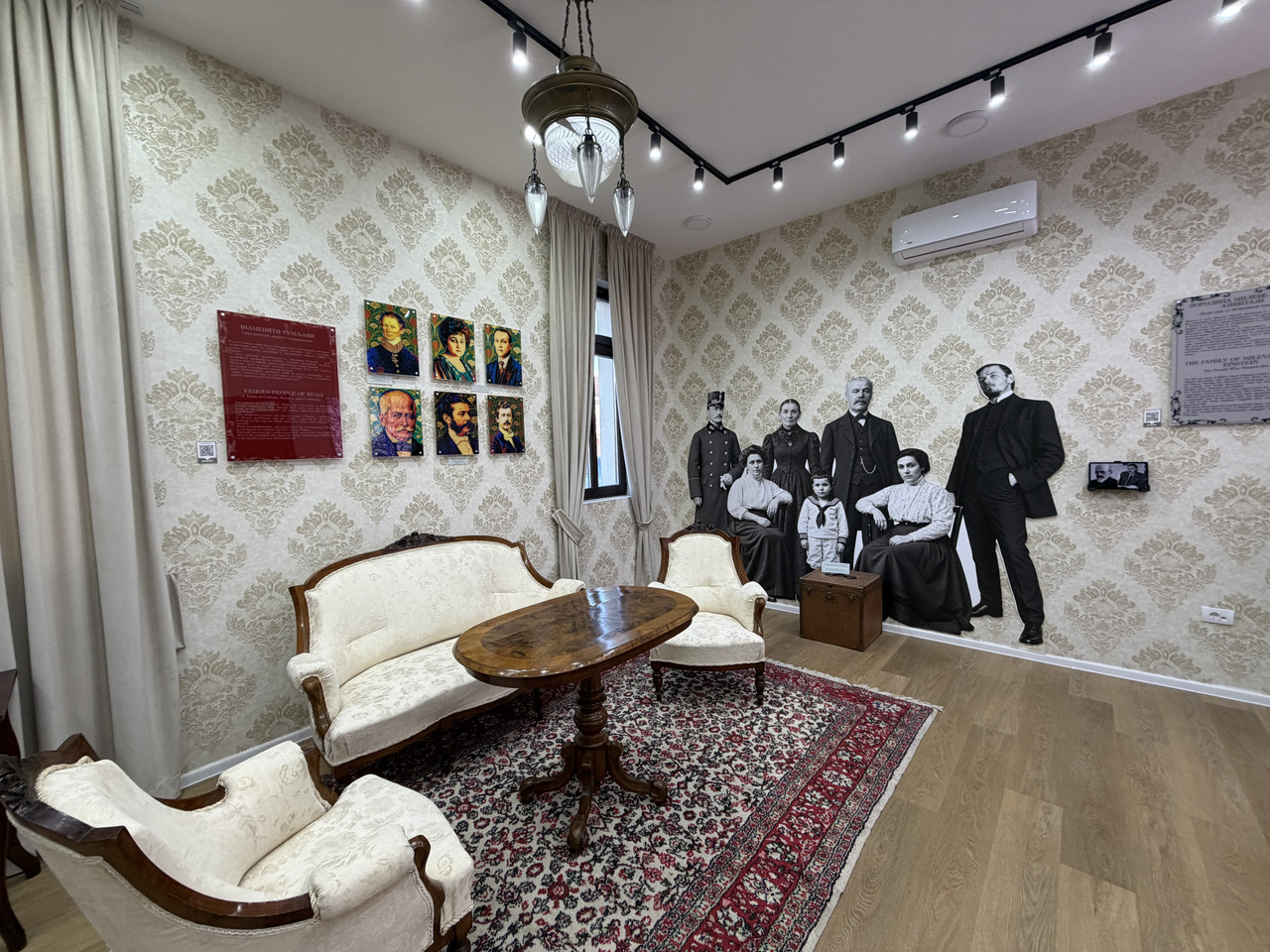
The permanent exhibition is organised around three themes. The first follows Mileva’s life and education. The second looks at the Marić family and their years in Ruma. The third explores Mileva and Albert Einstein’s relationship and their exchange of scientific ideas.
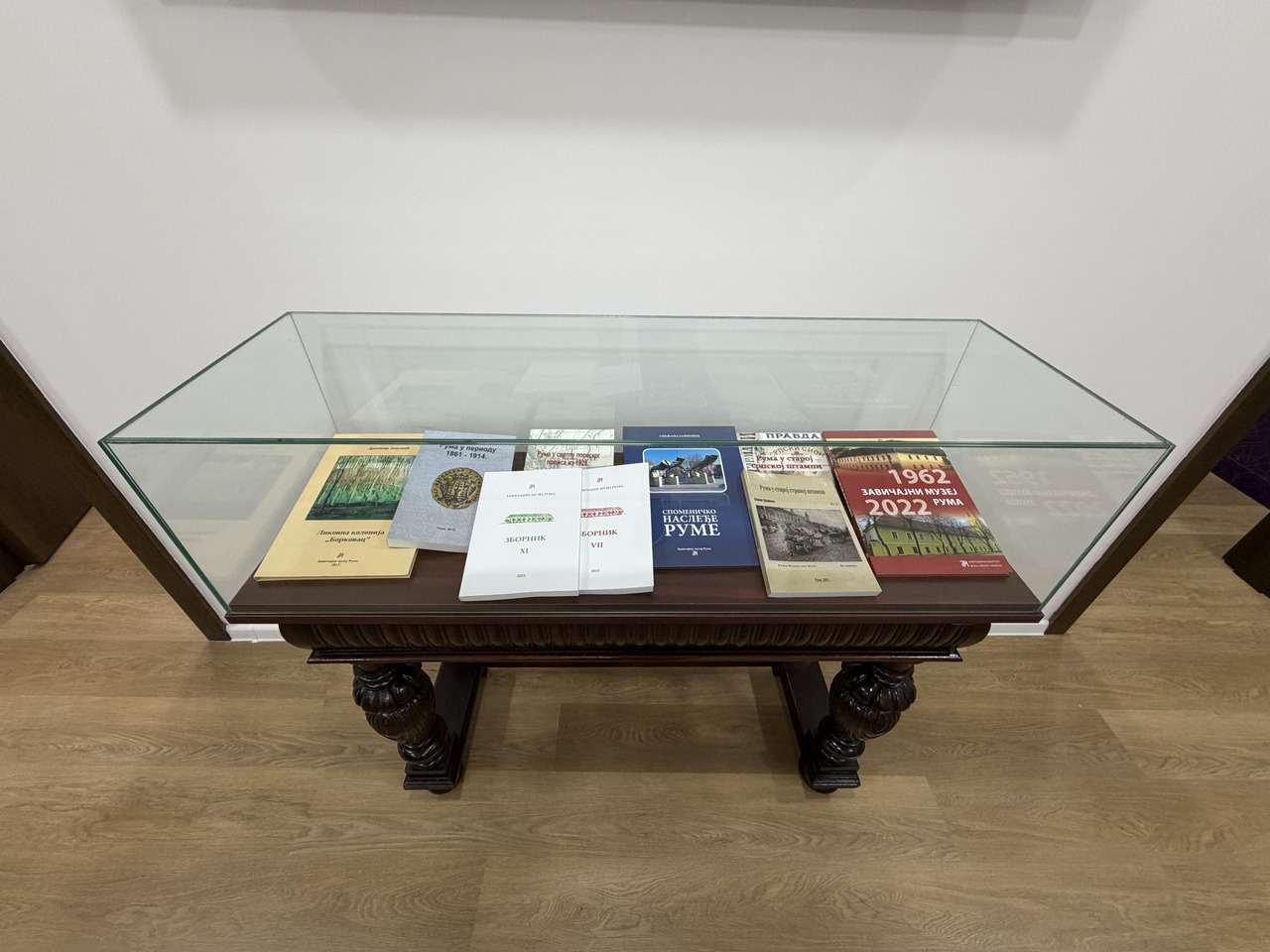
Alongside the virtual guide, the house has a multimedia library. The family section also introduces Mileva’s younger brother, Miloš, who was born in Ruma. A planned extension of the exhibition will explore his scientific work in more detail.
If you’re visiting with children, start with Mileva’s school years. Her story gives them a concrete way into a bigger question: what did it take for a girl from Ruma to study physics abroad in the late nineteenth century?
From a classroom in Ruma to Zurich Polytechnic
In 1896, Mileva enrolled at Zurich Polytechnic, now ETH Zurich, on a programme that trained future teachers of mathematics and physics. Albert Einstein was one of her classmates. The following year she spent a semester in Heidelberg, where she audited lectures in mathematics and physics. Among the professors she heard was Philipp Lenard, who later won the Nobel Prize. She returned to Zurich in the spring of 1898 to resume her studies.
Mileva and Albert wrote to each other while she was in Heidelberg, and their surviving letters move between affection and physics. In a letter from 1901, Albert imagined how happy he would be when they finished their work on relative motion together. That passage still draws the attention of historians of science. The correspondence documents their exchange of ideas, while the surviving records leave the extent of Mileva’s contribution to individual papers uncertain.
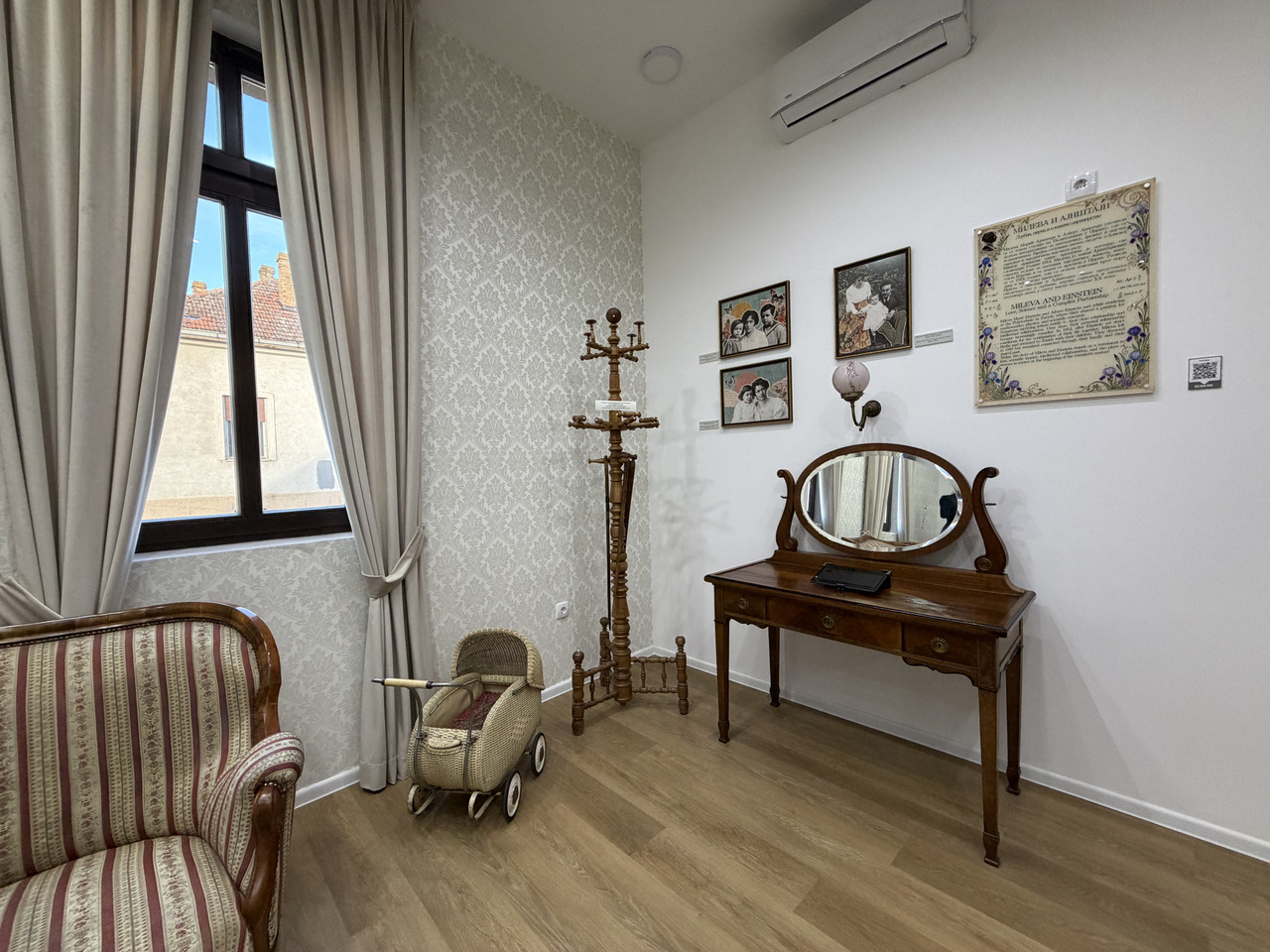
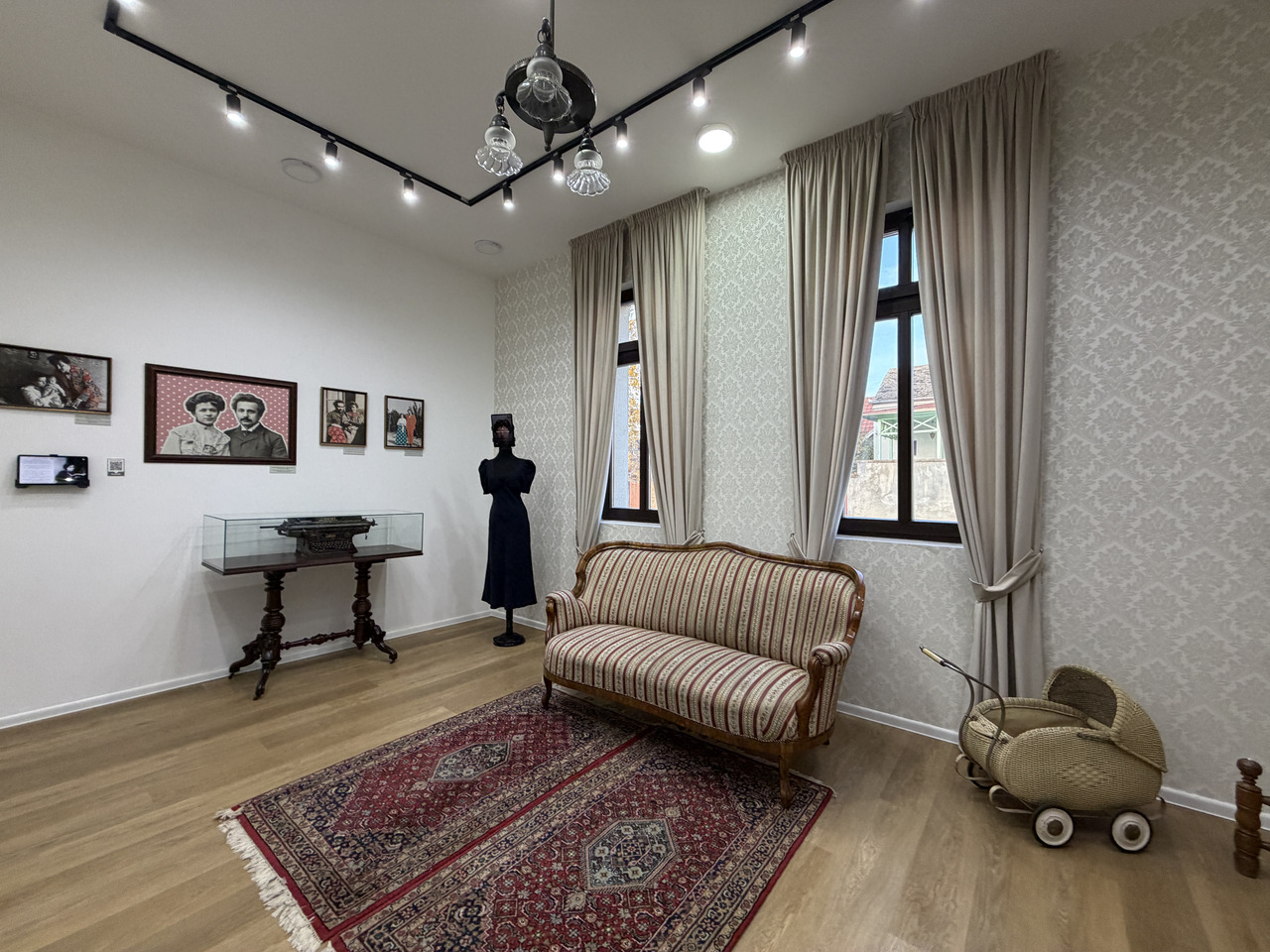
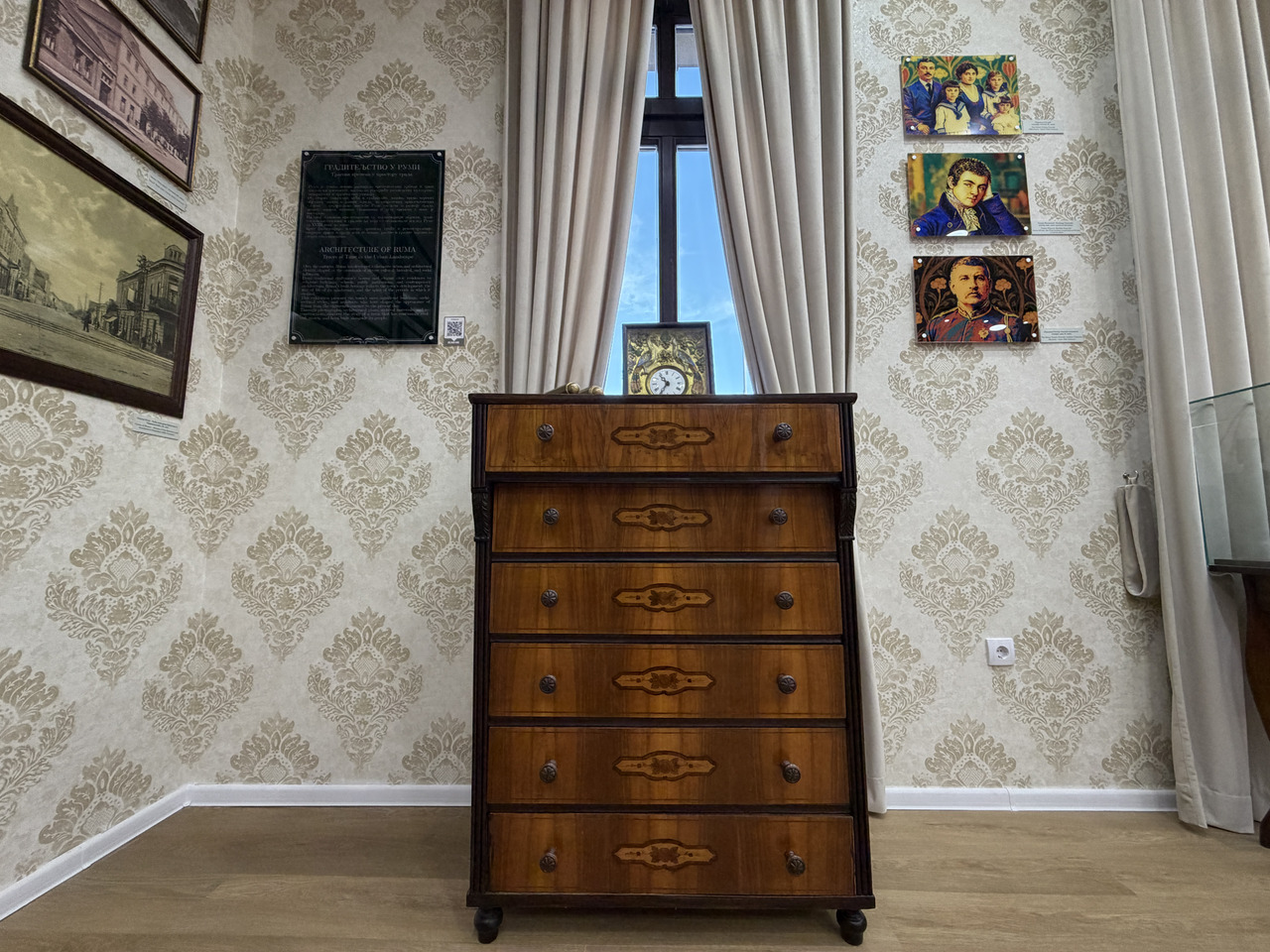
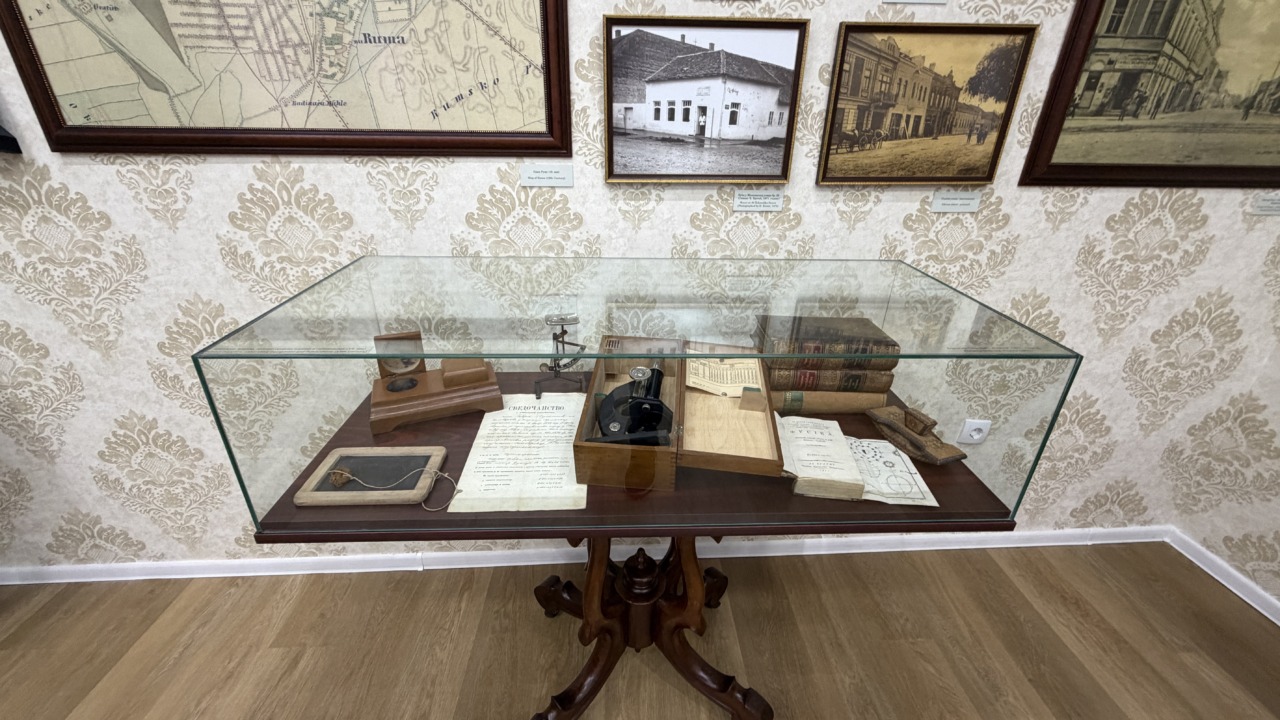
Mileva left the Polytechnic without a diploma after failing her final examinations. She married Albert in Bern in 1903. After their divorce in 1919, she remained in Zurich, where she cared for their sons, Hans Albert and Eduard, and gave mathematics and piano lessons to support the family. She died in Zurich in 1948.
What else to see in Ruma
Glavna Street and the Town Square
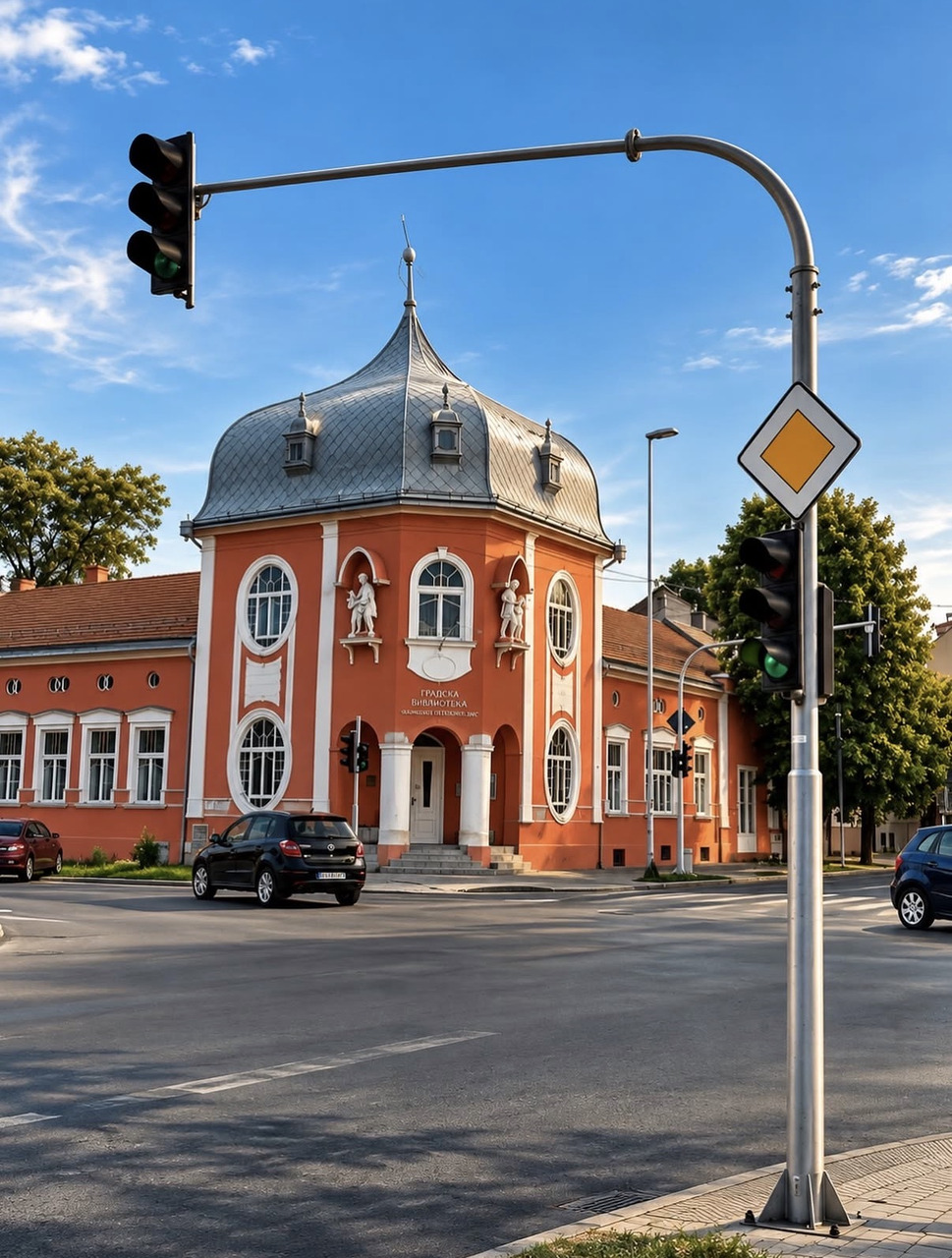
From the memorial house, head towards Ruma’s Town Square. The residence of Marko Pejačević once stood on this site. It was removed after the Second World War, and the space became the town’s main gathering place. The Ruma Tourist Organisation is based on the square, where you can ask about local events and places to visit.
The Local History Museum and the church next door
At 182 Glavna Street, the Ruma Local History Museum occupies a building originally built as a school for Orthodox and Roman Catholic children. Its archaeology, ethnography and art collections offer a wider view of the town and the surrounding region. A few steps away, at number 178, stands the Roman Catholic Church of the Exaltation of the Holy Cross. Together, the buildings tell part of the story of eighteenth-century Ruma, when settlers arrived from different parts of the Habsburg Monarchy.
Mileva’s sundial and the park by the school
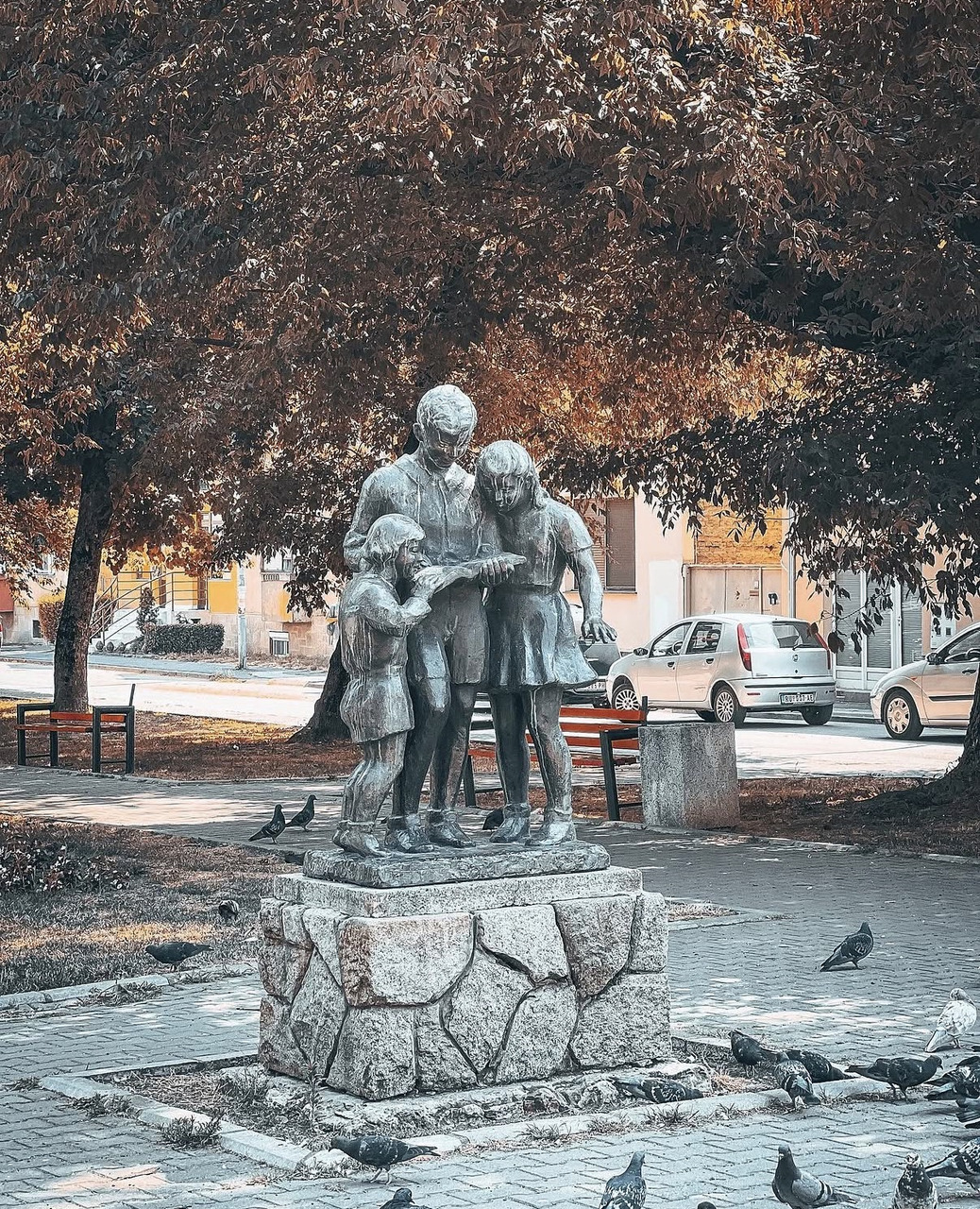
While you’re in the centre, look for the sundial dedicated to Mileva on one of the town’s façades. The park beside Ruma’s secondary school also bears her name. Both make natural stops on a walk through town after visiting the memorial house.
An afternoon at Borkovac Lake
Around two kilometres from the town centre, Borkovac has wooded paths and a lake created in the 1970s by damming a stream that flows down from Fruška Gora. After a morning on Železnička and Glavna streets, leave the afternoon for a walk by the water.
Visitor information
Address – Mileva Marić Einstein Memorial House, Železnička 38, Ruma
Enquiries and group bookings – Ruma Local History Museum, +381 22 474 888
Opening hours – The schedule published after the opening listed weekdays from 9 am to 5 pm and Saturdays from 9 am to 3 pm. Published hours vary, so confirm the memorial house’s hours with the museum before travelling.
Plan your visit
Everything you need to plan your perfect trip.