
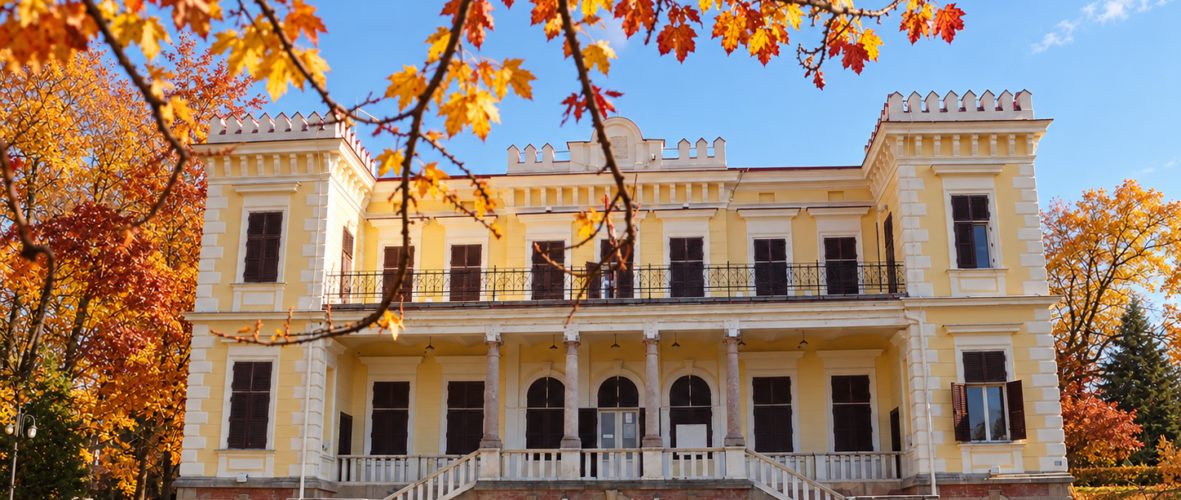
On a hillside above the Topla Voda mineral spring, Belimarković Castle reveals another side of Vrnjačka Banja – a world of historic villas, family memories and art.
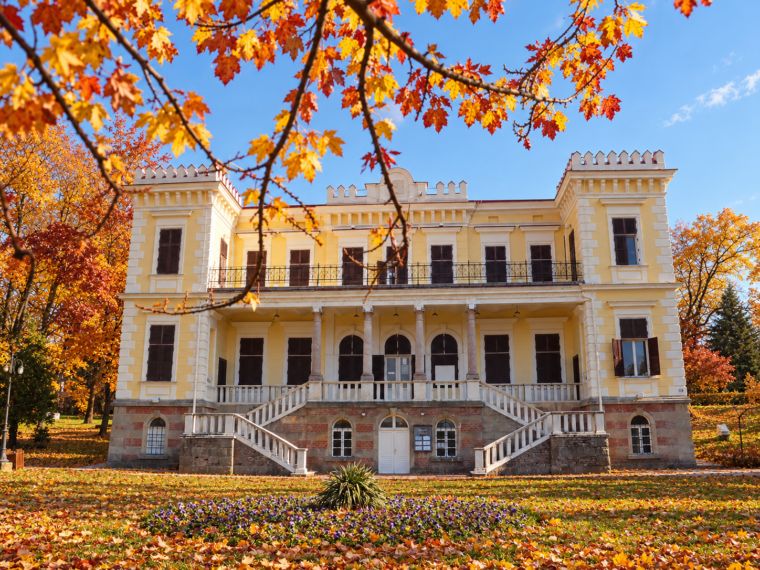
A walk through Vrnjačka Banja usually follows the river, winding through parks and past mineral springs. Yet one white building invites visitors to step away from the promenade. Belimarković Castle, also known as the Castle of Culture, is among the town’s most distinctive historic landmarks. Once a family summer residence, it now houses the local Heritage Museum and provides a setting for history, music and visual art.
The Summer Residence of a General and Royal Regent
The castle was built for Jovan Belimarković (1827–1906), a Serbian general, government minister and one of the regents during King Aleksandar Obrenović’s minority. His connection with Vrnjačka Banja lasted for many years: he initially visited during the summer, before making the spa town his permanent home for the final decade of his life.
According to a museum publication, construction took place between 1888 and 1894, with most of the work completed by 1889. The initial design was conceived by Belimarković’s nephew, civil engineer Pavle Denić, while Franz Winter participated in its execution and supervision. The castle’s history also includes a visit by the young King Aleksandar Obrenović, who was welcomed here in 1889.
Belimarković’s descendants occupied the building until 1968, when it was purchased for use as a museum, gallery and concert venue. The family residence subsequently opened to the public, taking on a new role in the town’s cultural life.
Architecture Worth Pausing For
Before stepping inside, take a moment to appreciate the building itself. The castle combines Romantic historicism with Renaissance elements, drawing inspiration from northern Italian villas. One particularly interesting detail is that it was built using white marble from Belimarković’s own quarry near Mount Goč — a local material that helped create one of the spa town’s most elegant buildings.
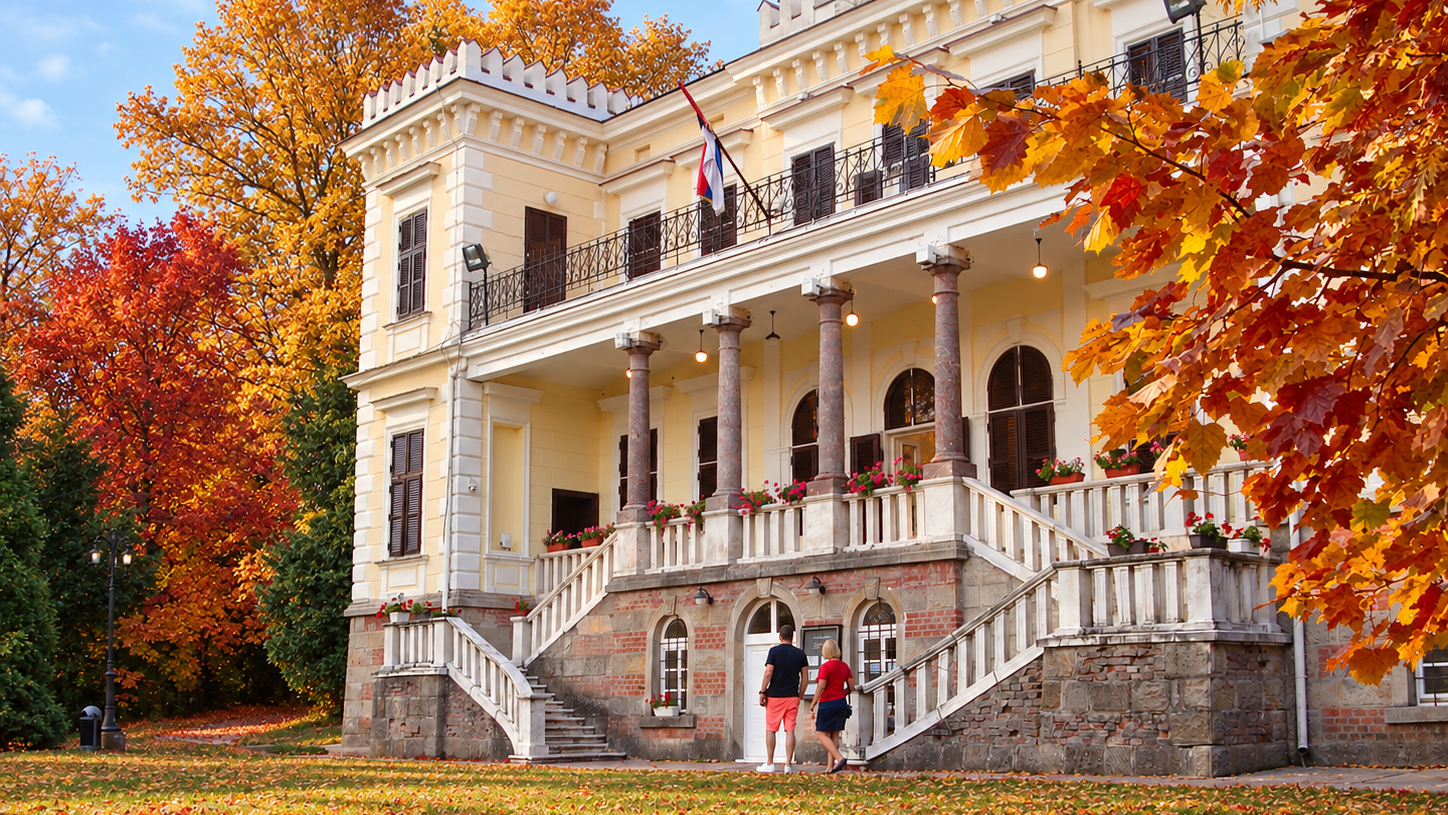
Its position above the Topla Voda spring gives it a prominent place in the town’s landscape. In autumn, when the surrounding foliage turns gold and copper, its pale exterior stands out beautifully.
What Can You See Inside?
The Vrnjačka Banja Heritage Museum preserves material relating to the town and its surroundings. According to the official tourism presentation, its permanent exhibition comprises three thematic displays, taking visitors from prehistory to the life of the general’s family.
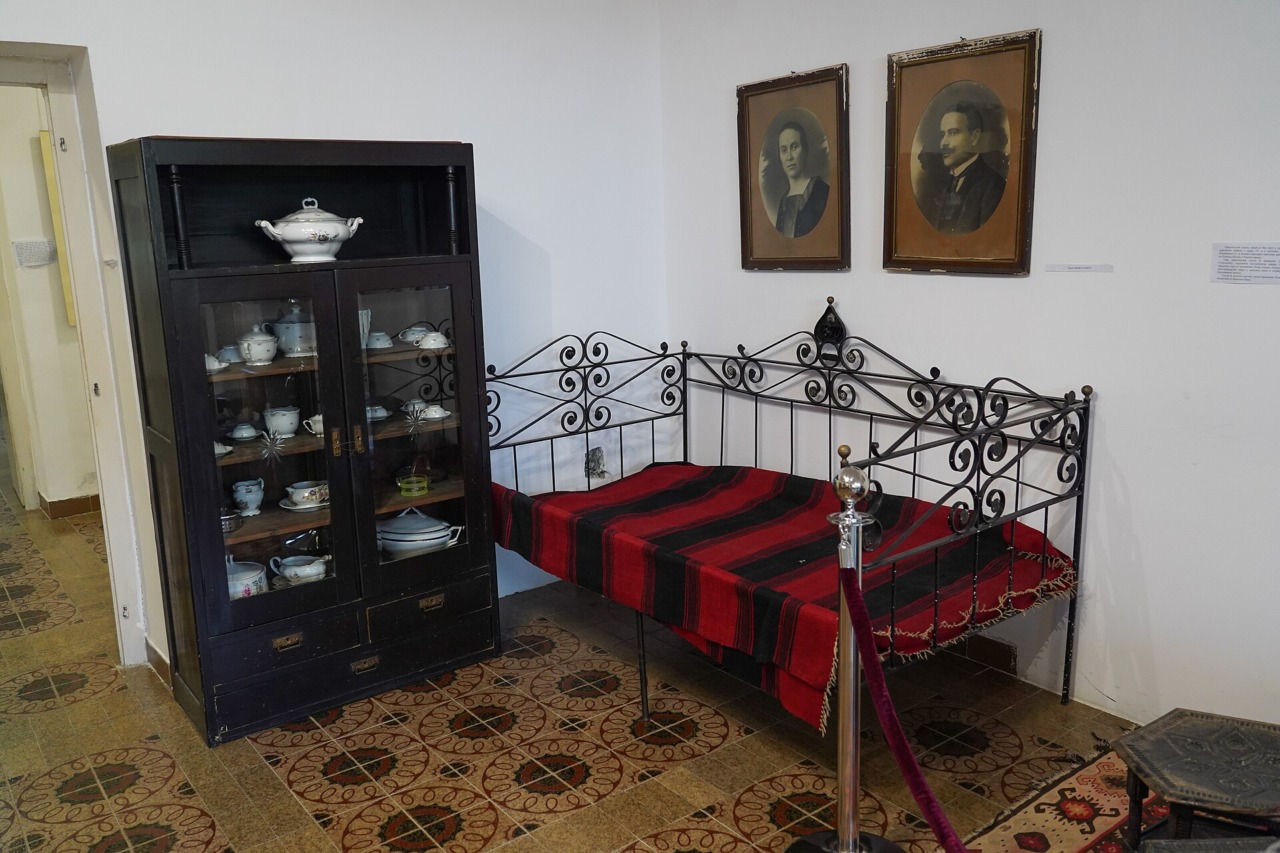
General Belimarković’s Memorial Room
The memorial room offers the most personal introduction to the castle’s former owner. Surviving furniture, photographs and historical documents provide insight into the general’s life and his connection with Vrnjačka Banja. Here, the impressive building takes on a more intimate character, revealing something of the man who once called it home.
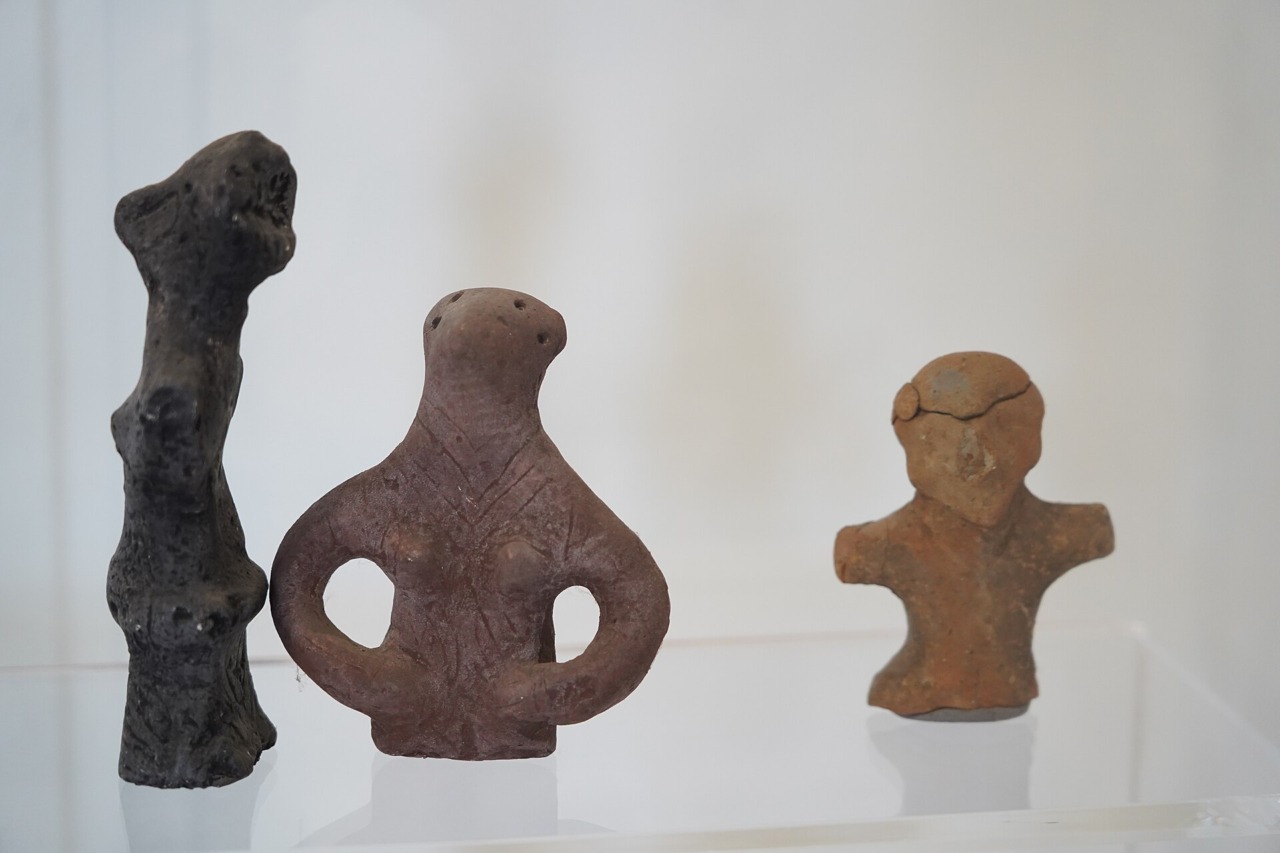
Lađarište – The Prehistory of Vrnjci
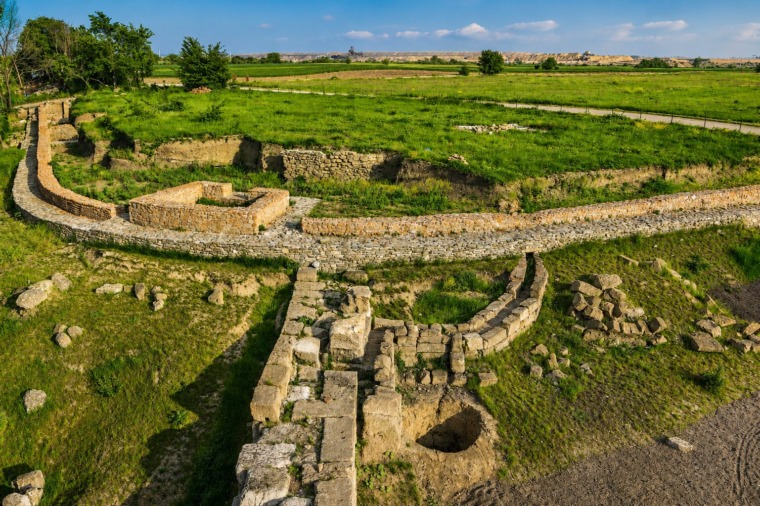
This archaeological exhibition takes visitors back to the Neolithic period. Finds from Lađarište, a site on the high bank of a former course of the West Morava River, belong to the Vinča culture. They reveal that people inhabited this area long before the development of the modern spa town.
The Ethnographic Heritage of Vrnjačka Banja
The third display explores the area’s ethnographic heritage. It adds a perspective on local culture and everyday life, connecting the story of the grand summer residence with the heritage of its surrounding community.
From Old Postcards to Contemporary Art
The museum’s collections include old postcards, photographs, glass photographic negatives and tourism publicity material, alongside paintings, prints and sculptures. Together, these preserve traces of the town’s development and former appearance. Which items visitors can see depends on the exhibitions currently on display.
The castle also hosts temporary exhibitions, concerts, talks and book presentations. A visit can therefore bring an unexpected encounter with contemporary art or the chance to hear music in a historic setting.
A Stop for a Slower Walk Through the Spa Town
Belimarković Castle fits easily into a walk around central Vrnjačka Banja. Allow yourself time to admire the exterior, explore the museum rooms and then continue towards the park and mineral springs.
Before visiting, check the Castle of Culture’s opening hours and current programme, especially if you hope to see a particular exhibition. Once you arrive, pause before the white façade and enjoy the sense that Vrnjačka Banja’s history still lives within its old houses.
Serbia.com recommends
Handpicked places, stays and experiences to make your journey through Serbia even more memorable.
Related Articles