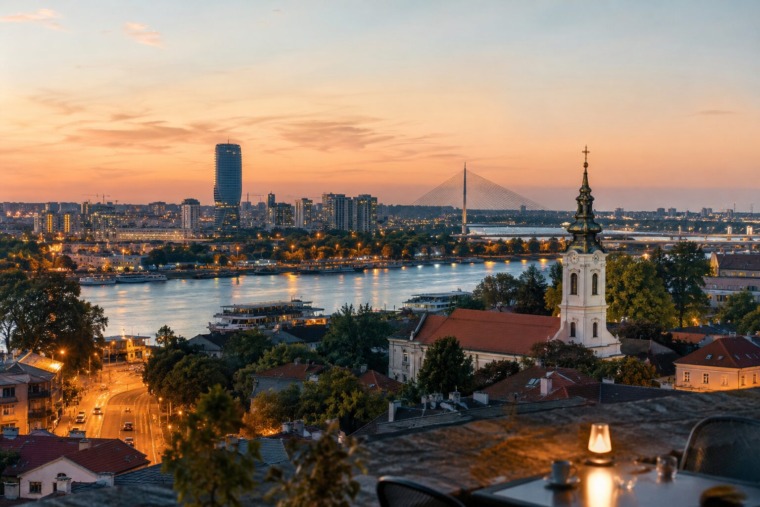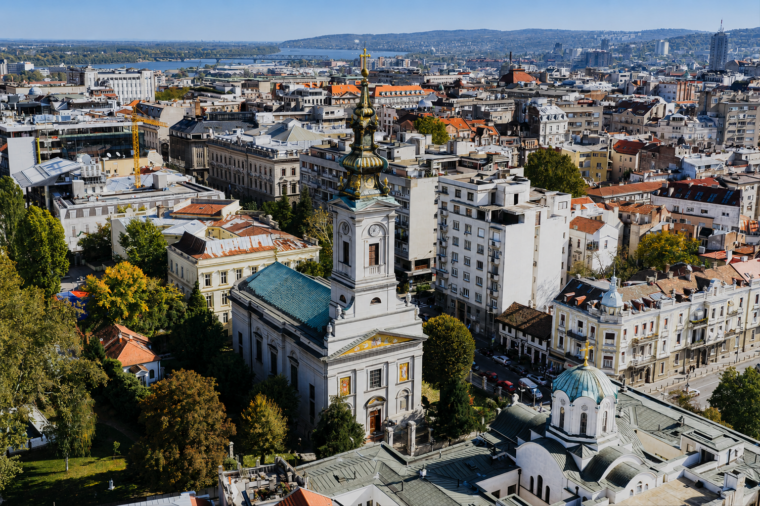

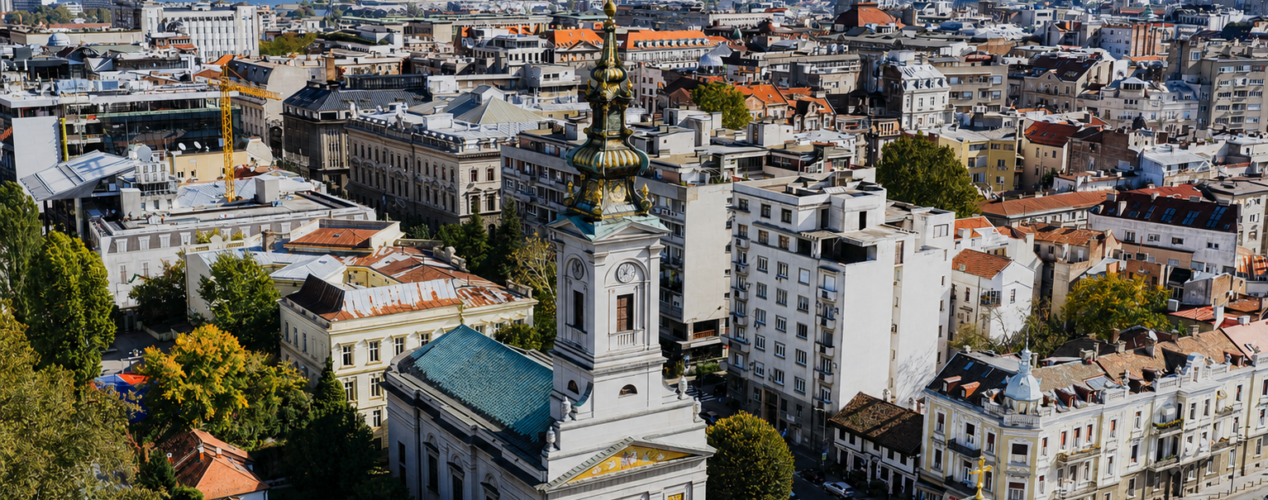
September does not bring an abrupt end to summer in Belgrade. The sun still warms the city’s façades, the days remain long enough for leisurely walks, and evenings can still be spent outdoors. Yet the city’s rhythm gradually begins to change. The intense summer heat subsides, the streets come alive again, and the first signs of autumn appear in parks, markets and along the riverbanks.
This transition between two seasons is one of the loveliest times to discover Belgrade. The city is no longer slowed down by the August heat, but it has not yet entered the colder, busier part of the year. Outdoor terraces remain open, the cultural season begins, markets overflow with colour, and exploring the city no longer means constantly searching for shade.
September in Belgrade is not the end of summer. It is its quieter continuation – an opportunity to experience the city slowly, without rushing from one landmark to another.
Start the day at a Belgrade market
Belgrade mornings are best experienced where the city meets the countryside surrounding it – at its traditional markets (pijaca).
In September, the stalls are particularly abundant. Late-summer tomatoes, grapes, peaches and watermelons appear alongside plums, pears, apples and the first pumpkins. Mountains of red peppers announce the beginning of ajvar season, while the aromas of fresh herbs, local cheese and baked pastry sheets create an atmosphere rarely found in the city’s tourist areas.
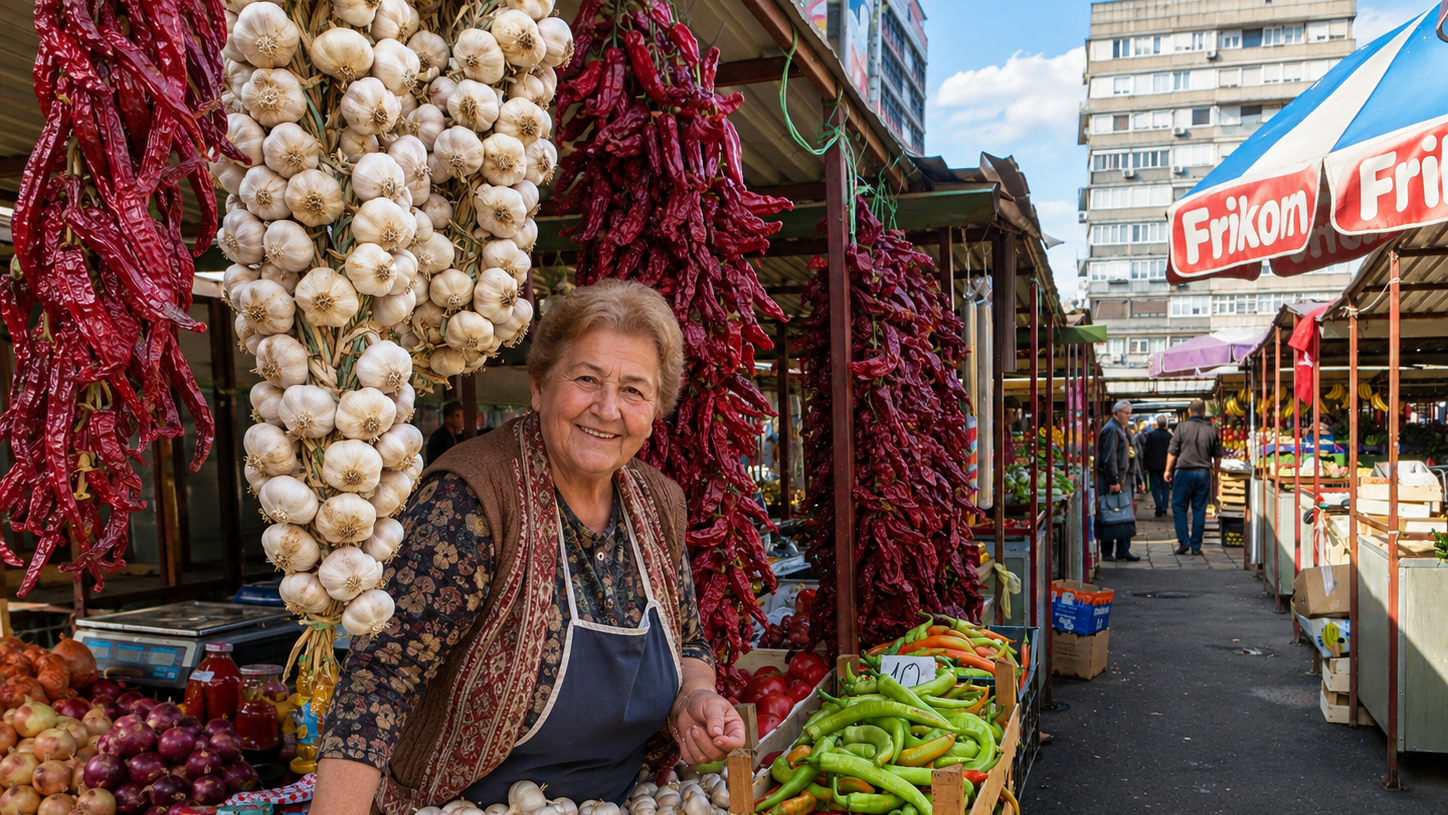
Kalenić Market is a good choice if you want to continue the day with a walk through Vračar. Bajloni Market introduces you to the rhythm of Dorćol, while Zemun Market offers a natural starting point for a day beside the Danube.
These markets are more than places to shop. They reveal the city’s seasonal rhythm, the everyday habits of its residents and flavours passed down through generations. After exploring the stalls, stop at a nearby bakery or small café. A Belgrade morning does not require a complicated plan – a slice of burek, a glass of yoghurt and coffee at a table facing the street are often enough.
Explore Kalemegdan without the summer crowds
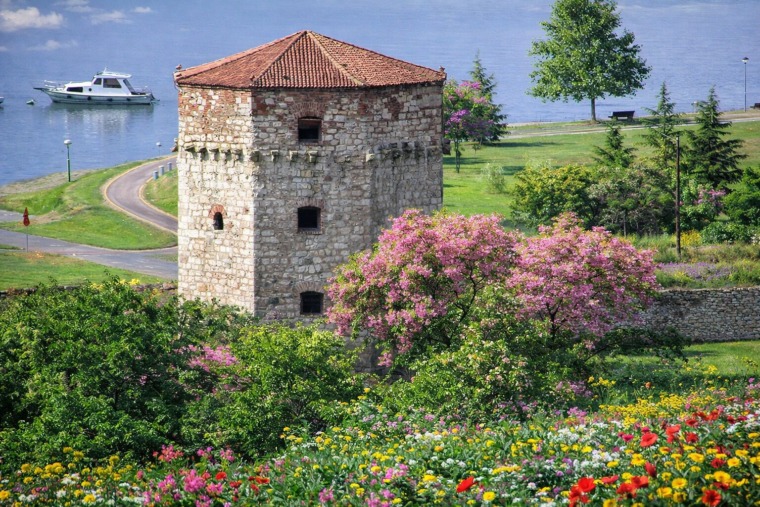
Once the hottest part of summer has passed, Belgrade Fortress once again becomes one of the city’s most enjoyable places for a long walk.
You can reach it through Knez Mihailova Street, but the real reward waits at the end. From the fortress walls, the view stretches across the confluence of the Sava and Danube, Great War Island and the plains beyond New Belgrade and Zemun. In the September light, the rivers often take on silver and golden tones, especially in the late afternoon.
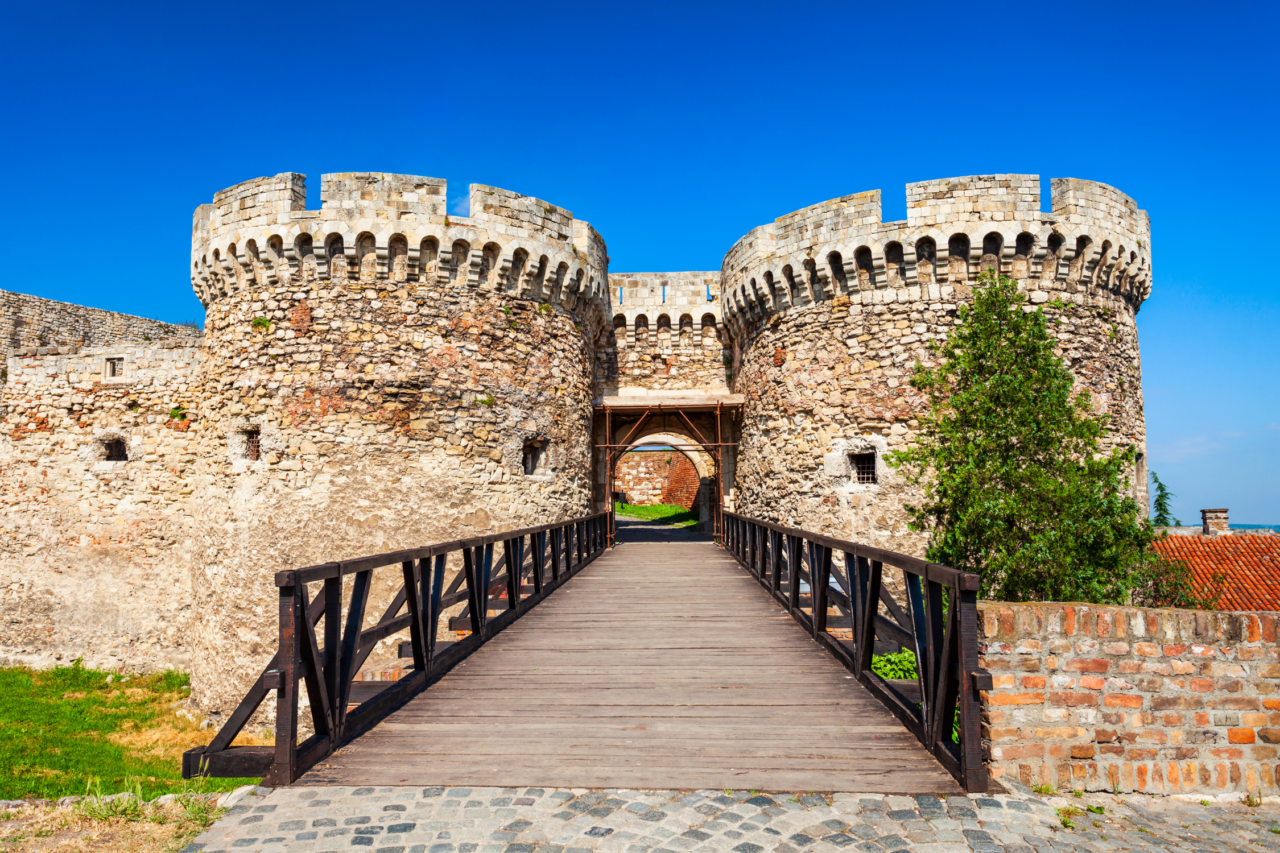
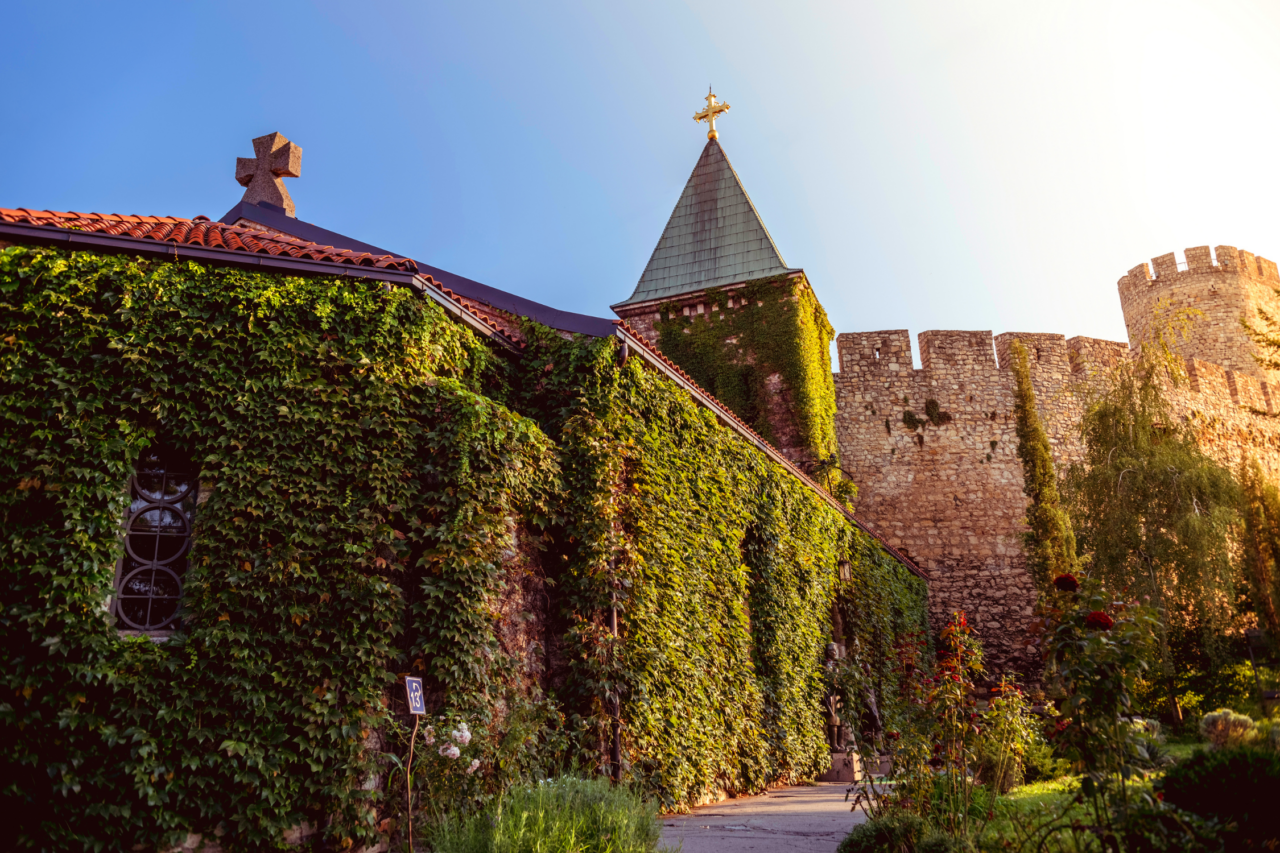
Instead of stopping only at the best-known viewpoints, explore the quieter paths, descend towards the Lower Town or walk to the churches of Ružica and Saint Petka. Hidden between stone walls and greenery, this part of the fortress feels far removed from the city, even though it is only a few minutes from the centre.
Kalemegdan is at its best when it is not treated solely as a historical attraction. It is also a vast city park, a meeting place and somewhere to observe Belgrade from the perspective that best explains its deep connection with the rivers.
See Kosančićev Venac and Dorćol in the late-summer light
From Kalemegdan, continue towards Kosančićev Venac, one of the few parts of central Belgrade where the atmosphere of the old city can still be felt.
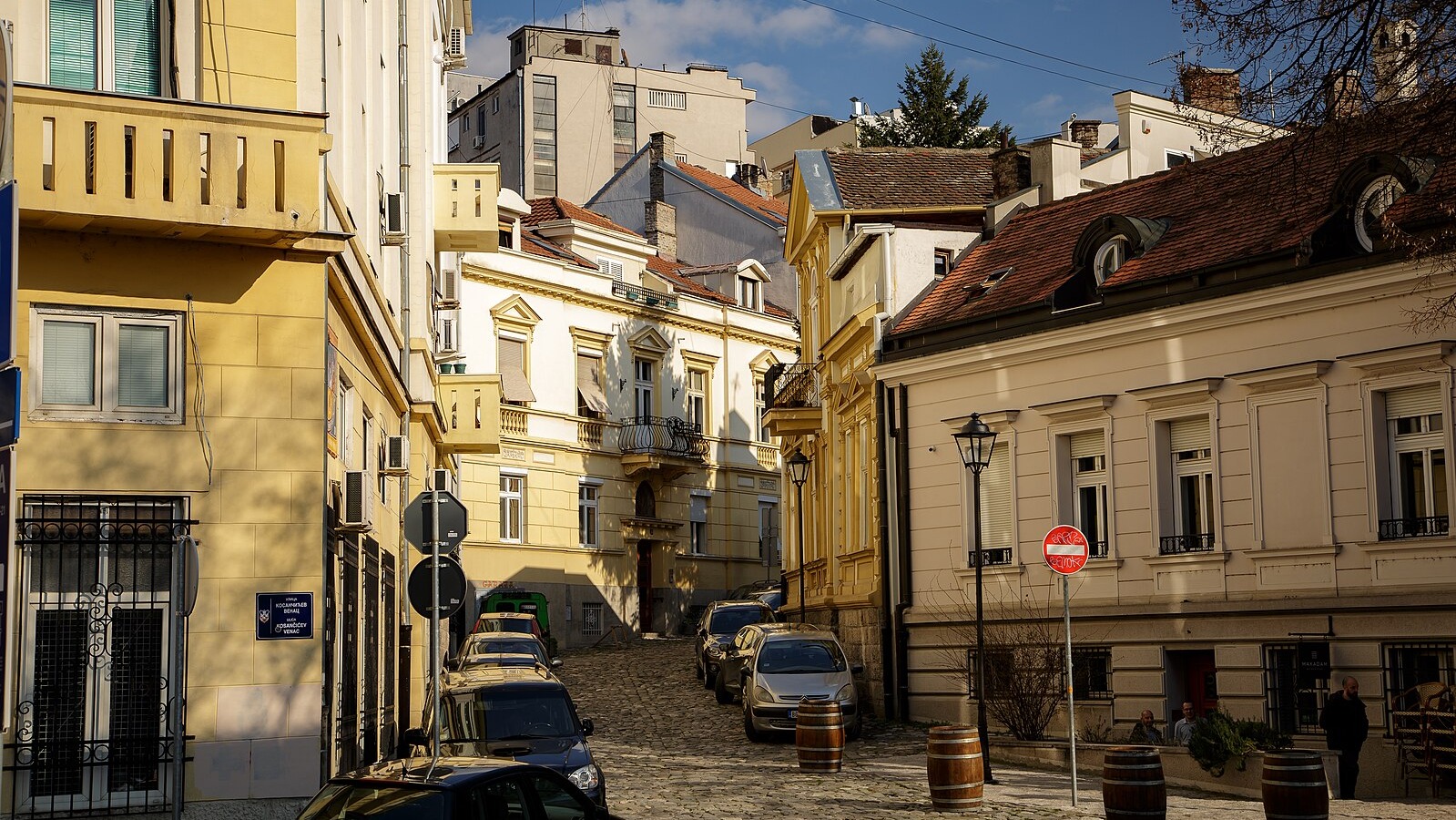
Its cobbled streets, historic houses, small studios and views towards the Sava create an environment very different from the busy districts nearby. There is no single major attraction to tick off here. The charm lies in walking slowly and noticing the details: old gates, balconies, façades and traces of different periods in the city’s history.
On the other side of the centre, Dorćol reveals a different side of Belgrade. Its streets bring together historic architecture, a rich artisan heritage, contemporary galleries, independent shops and cafés. As you move closer to the Danube, the noise begins to fade and the buildings give way to greenery and open space.
This is a side of Belgrade that cannot be discovered through a checklist of landmarks. Simply choose a street, turn a corner without a particular reason and allow the city to reveal its character.
Spend the afternoon beside the Sava or Danube
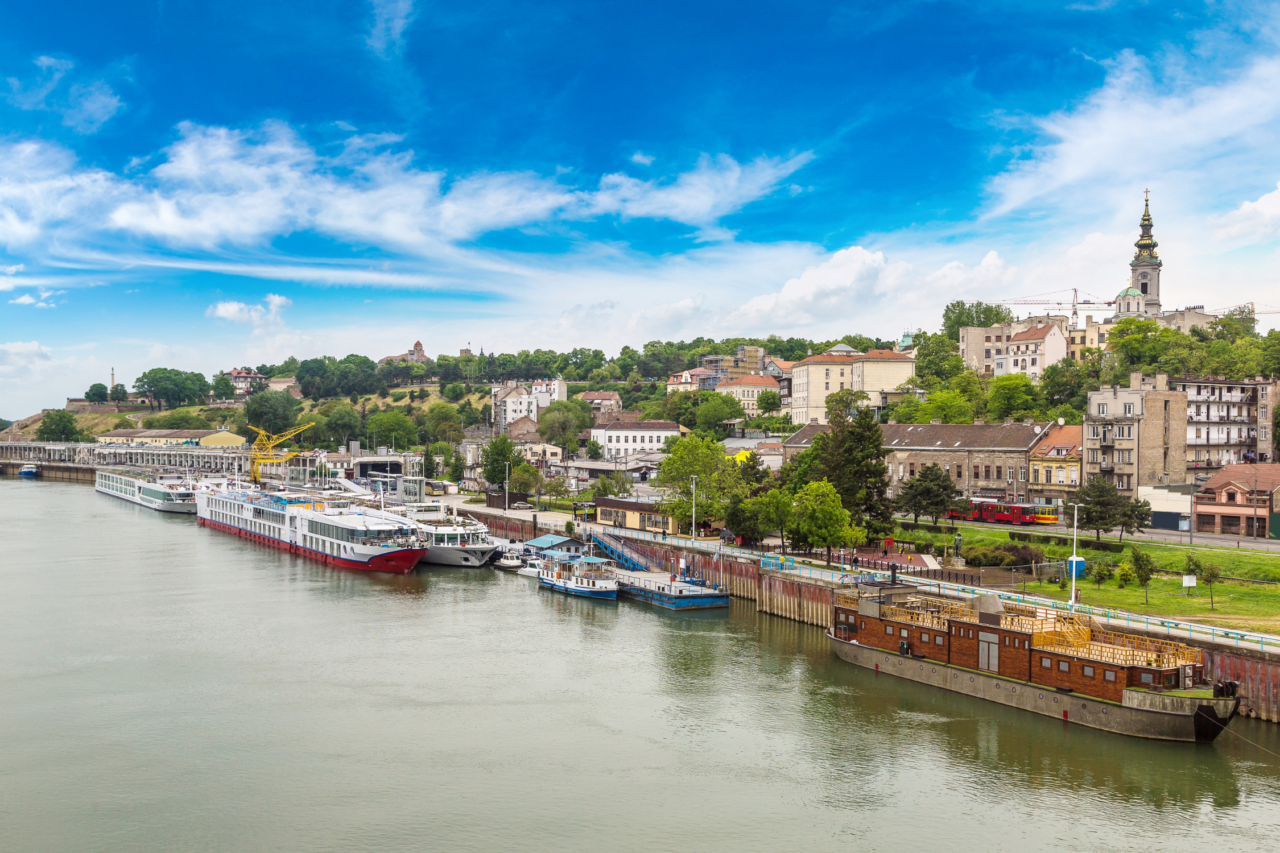
Belgrade is one of the few European capitals situated on two major rivers, but their importance cannot be fully understood from the city’s viewpoints alone.
Zemun Quay offers one of Belgrade’s most pleasant riverside walks. The path passes restaurants, boats and the historic centre of Zemun, with Great War Island and the Belgrade skyline visible in the distance. Begin at Zemun Market, climb to Gardoš and then descend towards the Danube before continuing along the waterfront.
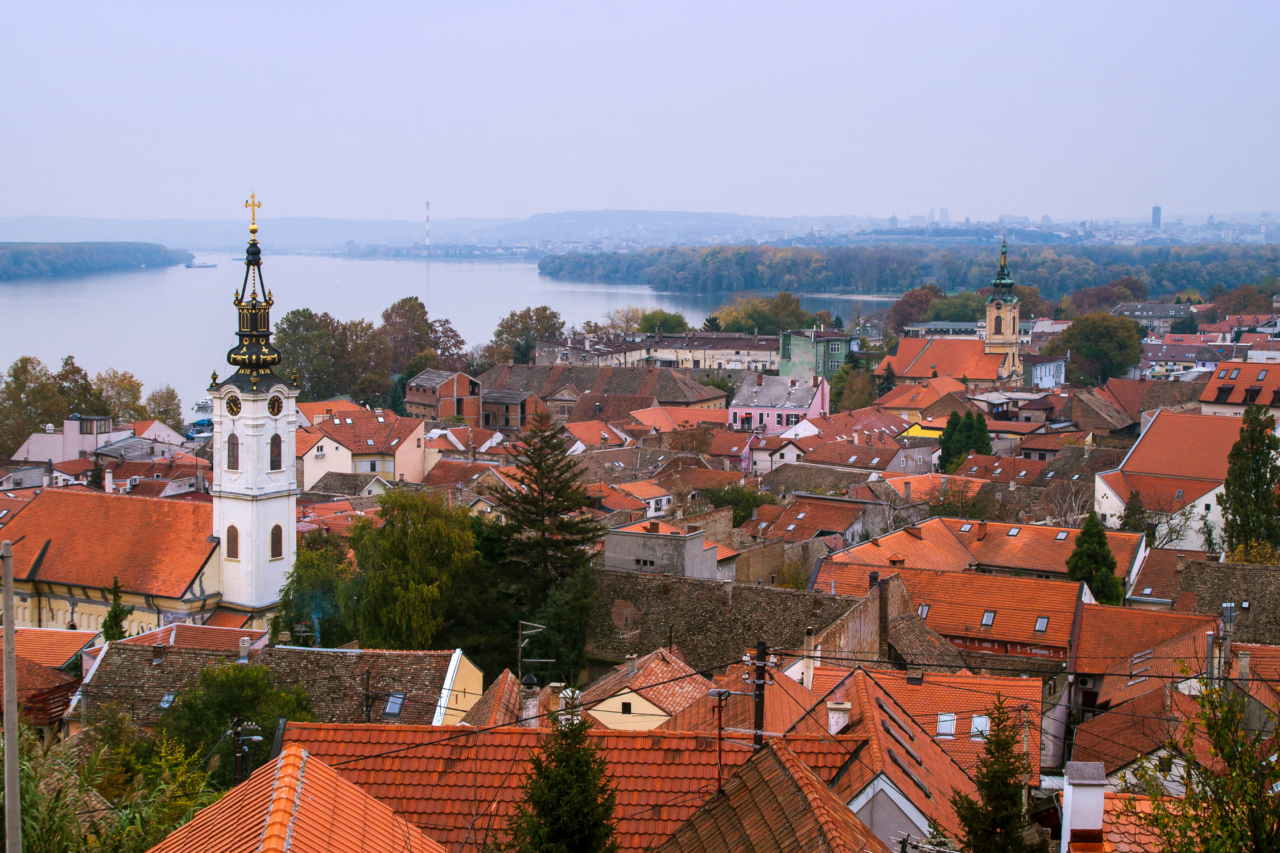
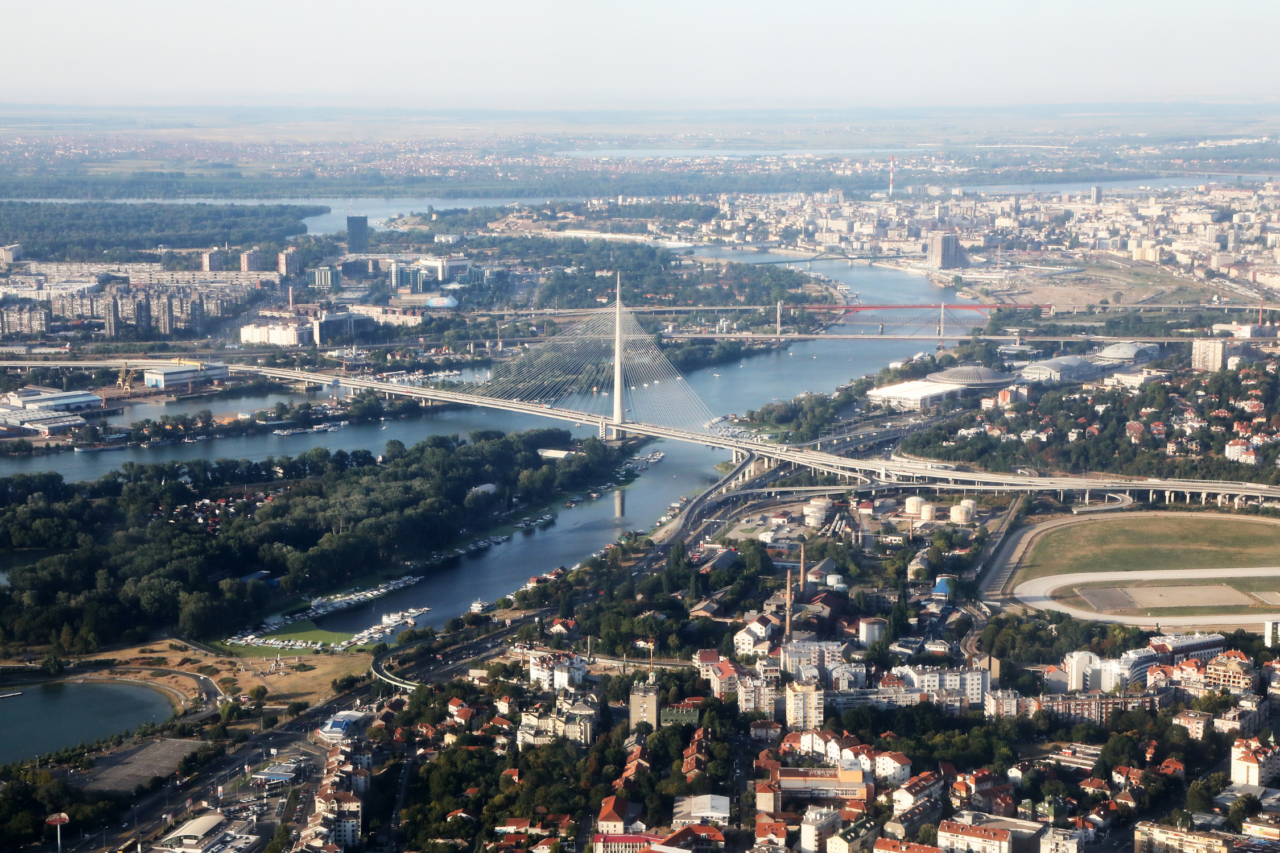
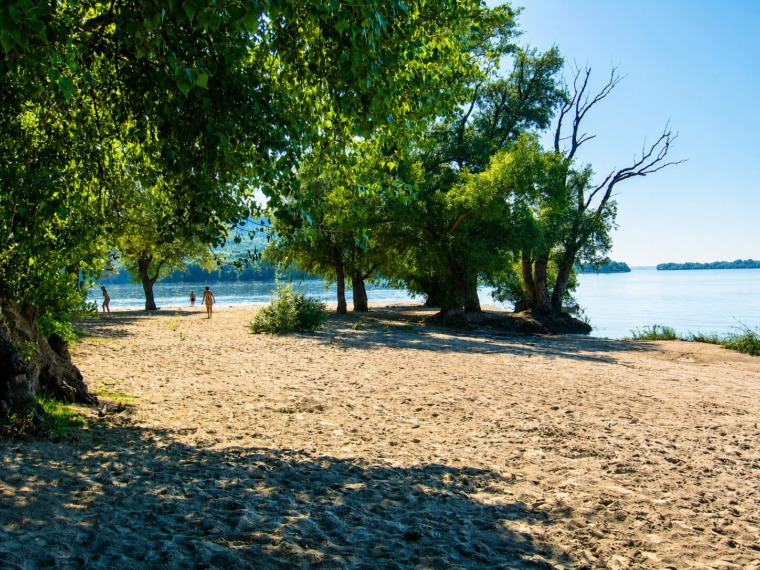
On the other side of the city, Ada Ciganlija becomes considerably quieter in September than during the hottest summer weekends. The water may still attract swimmers when the weather allows, while the paths around the lake become more comfortable for walking and cycling. The cafés remain open, but the atmosphere gradually shifts from a busy summer resort to a relaxed urban retreat.
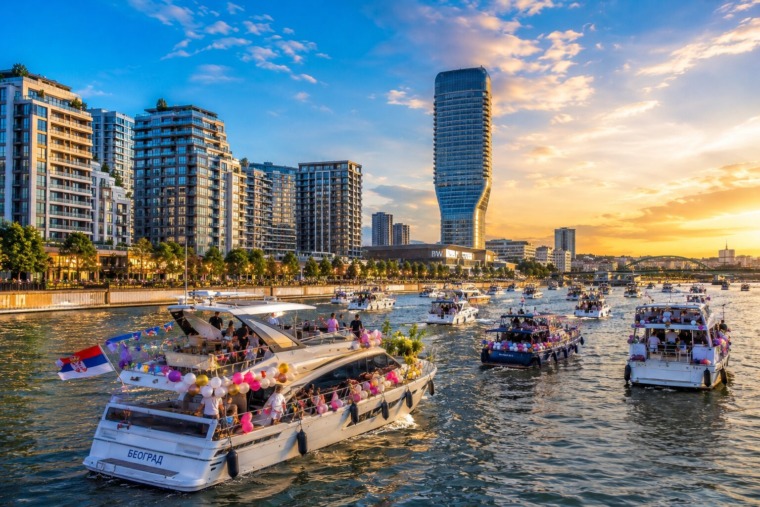
For another perspective, explore the rivers by sightseeing boat, kayak or stand-up paddleboard. Only from the water does it become completely clear how profoundly the Sava and Danube have shaped the fortress, Zemun, the bridges and Belgrade’s modern waterfront.
Find a green retreat in Topčider and Košutnjak
Although Belgrade is often perceived as a busy and intense city, it contains large green spaces where its urban rhythm almost completely disappears.
Topčider Park preserves traces of 19th-century Belgrade. Around Prince Miloš’s Residence, mature trees and peaceful paths make it easy to forget that you are still in the capital. The famous Topčider plane tree occupies a particularly important place here. As one of the city’s oldest and most recognisable trees, its vast crown continues to dominate the space in front of the residence.
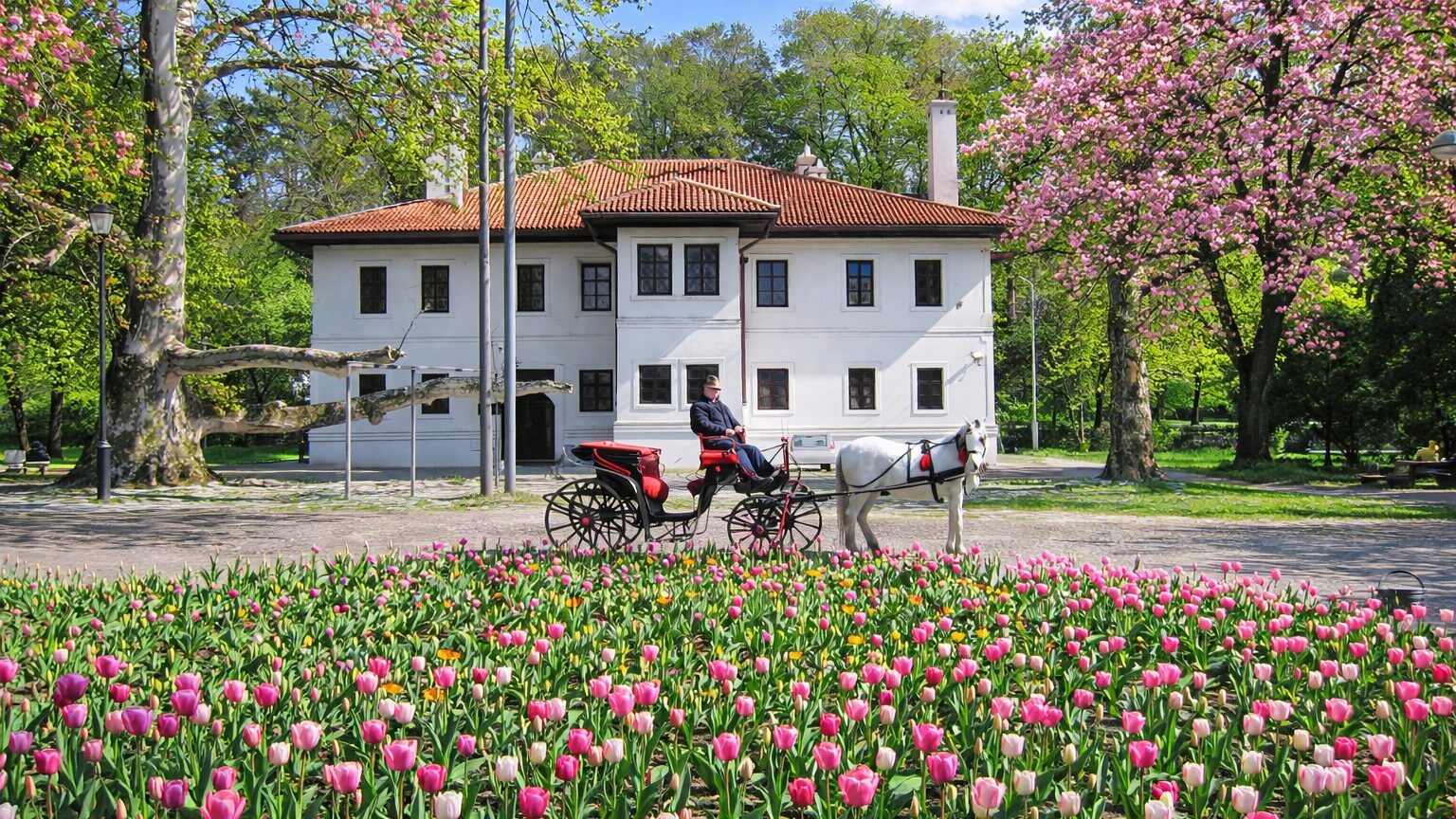
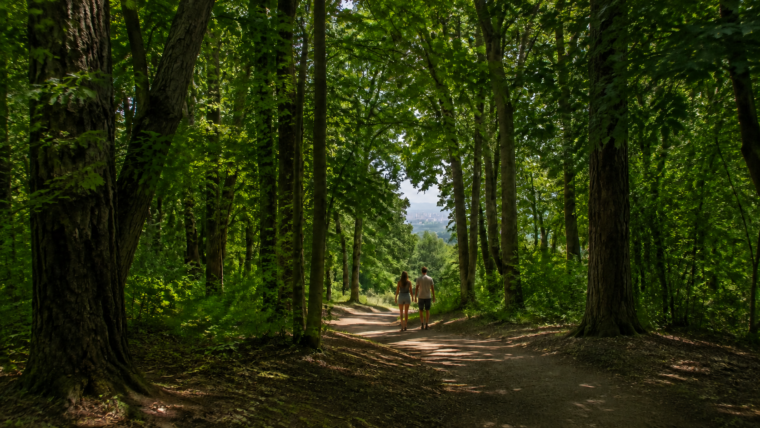
Nearby, Košutnjak offers a completely different landscape. Its woodland paths, meadows and viewpoints make it ideal for a longer walk, a bicycle ride or a simple break in nature. Green still dominates in September, but the first yellow and copper tones begin to appear among the trees.
Topčider and Košutnjak can easily be visited during the same afternoon, especially if you want to discover the quieter side of Belgrade that many visitors overlook.
Taste the first flavours of autumn
The transition from summer to autumn in Serbia is perhaps most clearly visible at the table.
September marks the beginning of the traditional winter-preserve season. The aroma of roasting peppers spreads through courtyards and residential neighbourhoods, plums are turned into jam, and market stalls glow red with peppers waiting to become ajvar. This is not merely a culinary tradition, but one of the country’s most recognisable seasonal rituals.
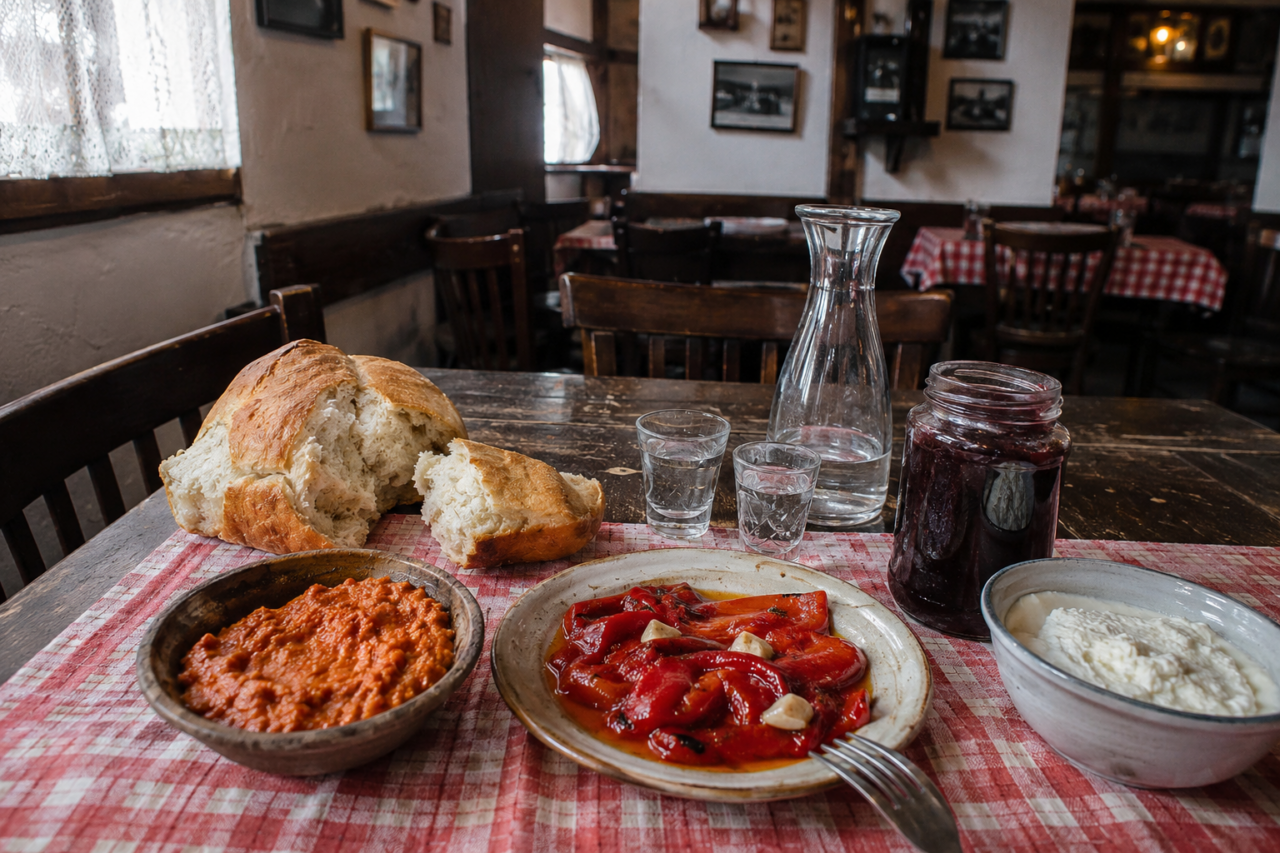
In Belgrade’s restaurants and kafanas, this is a good time to discover dishes that combine lighter summer produce with the richer flavours of autumn. Fresh salads remain part of almost every meal, but roasted peppers, wild mushrooms, pumpkin, plums and slowly cooked meat begin to appear more frequently on menus.
For a more authentic experience, do not limit your search to contemporary restaurants in the city centre. A traditional kafana, local bakery, old-fashioned cake shop or family-run restaurant in Zemun can often reveal more about Belgrade than its most popular tourist addresses.
Welcome the new cultural season
While many summer activities move to outdoor stages, squares and riverbanks, September marks the return of Belgrade’s regular cultural season.
Theatres reopen their doors, galleries present new exhibitions, and concert and film programmes become richer. At the same time, mild evenings allow some events to remain outdoors, leaving the city suspended for a while between summer venues and indoor cultural spaces.
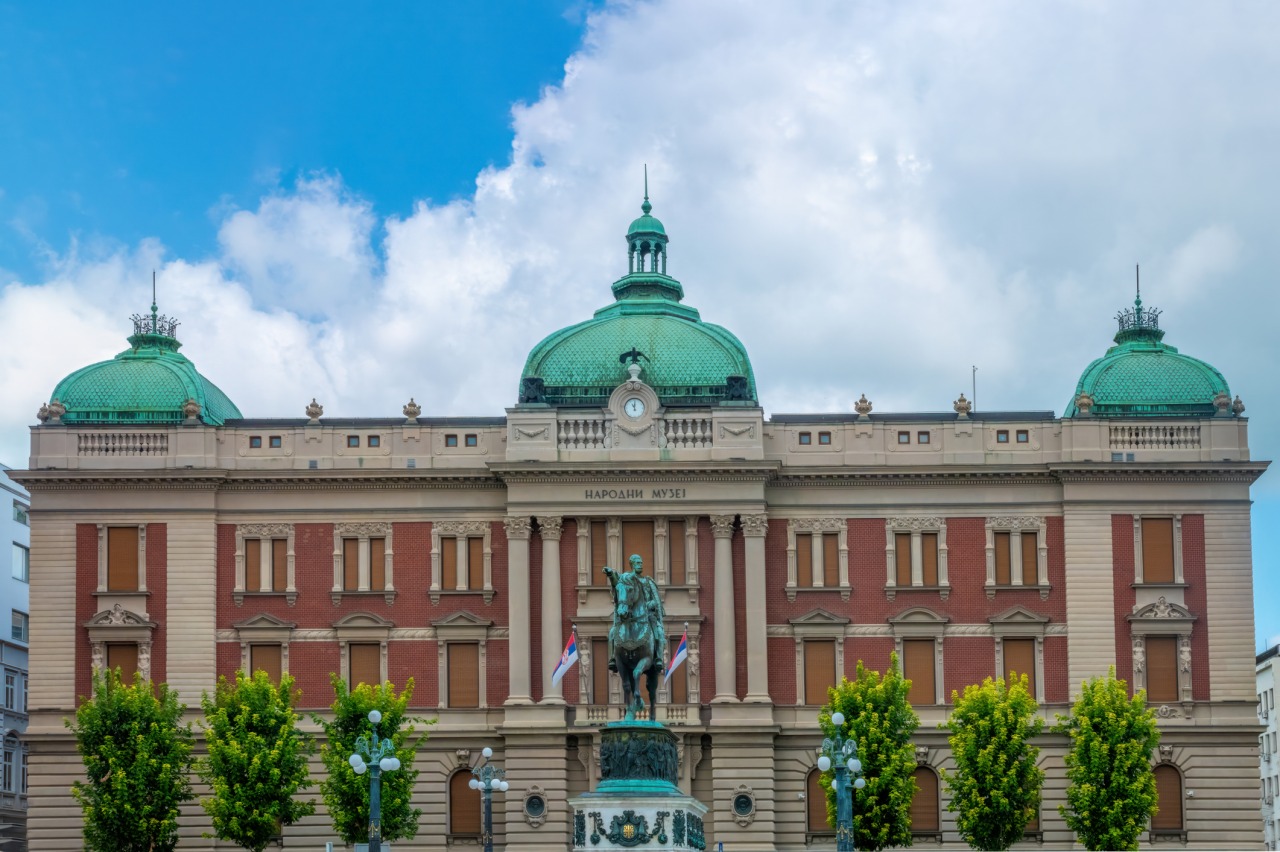
This is a good reason not to plan a visit solely around the city’s permanent attractions. Check what is taking place in theatres, museums, cultural centres and independent galleries during your stay. Even without speaking Serbian, international visitors can enjoy concerts, exhibitions, film screenings and other cultural programmes.
End the evening in Skadarlija, Dorćol, Zemun or one of the city’s more contemporary neighbourhoods. Outdoor terraces are still open in September, but the air is more pleasant, conversations last longer, and there is no need to wait for the daytime heat to subside before the night can begin.
Take a short trip to Avala
If you have an additional day, Avala offers one of the easiest ways to escape the city centre for a few hours.
Situated on the outskirts of Belgrade, this low mountain has long been a favourite destination for walks, picnics and time in nature. At its summit stand the Avala Tower and the Monument to the Unknown Hero, while the surrounding paths pass through dense woodland that begins changing colour towards the end of September.
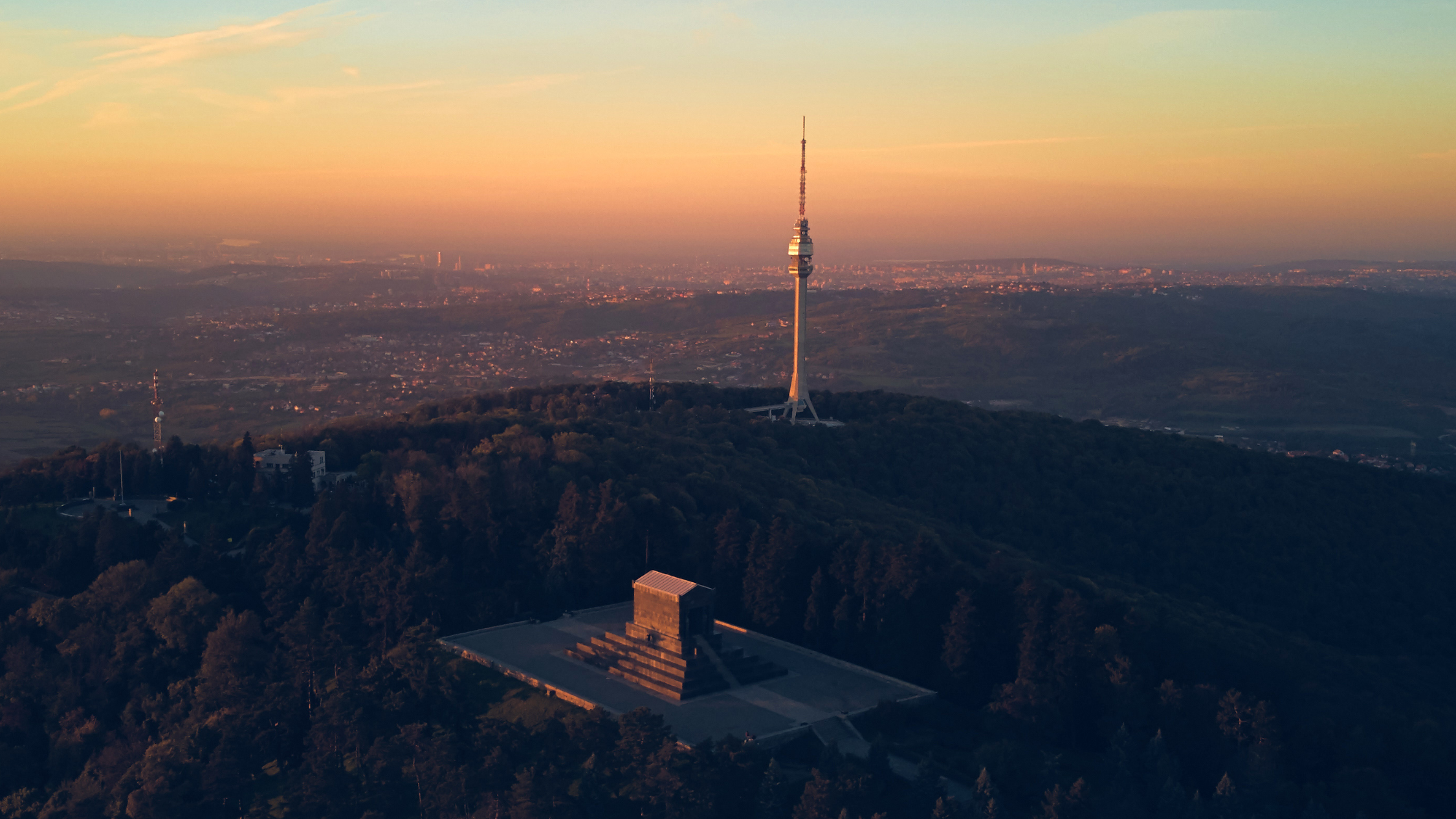
On a clear day, the tower offers sweeping views over Belgrade, Šumadija and the plains north of the city. Yet Avala is worth visiting for more than its views. Its greatest attraction is the feeling of being far from the capital without having to undertake a long journey.
The excursion does not have to occupy the entire day. A few hours are enough for a walk, a visit to the main landmarks and lunch in the surrounding area before returning to Belgrade for the evening.
A city you do not need to rush
Belgrade is not best understood solely through its most famous attractions. Much of its character is found between them – at markets, along old streets, inside kafanas, throughout its parks and during long walks beside the water.
September provides ideal conditions for discovering precisely this side of the city. Belgrade is lively again, but has not yet fully entered its autumn rush. Sunny afternoons still feel like summer, while cooler mornings, earlier sunsets and the first changing leaves announce the arrival of a new season.
Do not try to see everything. Start the morning at a market, walk towards the river, stop whenever a view catches your attention and leave enough time for a dinner that does not need to end early.
Belgrade between summer and autumn does not require a strict itinerary. All you need to do is slow down and allow the city to lead the way.
Related Articles