
Travel through Serbia long enough and the map begins to sound like a book of folk tales. There are towns built by a cursed noblewoman, rocks shaped by the devil, fortresses associated with an almost superhuman medieval prince and landscapes named after forbidden love. Some places preserve the names of historical figures who may never have visited them. Others have acquired stories so powerful that the legend has become inseparable from the landscape itself.
These names are not simply picturesque additions to tourist maps. They reveal how generations understood the world around them. Before archaeological excavations, written records and geological explanations, legends helped people make sense of ruined fortresses, unusual rock formations and traces left by civilisations whose names had long been forgotten.
In Serbia, the landscape does not merely preserve history. It preserves the way history was remembered, retold and transformed.
A Country Where the Landscape Remembers
For centuries, stories in Serbia were passed from one generation to the next through oral tradition. They were told beside the fire, sung in epic poems and carried from village to village by people who often knew little about the original builders of the walls and roads surrounding them.
When a medieval fortress stood abandoned above a river, local memory needed to explain who had built it. When a boulder appeared to carry the imprint of a giant foot or horseshoe, it was linked to a familiar hero. When erosion created an almost impossible collection of stone towers, ordinary natural forces did not seem like a sufficient explanation.
The landscape became a stage on which historical figures, supernatural beings and imagined lovers continued to live. This is why many Serbian place names exist somewhere between geography and storytelling. The stories may not provide reliable historical evidence, but they reveal something equally valuable: how communities preserved their relationship with the past.
Prince Marko: The Hero Who Left His Mark Everywhere
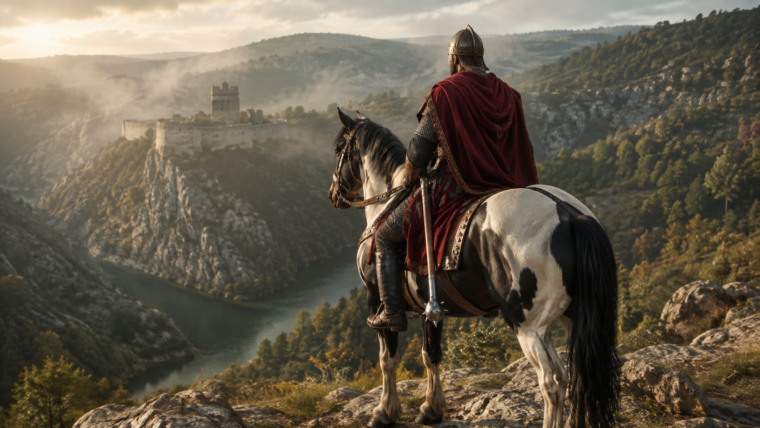
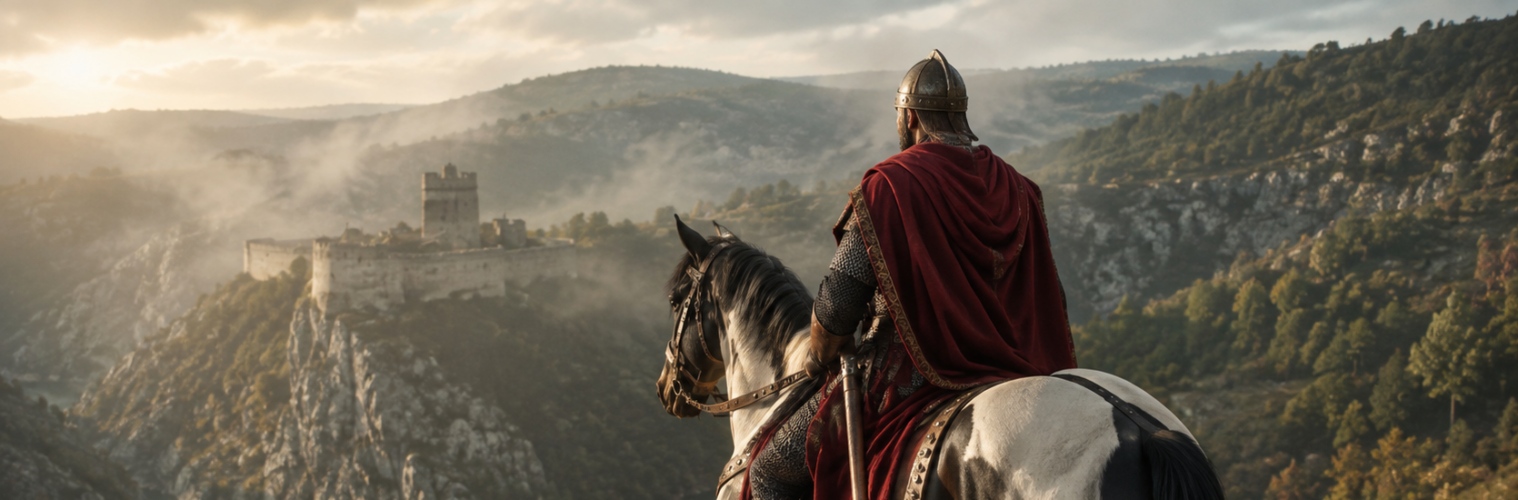
Few figures have shaped the legendary geography of Serbia as powerfully as Prince Marko, or Marko Kraljević. The historical Marko Mrnjavčević was a 14th-century ruler whose political influence was far more limited than his later reputation might suggest. In Serbian epic poetry, however, he became an extraordinary hero: immensely strong, fearless, sometimes impulsive and always accompanied by his loyal horse Šarac.
Over time, almost every impressive ruin, enormous stone or unusual indentation in the landscape could be connected to him.
Near Vranje, the ruins of Markovo Kale rise above the gorge of the City River. Archaeological evidence places the fortification within a much longer history, while some traditions associate its earliest construction with the Byzantine period. Yet its name belongs to Prince Marko.
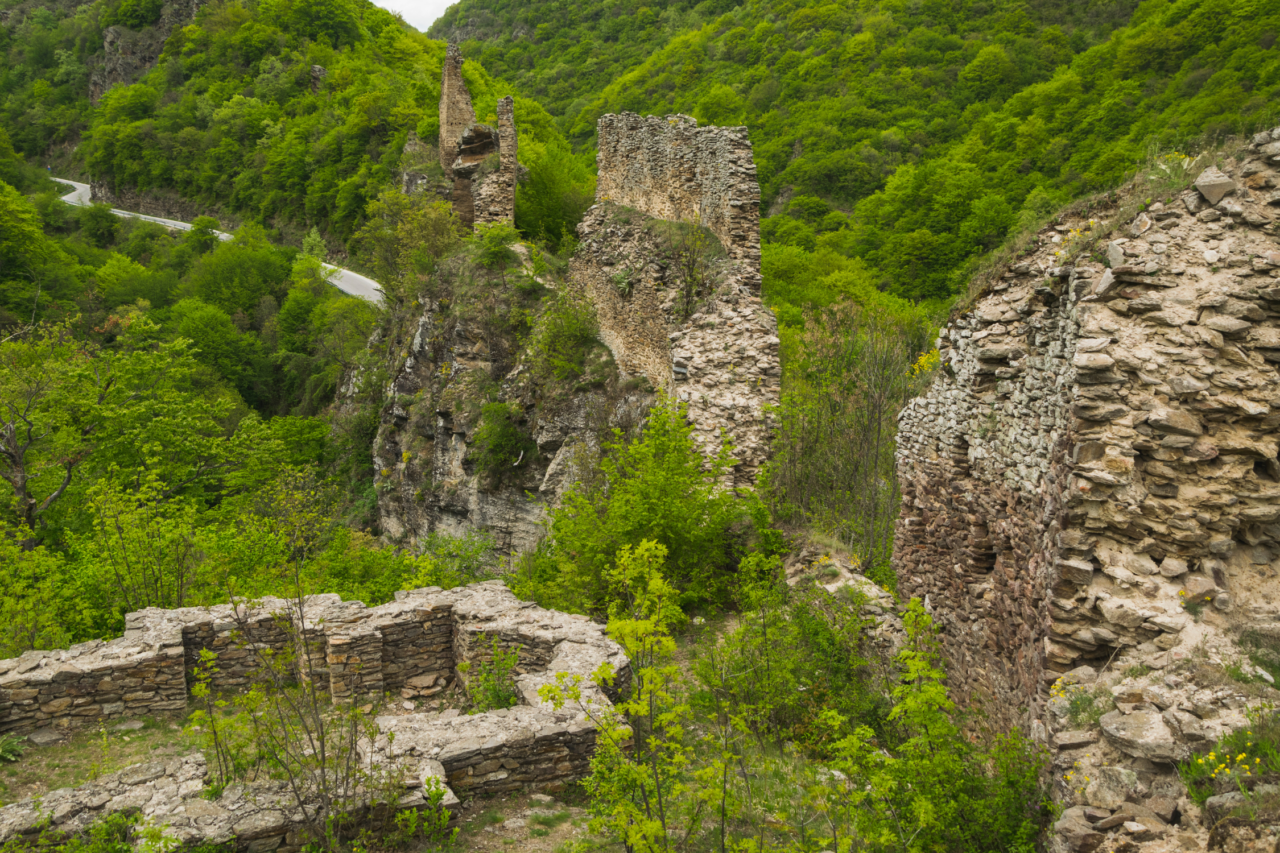
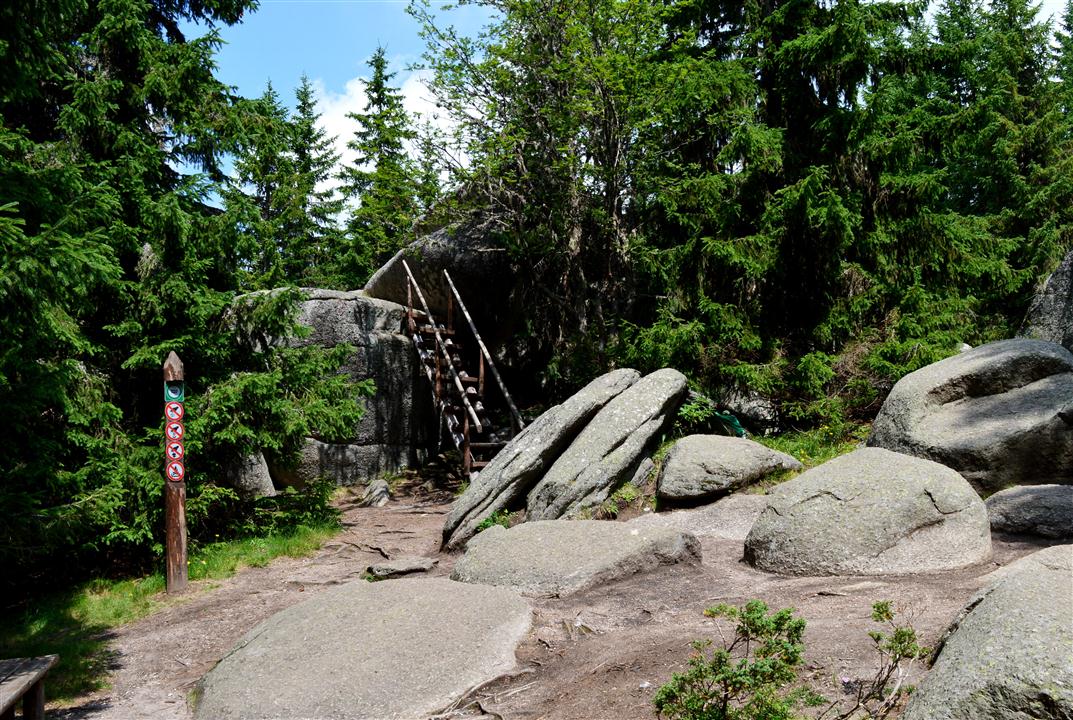
According to local legend, Marko defended the fortress against the Ottomans before escaping on Šarac. Certain marks in the surrounding rocks were interpreted as traces left by the horse during their dramatic flight.
Similar stories appear across Serbia. There are places known as Markov kamen, Markova stopa, Markovo korito and Markova stolica – Marko’s Stone, Footprint, Trough and Chair. Natural hollows became the places from which he drank. Vast rocks became stones he had thrown. Unusually shaped formations preserved the imagined footprints of Šarac.
The number of these places tells us less about the movements of the historical ruler and more about the reach of his legend. Marko became a measure of the landscape itself. Anything too large, too dramatic or too mysterious for an ordinary person could be explained through his presence.
The Many Cities of “Cursed Jerina”
Another name repeatedly appears among fortresses and ruins across Serbia: Jerinin grad, or Jerina’s Town. Jerina Branković, born the Byzantine noblewoman Irene Kantakouzene, was the wife of Despot Đurađ Branković. In popular memory, she became inseparably associated with the construction of Smederevo Fortress, the monumental capital built in the 15th century during the final decades of the medieval Serbian state.
Constructing such an enormous stronghold in a very short period required vast numbers of workers, heavy taxation and considerable sacrifice from the population. Although the decision to build it belonged to a far more complex set of political circumstances, folk tradition placed much of the resulting suffering on Jerina. The historical Irene Kantakouzene was gradually transformed through epic poetry and legend into Prokleta Jerina – Cursed Jerina, a cruel and relentless builder of fortresses.
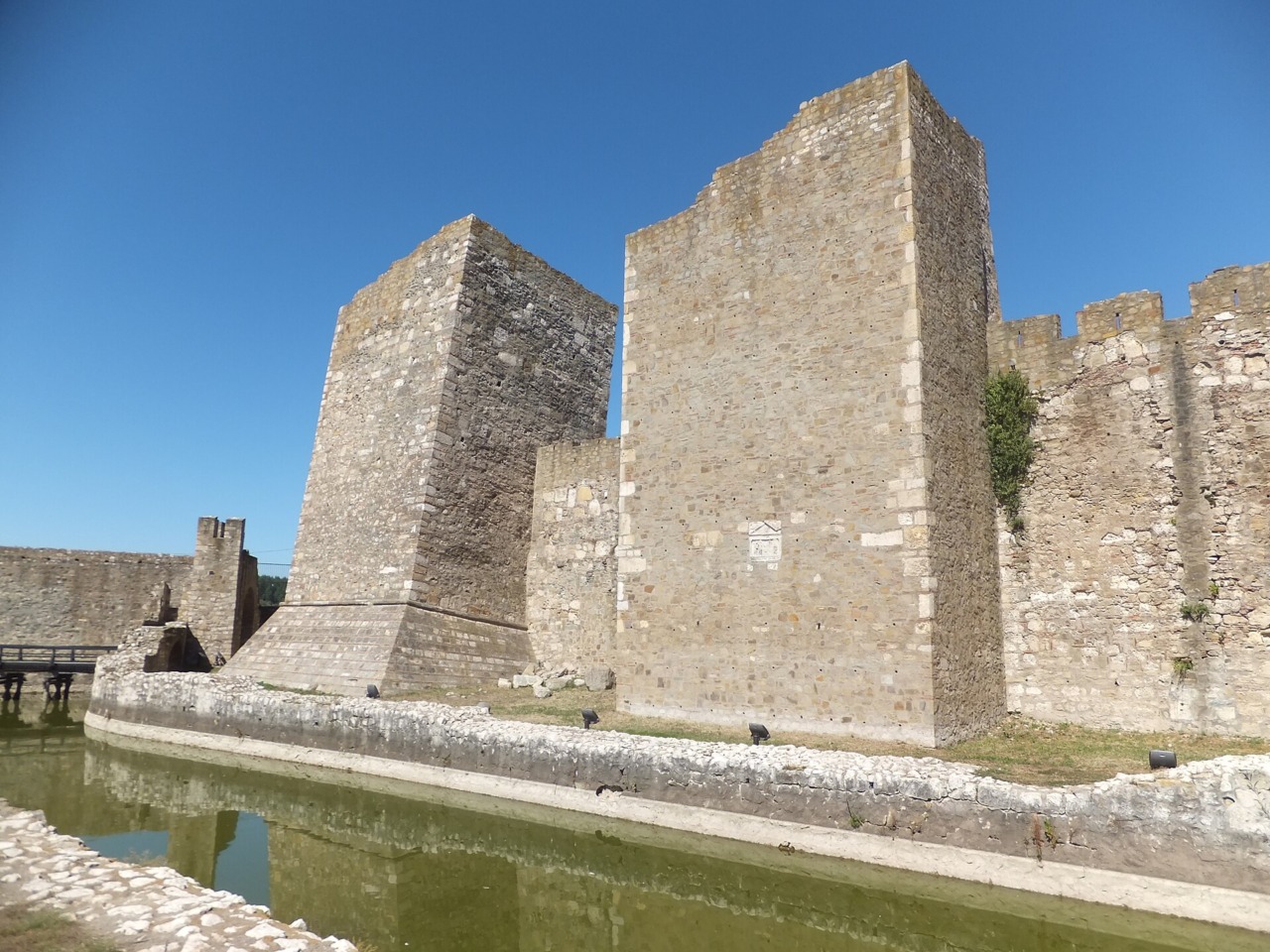
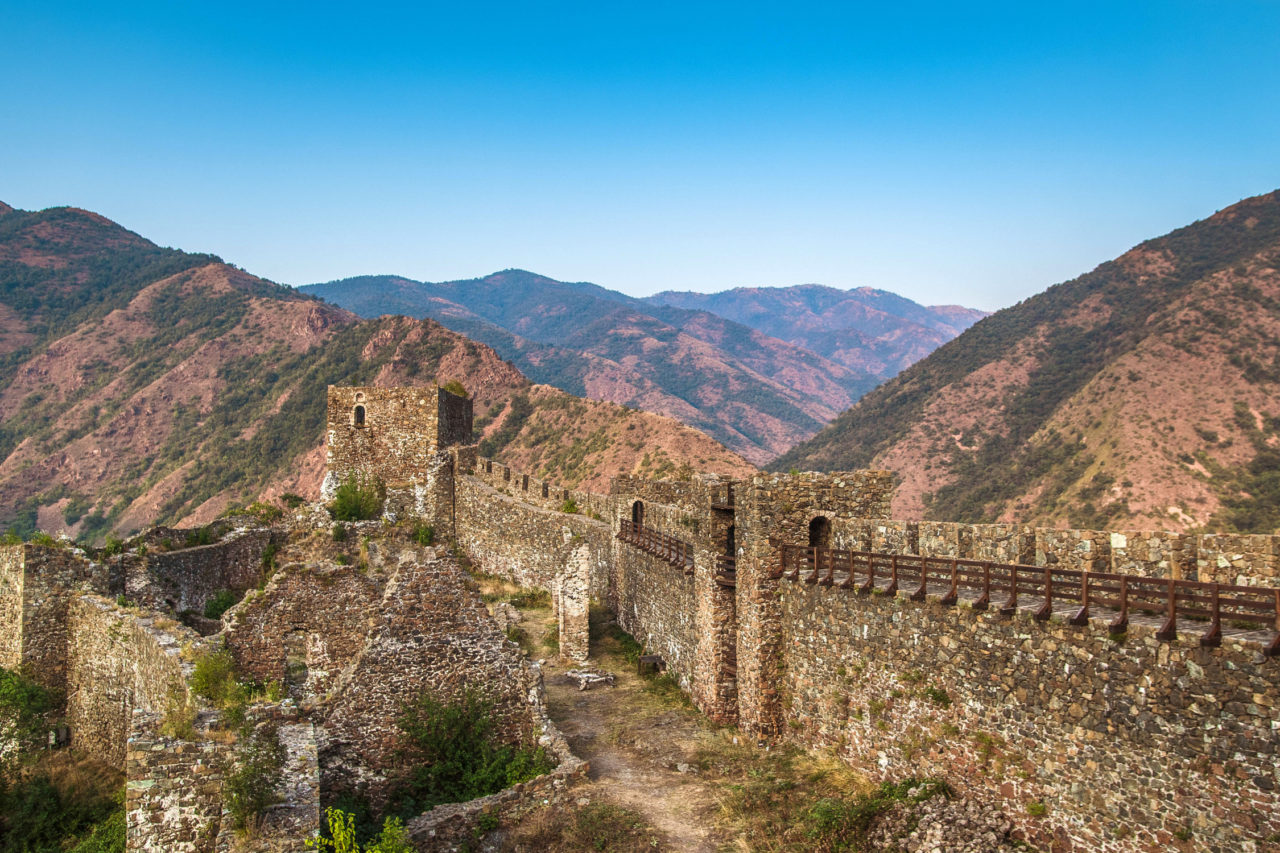
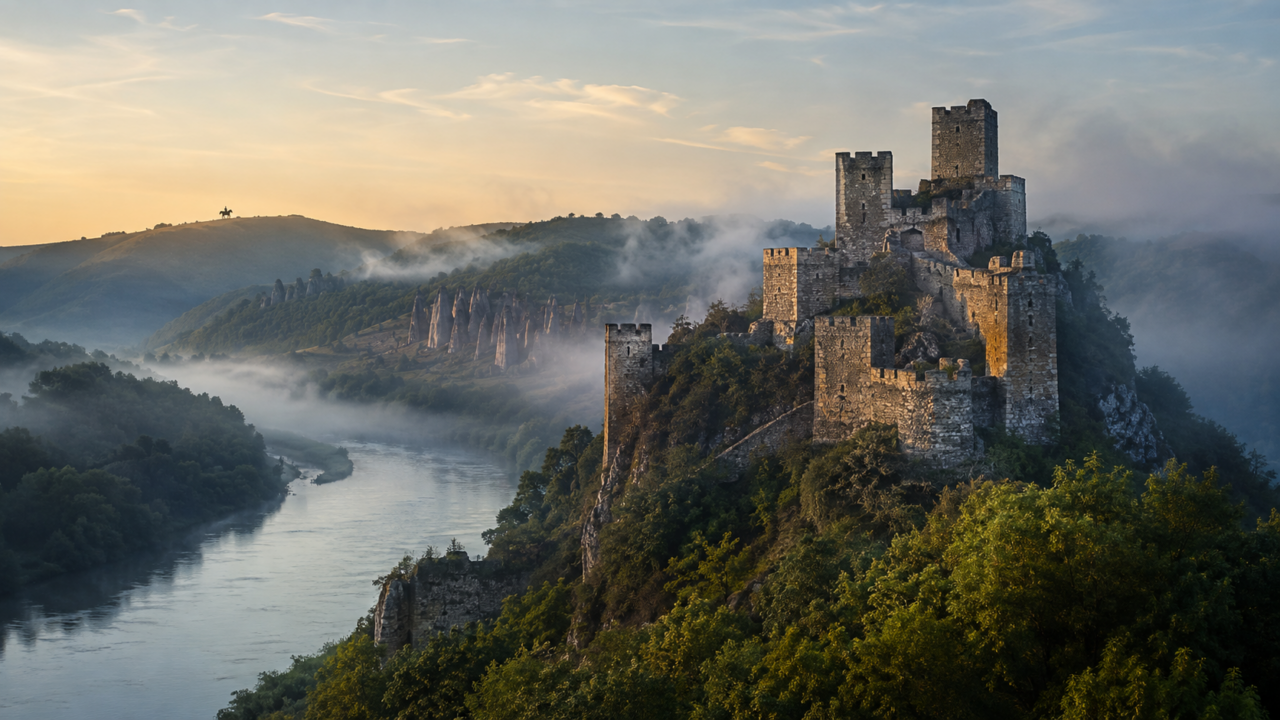
Her legend eventually spread far beyond Smederevo. Almost any imposing stronghold whose origins had disappeared from local memory could become another of Jerina’s towns. One of the best-known examples is Maglič, the magnificent medieval fortress standing on a steep rock above the Ibar River near Kraljevo. Historical evidence places its construction in the 13th century, long before Jerina’s lifetime. It is believed to have protected the important route through the Ibar Valley, as well as the nearby monasteries of Žiča and Studenica.
Despite this, Maglič also became known in folklore as a fortress of Cursed Jerina. According to one of the darker legends, Jerina received lovers within its walls and later threw them into a deep well to conceal the evidence of her affairs. There is no historical basis for the story, but it has contributed to the mysterious character of a fortress that still appears almost unreal as it rises above a bend in the Ibar.
Jerina’s name is also attached to ruins near Trstenik, Valjevo, Bajina Bašta, Aleksinac and several other places. Many of these fortifications were built centuries before she was born, while some never belonged to the territory ruled by the Branković dynasty. The spread of these names shows how folklore fills the gaps left by history. Once the identities of the real builders had been forgotten, Jerina became an explanation for walls that appeared too enormous, inaccessible or demanding to have been constructed by ordinary people.
The historical Irene Kantakouzene was a noblewoman who lived through war, political instability and the decline of medieval Serbia. The Cursed Jerina of folk tradition became something entirely different: the imagined builder of fortresses across the country and a symbol of all the sacrifices such monumental structures demanded.
When the Devil Became a Geologist
Where unusual landscapes could not be attributed to a medieval hero or ruler, supernatural forces often provided the answer. The best-known example is Đavolja Varoš, or Devil’s Town, on the slopes of Radan Mountain. The site contains more than 200 earth formations created by erosion, many crowned by blocks of stone that protect the softer material beneath them.
Science explains how the towers continue to change as water removes the surrounding soil. Legend offers a more dramatic version. According to the best-known story, the formations are wedding guests who were turned to stone while attempting to attend the marriage of a brother and sister – a union arranged through the devil’s influence. Another tradition speaks of people petrified after breaking a promise.
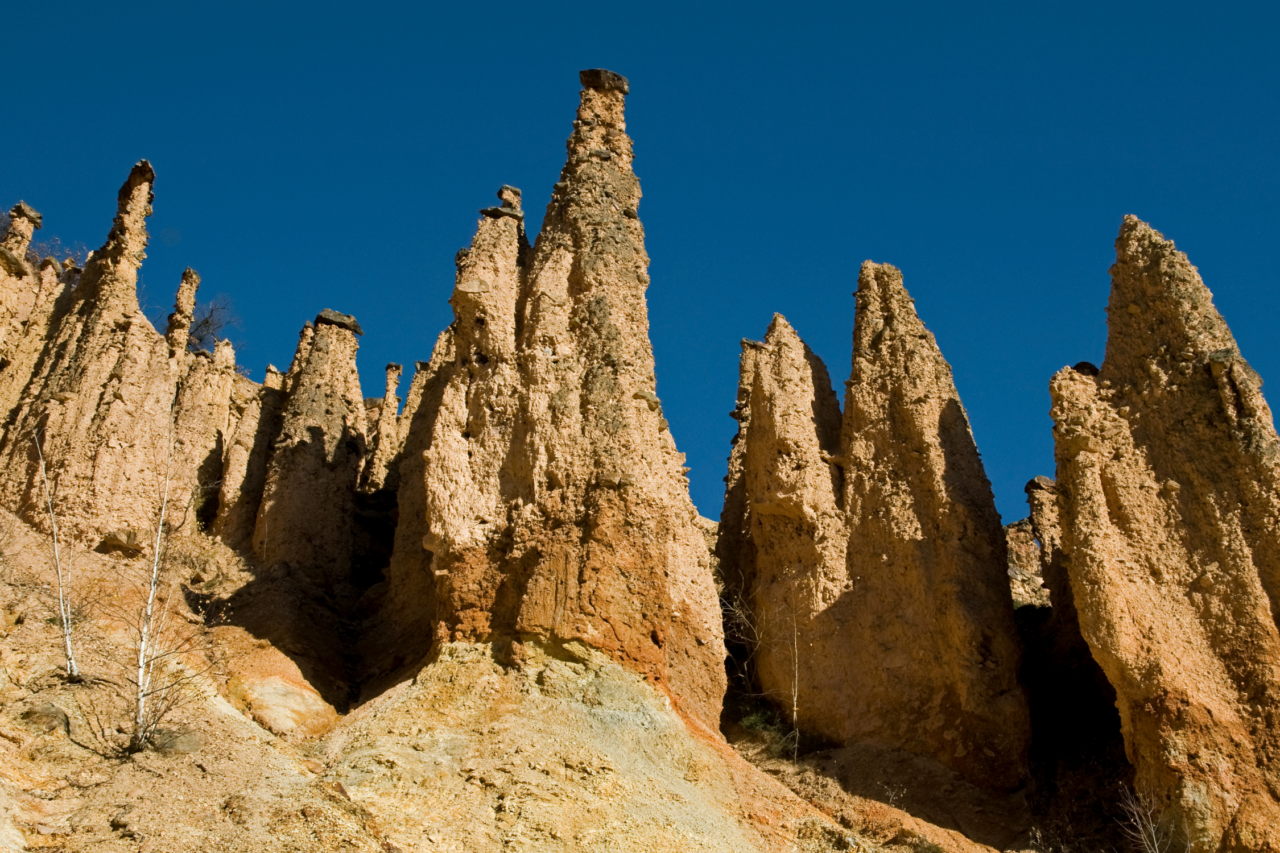
The surrounding names deepen the sense of mystery. The formations rise between Đavolja jaruga and Paklena jaruga – the Devil’s and Hell’s Gullies – while the nearby highly mineralised spring is called Đavolja voda, or Devil’s Water. Although the geological processes are understood today, the legendary language remains an essential part of the place’s identity.
Farther south, in the Pčinja Valley, Vražji kamen – Devil’s Stone rises above the river in a collection of striking rock pillars. A small medieval church dedicated to the Holy Mother of God stands on one of the formations, creating a powerful contrast between sacred architecture and a landscape bearing the devil’s name.
Stories vary, but they share the idea that ordinary human or natural forces could not have created such a scene. The devil carried, broke or abandoned the enormous rocks, leaving behind the formations visible today. These names show how people once responded to landscapes that appeared to resist explanation. The devil was not only a symbol of evil. In folklore, he was also a builder, destroyer and force capable of reshaping the earth.
Golubana, Lepterija and the Geography of Tragic Love
Not every Serbian legend is connected to strength or supernatural power. Some of the country’s most recognisable places are explained through stories of love, defiance and loss.
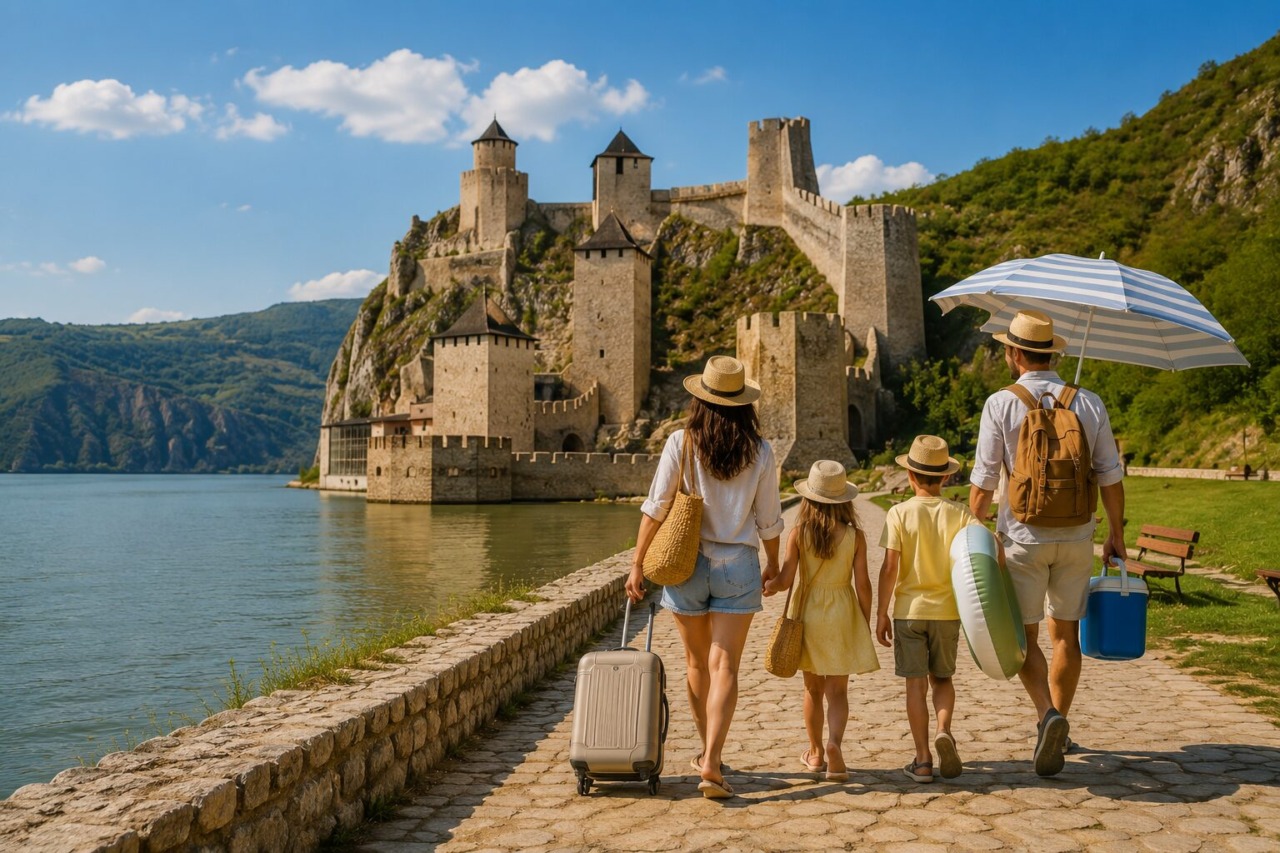
The exact origin of the name Golubac remains uncertain. Its root is connected to the Serbian word golub, meaning dove or pigeon, but the best-known legend tells of a young woman named Golubana. According to the story, an Ottoman commander fell in love with her and demanded that she join him. Golubana refused. As punishment, she was chained to a rock in the Danube, where she died. The fortress and town were later said to have taken their name from her.
The legend cannot be treated as a historical account of the fortress’s origins. Yet it became part of Golubac’s identity because it gives a human voice to a place otherwise defined by battles, rulers and strategic importance. Against the enormous towers and powerful river stands the memory of one young woman who refused to surrender her will.
A similarly tragic story survives around Lepterija, a popular natural retreat near Sokobanja. According to local tradition, Lepterija was the daughter of the lord of Sokograd, while Župan was the son of the ruler of nearby Vrmdža. Their families were enemies, but the two young people fell in love and decided to escape together. Lepterija was caught and killed on her father’s orders, while Župan, overcome by grief, took his own life.
Today, Lepterija and the nearby Župan beach preserve their names. Visitors come for the Moravica River, forests and walking paths, but the landscape is still interpreted through the story of two lovers separated by inherited conflict.
As with many legends, alternative explanations for the name also exist. This is precisely what makes such places fascinating: historical language, local memory and later storytelling often overlap until separating them becomes almost impossible.
Legends Do Not Always Explain Names – Sometimes Names Create Legends
It is tempting to assume that every unusual Serbian place was named directly after a traditional story. The relationship is often more complicated. Some names may have much older linguistic origins that were forgotten over time. Others describe a natural feature, animal, plant, owner or nearby settlement. Only later did storytellers create a legend that seemed to explain the existing name.
A place called Devil’s Stone invites a story about the devil. A ruin called Marko’s Town eventually attracts Prince Marko. A fortress whose builders are unknown becomes another city of Jerina.
This does not make the legends meaningless or false in a simple sense. Folklore was never intended to function as an archaeological report. Its purpose was to make the landscape memorable, connect it to shared values and give every generation a way to retell the past.
Legends also changed as they travelled. The same hero could appear in different regions, while familiar narrative patterns – star-crossed lovers, petrified wedding parties, hidden treasure and cruel builders – were adapted to local places. Each community made the story its own.
Exploring the Serbia Between History and Myth
Today, many of these places can be visited as fortresses, archaeological sites, nature reserves and hiking destinations. But approaching them only through dates and architectural details means missing part of their character.
At Markovo Kale, the ruins tell one story and the imagined leap of Šarac tells another. At Đavolja Varoš, geology explains the formations, while the petrified wedding party explains why generations found them so unsettling. At Golubac, documented battles reveal the strategic importance of the Danube, but Golubana gives the fortress its most personal story.
History asks what happened. Legend asks what people needed the place to mean.
Across Serbia, the two often exist side by side – carved into the same rocks, attached to the same walls and preserved in names repeated long after their original meanings were forgotten.
That is why travelling through Serbia can sometimes feel like moving through an enormous, unfinished folk tale. Mountains, rivers and ruins are never only physical landmarks. They are places where giants once rested, horses leapt across gorges, forbidden lovers met and the devil himself tried to move the earth.
Whether or not these stories are historically true is not the most important question. The landscape has remembered them. And through their names, so have we.