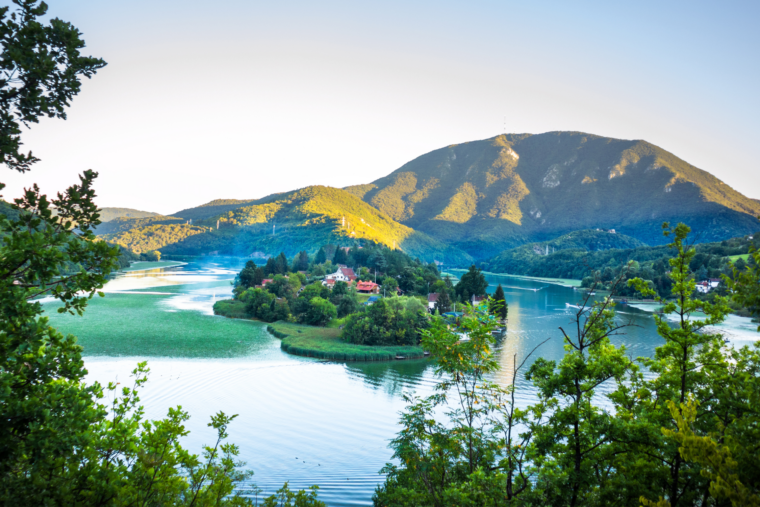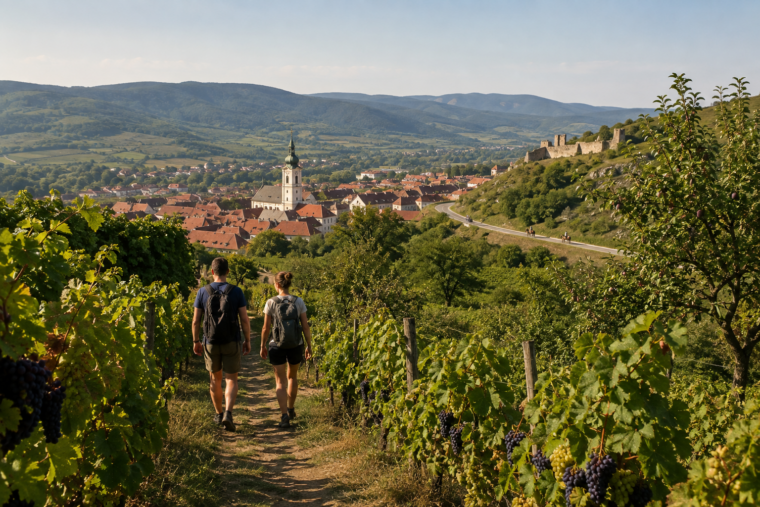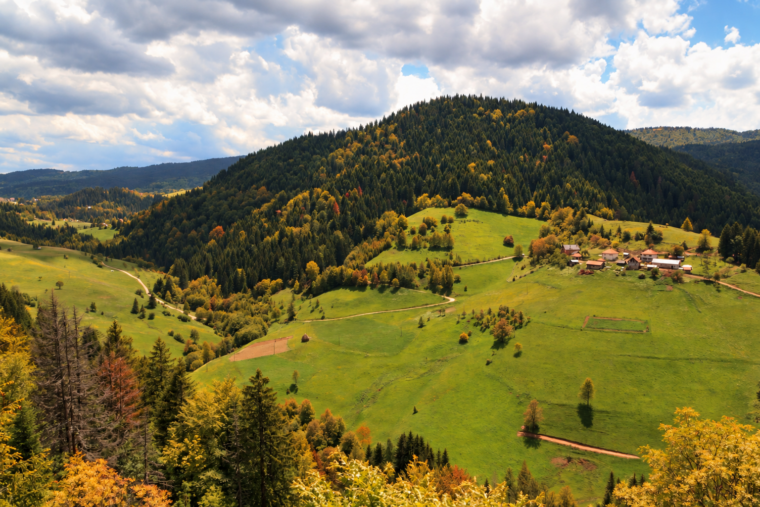

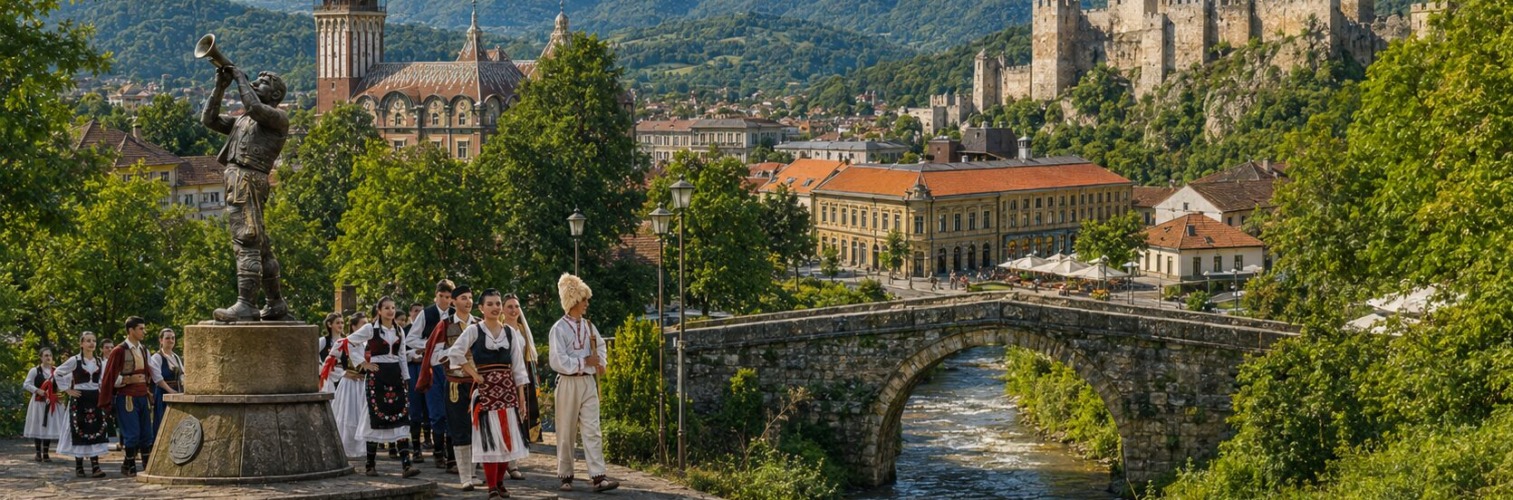
August in Serbia has an energy all its own. The days are still long and sunny, rivers offer relief from the summer heat, mountain forests become inviting retreats, and cities, towns, and villages come alive with festivals and traditional events.
It is the month when Serbia is best experienced outdoors – swimming in a cool river, walking along mountain trails, spending evenings beside a lake, or listening to music echoing through city squares and village streets. The famous Trumpet Festival turns Guča into the heart of the celebration, Lovefest brings contemporary rhythms to Vrnjačka Banja, while Nišville, Nušićijada, and Roštiljijada reveal just how many different faces summer in Serbia can have.
Yet August is not reserved only for major events. It is also the perfect time to discover hidden river beaches, less-visited mountains, cities filled with remarkable architecture, and natural attractions that offer a welcome escape from the heat.
From the hills of Dragačevo to the northern plains of Bačka, here are five destinations worth visiting in Serbia this August.
1. Guča – When an Entire Town Moves to the Sound of Trumpets
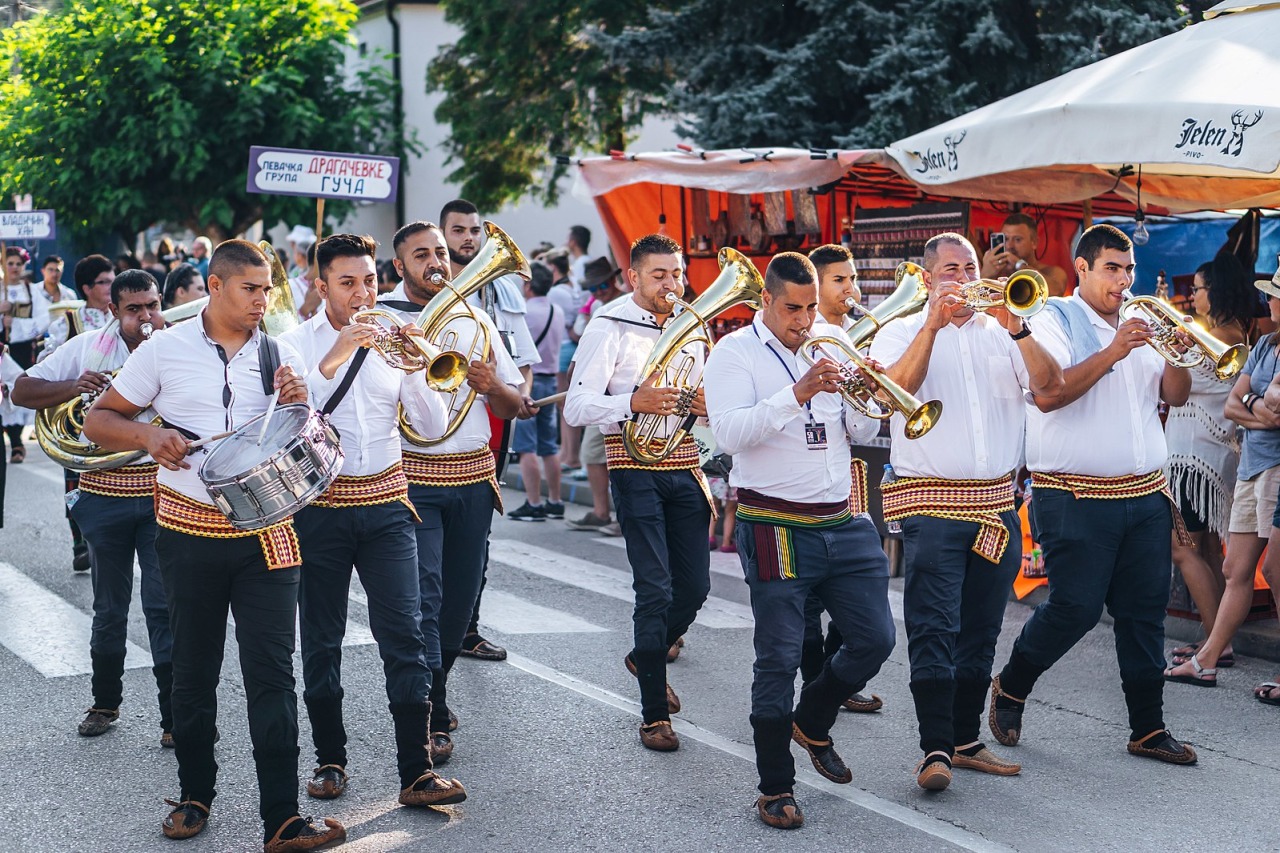
For most of the year, Guča is a peaceful small town in the heart of the Dragačevo region. At the beginning of August, however, its streets, squares, courtyards, and restaurants become the stage for one of Serbia’s most famous festivals.
The Guča Trumpet Festival has been held since 1961 and has grown into far more than a music competition. It is a celebration of brass-band traditions, folk music, dance, local cuisine, and the warm hospitality for which this part of Serbia is known. Trumpets can be heard almost continuously, orchestras parade through the streets, and visitors can attend concerts, competitions, and performances by traditional dance ensembles.
The 65th Guča Trumpet Festival will take place from August 7 to 9, 2026. During these three days, Guča becomes one of the liveliest places in the Balkans, attracting visitors from Serbia and countries around the world.
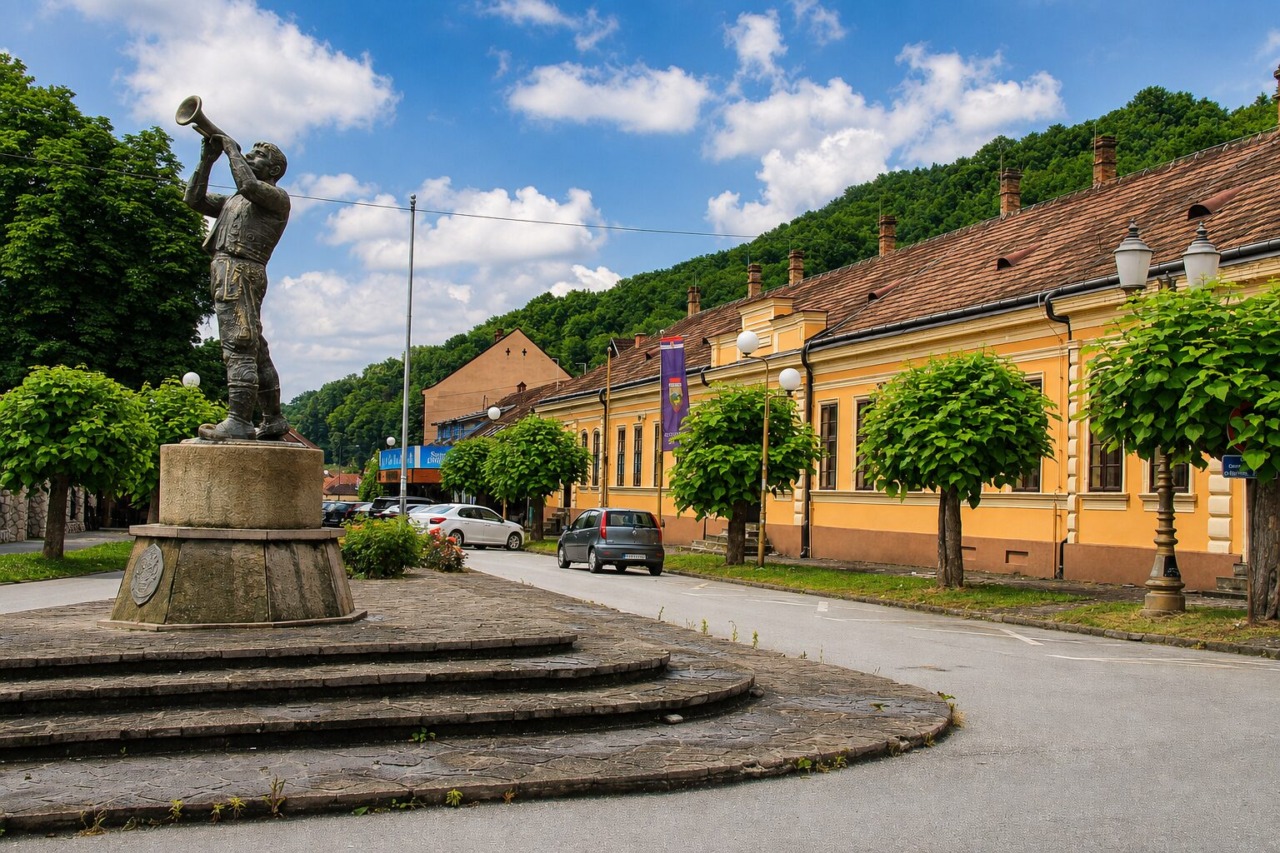
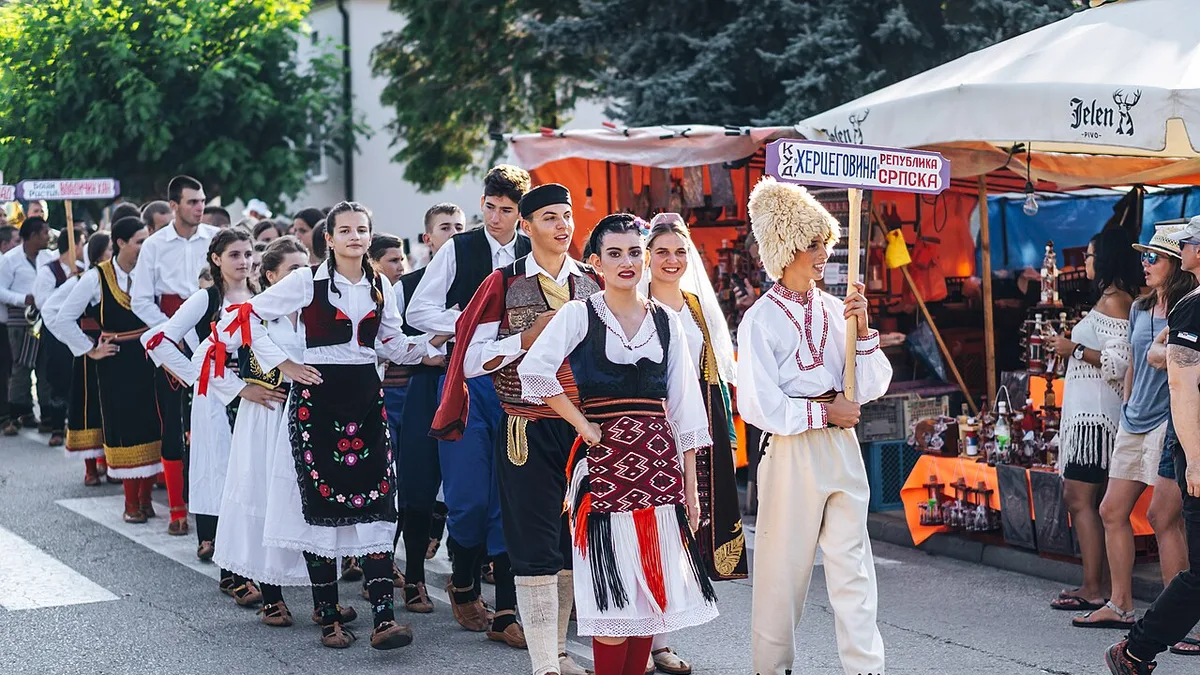
However, it is worth setting aside some time to explore Dragačevo beyond the festival. Its rolling hills, orchards, rural households, and views from Mount Jelica reveal a much quieter side of a region usually associated only with music and celebration. Nearby attractions include Lučani, the Ovčar-Kablar Gorge, a group of historic monasteries often called the Serbian Mount Athos, and numerous trails suitable for shorter summer excursions.
Guča is the best August destination for travelers who want to discover Serbia through its music, traditions, and unmistakable atmosphere – loud, colorful, and unlike anything else that can be experienced here during the rest of the year.
2. The Gradac River and Valjevo – A Summer Day Beside One of Serbia’s Cleanest Rivers
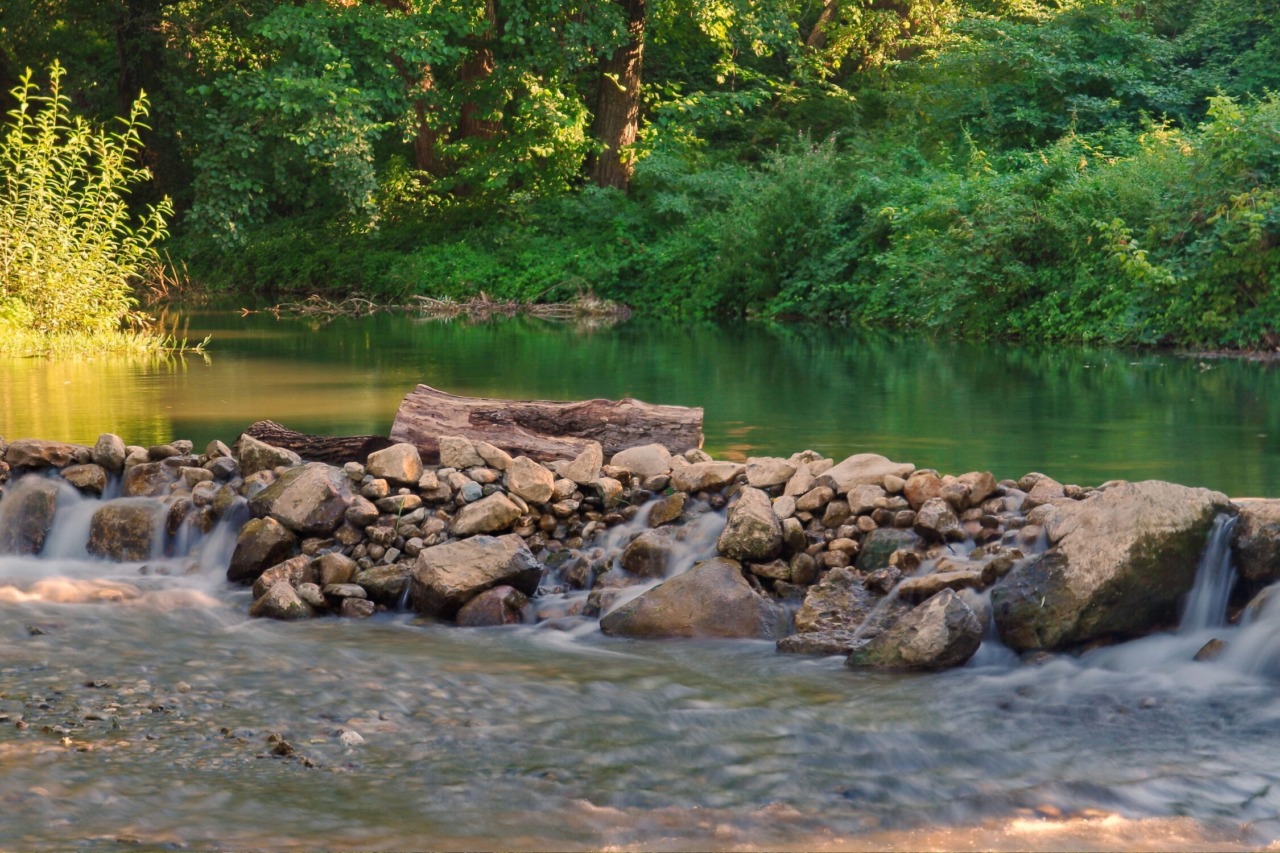
Only a few kilometers from the center of Valjevo, the Gradac River flows between wooded slopes and rocky cliffs. Clear, cool, and surrounded by nature, it is one of the loveliest summer retreats in western Serbia. August is an ideal time to visit the Gradac. While temperatures in the cities reach their summer peak, a walk through the river gorge leads through the shade, past springs, old watermills, small cascades, and peaceful places to rest beside the water. The river is famous for its exceptional purity, and its course is dotted with shallows and natural river beaches where visitors can spend a quiet summer day.
Degurić is one of the best-known picnic areas, but the Gradac reveals its true character when you follow the walking trails deeper into the gorge. There are no large resorts or noisy entertainment complexes here. Its greatest attractions are the surrounding nature, the sound of flowing water, and the feeling of entering an entirely different world only a few kilometers from the city.
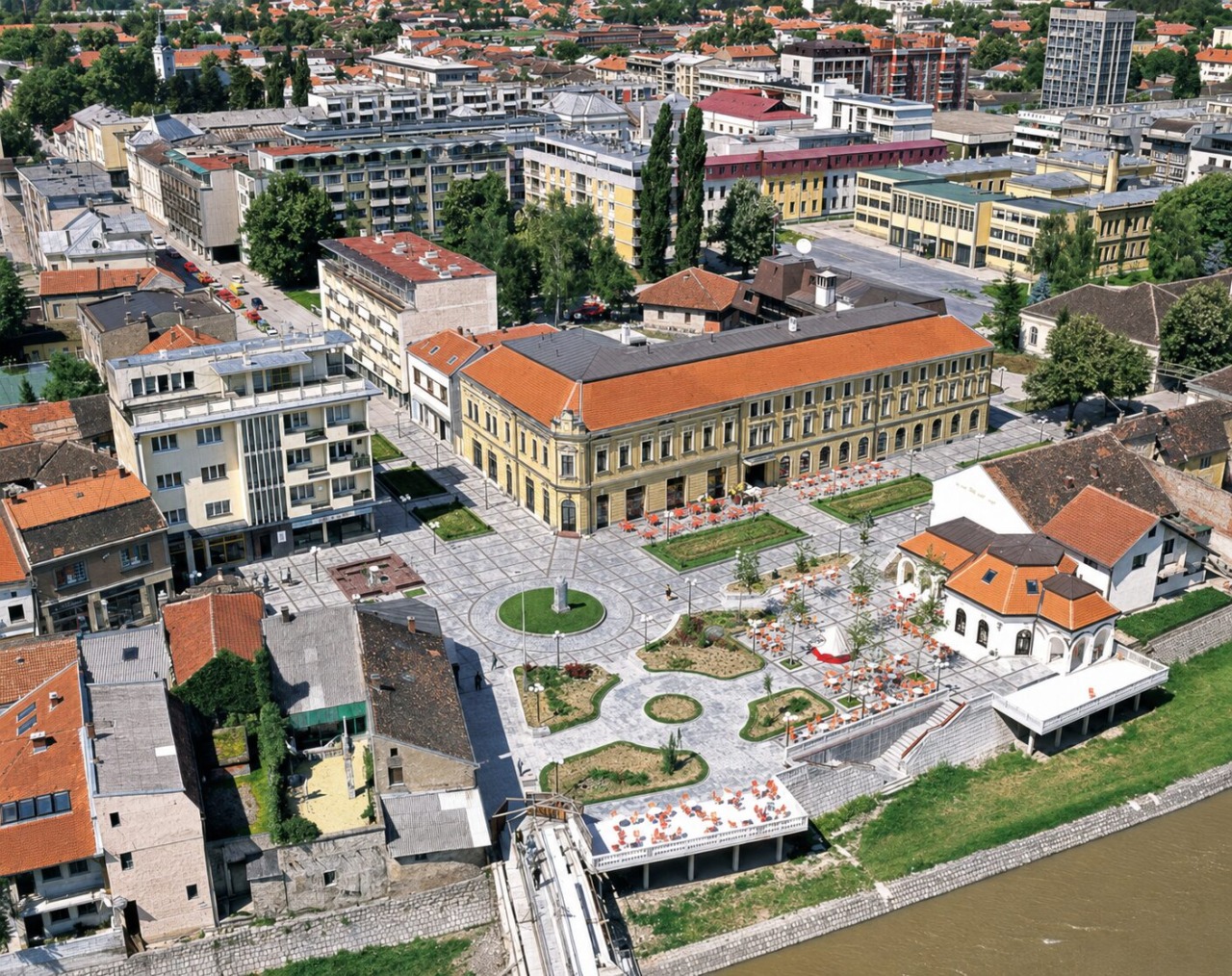
A trip to the Gradac can easily be combined with a visit to Valjevo. The old Tešnjar quarter, with its craft shops and 19th-century houses, preserves the atmosphere of the historic town, while central Valjevo, its parks, and the banks of the Kolubara River are perfect for an evening walk. Other places worth visiting include the National Museum, Muselim’s Residence, and the modern gallery dedicated to painter Ljuba Popović.
The combination of a clear river, unspoiled nature, and an interesting town makes this region a wonderful choice for a day trip or a slower summer weekend. The Gradac is especially appealing to travelers looking for a refreshing alternative to Serbia’s better-known lakes and crowded swimming areas.
3. Golija and Ivanjica – An August Mountain Escape Away from the Crowds
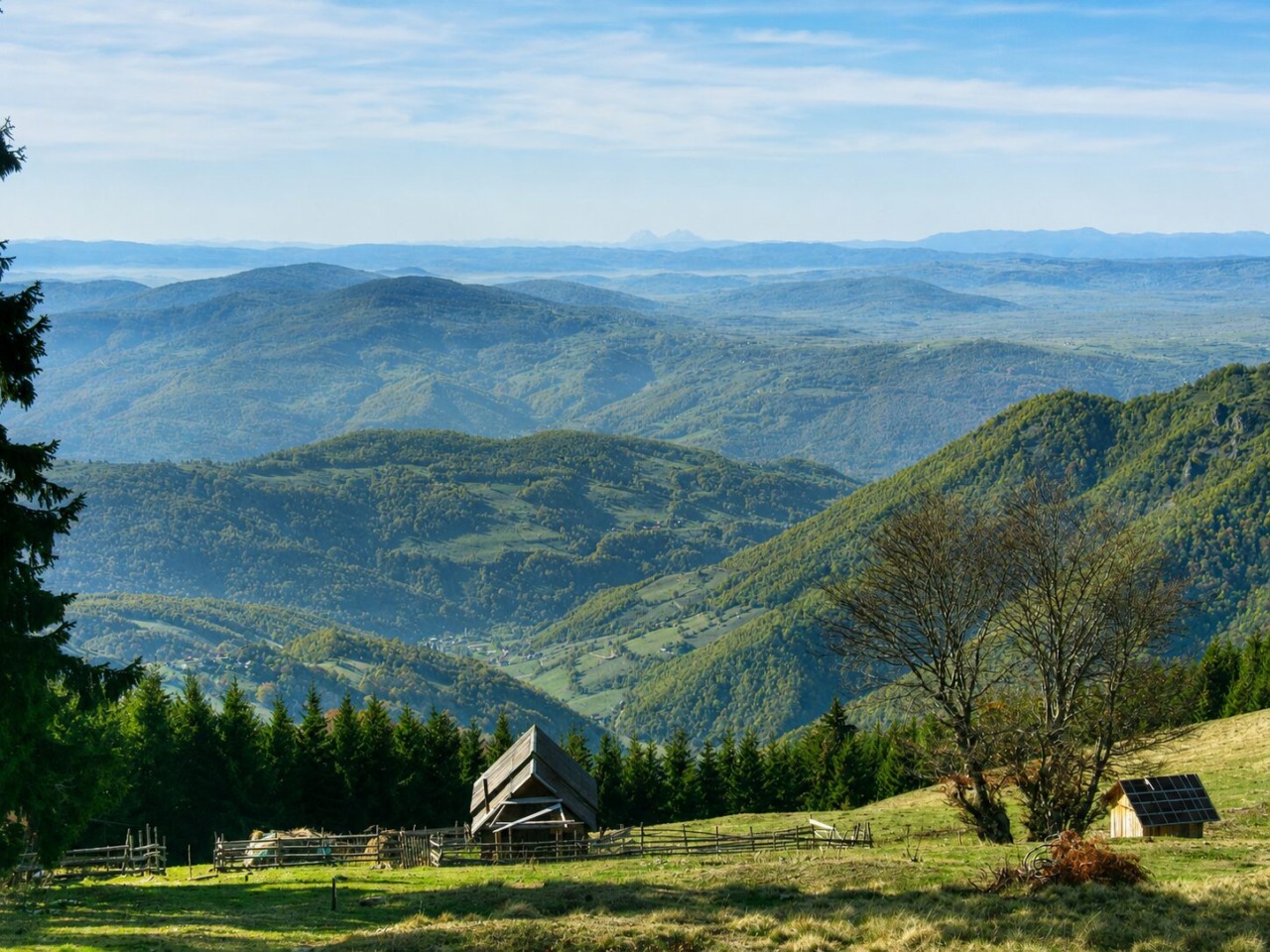
When the summer heat becomes too intense, Mount Golija offers exactly what travelers need in August – dense forests, cooler air, spacious meadows, and a sense of tranquility that mass tourism has yet to disturb. Located in southwestern Serbia, Golija is one of the country’s most forested and biologically diverse areas. Part of the mountain has been designated a UNESCO Biosphere Reserve, and its landscapes range from beech and coniferous forests to mountain springs, open pastures, and villages scattered across the slopes.
Unlike Serbia’s better-known mountain resorts, Golija does not have a single large tourist center around which everything revolves. Its appeal lies in traveling through its changing landscapes, stopping at viewpoints, walking to mountain springs, and discovering villages where life still closely follows the rhythm of nature.
August is an excellent time for hiking, cycling, photography, and spending time outdoors. Places worth exploring include Odvraćenica, Golijska Reka, Dajićko Lake, and Golija’s highest peak, Jankov Kamen. The roads are not equally developed in every area, so the journey requires a little more planning. At the same time, this relative inaccessibility has helped Golija preserve its wild and authentic character.
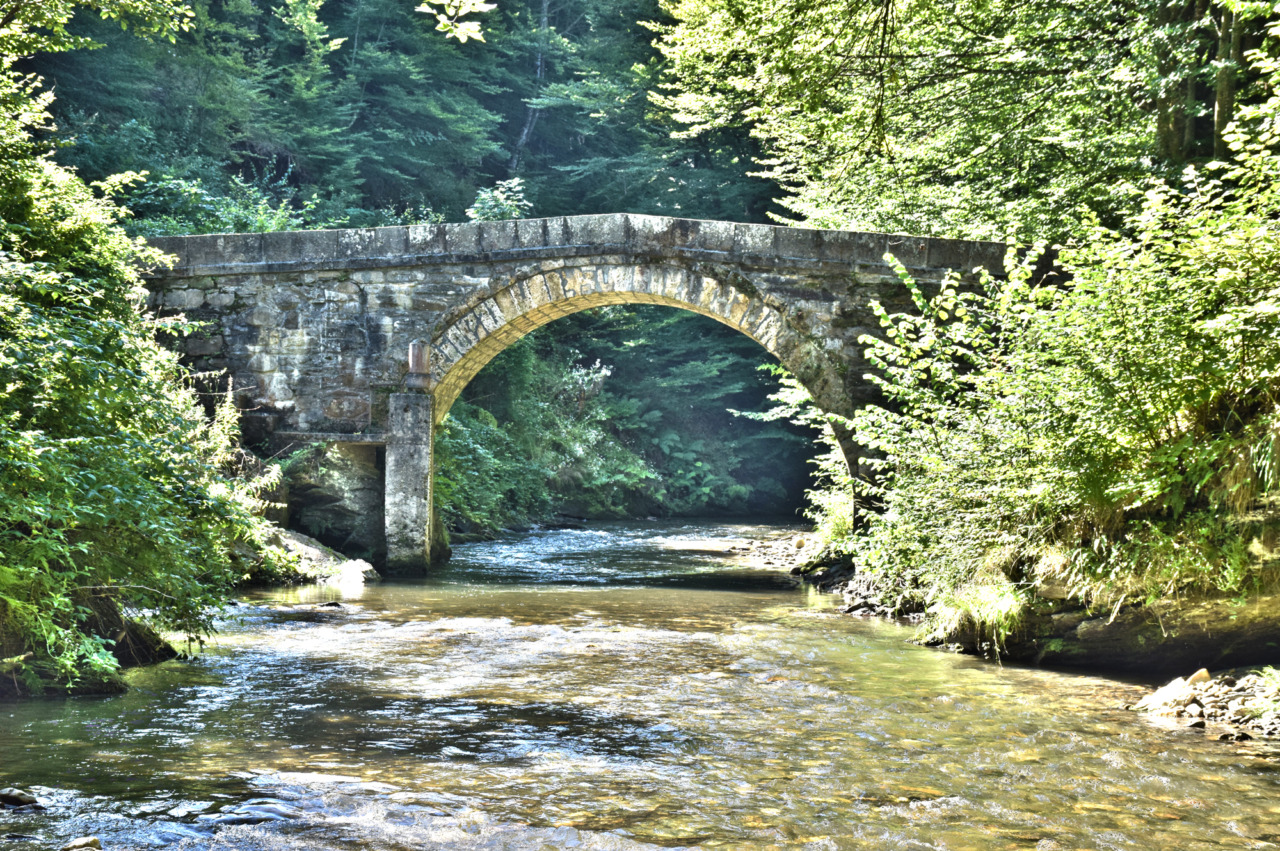
The best base for exploring the mountain is Ivanjica, a small town on the banks of the Moravica River, known for its stone bridges, central park, and pleasant summer evenings. The surrounding area also contains the Sopotnica waterfalls, Kovilje Monastery, and numerous rural households offering an insight into local life.
Golija and Ivanjica are ideal for travelers who are not looking for a tightly packed sightseeing schedule, but for space, peace, and several days surrounded by nature. In August, when the country’s most popular mountains are at their busiest, this region offers one of the finest alternatives.
4. Subotica and Palić – Art Nouveau Colors and Summer Beside the Lake
Subotica is one of those cities that appears even more colorful in summer. Sunlight brings out the shades and details of its façades, outdoor cafés fill the squares, and broad streets lead between some of the finest Art Nouveau buildings in Serbia. City Hall, the Synagogue, the Raichle Palace, and numerous elegant buildings in the center reflect a period of intense cultural and architectural development. Their ornaments, stained glass, decorative ceramics, and nature-inspired façades make Subotica unlike any other Serbian city.
August is a wonderful time for a leisurely walk through the center, a visit to the viewpoint in the City Hall tower, and an exploration of the smaller streets where Central European influences meet the slower rhythm of life on the Vojvodina plains. The different cultures that have shaped the region are also reflected in Subotica’s varied cuisine.
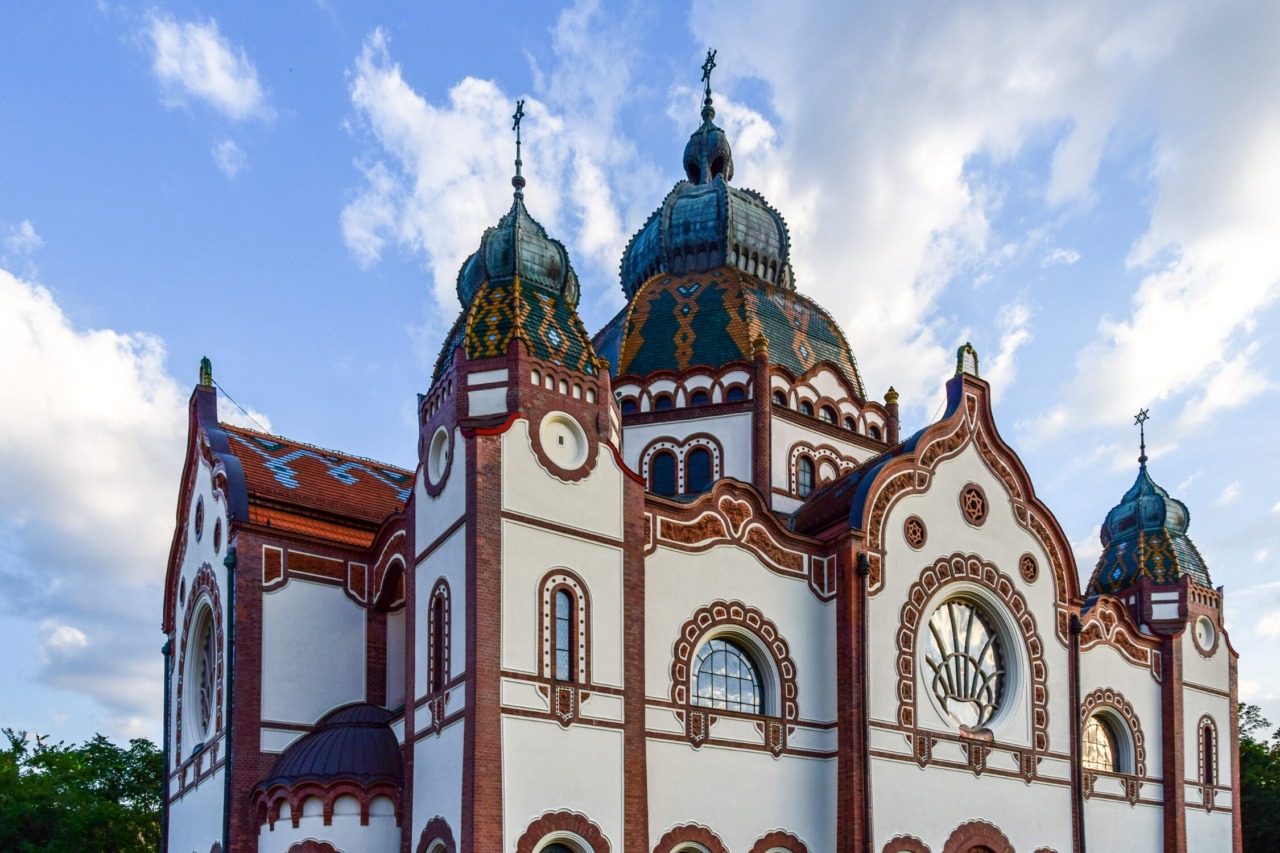
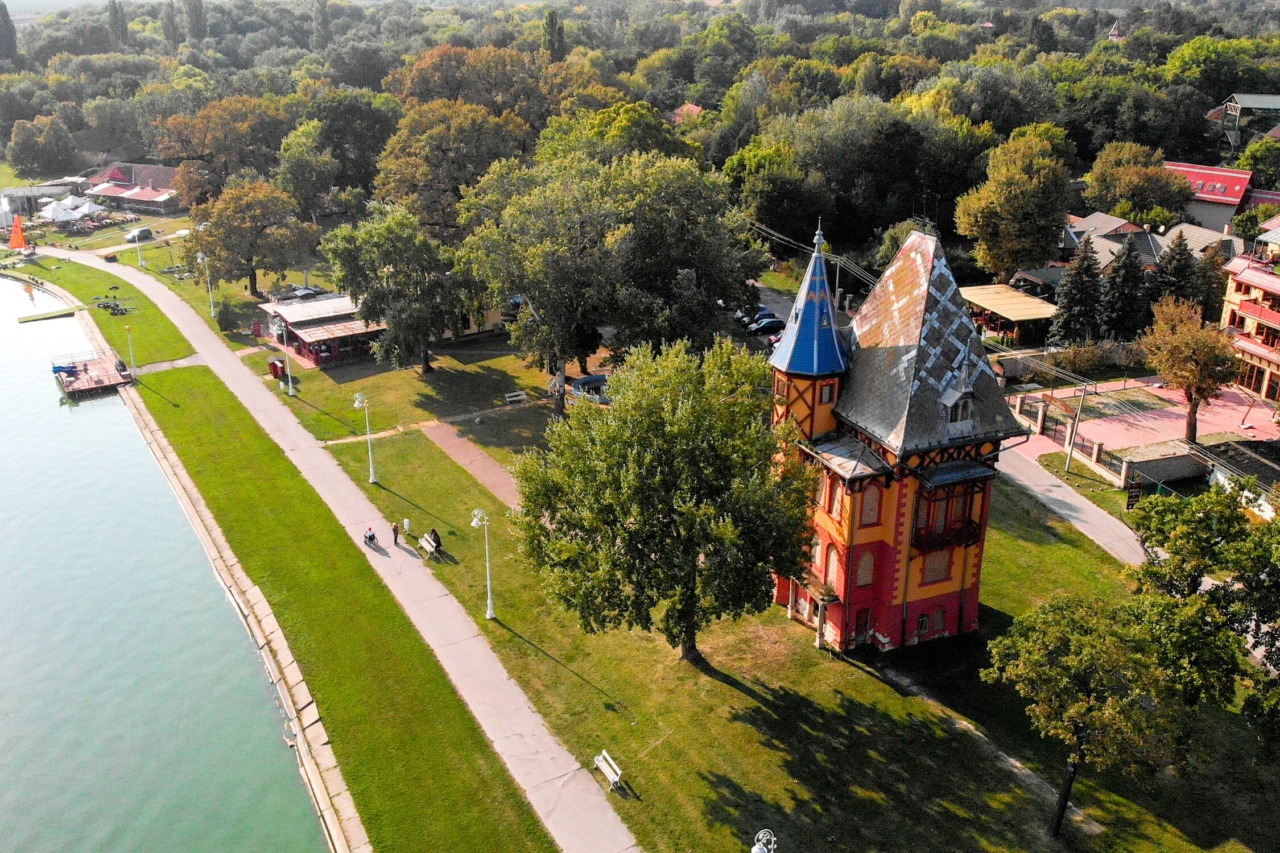
Only a few kilometers from the city lies Palić, a traditional resort built beside the lake of the same name. The Great Park, Water Tower, Grand Terrace, Women’s Lido, and Music Pavilion preserve the elegance of a once-fashionable holiday destination. Although Palić is now more appealing for walks and relaxation beside the water than for a traditional beach holiday, its long promenades and sunsets have a distinct summer charm.
Families can visit Palić Zoo, while nature lovers can continue to nearby Lake Ludaš, a protected area known for its birdlife and steppe landscapes. August also brings cultural programs, concerts, and open-air events, making it easy to turn a visit to Subotica and Palić into a full and varied weekend. This is an excellent choice for travelers who want a city break without giving up greenery, lakeside scenery, and slow summer evenings.
5. The Resava Region – An Underground World, a Waterfall, and Manasija Monastery
In the heart of eastern Serbia lies a region where it is possible to walk through underground chambers, rest beside a waterfall, and step within the walls of one of the country’s most impressive medieval monasteries – all in a single day.
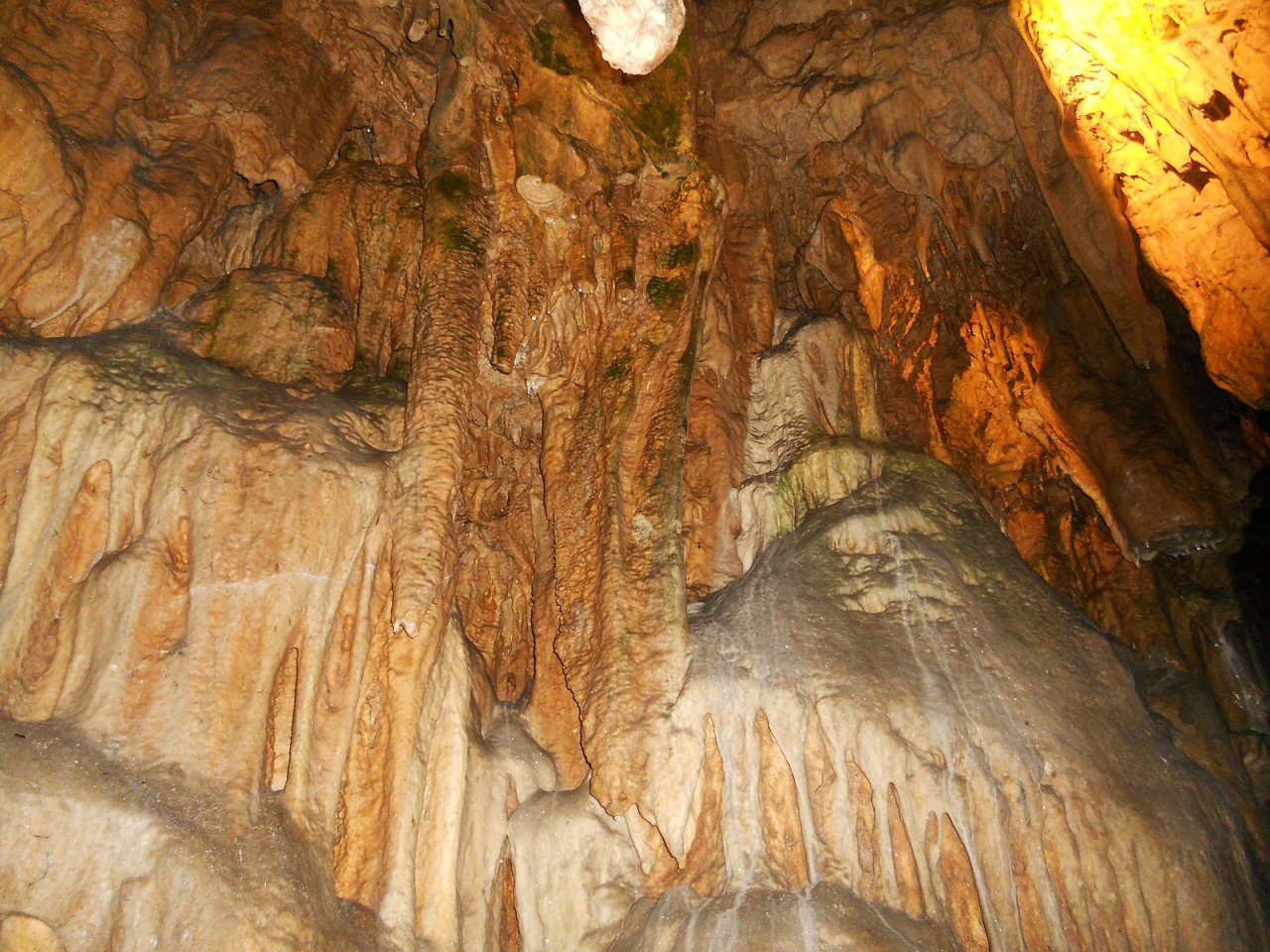
Resava Cave is one of Serbia’s best-known caves, but it is particularly pleasant to visit in August. While temperatures outside can be high, the interior remains cool throughout the year. A developed visitor trail passes through chambers filled with stalactites, stalagmites, stone columns, and formations created over an immense period of time.
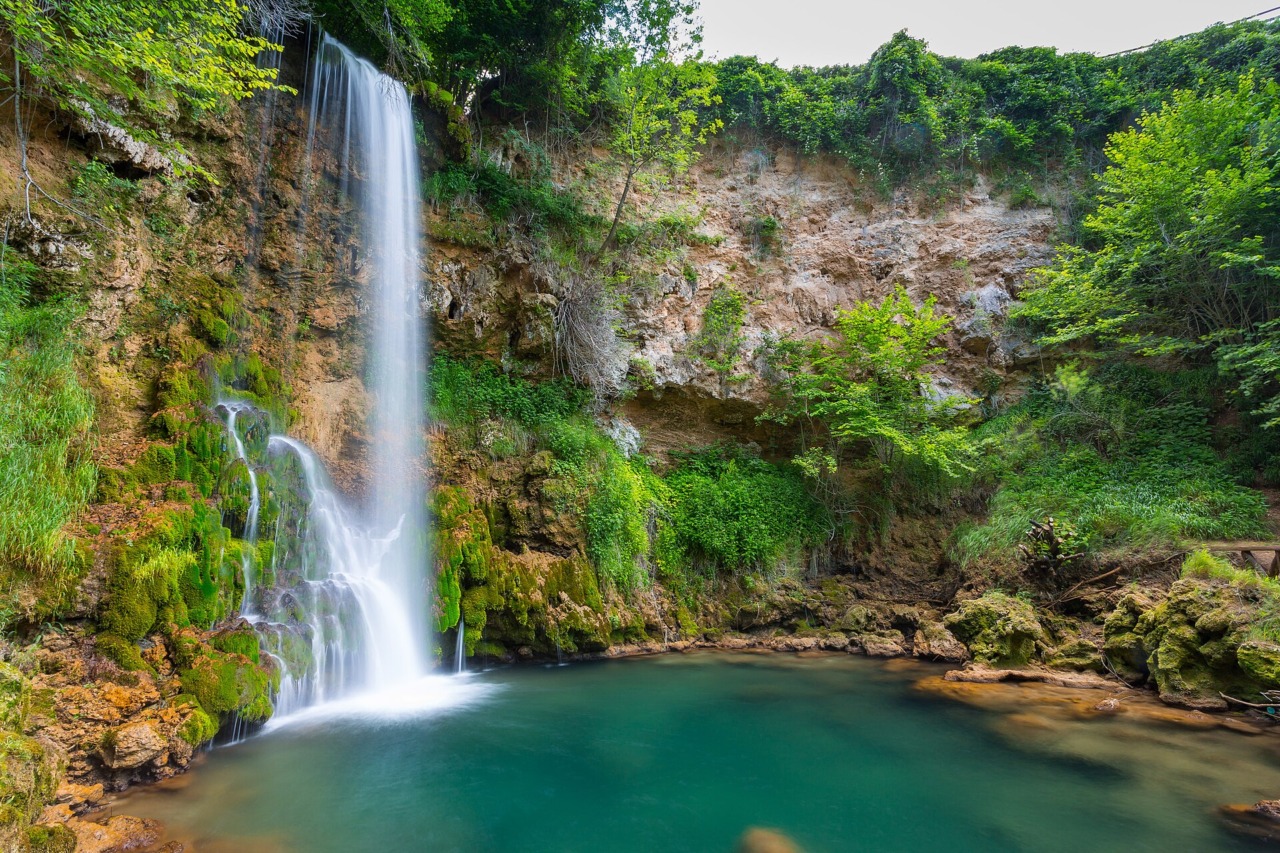
Not far from the cave is the Veliki Buk Waterfall, also known as Lisine. Water cascades over a rocky cliff surrounded by dense greenery, creating one of the most popular excursion spots in this part of Serbia. The area around the waterfall is ideal for a break and lunch, although it can become busy during August weekends, so arriving earlier in the day is advisable.
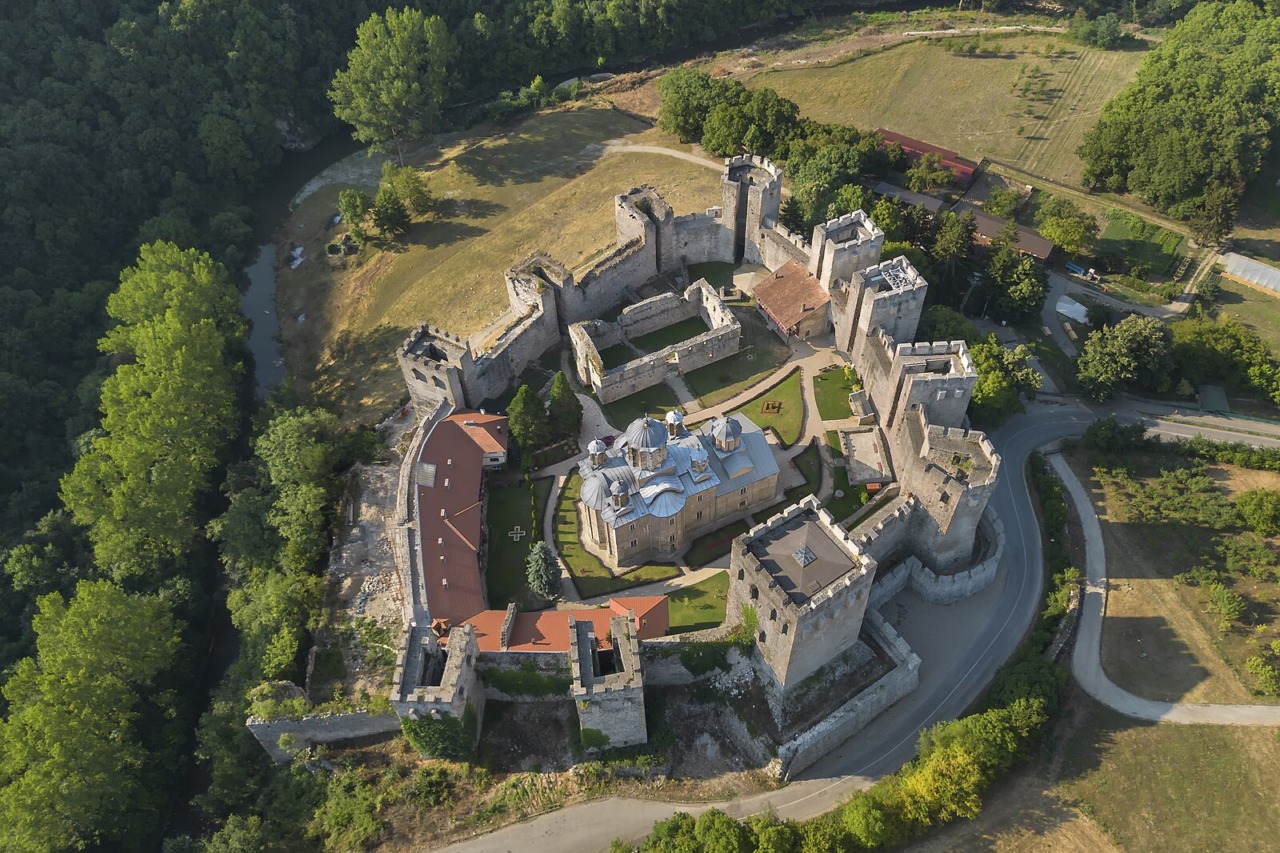
No journey through the Resava region would be complete without visiting Manasija Monastery. Built in the early 15th century by Despot Stefan Lazarević, its massive walls and towers give it the appearance of a medieval fortress. Inside stands the Church of the Holy Trinity, known for its valuable frescoes, as well as the former site of the Resava School – one of medieval Serbia’s most important literary, cultural, and manuscript-copying centers.
Travelers with more time can extend their route to include Despotovac, the Miniature Park, and the surrounding villages and rural households. This blend of nature, history, and cooler attractions makes the Resava region one of the best choices for an August excursion.
August – The Month When Serbia Moves Outdoors
August in Serbia is more than the final chapter of summer. It is the month when traditions move into the streets, music fills the squares, and nature offers countless ways to escape the routines of everyday life.
In Guča, summer unfolds to the sound of trumpets and a great traditional gathering. Beside the Gradac River, the days pass between cool water and walks through the gorge. Golija offers the peace and freshness of mountain forests, Subotica and Palić combine remarkable architecture with relaxed summer evenings, while the Resava region leads visitors from underground chambers to waterfalls and medieval walls.
Whether you are looking for a major festival, a swim in a clear river, mountain tranquility, a colorful city break, or a day trip filled with different discoveries, August is one of the best months to explore Serbia – at its liveliest, sunniest, and most diverse.