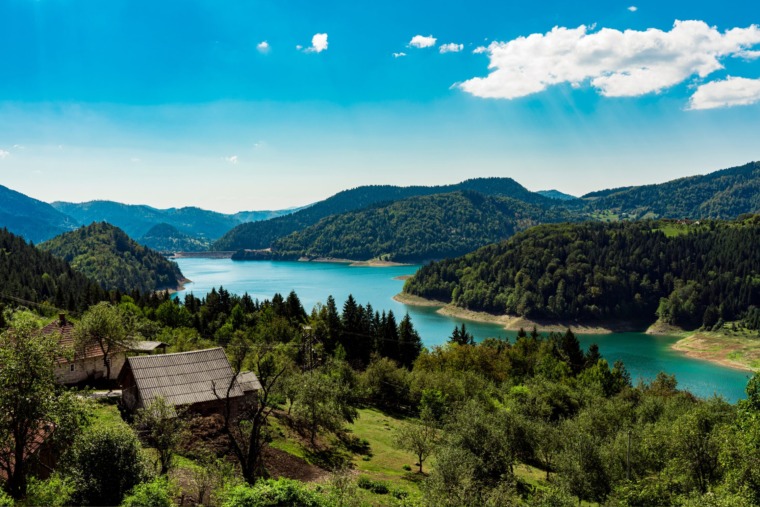

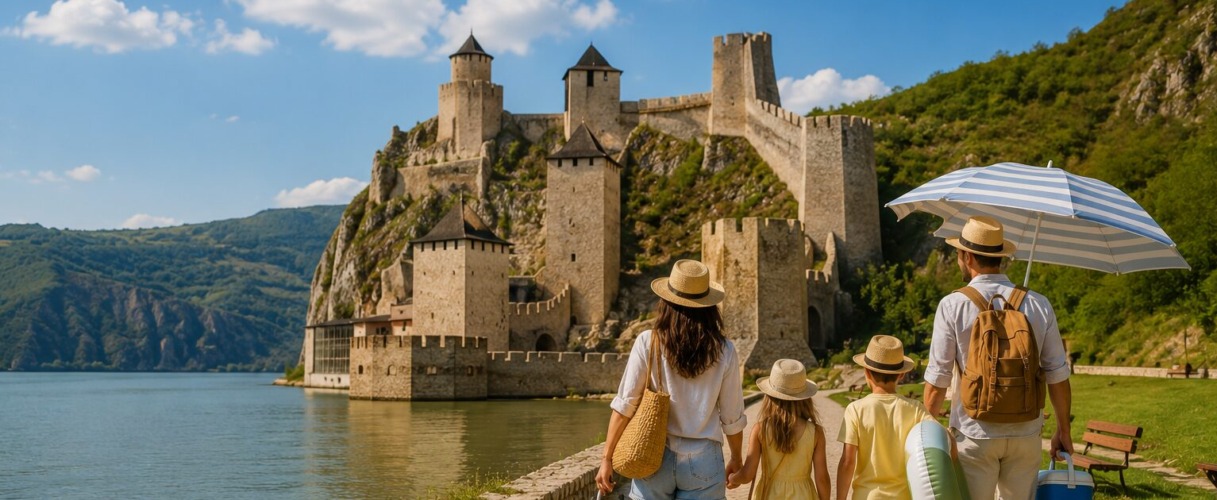
For centuries, the Danube, mountains, and forests have shaped the landscapes of Eastern Serbia, creating one of the country’s most diverse and fascinating regions. In summer, however, this corner of Serbia reveals its most captivating side.
Towering fortresses overlook Europe’s largest gorge, waterfalls bring welcome relief from the heat, cool caves invite visitors underground, and winding roads lead to hidden springs, ancient wine villages, and breathtaking viewpoints.
Some travelers come for the Iron Gates Gorge and the iconic Golubac Fortress. Others arrive to explore prehistoric settlements, Roman heritage, or the crystal-clear waters of Krupaj Spring. But those who venture a little further discover something even more rewarding – a region where every detour reveals another waterfall, scenic mountain, centuries-old wine cellar, or peaceful corner waiting to be explored.
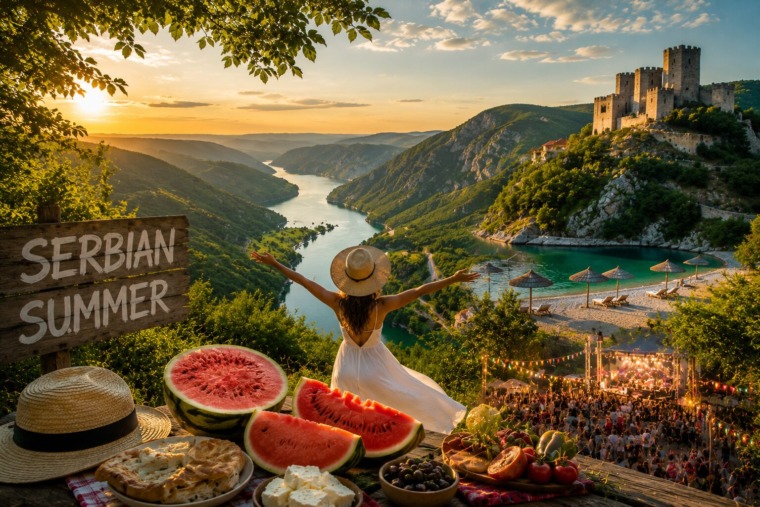
Part of the Summer Escapes in Serbia editorial series, this story explores one of the country’s most remarkable regions through its dramatic landscapes, rich history, authentic experiences, and slower rhythms that make summer in Serbia so special.
Follow the Danube Through Europe’s Greatest Gorge
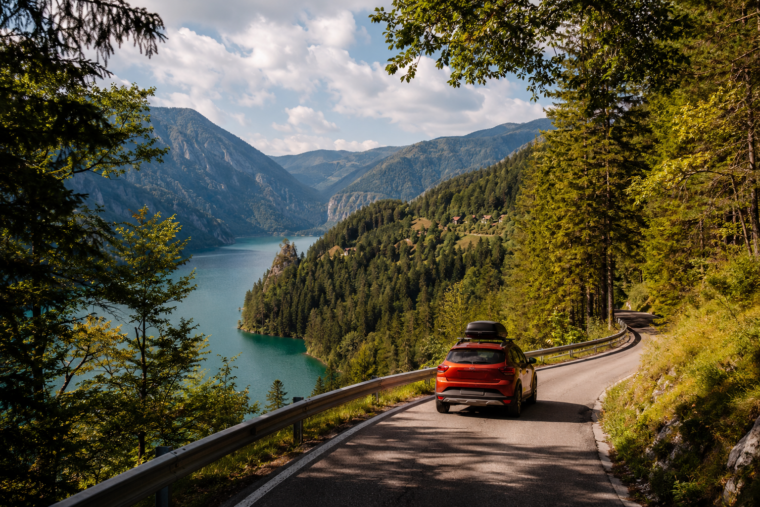
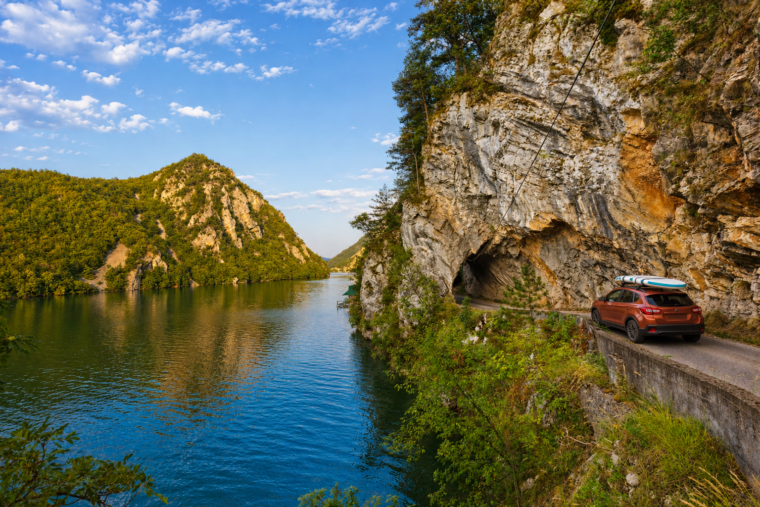
There is no better place to begin than along the Danube. As Serbia’s longest river enters the Iron Gates Gorge, the landscape changes dramatically. Limestone cliffs rise hundreds of meters above the water, winding panoramic roads reveal breathtaking viewpoints, and every bend offers a different perspective of one of Europe’s most impressive river canyons.
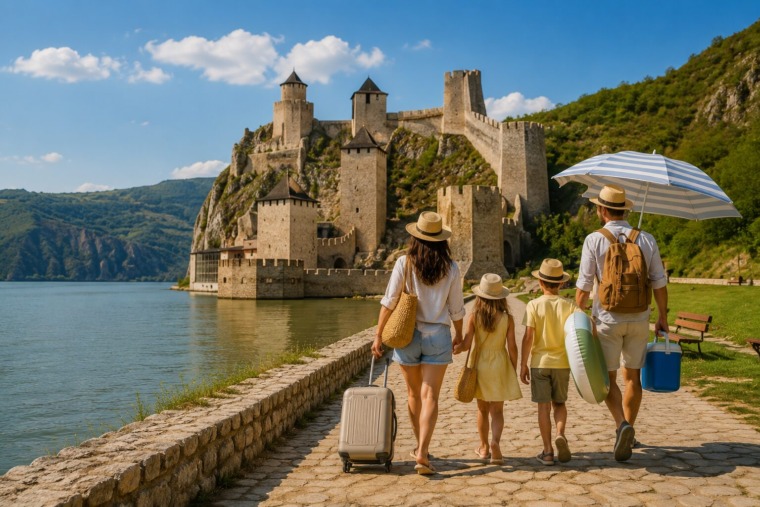
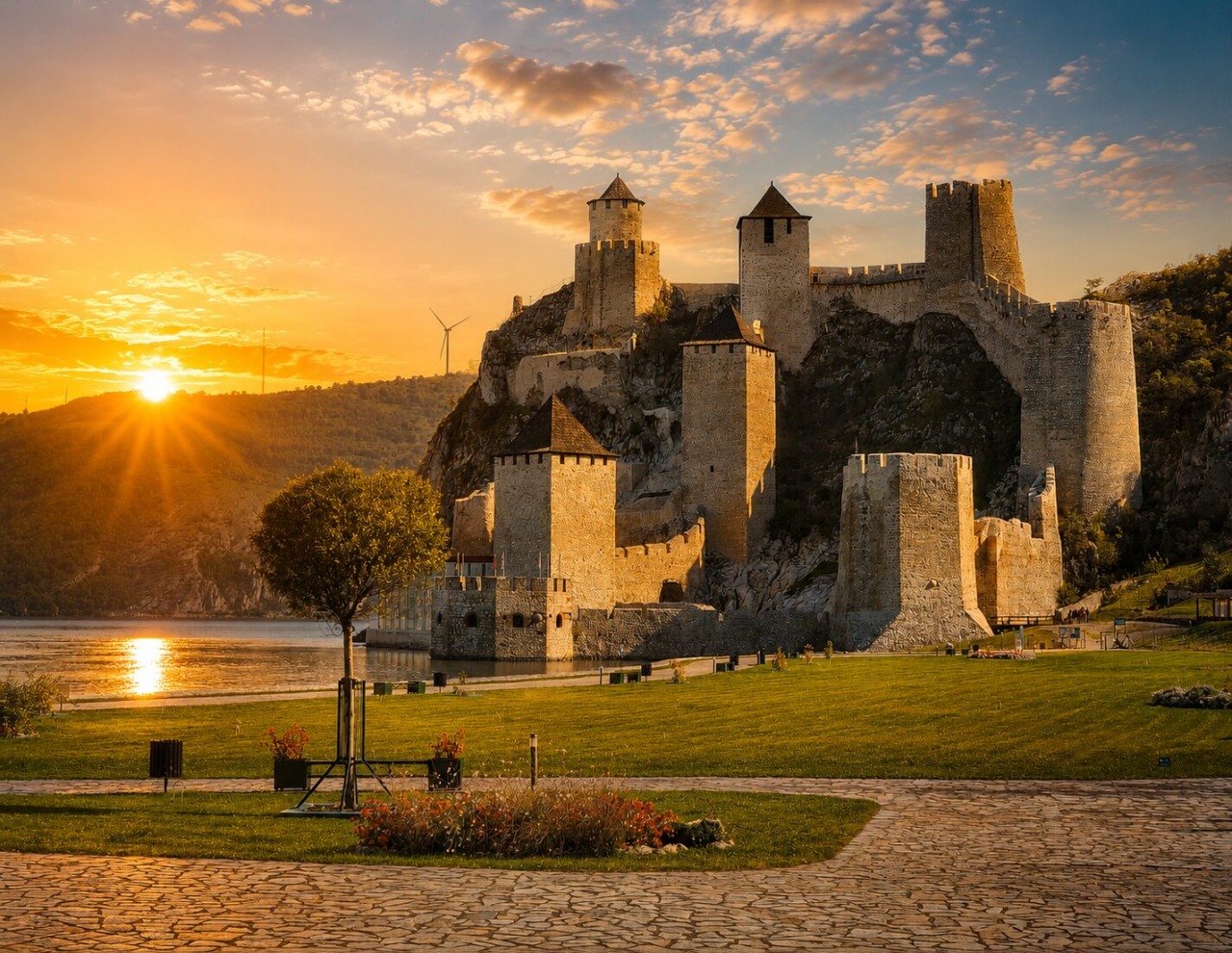
Standing proudly at the entrance to the gorge is Golubac Fortress, one of Serbia’s most iconic medieval landmarks. Carefully restored and dramatically positioned above the river, it looks almost as if it has grown out of the cliffs themselves. Walking through its towers while overlooking the Danube is one of those experiences every visitor remembers.
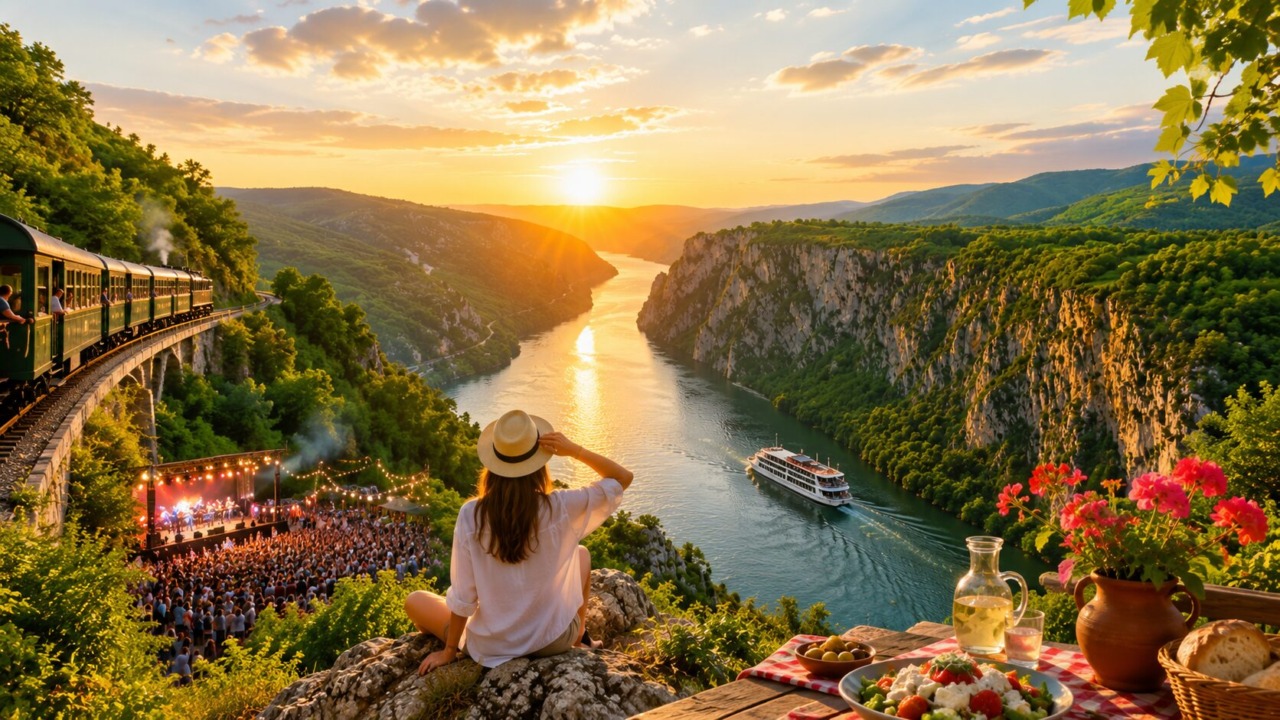
Further downstream, the peaceful town of Donji Milanovac makes the perfect base for exploring Đerdap National Park. Boat cruises through the Great and Small Kazan Gorges reveal the Danube at its most spectacular, while nearby viewpoints such as Veliki Štrbac and Ploče offer unforgettable panoramas stretching deep into Romania.
Not far away lies another remarkable fortress that many international visitors still overlook. Smaller but equally atmospheric, Ram Fortress rises above the banks of the Danube, combining Ottoman history with beautiful river views and a peaceful setting that’s especially enjoyable during summer evenings.
Walk Through Thousands of Years of History
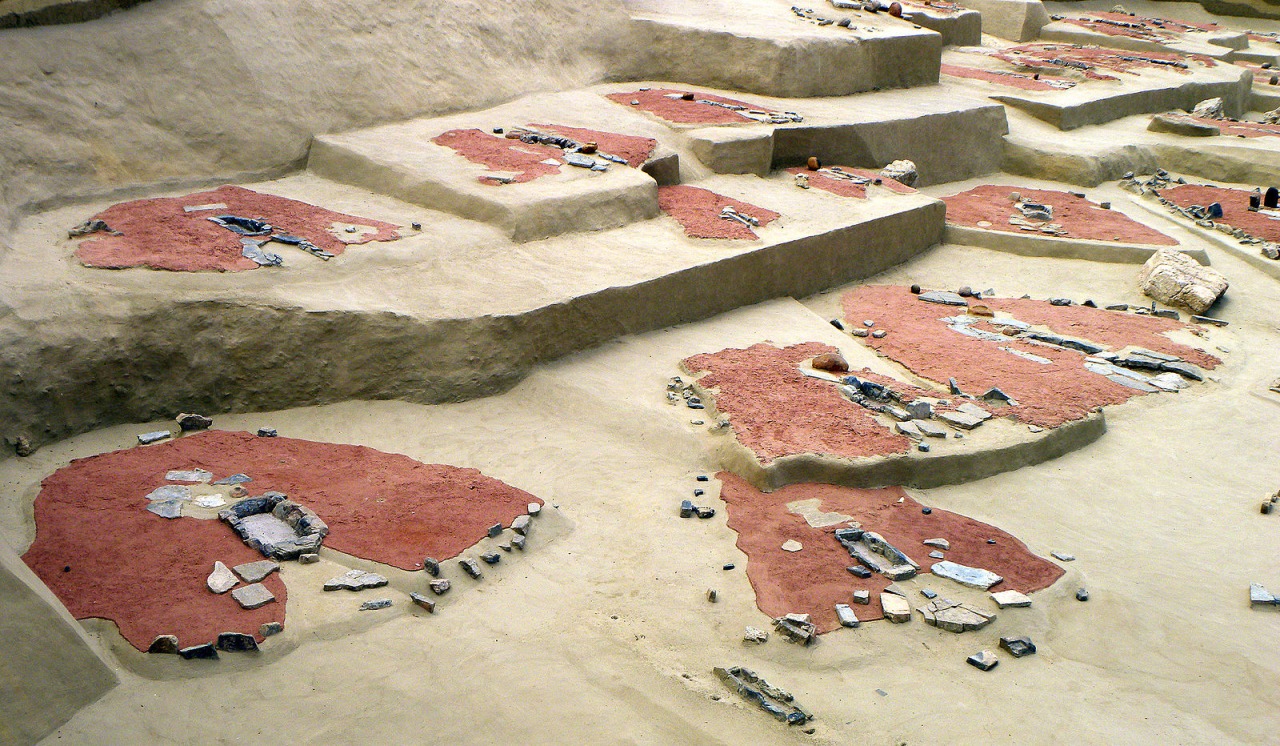
Eastern Serbia isn’t only rich in nature – it’s one of the country’s greatest historical treasures. Long before medieval fortresses appeared along the Danube, people had already settled these riverbanks. Lepenski Vir, one of Europe’s most important prehistoric archaeological sites, preserves the remains of an advanced civilization that lived here around 8,000 years ago. Its unique stone sculptures and trapezoidal houses continue to fascinate archaeologists from around the world.
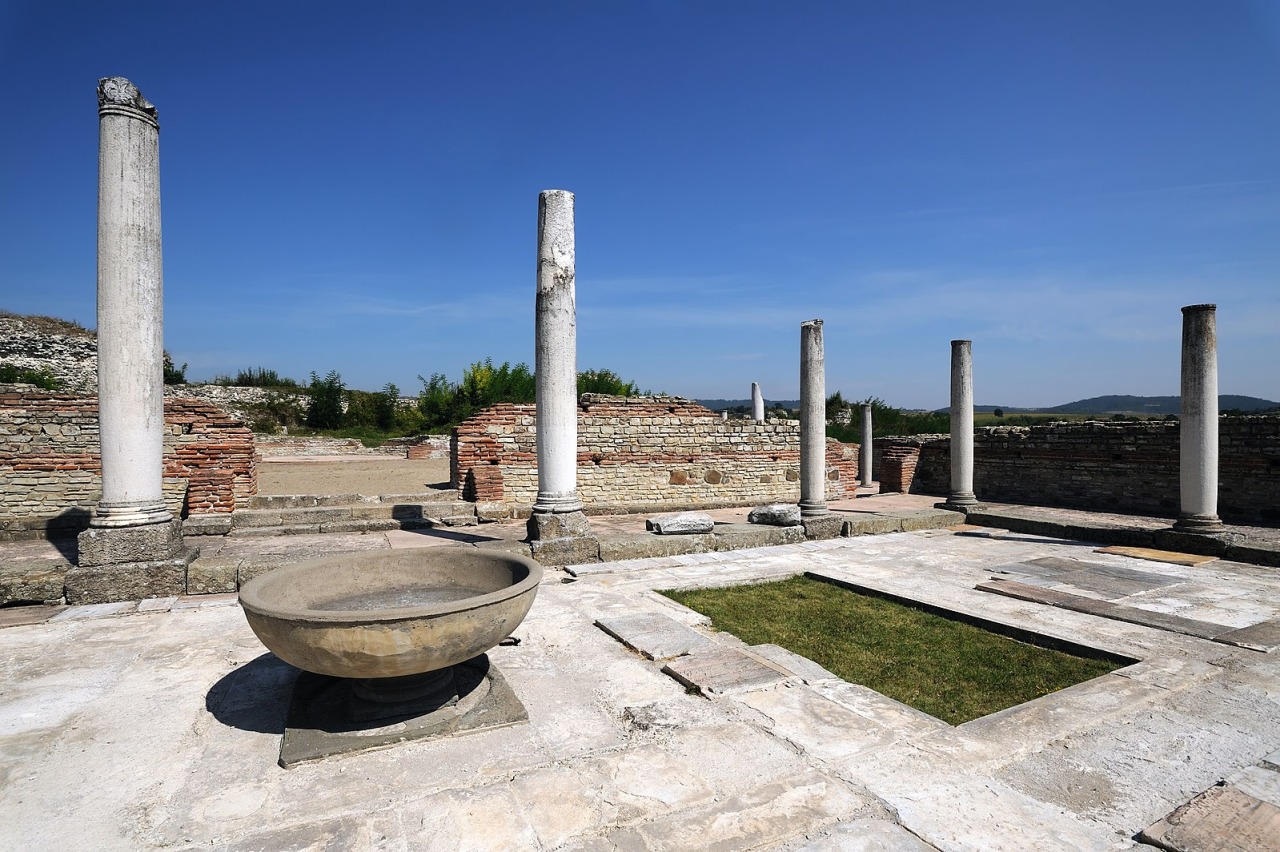
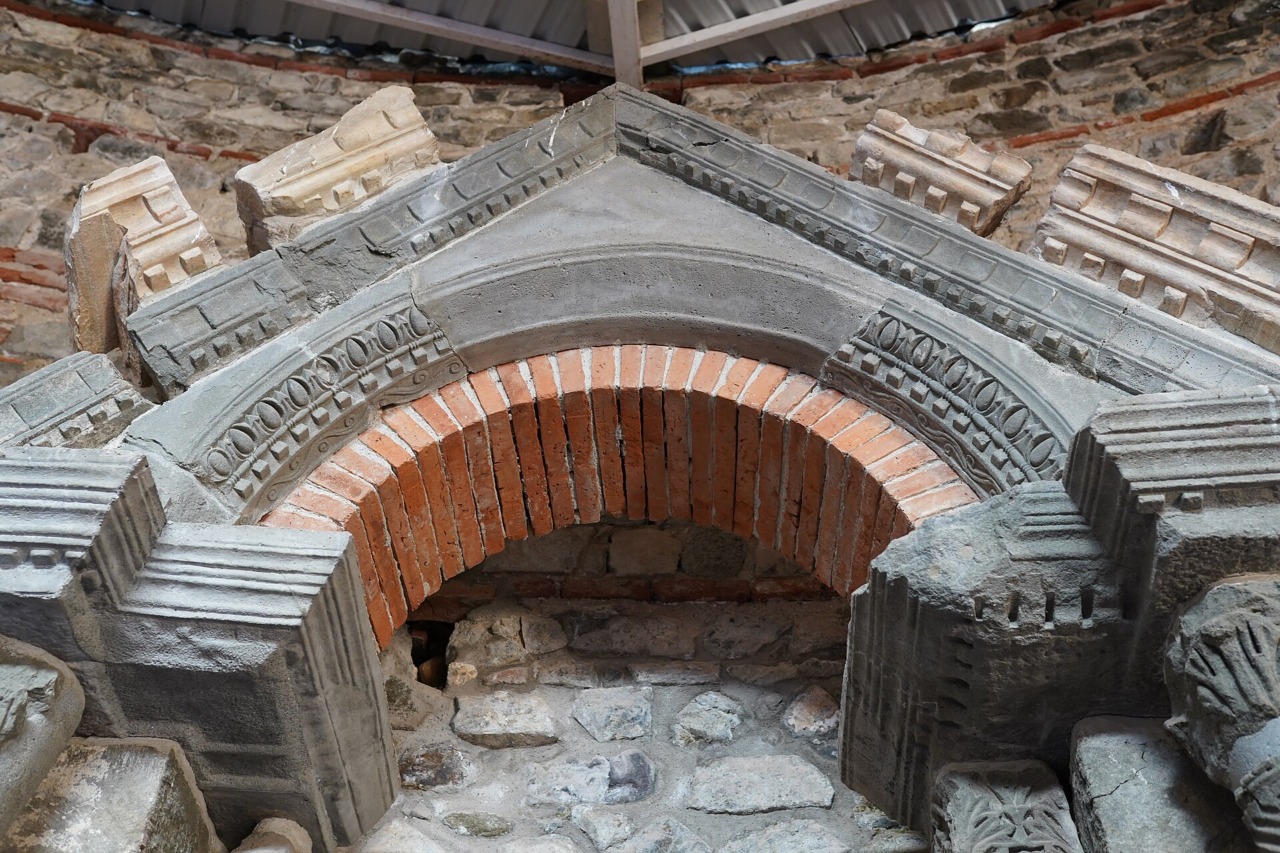
Several centuries later, Roman Emperor Galerius chose this region to build one of the empire’s most magnificent palace complexes. Today, Felix Romuliana, a UNESCO World Heritage Site near Zaječar, impresses visitors with remarkably preserved mosaics, temples, gates, and palace walls that reveal the grandeur of the late Roman Empire.
Together, these sites tell a story spanning thousands of years – few regions in Europe can offer such an extraordinary historical journey within such a short distance.
Cool Off Where Nature Does It Best
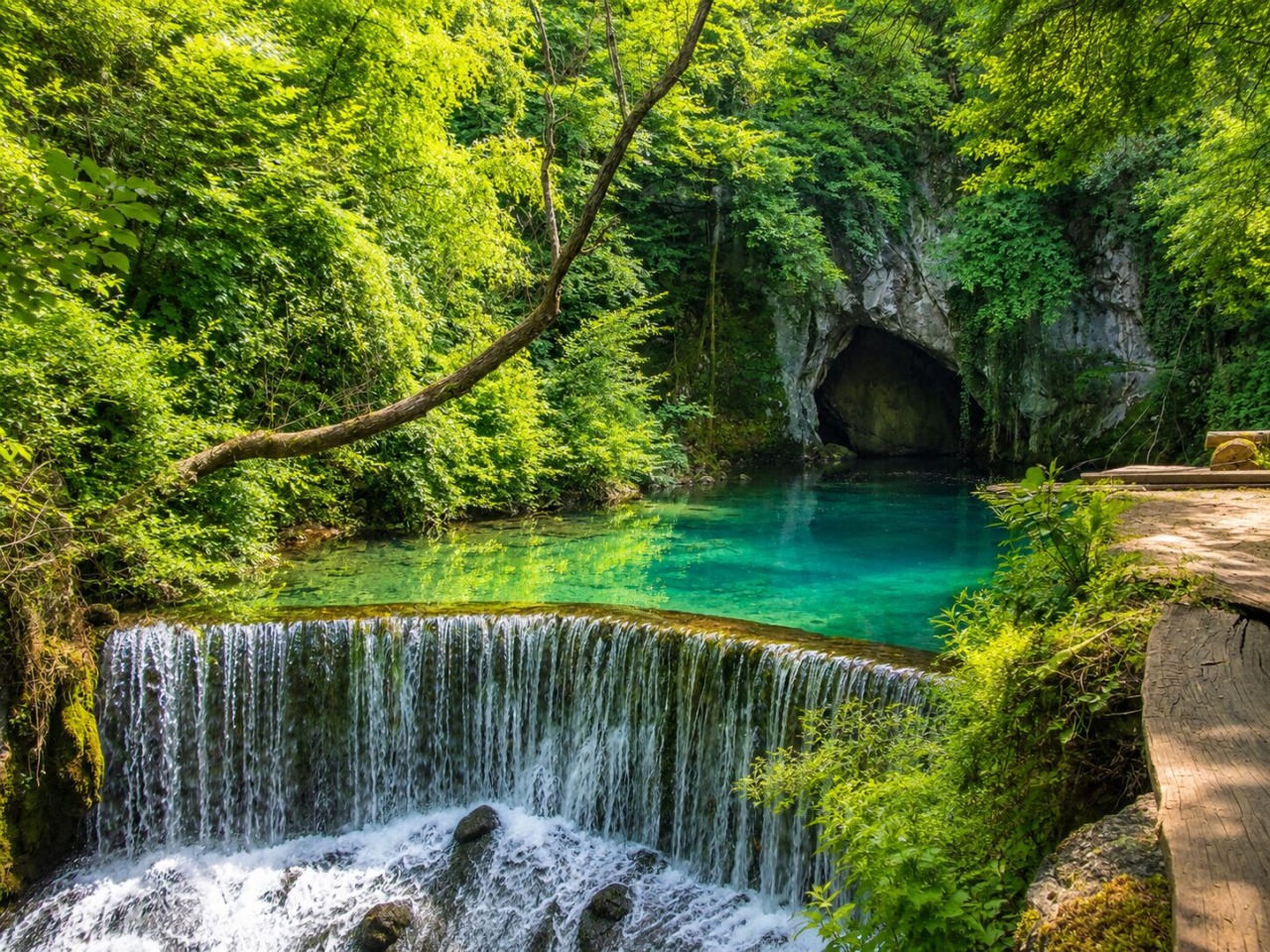
When the summer heat becomes too much, Eastern Serbia offers countless places where nature provides its own air conditioning. Hidden beneath towering limestone cliffs, Krupaj Spring glows in impossible shades of turquoise. Its crystal-clear water emerges from an underwater cave whose full depth remains unknown, creating one of Serbia’s most photogenic natural landscapes.
Nearby, Veliki Buk Waterfall fills the forest with the sound of rushing water and refreshing mist. Surrounded by lush greenery, it’s the perfect place to pause, enjoy local trout for lunch, or simply escape the afternoon heat.
The region’s underground world is equally impressive. Inside Resava Cave, temperatures remain pleasantly cool throughout the year while spectacular stalactites and stalagmites create one of Serbia’s most beautiful cave systems. Rajko’s Cave, near Majdanpek, offers another fascinating underground adventure, accompanied by legends of hidden treasure and mysterious tunnels.
Discover the Places Most Travelers Miss
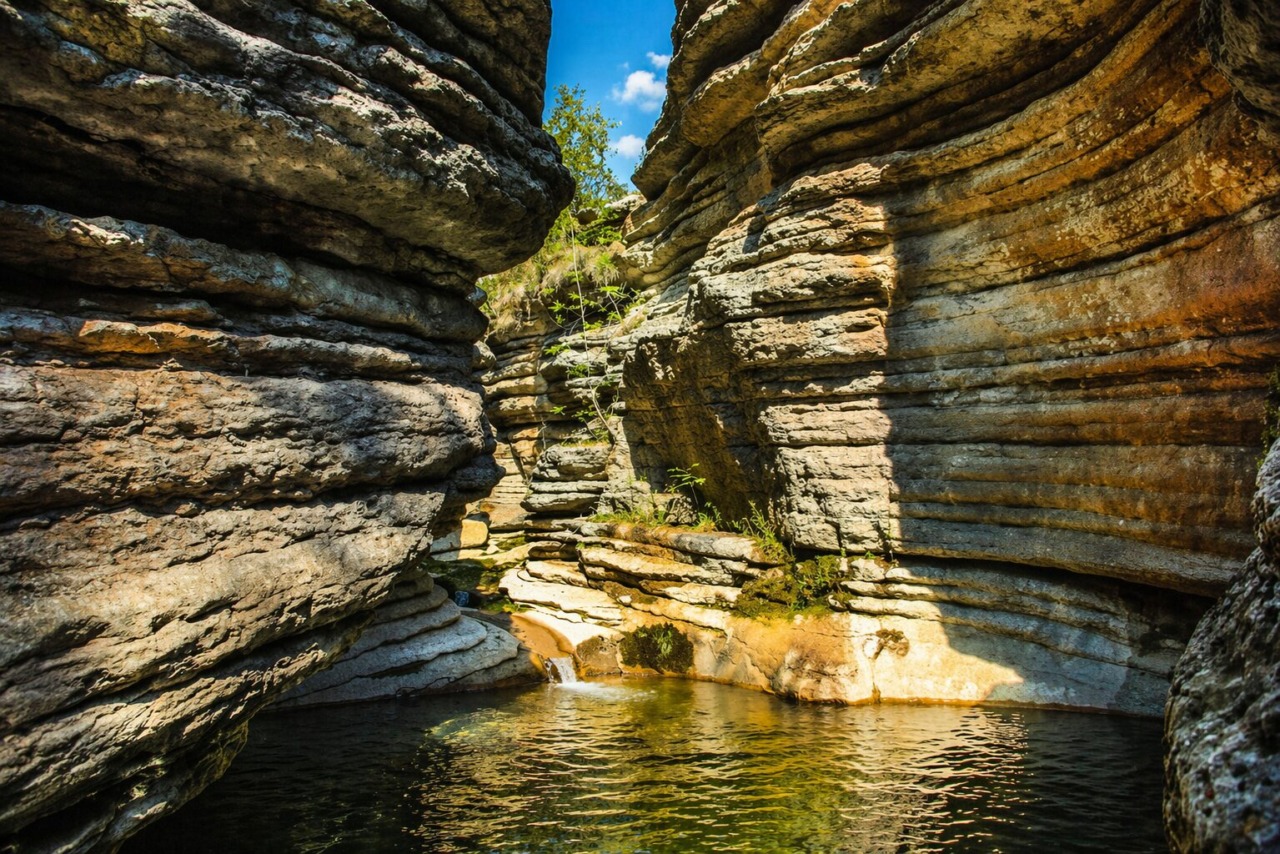
Some of Eastern Serbia‘s greatest treasures don’t appear on every itinerary. Hidden within Stara Planina, Rosomački Lonci is a narrow canyon sculpted by crystal-clear water over thousands of years. Its smooth rock formations and emerald pools create one of Serbia’s most unusual natural landscapes.
Further north, Blederija Waterfall remains one of the country’s most peaceful waterfalls. Reached by an easy forest walk, its cascading water, shaded surroundings, and tranquil atmosphere make it feel like a secret known only to locals.
These are the places where you’ll often find yourself completely alone, listening only to birdsong and flowing water.
A Landscape Made for Summer Adventures
Eastern Serbia invites visitors to experience nature in countless ways. Hike the legendary slopes of Rtanj Mountain, whose almost perfectly symmetrical shape has inspired myths and legends for generations. Explore the untouched beauty of Stara Planina, where waterfalls, mountain rivers, wildflower meadows, and scenic trails offer welcome relief from summer temperatures.
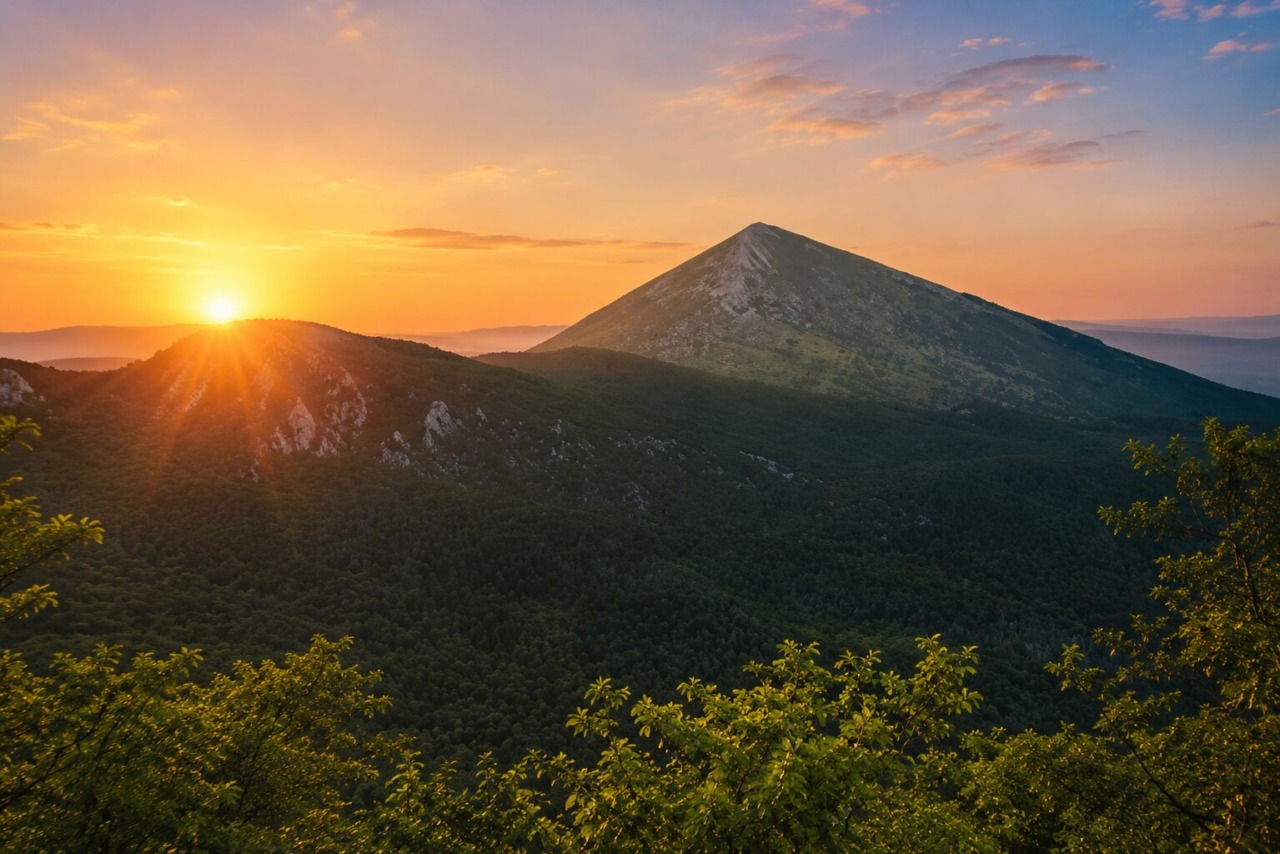
Cycle along the Danube, paddle through the Iron Gates, hike to panoramic viewpoints, or simply follow winding country roads that reveal hidden monasteries, traditional villages, and spectacular landscapes around every corner.
This is a region where the journey itself becomes part of the adventure.
Wine Villages Frozen in Time
Not every unforgettable experience in Eastern Serbia is found in nature. Among the vineyards of the Negotin region lie the remarkable Rajačke and Rogljevačke Pimnice – historic stone wine villages unlike anywhere else in Serbia. Built centuries ago, these unique settlements consist almost entirely of traditional wine cellars, many of which are still used today by local winemakers.
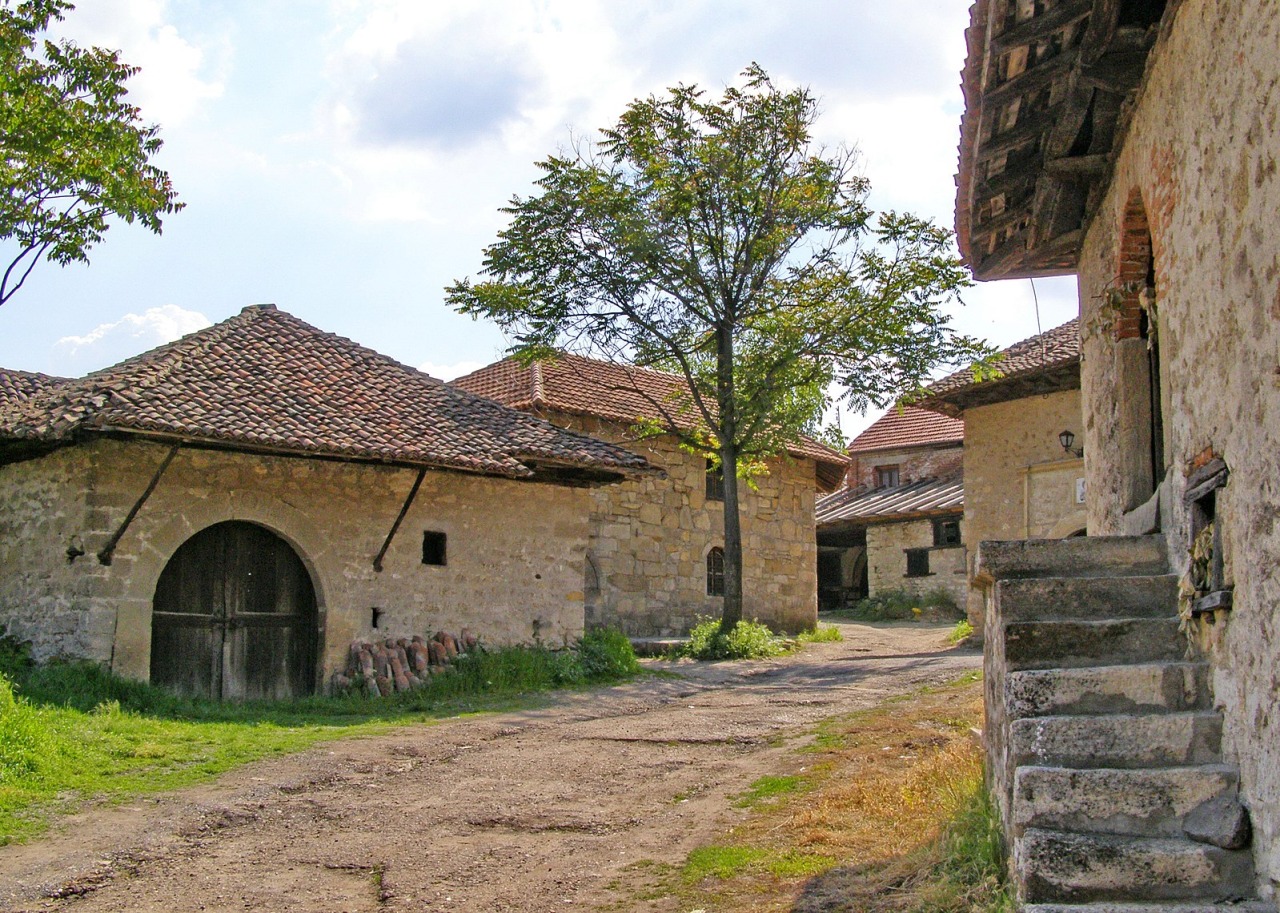
Walking through their narrow cobbled streets feels like stepping into another century. Here, visitors can taste authentic wines, meet local producers, and discover one of Serbia’s oldest wine traditions in an atmosphere that has changed remarkably little over time.
End the Day by the Water
After days spent exploring waterfalls, caves, and mountain trails, Silver Lake (Srebrno jezero) offers the perfect place to slow down.
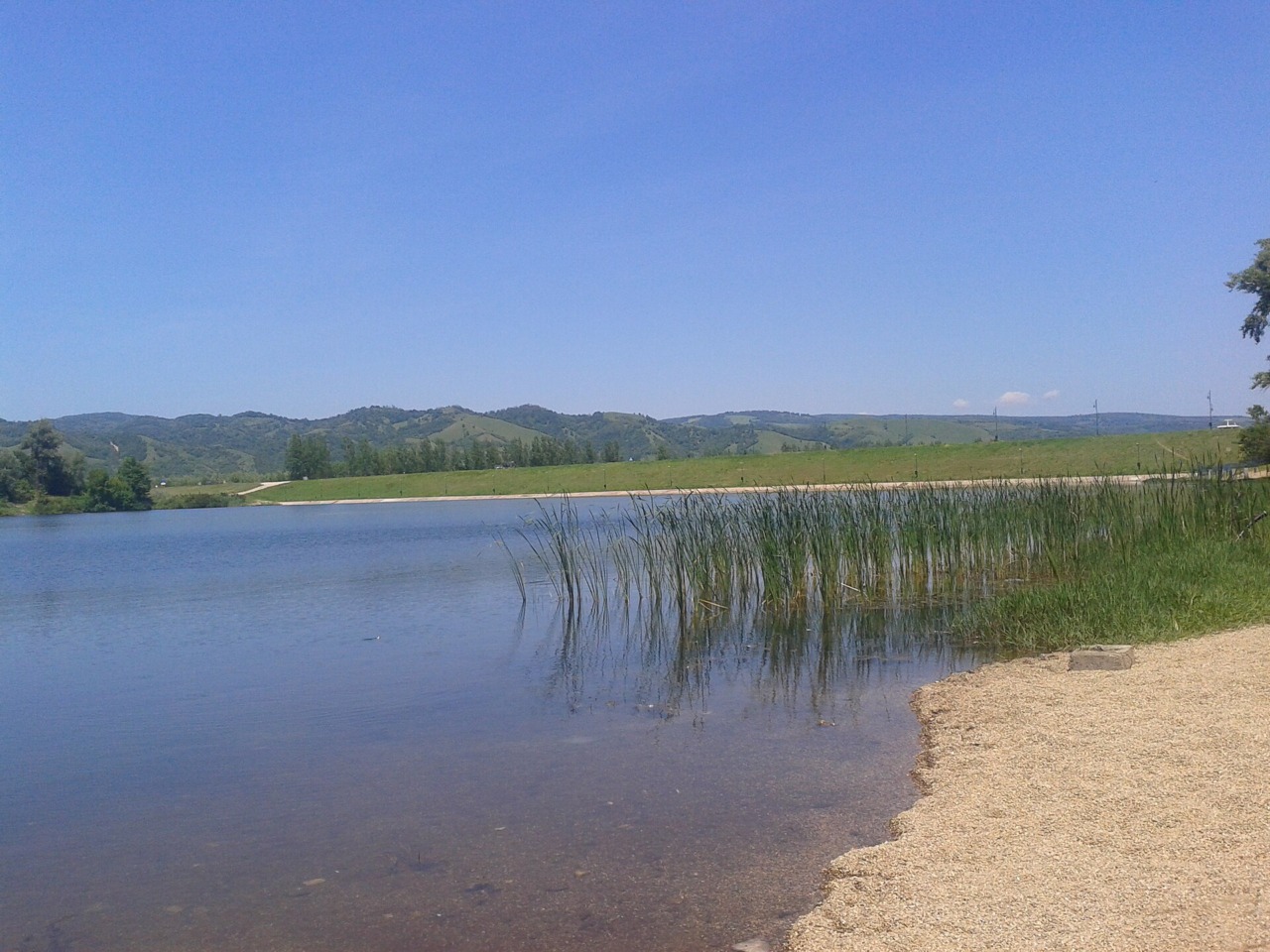
With its warm water, family-friendly beaches, cycling paths, restaurants, and beautiful sunsets, it’s one of Serbia’s most popular summer destinations. Whether you choose a relaxing afternoon by the lake or a boat ride across its calm surface, it’s an ideal ending to an Eastern Serbia road trip.
A Region That Keeps Surprising You
What makes Eastern Serbia unforgettable isn’t a single attraction. It’s the extraordinary diversity packed into one journey. One moment you’re standing on the walls of a medieval fortress overlooking the Danube. The next, you’re wandering through a Roman imperial palace, cooling off beside a turquoise spring, exploring a cave, tasting wine in centuries-old stone cellars, or hiking across mountain landscapes that seem untouched by time.
Few regions in Serbia combine nature, history, adventure, gastronomy, and hidden gems so effortlessly. If your perfect summer escape means discovering places that still feel authentic, uncrowded, and wonderfully diverse, Eastern Serbia belongs at the very top of your travel list.
Related Articles