
There are places where history is carefully preserved behind museum glass, and there are places where it is still very much alive.
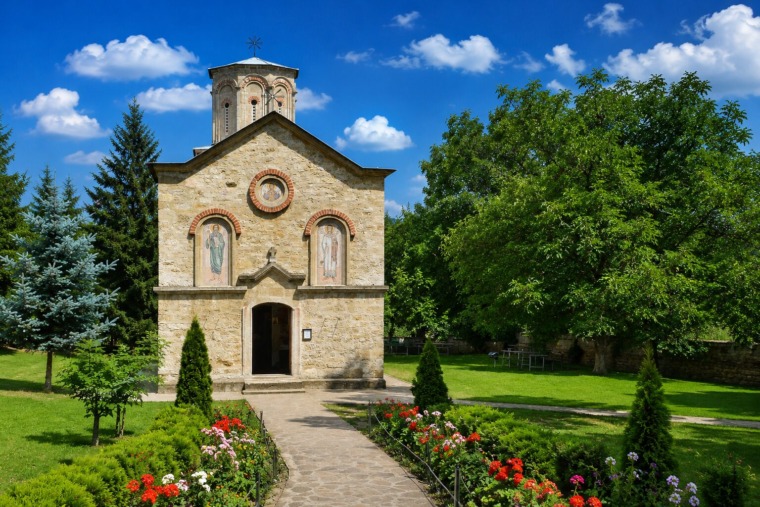
Hidden among the rolling hills of central Serbia, just outside the town of Velika Plana, Koporin Monastery belongs to the latter. Built between 1389 and 1427, this peaceful medieval sanctuary has watched kingdoms rise and fall, survived centuries of war and uncertainty, and remained a place where faith continues to shape everyday life.
People do not come to Koporin simply to admire its centuries-old frescoes or medieval architecture. They come carrying hopes. Some pray for healing. Others seek comfort during life’s most difficult moments. Many arrive with a quiet wish they have carried for years – the hope of becoming parents.
For decades, believers have shared stories of prayers answered before the relics of Despot Stefan Lazarević. Letters of gratitude and photographs of children now fill parts of the monastery, left behind by families who believe their long-awaited miracle began here.
Among pilgrims, it is often said that more than 2,000 children have been born after prayers at Koporin. Whether viewed as faith, tradition, or personal testimony, these stories have transformed the monastery into one of Serbia’s most meaningful pilgrimage sites. Yet miracles tell only part of Koporin’s story.
Behind its stone walls lies the legacy of one of medieval Serbia’s greatest rulers, extraordinary works of fifteenth-century art, and a silence that has remained almost unchanged for more than six hundred years.
A Monastery Born at a Turning Point in History
Few periods shaped medieval Serbia as profoundly as the decades following the Battle of Kosovo in 1389. It was an era marked by political uncertainty, shifting alliances and constant pressure from powerful neighbours. Yet it was also a time in which Serbian culture, literature and religious art reached one of their final great medieval heights. Koporin emerged during this remarkable period.
Most historians attribute its construction to Despot Stefan Lazarević – warrior, statesman, poet and one of medieval Europe’s most remarkable rulers. The son of Prince Lazar and Princess Milica, Stefan inherited a country standing at the edge of a new and uncertain age. His rule required both courage and diplomacy, and he is remembered as a ruler who managed to preserve Serbian identity during some of its most difficult years.
But Stefan Lazarević was never only a military leader. He was a patron of monasteries, a protector of learning and the author of Slovo ljubve – The Word of Love – one of the most beautiful works of medieval Serbian literature. He transformed Belgrade into the capital of the Serbian state and helped turn it into one of the most important cities in this part of Europe.
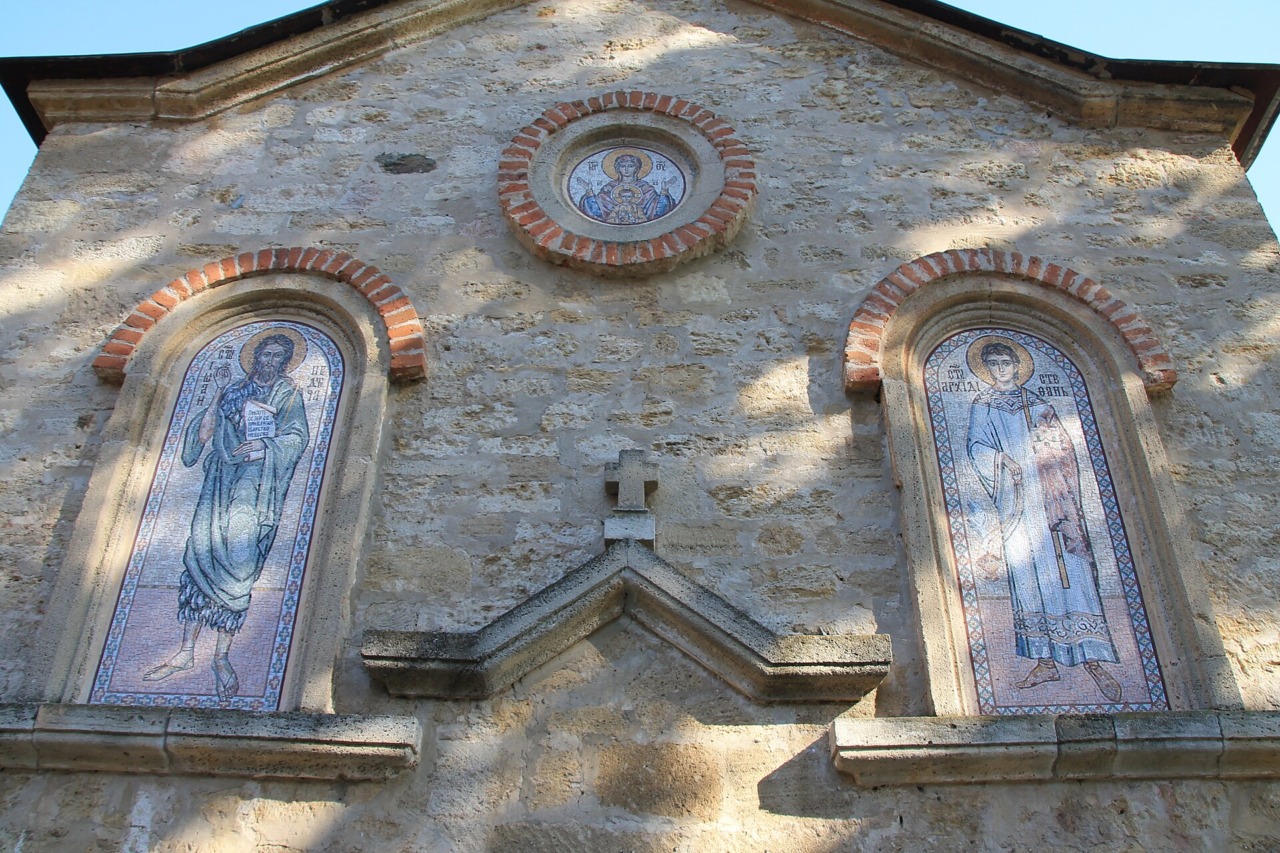
Koporin is deeply connected to his memory. Dedicated to Saint Stephen the Protomartyr, the saint after whom the despot was named, the monastery carries both a personal and spiritual significance. It is not only a monument from his time, but a place where his presence is still felt.
A Church That Belongs to the Landscape
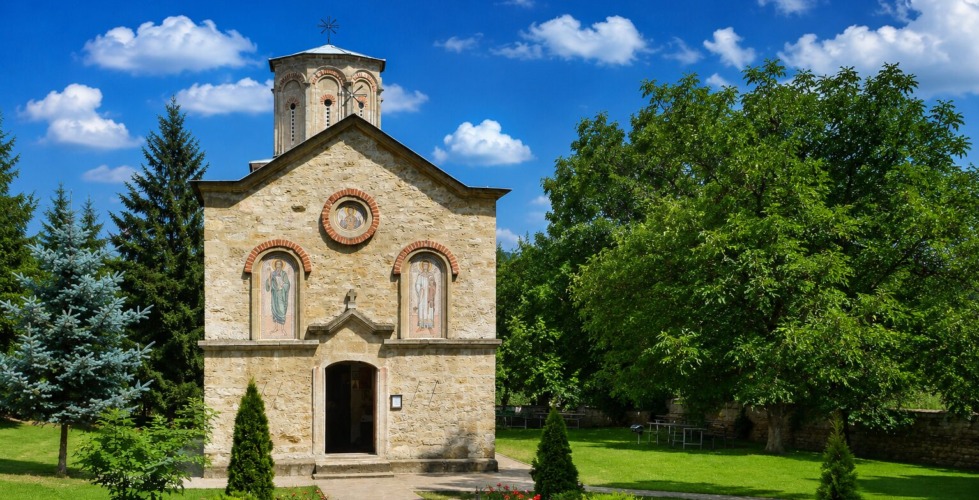
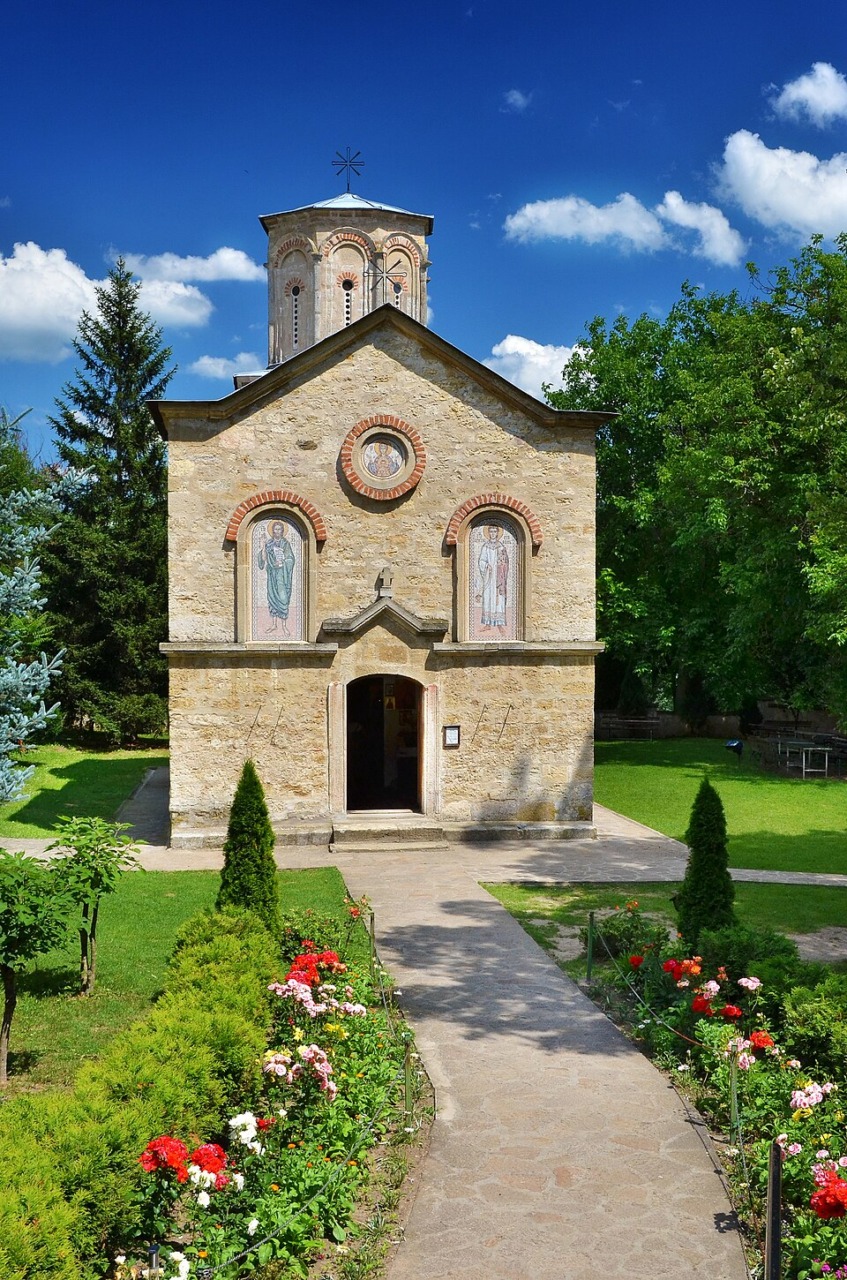
The monastery church is not imposing in size. It does not overwhelm the visitor with monumental walls or dramatic scale. Instead, Koporin reveals itself quietly.
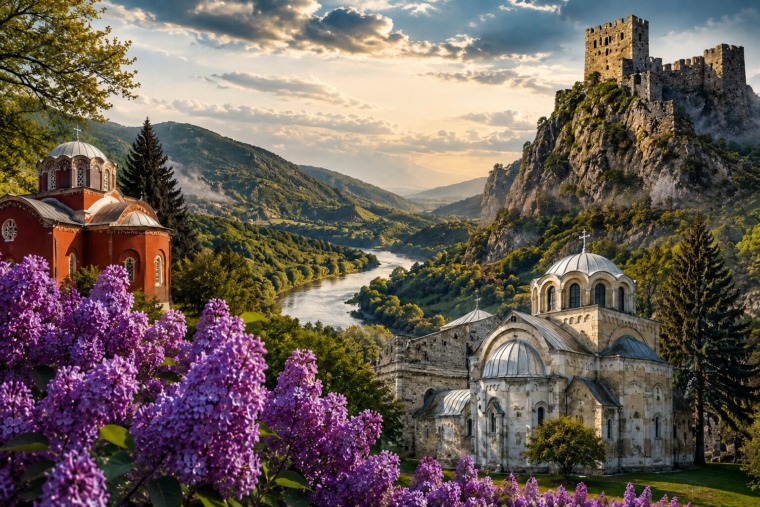
Built in the spirit of the Morava architectural style, the last great phase of medieval Serbian architecture, the church is defined by harmonious proportions, stone and brickwork, and a sense of balance that feels almost intimate. Surrounded by forests, orchards and the gentle countryside of Šumadija, it seems less like a building placed in nature and more like something that has grown out of it.
This is part of its power.
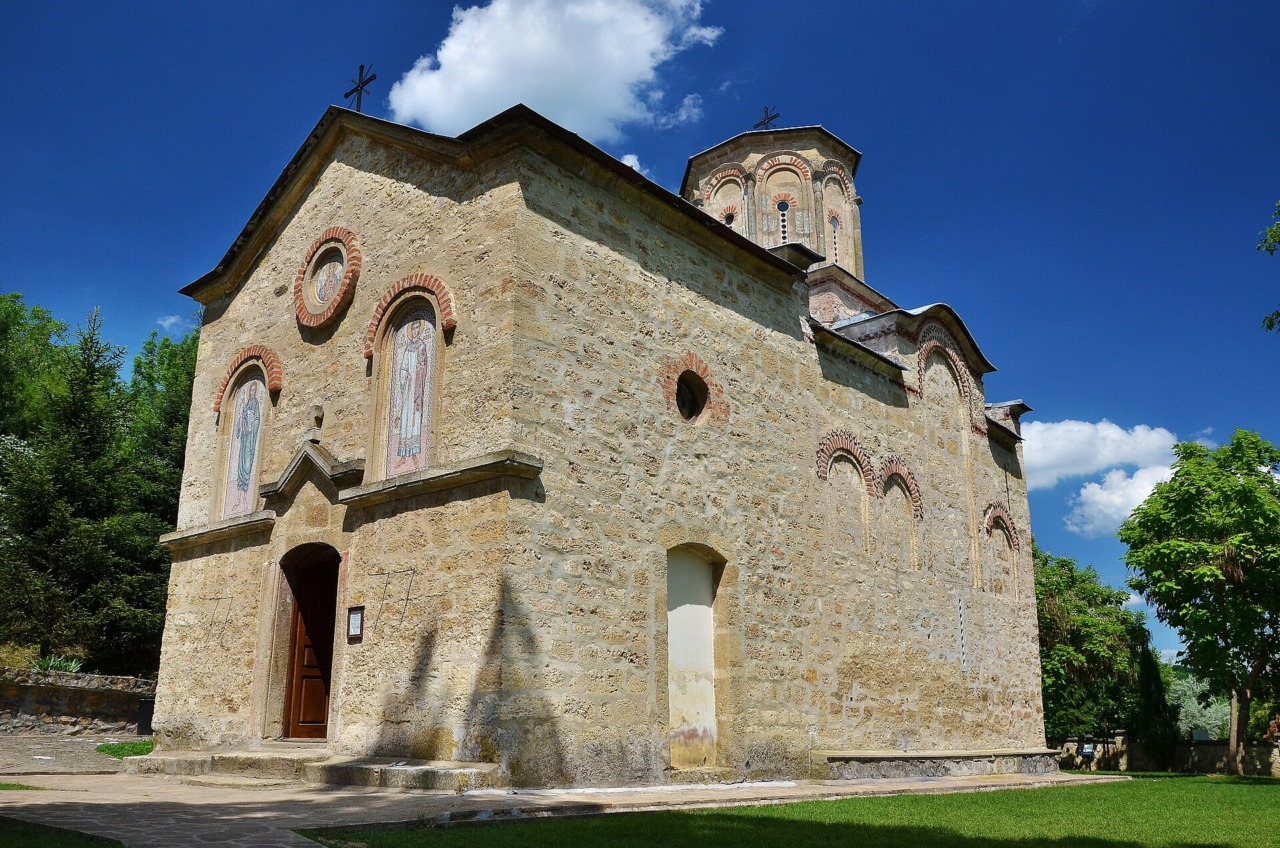
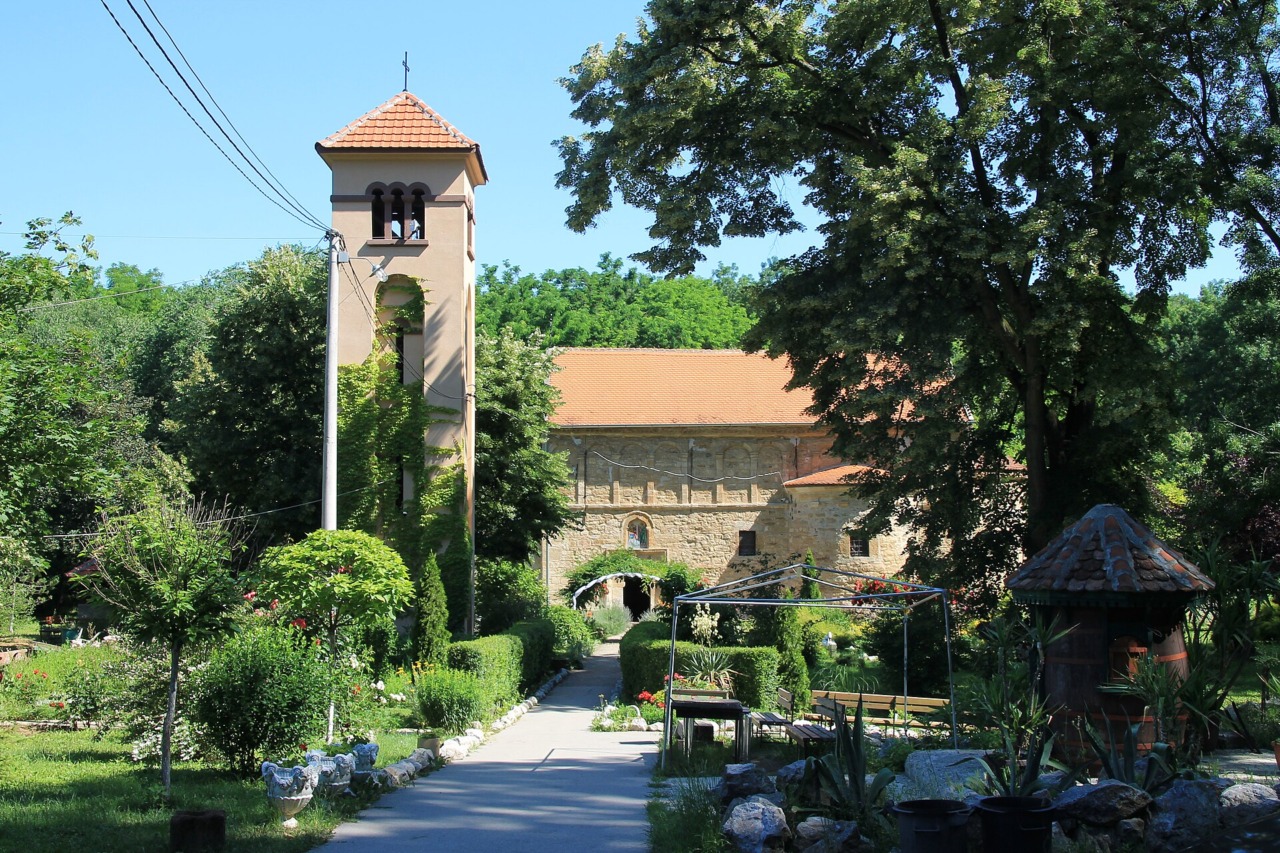
Unlike some of Serbia’s larger and more famous monasteries, Koporin does not demand attention. It invites stillness. The courtyard is peaceful, the surrounding hills soft and green, and the rhythm of the place is slow. Visitors often speak not only about what they see, but about what they feel here — a rare quietness that makes the monastery seem far removed from the noise of the modern world.
Over the centuries, Koporin suffered damage, especially during the Ottoman period, and was restored more than once. Yet despite everything it endured, the monastery was never erased. Its survival gives it a quiet dignity, as if every stone still carries the memory of those who protected it.
The Resting Place of Despot Stefan Lazarević
For centuries, one question remained unanswered: where was Despot Stefan Lazarević buried? The mystery surrounding his final resting place was one of the most intriguing questions in Serbian medieval history. Different theories existed, but none could be confirmed with certainty.
Then, during archaeological research in the 1980s, a discovery changed Koporin’s place in history. Beneath the floor of the monastery church, researchers found the remains of a high-ranking individual. Anthropological analyses showed that the age, physical characteristics and traces of injuries matched historical descriptions of Despot Stefan. Later research further supported these conclusions, and today it is widely accepted that his relics rest in Koporin Monastery.
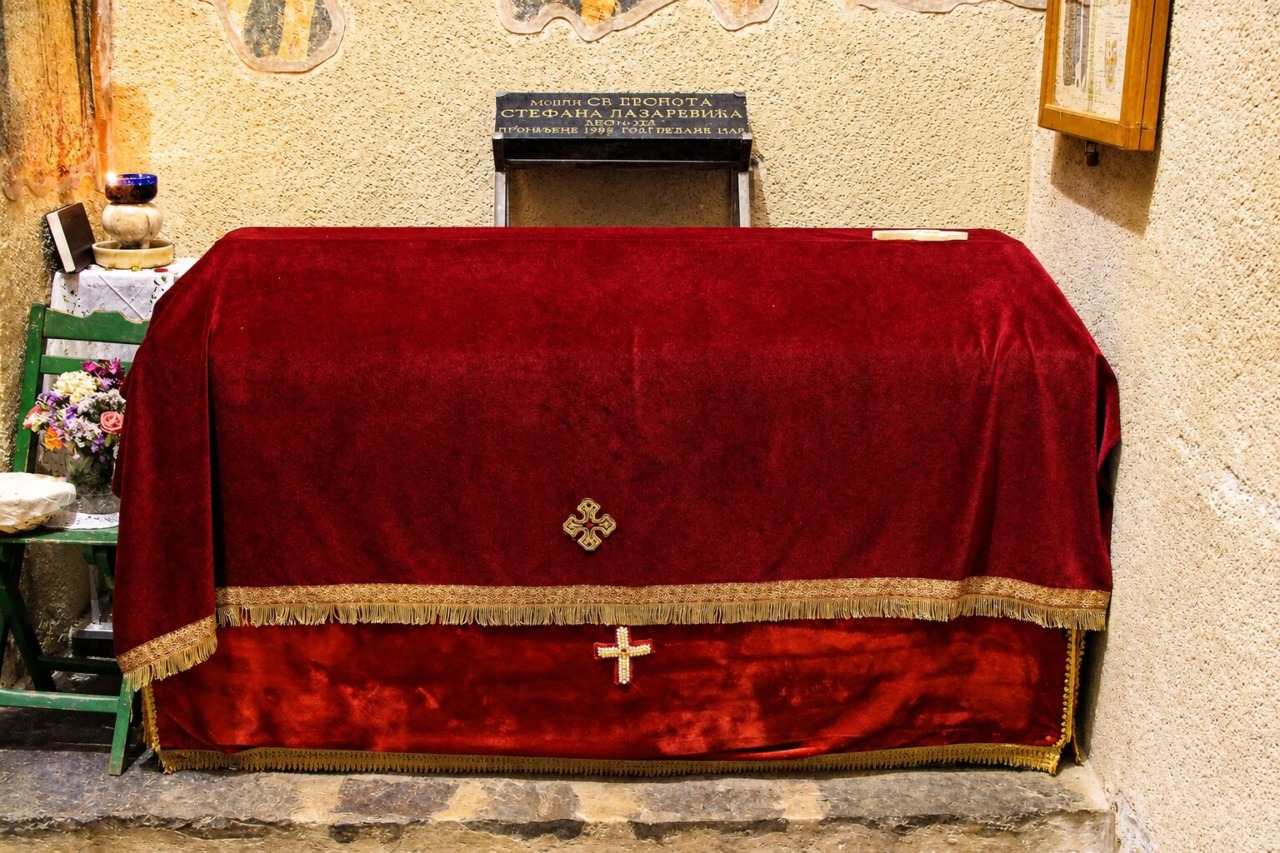
This gives Koporin exceptional importance. Few medieval Serbian monasteries can be so closely connected to the confirmed relics of their own founder. For historians, it is a discovery of great value. For believers, it is something even deeper.
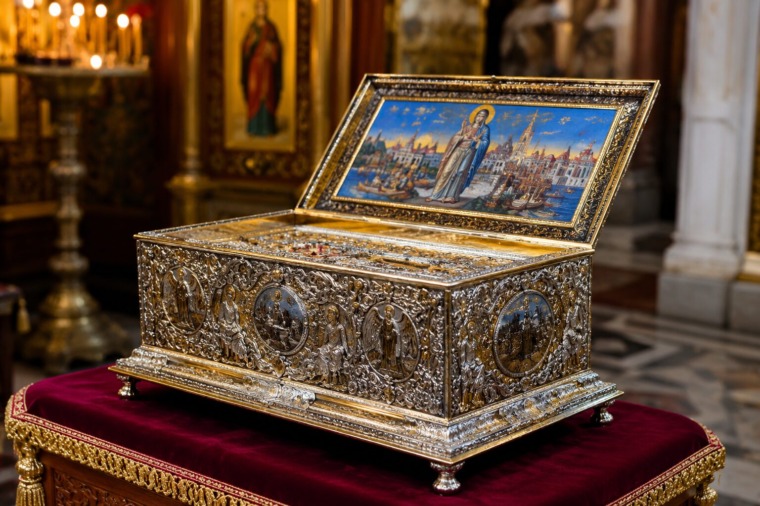
The relics of Despot Stefan are now one of the monastery’s greatest spiritual treasures. Pilgrims come to stand before them in silence, to pray, to ask for strength, or simply to be near the remains of a ruler who left such a profound mark on Serbian history and faith.
Why Koporin Is Believed to Be Miraculous
The belief in Koporin’s miraculous power is not based on a single event, but on countless personal stories passed from one family to another. Many of them begin with people who had almost lost hope.
Couples who struggled for years to have children came to the monastery to pray before the relics of Despot Stefan. Some later returned carrying babies in their arms. Others sent letters of gratitude or left photographs of their children at the monastery as a sign of thanks. Over time, these testimonies became part of Koporin’s living memory.
Among the faithful, it is often said that more than 2,000 children were born after prayers in Koporin. The number belongs to the realm of testimony and tradition rather than official documentation, but it reveals something important about the place Koporin holds in people’s hearts.
For many visitors, the monastery is not a destination. It is a last hope. The belief in its healing power extends beyond prayers for children. People also come seeking recovery from illness, emotional strength, peace after loss, or guidance through difficult periods of life. Some speak of healing. Others speak of calm. Some say they did not receive what they asked for, but left feeling able to continue.
In Orthodox tradition, such experiences are approached as matters of personal faith. They are not presented as scientific proof, but as testimonies of those who believe they encountered grace in this place. And perhaps that is why Koporin remains so powerful. Its meaning cannot be fully measured or explained. It lives in the stories people carry with them when they leave.
The Healing Spring Near the Monastery
Near the monastery, there is also a spring that many believers associate with healing and spiritual renewal. Visitors often stop there after prayer, take water with them, or wash their face and hands, believing that the water, together with sincere faith and prayer, may bring comfort and help.
Like the stories of answered prayers, the belief in the spring’s healing properties belongs to the world of faith and tradition. It has been passed down through generations and remains one of the reasons people feel a special connection to Koporin.
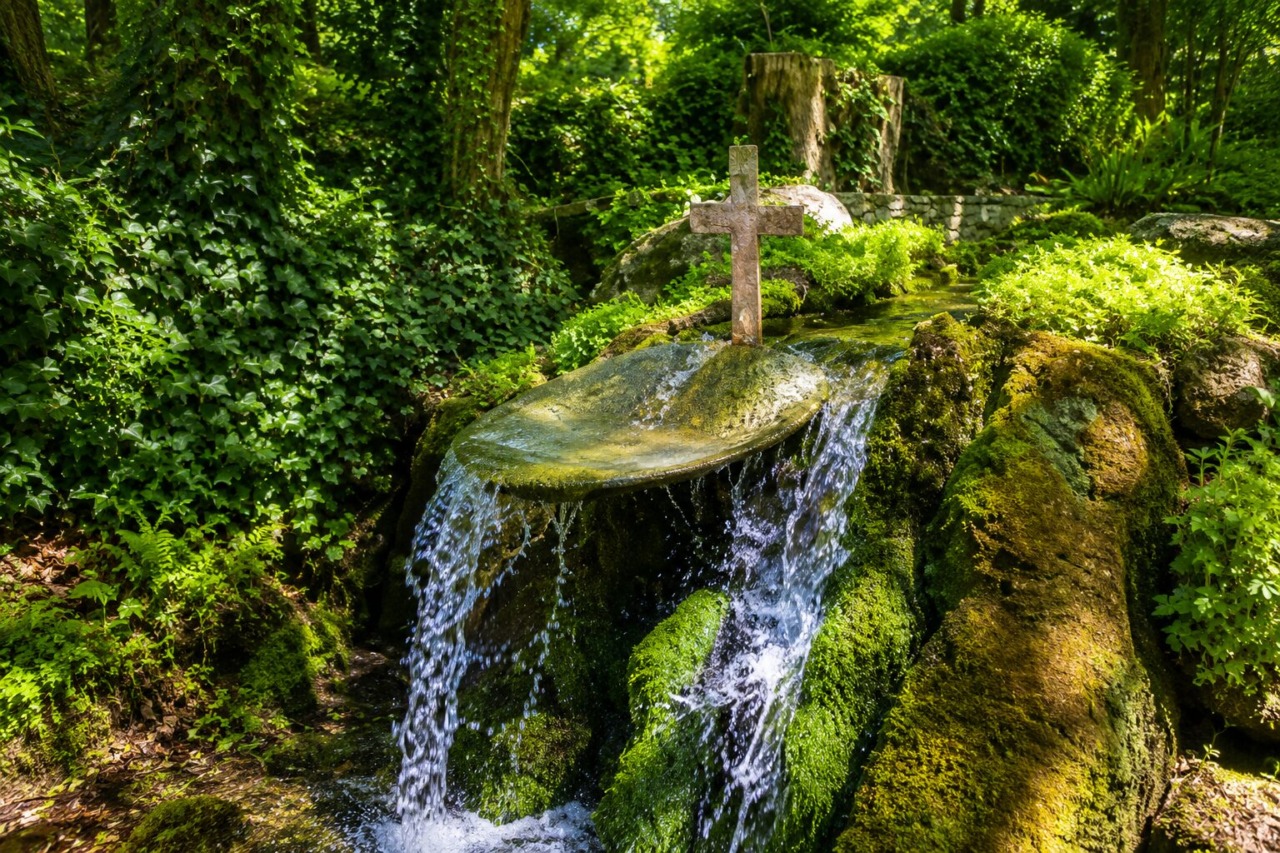
The spring adds another layer to the monastery’s atmosphere. It connects the sacred space of the church with the surrounding landscape, making nature itself part of the pilgrimage experience.
Frescoes That Have Survived Six Centuries
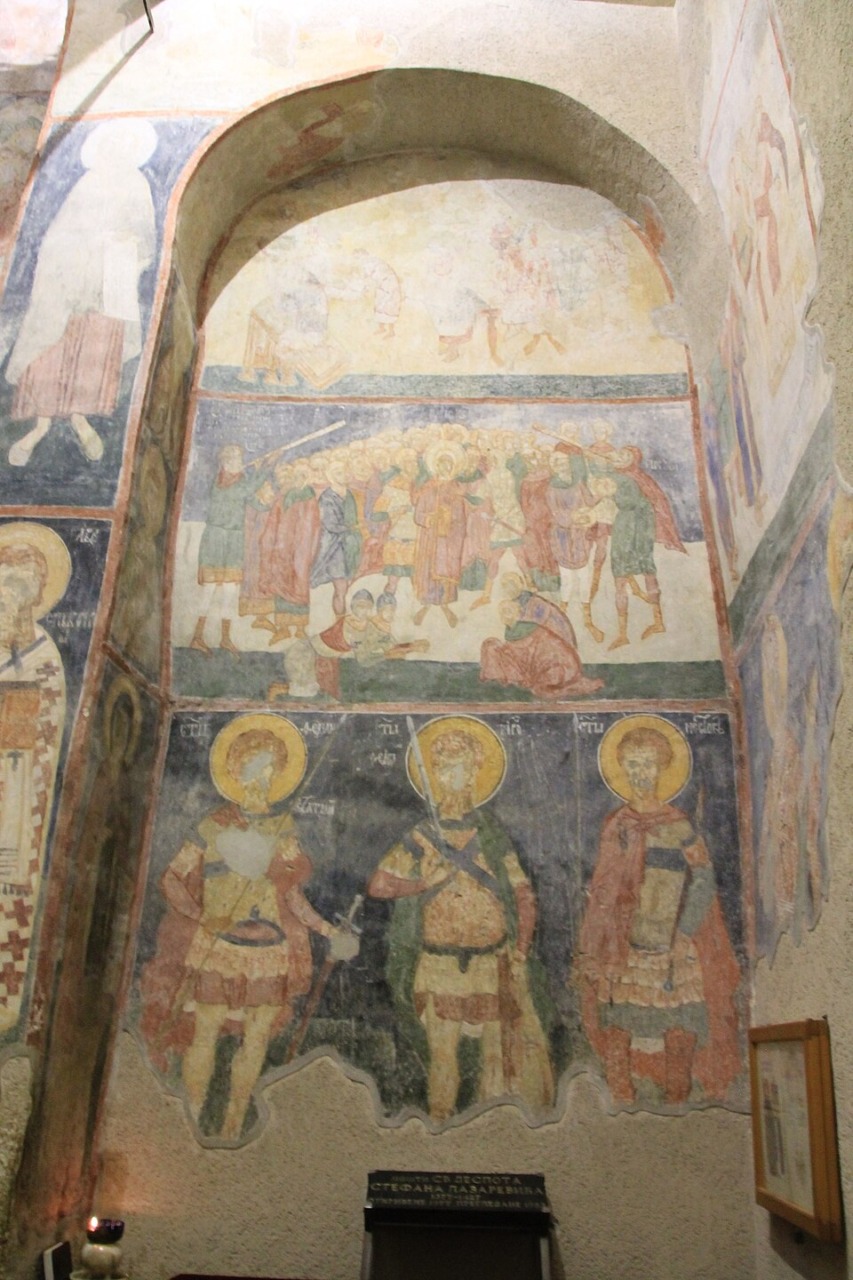
Inside the church, the silence becomes even deeper. The frescoes of Koporin date from the first half of the fifteenth century and represent an important example of medieval Serbian painting. Although time has damaged parts of the original decoration, what remains still carries remarkable artistic and spiritual strength.
Among the most valuable frescoes is the portrait of Despot Stefan Lazarević, one of the most important surviving depictions of the Serbian ruler. Standing before it, visitors are not simply looking at a work of art. They are looking at an image created in the lifetime of a man whose story is inseparable from the monastery itself.
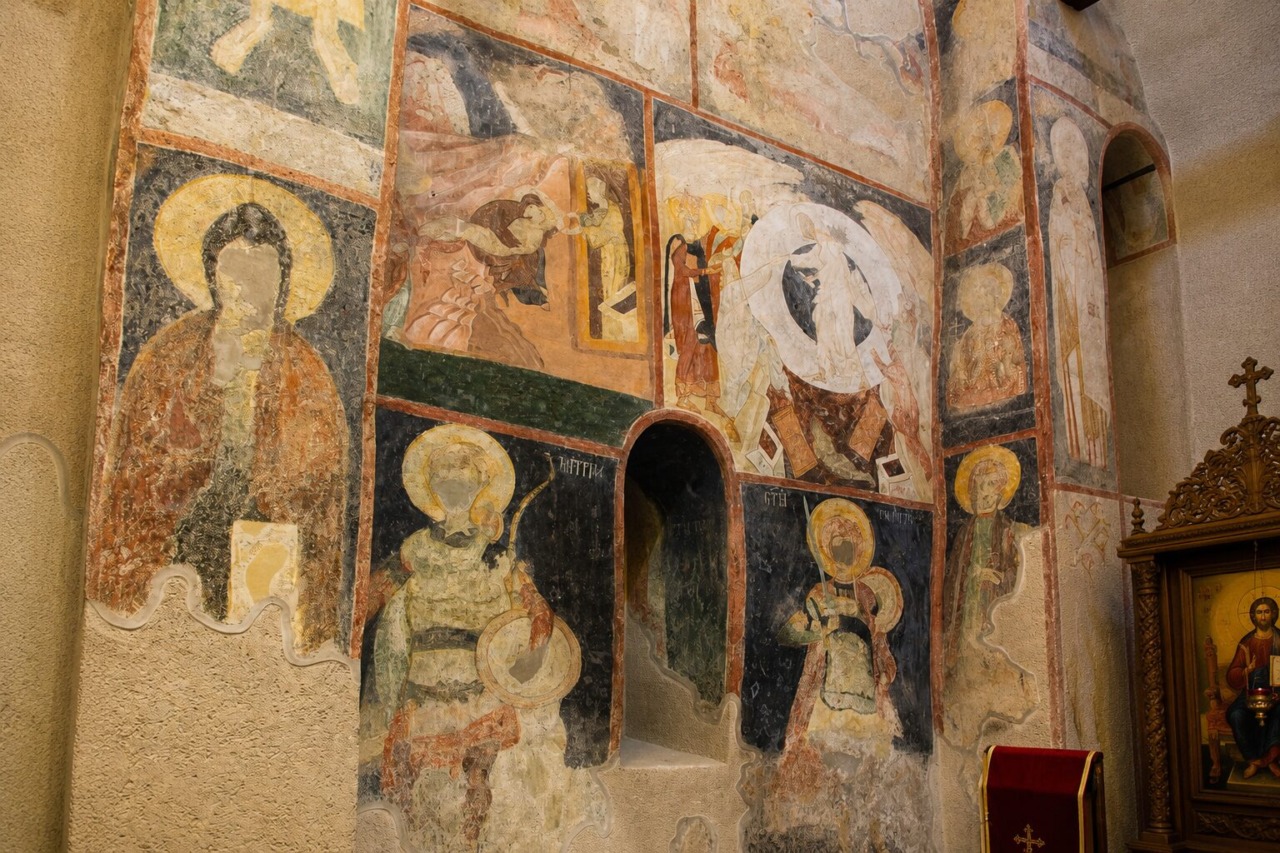
The frescoes reveal the refined artistic language of the Morava period – expressive faces, graceful forms and a quiet solemnity that reflects the spiritual world of medieval Serbia. Their colours may have faded, but their presence has not.
They remind visitors that Koporin is not only a place of belief and pilgrimage, but also a rare treasure of Serbian cultural heritage.
Koporin Today
Today, Koporin Monastery remains an active place of worship and one of the most visited spiritual sites in this part of Serbia. Some visitors come with clear prayers. Others come without knowing exactly what they are looking for.
The monastery does not offer spectacle. There are no grand tourist gestures here, no overwhelming crowds, no sense of performance. Its beauty lies in restraint. In the stone church. In the old frescoes. In the quiet courtyard. In the soft hills beyond the walls.
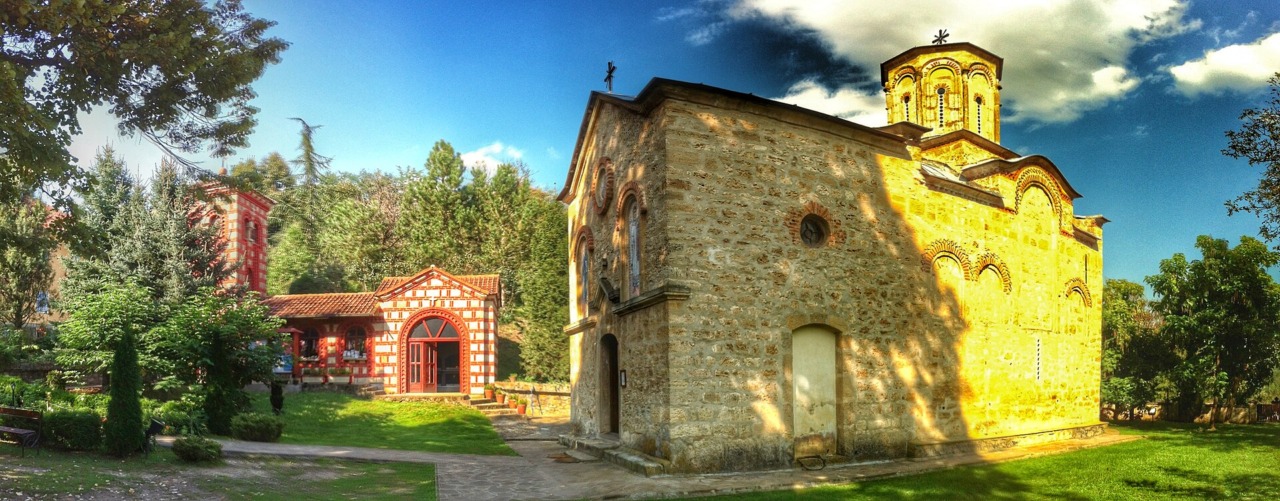
A visit to Koporin is also a chance to experience a calmer side of central Serbia. Velika Plana and its surroundings are often passed through rather than explored, yet this part of the country holds landscapes of orchards, villages, fields and gentle roads that reveal a deeply traditional side of Šumadija.
For travellers interested in Serbian history, Koporin offers a direct connection to the age of Despot Stefan Lazarević. For art lovers, it preserves fragments of a medieval world that almost disappeared. For believers, it remains a place of prayer, gratitude and hope.
For everyone else, it offers something increasingly rare: stillness.
Where History and Faith Still Breathe Together
Koporin Monastery is not the largest monastery in Serbia, nor the most famous. It does not need to be. Its strength lies elsewhere. It lies in the fact that more than six centuries after its foundation, people still come here with the same human needs – to ask, to thank, to remember, to heal, to hope.
Some arrive because of history. Some because of faith. Some because they have heard that, in Koporin, miracles can happen. And whether one believes in those stories or simply listens to them with respect, it is difficult to leave this monastery untouched by its atmosphere.
In Koporin, the past does not feel distant. It feels present – in the frescoes, in the relics, in the spring, in the whispered prayers, and in the photographs of children left behind by families who believe that their lives changed here. This is what makes Koporin more than a medieval monument.
It is a living sacred place, where history and faith still breathe together.
Related Articles