
-
Serbia at a Glance
Discover All -
Arts & Culture
Discover All -
Identity & Heritage
Discover All -
Famous Serbs
Discover All
-
Regions
Discover All -
Cities
Discover All -
Nature
Discover All -
Cultural Landmarks
Discover All
-
Outdoor & Wellness
Discover All -
Food & Drink
Discover All -
Tours
Discover All -
Urban Experiences
Discover All -
Seasonal Experiences
Discover All
Partner with Serbia.com
Let's create lasting impact together
Partner with Serbia.com to reach travellers through trusted recommendations, inspiring editorial stories and thoughtfully designed campaigns. Together, we create meaningful visibility that supports your goals and remains valuable long after publication.
Explore partnership opportunities- Serbian Favorite Rituals Everyday traditions and little things that make life in Serbia special.
- Villages of Serbia Charming villages, local stories and authentic rural life.
- Serbia Told By You Personal stories, local perspectives and authentic experiences from across Serbia.
- Is it Worth Visiting in Serbia? Honest destination guides to help you decide which places are worth visiting.
When most people think of Serbia, they picture lively cities, historic monasteries, traditional food, and perhaps a few well-known natural landmarks. What they rarely expect to find are pink lakes, primeval forests, stone villages, landscapes that resemble Mongolia, or some of Europe’s most remarkable natural stone arches.
Beyond the familiar attractions lies a different side of Serbia – one filled with places that challenge expectations and reveal just how diverse the country truly is. If you think you already know Serbia, these ten destinations may surprise you.
Pačir Lake: Serbia’s Pink Lake
A pink lake is probably the last thing most visitors expect to find in northern Serbia. Yet in the village of Pačir, in the heart of the Vojvodina plains, a striking body of water appears almost unreal at first glance.
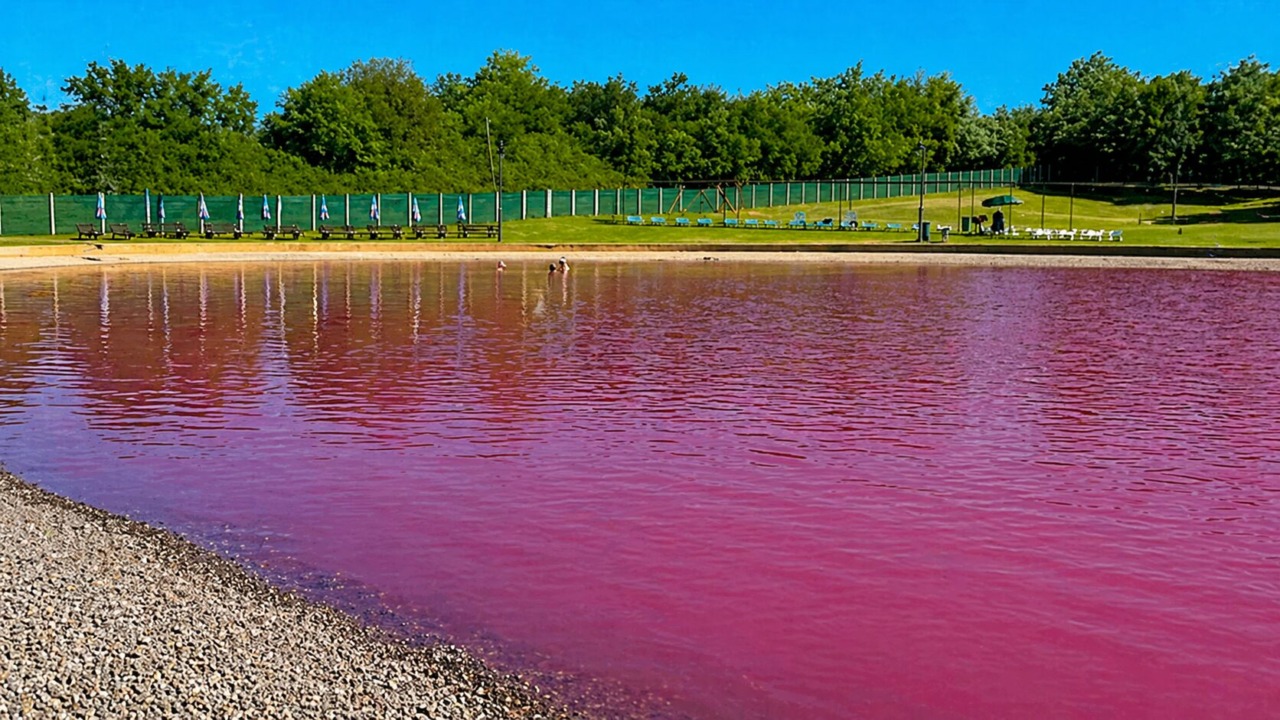
The lake’s unusual color comes from its high mineral content and the microorganisms that thrive in its saline waters. Depending on the season, weather, and sunlight, the water can range from pale pink to vibrant rose shades, creating scenes that look more like Australia or Central Asia than Serbia. Combined with its therapeutic properties and peaceful surroundings, Pačir Lake remains one of the country’s most unexpected natural wonders.
Vinatovača: One of Europe’s Last Primeval Forests
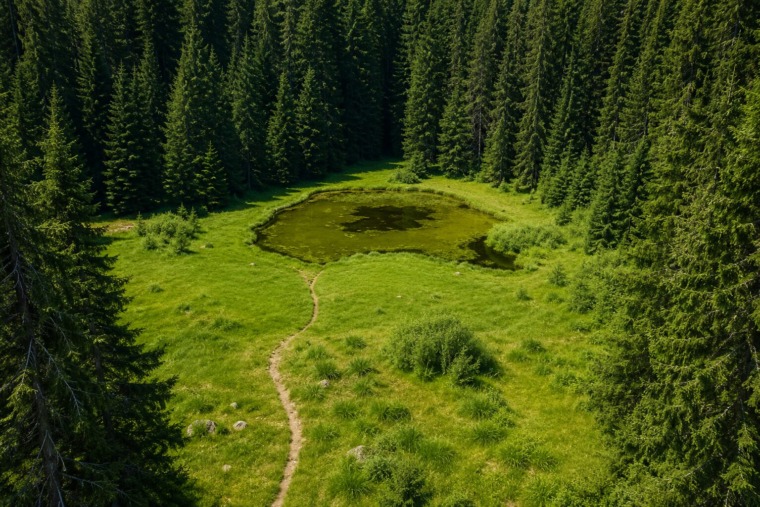
Deep within Eastern Serbia lies a place where nature has been left almost entirely untouched. Vinatovača is one of the few remaining primeval forests in Europe, a rare ecosystem where trees have grown, fallen, and regenerated naturally for centuries without significant human intervention.
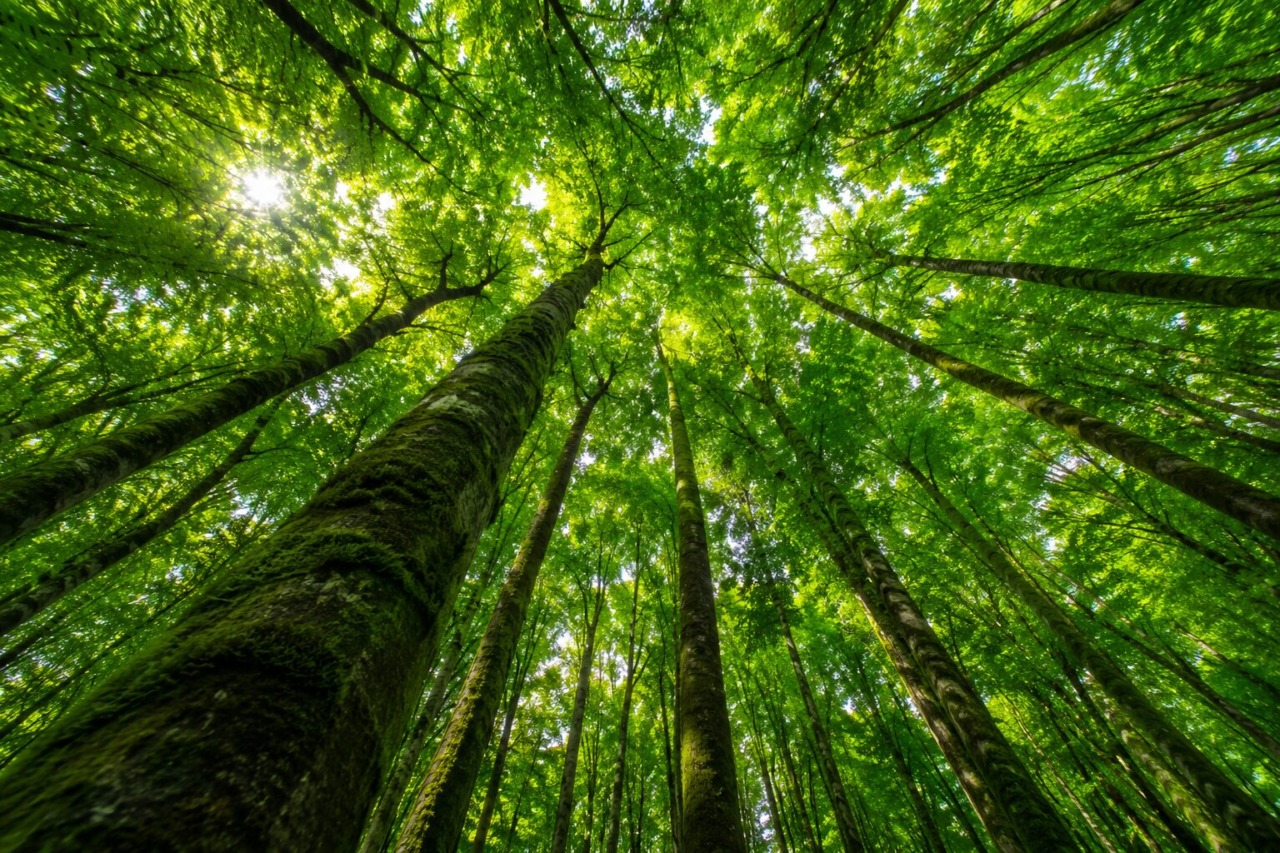
Walking through the forest feels like stepping into another era. Massive beech trees tower overhead, fallen trunks are slowly reclaimed by nature, and the silence is broken only by birdsong and the sounds of the forest itself. Few visitors associate Serbia with wilderness of this kind, which makes Vinatovača one of the country’s most remarkable surprises.
Koh Chang: Serbia’s Unexpected Tropical Escape
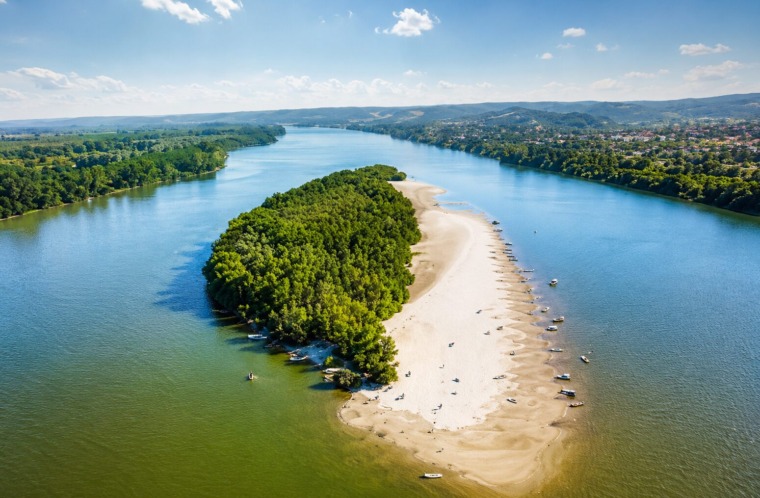
Named after the famous Thai island, Koh Chang has become one of Serbia’s most unusual summer destinations. Located along the Danube near Sremski Karlovci, it offers a landscape that feels strikingly different from what many imagine when thinking of Serbia.
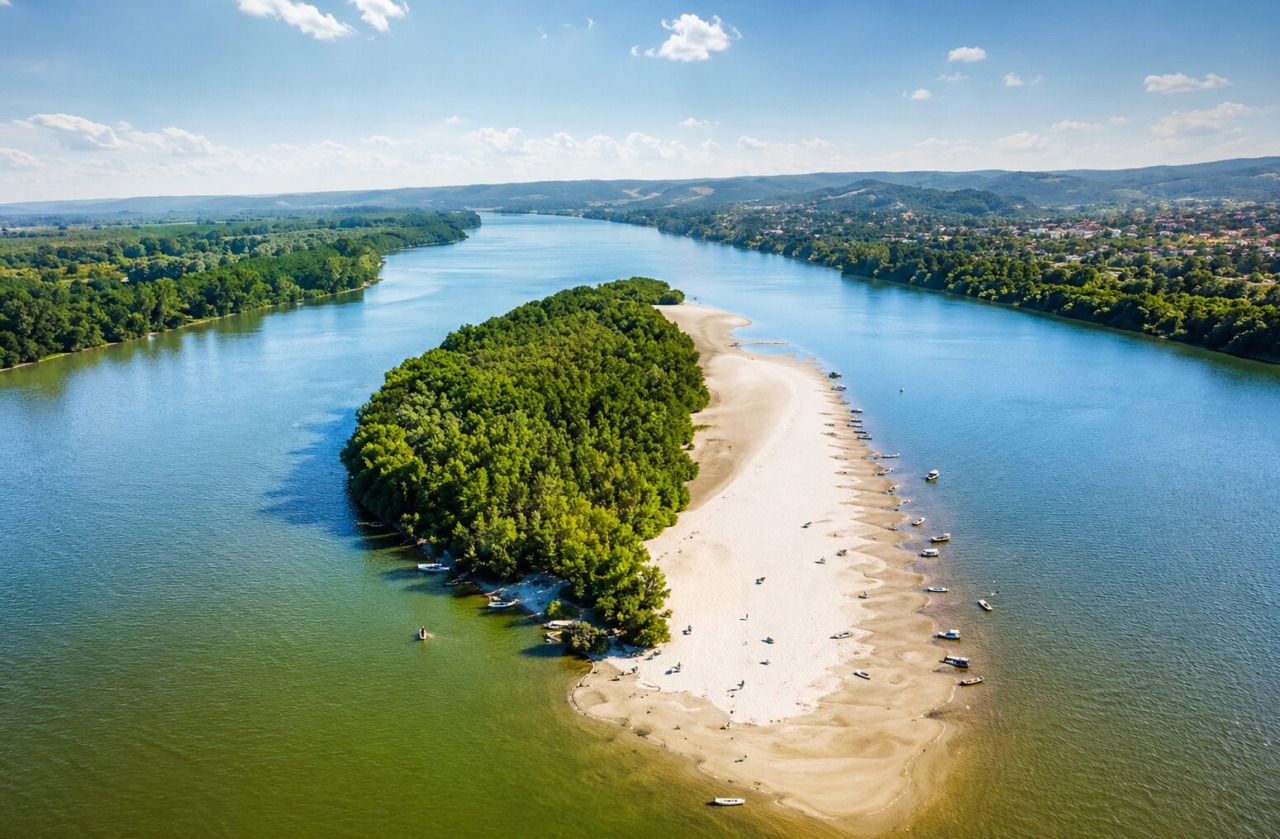
Golden sand, wooden beach bars, turquoise-colored water, and a laid-back atmosphere have earned it comparisons to faraway tropical destinations. While it may not actually be Thailand, the contrast between expectations and reality is exactly what makes Koh Chang so memorable. It is one of those places that often leaves visitors asking: “How is this in Serbia?”
Rosomački Lonci: Serbia’s Hidden Canyon
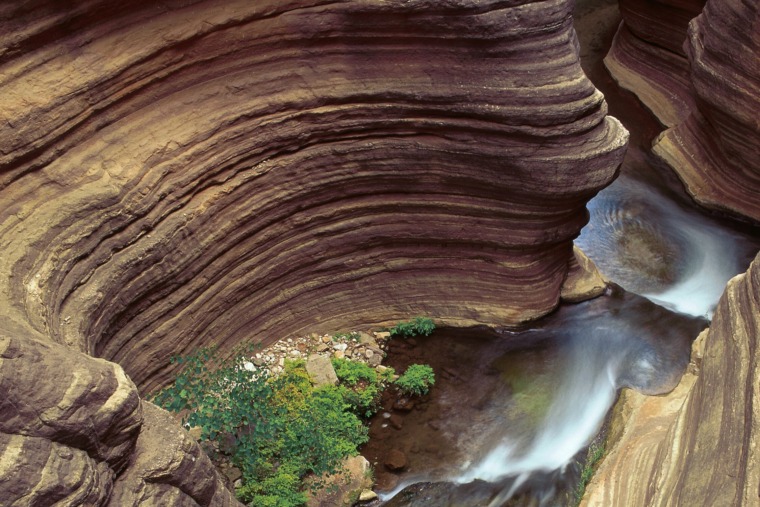
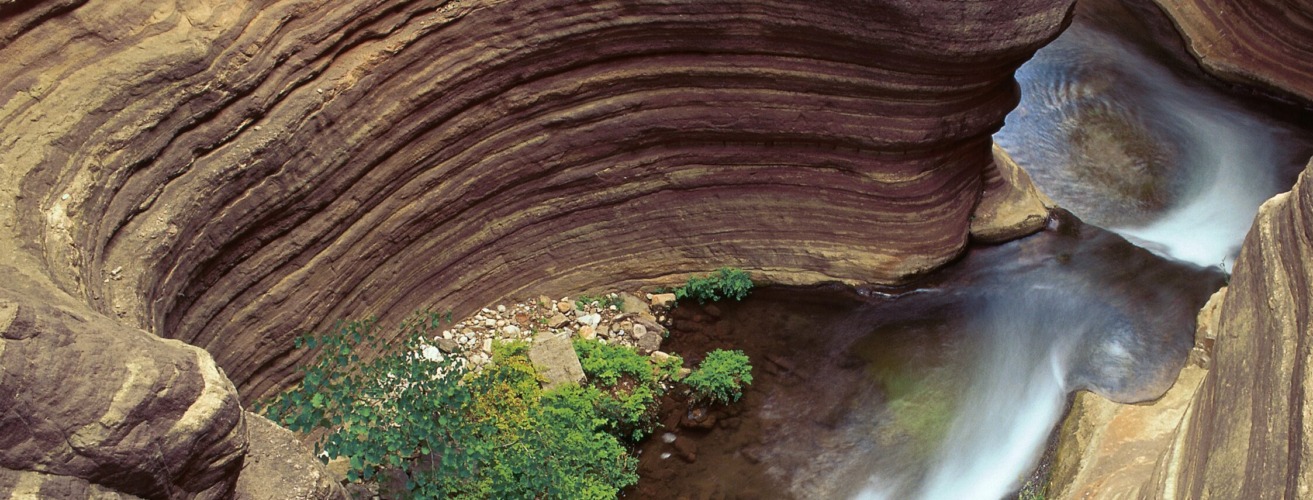
Tucked away on the slopes of Stara Planina, Rosomački Lonci is one of Serbia’s most fascinating geological formations. Over thousands of years, water carved deep, rounded pools and sculpted narrow passages through the rock, creating a landscape unlike almost anywhere else in the country.
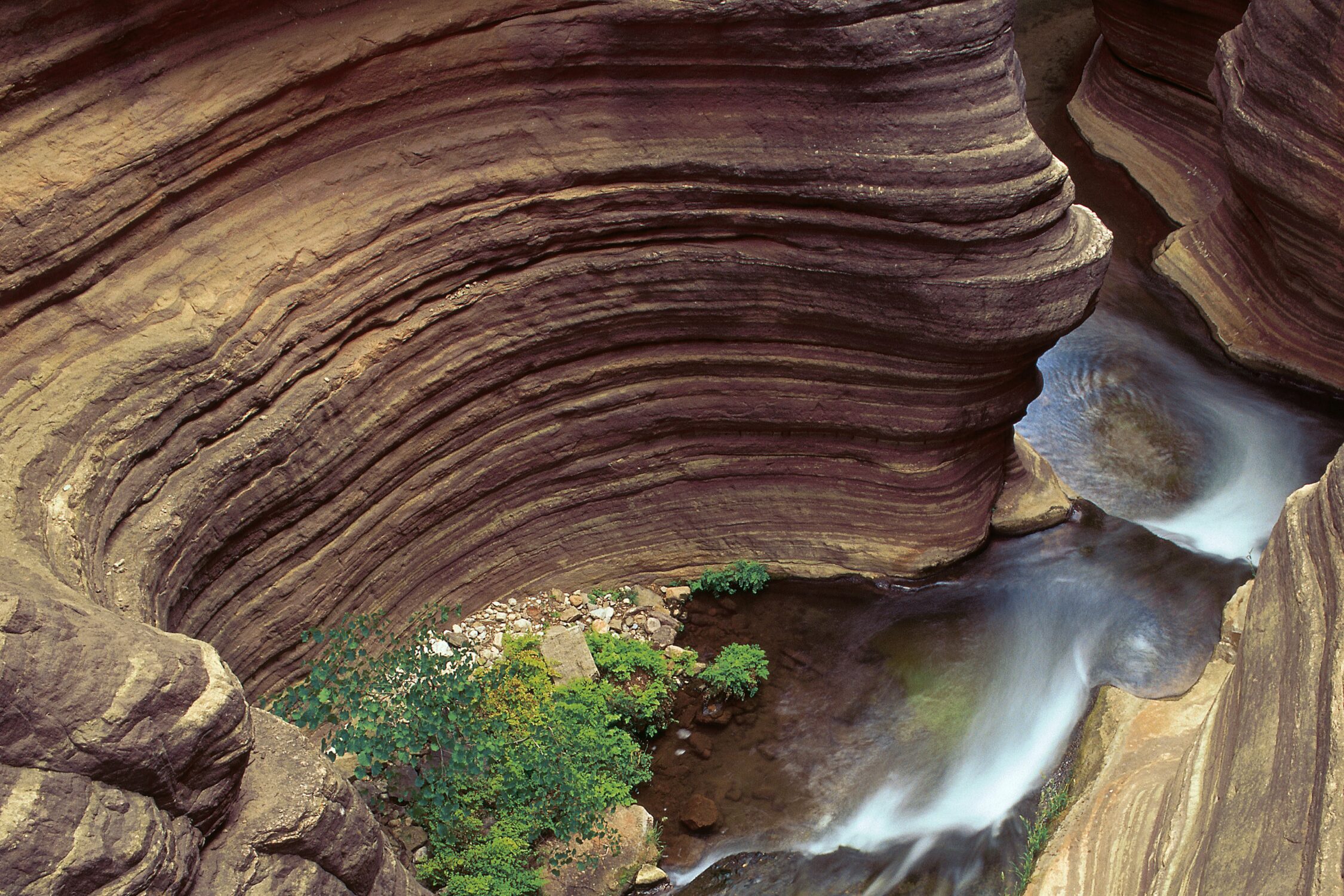
The canyon’s layered rock formations and unusual shapes have earned it comparisons to some of the American Southwest’s famous natural sites. Despite its beauty, it remains relatively unknown outside Serbia, making it all the more impressive for those who discover it.
Gostuša: The Stone Village
Few villages in Europe blend into their surroundings quite like Gostuša. Located on Stara Planina, this remote settlement is often called the “Stone Village” because nearly every house was built using stone, mud, and natural materials sourced directly from the surrounding landscape.
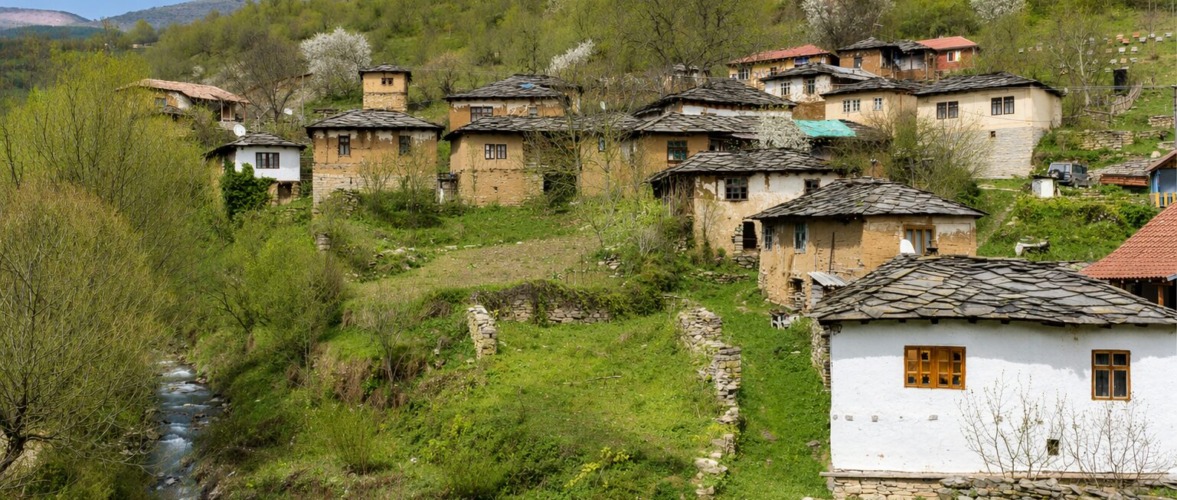
At first glance, it can be difficult to distinguish where the village ends and the mountain begins. The architecture feels timeless, preserving a way of life that has largely disappeared elsewhere. For visitors accustomed to modern towns and cities, Gostuša offers a glimpse into a completely different world.
Zagajička Hills: Serbia’s Unexpected Steppe Landscape
The rolling hills of Zagajica, located near the southern edge of the Deliblato Sands region, create one of Serbia’s most unusual landscapes. Wide open grasslands stretch across the horizon, interrupted only by gentle hills and grazing horses.
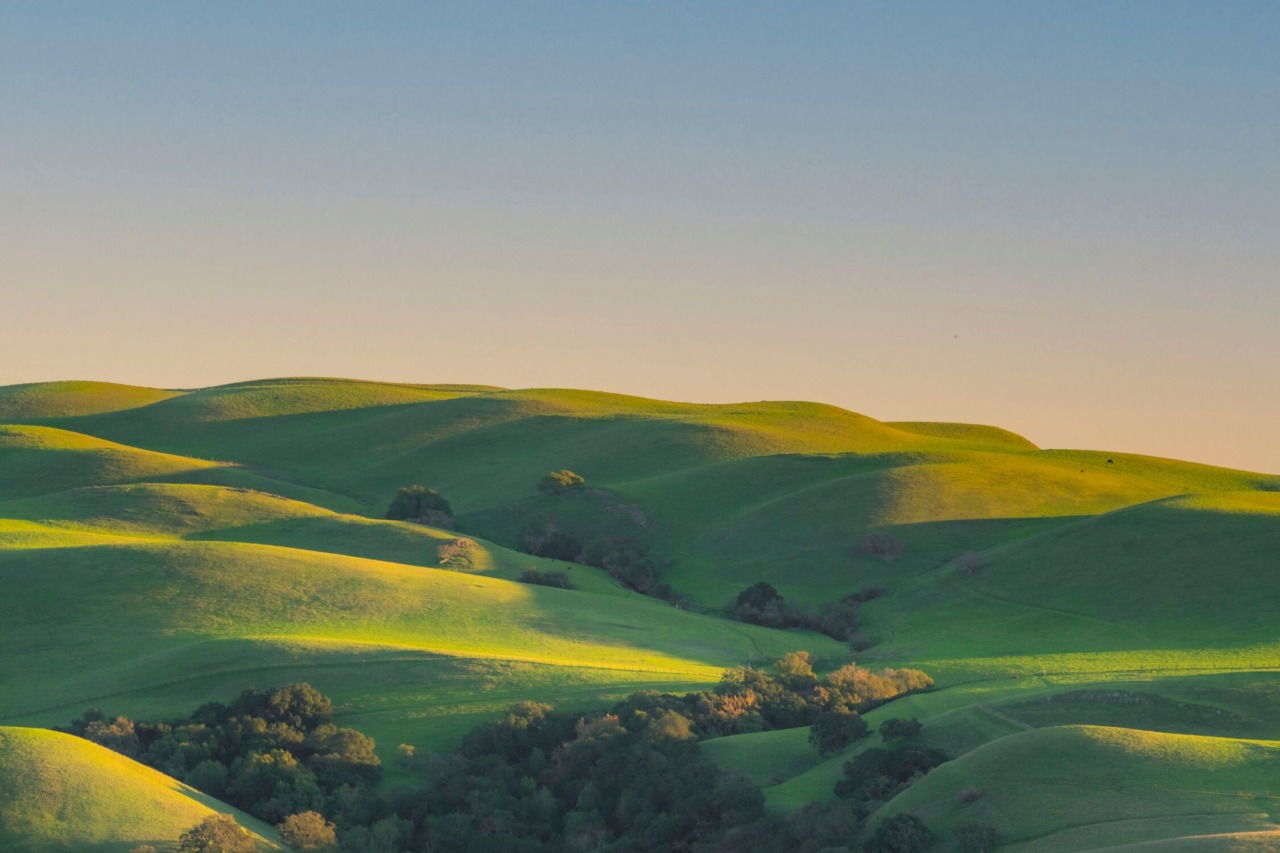
The scenery feels surprisingly similar to the great steppes of Central Asia or Mongolia rather than the Balkans. The sense of space, isolation, and untouched nature is something many travelers never expect to encounter in Serbia, making Zagajička Hills one of the country’s most photogenic hidden gems.
Pešter Plateau: A Different Side of Serbia
Vast, windswept, and seemingly endless, the Pešter Plateau is unlike anywhere else in the country. Located in southwestern Serbia, it is one of the highest and largest plateaus in the Balkans.
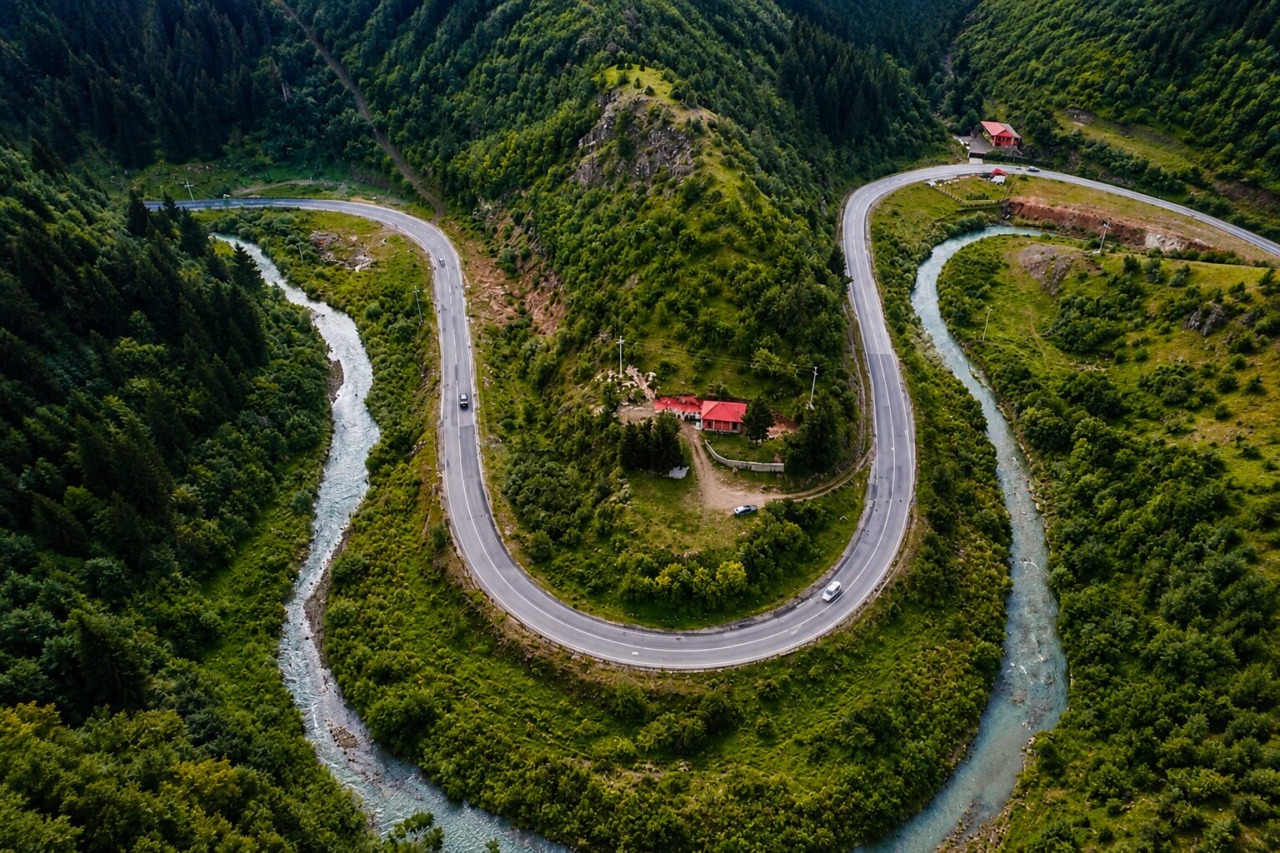
The open landscapes, dramatic skies, and remote atmosphere create scenes that many visitors compare to Iceland, Scotland, or the highlands of Central Asia. In winter, Pešter is known for some of the lowest temperatures in the region, while in summer it offers endless views, traditional villages, and a feeling of complete escape from the modern world.
Zlot Caves: Serbia’s Longest Explored Cave System
Hidden beneath the foothills of the Kučaj Mountains, the Zlot Caves form the largest and longest explored cave system in Serbia. A vast network of underground passages, chambers, and tunnels stretches for kilometers below the surface, creating one of the country’s most fascinating hidden worlds.
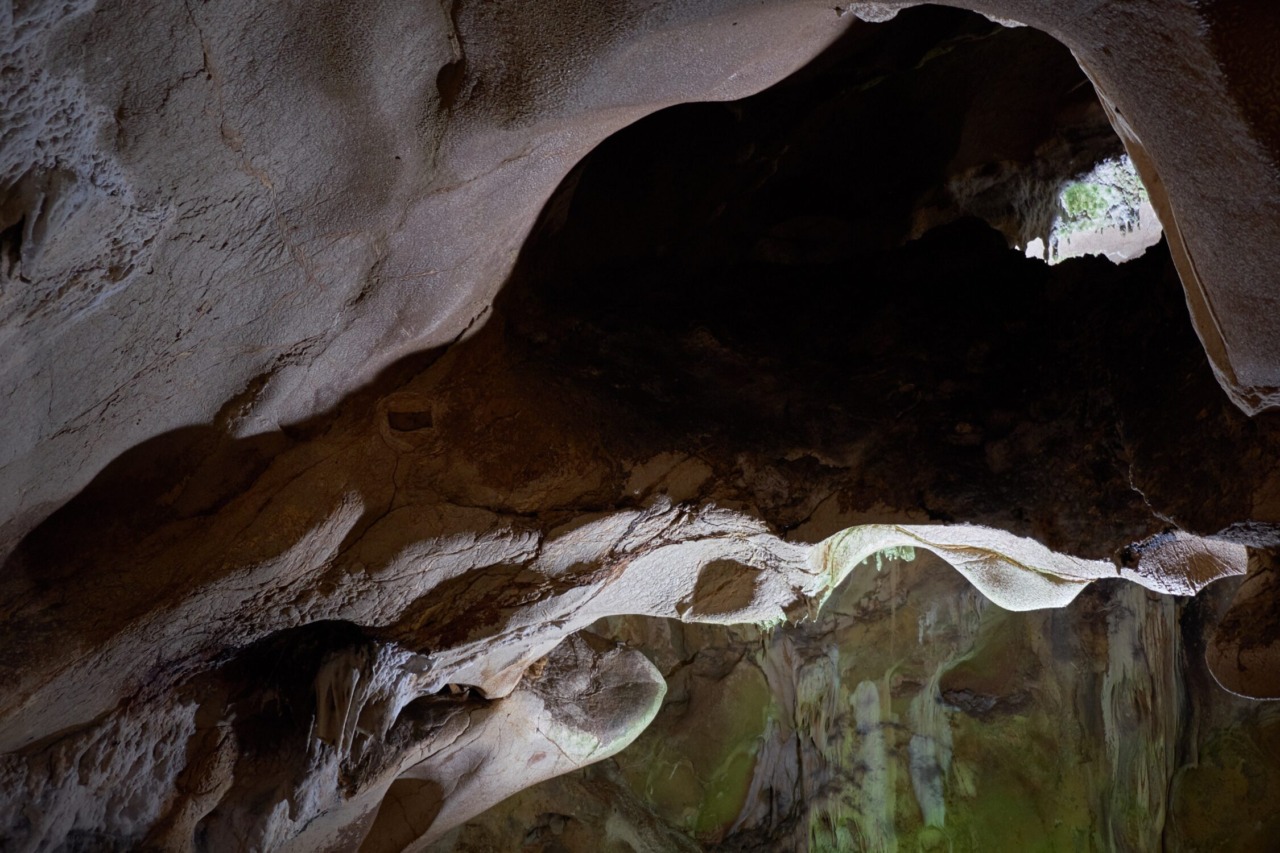
Although most visitors to Serbia have never heard of them, the Zlot Caves contain an extraordinary variety of cave formations, underground streams, and geological features shaped over millions of years. Their scale and complexity often surprise even experienced nature enthusiasts, especially those who do not expect Serbia to be home to one of the most significant speleological sites in the Balkans.
Prskalo: The Waterfall That Looks Like a Natural Fountain
Unlike the wide cascades that most people imagine when they think of waterfalls, Prskalo appears as if water is erupting directly from a rocky formation in the middle of the forest.
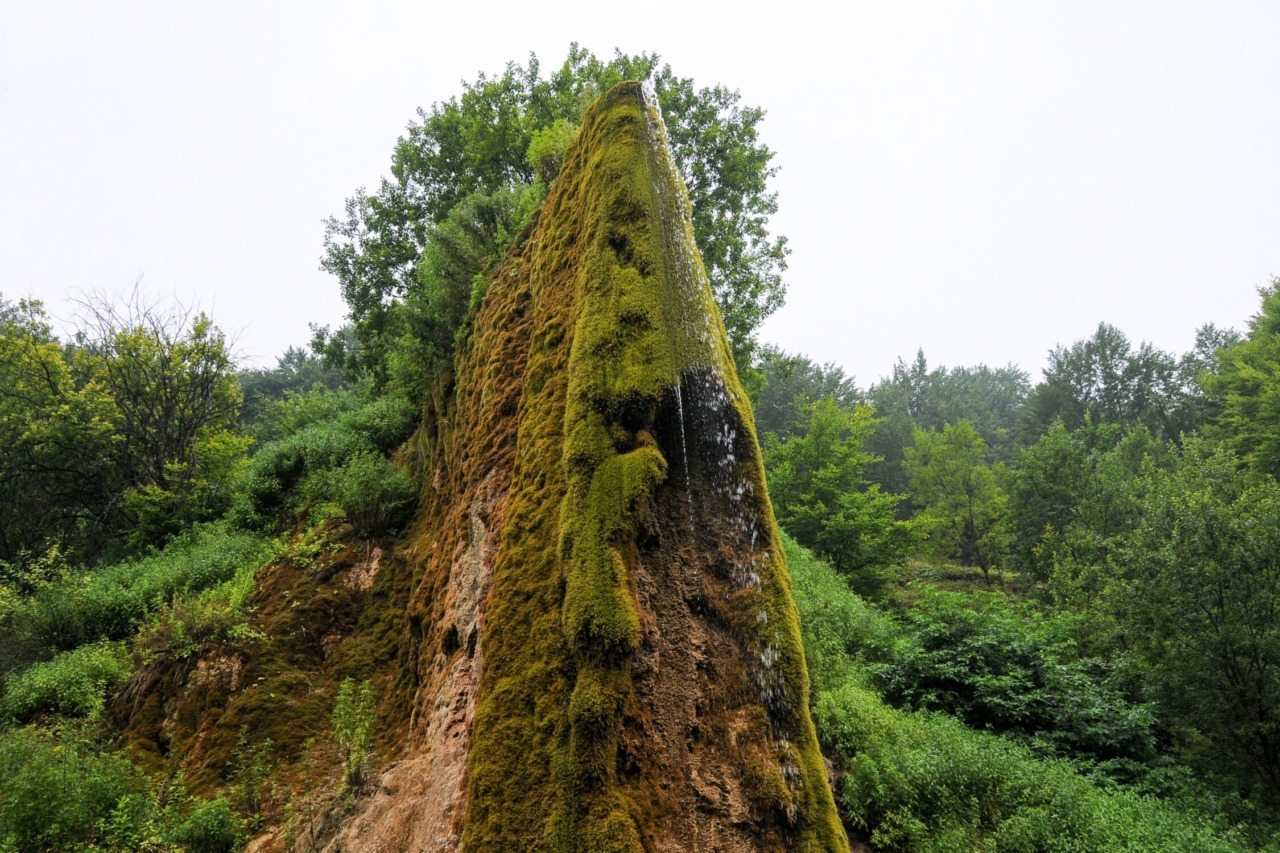
Located on the slopes of Kučaj, this unusual waterfall resembles a frozen stone fountain or a natural geyser. Its shape is so distinctive that photographs often leave viewers wondering whether the image is real. The remote location only adds to its mystique, making Prskalo one of Serbia’s most extraordinary natural phenomena.
Serbia’s Stone Arches: Nature’s Architectural Masterpieces
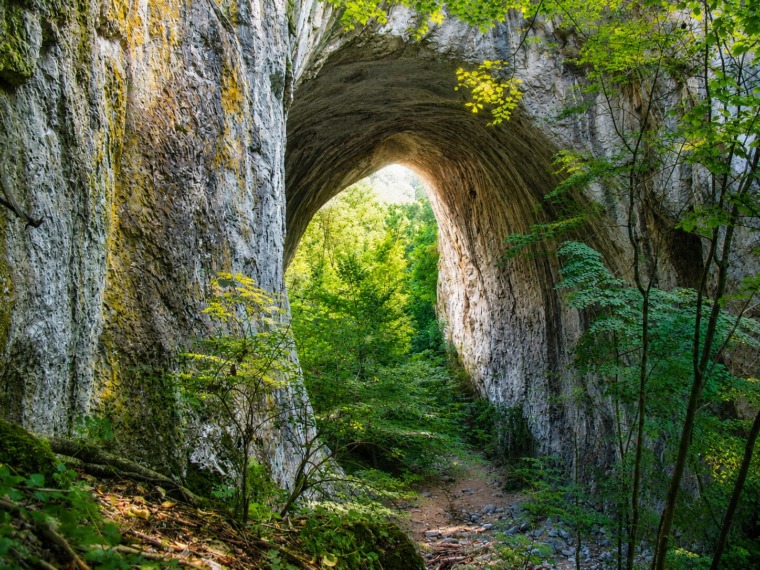
Natural stone arches are often associated with places like the American West, yet Serbia is home to several remarkable examples of these geological wonders.
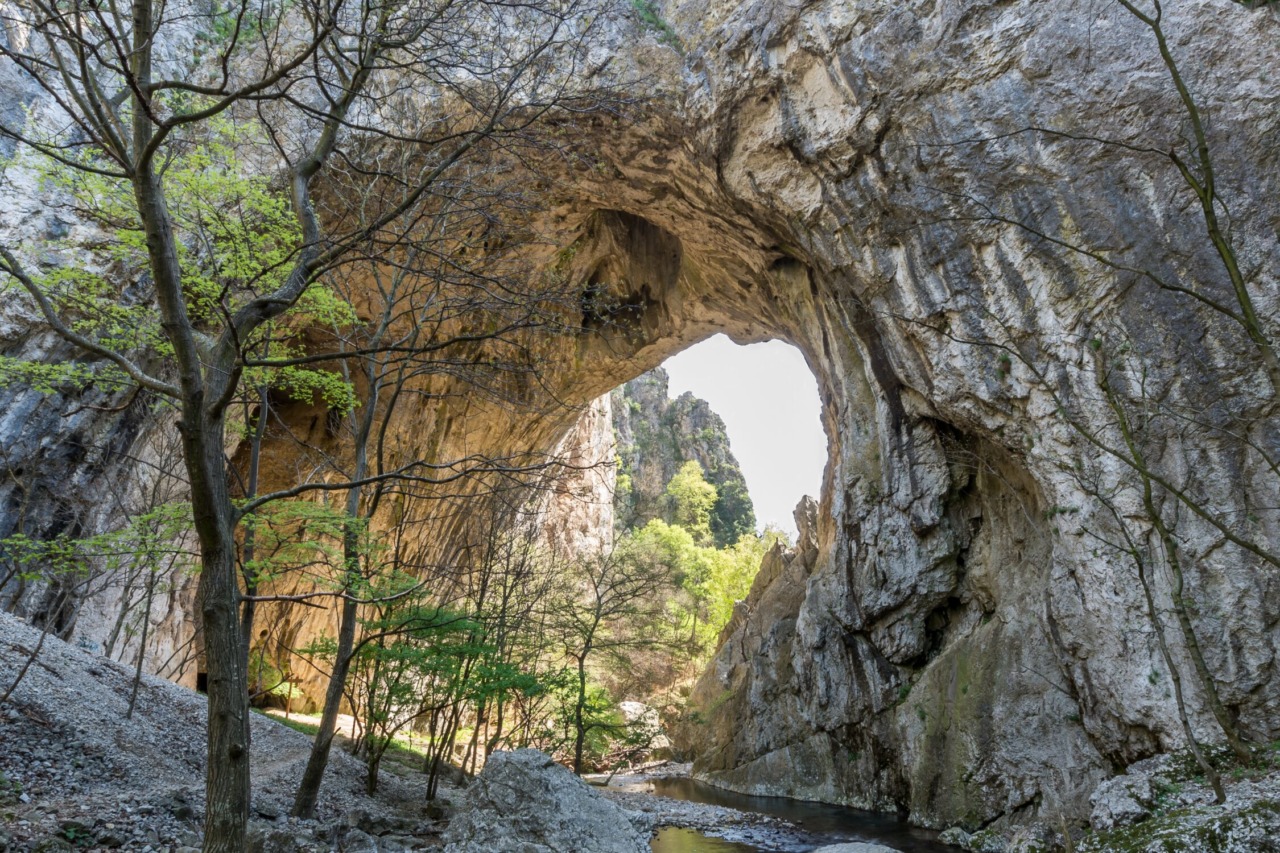
Among the most impressive are the stone arches of Vratna, some of the largest in Europe, where enormous rock bridges span a forested valley. Equally fascinating are Šuplja Stena and Samar, two lesser-known formations that demonstrate nature’s ability to sculpt rock into seemingly impossible shapes.
Together, these stone arches reveal a side of Serbia that even many locals have yet to discover.
Discovering the Unexpected Side of Serbia
Serbia’s most famous landmarks deserve their reputation, but some of the country’s greatest surprises are found far from the usual tourist routes. From pink lakes and primeval forests to hidden canyons, stone villages, and landscapes that seem transported from another continent, these places reveal a Serbia that many visitors never expect to encounter.
And perhaps that is exactly what makes them unforgettable.
Plan your visit
Everything you need to plan your perfect trip.
Related Articles