
There are beautiful places, there are places with fascinating stories, and then there are places that changed the course of a nation. Orašac belongs to the latter.
Nestled among the rolling hills, orchards, and oak forests of central Serbia’s Šumadija region, this peaceful village may seem like a typical countryside destination at first glance. Yet it was here, on a winter day in 1804, that a decision was made which would forever shape the future of Serbia.
For this reason, Orašac is much more than a village. It is a symbol of beginnings – the place where the idea of freedom took root and where the foundations of modern Serbia were laid.
Where History Stepped Out of the Books
Many historical events are remembered as dates in textbooks. Few places allow visitors to stand exactly where those events unfolded. Orašac is one of them. As you walk through its memorial complex, you are not simply visiting monuments. You are exploring the landscape where a group of leaders gathered and decided to change the destiny of their people.
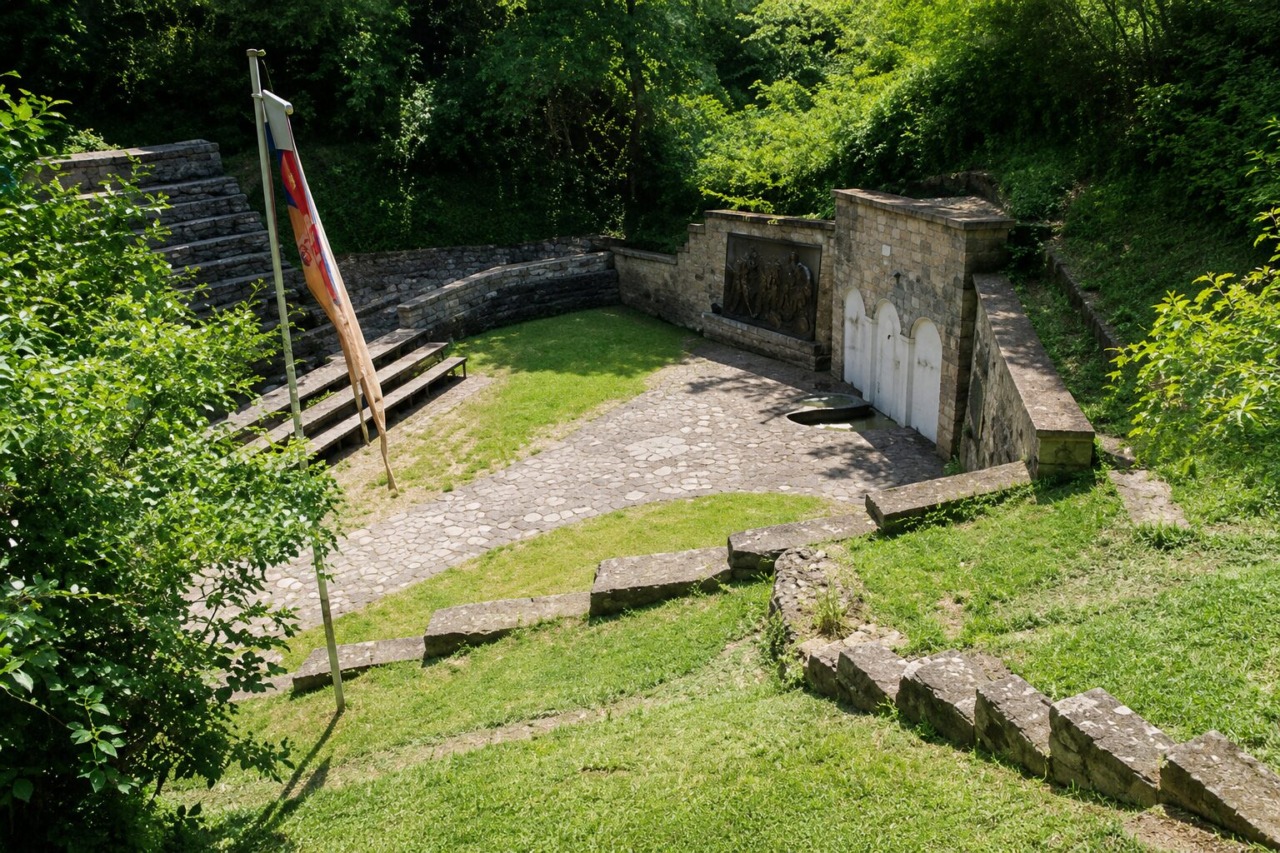
At the beginning of the 19th century, Serbia was under Ottoman rule. Years of hardship and uncertainty had created a desire for change. Following the infamous Slaughter of the Knezes, local Serbian leaders realized that the future would have to be shaped by their own actions. That journey began in Orašac.
Marićevića Jaruga – The Place Where History Changed Direction
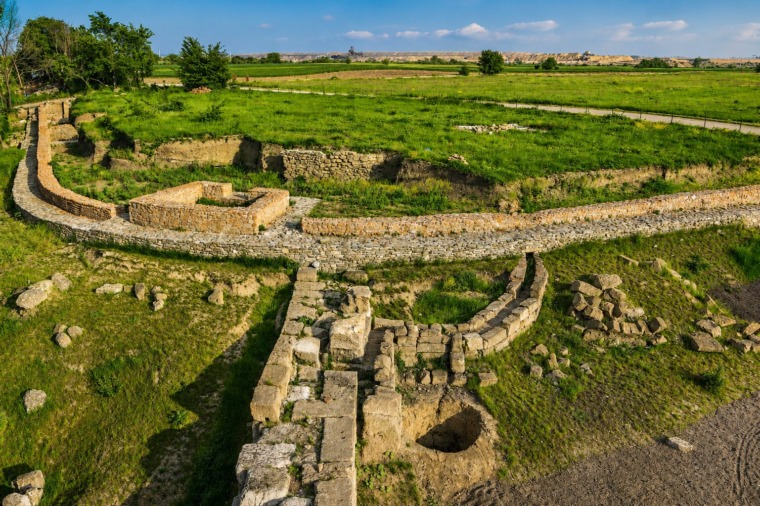
One of the most significant sites in Orašac is Marićevića Jaruga. Visitors are often surprised by its simplicity. There are no towering fortresses or dramatic ruins here. Instead, the site is surrounded by greenery, gentle hills, and the quiet atmosphere of rural Šumadija. Yet this peaceful setting witnessed one of the most important decisions in Serbian history.
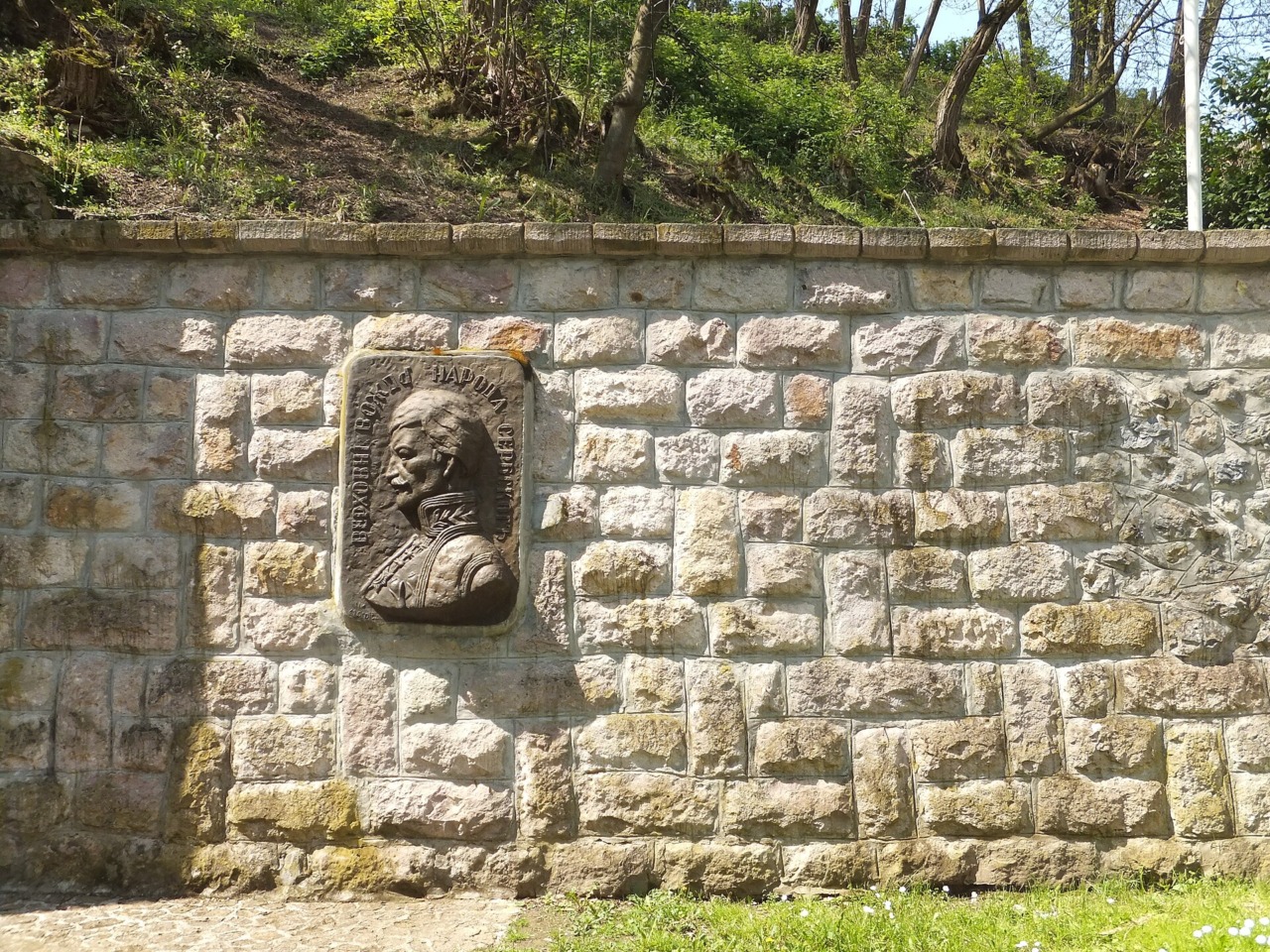
It was here that Serbian leaders gathered and agreed to launch the First Serbian Uprising. It was also here that Karađorđe Petrović was chosen as the leader of the movement that would eventually transform Serbia. Standing in Marićevića Jaruga today, many visitors describe a unique feeling of connection to the past. The significance of the place comes not from its size, but from the events that unfolded there.
Karađorđe and the Beginning of a New Era
No story about Orašac can be told without mentioning Karađorđe Petrović. Today, his name is synonymous with the First Serbian Uprising and the birth of modern Serbian statehood. What makes his story particularly remarkable is that he was not born into royalty or nobility. He emerged from the people and became a leader through courage, determination, and the trust he inspired in others.
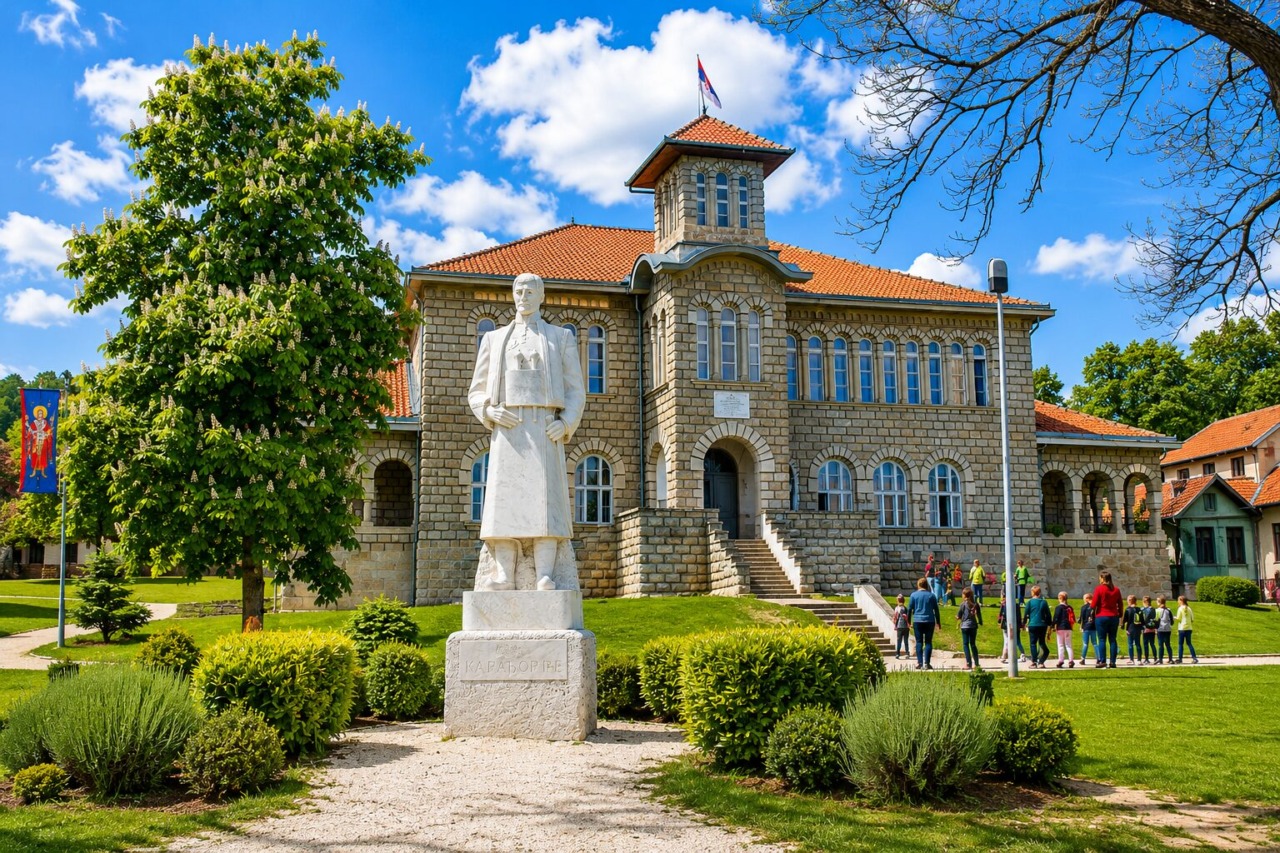
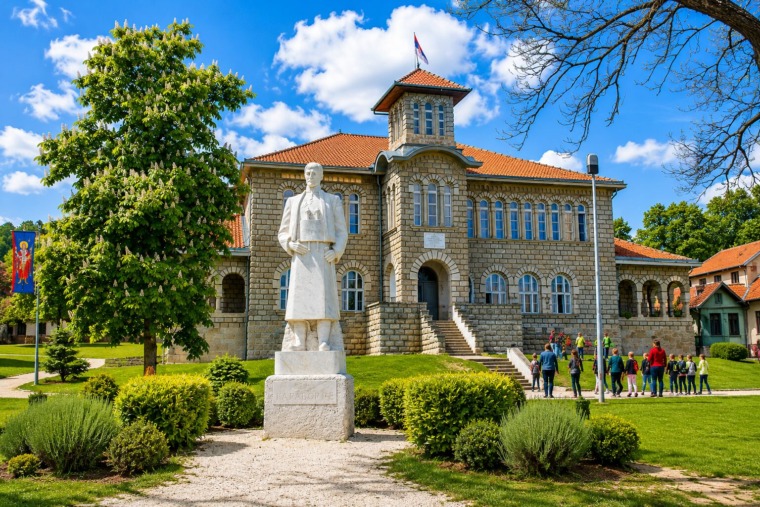
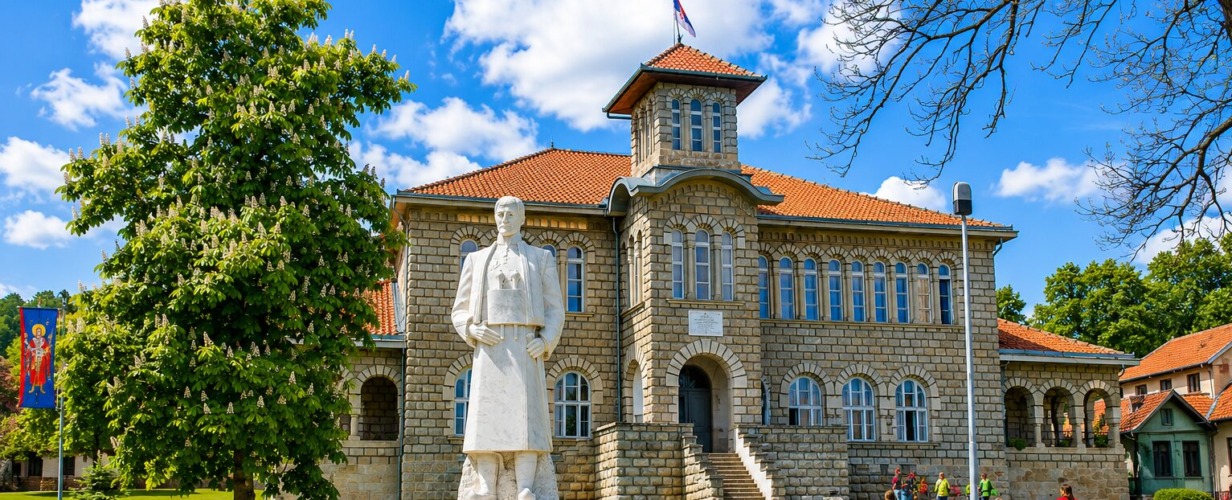
His election in Orašac marked the beginning of a new chapter in Serbian history. A monumental statue of Karađorđe now stands within the memorial complex, serving as a powerful reminder of the events that started here more than two centuries ago.
Exploring the Orašac Memorial Complex
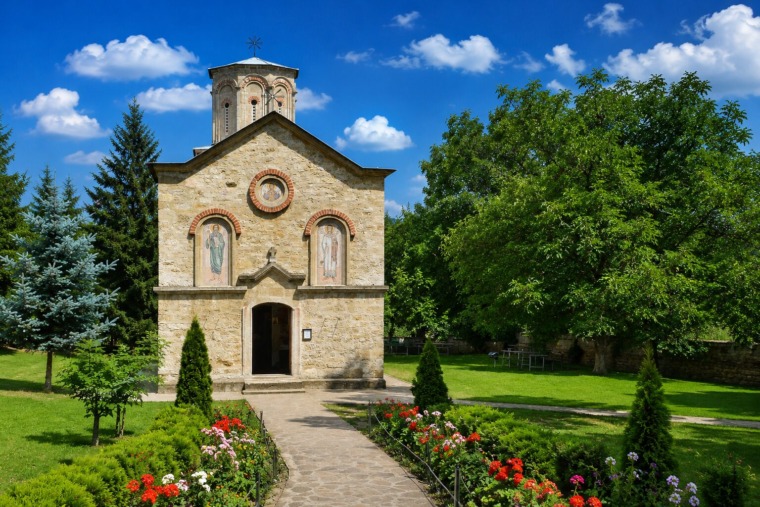
Orašac offers much more than a single historical landmark. The memorial complex brings together several important sites that tell the story of Serbia’s struggle for freedom and statehood. Visitors can explore museum exhibits dedicated to life in early nineteenth-century Serbia, the events surrounding the uprising, and the people who helped shape the country’s future.
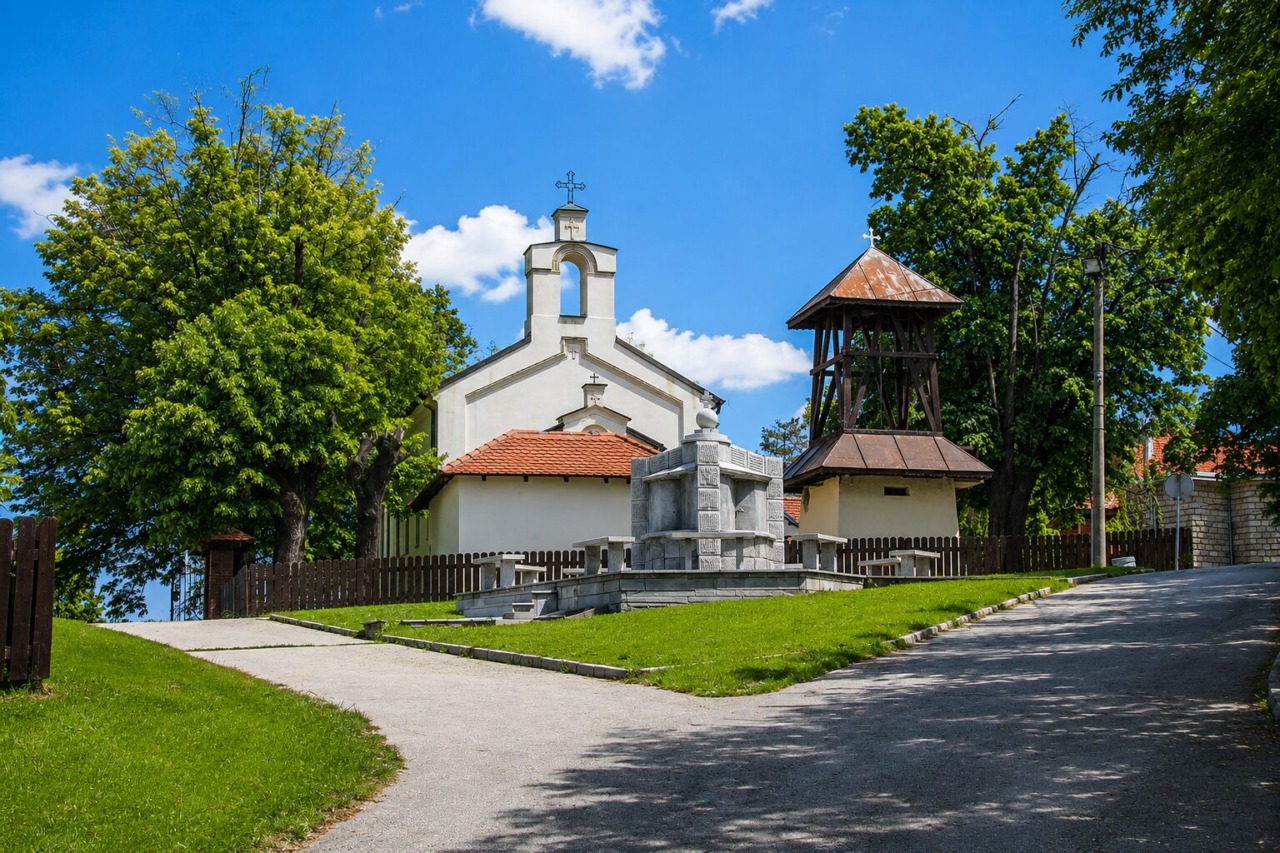
What makes the complex particularly appealing is its setting. Rather than being confined to indoor exhibition halls, much of the experience unfolds in the open landscape, surrounded by trees, walking paths, and peaceful countryside views.
As a result, Orašac appeals not only to history enthusiasts but also to families and travelers looking for a meaningful day trip.
The Landscapes of Šumadija
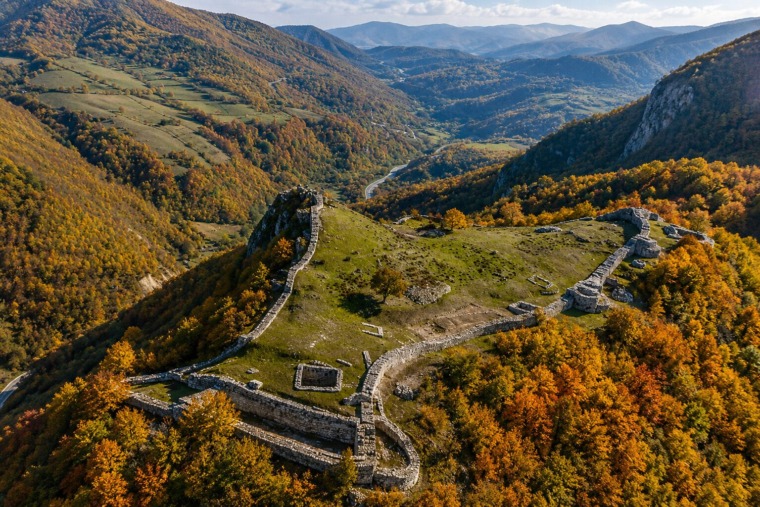
The natural surroundings are an important part of Orašac’s charm. This is classic Šumadija: rolling hills, fruit orchards, forests, and wide-open views stretching across the countryside. Spring brings blossoming orchards and vibrant greenery. Summer fills the landscape with shade and the scent of nature. Autumn may be the most beautiful season of all, when the hills turn into a patchwork of gold, copper, and red.
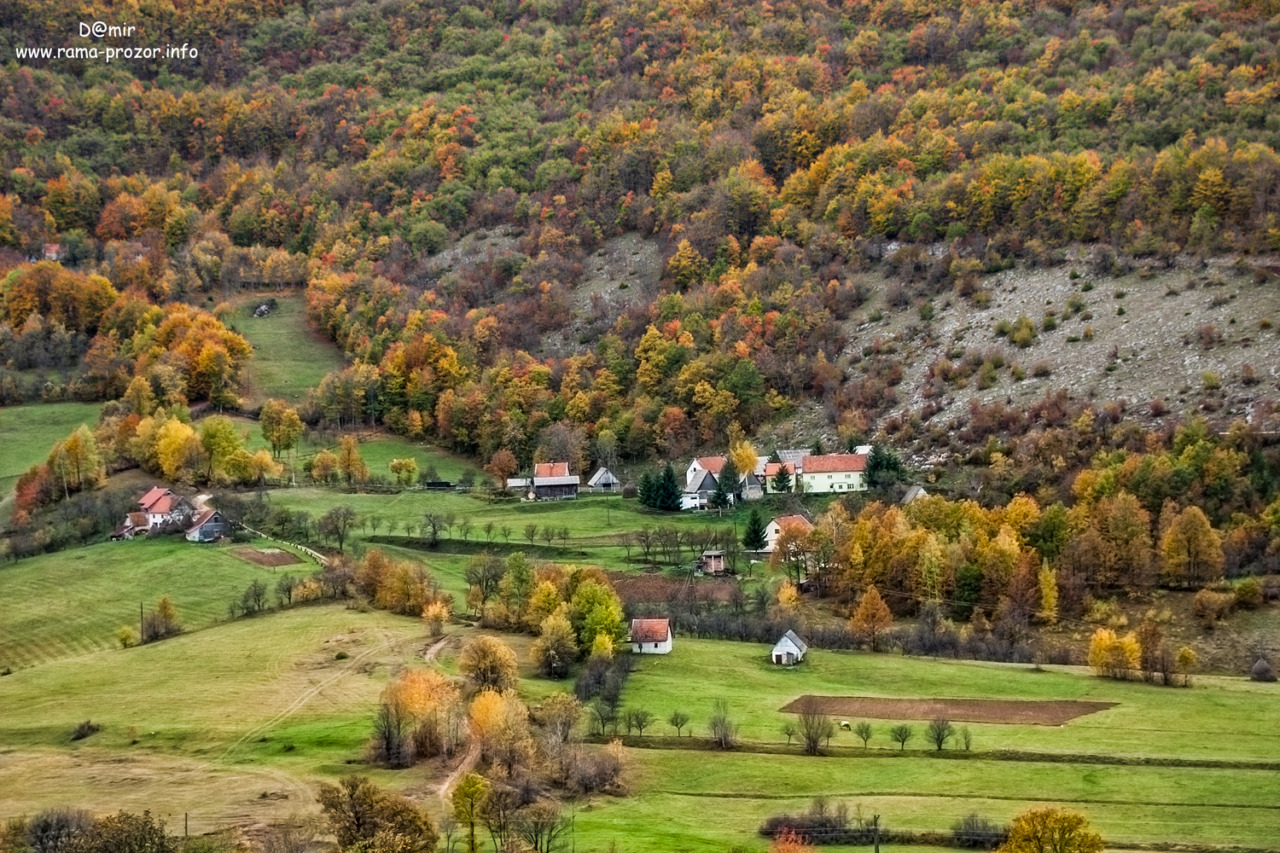
Even without its historical importance, Orašac would be worth visiting for its scenery alone. Combined with its heritage, it becomes one of the most rewarding destinations in central Serbia.
What to Visit Nearby
One of Orašac’s greatest advantages is its location in the heart of a region rich in cultural and natural attractions.
Oplenac and Topola
Just a short drive away lies Oplenac, one of Serbia’s most important historical sites. The Church of St. George, famous for its extraordinary mosaics, and the royal mausoleum of the Karađorđević dynasty provide a natural continuation of the story that began in Orašac.
Aranđelovac and Bukovička Spa
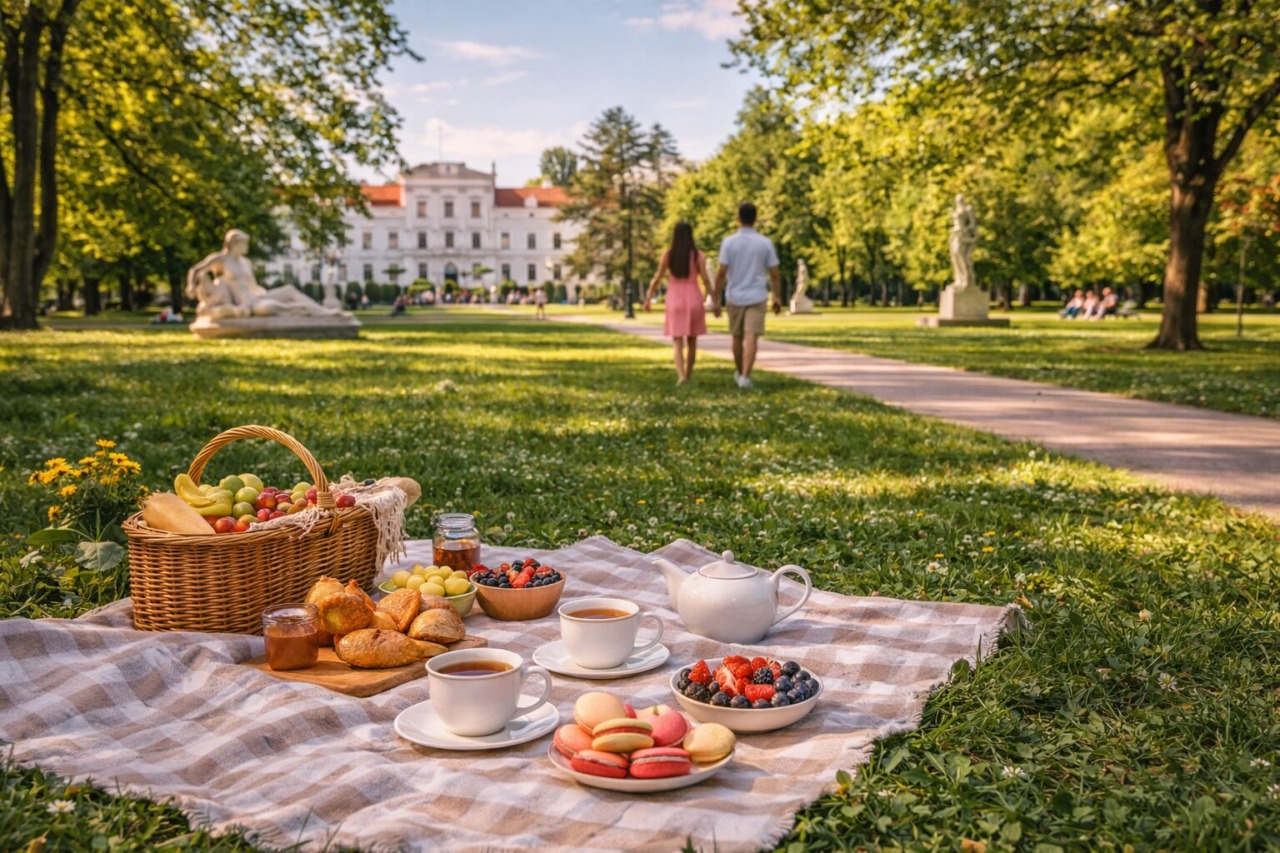
Visitors looking to combine history with relaxation should head to nearby Aranđelovac. Known for its mineral springs, spa heritage, and sculpture park, it is one of the most pleasant towns in central Serbia.
Bukulja Mountain
Nature lovers should not miss Bukulja, the gentle mountain overlooking Aranđelovac. Its walking trails, fresh air, and scenic viewpoints offer some of the finest panoramas in the Šumadija region.
Why Visit Orašac?
Some places are visited for their scenery. Others for their landmarks. People visit Orašac for something deeper. This is where one of the defining chapters of Serbian history began. It is a place where heritage, identity, and nature come together to create an experience that goes far beyond a typical sightseeing stop.
Whether you spend your day exploring the memorial complex, discovering the landscapes of Šumadija, or combining your visit with nearby Oplenac, Topola, and Bukulja, Orašac offers something increasingly rare in modern travel:
A chance to stand where history truly changed the future.
Related Articles