

-
Serbia at a Glance
Discover All -
Arts & Culture
Discover All -
Identity & Heritage
Discover All -
Famous Serbs
Discover All
-
Regions
Discover All -
Cities
Discover All -
Nature
Discover All -
Cultural Landmarks
Discover All
-
Outdoor & Wellness
Discover All -
Food & Drink
Discover All -
Tours
Discover All -
Urban Experiences
Discover All -
Seasonal Experiences
Discover All
Partner with Serbia.com
Let's create lasting impact together
Partner with Serbia.com to reach travellers through trusted recommendations, inspiring editorial stories and thoughtfully designed campaigns. Together, we create meaningful visibility that supports your goals and remains valuable long after publication.
Explore partnership opportunities- Serbian Favorite Rituals Everyday traditions and little things that make life in Serbia special.
- Villages of Serbia Charming villages, local stories and authentic rural life.
- Serbia Told By You Personal stories, local perspectives and authentic experiences from across Serbia.
- Is it Worth Visiting in Serbia? Honest destination guides to help you decide which places are worth visiting.
From the ancient sound of the gusle and frula to emotional kafana songs, brass orchestras, classical compositions, rock music, jazz, and electronic festivals, Serbia’s musical identity has been shaped by centuries of encounters between East and West.
Music in Serbia is not reserved for concert halls and festival stages. It accompanies weddings, family celebrations, religious holidays, village gatherings, nights in traditional taverns, and countless moments of everyday life.
An old Serbian saying claims that “he who sings thinks no evil.” It offers a fitting introduction to a country where a familiar melody can bring an entire table together and where an unexpected performance can transform an ordinary evening into a shared celebration.
A Musical Heritage Between East and West
Serbian traditional music developed at a cultural crossroads. Byzantine, Ottoman, Central European, Mediterranean, and wider Balkan influences met local melodies, rhythms, languages, and customs, creating musical traditions that differ considerably from one region to another.
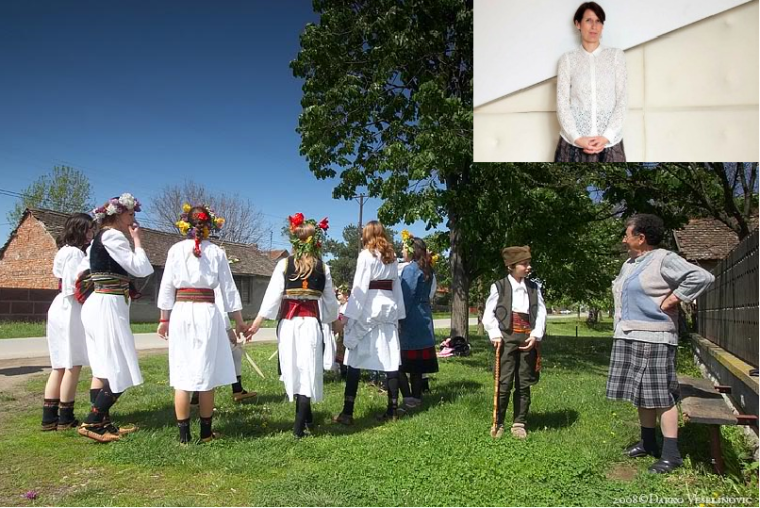
For generations, songs accompanied work in the fields, seasonal rituals, weddings, religious celebrations, and community gatherings. Many were passed down orally, changing subtly as they travelled between villages and regions.
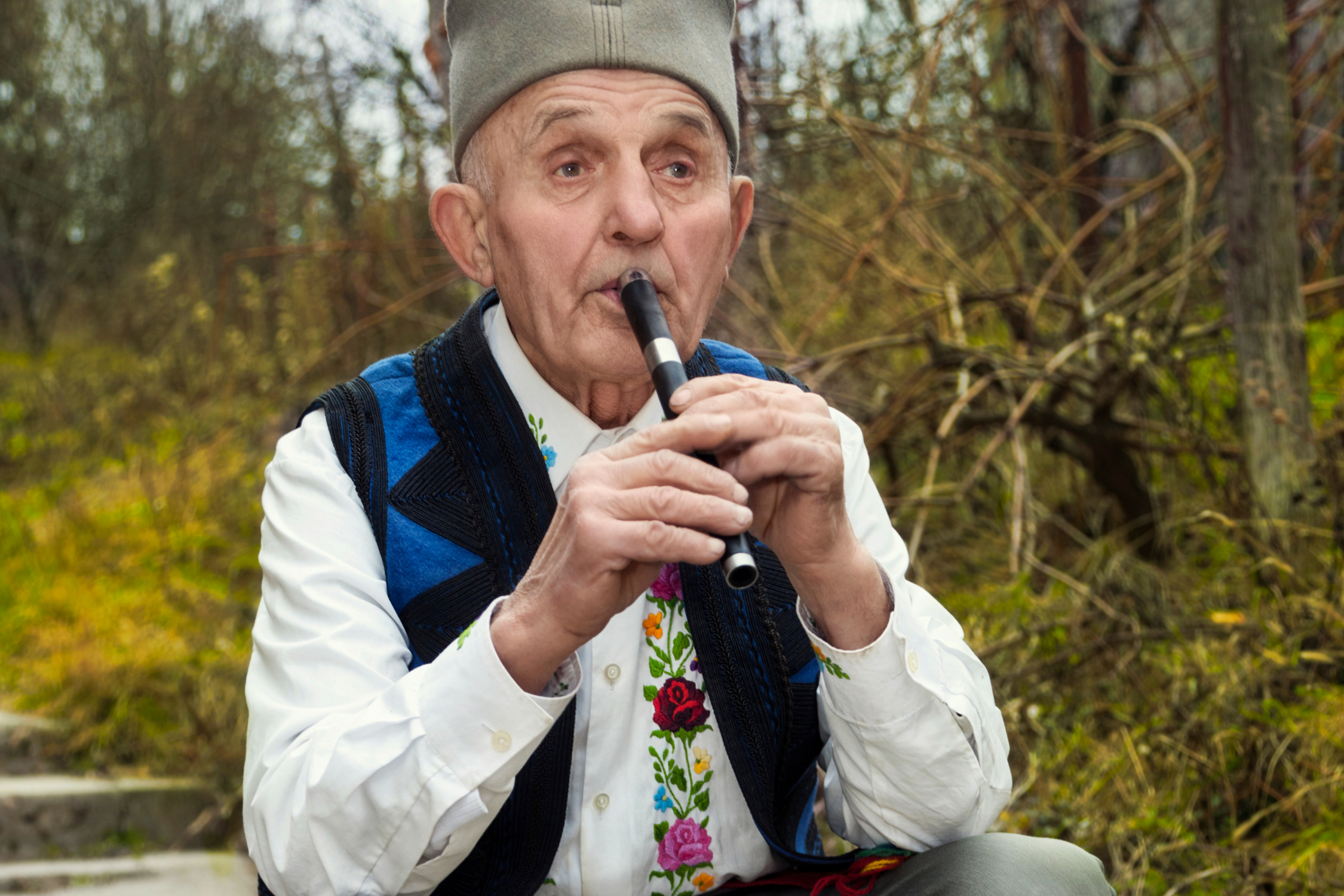
This regional diversity can still be heard today. The music of southern Serbia is often recognised for its emotional melodies and distinctive rhythms, while Vojvodina is closely associated with tamburitza orchestras and old urban songs. In western and central Serbia, the frula, gusle, accordion, and trumpet remain important parts of the musical landscape.
Traditional music is also inseparable from kolo, Serbia’s best-known folk dance. Its rhythms, steps, and character vary across the country, but its essential purpose remains the same: bringing people together.
Instruments That Preserve Memory
Serbia’s traditional instruments tell stories about the landscapes and communities in which they developed.
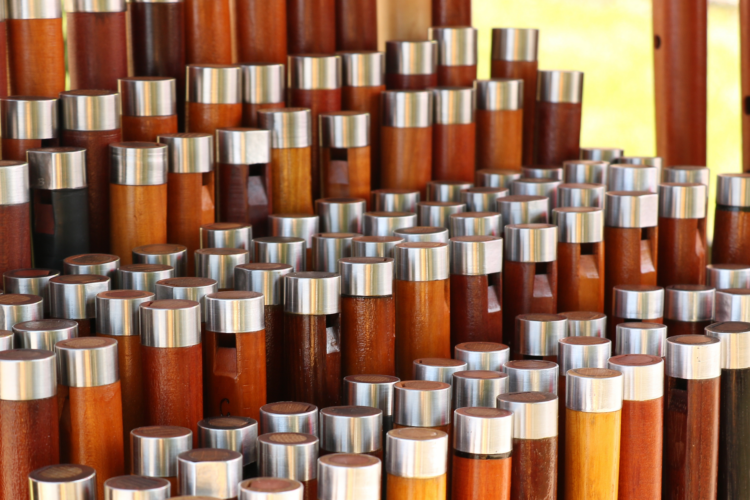
The gusle, a single-stringed instrument traditionally accompanying epic poetry, helped preserve stories about historic events, heroes, family origins, and collective identity. The frula, a wooden flute associated with shepherds and rural life, produces one of the most recognisable sounds of Serbian folk music.
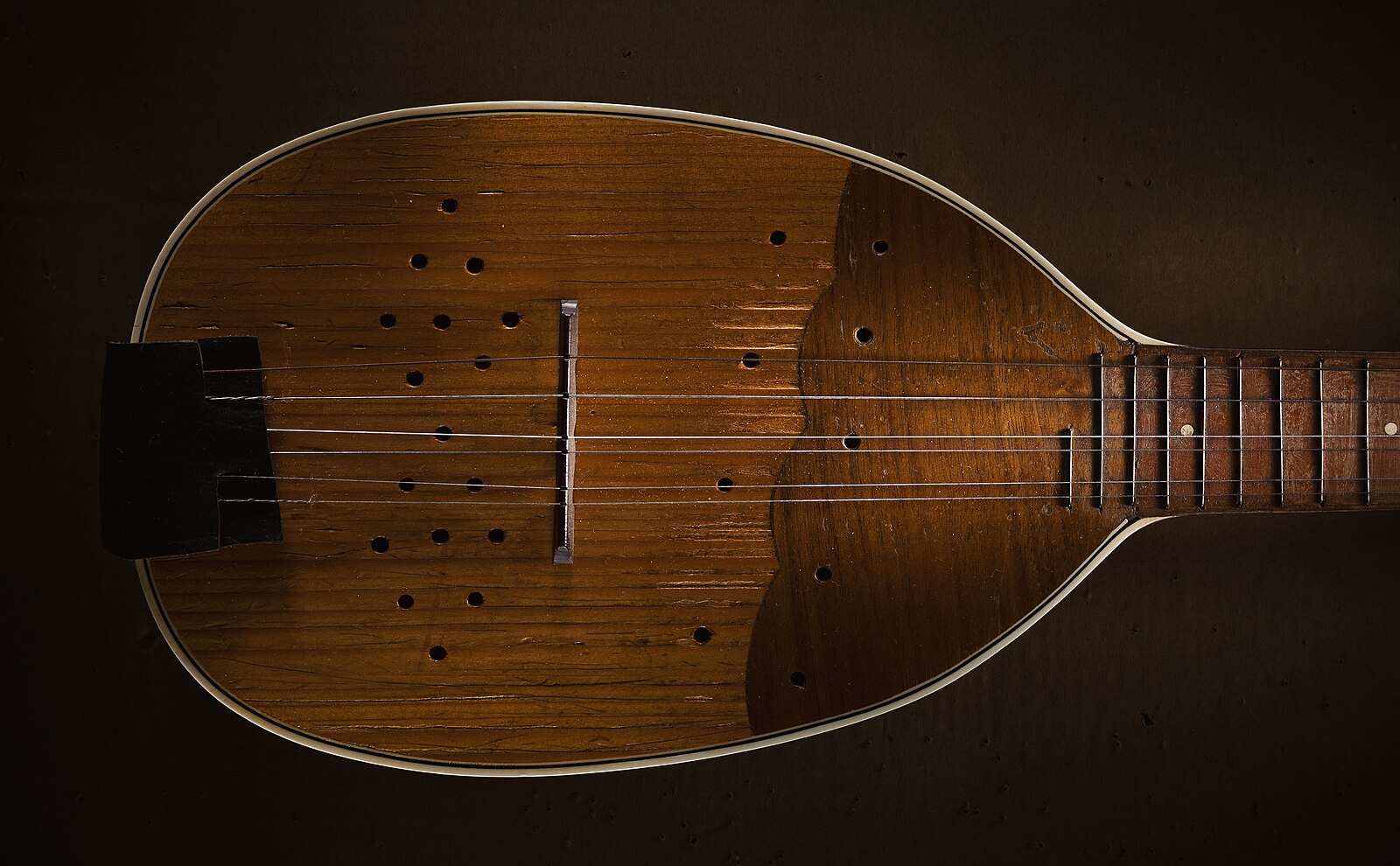
Other important instruments include the gajde or bagpipes, the kaval, šargija, tamburitza, drums, and various wooden pipes. The accordion and violin arrived later but became essential features of celebrations and folk orchestras.
The trumpet eventually developed an identity of its own, particularly in western and southern Serbia. Its most famous celebration is the Guča Brass Festival, where orchestras compete before audiences drawn by powerful music, dancing, local food, and an atmosphere unlike anywhere else.
From Classical Music to Kafana Songs
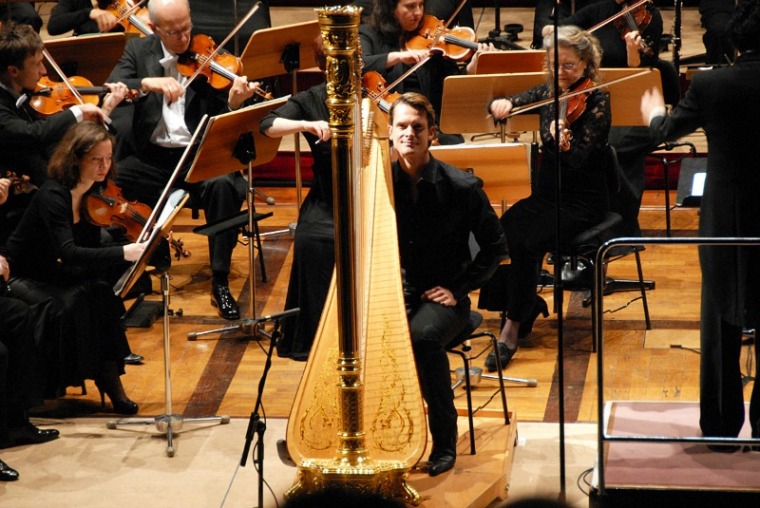
Serbia’s classical music tradition began taking clearer shape during the nineteenth century. Composers collected and studied folk melodies, introduced them into formal compositions, and helped establish professional musical education.
Among them, Stevan Stojanović Mokranjac holds a particularly important place. His choral works, inspired by traditional and spiritual music, became a foundation of Serbian national musical culture and continue to be performed today.
At the same time, another musical world developed inside Serbia’s kafanas. These traditional taverns were meeting places for writers, actors, merchants, politicians, travellers, and musicians. The atmosphere of good food, conversation, wine, and live performance helped shape the tradition of starogradske pesme – old urban songs filled with romance, nostalgia, longing, and humour.
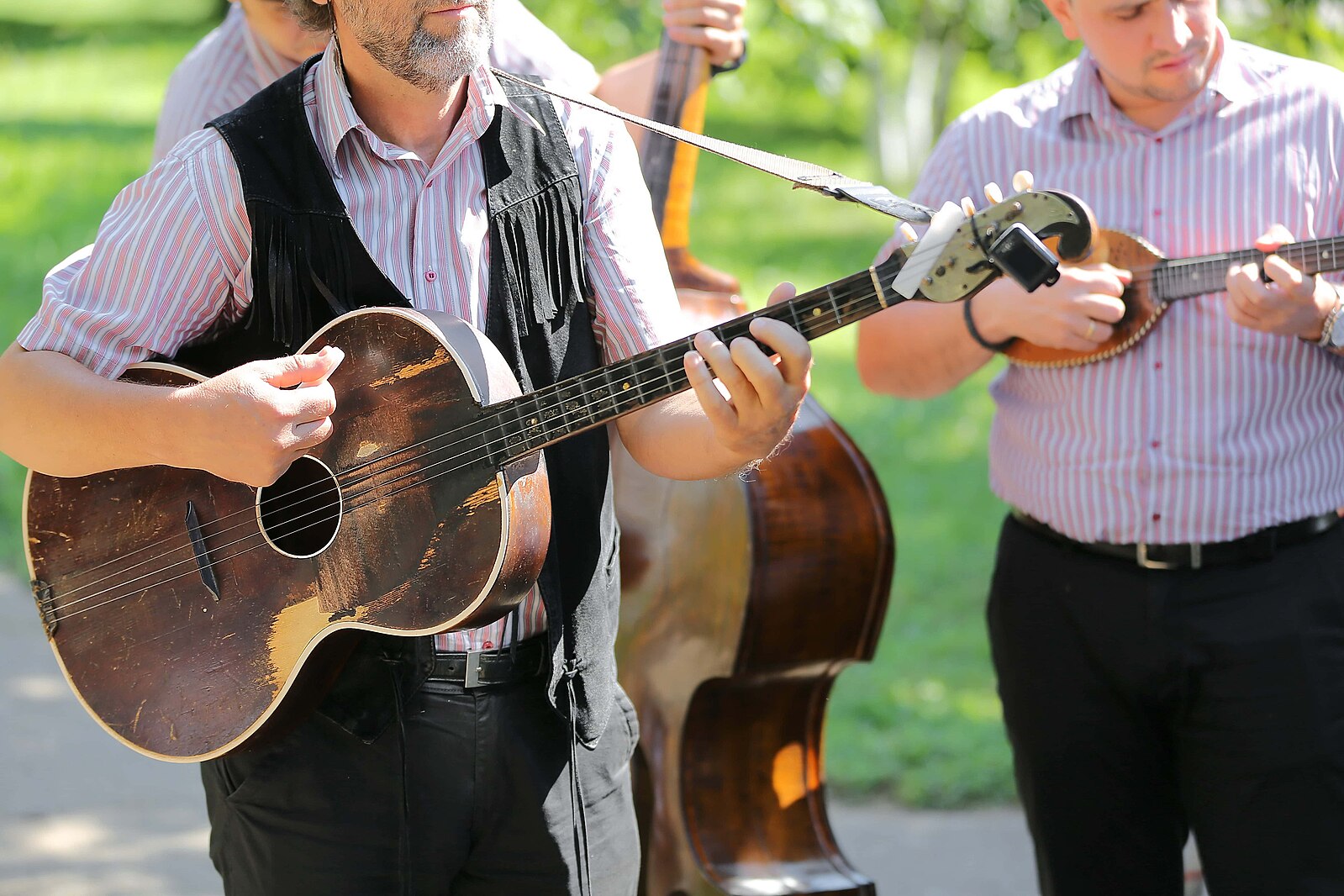
Kafana music was rarely a distant performance watched in silence. Guests requested songs, joined the musicians, and often turned an evening into a spontaneous collective experience. That connection between performers and audiences remains one of the most distinctive characteristics of live music in Serbia.
Radio, Rock, and New Musical Generations
The opening of Radio Belgrade in 1929 brought music previously heard in homes and kafanas to audiences across the country. Singers and orchestras gained wider recognition, recorded music became increasingly available, and Serbia developed its first major popular stars.
During the second half of the twentieth century, rock, pop, jazz, punk, new wave, and alternative music became important parts of the Yugoslav and Serbian cultural scene. The 1970s and 1980s were particularly influential, producing bands, performers, albums, and songs that continue to attract new listeners.
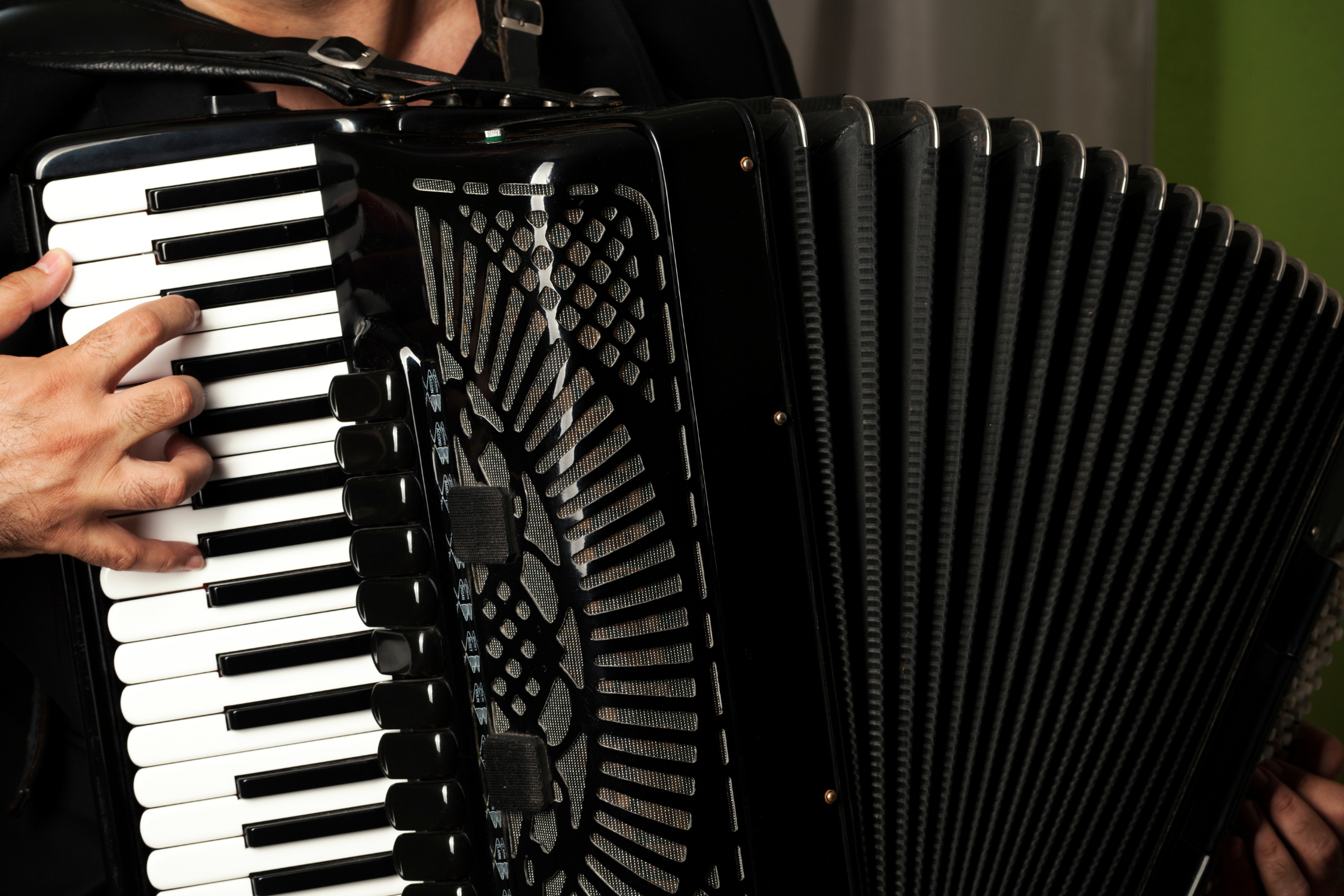
The following decades introduced further changes. Folk music evolved into numerous contemporary forms, while hip-hop, electronic music, indie rock, experimental sounds, and new interpretations of traditional music expanded the country’s musical landscape.
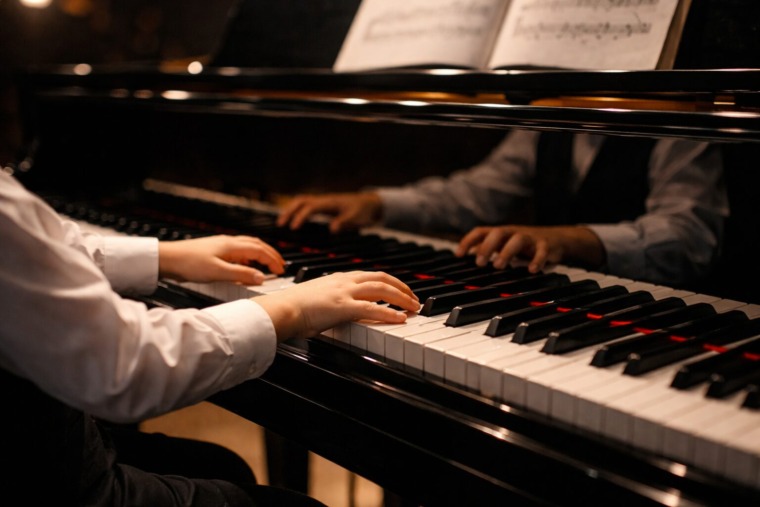
Today, Serbian music cannot be defined by a single genre. Folk and starogradska songs coexist with classical music, rock, jazz, pop, rap, turbo-folk, techno, house music, and contemporary combinations of traditional and international sounds.
Festivals That Bring Different Sounds Together
Serbia’s festivals reveal the full diversity of its musical culture.
Novi Sad’s EXIT Festival, held at Petrovaradin Fortress, brings together international and regional performers across electronic, rock, hip-hop, and alternative genres. The Guča Brass Festival celebrates the energy and tradition of trumpet orchestras, while Nišville combines jazz with Balkan rhythms inside the historic Niš Fortress.
Zaječar’s Gitarijada has a long association with rock music and emerging bands, while festivals, concerts, cultural centres, clubs, and smaller local events across the country provide stages for both established and upcoming performers.

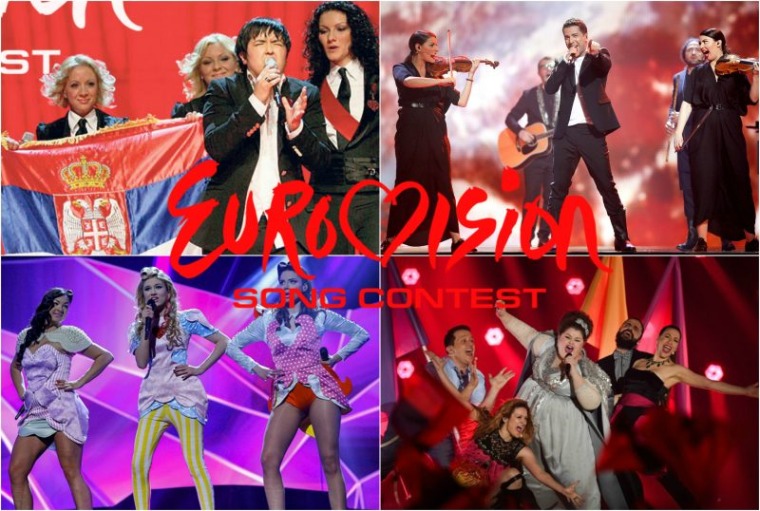
Belgrade hosted the Eurovision Song Contest in 2008, further confirming Serbia’s place on the international musical map. Yet some of the country’s most memorable musical experiences still happen far from major televised stages – in a small kafana, at a village celebration, beside a river, or during an informal performance among friends.
Listen to Serbia
The best way to understand Serbian music is to experience it in the setting where it naturally belongs.
Listen to tamburitza musicians in Vojvodina, hear a brass orchestra in western Serbia, discover the emotional songs of Vranje, attend a classical concert in Belgrade, experience jazz inside Niš Fortress, or dance until morning at Petrovaradin.
Whatever your musical taste, Serbia offers a sound, rhythm, and atmosphere worth discovering. Sometimes you only need to sit down, listen carefully, and allow the music to take over.
Plan your visit
Everything you need to plan your perfect trip.
Related Articles
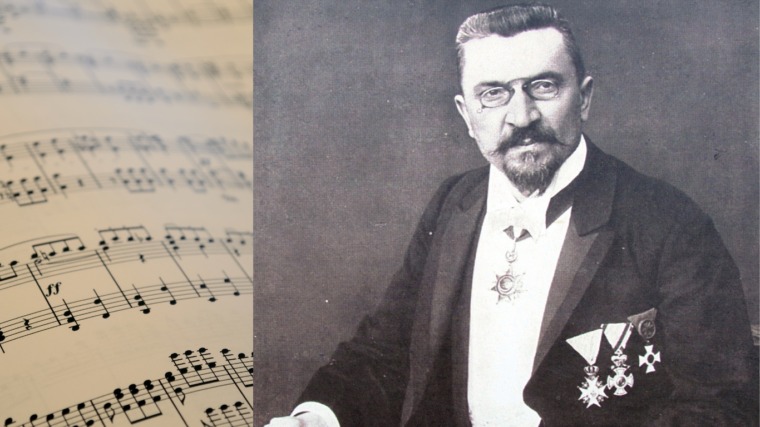
The Father of Serbian Music: Remembering Stevan Mokranjac
September 22, 2025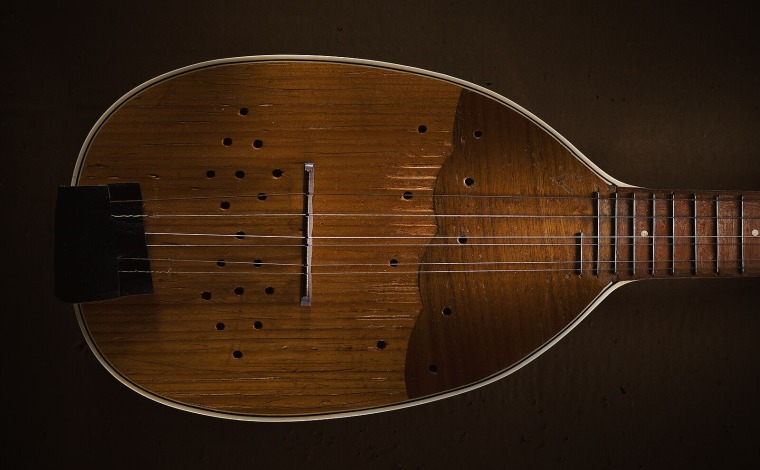

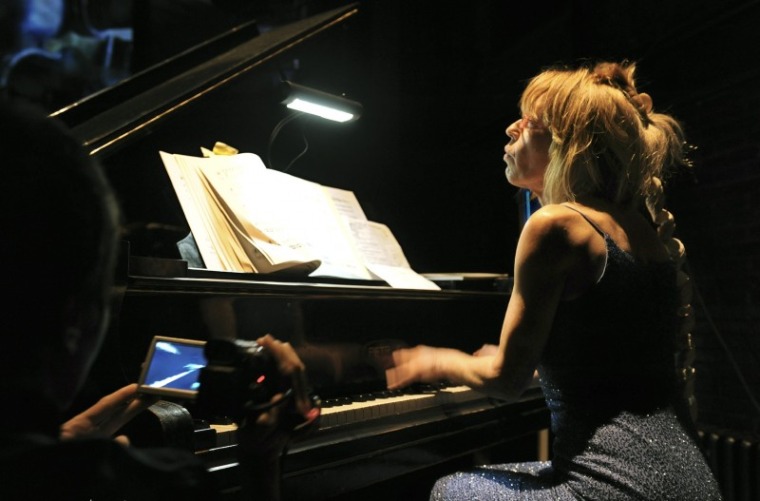
Nada Kolundzija opens Serbian Month 2016 in London
January 12, 2016