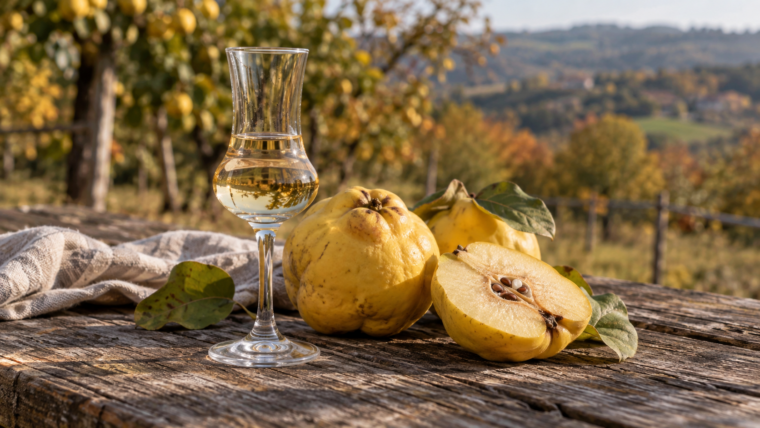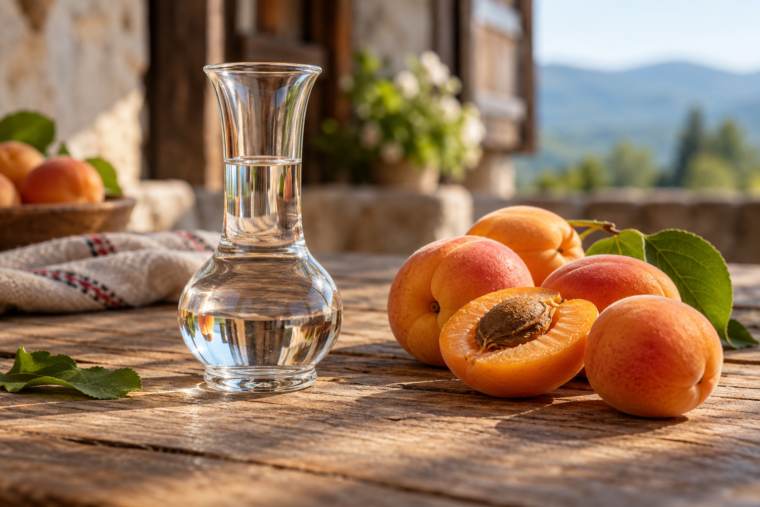

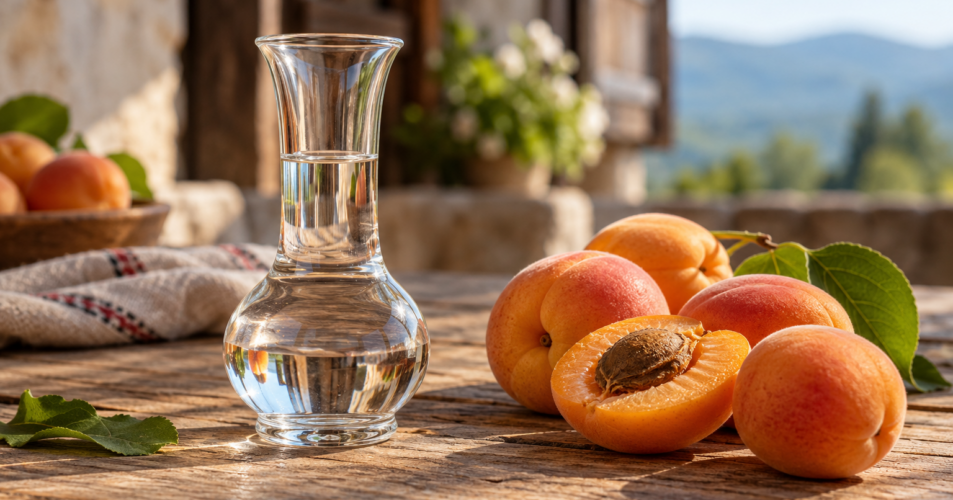
The distinctive aroma of ripe apricots gives this rakija its character, making it an inviting next step in discovering Serbia’s fruit spirits.
If quince rakija evokes autumn, kajsijevača brings summer to mind – the fragrance of ripe fruit, sun-warmed orchards and apricots picked at just the right moment. Its appeal lies in that recognisable fruit character, preserved through careful production from orchard to glass.
Alongside plum and quince rakija, apricot rakija offers another perspective on the variety of fruit spirits found in Serbia. Although their production follows similar principles, each fruit brings its own aromas, and each producer has a different approach to preserving them.
What Is Kajsijevača?
Kajsijevača is a fruit spirit made by fermenting and distilling apricots. In Serbian, it is also called kajsijara, while many labels simply describe it as “rakija od kajsije” – apricot rakija.
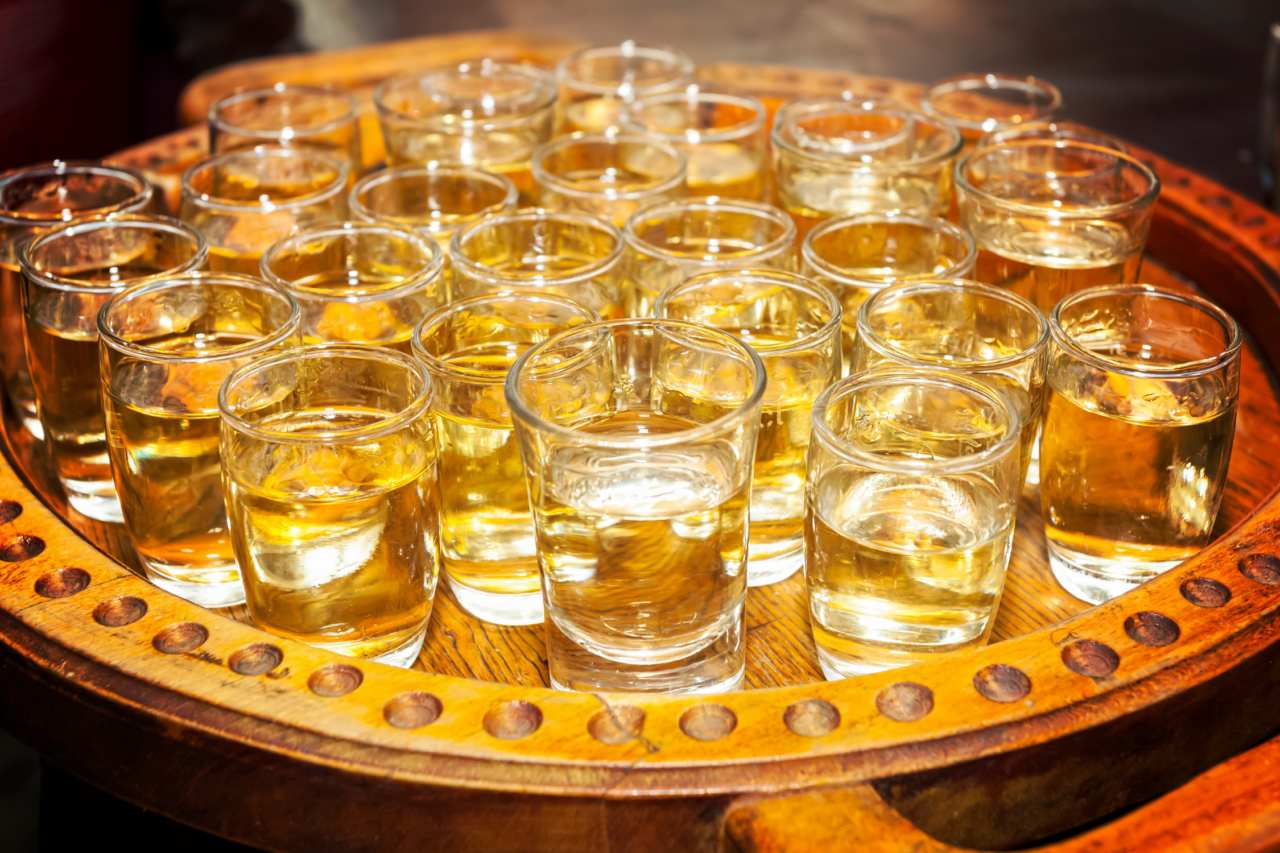
Healthy, fully ripe and aromatic fruit is essential to its character. Selecting good apricots and processing them carefully lays the foundation for a spirit in which the fruit remains clearly recognisable.
What Does Apricot Rakija Taste Like?
The fragrance of ripe apricots usually makes the first impression. Depending on the style, its aroma may recall fresh fruit, homemade apricot jam or dried apricots, accompanied by subtle floral notes. These fruity aromas can suggest sweetness, but kajsijevača should not be confused with a sweet liqueur.
Part of its appeal lies in the differences between individual spirits. One may emphasise fresh fruit, while another offers a fuller aroma and a longer finish. Discovering kajsijevača means exploring how the same fruit can take on different expressions.
How Is Kajsijevača Made?
After harvesting, the apricots are sorted and prepared for fermentation. During this process, the sugars in the fruit turn into alcohol. Distillation follows.
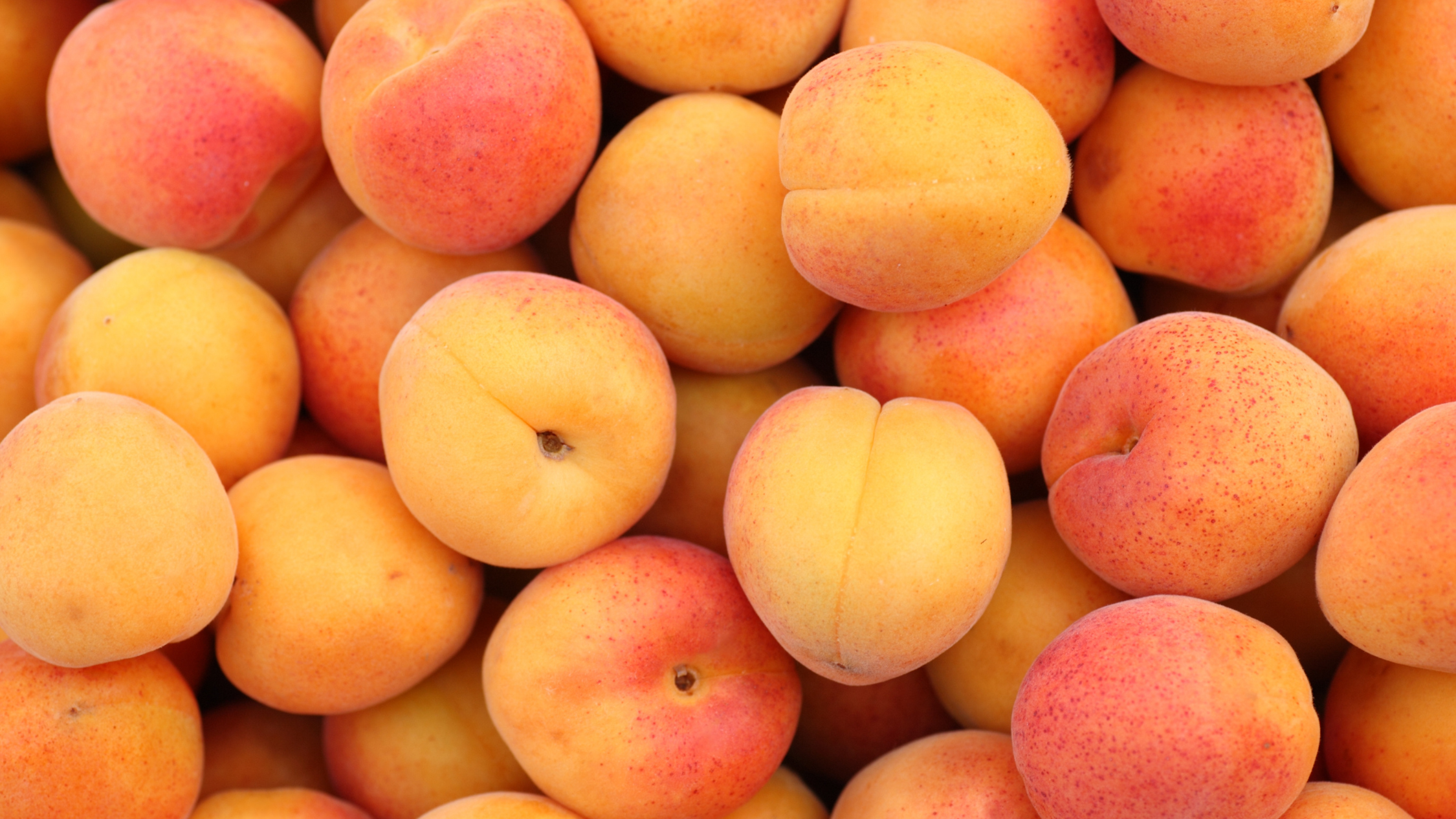
Care throughout production helps preserve the fruit’s character. After distillation, the spirit is allowed to rest and mature according to the producer’s approach. The journey from apricot to bottle therefore begins well before the still – with the quality of the fruit and the decisions made at every subsequent stage.
How to Taste It
Begin by noticing the fragrance. Then take a small sip and pay attention to how the fruit aromas develop and how long they linger. Comparing two apricot rakijas can reveal differences that are easy to miss on a first tasting.
If you visit a distillery, ask which apricots the producer uses and what character they aim to achieve. Learning about the fruit, harvest and production adds context to what you taste. Check ahead to confirm whether tours or tastings are available.
Another Side of Serbian Rakija
Kajsijevača shows just how varied the world of rakija can be. Alongside plum and quince, apricot brings its own distinctive fragrance and creates opportunities for new comparisons.
For visitors exploring Serbia through local flavours, it can become part of a wider story about fruit, craftsmanship and the people behind the distilleries. For those already familiar with rakija, it offers a chance to discover something different within a familiar tradition.