Serbian cinema is bold, emotional, frequently humorous, and rarely predictable. Its stories reflect the country’s complex history, cultural identity, social changes, and remarkable ability to find humour even during difficult times.
The story began soon after the birth of cinema itself. Moving pictures were first shown to audiences in Belgrade in 1896, while The Life and Deeds of the Immortal Leader Karađorđe, generally regarded as the first Serbian feature film, was released in 1911. From these pioneering beginnings, Serbian cinema developed through the Yugoslav period, the celebrated era of partisan films and comedies, the socially critical Black Wave, the turbulent productions of the 1990s, and a new generation of contemporary filmmakers.
Films created in Serbia and the former Yugoslavia have received recognition at Cannes, Venice, Berlin, and other international festivals. At home, many characters, scenes, and lines from cult films have become part of everyday language and collective memory.
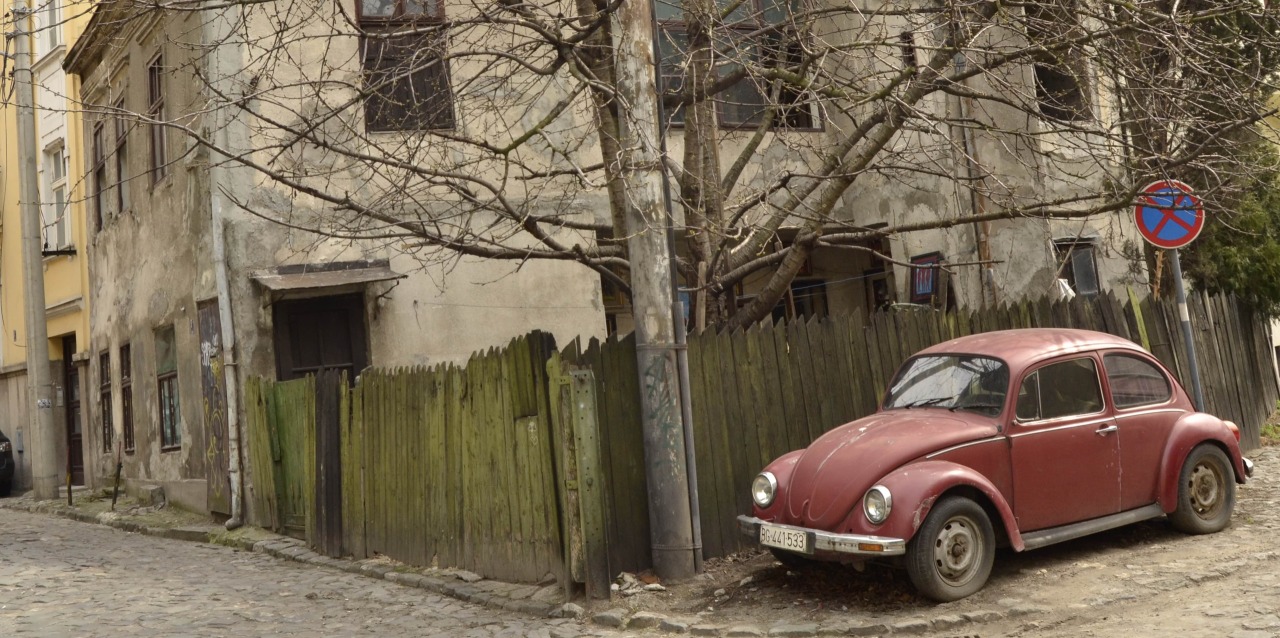
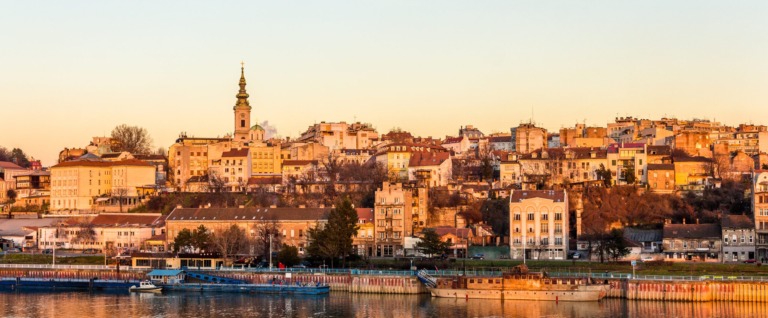
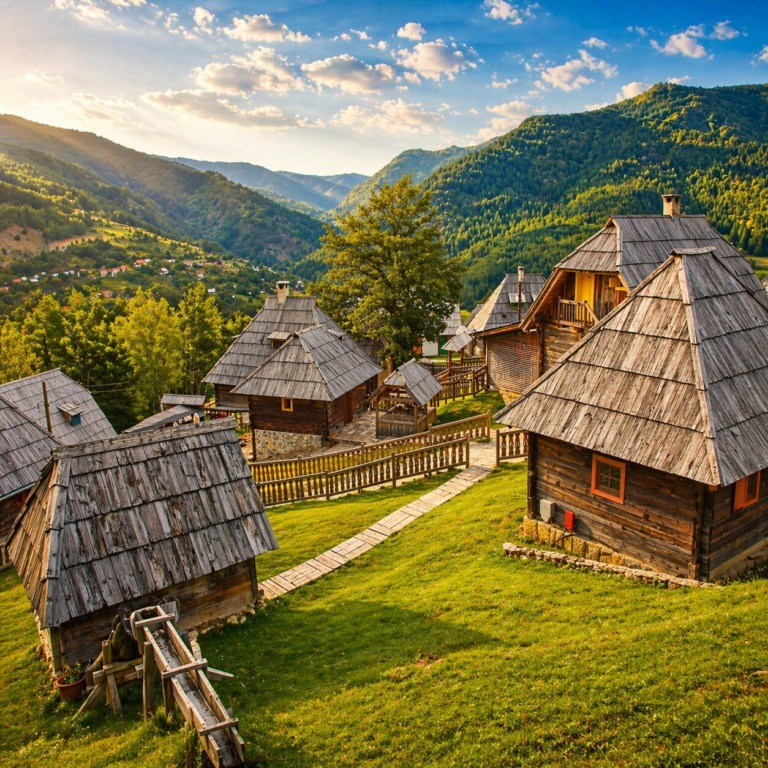
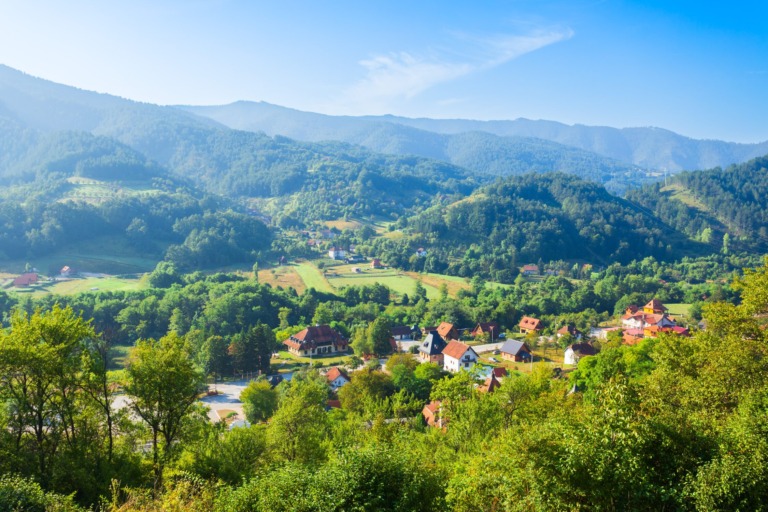
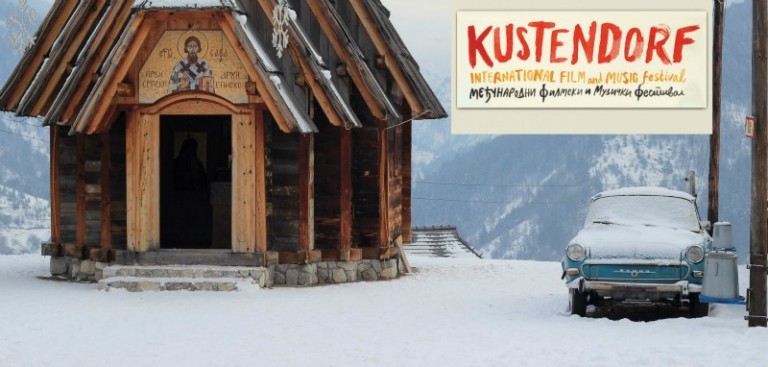
Today, Serbia combines a respected cinematic heritage with active film festivals, experienced production crews, modern studios, and remarkably diverse filming locations. Historic streets, brutalist neighbourhoods, mountain railways, villages, fortresses, and untouched landscapes continue to attract both domestic and international productions.