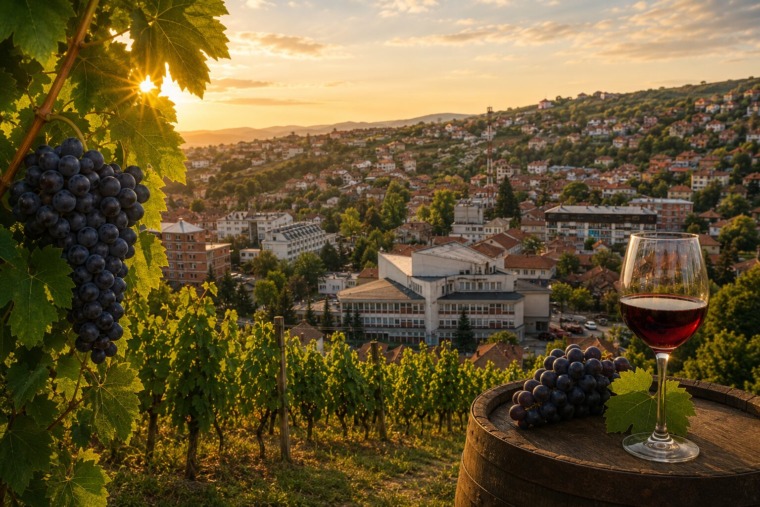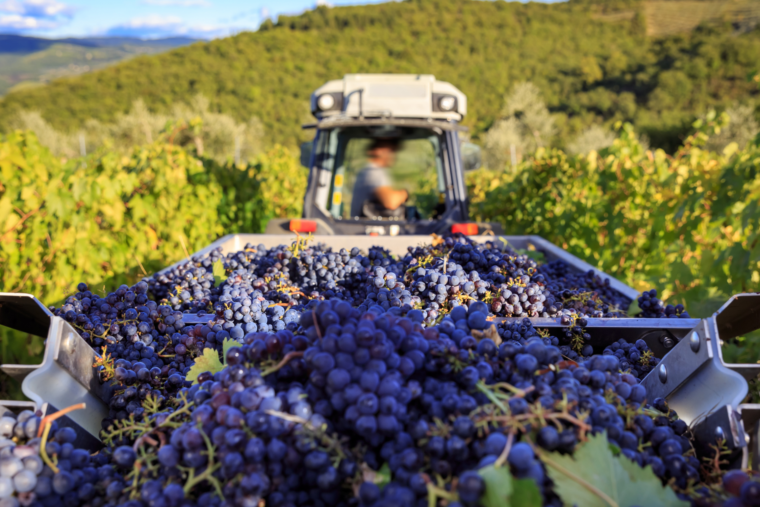

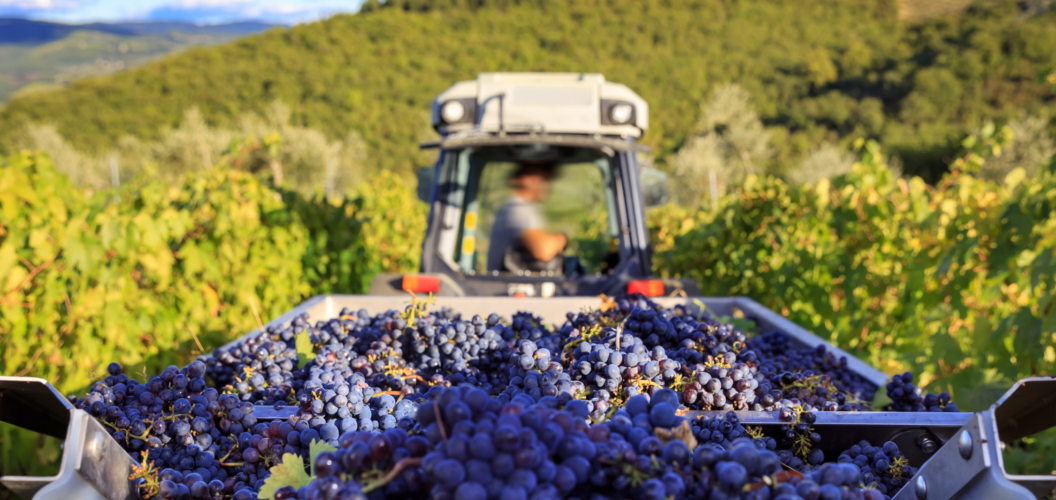
In September, while much of the country is still holding on to the last warmth of summer, vineyards enter their busiest period. Tractors appear on narrow country roads, plastic crates are stacked between rows of vines, and families, neighbours and seasonal workers gather to bring in the year’s grapes.
In Serbian, the grape harvest is called berba grožđa, or simply berba.
The word means “harvest,” but in Serbia’s wine regions it describes much more than picking fruit. Berba is work, calculation and physical effort, but it is also a social ritual – one that traditionally brings people together around the vineyard and, once the work is finished, around the same table.
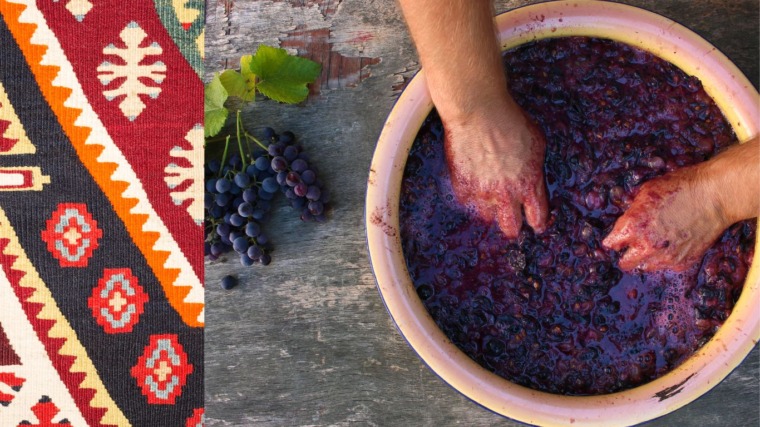
For travellers, harvest season offers an opportunity to see Serbian wine before it becomes a polished bottle: in the hands stained by grape juice, the smell of freshly crushed fruit, the first taste of sweet šira and the conversations that continue long after the last crate has left the vineyard.
When Does the Grape Harvest Begin in Serbia?
There is no single date for the beginning of berba. The timing depends on the grape variety, weather, vineyard position and the style of wine a producer wants to make. Some early varieties may be picked toward the end of August, while much of the harvest takes place during September. Late-ripening grapes can remain on the vines into October.
For winemakers, the decision is not based only on whether the grapes look ripe. They monitor sugar levels, acidity, flavour and the condition of the fruit. A few hot days, heavy rain or an approaching storm can change the plan quickly.
This is why harvest announcements often come with little notice. A winery may expect to begin picking at the end of the week, then move the date forward when the grapes reach the right balance.
Visitors should understand this before asking to participate. Berba is not a performance organised according to a fixed tourism schedule. It is the most important working period of the winemaking year, and the vineyard determines the rhythm.
What a Day of Berba Really Looks Like
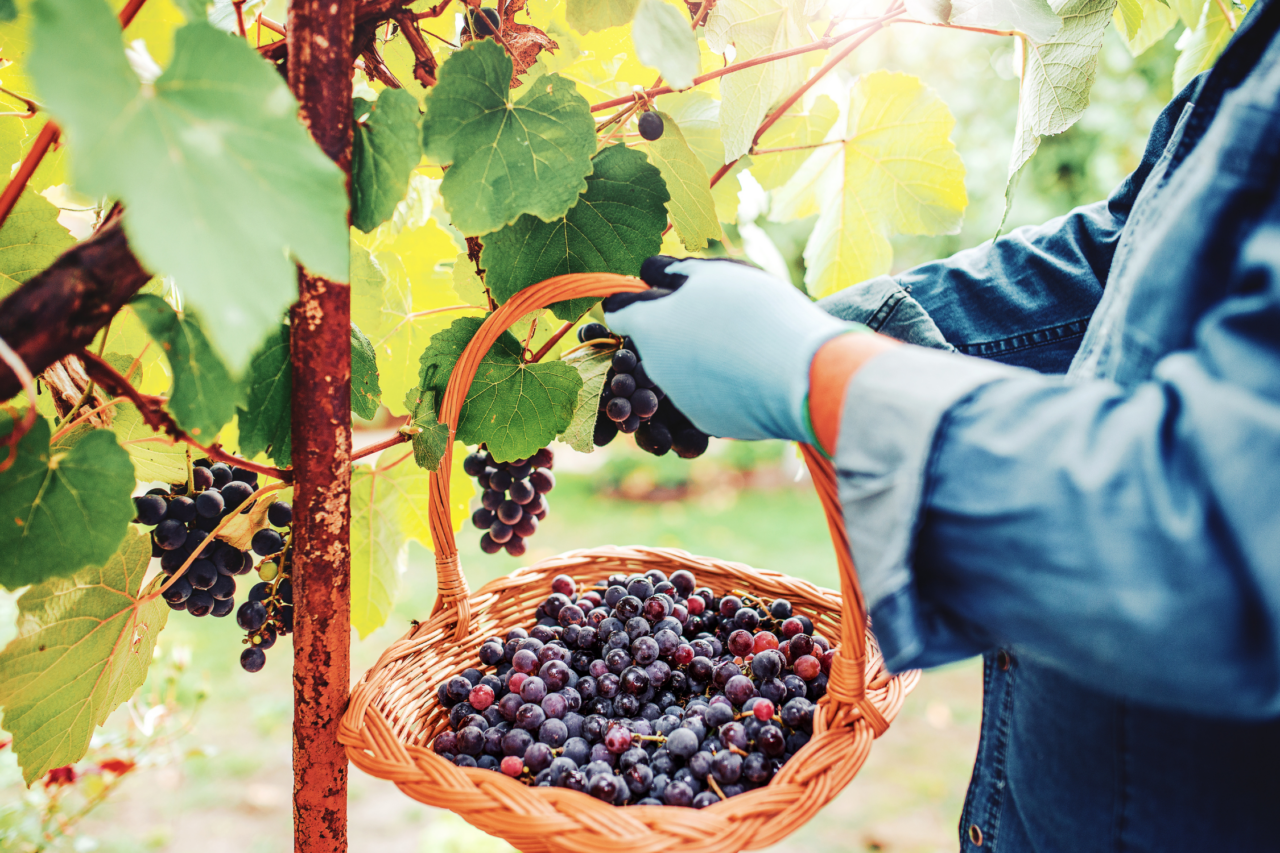
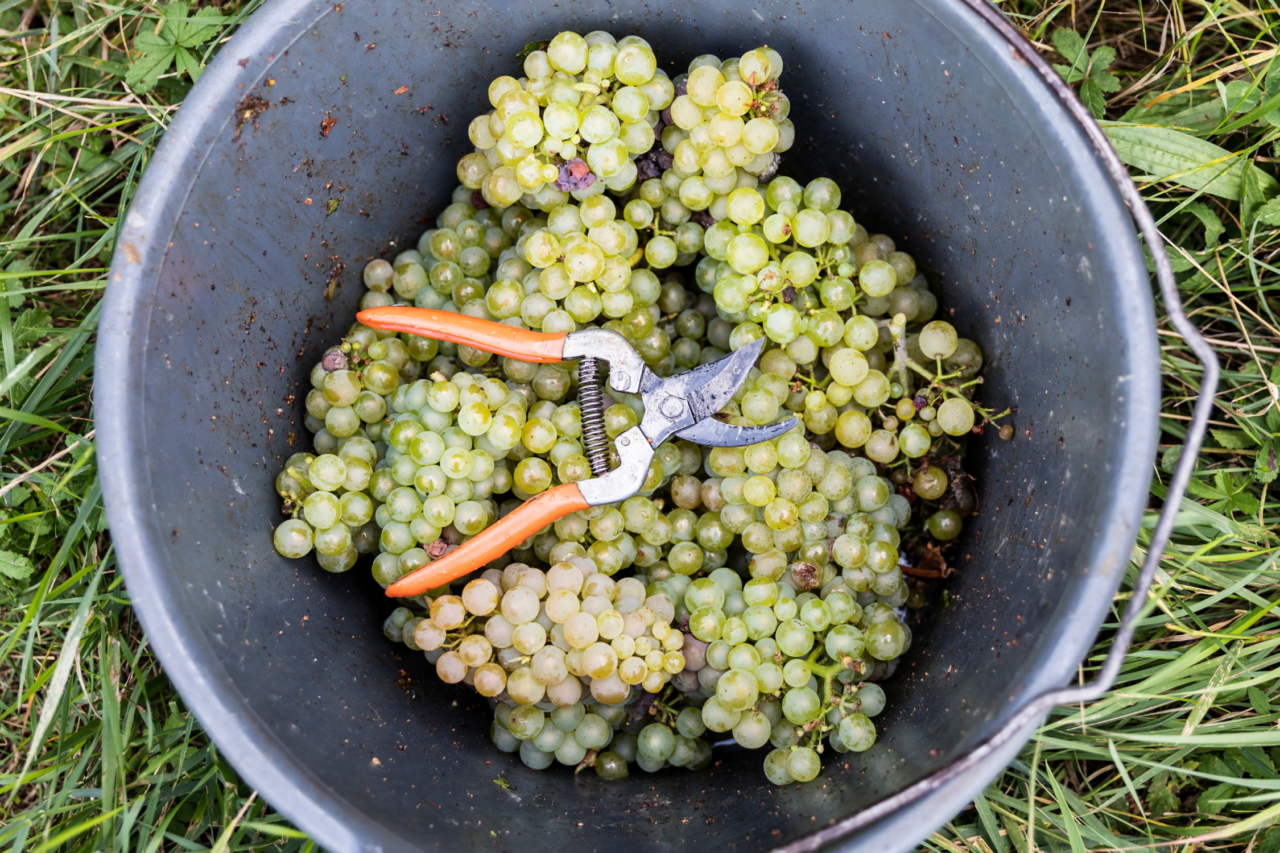
A traditional harvest begins early, while the air is still cool. Pickers move along the vineyard rows with pruning shears, cutting the bunches carefully and placing them into crates or smaller containers. Damaged or unsuitable grapes may be removed immediately, while healthier bunches are protected from being crushed before they reach the winery.
The work appears simple until you try it. Vineyard rows can be long, the ground uneven and the September sun surprisingly strong by midday. Hands become sticky, backs begin to ache and empty crates seem to disappear much faster than full ones can be transported.
Still, berba has a particular energy. People work side by side, conversations travel between the rows, and someone inevitably calls for a short break that lasts longer than planned.
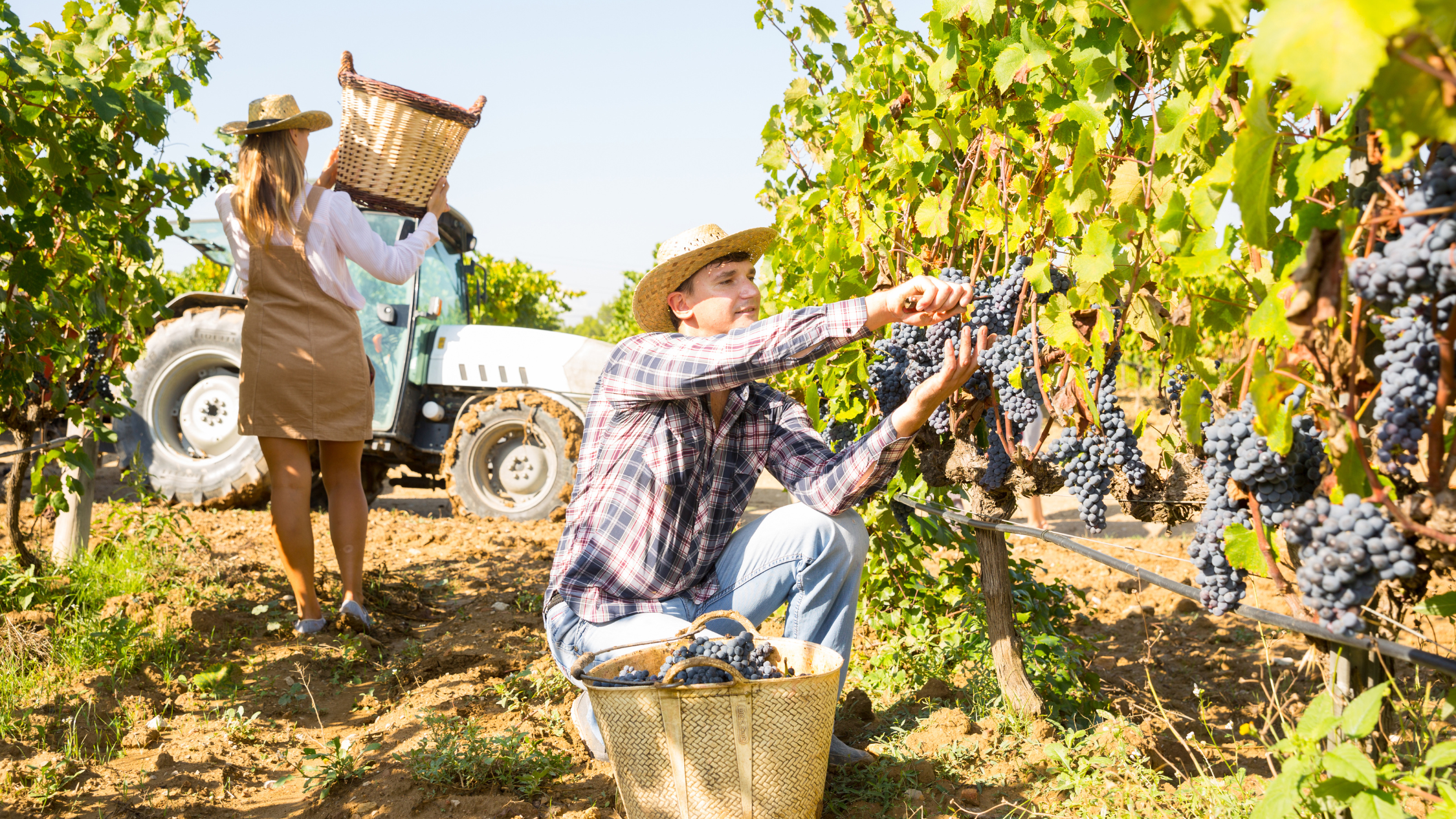
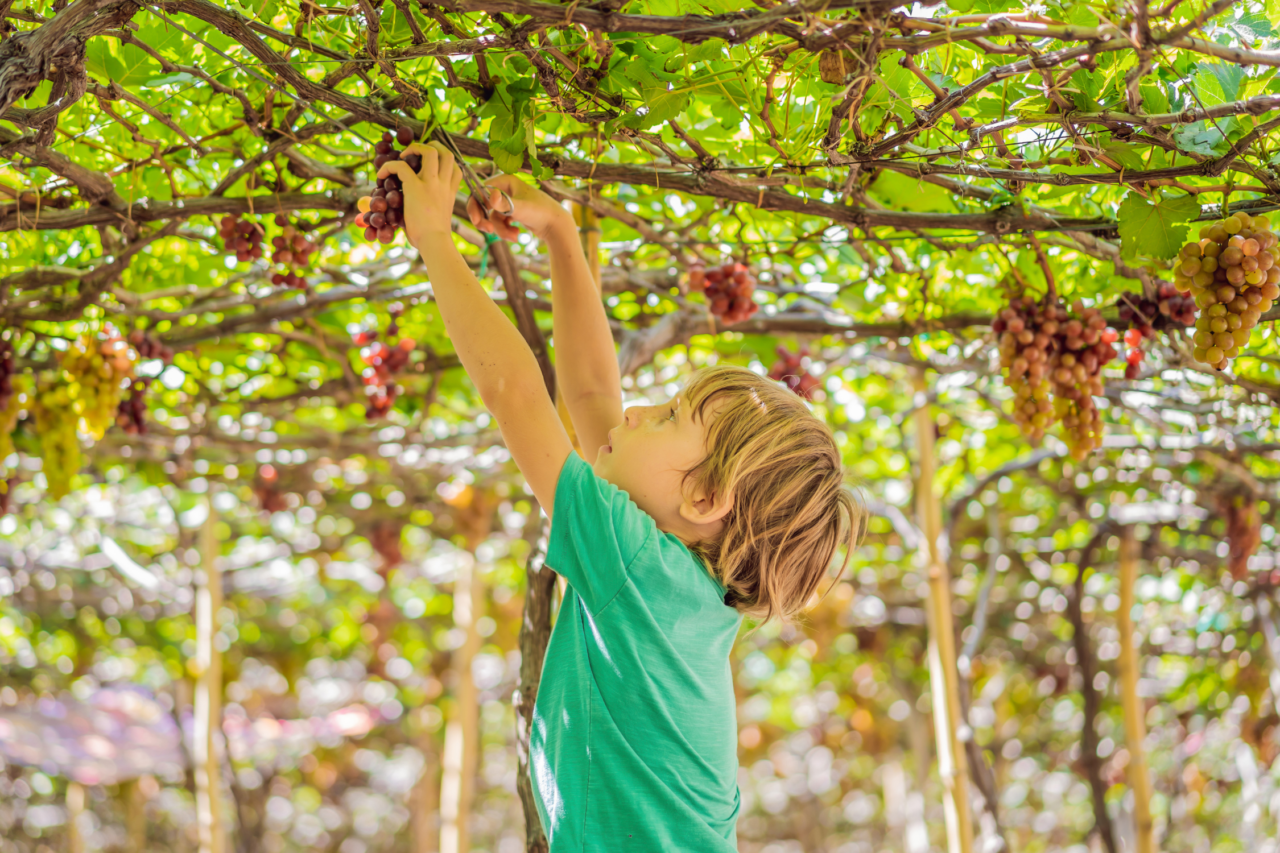
In smaller family vineyards, the harvest may include several generations. Grandparents remember years when grapes were collected differently, parents organise the work, and children are given small tasks before becoming distracted by the sweetest bunches. Once picked, the grapes must reach the winery quickly. There they are weighed, inspected and prepared for the next stage. Depending on the variety and type of wine, the fruit may be destemmed, crushed, pressed or transferred for fermentation.
This is the point when the calm landscape of the vineyard gives way to an intensely practical atmosphere. Pumps, hoses, presses, barrels and tanks become the centre of attention. Decisions made during these hours can shape a wine that will not be ready for months – or, in some cases, years.
The First Taste of the New Vintage
One of the simplest pleasures of berba is šira: freshly pressed, unfermented grape juice. Sweet, cloudy and intensely aromatic, it offers the first taste of the new vintage before fermentation transforms the natural sugars into alcohol. For many people in Serbia, drinking a glass of šira is inseparable from memories of early autumn.
It must be consumed fresh. Once fermentation begins, the juice changes quickly, becoming lightly fizzy and less sweet. At this stage, it is sometimes called šira u vrenju or novo vino, depending on how far the process has progressed and on local usage.
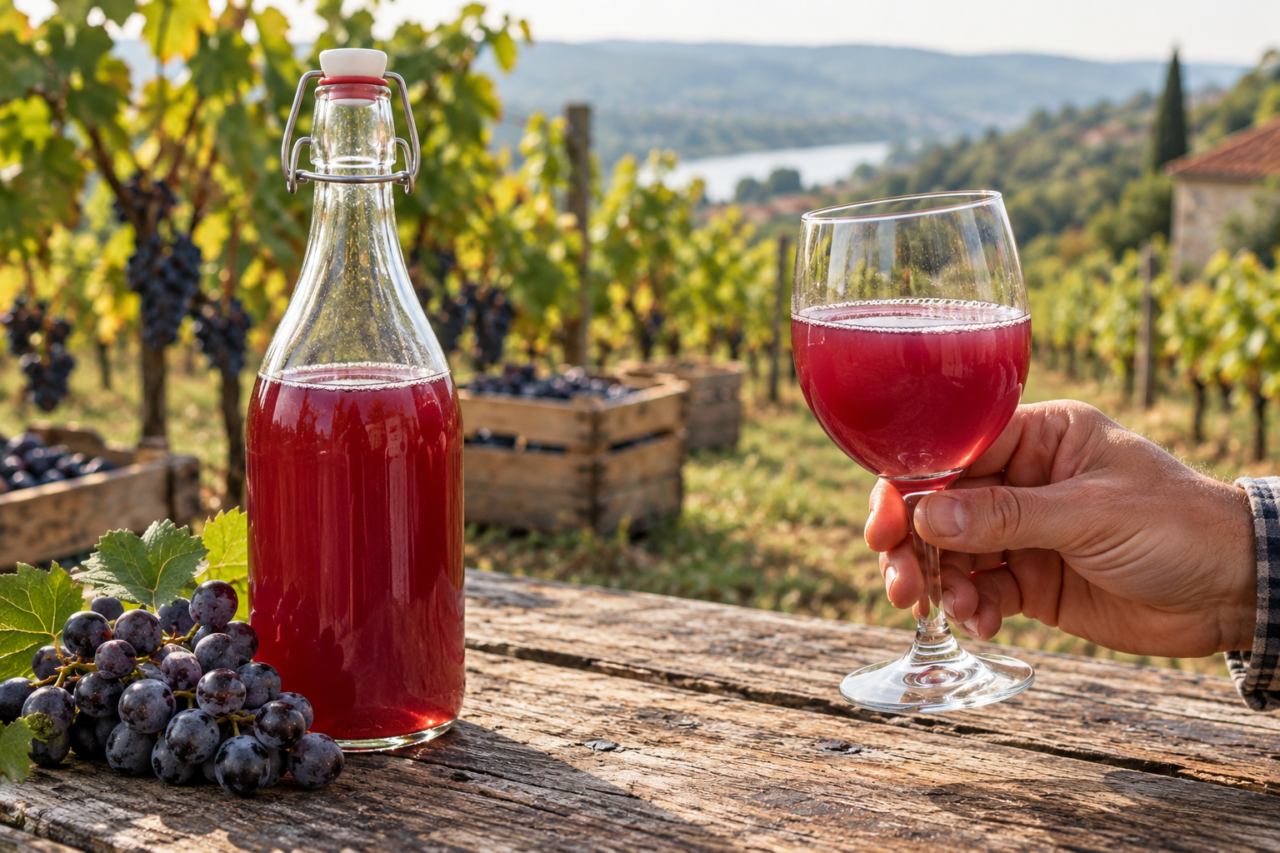
For visitors accustomed only to finished wine, tasting grapes directly from the vine and then trying fresh juice provides a clearer understanding of what the winemaker is working with. The differences between varieties become immediate: some grapes are floral and delicate, others sharply acidic, deeply coloured or unexpectedly spicy.
Berba is where wine becomes less abstract. It is no longer simply red, white or rosé. It begins with a particular plot of land, a particular variety and one decision about exactly when to pick.
The Table After the Vineyard
In the traditional understanding of berba, food is not an optional detail. Harvesting is physical work, and those taking part need a substantial meal. Depending on the region and the household, the table may include homemade bread, cheese, cured meat, pies, roasted meat, beans or dishes prepared in a large pot. Fresh peppers, tomatoes and onions reflect the season, while grapes remain within reach even after everyone has spent hours picking them.
The meal marks a shift in the day. The urgency of the vineyard slows down, stories begin and the harvest becomes a gathering.
This is where the communal character of berba is most visible. In the past, when most work was completed by hand, families relied heavily on relatives, friends and neighbours. Helping with another household’s harvest was part of a wider system of mutual support. Work was exchanged, and the favour would be returned when another vineyard or field was ready.
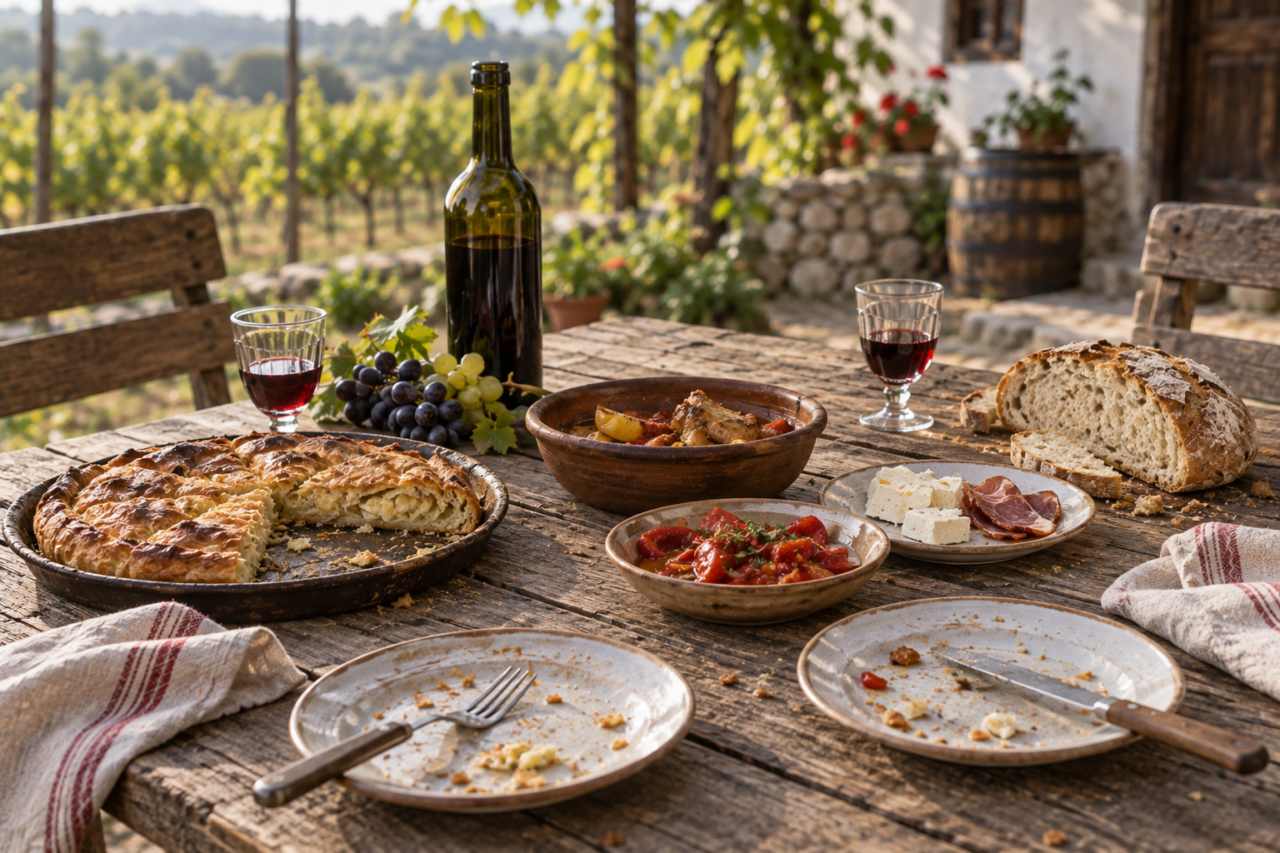
Today, larger wineries employ trained teams and modern equipment, but the idea of the harvest as a shared event has not disappeared. Small producers still invite extended family and friends, while some wineries organise carefully managed harvest experiences for guests.
Even Serbian monasteries with winemaking traditions preserve the connection between communal harvesting, local customs and the wider cultural meaning of wine.
Serbia’s Harvest Landscapes
Serbia does not have one uniform wine landscape. Its vineyards extend across very different soils, climates and cultural regions, each creating its own version of berba.
Fruška Gora and Srem
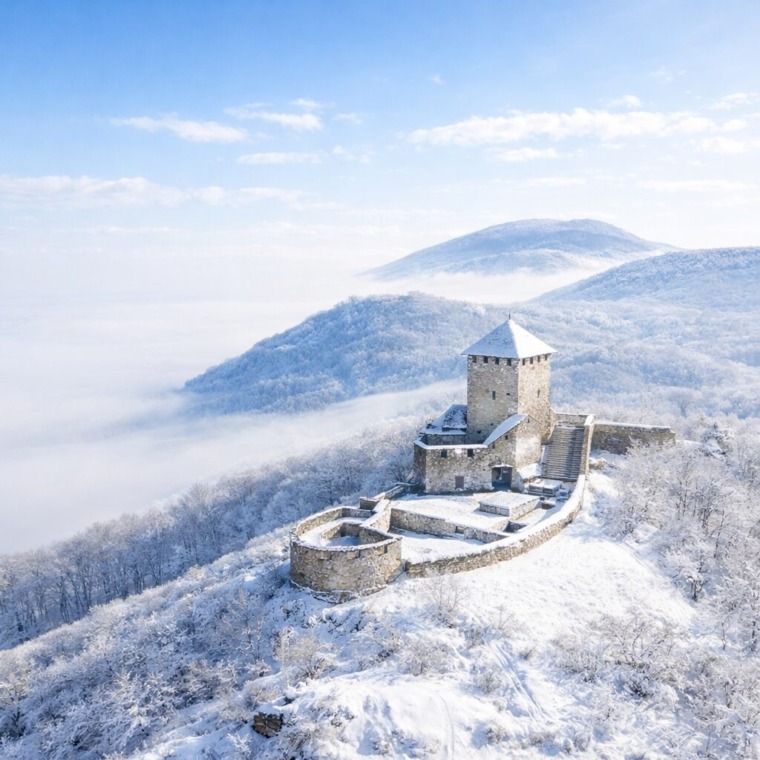
On the slopes of Fruška Gora, vineyards rise above the plains of Vojvodina, with the Danube, forests, villages and monasteries forming part of the same landscape.
Wine has been produced here for centuries, and the region is known for both international varieties and local specialities, including aromatic Bermet. During the harvest period, wineries around Sremski Karlovci, Irig, Banoštor and other villages become especially active.
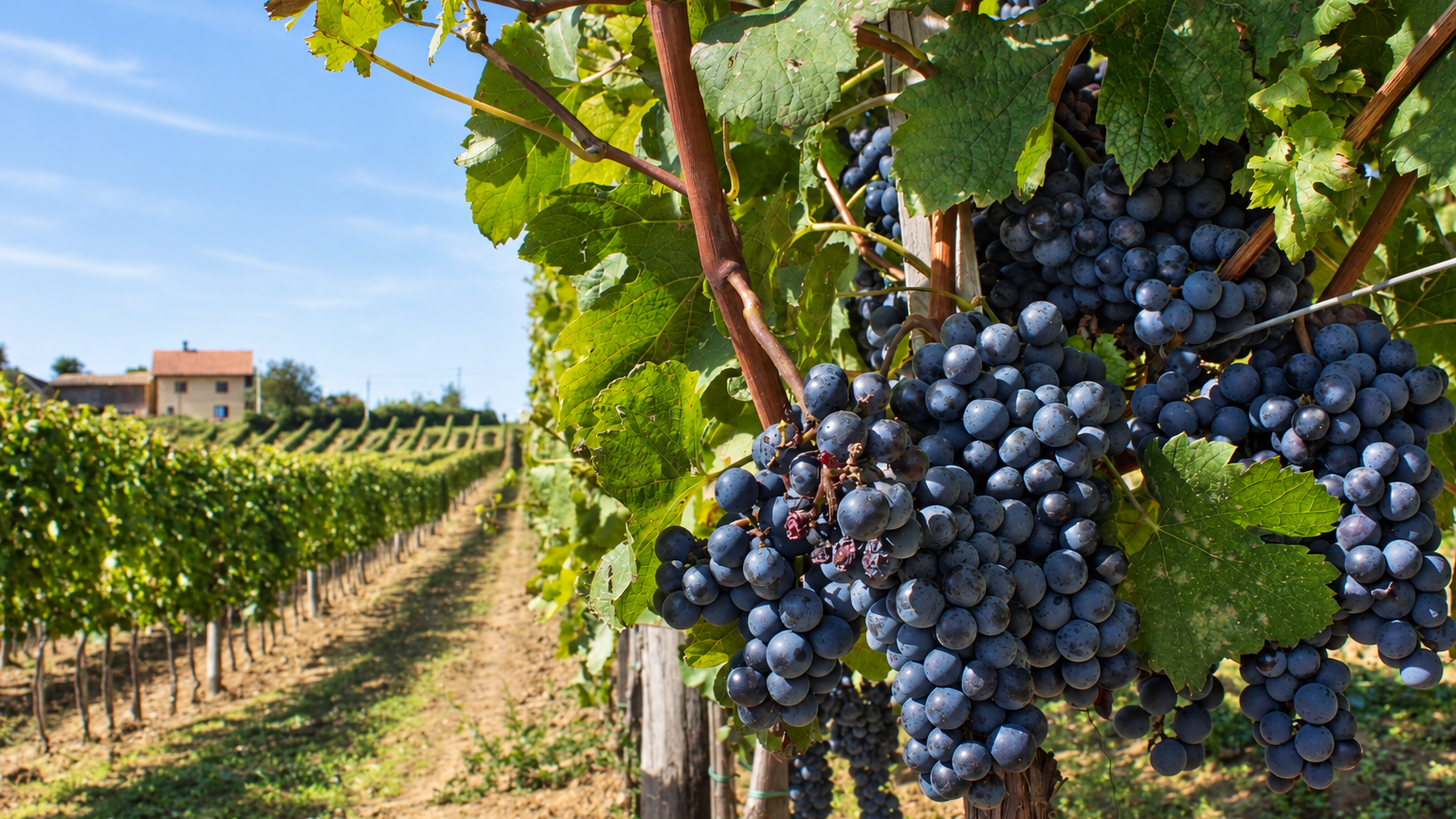
Fruška Gora is particularly suitable for travellers who want to combine wine with walking, cycling, monastery visits and time beside the Danube. Its wine route passes through a landscape where vineyards, family cellars and cultural heritage remain closely connected.
Župa
Around Aleksandrovac, the Župa region has one of Serbia’s strongest wine identities. Vineyards cover its gentle hills, and wine production has shaped local life for generations. The region is particularly associated with Prokupac, an important Serbian red grape, and Tamjanika, an intensely aromatic white variety.
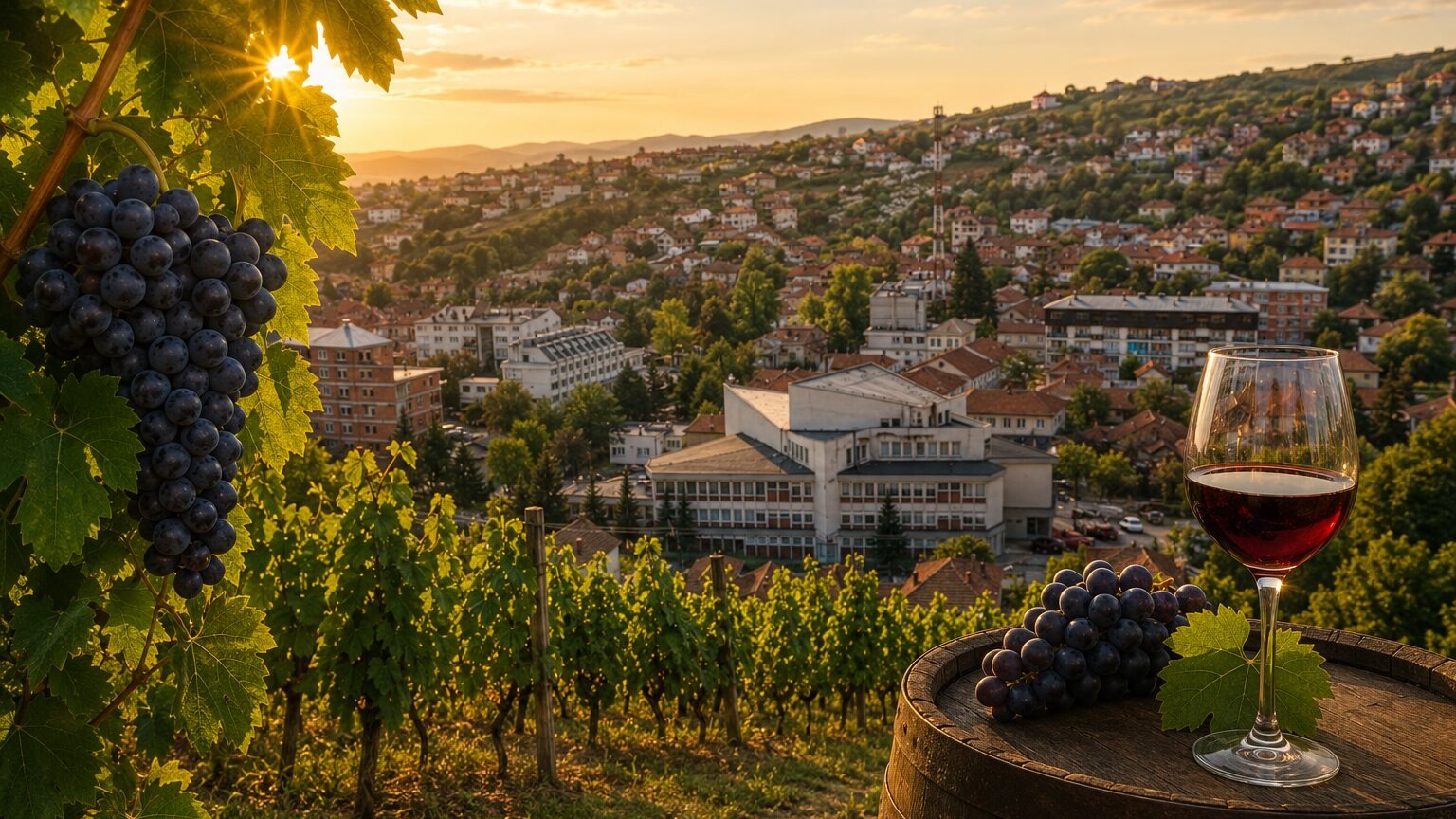
The annual Župska berba celebration presents the festive side of harvest through wine, food, music and local events. But the deeper identity of Župa is found beyond the festival – in family vineyards, traditional cellars and the understanding that the agricultural year revolves around grapes.
Šumadija
Central Serbia’s rolling hills, orchards and vineyards create a harvest landscape that feels very different from the wide plains of the north.
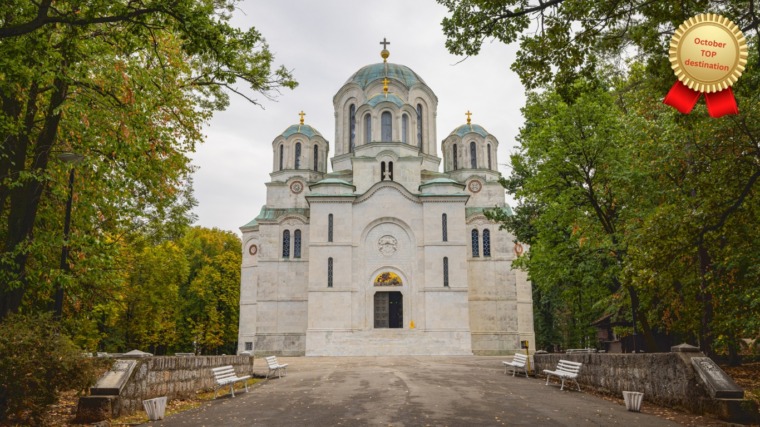
The Šumadija wine region combines restored traditions with a growing number of contemporary wineries. Around Topola and the slopes surrounding Oplenac, visitors can encounter modern tasting rooms, historic wine connections and views across orderly vineyard rows.

For a traveller, Šumadija offers an accessible introduction to Serbian wine culture. Yet during berba, it is important to look beyond the architecture of the winery and pay attention to what is happening behind it: the arriving grapes, the harvest teams and the cellar operating at full capacity.
Smederevo, Vršac and Negotin
Several Serbian towns preserve their relationship with grape growing through major harvest celebrations. Smederevska jesen in Smederevo, Grožđebal in Vršac, Župska berba in Aleksandrovac and Krajinska berba in the Negotin region bring wine culture into public squares through tastings, food, music and local products. These events make the harvest more accessible to visitors who cannot take part in vineyard work itself.
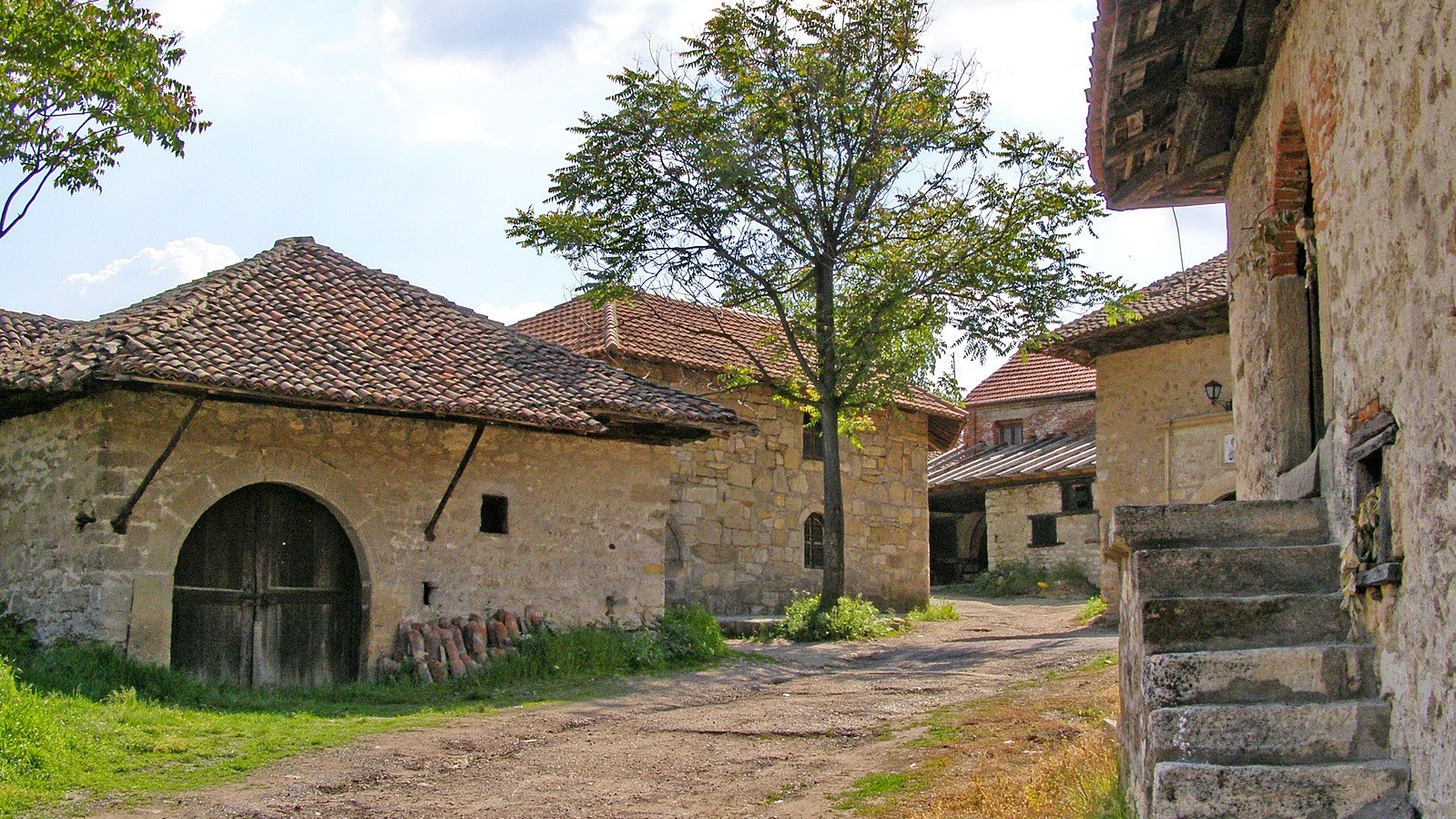
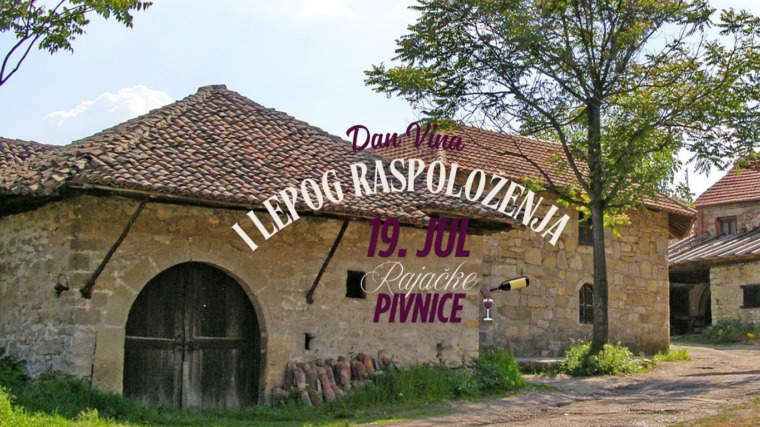
Each region tells a different story. Smederevo is associated with the Smederevka grape and the vineyards beside the Danube. Vršac rises from the Banat plain beneath vine-covered hills. Negotinska Krajina, in eastern Serbia, preserves distinctive wine traditions, including the historic stone wine-cellar settlements known as pivnice.
Together, these places reveal how widely Serbia’s wine identity extends – and why berba cannot be reduced to a single destination.
Can Visitors Take Part in Berba?
Yes, but participation should always be arranged in advance. Some wineries offer organised harvest days that allow guests to pick grapes, tour the cellar, taste šira and share a traditional meal. Others may welcome small groups informally, particularly when contacted through a local tourism organisation or rural accommodation.
However, not every winery can receive visitors during harvest. This is an intense production period, and even wineries that normally offer daily tastings may temporarily change their opening hours.
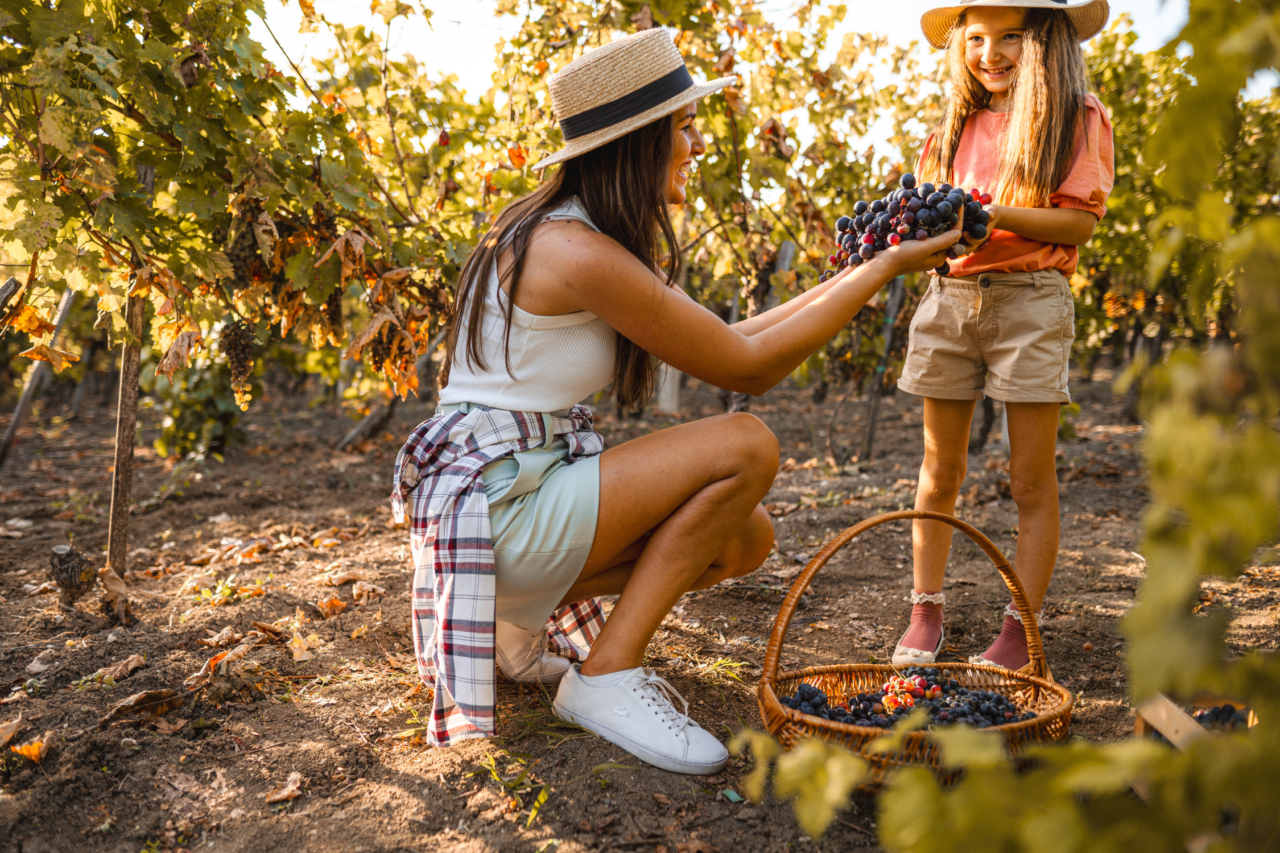
Contact the winery directly and ask whether it provides a genuine harvest experience. Clarify what is included, how long it lasts, whether food is served and whether the programme is suitable for children. Wear closed shoes, comfortable clothes and sun protection, and bring a light layer for the cooler morning.
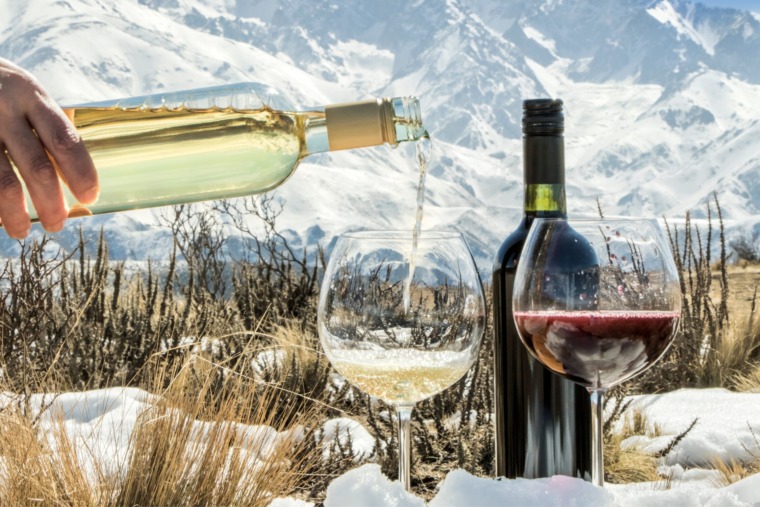
Most importantly, arrive prepared to participate – not only to photograph other people working. A genuine berba experience may involve mud, insects, sticky hands and repetitive tasks. That is precisely what makes it valuable. It shows that wine tourism is not only about elegant glasses and vineyard sunsets. It begins with agriculture.
How to Experience Harvest Season Without Picking Grapes
It is still possible to experience the atmosphere of berba without entering the vineyard. Visit a wine region during September and arrange a cellar tour that explains what happens to the grapes after arrival. Choose a small producer where the person pouring the wine is directly involved in growing or making it. Ask about the current vintage rather than tasting only the winery’s best-known labels.
Harvest festivals provide another entry point, particularly for travellers interested in local food, music and regional customs. Serbia’s best-known celebrations include those in Aleksandrovac, Smederevo, Vršac and Negotin, although dates and programmes change each year and should be checked before travelling.
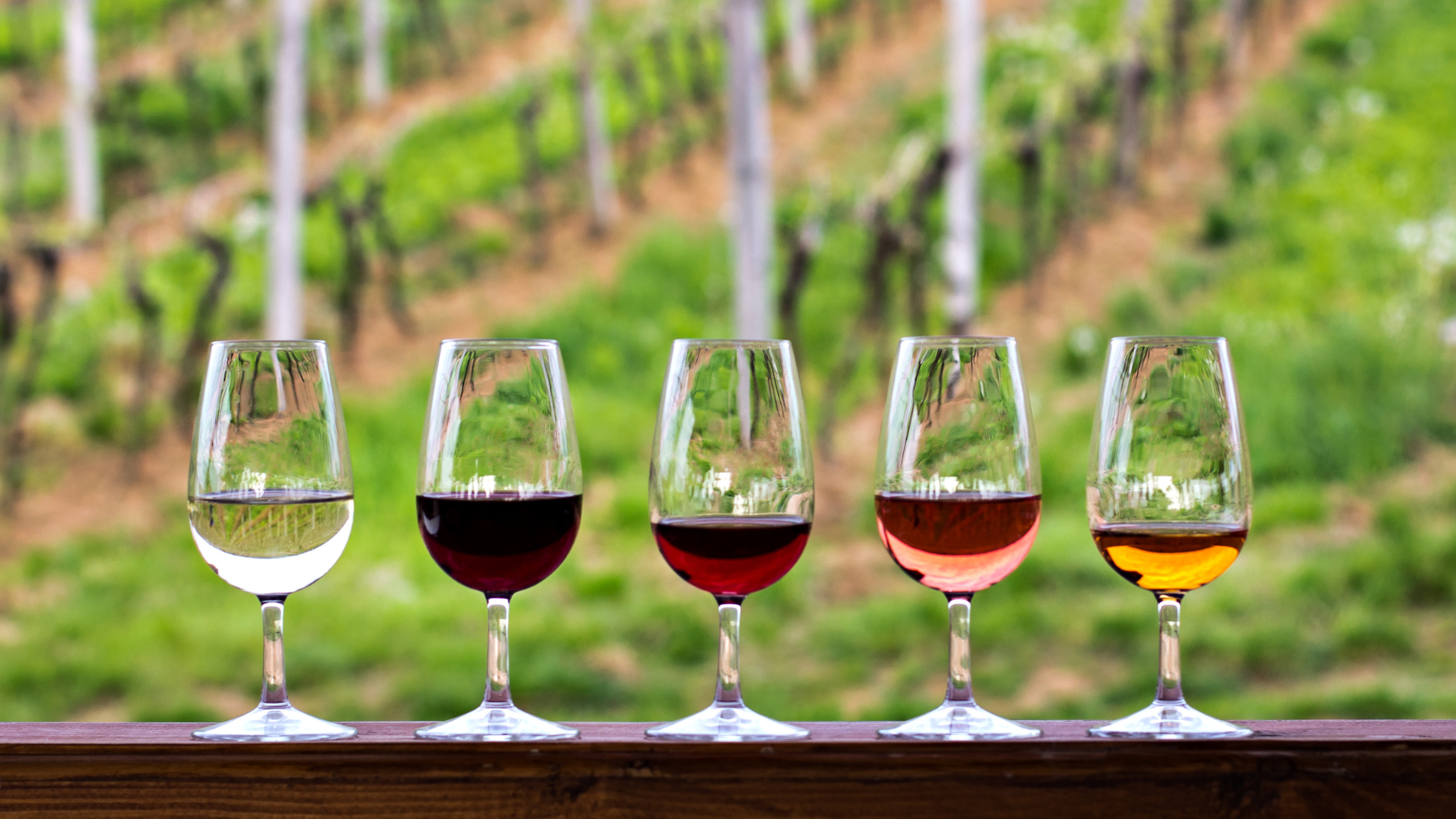
A slower option is to stay at a rural household or vineyard accommodation for several nights. Early autumn is ideal for combining winery visits with village markets, local meals and walks through a landscape changing from green to gold.
Serbia’s official tourism organisation highlights September as the month when grapes and wine are celebrated across the country, but the real attraction is not limited to formal events. It is the wider seasonal transformation taking place around them.
More Than a Wine Festival
For travellers, it is easy to see berba primarily as a picturesque autumn experience. For growers and winemakers, it is the result of an entire year.
Behind every full crate are months of pruning, tying, protecting and monitoring the vines. There are weather worries, difficult decisions and the knowledge that the harvest cannot simply be repeated if something goes wrong. That reality gives berba its emotional weight.
When the last grapes are brought in, the celebration is not only about abundance. It is also about relief. The fruit is safe, the cellar is full, and the new wine has begun its uncertain journey.
This is why the Serbian grape harvest deserves to be experienced beyond the festival stage or tasting-room counter. It reveals the human side of wine: the work before the bottle, the families behind the label and the landscapes that determine what each vintage can become.
In Serbia, berba is not merely the end of summer. It is the moment when a year in the vineyard passes into the cellar – and when work, hospitality and tradition briefly meet around the same table.