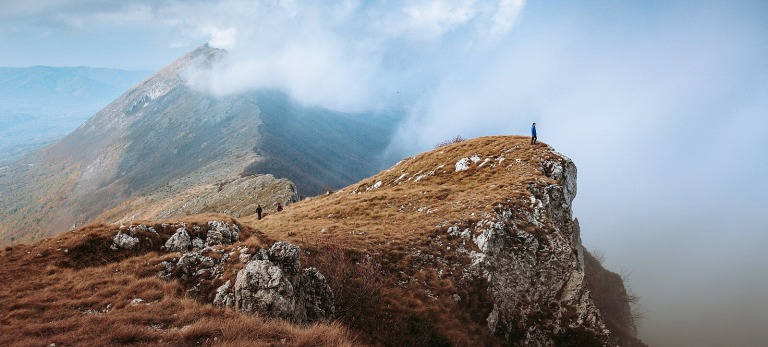
Serbia’s identity cannot be defined by a single tradition, historical period, or cultural influence. It has developed through centuries of encounters between different communities, religions, languages, regions, and ways of life.
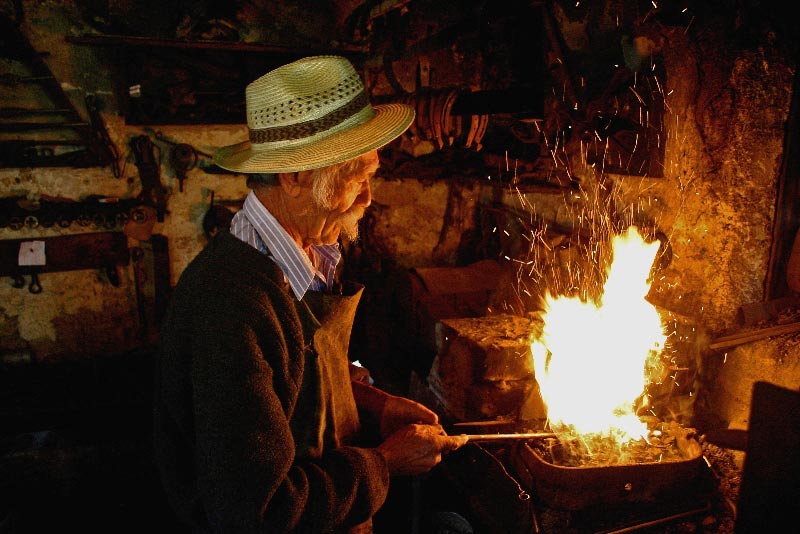
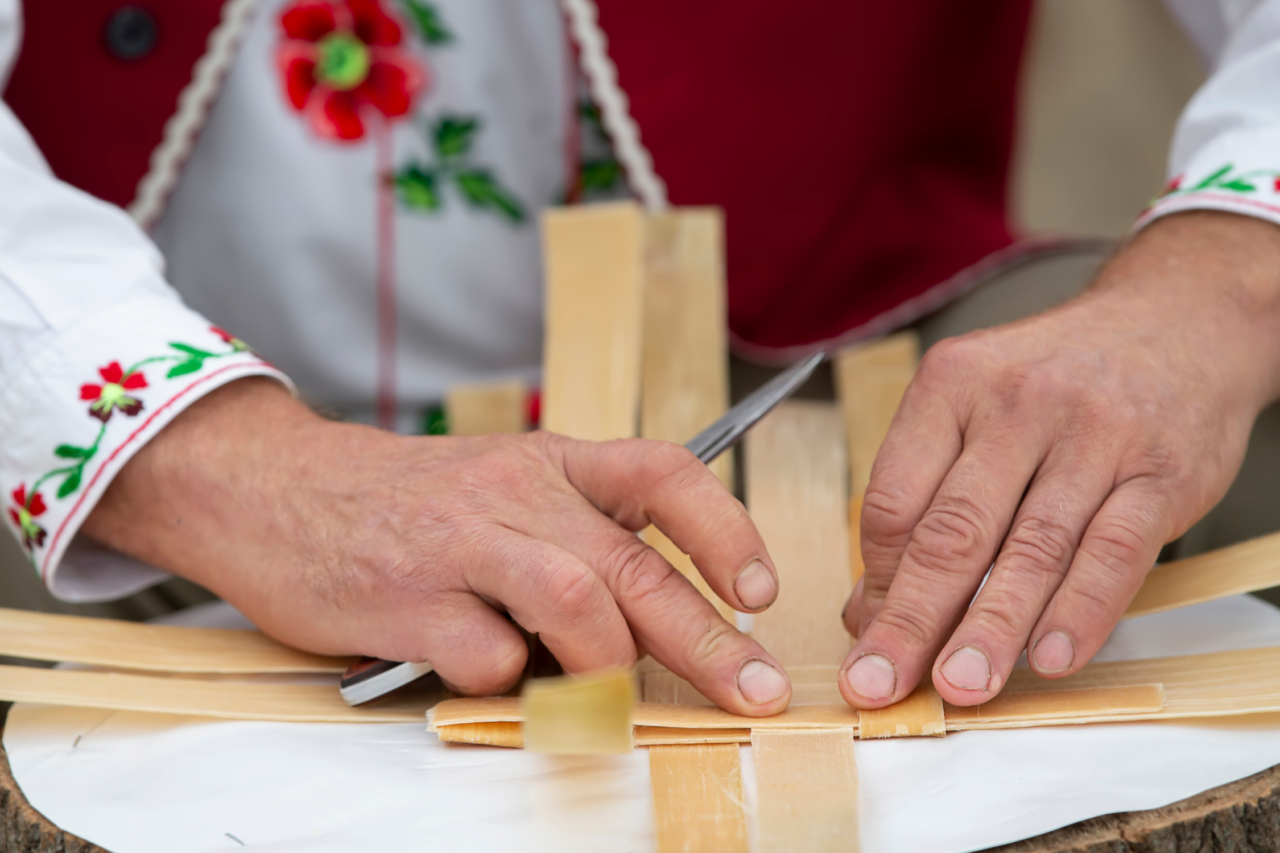
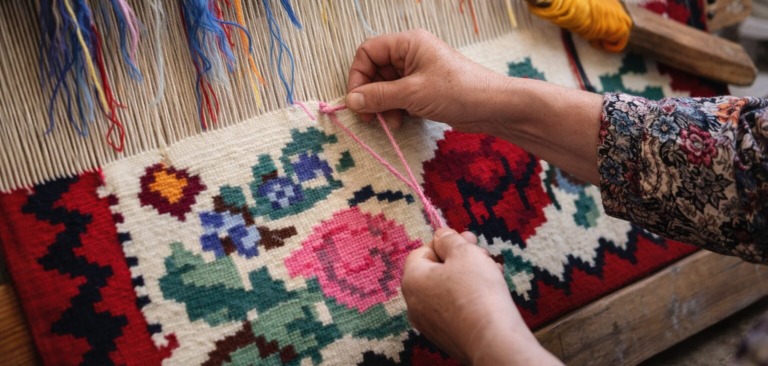
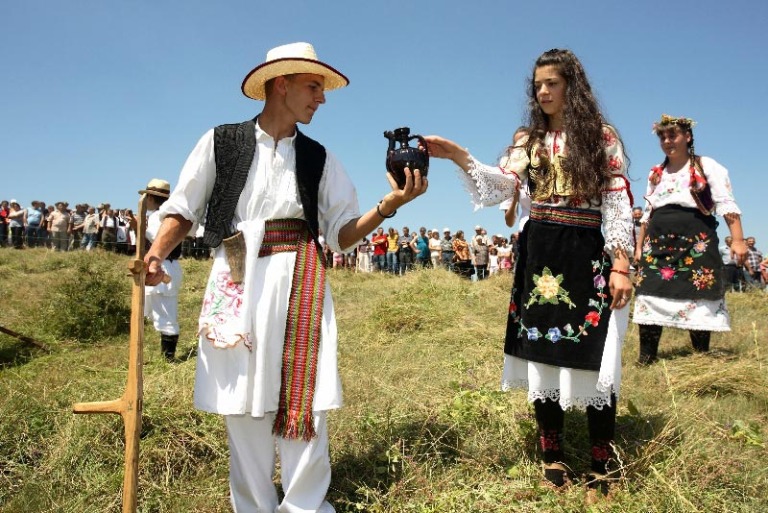
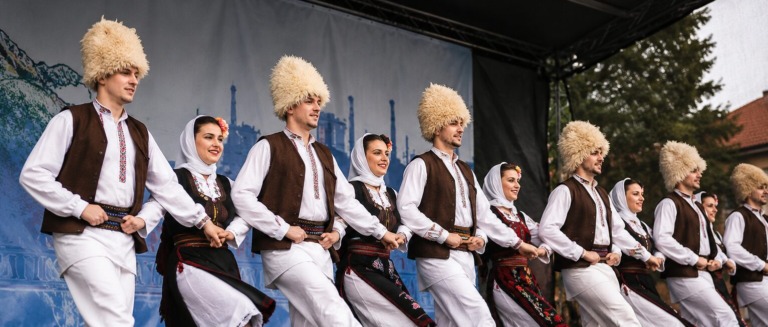
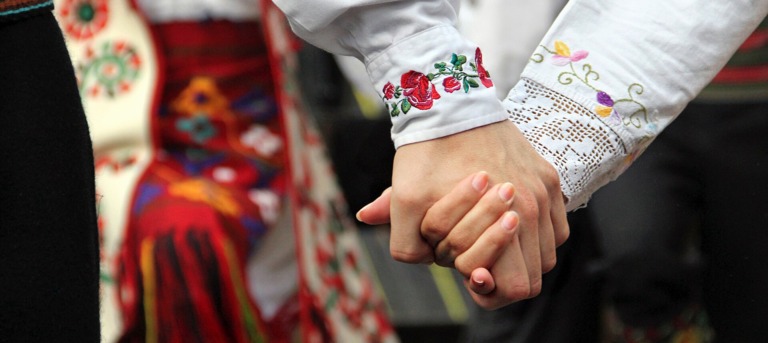
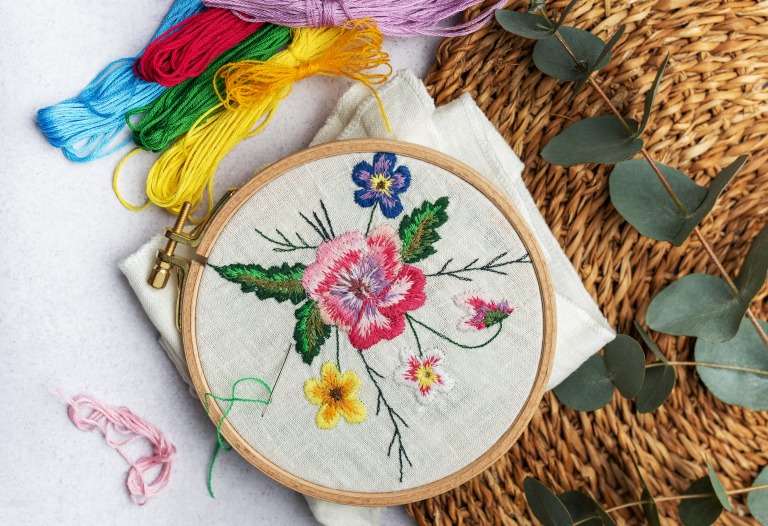
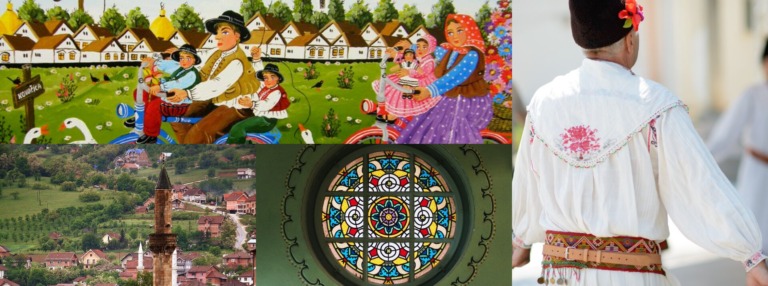
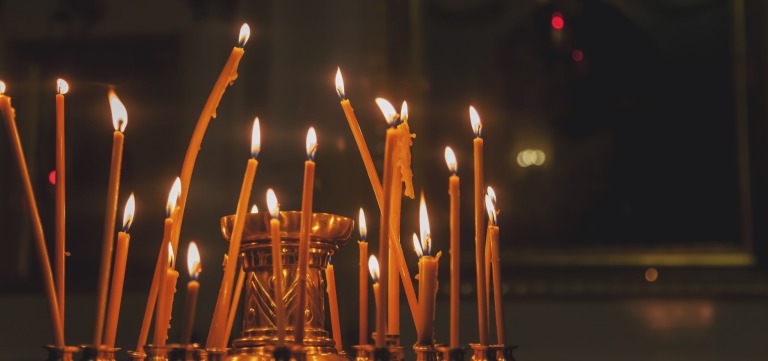
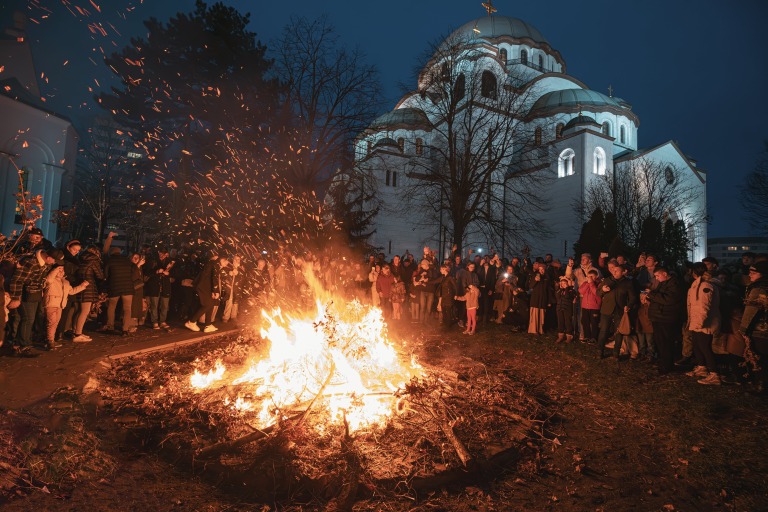
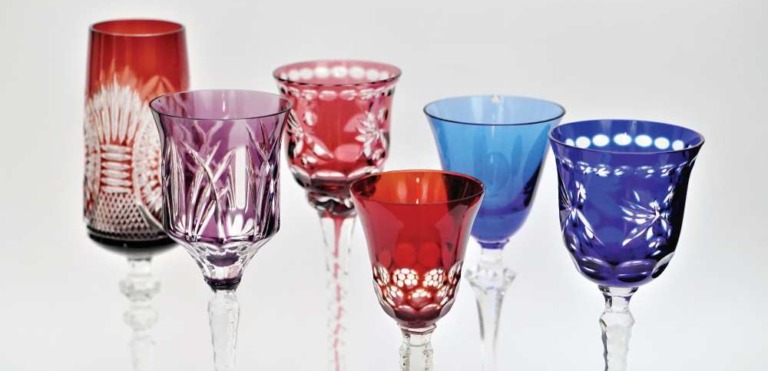
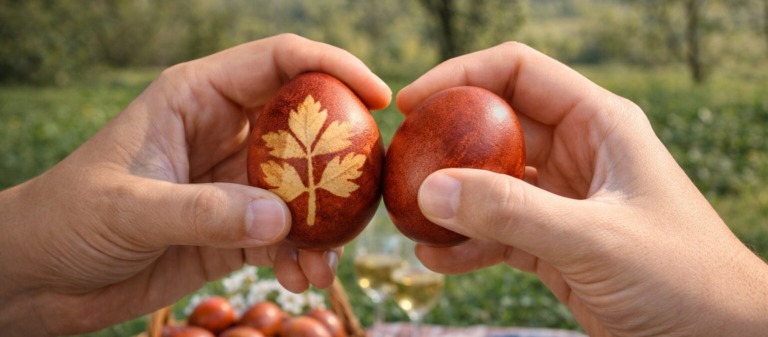
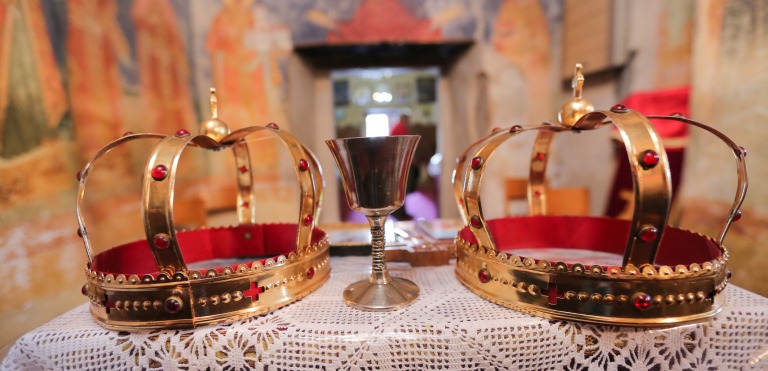
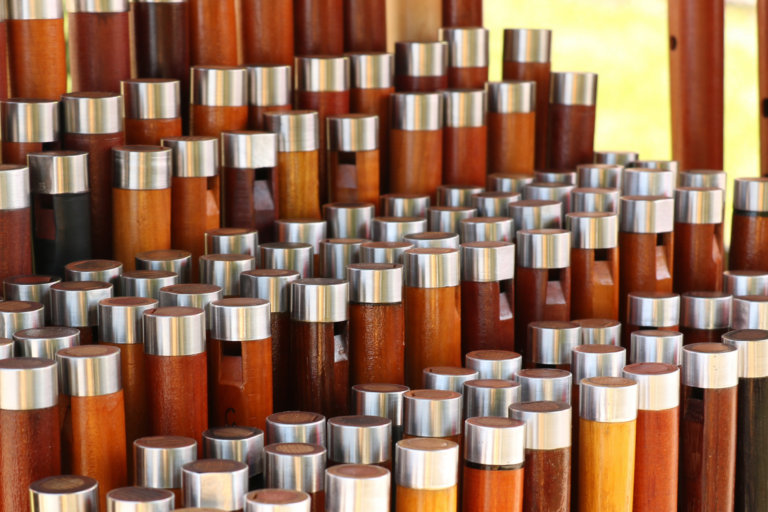
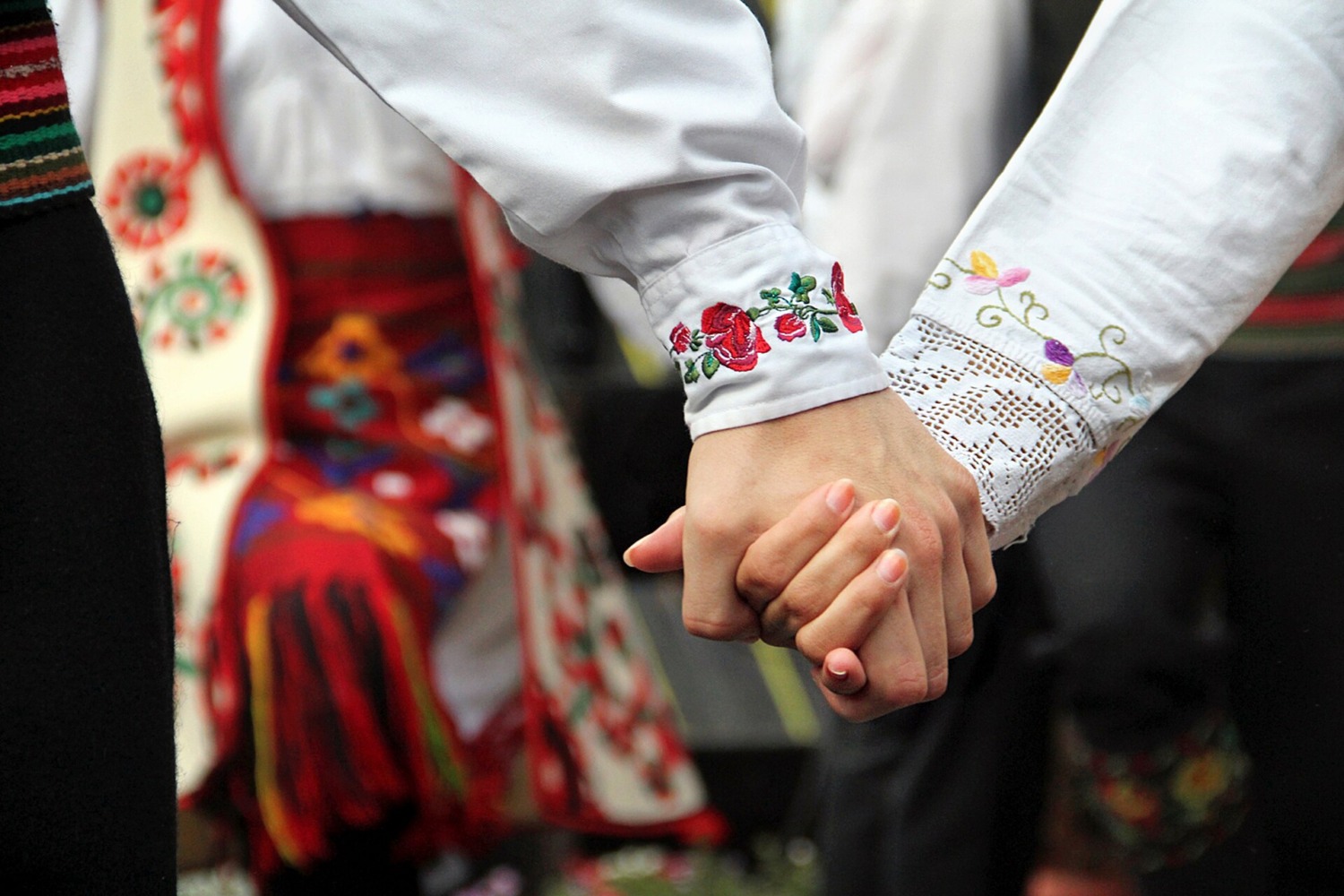
Folk costumes, traditional dances, family celebrations, religious customs, regional cuisine, music, craftsmanship, and oral storytelling all form part of this complex cultural landscape. Some practices are shared throughout the country, while others belong to particular villages, regions, or ethnic communities.
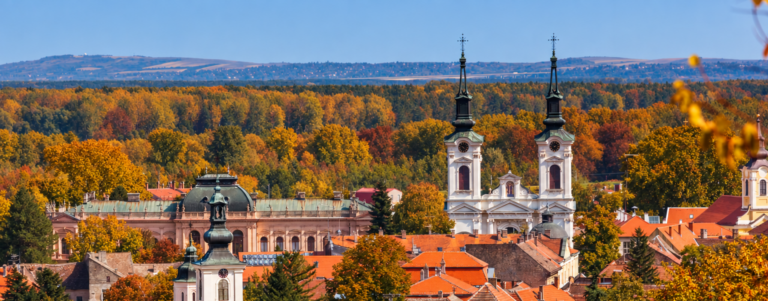
Serbian identity has also been shaped by historical change. Medieval heritage, Ottoman and Central European influences, life within Yugoslavia, migration, industrialisation, and contemporary culture have all contributed to the way people understand and express their connection to Serbia today.
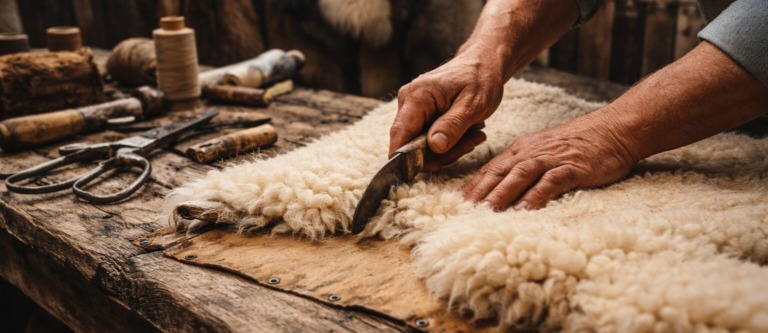
Heritage is not preserved only in museums and monuments. It also lives in celebrations, family memories, traditional skills, local expressions, recipes, songs, objects, and stories passed from one generation to another.
Together, these elements reveal a country whose identity is diverse, continually evolving, and deeply connected with both its past and its people.