


-
Serbia at a Glance
Discover All -
Arts & Culture
Discover All -
Identity & Heritage
Discover All -
Famous Serbs
Discover All
-
Regions
Discover All -
Cities
Discover All -
Nature
Discover All -
Cultural Landmarks
Discover All
-
Outdoor & Wellness
Discover All -
Food & Drink
Discover All -
Tours
Discover All -
Urban Experiences
Discover All -
Seasonal Experiences
Discover All
Partner with Serbia.com
Let's create lasting impact together
Partner with Serbia.com to reach travellers through trusted recommendations, inspiring editorial stories and thoughtfully designed campaigns. Together, we create meaningful visibility that supports your goals and remains valuable long after publication.
Explore partnership opportunities- Serbian Favorite Rituals Everyday traditions and little things that make life in Serbia special.
- Villages of Serbia Charming villages, local stories and authentic rural life.
- Serbia Told By You Personal stories, local perspectives and authentic experiences from across Serbia.
- Is it Worth Visiting in Serbia? Honest destination guides to help you decide which places are worth visiting.
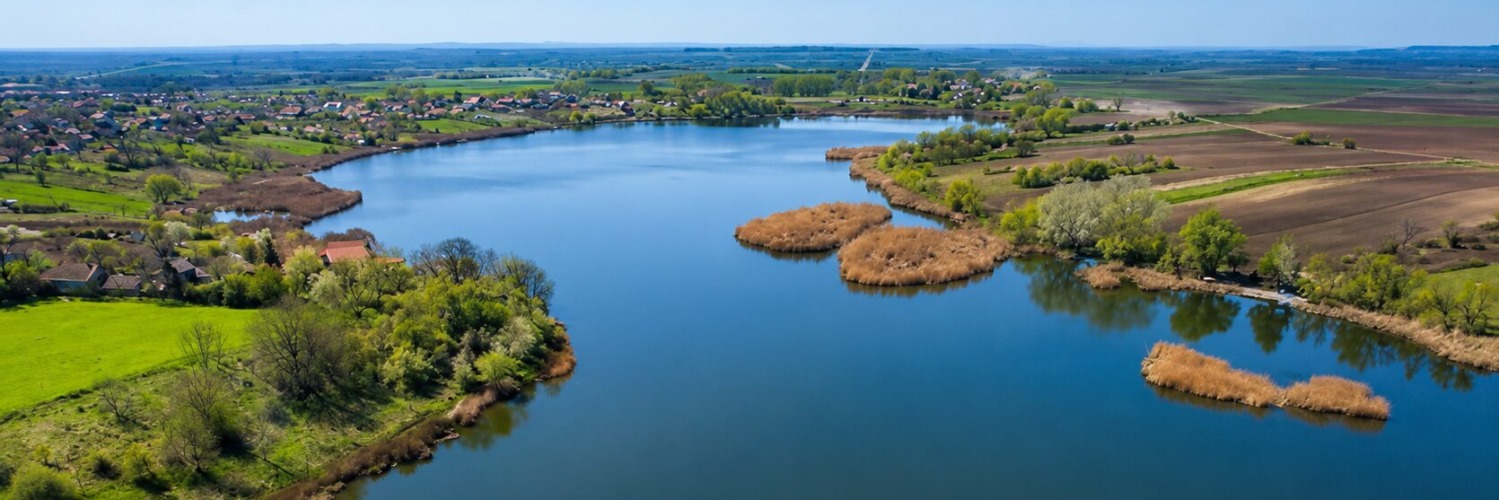
Did you know that Serbia is home to not one, but three lakes with floating islands? While floating islands are considered a rare natural phenomenon worldwide, Serbia has three places where pieces of land drift across the water, changing their position with the wind, water currents, and seasons. As a result, the landscape is never quite the same twice. A viewpoint that overlooks open water one day may reveal an island in a completely different location the next.
These unusual floating islands can be found at Vlasina Lake, Semeteš Lake, and Kraljevac Lake. Each has its own story, character, and natural setting, making them some of the most fascinating and lesser-known natural wonders in the country.
Vlasina Lake: Serbia’s Most Famous Floating Islands
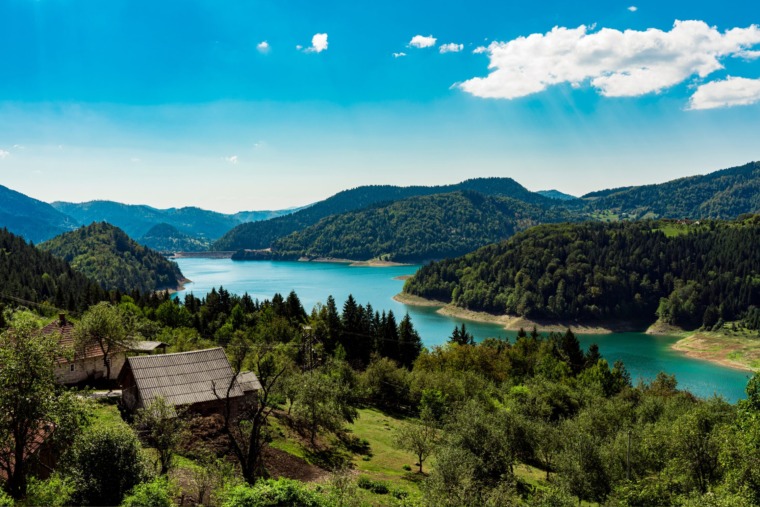
Vlasina Lake is undoubtedly the best-known place in Serbia associated with floating islands. Located at an altitude of over 1,200 meters in southeastern Serbia, this vast artificial lake is often called the “Serbian Sea” because of its size and mountain setting.
The floating islands here formed naturally after the creation of the lake in the mid-20th century. As water flooded the former peat bogs, large layers of vegetation detached from the lakebed and began drifting across the surface. Some of these floating islands are several hundred square meters in size and support grasses, shrubs, and even small trees.
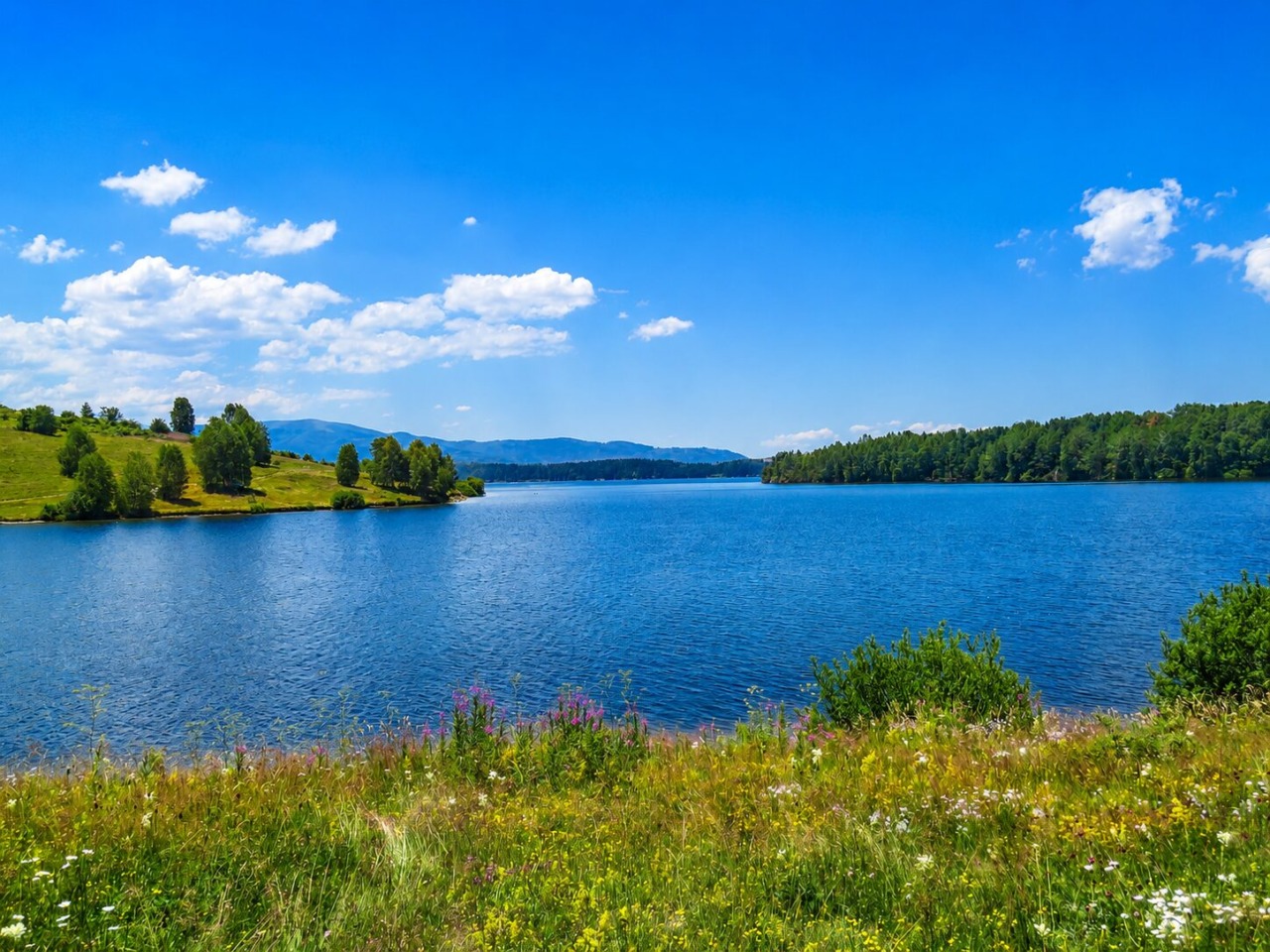
Depending on wind conditions, the islands slowly move across the lake, creating constantly changing scenery. This unusual phenomenon has made Vlasina one of Serbia’s most distinctive landscapes and one of the few places in Europe where floating peat islands can still be observed.
Beyond searching for the islands themselves, visitors come to Vlasina for hiking, cycling, birdwatching, kayaking, and peaceful walks along the shoreline. The surrounding mountains offer numerous viewpoints, while the lake remains one of the most tranquil summer destinations in Serbia.
Semeteš Lake: A Mysterious Lake Hidden on Kopaonik
Semeteš Lake is one of Serbia’s most unusual natural attractions. Hidden among the forests and hills of the Kopaonik region, this small circular lake has inspired legends and local stories for generations.
Unlike Vlasina’s larger floating islands, Semeteš Lake is famous for its smaller floating vegetation mats that drift across the water. Their movement is often subtle, but over time they can appear in completely different parts of the lake, giving the impression that the landscape is constantly rearranging itself.
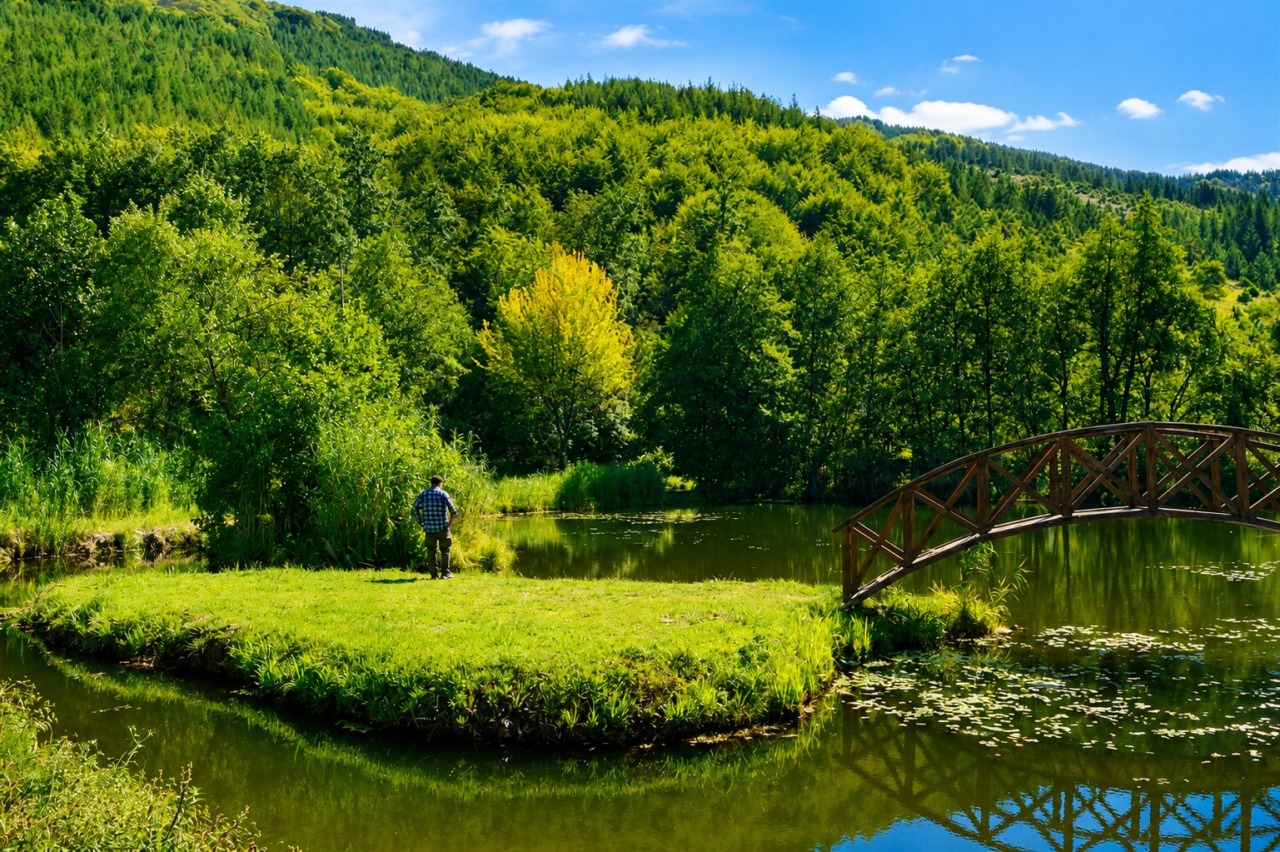
The lake is also remarkable for its shape and depth. Despite its modest size, it is considered one of the deepest natural lakes in Serbia. Its dark water, steep banks, and isolated setting contribute to the mysterious atmosphere that surrounds it.
Visitors typically come here to enjoy nature, photography, and the peaceful surroundings of Kopaonik. The lake is often included in road trips through the region alongside mountain villages, viewpoints, and hiking routes that reveal a quieter side of southwestern Serbia.
Kraljevac Lake: A Hidden Wetland Wonder
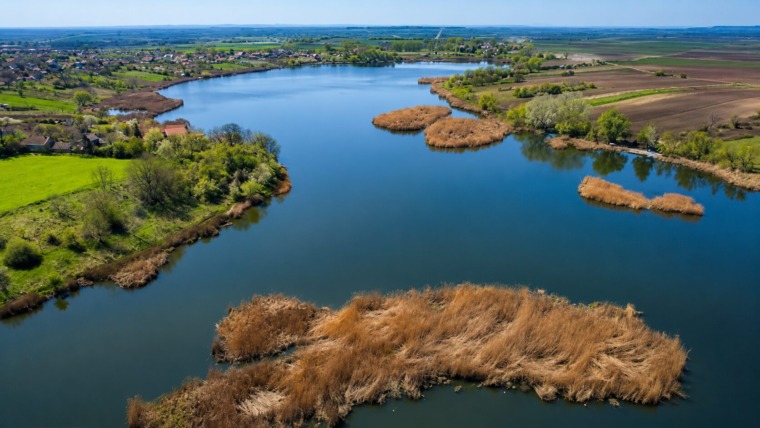
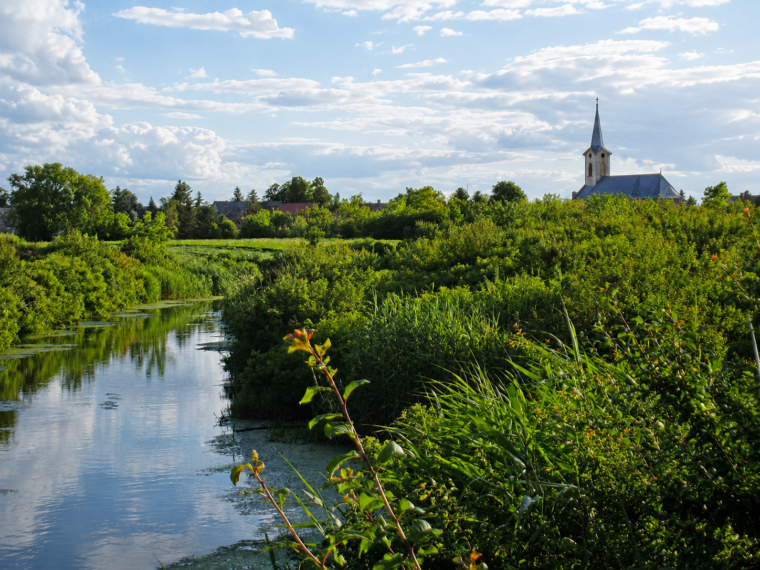
Less known than Vlasina and Semeteš, Kraljevac Lake offers a different perspective on the floating island phenomenon. Situated near the edge of the Deliblato Sands region, Kraljevac is part of a protected wetland area rich in birdlife and aquatic vegetation. Here, floating islands form from dense clusters of reeds and marsh plants that gradually detach and drift across sections of the lake.
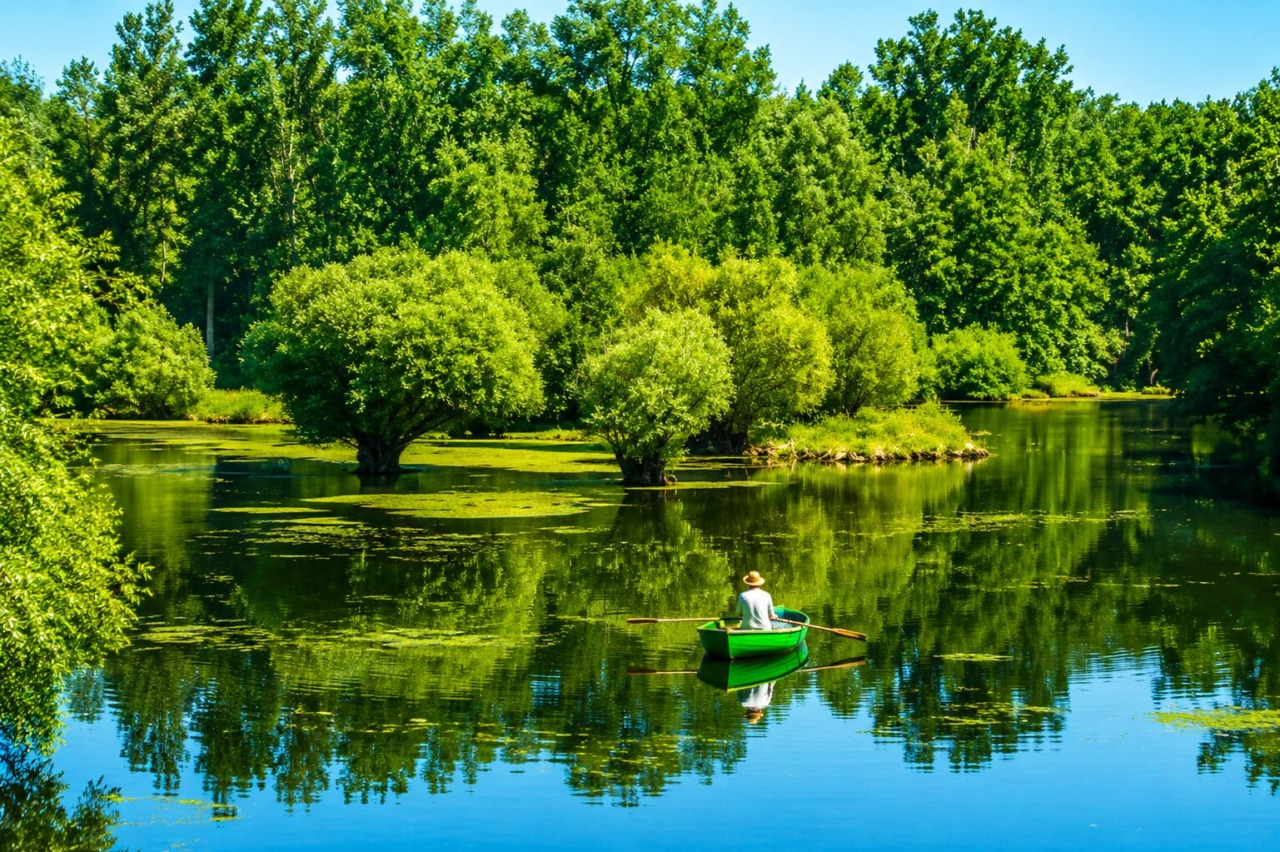
Unlike the dramatic peat islands of Vlasina, Kraljevac’s floating islands blend into a broader wetland ecosystem. Their movement contributes to a landscape that is constantly evolving, creating new habitats for birds, amphibians, and other wildlife.
The lake is particularly appealing to birdwatchers and nature lovers. The surrounding reserve is home to numerous species, while the peaceful atmosphere makes it one of the most underrated nature destinations in Serbia.
A Landscape That Never Stays the Same
Floating islands are among the rarest natural phenomena visitors can encounter in Serbia. Whether they appear as large drifting peat islands on Vlasina, mysterious vegetation mats on Semeteš, or moving reed formations at Kraljevac, they all share one remarkable characteristic: they transform the landscape continuously.
In a country known for mountains, rivers, monasteries, and gorges, these three lakes offer something entirely different – a reminder that nature is never truly still, and that some of Serbia’s most fascinating wonders are also among its least expected.
Plan your visit
Everything you need to plan your perfect trip.


Related Articles