
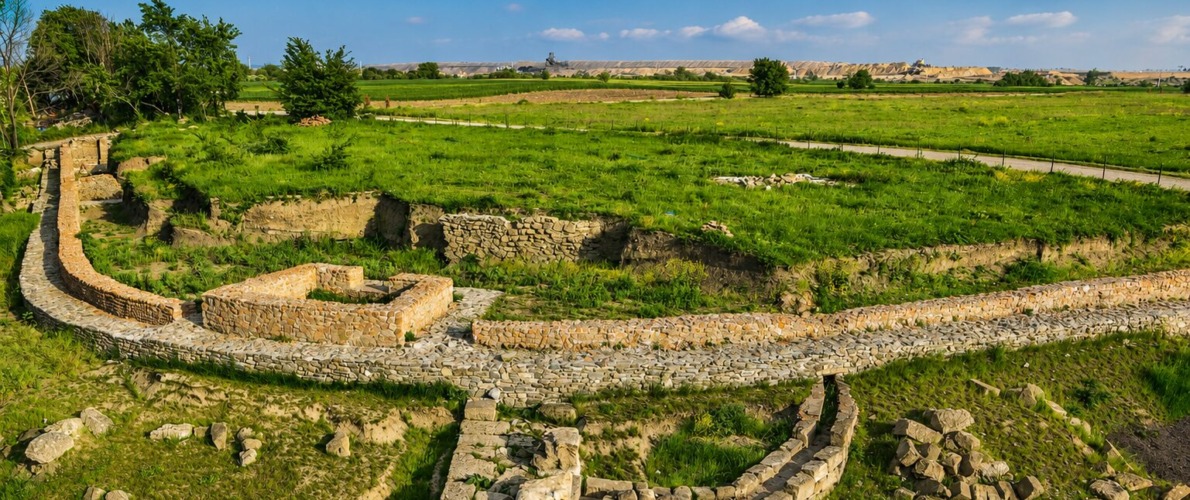
A place that feels more impressive once you understand what you’re actually looking at.
Some destinations impress instantly. Others take a little more time. Viminacium belongs to the second category.
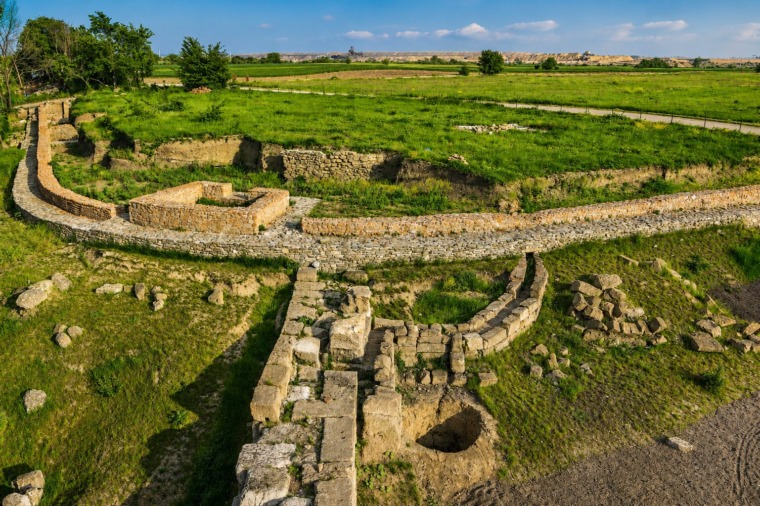
At first glance, it may not seem as visually dramatic as a fortress, canyon, or mountain viewpoint. There is no single “wow” image that immediately dominates social media. But beneath the surface lies one of the most fascinating historical sites in Serbia – once a major Roman city, military camp, and capital of an entire Roman province.
And the experience here depends greatly on one thing: how interested you are in history – and what you expect from a place like this.
What Viminacium actually is
Viminacium is not a traditional museum, nor a classic archaeological site where you simply walk around without much context.
Located near Požarevac, it is a large archaeological park that guides visitors through the remains of an ancient Roman city through organized tours and storytelling that bring the site to life.
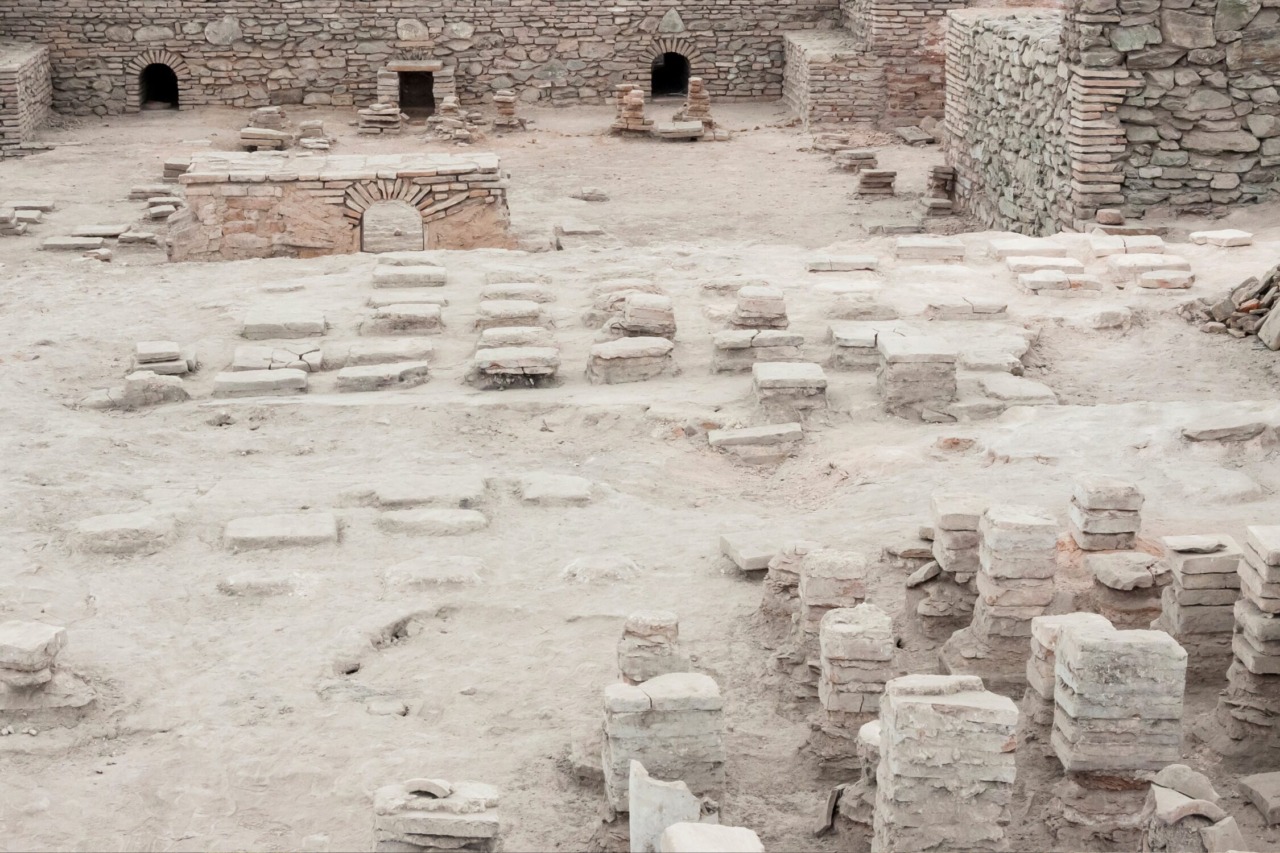
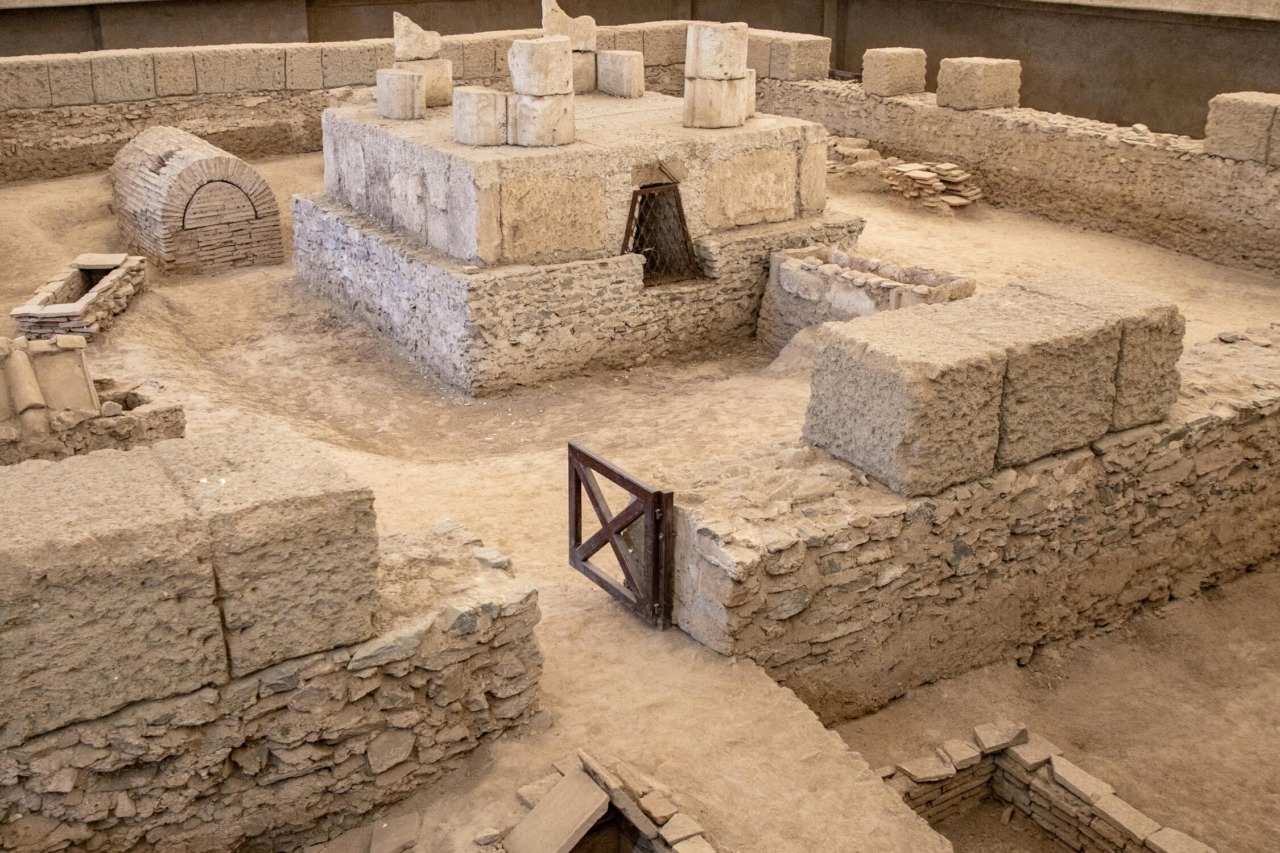
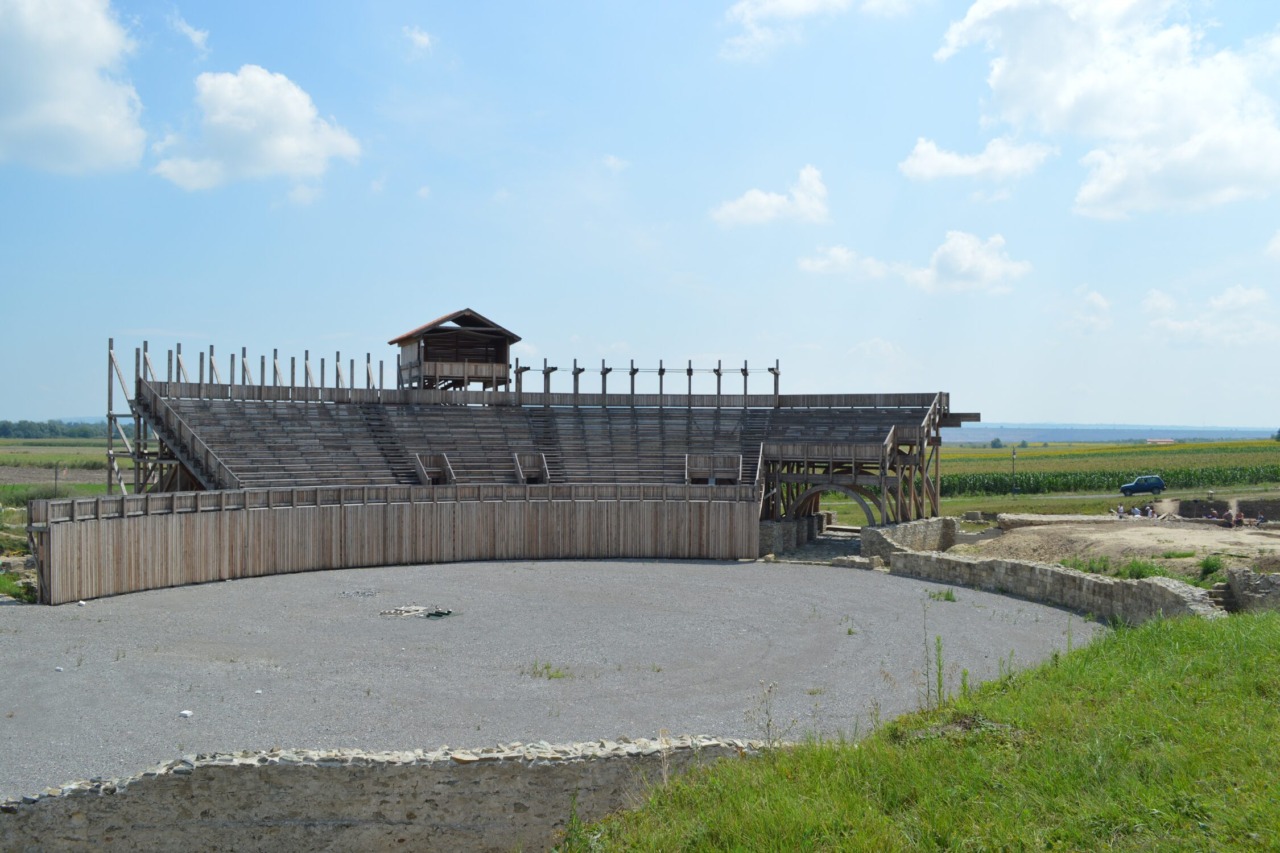
Today, it’s hard to imagine that this was once one of the most important Roman cities in the Balkans. Viminacium was not a small settlement or military outpost, but a true urban center with tens of thousands of inhabitants, streets, thermal baths, an amphitheater, and one of Rome’s major legions protecting the empire’s frontier.
At one point, more than 6,000 Roman soldiers were stationed here, and the city held a level of importance many travelers would never expect from a place they often only discover while planning a trip.
What works – and why people enjoy it
The greatest strength of Viminacium lies in the depth of the experience. Unlike destinations that are primarily visual, this one becomes more interesting the more you learn about it. Viminacium is not simply a place you “see” – it’s a place you gradually begin to understand.
Guided tours play a major role in helping visitors imagine what once stood here and why the city mattered during Roman times.
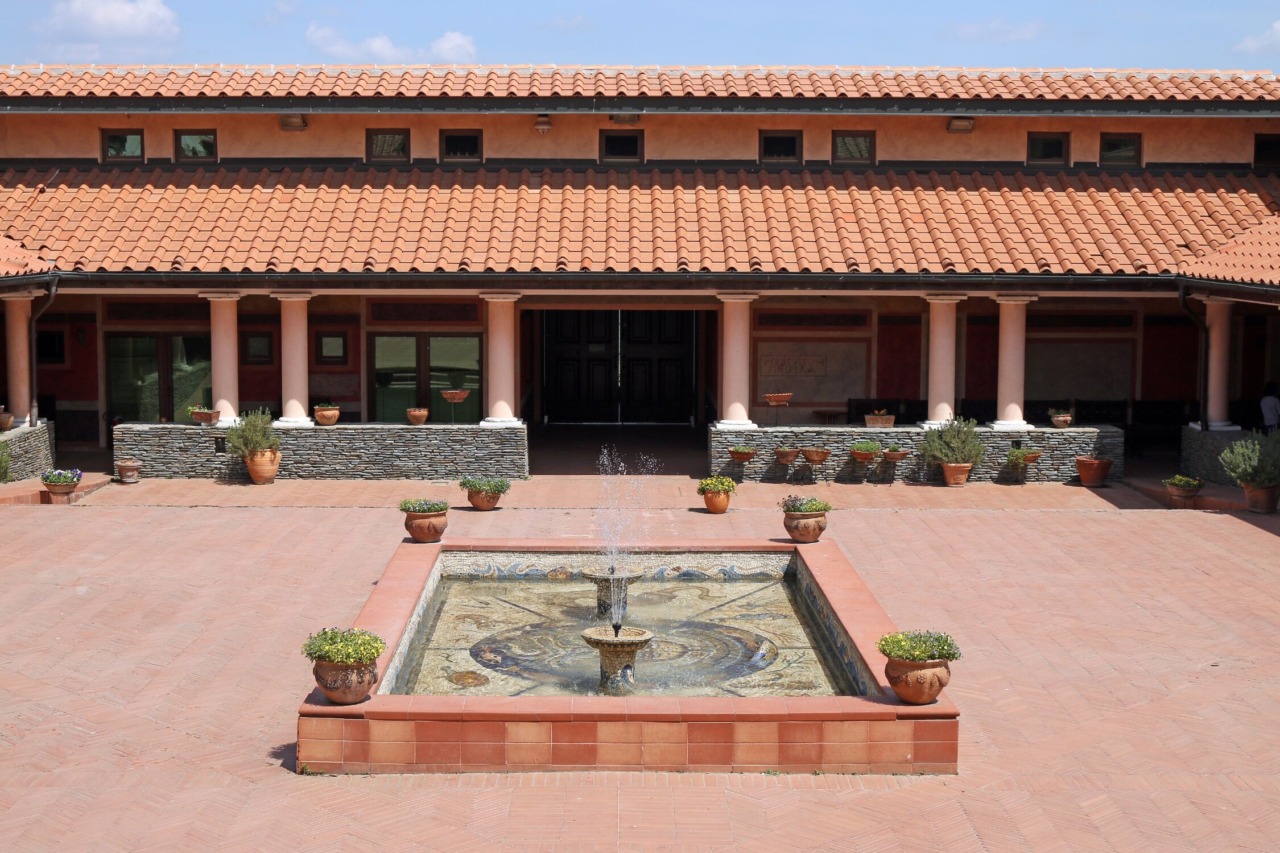
The underground tombs often leave one of the strongest impressions, especially with traces of frescoes and symbols from a period when the Roman world was changing dramatically, including some of the earliest signs of Christianity in the region. That feeling of descending underground and stepping into a space nearly two thousand years old stays with many visitors long after they leave.
And then there is perhaps the most unexpected part of the experience.
One of Viminacium’s biggest surprises has little to do with the Romans at all. During archaeological excavations, the remains of mammoths more than a million years old were discovered here, including the famous mammoth Vika – an almost completely preserved skeleton that became one of Serbia’s most important paleontological discoveries.
For many visitors, it is precisely this unusual combination of Roman history and an unexpected encounter with a mammoth that makes the visit especially memorable.
Where expectations and reality can differ
The biggest difference between expectations and reality usually comes down to pace. Visitors expecting dramatic ruins or visually overwhelming landmarks may find Viminacium quieter and more subtle than anticipated.
The experience here is less about spectacle and more about imagination – understanding layers of history and picturing what once existed in this place. Because much of the experience comes through explanation and context, travelers who prefer quick stops or places built around photography may not connect with it in the same way.
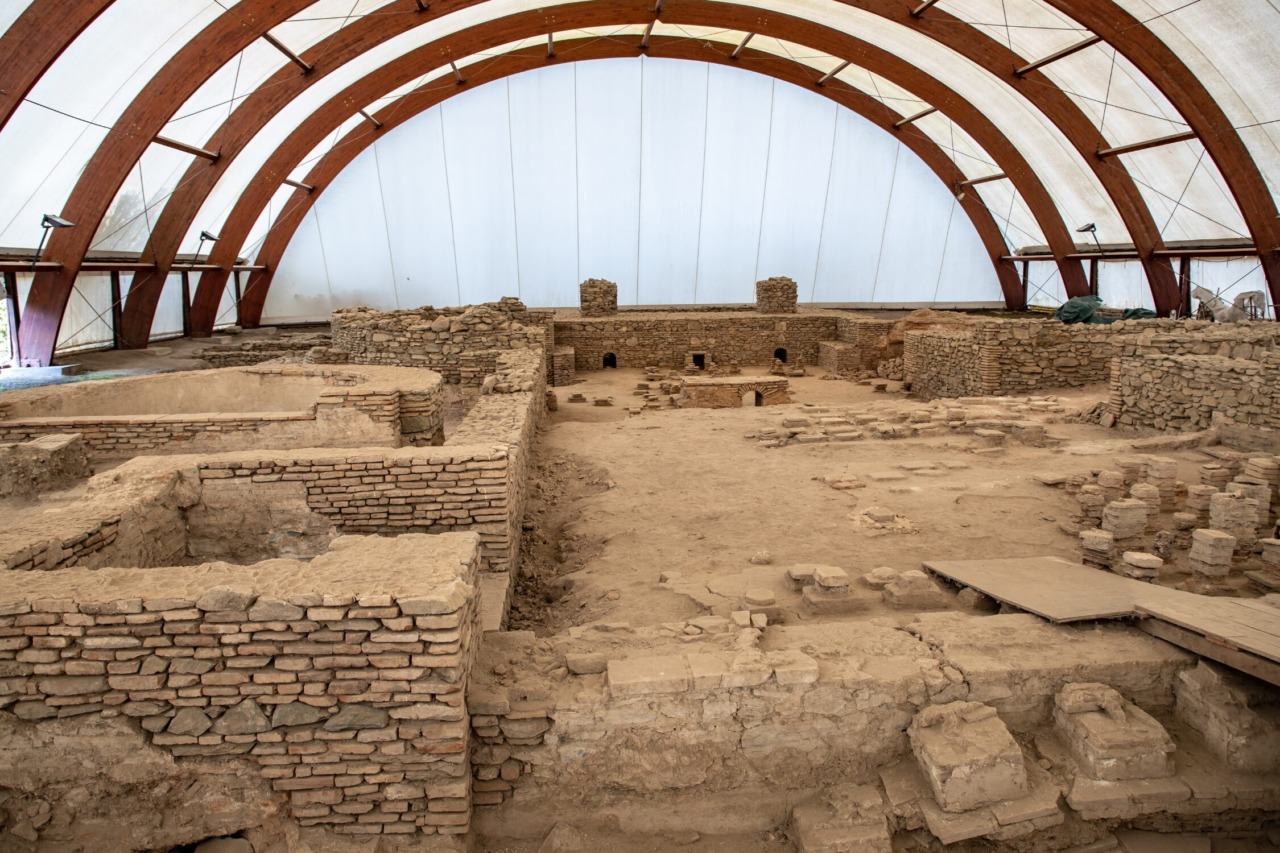
That said, even visitors who don’t normally plan trips around archaeological sites are often surprised by how different the experience feels from a traditional museum. Viminacium feels less like walking through exhibits and more like stepping into a story.
Who will genuinely enjoy it
Viminacium is especially rewarding for travelers interested in history, archaeology, the Roman Empire, and destinations that reward curiosity.
Families with older children, travelers who enjoy guided experiences, and people who like learning something new through travel usually get the most out of the visit.
It also fits naturally into a wider journey through eastern Serbia and the Danube region.
Who might want something different
Travelers looking for dramatic scenery, fast-paced experiences, or destinations centered around entertainment may find Viminacium slower than expected.
For some visitors – especially those with little interest in history – the experience may feel more educational than immersive.
How to experience it in the right context
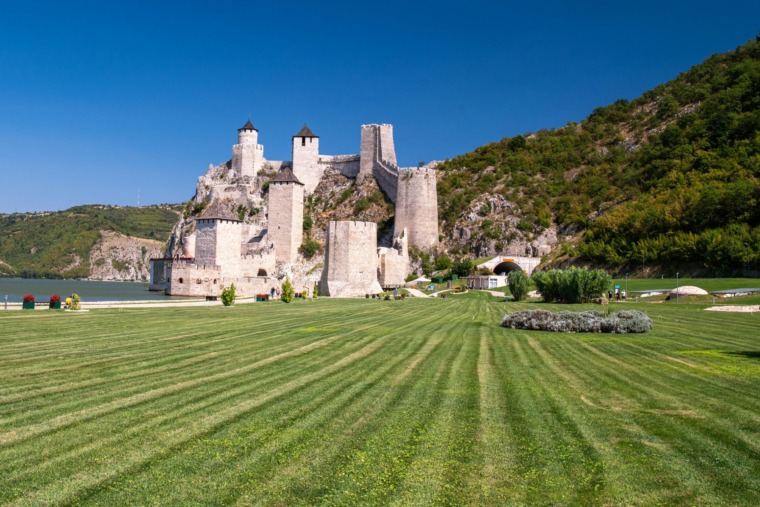
Viminacium works best as part of a broader eastern Serbia or Danube itinerary. Combined with Golubac Fortress, river landscapes, historical stops, or even a trip toward Silver Lake, it adds an entirely different layer to the journey.
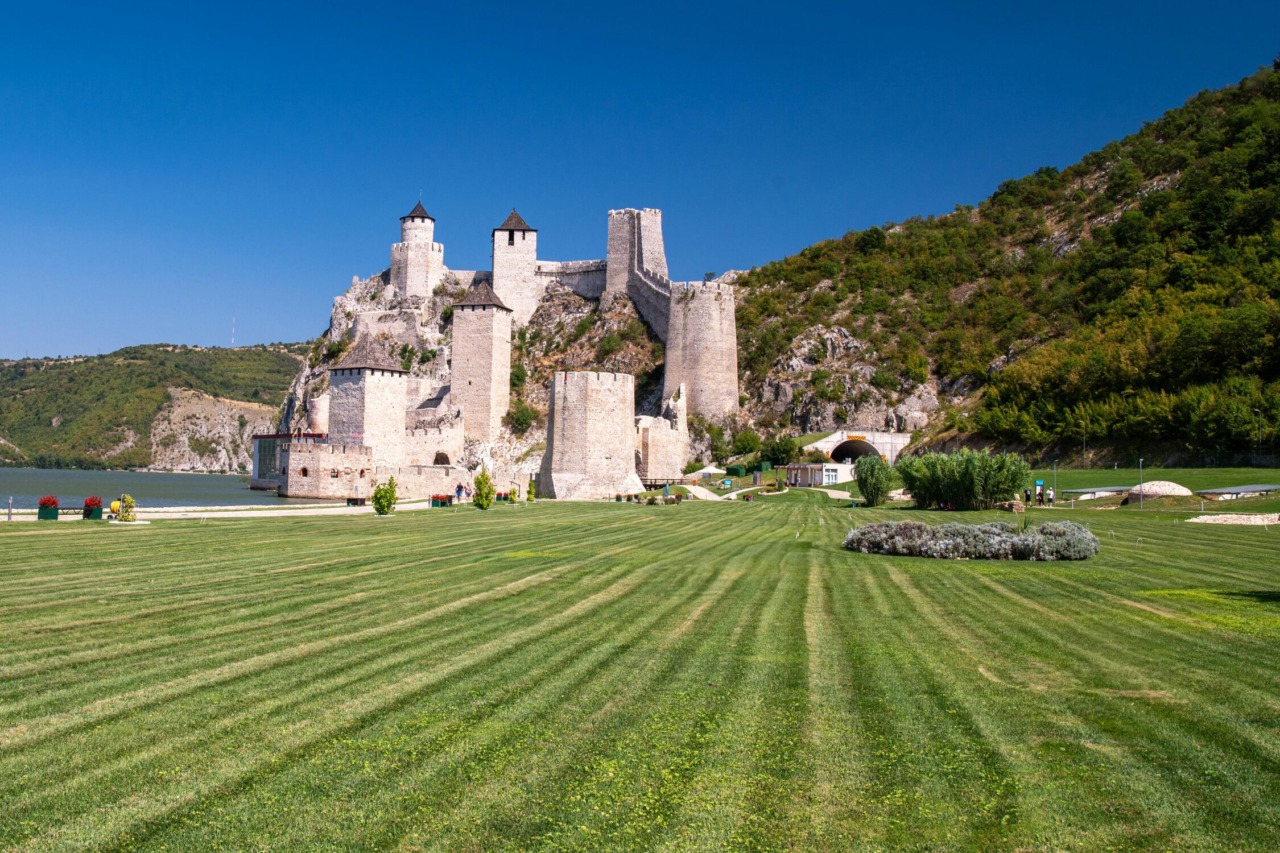
Seen this way, it becomes much more than a stop – it becomes context for understanding a part of Serbia many travelers overlook.
So, is it worth visiting?
Viminacium may not be Serbia’s most instantly dramatic destination. But for the right traveler, it can become one of the most rewarding.
Is it worth visiting?
Yes – especially if you enjoy history, storytelling, and places that slowly reveal themselves.
For travelers expecting instant visual impact or spectacular scenery, the experience may feel quieter than anticipated. But for those willing to slow down and imagine what once stood here, Viminacium has a way of staying in your memory much longer than expected.
Related Articles